
Temples and Sacred Spaces: The Domain of Andean Priests and Rituals

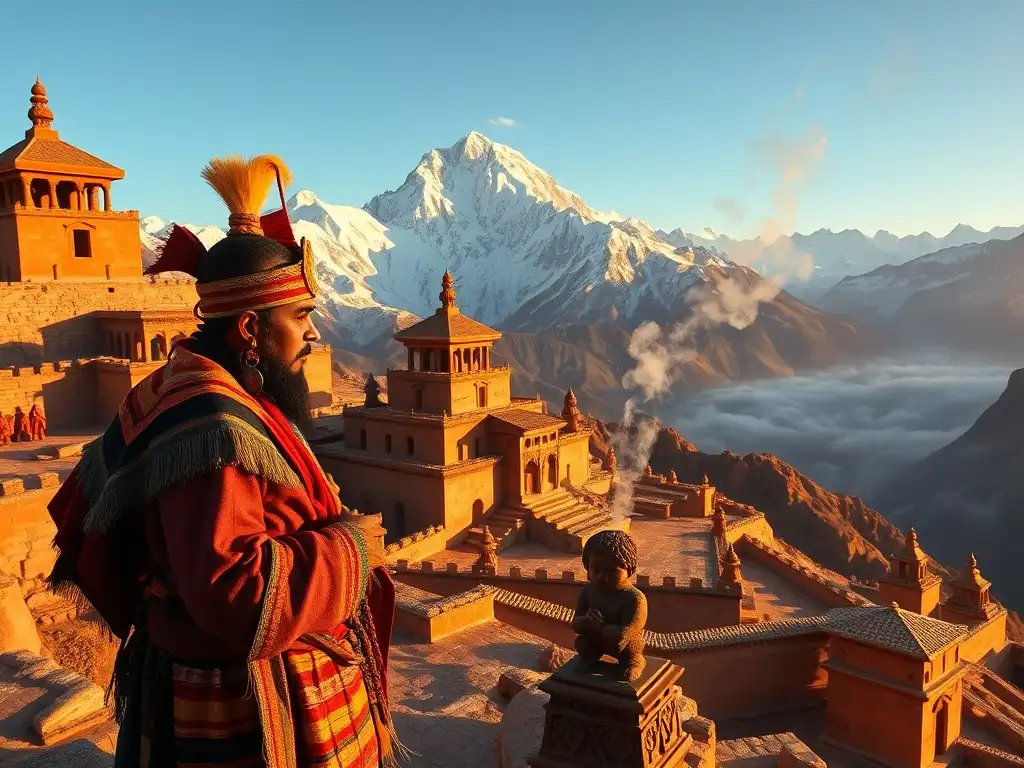
Unravel the mysteries of the Andes! Journey with us into a world of towering temples and celestial alignments, where the echoes of Andean temple rituals still resonate. Discover the intricate beliefs and practices of the ancient Andean civilizations – from the Incas to the Nazca – and uncover the secrets held within their sacred spaces. Prepare to be captivated by a lost world of vibrant culture and breathtaking artistry. Are you ready to explore the profound spiritual legacy of the Andes?
- Andean Temples and Sacred Sites: Centers of Ritual and Power
- The Role of Andean Priests in Temple Rituals
- Exploring Key Andean Temple Rituals
- Specific Examples of Andean Temples and Their Rituals
- The Legacy of Andean Temple Rituals
- Frequently Asked Questions
- Final Reflection: Echoes of the Andes: A Legacy of Ritual and Reverence
- Embrace the Spirit of the Andes: Take Action Today!
Andean Temples and Sacred Sites: Centers of Ritual and Power
Andean civilizations, renowned for their intricate social structures and advanced engineering, also possessed a deeply spiritual worldview. Their religious beliefs, practices, and cosmology were intricately woven into the fabric of daily life, profoundly shaping their societal organization and artistic expressions. This article delves into the fascinating world of Andean temples and sacred spaces, exploring their architectural significance, the rituals performed within them, and the crucial role of priests and shamans in mediating the relationship between the human and spiritual realms.
Understanding these sacred sites is key to unlocking a deeper understanding of Andean culture and its enduring legacy. We will examine the diverse forms these spaces took across different Andean cultures, from the monumental structures of the Inca to the more enigmatic sites of the Nazca and Moche.
This exploration will reveal how these temples were not merely buildings, but living, breathing centers of ritual and power, reflecting the complex beliefs and practices that defined Andean life. The keyword "Andean temple rituals" will be explored in detail, revealing the intricacies of these ceremonies and their importance in maintaining social order and cosmic balance.
The Significance of Sacred Spaces in Andean Culture
The Andean worldview was deeply interconnected with the natural environment. Mountains, rivers, and celestial bodies were all imbued with spiritual significance, representing powerful deities and ancestral spirits. Temples and sacred spaces served as focal points for connecting with these forces, acting as intermediaries between the human and divine realms. These spaces were not simply places of worship; they were integral to the social, political, and economic life of Andean communities.
For example, the Inca's huacas, sacred objects or places, could be anything from mountains and springs to rocks and caves. These huacas were venerated and incorporated into the landscape, influencing the planning and construction of settlements and agricultural practices. The rituals performed within these sacred spaces reinforced social hierarchies, legitimized political power, and ensured the fertility of the land and the well-being of the community. The meticulous attention to detail in their construction, the symbolic use of materials, and the elaborate rituals performed within them all point to the profound importance attributed to these sites.
The careful placement of temples often mirrored the cosmology of the specific culture, reflecting their understanding of the universe and their place within it. Archaeological evidence suggests that many temples were oriented towards specific celestial events, further highlighting the strong connection between Andean religion and astronomy. This intricate relationship between the cosmos, the landscape, and the sacred spaces built within it is a testament to the sophisticated spiritual understanding of these ancient civilizations.
Defining Andean Temple Architecture: A Look at Construction and Design
Andean temple architecture varied significantly across different cultures and time periods. However, several common features and design principles can be identified. Many temples were constructed using locally sourced materials, such as stone, adobe brick, and wood. The Inca, known for their mastery of stonework, created impressive structures using precisely cut and fitted stones, demonstrating remarkable engineering skills. The precise fitting of these stones, often without mortar, is a testament to their advanced knowledge of construction techniques.
In contrast, other cultures, such as the Moche, employed adobe bricks extensively in their temple construction. The design and layout of Andean temples often reflected the specific religious beliefs and practices of the culture. Many temples featured intricate carvings, murals, and other decorative elements that depicted deities, mythical creatures, and scenes from religious narratives. These visual representations served as powerful tools for communicating religious beliefs and reinforcing social hierarchies. The internal layout of temples often included specialized chambers and platforms for conducting rituals, storing sacred objects, and accommodating priests and other religious personnel.
The size and complexity of the structures varied considerably, reflecting the power and resources of the ruling elite. Monumental temples, such as those found at Machu Picchu and Tiahuanaco, served as powerful symbols of political authority and religious legitimacy. The construction of these sites required significant labor and resources, demonstrating the importance of religion in the organization and mobilization of Andean societies. Further research is needed to fully understand the subtle differences in architectural styles across various Andean cultures and their relationship to specific religious practices. [Specific information pending on the use of specific materials in different Andean temple constructions]
The Role of Andean Priests in Temple Rituals
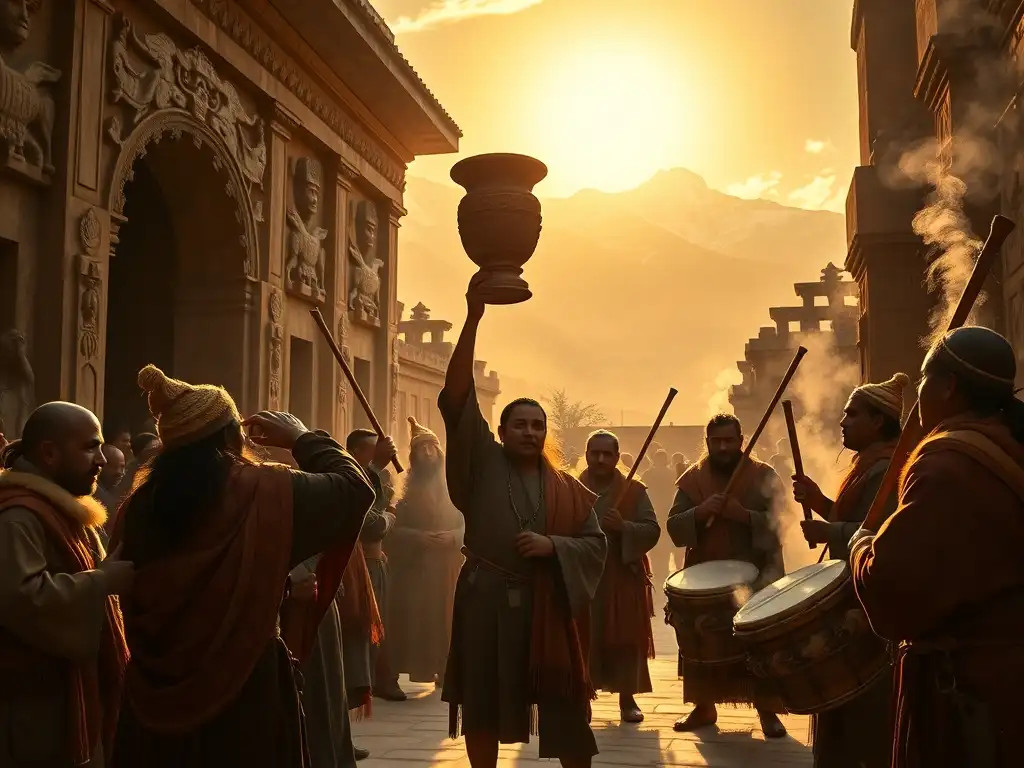
Andean temple rituals were complex and multifaceted, deeply interwoven with the fabric of daily life and cosmological beliefs. At the heart of these rituals were the Andean priests, individuals entrusted with maintaining the delicate balance between the human and spiritual realms. Their influence extended far beyond the confines of the temples themselves, shaping social structures, agricultural practices, and even warfare. Understanding their role is crucial to comprehending the sophisticated religious systems of Andean civilizations.
The sheer diversity of rituals, from elaborate ceremonies honoring the sun god Inti to smaller, more localized rituals focused on agricultural fertility, demanded a specialized priesthood with distinct roles and responsibilities. The effectiveness of these rituals was believed to be directly tied to the priests' ability to accurately interpret omens, communicate with deities, and maintain the sacred order. This section delves into the pivotal role of these religious leaders in the Andean world.
Andean Priests: Guardians of Tradition and Ceremony
Andean priests, often referred to by terms like yachaq (Quechua for "wise one" or "knowledgeable one") or camayoq (Quechua for "one who serves" or "one who takes care of"), weren't simply religious functionaries. They were custodians of a vast body of knowledge, encompassing astronomy, medicine, agriculture, and social law. Their expertise informed virtually every aspect of life within their communities. Their primary responsibility was to perform and oversee rituals designed to ensure the well-being of their people and maintain harmony with the cosmos.
This included conducting ceremonies to appease the gods, predict harvests, cure illnesses, and guide the community through times of crisis. They acted as intermediaries between the human world and the supernatural, interpreting divine will through divination techniques like interpreting coca leaves or observing celestial events. The priests' authority stemmed from their perceived connection to the divine and their mastery of sacred knowledge, which was often passed down through generations within specific lineages.
Their deep understanding of the Andean worldview enabled them to effectively mediate between the community and the spiritual forces they believed governed their lives. They were, in essence, the keepers of Andean cultural memory and spiritual practices. The weight of this responsibility was immense, shaping their social standing and influence within the community.
Types of Andean Priests and Their Specific Roles
The Andean priesthood wasn't a monolithic entity. Evidence suggests a hierarchical structure, with specialized roles catering to the diverse needs of the society. While precise details vary across different Andean cultures (Inca, Moche, Nazca, etc. ), some common roles emerge. For example, some priests specialized in astronomy and calendar-keeping, crucial for determining auspicious times for planting and harvesting. Others focused on healing, utilizing herbal remedies and ritual practices to cure illnesses. Still others dedicated themselves to interpreting dreams and omens, advising leaders on crucial decisions.
| Priest Type | Primary Role | Associated Deity/Power | Ritual Examples |
|---|---|---|---|
| Sun Priest ( Inti-Willaq) | Worship of the Sun God Inti | Inti, the Sun God | Inti Raymi (Sun Festival), daily sun offerings |
| Shaman ( Yachaq) | Healing, divination, communication with spirits | Pachamama, Apus, various spirits | Rituals involving coca leaves, herbal remedies, spirit journeys |
| Agricultural Priest | Ensuring agricultural fertility | Pachamama (Earth Mother) | Ceremonies related to planting, harvesting, and land fertility |
Further research is needed to fully delineate the specific roles and hierarchies within each Andean culture. The existing archaeological and textual evidence offers glimpses into their functions, but a complete picture requires more investigation. For instance, [specific information pending] regarding the precise roles of women within the Andean priesthood.
The Training and Initiation of Andean Religious Leaders
Becoming an Andean priest wasn't a casual undertaking. It involved rigorous training and initiation rites, often spanning years, if not decades. The process typically began in early childhood, with selected individuals undergoing a period of intense study and apprenticeship under experienced priests. This involved memorizing complex religious texts, learning intricate ritual procedures, mastering divination techniques, and acquiring a deep understanding of Andean cosmology.
The training emphasized not only intellectual prowess but also moral integrity and spiritual discipline. Aspiring priests were expected to lead exemplary lives, embodying the values and principles of their faith. Initiation ceremonies often involved symbolic acts signifying the transition from the profane to the sacred world. These rituals could include fasting, seclusion, physical ordeals, and symbolic purification rites.
The process was designed to test the candidates' commitment and prepare them for the immense responsibility of their future roles. The successful completion of this arduous training marked their acceptance into the priesthood and conferred upon them the authority to perform sacred rituals and guide their communities. The specific details of these training and initiation processes, however, varied significantly between different Andean cultures and regions, and much remains unknown. Further research into this aspect of Andean religion is crucial to a fuller understanding of their complex religious systems.
Exploring Key Andean Temple Rituals
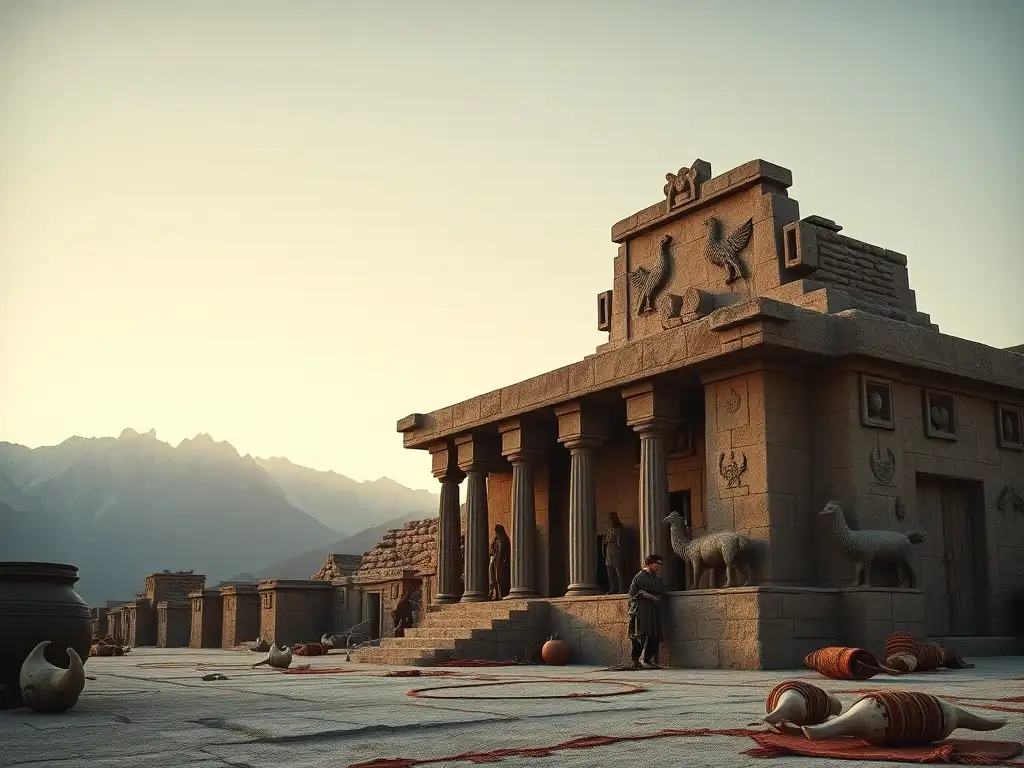
This section delves into the fascinating world of Andean temple rituals, exploring the multifaceted practices that defined the religious landscape of these ancient societies. We will examine the significance of offerings, the often-complex rituals of sacrifice, and the crucial role of cleansing and purification in maintaining sacred spaces. Understanding these rituals provides crucial insight into the Andean worldview and the power wielded by their priests and shamans.
The intricate relationship between the physical temple and the spiritual realm will be a central focus, highlighting the importance of these sites as conduits between the human and divine worlds. The term "Andean temple rituals" itself encompasses a vast array of practices, varying significantly across different cultures and time periods. This analysis aims to provide a broad overview while acknowledging this inherent diversity.
The Importance of Offerings in Andean Sacred Practices
Offerings formed a cornerstone of Andean temple rituals. These weren't merely gestures of appeasement; they were integral acts of communication with the supernatural world, fostering a reciprocal relationship between humans and deities. The tipo, a specific type of offering, often consisted of carefully selected items, reflecting the desired outcome or the nature of the deity being addressed. These could include anything from agricultural products like coca leaves and maize – representing abundance and fertility – to precious metals, textiles, and even human sacrifices (a practice explored in more detail below).
The placement of offerings within the temple itself was also significant, often dictated by specific ritual protocols and the layout of the sacred space. Archaeological evidence consistently reveals caches of offerings buried within temple foundations, walls, or within specially designated areas. For example, excavations at the Moche site of Huaca del Sol and Huaca de la Luna have uncovered elaborate offerings of gold, silver, ceramics, and human remains, demonstrating the scale and importance of these practices.
The meticulous preparation and presentation of offerings underscore the profound respect and reverence shown towards the divine. The act of offering itself was believed to strengthen the bond between humans and the supernatural, ensuring continued prosperity and protection. Analyzing the types and quantities of offerings found in different contexts provides invaluable insights into the beliefs and practices of specific Andean cultures and their changing relationship with their environment.
Sacrifice Rituals in Andean Temples: A Deep Dive
Sacrifice, a complex and often misunderstood aspect of Andean religion, played a crucial role in temple rituals. While often associated with human sacrifice, which undeniably occurred in some Andean societies, animal sacrifices were far more common. Llamas, alpacas, and guinea pigs were frequently offered, their blood and flesh believed to possess potent spiritual properties. The significance of sacrifice transcended mere appeasement; it was a powerful act of renewal and regeneration, strengthening the connection between the human and divine realms.
The location of sacrifice within the temple complex was carefully chosen, often in areas associated with specific deities or cosmological concepts. The ritual itself was meticulously choreographed, involving specific prayers, chants, and symbolic gestures. The precise details of these rituals varied considerably depending on the culture and specific context, but all shared a common thread: the belief that the sacrifice's essence would ascend to the divine, bridging the gap between the earthly and spiritual worlds. The analysis of sacrificial remains, particularly the careful arrangement of bones and associated artifacts, provides crucial information about the beliefs and practices surrounding sacrifice.
Further research is needed to fully understand the nuanced variations in sacrificial practices across different Andean cultures and time periods. For example, [specific information pending] regarding the symbolic significance of specific animal sacrifices in the context of different Andean societies. The role of human sacrifice, while less frequent than animal sacrifice, remains a topic of intense debate and ongoing research.
Ritual Cleansing and Purification in Andean Sacred Spaces
Ritual cleansing and purification were integral to maintaining the sanctity of Andean temples and ensuring the effectiveness of rituals performed within them. These practices aimed to remove impurities, both physical and spiritual, from individuals and the sacred space itself. Water, considered a powerful purifying element, played a central role in these rituals. Inca priests, for example, would use ritual baths and sprinklings to purify themselves and the temple before ceremonies.
Other purifying agents included incense, coca leaves, and specific herbs, each believed to possess unique purifying properties. The process of cleansing was not merely a physical act; it was a spiritual one, preparing participants for communion with the divine. The meticulous nature of these purification rituals highlights the importance placed on maintaining a state of ritual purity within the sacred space. The careful removal of impurities was believed to enhance the effectiveness of prayers and offerings, strengthening the connection between the human and spiritual realms.
Further research could illuminate the specific techniques and materials employed in different Andean cultures for ritual cleansing, providing a deeper understanding of their beliefs and practices related to purity and sanctity. The significance of these purification rituals underscores the profound connection between the physical and spiritual worlds in the Andean worldview. The maintenance of purity was not simply a hygienic practice, but a crucial element in fostering a harmonious relationship between humanity and the cosmos.
Andean Temple Ceremonies: The Role of Music and Dance
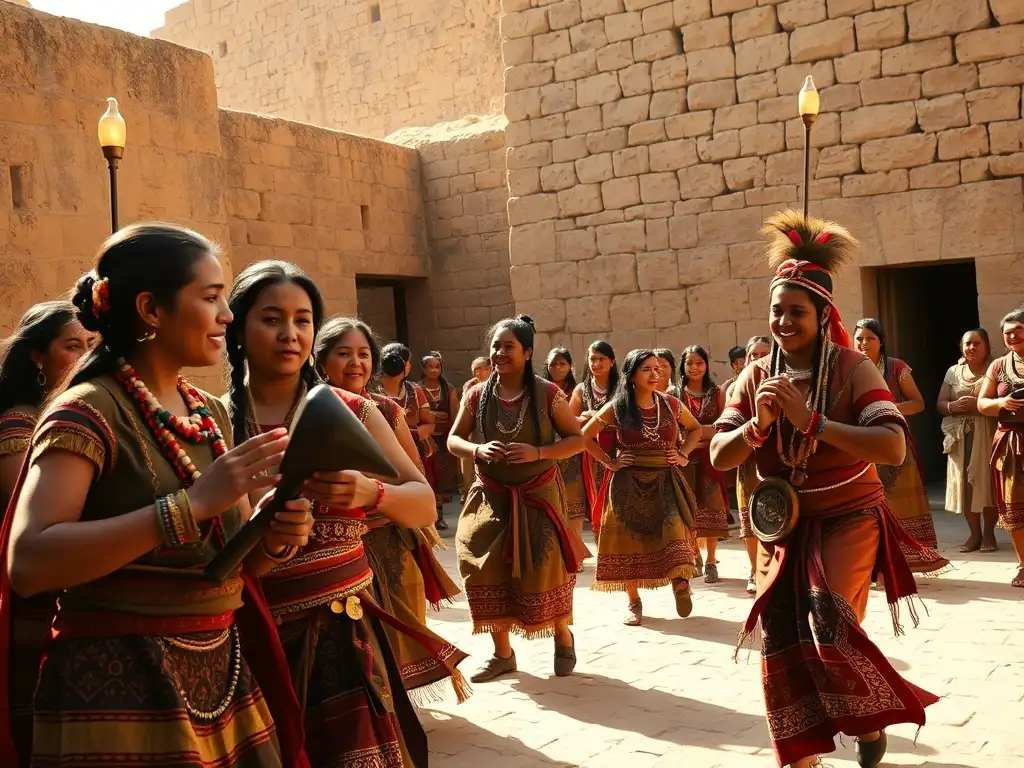
Andean temple ceremonies were vibrant affairs, far from silent and somber rituals. Music and dance played a crucial role, acting as conduits between the earthly and spiritual realms. The rhythmic beating of drums, the haunting melodies of panpipes, and the intricate steps of ceremonial dances were believed to influence the gods and appease the spirits. These performances weren't merely entertainment; they were integral parts of the rituals, shaping their effectiveness and impact.
The types of instruments used varied across different Andean cultures. The pututu, a long shell trumpet, was particularly significant in Incan ceremonies, its powerful sound echoing across valleys and mountains, believed to summon deities or announce important events. Other instruments, such as the antara (panpipes) and various types of drums, each had specific roles and symbolic meanings within the complex rituals.
Dance, too, held profound meaning. Elaborate costumes, often adorned with feathers, precious metals, and intricate textiles, visually represented the power and prestige of the performers and the deities they invoked. The dancers' movements, often mimicking the actions of animals or natural phenomena, were carefully choreographed to represent specific narratives or invoke particular energies.
The precision and skill displayed were a testament to the rigorous training and dedication of the dancers, underscoring the sacred nature of their performance. Archaeological evidence, such as depictions on pottery and textiles, offers valuable insights into the styles and significance of these dances, although the exact meaning of many movements remains a subject of ongoing research and interpretation. The combination of music and dance created a powerful atmosphere, facilitating communication with the spiritual world and enhancing the overall effectiveness of the temple rituals.
The Significance of Agricultural Rituals in Andean Temples
Agriculture was the lifeblood of Andean civilizations, and its success was intrinsically linked to the favor of the gods. Therefore, agricultural rituals formed a cornerstone of Andean temple ceremonies, aiming to ensure bountiful harvests and the prosperity of the communities. These rituals weren't simply prayers for rain; they were complex performances involving offerings, sacrifices, and symbolic enactments reflecting the intricate relationship between humans and the natural world.
The timing of these rituals was crucial, often coinciding with key agricultural cycles – planting, harvesting, and the solstices. For instance, the Incas held elaborate ceremonies during the Capacocha, a festival celebrating the harvest and the sun god Inti. These ceremonies involved processions, offerings of coca leaves and chicha (a fermented corn beverage), and sometimes even human sacrifices, intended to appease the gods and guarantee the fertility of the land. Similar rituals were practiced by other Andean cultures, though with variations in their specifics.
The offerings themselves were carefully selected, often including agricultural products like maize, potatoes, and coca leaves, alongside other precious items. These offerings were seen as a form of exchange with the deities, ensuring the continued support of the gods and the prosperity of the community. The location of the offerings within the temple complex also held symbolic significance, with certain areas designated for specific types of offerings or deities.
The careful planning and execution of these agricultural rituals demonstrate the deep-seated belief in the interconnectedness between the spiritual and material worlds, highlighting the profound importance of agriculture in Andean society and its central role within the temple rituals. The success of the harvest was not merely a matter of human effort; it was seen as a divine gift, secured through careful adherence to ritual practices.
Specific Examples of Andean Temples and Their Rituals
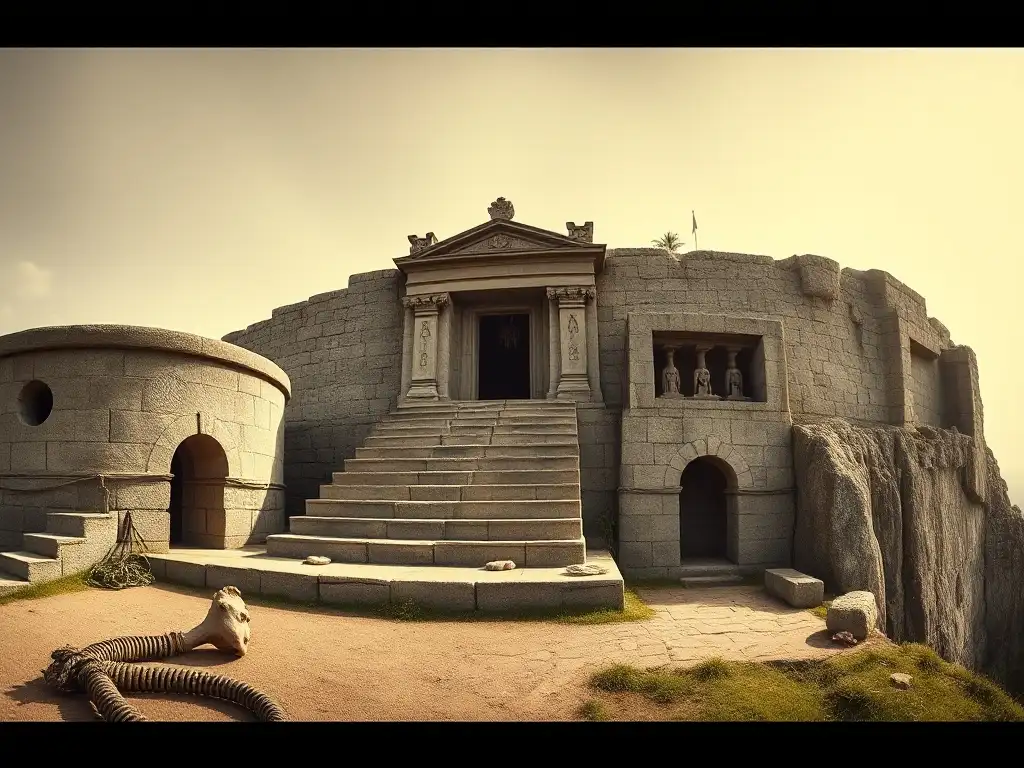
This section delves into the specifics of Andean temple rituals, examining prominent examples across different cultures and time periods. Understanding these rituals provides crucial insight into the complex religious beliefs and practices of Andean civilizations. We will explore the unique characteristics of each site and the evidence suggesting the types of ceremonies performed within their sacred walls.
The diversity of rituals reflects the rich tapestry of Andean spiritual life, highlighting the intricate relationship between the people and their perceived divine world. Analyzing these examples allows us to better understand the significance of Andean temple rituals in shaping societal structures and worldview.
Chavín de Huántar: Rituals and Significance
Chavín de Huántar, a pre-Inca archaeological site in the Andes of Peru, stands as a testament to the sophisticated religious practices of the Chavín culture (c. 900 – 200 BCE). The site's complex architecture, featuring intricate carvings and underground passages, suggests a deeply symbolic and ritualistic purpose. Evidence points towards the use of the temple complex for shamanistic practices.
The central Lanzón monolith, a towering, sculpted stone, likely served as a focal point for rituals. Its intricate carvings, depicting feline and serpent motifs, symbolize powerful deities within the Chavín pantheon. Archaeological findings suggest the use of hallucinogenic substances, such as San Pedro cactus, during ceremonies. These substances, believed to facilitate communication with the spirit world, were likely integral to the rituals performed within the temple.
The labyrinthine structure of the temple itself may have been designed to manipulate the sensory experiences of participants, enhancing the perceived connection to the supernatural. The carefully orchestrated acoustics and limited light within the temple likely played a role in creating a powerful and awe-inspiring atmosphere conducive to ritualistic trance states.
Further research is needed to fully understand the specific rituals performed at Chavín de Huántar, but the available evidence strongly suggests a complex interplay of architecture, symbolism, and altered states of consciousness. The site's enduring legacy highlights the crucial role of Andean temple rituals in shaping early Andean religious beliefs.
Coricancha: Rituals and Significance
Coricancha, or the Temple of the Sun, located in Cusco, Peru, was the most important religious center of the Inca Empire. Its significance is underscored by its central location within the Inca capital and its opulent construction, using gold and other precious materials. While much of the original structure was destroyed following the Spanish conquest, archaeological evidence and historical accounts provide valuable insights into the rituals performed within its walls.
The primary deity worshipped at Coricancha was Inti, the sun god, considered the supreme being within the Inca pantheon. Daily rituals centered around the worship of Inti, involving offerings of food, drink, and precious metals. These offerings were seen as a way to appease the sun god and ensure the continued prosperity of the empire. Elaborate ceremonies were also performed during solstices and equinoxes, marking significant points in the agricultural cycle.
Priests, known as willaq uma, played a central role in these rituals. They were responsible for interpreting the will of the gods, conducting ceremonies, and maintaining the sacred objects within the temple. Their knowledge of astronomy and agricultural cycles was crucial in determining the timing and nature of these rituals.
The Coricancha was not merely a temple; it was the heart of the Inca religious system, and the rituals performed there served to reinforce the Inca's power and legitimacy. The meticulous organization and execution of these rituals reflect the highly structured nature of Inca society and their deep reverence for the natural world and its deities.
Machu Picchu: Rituals and Significance
Machu Picchu, the iconic "Lost City of the Incas," while not strictly a temple in the same sense as Coricancha, served a significant religious function. Its location high in the Andes, amidst breathtaking scenery, suggests a deliberate choice to create a sacred space connected to the mountain deities and the celestial realm. The careful planning and construction of the site, with its precise astronomical alignments and intricate water management systems, point towards a deep understanding of the cosmos and its influence on human life.
While specific rituals performed at Machu Picchu are difficult to definitively reconstruct due to limited surviving written records, the site's architecture offers clues. The presence of several structures, including the Intihuatana stone (sun dial) and various shrines, suggests the performance of solar observations and related ceremonies. These observations were likely crucial in determining agricultural cycles and predicting important events.
The site's secluded location, coupled with its intricate architecture and stunning setting, likely created an atmosphere conducive to ritualistic practices. It's possible that Machu Picchu served as a place for elite Inca priests and rulers to connect with the spiritual world and perform ceremonies aimed at ensuring the prosperity and well-being of the empire.
Although the exact nature of these rituals remains partially elusive, the grandeur of Machu Picchu and its strategic placement underscore its undeniable significance as a sacred Andean space where rituals connected the Inca to the cosmos. Further research and analysis of the site's architecture and archaeological finds continue to shed light on the religious practices conducted within its sacred walls.
The Legacy of Andean Temple Rituals
The enduring legacy of Andean temple rituals is deeply woven into the fabric of modern Andean cultures. While the grand temples of the Inca, Moche, and other civilizations may be ruins, the spiritual practices and beliefs they housed continue to resonate in contemporary Andean life. Understanding this continuity requires examining the subtle yet persistent influence of ancient rituals on modern Andean practices, the ongoing efforts to conserve and study these sacred sites, and the enduring power these rituals hold in shaping Andean identity and worldview.
The very air in these sacred spaces seems to hum with the echoes of past ceremonies, a testament to the power of tradition and the enduring spirit of the Andes. This section delves into these facets, offering a glimpse into the living legacy of Andean temple rituals.
The Influence of Ancient Rituals on Modern Andean Practices
Many contemporary Andean practices retain echoes of ancient temple rituals. For instance, the Pachamama offerings – gifts to Mother Earth – are a direct descendant of ancient agricultural rituals performed in temples and sacred spaces. These offerings, often involving coca leaves, food, and alcohol, are not merely symbolic gestures but active engagements with the spiritual world, mirroring the centrality of such practices in ancient Andean religion.
Similarly, the vibrant textiles and intricate designs found in modern Andean weavings often incorporate motifs and symbols directly derived from ancient temple iconography, suggesting a continuous thread of artistic and spiritual expression. The use of specific musical instruments, like panpipes and drums, during modern ceremonies also reflects ancient ritualistic musical practices. These instruments were not merely entertainment; they were integral components of temple ceremonies, used to connect with the divine and influence the natural world.
The continuity of these practices highlights the remarkable resilience of Andean culture and its deep connection to its ancestral past. Even modern celebrations, such as festivals honoring various deities, incorporate elements traceable to ancient temple rituals, demonstrating the enduring influence of these practices on daily life.
The Conservation and Study of Andean Sacred Sites
The conservation and study of Andean sacred sites are crucial for understanding the intricacies of ancient temple rituals. Archaeological excavations at sites like Machu Picchu and Chavín de Huántar continuously reveal new insights into the complexity of these rituals, providing valuable data on the materials used, the social structures involved, and the cosmological beliefs underpinning them. Careful documentation of these sites, including the preservation of architectural details and artifacts, is essential for future generations to appreciate and learn from the rich history of Andean spirituality.
Moreover, the collaboration between archaeologists, anthropologists, and local communities is paramount in ensuring that the preservation efforts are respectful of the cultural significance of these sites. This collaborative approach is vital, recognizing the sites as not just archaeological relics but living cultural landscapes deeply connected to the spiritual lives of contemporary Andean communities.
The ongoing research and conservation efforts are not simply academic exercises; they are vital for safeguarding a crucial part of humanity's cultural heritage, ensuring that the stories and knowledge embedded within these sacred spaces continue to inform and inspire. The meticulous study and preservation of these sites allows for a deeper understanding of the "Andean temple rituals" and their lasting significance.
Understanding the Enduring Power of Andean Temple Rituals
The enduring power of Andean temple rituals lies in their ability to connect individuals to a profound sense of place, community, and the spiritual realm. These rituals weren't merely isolated events; they were integral parts of a complex system of beliefs that shaped social structures, agricultural practices, and the daily lives of Andean people. The rituals' focus on the interconnectedness of the human and natural worlds, emphasized through offerings and ceremonies aimed at ensuring bountiful harvests and maintaining ecological balance, provides a powerful framework for understanding the Andean worldview.
The enduring influence of these rituals highlights their adaptability and resilience. They have survived centuries of colonization and societal change, adapting and evolving while retaining their core spiritual essence. This adaptability allows them to continue speaking to the spiritual needs of contemporary Andean communities, demonstrating the enduring power of ritual in shaping individual and collective identities.
The study of these rituals offers a valuable lens through which to appreciate the richness and complexity of Andean culture, its deep connection to its ancestral past, and its continued relevance in the modern world. Understanding this enduring power allows us to appreciate the depth and complexity of Andean temple rituals and their lasting impact.
Frequently Asked Questions
What role did temples play in Andean civilizations?
Andean temples served as central hubs for religious practices, housing deities and acting as focal points for community rituals and ceremonies. They were vital to the social and political structure.
What types of rituals were performed in Andean temples?
Temples witnessed a wide array of rituals, including sacrifices, feasting, and ceremonial processions. These rituals aimed to honor deities, ensure agricultural success, and maintain cosmic balance.
Who conducted the rituals in Andean temples?
Priests and priestesses, often highly trained and respected members of society, conducted the temple rituals. Their knowledge of religious practices and astronomy was crucial to the ceremonies.
What materials were used in the construction of Andean temples?
Andean temples were built using locally sourced materials, such as stone, adobe brick, and wood. The construction often reflected astronomical alignments and symbolic meanings.
How did Andean temple rituals connect to agriculture and the environment?
Many rituals focused on ensuring successful harvests and maintaining a harmonious relationship with the environment. Agricultural cycles heavily influenced the timing and nature of these ceremonies.
Final Reflection: Echoes of the Andes: A Legacy of Ritual and Reverence
The intricate rituals and sacred spaces of the Andes continue to resonate today, shaping our understanding of spirituality, community, and the enduring power of belief. These ancient practices, far from being relics of a distant past, offer profound insights into the human need for connection with something greater than ourselves, a need that transcends time and culture. The echoes of these ceremonies still reverberate in the landscapes and the hearts of the Andean people.
The enduring influence of Andean temple rituals on the cultural landscape is undeniable. The profound respect for the mountains, the intricate knowledge of celestial cycles, and the deep connection to the land are all legacies that continue to shape Andean identity. The mountains are not simply stones, but living beings, spirits that watch over us and guide our lives.
This sentiment, passed down through generations, speaks volumes about the enduring power of these traditions and their impact on the spiritual and social fabric of Andean communities. Understanding this connection is crucial to appreciating the richness and complexity of Andean culture.
Consider the legacy of these rituals. How might we, in our own lives, cultivate a deeper sense of reverence for the natural world and the spiritual dimensions of existence? You, the reader, are invited to reflect on the power of ritual and the importance of finding your own sacred spaces, places where you can connect with something larger than yourself. Let the echoes of the Andes inspire you to seek your own path toward meaning and connection, fostering a deeper appreciation for the enduring human quest for spirituality.
Embrace the Spirit of the Andes: Take Action Today!
Thank you for exploring the rich tapestry of Andean temples and sacred spaces with us! Your interest in these mystical sites reveals a deep connection to the vibrant traditions of ancient civilizations. Now, it's time to ignite your curiosity and take meaningful steps to further your journey into the Andean world.
Here are a few ways you can deepen your understanding:
- Dive deeper: Visit a local museum or explore online resources to discover artifacts and learn about the history of Andean rituals and architecture. Consider researching specific sites like Machu Picchu or Sacsayhuamán to gain a more focused understanding.
- Share your insights: Discuss what you've learned with friends, family, or colleagues, or join an online community dedicated to Andean culture to share your enthusiasm and learn from others.
- Experience the culture firsthand: Seek out local events, such as workshops, lectures, or even cultural festivals, that focus on Andean spiritual practices. Immersive experiences can offer profound insights.
What aspect of Andean spirituality or ritual most captivates you, and how will you further explore it?