
Guerrilla Warfare in the Andes: Resistance and Unconventional Tactics

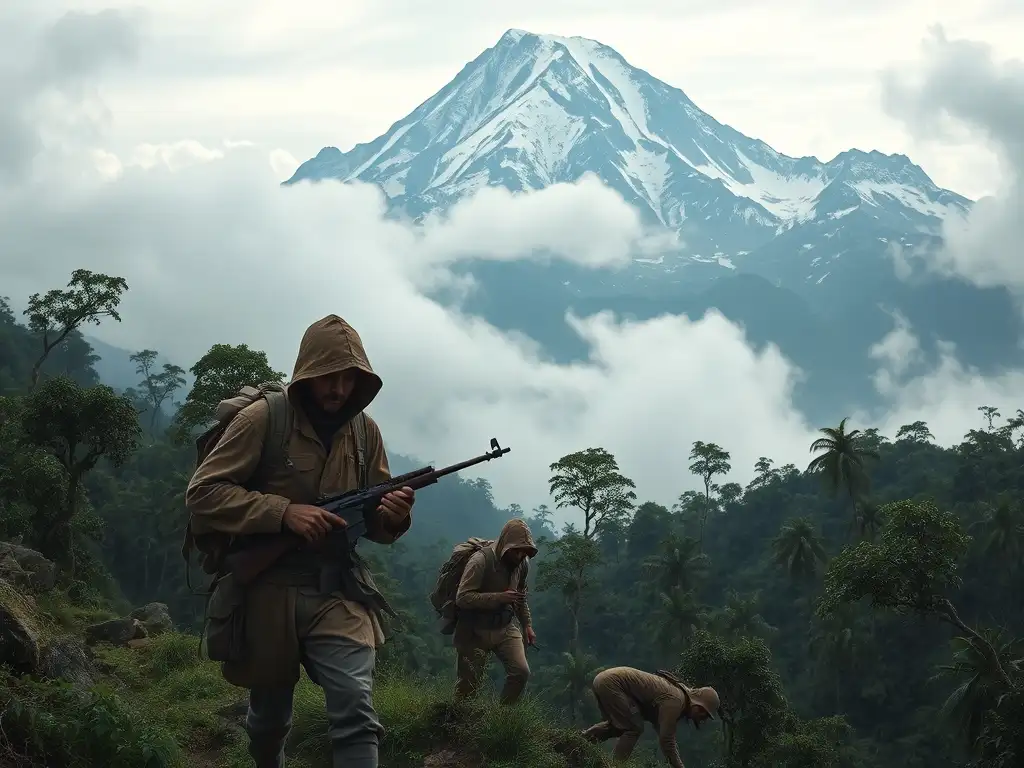
Uncover the hidden history of the Andes—a landscape as breathtaking as it is brutal. For centuries, the towering peaks and treacherous valleys witnessed not only magnificent empires like the Incas, but also a complex tapestry of guerrilla warfare. Forget the romanticized images; delve into the ruthless efficiency and innovative tactics employed by Andean civilizations in their struggles for power and survival. Dare to explore the surprising strategies behind Andean civilizations guerrilla warfare and discover a side of their story rarely told.
- Andean Civilizations Guerrilla Warfare: Resistance and Unconventional Tactics
- The Landscape of Andean Warfare and the Rise of Guerrilla Tactics
- Pre-Incan Guerrilla Warfare: Examples of Early Resistance
- Inca Empire and the Adoption of Guerrilla Strategies
- Spanish Conquest and the Intensification of Andean Guerrilla Warfare
- Key Characteristics of Andean Guerrilla Warfare
- Notable Andean Guerrilla Leaders and Their Campaigns
- The Legacy of Andean Guerrilla Warfare
- Analyzing the Effectiveness of Andean Guerrilla Warfare
- Frequently Asked Questions
- Final Reflection: Echoes of Resistance in the Andes
- Unleash Your Inner Strategist: Engage with Andean Resistance!
Andean Civilizations Guerrilla Warfare: Resistance and Unconventional Tactics
The rugged Andes Mountains, a seemingly impenetrable barrier, served not only as a natural fortress but also as a crucible for developing unique and highly effective guerrilla warfare strategies. For centuries, various Andean civilizations, including the Incas, Moche, Nazca, and Tiahuanaco, utilized the challenging terrain and their intimate knowledge of the environment to resist invaders and wage unconventional warfare. This article delves into the fascinating world of Andean guerrilla tactics, exploring the diverse methods employed by these civilizations to overcome numerically superior foes and maintain their independence.
We will examine the innovative strategies they developed, the impact of the environment on their fighting style, and the lasting legacy of Andean guerrilla warfare on military thinking. Understanding these tactics provides a crucial lens through which to appreciate the resilience and ingenuity of these remarkable Andean societies, offering valuable insights into the complex interplay between geography, culture, and military strategy.
The Inca's Mastery of High-Altitude Warfare
The Inca Empire, renowned for its sophisticated organization and vast infrastructure, also excelled in high-altitude warfare. Their intimate knowledge of the Andean terrain allowed them to effectively utilize the challenging conditions to their advantage. Inca warriors were exceptionally acclimatized to the thin air and harsh conditions of the high Andes, a significant advantage over invaders from lower altitudes.
This allowed them to conduct effective ambushes and prolonged campaigns in areas where many others would struggle to survive, let alone fight effectively. They employed a system of strategically placed garrisons and fortified mountain passes, effectively controlling vital routes and disrupting enemy movements.
Detailed records, albeit fragmented, suggest a sophisticated system of communication and rapid deployment of troops across the vast mountainous landscape, allowing for swift responses to threats and coordinated actions across considerable distances. The Inca's understanding of mountain warfare, combining physical endurance with logistical mastery, stands as a testament to their strategic brilliance.
The Moche's Coastal Defenses and Ambush Tactics
Unlike the Incas, the Moche civilization flourished along the arid Pacific coast. Their guerrilla warfare strategies reflected this unique environment. Their knowledge of the coastal terrain, including treacherous cliffs, dense fog banks, and hidden ravines, played a crucial role in their defensive capabilities. Archaeological evidence suggests the construction of strategically placed fortifications along the coast, including watchtowers and defensive walls, capable of repelling attacks from both land and sea.
Furthermore, the Moche employed effective ambush tactics, utilizing the unpredictable nature of the coastal environment to their advantage. They would lure enemies into traps, exploiting the terrain to inflict heavy casualties before withdrawing to the safety of the rugged hills. The successful use of these tactics, coupled with their mastery of coastal navigation, helped them maintain their independence for centuries.
Nazca Lines and Potential Military Signalling
The enigmatic Nazca Lines, while primarily understood as a complex system of geoglyphs, also offer a captivating perspective on potential military applications. While definitive proof is lacking, some researchers hypothesize that these immense figures could have served as a form of visual communication or signaling system for Nazca warriors. The lines' visibility from considerable distances suggests a potential role in coordinating troop movements, relaying messages, or even warning of impending attacks.
The intricate design and scale of the lines underscore the Nazca's advanced understanding of geometry and engineering, suggesting that similar precision could have been applied to military strategies. Further research is needed to clarify the military significance of these remarkable structures, but their potential role in Nazca warfare warrants consideration.
Tiahuanaco's Control of Key Resources and Strategic Passes
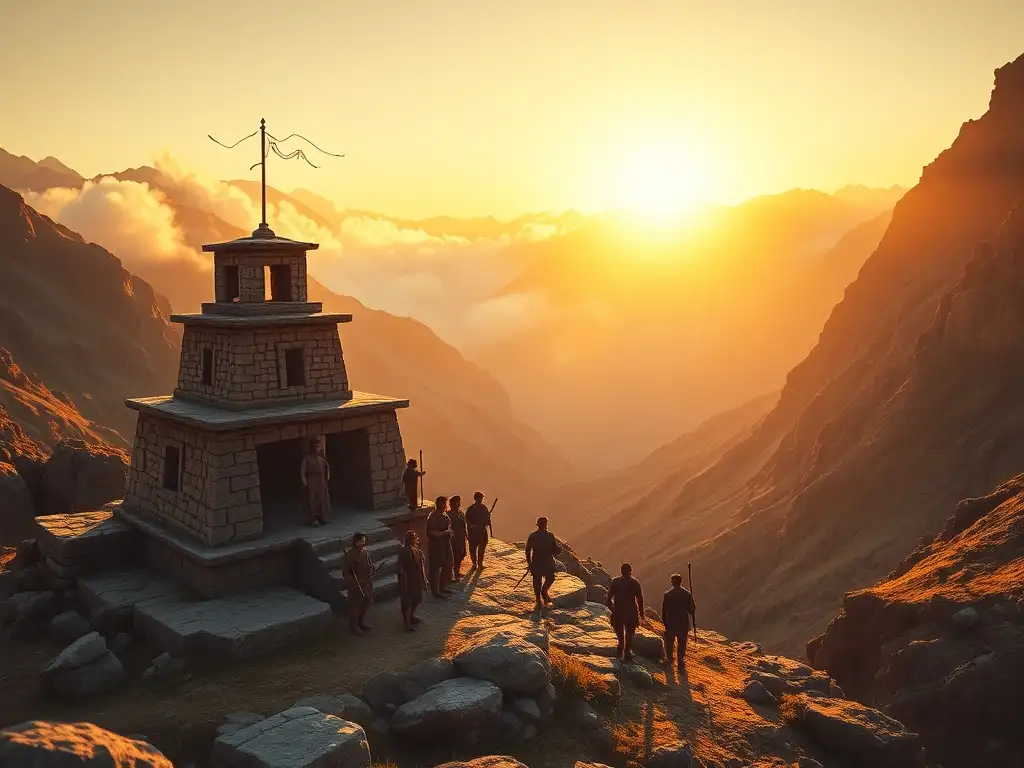
The Tiahuanaco civilization controlled vital resources and strategic mountain passes, utilizing this control to effectively wage guerrilla warfare. Their mastery of the terrain allowed them to dominate trade routes and control the flow of essential goods, giving them a significant advantage over their rivals. By strategically controlling these passes, they could ambush or restrict the movement of enemy forces, severely limiting their ability to campaign effectively.
The Tiahuanaco's sophisticated understanding of logistics and resource management, combined with their control of key geographical points, provided a solid foundation for their military success. Their ability to project power indirectly, through control of resources and chokepoints, rather than solely through direct military confrontation, highlights their strategic acumen.
The Lasting Legacy of Andean Guerrilla Warfare
The ingenious guerrilla warfare tactics employed by Andean civilizations have left an indelible mark on military history. Their mastery of unconventional warfare, born from necessity and shaped by their environment, continues to fascinate and inspire military strategists today. The emphasis on utilizing terrain, understanding the enemy's weaknesses, and employing asymmetric warfare strategies represents a significant contribution to military thought.
The resilience and adaptability demonstrated by these ancient Andean societies serve as a powerful reminder of the importance of innovation and strategic thinking in the face of overwhelming odds. The study of Andean guerrilla warfare provides valuable lessons for understanding conflict and the enduring power of human ingenuity in the face of adversity. The strategic use of the environment, combined with a deep understanding of their culture and traditions, ensured the survival and success of these civilizations for centuries.
The Landscape of Andean Warfare and the Rise of Guerrilla Tactics
The dramatic geography of the Andes Mountains profoundly shaped the development and execution of guerrilla warfare among Andean civilizations. The towering peaks, deep canyons, and dense cloud forests presented unique challenges and opportunities for those employing unconventional tactics. Understanding this landscape is crucial to comprehending the effectiveness of Andean resistance movements.
Understanding the Unique Andean Terrain and its Impact on Warfare
The Andes are not a monolithic entity. Their varied topography – from the high-altitude puna grasslands to the lush Amazonian foothills – dictated different military strategies. For example, the Incas, masters of Andean engineering, built a vast network of roads, qhapaq ñan, that facilitated troop movement across the otherwise treacherous terrain. However, this same infrastructure, while advantageous for a centralized empire, also provided pathways for rebellions to spread. Smaller, more agile groups could use the intricate network of mountain passes and hidden valleys to evade larger, more conventional armies.
The high altitude itself posed significant challenges. The thin air affected stamina and respiratory function, giving an advantage to indigenous fighters accustomed to the conditions. This is further complicated by the unpredictable weather patterns; sudden blizzards, torrential rains, and landslides could disrupt planned military campaigns, favoring the smaller, more adaptable guerrilla forces. The harsh climate also limited the capacity for large-scale logistical operations, hindering the effectiveness of armies reliant on extensive supply lines.
Consider the Inca's struggle against the Chanka, a powerful rival. While the Inca possessed a formidable army, the Chanka's knowledge of the terrain allowed them to employ hit-and-run tactics, ambushing Inca forces and retreating into the mountains before reinforcements could arrive. This illustrates how the Andean landscape itself could level the playing field between a large, organized army and a smaller, more agile guerrilla force.
The Need for Unconventional Strategies in the Andes
The inherent difficulties of conventional warfare in the Andes fostered the development of guerrilla tactics as a necessity for survival and resistance. Facing powerful empires like the Inca, smaller groups needed to exploit the terrain's advantages to compensate for their numerical inferiority. This resulted in the refinement of strategies focused on mobility, surprise, and attrition.
The use of camouflage and ambush were particularly effective. Andean warriors, often blending seamlessly with their environment, used the natural features of the landscape – dense vegetation, rocky outcrops, and fog – to conceal their movements and launch sudden attacks. This contrasts sharply with the open-field battles common in other parts of the world.
Furthermore, the scarcity of resources in certain areas of the Andes meant that prolonged sieges or conventional battles were often unsustainable. Guerrilla warfare, with its emphasis on swift, decisive strikes and rapid retreats, allowed smaller groups to inflict significant damage on larger armies without engaging in prolonged confrontations. This strategy of attrition, slowly wearing down the enemy's strength and morale, proved remarkably successful in various Andean conflicts. The constant harassment and disruption of supply lines could effectively cripple even the most well-equipped armies.
The effectiveness of this strategy is underscored by the numerous successful rebellions throughout Andean history, demonstrating the power of unconventional warfare in this unique environment. Further research into specific case studies could provide more detailed examples of these tactics and their impact on the course of Andean history. [Specific case studies pending].
Pre-Incan Guerrilla Warfare: Examples of Early Resistance
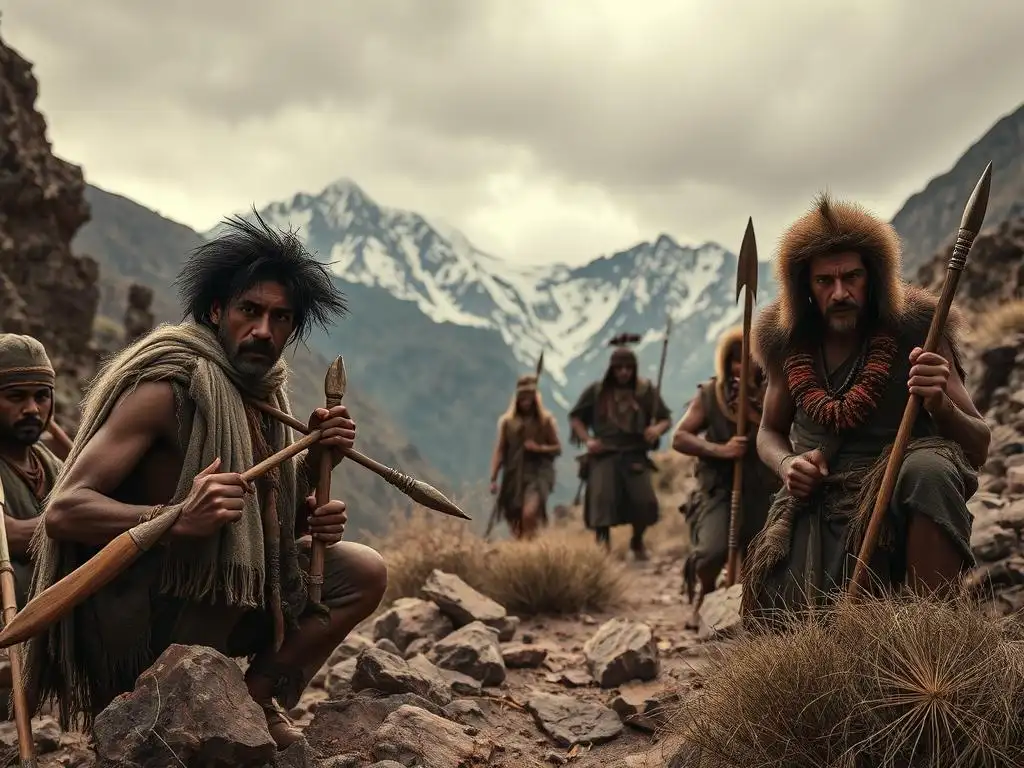
The notion of "guerrilla warfare" as a formally defined military strategy is a relatively modern concept. However, the principles of asymmetric warfare—utilizing unconventional tactics to overcome a numerically superior enemy—were demonstrably employed by various Andean civilizations long before the Inca Empire. Understanding these early examples provides crucial context for appreciating the later, more sophisticated forms of resistance encountered during the Inca and post-Inca periods. The rugged Andean terrain, with its treacherous mountains and dense forests, naturally lent itself to these strategies.
Analyzing pre-Incan resistance illuminates the enduring impact of geography on Andean warfare and the ingenuity of Andean peoples in adapting to conflict. This section focuses on the effective application of guerrilla tactics by pre-Incan groups, highlighting the strategic use of the environment and the development of unique fighting techniques. The keyword "Andean civilizations guerrilla warfare" is central to this exploration of early resistance strategies.
Early Andean Peoples and Their Use of Asymmetrical Warfare
Numerous pre-Inca societies, lacking the centralized organization and large standing armies of later empires, effectively employed guerrilla warfare tactics. These tactics often involved hit-and-run attacks, ambushes in strategically chosen locations, and the exploitation of local knowledge of the terrain. For example, the Wari and Tiwanaku empires, while possessing significant military capabilities, faced resistance from smaller groups who skillfully used the landscape to their advantage.
Evidence suggests the use of traps, concealed pathways, and the strategic placement of defensive positions in difficult-to-access areas. These smaller groups, often lacking heavy weaponry, relied on their intimate knowledge of the environment and swift, decisive attacks to inflict casualties and disrupt larger military operations. The effectiveness of these tactics is evidenced by the persistent challenges faced by these larger empires in fully consolidating their control over vast territories.
The study of Andean civilizations reveals a complex relationship between state formation and resistance, with early Andean peoples demonstrating a remarkable ability to adapt and employ unconventional warfare techniques. This highlights the importance of understanding the diverse military strategies employed across different Andean societies, not just focusing solely on the Inca.
The Chanka Resistance Against the Inca Expansion
The Chanka, a powerful pre-Inca confederation inhabiting the central Andes, presented a significant challenge to the expanding Inca Empire. While the Inca possessed a formidable military machine, the Chanka's resistance exemplifies the persistent effectiveness of guerrilla warfare against a superior foe. Their knowledge of the rugged terrain, coupled with their swift and unpredictable attacks, inflicted considerable casualties on Inca armies.
The Chanka were adept at utilizing the natural features of the landscape – canyons, mountain passes, and dense forests – to their advantage, creating ambushes and disrupting Inca supply lines. Their raids, often targeting vulnerable Inca settlements and disrupting communications, significantly hampered Inca expansion and forced the Inca to adapt their military strategies. The prolonged conflict with the Chanka underscores the limitations of even a well-organized army when facing a determined enemy employing effective guerrilla tactics in challenging terrain.
This struggle emphasizes the crucial role of geographic factors and unconventional warfare in shaping the course of Andean history. The Chanka resistance serves as a compelling example of how effectively Andean civilizations could use guerrilla warfare against larger, seemingly more powerful adversaries, permanently etching their mark on Andean history and the narrative of "Andean civilizations guerrilla warfare."
Inca Empire and the Adoption of Guerrilla Strategies
The Inca Empire, at its zenith, controlled a vast and geographically diverse territory spanning the Andes Mountains. Maintaining control over such a sprawling empire, characterized by challenging terrain and a diverse population, presented significant logistical and military challenges. While the Inca army was renowned for its organization and discipline, relying solely on conventional warfare proved insufficient in many regions.
This led to the adoption and adaptation of guerrilla warfare tactics, not as a primary strategy, but as a crucial supplementary approach to quell rebellions and maintain dominion. The Inca's understanding of guerrilla warfare wasn't a codified doctrine; rather, it was a pragmatic response to the specific challenges posed by different terrains and resistant populations. This involved a nuanced approach that combined conventional military might with more subtle, unconventional tactics.
Inca Expansion and the Challenges of Maintaining Control
The Inca expansion, fueled by ambitious rulers and a highly organized military machine, led to the subjugation of numerous ethnic groups across the Andes. However, conquest did not equate to complete and lasting control. The sheer size of the empire, combined with the difficult mountainous terrain, made it nearly impossible to maintain a constant, overwhelming military presence in every conquered region. This created fertile ground for resistance movements.
The Inca responded by deploying smaller, highly mobile units trained in unconventional warfare. These units were often composed of local troops, familiar with the terrain and the local population, supplementing the core Inca army. Their effectiveness lay in their ability to quickly deploy, ambush enemy forces, and disappear back into the rugged landscape, making sustained conventional warfare difficult for the rebels.
For example, the use of chasquis, a relay runner system, allowed for rapid communication and the swift deployment of these smaller units to quell uprisings before they could gain momentum. This nimble approach, a form of low-intensity conflict, proved far more effective in many situations than large-scale battles. Data on the exact number of these smaller units is scarce, but archaeological evidence and historical accounts suggest their widespread use throughout the empire.
The Use of Guerrilla Warfare by Conquered Peoples
Conquered peoples did not passively accept Inca rule. Numerous rebellions erupted throughout the empire's history, often employing guerrilla tactics to challenge Inca authority. These rebellions were frequently characterized by hit-and-run attacks, ambushes, and the exploitation of the terrain to offset the Inca's numerical and technological advantages. The mountainous nature of the Andes, with its dense forests, narrow passes, and precipitous cliffs, provided ideal conditions for guerrilla warfare.
Knowledge of the terrain, including hidden trails and defensible positions, was a crucial asset for the rebels. They utilized their intimate understanding of the environment to ambush Inca patrols, disrupt supply lines, and harass Inca garrisons. This resistance was not always organized under a single, unified leadership. Often, it manifested as smaller, localized uprisings coordinated through networks of communication and shared grievances against Inca rule.
The effectiveness of these rebellions varied, with some lasting for decades and others being swiftly suppressed. However, their continued existence highlights the significant challenges the Inca faced in maintaining control over their vast and diverse empire, emphasizing the importance of guerrilla warfare as a crucial element in both the maintenance and resistance against Inca power. Analyzing these rebellions provides crucial insight into the dynamics of power and resistance within Andean civilizations. Further research is needed to fully quantify the impact of these various guerrilla campaigns on the overall stability of the Inca Empire.
Spanish Conquest and the Intensification of Andean Guerrilla Warfare
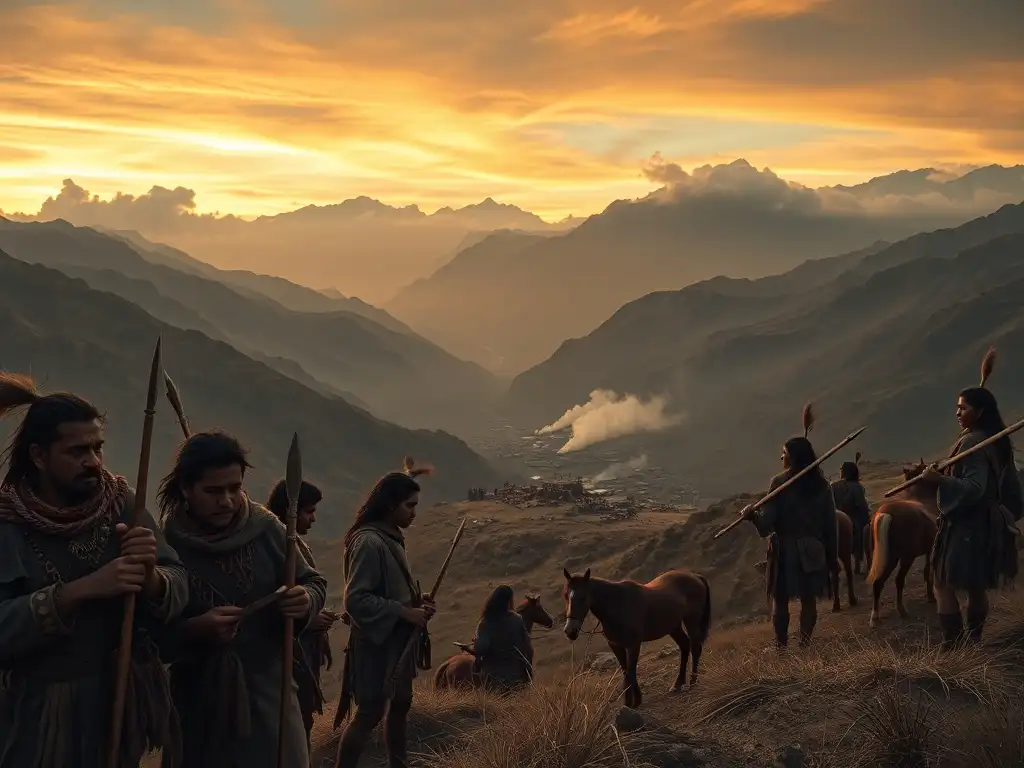
The arrival of the Spanish in the 16th century dramatically altered the landscape of Andean warfare, ushering in an era of intensified guerrilla conflict. Prior to the conquest, warfare between Andean civilizations, while often brutal, largely followed established patterns and conventions.
The Inca, for instance, possessed a formidable standing army, but their military organization was challenged by the Spanish introduction of superior weaponry and tactics. This imbalance of power forced indigenous populations to adapt, leading to a widespread adoption of guerrilla warfare techniques as a primary means of resistance.
The shift wasn't simply a change in tactics; it represented a fundamental change in the nature of conflict itself, moving from large-scale battles between organized armies to smaller, more dispersed engagements characterized by hit-and-run attacks, ambushes, and protracted harassment. The Spanish conquest, therefore, inadvertently fostered the evolution and refinement of Andean guerrilla warfare strategies, a legacy that would shape resistance movements for centuries to come.
The Arrival of the Spanish and the Shift in Military Power
The Spanish conquistadors brought with them not only superior weaponry—steel swords, muskets, and cannons—but also horses, which dramatically increased their mobility and battlefield effectiveness. Indigenous Andean armies, armed primarily with clubs, slings, spears, and rudimentary bows and arrows, were ill-equipped to counter these advantages. The Battle of Cajamarca in 1532 serves as a stark example of this disparity.
A relatively small Spanish force, employing superior tactics and weaponry, decisively defeated a much larger Inca army, capturing Emperor Atahualpa and effectively dismantling the Inca empire. This victory, while initially decisive, ignited a prolonged period of resistance, forcing the indigenous populations to abandon conventional warfare in favor of guerrilla tactics. The Spanish control was far from absolute, and the vastness of the Andean terrain provided ample opportunities for resistance fighters to utilize the landscape to their advantage.
This shift in military power fundamentally altered the nature of conflict in the Andes, paving the way for the rise of guerrilla warfare as a primary form of resistance against Spanish rule. The initial shock of the Spanish conquest forced a rapid and significant adaptation in Andean military strategies.
Indigenous Resistance Strategies: Adapting to a New Enemy
Faced with overwhelming military superiority, Andean communities adopted a range of unconventional guerrilla warfare strategies. These techniques leveraged their intimate knowledge of the terrain, utilizing mountainous regions, dense forests, and treacherous pathways to their advantage. Ambushes became commonplace, with small groups of fighters using the landscape to conceal their movements and launch surprise attacks against larger Spanish patrols. The use of camouflage and decoys was also widespread, allowing smaller forces to appear larger and more threatening. Furthermore, indigenous fighters often employed psychological warfare, spreading rumors and employing unconventional tactics to demoralize and disorient their enemies.
The following table summarizes some key indigenous resistance strategies:
| Strategy | Description | Effectiveness | Example |
|---|---|---|---|
| Ambush Warfare | Surprise attacks from concealed positions. | High | Attacking Spanish patrols from mountain passes. |
| Guerrilla Warfare | Small-scale, hit-and-run attacks to harass and deplete the enemy. | Moderate | Constant raids on supply lines. |
| Psychological Warfare | Spreading rumors, using deception, and exploiting Spanish vulnerabilities. | Variable | Spreading rumors of large, imminent attacks. |
| Terrain Exploitation | Using the natural landscape to their advantage (mountains, jungles, etc. ). | High | Utilizing narrow mountain passes for ambushes. |
| Scorched Earth | Destroying resources to deny the enemy sustenance and supplies. | Moderate | Burning crops and destroying villages. |
The effectiveness of these strategies varied depending on factors such as the size and organization of the Spanish forces, the terrain, and the level of indigenous cooperation. However, these tactics prolonged the resistance for decades, showcasing the resilience and adaptability of Andean communities in the face of overwhelming odds. The legacy of these guerrilla warfare techniques continues to be studied and analyzed, highlighting the ingenuity and determination of the Andean peoples in their struggle for survival and autonomy.
The constant adaptation and innovation displayed in Andean guerrilla warfare underscore the complex and dynamic nature of conflict in the region. 🌴
Key Characteristics of Andean Guerrilla Warfare
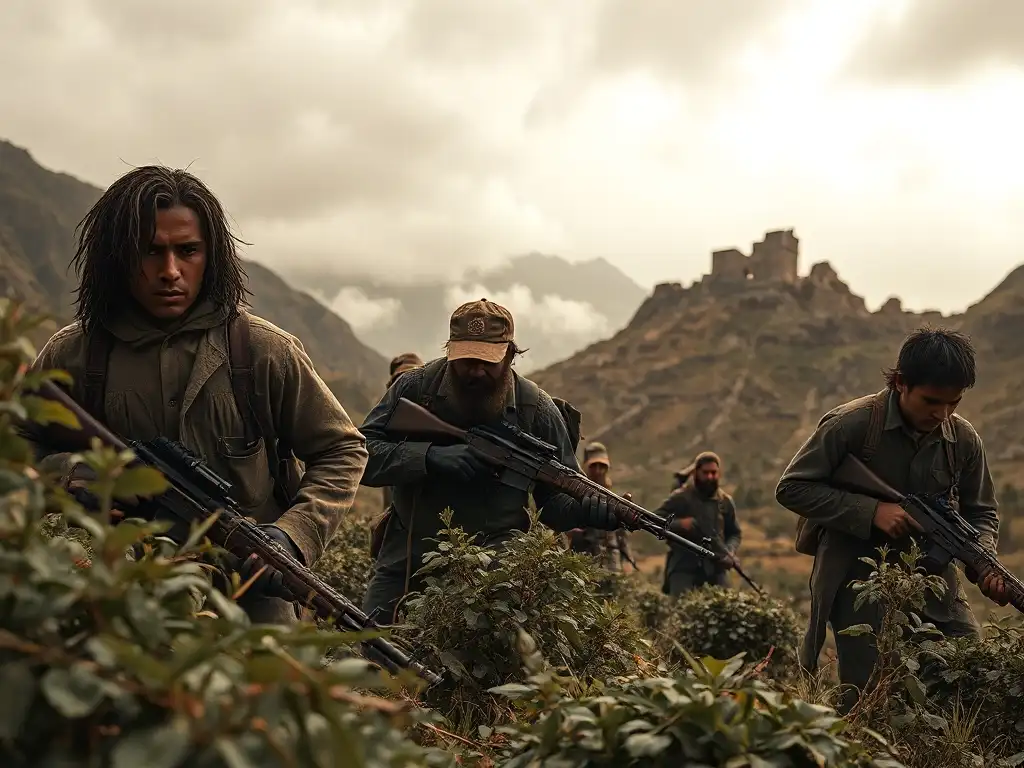
Andean civilizations, renowned for their sophisticated empires and intricate social structures, also developed unique forms of warfare. While large-scale battles certainly occurred, the mountainous terrain of the Andes fostered the evolution of effective guerrilla warfare strategies. This section delves into the key characteristics that defined Andean guerrilla tactics, highlighting their adaptation to the challenging environment and their effectiveness against larger, more conventionally equipped forces. The term "Andean civilizations guerrilla warfare" encapsulates the unique blend of environmental adaptation and tactical ingenuity employed by these groups.
Knowledge of the Terrain as a Tactical Advantage
The Andes' formidable geography—jagged peaks, deep canyons, and unpredictable weather—became a significant asset for guerrilla fighters. Intimate knowledge of the terrain, passed down through generations, allowed Andean warriors to navigate treacherous landscapes with ease, while simultaneously hindering the movements of their adversaries. This intimate understanding extended beyond simple navigation; it encompassed an encyclopedic grasp of potential ambush sites, hidden trails, and escape routes.
For example, the Inca's chasquis messenger system, though primarily for communication, also provided invaluable reconnaissance capabilities, offering real-time intelligence on enemy troop movements. This level of situational awareness proved crucial in choosing advantageous battlegrounds and executing effective hit-and-run tactics. The ability to predict enemy movements, based on an intimate knowledge of the terrain and likely routes, allowed for preemptive strikes and the avoidance of unfavorable engagements.
This strategic advantage often neutralized the numerical superiority of larger, less familiar armies. The effectiveness of this strategy is further underscored by the prolonged resistance many Andean groups mounted against the Spanish conquistadors.
Andean guerrilla warfare masterfully exploited the natural environment. Deep gorges, narrow passes, and dense vegetation served as formidable natural fortifications, allowing smaller forces to effectively defend against larger armies. These natural obstacles weren't merely passive defenses; they were actively incorporated into tactical plans.
For instance, carefully placed rockslides or strategically felled trees could be used to create devastating ambushes, effectively channeling enemy forces into killing zones. Similarly, the intricate network of hidden trails and pathways, known only to the local population, provided avenues for rapid deployment, surprise attacks, and safe retreats. This ability to seamlessly integrate with the environment rendered traditional military formations and strategies largely ineffective.
The Inca, for example, are known to have utilized these strategies extensively, utilizing the mountainous terrain to their advantage against both internal rebellions and external threats. Evidence suggests that the use of these natural obstacles and hidden pathways was a crucial element in their ability to maintain control over their vast empire.
Small Unit Tactics and Ambush Techniques
The challenging Andean terrain dictated the adoption of small, highly mobile fighting units. These units, often operating independently or in small coordinated groups, excelled in ambush tactics and hit-and-run warfare. This decentralized approach minimized casualties and maximized the impact of each engagement.
Ambushes, often utilizing natural concealment and deception, were a cornerstone of Andean guerrilla warfare. These weren't simple attacks; they were carefully planned operations that maximized the element of surprise and exploited the enemy's vulnerabilities. Detailed knowledge of the terrain allowed for the precise placement of units, ensuring maximum effectiveness and minimizing risk.
Furthermore, the use of unconventional weaponry, such as slings, bolas, and darts, complemented these tactics, allowing for ranged attacks from concealed positions and maximizing the impact of each engagement. The effectiveness of these small-unit tactics, combined with the strategic use of the terrain, allowed Andean fighters to inflict significant damage on larger, more conventional armies, ultimately proving that numerical superiority wasn't always decisive in the Andean context. This approach to warfare highlights the adaptability and ingenuity of Andean civilizations in their responses to conflict.
Logistics and Sustenance in a Guerrilla Campaign
Sustaining a guerrilla campaign in the challenging Andean terrain presented significant logistical hurdles. Unlike conventional armies with established supply lines, Andean guerrilla groups relied heavily on their intimate knowledge of the landscape and the support of local communities. This symbiotic relationship was crucial for survival. The rugged mountains, deep canyons, and dense forests provided natural cover and concealment, but also presented difficulties in transporting supplies and maintaining communication.
The movement of troops and supplies often involved arduous journeys on foot, using established, albeit often precarious, trails. Pack animals like llamas and alpacas played a vital role, carrying food, weapons, and other essential materials. However, the capacity of these animals was limited, necessitating careful planning and efficient resource management. Guerrilla groups frequently employed dispersed bases and caches to store supplies, reducing their vulnerability to enemy attacks and minimizing the risk of losing vital resources in a single raid.
Food acquisition was paramount. Guerrilla fighters relied on foraging, raiding enemy supply lines, and bartering with local communities. Cultivation of hardy crops adapted to high altitudes was also important, providing a degree of self-sufficiency.
The close ties between guerrilla groups and local populations were therefore not merely a matter of strategic alliance, but a necessity for survival. Communities often provided food, shelter, and intelligence, while the guerrillas, in turn, offered protection and sometimes even shared their spoils. This reciprocal relationship, however, was not always stable, and tensions could arise if the demands of the guerrilla groups proved too burdensome or if the promises of protection were not fulfilled.
The successful implementation of this crucial aspect of Andean guerrilla warfare depended heavily on the trust and cooperation—a delicate balance often tested by the harsh realities of conflict. The failure to maintain this balance often led to the collapse of guerrilla campaigns. Understanding the intricacies of this logistical and sustenance system is key to comprehending the successes and failures of Andean guerrilla warfare.
Notable Andean Guerrilla Leaders and Their Campaigns
This section examines key figures who spearheaded guerrilla warfare campaigns against Spanish conquistadors and later colonial rule in the Andes. Their strategies, successes, and ultimate fates reveal much about the adaptability and resilience of Andean resistance movements. Understanding these leaders and their campaigns is crucial to grasping the complexities of Andean civilizations guerrilla warfare. The effectiveness of these campaigns varied significantly, influenced by factors such as terrain, popular support, and the internal cohesion of the resistance groups.
Manco Inca and the Neo-Inca State Resistance
Manco Inca Yupanqui, a direct descendant of the Inca emperors, played a pivotal role in the early stages of resistance against Spanish rule. Following the initial conquest and the execution of Atahualpa, Manco Inca initially collaborated with the Spanish, a strategy that ultimately proved unsuccessful. He quickly realized the extent of Spanish exploitation and oppression and launched a major rebellion in 1536. His guerrilla tactics exploited the Andes' challenging geography, utilizing the intricate network of mountain passes and hidden valleys to ambush Spanish forces.
His campaign, while initially successful in inflicting significant casualties on the Spanish, ultimately failed to permanently dislodge them. The Spanish, with their superior weaponry and the support of some indigenous groups, gradually managed to regain control. Manco Inca's resistance, however, laid the groundwork for subsequent rebellions, demonstrating the potential of guerrilla warfare in the Andean context. His leadership highlighted the importance of leveraging indigenous knowledge of the terrain and employing hit-and-run tactics to offset the Spanish military advantage. The Neo-Inca State, albeit short-lived, serves as a powerful example of indigenous resistance against colonial domination.
Túpac Amaru II and the Great Rebellion
Nearly two centuries later, José Gabriel Condorcanqui, better known as Túpac Amaru II, launched a massive rebellion in 1780. Unlike Manco Inca's primarily military campaign, Túpac Amaru II's rebellion was characterized by a broader socio-political agenda. He aimed not only to overthrow Spanish rule but also to address the injustices and oppression faced by the indigenous population. His rebellion significantly differed from earlier resistance movements, demonstrating a more sophisticated understanding of the colonial administration's weaknesses.
Túpac Amaru II masterfully employed propaganda and mobilized a large indigenous population, demonstrating the power of ideological mobilization in guerrilla warfare. His campaign involved carefully planned attacks on Spanish officials and infrastructure, aiming to disrupt the colonial system rather than solely engaging in direct military confrontation. While his rebellion was ultimately crushed, its impact was far-reaching.
It inspired subsequent revolts and highlighted the deep-seated resentment against Spanish rule among the Andean populations. The sheer scale of Túpac Amaru II's rebellion underscores the potential for widespread resistance when effective leadership is combined with a strong ideological foundation. His execution, however, served as a brutal reminder of the colonial regime's capacity for repression.
The Impact of Leadership on Guerrilla Warfare Success
The successes and failures of Manco Inca and Túpac Amaru II's campaigns highlight the crucial role of leadership in Andean guerrilla warfare. Both leaders demonstrated strategic acumen and the ability to mobilize support, yet their outcomes differed considerably. Manco Inca's focus was primarily military, relying on his knowledge of the terrain and hit-and-run tactics. Túpac Amaru II, on the other hand, incorporated a broader socio-political dimension into his strategy, aiming to address the underlying grievances of the indigenous population.
Several factors contributed to the differing outcomes. The level of popular support, the availability of resources, and the internal cohesion of the resistance groups all played significant roles. The Spanish response also varied; their strategies adapted over time, learning from previous experiences with indigenous resistance.
Analyzing these factors allows us to understand the nuances of Andean civilizations guerrilla warfare and the complex interplay between leadership, strategy, and external circumstances. Future research could benefit from a quantitative analysis comparing the success rates of various Andean guerrilla campaigns based on a wider range of leaders and their strategies. Such an analysis could further illuminate the critical factors that contributed to success or failure in these historical struggles.
The Legacy of Andean Guerrilla Warfare
The study of Andean civilizations guerrilla warfare offers a fascinating glimpse into the ingenuity and resilience of ancient societies facing powerful adversaries. While the Inca Empire is often associated with sophisticated military organization, resistance movements throughout the Andes employed diverse and effective guerrilla tactics long before and even during Inca rule. Examining these strategies reveals not only the military prowess of these groups, but also their profound impact on the development of unconventional warfare strategies.
The intricate relationship between geography, culture, and military strategy in the Andes provides invaluable insights for understanding the complexities of asymmetric conflict. The effectiveness of these tactics, often relying on superior knowledge of the terrain and unconventional methods, presents a compelling case study for modern military analysts. Understanding the historical context of Andean resistance is crucial to appreciating its lasting legacy.
Influence on Modern Military Thought and Unconventional Warfare
Andean guerrilla warfare significantly influenced modern military thought, particularly in the realm of unconventional warfare. The effectiveness of small, highly mobile units operating in challenging terrain resonates deeply with contemporary military doctrine. The emphasis on surprise attacks, ambushes, and the exploitation of the environment, as seen in the resistance against the Spanish conquistadors and even during internal conflicts within the Inca Empire itself, mirrors many modern unconventional warfare strategies.
These tactics, characterized by their adaptability and reliance on local knowledge, continue to be studied and analyzed by military strategists globally. For example, the use of camouflage, terrain masking, and psychological warfare by Andean resistance groups prefigures many modern techniques.
The strategic use of terrain, a hallmark of Andean resistance, remains a critical element in modern asymmetric warfare. The historical record shows that effective guerrilla warfare in the Andes frequently involved the strategic use of high-altitude terrain, dense forests, and treacherous mountain passes.
Further analysis of historical accounts reveals a sophisticated understanding of logistics and supply lines. Andean resistance groups often relied on intricate networks of support within their communities, mirroring the importance of local support networks in modern guerrilla movements. The development of effective communication and intelligence gathering techniques, often utilizing indigenous knowledge and signaling systems, further underscores the sophisticated nature of these military strategies.
This highlights a key element often overlooked: the deep integration of military strategy with the social and cultural fabric of Andean communities. The success of these movements wasn't solely dependent on military tactics, but also on their ability to mobilize and maintain the support of the local population. This understanding of the socio-political dimensions of guerrilla warfare is a crucial lesson for contemporary military strategists.
Andean Resistance as a Symbol of Cultural Resilience
Beyond its military significance, Andean resistance against the Inca Empire and later the Spanish conquistadors serves as a powerful symbol of cultural resilience. The struggles of these groups weren't just about military victory; they represented a determined effort to preserve their cultural identity and way of life in the face of overwhelming odds.
The continued use of indigenous languages, religious practices, and agricultural techniques even after periods of intense conflict highlights the enduring strength of Andean cultures. Examining the archaeological evidence alongside historical accounts reveals how these groups actively resisted cultural assimilation, incorporating elements of resistance into their daily lives.
The artistic expression of these groups also reflects their resilience. Textiles, pottery, and other artifacts often feature symbolic representations of resistance, subtly or overtly conveying messages of defiance and cultural pride. This artistic expression served not only as a form of cultural preservation but also as a means of communication and mobilization within the resistance movements.
The enduring presence of these cultural expressions demonstrates that cultural resilience is inextricably linked to the success of long-term resistance. The ongoing study of these cultural artifacts provides invaluable insights into the mindset and motivations of those involved in Andean guerrilla warfare. The legacy of Andean resistance is not merely a military one, but a powerful testament to the enduring strength of human spirit and cultural identity.
Lessons Learned from Andean Guerrilla Tactics
The study of Andean guerrilla warfare offers several crucial lessons applicable to the understanding of modern conflict. First, the importance of intimate knowledge of the terrain cannot be overstated. Andean resistance groups consistently exploited the challenging geography of the Andes to their advantage, using it to ambush larger, less mobile forces. This highlights the critical role of intelligence and reconnaissance in successful guerrilla operations. Second, the effectiveness of small, highly mobile units operating in dispersed formations proved crucial. This decentralized approach made it difficult for larger armies to effectively target and suppress resistance.
Third, the development of strong support networks within local communities was essential for the long-term sustainability of guerrilla movements. The ability to secure supplies, recruits, and intelligence from within the population significantly increased the effectiveness of these resistance groups. Understanding the importance of community support and the ethical implications of using civilian populations in warfare is critical. Finally, the strategic use of psychological warfare, through propaganda, rumors, and the manipulation of information, significantly impacted the morale and effectiveness of opposing forces.
The Andean examples demonstrate the power of information warfare even in the absence of modern technology. By analyzing these various aspects, we can gain a deeper understanding of the dynamics of asymmetric warfare and the enduring lessons of Andean resistance. The historical record provides a rich source of information for modern military strategists, highlighting the enduring relevance of these ancient strategies in the context of contemporary conflict.
Analyzing the Effectiveness of Andean Guerrilla Warfare
This section delves into the effectiveness of guerrilla warfare employed by various Andean civilizations against both internal and external threats. We will analyze both the successes and limitations of these unconventional tactics, considering the specific geographical and socio-political contexts. Understanding the nuances of Andean guerrilla warfare requires moving beyond simplistic narratives and examining the complex interplay of factors that contributed to its success or failure. The term "Andean civilizations guerrilla warfare" itself encapsulates a diverse range of strategies and outcomes across centuries.
Successes and Limitations of Guerrilla Tactics in the Andes
The effectiveness of Andean guerrilla warfare varied greatly depending on several factors. Success often hinged on the ability to leverage the challenging Andean terrain—steep mountains, dense forests, and unpredictable weather—to their advantage. The Inca, for example, utilized their intimate knowledge of the high-altitude passes and hidden trails to ambush Spanish conquistadors, as evidenced in numerous accounts detailing successful ambushes and delaying tactics. This knowledge provided a significant advantage in terms of mobility and surprise attacks, allowing smaller, less well-equipped forces to inflict substantial casualties on larger, more technologically advanced armies.
However, guerrilla warfare also had its limitations. Sustaining long-term campaigns proved challenging. While surprise attacks could be effective in the short term, the lack of centralized supply lines and the difficulties of coordinating large-scale operations often hampered sustained resistance.
Furthermore, the reliance on local knowledge could become a liability if the guerrillas lost control of their territory or if their knowledge was compromised, as sometimes occurred during periods of internal conflict or betrayal. The fragmented nature of many Andean societies also sometimes hindered the coordination of larger-scale guerrilla movements, leading to isolated pockets of resistance rather than a unified front.
The effectiveness of Andean guerrilla warfare also depended heavily on the nature of the enemy. Against less familiar adversaries, the element of surprise and unconventional tactics could prove decisive. Against more experienced and adaptable foes, however, the limitations of sustained supply lines and coordinated efforts became more apparent. The Spanish conquest, for instance, highlights both the successes and failures of Andean guerrilla tactics. While initial resistance was fierce and effective, the Spaniards eventually adapted their strategies, often employing scorched-earth tactics and exploiting internal divisions within Andean societies.
Factors Contributing to the Effectiveness of Andean Resistance
Several key factors contributed to the effectiveness of Andean resistance movements. First and foremost was the terrain. The Andes' rugged mountains and dense jungles provided natural fortifications, allowing smaller forces to effectively ambush and harass larger armies. The Inca road system, while primarily used for communication and trade, also facilitated rapid troop movement and communication for guerrilla forces.
Secondly, the knowledge of the land was paramount. Indigenous populations possessed an intimate understanding of the terrain, climate, and resources, enabling them to utilize these elements to their advantage. This included knowledge of suitable ambush sites, water sources, and pathways, all crucial for successful guerrilla operations.
Thirdly, the strength of community bonds and social organization played a crucial role. Strong kinship ties and communal structures facilitated the mobilization of resources and manpower, enabling sustained resistance even against superior forces. The ability to blend seamlessly with the local population provided crucial cover and concealment for guerrilla fighters.
Finally, the use of asymmetric warfare tactics—such as hit-and-run attacks, ambushes, and the strategic destruction of infrastructure—allowed smaller, less well-equipped forces to inflict significant damage on their enemies. The effectiveness of these tactics often outweighed the technological advantages enjoyed by their adversaries.
The Long-Term Impact on Andean Societies and Warfare
The legacy of Andean guerrilla warfare is multifaceted and deeply intertwined with the historical trajectory of Andean societies. The repeated use of these tactics shaped military strategies and influenced the development of warfare in the region for centuries. The resistance movements, even when ultimately unsuccessful in preventing conquest or subjugation, demonstrated a remarkable resilience and determination that profoundly impacted the cultural memory and identity of the Andean peoples. The strategic use of terrain, the importance of local knowledge, and the reliance on community structures continue to resonate in discussions of modern military strategy.
The long-term impact extended beyond military affairs. The struggles for independence in the 19th and 20th centuries, for instance, drew inspiration from the tactics and organizational structures used by earlier Andean resistance movements. Understanding the historical roots of Andean guerrilla warfare helps us to appreciate the complexities of resistance and the enduring legacy of the struggles for autonomy and self-determination in the Andes. The study of "Andean civilizations guerrilla warfare" thus provides valuable insights into the dynamics of power, resistance, and adaptation throughout history.
Frequently Asked Questions
What role did guerrilla warfare play in Andean civilizations?
Guerrilla warfare was a significant factor in Andean societies, employed by both resistance groups against empires and by empires themselves to conquer and control territories. It wasn't always a defining characteristic, but a crucial element in many conflicts.
How did the geography of the Andes influence guerrilla tactics?
The rugged terrain of the Andes mountains provided natural advantages for guerrilla fighters. They used the high altitudes, dense forests, and narrow passes to their advantage, ambushing larger armies and evading pursuit.
Did the Inca Empire utilize guerrilla tactics?
While known for its advanced military organization, the Inca Empire also employed guerrilla-style tactics in certain situations, especially during conquests and suppressing rebellions in remote areas.
Were there specific examples of Andean guerrilla warfare?
Yes, many examples exist. Resistance movements against the Inca Empire, such as the Chanka rebellion, and later, resistance against the Spanish conquistadors, frequently relied on ambushes and hit-and-run attacks.
How did Andean guerrilla warfare differ from other forms of warfare?
Andean guerrilla warfare often incorporated unique elements based on the environment and culture. This included utilizing knowledge of the terrain, local alliances, and asymmetrical tactics to overcome numerically superior opponents.
Final Reflection: Echoes of Resistance in the Andes
The echoes of Andean guerrilla warfare resonate powerfully in today's world, reminding us that resistance against oppression takes many forms, and that the fight for self-determination is a timeless struggle. The strategies employed by Andean communities, from the Inca resistance to Spanish conquest to later indigenous uprisings, offer valuable lessons in unconventional warfare and the enduring power of community resilience in the face of overwhelming odds. These tactics, while born from desperate circumstances, continue to inform modern discussions of asymmetric conflict and the enduring human spirit.
The impact of Andean guerrilla warfare extends far beyond the historical battlefield; its legacy shapes our understanding of indigenous rights, the complexities of colonialism, and the ongoing fight for social justice. The ingenuity and determination displayed by these communities serve as a powerful counter-narrative to dominant historical accounts. The mountains themselves became a weapon, a shield, and a sanctuary for those who refused to yield.
This quote encapsulates the spirit of Andean resistance, highlighting the deep connection between the land, its people, and their struggle for freedom. It is a testament to the human capacity for adaptation and the enduring power of hope in the face of adversity.
Consider the strategies employed, the sacrifices made, and the enduring spirit of those who fought for their freedom in the Andes. You too possess the power to resist injustice, to challenge oppression, and to build a more just and equitable world. Reflect on the lessons learned from this historical analysis, and let the echoes of Andean resistance inspire you to find your own voice, your own path towards creating positive change, however small it may seem. The fight for justice, like the mountains themselves, is a continuous journey, and your contribution matters.
Unleash Your Inner Strategist: Engage with Andean Resistance!
Thank you for exploring the fascinating world of guerrilla warfare in the Andes! You've gained valuable insights into the resistance movements and unconventional tactics that shaped history. Now, let's delve deeper into this incredible legacy.
Here are some ways to further explore this vital topic:
- Deepen your understanding: Read books or watch documentaries about guerrilla warfare and resistance movements worldwide. Studying diverse strategies can spark innovative approaches to your own projects. For example, learning about the strategies employed by the Viet Cong could offer valuable insights applicable to modern challenges.
- Connect with others: Join online forums or communities dedicated to Andean history or military strategy. Sharing ideas and engaging in discussions can broaden your perspectives and generate new insights.
- Share your knowledge: Write a blog post, create a presentation, or simply start a conversation about what you've learned. By discussing these themes, you can help others appreciate the rich history of Andean resistance and its enduring relevance.
Now, we'd love to hear your thoughts! Which unconventional tactic employed by the Andean resistance inspires you the most, and how might it be adapted to address contemporary challenges?