
The Role of Andean Music and Dance in Preserving Cultural Identity

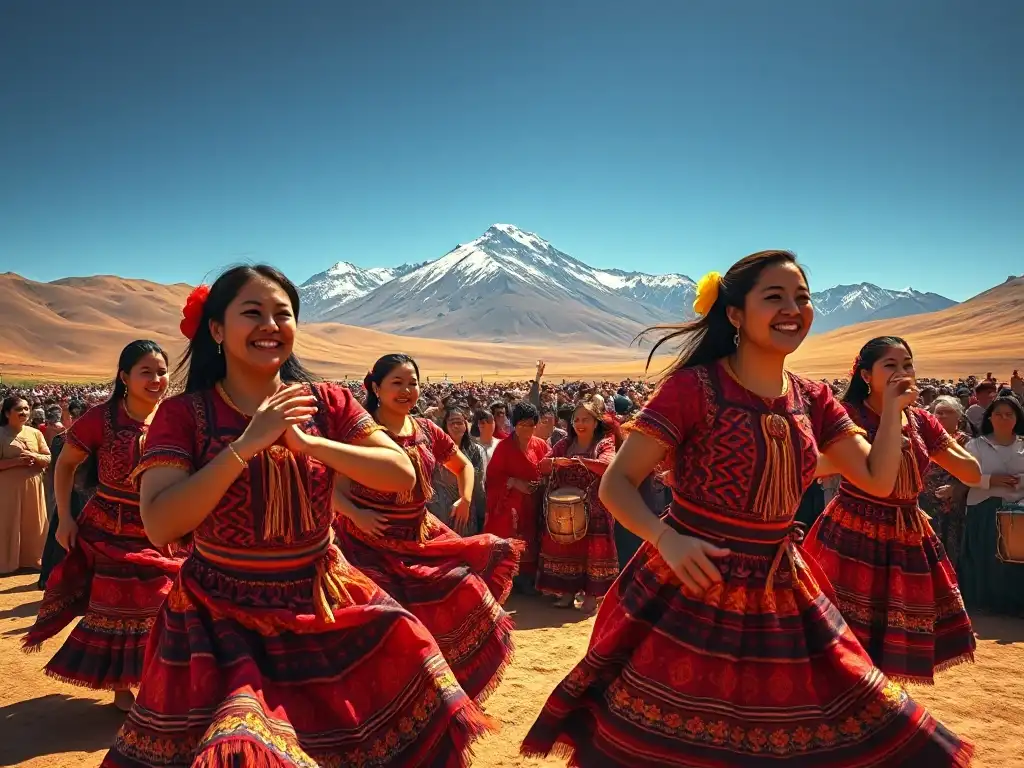
Unravel the mysteries of the Andes! Journey through millennia of vibrant cultures, from the awe-inspiring Incas to the enigmatic Nazca. But what truly preserved the spirit of these magnificent civilizations through conquest and time? Discover the captivating story of Andean music and dance history, a powerful legacy that echoes even today. Explore how rhythm and movement became guardians of cultural identity amidst the tumultuous era of the Spanish Conquest—a tale waiting to be uncovered.
The Spanish conquest of the Andes drastically altered the social fabric of numerous indigenous societies. While the imposition of Spanish rule led to significant cultural disruption and suppression, Andean peoples demonstrated remarkable resilience. This article explores the crucial role that music and dance played—and continues to play—in preserving cultural identity and resisting the homogenizing forces of colonialism.
We will examine how these art forms served as powerful vehicles for maintaining traditions, transmitting knowledge across generations, and subtly challenging the authority of the Spanish crown. Understanding the history of Andean music and dance provides invaluable insight into the enduring strength and adaptability of Andean cultures in the face of immense adversity.
This exploration will delve into specific examples from various Andean groups, highlighting the nuanced ways in which music and dance served as a form of resistance and a testament to the enduring spirit of the Andean peoples. The enduring legacy of these traditions speaks volumes about the power of cultural expression in the face of oppression, offering a compelling narrative within the broader context of Andean resistance to Spanish rule.
Introduction to Andean Cultural Heritage and Resistance
Before the arrival of the Spanish conquistadors, the Andes were home to a vibrant tapestry of diverse cultures, each with its unique musical and dance traditions. These traditions were deeply intertwined with religious beliefs, agricultural cycles, and social structures. Music and dance weren't merely forms of entertainment; they were integral components of daily life, used to celebrate harvests, honor deities, and transmit ancestral knowledge.
The Inca Empire, for instance, had elaborate ceremonies involving music and dance that reinforced imperial power and social hierarchy. However, even before the Inca, sophisticated musical instruments and dance forms existed within earlier Andean societies like the Moche, Nazca, and Tiahuanaco. These traditions, characterized by their distinct rhythms, instruments (such as panpipes, drums, and flutes), and intricate choreography, represented a rich cultural heritage that was threatened by the Spanish conquest.
The Spanish, aiming to impose their own culture and religious beliefs, actively sought to suppress indigenous traditions, often viewing them as pagan and heretical. This suppression, however, did not lead to the eradication of Andean musical and dance traditions. Instead, these art forms adapted and evolved, becoming subtle yet powerful tools of resistance.
The Historical Significance of Andean Music and Dance
The Spanish conquest brought about significant changes to Andean life, including the imposition of Catholicism, the reorganization of social structures, and the exploitation of labor. However, indigenous populations found ways to incorporate elements of their traditional music and dance into religious practices and social gatherings, subtly resisting the imposed cultural changes. For example, certain songs and dances, superficially adapted to fit within the framework of Catholic celebrations, subtly preserved pre-Columbian themes and narratives.
The use of indigenous instruments, rhythms, and dance steps within these adapted performances served as a form of coded communication, allowing the transmission of cultural memory and the preservation of identity under the watchful eyes of the colonial authorities. Furthermore, music and dance played a vital role in maintaining social cohesion and community spirit during times of hardship and oppression. These collective expressions of cultural identity provided a sense of continuity and hope, fostering resistance against the dominant culture.
The continued practice of these traditions served as a powerful symbol of defiance and an affirmation of indigenous cultural pride. Specific examples of how particular Andean communities integrated resistance into their music and dance (e.g., using specific rhythms or lyrical themes to convey messages of defiance) require further research [specific information pending]. The resilience demonstrated through these artistic expressions highlights the profound connection between cultural identity and the struggle for autonomy.
- Introduction to Andean Cultural Heritage and Resistance
- The Historical Significance of Andean Music and Dance
- What role did music and dance play in ancient Andean societies?
- How did Andean music and dance differ between different cultures?
- What instruments were commonly used in Andean music?
- How has Andean music and dance evolved over time?
- Where can I learn more about the history of Andean music and dance?
Andean Music and Dance: A Legacy of Cultural Resistance
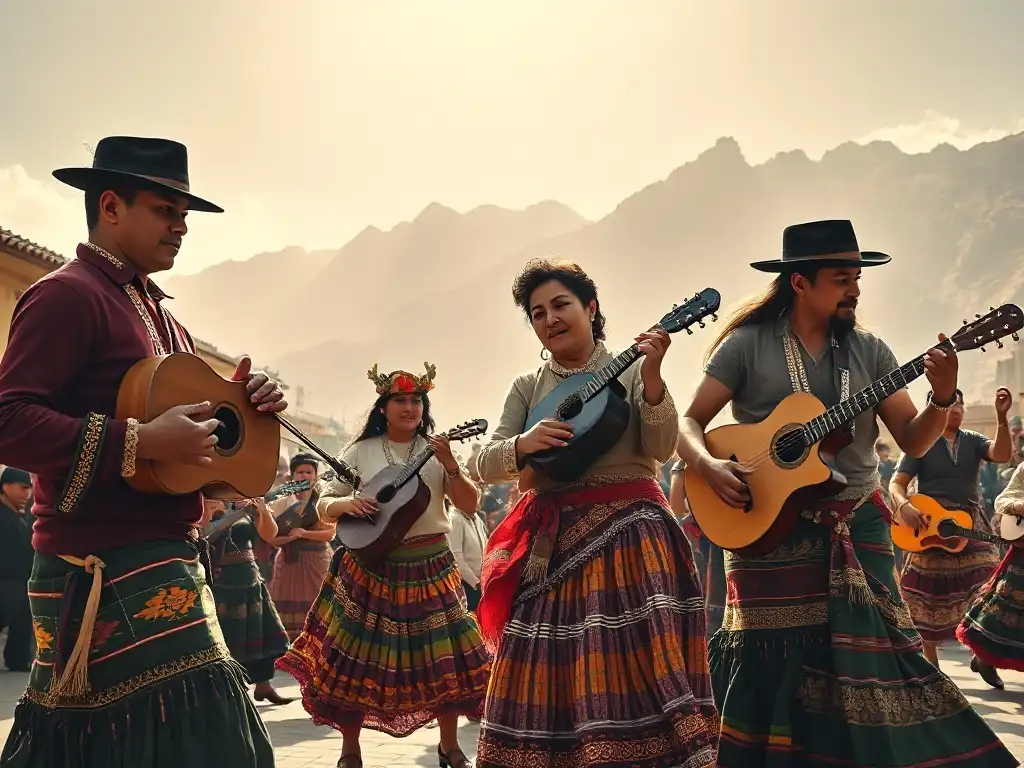
Andean music and dance history reveals a powerful tool employed by indigenous populations to maintain their cultural identity in the face of Spanish colonization. The vibrant rhythms, intricate melodies, and expressive movements weren't merely forms of entertainment; they served as a vital conduit for preserving traditions, transmitting knowledge across generations, and subtly, yet effectively, resisting the cultural assimilation imposed by the Spanish conquistadors.
This section delves into the rich tapestry of Andean musical and dance traditions, highlighting their role as a potent force in the fight for cultural survival. Understanding this legacy offers crucial insight into the resilience and adaptability of Andean cultures.
Ancient Andean Musical Traditions and Instruments
Pre-Columbian Andean societies boasted a diverse range of musical instruments and traditions, reflecting the unique characteristics of each culture. The panpipes ( antara), for instance, were ubiquitous across various Andean groups. These instruments, often made from reeds or cane, created haunting melodies that played a significant role in religious ceremonies, agricultural celebrations, and social gatherings.
Their evocative soundscapes are deeply connected to the Andean landscape and cosmology. The pututu, a long shell trumpet, was another crucial instrument, used to signal important events, summon communities, and even communicate across vast distances. Its powerful, resonant sound projected authority and served as a powerful symbol of Andean identity.
Beyond these prominent instruments, a wide array of percussion instruments, such as drums ( tinku), rattles ( chachas), and bone flutes, contributed to the rich sonic tapestry of Andean life. These instruments, often crafted from readily available natural materials, were integral to both everyday life and ritual practices. The meticulous craftsmanship involved in creating these instruments demonstrates the deep respect and spiritual significance attributed to music within Andean cultures. The sounds themselves were imbued with symbolic meaning, often reflecting the rhythms of nature, the cycles of life and death, and the spiritual connection between the human and supernatural worlds.
Pre-Columbian Rhythms and Their Symbolic Meanings
The rhythms and melodies of pre-Columbian Andean music were far from arbitrary; they carried profound symbolic weight. For example, the complex polyrhythms frequently found in Andean music often mirrored the intricate social structures and agricultural cycles of the time. Specific rhythms were associated with specific deities, agricultural activities (like planting and harvesting), and ceremonial events. This intricate relationship between music and the cosmos allowed Andean communities to maintain a strong connection with their ancestral heritage and spiritual beliefs.
Furthermore, the use of specific musical scales and modes contributed to the symbolic meaning of the music. These scales, often pentatonic or heptatonic, were not simply aesthetic choices; they reflected the Andean understanding of the universe and their place within it. The melodies themselves, often characterized by their modal ambiguity and evocative character, served to communicate stories, transmit knowledge, and evoke powerful emotions.
The ability to understand and interpret these subtle nuances was crucial to fully participating in Andean social and religious life. Sadly, much of the detailed knowledge surrounding these specific meanings was lost or suppressed during the Spanish conquest, requiring significant scholarly work to piece together the fragments that remain.
The Evolution of Andean Dance Forms
Andean dance forms, deeply intertwined with music, also played a significant role in resisting cultural assimilation. While many specific forms and their precise meanings are still being researched, it is clear that dance provided a powerful means of cultural preservation and resistance. The dances often incorporated symbolic movements and gestures reflecting agricultural practices, animal mimicry, and spiritual beliefs. These movements weren't merely physical expressions; they were a form of storytelling, a way of transmitting knowledge and values across generations.
The Spanish conquest attempted to suppress these traditional dances, often replacing them with European forms. However, Andean communities cleverly adapted and incorporated elements of their traditional dances into new forms, subtly maintaining their cultural identity while appearing to comply with Spanish rule. This demonstrates the remarkable resilience and adaptability of Andean cultures.
The continued practice of Andean dance forms today, often incorporating elements from different Andean regions, is a testament to their enduring power and cultural significance. The diversity of Andean dance styles, often reflecting regional variations, further emphasizes the richness and complexity of Andean cultural heritage and the ongoing efforts to preserve and celebrate it. The evolution of Andean dance forms continues to this day, adapting to modern contexts while still retaining its deep connection to the past.
Music and Dance as Tools of Cultural Preservation
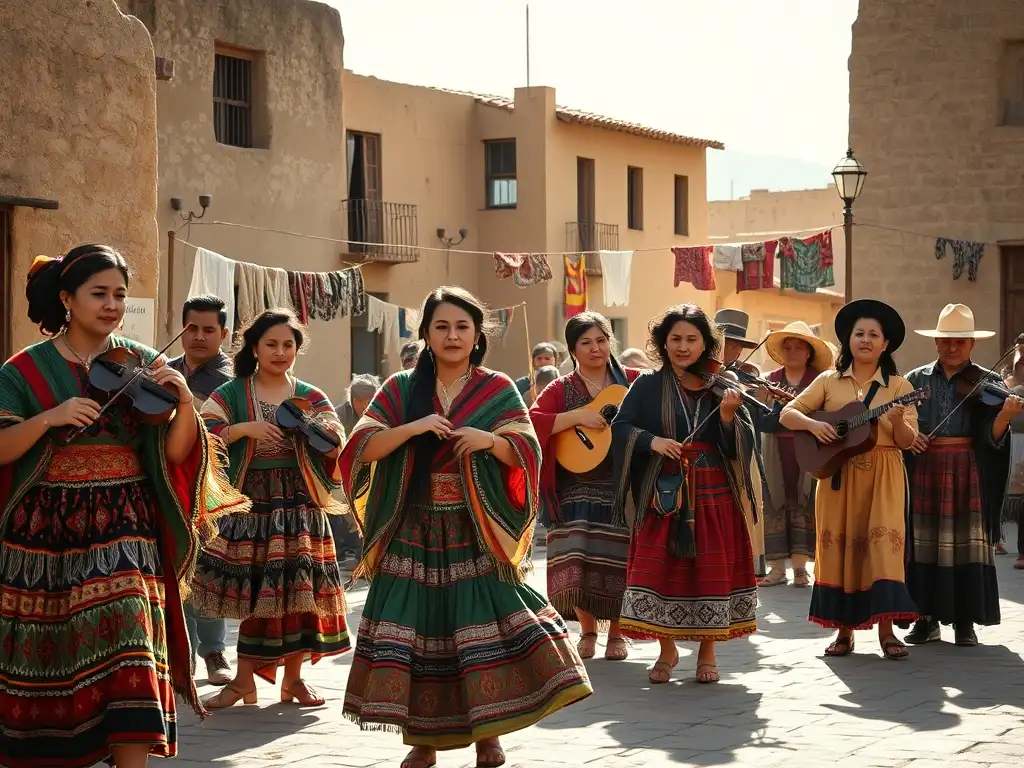
Andean music and dance history is deeply intertwined with the survival of indigenous cultures throughout the Spanish colonial period and beyond. Facing brutal attempts at cultural assimilation, the Andean peoples cleverly utilized music and dance as powerful tools to preserve their heritage and resist colonial dominance. These art forms weren't simply entertainment; they served as living archives, transmitting knowledge, beliefs, and social structures across generations, effectively acting as a form of cultural resistance.
The rhythmic complexities, unique instrumentation, and symbolic narratives embedded within Andean music and dance provided a covert means of maintaining indigenous identity in the face of oppression. This section explores how these art forms served as vital vehicles for cultural preservation and rebellion.
How Andean Music Retained Indigenous Traditions
The melodies and rhythms of Andean music, often passed down orally, encoded profound meanings and historical narratives. Instruments like the panpipes (antara), zampoñas, and tarkas – each with unique sonic qualities – were not merely musical tools; they were symbols of indigenous identity. The songs themselves often alluded to pre-Columbian myths, historical events, and social structures, subtly circumventing Spanish censorship.
For example, seemingly simple work songs might contain coded messages referencing ancestral lands or resistance strategies. The use of Quechua and Aymara languages in songs further reinforced indigenous linguistic and cultural continuity, a crucial aspect of resistance against the imposition of Spanish.
The intricate harmonies and polyrhythms inherent in Andean music also represented a direct challenge to the simpler musical forms favored by the colonizers, demonstrating a deliberate preservation of complex indigenous musical traditions. Detailed studies of musical notation from this period [specific information pending] would further illuminate the specific techniques used to encode meaning and resist assimilation.
Andean Dance as a Form of Cultural Expression and Resistance
Andean dance, like music, played a crucial role in maintaining cultural identity during the colonial era. Specific dance forms, with their elaborate costumes, movements, and symbolic gestures, served as powerful visual representations of indigenous heritage. The dances often recreated scenes from mythology, historical events, or daily life, providing a coded form of storytelling and cultural transmission. For instance, certain dances might depict battles against invaders, subtly conveying a message of resistance and resilience.
The vibrant colors and intricate designs of the costumes themselves, often incorporating traditional textiles and symbols, further reinforced indigenous cultural identity. The incorporation of specific steps and formations within the dances [specific information pending] could reveal further coded messages or symbolic representations of resistance. The very act of performing these dances, in the face of colonial suppression, was an act of defiance and a testament to the enduring spirit of the Andean peoples.
The Role of Festivals in Maintaining Cultural Identity
Festivals provided crucial opportunities for the collective performance of Andean music and dance, strengthening community bonds and reinforcing cultural identity. These events, often held secretly or disguised as religious celebrations sanctioned by the Spanish, allowed for the open expression of indigenous traditions otherwise suppressed. The festivals became spaces where knowledge, skills, and cultural values were transmitted across generations, ensuring the continuity of Andean heritage.
The communal nature of these events fostered a sense of shared identity and collective resistance against colonial efforts at cultural homogenization. Detailed accounts of specific festivals and their significance during this period [specific information pending] would provide a deeper understanding of their role in the preservation of Andean culture.
The blending of indigenous traditions with elements introduced by the Spanish, often seen in the evolution of festival practices, demonstrates both adaptation and the tenacious preservation of core Andean cultural values. The continued celebration of these festivals today is a powerful testament to the resilience of Andean music and dance as vehicles for cultural preservation.
The Impact of Spanish Colonization on Andean Artistic Expression
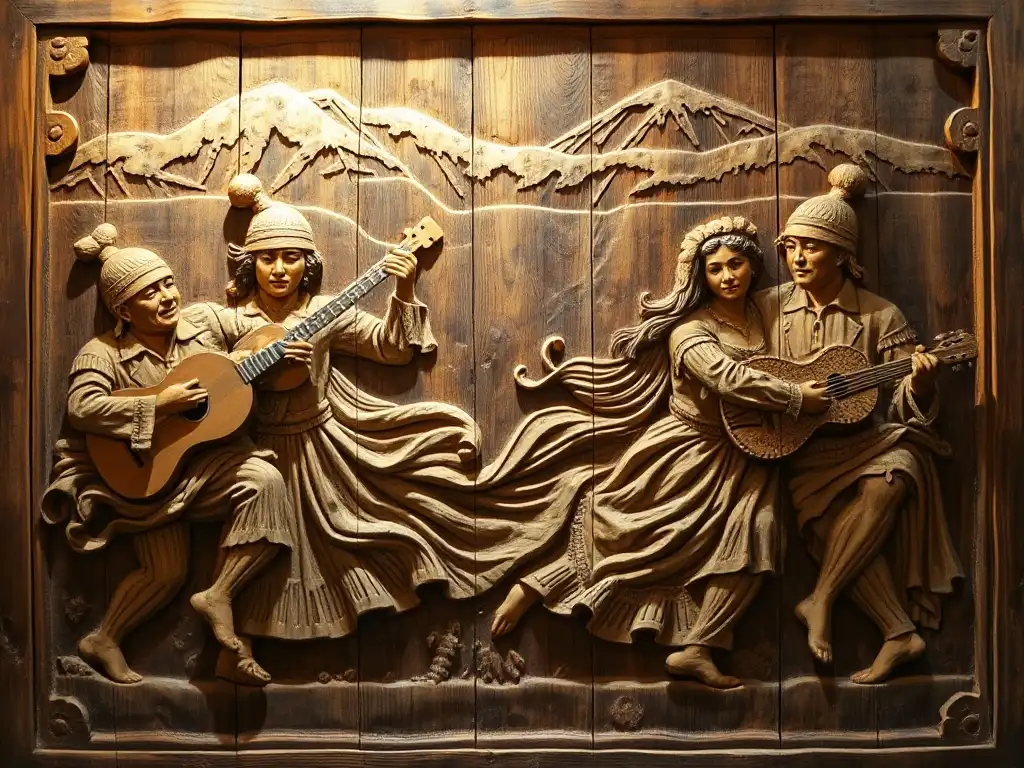
The Spanish conquest of the Andes drastically altered the landscape of Andean life, leaving an indelible mark on its artistic expression, including music and dance. The imposition of Spanish culture and religion led to a complex interplay of suppression, adaptation, and innovation within the artistic sphere.
While many traditional forms faced suppression, Andean peoples demonstrated remarkable resilience, subtly weaving their indigenous traditions into new cultural expressions, ensuring the survival – albeit in transformed forms – of their rich heritage. Understanding this period requires examining both the destruction and the creative responses to colonial rule, a process critical to understanding the enduring legacy of Andean music and dance history.
Suppression of Traditional Andean Music and Dance
The Spanish conquistadors, driven by a fervent desire to impose Catholicism and erase indigenous cultures, actively suppressed many aspects of Andean life, including traditional music and dance. These art forms were often deeply intertwined with religious beliefs and social structures, making them prime targets for eradication. Instruments considered "pagan" were destroyed, and ceremonies accompanied by music and dance were banned or forcibly altered to fit the Catholic framework.
This suppression was not merely symbolic; it was a systematic attempt to undermine the foundations of Andean identity, aiming to replace indigenous traditions with European ones. The destruction of temples and sacred sites, frequently locations for musical and dance performances, further contributed to this cultural erasure. Detailed accounts from colonial chronicles, though often biased, offer glimpses into the systematic nature of this suppression, highlighting the deliberate effort to silence indigenous voices and artistic expression.
The consequences were profound, leading to the loss of numerous musical traditions and dance styles, the details of which are sadly often lost to history. The extent of this loss is difficult to quantify precisely, as many traditions were only orally transmitted, leaving us with fragmented knowledge of what was lost.
Adaptation and Transformation of Indigenous Arts
Despite the systematic suppression, Andean music and dance did not disappear. Instead, indigenous communities demonstrated remarkable resilience and creativity, adapting and transforming their artistic traditions to survive under colonial rule. This process involved a subtle blending of indigenous and European elements.
For example, traditional Andean melodies might be incorporated into Catholic hymns, allowing indigenous musical styles to persist in disguised forms. Similarly, dance movements might be altered or combined with European styles, creating hybrid forms that preserved elements of indigenous traditions while conforming to colonial expectations. This process of cultural syncretism was not passive; it was a conscious strategy to maintain cultural identity while navigating the realities of colonial rule.
The adaptation was not a simple replacement but a complex negotiation, a testament to the ingenuity and determination of Andean communities to preserve their heritage. This creative resistance ensured the survival of core elements of Andean music and dance history, although often in subtly altered manifestations.
The Emergence of New Musical Forms during Colonial Times
The colonial period also witnessed the emergence of new musical forms that reflected the unique cultural fusion taking place in the Andes. These new styles often incorporated both indigenous and European musical elements, creating a rich and diverse musical landscape. For instance, the yaraví, a melancholic genre of Andean music, emerged during this period, blending indigenous musical structures with Spanish lyrical forms.
The huayno, another popular Andean genre, also developed during colonial times, showcasing a similar interplay of indigenous and European influences. These new forms served not only as a means of artistic expression but also as vehicles for transmitting cultural memory and resistance. The lyrics of many songs, often seemingly innocuous, contained coded messages that alluded to indigenous struggles and aspirations, allowing Andean people to subtly challenge colonial authority through music.
This creative use of music and dance as tools of resistance highlights the powerful role these art forms played in preserving cultural identity during a period of intense oppression. Further research is needed to fully understand the complex evolution of these new musical forms and their relationship to the broader socio-political context of colonial Andean society. The study of these genres remains a crucial aspect of understanding Andean music and dance history and its enduring legacy.
Andean Music and Dance in the Modern Era
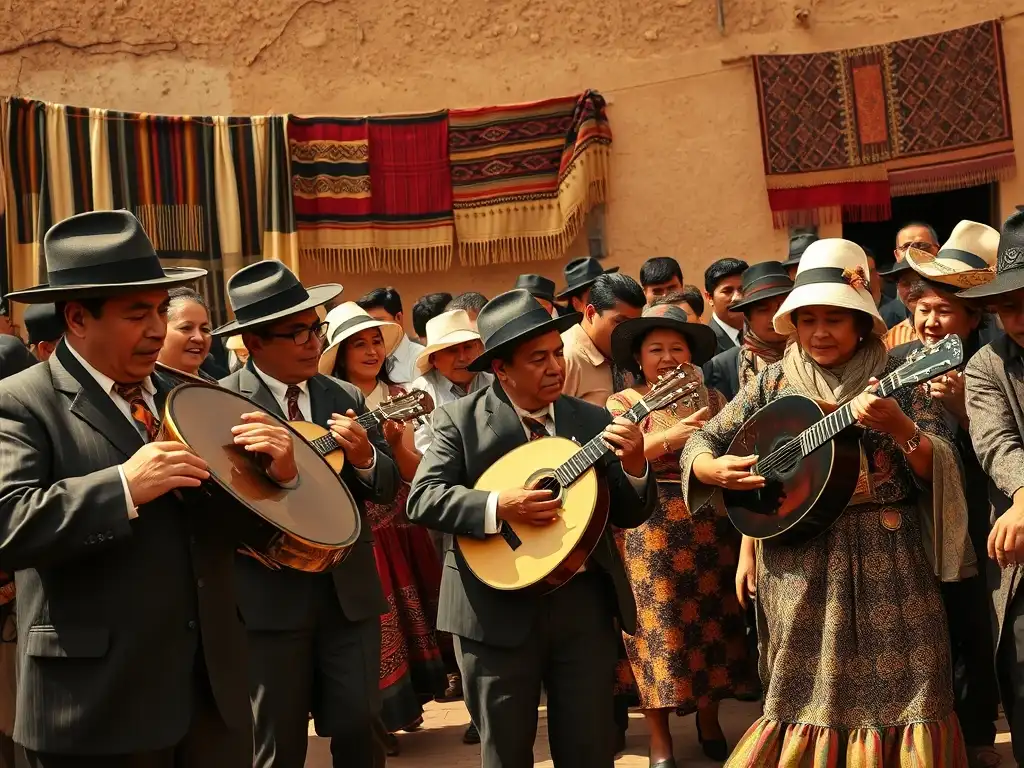
The Spanish conquest dramatically altered Andean life, attempting to suppress indigenous cultures, including music and dance. Yet, these art forms proved remarkably resilient, adapting and evolving while retaining core elements of their pre-Columbian heritage. Understanding the modern expressions of Andean music and dance provides crucial insight into the enduring power of cultural memory and resistance.
The continued performance and evolution of these traditions represent a powerful testament to the enduring spirit of Andean peoples and their determination to maintain their cultural identity in the face of immense historical pressure. This section explores the ways in which Andean music and dance have not only survived but thrived in the modern era, becoming vibrant expressions of cultural pride and continuity.
Analyzing the modern context reveals the sophisticated strategies employed to ensure the preservation and transmission of this invaluable cultural legacy for future generations. The survival of this heritage is a powerful illustration of the resilience and adaptation of Andean cultures.
Revitalization Movements and Cultural Revival
The latter half of the 20th century witnessed a significant surge in interest in, and revitalization of, Andean music and dance. This wasn't merely a passive preservation; it was an active reclaiming and reinterpretation of cultural heritage. Many indigenous communities launched initiatives to document, teach, and perform traditional music and dance forms. These movements often intertwined with broader struggles for indigenous rights and self-determination, using cultural expression as a powerful tool for political mobilization. This revitalization involved several key strategies:
- Community-based workshops: These workshops provided spaces for intergenerational knowledge transfer, allowing older generations to pass down their musical and dance skills to younger members of the community. This active transmission was crucial in preventing the loss of traditional techniques and knowledge.
- Establishment of cultural centers: Dedicated centers sprang up in many Andean communities and cities, providing venues for performances, rehearsals, and the creation of educational materials related to Andean music and dance.
- Integration into educational curricula: Efforts were made to integrate Andean music and dance into school curricula, ensuring that future generations would be familiar with and appreciate their cultural heritage. This proactive approach ensured that the knowledge wouldn't be limited to specific communities but would be shared more widely.
The success of these revitalization efforts is evident in the widespread popularity and performance of Andean music and dance today. The number of groups actively involved in performing traditional music has increased exponentially, demonstrating the successful transmission of these traditions across generations. The use of technology, such as recordings and videos, has further aided in the dissemination of this rich cultural heritage.
Contemporary Andean Artists and Performers
Today, a vibrant and diverse landscape of Andean artists and performers keeps the traditions alive while simultaneously innovating and evolving the art forms. These artists range from traditional groups meticulously preserving ancient techniques to contemporary musicians blending traditional styles with modern influences. The resulting music reflects a rich tapestry of influences, demonstrating the adaptability and enduring appeal of Andean musical traditions.
Many contemporary artists are actively engaging with social and political issues, using their music and dance as platforms for advocacy and social commentary. This fusion of tradition and modernity showcases the dynamic nature of Andean culture and its capacity to adapt and thrive in the 21st century.
Some examples include [specific examples of contemporary Andean artists and their work pending]. Further research is needed to provide a more comprehensive list and analysis of contemporary Andean artists and their contributions to the preservation and evolution of Andean music and dance.
The Importance of Education in Preserving Andean Heritage
Education plays a vital role in ensuring the long-term survival of Andean music and dance. Formal and informal educational initiatives are critical for fostering appreciation, understanding, and active participation in these cultural traditions. The transmission of knowledge extends beyond mere technical skill; it includes the historical context, social significance, and spiritual meanings associated with the music and dance. This holistic approach ensures that the cultural heritage is understood and valued in its entirety.
The following table highlights some key educational approaches:
| Educational Approach | Description | Impact |
|---|---|---|
| Formal School Curricula | Integration of Andean music and dance into school programs | Broad dissemination of knowledge and appreciation among younger generations |
| Community-Based Workshops | Hands-on learning and intergenerational knowledge transfer | Preservation of traditional techniques and knowledge within communities |
| University Research and Study | Academic study and research on Andean music and dance | Deeper understanding and scholarly analysis of the cultural heritage |
| Museums and Cultural Centers | Exhibits and educational programs focusing on Andean music and dance | Public engagement and wider appreciation of the cultural heritage |
| Online Resources and Archives | Digital preservation and accessibility of musical scores, recordings, and videos | Global reach and enhanced accessibility to the cultural heritage for researchers |
The continued investment in educational initiatives is paramount for the future of Andean music and dance. The preservation of this rich cultural heritage depends not only on the dedication of artists and communities but also on the commitment to education and cultural awareness. The ongoing efforts to ensure the accessibility of Andean music and dance history are crucial in fostering a deeper appreciation and understanding of this vibrant and enduring cultural legacy. The future of this cultural expression depends heavily on educational initiatives that reach a wide audience and promote active engagement. 🎼
Andean Music and Dance: A Living Testimony to Cultural Resilience
The Enduring Power of Andean Artistic Expression
Andean music and dance history is intrinsically linked to the survival and flourishing of Andean cultures. Long before the Spanish Conquest, music and dance served vital roles in Andean societies. They weren't merely entertainment; they were integral to religious ceremonies, agricultural cycles, social gatherings, and the transmission of knowledge across generations.
These artistic expressions acted as powerful tools for community building, reinforcing social structures, and expressing complex emotions and beliefs. The rhythmic patterns, intricate melodies, and symbolic movements encoded centuries of tradition, ensuring cultural continuity even in the face of adversity. The conquest brought significant changes, threatening the very existence of these traditions, yet Andean music and dance proved remarkably resilient.
Their enduring power lies in their capacity to adapt and evolve while retaining their core essence. This adaptability, coupled with the deep emotional resonance they hold for Andean communities, allowed them to serve as potent vehicles for resistance and cultural preservation during and after the colonial period. The use of instruments like the charango, zampoña, and tarka became a powerful symbol of resistance, their sounds echoing the spirit of a people determined to maintain their identity.
The Saya, Sikuri, and Morenada: Expressions of Resistance and Identity
Specific musical genres and dances played crucial roles in the resistance against Spanish rule. The saya, for example, a vibrant Bolivian dance characterized by its energetic movements and rhythmic drumming, often incorporated coded messages of defiance within its choreography and lyrics. Similarly, the sikuris, a traditional Andean panpipe music and dance, evolved into a powerful symbol of cultural resistance.
The sikuris's communal nature, with its large groups of musicians and dancers playing in unison, mirrored the collective strength and solidarity of Andean communities facing oppression. The morenada, another Bolivian dance, initially portrayed the struggles of enslaved African peoples, later becoming a powerful symbol of resistance against colonial rule and social injustice. The use of specific instruments and rhythmic patterns within these dances often served as a subtle form of communication, conveying messages of hope, defiance, and unity among the Andean people.
These musical and dance forms became vehicles for preserving cultural identity, subtly embedding narratives of history, resistance, and cultural pride within their performances. The intricate steps and symbolic gestures carried layers of meaning, transmitting a complex history through generations.
| Dance/Music Genre | Region | Key Characteristics | Role in Resistance |
|---|---|---|---|
| Saya | Bolivia | Energetic, rhythmic, often includes coded messages | Defiance, cultural assertion |
| Sikuri | Andes | Panpipe music and dance, communal performance | Collective strength, solidarity |
| Morenada | Bolivia | Represents struggles of enslaved peoples, later resistance | Resistance against colonial rule and injustice |
Preserving Andean Cultural Identity for Future Generations
The preservation of Andean music and dance is not merely a historical endeavor; it is a vital process for maintaining cultural identity and fostering community cohesion. Efforts to preserve these traditions involve a multifaceted approach that includes:
- Formal education: Integrating Andean music and dance into school curricula helps transmit knowledge and appreciation to younger generations.
- Community initiatives: Local groups and organizations play a critical role in organizing workshops, performances, and festivals to promote these art forms.
- Documentation and archiving: Recording performances, documenting traditional techniques, and creating digital archives are crucial for preserving cultural heritage.
- International collaborations: Sharing Andean music and dance with global audiences fosters understanding and appreciation, helping to secure their long-term survival.
The continued practice and transmission of Andean music and dance are essential for the cultural survival of Andean communities. These art forms are not static relics of the past but dynamic expressions of a living culture, constantly evolving while retaining their core values and meanings. The ongoing dedication to preserving Andean music and dance ensures that the rich history, resilience, and cultural identity of the Andean peoples will continue to thrive for generations to come.
Their enduring legacy serves as a testament to the power of art to transcend oppression and maintain cultural continuity. The study of Andean music and dance history provides invaluable insights into the complexities of cultural survival and the enduring strength of the human spirit. 🎼💃
Frequently Asked Questions
What role did music and dance play in ancient Andean societies?
Music and dance were integral to Andean life, reflecting spiritual beliefs, social structures, and daily activities. They were used in ceremonies, celebrations, and even agricultural practices.
How did Andean music and dance differ between different cultures?
Each Andean culture—Inca, Moche, Nazca, etc.—had its own unique musical styles and dance forms. Instruments, rhythms, and costumes varied significantly, reflecting their distinct cultural identities.
What instruments were commonly used in Andean music?
Panpipes, drums, and wind instruments like the pututu (a shell trumpet) were prevalent. The specific instruments and their use varied depending on the region and cultural group.
How has Andean music and dance evolved over time?
While ancient traditions persist, Andean music and dance have evolved and adapted over centuries, incorporating influences from Spanish colonization and other cultures, resulting in diverse contemporary forms.
Where can I learn more about the history of Andean music and dance?
You can find information in academic journals, museums focusing on Andean cultures, and through ethnomusicological studies. Many cultural centers also offer performances and workshops.
Final Reflection: Echoes of the Andes: A Legacy of Rhythm and Identity
The vibrant tapestry of Andean music and dance isn't merely a historical artifact; it's a living testament to resilience, a powerful force shaping cultural identity in the 21st century. Its enduring presence challenges the homogenizing forces of globalization, reminding us of the importance of preserving unique cultural expressions in an increasingly interconnected world. The rhythms and melodies, passed down through generations, continue to resonate, carrying with them the stories, beliefs, and struggles of a people.
The profound impact of Andean music and dance extends far beyond mere entertainment; it's a vital thread in the social fabric of Andean communities. It serves as a powerful vehicle for transmitting history, values, and traditions, fostering a sense of belonging and shared heritage. As the renowned Peruvian anthropologist, José Matos Mar, once stated, Music and dance are not simply forms of expression, but rather fundamental elements in the construction and maintenance of social identity.
This sentiment rings truer than ever in a world grappling with the challenges of cultural preservation.
Consider the legacy of these ancient traditions. How can you, in your own life, contribute to the preservation and celebration of diverse cultural expressions? Perhaps it's by actively seeking out and appreciating Andean music and dance, supporting artists and communities who keep these traditions alive, or simply sharing the beauty and power of this rich cultural heritage with others. Let the echoes of the Andes inspire you to embrace the vibrant diversity of our world and champion the preservation of its unique cultural voices.
Embrace and Celebrate Andean Culture Today!
Thank you for exploring the vibrant world of Andean music and dance! We hope you've discovered the crucial role these captivating art forms play in preserving cultural identity. Now, let's explore ways to connect with this rich heritage.
Here are a few suggestions:
- Participate in a local Andean music or dance workshop to experience the rhythms and movements firsthand. The energy and skill of the instructors and fellow participants will be truly inspiring.
- Share your newfound appreciation with friends and family on social media, highlighting the importance of Andean cultural practices. You can even post videos or photos to showcase what you've learned.
- Attend community events or festivals celebrating Andean traditions. These events offer a wonderful opportunity to deepen your understanding and appreciation of the culture, and often feature delicious food and vibrant crafts.
What aspect of Andean culture resonates most with you, and how will you help to ensure its continued vitality?