
Life in the Andes: Visiting the Ancient Village of Pisac

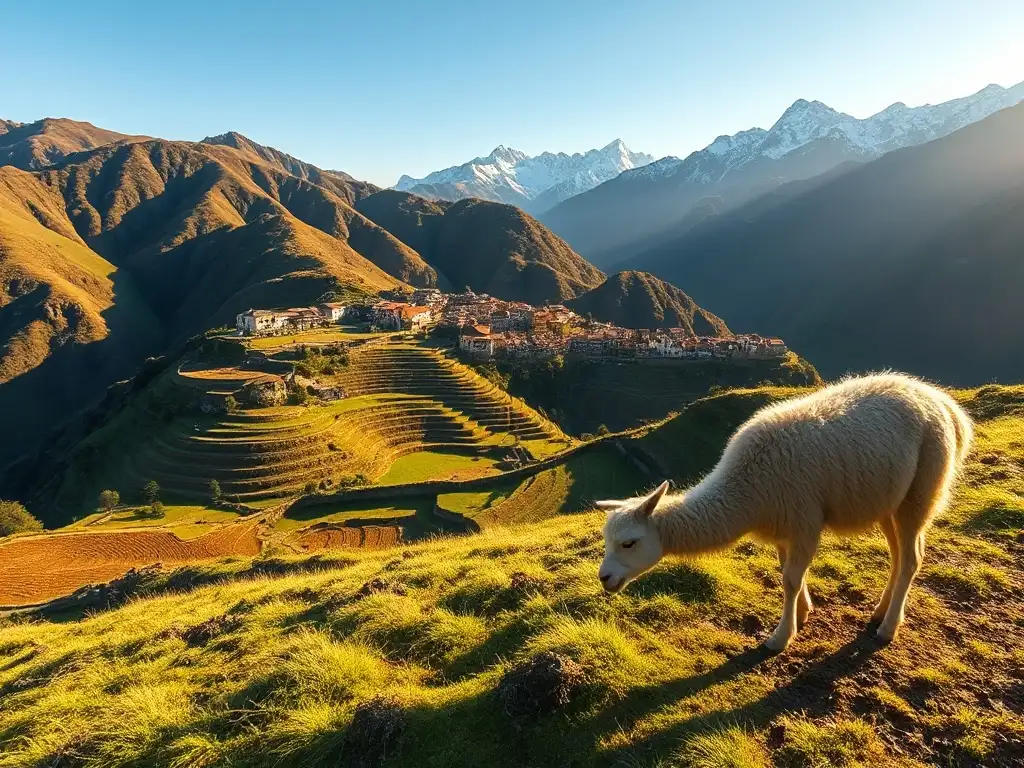
Step into a world lost to time, yet vividly preserved in stone... Imagine the echoes of ancient rituals in the towering peaks of the Andes. This is the realm of the Incas, Moche, Nazca, and Tiahuanaco – civilizations that shaped a landscape and a legacy. Prepare to be captivated as we delve into the heart of Andean history, beginning with an unforgettable Pisac ancient Andean village tour. Uncover the secrets hidden within these majestic ruins and discover the vibrant tapestry of a world unlike any other. Read on to embark on this extraordinary journey!
- Exploring the Sacred Valley: Your Guide to a Pisac Ancient Andean Village Tour
- Preparing for Your Pisac Ancient Village Tour: Practical Tips and Recommendations
- Experiencing Pisac: A Guided Exploration of the Inca Ruins and Market
- Enhancing Your Pisac Visit: Optional Activities and Experiences
- Concluding Your Pisac Ancient Andean Village Tour: Reflections and Further Exploration
- Frequently Asked Questions
- Final Reflection: Echoes of the Past, Whispers of the Future in Pisac
- Unveil the Magic of Pisac: Plan Your Andean Adventure Today!
Exploring the Sacred Valley: Your Guide to a Pisac Ancient Andean Village Tour
The Sacred Valley of the Incas, nestled in the heart of the Peruvian Andes, holds a treasure trove of ancient wonders. Among these captivating sites, Pisac stands out as a remarkably well-preserved example of an ancient Andean village, offering a captivating glimpse into the lives and ingenuity of its inhabitants.
This article serves as your comprehensive guide to planning a Pisac ancient Andean village tour, delving into the historical significance of this remarkable location and providing practical tips for your visit. We'll explore not only the iconic Inca ruins but also the broader cultural context of Pisac, helping you appreciate the depth and richness of this extraordinary archaeological site.
Get ready to embark on a journey through time, uncovering the secrets of Pisac and its crucial role within the vast Inca Empire, a destination increasingly popular for those seeking an authentic "Pisac ancient Andean village tour" experience. Prepare to be amazed by the intricate agricultural terraces clinging to the mountainside and the awe-inspiring Intihuatana stone, a testament to the astronomical knowledge and spiritual beliefs of the Inca civilization.
Planning Your Pisac Archaeological Site Visit: A Step-by-Step Guide
Planning a trip to Pisac requires careful consideration of several factors to ensure a smooth and enriching experience. First, determine the best time to visit. The dry season (May to September) offers the most pleasant weather for exploring the ruins, although the site is accessible year-round. Next, consider your transportation options.
Buses are readily available from Cusco, offering an affordable and convenient way to reach Pisac. Alternatively, hiring a taxi or joining a guided tour provides a more personalized experience, often including transportation and insightful commentary. Remember to pack appropriately for the varying altitudes and weather conditions, including comfortable walking shoes, sunscreen, a hat, and plenty of water. Don't forget your camera to capture the breathtaking views and intricate details of the archaeological site!
Finally, allow ample time to explore the different sections of the site; a half-day visit is recommended to fully appreciate its vastness and complexity. A well-planned itinerary will ensure you maximize your time and fully immerse yourself in the fascinating history of Pisac. Consider purchasing an entrance ticket in advance to avoid queues, especially during peak season. Remember to respect the site and its historical significance by staying on marked paths and refraining from touching or removing artifacts.
Understanding the Historical Significance of Pisac: Inca Ruins and Beyond
Pisac's significance extends far beyond its visually stunning Inca ruins. The site boasts a rich history predating the Inca Empire, with evidence of earlier settlements dating back centuries. The integration of pre-Inca elements into the later Inca constructions adds layers of complexity and intrigue to the site.
The strategic location of Pisac, nestled in a fertile valley with access to both agricultural land and vital trade routes, highlights its importance as a thriving community. The remarkable agricultural terraces carved into the mountainside are a testament to the advanced engineering skills and agricultural practices of the Inca people, allowing them to cultivate crops at varying altitudes. Beyond the impressive engineering feats, Pisac also held significant religious and ceremonial importance for the Inca.
The presence of ritual sites and structures within the complex further underscores its multifaceted role within the Inca society. Exploring Pisac is not simply about admiring ancient stones; it’s about understanding a dynamic and sophisticated culture that thrived in this challenging yet rewarding environment. The sheer scale of the site, combined with its breathtaking setting, makes it an unforgettable experience for visitors.
Pisac's Role in the Inca Empire: Agricultural Terraces and Ritual Centers
The intricate network of agricultural terraces at Pisac represents one of the most remarkable achievements of Inca engineering. These terraces, meticulously carved into the steep mountain slopes, enabled the Inca to maximize agricultural production in a challenging environment. The sophisticated irrigation systems that supported these terraces are a testament to the Inca's understanding of water management and their ability to adapt to the varied topography of the Andes.
These terraces weren't just for farming; they also served as a vital component of the Inca's social and economic structure, providing sustenance for the entire community. The terraced fields provided a visual representation of Inca societal organization and their mastery over their environment. Beyond the agricultural terraces, Pisac also served as a significant religious and ceremonial center.
The presence of numerous temples and ritual structures within the complex suggests the importance of Pisac in the Inca worldview. These structures, often aligned with astronomical features, point to a deep understanding of the cosmos and the Inca's close relationship with the natural world.
Uncovering the Mysteries: Exploring the Pisac Intihuatana and Temple Complex
The Intihuatana stone at Pisac is arguably the site's most iconic feature. This massive stone structure, believed to have been used for astronomical observations and religious ceremonies, is a compelling example of Inca astronomical knowledge and spiritual practices. Its precise function remains a subject of ongoing research and debate, adding to its mystique and allure.
The Intihuatana, meaning "place where the sun is tied," was likely used to mark solstices and equinoxes, highlighting the Inca's sophisticated understanding of celestial events and their integration into their religious calendar. The surrounding temple complex further reinforces the religious significance of this area, with various structures suggesting a range of rituals and ceremonies were performed here. The intricate carvings and architectural details of these structures provide valuable clues into the beliefs, practices, and artistic expressions of the Inca civilization.
Exploring this area offers a profound connection to the spiritual world of the Inca and a deeper understanding of their complex relationship with the cosmos. The sheer scale and intricacy of the Intihuatana and the surrounding temple complex leave a lasting impression on visitors, underscoring Pisac's importance as a vibrant center of religious and cultural life within the Inca Empire.
Preparing for Your Pisac Ancient Village Tour: Practical Tips and Recommendations

This section provides essential information to help you plan a memorable and enriching visit to the remarkable Pisac ancient Andean village. We'll cover practical aspects, ensuring your tour is both enjoyable and insightful. Remember, careful planning enhances the experience of exploring this fascinating archaeological site.
Best Time to Visit Pisac: Weather Considerations and Tourist Seasons
The ideal time to visit Pisac depends largely on your priorities. The dry season, from May to September, offers the best weather for hiking and exploring the ruins. Expect sunny skies and pleasant temperatures, perfect for a full day of sightseeing. However, this is also the peak tourist season, meaning larger crowds and potentially higher prices for accommodation and tours.
Conversely, the wet season, from October to April, sees more rainfall and potentially cooler temperatures. While some trails may be muddy, the crowds are significantly smaller, offering a more tranquil experience. If you don't mind occasional showers and prefer a less crowded atmosphere, the wet season can be a rewarding time to visit. Remember to pack appropriate rain gear and sturdy footwear.
Here's a table summarizing the best and worst times to visit:
| Season | Weather | Crowds | Pros | Cons |
|---|---|---|---|---|
| Dry (May-Sep) | Sunny, warm, dry | Large | Best weather for hiking, clear views | Large crowds, higher prices |
| Wet (Oct-Apr) | Rainy, cooler temperatures | Smaller | Fewer crowds, potentially lower prices | Possible mud, rain interruptions |
Avoiding the Crowds: Tips for a More Peaceful Pisac Experience
Even during the peak season, you can still enjoy a more peaceful experience in Pisac. Consider these strategies:
- Visit early in the morning or late in the afternoon: Beat the midday rush by arriving early or staying later. The crowds tend to be thinner during these less popular times.
- Explore beyond the main sites: While the main ruins are impressive, Pisac offers many smaller, less-visited areas. Venture off the beaten path to discover hidden gems and enjoy a more secluded experience.
- Consider a weekday visit: Weekends tend to be busier than weekdays. If your schedule allows, a mid-week visit might offer a quieter exploration.
- Hire a private guide: A knowledgeable guide can lead you to less crowded areas and provide insights that enhance your appreciation of the site.
Getting to Pisac: Transportation Options from Cusco and the Sacred Valley
Reaching Pisac from Cusco or other locations in the Sacred Valley offers several transportation options, each with its own advantages and disadvantages. Choosing the right method depends on your budget, time constraints, and desired level of comfort.
Hiring a Private Taxi or Tour Guide for a Personalized Pisac Tour
Hiring a private taxi or tour guide provides the most convenient and personalized experience. A private driver will pick you up from your location, allowing you to set your own pace and explore at your leisure. A tour guide can offer valuable insights into the history and significance of Pisac, enriching your understanding of the site. This option is generally the most expensive but offers unparalleled flexibility and comfort. The cost will vary depending on the vehicle type and length of the tour.
Taking a Local Bus to Pisac: A More Budget-Friendly Option
For budget-conscious travelers, the local bus is a cost-effective way to reach Pisac. Buses run regularly from Cusco and other towns in the Sacred Valley. This option is significantly cheaper than a private taxi, but it may be less comfortable and more time-consuming, as you'll likely share the ride with other passengers and may need to make transfers. Buses are a great way to experience local life, but be prepared for a less luxurious journey. Remember to confirm schedules and fares in advance. 🚌
What to Pack for Your Pisac Adventure: Essential Gear and Clothing
Planning your Pisac ancient Andean village tour requires careful consideration of what to bring. The altitude, variable weather conditions, and the amount of walking involved necessitate packing strategically. Forget bulky luggage; a comfortable backpack is your best friend. Prioritize lightweight, versatile clothing that can adapt to changing temperatures throughout the day. Layers are key! A light fleece or sweater is perfect for cooler mornings and evenings, while a breathable t-shirt will suffice for warmer periods. Remember that the sun can be intense, even on cloudy days, so sun protection is paramount. We'll cover that in more detail below.
Beyond clothing, consider bringing a small first-aid kit with essentials like bandages, antiseptic wipes, and any personal medications you may need. A small, lightweight rain poncho can be a lifesaver if unexpected showers occur. Finally, don't forget your camera and extra batteries to capture the stunning beauty of Pisac and its surroundings. A fully charged portable charger is also a smart addition, ensuring you can capture all those unforgettable moments.
Efficient packing is crucial for a comfortable and enjoyable Pisac ancient Andean village tour experience. Remember to leave any unnecessary items behind to make your journey lighter and more manageable. A good rule of thumb is to pack only what you absolutely need for a day trip; you can always leave extra items securely at your hotel.
Hiking Boots or Comfortable Walking Shoes for Exploring the Ruins
The Pisac ruins are spread across uneven terrain. Cobblestone paths, steep inclines, and rocky sections are common. Therefore, wearing appropriate footwear is crucial for a safe and comfortable exploration. Lightweight hiking boots are ideal, providing ankle support and protection against uneven surfaces. Ensure your footwear is broken in before your trip to avoid blisters and discomfort.
Avoid wearing sandals or flip-flops, as these offer little protection and can easily lead to injuries. Comfortable walking shoes with good traction are also acceptable, but they should provide adequate support and cushioning for the amount of walking involved. Remember, you'll likely be doing a significant amount of walking, both uphill and downhill, so prioritize comfort and support above all else. Investing in good footwear is an investment in your comfort and safety during your Pisac ancient Andean village tour.
Sun Protection: Hat, Sunglasses, and High SPF Sunscreen
The high altitude of Pisac means increased sun exposure and a higher risk of sunburn. Even on cloudy days, the sun's rays can be surprisingly strong. Therefore, robust sun protection is essential to ensure a safe and enjoyable experience. A wide-brimmed hat will shield your face, neck, and ears from the sun's harmful UV rays. Sunglasses with UV protection are equally important to safeguard your eyes from glare and potential damage.
Don't forget to apply a high SPF (30 or higher) broad-spectrum sunscreen liberally to all exposed skin, reapplying every two hours, especially after sweating or swimming. Consider a sunscreen that is specifically designed for outdoor activities and is water-resistant. Protecting yourself from the sun is not merely a matter of comfort; it's crucial for preventing sunburn, heatstroke, and long-term skin damage. Adequate sun protection is a non-negotiable part of planning your Pisac ancient Andean village tour.
Water Bottle and Snacks: Staying Hydrated and Energized on Your Pisac Tour
Staying hydrated and energized is crucial during your exploration of Pisac. The altitude and physical activity can quickly lead to dehydration and fatigue. Bring a reusable water bottle and fill it before you start your tour. You can refill it at various points along the way, but having a readily available supply of water is essential. Pack some energy-boosting snacks such as trail mix, granola bars, or fruit to maintain your energy levels throughout the day. Avoid sugary snacks and drinks, as they can lead to an energy crash later on. Opt for foods that are easy to carry and consume, and that provide sustained energy. Remember, a well-fueled body is better equipped to handle the challenges of a day exploring the ancient wonders of Pisac. Proper hydration and nourishment will significantly enhance your overall experience and help you fully appreciate the beauty and history of this remarkable Andean village.
Experiencing Pisac: A Guided Exploration of the Inca Ruins and Market
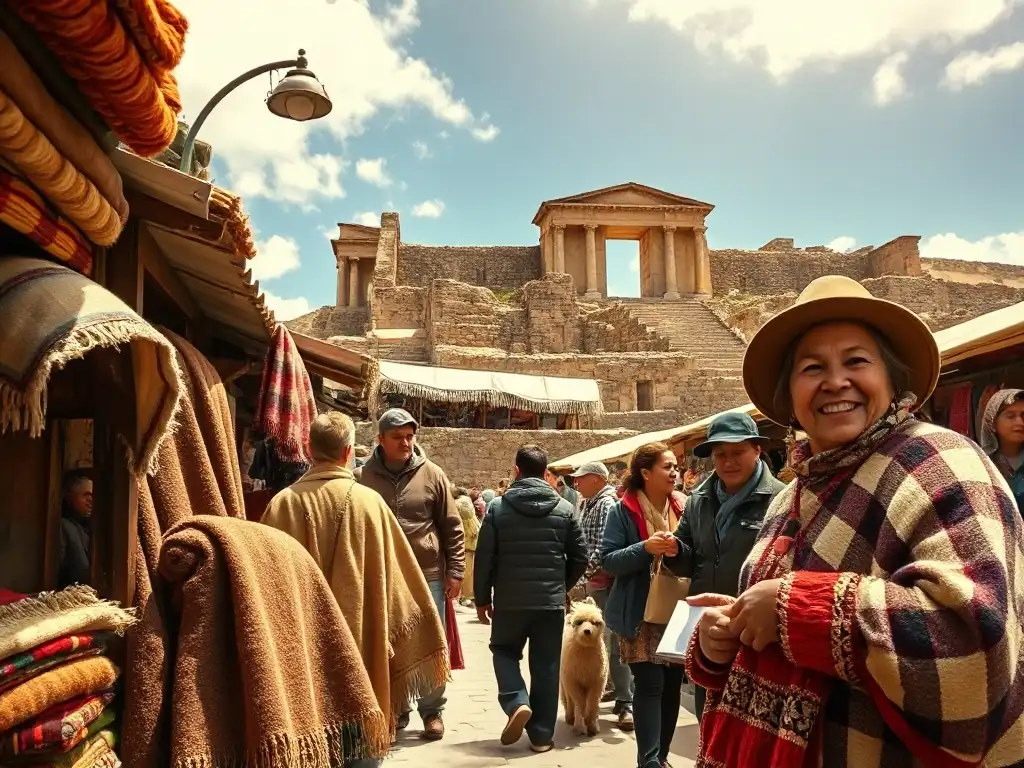
Pisac, nestled high in the Sacred Valley of the Andes, offers a captivating journey into the heart of Inca civilization. A "Pisac ancient Andean village tour" isn't just a visit; it's an immersive experience that blends breathtaking archaeological sites with the vibrant energy of a bustling market. This section delves into the key aspects of exploring Pisac, providing insights to enhance your understanding and appreciation of this remarkable location.
From the ingenious agricultural terraces to the sacred Intihuatana, Pisac reveals layers of Inca ingenuity and spiritual significance. The vibrant market further enriches the experience, offering a window into contemporary Andean culture and craftsmanship. Prepare to be captivated by the beauty and history that await you in this ancient Andean village.
Exploring the Pisac Agricultural Terraces: A Masterclass in Inca Engineering
The agricultural terraces of Pisac stand as a testament to the Inca's mastery of engineering and their deep understanding of their environment. These meticulously carved terraces, clinging to the steep mountain slopes, represent a sophisticated system of water management and soil conservation. The Inca's ability to create such a complex and efficient agricultural system in challenging terrain is truly remarkable.
They utilized a sophisticated network of canals and channels to irrigate the terraces, maximizing crop yields even in arid conditions. This innovative approach allowed them to cultivate a variety of crops, ensuring food security for their population. The terraces themselves are a marvel of construction, with precise stonework and carefully designed gradients to prevent soil erosion.
Observing these terraces today provides a powerful glimpse into the Inca's ingenuity and their deep connection to the land. The scale of the project is astonishing, a testament to the organized labor and advanced planning capabilities of the Inca Empire. Many of these terraces are still in use today, demonstrating their enduring legacy.
Discovering the Pisac Intihuatana: A Sacred Stone and Astronomical Observatory
High above the agricultural terraces, you'll find the Pisac Intihuatana, a significant archaeological site deeply intertwined with Inca cosmology and astronomy. The Intihuatana, meaning "Hitching Post of the Sun," is a large, intricately carved stone structure believed to have served as an astronomical observatory. Inca astronomers used the Intihuatana to track the sun's movements, marking solstices and equinoxes.
This knowledge was crucial for agricultural planning and religious ceremonies. The precise alignment of the stone with celestial events reveals a sophisticated understanding of astronomy far exceeding what many assume of pre-Columbian societies. Beyond its astronomical function, the Intihuatana held profound spiritual significance for the Inca.
It was a sacred site where rituals and ceremonies were performed, connecting the Inca people with the sun god, Inti, a central figure in their pantheon. Standing before this ancient stone, you can almost feel the echoes of past rituals and the weight of its historical and spiritual significance. The precision of its construction and its enduring presence are a tribute to the Inca's cultural and scientific achievements.
The Pisac market is a vibrant tapestry of colors, sounds, and aromas, offering a captivating glimpse into the rich cultural heritage of the Andes. A "Pisac ancient Andean village tour" is incomplete without experiencing the energy and diversity of this market. Stalls overflow with a dazzling array of handcrafted goods, including intricate textiles, vibrant ceramics, and unique silver jewelry. Many artisans display their creations directly, showcasing their skills and knowledge passed down through generations.
The market offers a unique opportunity to purchase authentic Andean products, supporting local communities and preserving traditional crafts. You'll find everything from alpaca wool sweaters and intricately woven tapestries to colorful ceramics and handcrafted musical instruments. Remember to haggle respectfully, a common practice in Andean markets, and to appreciate the artistry and cultural significance of each item. The market is a sensory feast, a vibrant expression of Andean culture that lingers long after you leave.
Tips for Bargaining at the Pisac Market: Securing the Best Deals
Bargaining is expected and even encouraged at the Pisac market. Begin by politely inquiring about the price. Then, offer a lower price, but do so respectfully. A friendly smile and a genuine interest in the item go a long way. Be prepared to walk away if the price isn't right. Often, the seller will call you back with a more reasonable offer.
Remember that the initial price is usually inflated, allowing for negotiation. However, be mindful of fair prices and avoid overly aggressive bargaining that could offend the artisan. Respect their craft and their livelihood. A successful bargain is one that leaves both parties feeling satisfied. Enjoy the process! It's all part of the cultural experience.
Purchasing Authentic Andean Products: Supporting Local Artisans
When purchasing items at the Pisac market, prioritize supporting local artisans. Look for handcrafted items made from natural materials like alpaca wool, silver, or locally sourced clay. Ask questions about the creation process; this demonstrates respect for their craft and often leads to a more meaningful interaction. Authentic Andean textiles, for instance, often feature intricate designs and traditional weaving techniques.
By supporting local artisans, you not only acquire unique souvenirs but also contribute to the preservation of traditional crafts and the economic well-being of Andean communities. Purchasing directly from the artisans ensures that they receive a fair price for their work and allows you to appreciate the cultural richness embedded in each item. Your purchase becomes a story, a connection to the vibrant culture of the Andes.
Enhancing Your Pisac Visit: Optional Activities and Experiences
This section delves into enriching experiences beyond the standard Pisac ancient Andean village tour, ensuring a truly memorable visit to this captivating archaeological site. We'll explore options that deepen your understanding of Andean culture and provide unforgettable moments. Remember, careful planning is key to maximizing your time and enjoyment. A well-structured Pisac ancient Andean village tour, enhanced with these suggestions, will leave you with a richer appreciation of the region.
Enjoying a Traditional Andean Meal in Pisac: Culinary Delights
Pisac offers more than just breathtaking ruins; it's a vibrant community with a rich culinary heritage. Indulging in a traditional Andean meal is a must-do for any visitor. Many restaurants in the town offer authentic dishes, showcasing the flavors and ingredients of the region. These meals often feature locally sourced potatoes ( papa), various grains like quinoa and corn ( choclo), and hearty stews. You might find dishes like cuy (guinea pig), a traditional Andean delicacy, although this is not to everyone's taste.
The experience goes beyond the food itself; it's an opportunity to immerse yourself in the local culture and engage with the community. Look for restaurants that highlight their commitment to traditional recipes and sustainable practices. Consider requesting recommendations from your tour guide or hotel staff for an authentic experience. The vibrant atmosphere and delicious food will undoubtedly enhance your Pisac ancient Andean village tour.
Trying "Pachamanca": A Traditional Andean Earth Oven Feast [Bookable tours]
A truly unique culinary experience available in Pisac is Pachamanca. This ancient Andean cooking method involves preparing food in an underground oven. Meats, vegetables, and potatoes are cooked slowly over hot stones, imbuing them with a unique smoky flavor. The entire process is fascinating to watch and participate in – several tour operators offer Pachamanca experiences as part of their Pisac ancient Andean village tours. These are often booked in advance, so pre-planning is crucial.
Think of the earth oven as a natural slow cooker, enhancing the natural flavors of the ingredients. The communal aspect of sharing a Pachamanca meal adds another layer to the experience, reflecting the social importance of food in Andean culture. It is a truly unforgettable culinary adventure that perfectly complements a visit to the ruins. Enjoy the unique flavors and the fascinating process – it's a true taste of Andean history!
Hiking Beyond the Ruins: Exploring the Surrounding Landscape of Pisac
While the ruins themselves are a highlight, the stunning landscape surrounding Pisac offers incredible opportunities for hiking and exploring. Numerous trails wind through the mountains, offering breathtaking views of the Sacred Valley and the Urubamba River. These trails vary in difficulty, so you can choose a route that matches your fitness level.
A moderate hike can take you to viewpoints overlooking the village and the ruins, providing a different perspective on the archaeological site. More challenging trails can lead you deeper into the mountains, offering opportunities to encounter local flora and fauna. Remember to wear appropriate clothing and footwear, bring plenty of water, and be aware of altitude sickness.
Many local guides offer hikes tailored to different skill levels. Exploring the surrounding landscape adds another dimension to your Pisac ancient Andean village tour, allowing you to appreciate the beauty and vastness of the Andean environment. This truly immersive experience is highly recommended for those seeking a more active and engaging exploration of the region.
Photography Tips for Pisac: Capturing the Beauty of the Andes
Pisac offers unparalleled photographic opportunities, allowing you to capture the breathtaking landscapes and the intriguing remnants of Inca ingenuity. To make the most of your photographic journey, consider these tips:
First, timing is everything. The golden hour, the period shortly after sunrise and before sunset, casts a magical, warm light that enhances the colors of the Andes mountains and the ancient stonework. Avoid midday sun, as it creates harsh shadows and washes out the vibrant hues of the landscape. Experiment with different times of day to see how the light affects your shots.
Second, consider your composition. The ruins themselves offer a wealth of compositional possibilities. Use leading lines, such as ancient pathways or walls, to draw the viewer's eye into the scene. Incorporate elements of the surrounding landscape, such as the terraced fields or distant mountains, to create a sense of depth and scale. Don't be afraid to get creative – experiment with different angles and perspectives to find unique compositions. A wide-angle lens can capture the grandeur of the landscape, while a telephoto lens can isolate specific details and textures of the ruins.
Third, pay attention to detail. Pisac is full of intricate details, from the carvings on the stones to the textures of the ancient walls. Take your time to explore and discover these details, and use close-up shots to highlight them. A macro lens can be particularly useful for capturing these fine details.
Finally, respect the site. Remember that Pisac is a sacred site with historical significance. Avoid touching or climbing on the ruins, and be mindful of the local community. Obtain any necessary permissions before taking photographs in restricted areas. Respectful photography ensures the preservation of this incredible heritage for future generations.
Best Photography Spots in Pisac: Inca Ruins and Stunning Landscapes
Pisac boasts numerous breathtaking locations perfect for capturing stunning photographs. Here are a few of the best spots to point your camera:
- The Pisac Market: While not strictly an ancient site, the vibrant colors and bustling energy of the Pisac market provide a fantastic opportunity to capture the cultural heart of the community. Focus on the details—the intricate textiles, the colorful fruits and vegetables, the expressions on the faces of the people. A fast shutter speed will help to freeze the action and capture the energy of the market.
- The Inca Ruins overlooking the Urubamba Valley: These majestic ruins offer panoramic views of the Urubamba Valley, providing stunning backdrops for your photographs. Experiment with different compositions, incorporating the valley, the ruins, and the sky. Consider using a tripod for long exposures to capture the details of the ruins and the vastness of the valley.
- The Terraced Agricultural Fields: The Inca's mastery of agriculture is evident in the intricate system of terraced fields that cascade down the mountainside. These fields offer unique photographic opportunities, particularly during sunrise or sunset when the light casts long shadows across the landscape. Use a wide-angle lens to capture the scale of the terraces and the beauty of the surrounding landscape.
- The Pisac Cemetery: Located near the main ruins, the Pisac Cemetery offers a more contemplative photographic experience. The quiet atmosphere and the ancient tombstones provide a unique setting for capturing the passage of time and the enduring connection between the past and the present. Consider using black and white photography to enhance the mood and atmosphere.
Remember to always be aware of your surroundings and prioritize safety when exploring these locations for photographic opportunities. With a little planning and attention to detail, you can capture unforgettable images that will serve as lasting memories of your visit to Pisac. Enjoy the process of capturing the beauty of this ancient Andean village!
Concluding Your Pisac Ancient Andean Village Tour: Reflections and Further Exploration
After spending a day immersed in the captivating history and breathtaking landscapes of Pisac, it's time to reflect on your journey through this remarkable ancient Andean village. The experience, likely filled with awe-inspiring views and a deeper understanding of Inca ingenuity, leaves a lasting impression. Consider the intricate agricultural terraces clinging to the mountainside – a testament to the Inca's mastery of engineering and their deep respect for the environment.
Reflect on the vibrant textiles and pottery you may have encountered, showcasing the artistic talent and cultural richness of the Pisac people, both past and present. The echoes of ancient rituals and ceremonies may linger in the air, adding a mystical quality to your memories. This unique Pisac ancient Andean village tour offers a profound connection to the past, allowing you to appreciate the resilience and ingenuity of Andean civilizations.
Understanding the Lasting Legacy of Pisac: Inca Ingenuity and Cultural Significance
Pisac's enduring legacy extends far beyond its stunning ruins. The sophisticated irrigation systems, still visible today, speak volumes about the Inca's advanced understanding of water management and their ability to cultivate crops in challenging terrain. These systems, combined with their meticulous agricultural techniques, ensured food security and sustained a thriving population. Beyond agriculture, the remarkable stonework showcased in the Pisac ruins demonstrates an unparalleled mastery of construction.
The precise fitting of stones, without the use of mortar, remains a marvel of engineering, highlighting the advanced knowledge of Andean builders. Furthermore, the cultural significance of Pisac persists in the vibrant traditions of its present-day inhabitants. Their continued use of ancient techniques in weaving, pottery, and agriculture keeps the spirit of their ancestors alive, offering a tangible link to the past. Understanding this legacy allows for a more complete appreciation of the Pisac ancient Andean village tour experience.
Extending Your Sacred Valley Experience: Other Archaeological Sites to Explore [Machu Picchu Tours]
Your Pisac adventure is just the beginning of a journey into the heart of Andean culture. The Sacred Valley, a region brimming with archaeological wonders, offers numerous opportunities for further exploration. Consider visiting Ollantaytambo, another impressive Inca site known for its colossal stone structures and strategic location. Alternatively, explore the enigmatic Moray agricultural terraces, a unique experimental farming center that demonstrates the Inca's sophisticated understanding of agriculture.
For the ultimate Andean experience, a trip to Machu Picchu, the iconic "Lost City of the Incas," is a must. While a separate journey, [Machu Picchu Tours] are readily available, allowing you to seamlessly extend your exploration of the region's rich history and breathtaking landscapes. Planning ahead ensures a comprehensive and unforgettable experience, enriching your understanding of the broader Andean context.
After completing your Pisac ancient Andean village tour, consider sharing your experiences with fellow enthusiasts. Connecting with others who share a passion for Andean history and culture can deepen your understanding and appreciation. Online forums, social media groups, and travel blogs dedicated to Andean civilizations offer platforms for sharing photos, stories, and insights. Engage in discussions, ask questions, and learn from the experiences of others.
This collaborative approach enhances your personal journey, transforming a singular experience into a shared adventure. By actively participating in these online communities, you contribute to a growing network of Andean culture aficionados, fostering a deeper appreciation for this fascinating region and its rich heritage. Sharing your Pisac experience enriches your own understanding and helps inspire others to embark on similar journeys.
Frequently Asked Questions
What is Pisac?
Pisac is a remarkable ancient Andean village located near Cusco, Peru. It's renowned for its stunning agricultural terraces, intricate Inca ruins, and vibrant market. A visit offers a glimpse into the rich history of the region.
Why should I visit Pisac?
Pisac offers a unique blend of Inca history, breathtaking landscapes, and authentic Andean culture. You can explore impressive ruins, marvel at the agricultural ingenuity, and experience the lively local market. It's a must-see destination for anyone interested in Andean civilization.
What can I see and do in Pisac?
You can explore the impressive Inca ruins, including temples and agricultural terraces carved into the mountainside. Browse the vibrant local market for handicrafts and textiles. Enjoy the panoramic views of the Sacred Valley.
How can I get to Pisac?
Pisac is easily accessible from Cusco via taxi, bus, or organized tour. Many guided tours incorporate Pisac as part of a larger Sacred Valley itinerary, offering convenient transportation and expert insights.
Is a guided tour necessary to visit Pisac?
While you can explore Pisac independently, a guided tour is highly recommended. Guides provide valuable historical context, enhancing your understanding and appreciation of the site and its significance within the broader Andean civilization.
Final Reflection: Echoes of the Past, Whispers of the Future in Pisac
The enduring legacy of Pisac, a vibrant tapestry woven from ancient Andean traditions and modern life, continues to resonate powerfully today. Its breathtaking landscapes and intricate archaeological sites serve as a tangible link to a rich and complex past, reminding us of the ingenuity and resilience of the Inca civilization and the communities that followed. This connection to history isn't merely academic; it's a living, breathing experience that shapes the very fabric of life in the Sacred Valley.
The impact of Pisac's history extends far beyond its physical boundaries. It's a place where the past informs the present, where ancient agricultural techniques are still practiced alongside modern innovations, and where the spirit of community remains strong. The past is never dead. It's not even past.
- William Faulkner. This quote perfectly encapsulates the feeling one gets in Pisac; the past is not a museum piece, but a vibrant force shaping the present and influencing the future trajectory of this remarkable village. The stories etched into the stones, the traditions passed down through generations, and the enduring connection to the land all contribute to a unique cultural identity that deserves our respect and admiration.
Consider the echoes of Pisac's history as you navigate your own life. What traditions and values do you hold dear? How can you connect with your own heritage and contribute to the preservation of your community's unique identity? Let the spirit of resilience and ingenuity that permeates Pisac inspire you to explore your own past, appreciate the present, and build a future rich in meaning and connection. The journey to understanding our shared human history begins with a single step, a single visit, a single reflection – and Pisac offers a powerful starting point.
Unveil the Magic of Pisac: Plan Your Andean Adventure Today!
Thank you for exploring the captivating life and ancient wonders of Pisac in the Andes! We hope you're inspired by the rich culture and breathtaking landscapes of this remarkable destination. Now, let's turn that inspiration into action!
- Plan your Pisac adventure: Research guided tours or create your own itinerary to fully immerse yourself in this vibrant community. Consider focusing on specific interests, such as the ancient ruins or the bustling market.
- Connect with local artisans: Discover unique, handcrafted treasures by directly contacting artisans in Pisac through their social media channels or websites. Many are eager to share their skills and stories.
- Share your Pisac experience: Spread the word about this enchanting destination! Share your photos, stories, and insights with friends, family, and on social media.
What aspect of Pisac excites you most—its fascinating history, the delicious local cuisine, or perhaps the awe-inspiring mountain scenery? Share your thoughts in the comments below!