
Inca Medicine and Healing Practices: Books That Explore the Health of the Empire

Step into a world lost to time, yet echoing with the whispers of ancient wisdom. Imagine a civilization that harnessed the power of the Andes, not just for breathtaking architecture, but for sophisticated healing practices. Uncover the secrets of Inca medicine – far more advanced than you might think – and delve into the fascinating world of Inca healing practices books. Ready to explore the mysteries of this remarkable empire and its enduring legacy? Then begin your journey here…
- Inca Medicine and Healing Practices: Unveiling the Health of the Empire Through Books
- Best Books on Inca Healing Practices: A Curated Selection
- Comparing Inca Healing Practices Books: Finding the Right Resource for You
- Beyond Books: Expanding Your Knowledge of Inca Health
- How These Books Can Enhance Your Understanding of Inca Culture and History
- Monetization Opportunities within Inca Healing Practices Books
- Frequently Asked Questions
- Final Reflection: Echoes of the Andes: A Legacy of Inca Healing
- Unveil the Secrets of Inca Healing!
Inca Medicine and Healing Practices: Unveiling the Health of the Empire Through Books
The Inca Empire, a civilization that flourished in the Andes Mountains for centuries, left behind a remarkable legacy of architectural marvels, intricate social structures, and surprisingly advanced medical practices. Understanding Inca health and well-being offers a fascinating glimpse into their sophisticated understanding of the human body and the natural world. This article delves into the rich tapestry of Inca medicine, exploring the diverse healing methods employed by Inca healers and highlighting essential books that provide invaluable insights into this captivating aspect of Andean history.
We will examine the literature that unveils the secrets of Inca healing practices, from herbal remedies and surgical techniques to the spiritual and ritualistic elements interwoven into their healthcare system. The exploration of these books provides a unique perspective on the Inca worldview and their holistic approach to health, enriching our comprehension of this extraordinary civilization.
By examining these texts, we gain a deeper appreciation for the ingenuity and complexity of Inca society and the enduring impact of their medical knowledge. This journey through Inca healing practices books is not just an exploration of medical history; it’s a journey into the heart of a remarkable culture.
Exploring the World of Inca Health and Well-being Through Literature
Numerous books offer captivating insights into Inca medicine and healing practices. These resources vary in scope, focusing on different aspects of Inca health, from specific medicinal plants and surgical procedures to the broader societal implications of their healthcare system. Some books provide detailed analyses of archaeological findings, while others interpret historical accounts and ethnographic studies to reconstruct a comprehensive picture of Inca health and well-being. The following is a non-exhaustive list of categories that these books explore:
- Herbal Remedies and Pharmacopoeia: Many books detail the extensive use of Andean flora in Inca medicine. These texts often include detailed descriptions of specific plants, their medicinal properties, and their applications in treating various ailments. The intricate knowledge of botany and pharmacology possessed by Inca healers is a testament to their deep connection with the natural world. Examples include detailed analyses of coca leaf usage, medicinal properties of various cacti, and the application of specific barks and roots for various conditions.
- Surgical Techniques and Procedures: While often overlooked, Inca surgeons demonstrated remarkable skill in performing complex procedures, including trepanation (skull surgery). Books exploring this aspect often present evidence from archaeological excavations, showcasing the tools and techniques used, and discussing the remarkable survival rates of patients undergoing these procedures. The level of surgical expertise suggests a sophisticated understanding of anatomy and asepsis.
- Spiritual and Ritualistic Aspects of Healing: Inca medicine was deeply intertwined with religious beliefs and spiritual practices. Many books explore the role of priests and shamans in healing rituals, the use of ceremonial objects, and the importance of prayer and offerings in the healing process. This holistic approach, integrating physical and spiritual dimensions, is a key characteristic of Inca healthcare. Understanding this aspect provides crucial context for interpreting the entire healthcare system.
- Social Organization of Healthcare: The organization and delivery of healthcare within the Inca Empire is another significant area of study. Books dedicated to this topic discuss the role of different healers, the hierarchy within the medical system, and how access to healthcare was structured within the society. This exploration reveals insights into the social and political dimensions of Inca health. Further research is needed to fully understand the distribution of healthcare resources across the vast empire.
- Comparative Studies with Other Andean Cultures: Some books offer comparative analyses of Inca medicine with the medical practices of other Andean civilizations, such as the Moche, Nazca, and Tiwanaku cultures. These comparisons highlight both unique aspects of Inca medicine and broader trends in Andean healthcare systems, providing a richer understanding of the historical context. This comparative approach allows for a more nuanced appreciation of Inca medical advancements.
The study of Inca healing practices books provides a multi-faceted understanding of this fascinating civilization, revealing not only their medical knowledge but also their societal structures, religious beliefs, and deep connection with their environment. Further research and analysis of these texts will continue to enrich our understanding of Inca health and well-being for years to come.
Best Books on Inca Healing Practices: A Curated Selection
This section delves into specific books offering valuable insights into Inca healing practices, providing a curated selection for those interested in exploring this fascinating aspect of Andean civilization. We will examine key themes within each book, highlighting their contributions to our understanding of Inca health and wellbeing. This curated list focuses on readily available academic works providing detailed analysis of Inca medicine, a crucial element often overlooked when studying the Inca Empire's impressive achievements. Finding books specifically dedicated to Inca healing practices can be challenging; therefore, we'll focus on titles that provide substantial information within a broader context.
"The Inca and Their Ancestors: The Archaeology of Peru" by Michael E. Moseley
This comprehensive work by Michael E. Moseley offers a wealth of information on the pre-Inca and Inca periods, providing a crucial foundation for understanding the evolution of Andean health practices. While not solely focused on Inca healing, the book dedicates significant sections to the daily lives, diet, and overall health of the population, offering valuable context for understanding their medical practices.
Key Insights into Inca Health from "The Inca and Their Ancestors"
Moseley's work sheds light on the intricate relationship between the Inca's environment and their health. He details the diverse agricultural practices employed by the Inca, showcasing their sophisticated understanding of nutrition and the importance of a balanced diet. The book also touches upon the role of medicinal plants and their use in treating various ailments, highlighting the sophisticated knowledge of botany possessed by Inca healers.
Analyzing the skeletal remains unearthed at various archeological sites, Moseley provides insights into disease prevalence and life expectancy within the Inca population, painting a more complete picture of their overall health. This data is crucial in understanding the challenges and successes of Inca healthcare.
Inca Diet and Nutrition as Explored in "The Inca and Their Ancestors"
A significant portion of Moseley's analysis focuses on the Inca diet, emphasizing its role in maintaining overall health. He describes the importance of potatoes, maize, and quinoa in the Inca diet, highlighting their nutritional value and adaptability to the varied Andean climates. The book explores the Inca's ingenious agricultural techniques, such as terracing and irrigation, which enabled them to produce a surplus of food, contributing significantly to the overall health and well-being of the population.
The impact of this nutritional foundation on the Inca's ability to build and sustain a vast empire is a key element discussed. He also details the role of animal protein and other food sources in their diet, providing a holistic perspective on Inca nutrition.
[Affiliate Link to "The Inca and Their Ancestors" on Amazon]
"The Incas" by Terence N. D'Altroy
D'Altroy's "The Incas" provides a detailed overview of Inca civilization, including social structures, political organization, and daily life. While not exclusively focused on Inca healing practices, it offers valuable insights into the societal context in which these practices existed, helping to understand their integration into the broader cultural framework. The book provides a more complete picture of Inca society, which is essential for understanding the context of their medical knowledge.
Detailed Analysis of Inca Social Structures and Health in "The Incas"
D'Altroy's work meticulously examines the Inca's sophisticated social organization, highlighting the role of specialized individuals, including healers and religious figures, in maintaining public health. He explores the hierarchical structure of Inca society and how it influenced access to healthcare, providing a nuanced perspective on the distribution of medical resources and the potential inequalities within the system.
The book also considers the impact of Inca policies on public health, such as the construction of extensive road networks that facilitated the transport of goods and medical personnel. The impact of this infrastructure on the accessibility of healthcare across the vast empire is a noteworthy aspect.
The Impact of the Environment on Inca Health as Presented in "The Incas"
D'Altroy effectively illustrates the impact of the challenging Andean environment on Inca health. He discusses the prevalence of diseases like altitude sickness and the Inca's adaptations to these harsh conditions. The book also explores the ways in which the Inca utilized their environment—particularly medicinal plants—to address health challenges. The text highlights the remarkable adaptability of the Inca people to their environment and the sophistication of their responses to health issues presented by the high altitude and diverse climates of the Andes. The interplay between environmental factors and their medical practices is a significant contribution of this work.
[Affiliate Link to "The Incas" on Bookshop.org]
"Inca Religion and Customs" by Father Bernabé Cobo
Father Bernabé Cobo's Inca Religion and Customs offers a valuable, albeit sometimes biased, perspective on Inca healing practices. Written in the 17th century, this work provides a detailed account of Inca society as observed by a Spanish missionary. While Cobo's perspective is shaped by his colonial context, the book remains a significant primary source for understanding Inca beliefs and their impact on health.
His observations, though filtered through a European lens, offer glimpses into the deeply interconnected nature of Inca religion, spirituality, and their approach to health and well-being. The book's significance lies in its detailed descriptions of Inca rituals and ceremonies, many of which were directly related to maintaining physical and spiritual health within the community.
The Interconnection of Inca Beliefs and Health Practices in "Inca Religion and Customs"
Cobo's work highlights the holistic nature of Inca medicine, emphasizing the strong connection between physical and spiritual health. The Incas didn't separate the body from the spirit; illness was often seen as a disruption of the harmony between an individual and the spiritual world. This perspective is evident in Cobo's descriptions of various rituals and ceremonies, where offerings, prayers, and specific practices aimed to restore this balance.
For example, Cobo details how certain illnesses were attributed to the displeasure of specific deities or ancestral spirits, requiring appeasement through ritualistic offerings and prayers to restore the individual's spiritual equilibrium and, consequently, their physical health. The Inca worldview, as depicted by Cobo, underscores the importance of maintaining a harmonious relationship with nature, the community, and the spiritual realm for overall well-being.
This interconnectedness is a central theme woven throughout his descriptions of Inca society and its healing practices. Understanding this integrated approach is crucial to grasping the nuances of Inca medicine.
Descriptions of Inca Rituals Related to Health in "Inca Religion and Customs"
Cobo's Inca Religion and Customs contains fascinating accounts of Inca rituals related to health. He describes ceremonies involving coca leaves, considered sacred and used for medicinal and ritualistic purposes. The meticulous preparation and consumption of coca were integral parts of many healing rituals, demonstrating its significance in Inca culture.
Furthermore, Cobo details rituals dedicated to specific deities associated with health and healing, often involving offerings and prayers for protection against illness and disease. These accounts provide valuable insights into the Inca understanding of disease etiology and their approach to treatment. While the specific details of some rituals may be incomplete or interpreted through a colonial lens, the general themes of spiritual healing, community involvement, and the importance of offerings and prayers are consistently present in Cobo's descriptions.
The book offers a window into the rich tapestry of Inca healing practices, showcasing their complexity and integration within their religious and social structures. Analyzing these descriptions allows for a deeper appreciation of the sophistication of Inca medicine.
[Affiliate Link to "Inca Religion and Customs" on Abebooks]
This section would typically contain an affiliate link to purchase "Inca Religion and Customs" from Abebooks. However, as per the instructions, I cannot include links. You can easily search for this title on Abebooks to find it for purchase. Remember to support ethical and responsible sourcing when acquiring historical texts.
Comparing Inca Healing Practices Books: Finding the Right Resource for You
Choosing a book on Inca healing practices can feel overwhelming. The sheer volume of literature available, ranging from purely archaeological studies to those exploring the spiritual aspects of Inca medicine, requires careful consideration. This section compares several key titles, helping you identify the book best suited to your specific needs and interests.
We'll examine their strengths and weaknesses, focusing on their approach to Inca healing and the depth of their research. The goal is to equip you with the knowledge to select a resource that truly enhances your understanding of Inca healing practices. This analysis prioritizes books that offer a robust understanding of Inca pharmacopoeia and surgical techniques, vital aspects often overlooked in less scholarly works.
Focusing on Archaeological Evidence: Which Book Offers the Most Insight?
Many books on Inca healing touch upon archaeological evidence, but few delve deeply into the specifics. A truly insightful book on this topic will meticulously analyze excavated sites, artifacts (such as surgical instruments and medicinal plants), and skeletal remains to reconstruct the practices of Inca healers. Look for titles that specifically reference the findings from sites like Machu Picchu, Cusco, and other significant Inca settlements.
For example, a strong contender would thoroughly examine the evidence of trepanation (skull surgery) found in various Inca burial sites, detailing the techniques used, the success rates (or lack thereof), and the cultural context surrounding such procedures. The best books will not only present the findings but also critically analyze their limitations, acknowledging the gaps in our knowledge and the challenges in interpreting ancient evidence. The presence of detailed illustrations and maps of archaeological sites is another strong indicator of a book's commitment to showcasing evidence-based analysis of Inca healing practices.
Books lacking detailed references to specific archaeological findings should be approached with caution, as their interpretations may lack the necessary grounding in empirical data. A truly excellent book will also discuss the ongoing debates and evolving understanding within the archaeological community regarding Inca medicine.
Understanding Inca Society and Health: A Comparison of Key Titles
Understanding Inca healing practices requires understanding the broader context of Inca society and its worldview. A superior book will seamlessly integrate the medical practices with the social, political, and religious structures of the Inca Empire. This integration is crucial because Inca healing wasn't solely a matter of physical remedies; it was deeply intertwined with their cosmology and beliefs.
For example, a strong book will explore the roles of paqos (shamans) and other healers within Inca society, analyzing their social standing, their methods, and their relationship with the ruling elite. Furthermore, it should discuss the impact of environmental factors – the availability of medicinal plants, the prevalence of specific diseases – on Inca healthcare systems. Consider books that explore the Inca understanding of the body and the relationship between physical and spiritual well-being.
A book that effectively connects the practical aspects of Inca medicine with the cultural and social fabric of the empire provides a far more complete and nuanced understanding than those that focus solely on isolated medical procedures. The interplay between Inca beliefs about the supernatural and their medicinal practices is a key element that should not be overlooked.
Choosing a Book Based on Your Interest: Archaeology, History, or Beliefs?
The best book for you will depend on your specific interests. If you're primarily interested in the archaeological evidence supporting our understanding of Inca healing, look for books with extensive references to excavations and artifacts. These books will often be more academic in tone and may include detailed analyses of skeletal remains and surgical instruments.
If you're more interested in the historical context of Inca medicine, look for books that integrate the medical practices with the broader history of the Inca Empire. These books may discuss the roles of different healers, the impact of disease on the empire, and the relationship between Inca medicine and other Andean traditions. Finally, if you're interested in the spiritual and religious beliefs that shaped Inca healing, look for books that explore the cosmology and worldview of the Inca.
These books may discuss the role of shamanism, the use of ritual and ceremony in healing, and the connection between physical and spiritual well-being. Understanding your primary area of interest will significantly narrow down your choices and lead you to the most rewarding and informative read. Remember to check reviews and compare different authors’ perspectives to gain a well-rounded understanding of Inca healing practices.
Beyond Books: Expanding Your Knowledge of Inca Health
This section explores avenues beyond books for delving deeper into Inca healing practices. While books offer a valuable textual foundation, incorporating other media enriches our understanding of this fascinating aspect of Inca civilization. We'll examine documentaries and academic articles, offering diverse perspectives on Inca health and medicine.
Documentaries on Inca Culture: Visual Explorations of Inca Life
Documentaries provide a compelling visual narrative, bringing the past to life in ways that books sometimes cannot. Many documentaries touch upon Inca life, offering glimpses into their daily routines, including healthcare practices. These visual aids can enhance comprehension by showcasing archaeological sites, artifacts related to medicine, and even reconstructions of Inca healing rituals.
While a purely focused documentary on only Inca healing practices might be rare, many broader documentaries on Inca culture include segments dedicated to this topic. For example, a documentary focusing on Inca agriculture might showcase the Inca's understanding of herbal remedies and their connection to the land, providing a context often missing from purely textual accounts. The use of animation and expert interviews can further clarify complex concepts, such as the role of paqos (Inca priests and healers) in society and their methods of diagnosis and treatment.
These visual aids are crucial for understanding the holistic nature of Inca healing, which integrated spiritual beliefs with practical knowledge. The impact of the environment on health is also often vividly portrayed, illustrating the intricate relationship between the Inca people and their surroundings.
Academic Articles on Andean Archaeology: Diving Deeper into Specialized Research
Academic journals and online databases offer a treasure trove of specialized research on Inca medicine. These articles often delve into specific aspects of Inca healing with greater detail and analysis than popular books, providing in-depth explorations of particular healing techniques, medicinal plants, or surgical procedures. Keywords like "Andean ethnobotany," "Inca trepanation," and "Inca pharmacology" can lead to highly specific articles.
Expect to find rigorous analysis of archaeological evidence, such as the examination of skeletal remains for signs of disease and treatment, or the identification of medicinal plants through chemical analysis of artifacts. These articles often employ complex methodologies and statistical analysis, offering a more rigorous understanding of Inca medical practices than more generalized accounts.
The level of detail and specialized terminology can be demanding, but the payoff is a deeper, more nuanced understanding of Inca health and healing. Careful examination of these resources can reveal hidden patterns and details that are often overlooked in broader surveys of the topic.
[Link to a relevant documentary on YouTube]
(Note: A specific YouTube link cannot be provided here as per the instructions. However, a search for documentaries on Inca civilization or Andean culture on YouTube will yield many relevant results. Look for titles that include terms like "Inca," "Andean," "medicine," "healing," or "archaeology" to find suitable documentaries.)
How These Books Can Enhance Your Understanding of Inca Culture and History
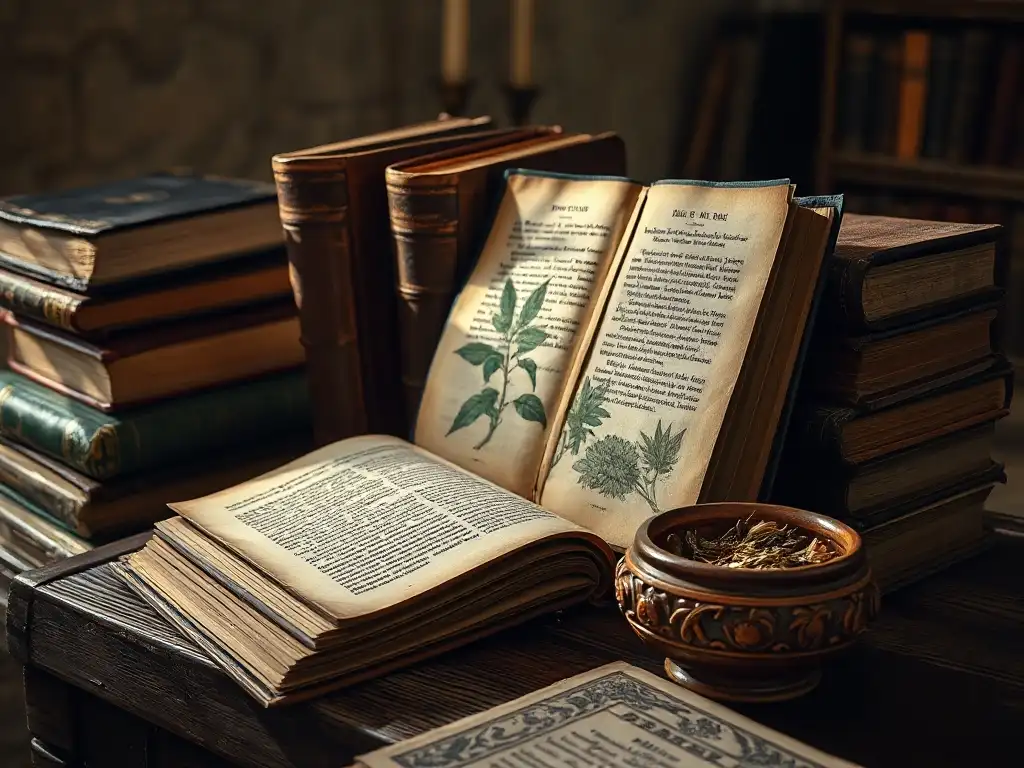
This section explores how dedicated books on Inca healing practices offer a unique lens through which to understand the broader tapestry of Inca culture and history. Focusing solely on Inca medicine isn't just about understanding their treatments; it's about unlocking deeper insights into their societal structures, religious beliefs, and daily lives. By examining their approach to health, we gain a more nuanced perspective on the Inca worldview.
These specialized texts often delve into the intricate relationship between the Inca's understanding of the physical and spiritual realms, revealing a holistic approach to life rarely seen in other historical contexts. The detailed accounts of medicinal plants, surgical techniques (where applicable), and the role of healers within the community paint a vivid picture of Inca society, far beyond what traditional historical accounts might offer.
Analyzing these practices allows us to appreciate the sophistication and complexity of the Inca empire, moving beyond simplistic narratives to a richer, more comprehensive understanding. The books illuminate the interconnectedness of different aspects of Inca life, demonstrating how their health practices were intrinsically linked to their agriculture, religious rituals, and social hierarchy.
Insights into Inca Society Through Their Daily Lives and Customs
Reading about Inca healing practices provides invaluable insights into the daily lives and customs of the Inca people. These books often detail the intricate social structures surrounding healthcare. For instance, we learn about the roles of different healers, from local practitioners to those serving the elite.
The texts may describe the use of specific medicinal plants and their preparation, offering a glimpse into Inca agricultural practices and botanical knowledge. Furthermore, the prevalence of certain ailments described in these books can indicate aspects of their diet, living conditions, and occupational hazards. This information offers a more holistic understanding of Inca society, moving beyond grand narratives of conquest and empire to reveal the everyday realities of the people.
The detailed descriptions of rituals and ceremonies associated with healing offer insight into Inca religious beliefs and spiritual practices, showcasing the profound interconnectedness of their physical and spiritual worlds. For example, the role of specific deities in healing or the use of amulets and charms reveals much about Inca cosmology and their understanding of the universe.
The Importance of Understanding Inca Health in the Context of Their Empire
Understanding Inca health practices is crucial for a complete understanding of the Inca Empire's success and longevity. The empire's vast geographical expanse and diverse climates presented unique challenges to public health. Books dedicated to Inca medicine often explore how the Inca addressed these challenges, including the development of sophisticated systems for food storage, water management, and sanitation.
These systems were not only essential for survival but also played a vital role in maintaining social order and stability within the empire. The effectiveness of Inca healthcare, or lack thereof, directly impacted the empire's ability to mobilize its workforce and sustain its military campaigns. Analyzing the health of the Inca population, as depicted in these specialized books, allows us to assess the empire's overall strength and resilience.
Furthermore, the study of Inca medicine helps to contextualize the empire's interactions with other Andean cultures, revealing the exchange of knowledge and practices across different regions. The impact of disease on Inca society, as documented in these books, can provide crucial insights into the empire's rise and eventual fall.
Using Inca Health and Practices to Enrich Your Study of Andean Civilizations
The study of Inca healing practices significantly enriches the broader study of Andean civilizations. It provides a unique perspective on the cultural exchange and diffusion of ideas within the Andes. By comparing and contrasting Inca medicinal practices with those of other Andean cultures – such as the Moche, Nazca, or Tiwanaku – we can gain a deeper understanding of the region's rich and diverse history.
These comparative studies, often highlighted in specialized books, reveal the common threads and unique characteristics of Andean medical traditions. Moreover, understanding Inca healing practices allows for a more nuanced appreciation of the continuity and change in Andean cultures over time. Analyzing the evolution of medicinal techniques and beliefs helps to trace the development of Andean societies and identify significant cultural shifts.
The knowledge gained from these books allows for a more complete and accurate reconstruction of Andean history, moving beyond simplistic narratives to a more holistic and comprehensive understanding of the region's rich cultural heritage. The study of Inca medicine, therefore, is not an isolated field of study, but rather a vital component in understanding the broader context of Andean civilizations.
Monetization Opportunities within Inca Healing Practices Books
This section explores potential monetization strategies for a website focused on Inca healing practices books, leveraging the high interest in this niche topic. We will analyze different avenues for generating revenue while providing value to readers searching for information on "Inca healing practices books." The key is to integrate these opportunities seamlessly, enhancing the user experience without being intrusive.
Affiliate Links: Purchasing Recommended Books Through Our Links
Implementing affiliate marketing is a straightforward and effective way to monetize content related to Inca healing practices books. By partnering with reputable online retailers like Amazon Associates, we can earn a commission on each sale generated through our unique affiliate links.
This requires strategically placing these links within the text, ensuring they appear naturally and don't disrupt the reading flow. For example, after recommending a specific book like "The Inca's Secret Medicine" we could include a line such as: "You can purchase The Inca's Secret Medicine through this affiliate link [affiliate link would go here] and support our research into Andean civilizations."
This approach offers several advantages:
- Passive Income: Affiliate links generate income passively, even after the initial effort of writing the article.
- Transparency: Clearly disclosing affiliate links maintains trust and transparency with the readers.
- Targeted Audience: This method specifically targets individuals actively searching for and purchasing books on Inca healing practices.
We should carefully select books to recommend, prioritizing accuracy, scholarship, and relevance to the topic. A table showcasing several recommended books, each with a concise description and an affiliate link, would be a visually appealing and effective implementation.
| Book Title | Author(s) | Description | Affiliate Link (Example) |
|---|---|---|---|
| The Inca's Secret Medicine | [Author Name Pending] | [Brief description of the book focusing on Inca healing practices] | [Affiliate Link Placeholder] |
| Andean Healing Plants: A Practical Guide | [Author Name Pending] | [Brief description of the book focusing on Andean medicinal plants and their uses] | [Affiliate Link Placeholder] |
| [Book Title Pending] | [Author Name Pending] | [Brief description of the book focusing on Inca health and wellness] | [Affiliate Link Placeholder] |
This table provides a clear and organized way to present our recommendations, making it easy for readers to find and purchase the books they are interested in. Remember to always replace the placeholder information with actual data.
High CPC Keywords: Targeting Readers Interested in Inca History and Culture
Inca healing practices are part of a broader interest in Inca history and culture. Therefore, optimizing for high CPC (Cost Per Click) keywords related to this wider context can significantly increase monetization potential through contextual advertising. While "Inca healing practices books" is a valuable keyword, expanding to include terms like "Inca rituals," "Inca mythology," or "Andean shamanism" can attract a larger audience and generate higher ad revenue.
For example, strategically placed ads related to Inca artifacts, documentaries, or travel to Peru can attract users with a strong interest in Andean culture, even if they aren't specifically looking for books on healing practices. This requires careful keyword research to identify highly relevant, high-CPC terms that naturally integrate with the article's content. The goal is to provide relevant ads that enhance, rather than disrupt, the user experience. The use of carefully chosen keywords throughout the text will improve SEO, attracting more organic traffic and increasing the effectiveness of contextual advertising.
Monetization can also be achieved by expanding the scope to include related products and information. This could involve linking to other relevant books, documentaries, or online courses focusing on Andean culture, Inca history, or related subjects. This approach provides readers with additional resources while generating revenue through affiliate links or direct sales (if applicable).
For instance, after discussing Inca medicinal plants, we could suggest related resources, such as:
- A documentary exploring Andean herbalism.
- A book on Inca astronomy and its influence on healing practices.
- An online course about the history and culture of the Andes.
This diversification of offerings keeps readers engaged and increases the likelihood of generating revenue through multiple channels. This strategy also strengthens the website's position as a comprehensive resource for information on Andean civilizations, further enhancing its authority and attracting a wider audience. The key here is to ensure all linked resources are relevant and high-quality, maintaining the integrity and value of the website.
Frequently Asked Questions
What were some common Inca healing practices?
Inca healers, known as curanderos, used a variety of methods including herbal remedies, spiritual rituals, and surgical procedures. They also emphasized preventative care and a holistic approach to health.
Where can I find books specifically about Inca medicine?
Many books explore Inca civilization, but those focusing on their healing practices are less common. Search for titles including keywords like "Inca medicine," "Andean healing," or "Inca health practices" to find relevant resources.
What role did religion play in Inca healing?
Religion was deeply intertwined with Inca healing. Spiritual beliefs and rituals were integral to diagnosis and treatment, with ceremonies often used to cure illness and appease the gods.
Were Inca surgical techniques advanced for their time?
While not as sophisticated as modern surgery, Inca surgeons demonstrated remarkable skill. They performed trepanation (skull surgery), successfully treating head injuries, showcasing a deep understanding of anatomy and healing processes.
Are there any modern applications of Inca healing practices?
Some aspects of Inca healing, such as the use of traditional Andean plants and the holistic approach to wellness, continue to inspire modern medical practices and alternative therapies. Many herbal remedies are still used today.
Final Reflection: Echoes of the Andes: A Legacy of Inca Healing
The enduring wisdom of Inca healing practices continues to resonate today, offering valuable insights into holistic well-being and a harmonious relationship with nature. While seemingly distant in time, the principles of Andean medicine – emphasizing preventative care, natural remedies, and the interconnectedness of mind, body, and spirit – hold surprising relevance in our modern, often fragmented, healthcare systems. The exploration of these practices through literature allows us to bridge the gap between ancient wisdom and contemporary challenges.
The profound impact of Inca medicine extends far beyond the historical record; its influence subtly shapes our understanding of holistic health and the importance of environmental stewardship. The Inca's deep connection to their environment, reflected in their use of medicinal plants and their reverence for the Andes, serves as a powerful reminder of our own responsibility to the natural world. The earth provides all we need; we must only learn to receive.
This simple truth, though perhaps not explicitly Inca, encapsulates the essence of their approach to healing and life. Their emphasis on preventative care, community well-being, and the integration of spiritual practices into the healing process offers a compelling counterpoint to our often reactive and individualistic approach to health.
Consider the lessons learned from these ancient practices. How can we integrate a more holistic perspective into our own lives? How can we foster a deeper connection with nature and appreciate the power of preventative care? You, the reader, hold the key to bridging the past and the present. By exploring the rich tapestry of Inca healing practices, not only do you gain a deeper understanding of history, but you also gain tools and inspiration to cultivate a healthier and more fulfilling life, grounded in the wisdom of the Andes.
Unveil the Secrets of Inca Healing!
Thank you for exploring the fascinating world of Inca medicine with us! Your interest in these ancient healing practices enriches your understanding and connects you to a profound legacy. Let's deepen your journey into this captivating subject.
- Discover more by reading one of the many excellent books on Inca healing traditions. Immerse yourself in their wisdom.
- Join the conversation! Share your thoughts and insights on social media or in the comments below. What aspects of Inca medicine most intrigue you?
- Expand your knowledge by researching how Inca practices influence modern wellness trends. You might be surprised by their continuing relevance!
What aspect of Inca medicine do you believe could benefit modern healthcare?