
Tiahuanaco's Understanding of the Universe: A Geocentric or Heliocentric Model?

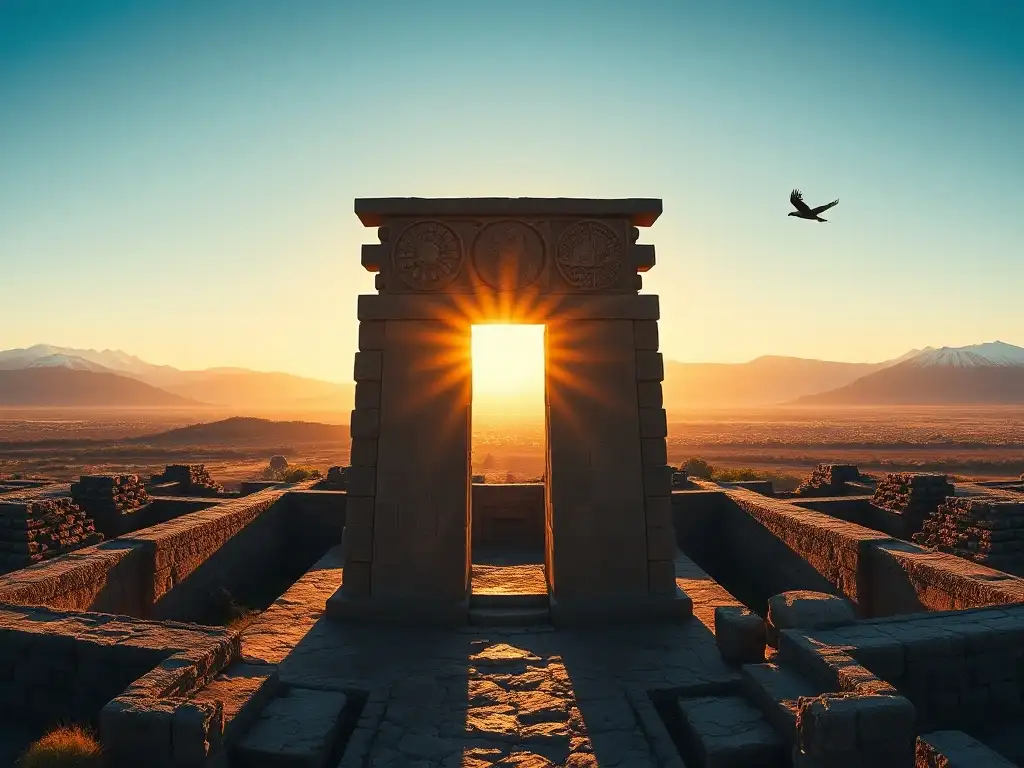
Uncover the mysteries of the Andes! Journey with us into a world of breathtaking artistry, sophisticated engineering, and profound cosmology. Did the ancient Tiahuanaco civilization truly possess a heliocentric model of the universe, challenging our understanding of astronomical knowledge in pre-Columbian America? Delve into the captivating evidence surrounding Tiahuanaco cosmology and prepare to question everything you thought you knew about these remarkable Andean cultures. Explore the fascinating details and unravel the enigma within.
The towering ruins of Tiahuanaco, located on the shores of Lake Titicaca in modern-day Bolivia, whisper tales of a sophisticated civilization that flourished between 500 and 1000 CE. Beyond its impressive architectural feats and intricate artistry, Tiahuanaco’s legacy includes a complex cosmology, a system of beliefs about the universe and humanity's place within it.
This article delves into the fascinating question of whether Tiahuanaco's understanding of the cosmos aligned with a geocentric model (Earth at the center) or, perhaps surprisingly, hinted at a heliocentric model (Sun at the center), a concept generally attributed to much later periods in human history. We will examine the available archaeological evidence, interpretative theories, and ongoing debates surrounding Tiahuanaco's cosmological perspective, exploring how their religious beliefs and practices might reflect a unique and advanced understanding of the celestial movements.
The investigation into Tiahuanaco cosmology and the possibility of a heliocentric influence offers a compelling opportunity to reassess our understanding of pre-Columbian scientific thought and the evolution of astronomical knowledge. This exploration will shed light on the sophisticated intellectual capabilities of the Tiahuanaco culture and its lasting impact on our understanding of Andean cosmology.
Architectural Alignments and Celestial Observations
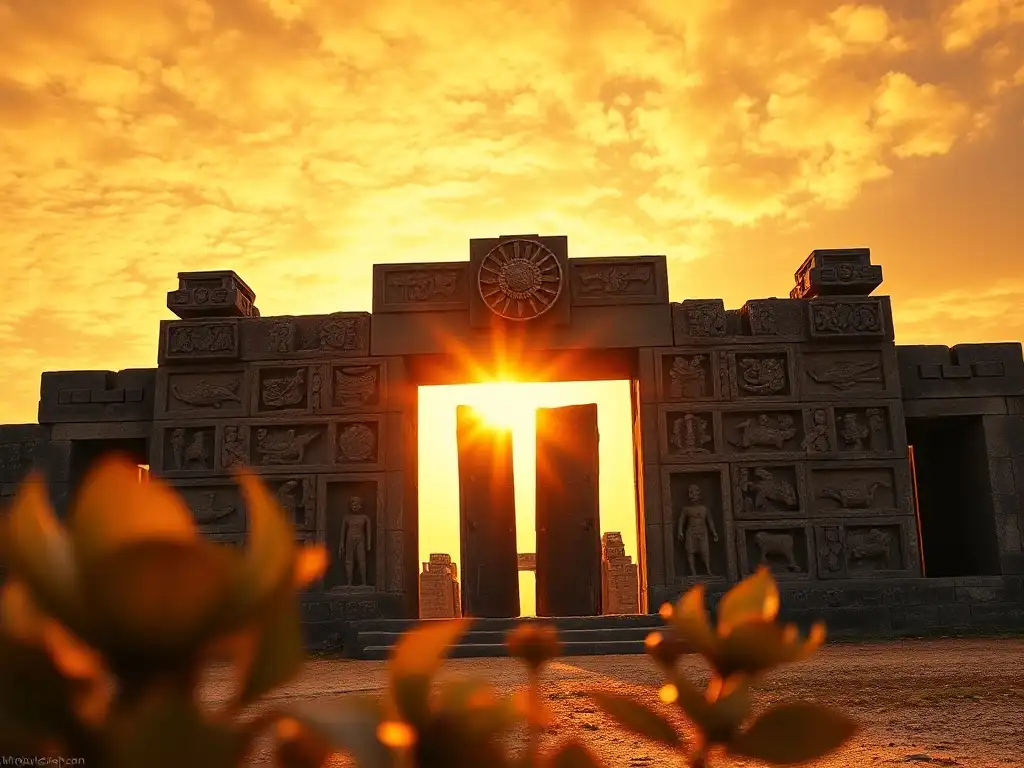
The monumental architecture of Tiahuanaco is often cited as evidence for advanced astronomical knowledge. Many structures, including the iconic Gate of the Sun and the Kalasasaya Temple, are believed to be deliberately aligned with significant celestial events, such as solstices and equinoxes.
Precise measurements and detailed analyses of these alignments are crucial in determining whether the Tiahuanaco people tracked the sun's movements with a level of sophistication suggesting a possible awareness of the sun's central role in the solar system. However, interpreting these alignments is challenging, as multiple factors – including erosion, seismic activity, and the inherent uncertainties in archaeological dating – can affect the accuracy of such assessments.
Further research involving advanced surveying techniques and improved dating methods is needed to refine our understanding of these alignments and their cosmological significance. The potential for misinterpretations and the need for rigorous scientific methodology underscore the complexity of deciphering the Tiahuanaco’s astronomical observations.
Iconographic Evidence and Symbolic Representations
Tiahuanaco iconography, rich in symbolic representations of deities, animals, and celestial bodies, provides another avenue for investigating their cosmological beliefs. The intricate carvings on the Gate of the Sun, for example, depict a central figure often interpreted as a sun god or a creator deity.
The presence of this central figure, surrounded by other figures and symbols possibly representing planets or constellations, could be interpreted as reflecting a hierarchical cosmological view, but not necessarily a strictly geocentric or heliocentric one. The interpretation of these symbols is often debated, with varying perspectives influencing the conclusions drawn about their cosmological meaning.
Furthermore, the symbolic nature of the iconography itself makes definitive interpretations challenging, highlighting the need for interdisciplinary approaches involving art historians, archaeologists, and anthropologists to fully understand the complex layers of meaning embedded in Tiahuanaco's artistic representations. A more nuanced approach would involve comparing the iconography with similar motifs found in other Andean cultures, potentially revealing broader cosmological trends within the region.
The Debate: Geocentric vs. Heliocentric Interpretations
The question of whether Tiahuanaco held a geocentric or heliocentric view of the universe remains a subject of ongoing scholarly debate. While the architectural alignments suggest a sophisticated understanding of celestial movements, they do not unequivocally support either model. The symbolic representations in the iconography, while intriguing, are open to multiple interpretations and lack the explicit clarity to definitively settle the debate.
Some scholars argue that the emphasis on a central deity in Tiahuanaco iconography points towards a geocentric model, where the Earth and its inhabitants hold a central position in the cosmos. Conversely, others suggest that the apparent focus on the sun in certain artistic representations and the precision of some architectural alignments could indicate a nascent awareness of the sun's centrality within the solar system, hinting at a proto-heliocentric perspective. The lack of definitive textual evidence from Tiahuanaco further complicates the issue, leaving the interpretation heavily reliant on indirect evidence and scholarly interpretations.
Further research, including comparative studies with other Andean cultures and the application of advanced analytical techniques, is crucial in resolving this significant debate. The ultimate answer might lie not in a simple choice between geocentric and heliocentric, but in a more nuanced understanding of the Tiahuanaco's unique cosmological perspective.
Future Research and Unanswered Questions
The study of Tiahuanaco cosmology is a dynamic field, with new discoveries and interpretations constantly emerging. Future research should focus on refining the dating of structures, improving the analysis of architectural alignments using advanced technology, and engaging in more interdisciplinary collaborations to interpret the complex iconography.
Furthermore, exploring the connections between Tiahuanaco cosmology and the cosmological beliefs of other Andean cultures could provide a broader context for understanding the Tiahuanaco’s unique perspective. The possibility of uncovering additional archaeological evidence, such as written records or astronomical instruments, could also significantly contribute to our understanding of their cosmological model.
The ambiguity surrounding Tiahuanaco's cosmological model highlights the challenges and rewards of studying ancient civilizations and underscores the importance of continued research to illuminate the rich tapestry of pre-Columbian knowledge. The search for a definitive answer to the question of Tiahuanaco’s cosmology remains an exciting and ongoing endeavor, promising to reveal further insights into the intellectual achievements of this remarkable Andean civilization.
- Architectural Alignments and Celestial Observations
- Iconographic Evidence and Symbolic Representations
- The Debate: Geocentric vs. Heliocentric Interpretations
- Future Research and Unanswered Questions
- Did the Tiahuanaco people have a heliocentric model of the universe?
- What astronomical features are associated with Tiahuanaco's cosmology?
- How did the Tiahuanaco's understanding of the cosmos influence their society?
- What other Andean civilizations had advanced astronomical knowledge?
- What is the current state of research on Tiahuanaco's cosmology and the "heliocentric model" keyword?
Exploring Tiahuanaco's Cosmological Views
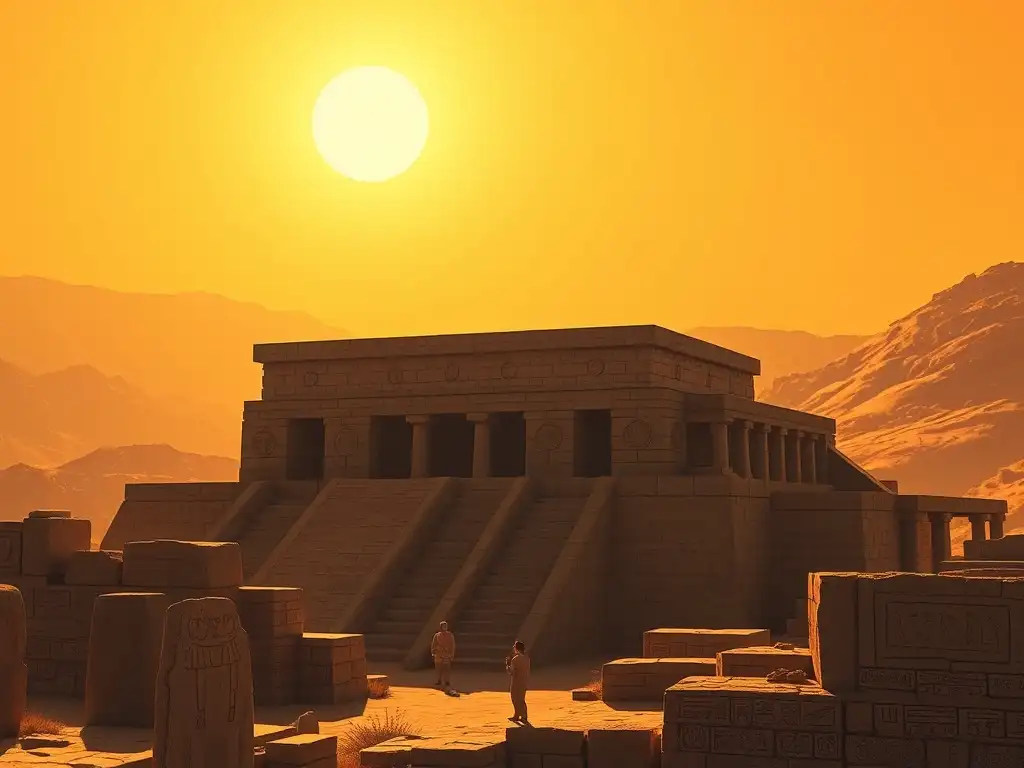
This section delves into the complexities of Tiahuanaco cosmology, aiming to understand whether their understanding of the universe leaned towards a geocentric or heliocentric model, or perhaps something more nuanced. While definitive proof remains elusive, analyzing their architectural marvels, religious practices, and artistic representations offers valuable insights into their sophisticated astronomical knowledge and cosmological beliefs. The debate surrounding Tiahuanaco's cosmological model highlights the challenges of interpreting ancient societies' worldview through limited archaeological evidence.
The search for a definitive answer continues to stimulate research and enrich our understanding of this fascinating civilization. The keyword "Tiahuanaco cosmology heliocentric model" is central to this exploration.
Tiahuanaco's Worldview: Beyond Simple Observations
Tiahuanaco's worldview wasn't simply a matter of observing celestial bodies; it was deeply interwoven with their religious beliefs and social structures. Their sophisticated understanding of astronomy is evident in the precise alignment of structures like the Kalasasaya Temple and the Pumapunku complex. These alignments suggest a keen awareness of solstices and equinoxes, crucial events in their agricultural calendar.
However, interpreting these alignments solely as evidence for a heliocentric or geocentric model is an oversimplification. Their cosmology likely incorporated a complex interplay of celestial and terrestrial elements, reflecting a holistic understanding of the universe. For example, the recurring motifs of celestial bodies and mythical figures in their ceramics and textiles indicate a symbolic representation of the cosmos, where the boundaries between the earthly and heavenly realms were blurred.
The intricate carvings on their monumental structures further support this idea, suggesting a rich symbolic language that intertwined astronomical observations with religious narratives. Further research into the iconography and symbolism within these artifacts could provide a clearer picture of their cosmological beliefs. Many scholars argue that a simple categorization into geocentric or heliocentric is insufficient to capture the complexity of their worldview.
The Significance of Astronomy in Tiahuanaco Society
Astronomy wasn't merely an academic pursuit in Tiahuanaco; it played a pivotal role in their society. The precise astronomical alignments of their structures suggest their importance in regulating agricultural practices, determining optimal planting and harvesting times. This connection between astronomy and agriculture highlights the practical applications of their astronomical knowledge. Furthermore, the astronomical observations likely influenced their religious rituals and ceremonies, with celestial events possibly marking significant religious festivals.
The elite's control over astronomical knowledge might have reinforced their social and political power, linking their authority to a divine mandate. This control over astronomical knowledge may have been a crucial aspect of their social hierarchy. The intricate calendar systems potentially used by the Tiahuanaco people, inferred from architectural alignments and artifacts, would have required a high level of specialized knowledge and expertise, further highlighting the significance of astronomy within their society.
Unfortunately, precise details regarding the extent of their calendar systems and their relationship to their cosmology remain a subject of ongoing research and debate. More research into the socio-political aspects of Tiahuanaco astronomy is needed to fully understand its significance. The lack of explicit written records presents a significant challenge to definitively characterize their cosmological model.
Geocentric Interpretations of Tiahuanaco Cosmology
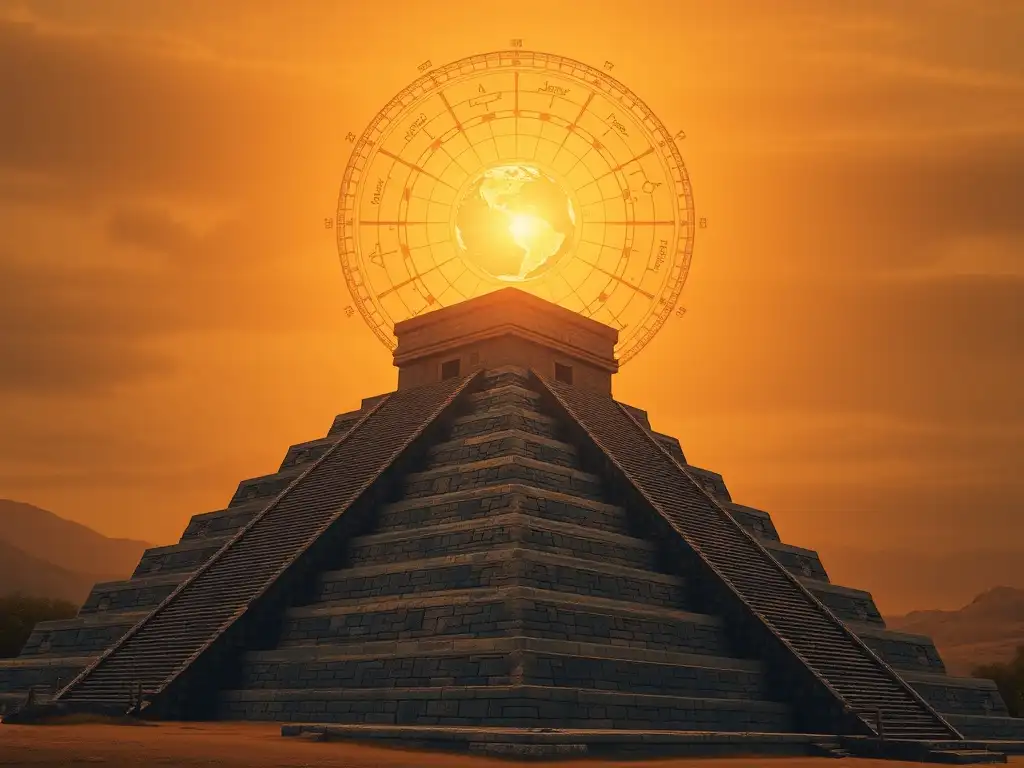
The prevailing scholarly interpretations of Tiahuanaco cosmology, for a considerable time, leaned heavily towards a geocentric model. This perspective, placing the Earth at the center of the universe, aligns with many observations of Tiahuanaco's religious practices and architectural features. This section explores the evidence supporting this interpretation, acknowledging the ongoing debate and the emergence of alternative viewpoints. Understanding the geocentric perspective is crucial for a comprehensive analysis of Tiahuanaco's worldview, even as we consider potentially heliocentric elements. The debate surrounding Tiahuanaco's cosmological model is a vibrant one, with new archaeological discoveries and interpretations continuously refining our understanding.
Evidence for a Geocentric Model in Tiahuanaco Beliefs
Several aspects of Tiahuanaco religious beliefs suggest a geocentric worldview. The prominence of Apus, or mountain deities, in Tiahuanaco iconography and rituals strongly suggests a world view rooted in the immediate terrestrial environment. The mountains were not merely geographical features but were considered sacred entities, intermediaries between the earthly and celestial realms. This emphasis on the terrestrial landscape, with its powerful mountains and fertile valleys, points towards a cosmology centered on the Earth. Furthermore, the frequent depiction of deities and mythical beings interacting directly with the Earth, rather than with celestial bodies, reinforces this interpretation. For example, [specific examples of Tiahuanaco iconography depicting earth-centered interactions pending]. The lack of clear depictions of celestial movements or cycles in the readily available art also supports this perspective. Analyzing the iconography of the Tiahuanaco culture reveals a significant focus on the earthly realm, with less emphasis on the precise depiction of celestial phenomena.
The Role of Earth and Mountains in Tiahuanaco's Cosmic Order
The Earth itself, in Tiahuanaco cosmology, wasn't simply a passive backdrop but an active participant in the cosmic order. It acted as a source of life and fertility, a sacred space where the divine interacted with the human world. This is evident in the agricultural practices of the Tiahuanaco culture, which were deeply intertwined with their religious beliefs.
The carefully constructed agricultural terraces and irrigation systems are testaments to their reverence for the Earth's life-giving capabilities. The Apus, the mountain deities, were seen as protectors and providers, influencing the weather patterns and the fertility of the land. This intimate connection between the Earth, the mountains, and the divine suggests a cosmology deeply rooted in the terrestrial sphere.
The reverence for the Earth and its natural resources is a recurring theme in Tiahuanaco religious practices and beliefs. The strong emphasis on agriculture and the close relationship between the people and their environment strongly suggest a geocentric interpretation.
Analyzing Tiahuanaco's Astronomical Alignments and Geocentric Perspectives
While some astronomical alignments have been identified at Tiahuanaco, their interpretation regarding a geocentric or heliocentric model remains debated. Some scholars argue that these alignments reflect a basic understanding of celestial cycles, primarily focused on the solstices and equinoxes, which are easily observable from a geocentric perspective. These alignments could have been used for agricultural purposes, marking crucial times for planting and harvesting. However, the absence of clear evidence for sophisticated astronomical calculations, like those found in other Andean cultures, lends itself to the geocentric interpretation.
The argument for a geocentric interpretation is further strengthened by the lack of explicit evidence of complex astronomical instruments or observational techniques indicative of a heliocentric understanding. While the precise nature of Tiahuanaco's astronomical knowledge remains unclear, the available evidence suggests a more pragmatic, earth-centered approach. Further research, including more detailed analysis of existing alignments and future archaeological discoveries, is necessary to fully resolve this ongoing discussion surrounding the Tiahuanaco cosmology heliocentric model.
Investigating the Possibility of a Heliocentric Understanding
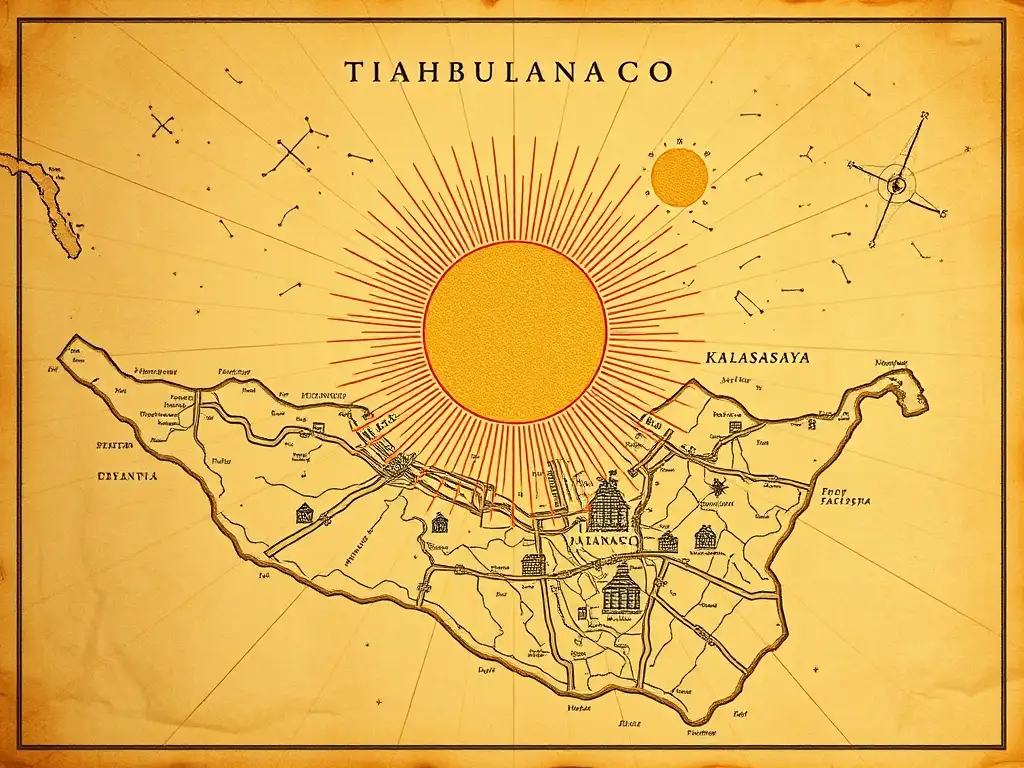
This section delves into the fascinating, and often debated, question of whether the Tiahuanaco civilization possessed a heliocentric understanding of the universe, a concept typically associated with much later periods in human history. While the prevailing view points towards a geocentric model, reflecting the cosmological understanding of many ancient cultures, emerging research and interpretations of Tiahuanaco artifacts suggest the possibility of a more nuanced perspective, potentially incorporating elements that resonate with a heliocentric framework. This exploration requires a critical examination of existing evidence and a willingness to consider alternative interpretations of Tiahuanaco's rich symbolic language.
We will explore the possibility that their sophisticated astronomical knowledge might have led them to a more complex understanding of the cosmos than previously assumed. The keyword "Tiahuanaco cosmology heliocentric model" is central to this investigation.
Challenging Conventional Views: Could Tiahuanaco Have Considered Heliocentrism?
The commonly accepted narrative depicts Tiahuanaco cosmology as geocentric, mirroring many ancient cultures that placed the Earth at the center of the universe. However, this interpretation might be an oversimplification. Recent scholarship highlights the advanced astronomical knowledge of the Tiahuanaco people, evidenced by their precise calendar systems and the meticulous alignment of structures with celestial events. The precision involved suggests a deep understanding of celestial mechanics, potentially surpassing a simple geocentric model.
Could their sophisticated observations have led them to glimpse a more complex reality, one where the Sun played a more central, and perhaps even dominant, role? This isn't to suggest a complete understanding equivalent to the Copernican model, but rather an acknowledgement that their worldview may have incorporated elements that challenge the purely geocentric interpretation. Further research into their astronomical practices and the potential correlation between their architecture and solar cycles is crucial to clarify this point.
Examining Potential Heliocentric Elements in Tiahuanaco Art and Symbolism
Tiahuanaco art and symbolism offer a rich tapestry of potential clues. The recurring motif of the sun, often depicted in highly stylized forms, warrants careful consideration. While the sun's prominence could be interpreted within a geocentric framework as a powerful deity, its representation might also reflect a deeper understanding of its crucial role in the cosmos.
The intricate carvings found on various artifacts, such as the Gate of the Sun, contain complex iconography that may encode astronomical knowledge. Some researchers suggest that certain patterns and symbols could represent the Sun's apparent movement across the sky, hinting at a more nuanced understanding of its relationship to Earth. However, definitive interpretation remains challenging due to the complexities of Tiahuanaco's symbolic language.
Further interdisciplinary research, combining art history, archaeology, and astronomy, is necessary to fully decipher the potential meaning embedded within these artistic expressions. Analyzing the frequency and context of solar imagery within the broader corpus of Tiahuanaco art could reveal significant patterns and potentially support a heliocentric interpretation.
The Sun's Central Role and its Interpretation in Tiahuanaco Thought
The Sun's central role in Tiahuanaco society is undeniable. Its influence on agriculture, the daily rhythm of life, and their religious beliefs is evident throughout their culture. But what was the nature of this centrality? Was the sun viewed merely as a powerful deity within a geocentric framework, or did its significance extend to a deeper understanding of its cosmological function?
The answer likely lies somewhere in between. While a complete heliocentric model, as understood in later scientific revolutions, is unlikely, the possibility of a proto-heliocentric perspective, incorporating elements of both geocentric and heliocentric thought, cannot be discounted. This would not be unique; many ancient cultures demonstrated a complex interplay of mythological and observational understandings of the cosmos.
Further investigation into Tiahuanaco's religious texts (if any survive), oral traditions (if recoverable), and the socio-political structures influenced by solar cycles could shed light on this question. A comparative analysis with other Andean cultures' cosmological views might provide additional context and insights into the specificities of Tiahuanaco's understanding of the Sun's role in the universe. This nuanced approach is essential for a more accurate and comprehensive interpretation of Tiahuanaco cosmology and its potential contribution to our understanding of the evolution of cosmological thought.
Tiahuanaco's Complex Understanding of Celestial Mechanics
The sophisticated astronomical knowledge of the Tiahuanaco civilization, evident in their monumental architecture and intricate artifacts, continues to fascinate and challenge researchers. While definitively labeling their cosmological model as strictly geocentric or heliocentric remains debated, the evidence strongly suggests a nuanced understanding of celestial mechanics far exceeding simplistic interpretations. Their achievements demonstrate a deep engagement with the observation and prediction of celestial events, impacting their religious practices, agricultural cycles, and social organization.
The precision of their calendar system, for example, hints at a level of astronomical observation comparable to, and in some aspects surpassing, that of other contemporaneous cultures. The intricate alignments of structures like the Kalasasaya and Pumapunku further solidify their advanced astronomical capabilities.
Unraveling the complexities of their cosmological model requires a careful examination of their astronomical knowledge, calendrical systems, and the theoretical framework underlying their observations. This nuanced understanding challenges the simplistic binary of a purely geocentric or heliocentric view, suggesting a more sophisticated, potentially syncretic, approach to comprehending the universe.
Understanding Tiahuanaco's Astronomical Knowledge
Tiahuanaco's astronomical knowledge wasn't merely observational; it was deeply integrated into their worldview. Archaeological evidence points towards a profound understanding of the movements of the sun, moon, and stars. The precise orientation of structures, such as the Kalasasaya temple, suggests a deliberate alignment with solstices and equinoxes.
This wasn't a matter of chance; the construction required advanced surveying techniques and an accurate understanding of celestial cycles. Furthermore, the discovery of artifacts depicting celestial bodies and constellations indicates a symbolic representation of their astronomical observations in religious and cultural contexts. These artifacts, often intricately carved in stone or depicted on textiles, provide invaluable insights into their cosmological beliefs.
The detailed nature of these depictions surpasses simple representations, suggesting a systematic approach to observing and recording celestial phenomena. This sophisticated understanding was likely crucial for regulating agricultural practices, predicting seasonal changes, and reinforcing their socio-political structures. The depth of their knowledge is further evidenced by the accuracy of their calendar system, a testament to their meticulous astronomical observations and calculations.
The Precision of Tiahuanaco's Calendar and its Implications
The Tiahuanaco calendar, while not fully deciphered, reveals an impressive level of accuracy. Its precision suggests a detailed understanding of the solar year, lunar cycles, and possibly even the precession of the equinoxes. Unlike simpler calendars based solely on lunar or solar cycles, the Tiahuanaco calendar likely incorporated a more complex system, possibly combining solar and lunar observations to create a highly accurate measure of time.
The implications of this are significant. Such a sophisticated calendar would have been essential for organizing agricultural activities, predicting floods and droughts, and regulating religious ceremonies. The ability to accurately predict celestial events would have granted the ruling elite considerable power and influence.
The calendar's complexity also suggests a level of societal organization and intellectual capacity rarely seen in other contemporaneous cultures. Further research into the Tiahuanaco calendar, including the interpretation of surviving fragments and the analysis of related artifacts, is crucial to fully understand the extent of their astronomical achievements and their implications for their society. The accuracy of this calendar, and its potential incorporation of precessional cycles, challenges the notion of a simple, solely geocentric worldview.
Tiahuanaco's Astronomical Observations and Their Theoretical Framework
The question of whether Tiahuanaco held a geocentric or heliocentric view of the universe is complex. While a strictly heliocentric model, as understood in later scientific revolutions, is unlikely, their astronomical observations suggest a more nuanced understanding than a purely geocentric one. The precision of their calendar and the alignments of their structures indicate an awareness of the sun's movements and its relationship to the earth. However, the symbolic representations found in their art and artifacts often depict a complex interplay of celestial and terrestrial elements, suggesting a cosmology that integrated both earthly and heavenly realms.
This integrated approach might not neatly fit into the modern binary of geocentric versus heliocentric. It's possible that their cosmological model incorporated elements of both perspectives, reflecting a sophisticated understanding of the celestial mechanics without necessarily conforming to the later, formalized models. Further research is needed to fully decipher the theoretical framework underlying their astronomical observations and their symbolic representations.
The lack of explicit written records presents a significant challenge, but the analysis of architectural alignments, artifacts, and the implications of their calendar system offers valuable clues towards understanding their unique cosmological perspective. The Tiahuanaco cosmology, therefore, presents a fascinating case study in the development of astronomical knowledge and its integration into a complex cultural and religious framework. The term "Tiahuanaco cosmology heliocentric model," while potentially an oversimplification, highlights the advanced nature of their understanding of the universe and the need for further research to fully comprehend its intricacies.
Comparing Tiahuanaco's Model with Other Ancient Cosmologies
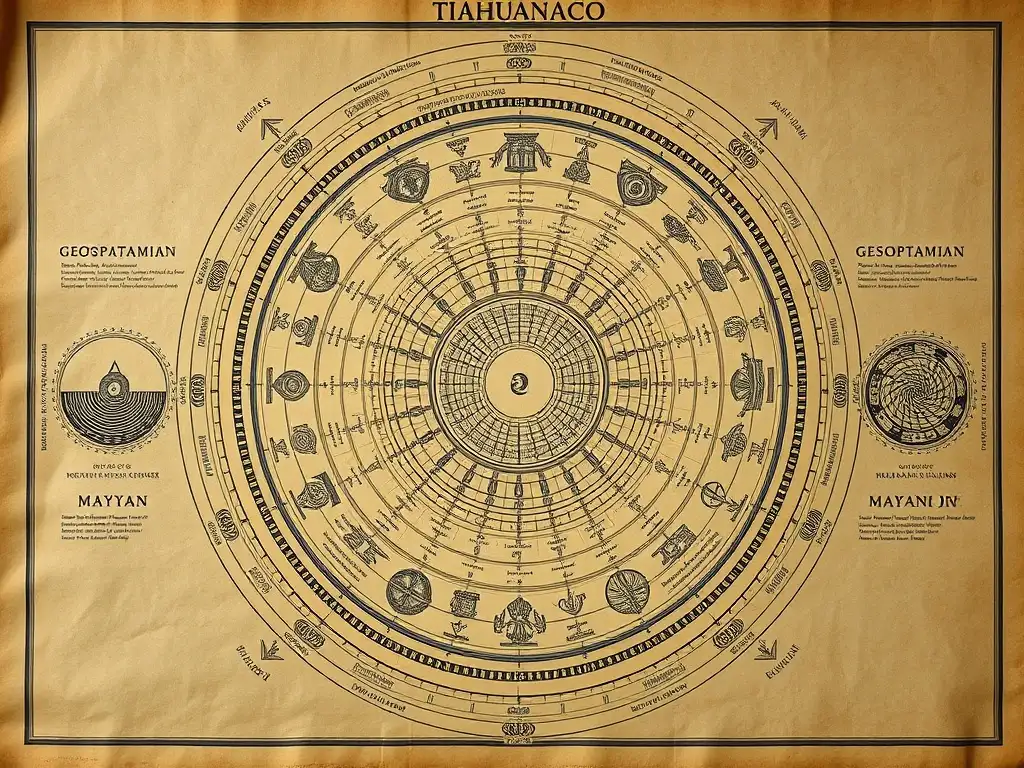
Contrasting Tiahuanaco's Universe with Other Andean Civilizations
The Tiahuanaco cosmology, while sharing some common threads with other Andean civilizations, presents unique characteristics that distinguish it. For instance, while the Inca focused heavily on a creator god, Viracocha, and a hierarchical worldview reflected in their administrative structure, Tiahuanaco's cosmology seems more focused on a complex interplay of forces, symbolized by their intricate iconography and monumental architecture. The Moche, known for their elaborate ceramics depicting mythological scenes, displayed a different pantheon and narratives, often centering around warfare and fertility.
The Nazca, famous for their geoglyphs, expressed a cosmology possibly linked to astronomical events and water management, but without the scale of monumental architecture found at Tiahuanaco. A key difference lies in the apparent level of sophistication in astronomical observation and mathematical precision potentially reflected in Tiahuanaco's structures, suggesting a more developed understanding of celestial mechanics than what's clearly evident in the surviving evidence from other contemporary Andean cultures. Further research is needed to fully understand the nuances of these differences and potential influences.
This comparative analysis is crucial for establishing the unique position of Tiahuanaco's cosmological model within the broader Andean context. The lack of extensive written records for all these civilizations makes this comparative study challenging, relying heavily on archaeological interpretations and iconographic analysis. However, the distinct stylistic elements and the scale of Tiahuanaco's constructions point towards a potentially more complex and sophisticated cosmological understanding.
The Relationship Between Tiahuanaco's Cosmology and Global Ancient Views
The question of whether Tiahuanaco's cosmology was geocentric or heliocentric remains open to debate. However, comparing it to other ancient civilizations globally reveals intriguing parallels and divergences. Many ancient cultures, including those in Mesopotamia and Egypt, developed sophisticated geocentric models, placing the Earth at the center of the universe. These models often incorporated mythological narratives and astronomical observations to explain celestial movements. However, some scholars suggest that certain aspects of Tiahuanaco's architecture and iconography might hint at a more nuanced understanding, possibly incorporating elements that anticipate later heliocentric ideas.
The precise arrangement of structures at Puma Punku, for instance, has led some to speculate about a potential connection to astronomical alignments that could support a more complex cosmological model. However, this interpretation is debated, and more research is needed to corroborate such claims. It's important to note that the concept of a "heliocentric model" as we understand it today is a product of much later scientific development. Ancient civilizations rarely possessed the same conceptual framework.
Therefore, direct comparisons can be misleading without careful consideration of the historical and cultural contexts. The challenge lies in interpreting the available evidence—monumental architecture, artifacts, and iconography—through a lens that acknowledges the limitations of our current understanding of Tiahuanaco culture and ancient cosmological thought in general. Further investigation into the mathematical precision evident in Tiahuanaco's construction, combined with advanced astronomical analysis, could potentially shed more light on this fascinating aspect of Tiahuanaco's legacy. The search for a definitive answer to whether Tiahuanaco possessed a geocentric or heliocentric understanding of the universe remains a compelling area of ongoing research within the field of Andean archaeology and cosmology.
Conclusion: Deciphering Tiahuanaco's Cosmic Perspective
The question of whether Tiahuanaco possessed a geocentric or heliocentric understanding of the universe remains a complex and fascinating one. While definitive proof of a fully developed heliocentric model, like that later proposed by Copernicus, is lacking, the available archaeological evidence suggests a sophisticated astronomical knowledge that surpasses a purely geocentric view. The intricate alignments of structures like Akapana and Pumapunku, coupled with the calendrical precision evident in their design, point towards a keen observation and understanding of celestial movements far beyond simple earth-centered models.
Further research, particularly involving advanced astronomical modeling and cross-referencing with other Andean cosmological traditions, is crucial to refine our comprehension of Tiahuanaco's cosmic perspective. The debate, however, underscores the remarkable intellectual achievements of this civilization and the enduring allure of unlocking their secrets.
The Enduring Mystery of Tiahuanaco's Astronomical Understanding
The precise nature of Tiahuanaco's astronomical understanding continues to puzzle researchers. While the geocentric model, placing the Earth at the center of the universe, was prevalent in many ancient cultures, the complexity of Tiahuanaco's architecture hints at a more nuanced approach. The meticulous alignments of structures with solstices and equinoxes suggest a deep familiarity with the cycles of the sun, moon, and stars.
However, whether this understanding evolved into a formal heliocentric or a more complex, hybrid model remains an open question. The lack of explicit written records presents a significant challenge; interpretations rely heavily on architectural analysis, artifact interpretation, and comparative studies with other Andean cultures. The debate underscores the limitations of our current knowledge and highlights the need for interdisciplinary research combining archaeology, astronomy, and anthropology to shed more light on this intriguing aspect of Tiahuanaco cosmology.
The sheer precision of the astronomical alignments found at the site compels us to consider the possibility of a more advanced cosmological system than initially assumed. For example, the precision of the Kalasasaya's alignments with the cardinal directions is remarkable, suggesting a sophisticated understanding of both terrestrial and celestial geometry.
Synthesizing Geocentric and Potential Heliocentric Elements
It's plausible that Tiahuanaco's cosmology wasn't strictly geocentric or heliocentric, but rather a blend of both. Their observations might have incorporated elements of both models, reflecting a sophisticated understanding of celestial mechanics that didn't necessarily fit neatly into the later Western dichotomy.
Perhaps their worldview encompassed a more holistic, interconnected understanding of the cosmos, where the Earth and Sun played significant but not necessarily dominant roles. This integrated approach could explain the presence of both geocentric-like alignments, reflecting the importance of the earth's position in their ritualistic practices, and hints of a broader celestial awareness that could potentially incorporate heliocentric elements.
Further research into the iconography found at Tiahuanaco, particularly depictions of celestial bodies and their interactions, could provide valuable insights into this complex interplay of cosmological concepts. The possibility of a nuanced, multifaceted cosmological system challenges our preconceived notions of ancient Andean worldviews and emphasizes the need for a more nuanced approach to interpreting their astronomical knowledge.
Tiahuanaco Cosmology: A Legacy of Astronomical Knowledge
The study of Tiahuanaco cosmology offers a captivating glimpse into the intellectual sophistication of this ancient Andean civilization. Their understanding of astronomy, whether primarily geocentric, heliocentric, or a combination thereof, represents a significant achievement in pre-Columbian science.
The enduring legacy of Tiahuanaco's astronomical knowledge lies not only in the impressive precision of its architectural alignments but also in the questions it raises about the evolution of cosmological thought in the Andes. This knowledge, meticulously encoded in stone and subtly reflected in iconography, continues to inspire researchers and challenges us to reassess our understanding of ancient civilizations and their capacity for scientific observation and theoretical development.
The enduring mystery of Tiahuanaco cosmology serves as a testament to the richness and complexity of Andean cultural heritage and the potential for future discoveries to further illuminate this fascinating aspect of their history. The ongoing research into Tiahuanaco's astronomical achievements demonstrates the enduring relevance of this ancient civilization and its contribution to our understanding of the development of human knowledge and cosmology.
Frequently Asked Questions
Did the Tiahuanaco people have a heliocentric model of the universe?
While evidence suggests a sophisticated understanding of astronomy, there's no definitive proof of a fully heliocentric model like that of Copernicus. Their cosmology likely incorporated observations of both the sun and stars, but its precise nature remains a subject of ongoing research and debate.
What astronomical features are associated with Tiahuanaco's cosmology?
Tiahuanaco's architecture, notably the Gate of the Sun, features intricate carvings possibly representing celestial bodies and constellations. These suggest a deep connection between their religious beliefs and astronomical observations, though their specific interpretations are still debated.
How did the Tiahuanaco's understanding of the cosmos influence their society?
Their cosmological views were likely deeply intertwined with their religious beliefs and social structures. Astronomical events may have guided agricultural practices, festivals, and the construction of monumental architecture.
What other Andean civilizations had advanced astronomical knowledge?
Many Andean cultures, including the Inca, Nazca, and Moche, possessed advanced astronomical knowledge. They used their understanding of the cosmos for various purposes, such as agriculture, ritual practices, and calendar systems, reflected in their art and architecture.
What is the current state of research on Tiahuanaco's cosmology and the "heliocentric model" keyword?
Research continues to explore the intricacies of Tiahuanaco's cosmology using a variety of methods, including archaeological analysis and astronomical modeling. The question of a heliocentric versus geocentric model remains a point of active discussion and investigation among scholars.
Final Reflection: Unveiling Tiahuanaco's Cosmic Vision
The intricate astronomical alignments of Tiahuanaco continue to challenge our understanding of pre-Columbian knowledge, suggesting a sophisticated grasp of celestial mechanics that may have predated the European heliocentric revolution. This isn't simply a historical curiosity; it forces us to reconsider the linear progression often assumed in the development of scientific thought, highlighting the possibility of parallel, independent advancements in different cultures.
The enduring mystery surrounding Tiahuanaco's cosmology compels us to question our own anthropocentric biases. We often view scientific progress through a Western lens, overlooking the rich tapestry of knowledge systems developed across the globe. The possibility of a heliocentric, or at least a non-geocentric, understanding within Tiahuanaco's worldview profoundly impacts our understanding of ancient civilizations and their capacity for scientific observation. The universe is not outside of us. It is within us.
– This quote, while not directly from a Tiahuanaco source, encapsulates the profound connection these people seemed to have with the cosmos, a connection that deserves further investigation and respectful consideration.
Consider the implications of Tiahuanaco's potential understanding of the universe. What if their sophisticated observations and architectural achievements were not isolated incidents, but part of a broader, interconnected web of ancient knowledge? You, the reader, are now invited to explore this further. Seek out further research on Tiahuanaco and other pre-Columbian cultures. Challenge your own assumptions about the history of science and the development of human understanding. Let the legacy of Tiahuanaco inspire you to look beyond the familiar and embrace the boundless possibilities of human ingenuity.
Unveil the Cosmic Insights of Tiahuanaco!
Thank you for exploring the fascinating cosmic understanding of the ancient Tiahuanaco civilization! We've examined their unique worldview, and now it's time to delve deeper.
Are you ready to uncover the universe's mysteries? Here's how you can continue your exploration:
- Explore Tiahuanaco's cosmic framework: Read our detailed guide on ancient Andean astronomy and compare their beliefs to modern scientific understanding. You'll be amazed by the sophistication of their observations.
- Share your newfound knowledge: Discuss this intriguing civilization with friends and family, sparking conversations about the development of cosmological theories. You might be surprised by the insights you uncover together!
- Join our community: Participate in our forum dedicated to Andean Civilizations. Connect with fellow enthusiasts, share your perspectives, and learn from others who share your passion for ancient cultures and their interpretations of the universe.
What aspect of Tiahuanaco's cosmology captivates you most—their apparent geocentric beliefs, or the intriguing hints of a more heliocentric understanding? We'd love to hear your thoughts!