
Architectural Echoes of Tiahuanaco: Analyzing its Influence on Building Styles

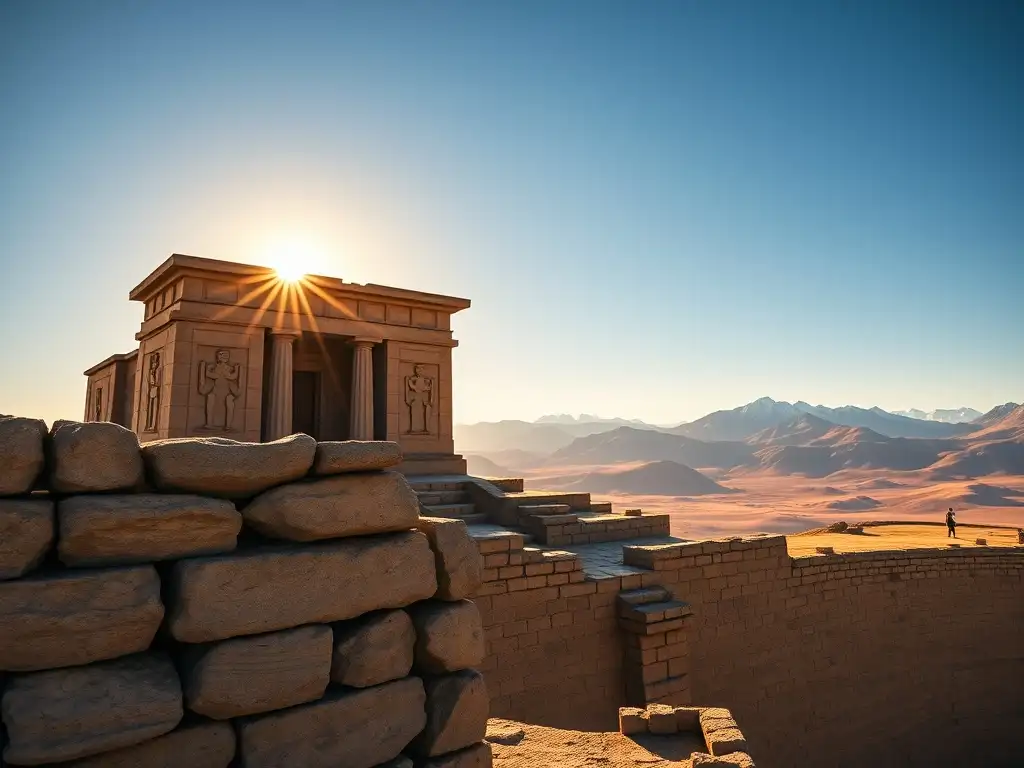
Welcome, explorer! Prepare to be captivated by the enigmatic legacy of the Andean civilizations. Journey with us through millennia of breathtaking artistry, ingenious engineering, and profound cultural impact. But first, consider this: what secrets lie hidden within the Tiahuanaco architectural influence that reverberated across the Andes? Unlock the mysteries of this remarkable civilization and discover how its building styles continue to echo through time. Dive in and uncover the answers.
- Tiahuanaco Architectural Influence: Echoes in Andean Building Styles
- The Legacy of Tiahuanaco Architecture: An Overview
- Key Elements of Tiahuanaco Architectural Style and their Impact
- Tiahuanaco Architectural Influence on Later Andean Cultures
- Analyzing the Transmission of Tiahuanaco Construction Knowledge
- The Enduring Impact of Tiahuanaco Architectural Designs
-
Frequently Asked Questions
- What is the significance of Tiahuanaco in Andean architecture?
- How did Tiahuanaco's architectural style differ from other Andean cultures?
- Which Andean cultures were most influenced by Tiahuanaco's architecture?
- What specific architectural features demonstrate Tiahuanaco's influence?
- Where can I see examples of Tiahuanaco's architectural influence today?
- Final Reflection: The Enduring Legacy of Tiahuanaco's Architectural Vision
- Unveil the Architectural Heritage of Tiahuanaco!
Tiahuanaco Architectural Influence: Echoes in Andean Building Styles
The monumental city of Tiahuanaco, flourishing in the Bolivian Altiplano between 500 and 1000 CE, left an indelible mark on Andean architecture. Its sophisticated building techniques, imposing structures, and distinctive stylistic elements resonated across vast geographical areas and centuries, shaping the architectural landscape of subsequent cultures. This article delves into the profound influence of Tiahuanaco's architectural legacy, exploring how its unique characteristics were adopted, adapted, and reinterpreted by later Andean civilizations.
We will examine specific examples, analyzing the enduring echoes of Tiahuanaco's architectural innovations in the building styles of its successors, providing a comprehensive overview of the "Tiahuanaco architectural influence" and its lasting impact on the region. Understanding this influence unlocks a deeper appreciation for the interconnectedness of Andean cultures and the enduring power of architectural traditions.
The Distinctive Features of Tiahuanaco Architecture
Tiahuanaco's architecture is characterized by several key features that set it apart and contributed to its lasting influence. These include the masterful use of megalithic stone blocks, precisely cut and fitted together without mortar, showcasing an advanced understanding of engineering and construction. The iconic "Puma Punku" complex exemplifies this, with its massive, intricately carved stones, posing ongoing questions about the technologies employed in their creation and placement.
Furthermore, the prevalence of specific architectural motifs, such as stepped platforms, monumental gateways, and intricate carvings featuring stylized figures and geometric patterns, became defining elements readily identifiable in subsequent constructions. The use of red sandstone, a readily available material in the region, also became a characteristic feature associated with Tiahuanaco's architectural style. The scale and precision of Tiahuanaco's constructions were truly remarkable for their time, prompting awe and emulation among later builders.
Transmission and Adaptation of Tiahuanaco Styles
The dissemination of Tiahuanaco's architectural styles wasn't necessarily a direct, linear process. Instead, it involved a complex interplay of factors, including political influence, trade networks, and cultural exchange. The expansion of the Tiahuanaco state itself, coupled with its extensive trade connections, facilitated the spread of its architectural knowledge and aesthetic preferences.
However, subsequent Andean cultures didn't simply replicate Tiahuanaco styles; they adapted and reinterpreted them, blending them with their own existing traditions and material resources. This process of adaptation resulted in regional variations and unique expressions of the Tiahuanaco influence, demonstrating a dynamic interplay between continuity and innovation in Andean architectural development. Evidence suggests that the adoption of Tiahuanaco styles often signified a connection to power, prestige, and legitimacy.
Examples of Tiahuanaco Influence in Later Andean Architecture
Several Andean cultures demonstrably incorporated elements of Tiahuanaco architecture into their own building traditions. The Wari culture, for example, is known for its adoption of stepped platforms and monumental structures that reflect the Tiahuanaco influence, albeit with regional variations in design and execution. Similarly, the Inca Empire, though chronologically later, showed evidence of stylistic echoes of Tiahuanaco in their own impressive constructions.
While the Incas developed a distinct architectural style, certain elements, such as the use of large, precisely cut stones, and the incorporation of stepped platforms in some of their structures, suggest a continuity with the Tiahuanaco tradition. Specific examples, including detailed descriptions of architectural features and their Tiahuanaco parallels, will be provided in subsequent sections of this article. Further research is needed to fully quantify the extent of this influence across diverse Andean cultures.
The Enduring Legacy of Tiahuanaco Architectural Innovation
The influence of Tiahuanaco architecture extends far beyond its immediate temporal and geographical context. Its innovative building techniques, monumental scale, and distinctive stylistic features left a lasting impact on the Andean world, shaping the architectural landscape for centuries to come. The legacy of Tiahuanaco continues to inspire awe and admiration, serving as a testament to the ingenuity and sophistication of this remarkable ancient civilization.
The study of Tiahuanaco's architectural influence offers valuable insights into the processes of cultural transmission, adaptation, and innovation in the Andean region, highlighting the interconnectedness of Andean cultures and the enduring power of architectural traditions. Future research should focus on [specific research areas pending]. The ongoing study of Tiahuanaco architecture provides a rich understanding of the complex interplay of power, culture, and technology in the ancient Andes.
The Legacy of Tiahuanaco Architecture: An Overview
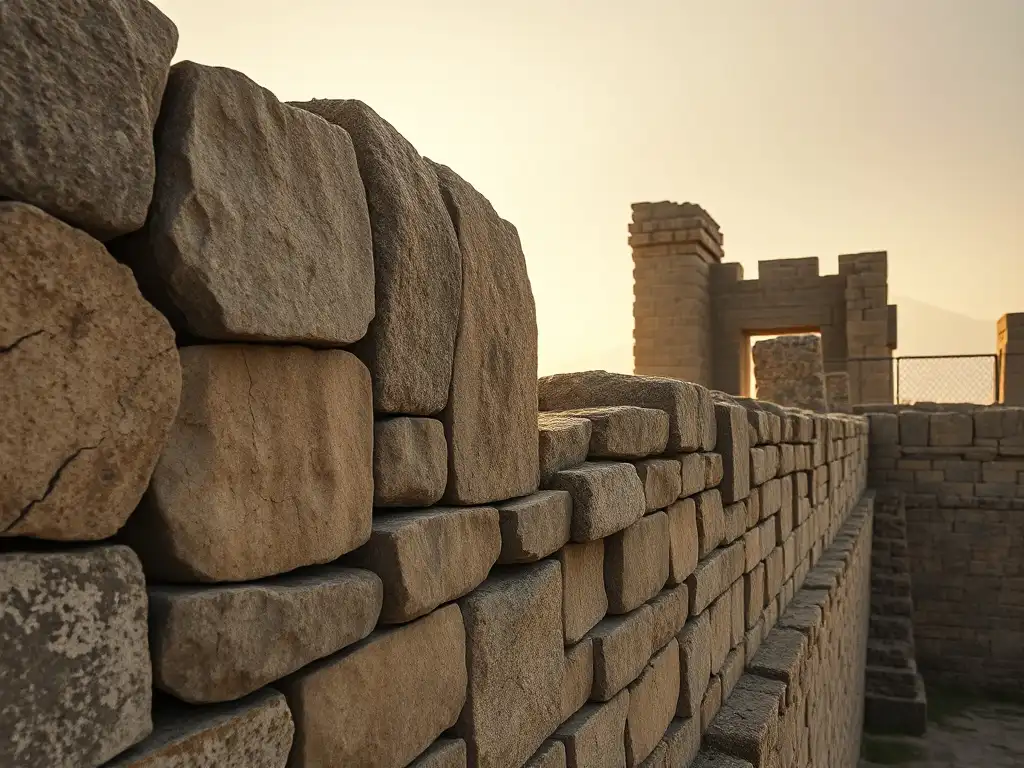
The monumental architecture of Tiahuanaco, a pre-Columbian civilization flourishing in the Andes around Lake Titicaca between 500 and 1000 CE, left an undeniable mark on subsequent Andean cultures. Its influence, radiating outwards from its heartland, is evident in a variety of architectural styles and building techniques across a vast geographical area.
Understanding this Tiahuanaco architectural influence requires examining not only the unique characteristics of Tiahuanaco's own buildings but also tracing the ways these elements were adapted and transformed by later societies. This section will explore the key features of Tiahuanaco architecture and then analyze how these features spread and evolved across time and space.
The impact of Tiahuanaco's architectural legacy is profound, offering a crucial lens through which to understand the interconnectedness of Andean cultures and the enduring power of architectural innovation. The sheer scale and sophistication of Tiahuanaco's structures, combined with their symbolic significance, fostered a ripple effect that shaped the building traditions of numerous succeeding civilizations.
Defining Tiahuanaco Architectural Characteristics
Tiahuanaco's architectural style is immediately recognizable due to several distinctive features. Massive stone blocks, precisely cut and fitted together without mortar, form the foundation of many structures. This masterful ashlar masonry, showcasing incredible engineering prowess, is a hallmark of Tiahuanaco's building tradition. The use of massive monoliths, some weighing several tons, is another defining characteristic.
These colossal stones, often intricately carved with religious and symbolic imagery, served both structural and ceremonial purposes. The frequent incorporation of chachacoma, a distinctive stepped-pyramid design, is another notable trait. This architectural motif, often associated with sacred spaces and possibly reflecting Andean cosmology, is repeated in various forms throughout Tiahuanaco's ruins.
Finally, the use of red sandstone and other locally sourced materials, combined with sophisticated techniques of stone carving and joining, created structures that were both aesthetically impressive and remarkably durable. The precision and scale of Tiahuanaco's architecture continue to amaze archaeologists and historians alike, underscoring the advanced technological capabilities of this Andean civilization. Analyzing these characteristics provides a baseline for tracing the Tiahuanaco architectural influence on later cultures.
The Spread of Tiahuanaco Building Techniques
The impact of Tiahuanaco's architectural innovations extended far beyond its immediate vicinity. Evidence suggests the spread of its building techniques occurred through various mechanisms, including migration, trade, and cultural exchange. For instance, the use of ashlar masonry, a technique perfected by the Tiahuanaco, is seen in later structures across the Andean region. While the scale might differ, the precision in stone cutting and the absence of mortar remain consistent, suggesting a clear lineage.
Similarly, the chachacoma motif, originally associated with Tiahuanaco, appears in modified forms in the architecture of subsequent cultures, showcasing its adaptability and enduring appeal. This dissemination of building techniques wasn't a simple copy-paste process; rather, it involved adaptation and integration with existing local traditions. Later Andean cultures selectively adopted certain Tiahuanaco elements, blending them with their own unique styles and materials to create hybrid architectural forms. This process of cultural exchange and adaptation is crucial to understanding the complex evolution of Andean building traditions and the lasting legacy of Tiahuanaco.
Further research is needed to fully document the extent and nature of this Tiahuanaco architectural influence across different regions and time periods. The complexity of this spread highlights the dynamic nature of cultural interaction in the Andes and the enduring power of architectural innovation. The study of this influence provides valuable insights into the interconnectedness of Andean societies and the ways in which cultural ideas and practices spread and transformed over time.
The following table summarizes key aspects of Tiahuanaco architectural influence:
| Feature | Tiahuanaco Origin | Spread and Adaptation | Evidence |
|---|---|---|---|
| Ashlar Masonry | Precisely cut stone | Widely adopted, adapted to local materials & scale | Found in numerous later Andean structures |
| Chachacoma Motif | Stepped pyramid design | Modified and integrated into diverse architectural styles | Visible in various later Andean buildings |
| Monolith Use | Massive carved stones | Smaller-scale versions appear in later constructions | Archaeological findings across the Andean region |
The study of Tiahuanaco's architectural influence provides invaluable insights into the dynamics of cultural exchange and the enduring impact of a remarkable civilization on the Andean world. Further research is crucial for a more complete understanding of this rich and complex legacy.
Key Elements of Tiahuanaco Architectural Style and their Impact
The architectural legacy of Tiahuanaco is profoundly significant, extending far beyond its geographical boundaries and influencing subsequent Andean cultures for centuries. Understanding its impact requires a close examination of the key elements that defined Tiahuanaco's unique building style. These elements, characterized by monumental scale, precise stonework, and innovative techniques, served as a blueprint for later architectural endeavors across the Andes.
The "Tiahuanaco architectural influence" is not merely a stylistic borrowing; it represents a transmission of knowledge, techniques, and perhaps even ideological concepts related to power and cosmic order. This section will delve into the specifics of these key elements and their lasting impact.
Monumental Stone Masonry: Precision and Scale
Tiahuanaco's architecture is synonymous with monumental stone masonry. The sheer scale of structures like the Kalasasaya and Akapana pyramids is breathtaking, immediately establishing the power and organizational capacity of the Tiahuanaco civilization. But it's not just the size that's impressive; it's the precision. The massive blocks of andesite, some weighing many tons, were meticulously cut, shaped, and fitted together with minimal mortar, demonstrating an advanced understanding of engineering and stoneworking techniques. This precision is not merely aesthetic; it speaks to the sophistication of their tools and the highly organized workforce required for such ambitious projects.
The scale of these constructions also demanded a complex logistical system for transporting and manipulating these enormous stones. Evidence suggests the use of ramps, levers, and possibly even advanced techniques we are still researching to fully understand. The precise fitting of these blocks, with minimal gaps, showcases a mastery of geometry and engineering far exceeding many contemporary civilizations.
This mastery of monumental stone masonry directly influenced subsequent Andean cultures, who adopted and adapted these techniques in their own constructions, albeit often on a smaller scale. The precision and scale evident in Tiahuanaco's architecture became a standard of excellence, emulated and admired for generations. The legacy of this monumental style is clearly visible in later Andean constructions, a testament to the enduring impact of Tiahuanaco's engineering prowess.
The Use of Ashlar Blocks in Tiahuanaco Constructions
The hallmark of Tiahuanaco architecture is the extensive use of ashlar blocks. These precisely cut and shaped blocks, typically rectangular and made of andesite, were carefully fitted together to create seamless walls and structures. The meticulous craftsmanship involved in creating and assembling these blocks is truly remarkable.
The uniformity of the ashlar blocks, their precise dimensions, and the extremely tight joints between them, are testament to the high level of skill and technological sophistication achieved by Tiahuanaco builders. This technique, requiring advanced tools and a highly skilled workforce, was not easily replicated. However, its influence is undeniable in the subsequent adoption of similar techniques, albeit sometimes with less precision, in later Andean architectural styles.
Furthermore, the sheer number of ashlar blocks used in Tiahuanaco constructions highlights the significant resources and organizational capabilities of the civilization. The quarrying, transportation, shaping, and placement of these blocks required a complex and highly organized system, reflecting a sophisticated level of social and political organization. The meticulous nature of ashlar construction also suggests a deep cultural significance, possibly reflecting the importance of precision and order in Tiahuanaco cosmology and worldview. The use of ashlar blocks became a key element of Andean architectural traditions, demonstrating the lasting impact of Tiahuanaco’s innovative construction techniques.
Tiahuanaco's Influence on Andean Stone Carving
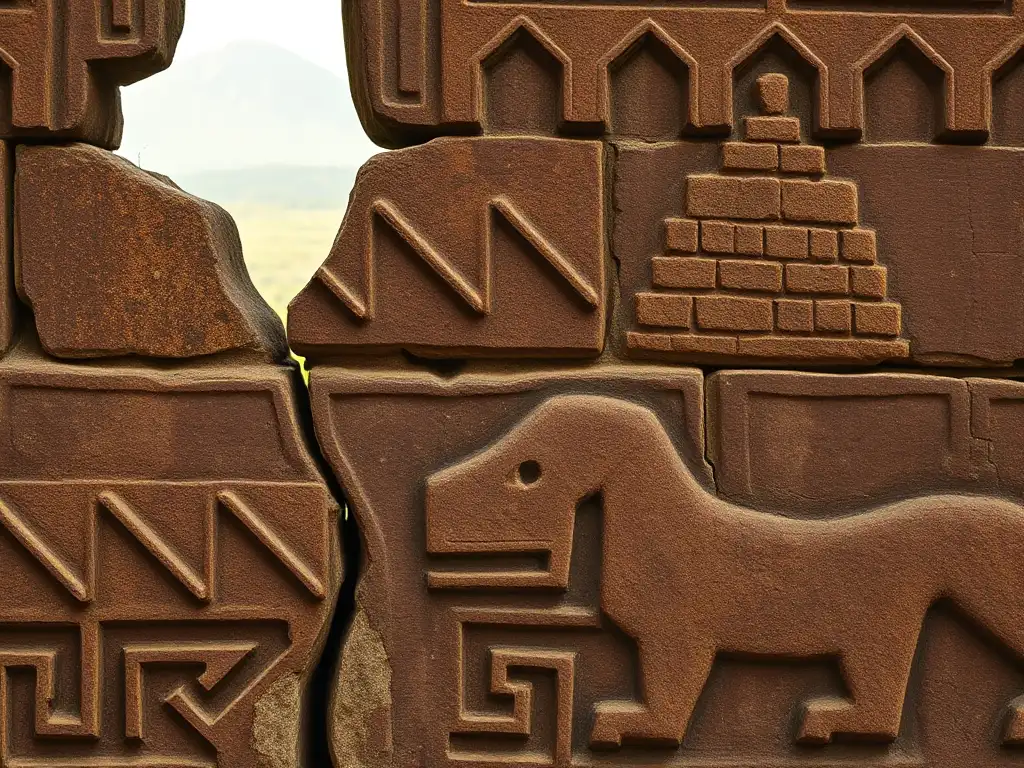
Beyond the impressive scale and precision of its masonry, Tiahuanaco's architectural legacy includes its distinctive style of stone carving. The intricate carvings adorning many Tiahuanaco structures, featuring stylized figures, geometric patterns, and symbolic motifs, represent a unique artistic style that influenced later Andean cultures.
These carvings, often found on doorways, lintels, and other architectural elements, are characterized by their depth, precision, and the use of sophisticated techniques like relief carving and intaglio. The stylistic elements present in Tiahuanaco carvings – such as the depiction of stylized figures with elongated heads and large eyes, or the use of specific geometric patterns – can be traced in later Andean art, suggesting a direct line of influence.
The Tiahuanaco style of stone carving is not just aesthetically significant; it also carries symbolic and religious meaning. The intricate carvings are believed to represent deities, mythical creatures, and cosmological concepts central to Tiahuanaco religious beliefs. The transmission of these symbolic motifs through Andean art demonstrates a continuity of religious and cultural ideas across different time periods and regions.
The influence of Tiahuanaco's stone carving is evident in the stylistic similarities found in later Andean art, demonstrating the enduring legacy of Tiahuanaco's artistic and cultural traditions. The precise techniques and symbolic representations employed in Tiahuanaco stone carving left an indelible mark on subsequent Andean cultures, enriching their artistic expression and contributing to the complex tapestry of Andean art history.
Distinctive Doorways and Niches: A Tiahuanaco Trademark
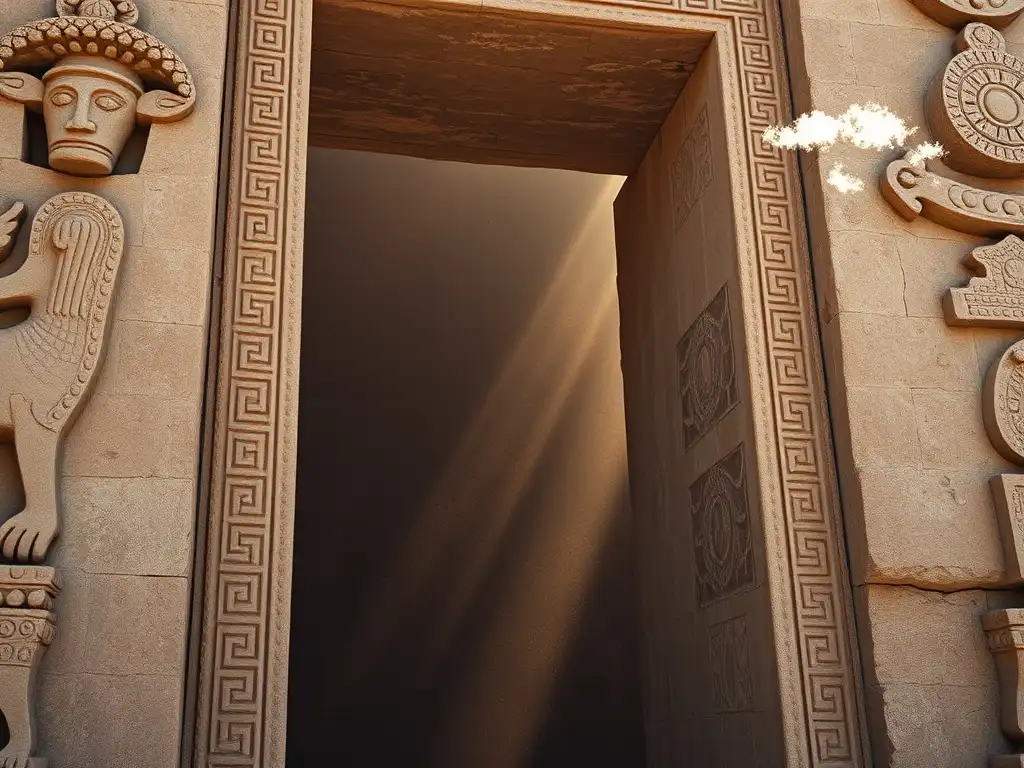
Tiahuanaco's architectural legacy is indelibly marked by its unique doorways and niches. These weren't merely functional elements; they were integral components of a sophisticated symbolic system. The doorways, often monumental in scale, frequently featured intricate carvings and reliefs depicting deities, mythical creatures, and stylized figures.
These weren't simple openings; they served as portals, connecting the earthly realm with the spiritual. The precision of their construction, achieved with tools and techniques that remain partially mysterious even today, speaks to the advanced engineering skills of the Tiahuanaco builders. The meticulous craftsmanship, evident in the perfectly fitted stones and the delicate detail of the carvings, suggests a deep reverence for both the building process and the symbolic power inherent in the doorways themselves.
Many scholars believe the depictions found on these doorways were meant to convey specific narratives or cosmological beliefs, offering clues to the religious and societal structures of Tiahuanaco society. The variety of styles and iconography present across different structures also suggests a potential evolution in artistic expression over time, reflecting changes within the culture or perhaps even the rule of different dynasties. Detailed analysis of these doorways continues to reveal new insights into Tiahuanaco's rich cultural tapestry, making them a key focus of ongoing research into Tiahuanaco architectural influence.
Furthermore, the niches, often found integrated into walls and structures, also played a crucial role. While their precise function remains a subject of debate among archaeologists, leading theories suggest they served as receptacles for offerings, perhaps housing religious artifacts or even representing symbolic locations within the Tiahuanaco worldview. The size and placement of these niches varied significantly, hinting at a complex system of organization and significance.
The careful placement within larger structures suggests a deliberate integration into the overall design, underscoring their importance within the broader architectural scheme. The enduring presence of these niches in later Andean architecture highlights their lasting influence on subsequent building styles, demonstrating the continued relevance of Tiahuanaco's distinctive aesthetic choices. The careful study of these niches, therefore, offers another avenue for understanding the lasting impact of Tiahuanaco's architectural principles.
The Significance of Tiahuanaco Temples and Religious Structures
The monumental temples and religious structures of Tiahuanaco stand as testaments to the civilization's sophisticated understanding of architecture and its profound connection to religious beliefs. The most iconic example, the Kalasasaya, showcases a sophisticated understanding of astronomy and cosmology. Its orientation and design suggest a deep knowledge of celestial movements, indicating the importance of astronomical observations in their religious practices.
The scale of these structures, often built from massive stones meticulously fitted together without mortar, is astonishing. This mastery of stonework, combined with the intricate carvings and reliefs decorating the walls, points to a highly organized society with a dedicated workforce capable of undertaking large-scale projects.
The precision of the construction, especially considering the tools available at the time, remains a source of wonder and continues to inspire research into the techniques employed by the Tiahuanaco builders. The layout of the temples, with their carefully planned plazas and interconnected buildings, reveals a complex social and religious organization.
The religious significance of these structures is further emphasized by the presence of numerous symbolic elements. Sculptures, carvings, and other artifacts found within and around these structures provide insights into Tiahuanaco's religious beliefs and practices. Depictions of deities, mythical creatures, and ritualistic scenes offer glimpses into a complex cosmology and pantheon of gods.
The presence of these religious structures in the heart of Tiahuanaco’s urban center underscores their central role in the society’s organization and daily life. Their influence on later Andean cultures is evident in the adoption of similar architectural styles and religious motifs, demonstrating the enduring power and impact of Tiahuanaco’s religious ideas. The study of Tiahuanaco temples and religious structures provides invaluable insights into the culture's worldview and the profound influence it exerted on subsequent Andean civilizations.
The lasting impact of Tiahuanaco's religious architecture is undeniable, shaping the religious landscape of the Andes for centuries to come. The echoes of Tiahuanaco's architectural style in later Andean religious structures are testament to its enduring legacy and continuing influence on the region's cultural development.
Tiahuanaco Architectural Influence on Later Andean Cultures
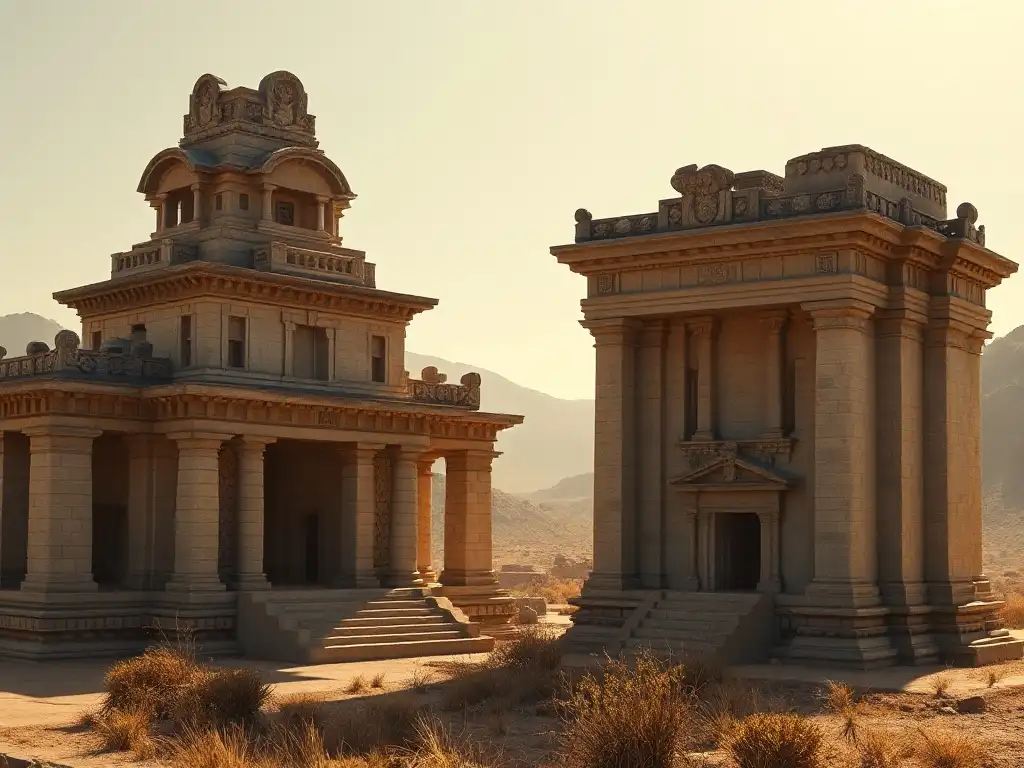
The monumental architecture of Tiahuanaco left an indelible mark on subsequent Andean cultures, influencing their building styles and techniques for centuries. This influence wasn't simply a matter of imitation; rather, it represented an adaptation and reinterpretation of Tiahuanaco's aesthetic and technological innovations within the context of different cultural needs and environments. The legacy of Tiahuanaco's architectural prowess is evident in the structures erected by later civilizations, particularly the Inca and Wari, demonstrating a fascinating continuity in Andean building traditions.
Understanding this influence provides crucial insights into the interconnectedness of Andean societies and the enduring power of Tiahuanaco's architectural achievements. The term "Tiahuanaco architectural influence" accurately captures the pervasive impact of this remarkable civilization.
Tiahuanaco's Impact on Inca Architecture: A Comparison
The Inca Empire, renowned for its sophisticated stonework, incorporated elements of Tiahuanaco's architectural style, albeit with their own distinct interpretations. While the Inca developed their own unique architectural vocabulary, certain features suggest a clear lineage back to Tiahuanaco. This is particularly evident in the precise stone cutting and fitting techniques, a hallmark of both cultures. The Inca's mastery of ashlar masonry, characterized by perfectly fitted, polygonal blocks, echoes the meticulous craftsmanship seen in Tiahuanaco's structures.
However, Inca architecture often favored a more regular, orthogonal arrangement of stones compared to the sometimes more irregular layouts found in Tiahuanaco ruins. This difference reflects the unique aesthetic preferences and practical building needs of each civilization. The Inca's adoption of Tiahuanaco’s advanced stone-cutting techniques represents a significant technological transfer, demonstrating the lasting impact of Tiahuanaco's expertise. Further research into specific Inca sites could reveal more nuanced aspects of this architectural dialogue.
Ollantaytambo: Inca Stonework Displaying Tiahuanaco Influence
Ollantaytambo, a significant Inca site, provides compelling evidence of Tiahuanaco's architectural influence. The impressive stonework found throughout the complex, particularly in the intricately carved and fitted walls, displays a level of precision reminiscent of Tiahuanaco's master builders. The use of massive, precisely cut stones, some weighing several tons, showcases a continuation of Tiahuanaco's impressive technological capabilities.
While the overall design and layout of Ollantaytambo are distinctly Inca, the skill in stone manipulation and the sheer scale of the project suggest a direct connection to the architectural traditions established by Tiahuanaco. Analyzing the specific techniques employed in Ollantaytambo's construction, such as the use of polygonal blocks and the precise joinery, reveals a clear continuity with Tiahuanaco's architectural legacy. Detailed studies comparing the stone-cutting techniques at Ollantaytambo and Tiahuanaco would further illuminate this connection.
The Adoption of Tiahuanaco Design Elements by the Wari Culture
The Wari civilization, which predates the Inca, also demonstrated a notable adoption of Tiahuanaco design elements in their architecture. While not directly mimicking Tiahuanaco styles, the Wari incorporated certain motifs and techniques into their own architectural vocabulary. This is evident in the use of specific decorative elements, such as stepped platforms and monumental gateways, which share similarities with those found at Tiahuanaco.
The Wari also showed a preference for large-scale public works, a characteristic shared with Tiahuanaco's ambitious building projects. However, the Wari's architectural style also possessed unique characteristics, reflecting their own cultural identity. The blending of Tiahuanaco influences with indigenous Wari traditions resulted in a hybrid architectural style that showcases the complex interplay of cultural exchange and innovation in the Andean region.
Pikillaqta: Wari Site Incorporating Tiahuanaco Architectural Features
Pikillaqta, a significant Wari site, offers a tangible example of the integration of Tiahuanaco architectural features into Wari building practices. While the overall layout and construction techniques differ from those at Tiahuanaco, certain elements, such as the use of monumental platforms and the arrangement of buildings around central plazas, suggest a clear connection. Furthermore, some scholars have identified decorative motifs at Pikillaqta that bear resemblance to those found in Tiahuanaco art.
The presence of these features indicates that the Wari not only adopted Tiahuanaco's technological advancements but also drew inspiration from its aesthetic traditions. Further research is needed to fully understand the extent of Tiahuanaco’s influence on Pikillaqta and the broader Wari architectural landscape. A comparative analysis of building materials and construction techniques at both sites would provide valuable insights into the nature of this architectural exchange.
Tiahuanaco's Architectural Legacy in the Altiplano Region
Tiahuanaco's impact on the architecture of the Altiplano region is undeniable. Its sophisticated building techniques, monumental structures, and distinctive stylistic elements served as a blueprint for generations of Andean builders. The influence wasn't a simple imitation, however; instead, subsequent cultures adapted and reinterpreted Tiahuanaco's architectural vocabulary, creating unique regional variations while retaining recognizable echoes of the original style.
This creative process of adaptation and innovation is evident in the diverse building styles that emerged across the Altiplano following the decline of the Tiahuanaco state. The use of specific materials, like the characteristic red and beige sandstone, along with the precise stonework techniques, became hallmarks of regional architecture, demonstrating a clear lineage back to Tiahuanaco. The scale of construction, although often smaller than the monumental structures at Tiahuanaco itself, also reveals a continued veneration of the earlier civilization's aesthetic principles.
Analysis of surviving structures reveals a continuous thread of architectural influence, demonstrating the enduring power of Tiahuanaco's architectural legacy. Furthermore, the distribution of these architectural features across the Altiplano suggests a widespread dissemination of ideas and techniques, potentially facilitated by trade networks and cultural exchange. The adaptation of Tiahuanaco's architectural principles within a localized context reflects the dynamic interplay between cultural continuity and innovation in the Andean region.
Lupaqa Chullpas: Local Variations of Tiahuanaco Building Styles
The Lupaqa people, inhabiting the southern Altiplano region, offer a compelling example of Tiahuanaco's architectural influence. Their chullpas, distinctive tower-like structures typically used as funerary monuments, showcase a clear connection to Tiahuanaco's building traditions. While not directly replicating the massive scale of Tiahuanaco's structures, Lupaqa chullpas often incorporate elements such as precisely cut and fitted stones, reminiscent of Tiahuanaco's mastery of stonework. The use of similar stone types and the overall architectural form, particularly the stepped or tiered construction visible in some examples, directly echoes Tiahuanaco's style.
However, the Lupaqa also adapted these elements to their own cultural context. For example, the size and ornamentation of chullpas varied considerably, reflecting local preferences and social hierarchies. Some chullpas are relatively small and unadorned, while others are larger and feature intricate carvings or painted decorations. This variation underscores the adaptive nature of Tiahuanaco's influence, demonstrating how a core set of architectural principles could be reinterpreted and adapted to fit diverse local needs and aesthetics.
The study of Lupaqa chullpas reveals a fascinating interplay between the preservation of Tiahuanaco’s architectural legacy and the emergence of unique regional expressions. The enduring presence of these structures across the landscape serves as a tangible testament to the enduring influence of Tiahuanaco's architectural traditions. Detailed analysis of their construction techniques and decorative elements continues to shed light on the complex cultural processes that shaped the architecture of the later Andean cultures.
Analyzing the Transmission of Tiahuanaco Construction Knowledge
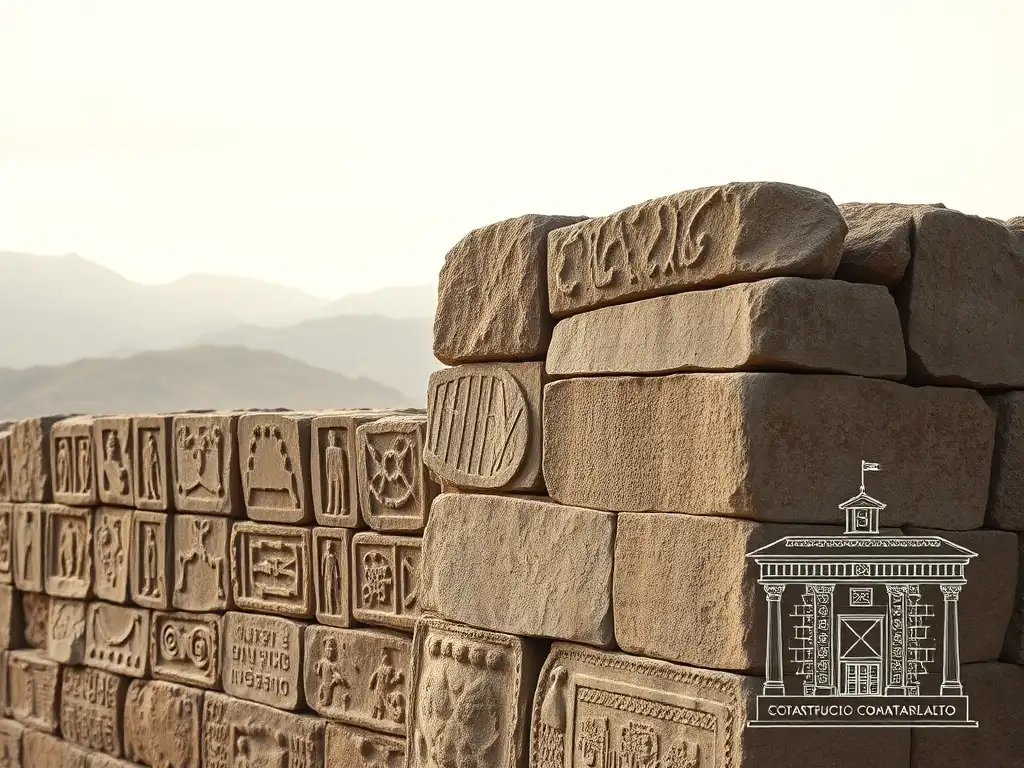
The profound impact of Tiahuanaco architecture extended far beyond its immediate geographical boundaries. Understanding how this architectural influence spread requires examining the mechanisms of cultural transmission that operated across the Andean region during and after the Tiahuanaco period (c. 500 – 1000 CE). This involved a complex interplay of factors, including trade networks, the movement of skilled artisans, and the adaptation of building styles to diverse ecological contexts.
The legacy of Tiahuanaco's architectural innovations is not simply a matter of imitation; it's a story of dynamic interaction, creative appropriation, and the ongoing evolution of building traditions across vast distances and varying landscapes. Analyzing the dissemination of these building techniques reveals a fascinating picture of cultural exchange and technological transfer in the ancient Andes. This section focuses specifically on the mechanisms responsible for the spread of Tiahuanaco's architectural influence, using archaeological evidence and anthropological interpretations to understand this important process.
Trade and Cultural Exchange: Pathways of Architectural Diffusion
The extensive trade networks that crisscrossed the Andes during the Tiahuanaco period played a crucial role in disseminating architectural knowledge. The movement of goods, including luxury items like textiles and ceramics, often involved the exchange of ideas and techniques. Archaeological evidence suggests that Tiahuanaco's influence spread along established trade routes, with similar architectural features appearing in distant settlements.
The characteristic Tiahuanaco style, including its use of monumental stonework, precise masonry, and specific decorative motifs, is documented in sites geographically distant from the Tiahuanaco heartland. This suggests that the ideas behind these styles were disseminated alongside the goods traded along these routes.
For instance, the presence of similar stone carving techniques and architectural elements in sites located in the Bolivian Altiplano, the Peruvian coast, and even parts of the Amazon basin hints at a widespread exchange of knowledge and skills. This wasn't a simple copying process. Instead, local builders adapted and integrated Tiahuanaco styles with their existing traditions, resulting in a unique blend of influences.
The extent of this trade-related dissemination, however, requires further research to fully quantify the exact routes and the volume of such exchanges. More detailed analysis of traded goods found in distant sites could further illuminate this aspect of Tiahuanaco's influence.
The Role of Tiahuanaco Craftsmen in Spreading Building Techniques
Beyond trade networks, the movement of skilled Tiahuanaco artisans was instrumental in spreading architectural knowledge. These craftsmen, possessing specialized skills in stonework, masonry, and design, likely travelled to various locations, sharing their expertise and directly influencing local building practices. This direct transmission of knowledge facilitated the adoption and adaptation of Tiahuanaco building techniques in different regions.
Evidence of this migration can be found in the stylistic consistency observed in certain architectural features across vast distances. The use of specific types of stone, the application of similar construction methods, and the replication of decorative motifs all point towards the role of skilled artisans in carrying and implementing Tiahuanaco building practices.
Think of it as a kind of "architectural apprenticeship," where local builders learned from experienced Tiahuanaco masons, gradually incorporating these techniques into their own traditions. Unfortunately, direct evidence, such as written records or accounts from the period, is largely absent, making further research into the migratory patterns of these skilled workers necessary to strengthen this hypothesis.
The Adaptation of Tiahuanaco Styles in Different Environments
The influence of Tiahuanaco architecture wasn't a simple replication of styles. Instead, it involved a process of adaptation and innovation. Builders in different regions modified Tiahuanaco architectural features to suit their local environments and building materials. This demonstrates a remarkable flexibility and ingenuity in the application of Tiahuanaco principles.
For example, the availability of different types of stone in various regions led to variations in the construction techniques employed. While Tiahuanaco itself utilized specific types of andesite, other regions adapted the architectural principles using locally available materials, such as volcanic rock, limestone, or adobe. This adaptive process resulted in a diverse range of architectural expressions, all bearing the imprint of Tiahuanaco influence, yet exhibiting unique regional characteristics.
The adaptation of Tiahuanaco styles reflects not only the transmission of knowledge but also the creative capacity of Andean builders to integrate foreign influences with their own established traditions. Further research could explore specific examples of this adaptation in different ecological zones, providing a more detailed understanding of this dynamic interaction. The resilience and adaptability of Tiahuanaco architectural principles across diverse environments highlights its lasting impact on Andean building traditions.
The Enduring Impact of Tiahuanaco Architectural Designs
The imposing structures of Tiahuanaco, a pre-Columbian civilization that flourished in the Andes between 300 and 1000 CE, left an indelible mark on subsequent Andean architecture. Its influence can be traced through various styles and building techniques adopted and adapted by later cultures, demonstrating a remarkable continuity in architectural principles across centuries. The unique characteristics of Tiahuanaco's building traditions, including the use of massive stone blocks, precise craftsmanship, and symbolic designs, acted as a powerful blueprint for generations of Andean builders.
This enduring legacy highlights not just the technical prowess of Tiahuanaco artisans, but also the cultural significance of their architectural achievements. The spread of these architectural features wasn't a simple copying; rather, it was a dynamic process of assimilation and reinterpretation, reflecting the complex interplay of cultural exchange and adaptation in the Andes. Understanding this impact helps us appreciate the depth and complexity of Andean cultural development.
Modern Interpretations of Tiahuanaco Architectural Principles
Modern architects and engineers continue to study Tiahuanaco's architectural achievements, fascinated by the sophisticated techniques employed in constructing its monumental structures. The precision of the stonework, the intricate fitting of massive blocks without mortar, and the innovative use of materials are aspects that continue to inspire awe and investigation. For example, researchers are exploring the methods used to transport and erect these colossal stones, seeking to understand the logistical and engineering challenges overcome by the Tiahuanaco builders.
Some contemporary architects draw inspiration from Tiahuanaco's aesthetics, incorporating elements of its design into modern buildings, creating a dialogue between ancient and modern architectural sensibilities. This is particularly evident in the use of geometric patterns and monumental scale in some contemporary Andean structures. The study of Tiahuanaco's architectural principles also contributes to advancements in modern construction techniques, particularly in areas such as sustainable building materials and innovative methods for joining large stone elements.
Understanding how the Tiahuanaco people achieved such precision without modern tools provides valuable insights for contemporary construction practices. The ongoing research into Tiahuanaco architecture isn't merely academic; it holds practical applications for developing more efficient and sustainable building methods.
Preserving and Studying Tiahuanaco's Architectural Heritage
The preservation of Tiahuanaco's remaining structures is crucial for understanding its architectural legacy and ensuring its continued influence on future generations. The site faces numerous challenges, including environmental degradation, looting, and the effects of tourism. Efforts to preserve Tiahuanaco's architectural heritage involve a multi-faceted approach, encompassing archaeological research, conservation techniques, and sustainable tourism management.
Careful documentation of existing structures through detailed surveys and digital modeling is essential for future restoration and study. The implementation of conservation strategies, including the use of appropriate materials and techniques for repairing damaged structures, is also critical. Furthermore, educational programs aimed at raising public awareness about the importance of preserving Tiahuanaco's architectural heritage play a vital role in ensuring its long-term survival.
These initiatives are not only essential for protecting the physical remains of Tiahuanaco but also for safeguarding the cultural knowledge embedded within its architectural achievements. The ongoing preservation efforts ensure that future generations can continue to learn from and be inspired by this remarkable civilization. The challenges are significant, but the commitment to preserving this incredible legacy underscores its profound importance.
The Importance of Tiahuanaco Architecture in Andean History
Tiahuanaco architecture holds a significant place in Andean history, serving as a testament to the ingenuity and cultural sophistication of the civilization. Its influence extended far beyond its geographical boundaries, shaping the architectural styles and building practices of numerous subsequent Andean cultures. The scale and precision of Tiahuanaco's monumental structures, such as the Puerta del Sol and Kalasasaya, reflect a high level of organizational capacity and technological advancement.
The symbolic meaning embedded within its architectural designs also reveals insights into the cosmology and religious beliefs of the Tiahuanaco people. The unique architectural style of Tiahuanaco, characterized by its massive stone blocks, intricate carvings, and geometric patterns, became a powerful symbol of authority and cultural identity. Its influence is visible in the architecture of later Andean cultures, demonstrating the enduring legacy of Tiahuanaco's architectural achievements.
The study of Tiahuanaco architecture provides invaluable insights into the development of Andean civilization and its complex interplay of cultural exchange and adaptation. Analyzing its impact allows us to better understand the continuity and evolution of Andean architectural traditions throughout history. The legacy of Tiahuanaco's architectural influence remains a powerful testament to the creative spirit and lasting impact of this remarkable Andean civilization.
Frequently Asked Questions
What is the significance of Tiahuanaco in Andean architecture?
Tiahuanaco's influence is profound and widespread, impacting subsequent Andean cultures. Its unique architectural styles, particularly its monumental structures and intricate stonework, were emulated and adapted for centuries. This influence is seen across various Andean societies.
How did Tiahuanaco's architectural style differ from other Andean cultures?
Tiahuanaco's style is characterized by its massive stone structures, precise stone fitting, and the use of geometric patterns. This contrasts with some other cultures which utilized different building materials and techniques, resulting in distinct architectural expressions.
Which Andean cultures were most influenced by Tiahuanaco's architecture?
Many Andean cultures were influenced, but the Wari and Inca empires show the clearest evidence of Tiahuanaco's impact. They adopted and adapted elements like monumental layouts and precise stonework in their own constructions.
What specific architectural features demonstrate Tiahuanaco's influence?
Monumental gateways, large-scale platforms, and the use of reddish-brown andesite stone are key features echoing Tiahuanaco's architectural style. These elements can be found in various sites across the Andes, showcasing its lasting impact.
Where can I see examples of Tiahuanaco's architectural influence today?
Examples of Tiahuanaco's influence are visible across numerous archaeological sites. Look for sites associated with the Wari and Inca civilizations, where the legacy of Tiahuanaco's innovative techniques and aesthetic choices are readily apparent.
Final Reflection: The Enduring Legacy of Tiahuanaco's Architectural Vision
The sophisticated architectural innovations of Tiahuanaco continue to resonate today, reminding us of the ingenuity and cultural depth of pre-Columbian civilizations. Their mastery of stonework, monumental scale, and symbolic integration into the landscape offer invaluable lessons in sustainable design and the power of architecture to express a society's values and beliefs. This legacy transcends mere historical interest; it challenges our contemporary understanding of architectural possibility and sustainable practices.
The influence of Tiahuanaco's architectural style is not merely a historical curiosity; it's a living thread woven into the fabric of Andean culture and beyond. Its impact can be seen in later Andean constructions, inspiring elements of design and construction techniques that persist to this day. The very stones themselves, meticulously carved and fitted, whisper tales of a civilization's dedication to craftsmanship and community. The past is never dead. It's not even past.
- William Faulkner. This quote perfectly encapsulates the enduring presence of Tiahuanaco's architectural legacy, constantly informing and inspiring new interpretations.
Consider the implications of Tiahuanaco's achievements. How can we, in our modern world, learn from their commitment to precision, their understanding of the environment, and their ability to create structures that stood the test of time? Let the echoes of Tiahuanaco inspire you to seek innovative and sustainable solutions in your own life, whether in your personal projects or your professional endeavors. Embrace the challenge of creating structures – both physical and metaphorical – that are as enduring and meaningful as those left behind by this remarkable civilization.
Unveil the Architectural Heritage of Tiahuanaco!
Thank you for exploring the magnificent architectural wonders of Tiahuanaco with us! We hope you've gained a deeper understanding of its rich history and lasting impact on building styles. Let's continue to celebrate this incredible legacy.
Here's how you can get involved:
- Delve further into Tiahuanaco's influence by visiting local museums and archaeological sites. You might uncover hidden gems and have the opportunity to interact with experts.
- Share your newfound knowledge! Post about Tiahuanaco's architectural marvels on social media to spark conversations and inspire others to appreciate this fascinating Andean civilization.
- Connect with fellow enthusiasts! Join or start a community group dedicated to exploring architectural influences across different cultures. It's a fantastic way to meet like-minded individuals.
What aspects of Tiahuanaco's architecture captivate you most, and how do you envision their influence on contemporary design? Share your thoughts below! 🏛️✨