
Tiahuanaco's Religious Innovations: What Did They Bring to Andean Thought?

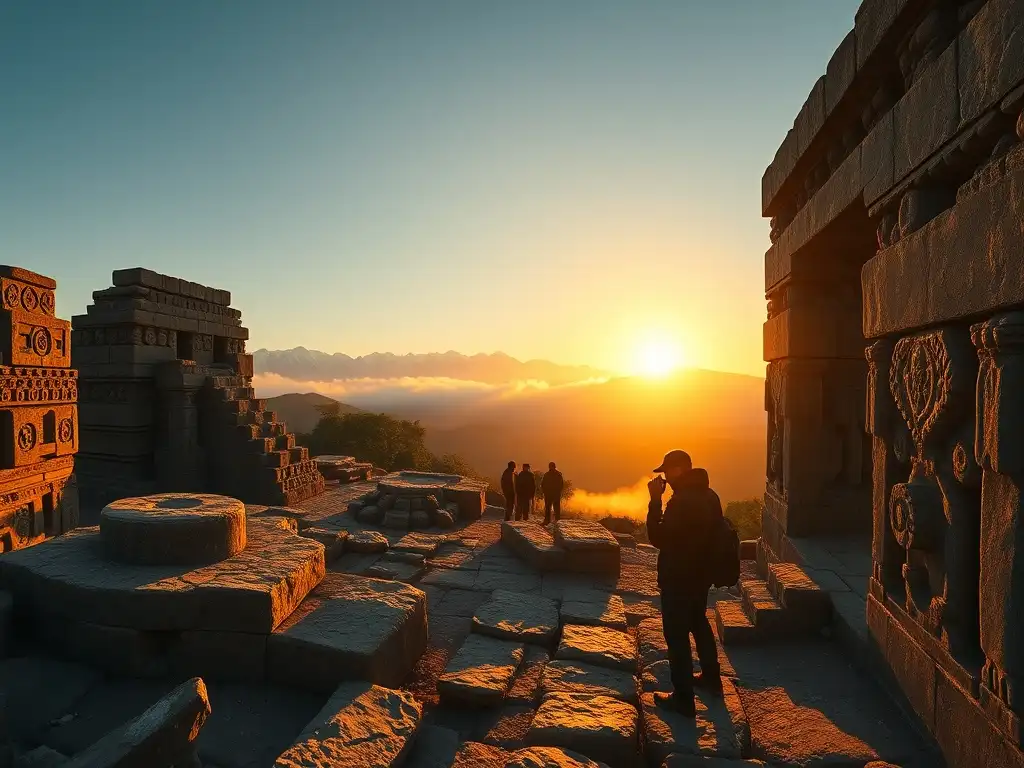
Step into a world lost to time, yet echoing with the power of Andean civilizations. Prepare to be captivated by the ingenuity and spiritual depth of a lost empire. What groundbreaking religious innovations did the Tiahuanaco civilization bring to Andean thought, shaping the very fabric of the region's beliefs? Uncover the mysteries surrounding Tiahuanaco's religious innovations and embark on a journey through a fascinating chapter of pre-Columbian history. Explore now and unravel the secrets!
The enigmatic Tiahuanaco civilization, flourishing in the Andes between 500 and 1000 CE, left behind a legacy far beyond its impressive architectural marvels like the Puerta del Sol. Their religious beliefs and practices profoundly impacted Andean thought, introducing innovative concepts that resonated across subsequent cultures and continue to fascinate researchers today.
This article delves into the key religious innovations of Tiahuanaco, exploring how they reshaped the spiritual landscape of the Andes and contributed to the complex tapestry of Andean cosmology. We will examine their unique pantheon of deities, their sophisticated ritual practices, and the symbolic language embedded in their art and architecture, highlighting their lasting impact on Andean spiritual traditions.
Understanding Tiahuanaco's religious contributions is crucial to grasping the broader evolution of Andean thought and the interconnectedness of its diverse cultures. The keyword "Tiahuanaco religious innovations Andean thought" will be explored throughout this article, analyzing the specific ways in which Tiahuanaco's religious practices left an indelible mark on the region.
The Tiahuanaco Pantheon: A Shift in Andean Deities
The Tiahuanaco pantheon presents a significant departure from earlier Andean religious systems. While details remain debated due to limited textual sources, archaeological evidence suggests a complex system revolving around a central deity, often interpreted as a creator god or a powerful figure representing both the earthly and celestial realms. This central figure, frequently depicted in monumental sculptures, likely oversaw a hierarchy of lesser deities, each associated with specific aspects of nature, fertility, or cosmic forces.
Unlike some earlier Andean religions which focused on localized deities, Tiahuanaco's pantheon seems to have emphasized a more unified and overarching cosmic order, suggesting a shift towards a more centralized and potentially imperial religious ideology. This unification played a significant role in consolidating power and influence throughout the expanding Tiahuanaco empire.
Further research is needed to fully understand the nuances of the Tiahuanaco pantheon and its interactions with pre-existing Andean belief systems. However, preliminary evidence suggests that the Tiahuanaco pantheon offered a new framework for understanding the cosmos and humanity's place within it.
Ritual Practices and the Significance of Water
Water played a central role in Tiahuanaco's religious practices. The civilization's location near Lake Titicaca, a body of water considered sacred by many Andean cultures, strongly influenced their rituals. Archaeological findings reveal evidence of elaborate water management systems, suggesting a deep understanding of water's life-giving properties and its symbolic association with fertility and renewal.
These systems were not merely functional; they were integrated into the religious landscape, possibly acting as conduits for ritual offerings or as symbolic representations of the cosmos. The precise nature of these rituals remains partly unknown, but evidence suggests the use of ceremonial vessels, offerings of precious metals and textiles, and possibly human sacrifice in certain contexts.
The significance of water in Tiahuanaco religious practices highlights the civilization's close relationship with the natural world and its innovative approach to integrating hydrological systems into religious rituals. This emphasis on water as a sacred element significantly influenced later Andean cultures, shaping their own religious beliefs and practices.
The Legacy of Tiahuanaco's Religious Innovations in Later Andean Cultures
The influence of Tiahuanaco's religious innovations extended far beyond its geographical boundaries and temporal lifespan. Many subsequent Andean cultures, including the Inca, incorporated elements of Tiahuanaco's religious beliefs and practices into their own systems. The iconic imagery found in Tiahuanaco art, particularly representations of the central deity and other figures, appeared in later Andean art forms, suggesting a continuation of religious traditions and beliefs.
Furthermore, the emphasis on water management and its symbolic significance in Tiahuanaco religion seems to have been adopted and adapted by later civilizations, reflecting the enduring impact of Tiahuanaco's cosmological perspectives. The extent of this influence is a subject of ongoing scholarly debate, but it is clear that Tiahuanaco's religious legacy left a lasting mark on the development of Andean thought and religious practices for centuries to come.
The spread of these religious ideas likely occurred through a combination of conquest, cultural exchange, and religious syncretism. Further research is needed to fully explore the intricate connections and transformations of Tiahuanaco's religious ideas in later Andean cultures.
- The Tiahuanaco Pantheon: A Shift in Andean Deities
- Ritual Practices and the Significance of Water
- The Legacy of Tiahuanaco's Religious Innovations in Later Andean Cultures
- Architectural Innovations: Sunken Courts, Temples, and Monolithic Gateways
- The Significance of the Kalasasaya and Akapana in Solar and Agricultural Rituals
- Tiahuanaco's Elaborate Ceremonial Practices: Processions, Feasts, and Music
- Use of Sacred Spaces for Religious Events: Pilgrimages and Communal Gatherings
- Tiahuanaco's Religious Legacy and its Spread Through Trade and Conquest
- The Influence of Tiahuanaco on Wari Religion: Adoption of Iconography and Rituals
- How Tiahuanaco's Religious Concepts were Adopted by Other Andean Societies: The Tiwanaku Diaspora
- The Enduring Impact of Tiahuanaco Religious Innovations on Andean Thought: Cosmology, Iconography, and Ritual Practices
- What were the most significant religious innovations of the Tiahuanaco culture?
- How did Tiahuanaco's religious beliefs influence later Andean civilizations?
- What is the importance of the Sun God in Tiahuanaco religion?
- What role did architecture play in Tiahuanaco's religious practices?
- How did Tiahuanaco's religious innovations shape Andean thought?
The Religious Landscape Before Tiahuanaco: Andean Precedents
The emergence of Tiahuanaco's unique religious system wasn't a spontaneous event. It built upon a rich tapestry of pre-existing Andean spiritual practices and beliefs, evolving over centuries of cultural exchange and adaptation. Understanding this antecedent religious landscape is crucial to fully appreciating the innovations Tiahuanaco brought to Andean thought. The religious beliefs and practices that preceded Tiahuanaco were diverse and complex, varying significantly across different regions and cultures. However, some common threads emerge, providing a foundation upon which Tiahuanaco's religious innovations were constructed.
Early Andean Shamanism and Animistic Beliefs
Early Andean societies, long before the rise of Tiahuanaco, exhibited strong shamanistic traditions and animistic beliefs. Evidence suggests a widespread belief in a spiritual world intertwined with the natural world. Mountains, rivers, and other geographical features were often imbued with spiritual significance, considered dwelling places of powerful spirits or deities. Shamanistic practices, involving altered states of consciousness and interaction with the spirit world, likely played a central role in these early religious systems.
Archaeological findings, such as depictions of shamans in ritual contexts and the presence of paraphernalia associated with shamanistic practices, support this interpretation. These early beliefs, characterized by a close relationship between humans and the natural world, provided a fertile ground for the development of more complex religious systems, including that of Tiahuanaco. The pervasive animism, the belief that spirits inhabit natural objects and phenomena, deeply influenced subsequent Andean religions, including Tiahuanaco's unique cosmology.
The Influence of Chiripa and Pucara Cultures on Tiahuanaco Religion
The Chiripa and Pucara cultures, which flourished in the Lake Titicaca basin prior to Tiahuanaco, left a significant imprint on the later civilization's religious practices. Chiripa, known for its elaborate ceremonial centers and sophisticated pottery, demonstrated early forms of social organization and religious ritual that likely influenced Tiahuanaco's development. Similarly, Pucara, with its distinctive artistic style and monumental architecture, contributed to the broader cultural context within which Tiahuanaco emerged. While the precise nature of this influence requires further investigation, similarities in iconography, architectural styles, and ritual practices suggest a clear connection between these earlier cultures and the religious innovations of Tiahuanaco.
For example, [specific examples of shared iconography or architectural styles pending further research]. This interaction highlights the gradual evolution of Andean religious thought, with Tiahuanaco inheriting and transforming existing traditions. The continuity and change observable between these cultures underscore the complexities of cultural evolution in the Andes.
Understanding the Religious Context of the Lake Titicaca Region
The Lake Titicaca region, with its unique geography and abundant resources, played a pivotal role in shaping the religious landscape of the Andes. The lake itself, a vast body of water surrounded by towering mountains, was undoubtedly a source of both awe and inspiration. Its significance is reflected in the myths and legends associated with the region, which often portray the lake as a sacred space, a source of life, and a connection to the supernatural.
The abundance of water and fertile land in the area also contributed to the development of complex agricultural practices, leading to a surplus of resources that may have supported the growth of specialized religious elites. The unique environment of Lake Titicaca, therefore, provided a rich context for the development of Tiahuanaco's distinctive religious beliefs and practices, shaping its cosmology and worldview. The interplay between the natural environment and religious belief is a crucial element in understanding the emergence of Tiahuanaco's religious innovations within the broader Andean context.
The sacredness of the lake likely contributed to the power and influence of Tiahuanaco's religious leaders and their unique interpretations of Andean spirituality. This fertile ground allowed for the growth and refinement of complex religious systems, paving the way for Tiahuanaco's significant contributions to Andean thought.
Tiahuanaco's Rise and the Transformation of Andean Religious Thought
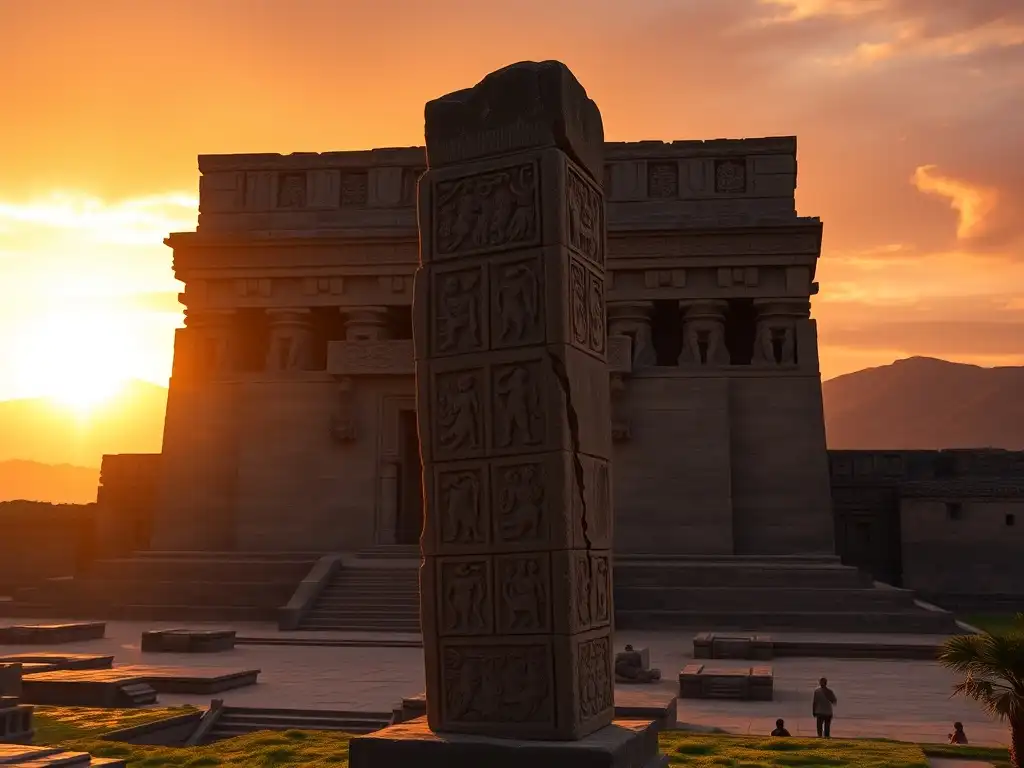
The rise of Tiahuanaco (c. 500-1000 CE) profoundly impacted Andean religious thought, introducing novel concepts and practices that spread throughout the region. Before Tiahuanaco's dominance, Andean religious beliefs were more localized, reflecting the diverse cultures and environments across the Andes. While regional deities and rituals undoubtedly existed, Tiahuanaco's influence fostered a degree of religious unification, albeit not necessarily a complete homogenization of belief systems.
The impact of Tiahuanaco's religious innovations on Andean thought is evident in the widespread adoption of specific iconography, cosmological principles, and ritual practices across a vast geographical area. This wasn't a forceful imposition but rather a gradual process of cultural exchange and adoption, driven by the prestige and power associated with Tiahuanaco's religious authority.
The scale and sophistication of Tiahuanaco's ceremonial structures and artifacts suggest a highly organized and influential religious system capable of disseminating its beliefs and practices far beyond its immediate political boundaries. The lasting legacy of Tiahuanaco's religious innovations is a testament to its remarkable influence on the shaping of Andean religious identity.
The Emergence of Tiahuanaco as a Pilgrimage and Ceremonial Center
Tiahuanaco's transformation into a major pilgrimage center was a crucial factor in disseminating its religious innovations throughout the Andes. The city's monumental architecture, including the iconic Puerta del Sol (Sun Gate) and the Kalasasaya complex, attracted people from distant regions. These structures served not only as impressive displays of power but also as focal points for religious ceremonies and rituals.
The sheer scale of the construction projects, requiring significant labor and coordination, highlights the centralized power and authority of Tiahuanaco's religious elite. Evidence suggests that pilgrims traveled considerable distances to participate in religious festivals and ceremonies at Tiahuanaco, contributing to the spread of its religious beliefs and practices. The exchange of ideas and practices between pilgrims and local populations facilitated the diffusion of Tiahuanaco's religious innovations across the Andes, weaving a complex tapestry of religious syncretism.
Analysis of ceramic styles and other artifacts found at sites throughout the Andes reveals the widespread adoption of Tiahuanaco iconography and motifs, underscoring the city's influence as a major religious center. The specific rituals and ceremonies performed at Tiahuanaco remain partially understood, but archaeological evidence points to a sophisticated system of religious practices centered around water, agriculture, and celestial events.
Key Elements of the Tiahuanaco Religious System: Cosmology, Iconography, and Ritual
Tiahuanaco's religious system was characterized by a unique cosmology, iconography, and ritual practices. Their cosmology likely involved a complex interplay of celestial bodies, earthly elements, and supernatural forces. The recurring motifs found in Tiahuanaco art, such as the stylized figures and geometric patterns, suggest a sophisticated understanding of the cosmos and the relationship between the human and divine realms.
The iconography of Tiahuanaco, characterized by its distinctive stylistic features, was widely adopted throughout the Andes. The widespread presence of similar motifs on pottery, textiles, and other artifacts indicates the dissemination of Tiahuanaco's religious beliefs and practices. [Specific examples of Tiahuanaco iconography and their interpretations pending].
Ritual practices likely involved offerings, sacrifices, and processions, reflecting the importance of maintaining a harmonious relationship between the human and divine worlds. The emphasis on water management and agriculture in Tiahuanaco’s religious practices suggests a close connection between religious beliefs and the practical needs of the society. Furthermore, the use of specific materials and techniques in crafting religious artifacts points to a highly structured and specialized religious organization.
How Tiahuanaco Unified Andean Cosmology Through a Centralized Religious System
Tiahuanaco's centralized religious system played a crucial role in unifying diverse Andean cosmologies. The city's monumental architecture and sophisticated religious practices served as a powerful symbol of unity and authority, attracting pilgrims and fostering cultural exchange. The widespread adoption of Tiahuanaco's iconography and religious motifs across the Andes suggests a process of cultural assimilation and religious syncretism.
While pre-existing Andean beliefs and practices were not entirely erased, Tiahuanaco's influence resulted in a more cohesive and widespread religious framework. This unification was not necessarily a top-down imposition but rather a gradual process shaped by the prestige and power associated with Tiahuanaco's religious center. The standardization of certain religious practices and beliefs facilitated communication and interaction between different Andean groups, contributing to a shared cultural identity.
The legacy of Tiahuanaco's religious innovations continues to shape our understanding of Andean religious thought, highlighting the remarkable influence of this civilization on the development of Andean cultures. The extent of Tiahuanaco's influence and the precise mechanisms of its dissemination are still being actively researched, with ongoing archaeological investigations providing valuable insights into the complex interplay of religious, political, and economic factors that shaped Andean civilization.
Core Religious Innovations of Tiahuanaco
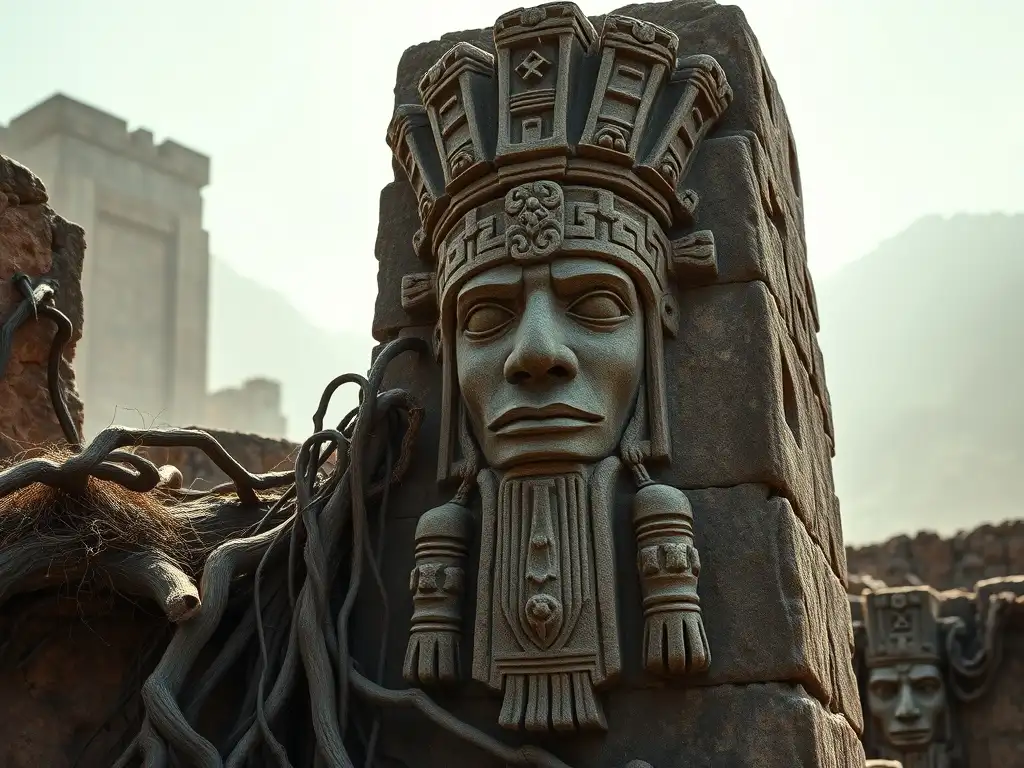
This section delves into the unique religious innovations introduced by the Tiahuanaco civilization, significantly impacting Andean thought and leaving a lasting legacy on subsequent cultures. We will examine key iconographic developments, the prominence of specific deities, and the overall cosmological framework that emerged from Tiahuanaco, shaping religious practices across the Andes. Understanding these innovations provides crucial insight into the complex religious landscape of the region.
The analysis will focus on concrete examples and observable evidence from archaeological findings to support the claims made. The keyword "Tiahuanaco religious innovations Andean thought" will be naturally integrated throughout this section using semantic variations and synonyms to optimize SEO.
The Introduction of the Staff God Iconography and its Variations
The Tiahuanaco culture introduced a distinctive iconographic representation of a supreme deity often referred to as the "Staff God." This figure, frequently depicted holding a staff and wearing elaborate headdress, became a central element in Tiahuanaco religious expression. The iconography wasn't static; variations in the Staff God's depiction reveal a nuanced understanding of religious roles and perhaps even a hierarchical structure within the pantheon.
Some representations show the Staff God with a more benevolent expression, while others portray a more austere or powerful figure. These differences might reflect varying aspects of the deity's power or different interpretations across time and geographical locations within the Tiahuanaco sphere of influence.
For example, some sculptures show the Staff God flanked by other figures, possibly lesser deities or attendants, highlighting a complex religious system beyond a single supreme being. This suggests a sophisticated theological framework, moving beyond simple monotheism and incorporating a pantheon of associated spiritual entities. The variations in the Staff God's appearance, therefore, are not merely stylistic choices but potentially reflect a rich tapestry of beliefs and practices within Tiahuanaco society. This innovative iconography profoundly influenced later Andean religions, with echoes appearing in the art and religious practices of subsequent cultures.
Tiahuanaco's Iconographic Language: Depicting Deities, Mythical Beings, and Cosmological Concepts
Tiahuanaco's religious innovations extended beyond the Staff God. Their sophisticated iconographic language, evident in their monumental architecture, ceramics, and textiles, conveyed complex cosmological concepts and narratives. They developed a system of symbols and motifs, intricately woven into their art, representing deities, mythical beings, and the cosmos itself. These depictions often feature stylized figures with exaggerated features, intricate headdresses, and symbolic objects, reflecting a deep understanding of their own mythology and the forces shaping their world.
The use of repeated motifs, such as stepped pyramids, feline imagery, and stylized birds, suggests a structured system of meaning, allowing for the transmission of complex religious ideas through visual means. Analyzing these images reveals a cosmology emphasizing a connection between the earthly and spiritual realms, with deities and mythical creatures acting as intermediaries between the two. This sophisticated iconographic language significantly influenced the development of religious expression in the Andes, providing a visual grammar that subsequent cultures adapted and expanded upon.
The intricate detail and symbolic richness of Tiahuanaco art offers a window into their worldview and the depth of their religious beliefs. Further research could potentially unlock even more of the secrets embedded within their iconography.
The Importance of the Sun God and Viracocha in Tiahuanaco Beliefs
While the Staff God held a prominent position, the Sun God and Viracocha also played significant roles in Tiahuanaco's religious system. The Sun, a life-giving force, was undoubtedly revered, possibly as a manifestation of a supreme deity or as an important entity within a broader pantheon. The connection between the Sun God and the Staff God remains a subject of ongoing scholarly debate. Some scholars suggest they might be different aspects of the same deity, while others propose they represented distinct but interconnected spiritual forces.
Viracocha, a creator deity prominent in later Andean religions, likely also held significance in Tiahuanaco beliefs, although the extent of his role is still debated. Archaeological evidence suggests a possible link between Viracocha and the Staff God, indicating that the Tiahuanaco pantheon may have integrated elements that would later become central to other Andean religious systems. The incorporation of these deities into the Tiahuanaco religious system highlights the complex interplay of religious concepts and the evolution of Andean spiritual thought.
The influence of Tiahuanaco's religious innovations on the later prominence of Viracocha across the Andes is a testament to the enduring impact of their religious ideas. Further investigation into the specific rituals and ceremonies associated with these deities is needed to fully understand their roles within Tiahuanaco religion.
The Role of Sacrifice and Offerings in Tiahuanaco Religious Practices
The religious practices of Tiahuanaco were deeply intertwined with the concept of sacrifice and offerings, reflecting a complex cosmology and worldview. These weren't simply acts of appeasement, but rather integral components of maintaining cosmic balance and ensuring the continued prosperity of the community. Evidence suggests a wide range of offerings, from everyday items like textiles and pottery to more elaborate and precious goods like gold and silver ornaments. The scale and nature of these offerings varied depending on the context and the specific deity or spirit being addressed.
Archaeological excavations at Tiahuanaco have unearthed numerous examples of these offerings, often found within ceremonial contexts such as temples, platforms, and burial sites. The careful placement and arrangement of these offerings suggest a deliberate and ritualistic approach to their presentation. For instance, the discovery of intricately crafted ceramic vessels containing food and drink residues points to the importance of libations and feasting in Tiahuanaco religious ceremonies. Analysis of these residues can provide valuable insights into the types of food consumed and the potential symbolic significance of these offerings.
Furthermore, the presence of human remains alongside these offerings indicates the practice of human sacrifice, a controversial yet significant aspect of Tiahuanaco religious life. While the exact nature and frequency of human sacrifice are still debated among scholars, the discovery of sacrificed individuals, often interred with elaborate grave goods, suggests that these sacrifices were not random acts of violence but rather carefully planned and ritually executed events.
The selection criteria for human sacrifices, and their role within the broader religious system, remain subjects of ongoing research and scholarly discussion. It's hypothesized that these sacrifices were intended to appease powerful deities, ensure successful harvests, or maintain the cosmic order, but more research is required to definitively confirm these theories.
The study of isotopic ratios in the remains of sacrificed individuals might provide clues about their origins and social standing, further illuminating the social dynamics surrounding these practices. The ethical implications of human sacrifice are, of course, significant and warrant careful consideration within the broader context of Tiahuanaco society and its religious beliefs.
Tiahuanaco's Innovations in Ritual and Ceremony
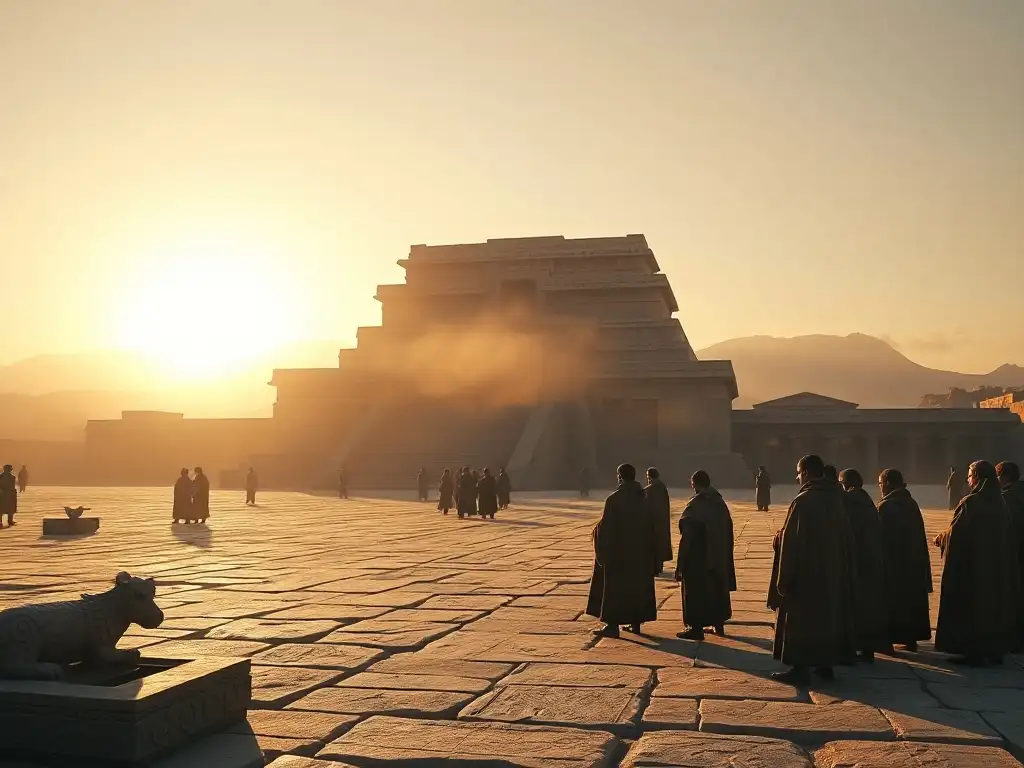
Tiahuanaco's religious innovations profoundly impacted Andean thought, leaving an enduring legacy on subsequent cultures. Their unique approach to ritual and ceremony, evidenced by architectural marvels and elaborate practices, showcases a sophisticated understanding of cosmology, agriculture, and social organization. The innovations weren't simply additions to existing Andean traditions; they represented a fundamental shift in how religious beliefs were expressed and experienced. This section will delve into the specifics of these groundbreaking contributions to Andean religious life.
Architectural Innovations: Sunken Courts, Temples, and Monolithic Gateways
Tiahuanaco's religious architecture stands as a testament to their innovative approach to sacred space. Unlike earlier Andean structures, Tiahuanaco's monumental buildings incorporated novel design elements that reflected a complex cosmology and sophisticated engineering. The sunken courts, for instance, are believed to have played a vital role in ritual performances, perhaps acting as stages for ceremonies or symbolic representations of the underworld. Their precise alignment with celestial bodies suggests an advanced understanding of astronomy and its connection to religious practices.
The construction of massive temples, such as the Akapana pyramid, demonstrates a remarkable mastery of stonework and engineering. The precision with which the stones were cut and fitted, along with the sheer scale of the structures, speaks volumes about the organizational capacity and technological prowess of Tiahuanaco society. This level of architectural sophistication was unprecedented in the Andes at that time, significantly influencing later Andean architectural styles. Further research is needed to fully understand the precise functions of different chambers and platforms within these monumental complexes. [Specific information pending on internal chamber layouts and their symbolic meanings].
Perhaps the most iconic example of Tiahuanaco's architectural innovation is the Gateway of the Sun. This monolithic gateway, adorned with intricate carvings depicting a central deity and other figures, is a powerful symbol of Tiahuanaco's religious beliefs and artistic skill. The meticulous detail of the carvings and the size of the gateway itself highlight the importance placed on religious expression through monumental art.
The gateway's symbolic meaning continues to be debated, with interpretations ranging from representations of cosmological order to depictions of specific deities or mythical events. The precise iconography and its relation to Tiahuanaco cosmology requires further scholarly investigation.
The Significance of the Kalasasaya and Akapana in Solar and Agricultural Rituals
The Kalasasaya and Akapana pyramids played central roles in Tiahuanaco's religious practices, particularly those related to solar cycles and agricultural fertility. The Kalasasaya, a massive platform with precisely aligned stones, is thought to have served as a crucial site for observing the solstices and equinoxes. Its orientation and design suggest a sophisticated understanding of astronomy, used to predict agricultural seasons and perform rituals to ensure bountiful harvests. Evidence suggests that the Kalasasaya hosted large-scale ceremonies, with participants possibly representing different social groups or communities within the Tiahuanaco empire.
The Akapana pyramid, with its multiple levels and intricate internal structures, is believed to have been a ceremonial center linked to agricultural rituals. The presence of water channels and reservoirs within the structure suggests that water, a vital element for agriculture, played a crucial role in the religious practices performed there. The pyramid's layered design may also represent the different levels of the cosmos, reflecting a complex worldview that integrated the earthly realm with the celestial.
[Further research is needed to determine the precise function of different sections within Akapana]. The interplay between the Akapana and Kalasasaya, in terms of their astronomical alignment and ceremonial functions, remains a topic of ongoing research, offering valuable insights into Tiahuanaco's religious innovations.
Tiahuanaco's Elaborate Ceremonial Practices: Processions, Feasts, and Music
Beyond architectural innovations, Tiahuanaco's religious practices involved elaborate ceremonies that involved large-scale participation and complex rituals. Archaeological evidence suggests the use of processions, where participants likely carried offerings and engaged in symbolic actions related to their beliefs. These processions may have moved between different religious structures, highlighting the interconnectedness of various sites within the city. The scale of these events indicates the importance of collective religious participation in Tiahuanaco society.
Feasts were likely an integral part of Tiahuanaco's religious ceremonies. The abundance of agricultural products available to the Tiahuanaco people would have allowed for large-scale feasts, where food and drink served as offerings to deities and strengthened social bonds. The consumption of specific foods during these feasts might have held symbolic meaning, reflecting the importance of agricultural fertility in their cosmology. [Further research is needed to determine the specific types of food and drink consumed during feasts and their symbolic significance].
The role of music in Tiahuanaco religious ceremonies is also likely, although direct evidence is limited. Many Andean cultures used music as a means of communicating with the divine and enhancing the power of rituals. It's highly probable that Tiahuanaco utilized music and instruments during their ceremonies, playing a crucial role in creating a sacred atmosphere and fostering collective participation.
The discovery of potential musical instruments in future excavations could shed more light on this aspect of their religious practices. The combination of processions, feasts, and music created a powerful and immersive religious experience, solidifying Tiahuanaco's unique contribution to Andean religious thought.
Use of Sacred Spaces for Religious Events: Pilgrimages and Communal Gatherings
Tiahuanaco's sophisticated understanding of cosmology is profoundly reflected in its use of sacred spaces for religious events. The city itself functioned as a massive ceremonial center, drawing pilgrims from across the Andes for significant religious occasions. Evidence suggests that these pilgrimages weren't haphazard journeys; rather, they were meticulously planned events, possibly tied to specific astronomical alignments or agricultural cycles.
The scale of the structures—the monumental platforms, the intricate carvings on the Kalasasaya temple, and the vast plazas—indicates a capacity for massive gatherings, likely involving thousands of participants. These weren't simply casual meetings; the sheer size and planning suggest highly organized religious festivals, possibly lasting for several days or even weeks.
The careful placement of structures within the city complex hints at a deliberate orchestration of religious experience. For example, the positioning of the Sun Gate in relation to the other buildings may have been designed to create a specific visual and symbolic effect during solstices or equinoxes, enhancing the ritual significance of these events. The meticulously crafted architecture and the intricate iconography found throughout the site suggest a deep understanding of the cosmos and the relationship between the human and divine realms.
This attention to detail suggests that the religious experiences were deeply meaningful and carefully constructed to foster a sense of communal identity and shared spiritual purpose. Furthermore, the discovery of various artifacts within and around these structures, such as ceremonial objects and offerings, provides additional insight into the nature of these gatherings and the rituals performed.
Specific examples of communal gatherings might have included rites of passage, agricultural festivals celebrating successful harvests, or ceremonies aimed at ensuring the fertility of the land and the well-being of the community. These events likely involved elaborate processions, sacrifices, and performances, all contributing to a powerful and unifying religious experience.
While the precise details of these rituals remain largely unknown, archaeological evidence strongly suggests that the use of sacred spaces was central to the religious life of Tiahuanaco and played a crucial role in shaping Andean thought. The very act of pilgrimage, the journey itself, would have been a significant part of the religious experience, reinforcing the importance of the destination and the communal bond forged during the journey and the shared religious experience.
The legacy of this carefully planned and executed religious infrastructure continues to inspire awe and wonder, demonstrating the sophisticated organizational capabilities and profound spiritual beliefs of the Tiahuanaco people.
Impact of Tiahuanaco's Religious Ideas on Later Andean Cultures
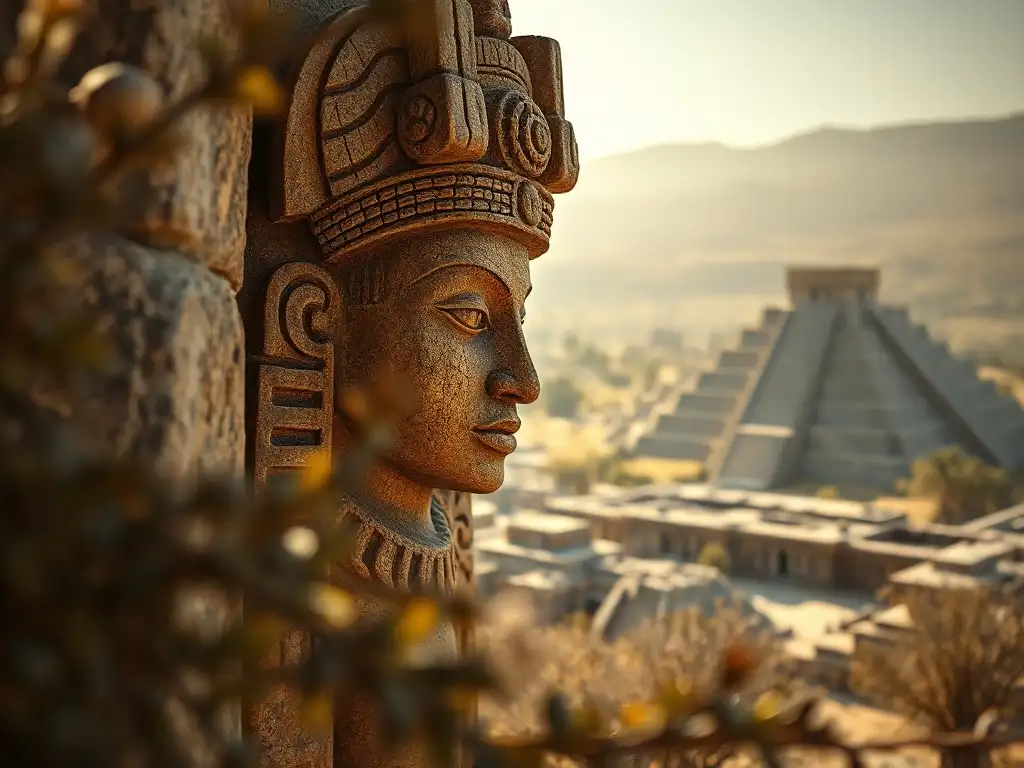
Tiahuanaco's religious innovations profoundly impacted subsequent Andean cultures, leaving an indelible mark on religious practices, iconography, and cosmological beliefs across a vast geographical area. The influence wasn't simply a matter of direct imposition; rather, it was a complex process involving trade, conquest, and cultural exchange, resulting in a fascinating blend of adaptation and innovation.
Understanding this impact requires examining the diverse ways Tiahuanaco's religious ideas were transmitted and adopted by later Andean societies. The spread of these ideas was facilitated not only by the military might of the Tiahuanaco state but also through the extensive trade networks that crisscrossed the Andes.
The enduring legacy of Tiahuanaco's religious system is evident in the religious practices of many later Andean cultures, highlighting the remarkable resilience and adaptability of its core beliefs. The extent of this influence is a topic of ongoing scholarly debate, with researchers continually uncovering new evidence to illuminate the complex interplay between Tiahuanaco and its successors.
Tiahuanaco's Religious Legacy and its Spread Through Trade and Conquest
The expansion of the Tiahuanaco state, both through military conquest and extensive trade networks, played a pivotal role in disseminating its religious beliefs and practices. Archaeological evidence suggests that Tiahuanaco's influence extended far beyond its immediate political boundaries. The widespread distribution of Tiahuanaco-style ceramics, textiles, and other artifacts in sites across the Andes indicates a significant level of cultural exchange and interaction. This wasn't merely a passive diffusion; instead, it involved the active transmission of religious ideas through various channels.
For example, the presence of Tiahuanaco-style deities and iconography in distant sites suggests that religious specialists and pilgrims may have travelled extensively, spreading religious knowledge and practices. Furthermore, the adoption of Tiahuanaco religious symbols by local elites indicates a conscious effort to integrate Tiahuanaco's religious authority into existing power structures. The process wasn't always straightforward; local adaptations and reinterpretations of Tiahuanaco beliefs undoubtedly occurred, resulting in a hybrid religious landscape that combined elements of both Tiahuanaco and indigenous traditions.
This dynamic interplay between imposition and adaptation is a defining characteristic of Tiahuanaco's religious legacy. The extent of Tiahuanaco's influence varied regionally, with some areas showing stronger evidence of adoption than others. Further research is needed to fully understand the nuances of this complex process.
The Influence of Tiahuanaco on Wari Religion: Adoption of Iconography and Rituals
The Wari civilization, a powerful Andean empire that flourished after the decline of Tiahuanaco, provides a compelling case study of Tiahuanaco's enduring religious influence. While the Wari developed their own distinct religious system, they clearly adopted and adapted many aspects of Tiahuanaco's religious iconography and rituals. For example, the Wari frequently incorporated elements of Tiahuanaco art, such as depictions of the famous Tiahuanaco deity, into their own religious iconography. The similarities between Wari and Tiahuanaco religious architecture, particularly in the use of specific architectural motifs and styles, also point to a strong connection.
The adoption of specific rituals and ceremonies is more difficult to ascertain definitively. However, parallels in burial practices and the use of certain ritual objects suggest the possibility of shared religious practices. Analyzing the stylistic similarities between Wari and Tiahuanaco artifacts offers valuable insights into the nature of this cultural exchange.
This suggests a process of religious syncretism, where Wari religious beliefs were integrated with elements borrowed from Tiahuanaco. This complex interaction underscores the adaptability and resilience of Tiahuanaco's religious ideas in shaping subsequent Andean religious systems. Further research, focusing on comparative analysis of religious artifacts and practices, is needed to fully elucidate the extent of Tiahuanaco's influence on Wari religion.
How Tiahuanaco's Religious Concepts were Adopted by Other Andean Societies: The Tiwanaku Diaspora
The concept of a "Tiwanaku diaspora" – the spread of Tiwanaku people and culture beyond the core empire – offers a valuable framework for understanding the dissemination of Tiahuanaco religious ideas. While the exact mechanisms of this diaspora remain a subject of ongoing research, it's clear that groups of Tiwanaku people migrated to various parts of the Andes, carrying their religious beliefs and practices with them. These migrating groups may have acted as agents of cultural transmission, introducing Tiahuanaco religious concepts to new populations.
The presence of Tiwanaku-style architecture, pottery, and other artifacts in distant locations strongly suggests the existence of such a diaspora. The adoption of Tiahuanaco religious beliefs by these new communities likely involved a process of syncretism, with local traditions blending with Tiwanaku religious elements. This resulted in a variety of regional variations in the practice of Tiwanaku religion.
The extent to which these variations reflect genuine adaptations versus simple regional stylistic differences is a matter of ongoing debate among scholars. Understanding the Tiwanaku diaspora is crucial for comprehending the broader impact of Tiahuanaco's religious innovations on Andean thought. Further research, particularly focusing on isotopic analysis of human remains and detailed stylistic comparisons of artifacts, is needed to clarify the nature and extent of the Tiwanaku diaspora and its role in spreading Tiahuanaco religious beliefs.
The Enduring Impact of Tiahuanaco Religious Innovations on Andean Thought: Cosmology, Iconography, and Ritual Practices
The religious innovations of Tiahuanaco left an undeniable mark on subsequent Andean cultures, profoundly shaping their cosmology, iconography, and ritual practices. Tiahuanaco's sophisticated cosmology, with its emphasis on a complex interplay of celestial bodies and earthly forces, resonated deeply with later Andean societies. Evidence suggests a widespread adoption and adaptation of Tiahuanaco's understanding of the cosmos, influencing how these later cultures viewed their place within the universe.
This wasn't a simple imitation; rather, it was a process of selective borrowing and creative reinterpretation, resulting in unique expressions of Andean spirituality. For example, the recurring motif of the "Chakana," or Andean cross, found in Tiahuanaco art, continued to be a powerful symbol in later Andean cultures, albeit often modified to reflect local traditions and beliefs.
The distinctive iconography of Tiahuanaco, characterized by its monumental sculptures, intricate textiles, and symbolic ceramics, significantly impacted the visual language of subsequent Andean civilizations. The stylized representations of deities, animals, and mythical beings, common in Tiahuanaco art, were adopted and reinterpreted by succeeding groups. While the precise meanings of these symbols may have evolved over time and varied across different regions, their visual influence is unmistakable.
Scholars have identified clear stylistic continuities between Tiahuanaco art and the art of later cultures like the Inca, suggesting a direct lineage of artistic traditions. This artistic heritage is not just a matter of aesthetic influence; it reflects the transmission of religious beliefs and cosmological ideas embedded within the visual representations themselves. The continuity of certain motifs and artistic styles demonstrates the persistent influence of Tiahuanaco's religious worldview.
Furthermore, Tiahuanaco's ritual practices, including elaborate ceremonies, offerings, and the construction of monumental structures, exerted a powerful influence on later Andean religious life. The emphasis on large-scale public rituals, the use of specific materials and objects in ceremonies, and the construction of monumental centers as sacred spaces are all features that can be traced from Tiahuanaco to later Andean societies.
While the specific rituals might have differed, the underlying principles of communal worship, the use of ritual objects to connect with the supernatural, and the importance of sacred geography remain consistent. The scale and complexity of Tiahuanaco's religious architecture, for instance, served as a model for later Andean societies, inspiring similar monumental projects that aimed to reflect the grandeur and power of their respective deities and rulers.
This demonstrates a continuity of religious practices and the enduring legacy of Tiahuanaco's influence on Andean religious life. The impact wasn't merely superficial; it involved a deep integration of Tiahuanaco's religious systems into the fabric of later Andean cultures' spiritual practices.
Tiahuanaco's Religious Innovations: A Summary of Contributions
Tiahuanaco's religious innovations significantly impacted Andean thought, leaving an enduring legacy across various cultures. Their religious system wasn't merely a localized belief; it represented a powerful, pan-Andean ideology that profoundly shaped the spiritual landscape of the region for centuries. This influence is evident in the widespread adoption of certain religious motifs, architectural styles, and ritual practices across diverse Andean societies, demonstrating the remarkable reach and influence of Tiahuanaco's religious innovations.
The intricate iconography, sophisticated cosmology, and elaborate rituals all contributed to a unifying spiritual framework that transcended geographical boundaries and fostered a sense of shared identity among disparate Andean communities. This wasn't simply a matter of cultural diffusion; it involved a complex interplay of religious syncretism, political alliances, and the inherent appeal of Tiahuanaco's sophisticated religious system. Understanding these innovations is crucial for comprehending the broader evolution of Andean religious thought and the interconnectedness of its diverse cultural expressions.
Key Takeaways from Tiahuanaco's Religious System: A Pan-Andean Religion
Tiahuanaco's religious system presented a unique blend of elements, creating a complex cosmology that resonated across the Andes. Several key aspects stand out:
- Emphasis on Water and Fertility: The worship of water deities and the importance of agricultural fertility were central tenets. This is reflected in their monumental architecture, often situated near water sources, and in the intricate iconography depicting agricultural scenes and water spirits. The centrality of water in their religious beliefs reflects the life-giving importance of water in the Andean high altitude environment. This focus on water and fertility provided a unifying theme for disparate Andean communities reliant on agriculture.
- The Role of the Puma and the Condor: These powerful Andean animals held significant religious meaning, representing opposing yet complementary forces. The puma, associated with the earth and underworld, and the condor, representing the sky and upper world, symbolized a balanced cosmic order. This duality is often depicted in Tiahuanaco's art, reinforcing the idea of a harmonious relationship between the earthly and celestial realms. The use of these powerful symbols created a visual and symbolic language that resonated deeply within the Andean worldview.
- Monumental Architecture as Religious Centers: Tiahuanaco's monumental architecture wasn't simply a display of power; it served as a crucial component of their religious practices. The complex layout of the city, the precise orientation of structures, and the elaborate carvings all suggest a carefully planned religious landscape designed to facilitate ritual activities and reinforce their cosmological beliefs. The scale of these structures itself served as a testament to the power and importance of their religious system.
- Spread of Religious Iconography: The distinctive iconography of Tiahuanaco, featuring stylized figures, geometric patterns, and symbolic motifs, was widely adopted by other Andean cultures. This dissemination of imagery demonstrates the far-reaching influence of Tiahuanaco's religious beliefs and the adoption of their religious practices beyond the city itself. This spread of iconography highlights the system's powerful hold on Andean societies.
The Importance of Understanding Tiahuanaco's Religious Innovations for Andean History
Understanding Tiahuanaco's religious innovations is paramount for a comprehensive understanding of Andean history. Their religious system acted as a powerful unifying force, transcending regional differences and fostering a shared cultural identity across vast stretches of the Andes. This religious unity likely played a significant role in facilitating political alliances and economic exchange networks.
The spread of their religious beliefs and practices provides valuable insights into the dynamics of cultural interaction and the processes of religious syncretism within the Andes. Without understanding Tiahuanaco's influence, a complete picture of the development of Andean religious thought is impossible. Furthermore, the analysis of Tiahuanaco's religious innovations helps us to understand the resilience and adaptability of Andean societies in the face of environmental challenges and social change.
Concluding Thoughts on Tiahuanaco's Religious Impact: A Legacy of Unity and Ideology
Tiahuanaco's religious innovations left an indelible mark on Andean thought, shaping religious practices and cultural expressions for centuries. Their sophisticated cosmology, distinctive iconography, and monumental architecture created a powerful and unifying religious system that transcended geographical boundaries. The legacy of Tiahuanaco's religious influence is evident in the widespread adoption of their religious motifs, architectural styles, and ritual practices across diverse Andean societies.
Studying these innovations provides crucial insights into the complexities of Andean history, illuminating the interplay between religion, politics, and culture in the formation of a shared Andean identity. The enduring impact of Tiahuanaco's religious system underscores its significance in shaping the broader trajectory of Andean civilization and its enduring cultural legacy. Further research into the specific mechanisms of this cultural transmission and the evolution of Tiahuanaco's religious system over time is crucial for a more complete picture.
Frequently Asked Questions
What were the most significant religious innovations of the Tiahuanaco culture?
Tiahuanaco's most significant religious innovations included the development of a complex pantheon of gods, the emergence of a sophisticated religious cosmology, and the widespread adoption of sun worship. These innovations profoundly impacted Andean thought.
How did Tiahuanaco's religious beliefs influence later Andean civilizations?
Tiahuanaco's religious beliefs and practices, particularly their iconography and ritualistic structures, significantly impacted subsequent Andean civilizations like the Inca. Elements of Tiahuanaco religion are evident in later Andean art, architecture, and religious practices.
What is the importance of the Sun God in Tiahuanaco religion?
The Sun God held a central position in Tiahuanaco's religious system. It represented vitality, power, and cosmic order, influencing their agricultural practices and social structure. Its influence extended to later Andean cultures.
What role did architecture play in Tiahuanaco's religious practices?
Tiahuanaco's monumental architecture, such as the Kalasasaya complex and the Puerta del Sol, served as crucial locations for religious rituals and ceremonies. These structures were designed to reflect and reinforce their cosmological beliefs.
How did Tiahuanaco's religious innovations shape Andean thought?
Tiahuanaco's religious innovations profoundly impacted Andean cosmology, worldview, and social organization. Their complex religious system integrated aspects of nature worship, ancestor veneration, and sophisticated astronomical observations, leaving a lasting legacy on Andean thought.
Final Reflection: The Enduring Legacy of Tiahuanaco's Spiritual Revolution
The sophisticated religious innovations of Tiahuanaco continue to resonate profoundly in contemporary Andean thought, shaping spiritual practices and cultural identities even millennia later. Their impact transcends mere historical significance; it's a living testament to the power of enduring belief systems to influence the very fabric of a civilization. The echoes of their cosmology and ritual practices are still heard in the mountains, woven into the tapestry of modern Andean life.
The enduring mystery surrounding Tiahuanaco's religious beliefs underscores the importance of understanding the complex interplay between cosmology, social structure, and artistic expression in shaping a culture. Their unique blend of astronomical observations, sophisticated iconography, and monumental architecture created a powerful framework for understanding the world and their place within it. The past is never dead. It's not even past.
- William Faulkner. This quote perfectly encapsulates the ongoing relevance of Tiahuanaco's religious innovations, showing how their influence continues to shape the present. Their legacy is not merely a historical artifact; it's a living, breathing part of Andean identity.
Consider the profound implications of Tiahuanaco's legacy. How have their beliefs about the cosmos, their intricate understanding of the Andean landscape, and their sophisticated ritual practices influenced your own perspective on spirituality and the interconnectedness of all things? Take a moment to reflect on the enduring power of belief systems and their capacity to shape not only the past, but also the present and future. Let the echoes of Tiahuanaco's spiritual revolution inspire you to explore the rich tapestry of Andean culture and to appreciate the enduring power of human creativity and spiritual exploration.
Unveil the Mysteries of Tiahuanaco and Transform Your Perspective!
Thank you for exploring the fascinating world of Tiahuanaco and its revolutionary religious innovations! You've gained valuable insights into how these ancient practices shaped Andean thought and culture. Now, let's delve even deeper into the rich tapestry of Andean civilizations.
Here's how you can continue your exploration and connect with a community of like-minded individuals:
- Engage with the Community: Join our online forums to discuss your thoughts and questions about Tiahuanaco's influence with other history enthusiasts. Share your perspectives and learn from others' insights.
- Explore Related Topics: Expand your knowledge by reading our other articles on Andean spirituality and the religious practices that evolved from Tiahuanaco's innovations.
- Share Your Insights: Write a blog post or share your thoughts on social media, reflecting on what you've learned about Tiahuanaco and sparking a conversation with your friends and colleagues.
What aspect of Tiahuanaco's religious innovations most captivates you, and how do you believe it might inform or inspire modern spiritual practices?