
Inca Bridges: Engineering Marvels of the Andes


Step into a world lost in time, where ingenuity soared to breathtaking heights. Prepare to be amazed by the enigmatic legacy of the Andean civilizations, a tapestry woven with threads of vibrant culture, breathtaking artistry, and astonishing technological prowess. But first, let's unravel the secrets behind the Inca suspension bridge design, an engineering marvel that defied gravity and continues to inspire awe centuries later. Discover the ingenuity that shaped a civilization – your journey begins now.
The Inca Empire, renowned for its sophisticated social structures and intricate agricultural systems, also left behind a legacy of breathtaking engineering feats. Among these, the Inca suspension bridges stand out as remarkable examples of ingenuity and adaptation to the challenging Andean terrain.
This article delves into the design and construction of these iconic structures, highlighting their crucial role in the expansion and consolidation of the Inca Empire and their enduring impact on our understanding of ancient Andean technology. We will explore the ingenious techniques employed by Inca engineers to create these seemingly impossible crossings, examining the materials used, the construction methods, and the lasting legacy of these impressive bridges.
Understanding Inca suspension bridge design offers a fascinating glimpse into the advanced technological capabilities of this civilization and their mastery of their environment. The intricate interplay of engineering, cultural significance, and environmental adaptation makes these bridges a truly captivating subject of study.
Materials and Construction Techniques
Inca suspension bridges were not simply thrown across chasms; they were meticulously crafted structures requiring advanced knowledge of materials science and engineering. The most common material used for the bridge ropes was ichu, a tough, resilient grass found abundantly in the Andes. These grass ropes, sometimes exceeding several inches in diameter, were painstakingly woven together, creating incredibly strong and flexible cables.
The process involved twisting and braiding multiple strands of ichu to create increasingly thicker ropes, a testament to the dedication and skill of the Inca rope makers. [Specific details on the number of strands and braiding techniques pending]. In addition to ichu, other materials like llama or alpaca wool, and even human hair, may have been used in the rope construction, depending on availability and the specific needs of the project.
The bridge decks were often constructed from wooden planks, carefully secured to the suspension ropes. These planks were often lashed together with additional ichu ropes, creating a relatively stable and sturdy walkway. The construction of these bridges was a community effort, reflecting the Inca's emphasis on collective labor and communal responsibility.
Design and Functionality of Inca Suspension Bridges
The design of Inca suspension bridges was remarkably sophisticated for its time. The bridges were not simply suspended between two points; they incorporated a system of carefully balanced tension and compression to distribute the weight of the crossing travelers evenly across the structure. The ropes were strategically anchored to sturdy rock formations on either side of the chasm, often reinforced with stone structures to ensure stability. [Details on the specific anchoring techniques and reinforcement methods pending].
The bridge's design also incorporated safety features; the width of the bridge was carefully considered to prevent swaying and provide a stable walking surface. The use of multiple suspension ropes, often in pairs or even larger bundles, provided redundancy and increased the bridge's overall strength and resilience. These bridges were not only functional but also incredibly adaptable, capable of withstanding the harsh Andean weather conditions including strong winds, heavy rains, and seismic activity.
The Role of Inca Bridges in Empire Expansion
The strategic placement of Inca suspension bridges throughout the empire played a vital role in the empire's expansion and consolidation. These bridges facilitated communication and trade between different regions, allowing for the movement of goods, people, and armies across otherwise impassable terrain. [Specific examples of bridges used during military campaigns or trade routes pending].
This efficient infrastructure reinforced political control and fostered economic integration within the vast Inca realm. The construction of these bridges also served as a powerful symbol of Inca ingenuity and imperial power, showcasing the technological prowess of the empire to its subjects and neighboring groups alike. The ability to construct these impressive structures across treacherous terrain served to further solidify the Inca's reputation as masterful engineers and rulers.
The Enduring Legacy of Inca Bridge Engineering
The Inca suspension bridges represent a significant achievement in ancient engineering. Their design and construction techniques demonstrate a deep understanding of materials science and structural mechanics. Even today, these bridges continue to fascinate engineers and historians, inspiring admiration for the ingenuity and skill of the Inca builders.
While many original bridges have deteriorated over time, the knowledge and techniques employed in their construction continue to inform modern engineering practices, particularly in the design of suspension bridges in challenging terrains. The legacy of the Inca bridges extends beyond their functional value; they serve as powerful reminders of the remarkable achievements of a civilization that thrived in one of the world's most demanding environments.
The study of Inca suspension bridge design offers valuable insights into ancient Andean technology and its lasting impact on our world. The enduring appeal of these structures lies not only in their impressive engineering but also in their cultural significance as symbols of Inca ingenuity, resilience, and imperial power.
- Materials and Construction Techniques
- Design and Functionality of Inca Suspension Bridges
- The Role of Inca Bridges in Empire Expansion
- The Enduring Legacy of Inca Bridge Engineering
- What makes Inca suspension bridges unique?
- What materials did the Inca use to build their suspension bridges?
- How did the Inca suspension bridge design differ from modern suspension bridges?
- How long did it take to construct an Inca suspension bridge?
- Where can I see examples of Inca suspension bridges today?
The Ingenious Inca Bridge System: An Overview
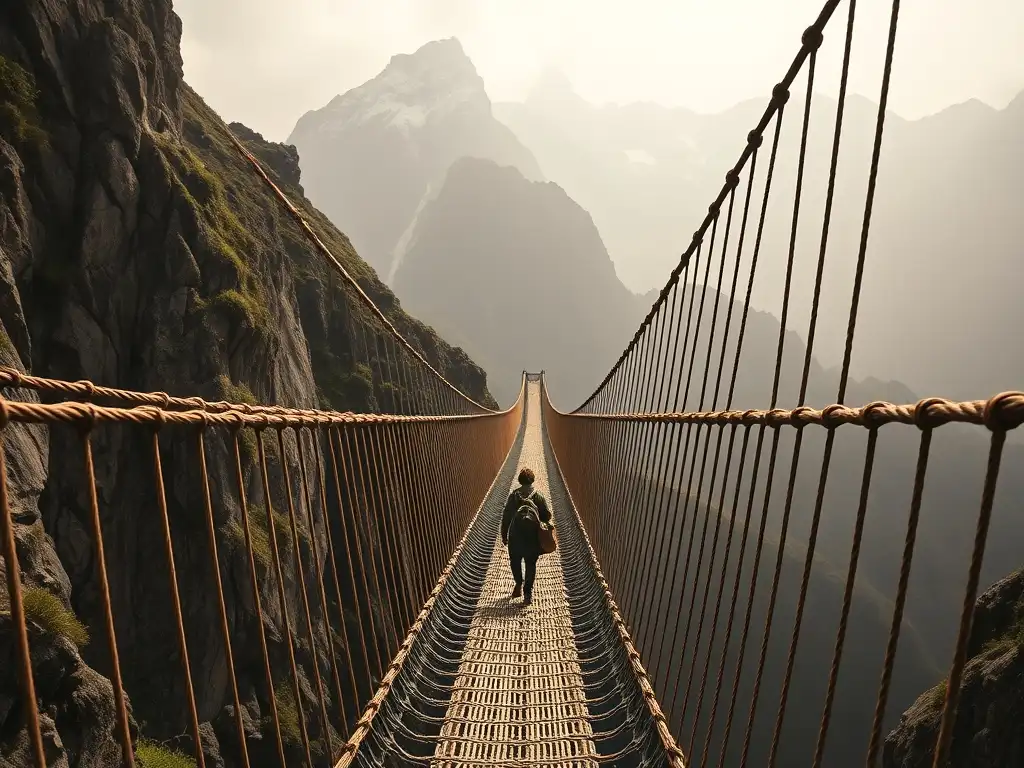
The Inca Empire, renowned for its sophisticated societal structures and impressive architectural feats, relied heavily on a remarkably advanced bridge system to connect its vast and geographically challenging territory. Spanning deep gorges and raging rivers across the Andes Mountains, these bridges weren't mere crossings; they were crucial components of the Inca road system, facilitating trade, communication, and military movements throughout the empire. The design and construction of these bridges represent a pinnacle of Inca engineering prowess, showcasing their deep understanding of materials science, structural mechanics, and environmental adaptation. The ingenuity of Inca suspension bridge design, in particular, continues to fascinate engineers and historians alike.
Understanding the Inca bridge system is essential to grasping the full extent of the empire's power and influence. The strategic placement of these structures, often in incredibly difficult terrain, demonstrates a remarkable ability to overcome geographical obstacles and maintain control over a vast and diverse population. The construction techniques used, often employing locally sourced materials and adapting to the unique challenges of each location, highlight the practical and innovative nature of Inca engineering. The empire's success was inextricably linked to its ability to connect its far-flung regions effectively, and its bridge network played a crucial role in this success.
The legacy of these bridges continues to resonate today, serving as a testament to the remarkable skills and ingenuity of the Inca people. Further research into specific bridge sites and construction techniques offers opportunities to learn more about the detailed processes involved in their creation. This, in turn, allows for a deeper appreciation of Inca innovation and the complexities of their civilization.
The Importance of Inca Bridges in the Andean Empire
Inca bridges weren't simply convenient pathways; they were vital arteries of the empire. Their strategic placement facilitated the efficient movement of goods, people, and military forces across the challenging Andean terrain. The control of these vital crossings was key to maintaining political and economic power. The efficient transportation of goods, such as agricultural products, textiles, and precious metals, was crucial for sustaining the empire's economy.
Likewise, the rapid deployment of troops via these bridges was essential for suppressing rebellions and maintaining control over distant provinces. Consider the impact on trade routes – the ability to quickly transport goods across rivers and valleys significantly reduced travel times and costs, boosting economic activity throughout the empire. The improved communication enabled by these bridges allowed for more effective governance and the swift dissemination of imperial decrees and information.
Without this sophisticated network of bridges, the Inca Empire's vast reach and centralized control would have been significantly hampered. The bridges, therefore, weren't simply engineering marvels; they were fundamental to the very fabric of Inca society and the empire's enduring success. Their importance is underscored by the considerable resources and manpower dedicated to their construction and maintenance, a testament to their strategic value.
Types of Inca Bridges: Suspension, Log, and Stone
The Inca employed a variety of bridge designs, each adapted to the specific geographical and environmental conditions. Three main types stand out: suspension bridges, log bridges, and stone bridges.
- Suspension Bridges: These were arguably the most impressive and iconic of Inca bridges. They typically utilized strong, flexible fibers, such as ichu grass ropes, woven into thick cables that spanned the chasm. These cables were then anchored to sturdy rock formations on either side of the gorge. A roadway of woven materials, wood planks, or even stone slabs was suspended from these cables, allowing for passage. The ingenious Inca suspension bridge design often involved intricate systems of counterweights and tensioning mechanisms to ensure structural integrity and stability. The skill required to construct these bridges, considering the available tools and materials, is truly remarkable. Evidence suggests that the Inca understood the principles of tension and load distribution, creating remarkably durable structures.
- Log Bridges: These simpler bridges were constructed using large logs laid across narrower gaps or streams. Sometimes, these logs were secured with additional materials, such as ropes or stones, to enhance stability. While less complex than suspension bridges, log bridges still played a crucial role in connecting smaller settlements and less challenging terrain. Their construction required less specialized knowledge and materials, making them more readily adaptable to diverse locations within the empire.
- Stone Bridges: In some areas, particularly where the terrain allowed, the Inca constructed stone bridges. These were usually built from locally sourced stone, carefully fitted together to create a solid and durable structure. Stone bridges often featured sophisticated architectural elements, reflecting the Inca's mastery of stonework. While less common than suspension or log bridges, stone bridges provided robust and long-lasting crossings in suitable locations. Their construction showcases the Inca's versatility in adapting their engineering skills to various contexts.
The diversity in Inca bridge design underscores their adaptability and mastery of engineering principles, reflecting their profound understanding of the relationship between materials, structure, and environment. The longevity and effectiveness of these bridges stand as a testament to Inca ingenuity and their ability to overcome significant engineering challenges.
Inca Suspension Bridge Design: A Closer Look
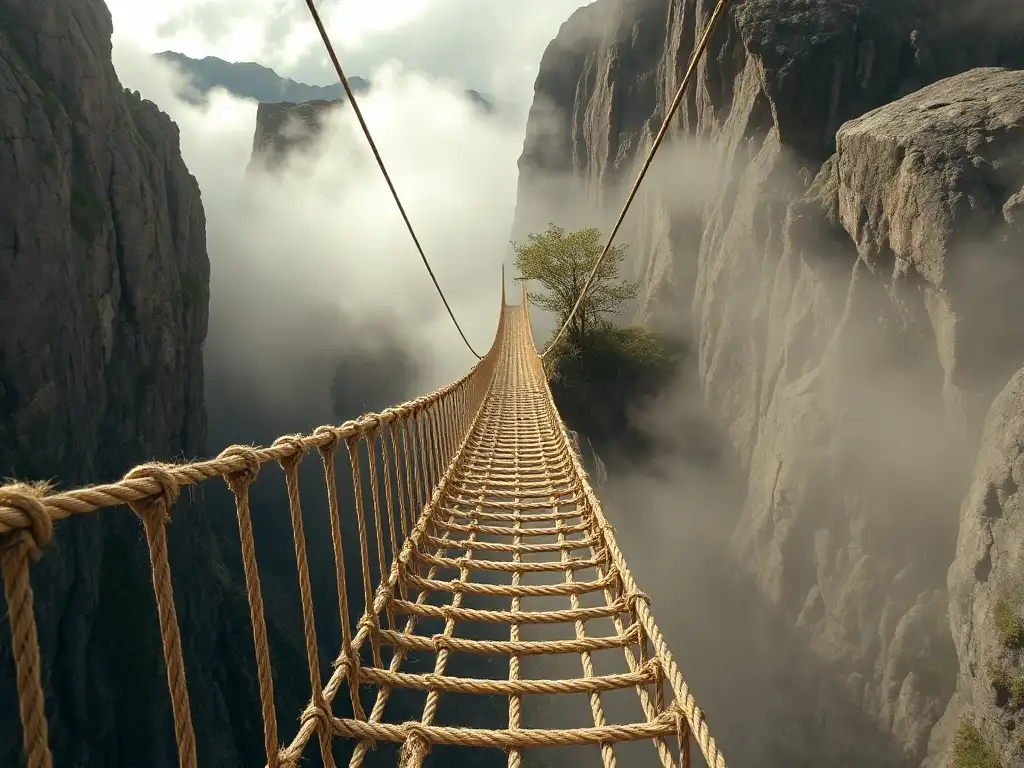
The Inca suspension bridge design, a testament to their engineering prowess, stands as a remarkable achievement in ancient Andean technology. These bridges, skillfully constructed across deep gorges and raging rivers, were vital for communication, trade, and military movements throughout their vast empire. Understanding their design requires exploring the materials, construction techniques, and the ingenuity that allowed them to withstand the harsh Andean environment for centuries. The keyword phrase "Inca suspension bridge design" perfectly encapsulates the core subject of this section, highlighting the unique engineering principles employed. We will delve into the specifics of this remarkable feat of pre-Columbian engineering.
Materials Used in Inca Rope Bridge Construction
The remarkable durability of Inca suspension bridges stemmed directly from the materials used in their construction. The primary material was undoubtedly ichhu, a strong, resilient grass native to the Andes. This grass, similar to other high-altitude grasses, possessed exceptional tensile strength when woven into thick ropes. The process of creating these ropes was incredibly labor-intensive, requiring meticulous skill and patience. Bundles of ichhu were carefully twisted and combined, resulting in incredibly strong cables capable of supporting significant weight.
Beyond ichhu, other materials played supporting roles. Wood, sourced from local forests, formed the bridge's structural components, such as the walkways and supporting beams. These wooden elements were carefully selected for their strength and resistance to weathering.
Stones, meticulously fitted together, were used as anchors at either end of the bridge, firmly securing the suspension cables to the cliff faces. The precise selection and preparation of these materials highlight the Inca's deep understanding of their environment and their ability to utilize available resources effectively. This careful material selection was crucial for the longevity and stability of the Inca suspension bridge design.
The Unique Design of Inca Suspension Bridges
The Inca suspension bridge design differed significantly from modern suspension bridges. Instead of utilizing steel cables and sophisticated suspension systems, the Inca relied on a remarkably simple yet effective system. Thick ropes of ichhu, sometimes exceeding several inches in diameter, formed the main suspension cables. These cables were then draped across the gorge, anchored securely to massive stones embedded in the rock face on either side.
The bridge deck, usually a narrow walkway, was woven from smaller ropes or wooden planks, suspended from the main cables using thinner ropes. This design allowed for flexibility, enabling the bridge to sway gently with the wind and adapt to variations in tension. This adaptability was crucial for the bridge’s structural integrity, especially given the unpredictable weather conditions in the Andes. The absence of sophisticated engineering tools didn't hinder the Inca's ability to create functional and durable bridges, showcasing their exceptional problem-solving skills. The simplicity and effectiveness of their design are hallmarks of their ingenious engineering.
Inca Bridge Building Techniques: A Labor-Intensive Process
Constructing an Inca suspension bridge was a monumental undertaking, demanding significant manpower and meticulous planning. The process started with the careful preparation of the ichhu ropes, a task that involved numerous individuals working collaboratively over extended periods. Then, the process of anchoring the main suspension cables to the cliff faces required significant skill and precision. This often involved carefully carved stone anchors, meticulously fitted into pre-existing rock formations or strategically placed within the cliff face.
The construction of the bridge deck was equally challenging. Weaving the walkway from smaller ropes or fitting wooden planks onto the suspension cables required a high degree of dexterity and coordination. The entire process involved a complex interplay of engineering principles, craftsmanship, and teamwork. The Inca utilized a system of counterweights and scaffolding during construction, minimizing risk and ensuring the safety of the workers.
The scale of these projects and the precision involved underscore the advanced organizational capabilities of the Inca Empire. The construction of these bridges showcases not only their engineering abilities but also their sophisticated social organization and communal spirit. The sheer effort involved in the creation of these bridges further emphasizes the importance of these structures to the Inca Empire's expansion and consolidation.
Construction and Maintenance of Inca Bridges

The Inca Empire's impressive road network, vital for communication, trade, and military movements, relied heavily on its sophisticated bridge-building techniques. While many bridges were simple structures of stone or wood, the iconic suspension bridges represent a pinnacle of Inca engineering, a testament to their understanding of materials science and community organization. Understanding the design and longevity of these Inca suspension bridges requires examining both their initial construction and the ongoing maintenance crucial for their survival in the challenging Andean environment.
The keyword phrase "Inca suspension bridge design" is central to this discussion, highlighting the innovative and practical aspects of these structures. The empire’s success was not solely dependent on military might but also on its ability to efficiently connect disparate regions, a feat facilitated by its mastery of bridge construction. This section will delve into the specifics of this impressive feat of engineering.
Community Involvement in Inca Bridge Construction
Constructing an Inca suspension bridge was a massive undertaking, demanding significant labor and coordination. It wasn't simply a matter of royal decree; the process deeply involved the surrounding communities. The mita system, a form of labor tribute, played a critical role. Communities were assigned specific tasks based on their skills and proximity to the construction site.
Some groups might specialize in harvesting and preparing the ichhu grass, the primary material for the bridge ropes. Others would be responsible for the intricate weaving process, while still others focused on erecting the supporting structures. This collaborative effort fostered a sense of shared accomplishment and strengthened the bonds within the empire. The construction wasn't just about building a bridge; it was a community-building exercise, a powerful demonstration of Inca social organization and the integration of diverse skill sets.
Archaeological evidence suggests a highly organized system, with specialized roles and a clear chain of command overseeing the project. Careful planning and logistical prowess were essential for the successful completion of these projects, especially considering the challenging terrain and the remoteness of some construction sites. This communal participation ensured the longevity and effectiveness of the Inca road system, a vital component of the empire's strength and stability. The system also fostered a sense of collective responsibility for maintaining these crucial structures.
Techniques for Weaving the Inca Rope Bridges
The heart of Inca suspension bridge design lay in the incredibly strong and durable ropes crafted from ichhu grass. This wasn't a simple braiding process; it was a sophisticated technique demanding expertise and precision. Many individual strands of ichhu were meticulously twisted together to form thicker cords. These cords, in turn, were woven together using complex patterns to create incredibly strong ropes, capable of supporting significant weight.
The exact weaving techniques remain partially shrouded in mystery, but surviving examples and historical accounts provide insights into the process. The ropes were likely treated with natural resins and waxes to enhance their water resistance and durability, extending their lifespan significantly. The quality of the rope was paramount to the bridge's stability and safety. The intricate weaving ensured even weight distribution, minimizing stress points and preventing premature failure.
Careful consideration of factors like the rope's thickness, the number of strands, and the specific weaving patterns played a critical role in determining the bridge's load-bearing capacity. This attention to detail and the mastery of the weaving techniques are key elements explaining the longevity and effectiveness of these Inca engineering marvels. The development of these techniques showcases the advanced knowledge of materials science within the Inca civilization.
Regular Maintenance and Repair of Inca Bridges
Inca suspension bridges, while remarkably durable, required regular maintenance to ensure their continued functionality. The harsh Andean climate, with its intense sun, heavy rains, and strong winds, posed significant challenges. The ropes were susceptible to wear and tear, requiring periodic inspection and repair. Communities were responsible for conducting routine maintenance, which included checking for damaged ropes, replacing worn sections, and ensuring the integrity of the supporting structures.
This was not a sporadic activity but rather an integral part of the community's responsibilities. Evidence suggests a system of regular inspections, with designated individuals tasked with monitoring the bridges' condition. Repair work was often carried out using similar techniques to the initial construction, ensuring the continued use of traditional methods and maintaining the overall quality of the bridge.
This ongoing maintenance was crucial not only for safety but also for maintaining the efficiency of the Inca road network. The continuous monitoring and repair work demonstrates the empire's long-term commitment to infrastructure development and its understanding of the importance of preventative maintenance in ensuring the longevity of vital structures. The dedication to maintaining these bridges reflects the Inca's appreciation for engineering and their sophisticated approach to infrastructure management.
The Significance of Inca Bridges in Inca Society
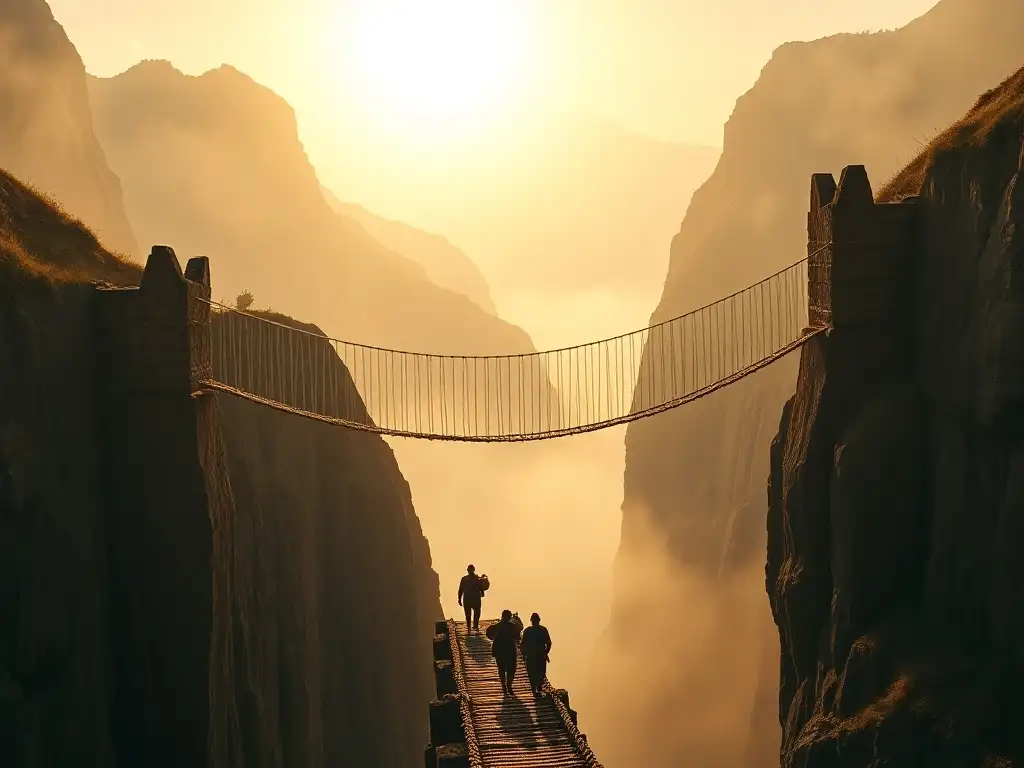
Inca bridges, remarkable feats of engineering, played a crucial role in the Inca Empire's success. Their strategic placement across treacherous Andean terrain facilitated the movement of people, goods, and armies, directly impacting the empire's expansion, trade, communication, and overall social fabric. Understanding the design and function of these bridges is key to comprehending the ingenuity and organizational prowess of the Inca civilization.
The sophisticated Inca suspension bridge design, a testament to their advanced knowledge of materials science and structural engineering, allowed them to overcome geographical challenges that would have otherwise hampered their growth. This section will delve into the multifaceted significance of these structures within Inca society.
Inca Bridges and the Expansion of the Empire
The construction of Inca bridges was intrinsically linked to the empire's relentless expansion. The Inca's ability to rapidly traverse the Andes, thanks to their extensive network of suspension bridges, provided a significant military advantage. Consider the case of the Apurimac River: its deep gorges and swift currents would have presented insurmountable obstacles to many armies.
However, the Inca's mastery of suspension bridge design allowed their troops to swiftly cross these natural barriers, enabling them to conquer new territories and consolidate their power with greater ease. The strategic placement of bridges often coincided with newly conquered regions, solidifying Inca control and opening pathways for further expansion.
This efficient system of transport played a crucial role in the swift and effective deployment of troops, crucial for suppressing rebellions and extending the empire's reach into remote areas. Accurate data on the precise number of bridges constructed during the empire's expansion is unfortunately limited; however, archaeological evidence continues to reveal new examples, highlighting the scale and importance of this aspect of Inca infrastructure.
Inca Bridge Network and its Impact on Trade and Communication
Beyond military applications, the Inca bridge network significantly impacted trade and communication within the vast empire. The efficient transportation of goods – from agricultural produce and textiles to precious metals and building materials – was facilitated by these strategically placed crossings. This improved connectivity spurred economic growth and fostered a more integrated and prosperous empire.
The network also played a crucial role in facilitating communication. Royal decrees, messages, and news could be transmitted across the empire much faster thanks to the bridges, ensuring efficient governance and maintaining social cohesion. Imagine the impact of a sudden need to transport vital supplies to a remote region; the bridges were essential in providing the logistical capacity to respond quickly and effectively.
The design of these bridges, often utilizing durable materials like ichhu grass ropes and sturdy timber, ensured longevity and reliability, underscoring the Inca's commitment to building a robust and sustainable infrastructure. The impact of this efficient transportation system on the overall economic prosperity of the Inca Empire can be seen as a cornerstone of their success.
Inca bridges were not merely functional structures; they also held significant social and cultural importance. They served as vital links between communities, fostering social interaction and reinforcing a sense of shared identity within the empire. The construction of these bridges was a communal effort, often involving specialized engineers and laborers from different regions.
This collaborative process strengthened social bonds and promoted a sense of unity amongst diverse populations. Furthermore, some bridges likely held ceremonial significance. Their strategic placement along important pilgrimage routes or near sacred sites suggests a deeper cultural meaning beyond their practical applications.
While specific rituals or ceremonies associated with bridges are not extensively documented, the intricate design and careful placement of these structures hint at a profound symbolic importance within Inca society. Further research into Inca mythology and religious practices may reveal more about the cultural significance of these impressive engineering feats. The Inca suspension bridge design, therefore, represents not only a technological achievement but also a testament to the social and cultural fabric of the Inca Empire.
Notable Examples of Inca Bridges

The Inca Empire's mastery of bridge building is a testament to their advanced engineering skills and understanding of Andean terrain. Their suspension bridges, in particular, represent a sophisticated approach to infrastructure development, vital for connecting disparate parts of their vast empire and facilitating trade, communication, and military movements.
The design and construction of these bridges weren't simply feats of engineering; they were deeply intertwined with Inca cosmology and societal structures, reflecting their profound knowledge of materials science and their ability to adapt to challenging environments. This section will explore some remarkable examples, highlighting the ingenuity and resilience of Inca bridge design.
The Q'eswachaka Bridge: A Living Tradition
The Q'eswachaka Bridge, located in the Cusco region of Peru, stands as a unique example of a continuously rebuilt Inca suspension bridge. Unlike many other ancient structures that have fallen into ruin, this bridge is meticulously reconstructed every year by the local communities, preserving a centuries-old tradition. This annual rebuilding is not merely a maintenance exercise; it's a vibrant cultural event, a testament to the enduring legacy of Inca engineering practices and communal cooperation.
The bridge's construction utilizes traditional techniques, employing primarily natural materials like ichu grass (a type of tough, resilient Andean grass) and thick, strong ropes made from fibers of the chambira palm. The process involves intricate weaving and knotting techniques passed down through generations, showcasing the sophisticated knowledge of materials science and engineering embedded within the Inca cultural heritage. The annual reconstruction also serves as a social gathering, reinforcing community bonds and preserving a vital piece of Andean cultural identity.
The Q'eswachaka Bridge is a powerful symbol of cultural continuity and the enduring strength of Inca suspension bridge design. The precise dimensions and load-bearing capacity of the bridge vary slightly each year depending on the materials available and the number of participating community members, but its continued existence is a remarkable feat.
The Apurimac River Bridge: A Grand Feat of Engineering
Spanning the formidable Apurimac River, this bridge showcases the Inca's ability to tackle significant engineering challenges. While precise details regarding its construction are limited due to the passage of time and lack of detailed historical records, archaeological evidence suggests a complex system of suspension techniques, likely using multiple layers of strong fibers woven together to create exceptionally durable ropes. The scale of the Apurimac River Bridge, compared to other Inca bridges, indicates a greater investment of resources and manpower, possibly reflecting its strategic importance as a crucial link within the Inca road network.
The bridge's location, high in the Andes and crossing a swiftly flowing river, highlights the Inca's remarkable adaptability and their ability to overcome significant geographical obstacles. The enduring legacy of this bridge, while much of its original structure may be lost, lies in its demonstration of the Inca's ability to build large-scale, durable infrastructure in extremely challenging environments.
Further research and archaeological investigation are needed to fully understand the intricacies of its Inca suspension bridge design and construction methods. We can, however, appreciate the monumental effort required to build such a structure in such a remote and challenging location.
The Ollantaytambo Bridge: A Strategically Placed Structure
The Ollantaytambo Bridge, strategically located near the impressive Ollantaytambo fortress, is another significant example of Inca bridge engineering. Its position suggests a dual purpose: facilitating access to the fortress and controlling movement along vital trade routes. While much of the original structure might have been replaced or modified over time, its strategic location and the quality of the remaining masonry work clearly indicate its significance within the Inca infrastructure network.
The bridge likely played a crucial role in both military defense and the efficient movement of goods and people. The materials used in its construction, while possibly not entirely original, reflect the Inca preference for durable, locally sourced materials well-suited to the demanding Andean climate. Understanding the precise Inca suspension bridge design of this bridge requires further investigation, but its strategic placement speaks volumes about the Inca's sophisticated understanding of logistics and the importance of infrastructure in maintaining control over their vast empire.
The integration of the bridge with the fortress itself is a telling example of how Inca engineering served both military and economic needs. The Ollantaytambo Bridge stands as a symbol of the ingenuity and strategic planning that characterized Inca infrastructure development.
The Legacy of Inca Bridge Engineering
The Inca Empire's mastery of bridge building wasn't merely a feat of construction; it was a testament to their advanced understanding of engineering principles and their adaptation to the challenging Andean terrain. Their innovative suspension bridge designs, in particular, stand as a remarkable achievement, significantly influencing subsequent engineering practices and continuing to inspire awe today. The Inca's success wasn't simply about building bridges; it was about strategically connecting their vast empire, facilitating trade, communication, and military movement across treacherous landscapes.
This sophisticated approach to infrastructure development played a crucial role in the Inca Empire's expansion and consolidation of power. Understanding their techniques provides valuable insights into the ingenuity and resourcefulness of this remarkable civilization.
The legacy of Inca bridge building extends far beyond the physical structures themselves; it represents a profound understanding of engineering principles that continue to resonate even in the modern world. Let's delve deeper into specific aspects of this enduring legacy.
Influence of Inca Bridge Design on Modern Engineering
Inca suspension bridge design, characterized by its use of natural materials like ichu grass ropes and expertly woven textiles, showcases a deep understanding of tensile strength and load distribution. While seemingly simple in design, these bridges demonstrate a sophisticated grasp of engineering principles that anticipated aspects of modern suspension bridge design. The intricate knotting techniques employed in creating the suspension ropes, for instance, minimized slippage and ensured structural integrity, even under significant stress.
Modern engineers continue to study Inca bridge construction methods to understand how these techniques achieved such remarkable stability and longevity. The use of readily available materials, coupled with an intimate knowledge of the local environment, offers valuable lessons in sustainable engineering practices. For example, the selection of ichu grass, a resilient and readily available resource, highlights a commitment to environmentally responsible construction – a concept gaining increased prominence in modern engineering.
The Inca's ability to create durable and functional structures using readily available materials is a testament to their ingenuity and provides valuable insights for contemporary engineers seeking sustainable and cost-effective solutions. The principles of tensile strength and load distribution employed in Inca bridge design are fundamental aspects of modern suspension bridge construction, demonstrating the enduring relevance of their engineering prowess.
Preserving the Inca Bridge Building Tradition
The preservation of Inca bridge building techniques is crucial not only for historical preservation but also for understanding the ingenuity of the Inca people and for potential applications in modern engineering. Unfortunately, many Inca bridges have been lost to time, damage, or neglect. However, ongoing efforts by archaeologists, historians, and engineers are working to document and preserve the remaining structures and the knowledge associated with their construction.
This involves meticulous documentation of existing bridges, including detailed surveys, material analysis, and the study of construction techniques. Furthermore, efforts are underway to revive traditional Inca bridge-building techniques through workshops and training programs, teaching new generations the skills and knowledge needed to maintain and potentially even reconstruct these remarkable structures. The revival of these ancient techniques is not merely a historical endeavor; it also offers potential benefits in areas such as sustainable construction and disaster relief, where the use of local materials and simple, yet robust designs can prove invaluable.
The preservation of this knowledge ensures that the legacy of Inca engineering continues to inspire and inform future generations. The challenge lies in balancing preservation with responsible tourism and sustainable development in the regions where these bridges are located.
The Enduring Marvel of Inca Engineering
The Inca suspension bridges remain a testament to the ingenuity and adaptive capacity of the Inca civilization. Their ability to construct these structures across challenging terrain, utilizing readily available materials and sophisticated engineering principles, continues to inspire awe and admiration. The bridges are not just functional structures; they are also powerful symbols of Inca power, ingenuity, and their ability to overcome environmental obstacles.
The enduring legacy of these bridges highlights the importance of understanding and preserving not only the physical structures but also the knowledge and techniques used in their construction. The study of Inca bridge design offers valuable lessons in sustainable engineering, resource management, and the power of human ingenuity to overcome seemingly insurmountable challenges. The intricate details of their construction, the resilience of their design, and their lasting impact on the landscape all contribute to their status as enduring marvels of Inca engineering.
The Inca's legacy serves as a compelling reminder of the importance of appreciating and preserving the achievements of past civilizations, learning from their successes, and applying those lessons to the challenges of today. The enduring marvel of Inca engineering continues to inspire and challenge us to find innovative and sustainable solutions for the future.
Frequently Asked Questions
What makes Inca suspension bridges unique?
Inca suspension bridges were remarkably innovative for their time. They utilized a system of strong, woven fibers for the suspension cables, anchored to sturdy rock formations, showcasing sophisticated engineering. Their design allowed them to withstand the harsh Andean terrain.
What materials did the Inca use to build their suspension bridges?
The Incas primarily used strong, locally sourced materials. This included ichu grass for the suspension cables, and wood and stone for the bridge deck and anchorages. The choice of materials reflected both availability and durability.
How did the Inca suspension bridge design differ from modern suspension bridges?
While both utilize suspension principles, Inca bridges relied on woven fiber cables instead of modern steel cables. The scale and construction methods were also vastly different, reflecting the available technology and resources. The Inca bridges were often smaller and more adapted to the terrain.
How long did it take to construct an Inca suspension bridge?
The construction time varied depending on the bridge's size and complexity, but it likely involved substantial time and labor. The intricate weaving of the cables and careful placement of anchor points would have been time-consuming processes.
Where can I see examples of Inca suspension bridges today?
While many have deteriorated over time, some ruins and remnants of Inca suspension bridges can still be found in various locations throughout the Andes Mountains. Many are located in remote areas, requiring specific trekking expeditions to reach.
Final Reflection: Echoes of Inca Ingenuity Across the Andes
The ingenuity of Inca suspension bridge design remains a testament to their profound understanding of engineering and their harmonious relationship with the challenging Andean landscape. These weren't simply pathways; they were lifelines, connecting communities, facilitating trade, and reflecting a sophisticated civilization's ability to overcome seemingly insurmountable obstacles. Their enduring legacy continues to inspire awe and wonder.
The impact of Inca bridge-building extends far beyond the physical structures themselves. They represent a cultural and technological achievement that continues to shape our understanding of pre-Columbian societies. These bridges weren't just feats of engineering; they were symbols of connection, resilience, and adaptation. The bridges are not just structures, but expressions of a culture's deep connection to its environment and its people.
This quote encapsulates the profound significance of these marvels, highlighting their role not just as functional elements but as integral parts of Inca society and worldview.
Consider, for a moment, the sheer audacity of these designs, the meticulous planning, and the collaborative effort required to construct them. Now, imagine applying that same spirit of innovation and collaboration to the challenges we face today. You too can build bridges – not just physical ones, but bridges of understanding, cooperation, and progress. Let the legacy of Inca engineering inspire you to overcome obstacles, connect with others, and create a more resilient and interconnected world.
Unveil the Wonders of Inca Engineering!
Thank you for exploring the incredible legacy of Inca bridges! You've discovered the remarkable engineering skills of the Andes and the vital role these bridges played in connecting communities. Now, let's build on that inspiration!
Here are some ways to further explore this fascinating topic:
- **Learn more about modern bridge design** and its connection to Inca engineering. Visit a local bridge or research contemporary projects to see the influence of Inca ingenuity.
- **Share this article** with friends and family to spread awareness of Inca achievements and spark discussions about ancient engineering marvels.
- **Join a community or online forum** dedicated to ancient civilizations to delve deeper into this captivating history and exchange insights with fellow enthusiasts.
How has your understanding of engineering changed after learning about the Inca civilization? How might this newfound knowledge influence your future projects or interests?