
Solo Travel in the Andes: A Guide for Independent Explorers of Ancient Sites

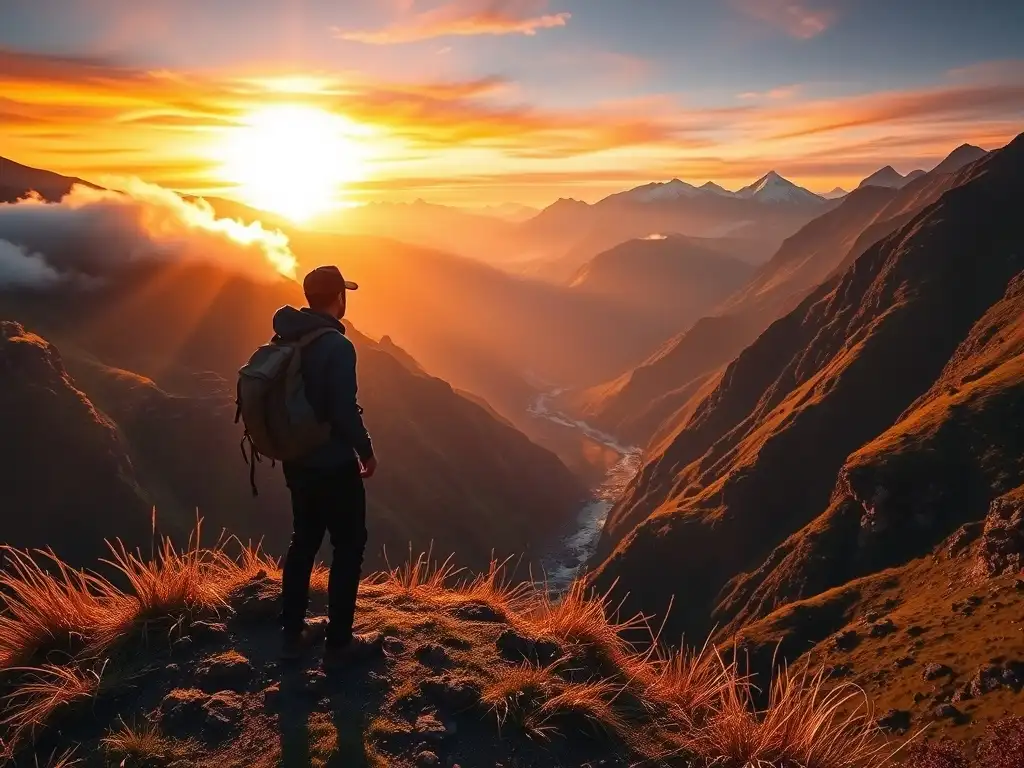
Dare to unravel the mysteries of the Andes? Imagine yourself, standing amidst the breathtaking ruins of Machu Picchu, or tracing the intricate lines of Nazca on a solo backpacking trip. This isn't just a journey; it's a deep dive into the heart of ancient Andean civilizations, a world of captivating artistry, innovative technology, and untold stories waiting to be discovered. Embark on this adventure with us, and let's explore the possibilities of your own unforgettable Andean experience.
Embarking on a solo backpacking adventure through the Andes Mountains offers an unparalleled opportunity to connect with the profound history and breathtaking landscapes of South America. This guide is designed for independent travelers seeking a deeper understanding of the ancient Andean civilizations—from the Inca Empire's majestic ruins to the enigmatic Nazca Lines—while navigating the unique challenges and rewards of solo travel in this remarkable region. We'll explore practical considerations for planning your Andean solo backpacking trip, focusing on safety, logistics, and maximizing your experience of these awe-inspiring historical sites.
Whether you're drawn to the intricate artistry of the Moche culture, the sophisticated engineering of Tiahuanaco, or the sheer scale of Machu Picchu, this guide will empower you to craft an unforgettable and enriching journey. Prepare to be captivated by the ancient echoes of a vibrant past, all while experiencing the thrill of independent exploration.
Safety and Security Considerations for Solo Female Backpackers in the Andes
Solo female travelers planning an Andean solo backpacking trip require extra attention to safety and security. Thorough research is paramount. Understanding local customs and potential risks is crucial for a safe journey. Here's a breakdown of key considerations:
- Travel Insurance: Comprehensive travel insurance is non-negotiable. Ensure it covers medical emergencies, evacuation, and lost belongings. Consider adding coverage specifically for adventure activities.
- Accommodation Choices: Opt for reputable hostels or hotels with positive reviews, focusing on those with secure facilities and staff readily available. Sharing your itinerary with someone back home is also a wise precaution.
- Transportation Safety: When using public transport, be aware of your surroundings and avoid traveling alone late at night. Familiarize yourself with safe and reliable transportation options before your trip.
- Personal Safety Measures: Avoid displaying expensive jewelry or electronics. Be mindful of your belongings at all times and maintain situational awareness. Learn some basic Spanish phrases to facilitate communication and assistance if needed.
Essential Packing List for Your Andean Solo Backpacking Trip
Packing strategically for an Andean solo backpacking trip is crucial for comfort and safety. The Andes experience varied weather conditions, from scorching sun to freezing nights. Here's a suggested packing list:
- Clothing: Layers are key! Pack lightweight, quick-drying clothing, including thermal underwear, fleece jackets, a waterproof and windproof outer layer, hiking pants, and comfortable walking shoes. Don't forget a hat, sunglasses, and sunscreen.
- Gear: A comfortable and durable backpack (around 50-65 liters), a sleeping bag suitable for varied temperatures, a headlamp or flashlight, a reusable water bottle or hydration system, trekking poles (highly recommended), and a first-aid kit are essential.
- Documents and Money: Keep copies of your passport, visa (if required), travel insurance information, and flight tickets separate from the originals. Carry a mix of cash and cards, notifying your bank of your travel plans.
- Other Essentials: A universal adapter, insect repellent, a basic Spanish phrasebook, a map and compass (or GPS device), and any necessary prescription medications complete your essential packing list.
Itinerary Suggestions: Balancing Iconic Sites with Off-the-Beaten-Path Experiences
Planning your itinerary for an Andean solo backpacking trip requires careful consideration to balance iconic sites with opportunities for unique, off-the-beaten-path experiences. Here are a few suggestions to inspire your planning:
| Region | Iconic Site(s) | Off-the-beaten-path suggestion |
|---|---|---|
| Cusco & Sacred Valley | Machu Picchu, Ollantaytambo, Sacsayhuamán | Hiking the Inca Trail (permit required) or exploring lesser-known ruins |
| Nazca | Nazca Lines | Visiting the Chauchilla Cemetery or exploring the nearby desert landscapes |
| Arequipa | Colca Canyon | Trekking through the canyon or visiting smaller villages |
| Lake Titicaca | Uros Floating Islands | Visiting Taquile Island or staying overnight with a local family |
Remember to factor in travel time between locations and allow for flexibility in your schedule. The beauty of solo travel is the freedom to adapt your plans as you go! Enjoy the journey!
- Safety and Security Considerations for Solo Female Backpackers in the Andes
- Essential Packing List for Your Andean Solo Backpacking Trip
- Itinerary Suggestions: Balancing Iconic Sites with Off-the-Beaten-Path Experiences
- Defining Your Andean Solo Adventure: Which Ancient Sites to Visit?
- Researching Andean Civilizations: Key Historical Sites for Solo Travelers
- Budgeting for Your Solo Trip to the Andes: Costs and Considerations
- Travel Insurance for Solo Explorers in the Andes: Protecting Your Journey
- Essential Gear for Your Andean Solo Backpacking Trip: Packing List
- Safety Tips for Solo Female Travelers in the Andes
- Safety Tips for Solo Male Travelers in the Andes
- Transportation Options for Solo Andean Exploration: Buses, Trains, and Hiking
- Booking Accommodation for Your Solo Andean Adventure: Hostels, Guesthouses, and Lodges
- Understanding Andean Culture: Respectful Interactions with Local Communities
- Learning Basic Spanish Phrases for Your Andean Solo Trip
- Immersive Experiences: Volunteering and Cultural Activities
- Best Hiking Trails for Solo Travelers in the Andes: Salkantay Trek
- Exploring Sacred Sites in the Andes: Ollantaytambo and Pisac
- Local Food and Markets: A Culinary Journey for Solo Travelers
- Connecting with Other Travelers: Building Community on the Road
- Photography Tips for Capturing the Beauty of the Andes: Using a Nikon D850
- Recommended Travel Guides and Books: Affiliate Links to Bradt Travel Guides
- Booking Tours and Activities: Affiliate Opportunities with Viator
- Essential Travel Gear Recommendations: Affiliate Links to Deuter Backpacks
- High CPC Opportunities: Local Guides and Private Tours
- Promoting Sustainable Tourism: Eco-friendly Tours and Lodges
- Travel Insurance Recommendations: Affiliate links to SafetyWing
- Photography Equipment for Andean Landscapes: Affiliate links to Fujifilm lenses
- Is solo backpacking in the Andes safe?
- What are the best places to visit for a solo Andean backpacking trip?
- What kind of gear should I bring for an Andean backpacking trip?
- How do I plan my itinerary for a solo backpacking trip in the Andes?
- What are the cultural considerations for a solo female backpacker in the Andes?
Planning Your Andean Solo Backpacking Trip: Essential First Steps
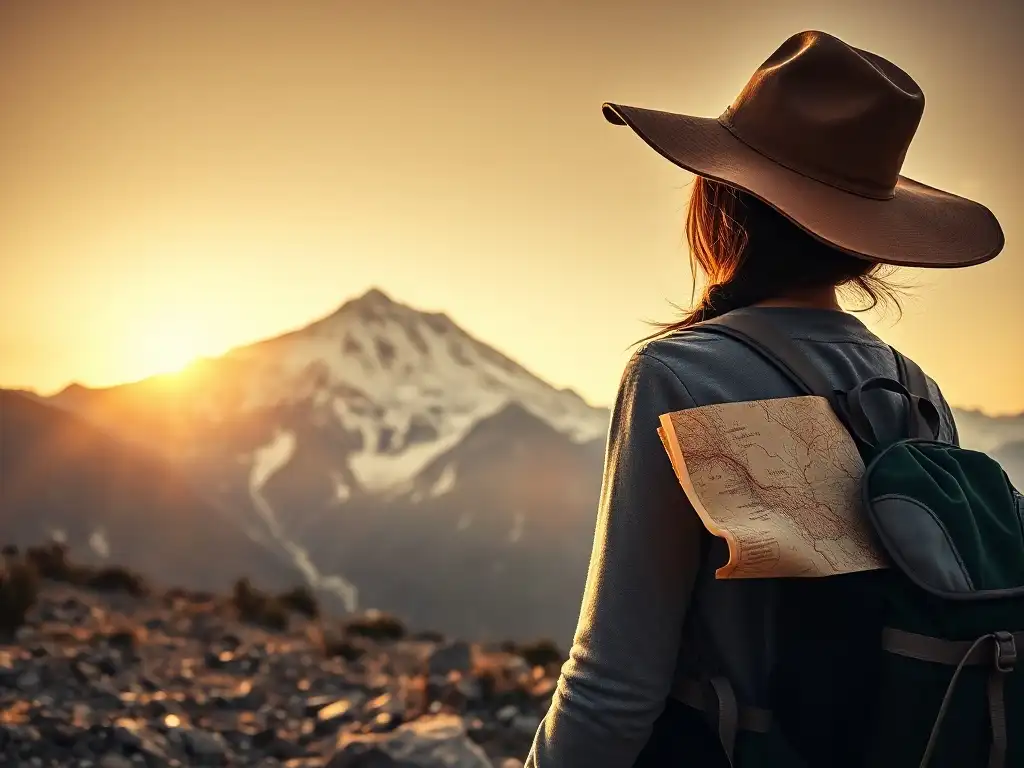
This section focuses on the crucial initial steps for planning a fulfilling and safe Andean solo backpacking trip. Successfully navigating this incredible journey requires meticulous preparation, balancing adventure with responsible travel practices. Remember, the beauty of an Andean solo backpacking trip lies in its independence, but preparedness is paramount.
Defining Your Andean Solo Adventure: Which Ancient Sites to Visit?
Choosing your destinations is the cornerstone of your Andean solo backpacking trip. The Andes boast a wealth of fascinating ancient sites, each offering unique experiences. To streamline your planning, consider focusing on a specific region or civilization. For instance, exploring the Inca Trail and Machu Picchu requires different preparations than visiting the Nazca Lines or the Chavín de Huántar ruins.
Do you dream of trekking through breathtaking landscapes to reach the iconic Machu Picchu? Or are you more intrigued by the mysterious Nazca Lines, best viewed from the air? Perhaps the monumental structures of Tiahuanaco, or the intricate artistry of the Moche civilization, call to you.
Consider these factors when making your selection:
- Accessibility: Some sites are easier to reach independently than others. Machu Picchu, for instance, often requires pre-booked tours, while smaller sites might offer more flexibility.
- Time constraints: Allocate sufficient time for travel between sites and exploring each location thoroughly. Over-ambitious itineraries can lead to rushed experiences.
- Personal interests: Focus on the civilizations and sites that most resonate with your passions – be it architecture, mythology, or artistic expression.
A well-defined itinerary, even for a solo trip, provides structure and minimizes stress. Prioritize your must-see sites and create a realistic timeline. Remember to factor in travel time between locations, as distances in the Andes can be deceiving.
Researching Andean Civilizations: Key Historical Sites for Solo Travelers
Thorough research is essential for a rewarding Andean solo backpacking trip. Understanding the history and significance of the sites you plan to visit enhances the experience immeasurably. This goes beyond simply reading Wikipedia entries; it involves delving into the nuances of each civilization's culture, beliefs, and technological achievements.
For example, understanding the Inca's sophisticated road system, their agricultural techniques (like terracing), or their intricate social structure will deepen your appreciation of Machu Picchu and other Inca sites. Similarly, researching the Moche's elaborate burial practices or the Nazca's astronomical knowledge will make your visit to their respective sites far more meaningful.
Beyond the major sites, consider exploring lesser-known ruins and museums. These often offer a more intimate and less crowded experience, allowing for deeper engagement with the Andean heritage. This more in-depth approach is crucial for creating a truly immersive and memorable Andean solo backpacking trip. Don't forget to check for local museums which often house artifacts not found at the sites themselves, providing a richer understanding of the culture.
Budgeting for Your Solo Trip to the Andes: Costs and Considerations
Budgeting is crucial for a successful Andean solo backpacking trip. Costs can vary greatly depending on your travel style, the duration of your trip, and your chosen destinations. A realistic budget should encompass flights, accommodation, food, entrance fees to sites, internal transportation, and unforeseen expenses.
Consider these cost categories:
| Cost Category | Estimated Cost Range (USD) | Notes |
|---|---|---|
| Flights | $500 - $2000+ | Varies greatly depending on origin and season. |
| Accommodation | $20 - $100+ per night | Options range from hostels to boutique hotels. |
| Food | $20 - $50 per day | Can be lower with self-catering, higher with restaurant meals. |
| Entrance Fees | $10 - $50 per site | Varies widely depending on the site's popularity and location. |
| Internal Transportation | $5 - $50 per journey | Buses are generally affordable; flights can be expensive for long distances. |
| Activities & Tours | Variable | Consider the cost of guided tours or other activities you wish to undertake. |
| Contingency Fund | 20% of total estimated cost | Essential for unexpected expenses or emergencies. |
Remember to factor in travel insurance, which is highly recommended for solo travelers in a potentially challenging environment. A detailed budget will prevent financial surprises and ensure a more relaxed and enjoyable Andean solo backpacking trip. Remember, flexibility is key; some unexpected costs might arise, so always have a contingency plan.
Travel Insurance for Solo Explorers in the Andes: Protecting Your Journey
Embarking on a solo backpacking trip through the Andes demands meticulous planning, and securing comprehensive travel insurance is paramount. The rugged terrain, unpredictable weather, and remote locations inherent to Andean exploration present unique risks. A standard travel insurance policy might not suffice; you need a plan specifically designed for adventurous travel, encompassing activities like trekking, hiking, and potentially even rock climbing, depending on your itinerary.
Consider the level of coverage offered. Look for policies that cover medical emergencies, including evacuation from remote areas – a crucial aspect given the potential for accidents in mountainous regions. Reputable insurers often offer options for emergency medical evacuation by air, a service that can be incredibly expensive otherwise. Ensure your policy covers repatriation (returning your body home in case of death), lost or stolen belongings, trip cancellations due to unforeseen circumstances (like sudden illness or natural disasters), and potential liability if you inadvertently cause damage or injury to others.
Before purchasing, carefully review the policy's exclusions. Some policies may not cover certain adventure activities or pre-existing medical conditions. Read the fine print diligently and don't hesitate to contact the insurer directly to clarify any ambiguities.
Consider the cost-benefit analysis; while a more expensive, comprehensive policy offers greater peace of mind, a budget-conscious traveler might find a balance by carefully assessing their personal risk tolerance and potential expenses. Remember, investing in robust travel insurance is an investment in the safety and security of your Andean solo backpacking trip. It’s a small price to pay for the assurance that you'll be protected in case of unexpected events.
Essential Gear for Your Andean Solo Backpacking Trip: Packing List
Packing for an Andean solo backpacking adventure requires careful consideration of the diverse climates and terrains you’ll encounter. Over-packing is a common mistake, leading to unnecessary weight and discomfort. Prioritize lightweight, durable, and versatile items. Remember, you'll be carrying everything yourself, so every ounce counts.
Here's a suggested packing list, broken down into categories:
Clothing:
- Moisture-wicking base layers: Merino wool or synthetic fabrics are ideal for regulating body temperature and managing sweat. Pack at least three sets.
- Insulating mid-layers: Fleece jackets or lightweight down jackets are crucial for warmth in higher altitudes.
- Waterproof and windproof outer shell: A durable, breathable jacket and trousers are essential for protection against unpredictable weather.
- Hiking trousers: Durable and quick-drying trousers are preferable to jeans.
- Hiking shorts: For warmer days at lower altitudes.
- Warm socks: Multiple pairs of wool or synthetic socks are vital for preventing blisters and staying warm.
- Warm hat: Essential for protecting your head from the cold and sun.
- Gloves: Lightweight gloves are useful even in warmer weather, as temperatures can fluctuate drastically.
- Sun hat: Broad-brimmed for sun protection.
Footwear:
- Broken-in hiking boots: Well-fitting, sturdy boots are paramount. Ensure they're broken in before your trip to avoid blisters.
- Camp shoes/sandals: For relaxing at the campsite.
Gear:
- Backpack: A comfortable, well-fitting backpack (50-70 liters) is crucial.
- Sleeping bag: Choose a sleeping bag rated for the lowest temperatures you anticipate.
- Sleeping pad: For insulation and comfort.
- Headlamp or flashlight: With extra batteries.
- First-aid kit: A comprehensive kit, including blister treatment, pain relievers, antiseptic wipes, and any personal medications.
- Trekking poles: Highly recommended for stability and reducing strain on your knees.
- Water bottles or hydration reservoir: Staying hydrated is vital at high altitudes.
- Water filter or purification tablets: Essential for safe drinking water.
- Knife or multi-tool: A versatile tool for various tasks.
- Sunscreen: High SPF, broad-spectrum protection is essential.
- Insect repellent: Especially important in certain regions.
- Toiletries: Pack travel-sized toiletries to minimize weight.
- Map and compass/GPS device: Essential for navigation, even if you're using a guided tour or app.
- Camera: To capture the breathtaking Andean landscapes.
- Power bank: To charge electronic devices.
This list serves as a starting point. Adapt it to your specific itinerary, the time of year, and your personal preferences. Remember to check the weather forecast before you leave and adjust your packing list accordingly. A well-planned packing list will contribute significantly to a safe and enjoyable Andean solo backpacking trip.
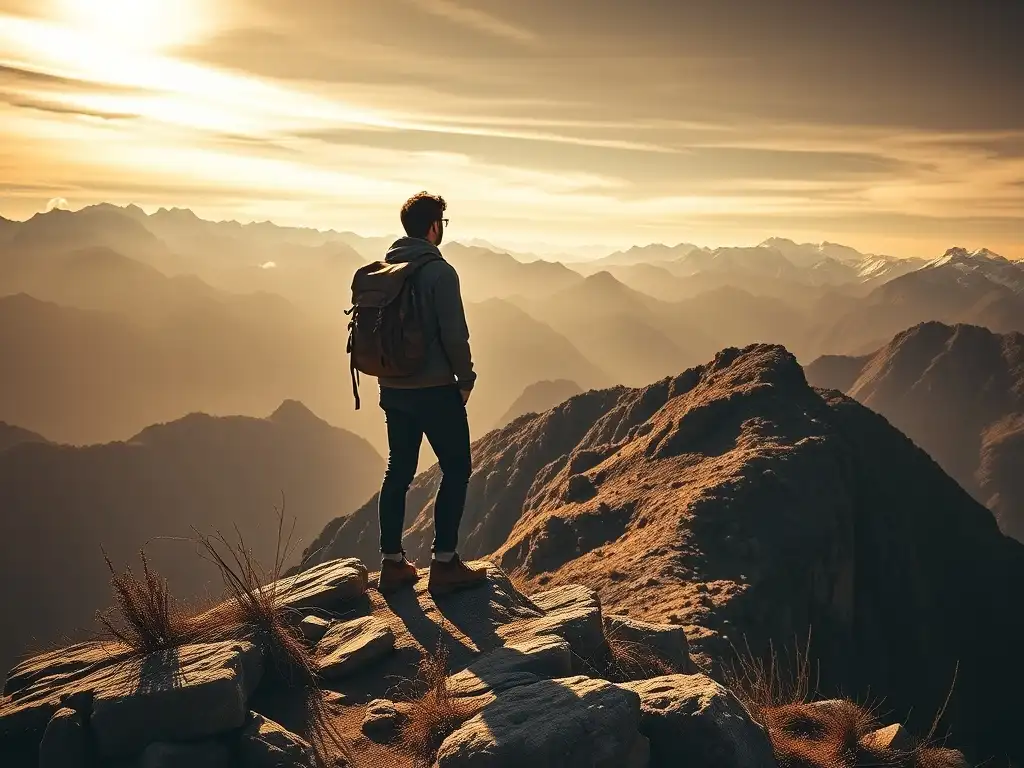
This section focuses on the practical aspects of undertaking an Andean solo backpacking trip, prioritizing safety and efficient travel planning. Successfully navigating the Andes independently requires careful consideration of personal safety and logistical elements. Understanding these factors is crucial for a rewarding and secure experience exploring the remarkable ancient sites of this region.
Safety Tips for Solo Female Travelers in the Andes
Solo female travel in the Andes requires extra vigilance. While generally safe, awareness of potential risks is paramount. Here are some key safety considerations:
- Travel in well-lit and populated areas: Avoid walking alone at night, especially in less touristy areas. Stick to main streets and well-lit pathways.
- Inform someone of your itinerary: Share your detailed travel plans – including accommodation details and planned routes – with a trusted friend or family member back home. Regular check-ins via phone or messaging apps are also recommended.
- Be assertive and confident: Projecting confidence can deter potential trouble. Maintain strong eye contact and walk with purpose.
- Learn basic Quechua phrases: Knowing a few basic phrases in Quechua, the native language of many Andean communities, can demonstrate respect and enhance interactions with locals.
- Utilize reputable transportation: Opt for established bus companies and avoid hitchhiking.
- Stay in well-reviewed accommodations: Choose hostels or hotels with positive reviews and security measures. Consider female-only dorms if available.
- Trust your instincts: If a situation feels unsafe, remove yourself immediately. Don't hesitate to seek help from local authorities or trusted individuals.
- Consider travel insurance: Comprehensive travel insurance is essential, covering medical emergencies, trip cancellations, and lost belongings. Ensure your policy specifically addresses solo female travel in remote areas.
Safety Tips for Solo Male Travelers in the Andes
While the challenges faced by solo male travelers differ from those of solo female travelers, safety remains a primary concern. The Andes, while breathtaking, present unique risks regardless of gender.
- Be aware of your surroundings: Maintain situational awareness at all times. Avoid displaying expensive electronics or jewelry openly.
- Avoid walking alone at night: Similar to female travelers, sticking to well-lit and populated areas at night is crucial.
- Share your itinerary: Keeping someone informed of your plans is equally important for male travelers. Regular check-ins can provide peace of mind for both you and your contacts.
- Be mindful of altitude sickness: Altitude sickness can significantly impact judgment and physical capabilities, increasing vulnerability. Acclimatize properly and be aware of the symptoms.
- Respect local customs: Familiarize yourself with local customs and traditions to avoid unintentional offense.
- Utilize reputable guides for challenging treks: For strenuous hikes or treks in remote areas, hiring a reputable guide is strongly recommended.
- Exercise caution with alcohol consumption: Excessive alcohol consumption can impair judgment and increase vulnerability.
- Report any incidents immediately: Report any suspicious activity or incidents to local authorities without delay.
Transportation Options for Solo Andean Exploration: Buses, Trains, and Hiking
Efficient and safe transportation is key to a successful Andean solo backpacking trip. Several options cater to different preferences and budgets:
| Transportation Mode | Pros | Cons | Considerations for Solo Travelers |
|---|---|---|---|
| Buses | Affordable, widely available, reach remote areas | Can be crowded, long journey times, safety concerns in some areas | Choose reputable companies, avoid night travel if possible, secure belongings |
| Trains | Scenic routes, comfortable, generally safe | Limited routes, more expensive than buses | Book tickets in advance, especially during peak season |
| Hiking | Immersive experience, explore off-the-beaten-path | Requires good physical fitness, potential safety risks in remote areas | Plan routes carefully, inform someone of your itinerary, carry appropriate gear |
Choosing the right transportation method depends on your itinerary, budget, and comfort level. For instance, buses are ideal for reaching smaller towns and villages, while trains offer a more relaxed and scenic journey. Hiking provides an unparalleled immersive experience, but requires careful planning and preparation. Remember to prioritize safety and always inform someone of your travel plans regardless of the mode of transportation. Enjoy your Andean adventure!
Booking Accommodation for Your Solo Andean Adventure: Hostels, Guesthouses, and Lodges
Planning your accommodation is a crucial aspect of any Andean solo backpacking trip. While luxury hotels exist, they often aren't the most budget-friendly or socially immersive option for the independent traveler. Fortunately, a range of more affordable and often more engaging alternatives abound.
Hostels, particularly in larger cities like Cusco and Quito, offer a fantastic opportunity to meet fellow travelers, share experiences, and potentially even coordinate day trips or excursions. Many hostels in the Andes cater specifically to backpackers, providing secure lockers, comfortable dorm rooms, and sometimes even organized activities. Remember to check reviews beforehand to ensure the hostel aligns with your expectations regarding cleanliness and security.
Guesthouses, often family-run businesses, provide a more intimate and local experience. These are scattered throughout smaller towns and villages, offering a chance to connect directly with the community and gain insights into daily Andean life. Guesthouses typically offer private rooms, sometimes with private bathrooms, at a more affordable rate than hotels. The personal touch and local knowledge offered by guesthouse owners can significantly enhance your trip, providing recommendations for hikes, local markets, or hidden gems.
For a truly immersive experience, consider staying in a lodge, especially if your itinerary involves trekking or exploring remote areas. Lodges often offer stunning views and access to unique activities like horseback riding or guided nature walks. They can also be a great way to support local businesses and contribute to the preservation of the region's natural beauty. However, lodges tend to be more expensive than hostels or guesthouses, so factor that into your budget planning.
Remember to book in advance, especially during peak season, to avoid disappointment. Consider the location, amenities, and reviews when choosing your accommodation to ensure a comfortable and safe stay. Choosing the right type of accommodation can dramatically impact the overall quality and experience of your Andean solo backpacking trip.
Understanding Andean Culture: Respectful Interactions with Local Communities
Respectful interaction with local communities is paramount for a positive and enriching Andean solo backpacking trip. The Andes are home to a diverse range of indigenous cultures with rich traditions and customs. Before embarking on your journey, take the time to research the regions you plan to visit. Understanding basic customs, such as appropriate dress and greetings, can go a long way in showing respect and fostering positive interactions.
For example, in many Andean communities, direct eye contact can be considered disrespectful, particularly when interacting with elders. It's also crucial to be mindful of local traditions surrounding photography. Always ask permission before taking someone's picture, and be sensitive to any cultural norms regarding photography in sacred sites or during ceremonies. Learning a few basic Quechua or Aymara phrases, depending on the region, can also be a valuable gesture of respect and a great way to connect with locals.
Remember that many Andean communities are closely tied to their land and resources. Support local businesses by eating at local restaurants, buying handicrafts from local artisans, and utilizing locally owned transportation services. Avoid littering and be mindful of the environment; preserving the natural beauty of the Andes is crucial for the well-being of its inhabitants.
Showing genuine interest in the local culture, asking respectful questions, and actively listening to the stories and experiences of the people you meet will make your solo backpacking trip significantly more meaningful and enriching. Remember, your interactions reflect not only on you but also on the image of travelers in the region.
Learning Basic Spanish Phrases for Your Andean Solo Trip
While English is spoken in tourist areas, knowing basic Spanish phrases is invaluable for enhancing your Andean solo backpacking trip. It opens doors to deeper cultural immersion and facilitates smoother communication with locals beyond the typical tourist interactions. Even a few simple phrases can significantly improve your experience and demonstrate respect for the local culture.
Start by learning essential greetings like "Hola" (hello), "Buenos días" (good morning), "Buenas tardes" (good afternoon), and "Buenas noches" (good night). Mastering polite phrases such as "Por favor" (please) and "Gracias" (thank you) will go a long way. Learning how to ask for directions ("¿Dónde está...?" - Where is...?) and basic questions about prices ("¿Cuánto cuesta...?" - How much does it cost...?) is also crucial for navigating daily life.
Beyond basic conversational phrases, learn phrases related to transportation ("Autobús" - bus, "Taxi" - taxi), accommodation ("Habitación" - room, "Hotel" - hotel), and food ("Agua" - water, "Comida" - food). Knowing these phrases will not only be incredibly helpful during your travels but will also allow you to connect with locals on a more personal level. Consider using language-learning apps or taking a short online course before your trip to build a foundation.
Even a rudimentary understanding of Spanish can dramatically enhance your interactions and overall experience during your Andean solo backpacking adventure, making your journey more rewarding and culturally enriching. Don't underestimate the power of a simple "Gracias" to brighten someone's day and deepen your cultural exchange.
Maximizing Your Andean Solo Backpacking Experience
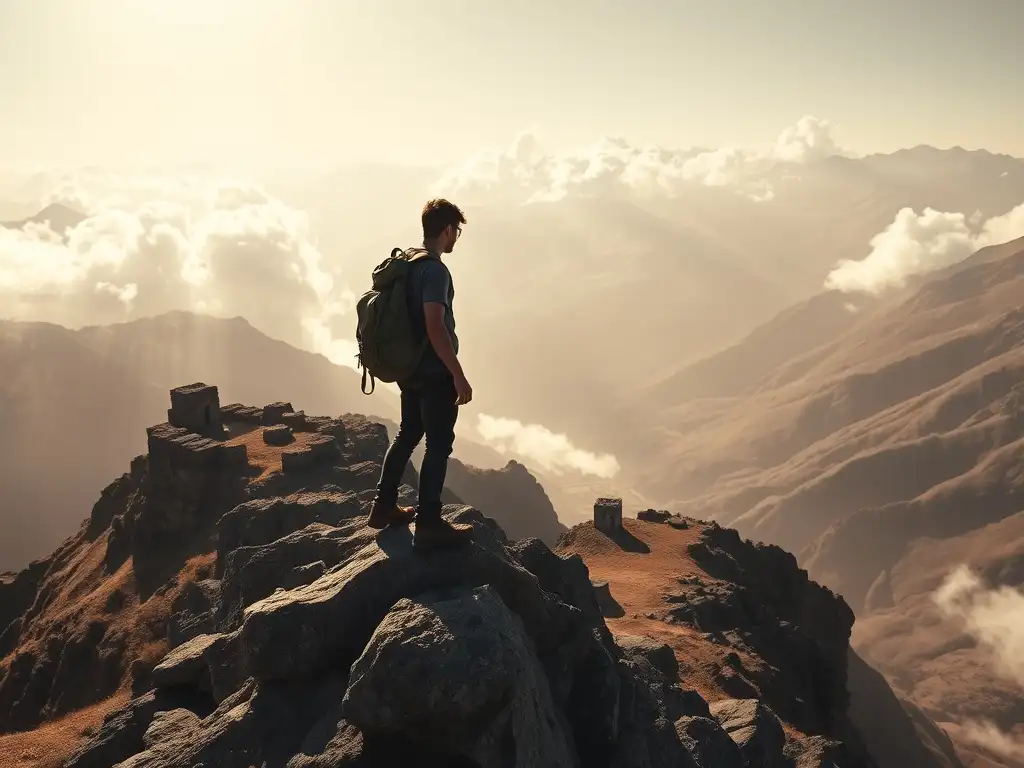
This section focuses on optimizing your Andean solo backpacking trip, ensuring a safe, enriching, and memorable adventure. We'll delve into ways to enhance your experience beyond the typical tourist trail, focusing on immersive activities and unique trekking opportunities. Remember, responsible and respectful travel is paramount when exploring these ancient lands. This guide helps you plan your Andean solo backpacking trip with confidence.
Immersive Experiences: Volunteering and Cultural Activities
Beyond the breathtaking landscapes and historical sites, the Andes offer opportunities for meaningful cultural immersion. Volunteering programs in local communities provide a chance to contribute directly to the region's development while gaining invaluable insights into Andean life. These programs often involve assisting with community projects, teaching English, or working on environmental initiatives. Remember to research organizations thoroughly before committing; ensure their practices align with ethical and sustainable tourism principles.
Several organizations focus specifically on community development in the Andes. These programs often incorporate homestays, allowing you to experience Andean hospitality firsthand, learn traditional crafts, and participate in local celebrations. Consider the length of your trip when selecting a program. Shorter programs (a week or two) offer a taste of community involvement, while longer programs allow for more in-depth participation and stronger relationships with the community. The impact of your contribution, both on the community and your personal growth, is significant. This form of engagement transforms your Andean solo backpacking trip from a simple journey into a transformative experience.
Best Hiking Trails for Solo Travelers in the Andes: Salkantay Trek
The Salkantay Trek offers a challenging yet rewarding hiking experience for solo travelers. While it's possible to join guided tours, undertaking this trek independently allows for a deeper connection with the landscape and a greater sense of self-reliance. However, careful planning is essential.
The trek typically takes 4-5 days, traversing diverse terrains, from cloud forests to high-altitude passes. Thorough preparation is crucial, including physical fitness, appropriate gear (including sturdy hiking boots, layers of clothing, and a reliable backpack), and a detailed itinerary. Remember to check weather forecasts and pack accordingly. Navigation skills are vital, and carrying a map and compass, or even a GPS device, is strongly recommended.
While the solitude can be incredibly rewarding, safety should always be the priority. Inform someone of your itinerary and expected return date. Carrying a satellite phone or personal locator beacon (PLB) is advisable, especially for solo trekkers. Choosing the Salkantay Trek for your Andean solo backpacking trip showcases your adventurous spirit and provides an unforgettable journey through the Andes’ stunning natural beauty.
Exploring Sacred Sites in the Andes: Ollantaytambo and Pisac
Ollantaytambo and Pisac are two iconic Inca sites that offer unique perspectives on Andean history and culture. These sites are relatively accessible for solo travelers, but respecting their cultural significance is paramount.
Ollantaytambo, a remarkably well-preserved Inca fortress, offers a glimpse into the sophisticated engineering and architectural prowess of the Inca civilization. Exploring its intricate terraces and imposing structures provides a powerful connection to the past. While relatively accessible, be mindful of altitude sickness, especially at higher elevations.
Take your time, stay hydrated, and listen to your body. Pisac, known for its stunning mountaintop location and vibrant market, provides a blend of history and local life. Wandering through the market allows you to interact with locals, experience their crafts, and gain a deeper appreciation of their culture.
Remember that bartering is customary but always approach it respectfully. Engaging with the local culture adds a rich dimension to your Andean solo backpacking trip, making it far more meaningful than just visiting the sites themselves. By carefully planning your visit and approaching these sites with respect, you can create a truly enriching experience during your Andean solo backpacking trip.
Local Food and Markets: A Culinary Journey for Solo Travelers
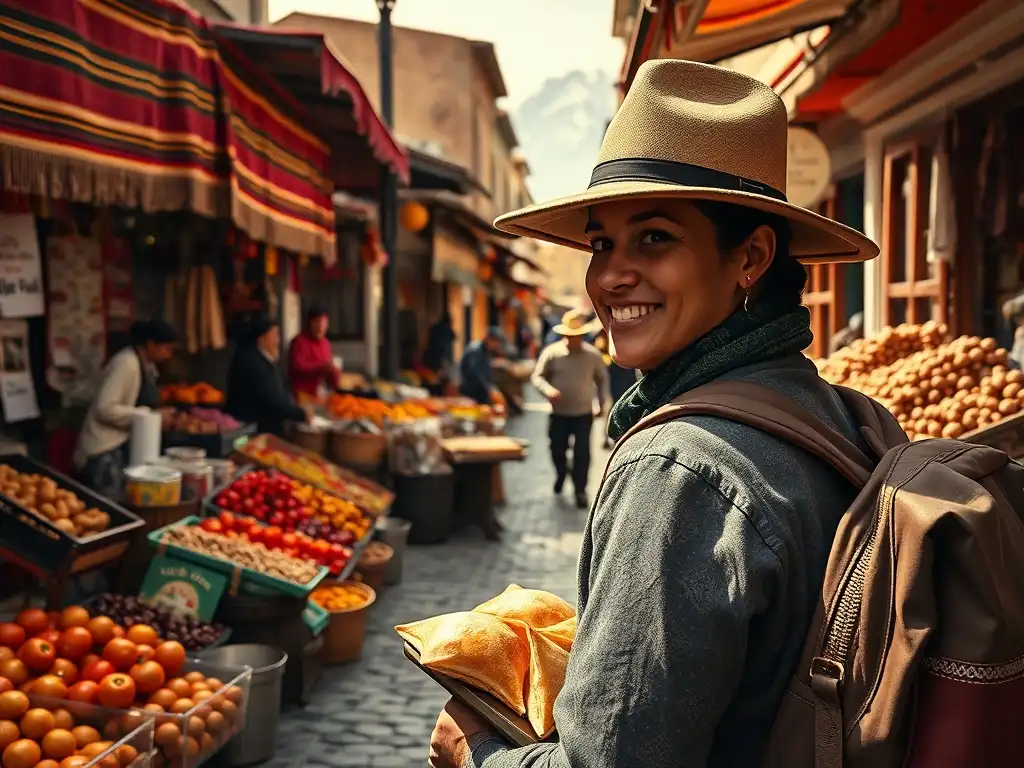
Embarking on an Andean solo backpacking trip offers a unique opportunity to delve into the vibrant culinary scene. Forget generic tourist traps; the real flavor of the Andes lies within its bustling local markets. These aren't just places to buy groceries; they're social hubs, brimming with energy and the aroma of exotic spices. In Cusco, for example, the San Blas artisan market offers a sensory overload, with stalls overflowing with brightly colored textiles, handcrafted jewelry, and, of course, delicious food. Take your time, wander the stalls, and engage with the vendors.
They're often happy to share stories about their produce, recipes, and local traditions. Don't be afraid to try something new! From hearty cuy (guinea pig) to the flavorful aji amarillo peppers, the Andean cuisine is diverse and rewarding. Remember to sample local fruits like lúcuma and chirimoya – you won't find these anywhere else! Eating at smaller, family-run restaurants is another great way to experience authentic Andean food and support local businesses.
Look for places frequented by locals – a good sign of quality and authenticity. You'll discover hidden gems and truly savor the flavors of the Andes. Consider taking a cooking class to learn how to prepare some of these dishes yourself – a memorable souvenir from your Andean solo backpacking trip. The experience of preparing and eating the food alongside locals is an enriching part of the cultural immersion.
Connecting with Other Travelers: Building Community on the Road
While solo travel offers unparalleled freedom and self-discovery, an Andean solo backpacking trip doesn't mean you have to be alone the entire time. The Andes attract a diverse range of travelers, many of whom are also venturing solo. Embrace the opportunities to connect with fellow adventurers. Hostels are excellent hubs for meeting people. Participate in hostel activities, join group tours for specific sites (like Machu Picchu or the Colca Canyon), or simply strike up conversations in common areas.
Many hostels organize group dinners or excursions, making it easy to meet like-minded individuals. Online forums and backpacking groups dedicated to the Andes can also facilitate connections before you even leave home. Sharing experiences and tips with other travelers can enhance your journey significantly. Remember, striking up conversations is easier than you think.
A simple "Hola" or a comment about the stunning scenery can be a great icebreaker. Don't be afraid to initiate conversations; you might form lasting friendships and create unforgettable memories. Remember to respect personal space and boundaries; not everyone will want to socialize. The key is to be open and approachable, and you'll find that connecting with other travelers adds another layer of richness to your Andean adventure.
Photography Tips for Capturing the Beauty of the Andes: Using a Nikon D850
The Andes present an unparalleled canvas for photography. With a Nikon D850, you have a powerful tool to capture its breathtaking beauty. Mastering a few key techniques will elevate your photos from snapshots to stunning works of art. Firstly, understand the light. The Andes’ dramatic landscapes are best photographed during the golden hour (sunrise and sunset) when the soft light creates incredible depth and warmth. Utilize the D850’s high dynamic range to capture details in both highlights and shadows.
Experiment with different shooting modes; Aperture Priority (A) is excellent for controlling depth of field, perfect for highlighting foreground elements against stunning backdrops. Consider using a tripod, especially during low-light conditions or for long exposures to capture the Milky Way. The D850's high resolution allows for significant cropping without compromising image quality. Mastering composition is crucial. Utilize the rule of thirds, leading lines, and framing techniques to create visually appealing images. Experiment with different perspectives – get down low to capture unique angles, or climb to higher vantage points for panoramic shots.
For landscapes, focus stacking can be invaluable in achieving sharp focus from foreground to background. Pre-visualize your shots; take your time to compose, adjust settings, and capture the perfect moment. Don't forget post-processing! Software like Lightroom or Capture One can help you enhance your images, adjusting contrast, saturation, and sharpness to achieve the desired look. The D850's capabilities allow for incredible detail and clarity, transforming your Andean solo backpacking trip into a photographic masterpiece. Remember to always respect the environment and avoid disturbing wildlife or ancient sites while pursuing your photographic passion.
Maximizing Revenue: Monetization Opportunities for Andean Solo Travel
This section explores ways to generate income while embarking on your Andean solo backpacking trip, turning your passion for exploration into a potentially profitable venture. While the primary focus should remain on experiencing the incredible Andean cultures and landscapes, smart monetization strategies can help offset travel costs and even turn your journey into a sustainable lifestyle.
Recommended Travel Guides and Books: Affiliate Links to Bradt Travel Guides
Leveraging affiliate marketing is a fantastic way to earn passive income while sharing your passion for Andean travel. Partnering with reputable publishers like Bradt Travel Guides, known for their in-depth coverage of South America, can be incredibly fruitful. Bradt offers a wide range of guides, from comprehensive overviews of the Andes to specialized books on Inca trails, Nazca Lines, or specific archaeological sites.
By including carefully selected affiliate links within your blog posts, social media updates, or even a dedicated "Recommended Reading" section on your travel website, you can earn a commission on every sale generated through your unique link. For example, recommending Bradt's Peru or Bradt's Bolivia could be highly relevant to those planning an Andean solo backpacking trip.
Remember to always disclose your affiliate relationships transparently; trust is paramount in building a successful affiliate marketing strategy. Careful selection of books relevant to your specific itinerary and the interests of your target audience (backpackers interested in Andean history and culture) is key to maximizing conversions.
Booking Tours and Activities: Affiliate Opportunities with Viator
Viator is a leading online marketplace offering a vast array of tours and activities globally, including many options within the Andes region. Partnering with Viator allows you to recommend specific tours and excursions relevant to your Andean solo backpacking trip. This could include everything from guided hikes to Machu Picchu, cooking classes focusing on Andean cuisine, or even unique experiences like visiting local artisans' workshops.
By integrating Viator affiliate links into your content, you can earn a commission on bookings made through your unique referral link. For instance, if you highly recommend a specific Inca Trail trek organized by a Viator partner, you could earn a commission on every booking made via your link. Again, transparency is crucial. Clearly stating your affiliation with Viator builds trust with your audience. A well-structured table can effectively showcase different Viator offerings relevant to an Andean solo backpacking trip:
| Tour/Activity | Viator Link (Example - Replace with actual link) | Commission Potential (Example) | Description |
|---|---|---|---|
| Guided Machu Picchu Hike | [Viator Affiliate Link Placeholder] | 10% | A comprehensive guided hike exploring Machu Picchu's historical significance. |
| Sacred Valley Cooking Class | [Viator Affiliate Link Placeholder] | 8% | Learn to prepare traditional Andean dishes from local chefs. |
| Nazca Lines Flight | [Viator Affiliate Link Placeholder] | 12% | A breathtaking aerial view of the enigmatic Nazca Lines. |
| Tiwanaku & Lake Titicaca Day Trip | [Viator Affiliate Link Placeholder] | 9% | Explore the ancient city of Tiwanaku and the stunning Lake Titicaca. |
Essential Travel Gear Recommendations: Affiliate Links to Deuter Backpacks
High-quality gear is essential for a comfortable and safe Andean solo backpacking trip. Recommending specific products through affiliate marketing can be a valuable income stream. Deuter backpacks, renowned for their durability and ergonomic design, are an excellent choice for solo adventurers exploring the Andes.
Partnering with Deuter (or similar outdoor gear providers) enables you to promote their backpacks and other relevant travel gear such as trekking poles, sleeping bags, and rain covers. Your recommendation can be woven seamlessly into your blog posts or travel guides, focusing on the specific benefits of Deuter products for the challenging terrain of the Andes. For example, you could highlight the superior weight distribution of a specific Deuter backpack model, ideal for carrying heavy loads on long treks.
Remember to always include your affiliate disclosure and choose products you genuinely believe in and have personally used, creating authentic and trustworthy recommendations. This approach resonates better with your audience and fosters stronger brand loyalty. Adding emojis like 🎒 to your gear recommendations can also make your content more visually appealing and engaging.
High CPC Opportunities: Local Guides and Private Tours
Offering personalized experiences is a lucrative strategy for solo travelers seeking deeper immersion in Andean culture. High CPC (Cost Per Click) opportunities abound by partnering with local guides and offering private tours. These tours can focus on specific interests, such as trekking to remote Inca ruins, learning traditional weaving techniques, or exploring lesser-known archaeological sites. The key here is to offer unique, curated experiences that cater to the independent traveler's desire for authenticity and personalized attention.
For example, a private tour of the Sacred Valley, tailored to a solo backpacker's interests in Inca agricultural techniques, could command a significantly higher price than a standard group tour. This allows for a greater profit margin and higher CPC potential for advertising these specialized tours. Furthermore, partnering with local communities directly ensures that a larger portion of the revenue generated benefits the local economy, fostering sustainable tourism practices.
The marketing of these tours should emphasize the personalized nature of the experience, highlighting the unique insights and perspectives offered by local guides, experienced in the specific region and its history. The emphasis on authenticity is crucial for attracting the solo traveler seeking a meaningful and unique Andean adventure. Consider offering packages that combine guided hikes with cooking classes or visits to local artisans, further increasing the value proposition and potential revenue.
Promoting Sustainable Tourism: Eco-friendly Tours and Lodges
The Andean region is increasingly recognized for its ecological importance and biodiversity. Promoting sustainable tourism is not only ethically responsible but also a powerful marketing tool for attracting environmentally conscious solo backpackers. High-value partnerships with eco-lodges and tour operators committed to minimizing their environmental impact are essential.
This means highlighting accommodations and tours that utilize renewable energy sources, support local communities, and actively protect the environment. Marketing materials should emphasize the eco-friendly aspects of the offered services, showcasing initiatives such as carbon offsetting programs, waste reduction strategies, and the preservation of local flora and fauna. For instance, partnering with a lodge that uses solar power and employs local indigenous communities directly appeals to a growing segment of environmentally conscious solo travelers.
This approach not only boosts revenue but also strengthens the reputation of the business as a responsible and sustainable operator within the Andean tourism sector. By showcasing the positive environmental impact of choosing sustainable options, the business attracts ethical consumers willing to pay a premium for eco-friendly travel experiences in the Andes. This aligns with the growing trend of responsible travel and helps to protect the delicate Andean ecosystem for future generations.
Travel Insurance Recommendations: Affiliate links to SafetyWing
Travel insurance is a non-negotiable for any solo backpacker venturing into the Andes. Including affiliate links to reputable travel insurance providers, such as SafetyWing, offers a valuable service to potential clients and generates additional revenue. This is a low-effort, high-reward strategy. By strategically placing affiliate links within the website's content and marketing materials, you can provide a crucial resource while earning a commission on successful referrals.
This is particularly effective when addressing safety concerns, which are naturally prevalent when discussing solo travel. The recommendation should be presented as a helpful resource, not a blatant advertisement. For instance, a section discussing potential risks of trekking in the Andes could naturally lead to a recommendation of comprehensive travel insurance, including a link to SafetyWing or a similar provider.
This strategy not only adds value for the reader but also generates passive income, complementing other monetization strategies. Transparency is key; clearly disclose the affiliate relationship to maintain reader trust and comply with advertising regulations. Furthermore, choosing a provider known for its robust coverage and fair pricing enhances the credibility of the recommendation, benefiting both the traveler and the business.
Photography Equipment for Andean Landscapes: Affiliate links to Fujifilm lenses
Capturing the breathtaking Andean landscapes during your solo backpacking trip is a must. The dramatic peaks, vibrant valleys, and ancient ruins provide endless photographic opportunities. To ensure you get the best shots, investing in the right equipment is crucial. While many cameras can capture stunning images, Fujifilm's renowned lenses are particularly well-suited to the diverse conditions you'll encounter in the Andes. Their compact size, excellent image quality, and robust build make them ideal for the adventurous solo traveler.
The Fujifilm XF 16-55mm f/2.8 R LM WR lens is a versatile option for a wide range of scenarios. Its wide aperture allows for stunning low-light performance, perfect for capturing the dramatic Andean sunsets and star-filled nights. The image stabilization ensures sharp images, even when shooting handheld in challenging conditions. This lens is perfect for capturing expansive landscapes, detailed architectural shots of ancient sites, and even portraits of local people you encounter along the way. The weather-sealing is an added bonus, protecting your investment from the elements.
For those seeking a more compact solution without compromising image quality, the Fujifilm XF 35mm f/1.4 R lens is a fantastic choice. This prime lens provides exceptional sharpness and a beautiful bokeh effect, perfect for highlighting key elements in your compositions. Its lightweight design makes it ideal for long days of hiking and exploring. The fast aperture allows for shallow depth of field, creating visually appealing images with a professional look. This is a great option for capturing intimate moments and details within the larger Andean landscapes.
Consider also the Fujifilm XF 100-400mm f/4.5-5.6 R LM OIS WR lens for wildlife photography. The Andes are home to a diverse range of animals, from condors soaring high above the peaks to vicuñas grazing in the high-altitude plains. This telephoto zoom lens allows you to capture these subjects from a distance without disturbing their natural habitat. The optical image stabilization helps maintain sharp images even at longer focal lengths, compensating for any hand shake. Its weather resistance ensures you can shoot even in challenging weather conditions.
Remember to pack extra batteries and memory cards. The cold Andean climate can significantly reduce battery life, and you'll want to be prepared to capture all the amazing moments your Andean solo backpacking trip offers. Investing in high-quality equipment is an investment in preserving the memories of your incredible journey through the Andes. While specific affiliate links are pending, researching Fujifilm's lens options based on your preferred focal ranges and photographic style will help you make the perfect choice for capturing the beauty of the Andes.
Post-Trip Reflection and Planning Your Next Andean Adventure
After completing your Andean solo backpacking trip, take some time for reflection. This isn't just about reminiscing over breathtaking mountain vistas and ancient ruins; it's about analyzing your experience to inform your future adventures. Did you find the pace too fast or too slow? Were there any logistical challenges you encountered that you could have better prepared for?
What aspects of your trip exceeded your expectations, and which areas could have been improved? This self-assessment is crucial for planning a more fulfilling and efficient Andean solo backpacking trip in the future. Consider keeping a detailed travel journal – noting down daily experiences, challenges faced, and moments of profound connection with the Andean culture and landscape. This journal will serve as an invaluable resource for future planning.
Your Andean solo backpacking trip is a unique story waiting to be shared. Consider writing blog posts or creating social media content about your experiences. This is not only a great way to preserve your memories but also to inspire other potential solo travelers. Share practical tips, highlight lesser-known sites, and showcase the beauty of the Andean region. Use relevant hashtags such as #AndeanSoloBackpackingTrip, #SoloFemaleTravelAndes, #BackpackingSouthAmerica, #AndeanAdventures, and #PeruTravel (or relevant country hashtags).
Include high-quality photos and videos to capture the essence of your journey. Remember to respect the privacy of any individuals you encountered and avoid sharing sensitive information. By sharing your story, you contribute to a growing community of solo travelers, fostering a culture of support and inspiration. Remember to be authentic and engage with your audience – responding to comments and questions will enhance your online presence and build a connection with fellow adventurers.
Planning a Return Trip: Exploring More Andean Historical Sites
The Andes are vast and rich in history, offering countless opportunities for exploration. Your first Andean solo backpacking trip should be viewed as a starting point. Perhaps you focused on the Inca Trail this time; next, you might explore the lesser-known ruins of Tiahuanaco in Bolivia or delve deeper into the Moche culture on the northern coast of Peru. Consider researching specific sites or regions that pique your interest.
Are you fascinated by pre-Columbian art? Perhaps a trip focused on museums and archaeological sites is in order. Do you enjoy trekking? Research different trails and their difficulty levels to plan a physically challenging yet rewarding adventure.
Planning a return trip allows you to build upon your previous experiences, focusing on specific interests and refining your travel style. Remember to factor in factors like altitude sickness, weather conditions, and necessary permits when planning your itinerary. A well-researched and meticulously planned itinerary will ensure a smooth and enjoyable experience.
Supporting Local Communities: Giving Back to the Andean Region
Responsible travel involves giving back to the communities you visit. Consider supporting local businesses, such as artisan cooperatives, small hotels, and locally-owned restaurants. This helps to sustain the local economy and preserve traditional crafts and practices.
You could also participate in volunteer projects, such as environmental conservation initiatives or community development programs. Research organizations that align with your values and interests before your trip. Even small gestures, like learning basic Quechua phrases or respectfully engaging with locals, can demonstrate your appreciation for their culture and traditions.
Remember that sustainable tourism is crucial for the long-term preservation of the Andean region's unique heritage and environment. By actively supporting local communities, you not only contribute to their well-being but also enrich your own travel experience. A meaningful contribution will leave a lasting positive impact, enriching your own journey and ensuring the preservation of this incredible region for future generations of Andean solo backpacking adventurers.
Frequently Asked Questions
Is solo backpacking in the Andes safe?
Solo travel in the Andes can be safe if you take the necessary precautions. This includes thorough research, informing someone of your itinerary, and being aware of your surroundings. Trust your instincts and avoid risky situations.
What are the best places to visit for a solo Andean backpacking trip?
Many sites are perfect for solo travelers! Consider exploring Machu Picchu, the Sacred Valley, or the Nazca Lines. Each offers unique experiences and opportunities for independent exploration.
What kind of gear should I bring for an Andean backpacking trip?
Pack for variable weather conditions, including layers for warmth, rain gear, and sturdy hiking boots. Don't forget essentials like a first-aid kit, sunscreen, and a headlamp.
How do I plan my itinerary for a solo backpacking trip in the Andes?
Start by researching potential destinations and their accessibility. Book accommodations and transportation in advance, especially during peak season. Allow for flexibility in your schedule to account for unforeseen circumstances.
What are the cultural considerations for a solo female backpacker in the Andes?
Respect local customs and traditions. Dress modestly, especially when visiting religious sites. Learning basic Spanish phrases can greatly enhance your interactions and experience.
Final Reflection: Echoes of the Andes: A Journey Within and Without
The allure of solo travel in the Andes remains potent, a testament to the enduring power of human connection with nature and history. This journey, whether a trek through breathtaking landscapes or a quiet contemplation of ancient ruins, offers a profound self-discovery unavailable through any other means. The independence fostered by solo backpacking allows for a deeper immersion in the culture and a more intimate understanding of one's own resilience.
The Andes themselves, a spine of earth stretching across continents, have witnessed millennia of human endeavor and adaptation. Their echoes resonate not only in the stones of Machu Picchu or the vibrant markets of Cusco, but also within the traveler's own heart. The challenges faced—navigating unfamiliar terrain, overcoming language barriers, embracing solitude—forge a strength and self-reliance that extends far beyond the mountain range. As the poet Mary Oliver wisely wrote: Tell me, what is it you plan to do with your one wild and precious life?
Solo travel in the Andes provides a powerful answer to this question, a testament to the human spirit's capacity for exploration and growth.
Now, as you close this guide, consider the call of the Andes. Perhaps the seeds of adventure have been sown. Don't let them lie dormant. Embrace the unknown, plan your journey, and allow the majestic mountains to guide you not only through their breathtaking landscapes, but also through a journey of self-discovery that will leave an indelible mark on your soul. The Andes await, ready to share their ancient wisdom and breathtaking beauty with those brave enough to seek them out.
Embark on Your Andes Adventure Today!
Thank you for exploring the wonders of solo travel in the Andes with us! You've gained valuable insights into navigating ancient sites and experiencing the rich tapestry of Andean civilizations. Now, it's time to put that knowledge into practice and begin your unforgettable journey.
Here are some inspiring next steps to kickstart your adventure:
- Plan your route: Choose a destination in the Andes that excites you, such as Machu Picchu or Cusco, and begin crafting your itinerary. Consider factors like the time of year and your personal interests to create a truly fulfilling trip.
- Connect with fellow travelers: Join online communities or forums dedicated to Andean travel. Sharing experiences, tips, and recommendations with others can enhance your planning and enrich your journey.
- Share your experiences: Document your adventures and insights on social media or a blog. Inspire others to explore these magnificent sites by sharing your photos, stories, and personal reflections.
What ancient site are you most eager to discover during your solo journey? Share your thoughts in the comments below!