
Inca Music and Dance: Documentaries That Capture the Rhythm of the Andes

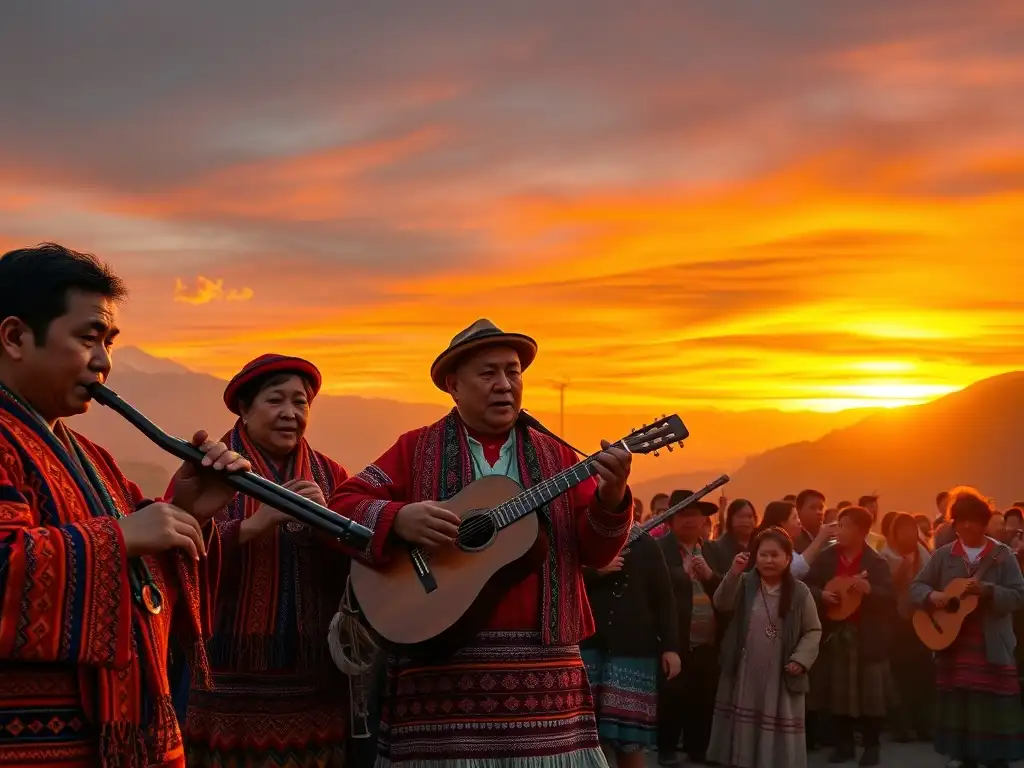
Step into a world lost to time, yet echoing with vibrant life. Imagine the soaring melodies and intricate rhythms of the Andes, a landscape shaped by empires as awe-inspiring as the mountains themselves. This journey through Andean Civilizations begins with a captivating exploration of Andean Inca music documentaries, revealing secrets whispered on the wind and preserved in the earth. Prepare to be enthralled as we unravel the mysteries of their music and dance – a legacy that continues to resonate today. Discover more...
- Andean Inca Music Documentaries: Exploring the Rhythm of the Andes
- The Best Andean Inca Music Documentaries: A Curated Selection
- Where to Watch and Purchase Andean Inca Music Documentaries
-
Frequently Asked Questions
- What kind of music documentaries are available about Inca music?
- Where can I find these Andean Inca music documentaries?
- Are there documentaries focusing specifically on Inca instruments?
- How accurate are these documentaries in portraying Inca music?
- Do these documentaries cover Inca music's influence on modern Andean music?
- Final Reflection: Echoes of the Andes: Preserving a Legacy Through Film
- **Immerse Yourself in the Rhythms of the Andes! **
Andean Inca Music Documentaries: Exploring the Rhythm of the Andes
The Andes Mountains, a majestic spine running down the western coast of South America, are not only home to breathtaking landscapes but also to a rich tapestry of ancient cultures. Among these, the Inca civilization stands out for its sophisticated social structures, impressive engineering feats, and vibrant artistic expressions. This article delves into the captivating world of Inca music and dance, exploring the power of documentaries to bring the rhythms and melodies of this lost empire back to life.
We will examine several key documentaries that offer unique perspectives on Inca musical traditions, highlighting their historical significance and cultural impact. Understanding Inca music provides a crucial window into their beliefs, social structures, and daily life, allowing us to connect with a civilization that flourished centuries ago.
This exploration will focus specifically on documentaries that effectively capture the essence of Andean Inca musical traditions, providing viewers with an immersive and informative experience. Prepare to be transported to the heart of the Andes as we uncover the secrets hidden within the sounds of this remarkable civilization.
Unveiling the Sounds of Ancient Andean Civilizations Through Film
Documentaries offer a powerful medium for understanding the complexities of Inca music. Unlike written accounts, which can be subjective or incomplete, film allows us to witness reconstructions of ancient instruments, hear interpretations of traditional melodies, and observe the vibrant dances that once filled Inca plazas. Many documentaries utilize a combination of archaeological findings, historical accounts, and expert interviews to paint a comprehensive picture of Inca musical practices.
This multi-faceted approach provides viewers with a deeper appreciation for the nuances of this rich musical heritage. Furthermore, the visual element of film is crucial in conveying the emotional impact of Inca music, its spiritual significance, and its role in daily life.
For example, some documentaries showcase the intricate craftsmanship of instruments like the pututu (a shell trumpet) and the antara (panpipes), highlighting the skill and artistry involved in their creation. These visual details enrich the viewer's understanding, adding depth to the musical experience.
Key Themes Explored in Andean Inca Music Documentaries
Several recurring themes emerge across many documentaries focused on Inca music. These often include:
- The Role of Music in Inca Rituals and Ceremonies: Many documentaries explore the profound spiritual significance of music in Inca society. They often depict reconstructions of rituals and ceremonies where music played a central role, showcasing its connection to religious beliefs and the Inca worldview. The use of music to honor deities, celebrate harvests, or commemorate important events is frequently highlighted.
- The Social Function of Music: Documentaries often investigate the social functions of Inca music, exploring its use in communal gatherings, celebrations, and daily life. They may showcase how music fostered a sense of community and played a role in social cohesion within Inca society.
- The Instruments and Musical Styles: A significant portion of these documentaries is dedicated to exploring the diverse range of instruments used by the Inca, including the antara, pututu, tinku, and various percussion instruments. They often analyze the unique musical styles and techniques associated with these instruments. The craftsmanship and materials used in the creation of these instruments are also often highlighted.
- The Legacy of Inca Music in Contemporary Andean Cultures: Many documentaries explore the enduring legacy of Inca musical traditions in contemporary Andean cultures. They show how these traditions have been preserved and adapted over centuries, influencing modern musical styles and performances. This highlights the continuous evolution of Andean music, demonstrating its resilience and enduring appeal.
Finding and Evaluating Inca Music Documentaries
Finding high-quality documentaries about Inca music requires some research. Look for documentaries produced by reputable institutions, universities, or filmmakers with a strong background in Andean history and music. Pay attention to the documentary's use of archival footage, expert interviews, and historical accuracy. A good documentary will strive to present a balanced and nuanced perspective, avoiding overly simplistic or romanticized portrayals of Inca culture.
Critically evaluating the source and approach of a documentary is essential to ensuring a deeper understanding of the subject matter. Consider the specific focus of the documentary; some may specialize in certain instruments, while others may focus on the broader social and cultural context of Inca music. Choosing documentaries that complement each other can provide a well-rounded perspective on this fascinating topic. The variety available ensures a rich and engaging exploration of Andean Inca musical heritage for viewers of all levels of expertise.
The Best Andean Inca Music Documentaries: A Curated Selection
This section delves into two exceptional documentaries that offer captivating insights into the vibrant world of Andean Inca music. We'll explore their unique approaches, highlighting the aspects that make them stand out amongst other productions focusing on Andean Inca music documentaries. These films offer a compelling blend of historical accuracy and artistic interpretation, providing viewers with a rich and engaging experience.
"The Song of the Andes: Unveiling Inca Music" - A Deep Dive into Andean Sounds
This documentary meticulously reconstructs the soundscapes of the Inca Empire, utilizing archaeological findings and ethnomusicological research to paint a vivid picture of Inca musical practices. The filmmakers have clearly invested significant time and resources in achieving a high level of authenticity.
Exploring the Musical Instruments of the Inca Empire
The documentary dedicates considerable screen time to showcasing the diverse array of instruments used in Inca music. From the pututu (a long shell trumpet used for ceremonial purposes) to the antara (panpipes renowned for their melodic capabilities) and the tinku (a percussion instrument), the film provides detailed explanations of their construction, playing techniques, and cultural significance. Detailed close-ups and slow-motion shots allow viewers to appreciate the intricate craftsmanship involved in creating these instruments.
The documentary also explores how these instruments were used in different social contexts, from religious rituals to everyday life. For instance, it explains how the pututu's deep, resonant sound was believed to communicate with the gods.
The Significance of Dance and Ceremony in Inca Culture
Inca music was inextricably linked to dance and elaborate ceremonies. "The Song of the Andes" masterfully illustrates this connection, showcasing reconstructions of traditional Inca dances. These reconstructions are not simply choreographed performances; the documentary provides context, explaining the symbolic meaning behind the movements and the role of music in enhancing the ritual's power.
The film highlights the importance of community participation in these ceremonies, emphasizing the social cohesion fostered by shared musical and dance experiences. One particularly moving sequence depicts a reconstruction of a harvest festival, complete with traditional costumes and instruments, providing a powerful visual representation of the Inca worldview.
Why This Documentary Stands Out: Detailed Analysis
What sets "The Song of the Andes" apart is its commitment to scholarly rigor. The filmmakers consulted with leading experts in Andean archaeology and ethnomusicology, ensuring the accuracy and authenticity of their portrayal. The documentary avoids sensationalism, focusing instead on providing viewers with a nuanced understanding of Inca musical practices within their broader cultural context.
The use of archival footage, combined with high-quality modern cinematography, creates a visually stunning and intellectually stimulating experience. The film also effectively employs historical texts and accounts to support its interpretations, avoiding speculative claims and maintaining a high level of academic integrity. This commitment to accuracy makes it a valuable resource for students and researchers alike.
"Pachamama's Rhythms: A Journey Through Inca Music and Dance" - A Modern Perspective
This documentary takes a different approach, exploring how Inca musical traditions have been preserved and reinterpreted in contemporary Andean culture. It showcases both traditional and modern Andean musicians, demonstrating the ongoing evolution of Inca musical heritage.
Modern Interpretations of Ancient Inca Melodies
The film features interviews with contemporary musicians who blend traditional Inca instruments and melodies with modern musical styles. This provides a fascinating glimpse into how ancient musical traditions continue to inspire and influence contemporary artists. The documentary contrasts the sounds of traditional instruments with modern arrangements, highlighting the versatility and enduring appeal of Inca musical forms. It shows how these melodies have transcended time and continue to resonate with audiences today. Examples include collaborations between traditional Andean musicians and contemporary electronic music producers, resulting in unexpected and exciting musical fusions.
Filming Locations and Cultural Immersion
"Pachamama's Rhythms" is visually stunning, featuring breathtaking footage of the Andes Mountains and the vibrant communities that inhabit them. The film immerses viewers in the landscape and culture of the Andes, giving a sense of place that is essential to understanding the context of the music. The documentary also provides a glimpse into the daily lives of Andean communities, showcasing their traditions, beliefs, and their ongoing connection to their musical heritage.
It shows how music is deeply woven into the fabric of their lives, accompanying both celebrations and daily routines. The beautiful cinematography and careful selection of filming locations emphasize the profound relationship between the Andean people and their environment.
Why This Documentary Appeals to a Modern Audience
"Pachamama's Rhythms" appeals to a modern audience because it successfully bridges the gap between ancient traditions and contemporary culture. It shows how Inca musical heritage remains a living, breathing entity, constantly evolving and adapting to new contexts. By featuring both traditional and contemporary Andean musicians, the film demonstrates the enduring power and relevance of Inca music in the 21st century.
The documentary's accessibility and visually engaging style make it a pleasure to watch, even for those unfamiliar with Andean culture. Its focus on the human element, showcasing the passion and dedication of the musicians, further enhances its emotional impact and leaves a lasting impression on the viewer. The film successfully positions itself as a celebration of Andean culture and its rich musical legacy.
Echoes of the Past: Recovering Ancient Andean Music - A Historical Approach
Archaeological Evidence and Musical Reconstruction
This documentary excels in its meticulous approach to reconstructing ancient Andean music. It doesn't rely solely on speculation but leverages the wealth of archaeological evidence available. The filmmakers meticulously examine artifacts like ceramic vessels depicting musical instruments—panpipes, flutes, and drums—providing visual confirmation of their existence and suggesting potential playing techniques. Furthermore, the documentary delves into the analysis of bone flutes and other instruments unearthed from Inca sites, examining their construction and acoustics to understand their sound capabilities.
This detailed analysis, combined with insights from ethnomusicologists, allows for a credible reconstruction of ancient Inca musical styles, offering a glimpse into the soundscapes of the Inca Empire. The process is presented transparently, showcasing the challenges and uncertainties involved in this type of historical reconstruction, adding to the documentary's overall credibility. The inclusion of 3D models of instruments and simulated sounds based on the archaeological findings enhances the viewer's understanding and engagement.
The Role of Music in Inca Society and Daily Life
Beyond the technical aspects of musical reconstruction, the documentary masterfully explores the profound social and cultural significance of music within Inca society. It highlights the role of music in religious ceremonies, royal processions, and everyday life. We see evidence of music's use in agricultural rituals, celebrating harvests and appeasing deities.
The documentary presents compelling arguments about the use of music to reinforce social hierarchies and transmit cultural values across generations. Interviews with experts in Andean history and anthropology provide context, explaining the importance of music in the fabric of Inca society. The documentary also touches upon the role of music in warfare, suggesting its use in boosting morale and instilling fear in enemies.
This multifaceted approach to the subject matter showcases the pervasive influence of music on all aspects of Inca life, providing a rich and nuanced understanding of its significance. The use of historical accounts and interpretations of iconography further supports the documentary's claims, creating a compelling narrative.
Why This Documentary Is Crucial for Historical Understanding
This documentary stands out for its rigorous approach to historical accuracy and its commitment to presenting a comprehensive picture of Inca music. Unlike many documentaries that rely on artistic interpretations or speculative reconstructions, this one prioritizes archaeological evidence and scholarly research, providing a foundation of verifiable facts. This rigorous methodology makes it a valuable resource for students, scholars, and anyone interested in gaining a deeper understanding of Inca civilization.
The documentary's success in bridging the gap between archaeological findings and musical reconstruction is particularly noteworthy. It doesn't just present dry facts but weaves them into a compelling narrative that engages viewers on an emotional level, making the complex subject of Inca music accessible and fascinating. The film's accessibility and engaging presentation make it an excellent educational tool, fostering a greater appreciation for the rich cultural heritage of the Andes and the ingenuity of the Inca people.
Its impact extends beyond entertainment; it promotes a more accurate and nuanced understanding of Andean Inca music, encouraging further research and appreciation of this vital aspect of Inca culture. The documentary serves as a powerful testament to the enduring legacy of Inca music and its continued relevance in understanding this fascinating civilization.
Where to Watch and Purchase Andean Inca Music Documentaries
This section explores the various avenues for accessing captivating documentaries that delve into the rich tapestry of Andean Inca music. From the convenience of streaming platforms to the tangible experience of owning physical copies, we'll guide you through your options. Understanding the diverse distribution channels available ensures you can find the perfect resource to satisfy your thirst for knowledge about this fascinating subject. The availability of these resources underscores the growing interest in Andean Inca music and its cultural significance.
Streaming Services and Online Platforms for Inca Documentaries
Finding documentaries about Andean Inca music is becoming increasingly easier thanks to the proliferation of streaming services. While specific titles fluctuate, several platforms consistently offer relevant content. Many documentaries focusing on broader Andean cultures often include segments dedicated to Inca music and its historical context. Searching using keywords like "Andean music," "Inca rituals," or "Peruvian traditional music" will often yield fruitful results.
Some platforms may offer free, ad-supported viewing, while others require a subscription. The quality and depth of the documentaries can vary significantly. It's advisable to check user reviews and trailers before committing to a subscription or purchase to ensure the content aligns with your expectations. Remember to always check the licensing and availability of documentaries in your region.
A smart approach is to utilize the search functions within these platforms. Experiment with different keyword combinations like "Andean Inca music documentaries," "Inca musical instruments," or "ancient Andean rituals and music." This targeted approach helps refine your search and increases the likelihood of discovering lesser-known but potentially valuable documentaries. The availability of documentaries on these platforms is constantly changing, so regular checks are recommended.
Example Search Strategies
Here are a few effective search strategies to employ on streaming platforms:
- Broad Search: "Andean music documentaries"
- Specific Search: "Inca panpipes documentaries"
- Contextual Search: "ancient Peruvian music and dance"
- Advanced Search (if available): Use filters for genre, language, and release year.
Physical Copies and Educational Resources
For those who prefer a tangible experience, purchasing physical copies of documentaries offers a unique advantage. DVDs and Blu-rays often provide higher-quality video and audio than streaming services, and owning a physical copy guarantees access regardless of internet connectivity or streaming platform changes. Furthermore, some documentaries may only be available in physical format, particularly older or less widely distributed productions.
Beyond commercial releases, educational institutions and archives may hold valuable documentary collections focusing on Andean Inca music. These resources often provide deeper academic insights and may include supplementary materials such as transcripts, interviews, or scholarly articles. Checking with university libraries, museums with Andean collections, and cultural centers specializing in South American studies can uncover hidden gems.
Educational resources often go beyond simple documentaries. You might discover meticulously researched books, academic papers, and audio recordings that offer a more in-depth exploration of Inca musical practices and their cultural significance. These resources can provide a more comprehensive understanding of the subject matter, offering valuable context and detailed analysis. Remember to always properly cite any academic resources you utilize.
It’s important to note that the availability of physical copies and educational resources can vary significantly depending on geographical location and the specific documentary or resource sought. Persistence and thorough research are essential for uncovering these hidden treasures. The effort, however, will often be rewarded with a richer, more nuanced understanding of Andean Inca music.
Frequently Asked Questions
What kind of music documentaries are available about Inca music?
Several documentaries explore Inca music and dance, showcasing traditional instruments like the panpipes and drums, and ritualistic dances. Many feature modern interpretations of ancient musical styles, offering a vibrant look at Andean musical heritage.
Where can I find these Andean Inca music documentaries?
You can find documentaries on various streaming platforms like Netflix, Amazon Prime Video, and YouTube. Many educational channels and archives also host documentaries focusing on Inca and Andean cultures. Check local libraries and universities for access as well.
Are there documentaries focusing specifically on Inca instruments?
Yes, some documentaries delve into the specific instruments used in Inca music. They explore the construction, playing techniques, and cultural significance of instruments like the antara (panpipes), pututu (shell trumpet), and various types of drums.
How accurate are these documentaries in portraying Inca music?
The accuracy varies. While some strive for historical authenticity, others prioritize artistic expression or modern interpretations. It’s important to consider the source and look for documentaries from reputable filmmakers or academic institutions.
Do these documentaries cover Inca music's influence on modern Andean music?
Many documentaries explore the lasting impact of Inca musical traditions on modern Andean music. They showcase how traditional instruments and styles have been adapted and preserved in contemporary performances and musical fusions.
Final Reflection: Echoes of the Andes: Preserving a Legacy Through Film
The vibrant tapestry of Andean Inca music and dance, once confined to the mountain valleys, now resonates globally thanks to the power of documentary filmmaking. These films aren't just recordings; they are vital bridges connecting past traditions with present-day audiences, ensuring the survival of a rich cultural heritage in the face of modernization and globalization.
The enduring influence of these documentaries extends beyond mere entertainment; they serve as powerful tools for cultural preservation and education. They allow us to witness firsthand the intricate rituals, the emotional depth expressed through music and movement, and the profound connection between the Andean people and their ancestral lands. Music is the universal language of mankind,
said Henry Wadsworth Longfellow, and in the case of Andean music, this language speaks volumes about resilience, spirituality, and the enduring power of tradition. These films act as living archives, safeguarding this invaluable cultural legacy for future generations.
Consider the impact of these documentaries on your own understanding of Andean culture. What resonated most with you? What new perspectives did you gain? I urge you to seek out these films, to immerse yourself in the rhythms and melodies of the Andes, and to share your discoveries with others. Let the echoes of this ancient music inspire you to appreciate the diversity of human expression and the importance of preserving cultural heritage for all time.
**Immerse Yourself in the Rhythms of the Andes! **
Thank you for exploring the captivating world of Inca music and dance with us! You've discovered the rich cultural heritage of the Andes and how these art forms powerfully convey tradition and identity. Now, let's deepen your connection with this vibrant culture.
Here are some ways to further engage:
- **Watch a documentary:** Many excellent documentaries showcase the rhythm and soul of Andean music. Streaming services offer a variety of choices; explore and find one that speaks to you.
- **Share your experiences:** Discuss your favorite music or dance styles on social media, using the hashtag #AndeanRhythms, to connect with others and share cultural insights.
- **Attend a local event:** Seek out local cultural festivals or workshops featuring Andean music and dance. Participating in these events provides a deeper connection to the community and its traditions.
Which Andean musical piece or dance style resonates most with you, and how has it shaped your understanding of cultural expression?