
The Intricate System of Inca Labor: Mit'a and Beyond

Step into a world lost to time, yet echoing with the ingenuity of a vanished empire. Uncover the secrets of the Andes, a land sculpted by ancient civilizations whose legacy continues to fascinate. Prepare to be captivated by the intricate workings of the Inca Mit'a labor system, a cornerstone of their astonishing achievements. But the Mit'a is only the beginning… What other mysteries lie hidden within the heart of the Inca Empire? Journey with us to explore the remarkable Andean civilizations and their enduring impact.
The Inca Empire, a civilization that flourished in the Andes Mountains for centuries, achieved remarkable feats of engineering, agriculture, and societal organization. Central to their success was a highly structured and sophisticated labor system, most famously known as mit'a.
This article delves into the intricacies of the Inca mit'a system, exploring its various forms, its impact on Inca society, and the ways in which it differed from other forms of labor within the empire. We will examine its significance not just as a system of compulsory labor, but as a crucial element in the Inca worldview, reflecting their complex social hierarchy and their ability to mobilize vast human resources for the benefit of the empire and its people.
Understanding the mit'a system provides invaluable insight into the inner workings of Inca society and the factors that contributed to its impressive achievements. We’ll explore the system's complexities, its benefits and drawbacks, and its lasting legacy.
The Mit'a System: Compulsory Service for the Empire
The mit'a system was a form of compulsory labor service that obligated able-bodied Inca subjects to contribute a certain amount of their time to public works projects. It wasn't simply forced labor; it was intricately woven into the fabric of Inca society, operating within a framework of reciprocal obligations between the state and its citizens. Unlike slavery, mit'a was not a system of ownership; individuals retained their freedom and returned to their communities after fulfilling their service obligations.
The duration and type of work varied depending on factors such as age, gender, and geographic location. For example, young men might spend several months working on agricultural projects, while others might contribute to the construction of roads, temples, or irrigation systems. The mit'a system was crucial for the construction of the impressive Inca road network, which facilitated communication and trade throughout the vast empire.
This system ensured the completion of large-scale projects that benefitted the entire population, such as the extensive road system, monumental architecture, and irrigation canals. The system also provided opportunities for individuals to gain new skills and experience, contributing to their personal and community development.
Variations of Mit'a: Specialized Labor and Regional Differences
While the core principle of mit'a remained consistent, its application varied across the empire. Different forms of mit'a existed, catering to the specific needs of different regions and projects. Some mit'a obligations involved agricultural labor, such as planting and harvesting crops on state-owned lands. Other forms focused on mining, quarrying, or textile production. The allocation of individuals to specific mit'a tasks was likely based on existing skills and expertise, maximizing efficiency and output.
Regional variations in the mit'a system reflected the diverse environments and economic activities of the empire. Coastal communities might have contributed to fishing or salt production, while highland communities focused on agriculture or mining. This adaptable nature of mit'a allowed the Inca to effectively harness the diverse resources and skills of their vast and geographically varied empire. The system's flexibility was a key factor in its long-term success.
The mit'a system, while beneficial in many ways, also presented significant challenges for the Inca population. While it provided opportunities for skill development and community engagement, it also demanded a considerable time commitment, potentially impacting personal agricultural production and family life. The Inca state implemented mechanisms to mitigate the potential hardships imposed by mit'a.
For instance, provisions were often made for the support of families whose members were away fulfilling their mit'a obligations. Moreover, the system served as a crucial tool for social control, integrating communities into the broader Inca empire and reinforcing the authority of the Inca rulers. The mit'a system was not without its potential for abuse; instances of mismanagement and exploitation undoubtedly occurred.
However, the system's overall success suggests that, for the most part, it operated effectively and efficiently, contributing significantly to the prosperity and stability of the Inca Empire. The balance between state needs and individual well-being was a delicate one, constantly negotiated within the complex social and political landscape of the Inca world. Further research is needed to fully understand the nuances of this balance.
Beyond Mit'a: Other Forms of Inca Labor
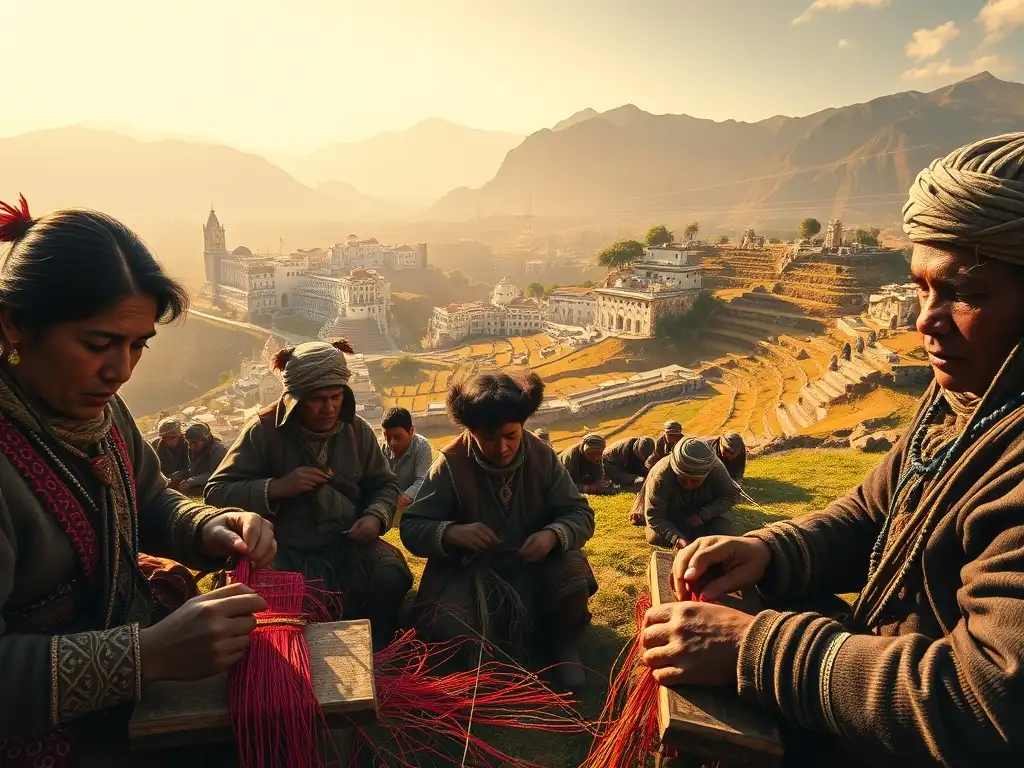
It’s important to note that mit'a wasn't the only form of labor in the Inca Empire. The Inca also utilized other systems, including voluntary labor contributions and specialized artisan groups. Voluntary labor often involved community projects or religious festivals, strengthening social bonds and fostering a sense of collective responsibility. Specialized artisan groups, such as those involved in metalworking, pottery, or weaving, were highly skilled and held esteemed positions within Inca society. Their work was considered essential to the empire's prestige and economic stability, and they likely received some form of compensation or recognition for their expertise. These diverse labor arrangements highlight the complexity of Inca economic organization and the multiple ways in which the Inca managed resources and mobilized their population. Further research into these alternative labor systems would enrich our understanding of the Inca economy and its social organization. The interplay between these different labor structures requires further investigation.
The Legacy of Mit'a: A Lasting Impact on Andean Societies
The mit'a system, though abolished after the Spanish conquest, left a lasting impact on Andean societies. Its principles of communal labor and reciprocal obligation continue to resonate in contemporary Andean communities. Many modern-day community projects and forms of cooperation echo the spirit of mit'a, illustrating its enduring legacy.
Understanding the mit'a system provides valuable insight into the resilience and adaptability of Andean cultures, highlighting the ways in which ancient traditions continue to shape contemporary life. The enduring influence of mit'a underscores its significance not only as a historical phenomenon but also as a testament to the enduring strength of Andean social structures and values. Further study is needed to fully understand the evolution and transformation of mit'a's legacy in modern Andean societies.
- The Mit'a System: Compulsory Service for the Empire
- Variations of Mit'a: Specialized Labor and Regional Differences
- The Social Implications of Mit'a: Benefits, Burdens, and Control
- Beyond Mit'a: Other Forms of Inca Labor
- The Legacy of Mit'a: A Lasting Impact on Andean Societies
- Mit'a Contributions to Inca Infrastructure: Roads and Bridges
- Agricultural Projects and the Mit'a System: Terraces and Irrigation
- Mit'a Labor in Inca Mining and Resource Extraction
- Mit'a and the Construction of Inca Temples and Royal Estates
- Mit'a in Agriculture: Cultivating the Empire's Breadbasket
- Mit'a and the Construction of Inca Roads and Bridges
Understanding the Inca Mit'a Labor System: A Foundation of the Empire
The Inca Mit'a labor system, a cornerstone of the Inca Empire's success, was far more than simple forced labor. It was a complex and sophisticated system intricately woven into the fabric of Inca society, impacting every aspect of life, from monumental construction projects to agricultural production. Understanding the Inca Mit'a labor system requires acknowledging its multifaceted nature, moving beyond simplistic notions of exploitation to appreciate its role in social cohesion and economic stability.
The system, while demanding, also provided crucial services and benefits to its participants, creating a delicate balance between obligation and reward. This intricate system of reciprocal exchange highlights the ingenuity and organizational prowess of the Inca civilization. The effective functioning of the Mit'a system was key to the vast expansion and impressive infrastructure of the Inca Empire.
The Core Principles of Mit'a Labor in the Inca Empire
The Inca Mit'a system was built upon several fundamental principles. Firstly, it was a mandatory system, meaning all able-bodied citizens were obligated to contribute their labor to the empire. However, it wasn't indiscriminate; the duration and type of service varied depending on factors like age, gender, and geographical location.
The system was predicated on the principle of ayni, a Quechua term signifying reciprocal exchange and community cooperation. While the state demanded labor, it also provided essential services and resources to the population, creating a cycle of mutual benefit. This reciprocal relationship helped to maintain social order and prevent widespread resentment towards the system.
Furthermore, the system was closely tied to the Inca's religious beliefs, with labor seen as a form of tribute to the gods and a way to maintain cosmic balance. This religious aspect imbued the Mit'a system with a deeper significance beyond simple economic considerations. Failure to participate in the Mit'a could lead to severe consequences, including fines, imprisonment, or even death, highlighting the system's importance to the empire's functioning.
How the Inca Mit'a System Functioned: Obligations and Responsibilities
The implementation of the Mit'a involved meticulous organization and planning. Local officials, known as kurakas, were responsible for overseeing the allocation of labor and ensuring that quotas were met. These officials played a critical role in coordinating the mobilization of workers for various projects. The types of work required varied considerably. Some common tasks included:
- Construction of roads, bridges, and irrigation canals.
- Agricultural labor on state-owned lands.
- Mining operations, extracting precious metals and minerals.
- Military service, defending the empire's borders.
- Public works projects, such as building temples and palaces.
The duration of Mit'a service was typically limited, often lasting for a few months each year. This ensured that individuals could still tend to their own agricultural needs and family responsibilities. However, the demands of certain projects could extend the service period. Workers were often housed and fed during their service, and while compensation wasn't monetary, it was considered part of the reciprocal exchange inherent in the ayni principle.
This included access to state resources and community support. The system was designed to be sustainable and to minimize disruption to individual lives, a testament to the Inca's sophisticated approach to labor management. Records meticulously tracked individual participation, ensuring accountability and fairness within the system.
Mit'a Labor vs. Other Forms of Inca Work: Mandatory vs. Voluntary
While the Mit'a was the primary form of mandatory labor, the Inca Empire also utilized other forms of work. These included voluntary labor, often undertaken within communities for mutual benefit, and specialized labor performed by skilled artisans and craftsmen. The key distinction lay in the obligatory nature of the Mit'a. Unlike voluntary work, participation in the Mit'a was non-negotiable, a direct obligation to the state.
Voluntary labor, often referred to as ayni in its purest form, involved collaborative efforts within a community, such as building houses or assisting with harvests. This differed significantly from the Mit'a, which was centrally organized and directed by the Inca state. Specialized labor, on the other hand, involved skilled individuals who contributed their expertise to the empire's various projects.
These individuals often held higher social status and enjoyed privileges not afforded to those participating in the general Mit'a. The coexistence of these different forms of labor demonstrates the layered and complex nature of Inca work organization, highlighting the nuances of Inca society and its sophisticated approach to managing its workforce. The Mit'a, despite its mandatory nature, remained an integral part of this complex system, contributing to the empire's impressive achievements.
The Scope of Mit'a: Projects and Applications
The Inca Mit'a labor system, a cornerstone of Inca societal organization, extended far beyond simple taxation. It represented a complex system of reciprocal obligations, where citizens contributed a portion of their labor to the empire in exchange for access to resources and protection. Understanding the Inca Mit'a labor system requires examining its breadth and the diverse projects it fueled. It wasn't merely about extracting labor; it was about building and maintaining the very fabric of the Inca Empire.
The system's effectiveness stemmed from its adaptability, allowing the Inca to mobilize massive workforces for various projects as needed. This flexibility ensured the timely completion of crucial infrastructure developments and resource extraction, vital for the empire's sustenance and expansion. The scale and impact of the Mit'a were truly remarkable, shaping the Andean landscape and contributing significantly to the Inca's success.
Mit'a Contributions to Inca Infrastructure: Roads and Bridges
The Inca road network, a marvel of ancient engineering, stands as a testament to the power of the Mit'a. Thousands of kilometers of roads, meticulously constructed across challenging terrain, connected the vast Inca Empire. These weren't mere pathways; they were strategically planned arteries facilitating communication, trade, and military movement.
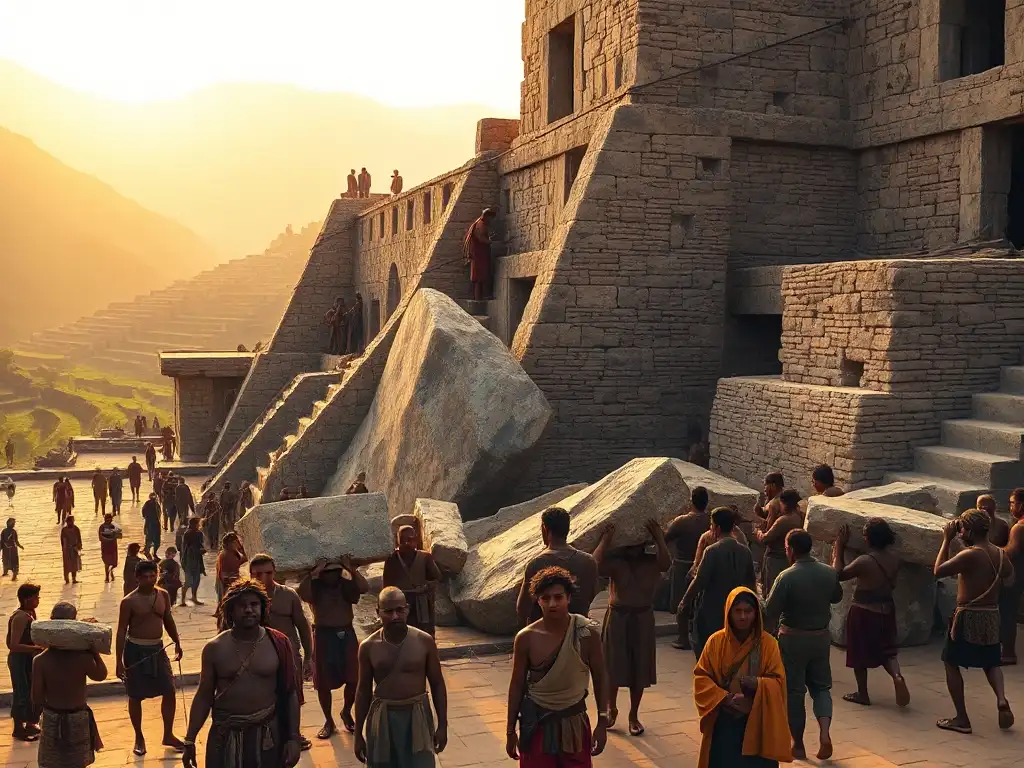
The Mit'a provided the manpower for the arduous task of road construction, with laborers tasked with everything from quarrying stone and transporting materials to leveling ground and building bridges. Evidence suggests the use of sophisticated techniques, including suspension bridges across deep gorges, showcasing the ingenuity of both the engineers and the laborers involved. The Inca Mit'a labor system's contribution to this infrastructure was fundamental to the empire's unity and efficiency.
Consider the impressive stonework: precisely cut blocks fitted together without mortar, a testament to the skill and dedication of the Mit'a workers. These weren't just laborers; they were skilled artisans, contributing their expertise to a monumental project that facilitated the growth and stability of the Inca Empire for centuries. The longevity and effectiveness of the Inca road system are direct results of the organized and efficient application of the Mit'a.
Agricultural Projects and the Mit'a System: Terraces and Irrigation
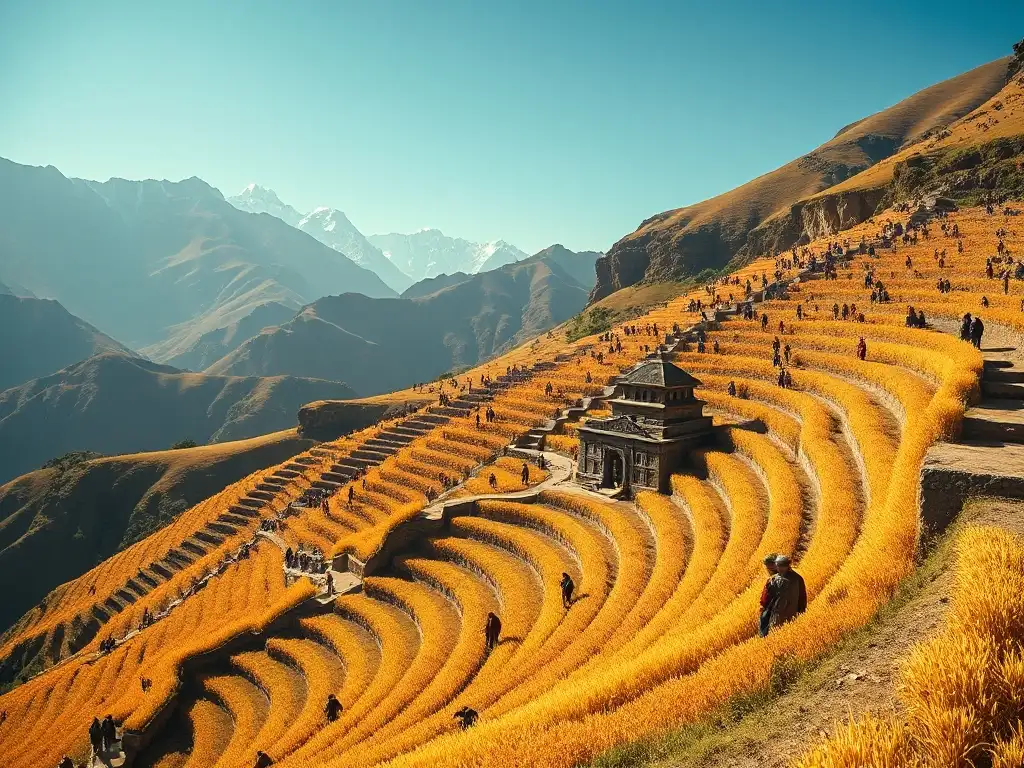
The Inca's agricultural prowess was inseparable from the Mit'a. The challenging Andean terrain demanded innovative farming techniques, and the Mit'a played a crucial role in creating and maintaining the extensive agricultural infrastructure. The construction of terraced fields on steep slopes was a monumental undertaking, requiring the coordinated effort of large workforces. These terraces, carefully engineered to maximize arable land and control water flow, were essential for supporting the empire's growing population.
Similarly, the intricate irrigation systems, channeling water from rivers and streams to the fields, relied heavily on Mit'a labor. The intricate canals and aqueducts, some spanning considerable distances, demonstrate the advanced engineering skills employed and the scale of the labor force mobilized through the Mit'a. This agricultural productivity, directly supported by the Inca Mit'a labor system, was vital to the empire's economic strength and social stability.
Furthermore, the Inca Mit'a labor system wasn't just about constructing terraces; it also involved ongoing maintenance. Regular upkeep was crucial to ensure the continued productivity of these agricultural systems. This included repairing damaged sections, clearing debris, and managing water flow. This continuous cycle of construction and maintenance highlights the ongoing need for a large, organized labor force, a need seamlessly met by the Mit'a. The efficiency of Inca agriculture, a key factor in their success, was directly tied to this system.
Mit'a Labor in Inca Mining and Resource Extraction
Beyond infrastructure and agriculture, the Mit'a also played a significant role in Inca mining and resource extraction. The Inca Empire possessed substantial mineral wealth, including gold, silver, and copper. Accessing and processing these resources required extensive labor, readily provided by the Mit'a. Miners, often specialized in their craft, were mobilized through the system to extract ores from mines across the empire.
This involved physically demanding tasks, including digging, transporting ore, and processing it using rudimentary but effective techniques. The Inca Mit'a labor system ensured a continuous supply of these vital resources, fueling the empire's economy and supporting its craft production. The scale of mining operations under the Inca suggests a highly organized and efficient deployment of Mit'a labor, contributing significantly to the empire's wealth and power.
The extracted minerals weren't just used for practical purposes; they also played a significant role in Inca religious practices and ceremonial displays. The elaborate gold and silver artifacts found in Inca tombs and temples are a testament to the skilled craftsmanship and the abundance of resources made available through the Mit'a. This highlights the multifaceted nature of the system's impact, extending beyond economic considerations to encompass religious and cultural significance.
The Inca Mit'a labor system therefore played a critical role in the creation of the empire's iconic artistic and religious treasures. The system's influence on Inca society and its economy was truly profound.
Mit'a and the Construction of Inca Temples and Royal Estates
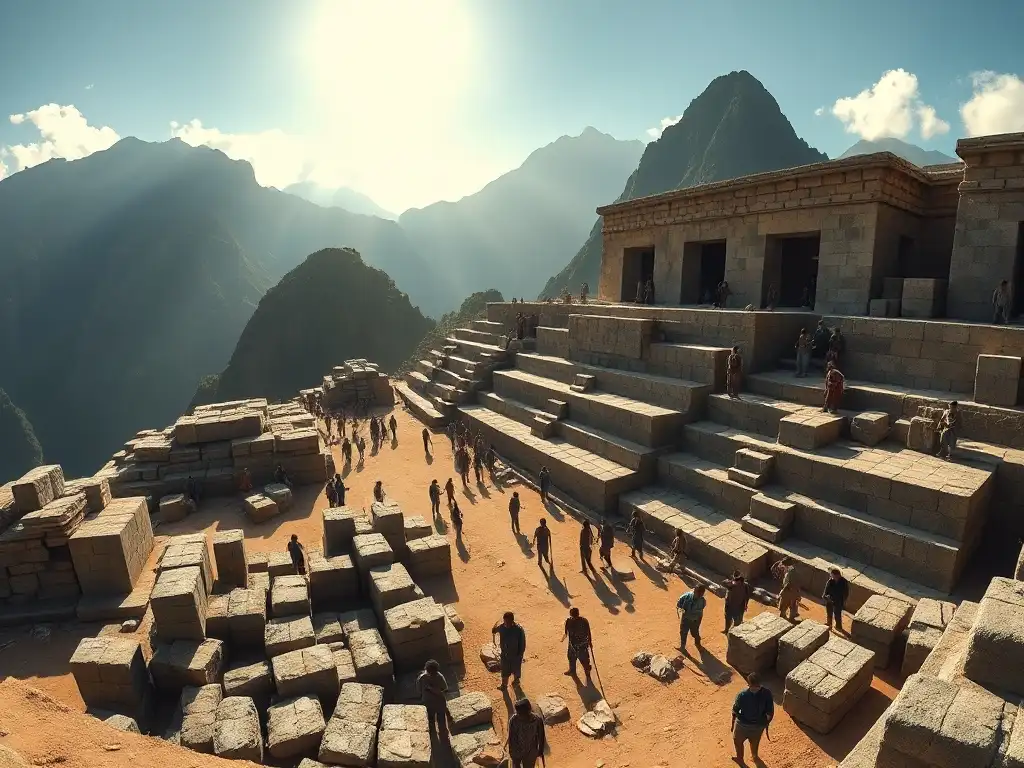
The Inca mit'a system wasn't solely focused on agriculture; it played a crucial role in the construction of monumental architecture that defines the Inca legacy. Temples, palaces, and other royal estates across the vast empire served not only as symbols of Inca power but also as vital centers for religious practices, administration, and storage. The sheer scale of these projects—from the meticulously crafted stonework of Machu Picchu to the sprawling urban centers like Cusco—testifies to the immense manpower mobilized through the mit'a. Thousands of mitmaq (those conscripted for mit'a) were deployed for extended periods, often years, to work on these prestigious projects.
Their skills, ranging from stonemasonry and carpentry to transportation and logistics, were essential to the successful completion of these ambitious undertakings. The organization and coordination required to manage such large-scale projects, involving the movement of materials and the deployment of specialized labor across vast distances, highlight the sophisticated administrative capabilities of the Inca state. The organization and coordination of this labor force was critical to the success of the empire.
Without the mit'a, the iconic structures that continue to fascinate and awe visitors today would likely not exist. The precision and scale of Inca construction stand as a powerful testament to the effectiveness of the mit'a system in mobilizing labor for large-scale projects. Furthermore, the construction of these structures also fostered a sense of collective identity and civic pride amongst the mitmaq, contributing to the social cohesion of the empire.
Mit'a in Agriculture: Cultivating the Empire's Breadbasket
The mit'a system was deeply intertwined with agriculture, the lifeblood of the Inca empire. Vast tracts of land, terraced into the Andean slopes, were cultivated to feed the burgeoning population and support the empire's administrative centers. The mitmaq were vital to this agricultural production, contributing their labor to planting, weeding, harvesting, and irrigation projects. The efficiency of Inca agriculture was partly due to the organized labor provided by the mit'a, allowing for the cultivation of diverse crops such as potatoes, maize, and quinoa.
The system ensured that even in challenging terrains, the Inca empire could maintain a stable food supply, crucial for its stability and growth. The scale of this agricultural production was remarkable, enabling the Inca to support a large population and maintain substantial food reserves. Specific examples of mit'a in agriculture are difficult to pinpoint with exact figures, but archaeological evidence of extensive terraced farming and irrigation systems throughout the empire speaks volumes about the system's impact.
The mit'a allowed the Inca to create a highly productive agricultural system, vital for the survival and growth of the empire. This system contributed significantly to the empire's food security and its ability to support a large and complex society. The success of Inca agriculture underscores the importance of the mit'a as a tool for economic development and social stability.
Mit'a and the Construction of Inca Roads and Bridges
The Inca road system, a marvel of ancient engineering, connected the far-flung corners of their empire. This extensive network facilitated trade, communication, and the movement of troops and supplies. The construction and maintenance of this impressive infrastructure relied heavily on the mit'a system. Thousands of laborers were mobilized to build roads across challenging terrain, often carving paths through mountains and across rivers.
The construction of bridges, some incredibly sophisticated for their time, also involved the mit'a. These bridges, often made of stone or rope, were essential for crossing rivers and gorges, and their construction required specialized skills and significant manpower. The precise scale of mit'a labor dedicated to road construction is difficult to quantify, but the sheer length and complexity of the road network clearly demonstrate the immense manpower required.
The Inca road system, a testament to the ingenuity and organizational capabilities of the Inca, serves as a powerful example of the mit'a's role in infrastructure development. The system's efficiency in mobilizing labor for such large-scale projects is noteworthy, and its contribution to the empire's economic and political integration is undeniable. The roads and bridges constructed through mit'a labor were integral to the functioning and cohesion of the vast Inca empire.
Beyond Mit'a: Other Forms of Inca Labor Mobilization
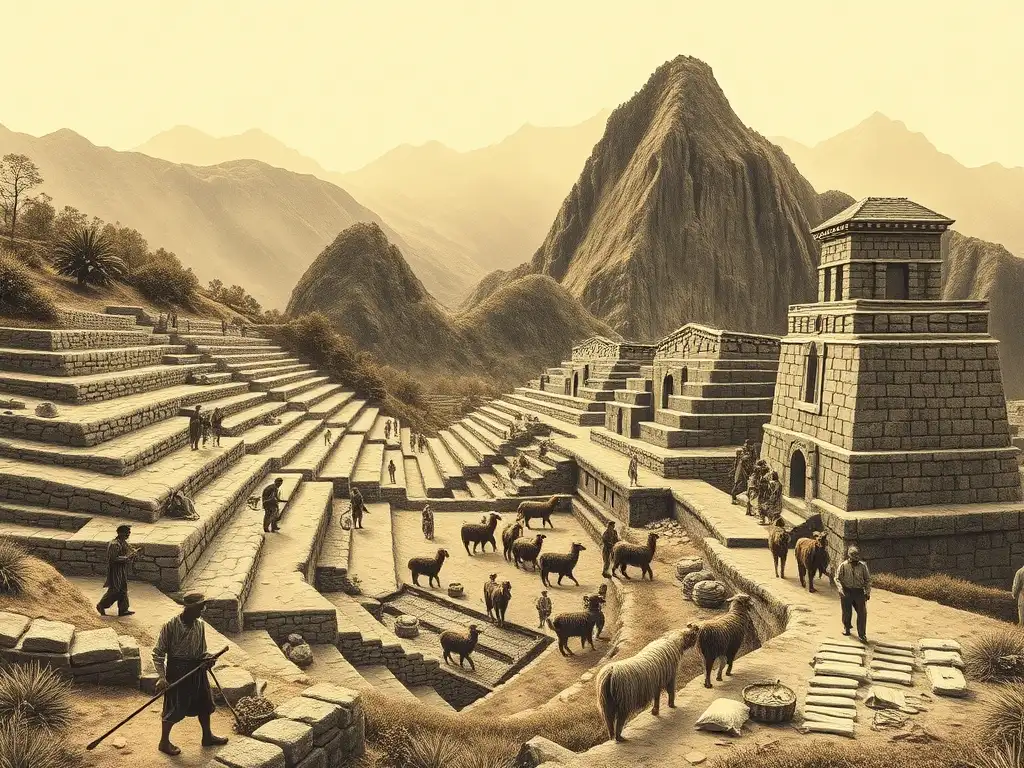
The Inca mit'a system, a form of mandatory labor service, is often the primary focus when discussing Inca labor organization. However, understanding the Inca economy requires acknowledging the diverse and intricate web of labor practices that existed alongside mit'a. These systems, often interwoven and overlapping, demonstrate a sophisticated approach to resource management and community development, far exceeding the simplistic notion of forced labor.
This section explores several key alternative forms of labor mobilization in the Inca Empire, revealing the nuanced reality of Inca economic life and challenging common misconceptions surrounding the "Inca Mit'a labor system." The complexity of these systems highlights the ingenuity and adaptability of Inca social engineering.
Ayni: Reciprocal Labor in Inca Communities
Ayni, a Quechua term meaning "exchange" or "reciprocity," represented a crucial aspect of Inca social organization. Unlike the mit'a, which was state-mandated, ayni was based on mutual assistance within communities. Neighbors and family members would help each other with tasks such as farming, building, or harvesting.
This reciprocal exchange fostered strong social bonds and ensured the completion of necessary work, especially during periods of peak demand. The system operated on the principle of balanced exchange, fostering a sense of community responsibility and cooperation. Failure to participate in ayni could lead to social ostracism, demonstrating its importance in maintaining social cohesion.
Think of it like a modern-day barn raising – but on a much larger scale and integrated into the very fabric of Inca society. The success of the ayni system depended on trust and mutual respect, solidifying community ties and creating a network of support crucial for individual and collective well-being. Detailed records of ayni exchanges are unfortunately scarce, but archaeological evidence suggests its widespread practice across various Inca communities. Further research into this aspect of the Inca "Inca Mit'a labor system" is necessary to fully understand its economic and social implications.
Minka: Communal Work for Collective Benefit
Minka, another Quechua term signifying "collective work," involved the mobilization of a community's labor for projects benefiting the entire group. Unlike ayni, which focused on reciprocal exchanges between individuals, minka targeted larger-scale undertakings. These projects could include the construction of irrigation canals, roads, temples, or other public works crucial for the community's infrastructure and well-being. Participation in minka was considered a civic duty, contributing to the overall prosperity and security of the community.
The organization of minka events often involved local leaders coordinating the efforts of the community members. While voluntary in nature, the social pressure to participate was significant, reflecting the communal values embedded within Inca society. The minka system efficiently managed large-scale projects that would have been impossible for individuals to undertake alone, showcasing the power of collective action within the Inca Empire.
The successful completion of these projects often involved feasts and celebrations, further reinforcing community bonds and celebrating shared accomplishment. This system offers a compelling contrast to the centralized control of the mit'a system, demonstrating the flexibility and adaptability of Inca labor organization.
Chunga: Temporary Labor for Specific Tasks
Chunga refers to a form of temporary labor service, often mobilized for specific projects or tasks requiring specialized skills. Unlike the mit'a which involved extended periods of service, chunga was short-term and focused on particular needs. This could involve tasks such as mining, pottery production, textile weaving, or other specialized crafts. Individuals with the required expertise would be temporarily assigned to these projects, receiving compensation in the form of goods or services.
The chunga system provided a flexible mechanism for addressing short-term labor demands, supplementing the more structured mit'a and minka systems. This system likely played a crucial role in the production of specialized goods and the completion of projects requiring specific skills. While less extensively documented than mit'a and minka, evidence suggests the widespread use of chunga across the Inca Empire, contributing to the overall dynamism and efficiency of the Inca economy.
Further research could uncover more detailed information about the compensation structures and organizational aspects of this important labor system, providing valuable insights into the flexible and multifaceted nature of Inca work practices. Understanding the chunga system enhances our appreciation of the Inca "Inca Mit'a labor system" as a part of a larger, more complex economic framework.
The existence of ayni, minka, and chunga alongside mit'a reveals a sophisticated and multifaceted Inca labor system. These different forms of labor mobilization, each with its own characteristics and social implications, reveal a deeper understanding of Inca society and its economic organization, going beyond the commonly held, simplified view of the Inca Mit'a labor system. Further research is needed to fully elucidate the interplay between these systems and their relative importance within different regions and periods of the Inca Empire.
The Impact of Mit'a on Inca Society
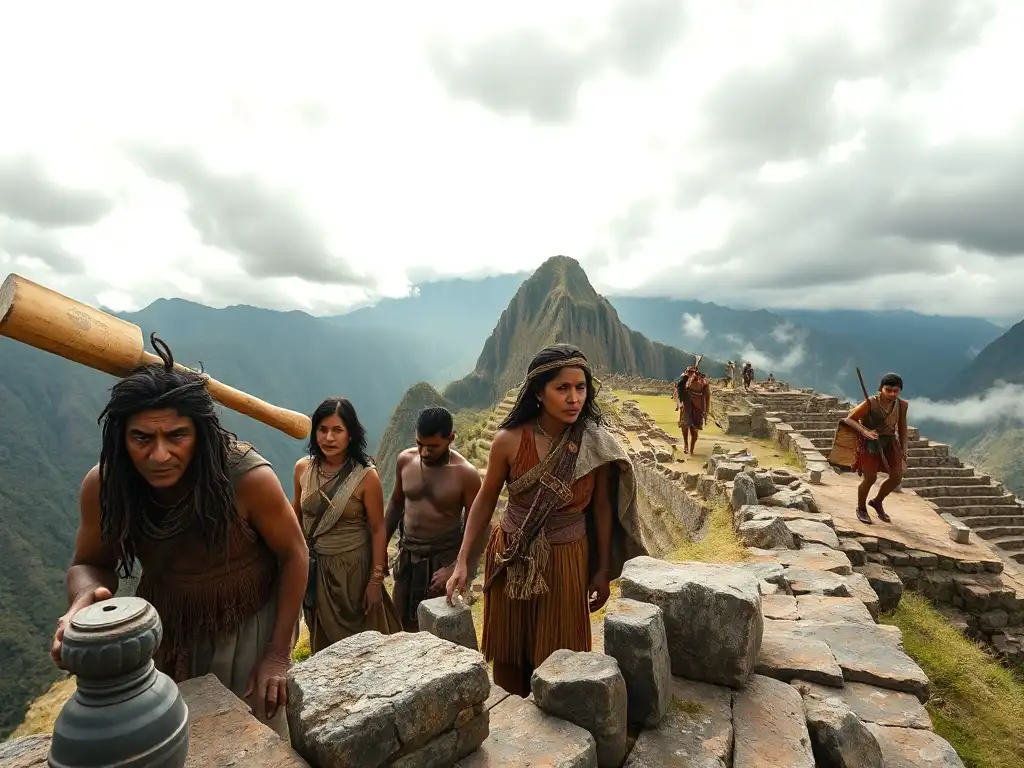
The Inca mit'a labor system, a cornerstone of Inca imperial administration, profoundly impacted all facets of Inca society. Its influence extended far beyond simply providing a workforce for monumental projects; it shaped social structures, economic output, and even the spiritual landscape of the empire. Understanding the mit'a requires recognizing its multifaceted nature and its pervasive role in daily life, from the highest nobles to the humblest commoner.
The system's effectiveness stemmed from its intricate integration into the fabric of Inca society, ensuring both compliance and, paradoxically, a degree of social mobility and collective identity. This section will delve into the system's impact, exploring its influence on social stratification, its management by local authorities, and its contribution to the remarkable economic productivity of the Inca Empire. The very fabric of Inca life was woven with the threads of mit'a.
The mit'a system wasn't applied uniformly across Inca society. While all able-bodied commoners ( ayllu members) were subject to mit'a obligations, the nature and duration of their service varied significantly depending on their social standing. Nobles, while exempt from the more arduous forms of mit'a, still contributed to the empire's needs through specialized labor or administrative roles. Their involvement was crucial for maintaining the system's legitimacy and efficiency.
Commoners, on the other hand, faced a range of mit'a obligations, from agricultural labor and construction work to mining and military service. The duration of their service was typically cyclical, often lasting for a specific period (e.g., several months a year) before they could return to their communities. This system, while demanding, also provided a form of social security and access to resources.
Failure to fulfill mit'a obligations, however, could lead to severe consequences, highlighting the system's coercive aspects. The ayllu community played a vital role in ensuring compliance, reflecting the deep social integration of the mit'a system. [Specific data on the proportion of time spent on mit'a by commoners pending].
The Role of the Curacas in Managing the Mit'a System
The curacas, local leaders who retained considerable autonomy within the Inca administrative framework, played a critical role in managing the mit'a system. They were responsible for organizing and mobilizing the workforce within their respective regions. This involved tasks such as selecting individuals for mit'a, ensuring their timely arrival at designated work sites, and overseeing the distribution of supplies and provisions. Their cooperation was essential to the system's success, as their intimate knowledge of local resources and populations proved invaluable.
The curacas weren't merely supervisors; they acted as intermediaries between the imperial administration and the ayllu. They communicated imperial demands, addressed local grievances, and ensured that the mit'a system functioned smoothly, minimizing disruption to local life. The balance of power between the curacas and the Inca state was a delicate one, constantly negotiated and renegotiated.
While the curacas were crucial to the functioning of the mit'a, their power was ultimately subordinate to the authority of the Inca emperor. The success of the mit'a depended on this complex interplay between central and local power structures. [Further research is needed on the specific methods used by the curacas to manage the mit'a workforce effectively].
Mit'a and its Influence on Inca Economic Productivity
The Inca mit'a system was instrumental in generating the remarkable economic productivity of the Inca Empire. By mobilizing a large and readily available workforce, the Inca state could undertake massive infrastructure projects, such as road construction, irrigation systems, and temple building, that would have been impossible otherwise. This infrastructure, in turn, facilitated agricultural production, trade, and communication, contributing significantly to the empire's overall economic strength.
Moreover, the mit'a system ensured the efficient allocation of labor resources. The Inca state could direct labor to areas of greatest need, ensuring that resources were used effectively and that critical projects were completed on time. This centralized control over labor resources was a key factor in the empire's ability to maintain its vast territory and its complex administrative structure. The mit'a's impact on economic productivity extended beyond large-scale projects; it also supported local economies through the construction of irrigation canals and other essential infrastructure.
The economic benefits of the mit'a were clearly visible in the empire's impressive agricultural output and its robust trade networks. The system, while demanding, ultimately contributed to a degree of economic prosperity, creating a system of reciprocal benefits between the state and its subjects. [Quantitative data on the economic impact of mit'a is needed to further substantiate these claims].
The Legacy of the Inca Labor System
The Inca Mit'a labor system, a cornerstone of Inca societal organization, extended far beyond its initial implementation. Its influence resonates even today, shaping Andean communities and providing invaluable insights into the complexities of the Inca Empire. Understanding its lasting impact requires examining its adaptation under colonial rule, its persistence in modern practices, and the ongoing scholarly efforts to unravel its intricacies.
This system, far from being a mere economic tool, was deeply interwoven with the Inca worldview, religious beliefs, and social structure. The effectiveness of the Mit'a system was crucial to the Inca's ability to build impressive infrastructure, manage vast agricultural lands, and maintain control over their expansive empire. Its legacy continues to inform our understanding of Inca ingenuity and the resilience of Andean cultures.
The Spanish Colonial Adaptation of Mit'a: Forced Labor and Encomienda
The Spanish conquest fundamentally altered the Inca Mit'a system, transforming it into a tool of exploitation within the brutal encomienda system. While the Spanish initially attempted to utilize the existing framework of mandatory labor, they twisted it to serve their own insatiable greed for wealth and resources. Instead of reciprocal obligations and community benefits, the colonial adaptation of Mit'a became synonymous with forced labor, often under inhumane conditions.
Indigenous populations were subjected to grueling work in mines, on haciendas, and in public works projects, with little to no compensation and facing severe punishment for perceived infractions. This exploitation led to widespread suffering, demographic collapse, and the erosion of traditional Andean social structures. The repartimiento system, a variant of the encomienda, further formalized this forced labor, assigning indigenous populations to specific labor tasks for predetermined periods.
Records show a drastic decline in indigenous populations during this era, a direct consequence of the brutal conditions imposed by the Spanish adaptation of the Mit'a. The legacy of this forced labor continues to impact Andean societies today.
The Endurance of Traditional Labor Practices in Andean Communities: Community Projects
Despite the destructive impact of colonial rule, elements of the traditional Inca emphasis on communal labor persisted in Andean communities. While the formalized structure of Mit'a was dismantled, the underlying principle of collective effort for the common good remained. This is evident in the continued practice of ayni, a system of reciprocal labor exchange found in many Andean communities.
Ayni involves neighbors and community members assisting each other with tasks such as farming, building, or other necessary activities. This form of mutual support echoes the spirit of the Inca Mit'a, albeit on a smaller, more localized scale. Furthermore, many contemporary community projects, such as road construction or irrigation system maintenance, retain a collaborative ethos reminiscent of the Inca emphasis on communal work.
These projects often rely on the voluntary participation of community members, demonstrating the enduring influence of the Inca legacy on Andean work ethics and social cohesion. The persistence of these practices highlights the resilience of Andean traditions and their ability to adapt and endure despite centuries of colonial oppression.
Studying the Inca Labor System: Insights into Andean Society
The study of the Inca Mit'a labor system offers invaluable insights into various aspects of Inca society. Archaeological evidence, such as the remains of Inca infrastructure projects like roads and agricultural terraces, provides tangible proof of the system's scale and impact. Ethnohistorical accounts, often based on colonial-era documents and indigenous oral traditions, offer additional perspectives, though they need to be carefully analyzed considering the potential biases of their sources.
Furthermore, anthropological research conducted in contemporary Andean communities sheds light on the enduring legacy of communal labor practices, revealing the remarkable continuity of certain cultural values and social structures. By combining these diverse approaches, researchers are piecing together a more complete understanding of the Inca Mit'a, not simply as an economic system, but as a complex social and political institution that reflected the Inca worldview and shaped their society in profound ways.
Ongoing research continues to refine our understanding of the intricacies of this crucial aspect of Inca civilization, revealing new details about its organization, its impact on different social groups, and its lasting influence on Andean culture. The Inca Mit'a labor system remains a rich and dynamic area of study, promising further discoveries that will deepen our knowledge of this remarkable civilization.
Frequently Asked Questions
What was the Inca Mit'a system?
The Mit'a was a mandatory labor system in the Inca Empire. It required citizens to dedicate a portion of their time to public works projects like road building, agriculture, and mining. This system was vital to the Inca's infrastructure and economy.
How did the Mit'a differ from other forms of labor?
Unlike other forms of labor, the Mit'a was not based on slavery or private ownership. It was a civic duty, with workers receiving food and shelter while serving. This is a crucial distinction.
What types of projects did the Mit'a support?
The Mit'a supported a wide range of projects, including the construction of roads and temples, agricultural production, and mining operations. It was essential to the empire's growth and functionality.
What were the benefits of the Mit'a system for the Inca Empire?
The Mit'a provided a large, readily available workforce for large-scale projects. This centralized labor system allowed the Inca to build their impressive infrastructure and maintain a stable economy.
Were there any drawbacks to the Mit'a system?
While beneficial, the Mit'a could be demanding and disruptive to individuals' lives. Extended periods away from home and families were common, leading to potential hardships for those involved.
Final Reflection: The Enduring Legacy of Inca Labor
The intricate system of Inca labor, particularly the mit'a, remains a potent symbol of both the ingenuity and the inherent complexities of pre-Columbian societies. Its impact reverberates through modern discussions of labor practices, resource management, and the very definition of societal obligation, reminding us that even seemingly ancient systems hold valuable lessons for contemporary challenges. Understanding the mit'a is not merely an academic exercise; it's a crucial step in comprehending the enduring tension between collective responsibility and individual freedom.
The mit'a's influence extends far beyond the historical record; its echoes resonate in contemporary debates surrounding equitable resource distribution and community participation. The system, while undeniably demanding, also fostered a sense of communal responsibility and civic duty that is often absent in modern, individualistic societies. The Inca state, through its control of labor, was able to mobilize vast resources for public works projects, demonstrating the potential of collective effort on an unprecedented scale.
This quote highlights the remarkable achievements made possible through organized, albeit sometimes coercive, labor, prompting us to consider the potential benefits – and pitfalls – of similar models in our own time.
Consider the implications of the mit'a for your own life. How can we cultivate a sense of shared responsibility and civic engagement in our communities? How can we balance the needs of the collective with the rights of the individual? The Inca experience, with all its complexities, offers a powerful case study in the enduring tension between these fundamental forces. Let the legacy of the mit'a inspire you to reflect on your own role in shaping a more just and equitable future, one where collective action and individual freedom can coexist harmoniously.
Unveil the Rich Legacy of Inca Labor!
Thank you for exploring the fascinating world of Inca labor and the intricate mit'a system! You've gained valuable insights into how this unique system shaped the Inca Empire and the lives of countless individuals. Now, let's consider how these historical practices can inspire us today.
Here are some ways you can continue your exploration:
- Visit a museum or exhibit focusing on Andean civilizations to deepen your understanding of their rich cultural heritage.
- Share your knowledge with friends, family, or online communities, sparking conversations about the innovative systems of the Inca past.
- Research modern communities still influenced by the mit'a system and consider how collaborative efforts can foster positive change in your own community.
Reflecting on the profound impact of the Inca labor system, consider this question: How can we apply the Inca's lessons of collaboration and resourcefulness to build a more cooperative society today?