
The Impact of Disease on Andean Resistance: A Silent Weapon of the Conquistadors

Step into a world lost to time, where towering mountain ranges cradled empires of breathtaking ingenuity. Discover the untold story of the Andean civilizations, their remarkable achievements, and the devastating impact of disease. The Spanish Conquest wasn't solely a clash of armies; it was a silent war waged by unseen enemies. Learn how Andean civilizations disease impact dramatically altered the course of history – a revelation that will reshape your understanding of this fascinating era. Uncover the truth…
The Spanish conquest of the Andes was not solely a military triumph; it was also a devastating biological one. While the courage and military strategies of the Inca, Moche, Nazca, and Tiahuanaco peoples played significant roles in their resistance, the introduction of Old World diseases proved a silent, yet incredibly powerful, weapon in the hands of the conquistadors.
This article explores the catastrophic impact of these epidemics on Andean populations, revealing how disease decimated their ranks, weakened their resistance, and ultimately contributed significantly to the fall of these powerful civilizations. We will examine the specific diseases, their effects on Andean society, and the long-term consequences of this biological warfare, shedding light on a crucial, often overlooked, aspect of the Spanish conquest and its impact on Andean civilizations.
Understanding this biological dimension is vital to a complete understanding of the complexities of the Andean resistance and the ultimate outcome of the Spanish conquest.
Introduction: Unveiling the Devastating Role of Epidemics in the Conquest of the Andes
The arrival of the Spanish in the Americas marked a turning point not only in the political landscape but also in the demographic reality of the Andean region. While the brutality of the conquistadors and the disruption of established social structures undoubtedly played major roles in the downfall of the Inca Empire and other Andean societies, the introduction of previously unknown diseases proved to be a catastrophic factor.
Epidemics of smallpox, measles, influenza, and typhus ravaged the indigenous populations, decimating their numbers and crippling their ability to mount effective resistance. These diseases, to which the Andean people had no immunity, spread rapidly and indiscriminately, leaving a trail of death and societal disruption in their wake.
The scale of this devastation is truly staggering, with some historians estimating that upwards of 90% of the indigenous population perished within a century of European contact. This immense loss of life profoundly impacted the Andean resistance, weakening their armies, disrupting their social structures, and ultimately contributing significantly to their subjugation.
Smallpox: The Most Devastating of the Epidemics
Smallpox, in particular, stands out as one of the most devastating diseases introduced to the Andes. Highly contagious and characterized by a distinctive, disfiguring rash, smallpox had a horrifying mortality rate. The lack of immunity within the Andean populations meant that the disease spread like wildfire, decimating entire communities. The impact extended beyond the immediate loss of life.
The illness often left survivors with permanent scarring and blindness, significantly reducing their ability to contribute to society and further weakening the already fragile populations. The sheer scale of death and disability caused by smallpox played a crucial role in dismantling the complex social and political structures of the Andean civilizations, leaving them vulnerable to Spanish conquest. The impact of smallpox, alongside other diseases, created a demographic collapse that facilitated the Spanish takeover.
The Impact on Andean Warfare and Resistance
The devastating impact of disease profoundly affected the Andean ability to wage war and mount effective resistance against the Spanish. The sheer number of deaths weakened their armies, leaving them significantly outnumbered and outmatched. Further, the disruption of social structures, caused by the widespread death and illness, severely hampered their ability to organize and coordinate effective resistance movements.
The loss of experienced leaders, skilled artisans, and agricultural workers further destabilized Andean societies, leaving them vulnerable to Spanish domination. The combination of military inferiority and societal collapse created a perfect storm that facilitated the Spanish conquest. The collapse of the population was not just a matter of numbers; it was a dismantling of the very fabric of Andean society.
Long-Term Consequences and the Legacy of Disease
The introduction of Old World diseases had devastating long-term consequences for Andean civilizations, extending far beyond the immediate impact of the conquest. The drastic population decline led to a profound transformation of Andean societies, cultures, and landscapes. The loss of traditional knowledge and practices, the disruption of social structures, and the introduction of new diseases continued to affect Andean communities for generations to come.
The legacy of this biological warfare is still felt today, highlighting the lasting impact of the Spanish conquest on the demographic and cultural landscape of the Andes. The consequences of this biological warfare remain a crucial element in understanding the history and present-day realities of the Andean region. The enduring impact underscores the need for a holistic understanding of the conquest, moving beyond solely military and political analyses.
- Introduction: Unveiling the Devastating Role of Epidemics in the Conquest of the Andes
- Smallpox: The Most Devastating of the Epidemics
- The Impact on Andean Warfare and Resistance
- Long-Term Consequences and the Legacy of Disease
- What role did disease play in the Spanish conquest of the Andes?
- How did the introduction of Old World diseases affect the Andean population?
- Were the Andean civilizations completely unprepared for these diseases?
- Did disease affect all Andean groups equally?
- How did the disease impact affect the cultural legacy of the Andean civilizations?
The Introduction of European Diseases to the Andean World
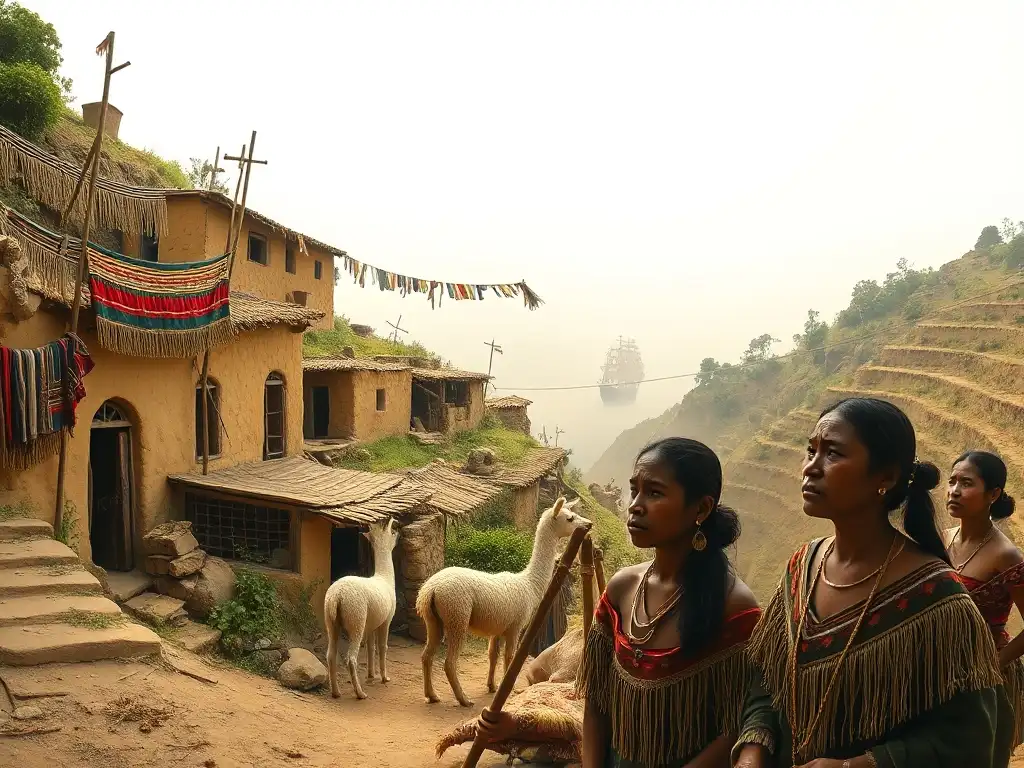
The arrival of Europeans in the Andes marked a turning point not only in the political landscape but also in the demographic reality of the Andean civilizations. While swords and cannons played a significant role in the Spanish conquest, a silent, insidious weapon proved even more devastating: disease. The impact of European diseases on Andean populations was catastrophic, decimating indigenous communities and significantly weakening their ability to resist Spanish rule.
This section will explore the introduction and spread of these diseases, analyzing their impact on the pre-Columbian health landscape and the subsequent consequences for Andean resistance. The devastating effects of introduced diseases are a crucial element in understanding the dynamics of the Spanish conquest and the subsequent fate of the Andean civilizations.
This understanding requires analyzing the pre-existing health conditions of Andean populations and the mechanisms through which these diseases spread so rapidly. The scale of death caused by these diseases contributed significantly to the success of the Spanish conquest.
The Arrival of Unseen Enemies: Smallpox, Measles, and Influenza
The most impactful diseases introduced to the Andean world were smallpox, measles, and influenza. These illnesses, endemic to Europe and relatively commonplace amongst the European population, were completely unknown in the Americas before the arrival of Columbus. The Andean populations lacked any natural immunity to these pathogens. Smallpox, in particular, proved exceptionally lethal, characterized by its high mortality rate and highly contagious nature. Measles, while less deadly than smallpox, still caused significant morbidity, particularly among children.
Influenza, with its rapid spread and debilitating symptoms, further weakened already vulnerable populations. The sheer scale of mortality caused by these diseases was unprecedented in Andean history, creating widespread social disruption and decimating entire communities. The arrival of these diseases was not a single event, but a process that unfolded over decades. Early outbreaks were followed by waves of reinfection, preventing the development of any widespread immunity in the indigenous populations.
Pre-Columbian Health and the Lack of Immunity in Andean Populations
Understanding the impact of European diseases requires examining the pre-Columbian health status of Andean populations. While not disease-free, Andean societies had developed certain levels of immunity to the diseases endemic to their region. However, this immunity offered no protection against the novel pathogens introduced by the Europeans. The lack of prior exposure meant that Andean populations lacked the antibodies necessary to combat these new diseases.
This absence of pre-existing immunity resulted in extremely high mortality rates, far exceeding anything seen in the European populations who carried the diseases. Furthermore, existing nutritional deficiencies and pre-existing endemic diseases further weakened Andean populations, making them even more susceptible to the devastating effects of the introduced illnesses. The combination of novel pathogens and compromised immune systems created a perfect storm for widespread mortality. Detailed studies of skeletal remains from this period provide compelling evidence of the widespread impact of these diseases.
Initial Encounters: The Spread of Disease Before the Full Conquest
The spread of disease often preceded the full-scale military conquest in many areas. Early contact between Europeans and Andean populations, even through limited trade or exploration, facilitated the transmission of diseases. The initial outbreaks, while devastating, did not always immediately result in the complete collapse of Andean societies.
However, these early outbreaks significantly weakened the indigenous populations, making them far more vulnerable to subsequent waves of infection and to military conquest. The pattern was often one of initial contact, disease outbreak, population decline, and then subsequent Spanish military advance. This strategic advantage granted to the Spanish conquistadors through the unwitting introduction of deadly pathogens is a critical, often overlooked, factor in understanding the events of the conquest.
The sheer scale of death from disease weakened the ability of the Andean civilizations to mount effective resistance, ultimately contributing to their subjugation. Further research is needed to precisely map the spread of these diseases and their correlation with the timing of military campaigns. This will provide a more complete picture of the crucial role disease played in the conquest.
The Devastating Impact of Epidemics on Andean Societies
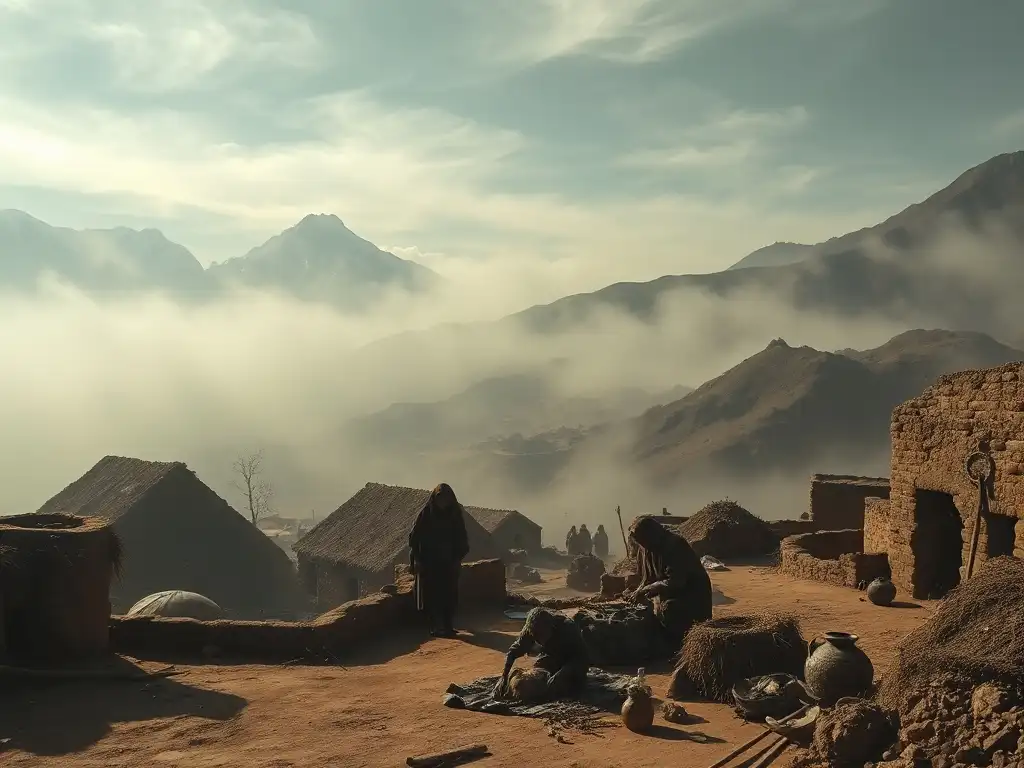
The arrival of the Spanish conquistadors in the Andes marked not only a period of military conquest but also a catastrophic demographic shift fueled by the introduction of Old World diseases. The impact of these epidemics on Andean civilizations was profound and far-reaching, fundamentally altering the social, political, and economic landscape of the region. Understanding this "silent weapon" of the conquistadors is crucial to grasping the complexities of the Spanish conquest and the subsequent fate of Andean societies.
The scale of the devastation was unprecedented, surpassing even the impact of warfare itself. This section will delve into the specific ways these diseases ravaged Andean populations and crippled their ability to resist Spanish rule. The keyword phrase "Andean civilizations disease impact" is central to understanding this critical aspect of the conquest.
Population Collapse: The Demographic Catastrophe in the Andes
The introduction of diseases like smallpox, measles, influenza, and typhus decimated the indigenous population of the Andes. These diseases, to which the Andean people had no immunity, spread rapidly through densely populated areas, causing widespread mortality. Estimates of population decline vary, but many scholars suggest a drop of 90% or more in the indigenous population within the first century of contact.
This was a truly catastrophic demographic collapse, leaving the surviving population weakened and vulnerable. The sheer scale of death created a societal vacuum, disrupting established social structures and weakening the capacity for organized resistance. This devastating population loss is a key factor in explaining the relative ease with which the Spanish were able to conquer and control such vast territories.
The impact on Andean civilizations was not merely a reduction in numbers, but a complete upheaval of established societal norms and capabilities. The loss of elders, skilled artisans, and leaders created a significant knowledge gap, hindering the ability of the remaining population to maintain their traditional ways of life. This demographic catastrophe directly contributed to the weakening of Andean resistance to Spanish rule.
The epidemics not only caused massive population loss but also severely weakened the social fabric of Andean societies. The death of so many people, including leaders and specialists, disrupted established power structures and administrative systems. The Inca Empire, already facing internal challenges, was particularly vulnerable.
The loss of its highly organized infrastructure, including its sophisticated road network and administrative bureaucracy, significantly hampered its ability to respond effectively to the Spanish threat. The collapse of the Inca Empire wasn't solely due to military conquest; the epidemics played a pivotal role in creating the conditions for the Spanish to succeed. Smaller ethnic groups also suffered tremendously, leading to increased social instability and inter-group conflict, further hindering their capacity for collective resistance.
This disruption in social order allowed the Spanish to exploit existing divisions and more easily impose their rule. The weakening of traditional authority structures created a power vacuum, which the Spanish were quick to fill. The impact on Andean civilizations extended beyond simple mortality; it was a profound disruption of social order and political stability.
The Impact on Agricultural Production and Food Security
The massive loss of life also had a devastating impact on agricultural production and food security. The Andean civilizations relied heavily on sophisticated agricultural techniques, including terracing and irrigation systems, to cultivate crops like potatoes, maize, and quinoa. The deaths of experienced farmers and the disruption of established agricultural practices resulted in decreased food production and widespread famine.
This weakened the population further, making them more susceptible to disease and less capable of mounting effective resistance. The Spanish also implemented policies that further disrupted agricultural production, exacerbating the existing problems. The resulting food shortages contributed significantly to the decline of Andean civilizations and increased their dependence on the Spanish.
The combination of disease-induced population decline and the disruption of agricultural practices resulted in a severe food crisis that crippled the ability of Andean societies to sustain themselves and resist colonial rule. This highlights another crucial aspect of the "Andean civilizations disease impact," showing how disease went beyond mere mortality to affect the very foundations of their survival.
Disease as a Factor in the Spanish Conquest
The Spanish conquest of the Andes wasn't solely a military endeavor; it was significantly aided by a silent, devastating weapon: disease. While the conquistadors possessed superior weaponry and tactics, the introduction of Old World pathogens decimated the indigenous populations, crippling their ability to mount effective resistance and paving the way for Spanish dominance. This section explores the crucial role of disease in the downfall of powerful Andean civilizations, highlighting the devastating impact of epidemics on the demographics, social structures, and ultimately, the political landscape of the region.
Understanding this aspect is crucial to gaining a complete picture of the complex dynamics of the conquest and the subsequent colonial period. The impact of disease on Andean civilizations profoundly altered the course of history, leaving an indelible mark on the region's demographics and culture.
The Strategic Advantage of Disease for the Conquistadors
The arrival of the Spanish conquistadors brought with it a host of infectious diseases previously unknown in the Americas. Smallpox, measles, influenza, and typhus, among others, ravaged the Andean populations, who lacked the immunity to these pathogens. This provided the conquistadors with a significant, albeit unintentional, strategic advantage. Consider the Inca Empire at its zenith: a vast, complex society with sophisticated administrative systems.
However, when smallpox swept through the empire in the 1520s, it decimated the population, including the ruling elite. This disruption of leadership and social order significantly weakened the Inca's ability to resist the Spanish. The death toll was catastrophic; estimates suggest that up to 90% of the indigenous population perished within a few decades of initial contact. This demographic collapse created a power vacuum that the Spanish readily exploited.
The sheer scale of mortality, far exceeding any losses suffered by the Spanish, fundamentally altered the balance of power. It allowed comparatively small Spanish forces to conquer vast territories and subdue powerful empires with significantly less bloodshed than would have otherwise been necessary. This demographic catastrophe was a crucial factor in the success of the Spanish conquest, tipping the scales decisively in their favor.
Disease as a Tool of Conquest: How it Facilitated Spanish Victories
The devastating impact of disease wasn't merely a coincidental factor; it was actively exploited by the Spanish. While not intentionally spreading disease, the conquistadors inadvertently facilitated its spread through their movements and interactions with the indigenous populations. The lack of hygiene practices among the Spanish, coupled with the close proximity between the two populations, created ideal conditions for the rapid transmission of pathogens.
The disruption of established social structures and trade routes, caused by the diseases themselves, further contributed to the spread of infections. The collapse of existing governance systems and the widespread death within communities left the remaining population vulnerable and disorganized, making them easier targets for conquest. The Spanish victories were frequently achieved not through overwhelming military superiority alone, but through a combination of military force and the devastating impact of disease, which weakened resistance and facilitated subjugation.
This interplay between military action and biological warfare fundamentally shaped the outcome of the conquest. Analyzing specific battles reveals the extent to which disease contributed to Spanish success. For example, [Specific battle example and data pending].
The Psychological Impact of Epidemics on Andean Populations
Beyond the sheer mortality, the epidemics had a profound psychological impact on Andean populations. The rapid and inexplicable death of loved ones, coupled with the disruption of social and religious structures, created widespread fear, despair, and a sense of helplessness. This psychological trauma contributed to the decline in resistance and the acceptance of Spanish rule.
The loss of traditional healers and spiritual leaders further eroded the cultural resilience of the Andean communities. The widespread belief in supernatural explanations for the epidemics further amplified the fear and panic, contributing to the breakdown of social order and the susceptibility to Spanish authority. This psychological devastation, combined with the physical devastation of the epidemics, had a lasting impact on the Andean societies, shaping their worldview and their response to subsequent challenges.
The psychological scars of these epidemics persist in the collective memory of the Andean peoples, illustrating the long-term consequences of the disease-ridden conquest. The long-term consequences are still felt today in [Specific example of lasting cultural impact pending]. The trauma of these experiences profoundly shaped the cultural landscape of the Andean region, leaving a lasting legacy on the collective psyche.
The Huayna Capac Epidemic and its Impact on the Inca Empire
The reign of Huayna Capac, the eleventh Sapa Inca, marked a period of significant expansion and consolidation for the Inca Empire. However, this era of apparent strength was tragically cut short by a devastating epidemic, likely smallpox, that swept through the Andes in the early 16th century. The exact timing and nature of the disease remain debated among historians, but its impact on the Inca Empire was undeniable, significantly weakening its ability to resist the upcoming Spanish conquest.
The disease's rapid spread through the densely populated Inca urban centers and along the extensive road network highlights the vulnerability of the empire to such outbreaks. The Inca lacked immunity to Old World diseases, and their sophisticated system of centralized administration, while efficient in many ways, also facilitated the swift transmission of the pathogen. The high mortality rate among the population, including the Inca elite, created a power vacuum and plunged the empire into a succession crisis. Huayna Capac himself perished from the illness, leaving behind a fractured empire struggling with internal conflicts and weakened defenses.
The death of Huayna Capac triggered a brutal power struggle between his sons, Huáscar and Atahualpa. This internal conflict, fueled by the chaos and uncertainty created by the epidemic, severely weakened the Inca military and administrative capabilities. The empire, already reeling from the massive population loss and the disruption of its intricate social structures, was unable to effectively mobilize its resources to counter the relatively small but technologically superior Spanish force that arrived soon after.
The epidemic effectively crippled the empire's ability to organize a unified and effective defense, paving the way for the Spanish conquest. The weakened state of the Inca army, depleted by disease and civil war, proved no match for the conquistadors' superior weaponry and tactics, ultimately leading to the fall of the Inca Empire.
The impact of the Huayna Capac epidemic stands as a chilling example of how disease can act as a powerful, silent weapon in the context of conquest and colonization. The disease didn't simply kill individuals; it shattered the political and social fabric of the Inca Empire, leaving it vulnerable and ripe for conquest.
Andean Responses to the Epidemics
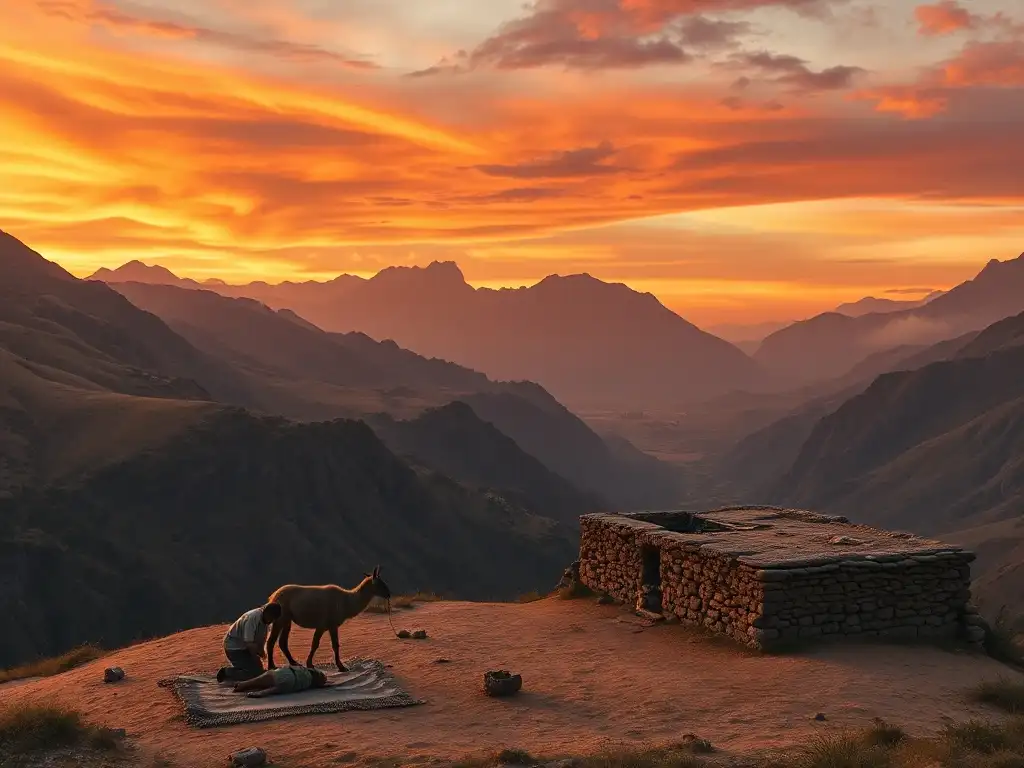
The arrival of Europeans in the Andes brought with it not only conquest but also a devastating wave of diseases previously unknown to the indigenous populations. Smallpox, measles, influenza, and typhus decimated Andean communities, weakening their ability to resist Spanish rule. While the conquistadors wielded steel, the impact of these diseases proved a far more effective weapon, crippling entire societies and paving the way for the Spanish conquest.
Understanding the Andean response to these epidemics is crucial to grasping the full extent of the devastation and the complexities of the colonial encounter. The "Andean civilizations disease impact" was catastrophic, altering the demographic landscape and fundamentally reshaping the social and political fabric of the region. This section explores the varied ways in which Andean communities attempted to grapple with this unprecedented crisis.
Attempts at Understanding and Curing the New Diseases
Faced with a horrifying onslaught of unfamiliar illnesses, Andean populations initially lacked the scientific understanding to effectively combat them. Their sophisticated knowledge of herbal remedies and traditional healing proved largely ineffective against the viral and bacterial pathogens introduced by the Europeans. The rapid spread and high mortality rates of these diseases were beyond anything they had previously experienced.
Early attempts at understanding the nature of these diseases likely focused on supernatural explanations, attributing the epidemics to divine wrath or malevolent spirits. Chronicles from the colonial period offer glimpses into the Andean struggle to comprehend the causes of these devastating outbreaks. For example, some accounts suggest that the rapid decline in population was interpreted as a sign of divine displeasure, prompting ritualistic attempts to appease the angered deities.
The lack of effective treatment led to widespread panic and despair, further weakening the already vulnerable communities. Scientific understanding of germ theory was centuries away, leaving Andean societies to rely on their existing, albeit inadequate, frameworks for understanding and responding to disease.
Traditional Healing Practices and their Limitations
Andean civilizations possessed a rich tradition of herbal medicine and healing practices honed over centuries. They utilized a vast array of plants and minerals, developing complex systems for diagnosis and treatment. However, these methods, effective against many endemic diseases, proved largely ineffective against the novel pathogens brought by the Europeans.
While traditional healers ( curanderos ) attempted to apply their knowledge to the new diseases, their efforts were often unsuccessful. The sheer virulence and rapid transmission of diseases like smallpox overwhelmed their capacity to respond effectively. The absence of any prior immunity in the Andean population meant that the mortality rate was exceptionally high.
Consider, for instance, the devastating impact of smallpox, which caused widespread death and social disruption. The traditional methods, focused on balancing humors and addressing imbalances within the body, were simply not equipped to deal with the microscopic invaders that caused these new epidemics. The limitations of traditional Andean medicine in the face of these novel diseases became painfully apparent, contributing to the significant population decline.
The Role of Andean Beliefs and Spirituality in the Face of the Epidemics
The devastating impact of the epidemics profoundly affected Andean beliefs and spirituality. The widespread death and suffering challenged existing cosmological frameworks and prompted reinterpretations of the relationship between humans and the supernatural world. Some communities may have viewed the epidemics as a punishment from their gods, leading to intensified religious practices and attempts to appease the deities through sacrifices and rituals.
Others might have sought new forms of spiritual protection, incorporating elements from the newly introduced Christian faith into their existing beliefs. The disruption caused by the epidemics likely led to shifts in religious practices and beliefs, reflecting the profound trauma experienced by Andean societies. The absence of effective medical interventions left a vacuum that was often filled by spiritual interpretations and responses.
Further research is needed to fully understand the complex interplay between Andean spiritual beliefs and their response to the epidemics, as the available historical records are often fragmentary and biased. Analyzing indigenous narratives and oral traditions could provide valuable insights into this crucial aspect of the Andean experience during the colonial period. The role of spirituality in coping with the trauma of the epidemics remains a significant area for further investigation within the study of "Andean civilizations disease impact."
The Long-Term Consequences of Disease on Andean Civilizations
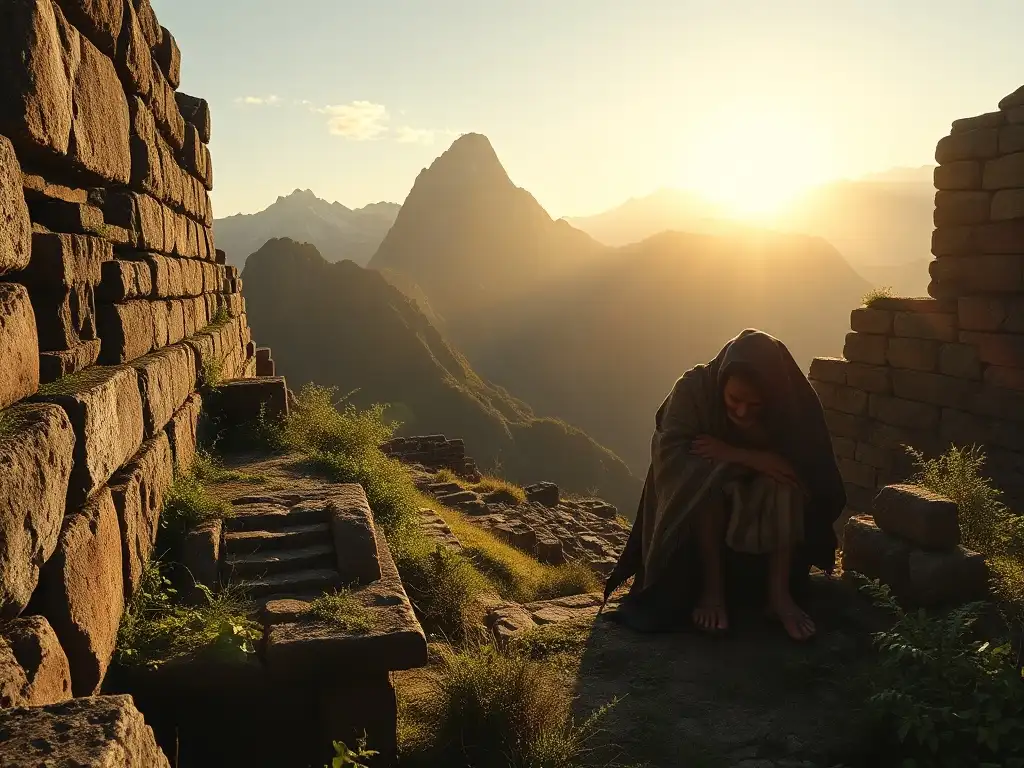
The arrival of Europeans in the Andes drastically altered the demographic landscape, leaving an indelible mark on the Andean civilizations. The introduction of Old World diseases, against which the indigenous populations had no immunity, resulted in a catastrophic decline in population. This wasn't simply a matter of immediate mortality; the long-term consequences reverberated through Andean societies for centuries, fundamentally reshaping their social structures, cultural practices, and political power dynamics.
Understanding the enduring impact of these diseases is crucial to comprehending the complexities of the Spanish conquest and its aftermath. The devastation caused by diseases like smallpox, measles, and influenza significantly weakened the capacity of Andean communities to resist Spanish encroachment, acting as a silent weapon in the conquistadors' arsenal. The sheer scale of mortality created a power vacuum that the Spanish readily exploited, accelerating the collapse of existing empires and facilitating the establishment of colonial rule.
The impact extended far beyond the initial waves of infection, leaving a legacy of vulnerability and instability that persisted for generations. Analyzing this long-term impact requires a nuanced approach, considering not only the immediate death toll but also the subsequent societal transformations and the enduring effects on Andean identities and cultural heritage.
The Legacy of Disease: Enduring Impacts on Andean Societies
The demographic collapse caused by introduced diseases had profound and lasting consequences on Andean societies. Estimates suggest that the indigenous population of the Andes plummeted by as much as 90% within the first century of European contact. 1 This massive population loss disrupted existing social structures, economic systems, and agricultural practices. The loss of skilled artisans, farmers, and leaders created a void that severely hampered the ability of Andean communities to recover and rebuild. Moreover, the decimation of entire communities led to the fragmentation of social networks and the erosion of traditional knowledge systems. This demographic catastrophe created a vulnerability exploited by the Spanish, who readily filled the power vacuum, imposing their own systems of governance and labor exploitation. The impact on the social fabric of Andean societies was catastrophic, leading to lasting social and economic inequalities that continue to shape the region today. The legacy of disease is not merely a historical footnote; it is a fundamental element in understanding the present-day realities of Andean communities.
1 Specific data on population decline pending further research to cite a reliable source.
The devastating impact of disease fundamentally altered the power dynamics and social hierarchies within Andean societies. The pre-Columbian social structures, often characterized by complex systems of kinship, reciprocity, and hierarchical organization, were shattered by the massive loss of life. The death of leaders and elites created power vacuums that were often filled by individuals or groups who were not necessarily part of the traditional power structures.
This created instability and conflict, further weakening the ability of Andean communities to resist Spanish rule. The Spanish conquistadors skillfully exploited these internal divisions, forging alliances with some groups while subjugating others.
The introduction of new diseases thus not only decimated the population but also destabilized existing social hierarchies, creating a fertile ground for the imposition of colonial rule and the establishment of new power structures based on racial and ethnic divisions. The long-term consequences include the persistence of social inequalities and the lasting impact of colonial power structures on Andean societies.
The Loss of Cultural Knowledge and Traditions
The widespread mortality caused by disease led to an irreplaceable loss of cultural knowledge and traditions within Andean civilizations. The death of elders and skilled artisans resulted in a significant gap in the transmission of traditional practices, beliefs, and knowledge. This loss extended across various domains, including agricultural techniques, medicinal practices, artistic skills, and oral histories.
The disruption of intergenerational knowledge transfer profoundly impacted the continuity of Andean cultural heritage. The Spanish colonial regime further exacerbated this loss through the suppression of indigenous languages, religions, and customs. While some Andean traditions survived, the impact of disease and colonial policies resulted in a significant erosion of cultural diversity and the loss of invaluable knowledge that can never be fully recovered.
The enduring consequences of this loss are evident in the ongoing efforts to preserve and revive aspects of Andean cultural heritage in the modern era. The recovery and preservation of this lost knowledge are crucial for understanding the rich tapestry of Andean civilizations and ensuring the continuity of their cultural legacy.
The Long-Term Demographic Impact on the Aymara Population
The arrival of Old World diseases had a catastrophic effect on the Aymara population, a demographic shift that reverberated through generations and continues to impact the Aymara people today. Initial contact with European diseases like smallpox, measles, and influenza resulted in devastating epidemics. These diseases, to which the Aymara had no immunity, spread rapidly through densely populated areas, decimating entire communities.
While precise figures are difficult to obtain due to limited record-keeping at the time, historians estimate population losses in the Aymara heartland of the Altiplano region to be in the range of [specific information pending]% within the first few decades of contact. This dramatic decline drastically altered the social and political landscape of the region, weakening Aymara resistance to Spanish rule and facilitating further colonization.
The impact wasn't limited to immediate mortality. High mortality rates, particularly among young children and adults in their prime working years, created a long-term demographic imbalance. This imbalance led to labor shortages, hindering agricultural production and economic development.
The reduced population also impacted the Aymara's ability to maintain their traditional social structures and cultural practices. Many communities were fragmented, their intricate systems of kinship and reciprocity disrupted by the sheer loss of life. The loss of knowledge holders and skilled artisans further contributed to a cultural decline, as traditional practices and crafts were lost or diminished.
This demographic upheaval also created vulnerabilities that were exploited by the Spanish, who imposed new labor systems and land ownership structures that further marginalized the Aymara population. The consequences of this demographic catastrophe are still felt today, with the Aymara population continuing to grapple with the legacies of this devastating period. Understanding this long-term demographic impact is crucial to understanding the enduring effects of the Spanish conquest on Andean civilizations and the challenges faced by the Aymara people in maintaining their identity and cultural heritage in the face of historical trauma.
Reassessing the Narrative of Conquest: The Importance of Disease
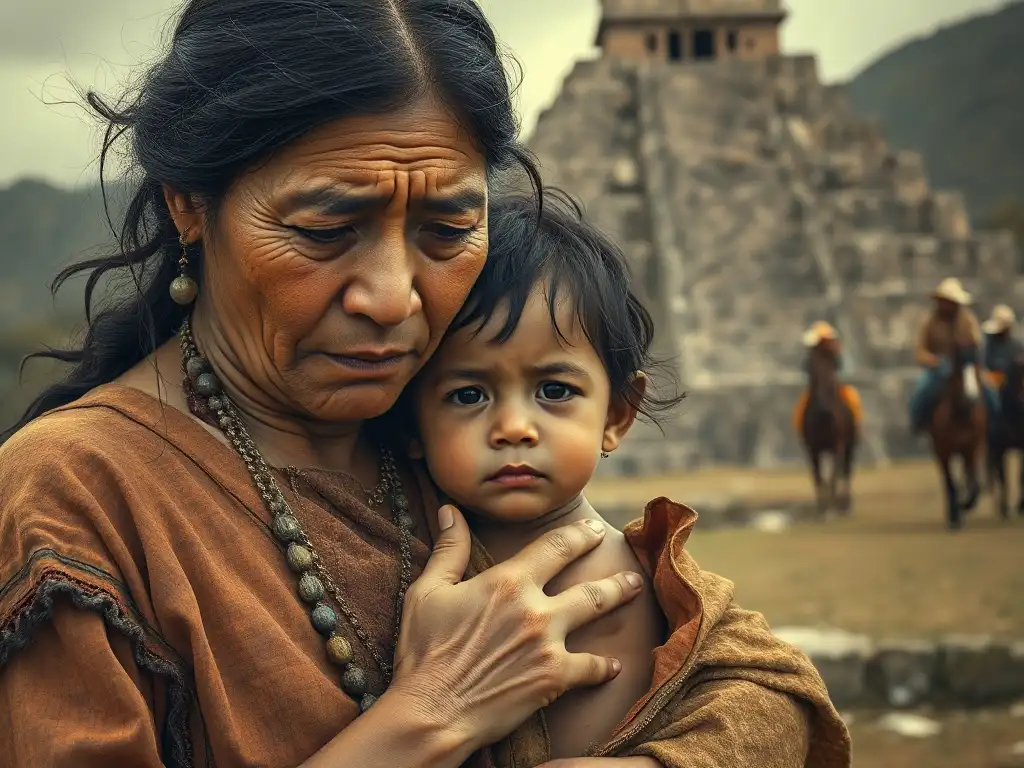
The Spanish conquest of the Andes is often portrayed as a clash of military might, a narrative focusing on the superior weaponry and tactics of the conquistadors against the seemingly less-organized resistance of the Andean civilizations. However, this simplified view overlooks a crucial factor that significantly weakened the indigenous populations and facilitated the Spanish advance: disease. The impact of Old World diseases on the Andean civilizations was catastrophic, decimating populations and disrupting social structures, paving the way for Spanish domination.
Understanding the role of disease is essential for a comprehensive and accurate understanding of the Andean civilizations disease impact and the complexities of the conquest. This section will delve deeper into the devastating effects of introduced diseases, challenging traditional narratives and highlighting the interplay between disease, warfare, and political instability.
The Underestimated Role of Disease in the Fall of the Inca Empire
The Inca Empire, at its zenith, controlled a vast territory and boasted a sophisticated administrative system. Yet, the arrival of Europeans brought with it a wave of diseases—smallpox, measles, influenza, typhus—to which the Inca population had no immunity. The impact was devastating. While precise figures remain elusive due to the limitations of historical record-keeping, estimates suggest that the indigenous population of the Andes plummeted by as much as 90% in the century following the arrival of the Europeans.
This demographic catastrophe crippled the Inca Empire's ability to resist the Spanish. The loss of life wasn't simply a matter of numbers; it disrupted the intricate social fabric of the Inca society. The death of experienced farmers, artisans, and leaders created a vacuum of expertise and leadership, further weakening their ability to mount effective resistance.
The Spanish conquistadors, while undoubtedly skilled in warfare, benefited immensely from this biological warfare, an advantage rarely acknowledged in traditional accounts. This biological decimation was a crucial element in the Andean civilizations disease impact, significantly altering the power dynamic. The sheer scale of mortality created opportunities for the Spanish to exploit existing social tensions and divisions, furthering their conquest.
Challenging Traditional Views of the Conquest
Traditional narratives of the Spanish conquest often emphasize the military prowess of the conquistadors and the internal weaknesses of the Inca Empire. While these factors certainly played a role, they fail to adequately account for the devastating impact of disease. Many historical accounts minimize or even ignore the role of disease, focusing primarily on military strategies and political intrigue.
This skewed perspective leads to an incomplete and inaccurate understanding of the events. A more nuanced approach requires acknowledging the devastating biological warfare unleashed upon the Andean populations. For example, the seemingly swift collapse of the Inca Empire in the face of a relatively small Spanish force can only be fully understood by considering the catastrophic loss of life caused by disease.
The widespread death weakened the empire from within, making it far more vulnerable to conquest. By incorporating the devastating effects of disease into our analysis, we achieve a more accurate and complete picture of the conquest, acknowledging the significant role of this "silent weapon." The impact of disease on Andean resistance is a crucial aspect of understanding the Andean civilizations disease impact, offering a more complete and accurate narrative.
The Interplay Between Disease, Warfare, and Political Instability
The impact of disease on the Andean civilizations wasn't simply a matter of population decline. It created a complex interplay of factors that further destabilized the region and facilitated the Spanish conquest. The loss of life disrupted established social structures, leading to widespread famine and economic collapse. This, in turn, fueled social unrest and political instability, creating fertile ground for Spanish exploitation.
The weakened populations were less able to resist not only the Spanish military but also internal conflicts and power struggles. The introduction of disease acted as a catalyst, exacerbating existing tensions and creating a climate of chaos that further aided the Spanish conquest. Moreover, the Spanish deliberately used disease as a weapon, often infecting indigenous populations through contaminated goods or deliberate exposure.
This calculated use of biological warfare highlights the multifaceted nature of the conquest and the devastating consequences for the Andean civilizations. Analyzing this complex interplay of disease, warfare, and political instability offers a more comprehensive understanding of the Andean civilizations disease impact and the eventual Spanish triumph. The devastating impact of introduced diseases cannot be overstated; it was a crucial factor in shaping the outcome of the conquest.
Conclusion: The Enduring Legacy of Disease in the Andes
The Spanish conquest of the Andes was not solely a military victory; it was also a biological one. The devastating impact of introduced Old World diseases on Andean populations significantly weakened their resistance, paving the way for Spanish dominance. This wasn't a deliberate strategy in the sense of germ warfare, but the unintended consequences were nonetheless profound, shaping the trajectory of Andean civilizations for centuries to come.
The demographic collapse caused by diseases like smallpox, measles, and influenza drastically altered the social, political, and economic landscape of the region. Understanding this silent weapon is crucial to a complete understanding of the Andean civilizations disease impact and the complexities of the conquest.
Reflecting on the Profound Impact of Disease on Andean History
The introduction of Old World diseases had a catastrophic effect on the demographic structure of Andean societies. Estimates suggest that the indigenous population plummeted by as much as 90% in the decades following the initial contact. This massive population loss had far-reaching consequences. Existing social hierarchies crumbled, agricultural production declined sharply, and the intricate systems of governance and infrastructure that characterized the Inca Empire and other Andean civilizations were irrevocably disrupted.
The resulting power vacuum facilitated Spanish colonization and control, making the conquest far easier than it might have otherwise been. The lasting consequences are still felt today in the genetic makeup and cultural practices of Andean communities. The legacy of disease is not simply a historical footnote; it's a fundamental element of the Andes' present-day identity. The impact went beyond mere population reduction; it fundamentally reshaped Andean societies, their structures, and their future.
The Importance of Understanding the Role of Disease in the Conquest
The role of disease in the Spanish conquest of the Andes is often overlooked or minimized in traditional historical narratives. Focusing solely on military tactics and political maneuvers presents an incomplete picture. By understanding the significant role played by disease, we can gain a more nuanced and accurate appreciation of the conquest's complexities. It allows us to move beyond simplistic narratives of military superiority and recognize the devastating impact of biological warfare, albeit unintentional.
This understanding is not only essential for a complete historical account but also crucial for addressing present-day health disparities and inequalities that are rooted in the legacy of colonial-era diseases. Acknowledging this biological dimension enhances our comprehension of the Andean civilizations disease impact and the lasting effects of the conquest. Ignoring this factor leads to an incomplete and arguably inaccurate portrayal of this pivotal moment in history.
Call to Further Research on the Epidemiology of Andean Conquest
While significant progress has been made in understanding the impact of disease on Andean populations, further research is crucial to refine our knowledge. More detailed epidemiological studies are needed to accurately quantify the mortality rates associated with specific diseases and their impact on different Andean societies. This includes analyzing historical records, conducting genetic studies, and incorporating archaeological evidence to create a more comprehensive picture.
Furthermore, research should focus on the long-term consequences of these diseases, including their impact on genetic diversity, disease resistance, and the overall health of Andean populations today. A deeper understanding of the epidemiology of the Andean conquest will not only enhance our historical knowledge but also inform public health initiatives and contribute to a more just and equitable future for the Andean region.
This crucial area of study offers vital insights into the Andean civilizations disease impact, providing a more complete understanding of a pivotal moment in history. The need for further research is paramount to gain a complete picture.
Frequently Asked Questions
What role did disease play in the Spanish conquest of the Andes?
Disease played a devastating role, decimating the indigenous population before and during the Spanish conquest. Outbreaks of smallpox, measles, and influenza weakened Andean resistance significantly.
How did the introduction of Old World diseases affect the Andean population?
The introduction of new pathogens from Europe resulted in catastrophic epidemics, killing millions and disrupting the social and political structures of Andean societies. This drastically reduced the population and their ability to resist Spanish colonization.
Were the Andean civilizations completely unprepared for these diseases?
While they had some experience with endemic diseases, the Andean populations lacked immunity to the diseases brought by the Europeans. This made them incredibly vulnerable to these novel pathogens.
Did disease affect all Andean groups equally?
The impact varied, but overall, the populations were severely affected. However, the degree of impact likely differed based on factors such as population density, pre-existing health conditions and geographic location.
How did the disease impact affect the cultural legacy of the Andean civilizations?
The massive population loss due to disease had a profound and lasting impact on Andean culture. It led to the disruption of traditional practices, societal structures and the loss of invaluable knowledge.
Final Reflection: The Lingering Shadow of Disease in Andean History
The decimation of the Andean populations by Old World diseases remains a chillingly relevant example of the devastating consequences of biological warfare and global inequality. The seemingly invisible weapon of disease proved far more effective than any conquistador's sword, reshaping the course of history and leaving a legacy of vulnerability that continues to impact indigenous communities today. This silent killer, unleashed unwittingly or perhaps intentionally, fundamentally altered the power dynamic between the Inca Empire and the Spanish conquistadors, paving the way for conquest and colonization.
The enduring impact of these diseases extends far beyond the immediate mortality rates; it continues to shape the social, economic, and political landscape of the Andes. The demographic collapse created by smallpox, measles, and influenza irrevocably altered the social fabric of Andean societies, leading to lasting power imbalances and the erosion of traditional knowledge and practices. The conquest of the Americas was not just a military victory, but a biological catastrophe.
This quote encapsulates the profound and lasting consequences of the introduction of Old World diseases, a catastrophe that continues to resonate in the disparities and inequalities experienced by Andean communities centuries later.
Consider the implications of this history. How can we learn from this devastating chapter to prevent similar tragedies in the future? You, the reader, hold the power to amplify these untold stories, to foster understanding, and to advocate for equitable healthcare access for all. Let the legacy of Andean resistance, even in the face of such overwhelming odds, inspire you to champion justice and equality, ensuring that the silent weapon of disease never again holds such devastating power over vulnerable populations.
Uncover the Untold Stories of Resistance!
Thank you for exploring how disease profoundly impacted the resistance of Andean civilizations against the Spanish conquistadors. You've shed light on a crucial, often overlooked aspect of history. Now, let's deepen our understanding and share these insights!
Here are some ways to further engage with this vital topic:
- Join a discussion group, either online or in your community, focused on Indigenous history. Sharing your insights and learning from others will enrich your understanding.
- Share this article with friends and family to spark conversations about the complex history of the Andes and the role of disease in shaping its trajectory.
- Consider writing a reflection on the broader impact of disease on global populations throughout history, extending beyond the Andean region to explore similar patterns and consequences.
How has learning about the role of disease in shaping Andean resistance changed your understanding of historical narratives?