
The Inca Military: Training, Tactics, and Conquest

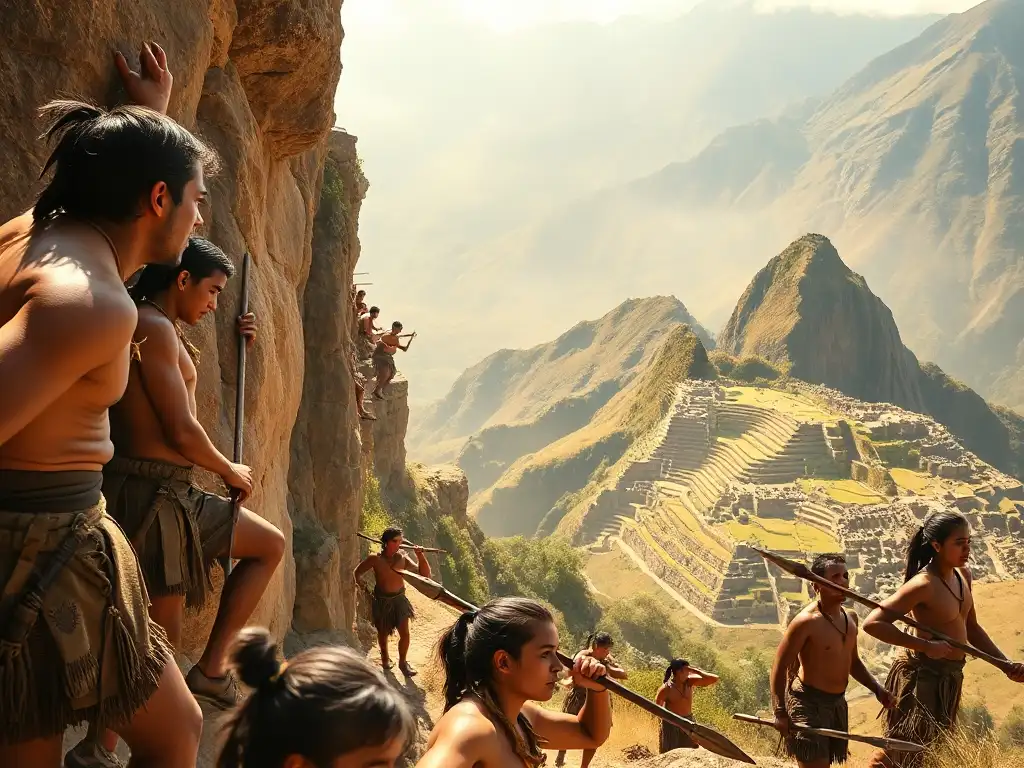
Step into a world lost to time, yet echoing with the thunder of conquest. For centuries, the Andes Mountains held the secrets of mighty civilizations, none more enigmatic than the Inca. But what forged their legendary armies? Uncover the surprising truth behind the Inca military training methods—a system that shaped an empire spanning thousands of miles. Prepare to be amazed by the ingenuity and power of the Inca, as we delve into their unparalleled military prowess in "The Inca Empire."
The Inca Empire, a civilization that flourished in the Andes Mountains from the 15th to the 16th century, was not only renowned for its sophisticated engineering feats like Machu Picchu and its intricate social structures, but also for its highly effective military. This article delves into the fascinating world of Inca military prowess, exploring their rigorous training methods, innovative tactics, and the strategies that allowed them to conquer and control a vast and diverse empire.
Understanding the Inca military is crucial to grasping the full scope of Inca power and influence, revealing a society that prioritized military strength as a cornerstone of its societal and political dominance. We will examine the training regiments, analyze their battle strategies, and assess the impact of their military might on the expansion and longevity of the Inca Empire.
This exploration will illuminate the intricate relationship between military organization, societal structure, and the ultimate success of this remarkable civilization. The keyword "Inca military training methods" will be explored in detail, providing a comprehensive understanding of this critical aspect of Inca society.
The Rigorous Training of Inca Soldiers
Inca military training was not a casual affair; it was a comprehensive and demanding process that began at a young age. Potential soldiers, often identified early in life for their physical prowess and potential, underwent a strict regimen designed to cultivate both physical strength and unwavering loyalty to the Sapa Inca. This training wasn't solely focused on combat skills; it also emphasized discipline, endurance, and the development of crucial qualities such as resilience and strategic thinking.
The training program was structured across different age groups and stages, with increasing intensity and complexity as the recruits progressed. This involved strenuous physical exercises, including long-distance running in the challenging Andean terrain, wrestling, and weapons training. Emphasis was placed on mastering the use of various weapons, including the macuahuitl (a wooden club studded with obsidian blades), slings, spears, and clubs.
Moreover, the Inca military training incorporated elements of psychological conditioning aimed at fostering unwavering loyalty and obedience to the Inca leadership. This conditioning was crucial in maintaining the discipline and cohesion necessary for the effectiveness of the Inca army.
Inca Military Tactics: Adaptability and Strategic Brilliance
The Inca military was not simply a brute force; it was characterized by strategic brilliance and adaptability. Unlike many contemporary armies that relied on head-on clashes, the Inca army frequently employed sophisticated tactics that exploited the terrain and the enemy's weaknesses. Their strategies often involved ambushes, flanking maneuvers, and the use of the challenging Andean geography to their advantage.
The Inca army's success was deeply rooted in its organizational structure and efficient communication systems. The chasquis, a relay system of runners, allowed for rapid communication across vast distances, enabling swift coordination of movements and the effective deployment of troops. The Inca military also mastered the art of siege warfare, utilizing sophisticated techniques to overcome fortified settlements.
They displayed a remarkable understanding of logistics and supply lines, ensuring the army's sustained ability to operate in challenging environments. This combination of tactical ingenuity and logistical prowess contributed significantly to the Inca Empire's remarkable expansion and sustained power.
The Impact of Inca Military Conquest on the Empire
The Inca military’s effectiveness was instrumental in the expansion and consolidation of the Inca Empire. Their conquests weren’t merely acts of aggression; they were carefully planned operations that integrated military strength with political strategies. Through a combination of force and diplomacy, the Inca successfully incorporated diverse populations and cultures into their empire.
The Inca military's success wasn't solely measured in territorial gains; it also shaped the empire's social and political structures. The conquered populations were often integrated into the Inca system, providing manpower and resources while contributing to the empire's cultural diversity. However, the military conquests were not without their challenges, and resistance movements did occur.
The Inca military adapted its strategies to address these challenges, demonstrating a capacity for both aggressive expansion and effective control over conquered territories. The Inca military's legacy extended far beyond the realm of conquest, shaping the very fabric of the Inca Empire and its lasting impact on Andean history. The effectiveness of their training, tactics, and the overall organization of their military forces remain a testament to the sophisticated nature of Inca society.
- The Rigorous Training of Inca Soldiers
- Inca Military Tactics: Adaptability and Strategic Brilliance
- The Impact of Inca Military Conquest on the Empire
- What kind of military training did the Inca Empire use?
- How did Inca military tactics differ from other ancient civilizations?
- What weapons and equipment did Inca soldiers use?
- What was the role of the Inca military beyond warfare?
- How effective was the Inca military in conquering and controlling its vast empire?
Foundations of Inca Military Power
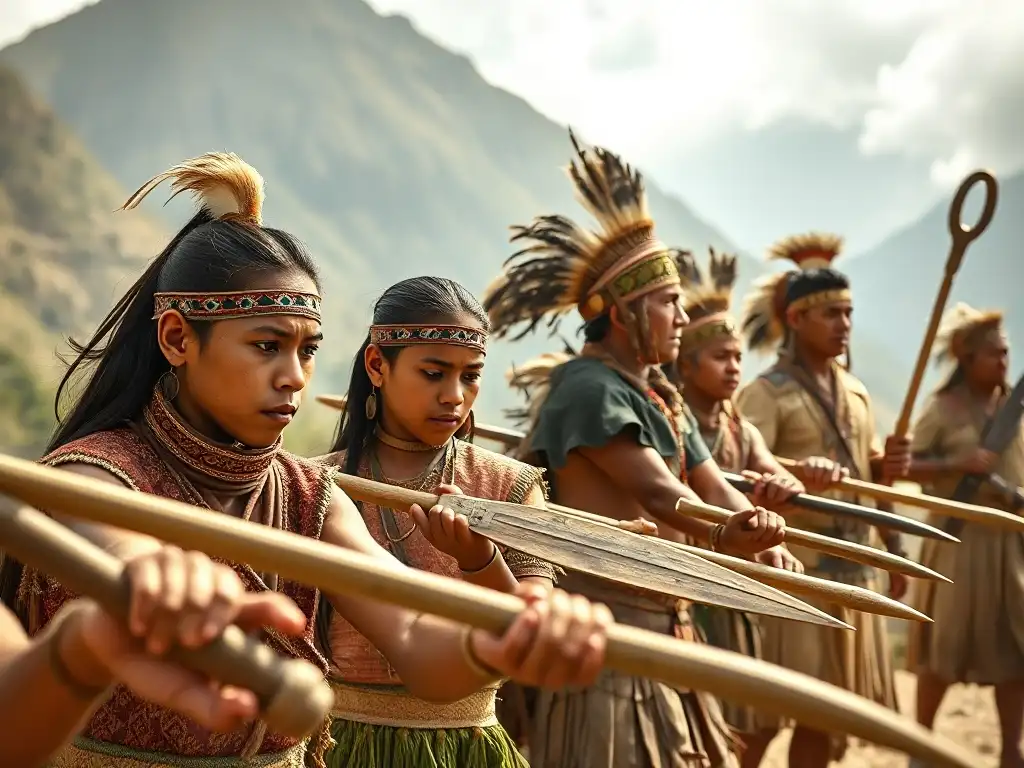
The Importance of Military Strength in the Inca Empire
The Inca Empire's astonishing expansion across the Andes Mountains wasn't solely due to sophisticated engineering or advanced agricultural practices. Military might played a pivotal role, forming the very bedrock of Inca imperial power. Control over vast territories, rich resources, and diverse populations hinged on a robust and well-organized army.
The Inca military wasn't just a fighting force; it was a crucial instrument of governance, a symbol of imperial authority, and a vital component of the empire's social and economic structure. The empire's success in conquering and integrating diverse Andean communities depended heavily on its ability to project power and maintain control – a task that required a highly effective military machine. Conquests brought not only land and resources but also manpower, further fueling the growth and strength of the Inca army.
This continuous cycle of expansion and incorporation solidified the empire's dominance and underscored the paramount importance of military strength in Inca society. Without a powerful and disciplined military, the Inca Empire's impressive achievements would have been significantly curtailed. The sheer scale of the Inca Empire, spanning thousands of miles and encompassing millions of people, serves as a testament to the critical role of its military in achieving and sustaining such remarkable dominance.
Societal Structure and Military Service in Inca Society
Inca society was deeply intertwined with its military. Military service wasn't merely an occupation; it was a societal obligation, a form of civic duty ingrained in the Inca military training methods. The ayllu, the fundamental socio-economic unit, served as the primary source of conscription. Able-bodied men from each ayllu were expected to contribute their time and skills to the army, creating a vast and readily available pool of soldiers.
This system ensured a constant supply of manpower for the Inca army, readily available for campaigns and maintaining internal security. The obligation to serve was not merely a matter of conscription; it was tied to the concept of reciprocity ( ayni)—the mutual exchange of goods and services within the community. By serving in the army, men fulfilled their social responsibility and contributed to the collective well-being of their ayllu and the empire as a whole. Furthermore, military success brought prestige and social advancement, motivating individuals to excel in their service.
This blend of obligation, reciprocity, and ambition created a highly motivated and effective fighting force. The system was remarkably efficient, allowing the Inca to rapidly mobilize substantial armies for both offensive and defensive operations. This efficient conscription system, deeply rooted within the Inca societal fabric, was a key factor in the empire's military prowess and its ability to maintain control over its vast territories. The integration of military service into the very fabric of Inca society ensured the constant flow of soldiers, and the motivation to serve effectively.
Inca Military Training Methods
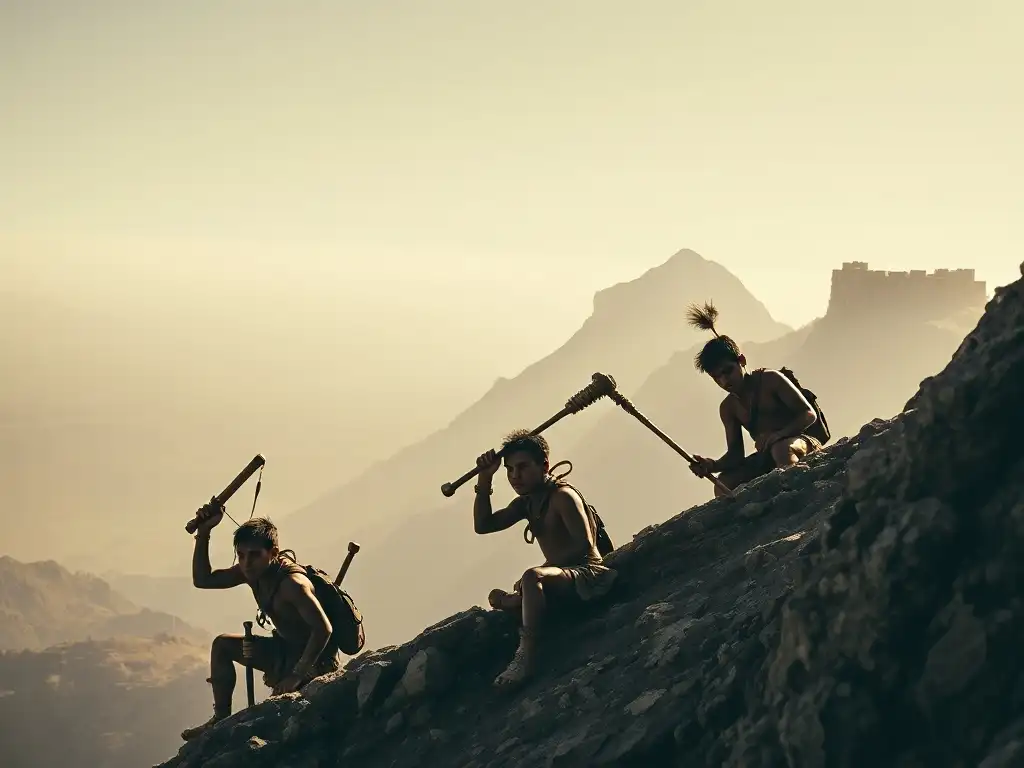
The Inca Empire's formidable military prowess wasn't accidental. It stemmed from a rigorous and multifaceted training system that instilled discipline, physical strength, and specialized skills in its warriors. Understanding the Inca military training methods provides crucial insight into the empire's enduring success and sophisticated societal structure. The system wasn't merely about creating soldiers; it was about forging loyal subjects deeply integrated into the imperial ideology. This rigorous training, combined with effective tactics and sophisticated logistics, allowed the Inca to conquer and control a vast and diverse territory.
Early Military Education in Inca Culture
Inca military education wasn't confined to formal training camps. It began early in life, subtly integrated into the fabric of Andean society. Boys, from a young age, participated in activities that fostered physical prowess and instilled discipline.
Games mimicking combat scenarios, such as chucu, a type of stick fighting, honed their reflexes and strategic thinking. These weren't just games; they were essential components of a comprehensive education system designed to prepare young men for their future roles as warriors and citizens. Furthermore, participation in communal labor projects, like mita, instilled a sense of duty and collective responsibility, crucial elements for a cohesive military force.
This early immersion in physical exertion and communal work laid the foundation for the more intensive military training that followed. The emphasis wasn't solely on physical strength; it also nurtured mental resilience and a strong sense of community, vital for effective military operations. The Inca understood that a strong military relied not just on individual skill but also on unwavering loyalty and collective purpose.
Physical Training and Drills for Inca Warriors
Formal Inca military training involved rigorous physical conditioning. Aspiring warriors underwent intense endurance exercises designed to build strength, stamina, and resilience. These exercises might include long-distance running carrying heavy loads, scaling steep mountains, and practicing various combat maneuvers. Drills were meticulously structured and repetitive, emphasizing precision and coordination. Warriors practiced formations, weapon handling, and close-quarters combat techniques. The emphasis on physical fitness wasn't just about battlefield prowess; it was also about building mental fortitude and discipline. The grueling training regime instilled resilience and the ability to endure hardship, essential traits for soldiers facing challenging campaigns.
| Training Element | Description | Purpose |
|---|---|---|
| Endurance Running | Long-distance runs with weighted packs | Build stamina and strength |
| Mountain Climbing | Ascending and descending steep, challenging terrain | Develop agility, balance, and resilience to harsh conditions |
| Weapon Proficiency Drills | Repetitive practice with spears, slings, clubs, and other weaponry | Master weapon handling and combat techniques |
| Formation Drills | Practicing coordinated movements in various formations (e.g., phalanx, wedge) | Enhance teamwork, coordination, and battlefield maneuverability |
| Simulated Combat Exercises | Engaging in mock battles to practice strategies and tactical maneuvers | Develop strategic thinking and battlefield adaptation skills |
Specialized Training for Different Military Roles
The Inca military wasn't a monolithic force. It comprised specialized units with distinct training tailored to their roles. While all warriors underwent rigorous basic training, certain groups received advanced instruction in specific areas. For example, yanaconas, a class of state servants, often served as support personnel, receiving training in logistics, engineering, and reconnaissance.
Elite warriors, often drawn from the nobility, underwent more advanced combat training, focusing on leadership and strategic thinking. This specialized training ensured the effectiveness and versatility of the Inca army. The system fostered a hierarchical structure within the military, with each unit playing a crucial role in the overall efficiency of the Inca war machine.
The Inca’s ability to tailor training to specific roles reflects a sophisticated understanding of military organization and the importance of specialization in achieving military objectives. The effectiveness of this system is evidenced by the Inca's remarkable military successes and the vastness of the empire they controlled. Further research into specific unit training methods would provide a more complete picture of this remarkable military organization.
Inca Military Organization and Structure
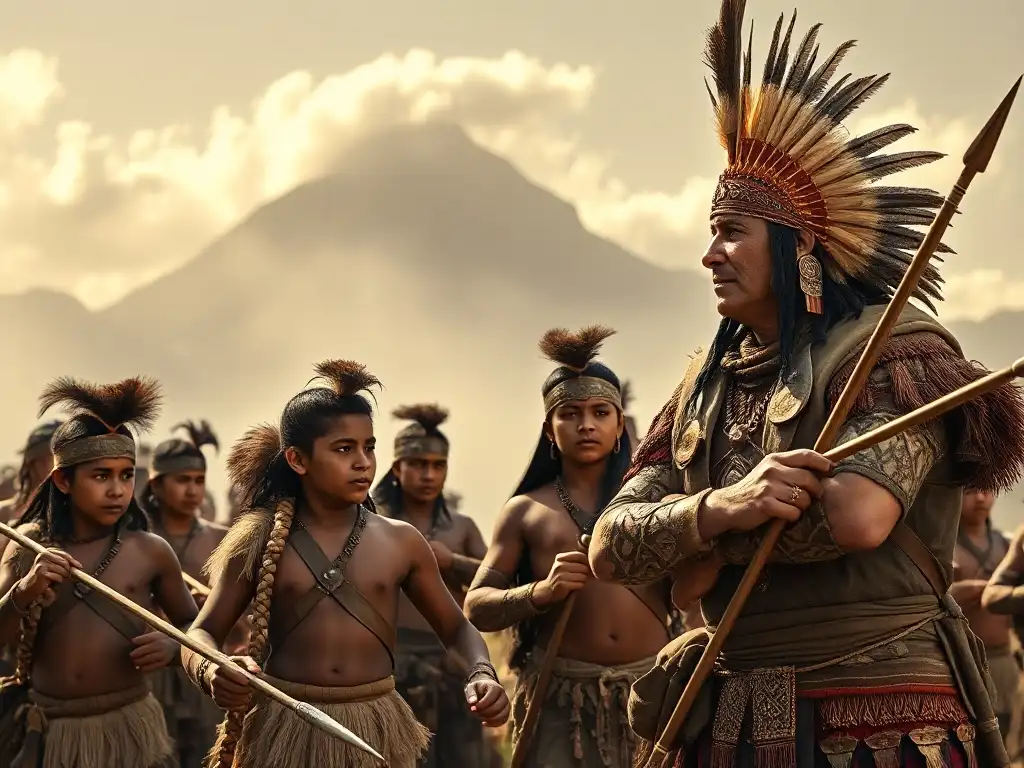
The Inca military wasn't a standing army in the modern sense. Instead, it was a highly organized and efficient system capable of rapidly mobilizing a large force when needed. This system relied heavily on the mita system, a form of mandatory labor service, which obligated able-bodied men to serve in the army for a set period.
The effectiveness of the Inca military stemmed not only from its size but also from its sophisticated organization, strategic planning, and advanced logistical capabilities. Understanding the Inca military requires appreciating the intricate interplay between its structure, training methods, and resource management. The efficiency of the Inca military organization played a crucial role in their ability to conquer and control a vast empire spanning thousands of miles across the Andes.
This organizational prowess ensured rapid deployment of troops, effective communication, and consistent supply lines, even in challenging mountainous terrain. This section will delve into the specifics of Inca military organization, revealing the complexity and sophistication of their system.
The Inca Army Hierarchy and Command Structure
The Inca army was structured hierarchically, mirroring the Inca societal structure. At the apex stood the Sapa Inca, the emperor, who was the supreme commander. He delegated authority to high-ranking officials, often members of the royal family or trusted nobles. These individuals commanded large armies, often regionally based, and were responsible for strategic planning and overall military operations. Below them were a series of commanders with progressively smaller units under their control. This hierarchical structure facilitated clear lines of command and ensured efficient execution of orders, even across vast distances.
Detailed records of specific ranks and titles are scarce, but archaeological evidence, combined with Spanish chronicles, suggests a multi-tiered system. For example, we know that experienced warriors often held positions of leadership, their expertise valued and utilized effectively. The system allowed for promotion based on merit and experience, fostering a sense of loyalty and encouraging dedication. This meritocratic aspect, combined with the hierarchical structure, ensured a disciplined and effective fighting force. The Inca military also incorporated a system of messengers, utilizing chasquis, runners who relayed messages swiftly across the empire, crucial for coordinating military operations and logistics.
| Rank | Responsibilities | Size of Command (Estimate) |
|---|---|---|
| Sapa Inca | Supreme Commander | Entire Inca Army |
| High-Ranking Officials | Regional Commanders, Strategic Planning | Thousands |
| Intermediate Commanders | Battalion or Regiment Commanders | Hundreds |
| Lower-Ranking Commanders | Company or Platoon Commanders, Tactical Execution | Dozens |
| Soldiers | Combatants, support roles (e.g., logistics, scouts) | Variable |
Inca Military Units and Their Functions
The Inca army wasn't a monolithic entity. It comprised various specialized units, each with distinct roles and responsibilities. While precise unit designations are debated among scholars, evidence suggests the existence of infantry, cavalry (using llamas), and specialized units like scouts and engineers. The infantry formed the backbone of the army, well-trained in close-quarters combat and skilled in using a variety of weaponry. The cavalry, though limited, played a crucial role in reconnaissance and rapid deployment in certain terrains.
The Inca military also utilized specialized units for specific tasks. Scouts, for example, were essential for reconnaissance, providing crucial intelligence on enemy movements and terrain. Engineers played a vital role in constructing fortifications, bridges, and roads, essential for facilitating military campaigns across the diverse Andean landscape. The effectiveness of the Inca military stemmed from this flexible composition, allowing them to adapt to varied terrains and combat scenarios. The Inca military's success was not solely reliant on brute force, but also on careful planning and the utilization of diverse specialized units working in coordination.
Inca Military Logistics and Supply Systems
The Inca empire's vast size and challenging terrain presented significant logistical challenges. However, the Inca developed sophisticated systems to overcome these obstacles. Their extensive network of roads, tambos (roadside inns), and chasquis (runners) formed the backbone of their logistics network. These systems ensured the timely delivery of supplies, reinforcements, and communications across the empire. The mita system also played a crucial role in providing manpower for the construction and maintenance of this infrastructure and the transport of supplies.
The storage of food and other essential resources was another critical aspect of Inca military logistics. The Inca built extensive storehouses, known as qollqas, strategically located throughout the empire. These storehouses held surplus food, weapons, and other necessities, ensuring the army was well-supplied even during prolonged campaigns.
The effectiveness of the Inca's logistical system was a significant factor contributing to their military success. The ability to move troops and supplies swiftly and efficiently across vast distances, even in mountainous terrain, allowed for sustained military campaigns and the effective control of their expansive empire. This sophisticated system highlights the Inca's advanced understanding of logistics and its importance in their military strategy.
Inca Military Tactics and Strategies
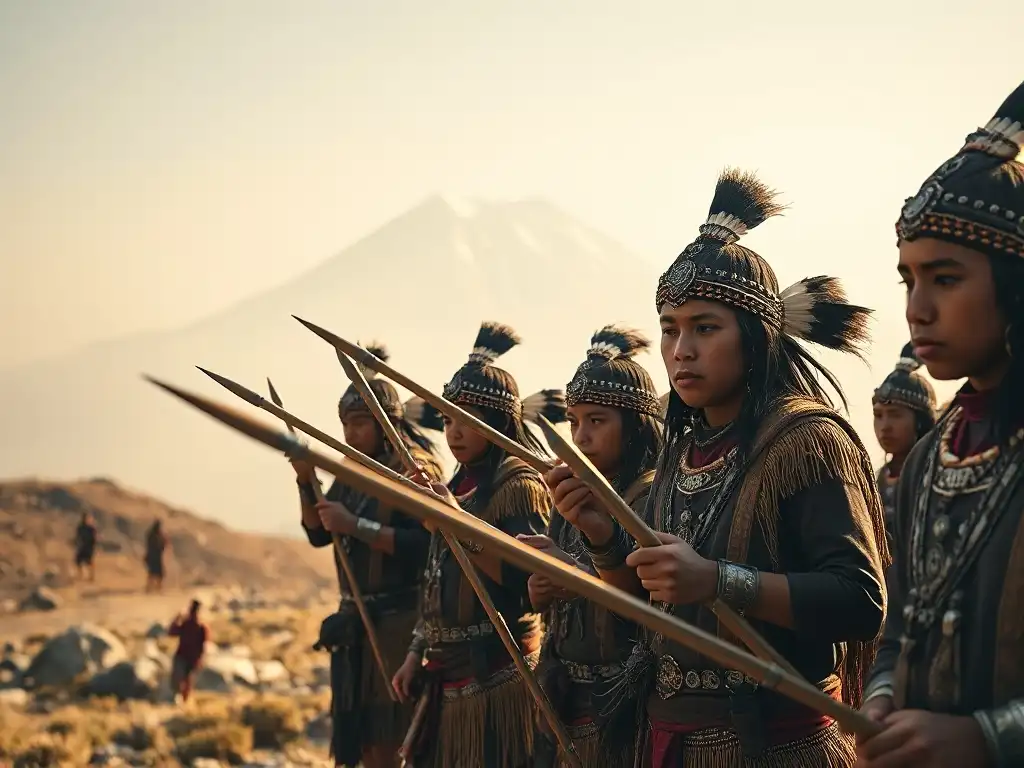
The Inca military's success wasn't solely reliant on superior numbers; their tactical prowess played a crucial role in their conquests and empire maintenance. Effective strategies, combined with rigorous training, allowed relatively smaller Inca forces to overcome larger, less organized armies. Understanding their tactical approaches provides insight into the sophisticated military organization of the Inca Empire. The Inca military training methods were directly tied to these strategies, emphasizing adaptability and a deep understanding of the Andean terrain.
Inca Warfare Strategies: Siege and Open Battle
Inca warfare wasn't a monolithic approach; strategies varied depending on the opponent and terrain. Sieges were common when facing fortified settlements. The Inca army, known for its engineering skills, excelled at constructing siege works. They would build ramps, tunnels, and even utilize catapults (though less sophisticated than those of other civilizations) to breach defenses. The use of psychological warfare was also prevalent, with prolonged sieges aiming to break the enemy's morale before a direct assault. The goal wasn't always complete destruction; Inca leaders often preferred surrender and incorporation into the empire.
Open battles, on the other hand, relied on swift maneuvers and superior discipline. The Inca army, despite its preference for ranged weaponry, was capable of effective close-quarters combat. Detailed accounts of specific battles are scarce, but archaeological evidence suggests a coordinated approach, possibly utilizing flanking maneuvers and exploiting weaknesses in enemy formations. The Inca's understanding of the terrain—high-altitude warfare, navigating mountain passes—provided a significant tactical advantage. They often used the environment to their benefit, ambushing enemies or strategically positioning themselves for maximum impact.
Inca Military Formations and Maneuvers
Inca military formations were likely flexible, adapting to the specific circumstances of each battle. While detailed descriptions are limited, it's plausible that they employed formations similar to other ancient armies, such as phalanxes or wedge formations for pushing through enemy lines. The organization of the ayllu (community) likely influenced military structure, with units possibly formed along kinship lines, fostering strong bonds of loyalty and cohesion.
This structure, while potentially limiting flexibility in large-scale maneuvers, instilled a strong sense of collective responsibility and fighting spirit. The Inca military training methods heavily emphasized unit cohesion and coordination, ensuring efficient execution of planned maneuvers. This discipline, combined with effective communication (likely through a system of signals and runners), was vital for their battlefield success.
The Inca army's mobility was another key element of their tactical approach. Their extensive road network facilitated swift troop movements, allowing for rapid responses to rebellions or threats. This logistical superiority often caught opponents off guard, enabling the Inca to launch surprise attacks or reinforce vulnerable areas quickly. The ability to shift forces strategically was a major contributing factor to the empire's expansion and control.
The Use of Weapons in Inca Warfare: Spears, Clubs, and Slings
Inca weaponry was diverse, reflecting their adaptable warfare strategies. Slings were a prevalent ranged weapon, capable of delivering a surprising amount of force at considerable distances. Slingers, highly trained and accurate, could suppress enemy advances and inflict casualties from afar.
Spears, both short and long, were used in close combat, often in conjunction with clubs and maces. These melee weapons, while seemingly less sophisticated than the weaponry of some other civilizations, were effective in hand-to-hand fighting. The Inca military training methods included extensive practice in the use of these weapons, emphasizing both individual skill and coordinated attacks.
Armor was limited, primarily consisting of quilted cotton padding, but this offered some protection against projectiles and blows. The effectiveness of Inca weaponry lay not just in the weapons themselves but also in the strategic deployment and disciplined use by well-trained soldiers. The focus on combined arms—effectively integrating ranged and melee attacks—highlighted their tactical sophistication.
The absence of widespread metal weaponry (except for limited use of copper and bronze) shouldn't be interpreted as a weakness. The Inca's mastery of their chosen weapons, coupled with their superior tactical acumen and training, more than compensated for any perceived technological deficiency. The Inca military training methods were designed to maximize the effectiveness of their available resources.
Conquest and Expansion of the Inca Empire
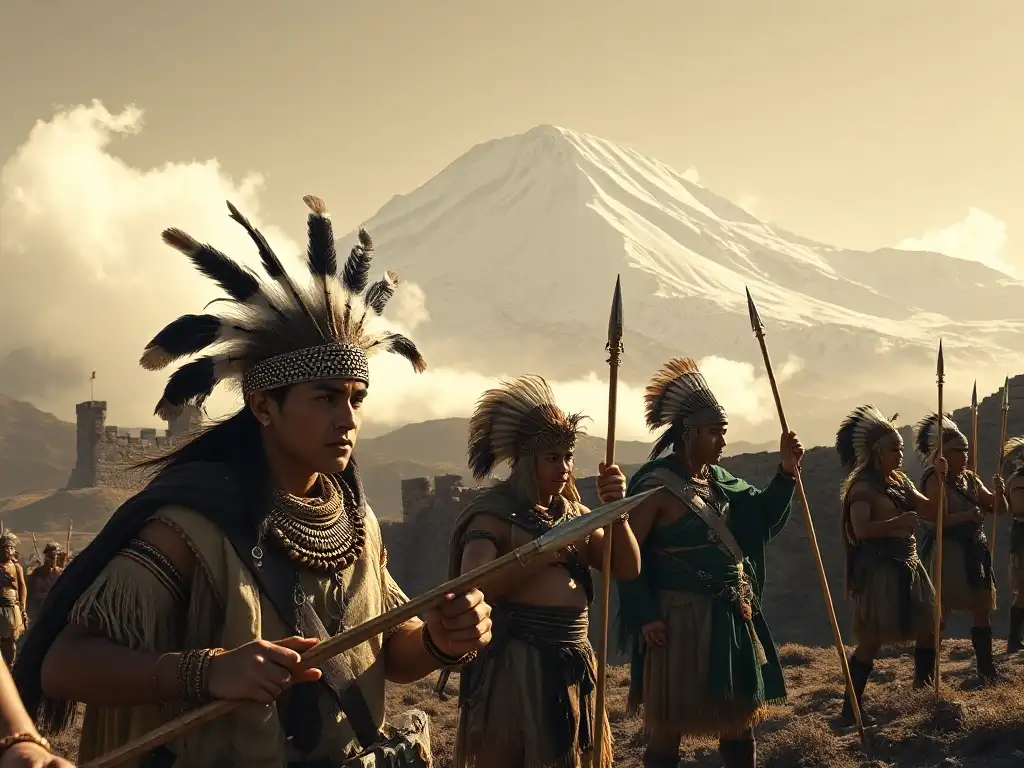
The Inca Empire, at its zenith, controlled a vast territory stretching along the Andes Mountains from present-day Ecuador to Chile. This impressive feat of territorial expansion was not achieved through sheer luck or chance, but rather through a meticulously planned and highly effective military strategy. The Inca military, a well-organized and disciplined force, played a pivotal role in this process, implementing sophisticated training methods and tactical maneuvers that proved remarkably successful in subduing diverse populations and integrating them into the Inca administrative system.
Understanding the Inca military's role is crucial to grasping the scale and nature of the empire's growth. The empire's expansion was not solely a matter of brute force; it involved intricate political maneuvering, strategic alliances, and, importantly, the effective assimilation of conquered peoples into the Inca way of life.
This process, while often brutal, was ultimately crucial to the empire's long-term stability and prosperity. The Inca military's effectiveness stemmed from a combination of factors, including superior training, innovative tactics, and a well-defined system of logistical support and communication.
The Role of the Inca Military in Territorial Expansion
The Inca military wasn't simply a fighting force; it was an integral part of the empire's expansionist policy. Their campaigns were not random acts of aggression but carefully planned operations aimed at securing resources, extending the empire's influence, and ultimately integrating new territories into the Inca administrative structure. The Inca military acted as the spearhead of expansion, paving the way for the establishment of new administrative centers, the imposition of Inca laws and customs, and the integration of conquered populations into the mita system of labor.
The army's success was also linked to the effectiveness of Inca intelligence gathering. Spies and scouts were deployed to assess the strength and weaknesses of potential enemies, providing crucial information to the military commanders. This intelligence-gathering system, combined with the military's prowess, allowed the Inca to achieve remarkable successes in conquest.
The efficiency of the military machine is further demonstrated by their ability to quickly mobilize large armies, move them across challenging terrain, and sustain them for extended periods during campaigns. The logistical prowess of the Inca state, including its sophisticated road network and tambos (roadside inns), played a significant role in this success.
Key Battles and Campaigns of the Inca Empire
While detailed records of specific Inca battles are scarce, archaeological evidence and surviving accounts from Spanish chronicles offer glimpses into their military achievements. The conquest of the Chimú kingdom on the northern coast is a prime example. This powerful kingdom, boasting a sophisticated urban infrastructure and a formidable army, was eventually overcome by the Inca forces, demonstrating the Inca military's superior strategy and organization. [Specific details of Chimú conquest pending].
Another notable campaign involved the expansion into the southern Andes. These campaigns, often characterized by prolonged conflicts and skirmishes, highlight the Inca army’s ability to adapt to diverse terrains and enemy tactics. [Specific details of southern expansion pending].
These campaigns weren’t just about military victories; they were about establishing control and integrating the conquered territories into the Inca administrative system. The Inca military's success wasn't solely dependent on superior weaponry; it was also a product of their strategic planning, logistical expertise, and ability to adapt to different circumstances and opponents. The Inca military's ability to quickly mobilize and deploy large forces, along with their effective use of intelligence, significantly contributed to their success in these campaigns.
Inca Military Strategies for Assimilation of Conquered Peoples
Inca military strategy wasn't just about conquest; it was intricately linked to a policy of assimilation. Following a victory, the Inca implemented strategies designed to integrate conquered populations into the empire. This involved the resettlement of conquered peoples, the imposition of Inca laws and customs, and the integration of local elites into the Inca administrative structure. The mita system, a form of labor tribute, was a key mechanism for this integration.
By requiring conquered communities to contribute labor to public works projects, the Inca not only secured a workforce but also fostered a sense of shared purpose and participation in the empire. Furthermore, the Inca often strategically married Inca nobles to local elites, creating alliances and reinforcing the empire's control. This carefully planned assimilation process, combined with the military might of the empire, contributed significantly to the long-term stability and longevity of the Inca Empire.
The Inca understood that true conquest went beyond military dominance; it involved the cultural and political integration of conquered populations. The effectiveness of this strategy is evident in the empire's remarkable expansion and stability. The Inca military’s role in this process extended beyond fighting; it was crucial in enforcing Inca rule and facilitating the smooth incorporation of conquered territories and peoples.
Legacy of the Inca Military
The Inca military's legacy extends far beyond its conquests. Its sophisticated organization, rigorous training, and innovative tactics left an indelible mark on Andean warfare and shaped the political landscape of the region for centuries. Understanding the Inca military's impact requires examining not only its successes but also its ultimate downfall and the lessons learned from its unique approach to warfare. The effectiveness of the Inca military stemmed from a combination of factors, including a centralized command structure, advanced logistical capabilities, and a highly disciplined fighting force.
This intricate system allowed them to mobilize vast armies and effectively conquer and control a vast empire spanning thousands of miles. The enduring impact of their military prowess is evident in the enduring structures, road networks, and administrative systems they left behind. Even after the Spanish conquest, elements of Inca military organization and strategy continued to influence resistance movements and subsequent Andean conflicts.
Impact of Inca Military Practices on Andean Warfare
The Inca military's impact on Andean warfare is profound and multifaceted. Before the Inca expansion, warfare in the Andes was often characterized by smaller, less organized conflicts between individual ethnic groups. The Incas introduced a level of organization and scale previously unseen. Their standardized training methods, emphasizing physical fitness, weapon proficiency, and strategic thinking, created a highly effective fighting force. This contrasted sharply with the more ad-hoc military structures of other Andean groups.
The Inca's mastery of logistics – their extensive road network, efficient supply lines, and effective system of mobilization – allowed them to move large armies quickly and efficiently across diverse terrains. This logistical superiority was a key factor in their military successes. The impact was not limited to battlefield tactics; the Inca's administrative system, closely tied to their military structure, facilitated the efficient governance of conquered territories.
This administrative structure, with its system of tribute and labor, further solidified Inca control and influenced the political organization of subsequent Andean societies. The legacy of Inca military organization is evident in the lasting impact on Andean warfare, even long after the fall of the empire. Their innovations in logistics, training, and command structure provided a blueprint for future Andean armies, influencing military strategies and organization for generations.
The End of the Inca Military and the Spanish Conquest
The Spanish conquest marked a dramatic end to the Inca military's dominance. Despite their superior organization and numbers, the Inca army was ultimately overwhelmed by the Spanish conquistadors' superior weaponry (firearms, cannons) and strategic alliances with rival Andean groups. While the Inca possessed impressive military capabilities, they were unprepared for the devastating effects of European diseases (smallpox, measles) which decimated their population and disrupted their logistical capabilities. The Inca's reliance on traditional weapons also proved to be a significant disadvantage against the Spanish firearms.
The fall of the Inca Empire wasn't solely due to military inferiority; internal conflicts and power struggles within the Inca leadership also weakened their ability to resist the Spanish. The Inca military, renowned for its discipline and effectiveness, was ultimately unable to overcome the combined challenges posed by superior weaponry, disease, and internal strife.
The Spanish conquest, therefore, serves as a cautionary tale, highlighting the importance of adaptability and the limitations of even the most well-organized military force in the face of unforeseen challenges. The defeat of the Inca military marked not just an end to an empire, but also a significant turning point in Andean history.
Lessons from the Inca Military
The Inca military's story offers valuable lessons in strategy, logistics, and leadership, even centuries later. Their emphasis on rigorous training, emphasizing both physical prowess and strategic thinking, remains relevant in modern military contexts. The Inca's success in creating a highly disciplined and effective fighting force underscores the importance of effective training programs and strong leadership. The Inca's sophisticated logistical system, facilitated by their extensive road network, highlights the critical role of infrastructure in supporting military operations. Their ability to efficiently move troops and supplies across vast distances serves as a testament to the importance of logistical planning and execution.
Furthermore, the Inca experience underscores the limitations of even the most powerful military force in the face of unforeseen circumstances. The Spanish conquest demonstrates the vulnerability of any military to technological superiority, disease, and internal conflicts. The Inca military's story serves as a powerful reminder of the importance of adaptability, strategic foresight, and the need to anticipate and mitigate potential threats.
By studying the Inca military's successes and failures, we can gain valuable insights into the complexities of warfare and the enduring challenges of military leadership. The legacy of the Inca military continues to inspire study and analysis, offering timeless lessons for military strategists and historians alike. The meticulous planning, rigorous training, and sophisticated logistics employed by the Inca remain relevant in understanding the complexities of military organization and success.
Frequently Asked Questions
What kind of military training did the Inca Empire use?
The Inca military training was rigorous, focusing on physical endurance, discipline, and military skills. Training began in youth and involved running, wrestling, and weapon practice. Loyalty to the Sapa Inca was paramount.
How did Inca military tactics differ from other ancient civilizations?
Inca tactics emphasized swift movement and surprise attacks, often utilizing the high altitude terrain to their advantage. Unlike some civilizations relying heavily on cavalry, the Inca relied on highly trained infantry and innovative siege warfare.
What weapons and equipment did Inca soldiers use?
Inca soldiers used a variety of weapons including clubs, spears, and slings. They also employed bows and arrows, and stone projectiles. Metal weapons like macanas (clubs) were used by elite troops.
What was the role of the Inca military beyond warfare?
Beyond conquest, the Inca military played a crucial role in maintaining order, suppressing rebellions, and constructing infrastructure. They also participated in public works projects and acted as a reserve labor force.
How effective was the Inca military in conquering and controlling its vast empire?
The Inca military proved highly effective, conquering and controlling a vast empire through superior organization, effective tactics, and psychological warfare. Their ability to integrate conquered populations further solidified their control.
Final Reflection: Echoes of the Inca Empire's Military Prowess
The Inca military's sophisticated training methods and innovative tactics weren't just relics of a bygone era; they represent a powerful testament to human ingenuity and the enduring impact of strategic planning on societal development. Their success in uniting a vast and diverse empire serves as a compelling case study in effective leadership, resource management, and the crucial role of a well-trained fighting force in shaping history. The echoes of their achievements continue to resonate in modern military strategy and organizational management.
The Inca's emphasis on discipline, physical fitness, and psychological resilience in their training programs is particularly striking, a testament to their understanding of the human element in warfare. Their ability to mobilize and supply such a large army across challenging terrain remains a remarkable feat of logistical prowess. The Inca Empire was not built by accident; it was the product of careful planning, rigorous training, and a deep understanding of both human and geographical factors.
This quote encapsulates the essence of their success, highlighting the interconnectedness of military strength and societal advancement. Their legacy continues to inspire discussions on effective leadership, resource management, and the importance of a well-trained and disciplined force, regardless of the context.
Consider the parallels between the Inca's rigorous training regime and the demands of modern-day success. Whether you're striving for excellence in your career, pursuing a personal goal, or simply aiming to improve your physical and mental well-being, the principles of discipline, perseverance, and strategic thinking championed by the Inca military remain incredibly relevant.
Embrace the spirit of the Inca warrior: train your mind and body, develop a clear strategy, and never underestimate the power of preparation. The path to achieving your own ambitions, whatever they may be, can be paved with the same dedication and foresight that built an empire.
Unleash Your Inner Warrior: Delve Deeper into Inca Military Mastery
Thank you for exploring the fascinating world of Inca military might! Your interest in their training, tactics, and conquests speaks volumes about your curiosity regarding cultural adaptation and success. Now that you've gained some initial understanding of their strategies, let's explore ways to further enrich your knowledge.
Here's how you can deepen your exploration of this captivating subject:
- Join a local history group or online forum dedicated to ancient civilizations. Sharing insights on Inca tactics and their influence on modern military thinking can be a rewarding experience.
- Expand your reading: Explore our curated list of recommended books and documentaries to broaden your understanding of Andean cultures.
- Share your insights: Engage in discussions with friends or on social media about how Inca military strategies might inform modern teamwork and leadership. We encourage you to share your thoughts and tag us so we can join the conversation!
As you consider your next steps, reflect on this: How might the innovative tactics of the Inca be adapted to modern contexts, such as fostering effective leadership or collaborative teamwork? We eagerly await your perspectives!