
A Cloth of Many Cultures: The Regional Variations in Andean Textile Art

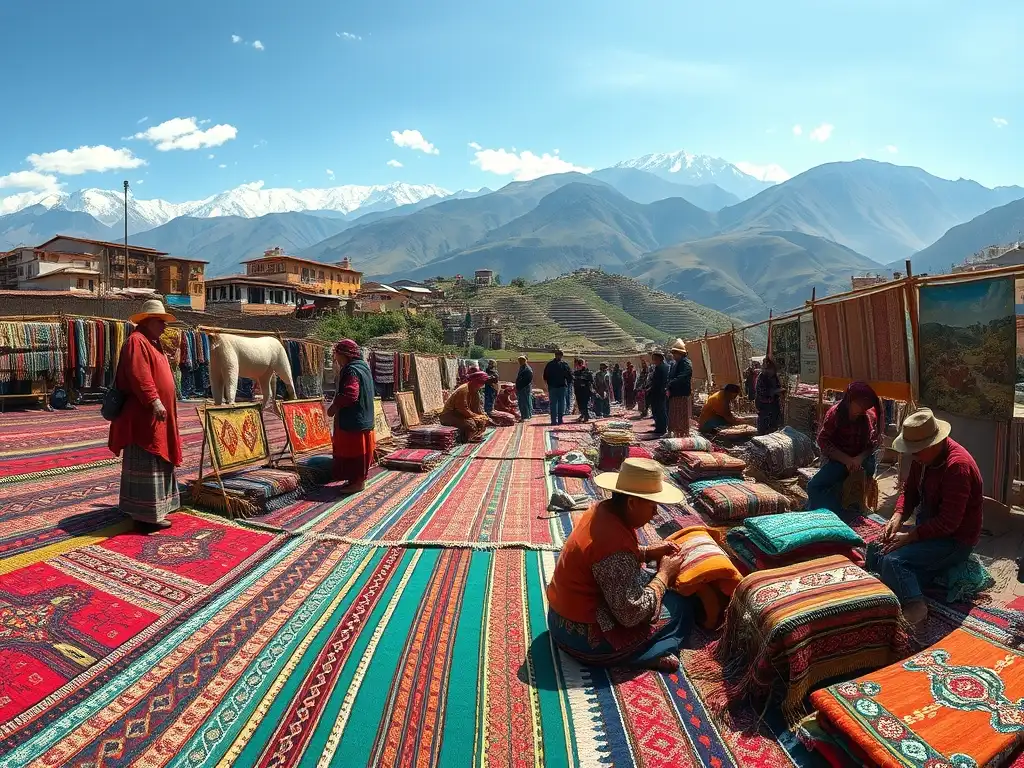
Step into a world woven with threads of mystery and majesty! For centuries, the Andes Mountains have echoed with the stories of vibrant civilizations, each leaving behind a breathtaking legacy. But have you ever considered the intricate secrets whispered within their textiles? Prepare to unravel the captivating tale of Andean textile art regional variations, a journey through the diverse artistry that reflects the unique spirit of each ancient Andean culture. Discover how threads became narratives, and colors, the language of a lost world. Explore further to uncover the rich tapestry of their artistry.
The Andes Mountains, a spine of towering peaks stretching along the western coast of South America, nurtured a tapestry of vibrant cultures for millennia. From the arid coastal deserts to the lush highlands, diverse Andean societies developed unique artistic expressions, none more captivating than their textile traditions.
This article delves into the fascinating world of Andean textile art, exploring the remarkable regional variations that reflect the distinct environments, beliefs, and social structures of these ancient civilizations. We will uncover how seemingly simple threads woven together tell complex stories of innovation, adaptation, and cultural identity, showcasing the ingenuity and artistic mastery of the Andean peoples.
Understanding these regional differences is key to appreciating the full richness and complexity of Andean textile art, a legacy that continues to inspire awe and admiration today. Prepare to embark on a journey through time and space, as we unravel the threads of this extraordinary cultural heritage, focusing on the keyword: "Andean textile art regional variations".
Understanding Andean Textile Traditions: A Journey Through Regional Styles
Andean textile art wasn't a monolithic entity; rather, it blossomed into a multitude of distinct styles, each reflecting the specific characteristics of its region. The available resources, the climate, and the cultural practices all played a crucial role in shaping the unique aesthetic and technical features of each region's textiles. For example, the coastal regions, with their access to different types of cotton, developed finer weaving techniques and intricate designs, often incorporating vibrant colors derived from marine and plant sources.
In contrast, the highland communities, relying on alpaca and llama wool, created textiles characterized by their warmth, durability, and often more geometric patterns reflecting their agricultural practices and cosmological beliefs. The variations are not simply aesthetic; they are deeply embedded in the social and spiritual fabric of Andean life.
The Significance of Andean Textiles: More Than Just Fabric
Andean textiles were far more than just clothing or decorative items; they held profound social, religious, and economic significance. They served as indicators of social status, with intricate designs and rare materials signifying wealth and power. Textiles played a vital role in ceremonies and rituals, often adorned with symbolic motifs representing deities, ancestors, and cosmological forces.
The complex iconography woven into these textiles provides valuable insights into the beliefs and worldview of the Andean peoples. Furthermore, textiles served as a crucial medium for storytelling and the transmission of knowledge across generations. The intricate designs and patterns were not merely decorative; they encoded a wealth of information about history, mythology, and social structures.
The creation and use of textiles were integral to the social, economic, and spiritual life of Andean societies, cementing their place as a cornerstone of their cultural identity. The enduring legacy of Andean textile art underscores its importance as a powerful vehicle for expressing cultural identity and preserving historical memory.
- The Intricate Patterns of the Inca Empire Textiles
- The Vibrant Tapestries of the Paracas Culture: Coastal Color and Complexity
- The Moche Textile Legacy: Narrative Scenes and Depictions of Daily Life
- The Bold Geometric Designs of the Nazca: Desert Canvas and Textile Art
- Tiahuanaco Textile Influence: The Gateway to Andean Iconography
- What makes Andean textile art so unique?
- How did geography influence the variations in Andean textile art?
- What are some key regional differences in Andean textile art?
- Which Andean cultures were most renowned for their textile production?
- Where can I learn more about Andean textile art and its regional variations?
Regional Expressions in Andean Textile Weaving
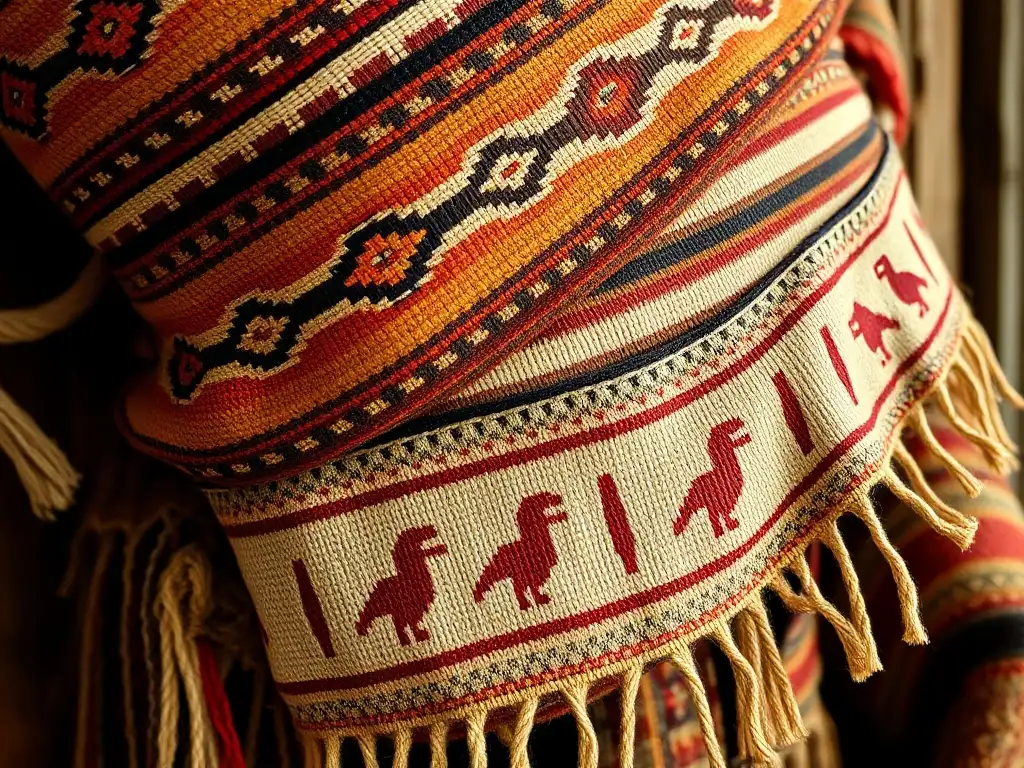
This section delves into the fascinating regional variations within Andean textile art, showcasing the unique styles and techniques employed by different cultures across the Andes. Understanding these differences provides crucial insights into the diverse social structures, beliefs, and artistic expressions of these ancient civilizations. The vibrant tapestry of Andean textile art was not a monolithic entity; rather, it was a rich mosaic of regional styles, reflecting the unique environments and cultural practices of each community.
Analyzing these regional variations allows us to appreciate the depth and complexity of Andean textile production, revealing a sophisticated understanding of fiber manipulation, color, and design. The keyword "Andean textile art regional variations" is key to understanding the rich diversity of these ancient traditions.
The Intricate Patterns of the Inca Empire Textiles
The Inca Empire, known for its impressive administrative and engineering feats, also left behind a legacy of remarkably standardized textile production. While regional variations existed within the vast empire, a certain level of uniformity in style and techniques was maintained, likely reflecting centralized control over resources and artistic production. This standardization, however, did not preclude artistic excellence or symbolic richness.
Inca Textile Art: Standardized Excellence and Royal Symbolism
Inca textiles were renowned for their fine quality, intricate designs, and the use of high-status materials like vicuña and alpaca wool. Royal garments were particularly elaborate, showcasing complex geometric patterns and symbolic motifs representing power, authority, and cosmological beliefs. These patterns were often meticulously executed, demonstrating a high level of skill and precision. The use of specific colors and motifs held significant meaning, often conveying the wearer's social status or connection to the Inca royalty. For example, [specific color symbolism pending] would indicate [specific social status or meaning pending].
Key Features of Inca Weaving: Geometric Precision and Repetition
A hallmark of Inca weaving is the prevalence of geometric designs, often featuring repetitive motifs arranged in precise, symmetrical patterns. This emphasis on geometric precision suggests a strong emphasis on order and control, reflecting the Inca worldview and social organization. Techniques like tapestry weaving and brocading were frequently employed to create intricate designs with multiple colors and textures.
The use of supplementary weft techniques allowed for the creation of complex patterns without disrupting the overall structure of the fabric. The incredible level of detail and precision found in Inca textiles speaks to the high level of skill and organization within Inca textile workshops. The uniformity, however, should not be mistaken for a lack of artistry; rather, it represents a sophisticated system of controlled production that maintained quality while producing textiles on a large scale.
The Vibrant Tapestries of the Paracas Culture: Coastal Color and Complexity
In stark contrast to the relative standardization of Inca textiles, the Paracas culture, a pre-Inca civilization flourishing on Peru's south coast, produced textiles characterized by vibrant colors, elaborate designs, and a remarkable level of technical skill. Their textiles are celebrated for their bold use of color and complex iconography, reflecting a unique artistic sensibility.
Paracas Textile Art: Burial Shrouds and Masterful Embroidery
Paracas textiles are perhaps best known for their magnificent burial shrouds, intricately woven and embroidered garments that were used to wrap the deceased. These shrouds often feature complex mythological scenes, intricate geometric patterns, and representations of animals and deities. The level of detail and craftsmanship is astounding, showcasing the exceptional skill of Paracas weavers. The use of multiple colors and textures, combined with masterful embroidery, created visually stunning and symbolically rich textiles.
Paracas Textile Techniques: The Art of Embroidery and Dyeing
Paracas weavers mastered a range of techniques, including embroidery, tapestry weaving, and gauze weaving. Their mastery of dyeing techniques allowed them to create a wide range of vibrant colors, using natural dyes derived from plants and minerals. The precision and detail of their embroidery are particularly noteworthy, with incredibly fine stitches used to create intricate designs.
The use of different weaving techniques, combined with their mastery of color and embroidery, produced textiles of exceptional beauty and complexity. The Paracas textiles stand as a testament to the artistic ingenuity and technical skill of this pre-Inca civilization, offering a fascinating counterpoint to the more standardized production of the Inca Empire. The vibrant colors and complex designs of these textiles continue to inspire awe and admiration today.
The Moche Textile Legacy: Narrative Scenes and Depictions of Daily Life
The Moche civilization (c. 100-800 CE), renowned for its elaborate metalwork and monumental architecture, also left behind a remarkable textile legacy. Unlike many other Andean cultures that focused primarily on geometric patterns, Moche textiles frequently depicted narrative scenes, offering invaluable glimpses into their daily life, religious beliefs, and social structures. These vibrant tapestries, often discovered in elite tombs, showcase a sophisticated understanding of weaving techniques and a keen eye for detail.
The scenes depicted range from everyday activities like fishing and farming to elaborate ceremonies and mythical creatures, providing a rich tapestry of information for modern researchers. The colors used are strikingly bold, often employing natural dyes derived from plants and minerals to create a vivid palette. The preservation of these textiles, considering the arid coastal climate of the Moche region, is a testament to their high-quality craftsmanship.
Many examples show remarkable preservation of intricate details, allowing scholars to analyze individual threads and understand the complex weaving process employed. The survival of these textiles provides an unparalleled window into the Moche worldview and their artistic achievements.
Moche Textile Art: Woven Stories of Myth and Reality
Moche textile art is distinguished by its integration of both realistic and mythical depictions. Realistic scenes often portray daily life, showing individuals engaged in activities such as agriculture, fishing, and pottery making. These depictions are not merely functional representations but rather carefully crafted artistic expressions. The attention to detail is remarkable, with individual figures rendered with considerable anatomical accuracy and their clothing and adornments meticulously recreated. In contrast, mythical scenes depict supernatural beings and events, often linked to Moche religious beliefs. These often feature powerful figures, sometimes anthropomorphic, engaged in symbolic actions, such as battling mythical creatures or partaking in ritual sacrifices. The juxtaposition of these realistic and mythical elements within the same textile suggests a worldview that seamlessly integrated the mundane and the supernatural. The use of vibrant colors and dynamic compositions further enhances the narrative power of these woven stories, creating a compelling visual record of Moche culture.
Moche Weaving Techniques: The Use of Looms and Natural Fibers
Moche weavers employed sophisticated techniques, utilizing backstrap looms and a variety of natural fibers, primarily cotton and camelid wool. The backstrap loom, a portable device, allowed for considerable flexibility in weaving complex designs and large-scale pieces. Evidence suggests that specialized looms may have been used for particularly intricate designs.
The use of cotton provided a soft and durable base for the textiles, while the incorporation of camelid wool, from animals like llamas and alpacas, added warmth and texture. The preparation of these fibers, from harvesting to spinning, required considerable skill and knowledge. The dyes used were predominantly natural, extracted from plants, minerals, and insects.
These dyes were carefully applied to create the vibrant and enduring colors characteristic of Moche textiles. The combination of advanced weaving techniques and the careful selection and preparation of materials resulted in textiles of exceptional quality and durability, many of which have survived for centuries. Analyzing the techniques employed provides insights into the level of specialization and organization within Moche society.
The Bold Geometric Designs of the Nazca: Desert Canvas and Textile Art
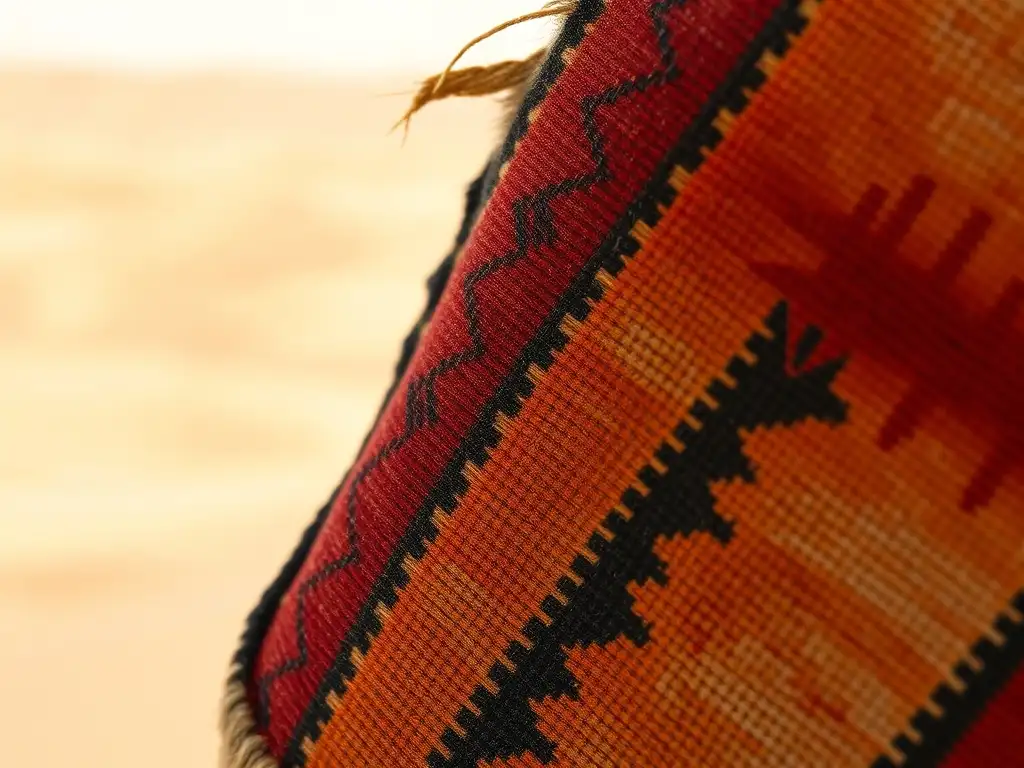
The Nazca culture (c. 100 BCE – 500 CE), famous for its enigmatic geoglyphs etched into the desert floor, also produced striking textiles characterized by bold geometric designs. These textiles, often fragments discovered in tombs and burial sites, showcase a mastery of color and composition, reflecting a sophisticated aesthetic sensibility. The geometric patterns, far from being merely decorative, are believed to have held deep symbolic meaning, reflecting cosmological beliefs and social structures.
The stark desert landscape likely influenced the aesthetic choices of Nazca textile artists, with the use of strong lines and contrasting colors echoing the visual impact of the arid environment. The preservation of the textiles, thanks to the dry desert conditions, is exceptional, allowing for detailed study of the weaving techniques and the dyes employed. The enduring quality of the textiles speaks volumes about the skill and artistry of the Nazca weavers.
Nazca Textile Art: Geometric Abstraction and Symbolic Meaning
Nazca textile art is characterized by its abstract geometric patterns, which are believed to represent a complex system of symbols and codes. These patterns are not random; rather, they are meticulously organized and repeated, suggesting a deliberate and systematic approach to design. Common motifs include stepped triangles, zigzags, and interlocking figures, often arranged in intricate compositions. The colors used are often strikingly contrasting, enhancing the visual impact of the geometric forms.
Scholars interpret these patterns as representations of cosmological concepts, social hierarchies, or religious beliefs. The precise meaning of each symbol remains a subject of ongoing research, but the complexity and consistency of the designs suggest a highly developed symbolic language. The textiles, therefore, serve not only as decorative objects but also as carriers of cultural knowledge, offering valuable insights into the Nazca worldview.
Nazca Weaving Techniques: Unique Dyeing Processes and Material Choices
Nazca weavers utilized a variety of techniques, including tapestry weaving and plain weave, to create their complex designs. The use of cotton and camelid wool was common, similar to the Moche. However, the Nazca are particularly notable for their unique dyeing processes.
Evidence suggests they employed a range of natural dyes, including those derived from plants and minerals, but also possibly from insects like cochineal. The vibrant and long-lasting colors achieved are a testament to their sophisticated understanding of dyeing techniques. The precise methods used remain partly unknown, but the exceptional preservation of the colors in many textiles indicates a high level of expertise in colorfastness.
The combination of these techniques, along with the sophisticated design choices, resulted in textiles that are both aesthetically striking and culturally significant, reflecting the advanced technological and artistic capabilities of the Nazca civilization. Further research into these techniques may reveal additional insights into the social organization and technological advancements of the Nazca.
Tiahuanaco Textile Influence: The Gateway to Andean Iconography
The Tiahuanaco culture, flourishing in the Bolivian Altiplano between approximately 500 and 1000 CE, left an indelible mark on Andean textile art. Their textiles weren't merely functional; they were powerful statements of religious belief, social status, and cosmological understanding. The intricate designs, often featuring geometric patterns and stylized figures, are a testament to the sophisticated weaving techniques and artistic vision of the Tiahuanaco people.
Their influence radiated outwards, impacting subsequent Andean cultures for centuries to come. The mastery of complex weaving techniques, such as tapestry and brocade, allowed for the creation of highly detailed and richly colored textiles. These techniques, combined with the unique iconography, established a foundation for later Andean textile traditions.
The vibrant colors, often achieved through natural dyes derived from plants and minerals found in the region, further enhanced the visual impact of these textiles. The use of camelid fibers, such as alpaca and llama wool, provided a durable and luxurious material for their creations. The legacy of Tiahuanaco textile production is evident in the continued use of similar motifs and techniques in later Andean cultures.
Tiahuanaco Textile Art: Iconography and Religious Significance
The iconography of Tiahuanaco textiles is deeply intertwined with their religious beliefs. Common motifs include stylized figures, often interpreted as deities or supernatural beings, geometric designs representing the cosmos, and representations of animals significant to their worldview. The kero, a ceremonial drinking vessel, frequently adorned with intricate textile coverings, provides a prime example of this integration of textile art and religious practice.
The designs were not merely decorative; they were imbued with symbolic meaning, reflecting their understanding of the world and their place within it. Scholars have extensively analyzed these motifs, linking them to specific rituals, myths, and cosmological concepts. For instance, the recurring stepped pyramid motif is often interpreted as a representation of their sacred mountains or a symbolic representation of the cosmos.
The use of specific colors also held symbolic significance, with certain shades associated with particular deities or events. The careful placement and arrangement of these motifs within the textile design further reinforced their religious importance. The creation and use of these textiles were likely part of elaborate religious ceremonies, reinforcing their social and spiritual significance.
Tiahuanaco Weaving: The Influence on Later Andean Textile Design
The influence of Tiahuanaco weaving techniques and iconography extends far beyond their own time period. Subsequent cultures, including the Inca and various regional groups, adopted and adapted many aspects of Tiahuanaco textile traditions. The use of complex weaving techniques, such as tapestry and brocade, continued to be refined and developed, resulting in increasingly sophisticated and intricate designs.
Many of the iconic motifs found in Tiahuanaco textiles, such as stylized figures and geometric patterns, reappear in later Andean textile art, though often adapted and modified to reflect the unique cultural expressions of the succeeding cultures. This continuity demonstrates a remarkable degree of cultural transmission and the enduring impact of Tiahuanaco artistic achievements. The vibrant colors and high quality of Tiahuanaco textiles also set a standard for later Andean textile production, highlighting the importance of quality craftsmanship and artistic excellence.
Analyzing the stylistic evolution of Andean textile art reveals a clear lineage connecting Tiahuanaco traditions to later developments, demonstrating the enduring legacy of this influential culture. The study of Andean textile art therefore necessitates an understanding of the foundational role played by the Tiahuanaco culture in shaping the development of this rich artistic tradition. The impact of Tiahuanaco textile art on subsequent Andean cultural expressions is a testament to its innovation and enduring aesthetic power.
Preserving Andean Textile Art: A Legacy for the Future
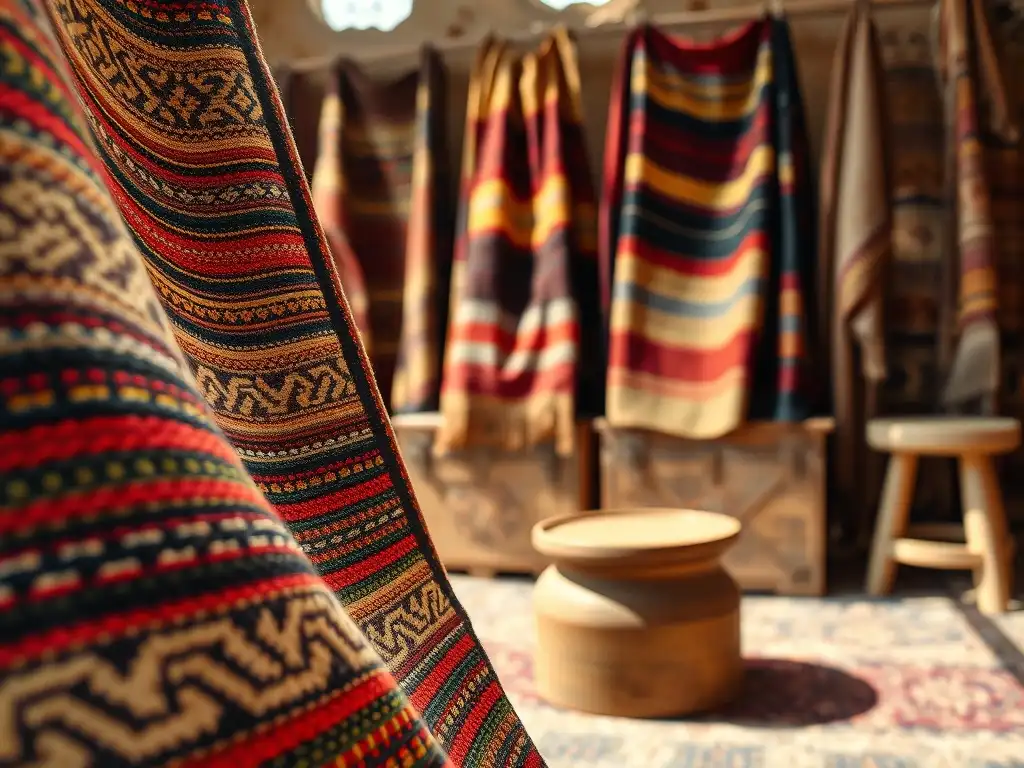
The vibrant tapestry of Andean textile art, a testament to centuries of cultural transmission, faces numerous challenges in the modern world. Understanding and addressing these threats is paramount to ensuring the survival of this invaluable heritage. The delicate balance between preserving traditional techniques and adapting to contemporary demands requires a multifaceted approach, combining governmental initiatives, community involvement, and international collaboration.
The sheer diversity of Andean textile art, with its regional variations in design, material, and technique, necessitates a tailored strategy that accounts for the unique circumstances of each community. Ignoring the specific needs of each region risks homogenizing a diverse and complex artistic tradition. The goal isn't just to preserve the objects themselves, but the knowledge and skills embedded within them, ensuring that future generations can continue to create and appreciate this rich cultural legacy.
Modern Revivals of Andean Weaving Techniques
The resurgence of interest in Andean textiles has led to a fascinating blend of tradition and innovation. Contemporary Andean weavers are not simply replicating historical patterns; they are actively engaging with their heritage, reimagining traditional designs and techniques for contemporary audiences. This dynamic process involves experimenting with new materials while retaining the core principles of ancestral methods. For example, some weavers are incorporating sustainable and locally sourced dyes, creating unique color palettes inspired by the Andean landscape.
Others are seamlessly integrating modern design elements into their work, creating a bridge between the past and the present. This revitalization isn't merely a nostalgic pursuit; it's a powerful affirmation of cultural identity and a vital economic lifeline for many Andean communities. The economic impact of this revival is significant, providing income and livelihood opportunities, particularly for women who often play a central role in textile production.
Supporting Contemporary Andean Weavers
Supporting contemporary Andean weavers requires a multi-pronged strategy. Fair trade initiatives are crucial, ensuring that weavers receive just compensation for their labor and skills. This includes providing access to markets beyond their local communities, allowing them to reach a wider audience and achieve greater economic stability. Furthermore, initiatives focused on skill-building and training are essential, particularly for younger generations.
These programs can help preserve traditional techniques while also introducing new skills and technologies that can enhance productivity and efficiency. Access to credit and financial literacy programs can empower weavers to manage their businesses effectively and expand their operations. Ultimately, the success of these efforts hinges on creating a sustainable ecosystem that supports the economic viability of Andean textile production. The preservation of Andean textile art is inextricably linked to the well-being of the communities that create it.
The Importance of Cultural Heritage and Conservation
Andean textile art is more than just aesthetically pleasing; it represents a profound cultural legacy. These textiles are imbued with deep symbolism, reflecting cosmology, social structures, and historical events. The intricate designs, the choice of colors and materials, and the weaving techniques themselves all communicate stories that span generations. The conservation of these textiles is therefore not only a matter of preserving objects of artistic merit, but also of safeguarding invaluable historical and cultural information.
Each textile serves as a tangible link to the past, offering insights into the lives, beliefs, and artistic expressions of past Andean civilizations. The detailed patterns, often incorporating geometric designs and zoomorphic representations, provide glimpses into the rich worldview of these cultures. Understanding the significance of these symbolic elements is crucial for appreciating the depth and complexity of Andean textile art.
Protecting Andean Textiles for Future Generations
Protecting Andean textiles for future generations requires a concerted effort across various sectors. Museums and archives play a crucial role in preserving fragile and historically significant pieces, employing advanced conservation techniques to protect them from deterioration. However, preservation efforts should not be limited to institutional settings; community-based initiatives are equally vital.
This includes promoting awareness of the importance of these textiles, educating communities about proper care and storage techniques, and fostering a sense of pride and ownership in their cultural heritage. Governmental policies and regulations are also necessary to protect against the illegal trafficking and export of these precious artifacts.
International cooperation is essential to combat the illicit trade and ensure that these cultural treasures are preserved for the benefit of all humanity. The long-term preservation of Andean textile art requires a commitment to collaboration, education, and the sustainable development of the communities that create and cherish these remarkable works of art.
Frequently Asked Questions
What makes Andean textile art so unique?
Andean textile art is unique due to its exceptional craftsmanship, the diverse range of techniques employed across different regions, and the use of vibrant, locally sourced dyes from plants and minerals. The intricate designs often tell stories and reflect spiritual beliefs.
How did geography influence the variations in Andean textile art?
The varied geography of the Andes Mountains significantly impacted textile production. Different environments provided access to unique materials like alpaca wool in the highlands and cotton in the lowlands, leading to regional stylistic differences in both materials and designs. Accessibility to resources directly impacted art.
What are some key regional differences in Andean textile art?
Regional variations are extensive! For example, the coastal regions often featured geometric patterns and bright colors, while the highland textiles frequently incorporated complex iconography and more subdued color palettes. Each region developed its own unique style.
Which Andean cultures were most renowned for their textile production?
Many Andean cultures excelled at textile production, but the Inca, Moche, Nazca, and Paracas are particularly noted for their sophisticated techniques and artistic achievements. Their textiles are often found in museums around the world and represent the pinnacle of pre-Columbian art.
Where can I learn more about Andean textile art and its regional variations?
You can explore museums with collections of Andean textiles, such as the Museo Larco in Lima, Peru. Many academic journals and books are dedicated to the subject. Online resources, including websites like this one, also offer valuable information on Andean textile art and its diverse regional styles.
Final Reflection: Weaving a Legacy, Shaping the Future
The vibrant tapestry of Andean textile art continues to resonate today, a powerful testament to the enduring ingenuity and cultural resilience of its creators. These intricate designs, far from being mere historical artifacts, offer a living connection to a rich past and a profound understanding of the complex interplay between artistry, environment, and social structures. Their continued relevance in the modern world underscores the importance of preserving and celebrating cultural heritage.
The enduring influence of Andean textile art extends far beyond the Andes themselves, shaping global perceptions of artistry and cultural identity. Its intricate symbolism and innovative techniques have inspired countless artists and designers, influencing contemporary fashion, art, and even technology. The legacy of these textiles is a powerful reminder of the interconnectedness of human experience. The threads of our past are woven into the fabric of our future.
This quote encapsulates the enduring power of these artistic traditions, demonstrating how the past informs and enriches the present.
Consider, for a moment, the stories whispered within each thread, the generations of knowledge passed down through the loom. You, the reader, are now part of this ongoing narrative. Take the time to explore the rich diversity of Andean textile art further; seek out museums, support artisans, and engage with the vibrant communities that continue to keep these traditions alive. Let the beauty and complexity of these textiles inspire you to appreciate the cultural richness of our world and to champion the preservation of artistic heritage for generations to come.
Explore the Rich Tapestry of Andean Cultures!
Thank you for exploring the vibrant world of Andean textile art! We hope you've gained valuable insights into the diverse regional variations that make these textiles so unique. Now, let's deepen your connection to these incredible cultural expressions.
Here are some exciting ways to continue your journey:
- Visit Local Artisans and Markets: Seek out local textile artisans or markets in your area to discover and support their craft firsthand, admiring their beautiful creations.
- Participate in a Weaving Workshop: Immerse yourself in the techniques and stories behind Andean textile art by joining a weaving or textile workshop. You'll develop new skills and connect with others who share your passion.
- Share Your Discoveries: Share your experiences with Andean textiles – photos, thoughts, and reflections – on social media or in online forums. Use relevant hashtags to connect with fellow enthusiasts!
What aspect of Andean textile art most captivates you, and how will you further explore it?