
Inca Ancestor Worship: Honoring the Past and Ensuring Continuity

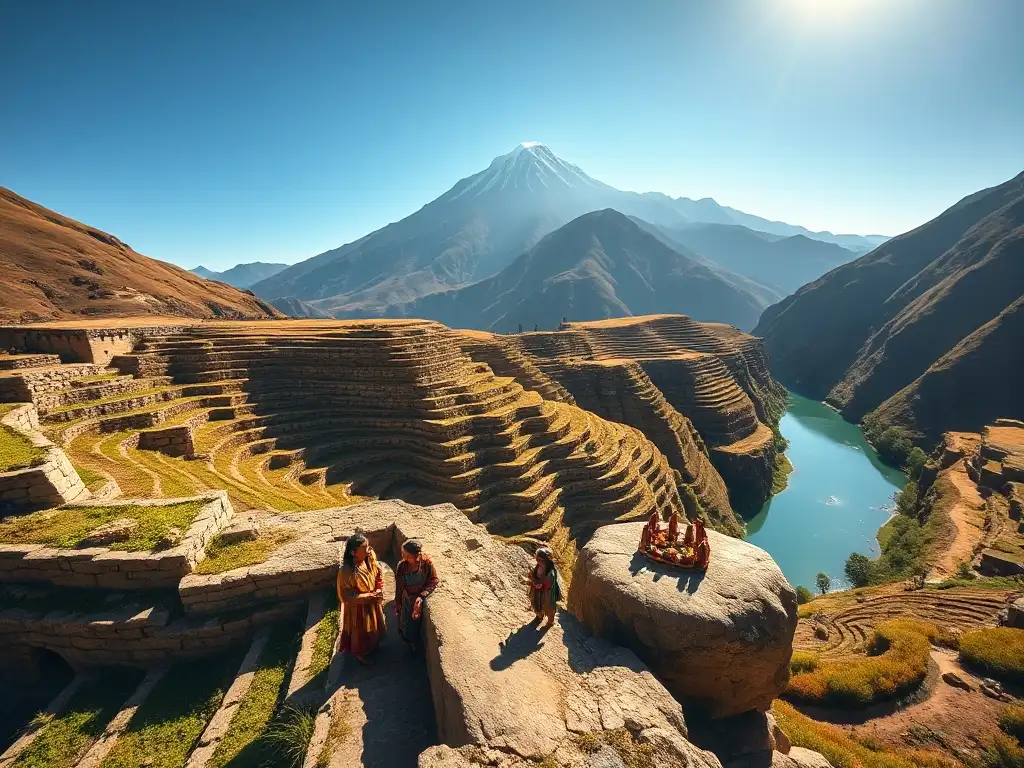
Step into a world lost to time, yet echoing with the whispers of a magnificent empire. Discover the secrets of the Andes, a land sculpted by breathtaking landscapes and the ingenuity of ancient civilizations. But what truly fueled the power of the Inca? Delve into the captivating world of Inca ancestor worship practices – a complex system of rituals and beliefs that shaped their society and ensured the continuity of their legacy. Prepare to be amazed by the depth and sophistication of their traditions, a story waiting to unfold before your eyes.
The Inca Empire, a civilization renowned for its sophisticated engineering, intricate social structures, and expansive territory, held ancestor veneration as a cornerstone of its belief system and political power. This wasn't simply a matter of remembering the deceased; ancestor worship was intricately woven into the fabric of Inca society, impacting everything from daily life to imperial governance. Understanding Inca ancestor worship practices is key to comprehending the empire's stability, its expansion, and its ultimate collapse.
This article will explore the various ways in which the Inca honored their ancestors, examining the rituals, ceremonies, and societal structures that maintained this vital connection to the past and ensured the continuity of their empire. We will delve into the specific practices, the roles of different social groups, and the significance of this deeply ingrained belief system within the broader context of Inca government and administration.
The Significance of Ancestors in Inca Cosmology
Inca cosmology viewed the world as interconnected, with the living, the dead, and the gods existing in a dynamic relationship. Ancestors were not merely past individuals; they were considered powerful intermediaries between the living and the spirit world. Their continued influence on the prosperity and well-being of the living was paramount. This belief profoundly shaped Inca social structures, emphasizing lineage and hereditary rights.
The ayllu, the fundamental social unit, was structured around kinship ties, with ancestors playing a crucial role in defining group identity and social obligations. The mummification of important figures, particularly rulers and elites, solidified this connection, transforming deceased leaders into powerful, enduring presences within the community. Their tombs became sacred sites, frequently visited and venerated.
Rituals and Ceremonies Honoring Ancestors
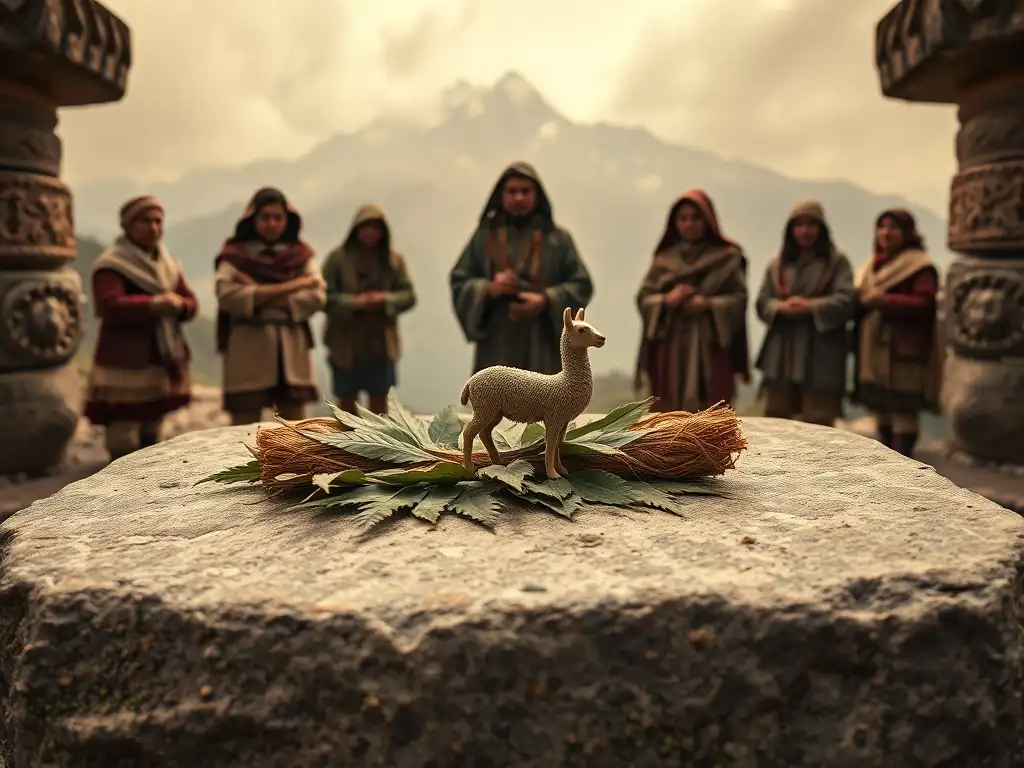
The Inca observed numerous rituals and ceremonies dedicated to ancestor veneration. These events were not solely somber affairs; they were often joyous celebrations that reaffirmed the connection between the living and the dead. These ceremonies often involved offerings of food, drink, coca leaves, and other precious items.
These offerings were not simply symbolic gestures; they were believed to nourish and appease the ancestors, ensuring their continued favor. Specific festivals, timed to coincide with agricultural cycles or significant historical events, played a crucial role in maintaining this connection. The capacocha, a ritual sacrifice involving the selection of young individuals to be offered to the gods, further highlights the importance of maintaining a harmonious relationship with the spiritual realm, a realm where ancestors held significant sway.
Detailed accounts of these rituals, unfortunately, remain fragmented, requiring further research to fully understand their complexity and significance. [Specific details on the frequency and types of offerings pending]
The Role of Priests and Shamans in Ancestor Worship
The Inca priesthood played a central role in mediating the relationship between the living and the ancestors. Priests were responsible for conducting ceremonies, interpreting omens, and ensuring the proper execution of rituals. Shamans, possessing specialized knowledge of the spirit world, acted as intermediaries, communicating with the ancestors and interpreting their will. Their expertise was highly valued, and they held considerable influence within Inca society.
These individuals were often responsible for maintaining the mummies of important ancestors, ensuring their proper care and preservation. The training and selection process for these individuals remains a subject of ongoing research, with certain aspects still shrouded in mystery. [Specific details on the selection and training of priests and shamans pending]
The Impact of Ancestor Worship on Inca Governance
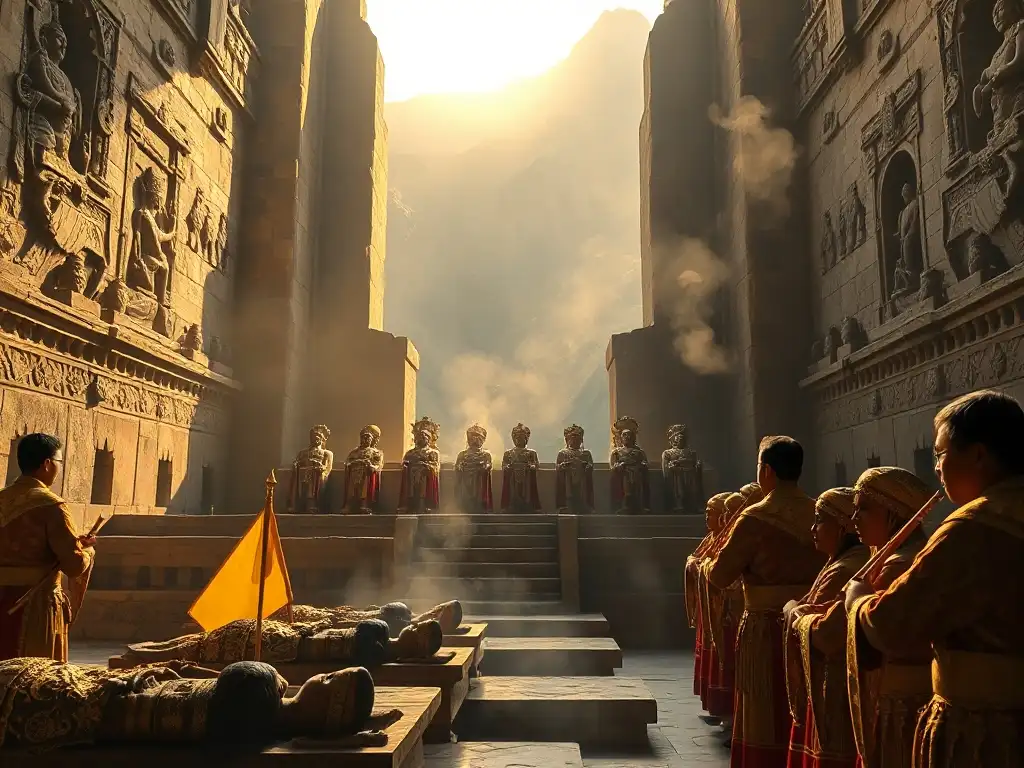
Ancestor worship was not merely a religious practice; it was deeply intertwined with Inca governance. The legitimacy of the Sapa Inca, the emperor, was directly linked to his lineage and his ability to maintain a harmonious relationship with his ancestors. Royal mummies were enshrined and consulted on matters of state, emphasizing the continuity of power and the sacred nature of the imperial line.
The Inca state actively promoted ancestor veneration, using it to reinforce social order, legitimize authority, and maintain the unity of the empire. The imperial cult, centered around the ancestors of the ruling lineage, played a vital role in reinforcing the power of the Sapa Inca and the legitimacy of his rule. [Specific examples of how ancestor worship impacted political decisions pending]
The Decline of Ancestor Worship and its Legacy
The Spanish conquest dramatically altered Inca religious practices, including ancestor worship. The destruction of Inca temples and the suppression of traditional rituals led to a decline in the prominence of ancestor veneration. However, aspects of ancestor worship persisted, adapting and blending with elements of Catholicism. The legacy of Inca ancestor worship continues to resonate in Andean cultures today, influencing beliefs, customs, and social structures. Understanding this enduring legacy provides a deeper appreciation for the complexity and resilience of Andean traditions. [Further research needed on the adaptation and persistence of ancestor worship practices after the Spanish conquest]
- The Significance of Ancestors in Inca Cosmology
- Rituals and Ceremonies Honoring Ancestors
- The Role of Priests and Shamans in Ancestor Worship
- The Impact of Ancestor Worship on Inca Governance
- The Decline of Ancestor Worship and its Legacy
The Significance of Ancestor Reverence in Inca Society
The Inca Empire, renowned for its sophisticated infrastructure and centralized administration, placed immense importance on ancestor veneration. This wasn't merely a sentimental practice; it was deeply intertwined with the Inca worldview, political legitimacy, and social cohesion. Ancestor worship practices were integral to the Inca concept of ayni, the principle of reciprocity and mutual obligation that governed all aspects of life.
By honoring their ancestors, the Inca believed they maintained a vital connection to the past, ensuring the continuity of their lineage, prosperity, and the favor of the gods. This section explores the multifaceted significance of ancestor reverence in Inca society, highlighting its profound influence on their social, political, and spiritual realms. Understanding these practices provides crucial insight into the very fabric of Inca civilization and its enduring legacy.
The Central Role of Ancestors in Inca Beliefs
Inca cosmology viewed ancestors as powerful intermediaries between the living and the spirit world. They weren't simply deceased relatives; they were active participants in the ongoing life of the community. The Inca believed that ancestors possessed the ability to influence events, both positive and negative, impacting harvests, health, and the overall well-being of their descendants. This belief fostered a deep sense of responsibility towards those who came before, emphasizing the importance of respecting and honoring their memory.
Rituals and offerings were conducted regularly to appease and seek the guidance of these ancestral spirits. The huacas, sacred sites often associated with ancestors or powerful spirits, served as focal points for these activities. These sites, which could range from natural formations like mountains and caves to carefully constructed shrines, were meticulously maintained and held immense spiritual significance.
The Inca believed that maintaining these huacas was crucial for maintaining the balance of the cosmos and ensuring their own prosperity. Failure to do so was believed to invite misfortune. The intricate relationship between the living and the dead profoundly shaped Inca society, influencing everything from daily routines to major state events.
Why Honoring the Ancestors Was Crucial for the Inca
Honoring ancestors wasn't simply a matter of piety; it was a crucial element for maintaining social order and political legitimacy within the Inca Empire. The Inca rulers presented themselves as descendants of the gods, tracing their lineage back to mythical ancestors. This divine connection legitimized their authority and reinforced their claim to power. By venerating their ancestors, the Inca rulers not only strengthened their own position but also fostered a sense of unity and shared identity among their subjects.
The elaborate rituals and ceremonies surrounding ancestor worship served to reinforce social hierarchies and solidify the power structure. Moreover, the Inca believed that neglecting their ancestors would lead to misfortune and disrupt the delicate balance of the cosmos. This fear acted as a powerful incentive to maintain the established traditions and customs associated with ancestor veneration.
The continuity of these practices was vital, not only for the spiritual well-being of the Inca but also for the stability and prosperity of the entire empire. The meticulous attention paid to ancestor worship underscores its critical role in the Inca worldview and its profound impact on the empire's social and political landscape. The practice wasn't merely a religious observance; it was a fundamental pillar of Inca society, integral to its very survival.
Inca Ancestor Worship Practices: Rituals and Ceremonies
Inca ancestor worship practices were deeply ingrained in the fabric of Inca society, forming a crucial element of their political, social, and religious life. The Inca worldview emphasized the continuity between the living and the dead, believing that ancestors held significant power and influence over the affairs of the living. This belief system fostered a complex array of rituals and ceremonies designed to honor and appease their deceased relatives, ensuring continued prosperity and good fortune.
Understanding these practices illuminates the sophisticated societal structures and spiritual beliefs of the Inca Empire. The reverence for ancestors wasn't merely a personal matter; it was a cornerstone of the Inca state's legitimacy and power. The meticulous attention paid to ancestor veneration reflects the Inca's profound respect for their heritage and their belief in the interconnectedness of past, present, and future.
Mummification and the Preservation of Inca Ancestors
Mummification was not simply a method of preserving the physical remains; it was a sacred process integral to Inca ancestor worship. The elite, particularly royalty and high-ranking officials, received elaborate mummification treatments. These weren't simply desiccated corpses; the bodies were carefully prepared, dressed in fine clothing, and adorned with jewelry and other precious artifacts, reflecting their status in life. The mummies weren't hidden away; they were often displayed in special shrines within the family's home or in state-sponsored mausoleums. This public display underscored the continued importance and influence of the deceased.
The process itself involved meticulous steps, including evisceration, removal of brain matter through the nasal cavity, and the application of various substances to preserve the body. Detailed accounts of the process are scarce, relying on archaeological findings and limited historical records, but the skill and care evident in the surviving mummies speak volumes about the significance placed upon this ritual.
The mummies were not merely passive objects; they were actively engaged with through offerings, conversations, and consultations, treated as living members of the family, albeit in a different state of being. The preservation of these ancestral remains served as a tangible link to the past, reinforcing the Inca belief in the enduring power of their ancestors.
Offerings and Sacrifices to the Deceased
Offerings and sacrifices formed a central component of Inca ancestor veneration. These acts were not merely symbolic gestures but were believed to maintain a vital connection between the living and the dead, ensuring the ancestors' continued benevolence and protection. The nature of these offerings varied depending on the occasion and the status of the deceased.
Simple offerings might include food, chicha (a fermented corn beverage), coca leaves, textiles, and other everyday items. More elaborate offerings, particularly for important ancestors, included precious metals, ceramics, and even human sacrifices, though the latter was far less common than often depicted. These sacrifices, while undoubtedly tragic, were believed to appease powerful deities and ensure the continued well-being of the community.
Evidence suggests that these sacrifices were often voluntary, chosen from among prisoners of war or individuals deemed suitable for the purpose. The act of making an offering was a deeply spiritual act, demonstrating respect and acknowledging the ancestor's continued power. The location of offerings also held significance, often placed at specific sites or shrines connected to the ancestor's life or death.
The Role of Priests in Inca Ancestral Rites
Inca priests, or hamacs, played a vital role in mediating between the living and the ancestral world. They were responsible for conducting rituals, interpreting omens, and ensuring the proper execution of ceremonies dedicated to ancestor worship. Their expertise was crucial in maintaining the delicate balance between the living and the dead.
The hamacs possessed specialized knowledge of Inca mythology, cosmology, and ritual practices. They were responsible for preparing offerings, selecting appropriate locations for ceremonies, and guiding the community in their interactions with the ancestral realm. Their role extended beyond mere ritual performance; they also served as advisors to the ruling elite, interpreting ancestral messages and offering guidance on matters of state and governance.
Their authority stemmed from their deep understanding of spiritual matters and their ability to communicate with the ancestors, making them essential figures in Inca society. The meticulous organization and execution of ancestor worship ceremonies demonstrate the intricate relationship between religious belief, social structure, and political power in the Inca Empire. The importance of the hamacs underscores the centrality of ancestor worship in the Inca worldview, highlighting its influence on every aspect of Inca life.
The Concept of Mallqui: Sacred Ancestral Remains
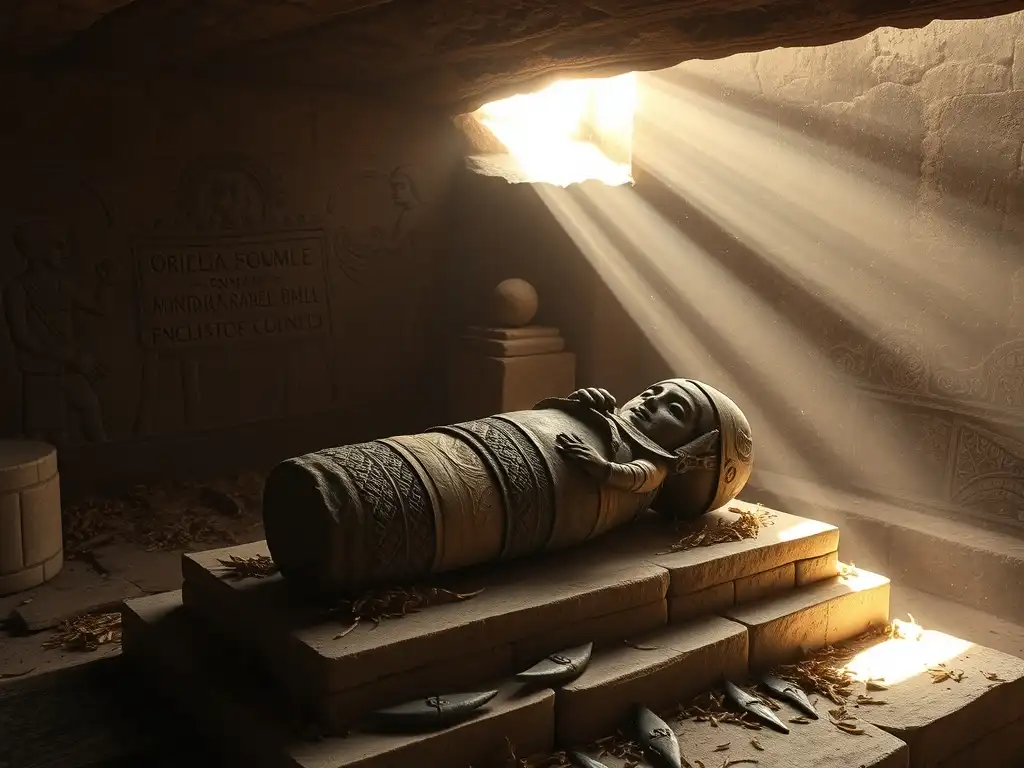
The Inca understanding of death and the afterlife fundamentally shaped their societal structures and governance. Central to this worldview was the concept of mallqui, referring not simply to the deceased, but to the carefully preserved and ritually venerated remains of ancestors. Mallqui weren't merely corpses; they were considered powerful intermediaries between the living and the spirit world, holding continued influence over the affairs of the community.
This belief system, deeply intertwined with Inca ancestor worship practices, profoundly impacted political legitimacy, resource allocation, and even warfare. The Inca Empire's success, in part, can be attributed to the potent social cohesion fostered by this reverence for their ancestors. The meticulous preservation and ceremonial treatment of mallqui cemented the lineage of rulers and reinforced the power structure, ensuring the continuity of Inca traditions and authority across generations.
This wasn't a passive veneration; rather, it was an active engagement with the ancestors, seeking their guidance and blessings through elaborate rituals and offerings. The very act of mummification and subsequent care was a demonstration of the Inca's enduring respect and belief in the continued power of their forebears.
Understanding the Significance of Mallqui
The mallqui weren't simply buried; they were actively incorporated into the living world. Their mummified bodies, often adorned with elaborate textiles and jewelry, were frequently brought out for ceremonies and festivals. These weren't morbid displays, but rather opportunities for interaction and consultation.
Inca ancestor worship practices involved feeding and clothing the mallqui, treating them as honored guests within the household or temple. This practice highlights the Inca belief in the continued existence and agency of the deceased. They weren't forgotten; they remained integral members of the community, albeit in a transformed state.
Archaeological evidence consistently reveals the presence of mallqui within domestic settings and elite tombs, underscoring their central role in both private and public life. Their presence served as a constant reminder of lineage, responsibilities, and the enduring power of the ancestral past. The condition of the mallqui itself was also significant; a well-preserved mummy signified a healthy and prosperous lineage, while damage or decay could be interpreted as an omen of misfortune.
The Treatment and Care of Mallqui
The meticulous preparation and ongoing care of mallqui demonstrate the profound respect accorded to Inca ancestors. Mummification was a complex process, involving the removal of internal organs, desiccation, and the application of various substances to preserve the body. The subsequent treatment involved regular cleansing, the provision of food and drink offerings (often miniature versions of everyday meals), and the adornment with new clothing and jewelry.
This ongoing care wasn't a mere ritual; it was a manifestation of the living's responsibility towards their ancestors. Failure to properly care for a mallqui was considered a grave offense, potentially leading to social repercussions and even divine retribution. The elaborate textiles, pottery, and other artifacts found alongside mallqui reveal the significant investment of resources dedicated to this ongoing veneration.
This wasn't simply a matter of religious devotion; it was a deeply ingrained social practice that reinforced kinship ties and maintained social order. The continuity of Inca ancestor worship practices across generations highlights the importance of ancestral memory and the enduring connection between the living and the dead within Inca society. The meticulous care of the mallqui is a testament to the profound influence of the ancestors on Inca life, governance, and the very fabric of their empire.
Inca ancestor worship practices were deeply intertwined with the empire's social structure, shaping its hierarchies, legitimizing power, and influencing daily life. The reverence for ancestors wasn't merely a spiritual practice; it was a cornerstone of Inca governance, social cohesion, and the very fabric of their society. The belief that deceased ancestors continued to exert influence on the living world provided a powerful framework for understanding their place in the cosmos and maintaining social order.
This pervasive influence extended from the emperor himself, whose legitimacy was directly linked to his ancestry, down to the common citizen whose actions were guided by the perceived wishes of their forebears. The intricate relationship between the living and the dead permeated all aspects of Inca life, ensuring continuity and stability within the empire. Understanding this connection is crucial to appreciating the complexities of Inca society.
How Ancestor Worship Influenced Inca Governance
Ancestor veneration played a pivotal role in Inca governance. The Sapa Inca, the emperor, was considered a direct descendant of the sun god Inti and held a divine status. His authority stemmed not only from his position but also from his lineage, connecting him to a powerful and revered ancestral line.
This divine right to rule was reinforced through elaborate ceremonies and rituals honoring the ancestors, solidifying the emperor's legitimacy and maintaining the stability of the empire. Decisions of state were often believed to be guided by the spirits of past rulers, consulted through divination and interpreted by priests. This ensured that governance was not solely the prerogative of the living but also reflected the wisdom and will of those who had come before.
The concept of “pachacuti,” a cyclical renewal of the world, further emphasized the importance of ancestral connection in maintaining cosmic and social harmony. Failure to honor ancestors was seen as disrupting this delicate balance, potentially leading to misfortune or even societal collapse. The empire's administrative structure, therefore, was deeply rooted in these beliefs, with officials carefully selected based on lineage and demonstrated piety.
Lineage and Ancestral Claims to Power
The Inca system emphasized the importance of lineage in determining social standing and access to power. Membership in the royal family, or panaca, granted significant privileges and influence. Each panaca represented a specific branch of the imperial family, tracing its ancestry back to a particular Inca ruler. These lineages were meticulously documented and maintained, as they formed the basis of claims to power and influence within the empire.
The panacas not only held significant political power but also controlled vast resources and landholdings. Competition and alliances between different panacas were common, with the strength of a panaca often directly related to the perceived power and prestige of its ancestral line. The more significant and revered the ancestors, the greater the influence and authority of the living members of that panaca. This system ensured that power was not solely concentrated in the hands of the current emperor but was distributed, albeit unequally, among the various branches of the royal family.
The strength of the panaca system was directly linked to the successful practice and maintenance of Inca ancestor worship traditions. The continuation of these rituals ensured the continued legitimacy and power of the royal family and its various branches. This created a dynamic interplay between the living and the dead, a constant negotiation of power and influence shaped by the weight of ancestral legacy.
Inca Ancestor Worship and the Concept of Ayllu
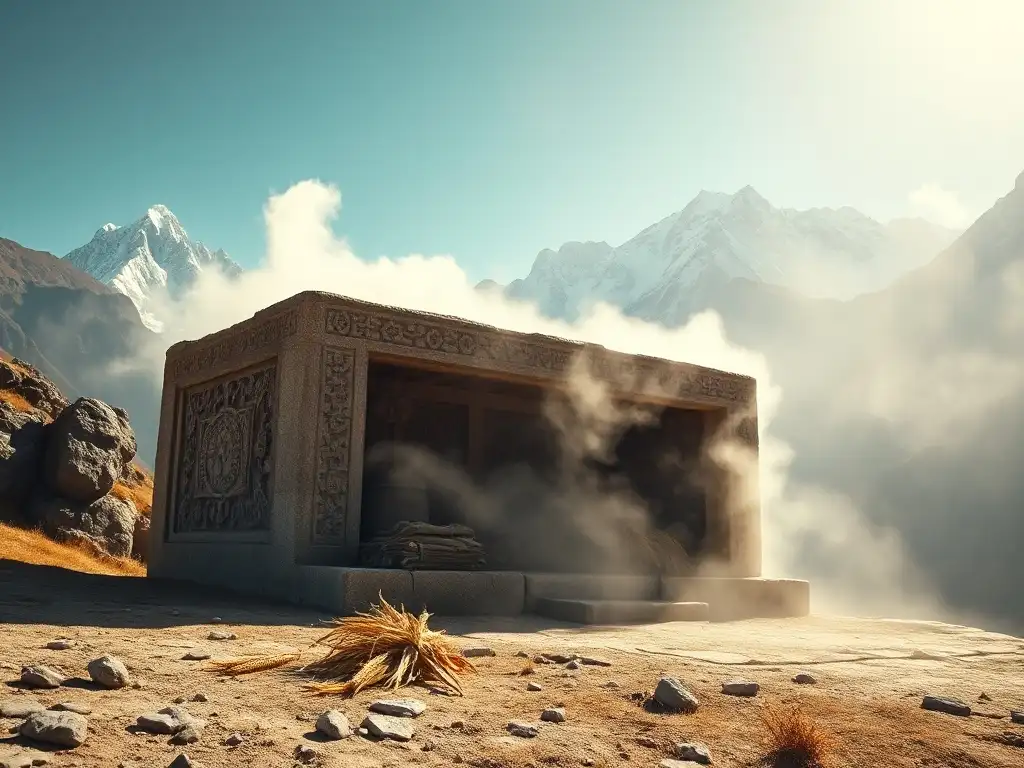
Inca ancestor worship practices were deeply intertwined with the social structure of the Inca Empire, particularly the ayllu. Understanding the ayllu is crucial to grasping the significance of ancestor veneration within Inca society. It wasn't simply a matter of individual piety; rather, ancestor worship was a fundamental pillar supporting the political, economic, and social stability of the entire empire. The reverence shown to ancestors solidified the social order and reinforced the Inca worldview.
This section will explore the intimate connection between ancestor worship and the ayllu system. The meticulous nature of these practices, passed down through generations, highlights the importance placed on maintaining a strong connection with the past. This connection wasn't merely symbolic; it had tangible effects on daily life, influencing decisions from agricultural practices to political succession.
The Ayllu as the Foundation of Inca Society
The ayllu formed the bedrock of Inca society, functioning as a complex socio-economic unit. It wasn't simply a kinship group; it was a community bound by shared ancestry, land ownership, and mutual obligations. Members of an ayllu worked collectively on agricultural projects, shared resources, and participated in communal religious ceremonies. This cooperative structure ensured the survival and prosperity of the group, fostering a strong sense of community and shared identity.
The ayllu system provided a framework within which ancestor worship thrived. Ancestors, revered as powerful intermediaries between the living and the supernatural realm, were integral to the ayllu's identity and continuity. Their spirits were believed to protect and guide the community, ensuring bountiful harvests and social harmony.
The strength of the ayllu was directly linked to the strength of its ancestral ties, making ancestor veneration a crucial element of Inca governance. Records suggest that the ayllu structure was incredibly resilient and adaptable, contributing significantly to the Inca Empire's longevity and success. Further research into specific ayllu structures in different regions could reveal additional nuances in the relationship between ancestor worship and community organization.
Ancestral Ties Within the Ayllu
Ancestor veneration within the ayllu wasn't a passive observance; it was an active, participatory process. The malquis, or mummies of important ancestors, were often kept within the ayllu's territory, serving as focal points for rituals and ceremonies. These weren't simply dusty relics; they were active participants in the community's life. The Inca believed that the spirits of their ancestors continued to influence the affairs of the living, offering guidance and protection. Regular offerings of food, drink, and other goods were made to appease and honor the ancestors, ensuring their continued favor.
These offerings weren't solely material; they also involved elaborate ceremonies, prayers, and sacrifices, demonstrating the depth of the Inca's commitment to their ancestors. The meticulous preservation of mummies and the construction of elaborate mausoleums underscore the importance of this connection. Specific practices varied across different ayllu and regions, reflecting the diverse cultural expressions within the empire. However, the underlying principle—the vital role of ancestors in maintaining the ayllu's well-being—remained constant.
Detailed archaeological evidence, including the discovery of mummies with accompanying grave goods, provides compelling support for this interpretation of Inca ancestor worship practices. Further study is needed to fully understand the regional variations in these practices and their impact on the overall Inca social structure. The role of women in these practices, for instance, remains an area requiring further research. The intricate relationship between the living and the dead within the ayllu system represents a sophisticated and complex expression of Inca spirituality and social organization.
The Legacy of Inca Ancestor Reverence
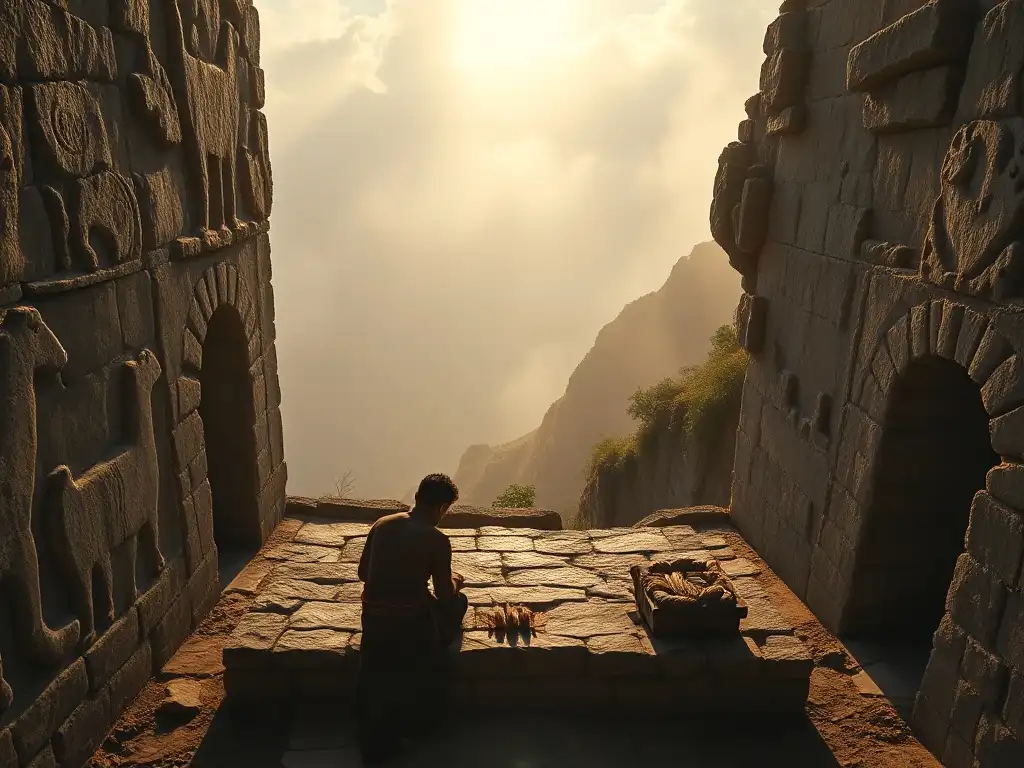
Inca ancestor worship practices weren't merely a set of rituals; they were the bedrock of Inca societal structure and political legitimacy. The Inca worldview deeply intertwined the living and the dead, believing that the ancestors continued to exert influence on the affairs of the living. This belief system profoundly shaped Inca governance, influencing everything from royal succession to agricultural practices and even warfare.
The ayllu, the fundamental social unit, was structured around kinship ties extending beyond the living to encompass deceased ancestors. Their spirits were considered integral members, their continued well-being crucial to the prosperity of the community. This wasn't a passive reverence; the Inca actively engaged with their ancestors through elaborate ceremonies and offerings, seeking their guidance and protection.
The very concept of Sapa Inca, the emperor, was inherently linked to this ancestral lineage, reinforcing the divine right to rule. The emperor's authority stemmed not solely from his earthly power but also from his connection to the powerful ancestors who preceded him, a legacy meticulously maintained through elaborate rituals and carefully preserved genealogical records.
The Influence of Inca Ancestor Worship on Modern Andean Cultures
The echoes of Inca ancestor worship practices resonate strongly in contemporary Andean cultures. While the formal structures of the Inca empire have long since vanished, the fundamental belief in the enduring presence and influence of ancestors persists. Many modern Andean communities continue to observe traditions rooted in Inca practices, albeit often adapted and blended with later influences from Spanish Catholicism and other indigenous beliefs.
For example, the practice of pachamama worship, the veneration of Mother Earth, incorporates elements of ancestor veneration, highlighting the interconnectedness of the living, the dead, and the natural world. These practices often involve offerings of coca leaves, food, and drink to appease the spirits of ancestors and ensure their continued benevolence. The Día de los Difuntos (Day of the Dead), though influenced by Catholicism, retains strong connections to pre-Columbian traditions of remembering and honoring the deceased.
Families visit cemeteries, prepare special meals, and offer prayers to their ancestors, demonstrating a continuity of ancestral reverence across centuries. The persistence of these traditions testifies to the enduring power of Inca beliefs and their profound impact on shaping Andean cultural identity. The deep-seated respect for elders and ancestors continues to be a cornerstone of social structure in many Andean communities, reflecting the legacy of Inca values.
Contemporary Practices Reflecting Ancestral Reverence
Contemporary Andean communities showcase a vibrant tapestry of practices that directly or indirectly reflect Inca ancestor reverence. These practices are not uniformly applied across the region; they vary significantly based on specific ethnic groups, geographic location, and socio-economic factors. However, certain common threads emerge. For example, the use of k'eros, intricately carved ceremonial cups used in Inca times for ritual offerings, continues in many communities, albeit often adapted to modern contexts.
These cups, frequently adorned with symbolic imagery related to ancestors and deities, are employed in ceremonies and celebrations, serving as a tangible link to the past. Furthermore, the construction and maintenance of ancestral tombs and burial grounds remain important activities, showcasing the continued importance of honoring and remembering the deceased. These sites often become focal points for community gatherings and rituals, reinforcing the communal bonds and shared heritage. Moreover, the importance of oral traditions and storytelling plays a vital role in preserving ancestral memory and transmitting cultural values across generations.
Stories of ancestors, both heroic and cautionary, serve to reinforce societal norms and provide a framework for understanding the present within the context of the past. These practices, diverse yet interconnected, demonstrate the enduring legacy of Inca ancestor worship and its profound influence on shaping contemporary Andean societies. The continued relevance of these traditions underscores the deep-rooted connection between the living and their ancestors in the Andean worldview. The vibrant continuation of these customs highlights the enduring strength and adaptability of Inca cultural heritage.
The Importance of Understanding Inca Ancestor Worship
Understanding Inca ancestor worship practices is crucial for comprehending the intricacies of Inca society, governance, and worldview. It wasn't simply a ritualistic practice; it was deeply interwoven with their political structures, economic systems, and daily lives. The reverence for ancestors formed the bedrock of Inca ideology, shaping their understanding of power, legitimacy, and continuity. Ignoring this aspect leads to an incomplete and potentially inaccurate picture of the Inca Empire.
This section will explore how this vital element impacted various aspects of Inca life. By studying Inca ancestor worship, we gain invaluable insights into the motivations and actions of one of South America's most fascinating and influential civilizations. The significance extends beyond historical curiosity; understanding their beliefs helps us appreciate the enduring cultural legacy of the Andes.
Insights into Inca Values and Beliefs
Inca ancestor veneration reveals much about their core values. The emphasis on ancestor worship highlights a strong sense of community and lineage. The Inca believed that the living and the dead were inextricably linked, with ancestors acting as intermediaries between the human world and the divine realm. This belief system fostered a deep respect for elders and a strong emphasis on family ties. The ayllu, the fundamental social unit of Inca society, was structured around kinship and ancestral connections. Maintaining harmonious relationships with ancestors was seen as essential for the well-being of the entire ayllu.
Furthermore, ancestor worship reveals Inca beliefs about power and legitimacy. Rulers legitimized their authority by tracing their lineage back to powerful ancestors, often deified figures. This connection to the past provided a powerful justification for their rule, reinforcing social order and stability.
The elaborate rituals and offerings associated with ancestor worship served to solidify this link and maintain the sacred authority of the Inca rulers. The mummification and subsequent veneration of past rulers cemented their continued influence even after death, reinforcing the idea of a continuous, unbroken line of power. This emphasis on lineage and continuity is a key element in understanding Inca political structures and the stability of their empire.
Preserving the Cultural Heritage of the Andes
The legacy of Inca ancestor worship continues to resonate in the Andes today. Many indigenous communities in the region still maintain traditions and practices rooted in ancestral reverence. Understanding these practices is crucial for preserving the rich cultural heritage of the Andes and promoting respect for the diverse cultural expressions of the region.
The continuation of these traditions demonstrates the enduring power of Inca beliefs and their integration into the contemporary Andean cultural landscape. By studying Inca ancestor worship, we gain a deeper understanding of these ongoing traditions and their historical roots. The preservation of these practices is vital for protecting cultural diversity and promoting intercultural dialogue.
Documenting and studying these practices not only preserves the past but enriches our understanding of the present and future of Andean culture. For example, the continuation of certain rituals and ceremonies offers a tangible link to the Inca past and provides insights into the evolution of Andean belief systems.
Encouraging Further Research on Inca Ancestry
Despite significant advancements in our understanding of Inca civilization, many questions surrounding their ancestor worship practices remain unanswered. Further research is crucial to shed more light on the complexities of this essential aspect of Inca culture. Areas requiring further investigation include: the specific rituals and ceremonies associated with different types of ancestors; the role of women in ancestor veneration; the regional variations in ancestor worship practices; and the interplay between ancestor worship and other religious beliefs within the Inca empire.
This research should involve interdisciplinary approaches, integrating archaeological findings, ethnohistorical studies, and anthropological perspectives. The collaborative efforts of researchers from various fields are essential for a more comprehensive understanding of Inca ancestor worship and its impact on Inca society.
The potential for new discoveries is significant, and further investigation promises to enrich our understanding of this fascinating aspect of Inca civilization and contribute to the preservation of Andean cultural heritage. The application of new technologies and methodologies in archaeology and anthropology could also significantly contribute to this area of study.
Frequently Asked Questions
What role did ancestor worship play in Inca society?
Ancestor worship was central to Inca life. It formed the basis of their social structure, political legitimacy, and religious beliefs, reinforcing the power of the ruling class and maintaining social order. Their worldview was deeply rooted in connecting with their ancestors.
How did the Inca honor their ancestors?
The Inca honored their ancestors through various rituals, including elaborate mummification and the construction of mausoleums. They also made offerings of food, drink, and other valuable goods to appease their ancestors and seek their guidance. Festivals and ceremonies were dedicated to ancestor veneration.
Were all Inca ancestors treated equally in worship?
No, the level of veneration varied. Imperial ancestors received the most significant attention and elaborate rituals. The importance placed on an ancestor was directly related to their social standing during their lifetime and their perceived influence on the living.
What was the significance of mummification in Inca ancestor worship?
Mummification was crucial; mummies were considered living beings, albeit in a different state. They were kept within the family or in special shrines, consulted for advice, and included in family celebrations. This shows the belief in the continuing presence and influence of the deceased.
How did ancestor worship relate to Inca agricultural practices?
Ancestor worship was deeply interwoven with agriculture. The fertility of the land was believed to be connected to the favor of the ancestors. Rituals aimed to ensure bountiful harvests, often involving offerings and prayers to deceased relatives who were seen as protectors of the land and its productivity.
Final Reflection: Echoes of the Past, Shaping the Future
The intricate tapestry of Inca ancestor veneration, far from being a relic of a bygone era, continues to resonate deeply within contemporary Andean cultures and offers invaluable lessons on community, identity, and the enduring power of memory. The practices, beliefs, and social structures built around ancestor worship remain profoundly relevant in understanding the complexities of Andean societies, both past and present. Their legacy shapes not only cultural identity but also informs our understanding of human connection across time.
The profound impact of Inca ancestor worship is undeniable; it's woven into the very fabric of Andean life, influencing everything from family structures and agricultural practices to artistic expression and spiritual beliefs. The reverence for ancestors fostered a strong sense of community and continuity, a powerful social glue that bound generations together. As the renowned anthropologist, John Murra, once noted, The Inca state was not simply a political entity, but a complex system of kinship and reciprocity, where ancestors played a crucial role in maintaining social order and legitimizing power.
This quote highlights the far-reaching influence of ancestor worship, extending beyond mere ritual to the very core of Inca society and its enduring legacy.
Consider the echoes of this profound respect for the past in your own life. How do you honor your ancestors, your heritage, and the traditions that have shaped who you are? Take a moment to reflect on the enduring power of memory and the importance of connecting with those who came before you.
By understanding the significance of Inca ancestor worship, we can gain a deeper appreciation for the enduring strength of cultural traditions and the vital role they play in shaping our present and future. Let the legacy of the Inca inspire you to cultivate your own connections to the past, fostering a sense of belonging and continuity within your own community and family.
Embrace Your Heritage: Take Action Today!
Thank you for exploring the rich traditions of Inca ancestor veneration with us! You've discovered the profound connection between the past and present that shapes Andean culture. Now let's bring that understanding into your life.
Here are some meaningful ways to honor your heritage and keep these traditions alive:
- Create a Personal Shrine: Dedicate a small space in your home to your ancestors. Include photographs, heirlooms, or meaningful objects that represent your family history.
- Share Your Family History: Connect with relatives to learn more about your lineage. Record and share these stories—perhaps even on social media—to inspire others to explore their own roots.
- Participate in Cultural Celebrations: Seek out local festivals or online events that celebrate Andean traditions. Engage with your community to strengthen your cultural ties.
Share your own unique ways of connecting with your ancestors in the comments below! Let's inspire each other.