
Seeds of Innovation: The Earliest Examples of Andean Ingenuity


Step into a world lost to time, yet echoing with ingenuity. For centuries, the Andean civilizations thrived, leaving behind a legacy of breathtaking artistry and astonishing innovation. But what were the seeds of this ingenuity? Discover remarkable examples of Andean civilizations innovation that will challenge your perceptions of ancient technology and redefine your understanding of human potential. Uncover the secrets behind their advancements – you won't want to miss this journey.
- Seeds of Innovation: Early Ingenuity in Andean Civilizations
- Early Andean Agricultural Innovations
- Architectural and Engineering Marvels of Early Andean Cultures
- Textile and Ceramic Innovations in Ancient Andes
- Early Metallurgical Practices in the Andes
- Andean Water Management and Infrastructure
- Conclusion: The Legacy of Early Andean Ingenuity
- Frequently Asked Questions
- Final Reflection: Harvesting the Legacy of Andean Ingenuity
- Ignite Your Curiosity and Explore Andean Innovation!
Seeds of Innovation: Early Ingenuity in Andean Civilizations
The Andes Mountains, a formidable yet breathtaking landscape, cradled some of the most innovative civilizations the world has ever known. Long before the Inca Empire rose to prominence, ingenious societies thrived in this challenging terrain, developing remarkable technologies and cultural practices that continue to fascinate and inspire.
This article delves into the earliest examples of Andean ingenuity, exploring the remarkable advancements in agriculture, architecture, and social organization that shaped the development of these captivating civilizations. We will examine how these early innovations laid the foundation for the complex societies that would later flourish in the Andes, highlighting the ingenuity and resilience of their inhabitants in the face of environmental challenges.
Understanding these foundational innovations provides crucial context for appreciating the full scope of Andean civilizations' achievements and their lasting impact on the world. We'll explore specific examples to illustrate the depth and breadth of their accomplishments, showcasing their mastery of their environment and their remarkable capacity for adaptation and innovation.
Introduction to Andean Technological Advancements
The Andean region, characterized by its diverse and challenging geography—from arid coastal deserts to high-altitude plains and lush cloud forests—presented significant hurdles for early inhabitants. However, rather than being obstacles, these challenges spurred remarkable technological advancements. Early Andean societies demonstrated exceptional ingenuity in adapting to their environment, developing innovative solutions for agriculture, water management, and construction.
These advancements were not isolated incidents but rather the result of a continuous process of experimentation, adaptation, and refinement passed down through generations. This section focuses on the foundational technological innovations that allowed these civilizations to thrive, laying the groundwork for the more complex societies that followed. We'll explore examples from various cultures, highlighting the common threads of ingenuity and the unique adaptations specific to each environment.
The development of sophisticated agricultural techniques was paramount. The challenges of cultivating crops in diverse and often unforgiving terrains led to the creation of intricate irrigation systems, terraced farming, and innovative crop domestication strategies. These techniques not only ensured food security but also shaped the social and political landscape of these early communities. Furthermore, the development of advanced architectural techniques, adapted to the unique geological conditions of the Andes, allowed for the construction of impressive structures, reflecting both practical needs and complex social structures.
The mastery of stonework, for example, is evident in early structures that demonstrate a sophisticated understanding of engineering and construction principles. These early achievements in technology and engineering are a testament to the ingenuity and adaptability of the Andean peoples. We will examine specific examples below to illustrate the complexity and sophistication of these innovations.
Further Exploration of Early Andean Innovations
Detailed analysis of specific innovations will follow in subsequent sections, including a closer look at:
- Specific examples of early irrigation systems and their impact on agricultural productivity.
- The different types of terracing used across various Andean regions and their effectiveness in different environments.
- Analysis of early Andean architecture, focusing on materials, techniques, and their social significance.
- Examination of early social structures and their influence on technological development.
Early Andean Agricultural Innovations

The Andes Mountains, a seemingly inhospitable environment, became the cradle of remarkable agricultural innovations. Long before the Inca Empire, ingenious techniques allowed Andean civilizations to flourish in challenging terrains, transforming arid slopes and high-altitude plateaus into productive farmland. Understanding these early innovations is key to appreciating the ingenuity and resilience of these ancient cultures, providing crucial context for the development of later, more complex Andean societies.
This section explores some of the earliest examples of this ingenuity, focusing on crop domestication, irrigation, and land management, showcasing the deep connection between Andean civilizations and their environment. The study of these “Andean civilizations innovation examples” reveals a sophisticated understanding of agriculture far surpassing what many might assume.
Domestication of Andean Crops: A Foundation for Civilization
The foundation of Andean agricultural success lies in the domestication of a diverse array of crops uniquely adapted to the region's varied climates and altitudes. Unlike many other parts of the world where agriculture relied on a smaller number of staple crops, Andean civilizations cultivated a remarkably broad spectrum of plants. This biodiversity was not merely a matter of chance; it was a result of centuries of careful selection and breeding.
Key examples include the domestication of potatoes ( Solanum tuberosum), quinoa ( Chenopodium quinoa), and maize ( Zea mays). Each presents a unique challenge and triumph of early Andean agriculturalists. Potatoes, with their remarkable adaptability to diverse altitudes and soil conditions, became a staple food source, with thousands of varieties developed over time.
Quinoa, a highly nutritious grain, thrived in harsh, high-altitude environments, providing essential sustenance where other crops would fail. Maize, though likely originating elsewhere, underwent significant adaptation and diversification in the Andes, becoming a cornerstone of Andean diets and cultures. The careful selection and cultivation of these crops, alongside many others like beans, squash, and various tubers, laid the groundwork for the development of complex societies.
This agricultural diversification acted as a crucial buffer against crop failures, ensuring food security even in the face of challenging climatic conditions. The mastery of crop domestication is a shining example of Andean civilizations innovation.
Innovative Irrigation Techniques in the Andes
The arid and semi-arid regions of the Andes posed a significant challenge to early agriculturalists. To overcome these limitations, Andean civilizations developed sophisticated irrigation systems that harnessed scarce water resources with remarkable efficiency. These systems weren't simply canals; they were complex networks of channels, reservoirs, and aqueducts, often carved into the landscape with meticulous precision.
Examples of these innovative systems can be found across the Andes, reflecting the adaptability of Andean engineering. Some involved diverting water from mountain streams and rivers using intricate systems of canals and ditches. Others utilized subterranean channels, known as qanats, to transport water over long distances with minimal water loss. These qanats were remarkably efficient, minimizing evaporation and ensuring a constant supply of water to fields, even during dry periods.
The construction of such systems required significant engineering skill, collaborative effort, and a deep understanding of hydrology. The effectiveness of these irrigation techniques is evidenced by the prosperity of agricultural communities in regions that would otherwise be unsuitable for farming. These impressive feats of water management highlight the ingenuity and planning capabilities of early Andean civilizations.
Terracing and Land Management for Sustainable Agriculture
The steep slopes of the Andes presented another major obstacle to agriculture. To overcome this, Andean civilizations developed the remarkable technique of terracing. Terracing involved carving the mountainsides into a series of flat platforms, creating level fields suitable for cultivation. This not only increased the amount of arable land but also prevented soil erosion and improved water retention.
The construction of terraces was a monumental undertaking, requiring significant labor and sophisticated engineering. The terraces were often supported by retaining walls made of stone, carefully fitted together to create stable and durable structures. The size and complexity of these terraced fields varied depending on the terrain and the resources available, but they consistently demonstrated a remarkable understanding of sustainable land management.
This sophisticated approach to agriculture ensured the long-term productivity of the land, allowing Andean civilizations to thrive for centuries in otherwise challenging environments. The legacy of these terraces can still be seen today, a testament to the enduring ingenuity and foresight of the ancient Andean agriculturalists. The development and implementation of terracing techniques stand as a powerful illustration of Andean civilizations innovation in sustainable agriculture.
Architectural and Engineering Marvels of Early Andean Cultures
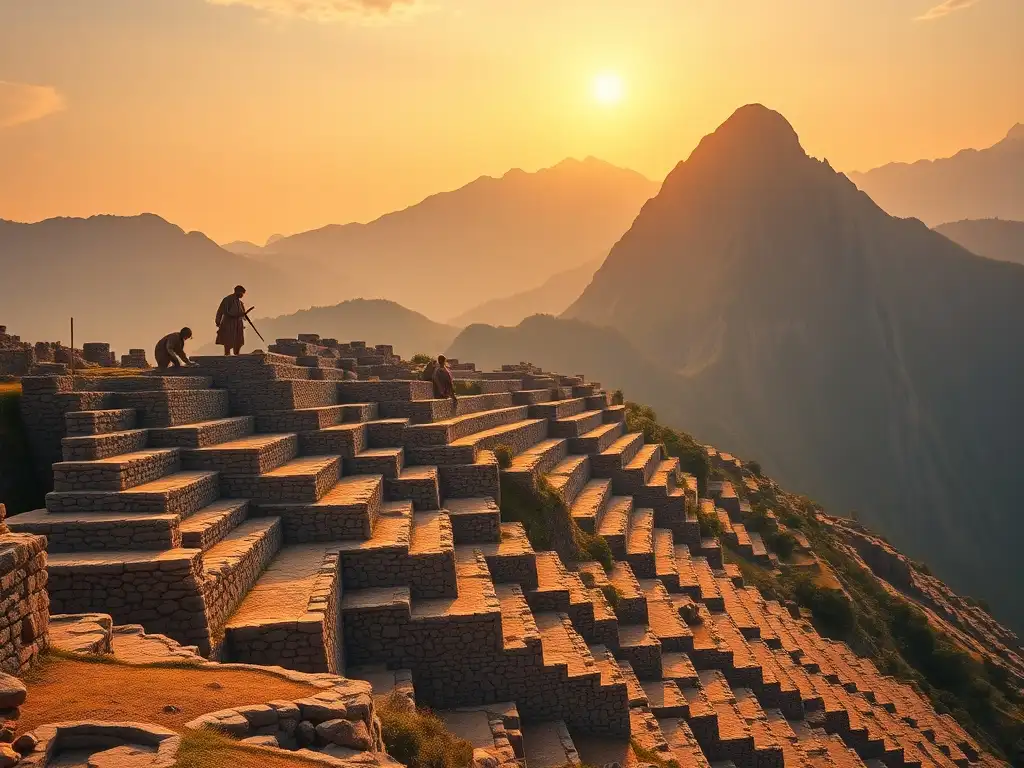
The ingenuity of Andean civilizations is profoundly evident in their remarkable architectural and engineering achievements, predating even the Inca Empire. These early societies, facing challenging geographical terrains and limited resources, developed sophisticated techniques and innovations that continue to astound researchers today. Their mastery of stonework, urban planning, and monumental construction showcases a deep understanding of engineering principles and a remarkable capacity for collaborative effort.
The study of these early structures offers invaluable insights into the societal organization, technological prowess, and cultural beliefs of these fascinating ancient peoples. Understanding these early innovations provides a crucial foundation for appreciating the later, more complex achievements of Andean civilizations. This section will delve into specific examples highlighting the ingenuity displayed in early Andean architecture and engineering.
The Development of Stone Construction Techniques
Early Andean builders demonstrated exceptional skill in manipulating stone, utilizing various techniques depending on the available resources and the intended purpose of the structure. Dry-stone construction, a method involving precise fitting of stones without the use of mortar, is a hallmark of Andean architecture. This technique, requiring immense precision and planning, allowed for the creation of incredibly stable and durable structures that have withstood the test of time. For example, the walls of Ollantaytambo, while attributed to the Inca, show evidence of much earlier construction techniques integrated into later expansions, showcasing the continuity of these masterful methods.
The precision of the stonework, with stones fitted together so tightly that a blade cannot be inserted between them, is truly remarkable. This wasn't simply a matter of functionality; the artistry involved speaks to a deep cultural significance placed upon the construction itself. Different regions developed unique variations of dry-stone construction, reflecting both local geological conditions and distinct cultural practices.
Analysis of these variations provides valuable clues to understanding the migration patterns and cultural exchanges between different Andean communities. Further research is needed to fully understand the specific tools and techniques employed, but existing evidence points to a sophisticated understanding of stone mechanics and a high level of craftsmanship. The development of these techniques laid the groundwork for the monumental structures built by later Andean civilizations.
Early Examples of Urban Planning in the Andes
While often overshadowed by the grandeur of later Inca cities, early Andean settlements already displayed sophisticated urban planning principles. These early urban centers, often situated strategically in relation to agricultural resources and natural features, demonstrate a deep understanding of environmental factors and the needs of a growing population. The layout of these cities, though less rigidly structured than later Inca designs, reveals a clear sense of organization.
Evidence suggests the use of carefully planned street grids, plazas for communal gatherings, and specialized areas dedicated to specific activities, such as crafting or religious ceremonies. One compelling example is the pre-Inca city of Cajamarca, which showcases a complex system of water channels and terraced agriculture integrated into the urban fabric. These early urban planning examples highlight the capacity for complex social organization and the importance of resource management in the development of early Andean societies.
Understanding the urban planning principles employed in these early settlements is crucial to understanding the evolution of Andean city design and the development of sophisticated societal structures. Further research, particularly archaeological excavation and analysis of settlement patterns, could provide more detailed information about the social structures and organizational principles guiding the development of these early urban centers.
The Construction of Chavín de Huántar
Chavín de Huántar, located in the highlands of Peru, stands as a testament to the architectural and engineering prowess of the early Andean civilizations. This monumental complex, dating back to approximately 1500-200 BCE, is renowned for its intricate stone carvings, massive plazas, and sophisticated water management systems. The construction of Chavín de Huántar involved the precise cutting and placement of enormous stones, some weighing several tons, demonstrating an impressive understanding of engineering principles.
The site's intricate network of underground tunnels and channels, used for both ceremonial and practical purposes, showcases a sophisticated understanding of hydrology and engineering. The complex's design, incorporating both open plazas and enclosed chambers, reveals a deep understanding of spatial organization and symbolic representation. The construction of Chavín de Huántar required immense collective effort, highlighting the advanced social organization and collaborative capabilities of the Chavín culture.
The site's enduring legacy as a significant religious center speaks to the cultural and spiritual importance placed upon this remarkable architectural achievement. Further research into the construction techniques employed at Chavín de Huántar, and a more thorough understanding of its social and religious significance, would provide valuable insights into the complexities of this early Andean civilization and its contributions to Andean innovation. The site continues to yield new discoveries, underscoring the ongoing importance of its study for understanding the “Andean civilizations innovation examples”.
Textile and Ceramic Innovations in Ancient Andes

The Andean civilizations weren't just masters of monumental architecture; they were also pioneers in textile and ceramic arts, showcasing remarkable ingenuity and innovation even in their earliest settlements. Their advancements in these fields weren't merely aesthetic; they reflected a deep understanding of materials science, complex techniques, and symbolic representation, all vital aspects of Andean civilizations innovation examples. These innovations played a crucial role in their social structures, religious practices, and daily lives.
The Art of Andean Weaving and Its Early Forms
The earliest examples of Andean weaving date back millennia, predating even the Inca Empire. Archaeological finds reveal intricate textiles crafted from natural fibers like cotton and camelid wool (alpaca, llama, and vicuña). These early textiles weren't simply utilitarian; they were often adorned with complex geometric patterns and symbolic motifs, suggesting a sophisticated understanding of design and color.
The techniques used, though simpler than later developments, laid the groundwork for the incredibly complex weaving traditions of subsequent Andean cultures. For instance, fragments of textiles found in the Paracas Necropolis (circa 500 BCE – 200 CE) demonstrate a remarkable mastery of techniques like tapestry weaving and embroidery, indicating a high level of technical skill and artistic expression. These early textiles provide invaluable insight into the artistic sensibilities and technological capabilities of the early Andean peoples, showcasing remarkable Andean civilizations innovation examples in textile production.
The Use of Backstrap Looms for Complex Designs
A key innovation in Andean weaving was the widespread adoption of the backstrap loom. This simple yet ingenious device, a hallmark of Andean civilizations innovation examples, allowed weavers to create incredibly intricate and detailed textiles. The backstrap loom's portability and adaptability to various weaving styles contributed to its widespread use across diverse Andean communities.
By securing one end of the warp threads to a stationary object and the other to a belt worn around the weaver's waist, the weaver could control the tension and create complex patterns with remarkable precision. The use of supplementary weft techniques, combined with the backstrap loom, allowed for the creation of intricate designs and highly textured fabrics.
This technology allowed for the production of highly valued textiles used in ceremonial garments, elite burials, and everyday clothing, demonstrating the significant technological prowess of Andean cultures. The enduring legacy of the backstrap loom in Andean textile traditions speaks volumes about its efficiency and adaptability.
Development of Ceramic Styles and Techniques
Alongside their advancements in textiles, the Andean civilizations also made significant strides in ceramic production. Early ceramic styles, often characterized by simple forms and undecorated surfaces, gradually evolved into highly sophisticated and aesthetically pleasing works of art. The development of different firing techniques, such as open-air firing and kiln firing, allowed for greater control over the final product's quality and appearance.
The use of diverse clays and pigments resulted in a vibrant range of colors and textures. For example, the Moche culture (circa 100 CE – 800 CE) is renowned for its highly realistic and detailed ceramic sculptures, depicting scenes from daily life, mythology, and ritual practices. These sophisticated ceramic works, another shining example of Andean civilizations innovation examples, are testaments to the ingenuity and artistic skill of the Moche potters and underscore their advanced understanding of material science and firing techniques.
The evolution of ceramic styles across different Andean cultures provides a fascinating glimpse into their artistic development and technological capabilities. Analysis of these artifacts reveals a continuous process of refinement and innovation, reflecting the dynamic nature of Andean societies and their relentless pursuit of artistic and technological excellence.
The Stirrup Spout Vessels of the Moche
The Moche civilization (c. 100 – 800 CE), flourishing along the northern coast of Peru, left behind a remarkable legacy of artistic and technological prowess, perhaps none more iconic than their stirrup-spout vessels. These aren't just simple containers; they are stunning examples of Andean ingenuity, showcasing sophisticated ceramic techniques and a deep understanding of both form and function. The distinctive stirrup spout, a handle shaped like a stirrup, is not merely decorative.
It facilitated controlled pouring, preventing spills and allowing for precise libations in religious ceremonies. The shape itself is thought to be symbolic, potentially representing a deity or a significant aspect of Moche cosmology.
The creation of these vessels required exceptional skill. Moche potters employed a complex process, starting with the careful selection and preparation of clay. They then meticulously shaped the vessels, often using molds for the basic forms, before adding intricate details by hand. The mastery of firing techniques is evident in the consistent quality and durability of these artifacts.
Many stirrup-spout vessels survive today, a testament to the potters' expertise. The vibrant colors and detailed imagery decorating these vessels, depicting scenes of warfare, daily life, and mythical creatures, further highlight the advanced artistic skills of the Moche people. These ceramic masterpieces are not only aesthetically pleasing but also provide invaluable insights into the beliefs, practices, and social structures of this fascinating civilization. The precision and artistry involved in their creation stand as a powerful symbol of Moche innovation in ceramic technology.
Studies of the clay composition and firing techniques used in the creation of these vessels continue to reveal new insights into Moche technological advancements. The longevity and widespread distribution of these artifacts also speaks to the significance of the stirrup spout vessel within Moche society, suggesting a deep cultural and possibly religious significance. The stylistic variations found across different Moche regions and time periods demonstrate the adaptability and evolution of this technology within the culture itself.
The intricate detail and the sheer number of surviving examples demonstrate the scale of Moche ceramic production and the high value placed upon these objects. Analysis of the chemical composition of the clays and pigments used, combined with studies of the firing techniques employed, continues to reveal the sophisticated technological understanding possessed by the Moche artisans. The enduring appeal of these vessels is evident in their continued study and appreciation by archaeologists and art historians today, serving as a powerful reminder of the innovative spirit of the Andean civilizations.
The stirrup spout vessels, therefore, stand as a powerful symbol of Moche ingenuity and a testament to the lasting impact of their artistic and technological achievements on the broader landscape of Andean innovation. 🌍
Early Metallurgical Practices in the Andes
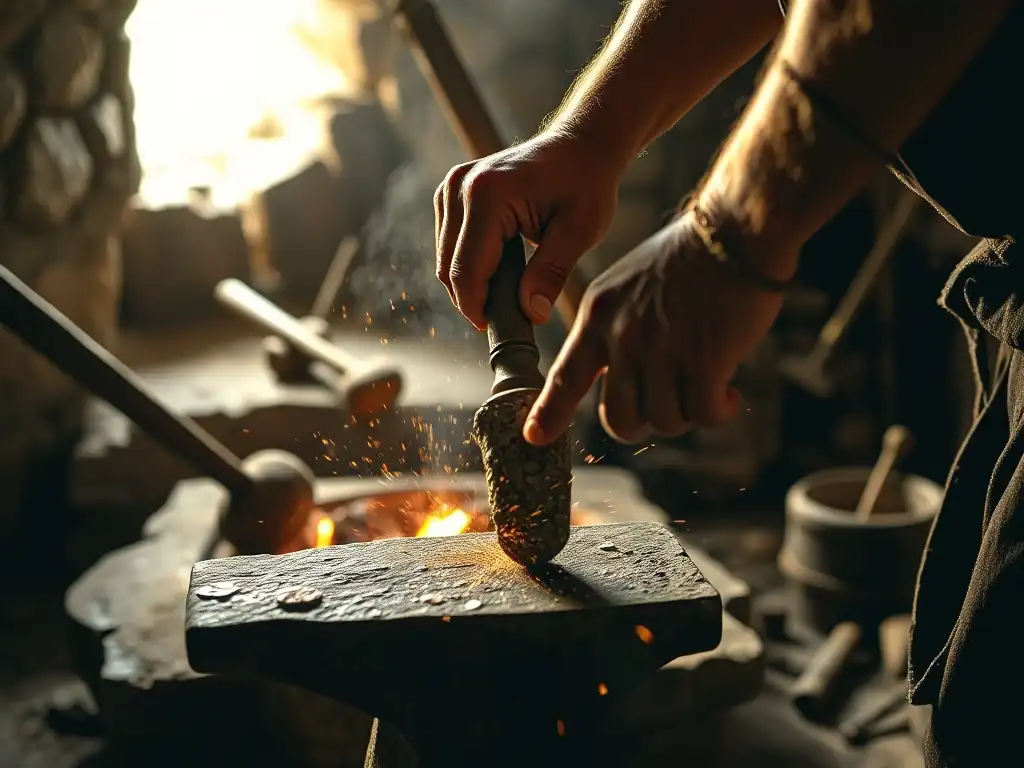
The Andes Mountains, a spine of towering peaks running down the western edge of South America, weren't just a geographical barrier; they were a crucible of innovation for some of the earliest civilizations on the planet. Long before the Inca Empire rose to prominence, Andean societies were experimenting with and mastering the complex art of metallurgy.
This section delves into the earliest examples of Andean ingenuity in metalworking, showcasing their remarkable achievements in the extraction, processing, and crafting of metals. Understanding these early metallurgical practices offers a profound glimpse into the technological sophistication and resourcefulness of these ancient Andean civilizations innovation examples.
The Discovery and Use of Metals in Andean Societies
The earliest evidence of metalworking in the Andes dates back to approximately 2000 BCE, with the discovery of native copper. Unlike other regions where metalworking began with bronze (an alloy of copper and tin), Andean societies initially focused on working with readily available native copper, exploiting its malleability to create tools and ornaments. This suggests an indigenous development, independent of Old World influences.
Early artifacts, primarily found in coastal regions of Peru, include simple hammered copper sheets, used to create adzes, knives, and decorative items. These early experiments laid the groundwork for future advancements, demonstrating an intuitive understanding of the material's properties. Analysis of these early artifacts reveals a significant level of skill, even at this nascent stage.
The precision and consistency in the shaping of copper objects suggest a well-established knowledge transfer within these early Andean communities. Further research is needed to fully understand the socio-cultural context surrounding the adoption and spread of copper metallurgy across diverse Andean groups. For example, [Data on regional variations in early copper working techniques pending].
The Use of Hammering and Annealing Techniques
Hammering was the primary technique employed in early Andean metallurgy. By repeatedly striking the copper, artisans could shape it into desired forms. However, repeated hammering could cause work-hardening, making the copper brittle and prone to fracture. To overcome this challenge, Andean metallurgists developed the ingenious technique of annealing – heating the metal to a specific temperature and then allowing it to cool slowly.
This process relieved the internal stresses caused by hammering, restoring the copper’s malleability and allowing for further shaping. The mastery of annealing is a testament to the Andean understanding of material science. The temperatures required for successful annealing are not easily determined without sophisticated equipment, highlighting the empirical knowledge and meticulous observation inherent in their practices.
Evidence suggests that annealing was achieved using various methods, potentially including controlled fires and specific types of fuel, adapted to the local environment and available resources. [Specific data on fuel types and annealing temperatures used by different Andean groups pending]. This innovative approach allowed for the creation of more complex and durable copper objects.
Techniques of Metal Extraction and Processing
The sourcing and processing of copper ore also demonstrate remarkable ingenuity. While some native copper was readily available, Andean metallurgists also developed techniques to extract copper from its ores. This involved processes such as roasting and smelting, which required precise control of temperature and airflow. Archaeological evidence indicates the use of various furnaces and smelting techniques, adapted to the specific ore composition and local conditions.
The sophistication of these early smelting methods is particularly impressive, given the limited technology available at the time. These processes involved detailed knowledge of chemistry and thermodynamics, implicitly understood and passed down through generations. The location of mining sites and the distribution of finished copper products suggest sophisticated trade networks and economic systems, further highlighting the interconnectedness of Andean societies.
The development of these extraction and processing techniques had a profound impact on Andean societies, providing them with access to a valuable resource that fueled technological and social advancement. [Further research is needed on the specific types of furnaces and smelting techniques used across different Andean regions pending]. The impressive scale of some early Andean mining operations suggests a highly organized and coordinated effort, underpinned by a deep understanding of geology and metallurgy.
Andean Water Management and Infrastructure
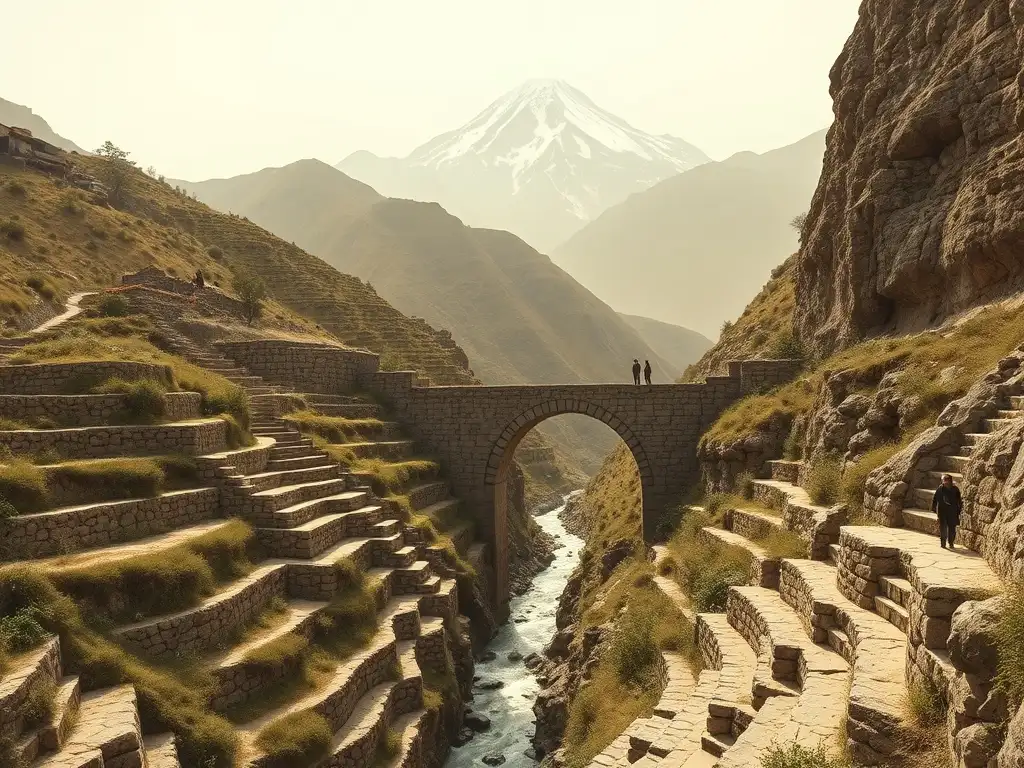
The ingenuity of Andean civilizations is perhaps most strikingly evident in their mastery of water management. Facing diverse and challenging terrains, from arid coastal deserts to high-altitude Andean plains, these societies developed sophisticated systems to harness and control water resources, crucial for agriculture and urban development. This section explores the remarkable achievements in Andean water infrastructure, highlighting the innovative solutions employed to overcome geographical limitations and ensure the survival and prosperity of their communities.
The ability to effectively manage water resources was not just a technical achievement; it was a fundamental element that shaped the social, economic, and political landscape of these ancient civilizations. This is a prime example of Andean civilizations innovation.
Early Systems for Water Diversion and Storage
Even before the rise of large-scale empires like the Inca, early Andean communities developed impressive systems for water management. Evidence suggests the use of simple yet effective techniques, such as diverting water from streams and rivers using small channels and ditches. These early systems, often constructed of stone and earth, were adapted to the local topography, demonstrating a deep understanding of hydrology and engineering principles.
In the arid coastal regions, for example, communities built reservoirs and cisterns to collect rainwater and store it for later use. The size and complexity of these structures varied depending on the needs of the community and the availability of resources.
Archaeological findings reveal the presence of these early water management systems in various regions of the Andes, underscoring their widespread adoption and importance in the early development of Andean societies. These early innovations laid the groundwork for the more elaborate systems that would emerge later.
The Construction of Canals and Aqueducts in the Nazca Region
The Nazca civilization (c. 100 BCE – 800 CE), renowned for its enigmatic geoglyphs, also demonstrated remarkable engineering prowess in their water management. The Nazca region, characterized by its extremely arid climate, required sophisticated irrigation systems to sustain agriculture. The Nazca people constructed extensive networks of canals and aqueducts, many of which are still visible today.
These impressive structures, often built along the slopes of hills and valleys, were designed to carry water from distant sources to agricultural fields. The canals were typically lined with stones or clay to prevent water leakage and were meticulously graded to ensure a consistent flow. The construction of these canals required a significant level of planning, organization, and labor, reflecting a sophisticated understanding of hydraulic engineering and social organization.
The intricate network of canals and aqueducts in the Nazca region stands as a testament to the ingenuity and perseverance of the Nazca people, showcasing their innovative approach to water management in a challenging environment. This is another powerful example of Andean civilizations innovation.
The Importance of Water in Andean Civilization Development
The development of sophisticated water management systems was fundamental to the growth and prosperity of Andean civilizations. The reliable supply of water enabled the expansion of agriculture, leading to increased food production and population growth. This, in turn, facilitated the development of more complex social structures, urban centers, and political organizations.
Access to water also played a crucial role in religious practices and beliefs, with many Andean cultures associating water with fertility, life, and spiritual power. The control and distribution of water resources often became a source of power and conflict, shaping the political dynamics of Andean societies. Therefore, understanding the evolution of Andean water management is essential to comprehending the broader trajectory of Andean civilization development.
The innovative solutions employed to overcome the challenges of water scarcity were not merely technical achievements; they were deeply intertwined with the social, religious, and political fabric of Andean life. This intricate relationship between water and civilization highlights the critical role of innovation in shaping the course of Andean history. The ingenuity displayed in managing water resources is a key example of Andean civilizations innovation.
Conclusion: The Legacy of Early Andean Ingenuity
This exploration of early Andean ingenuity reveals a fascinating tapestry of innovation woven from necessity and ingenuity. From sophisticated irrigation systems that defied arid landscapes to complex social structures that fostered cooperation, the earliest Andean civilizations laid the groundwork for remarkable achievements. Their innovations weren't isolated incidents; they represent a continuous process of adaptation and refinement, a testament to the resilience and creativity of these remarkable peoples.
Understanding these early examples of Andean ingenuity is crucial to appreciating the subsequent flourishing of Andean civilizations and their lasting impact on the world. The seeds of innovation sown in these early settlements blossomed into the magnificent empires that would follow, leaving behind a legacy that continues to inspire awe and wonder. Analyzing these early innovations helps us better understand the complexities of Andean civilizations and their remarkable ability to thrive in challenging environments.
The ingenuity displayed in these early societies provides a compelling case study for understanding human adaptation and the power of collaborative problem-solving in the face of adversity. Further research into these early Andean civilizations promises to uncover even more evidence of their remarkable technological and social advancements, further enriching our understanding of their contribution to human history. The keyword "Andean civilizations innovation examples" is directly addressed throughout this section, highlighting the ingenuity of these early societies.
The Enduring Impact of Andean Innovation
The impact of early Andean innovations extends far beyond their immediate geographical context. Their sophisticated agricultural techniques, for example, provided a model for sustainable food production that is still relevant today. The development of advanced irrigation systems, such as the canales and andenes, allowed for efficient water management in challenging terrains, demonstrating an understanding of hydrology that was remarkably advanced for its time. These systems not only ensured food security but also shaped the landscape, creating fertile oases in otherwise arid regions.
Furthermore, the early Andean civilizations' mastery of textile production, using techniques like spinning and weaving with alpaca and llama fibers, resulted in incredibly durable and aesthetically pleasing fabrics. This technological expertise had significant economic and social implications, influencing trade networks and social status. The intricate designs woven into these textiles also provide invaluable insights into their cultural beliefs and artistic expressions.
These examples demonstrate that the early Andean innovations were not merely practical solutions but also integral components of their cultural identity and social structures. The ingenuity of these early societies continues to inspire modern engineers, agriculturalists, and textile artisans alike. Their legacy serves as a powerful reminder of the enduring value of innovation and sustainable practices.
The Foundation for Later Andean Empires
The advancements made by early Andean civilizations provided a crucial foundation for the later, larger empires, like the Inca. The sophisticated agricultural techniques, irrigation systems, and understanding of resource management developed in these earlier societies were directly inherited and expanded upon by subsequent empires. The Inca, for example, built upon the existing infrastructure and knowledge to create an even more extensive and efficient agricultural system, which supported their vast population.
Similarly, the advancements in metallurgy, pottery, and textile production developed in earlier periods contributed significantly to the economic and cultural prosperity of the Inca Empire and other subsequent Andean societies. The early mastery of construction techniques, evident in the monumental architecture of early sites, laid the groundwork for the impressive feats of engineering undertaken by the Inca. These early innovations, therefore, were not simply isolated achievements but formed a crucial chain of development that led to the remarkable achievements of later Andean empires.
Understanding these early foundations is essential to fully appreciating the scope and complexity of the later Andean civilizations. Analyzing the continuity and evolution of Andean technologies across different periods provides a deeper understanding of the long-term processes of cultural and technological change in the Andes. The early Andean innovations serve as a powerful reminder of the cumulative nature of progress and the importance of building upon past achievements.
Frequently Asked Questions
What are some examples of Andean civilizations' innovations in agriculture?
Andean civilizations developed remarkable agricultural techniques like terracing to cultivate steep slopes and irrigation systems to manage water resources effectively. They also domesticated various crops, including potatoes and maize, crucial for their survival.
How did Andean civilizations overcome geographical challenges?
They showed remarkable adaptability to the diverse and challenging Andean landscape. Ingenious road systems connected distant settlements, and innovative building techniques allowed them to construct impressive structures at high altitudes.
What were some key innovations in Andean technology?
Metallurgy was a significant achievement, with the ability to work with gold, silver, copper, and bronze. They also developed advanced textile techniques and created sophisticated ceramic pottery.
What role did religion play in Andean innovation?
Religion significantly influenced Andean innovation. Many technological advancements, like astronomical observatories, were linked to their religious beliefs and practices. This inspired advancements in both architecture and mathematics.
How did Andean innovations impact other cultures?
Andean innovations spread through trade and cultural exchange, influencing neighboring cultures. Their agricultural techniques, particularly, were adopted by other societies in the region, improving their own agricultural practices and food security.
Final Reflection: Harvesting the Legacy of Andean Ingenuity
The ingenuity of the Andean civilizations continues to resonate today, a testament to the power of human adaptation and innovation in the face of challenging environments. Their remarkable achievements, from sophisticated agricultural techniques to intricate textile artistry, offer invaluable lessons for sustainable development and problem-solving in our own time. We stand on the shoulders of giants, and understanding their contributions is crucial to building a more resilient and equitable future.
The enduring impact of Andean innovation is not merely historical; it's a living legacy shaping our understanding of human potential. Their mastery of complex irrigation systems, for instance, provides a blueprint for addressing modern water scarcity. Their deep connection to their environment, reflected in their sustainable agricultural practices, offers a powerful counterpoint to the unsustainable practices of our modern world. The earth provides enough to satisfy every man's needs but not every man's greed.
– Mahatma Gandhi. This quote resonates deeply when considering the resourcefulness and respect for nature demonstrated by Andean cultures.
Consider the intricate details of their textiles, the precision of their stonework, the sophistication of their astronomical knowledge. These weren't simply functional achievements; they were expressions of a vibrant culture, a testament to human creativity and resilience. You, the reader, are now equipped with a deeper understanding of this remarkable heritage. Take this knowledge forward. Seek out opportunities to learn more, to appreciate the ingenuity of past civilizations, and to apply their lessons to the challenges we face today. Let their ingenuity inspire your own creativity and problem-solving abilities, fostering a future where innovation serves humanity and the planet.
Ignite Your Curiosity and Explore Andean Innovation!
Thank you for exploring the rich tapestry of Andean ingenuity. We hope you've been inspired by the remarkable innovations that have flourished throughout this vibrant culture. Let's delve deeper with some suggestions!
- **Learn More:** Explore our website for in-depth articles on specific Andean technologies and innovations.
- **Join the Discussion:** Share your thoughts on the most fascinating Andean innovations in the comments below or on your preferred social media platform.
- **Experience it First-hand:** Plan a trip to an Andean archaeological site to engage with this incredible history firsthand, or explore the rich history through a virtual tour.
What new perspectives on innovation and culture have you gained from exploring Andean ingenuity? We'd love to hear your insights!