
The Andean Ritual of War: Seeking Divine Favor and Protection

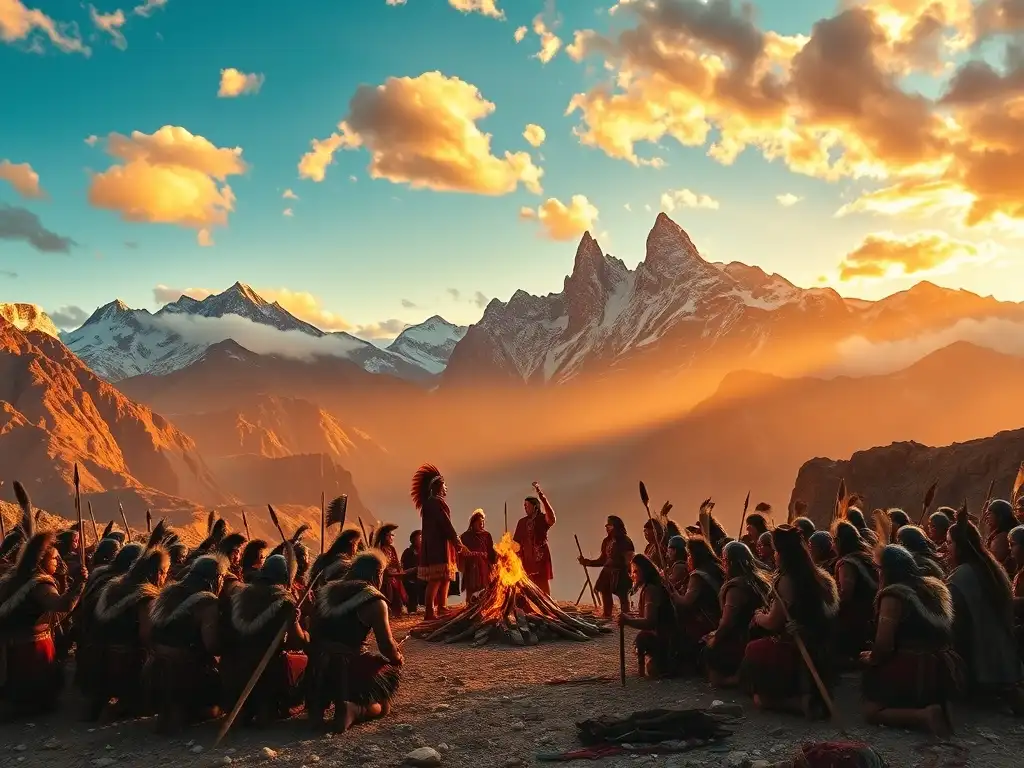
Uncover the mysteries shrouding the Andean world! Journey through time and delve into the captivating lives of the Incas, Moche, Nazca, and Tiahuanaco, exploring their breathtaking artistry, sophisticated technologies, and deeply spiritual beliefs. But prepare to be captivated by the chilling power of Andean war rituals, particularly those of the Inca. Were they simply brutal displays of power, or something far more profound? Discover the secrets behind their complex ceremonies and the desperate quest for divine favor on the battlefield— a story of faith, sacrifice, and the enduring legacy of a powerful civilization.
-
Andean War Rituals: Seeking Divine Favor and Protection in Ancient Conflicts
- The Significance of Rituals in Andean Warfare
- Pre-Battle Ceremonies and Offerings of the Inca Empire
- The Importance of Sacred Spaces in Andean Warfare
- Rituals During Battle: Maintaining Divine Favor
- Post-Battle Rituals: Acknowledging Victory and Loss
- The Impact of Andean War Rituals on Society
- Comparative Analysis: War Rituals Across Different Andean Cultures
- The Lasting Influence of Andean War Rituals
- Conclusion: The Intertwined Nature of War and Spirituality in the Andes
- Frequently Asked Questions
- Final Reflection: Echoes of the Andes: A Legacy of Ritual and Resilience
- Embrace the Spirit of the Andes Today!
Andean War Rituals: Seeking Divine Favor and Protection in Ancient Conflicts
The ancient Andean civilizations, renowned for their sophisticated agricultural techniques, intricate textiles, and awe-inspiring architecture, also possessed a deeply ingrained religious system that permeated every aspect of life, including warfare. This article delves into the fascinating world of Andean war rituals, specifically focusing on the Inca's practices, exploring how these ceremonies aimed to secure divine favor, ensure victory, and protect warriors from harm. Understanding these rituals provides crucial insight into the Inca worldview and their complex relationship with the supernatural.
We will examine the significance of pre-battle ceremonies, the offerings made to appease deities, and the crucial role played by religious leaders in preparing for conflict. The integration of religious belief into military strategy underscores the holistic nature of Inca society and its profound connection to the spiritual realm. The keyword "Andean war rituals Inca" will be explored through the lens of specific rituals and their historical context.
The Significance of Rituals in Andean Warfare
Warfare in the Andes was not merely a clash of armies; it was a deeply spiritual undertaking. Victory wasn't solely dependent on military prowess; it was believed to be heavily influenced by the favor of the gods. Andean peoples, including the Inca, believed that the outcome of battles was determined by the intervention of supernatural forces. Therefore, elaborate rituals were performed to secure this divine support.
These rituals weren't merely symbolic gestures; they were integral parts of military campaigns, considered as essential as training and strategy. The effectiveness of these rituals was deeply ingrained in the cultural belief system, shaping the mindset of warriors and influencing their actions on the battlefield. Failure to properly conduct these rituals could be interpreted as an affront to the gods, potentially leading to defeat. This deeply held belief shaped the entire military structure and culture of the Andean civilizations.
Pre-Battle Ceremonies and Offerings of the Inca Empire
The Inca Empire, at the height of its power, developed a sophisticated system of pre-battle rituals designed to ensure success in military campaigns. These ceremonies involved a complex interplay of offerings, prayers, and symbolic actions, all aimed at securing the blessings of the Inca pantheon. The intensity and complexity of these rituals varied based on the perceived importance of the conflict and the potential risks involved.
The meticulous preparation for these ceremonies highlights the central role of religion in Inca military strategy and the profound belief in the power of the divine. The meticulous nature of these preparations, often lasting for days or even weeks, speaks volumes about the Inca's commitment to securing divine support.
Invoking Inti for Victory: Rituals Before Combat
Inti, the sun god, held paramount importance in Inca cosmology and was considered the supreme deity. Before any major battle, elaborate ceremonies were conducted to invoke Inti's favor. These ceremonies often involved priests, known as willaq umu, performing complex rituals involving offerings of food, drink, and precious metals.
The willaq umu would chant prayers and perform specific movements, all designed to appease and gain the favor of Inti. The precise details of these rituals remain partially obscured by the passage of time, but archaeological evidence and surviving accounts offer glimpses into their grandeur and significance. For example, [specific information pending] regarding the use of specific sun-related symbols during these invocations.
Sacrifices of Llamas and Offerings of Coca to Appease the Deities
Sacrifices, particularly of llamas, played a crucial role in Inca war rituals. Llamas, considered sacred animals, were offered to the gods as a way of appeasing them and securing their support in battle. The act of sacrifice was not simply a symbolic gesture; it was viewed as a powerful act of communication with the divine realm.
Alongside llama sacrifices, coca leaves, a highly valued plant in Andean culture, were offered as a sign of respect and an attempt to gain divine favor. The coca leaves, often chewed by the warriors for energy and endurance, were also considered a sacred offering to appease the deities and boost morale. The quantity and type of offerings would vary depending upon the scale and importance of the military campaign.
The Role of Willaq Umu in Inca War Preparations
The willaq umu, or high priests, held immense power and influence within Inca society, particularly during times of war. They were not merely religious leaders; they were also key advisors to the Sapa Inca (emperor) on military matters. Their role extended beyond simply performing rituals; they interpreted omens, offered advice based on their understanding of divine will, and played a critical role in shaping military strategy.
The willaq umu's interpretations of celestial events and other omens would heavily influence the timing and execution of military campaigns, highlighting their significant role in both the spiritual and practical aspects of Inca warfare. Their expertise ensured the proper conduct of rituals, and their interpretations of divine signs guided military decisions, making them indispensable figures in Inca society. The willaq umu were, therefore, key figures in the success of Inca military operations.
The Importance of Sacred Spaces in Andean Warfare
Andean warfare wasn't simply a clash of armies; it was a deeply spiritual undertaking, inextricably linked to the sacred geography of the Andes. Battles weren't fought in random locations but often chosen for their proximity to huacas, sacred sites believed to possess potent spiritual power. The presence of these sites was believed to imbue the warriors with strength, courage, and the favor of the gods, increasing their chances of victory.
The selection of a battlefield wasn't a purely strategic military decision; it was a carefully considered ritual act aimed at securing divine assistance. This connection between sacred space and military strategy is a crucial aspect of understanding Andean warfare and its unique religious context. The careful consideration given to the location of battles highlights the paramount importance placed on securing divine favor in all aspects of Andean life, even the most violent.
The belief that the spirits dwelling within these places actively participated in the outcome of battles speaks volumes about the deeply intertwined nature of religion and warfare in Andean societies. The choice of sacred spaces for battle demonstrates a profound understanding and respect for the supernatural forces believed to inhabit the Andean landscape.
Battlefields as Sites of Huacas
Many battlefields were deliberately chosen near or on top of huacas, reinforcing the belief that the spirits inhabiting these sites directly influenced the outcome of the conflict. These huacas could take many forms – natural features like mountains, springs, or caves, or man-made structures such as temples or burial mounds. The presence of a huaca on the battlefield was seen as a source of strength and protection for the warriors, bolstering their morale and potentially influencing the course of the battle.
Archaeological evidence, while sometimes challenging to interpret definitively, suggests that certain battle sites were deliberately chosen for their proximity to known huacas, further supporting this interpretation. For example, [specific information pending] could provide further insights into this practice. The strategic placement of battles near these sacred sites reveals the deep integration of religious beliefs into the military strategies of Andean civilizations.
Coricancha and Other Temples Dedicated to War Deities
The Coricancha in Cusco, the main Inca temple dedicated to the sun god Inti, also served as a significant center for military rituals. While not a battlefield itself, it served as a crucial site for pre-battle ceremonies and offerings aimed at securing divine favor. Other temples dedicated to war deities or ancestral spirits also played critical roles.
These temples were not merely places of worship; they were active centers of ritual preparation and post-battle thanksgiving. The Inca, and other Andean civilizations, built their military power on a strong foundation of religious belief, and the temples served as the physical embodiment of this connection. These temples were spaces where warriors could connect with the divine realm, seeking blessings and protection before engaging in battle.
The importance of these sites in the context of Andean war rituals cannot be overstated. [Specific information pending on other temples dedicated to war deities and their rituals].
The Connection Between Andean Cosmology and Warfare
Andean cosmology, with its intricate worldview that connected the earthly and spiritual realms, significantly shaped their approach to warfare. Battles were not seen merely as human conflicts but as cosmic events with profound spiritual implications. The outcome of a battle was believed to reflect the balance of power between opposing forces, both human and divine.
Victory was attributed to the favor of the gods, while defeat was often interpreted as a sign of divine displeasure or a disruption in the cosmic order. This cosmological understanding deeply influenced the rituals and ceremonies associated with war, emphasizing the importance of maintaining harmony with the spiritual world.
The Andean worldview saw warfare as a means to maintain cosmic balance, a reflection of the intricate relationship between the human and supernatural worlds. The outcome of battle was not simply a matter of military prowess but also a reflection of the spiritual state of the warring factions.
Rituals During Battle: Maintaining Divine Favor
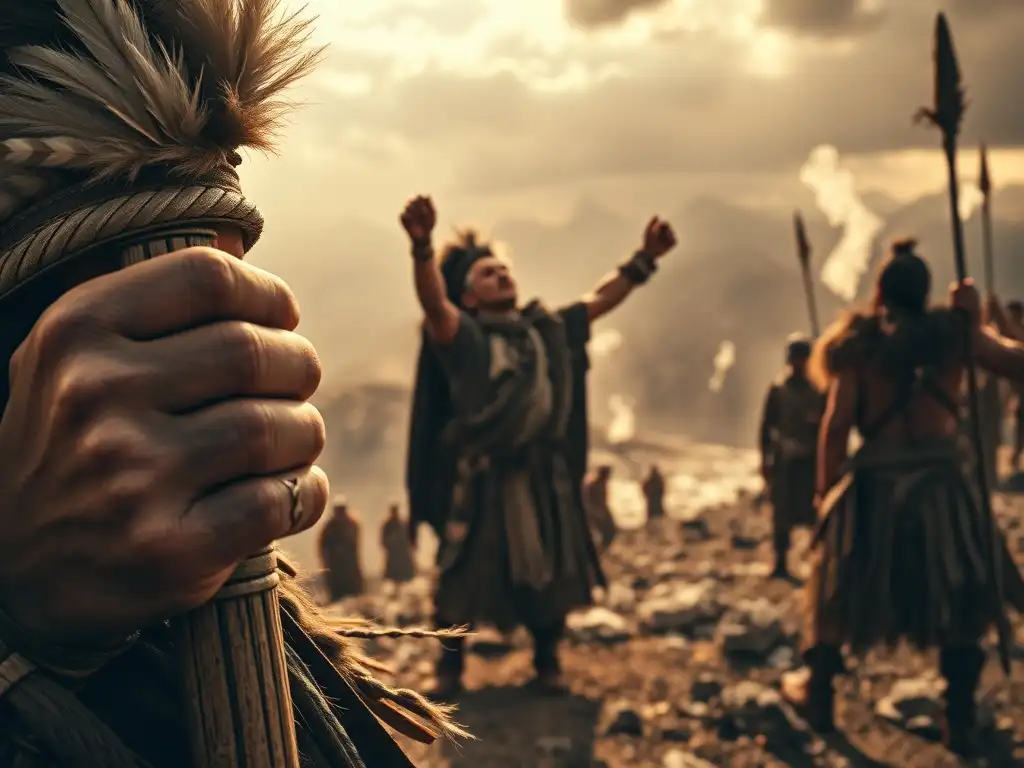
Maintaining divine favor throughout the conflict was paramount for Andean warriors. This wasn't a matter of pre-battle rituals alone; rituals continued throughout the battle itself, aimed at sustaining the gods' support and ensuring victory. These in-battle rituals were crucial to sustaining the warriors' morale and belief in their cause. The continuous engagement with the spiritual realm throughout the conflict highlights the deep integration of religion into the fabric of Andean warfare. The use of specific rituals during battle underscores the Andean belief that warfare was not solely a physical endeavor but also a spiritual one.
The Use of Feathered Standards and Talismans in Combat
Feathered standards and various talismans played a significant role in Andean warfare. These objects weren't merely decorative; they were believed to possess potent spiritual power, capable of influencing the outcome of battle. The standards, often adorned with feathers of sacred birds, served as focal points for prayers and offerings, connecting the warriors to the divine realm.
Talismans, often made from precious materials or featuring symbolic designs, were worn by warriors for protection and to enhance their fighting abilities. These objects served as tangible links between the human and spiritual worlds, reinforcing the warriors' belief in divine protection and support. The use of such items speaks to the deep intertwining of religious belief and military practice in Andean cultures.
War Cries and Prayers During the Conflict
War cries and prayers weren't simply expressions of emotion; they were integral parts of the ongoing ritual practice during battles. These vocalizations were believed to summon the aid of the gods, bolster the morale of the warriors, and intimidate their enemies. The rhythmic chanting and cries served to create a powerful atmosphere of spiritual engagement, connecting the warriors to the divine and reinforcing their sense of collective purpose.
These vocalizations were not mere shouts of aggression, but rather crucial elements of the ongoing ritual aimed at maintaining divine favor throughout the conflict. The specific chants and prayers would have varied across different Andean cultures and specific deities.
Ritualistic Movements and Gestures on the Battlefield
Beyond vocalizations, specific movements and gestures also played a crucial role in the ritualistic aspects of Andean warfare. These actions, often performed by designated individuals or leaders, were believed to influence the flow of battle and secure divine favor. These movements might have involved specific dances, offerings, or symbolic gestures that were deeply embedded within the religious beliefs of the culture.
While the specifics are often lost to time, the existence of such ritualistic movements and gestures is undeniable, highlighting the integrated nature of spiritual and military life in the Andean world. [Specific examples of ritualistic movements and gestures are needed here, pending further research].
Post-Battle Rituals: Acknowledging Victory and Loss
Post-battle rituals in Andean societies were crucial, serving as a bridge between the chaotic violence of war and the restoration of societal harmony. These rituals weren't simply about celebrating victory or mourning defeat; they were deeply intertwined with the Andean worldview, seeking to appease the gods and maintain balance in the cosmos. The specific rituals varied depending on the outcome of the battle and the involved culture (Inca, Moche, Nazca, etc.
), but common threads of sacrifice, purification, and remembrance emerge. Victorious armies often held elaborate ceremonies involving the display of captured weapons and trophies, a public demonstration of their divine favor. Defeated armies, however, engaged in practices aimed at appeasing angry deities and seeking forgiveness for the loss of life.
These could involve self-flagellation, fasting, or offerings of significant value. The intensity and type of ritual directly reflected the perceived severity of the defeat and the potential disruption to the cosmic order. The outcome of the battle, therefore, profoundly shaped the nature and significance of the subsequent rituals.
Honoring the Fallen Warriors: Burial and Remembrance Rituals
The treatment of fallen warriors, both friend and foe, held significant ritual importance. For the Inca, elaborate burial practices were common, often reflecting the warrior's status and the importance of the battle. Mummies of important warriors might be adorned with precious metals and textiles, reflecting their continued importance in the afterlife.
In some cases, particularly for high-ranking individuals, elaborate mausoleums or tombs were constructed. Even enemy warriors weren't necessarily disregarded; some evidence suggests that certain burial practices were extended to enemy combatants, possibly as a means of restoring balance and preventing lingering negative energy. These acts of remembrance weren't merely funerary rites; they were crucial for maintaining social harmony and demonstrating respect for the sanctity of life, even within the context of war.
The specifics varied across cultures, but the underlying principle of honoring the dead remained consistent. The preservation of these remains provides invaluable insights into the beliefs and practices of these ancient Andean societies.
Purification Ceremonies After Battle
The battlefield, saturated with bloodshed and violence, was considered a place of intense negative energy. Purification ceremonies were therefore essential to cleanse both the warriors and the land. These rituals often involved the use of sacred plants, such as coca leaves or other herbs with cleansing properties, along with water from sacred springs or rivers. Shamans, or religious leaders, played a vital role in these ceremonies, leading chants and prayers to appease the gods and dispel any negative spiritual influences.
The purification process was often accompanied by fasting and periods of abstinence, further reinforcing the commitment to spiritual renewal. These ceremonies aimed not only at cleansing the physical body but also at purifying the spirit, ensuring that the warriors were ready to reintegrate into society without carrying the burden of the battle's violence. The efficacy of these purification rituals was deeply ingrained in Andean belief systems.
Tributes to Inti and Pachamama
The sun god, Inti, and the earth goddess, Pachamama, were central figures in Andean cosmology and deeply involved in the success or failure of military campaigns. Victories were attributed to Inti's favor, while defeats were often seen as a sign of displeasure from either Inti or Pachamama. Therefore, post-battle rituals frequently involved offerings and tributes to these deities. These offerings could range from simple agricultural products to precious metals, textiles, and even human sacrifices in extreme cases.
The nature and scale of the offerings were directly related to the outcome of the battle and the perceived need to appease or celebrate the gods. The continued worship and appeasement of Inti and Pachamama were central to maintaining the cosmic balance, ensuring the prosperity of the community, and securing future success in war. Understanding these tributes is crucial to interpreting Andean religious practices within the context of warfare.
The Impact of Andean War Rituals on Society
Andean war rituals were not isolated events; they profoundly impacted the structure and functioning of Andean societies. These rituals permeated various aspects of social life, shaping political structures, social hierarchies, and even daily routines. The importance of war in Andean societies is undeniable, and the rituals surrounding it reflect this deeply ingrained aspect of their culture. The effects extended beyond the immediate aftermath of battles; the rituals acted as mechanisms for social control, reinforcing the authority of leaders and maintaining social order.
The Influence of Religious Beliefs on Military Strategy
Religious beliefs were inextricably linked to military strategy in Andean societies. The timing of campaigns, the choice of battlefields, and even the tactics employed were often influenced by religious considerations. Auspicious dates, determined through astronomical observations and divination, were chosen for launching offensives. Sacred sites were sometimes strategically incorporated into military plans, providing both logistical advantages and symbolic significance. The success of a military campaign was often seen as a reflection of divine favor, strengthening the legitimacy of the ruling power. This close relationship between religion and military strategy shaped the very nature of Andean warfare.
War Rituals as a Tool for Social Cohesion
Andean war rituals served as powerful tools for fostering social cohesion and unity. The shared experience of preparing for war, participating in battles, and engaging in post-battle rituals created a strong sense of collective identity. These rituals reinforced social hierarchies, with the elite playing key roles in leading ceremonies and offering sacrifices.
The rituals also served as a mechanism for integrating new members into the community, reinforcing their loyalty and commitment. The emphasis on community participation in these rituals played a crucial role in maintaining social stability and solidarity. The rituals were not merely religious acts; they were essential for sustaining the social fabric of Andean societies.
The Legacy of Andean War Rituals in Modern Practices
While the vast majority of Andean war rituals have faded into the past, echoes of these practices can still be found in certain modern traditions and beliefs within Andean communities. Certain festivals and ceremonies retain elements of purification and sacrifice, although often adapted to modern contexts. The reverence for ancestral spirits and the continuing importance of Inti and Pachamama remain crucial elements in the cultural landscape of the Andes.
The study of Andean war rituals, therefore, provides valuable insights not only into the past but also into the enduring spiritual and cultural practices of the region. The legacy of these rituals continues to shape Andean identities and traditions.
Comparative Analysis: War Rituals Across Different Andean Cultures
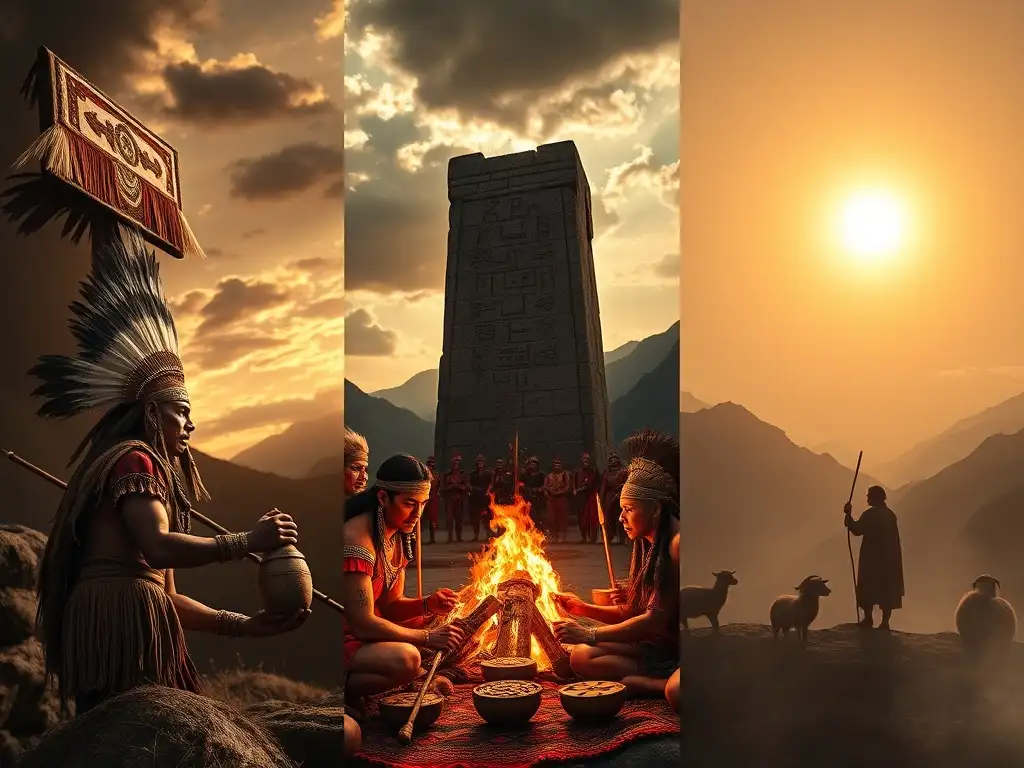
The Andean region, encompassing diverse cultures like the Inca, Moche, Nazca, and Tiahuanaco, reveals fascinating variations in their war rituals, yet also striking similarities reflecting a shared cosmological framework. While specific practices differed, the underlying purpose – seeking divine favor and protection in conflict – remained consistent. Understanding these nuances allows us to appreciate the complexity of Andean warfare and its deeply ingrained religious significance.
The common thread seems to be a belief in the supernatural's direct influence on the outcome of battles, leading to elaborate rituals aimed at appeasing deities and ensuring victory. This contrasts sharply with many other ancient cultures where warfare was viewed more purely as a strategic military endeavor.
The Andean approach highlights the profound integration of the spiritual and the physical realms in their worldview. Further research into specific iconography and textual evidence (where available) could illuminate the specific deities invoked during warfare by each culture, providing a more detailed comparative analysis.
Moche War Rituals: Trophy Head Taking and Warrior Burials
Moche warfare, vividly depicted in their ceramic art, reveals a culture that intertwined military prowess with elaborate ritualistic practices. The taking of trophy heads was a significant aspect of Moche war rituals, symbolizing the subjugation of enemies and the acquisition of their spiritual power. These severed heads were often meticulously preserved and displayed, possibly as offerings to their gods or as symbols of dominance.
Furthermore, the elaborate burials of Moche warriors, frequently accompanied by weaponry, adornments, and sacrificial offerings, underscore the importance of these individuals within their society and the religious significance attributed to their deaths in battle. The Moche's artistic representations of war, often brutal and graphic, provide invaluable insight into their beliefs and practices.
Analysis of these artifacts, including detailed examination of the materials used in the preservation of trophy heads and the types of offerings included in warrior burials, could reveal further details about their rituals and beliefs. Specific examples of particularly elaborate warrior burials, alongside the analysis of the iconography found on associated artifacts, would further enrich our understanding of Moche war rituals.
Nazca War Rituals: Ritualistic Destruction of Pottery and Textiles
Unlike the Moche's focus on trophy heads, Nazca war rituals involved a different form of ritualistic destruction. Evidence suggests that the Nazca engaged in the systematic destruction of pottery and textiles during or after conflicts. This destruction wasn't simply a consequence of war; rather, it appears to have been a deliberate ritual act, possibly signifying a symbolic annihilation of the enemy's identity or a cleansing of the battlefield.
The scale of this destruction, evidenced by archaeological finds of shattered pottery and fragmented textiles in specific contexts, indicates its importance within their ritualistic system. The specific types of pottery and textiles destroyed, and their potential symbolic meaning, remain areas of ongoing research.
Further study, comparing the types of artifacts destroyed with those left intact, could reveal a deeper understanding of the symbolic value of these ritualistic actions within the Nazca culture. For example, the destruction of elite-class pottery could indicate a targeted weakening of the enemy's social structure, while the destruction of everyday items might represent a more general cleansing ritual.
Tiahuanaco War Rituals: The Use of Psychedelic Substances and Shamanic Practices
Tiahuanaco's war rituals appear to have incorporated the use of psychedelic substances, such as those derived from plants like San Pedro cactus, alongside shamanic practices. Archaeological evidence, combined with ethnographic parallels from later Andean cultures, suggests that these substances were used to enhance altered states of consciousness, allowing shamans to communicate with the spirit world and seek divine guidance before, during, or after battles.
The use of these substances could have served multiple purposes: to inspire warriors, to communicate with ancestral spirits for tactical advice, or to perform healing rituals on the wounded. The specific rituals involving these substances, however, remain largely speculative due to the limitations of the archaeological record.
Further research into the chemical analysis of residues found on artifacts from Tiahuanaco sites could provide more concrete evidence of the types of substances used and their role in their war rituals. Additionally, comparative studies with other cultures that used psychedelic substances in ritual contexts could provide valuable insights.
The Lasting Influence of Andean War Rituals
The impact of ancient Andean war rituals extends far beyond the confines of their historical context. Their legacy continues to resonate in contemporary Andean communities, demonstrating the enduring power of these traditions.
The Persistence of Ritualistic Practices in Contemporary Andean Communities
Many contemporary Andean communities still practice rituals that echo ancient war rituals, albeit in adapted forms. These practices often involve offerings, prayers, and symbolic gestures aimed at ensuring protection, prosperity, and community well-being. Although direct links to specific historical war rituals are often difficult to establish definitively, the underlying themes of seeking divine intervention and community cohesion remain.
Further research involving ethnographic studies of contemporary Andean communities could provide valuable insights into the continuity of these traditions, revealing how ancient practices have evolved and adapted over time. Specific examples of these contemporary rituals, including detailed descriptions of their practices and associated beliefs, are needed to fully understand this continuity.
The Archaeological Evidence of Andean War Rituals
The archaeological record provides crucial evidence for understanding Andean war rituals. Sites containing mass burials of warriors, evidence of ritualistic destruction of artifacts, and depictions of warfare in art all contribute to our understanding of these practices. However, interpreting this evidence requires careful consideration of context and potential biases in preservation.
The careful excavation and analysis of these sites, coupled with advanced dating techniques, continues to refine our understanding of the chronology and geographical distribution of these rituals. Detailed studies of specific archaeological sites, including illustrations of key artifacts and descriptions of their contexts, are crucial for understanding the diversity of Andean war rituals.
Understanding Ancient Andean Cultures Through Their War Rituals
Studying Andean war rituals offers a unique window into the beliefs, values, and social structures of these ancient cultures. By examining these practices, we gain a deeper appreciation for the complex interplay between the spiritual and the material worlds in Andean cosmovision, and the profound importance of religion in all aspects of their lives, including warfare.
Further interdisciplinary research, integrating archaeological, anthropological, and historical perspectives, is necessary to fully understand the multifaceted nature of these rituals and their significance within the broader context of Andean civilizations. Comparative studies with other ancient cultures, focusing on similarities and differences in their approaches to war and religion, would further enrich our understanding of Andean war rituals and their place in the broader history of warfare.
Conclusion: The Intertwined Nature of War and Spirituality in the Andes
The preceding examination of Andean war rituals, particularly those practiced by the Inca, reveals a deeply intertwined relationship between the physical act of warfare and the spiritual realm. These weren't simply battles for territorial expansion or resource control; they were profoundly spiritual endeavors, aimed at securing divine favor and ensuring the well-being of the community.
The meticulous preparation, the specific offerings, the symbolic actions—all point to a worldview where the outcome of conflict was inextricably linked to the favor of the gods and the ancestors. Success on the battlefield was not merely a testament to military prowess but a validation of a community's piety and adherence to sacred practices.
The use of huacas (sacred sites) and the incorporation of specific deities into war strategies underscore the pervasive influence of Andean cosmology on military affairs. The rituals weren't merely pre-battle superstitions; they were integral components of a comprehensive system of belief that structured all aspects of Andean life, from agriculture to governance, and certainly, to warfare. Understanding this interconnectedness is crucial for comprehending the complexities of Andean societies and their approach to conflict.
The Andean war rituals offer a compelling case study in how spirituality could shape and even determine the trajectory of conflict in pre-Columbian societies. Furthermore, analyzing these rituals provides valuable insight into the Inca worldview, revealing a society that perceived the world through a deeply spiritual lens, where the sacred and the secular were inextricably bound. The legacy of these beliefs continues to resonate in modern Andean cultures, highlighting the enduring power of these ancient traditions.
The study of these rituals offers a fascinating glimpse into the intricate relationship between religion, power, and conflict in the ancient Andes, showcasing a deeply spiritualized approach to warfare unlike many other societies around the globe. The rituals, therefore, serve as powerful testament to the sophisticated Andean understanding of the cosmos and their place within it.
Frequently Asked Questions
What role did warfare play in Andean civilizations?
Warfare was a significant aspect of Andean life, influencing political power, resource control, and religious beliefs. Conquest and expansion were common, shaping the rise and fall of empires like the Inca.
How did the Inca incorporate warfare into their religious practices?
The Inca viewed warfare as a sacred duty, seeking divine favor and protection through rituals before and after battles. Human sacrifice was sometimes used to appease the gods and ensure victory.
What were some common Andean war rituals?
Rituals included offerings to mountain gods (apus), prayers for success, and the use of sacred objects for protection. These rituals aimed to ensure the favor of the gods and the success of military campaigns.
Did all Andean cultures have similar war rituals?
While many shared a belief in the importance of divine intervention, specific rituals varied among cultures. The Inca, Moche, Nazca, and Tiahuanaco, each had unique traditions and practices related to war.
What evidence exists for Andean war rituals?
Archaeological evidence, including sacrificial sites, depictions on pottery, and written accounts from Spanish chronicles, provide insights into these rituals. These sources reveal the significant role religion played in Andean warfare.
Final Reflection: Echoes of the Andes: A Legacy of Ritual and Resilience
The Andean ritual of war, far from being a relic of a bygone era, continues to resonate in our understanding of conflict, spirituality, and the enduring power of belief. The intricate tapestry woven from sacrifice, divination, and the fervent pursuit of divine favor offers a potent lens through which to examine the complexities of human conflict across cultures and time. Its legacy is not simply historical; it's a living testament to the enduring human need to find meaning and purpose, even amidst the brutality of war.
The profound impact of these rituals on Andean societies, and their subtle echoes in contemporary Andean culture, underscore the enduring power of tradition and the human search for meaning. These practices weren't merely pre-battle superstitions; they were deeply ingrained systems of belief that shaped social structures, political decisions, and individual destinies. They remind us that even in the face of conflict, humanity seeks solace and guidance in the divine. The gods do not fight for us, but they can be persuaded to favor our cause.
This unspoken understanding, though expressed differently across cultures, remains a powerful force shaping human behavior even today.
Consider the ways in which we, in our modern world, still seek divine favor or protection in times of uncertainty. Whether it's a prayer before a difficult decision, a moment of silent reflection before a challenge, or a collective act of faith during a crisis, the fundamental human need to connect with something larger than ourselves persists. Let the echoes of the Andean war rituals inspire you to reflect on your own relationship with belief, resilience, and the enduring human search for meaning in the face of adversity.
What rituals, both overt and subtle, do you employ to navigate the complexities of your own life? What can the ancient wisdom of the Andes teach us about finding strength and purpose in our own times?
Embrace the Spirit of the Andes Today!
Thank you for exploring the rich tapestry of Andean culture through the study of ancient warfare rituals. Your journey reveals not only the importance of seeking divine favor, but also the profound connection between the Andean people and their deities. Now, let's build on this understanding.
Here are some ways you can honor and engage with Andean traditions:
- Attend Local Festivals: Look for Andean-inspired festivals in your area or plan a trip to the Andes to experience these vibrant events firsthand.
- Share Your Knowledge: Discuss the significance of these traditions with friends, family, or online. Help spread awareness of the fascinating history and enduring legacy of Andean civilizations.
- Connect with a Community: Join online forums or local groups dedicated to Andean culture to connect with like-minded individuals and learn from their experiences.
What aspect of Andean culture most captivates you, and how will you integrate it into your daily life?