
A Journey Through Time: Exploring the Deep History of the Andean Region

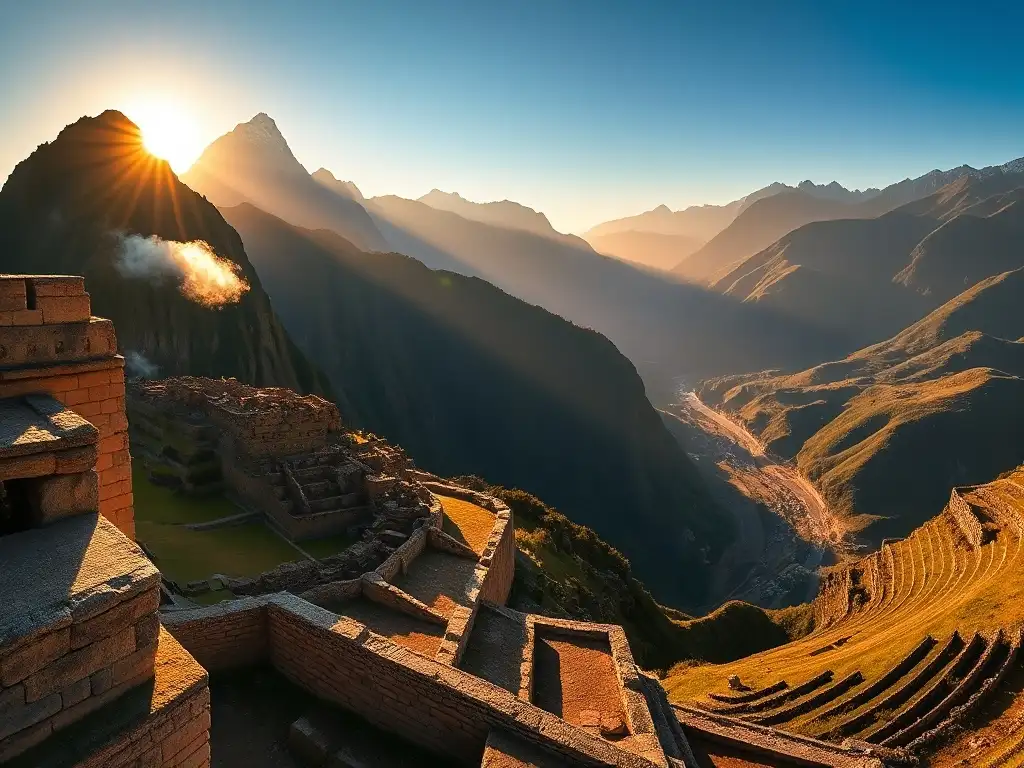
Prepare to be captivated by the enigma of the Ancient Andean civilizations history. For centuries, towering cities and intricate artistry have whispered secrets of a lost world. This isn't just history; it's a journey through time, revealing the breathtaking ingenuity and profound legacy of the Incas, Moche, Nazca, and Tiahuanaco. Dare to uncover the mysteries that lie buried within these magnificent Andean cultures – your exploration begins now.
The Andes Mountains, a colossal spine running down the western coast of South America, have witnessed millennia of human history. This majestic landscape, with its diverse ecosystems ranging from arid coastal deserts to lush cloud forests and towering peaks, provided both challenges and opportunities for the development of remarkable ancient civilizations.
This article delves into the fascinating history of the Ancient Andean civilizations, exploring their origins, early settlements, and the remarkable ingenuity that allowed them to thrive in such a demanding environment. We will journey through time, uncovering the secrets of cultures like the Incas, Moche, Nazca, and Tiahuanaco, examining their unique contributions to art, technology, and societal structures, and ultimately understanding how their legacies continue to shape the Andean region today.
This exploration of "Ancient Andean civilizations history" will illuminate the complex tapestry of human adaptation and innovation in one of the world's most geographically stunning and historically significant regions.
The Earliest Inhabitants: A Look at Pre-Ceramic Societies
The Andean region's story begins long before the rise of the Inca Empire. Evidence suggests human presence dating back at least 12,000 years, with early inhabitants adapting to the diverse environments through innovative hunting and gathering techniques. These pre-ceramic societies, existing before the development of pottery, left behind valuable archaeological evidence, including sophisticated stone tools and evidence of early agriculture.
Detailed analysis of these artifacts reveals a gradual shift from nomadic lifestyles to more settled patterns, laying the groundwork for the complex societies that would emerge later. The development of early agriculture, particularly the domestication of plants like potatoes and quinoa, was a crucial turning point, allowing for increased food security and population growth.
These early adaptations, often overlooked in broader narratives of Andean history, are fundamental to understanding the subsequent development of more complex cultures. The ingenuity and resilience of these early inhabitants provide a powerful foundation for appreciating the achievements of later Andean civilizations.
The Rise of Pottery and the Development of Early Andean Cultures
The emergence of pottery around 3000 BCE marked a significant cultural shift in the Andes. The creation of ceramic vessels not only facilitated food storage and preparation but also served as a medium for artistic expression and social communication. Different styles and designs of pottery became associated with specific regions and groups, providing valuable insights into early social structures and trade networks.
This period also witnessed the development of irrigation systems, crucial for sustaining agriculture in the arid coastal regions and high-altitude valleys. The construction of these intricate networks of canals and terraces demonstrates a sophisticated understanding of water management and a remarkable ability to harness the resources of the landscape. [Specific examples of early irrigation systems and their impact pending].
The increasing complexity of social organization and technological advancements set the stage for the rise of more powerful and influential Andean societies in subsequent periods. The development of sophisticated pottery techniques and irrigation systems were hallmarks of this era, showcasing a remarkable level of ingenuity and adaptation.
The Flourishing of Regional Cultures: A Diverse Tapestry of Andean Societies
Following the development of early Andean cultures, distinct regional societies flourished, each developing unique artistic styles, religious beliefs, and social structures. The Moche, Nazca, and Tiahuanaco cultures, among others, left behind impressive archaeological legacies that continue to fascinate and inspire researchers today. Each society developed unique methods of agriculture, adapted to their specific environmental conditions.
For example, the Nazca culture is renowned for its intricate irrigation systems and the remarkable Nazca Lines, while the Moche are known for their elaborate metalwork and monumental architecture. The diversity of these regional cultures highlights the richness and complexity of Andean civilization, demonstrating the remarkable adaptability of human societies to the diverse environments of the Andean region. Further research into the interactions and exchanges between these cultures is ongoing, promising to reveal a more nuanced understanding of the dynamics of this period.
[Specific examples of artistic styles and technological innovations from each culture pending]. The complex interplay between these cultures shaped the trajectory of Andean history leading up to the Inca Empire.
Laying the Foundation: The Precursors to the Inca Empire
The Inca Empire, while undeniably significant, was not a sudden emergence. It built upon the foundations laid by preceding cultures, incorporating and adapting existing technologies, social structures, and religious beliefs. Centuries of cultural exchange and interaction shaped the development of the Inca, who ultimately consolidated power and created one of the largest and most sophisticated empires in pre-Columbian America. Understanding the precursor societies allows us to fully appreciate the Inca's achievements and contextualize their place within the broader history of the Andean region.
The Inca's success was not merely a matter of military conquest but also a result of their ability to integrate and adapt existing cultural elements. [Specific examples of cultural elements adopted by the Incas from preceding cultures pending]. The legacy of these precursor cultures is woven into the fabric of Inca civilization, demonstrating a continuous process of cultural evolution and adaptation.
- The Earliest Inhabitants: A Look at Pre-Ceramic Societies
- The Rise of Pottery and the Development of Early Andean Cultures
- The Flourishing of Regional Cultures: A Diverse Tapestry of Andean Societies
- Laying the Foundation: The Precursors to the Inca Empire
- What makes the study of Ancient Andean civilizations so significant?
- How did the geography of the Andes influence the development of these civilizations?
- What are some of the major achievements of the Ancient Andean civilizations?
- Which civilizations are considered the most important in the Andean region?
- Where can I learn more about the history of Ancient Andean civilizations?
The Dawn of Andean Civilizations: Early Inhabitants
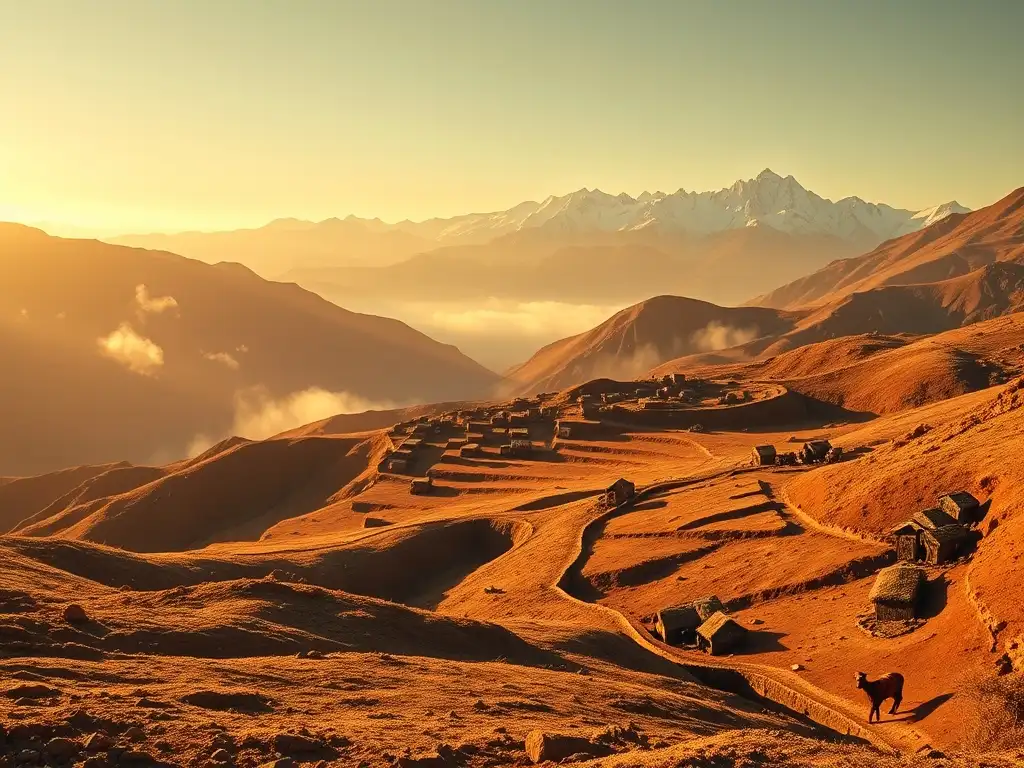
This section delves into the fascinating beginnings of human life in the Andes, exploring the initial waves of migration and the remarkable adaptations that allowed early inhabitants to thrive in this challenging yet rewarding environment. Understanding these early settlements is crucial to grasping the complex tapestry of Ancient Andean civilizations history. We will examine the evidence left behind by these pioneering groups, revealing insights into their lifestyles, technologies, and social structures.
The Andes, with its diverse geography ranging from arid coastal deserts to high-altitude plains and lush Amazonian foothills, presented unique challenges and opportunities for these early settlers. Their ingenious solutions laid the groundwork for the sophisticated cultures that would follow.
Initial Migrations and Settlement Patterns in the Andes
The peopling of the Andes was a gradual process, spanning millennia. Archaeological evidence suggests that the first human inhabitants arrived in the region around 14,000 years ago, likely migrating from other parts of South America. These early groups were primarily hunter-gatherers, adapting their strategies to the diverse landscapes they encountered.
Coastal settlements focused on marine resources, while those in the highlands relied on hunting camelids (llamas and alpacas) and collecting wild plants. The earliest known settlements were often located near sources of fresh water, crucial for survival in the arid coastal regions and the high-altitude plains. Evidence of early campsites and rudimentary shelters has been uncovered at various sites, providing glimpses into the lives of these pioneering peoples.
Analyzing the distribution of these early sites helps us understand initial migration patterns and the factors that influenced settlement choices, such as proximity to water sources, availability of game, and defensible terrain. Further research is needed to fully map these early migration routes and understand their complexities.
Pre-ceramic Cultures and their Adaptation to the Andean Environment
Before the advent of pottery, Andean cultures developed remarkable strategies for survival and resource management. These pre-ceramic cultures, flourishing between approximately 8000 and 2000 BCE, demonstrate an impressive level of adaptation to the Andean environment. Their ingenuity is evident in their sophisticated techniques for cultivating crops like squash, beans, and peppers, which formed the basis of their diet.
The development of irrigation systems in some areas allowed for increased agricultural productivity, supporting larger and more settled communities. The construction of intricate storage facilities suggests a level of social organization and planning beyond simple hunter-gatherer societies. These pre-ceramic cultures also left behind evidence of early textile production, using fibers from camelids and other plants to create clothing and other useful items.
The evolution of these technologies, combined with advancements in agriculture, contributed significantly to the growth and development of Andean societies. The diversity of adaptations across different ecological zones highlights the resilience and adaptability of these early Andean inhabitants.
Hunter-Gatherer Societies: Lifestyles and Early Tools
For millennia, hunter-gatherer societies dominated the Andean landscape. Their lifestyles were intimately tied to the environment, with seasonal movements dictated by the availability of resources. These groups demonstrated a deep understanding of their surroundings, utilizing a wide range of plants and animals for food and other necessities. Their toolkits were relatively simple but effective, consisting primarily of stone tools like projectile points, scrapers, and grinding stones.
The development of these tools reflects a gradual refinement of techniques over time, indicating a continuous process of technological innovation. Analysis of archaeological remains reveals insights into the social structures and beliefs of these societies. Cave paintings and other forms of rock art provide visual representations of their world, offering valuable clues about their spiritual beliefs and worldview.
While often viewed as less complex than later agricultural societies, hunter-gatherer groups played a vital role in shaping the early history of the Andean region. Their knowledge of the environment and their adaptive strategies laid the foundation for the subsequent development of more complex societies. Further research into the diversity of hunter-gatherer groups across the Andes is necessary to fully appreciate their contributions to Ancient Andean civilizations history.
The Rise of Complex Societies: Pre-Inca Andean Cultures
The Andes Mountains, a spine of towering peaks and fertile valleys, witnessed the rise of remarkably sophisticated societies long before the Inca Empire. Understanding the "Ancient Andean civilizations history" requires delving into the rich tapestry of pre-Inca cultures, whose innovations laid the groundwork for later Andean achievements. These cultures, though diverse, shared common threads, including the development of advanced agricultural techniques, intricate artistic styles, and complex social structures. Their contributions profoundly shaped the Andean world, leaving an enduring legacy that continues to fascinate and inspire.
The Emergence of Agriculture and Sedentary Communities
The transition from nomadic hunter-gatherer lifestyles to settled agricultural communities marked a pivotal moment in Andean history. This shift, occurring gradually over millennia, was spurred by the development of sophisticated agricultural techniques adapted to the challenging Andean environment. Early Andean farmers cultivated a variety of crops, including potatoes, maize, quinoa, and beans, utilizing innovative irrigation systems to manage water resources in arid and mountainous regions. Evidence suggests the cultivation of Phaseolus vulgaris (common bean) as early as 7,000 years ago in the region of Ayacucho, Peru, demonstrating an early mastery of agriculture.
The adoption of agriculture led to the establishment of permanent settlements, allowing for population growth and the development of more complex social structures. These early communities, often located near fertile river valleys or along the coast, laid the foundation for larger, more organized societies that would emerge later. The increased food production also freed up a portion of the population to specialize in crafts and other activities, further contributing to societal complexity. This surplus of food and resources also facilitated the development of social hierarchies and specialized labor.
The Development of Early Andean Pottery and Weaving
The artistic achievements of early Andean cultures are breathtaking. Pottery and weaving were not merely functional; they served as powerful mediums for expressing cultural identity, religious beliefs, and social status. Early Andean pottery, often decorated with intricate designs and vibrant colors, provides valuable insights into the beliefs and practices of these ancient societies. The Moche culture, for example, is renowned for its highly realistic and detailed pottery depicting scenes of daily life, mythology, and warfare.
Similarly, Andean weaving reached extraordinary levels of sophistication. Textiles, crafted from cotton, wool, and other fibers, were used for clothing, blankets, and ritual objects. The intricate designs and techniques employed in Andean weaving, particularly the use of complex patterns and vibrant dyes, demonstrate a high level of technical skill and artistic creativity. The Paracas culture, known for its elaborate burial textiles, produced some of the finest examples of early Andean weaving. Analysis of these textiles reveals complex social structures and a deep understanding of textile production.
Key Pre-Inca Cultures: Chavín, Paracas and their Influence
Several pre-Inca cultures played a crucial role in shaping the development of Andean civilizations. The Chavín culture, flourishing from approximately 900 to 200 BCE, is considered a formative influence on subsequent Andean societies. The Chavín's distinctive artistic style, characterized by stylized feline and serpent motifs, spread throughout the Andes, suggesting a widespread cultural influence. Their monumental architecture, including the impressive Chavín de Huántar temple complex, showcases their advanced engineering skills and organizational capabilities. Archaeological evidence suggests the Chavín culture played a significant role in establishing trade networks across the Andes, fostering cultural exchange and interaction among different groups.
The Paracas culture, contemporary with the later stages of Chavín, developed unique artistic traditions, particularly in textile production. The Paracas people are famous for their elaborate burial bundles, containing intricately woven textiles, elaborate headdresses, and other artifacts. These textiles reveal a deep understanding of textile production techniques and a rich symbolic language.
Both Chavín and Paracas left an indelible mark on subsequent Andean cultures, influencing their art, religion, and social organization. Their legacy is woven into the very fabric of Andean history, shaping the course of subsequent civilizations and contributing significantly to the rich tapestry of "Ancient Andean civilizations history".
The Formative Period: Shaping Andean Culture and Society
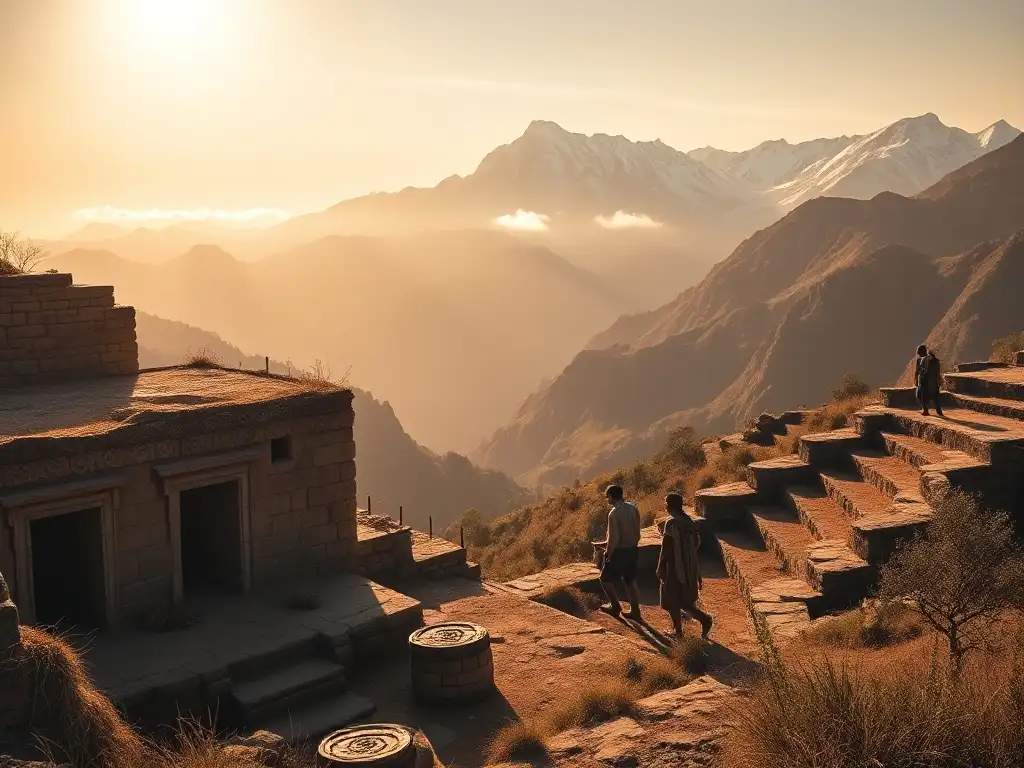
This period, spanning roughly from 1800 BCE to 500 CE, witnessed the foundational development of complex societies in the Andes. It's a crucial time in the Ancient Andean civilizations history, laying the groundwork for the impressive civilizations that followed. This era saw the emergence of significant cultural innovations, including advancements in agriculture, irrigation systems, and the development of distinct religious beliefs and artistic styles.
The interaction between different groups and the gradual development of larger, more organized settlements marked a significant shift from earlier, more dispersed populations. The impact of this formative period reverberated through centuries, influencing the social structures, religious practices, and artistic traditions of later Andean cultures. Understanding this period is key to unlocking the complexities of the later Inca Empire and other notable Andean societies.
The transition from small, isolated communities to larger, more interconnected settlements was a gradual process, fueled by advancements in agriculture and a growing need for resource management and social organization. This process, often marked by periods of both cooperation and conflict, ultimately shaped the political landscape of the Andes for millennia.
The Chavín Culture: Religious Centers and Iconography
The Chavín culture (c. 900-200 BCE) stands out as a pivotal influence during the formative period. Their impact wasn't necessarily based on political dominance, but rather on the widespread dissemination of religious beliefs and artistic motifs. The Chavín's religious centers, such as the monumental complex at Chavín de Huántar, attracted pilgrims from across the Andes.
These sites featured intricate carvings and sculptures depicting a pantheon of deities, often represented with feline and serpent features. This distinctive iconography, characterized by its stylized representations and powerful symbolism, was adopted and adapted by subsequent cultures across a vast geographical area.
The Chavín's influence is evident in the ceramic styles, religious practices, and artistic conventions of later cultures, highlighting their significant role in shaping Andean religious thought and artistic expression during this period of Ancient Andean civilizations history. The spread of Chavín influence is a testament to the power of religious ideas and artistic styles in forging cultural unity across diverse Andean communities.
Paracas Culture: Elaborate Textiles and Burial Practices
The Paracas culture (c. 800-100 BCE), located on the southern coast of Peru, is renowned for its exceptional textile artistry and complex burial practices. Their intricate textiles, often featuring vibrant colors and elaborate designs, are considered masterpieces of pre-Columbian art. These textiles, created using a variety of techniques including embroidery, tapestry, and weaving, depict various scenes of daily life, religious ceremonies, and mythical creatures.
The Paracas people also practiced elaborate mummification, with intricate shrouds and grave goods accompanying the deceased. These burial practices offer valuable insights into their social structures, religious beliefs, and worldview. The exceptional quality and complexity of their textiles, together with their sophisticated burial rituals, showcase the high level of artistic skill and social organization achieved by the Paracas, providing a rich tapestry of information for the study of Ancient Andean civilizations history.
Analysis of Paracas textiles reveals detailed information about their social hierarchy, religious beliefs, and artistic techniques. Their complex burial rituals highlight the importance of ancestor veneration and the afterlife in their culture.
The Moche civilization (c. 100-800 CE) flourished on the northern coast of Peru, leaving behind a remarkable legacy of art, engineering, and social organization. Their mastery of irrigation systems allowed them to cultivate fertile lands in an arid climate, supporting a large and complex society. Moche art, particularly their pottery, is famous for its realistic depictions of daily life, religious ceremonies, and warfare.
The intricate details and vibrant colors of their ceramics provide invaluable insights into their social structure, religious beliefs, and worldview. Their sophisticated engineering skills are evident in their extensive irrigation canals and monumental architecture. The Moche also developed a highly stratified social hierarchy, with evidence suggesting the existence of a powerful ruling elite and specialized craftspeople.
Studying the Ancient Andean civilizations history of the Moche provides a detailed understanding of a highly developed Andean society, showcasing their achievements in art, engineering, and social organization, setting the stage for future Andean civilizations. Their pottery depicts scenes of daily life, religious rituals, and warfare with remarkable detail and realism, offering a window into their complex society. Their sophisticated irrigation systems were crucial to their agricultural success and the sustainability of their civilization.
Regional Diversification: From Moche to Nazca
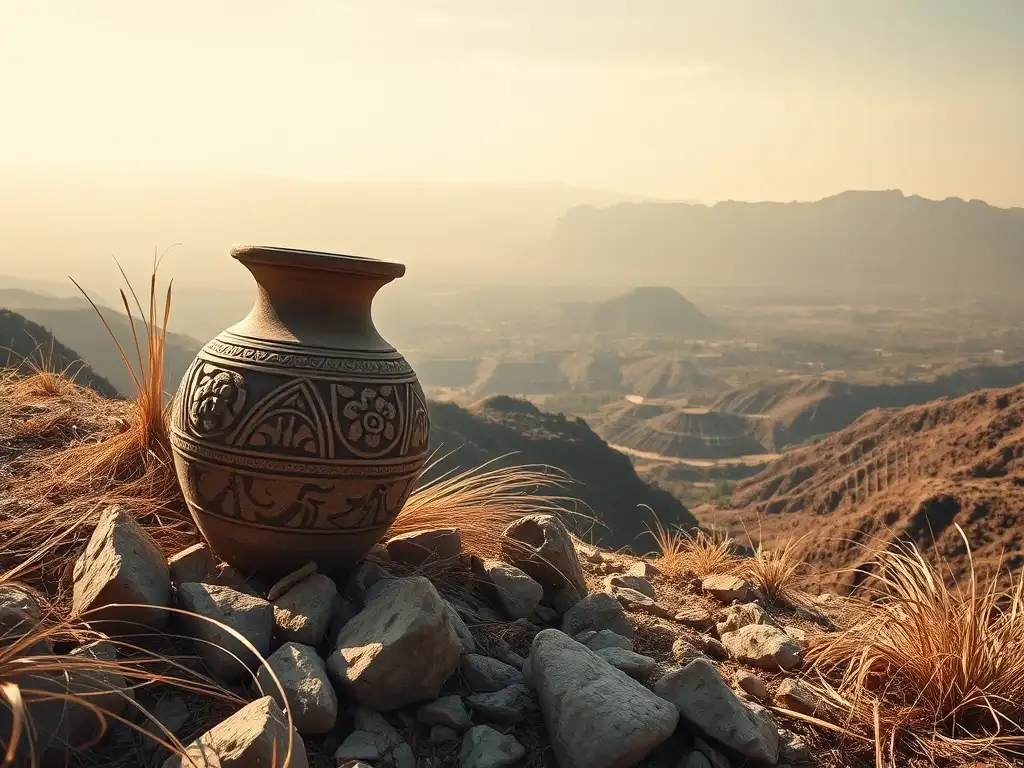
The Andean region, far from being a monolithic entity, showcased remarkable cultural diversity throughout its ancient history. While the Inca Empire eventually unified much of the area, preceding cultures developed unique identities, technological innovations, and artistic expressions. Understanding this regional diversification is crucial to grasping the complexity of "Ancient Andean civilizations history."
This section focuses on the fascinating interplay between the Moche, Nazca, and Tiahuanaco cultures, highlighting their distinct contributions and the transitions between them. The rise and fall of these powerful societies reflects the dynamic nature of Andean development, shaped by environmental factors, internal conflicts, and external pressures. Analyzing their legacies helps us appreciate the rich tapestry of the pre-Columbian Andean world.
Nazca Culture: The Enigmatic Geoglyphs and Their Purpose
The Nazca culture (c. 100 BCE – 800 CE), flourishing in the southern coastal deserts of Peru, left behind an enduring mystery: the Nazca Lines. These gigantic geoglyphs, etched into the desert surface, depict animals, plants, and geometric shapes, visible only from the air. Their purpose remains a subject of intense debate among scholars. While some suggest astronomical significance, others propose ritualistic or ceremonial functions.
The scale and precision of the geoglyphs are astonishing, demanding a sophisticated understanding of surveying and engineering. The Nazca people, renowned for their intricate textiles and pottery, also developed advanced irrigation systems to cultivate the arid land, a testament to their ingenuity in adapting to a challenging environment. The creation of the Nazca Lines, along with their remarkable ceramic artistry and mastery of irrigation, showcases the unique cultural identity of this ancient Andean civilization and contributes significantly to our understanding of "Ancient Andean civilizations history."
Further research is needed to definitively understand the creation and purpose of these incredible geoglyphs. The precision of the lines, some stretching for hundreds of meters, suggests a high level of social organization and planning. The intricate designs, often depicting stylized animals like hummingbirds and monkeys, hint at a rich symbolic world.
The Moche Decline and the Rise of New Regional Powers
The Moche civilization (c. 100 CE – 800 CE), known for its elaborate funerary practices and sophisticated metalworking, experienced a gradual decline around the 8th century CE. The exact causes are still debated but likely involved a combination of factors, including environmental changes, internal strife, and possibly external pressures from neighboring groups. The collapse of the Moche power vacuum created opportunities for other regional powers to emerge.
The Nazca, already a significant presence in the south, expanded their influence. Other smaller groups consolidated their territories, leading to a period of fragmentation and regional competition. This period of transition, marked by both upheaval and innovation, is a crucial chapter in "Ancient Andean civilizations history," demonstrating the cyclical nature of power and influence in the region.
The decline of the Moche was not sudden but rather a process of gradual weakening, evidenced by changes in their artistic styles and agricultural practices. The rise of new regional powers highlights the adaptability and resilience of Andean societies in the face of change.
Tiahuanaco Culture: Urban Planning and Advanced Agriculture
Located on the shores of Lake Titicaca, the Tiahuanaco culture (c. 500 CE – 1000 CE) stands out for its impressive urban planning and advanced agricultural techniques. Tiahuanaco's capital city, with its monumental architecture and intricate stonework, served as a major center of political and religious power. The city's layout suggests a sophisticated understanding of urban design, with carefully planned streets and plazas.
Furthermore, the Tiahuanaco people developed innovative agricultural techniques, including raised fields and terracing, to maximize crop yields in the high-altitude environment. Their mastery of agriculture allowed them to support a large population and maintain their influence over a wide area. The Tiahuanaco culture's legacy includes not only its impressive urban planning and agricultural innovations but also its unique artistic style, notably its distinctive ceramics and monumental sculptures.
These achievements significantly impacted the development of subsequent Andean civilizations and are essential elements in understanding the rich history of "Ancient Andean civilizations history." The impact of Tiahuanaco’s advanced agricultural methods extended beyond their immediate region, influencing the agricultural practices of neighboring communities and contributing to the overall development of Andean societies. The sophisticated organization required for the construction of their monumental architecture points towards a complex social structure and a highly centralized political system.
The Middle Horizon: Wari and Tiahuanaco Influence
The Middle Horizon (c. 600-1000 CE) represents a pivotal period in Ancient Andean civilizations history, marked by the rise of two powerful empires: Wari and Tiahuanaco. These entities, while geographically distinct, exerted significant influence across vast swathes of the Andes, leaving an indelible mark on the region's political landscape, economic systems, and cultural expressions. Their impact extended beyond mere conquest; they fostered a degree of integration and cultural exchange previously unseen in the Andes, shaping the trajectory of subsequent Andean societies. Understanding this period is crucial to comprehending the complex tapestry of Ancient Andean civilizations history.
The Wari Empire: Expansion and Administrative Techniques
The Wari, centered in the Ayacucho region of modern-day Peru, developed sophisticated administrative techniques to manage their sprawling empire. Unlike the later Inca, the Wari didn't rely on a single capital city. Instead, they established a network of strategically located administrative centers throughout the Andes, facilitating control and communication across vast distances.
Archaeological evidence suggests a highly organized system of roads, storage facilities, and standardized architecture, reflecting a centralized authority capable of mobilizing resources and managing a diverse population. These administrative innovations were key to the Wari's success in consolidating power and establishing control over a significant portion of the central Andes. Their influence extended from the coast to the highlands, impacting numerous local communities and leaving a lasting legacy on Andean social structures.
The sheer scale of their administrative network, as evidenced by the distribution of their characteristic pottery and architecture, highlights the Wari's remarkable organizational capabilities. Further research is needed to fully understand the nuances of their administrative system, particularly regarding the level of local autonomy granted to subordinate communities. [Specific information pending on the exact number of administrative centers identified by archaeologists].
Tiahuanaco's Political and Economic Power in the Andes
Tiahuanaco, located on the shores of Lake Titicaca in modern-day Bolivia, represents a different model of Andean power. Unlike the Wari's expansive administrative network, Tiahuanaco's influence was perhaps more indirect, achieved through a combination of political alliances, economic control, and cultural prestige. Their monumental architecture, particularly the iconic Akapana pyramid and the Gateway of the Sun, served as powerful symbols of their authority and exerted a considerable cultural influence across the Andes.
Tiahuanaco's control over crucial resources, such as access to altiplano minerals and agricultural surpluses, likely played a pivotal role in their economic dominance. The widespread distribution of Tiahuanaco-style ceramics and textiles across the Andes provides compelling evidence of their extensive trading networks and cultural reach.
While evidence of direct military conquest is less pronounced than with the Wari, Tiahuanaco's influence was undeniably profound, shaping religious beliefs, artistic styles, and agricultural practices across a wide geographic area. The precise mechanisms of Tiahuanaco's power remain a subject of ongoing scholarly debate, with many researchers exploring the role of religious ideology and symbolic power in maintaining their dominance.
Cultural Exchange and Integration during the Middle Horizon
The Middle Horizon witnessed a significant increase in cultural exchange and integration across the Andes. While the Wari and Tiahuanaco empires were distinct, their influence overlapped considerably, leading to a complex interplay of cultural traits. The exchange of artistic styles, religious beliefs, and agricultural techniques is evident in archaeological finds throughout the region. For instance, Wari architectural styles are found in areas previously influenced by Tiahuanaco, and vice-versa.
This suggests a process of gradual cultural adaptation and interaction, rather than outright cultural dominance. This period provides a fascinating case study in how different Andean societies interacted and influenced one another, leading to a degree of cultural homogenization while still preserving unique local traditions. The spread of certain agricultural practices, such as the cultivation of specific crops, also reflects this cross-cultural exchange.
Furthermore, the adoption of similar administrative techniques and organizational structures suggests a degree of shared knowledge and experience among different Andean communities during this period. The extent of this cultural exchange and its long-term consequences continue to be areas of active research within the field of Ancient Andean civilizations history. The Middle Horizon, therefore, stands as a testament to the dynamism and interconnectedness of Andean societies during this formative period.
Further Research Areas
Ongoing research focuses on:
- The exact nature of the relationship between the Wari and Tiahuanaco empires.
- The role of warfare in the expansion and consolidation of both empires.
- The impact of climate change on Andean societies during the Middle Horizon.
Late Intermediate Period: Regional Kingdoms and Confederations
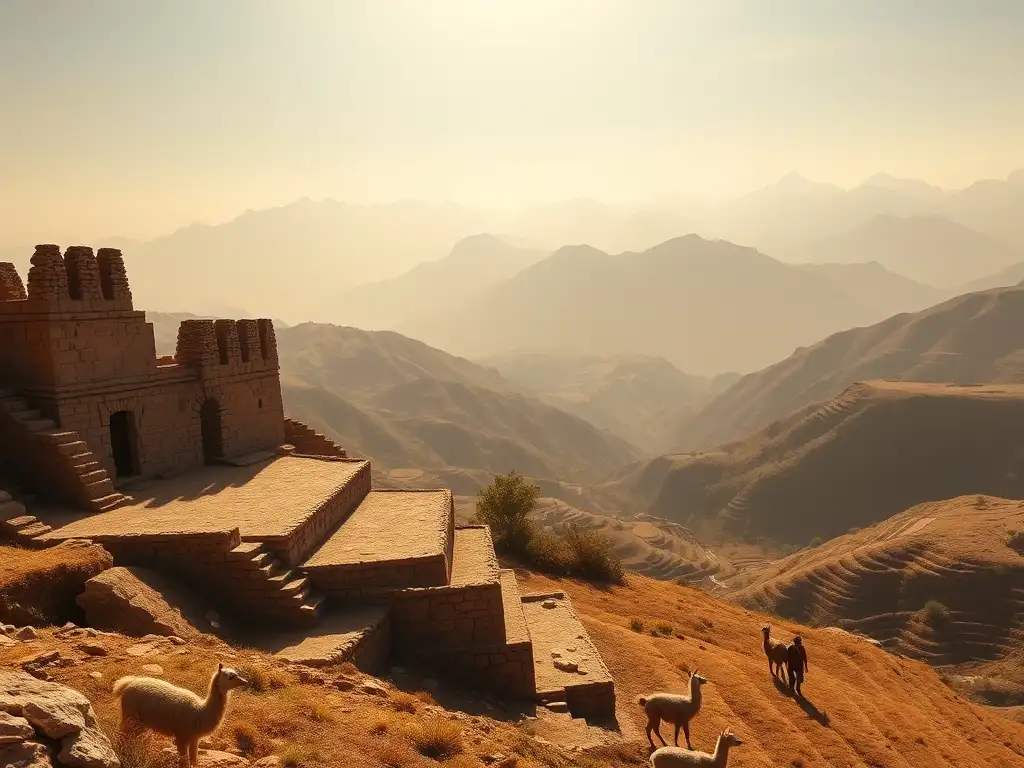
The Late Intermediate Period (circa 1000-1476 CE) in the Andes witnessed a fascinating fragmentation of power following the decline of the Wari and Tiwanaku empires. Instead of a single dominant force, numerous regional kingdoms and confederations emerged, each with its unique cultural expressions and political strategies. This period is crucial for understanding the rise of the Inca Empire, as many of its organizational and administrative innovations were built upon the foundations laid by these predecessor societies. The study of "Ancient Andean civilizations history" during this era reveals a complex tapestry of interactions, conflicts, and innovations.
The Development of Regional Kingdoms Post-Wari and Tiahuanaco
The collapse of the Wari and Tiwanaku empires didn't lead to a power vacuum, but rather to a redistribution of power. Smaller, regional polities, often building upon existing local traditions, expanded their influence. These kingdoms were not simply remnants of the prior empires; they developed distinct identities, artistic styles, and administrative structures.
For instance, the coastal regions saw the rise of powerful kingdoms like Chimú, while the highlands witnessed the development of smaller, but equally significant, entities. The exact nature of the transition remains a subject of ongoing research in the field of "Ancient Andean civilizations history," with ongoing debates about the extent of continuity and change between the preceding empires and these successor states.
Archaeological evidence suggests a complex interplay of adaptation, innovation, and competition among these newly formed entities. Some adopted aspects of Wari or Tiwanaku administrative systems, while others developed entirely new structures adapted to their specific environments and resources.
Chimor Culture: Impressive City of Chan Chan and its Legacy
The Chimor kingdom, centered around the remarkable city of Chan Chan, stands as a testament to the ingenuity and power of the Late Intermediate Period. Chan Chan, a sprawling adobe city, is considered one of the largest pre-Columbian urban centers in the Americas. Its intricate network of palaces, temples, and residential areas showcases sophisticated urban planning and architectural skills.
The Chimor people developed a complex irrigation system which allowed them to sustain a large population in a relatively arid coastal environment. Their mastery of metallurgy is also notable, with exquisite examples of gold and silver work surviving to this day. The Chimor's advanced administrative capabilities, evidenced by their ability to manage vast resources and control a large territory, foreshadowed similar organizational structures later adopted by the Inca.
Understanding the Chimor's achievements is essential for a comprehensive understanding of "Ancient Andean civilizations history" and the trajectory towards Inca dominance. Further research on their sophisticated record-keeping systems could provide additional insights into their societal organization and economic strategies.
The Inca Precursors and their Political Strategies
Before the Inca rose to prominence, several groups in the Cusco region laid the groundwork for the future empire. These groups, often referred to as Inca precursors, were not a unified entity but rather a collection of related ayllus (kinship groups) competing for influence. Their political strategies involved a combination of military conquest, diplomatic alliances, and the strategic control of resources.
Unlike the large-scale empires of the preceding periods, these groups focused on consolidating power within a more limited geographical area, laying the foundation for future expansion. Their success relied on effective military organization, the development of sophisticated administrative systems, and the ability to integrate conquered populations into their expanding political structure. The study of these Inca precursors offers valuable insights into the early stages of Inca expansion and the evolution of their political ideology.
Analyzing their social structures, religious beliefs, and economic practices provides a crucial context for comprehending the later achievements of the Inca Empire. The evolution of their political strategies serves as a compelling case study within the broad narrative of "Ancient Andean civilizations history."
The Inca Empire: Consolidating Andean Power
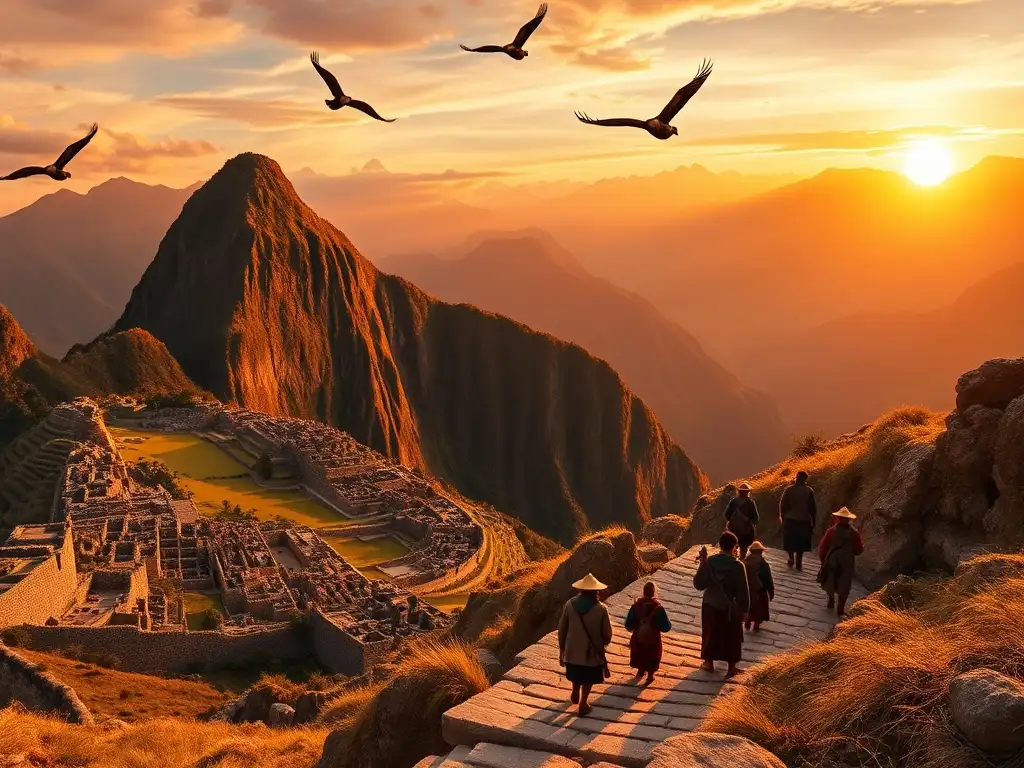
The Inca Empire, also known as the Tawantinsuyu, represents the culmination of centuries of development in the Andean region. While not the first civilization to flourish in the Andes, the Inca's sophisticated political organization, impressive engineering feats, and remarkable administrative capabilities left an enduring legacy, significantly shaping the "Ancient Andean civilizations history." Their rise to power, expansion across vast territories, and achievements in various fields are testament to their exceptional organizational prowess and adaptability. Understanding the Inca's influence is crucial to grasping the full complexity of the Andean region's past.
The Rise of the Inca: From a Small Tribe to an Empire
The Inca's origins are shrouded in some mystery, but traditional accounts trace their beginnings to a small group inhabiting the Cusco region around the 13th century CE. Initially, they were just one among many competing groups in the area. Their ascent to dominance was not solely due to military might, but also to shrewd political strategies and skillful diplomacy.
The Inca strategically formed alliances, absorbed smaller groups through peaceful incorporation or conquest, and cleverly exploited existing social structures. The legendary figure of Pachacuti Inca Yupanqui is often credited with transforming the Inca from a relatively insignificant group into a powerful empire. His military reforms, coupled with his diplomatic acumen, facilitated rapid expansion and consolidation of power.
This period witnessed the development of a highly centralized government, with Cusco serving as its capital and the emperor wielding absolute authority. The Inca's success was a complex interplay of military strength, political maneuvering, and effective social integration, ultimately leading to the creation of a vast and powerful empire that significantly impacted the course of "Ancient Andean civilizations history".
Inca Expansion and the Organization of the Tawantinsuyu
The Inca Empire, at its zenith, stretched along the Andes Mountains, encompassing a vast territory covering parts of modern-day Ecuador, Peru, Bolivia, Chile, and Argentina. Their expansion was not a haphazard process but a carefully planned strategy. The Inca army, highly organized and disciplined, employed effective military tactics.
Conquered territories were incorporated into the Tawantinsuyu (the "Land of the Four Quarters"), a meticulously organized empire. The Inca established a sophisticated system of administration, dividing their vast empire into four provinces, each governed by a governor appointed by the emperor. A complex network of roads, strategically placed storehouses (qollqas), and relay runners (chasquis) facilitated communication and the efficient movement of goods and messages across the empire.
This remarkable infrastructure played a vital role in maintaining control and facilitating trade, cementing the Inca's influence on the "Ancient Andean civilizations history". The Inca's administrative prowess is further highlighted by their implementation of standardized weights and measures, a common language (Quechua), and a highly organized system of taxation.
Inca Achievements in Engineering, Architecture, and Administration
The Inca's achievements extend beyond their military and political prowess. Their mastery of engineering and architecture is evident in the impressive structures they built throughout their empire. The iconic Machu Picchu, a breathtaking mountaintop citadel, stands as a testament to their sophisticated knowledge of stonework and engineering. The precision and artistry displayed in Inca constructions, such as terraces carved into mountain slopes and intricate stonework without mortar, continue to inspire awe and admiration.
Their advanced understanding of hydraulic engineering is demonstrated in their intricate irrigation systems, which enabled them to cultivate diverse crops in challenging terrains. The Inca's administrative skills are equally noteworthy. They developed a complex system of record-keeping using quipus, knotted strings that encoded numerical and possibly other types of information. This system facilitated the efficient management of resources, taxation, and census data.
The Inca's legacy in engineering, architecture, and administration remains a significant part of the "Ancient Andean civilizations history," showcasing their remarkable ingenuity and organizational capabilities. The impact of their innovations is still felt today. The sophisticated infrastructure they built, for example, facilitated trade, communication, and the efficient distribution of resources, contributing to the overall stability and prosperity of the empire. Their achievements continue to inspire researchers and engineers alike.
Legacy of Ancient Andean Civilizations: Lasting Impact
The study of Ancient Andean civilizations history offers invaluable insights into human ingenuity and societal development. Their legacy extends far beyond the impressive ruins scattered across the Andes; it's woven into the fabric of modern South American culture and continues to inspire awe and wonder. Understanding their advancements in agriculture, engineering, and social organization provides a rich tapestry against which to understand the complexities of human civilization.
The impact of these ancient societies is deeply felt even today, shaping everything from artistic expression to political structures. We can trace the threads of their influence in many aspects of contemporary life, highlighting the enduring relevance of studying their history.
The Enduring Influence of Andean Art and Technology
Andean art, with its intricate textiles, striking pottery, and monumental architecture, continues to captivate audiences worldwide. The sophisticated techniques employed by artisans, such as the mastery of metalworking evident in the gold and silver artifacts of the Moche and the Incas, remain remarkable feats of craftsmanship. Consider the Nazca Lines, a sprawling geoglyph complex etched into the desert floor, a testament to the advanced astronomical knowledge and engineering capabilities of this civilization.
These intricate designs, visible only from the air, continue to puzzle and fascinate researchers and tourists alike, showcasing the ingenuity of these ancient peoples. The sophisticated irrigation systems developed by various Andean cultures, particularly the intricate canal networks of the Inca, represent a profound understanding of hydrology and demonstrate an impressive capacity for large-scale engineering projects. This knowledge allowed for sustainable agriculture in challenging environments, a feat that continues to inspire modern agricultural practices.
The legacy of these artistic and technological achievements is undeniable, enriching museums, inspiring artists, and contributing to our understanding of human potential. Moreover, the vibrant colors and intricate designs of Andean textiles, many created using techniques passed down through generations, remain influential in modern fashion and design.
The Importance of Understanding Ancient Andean History
Understanding Ancient Andean civilizations history is crucial for several reasons. Firstly, it allows us to appreciate the diversity and complexity of human societies. The Andes were home to a multitude of cultures, each with its unique social structures, religious beliefs, and artistic expressions. Studying these differences helps us to avoid simplistic narratives and appreciate the rich tapestry of human experience.
Secondly, it provides valuable insights into sustainable living practices. Many Andean civilizations developed sophisticated agricultural techniques adapted to the challenging Andean environment. Studying these techniques can offer valuable lessons for modern societies facing issues of environmental sustainability and food security. Thirdly, understanding their history is essential for preserving their cultural heritage.
Many sites are threatened by looting, environmental degradation, and urban development. By understanding the significance of these sites, we can better protect them for future generations. Finally, this knowledge fosters a deeper appreciation for the cultural heritage of the Andean region and its people, promoting intercultural understanding and respect. The study of Ancient Andean civilizations history is not just an academic pursuit; it's a crucial step towards building a more informed and sustainable future.
Preserving the Heritage of Ancient Andean Civilizations
Preservation efforts for Ancient Andean civilizations are multifaceted and require a collaborative approach. Archaeological research plays a vital role in uncovering new information and ensuring the careful excavation and documentation of sites. However, preservation extends beyond the realm of archaeology.
It requires the active participation of local communities, who are often the custodians of traditional knowledge and practices related to these ancient cultures. Educational initiatives are also crucial, raising awareness about the importance of preserving these sites and promoting responsible tourism. Moreover, the development of sustainable economic opportunities that benefit local communities can help reduce the pressure on archaeological sites from unsustainable practices.
Stricter regulations against looting and illegal trafficking of artifacts are necessary, coupled with international cooperation to combat this illicit trade. The challenge of preserving the heritage of Ancient Andean civilizations requires a long-term commitment, integrating scientific research, community involvement, and effective legal frameworks to ensure that these invaluable cultural treasures are protected for generations to come. The task is complex, but the rewards – the preservation of a unique and irreplaceable legacy – are immeasurable.
Frequently Asked Questions
What makes the study of Ancient Andean civilizations so significant?
The study of Ancient Andean civilizations is significant because it reveals the ingenuity and complexity of societies that developed independently in a challenging environment. Their innovations in agriculture, architecture, and social organization offer valuable insights into human adaptability and resilience. Their rich cultural legacy continues to influence modern Andean societies.
How did the geography of the Andes influence the development of these civilizations?
The Andean geography, with its diverse altitudes and climates, profoundly shaped the development of these civilizations. The availability of resources dictated settlement patterns and spurred innovation in agriculture (terracing, irrigation) and transportation (road systems). The challenging terrain also fostered unique cultural adaptations.
What are some of the major achievements of the Ancient Andean civilizations?
The Ancient Andean civilizations achieved remarkable feats, including advanced agricultural techniques, sophisticated urban planning (e.g., Machu Picchu), and complex social structures. They also developed impressive textile arts, metalworking, and astronomical knowledge. Their achievements demonstrate impressive levels of technological and societal advancement.
Which civilizations are considered the most important in the Andean region?
Among the most studied are the Inca, Moche, Nazca, and Tiahuanaco civilizations. Each had a significant impact on the region's history, leaving behind unique artistic styles, architectural marvels, and complex social systems. Their interrelationships and influences shaped the overall Andean cultural landscape.
Where can I learn more about the history of Ancient Andean civilizations?
You can explore further through academic journals, books, and museums focusing on Andean archaeology and anthropology. Many reputable websites, including this one, offer detailed information and resources on the Inca, Moche, Nazca, and Tiahuanaco civilizations. Visiting archaeological sites in the Andes is another enriching learning experience.
Final Reflection: Echoes of the Andes: A Legacy That Endures
The intricate tapestry woven by the Ancient Andean civilizations continues to resonate powerfully in the modern world. Their innovative agricultural techniques, sophisticated social structures, and breathtaking artistry offer invaluable lessons in resilience, adaptation, and the enduring power of human ingenuity. Understanding their history is not merely an academic exercise; it's a key to unlocking a deeper understanding of our shared human experience and the challenges we face today.
The impact of these civilizations extends far beyond dusty museum exhibits; their legacy is etched into the very landscape, the cultural practices, and the genetic makeup of the Andean region. Their influence continues to shape contemporary art, politics, and social dynamics. As the writer Eduardo Galeano eloquently stated, Memory is the weapon of the powerless.
By remembering and understanding the achievements and struggles of these ancient peoples, we empower ourselves to build a more just and sustainable future, learning from both their triumphs and their mistakes.
Now, consider the echoes of the Andes in your own life. How can the ingenuity and resilience of these ancient cultures inspire you to overcome challenges and build a more meaningful future? Take a moment to reflect on the interconnectedness of history and the present. Let the stories of the Ancient Andean civilizations ignite your own spirit of innovation and your commitment to preserving the rich tapestry of human history for generations to come. The journey through time continues; let us learn from the past to shape a brighter tomorrow.
Embark on Your Own Andean Adventure!
Thank you for exploring the fascinating history of the Andes with us! You've discovered the rich tapestry of cultures and traditions that have shaped this vibrant region. Now, let's turn your interest into action!
Here are some exciting ways to deepen your connection with Andean civilizations:
- Visit a significant archaeological site or museum to experience the region's history firsthand. Witness the grandeur of Machu Picchu, explore the intricate textiles of the Paracas culture, or delve into the fascinating history of the Inca Empire at a museum.
- Join an online community or forum dedicated to Andean studies. Connect with fellow enthusiasts, share your discoveries, and learn from experts in the field.
- Cook a traditional Andean dish! Bring the flavors and aromas of the Andes into your home. Experiment with recipes featuring quinoa, potatoes, or aji amarillo peppers for an authentic taste of the region.
What aspect of Andean history most captivated you, and how will you continue to explore it?