
The Role of Andean Women in the Fight Against Colonial Rule

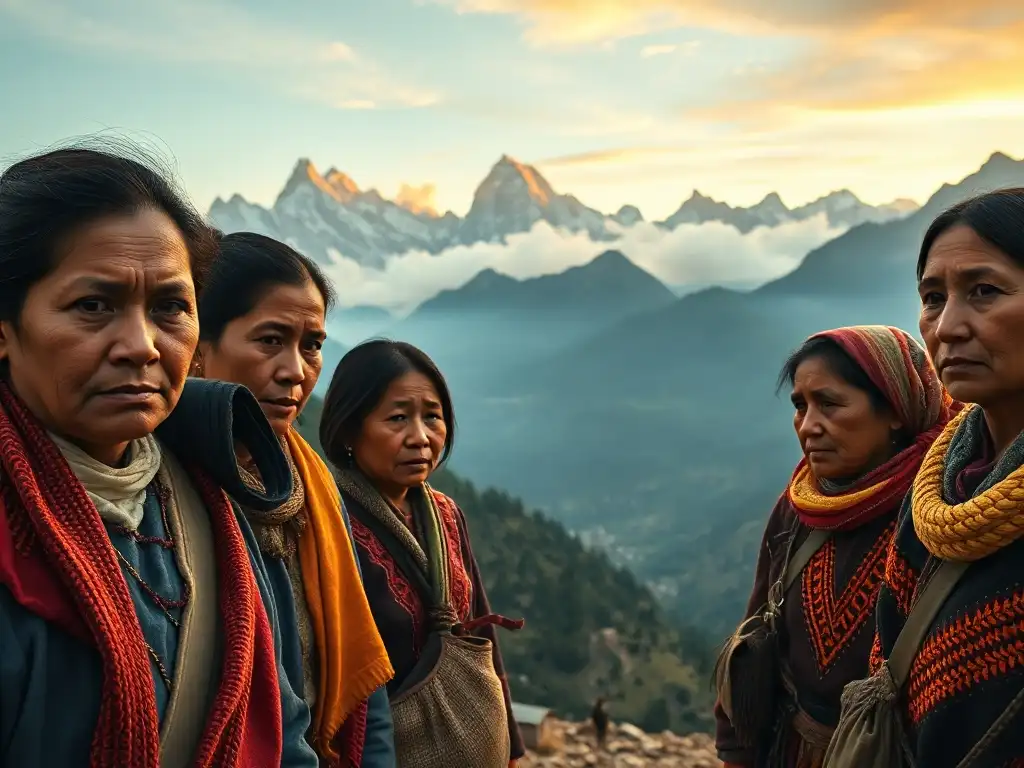
Step into a world lost to time, yet echoing with resilience. Forget the sanitized history books; Andean Civilizations unveils a story of breathtaking ingenuity and unwavering spirit. We delve into the fascinating tapestry of Andean life, but today, we focus on the often-overlooked role of Andean women in colonial resistance. Their struggles, their strategies, their triumphs—discover a hidden chapter of history that will challenge your assumptions and leave you captivated. Prepare to be amazed.
- The Role of Andean Women in Colonial Resistance
- Andean Women's Response to Colonial Rule
- Andean Women’s Strategies of Resistance
- The Impact of Andean Women's Resistance
- Conclusion: Recognizing the Strength and Resilience of Andean Women
-
Frequently Asked Questions
- What roles did Andean women play in resisting colonial rule?
- How did Andean women's lives change under Spanish colonial rule?
- Were Andean women solely involved in domestic spheres during the colonial period?
- What forms of resistance were unique to Andean women?
- How are Andean women's contributions to resistance remembered today?
- Final Reflection: Echoes of Resistance: Andean Women's Enduring Legacy
- Empower Your Voice: Join the Legacy of Andean Women!
The Role of Andean Women in Colonial Resistance
The Spanish conquest of the Andes drastically altered the social fabric of pre-Columbian societies, imposing a new political and economic order that subjugated Indigenous populations. While historical narratives often focus on male resistance leaders, the role of Andean women in defying colonial rule remains a crucial, yet often overlooked, aspect of this complex period.
This article delves into the significant contributions of Andean women to the fight against Spanish domination, highlighting their agency, resilience, and diverse strategies of resistance, from subtle acts of defiance to overt rebellion. We will explore their pre-colonial roles to better understand how their existing social structures and skills were adapted and weaponized against colonial oppression.
Understanding their participation provides a more nuanced and complete picture of the Andean resistance, challenging traditional Eurocentric perspectives that minimized or ignored women's crucial contributions to the fight for survival and autonomy. The keyword "Andean women colonial resistance" will be explored throughout, examining the multifaceted ways in which women shaped the struggle for liberation.
Introduction to Andean Women's Resistance
The Spanish conquest was not merely a military campaign; it was a systematic dismantling of Indigenous societies, aiming to control all aspects of life, from religious practices to economic production. Andean women, far from being passive victims, actively participated in resisting this colonial onslaught.
Their resistance took many forms, from everyday acts of defiance—such as maintaining traditional weaving techniques and agricultural practices—to more overt acts of rebellion, including participation in armed uprisings and the strategic withholding of vital resources. These actions, often concealed within the fabric of daily life, demonstrate the remarkable resilience and agency of Andean women in the face of brutal oppression.
Understanding their strategies requires moving beyond simplistic narratives and acknowledging the complex interplay of gender, ethnicity, and class within the context of colonial resistance. The diverse ways in which Andean women resisted colonial rule—from open rebellion to subtle acts of defiance—highlight their significant contribution to the fight for survival and autonomy.
Pre-Colonial Roles of Women in Andean Societies
To fully appreciate the impact of Andean women's resistance during the colonial period, it is vital to understand their social and economic standing in pre-colonial societies. The roles of women varied across different Andean cultures (Inca, Moche, Nazca, Tiahuanaco, etc. ), but they generally held significant positions within their communities.
Social and Political Structures Before the Spanish Conquest
Before the arrival of the Spanish, Andean societies exhibited diverse social structures. While patriarchal elements existed, women occupied influential positions in many communities. For instance, in some societies, women held religious roles as priestesses or played important roles in lineage and inheritance. The evidence suggests that women were not simply confined to the domestic sphere; their influence extended to various aspects of social and political life. The extent of their political power varied across different Andean cultures and regions, and further research is needed to fully understand the nuances of these pre-colonial structures. However, it's clear that their roles were far more complex than often portrayed in colonial accounts.
Further Research Areas
The lack of extensive written records from pre-colonial Andean societies necessitates relying on archaeological evidence, oral traditions, and interpretations of colonial accounts. This presents challenges in accurately reconstructing the full extent of women's social and political influence.
Economic Contributions of Women in the Andes
Andean women were crucial to the economic well-being of their communities. They were actively involved in agriculture, textile production, and food processing. Their expertise in agricultural techniques, including terracing and irrigation, was essential for sustaining their populations. Moreover, their mastery of textile production—weaving, dyeing, and spinning—produced high-quality textiles that were both functional and held significant social and ceremonial value.
The economic contributions of Andean women were fundamental to the survival and prosperity of their societies, and these skills became important tools in their resistance to colonial exploitation. The economic power they wielded, even in the face of subjugation, allowed them to subtly undermine colonial structures. For example, the strategic withholding of textiles or food supplies could significantly impact the colonial economy.
Andean Women's Response to Colonial Rule
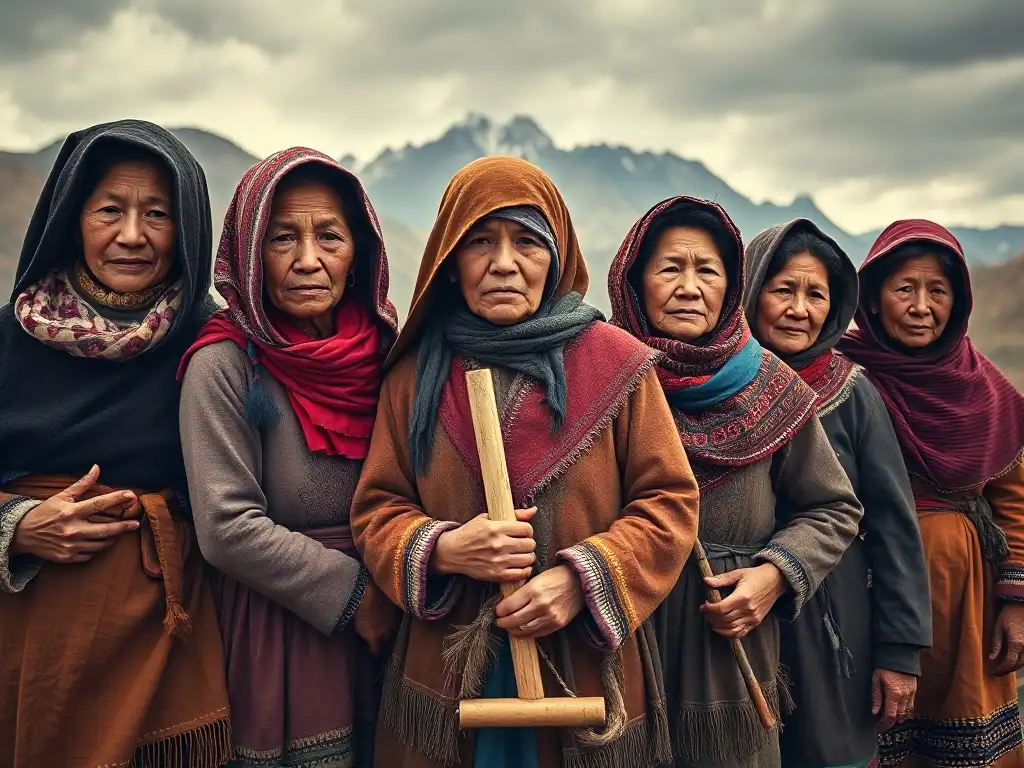
This section delves into the multifaceted roles Andean women played in resisting Spanish colonial rule, challenging the often-overlooked narrative that portrays them solely as passive victims. Their contributions to the fight for autonomy were diverse, ranging from subtle acts of cultural preservation to active participation in armed rebellions. Understanding their agency is crucial to achieving a complete picture of Andean resistance against colonial powers. The keyword "Andean women colonial resistance" encapsulates the central theme of this analysis.
Early Forms of Resistance by Andean Women
The initial response of Andean women to Spanish colonization was often characterized by subtle yet powerful acts of defiance. Their resilience manifested in various forms, demonstrating a determination to maintain their cultural identity and challenge the imposed colonial order. This resistance often took place within the confines of their daily lives, making it difficult for the colonial authorities to detect or suppress effectively.
Maintaining Indigenous Traditions and Practices
Despite the efforts of the Spanish crown to suppress indigenous traditions, Andean women played a vital role in preserving their cultural heritage. This involved the continued practice of ancestral weaving techniques, the cultivation of native crops, and the perpetuation of oral histories and religious ceremonies. These seemingly mundane activities represented a powerful form of resistance, maintaining a link to their past and asserting their cultural identity in the face of colonial dominance. The intricate designs woven into textiles, for example, often contained coded messages or symbolic representations of resistance, subtly communicating defiance to the colonial authorities.
Passive Resistance and Cultural Preservation
Beyond the active preservation of traditions, passive resistance played a significant role in the Andean women's fight for survival and cultural preservation. This included subtle acts of non-compliance with colonial laws and decrees, selective adoption of Spanish practices, and the strategic use of silence and ambiguity to evade colonial control. For instance, women might feign ignorance of Spanish laws or subtly sabotage colonial agricultural initiatives.
This form of resistance, while less dramatic than open rebellion, was crucial in undermining colonial authority and preserving indigenous ways of life. The continued use of Quechua, despite the promotion of Spanish, stands as a testament to this enduring cultural resistance.
Active Participation in Rebellions and Uprisings
While passive resistance was crucial, Andean women also actively participated in organized rebellions and uprisings against Spanish rule. Their roles were far from peripheral; they were integral to the success and longevity of many resistance movements. This active participation demonstrates their agency and unwavering commitment to fighting for their freedom and the preservation of their communities.
Women as Leaders and Strategists in Andean Revolts
Contrary to the common misconception of women as merely supporting figures in Andean rebellions, historical evidence reveals their presence as leaders and strategists. Many women played pivotal roles in planning and executing rebellions, leveraging their skills in organization, communication, and resource management. Their knowledge of the terrain and local communities provided invaluable advantages during conflicts. [Specific examples of women leaders and their strategies pending] Further research is needed to fully illuminate the contributions of these unsung heroines.
The Role of Andean Women as Messengers and Spies
Andean women also played a crucial role in the communication networks vital to the success of rebellions. Their mobility and social connections allowed them to act as messengers, carrying vital information across vast distances and evading colonial surveillance. In addition, their ability to blend seamlessly into daily life allowed some women to function as spies, gathering intelligence on colonial troop movements and plans. This clandestine work was essential in coordinating rebel activities and ensuring the survival of resistance movements. Their contributions highlight the importance of effective communication and intelligence gathering in successful resistance.
Micaela Bastidas: A Pivotal Figure in the Tupac Amaru II Rebellion
Micaela Bastidas stands as a powerful example of an Andean woman's leadership and strategic brilliance during the Tupac Amaru II Rebellion. She was not merely a supportive wife; she was a key strategist and organizer, actively participating in planning military campaigns, managing resources, and rallying support for the rebellion. Her unwavering commitment and organizational skills were crucial to the rebellion's initial success.
Bastidas's story exemplifies the crucial role Andean women played, not only in supporting rebellions but actively leading them to challenge the Spanish colonial system. Her legacy continues to inspire and her story serves as a testament to the strength and resilience of Andean women in the face of colonial oppression. The impact of her actions on the course of the rebellion and the subsequent strategies employed by the Spanish demonstrates the significant influence of Andean women in shaping the narrative of colonial resistance.
Andean Women’s Strategies of Resistance
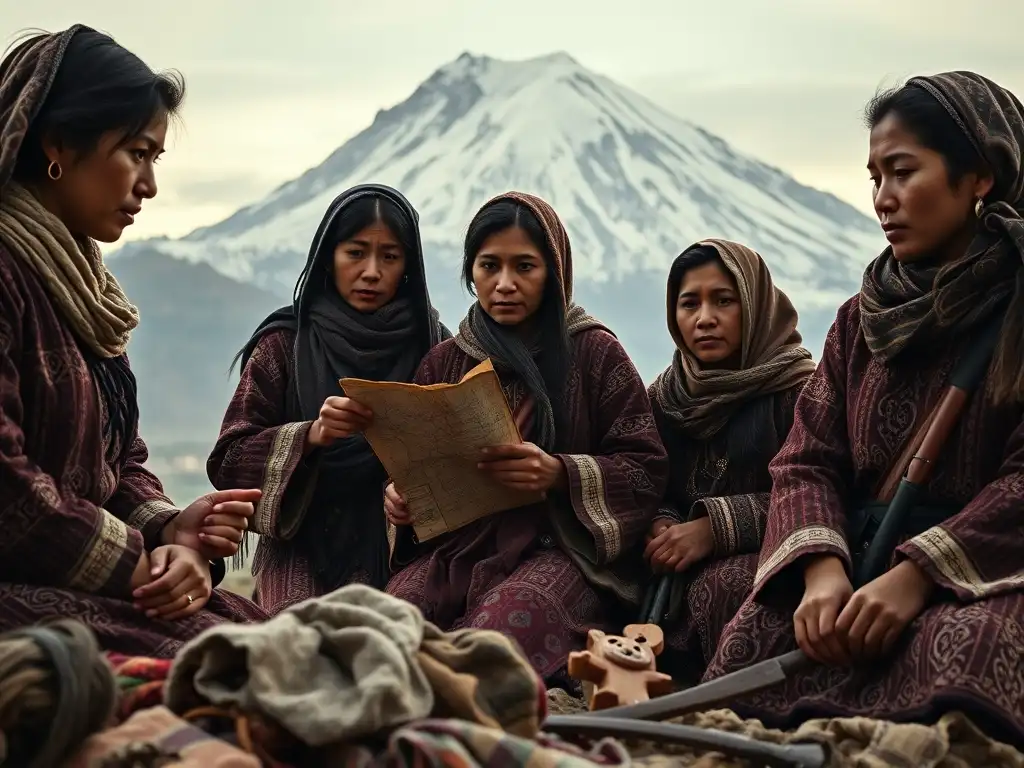
Andean women played a crucial, yet often overlooked, role in resisting Spanish colonial rule. Their contributions extended beyond the battlefield, encompassing sophisticated strategies of economic and cultural resistance that subtly, yet powerfully, challenged the colonial regime. Understanding their agency is vital to a complete understanding of Andean resistance to Spanish domination and offers a nuanced perspective on the "Andean women colonial resistance" narrative.
Economic Resistance and Control of Resources
The Spanish conquest aimed to dismantle the existing Andean economic systems, replacing them with a system of forced labor and resource extraction that benefited the crown. Andean women, however, demonstrated remarkable resilience in protecting and managing vital resources, effectively undermining colonial economic policies.
Protecting and Distributing Resources within Communities
Women were central to the management of agricultural resources, including the cultivation of crucial crops like potatoes and maize. They developed intricate systems of resource distribution within their communities, ensuring the survival of their families and villages even amidst colonial exploitation. This involved hidden storage techniques, strategic planting, and the development of informal networks to share scarce resources.
For example, women in the highlands may have developed techniques to conceal potatoes from colonial tax collectors, ensuring enough food remained for their families. Detailed accounts of these strategies are unfortunately scarce, requiring further research into local archives and oral histories to fully understand their complexity. This is a crucial area for future research on "Andean women colonial resistance."
Challenging Colonial Economic Policies
Beyond resource management, Andean women directly challenged colonial economic policies. This resistance often manifested subtly, through acts of non-compliance or strategic manipulation of the colonial system. For instance, women might have withheld labor or goods in response to unfair taxation or forced labor demands. The impact of these actions, while often undocumented, was significant in undermining the colonial economy and maintaining a degree of indigenous economic autonomy. This resistance, often invisible in official colonial records, requires careful analysis of anthropological data and indigenous perspectives to fully appreciate its scale and impact.
Cultural Resistance and Preservation of Identity
The Spanish sought to eradicate indigenous cultures, imposing Catholicism and Spanish language as tools of cultural dominance. Andean women, however, actively resisted this cultural assault, employing strategies that preserved indigenous languages, stories, and artistic traditions.
Preserving Indigenous Languages and Stories
Women played a critical role in the transmission of indigenous knowledge and cultural practices through oral traditions. They actively taught their children Quechua, Aymara, and other indigenous languages, ensuring the survival of these languages despite colonial efforts to suppress them. They also preserved and transmitted oral histories, songs, and myths that recounted their ancestral past and reinforced their cultural identity.
This subtle yet powerful form of resistance ensured the continuity of indigenous cultures and provided a foundation for future generations to challenge colonial domination. The preservation of these oral traditions directly contributes to our understanding of "Andean women colonial resistance."
The Significance of Andean Weaving and Art as Resistance
Andean textiles and art were more than mere adornments; they served as potent symbols of cultural identity and resistance. Women, who were traditionally skilled weavers, incorporated indigenous designs and symbols into their textiles, subtly challenging colonial aesthetic norms. These textiles often communicated messages of resistance or encoded historical narratives, preserving indigenous knowledge and challenging colonial attempts to homogenize Andean culture.
The vibrant colors and intricate designs served as a powerful reminder of their heritage and a visible act of defiance against cultural erasure. Further research is needed to fully decipher the symbolism within these textiles and unravel the extent to which they functioned as tools of resistance in the context of "Andean women colonial resistance."
Further Research Needs
More research is needed to fully understand the multifaceted roles of Andean women in colonial resistance. This includes:
- Analysis of indigenous oral histories and local archives.
- Detailed studies of Andean weaving techniques and symbolism.
- Comparative analysis of women's resistance strategies across different Andean regions.
Spiritual Resistance and Religious Practices
Andean women played a crucial, albeit often overlooked, role in maintaining spiritual resistance against Spanish colonial rule. Their strategies weren't always overt acts of rebellion, but rather subtle yet powerful acts of defiance woven into the fabric of daily life. They understood that the Spanish conquest wasn't just a political takeover; it was an attempt to erase their worldview, their beliefs, and their connection to the sacred landscape.
By preserving their spiritual heritage, they preserved a vital part of their cultural identity, a crucial element in resisting assimilation. This resistance was multifaceted, encompassing both the overt and covert, the public and the private spheres of life. The strength of their faith and the deep-rooted connection to their ancestral traditions provided a powerful foundation for their continued resistance.
Maintaining Andean Beliefs and Traditions
The preservation of Andean beliefs and traditions was a cornerstone of women's spiritual resistance. Despite the Spanish attempts to suppress indigenous religions, women continued to practice their ancestral rituals in secret. These rituals, often performed in the privacy of their homes or in remote, sacred locations, served as crucial links to their past and a source of strength and resilience. Oral traditions, passed down through generations of women, helped to safeguard sacred knowledge, stories, and songs, ensuring that the spiritual heritage of the Andes survived the onslaught of colonialism. This quiet, persistent adherence to their beliefs was a potent form of resistance, a refusal to be erased from their own history and spiritual landscape. We know from ethnographic studies of later Andean communities that many practices, like specific healing rituals or agricultural ceremonies, were kept alive through the determined efforts of women, transmitting knowledge through family lineages and community networks.
Syncretism and Adaptation of Religious Practices
While maintaining their indigenous beliefs, Andean women also demonstrated remarkable adaptability. They skillfully integrated elements of Catholicism into their existing spiritual practices, creating a form of syncretism that allowed them to outwardly comply with Spanish religious demands while secretly preserving the core tenets of their own faith. This wasn't mere hypocrisy; it was a strategic maneuver, a way to navigate the treacherous terrain of colonial rule while retaining their spiritual identity.
For instance, they might have outwardly participated in Catholic masses, but secretly incorporated indigenous offerings and prayers into their practices. This creative blend of religious practices allowed them to maintain a connection to their ancestral traditions while avoiding direct confrontation with the Spanish authorities.
This subtle form of resistance was crucial in preserving Andean spirituality and cultural identity in the face of overwhelming pressure. The blending of traditions, a testament to the ingenuity and resilience of Andean women, allowed the survival of their spiritual heritage through a period of immense cultural upheaval.
The Impact of Andean Women's Resistance
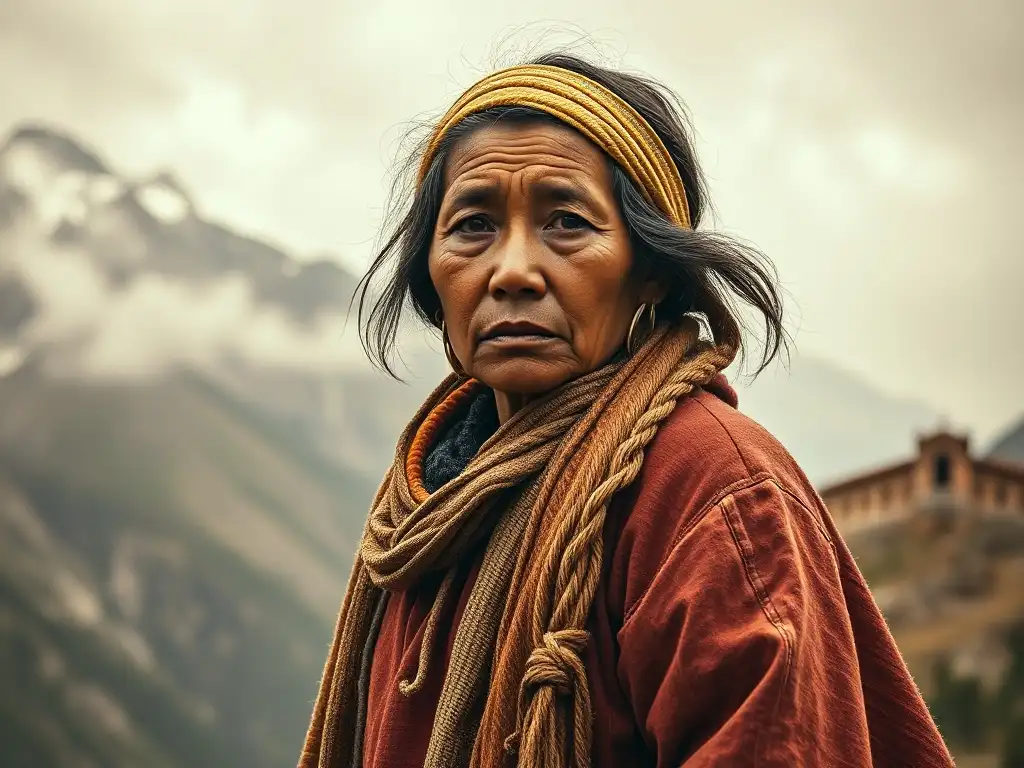
Andean women played a crucial, albeit often overlooked, role in resisting Spanish colonial rule. Their contributions extended far beyond the domestic sphere, encompassing active participation in rebellions, strategic resource management, and the preservation of indigenous cultural practices. Understanding their agency challenges the traditional narrative of conquest, revealing a complex tapestry of resistance woven by both men and women.
The impact of their actions reverberates through history, influencing subsequent movements for social justice and self-determination in the Andes. Analyzing their contributions offers a more complete and nuanced understanding of Andean resistance to colonial power, moving beyond simplistic narratives that often center male figures. This section will delve into the multifaceted ways Andean women shaped the fight against colonial oppression, highlighting their enduring legacy.
The Legacy of Women's Participation in Anti-Colonial Movements
Contributions to the Fight for Independence
Andean women's involvement in anti-colonial struggles wasn't limited to passive resistance. They actively participated in armed conflicts, providing crucial support to rebel armies. For example, during Túpac Amaru II's rebellion (1780-1781), women served as messengers, spies, and even combatants. Their knowledge of the terrain and local customs proved invaluable in guerrilla warfare tactics.
Beyond direct fighting, women played a vital role in sustaining rebellions by managing resources, providing food and medical supplies, and maintaining morale. Their contributions were essential to the longevity and effectiveness of these movements, demonstrating their strategic importance in the fight for independence. The scale of their participation, however, remains understudied, with historical records often neglecting to acknowledge their crucial roles. Further research is needed to fully quantify their impact.
Inspiring Future Generations of Andean Women
The legacy of Andean women's resistance continues to inspire generations. Their bravery and resilience serve as powerful symbols of resistance against oppression and the fight for self-determination. This legacy is reflected in contemporary Andean feminist movements that draw strength from the past to address ongoing challenges.
The stories of these women, often passed down orally through generations, highlight the enduring power of collective action and the importance of recognizing the contributions of women in shaping history. Their actions serve as a powerful reminder that resistance takes many forms and that the fight for justice is a continuous process. The persistent struggle for gender equality in the Andes is deeply rooted in the legacy of these courageous women.
Challenges and Continued Struggle for Recognition
Overcoming Historical Erasure of Women’s Roles
A significant challenge in understanding the role of Andean women in colonial resistance is the historical erasure of their contributions. Colonial records, often written from a patriarchal perspective, minimized or completely ignored women's participation. This systematic omission has resulted in a skewed understanding of historical events, where the agency and impact of women are underestimated or disregarded.
The process of recovering and amplifying their voices requires meticulous archival research, the incorporation of oral histories, and a critical examination of existing historical narratives. This effort is vital to achieving a more accurate and representative account of Andean history. The uncovering of hidden narratives is crucial to giving Andean women the recognition they deserve.
The Ongoing Fight for Gender Equality in the Andes
The struggle for gender equality in the Andes continues to this day. While significant progress has been made, women still face significant challenges related to access to education, economic opportunity, and political representation. The legacy of colonial oppression, coupled with persistent patriarchal structures, creates obstacles to achieving full gender equality. Understanding the historical context of Andean women's resistance is crucial to addressing these contemporary challenges.
By recognizing their past struggles and contributions, contemporary movements can draw strength and inspiration, further pushing for a more just and equitable society. The fight for "Andean women colonial resistance" continues, building upon the foundations laid by their ancestors. The ongoing struggle for gender equality is intrinsically linked to the historical fight against colonial oppression.
Conclusion: Recognizing the Strength and Resilience of Andean Women
The Spanish conquest of the Andes dramatically altered the social fabric of Andean societies, imposing a new political and economic order that often marginalized and oppressed indigenous populations. However, the narrative of colonial resistance often overlooks a crucial element: the significant role played by Andean women. This section underscores the importance of recognizing their contributions and resilience in the face of brutal oppression, a vital aspect of understanding the complex dynamics of Andean resistance.
The fight against colonial rule was not solely a male endeavor; women actively participated in various forms of resistance, demonstrating remarkable strength and agency. Their contributions, often hidden or minimized in traditional historical accounts, deserve to be brought to the forefront, enriching our understanding of "Andean women colonial resistance".
The Importance of Understanding Andean Women's Role in History
Understanding the role of Andean women in resisting colonial rule is critical for several reasons. Firstly, it challenges the patriarchal narratives that have historically dominated accounts of the conquest. By centering the experiences of Andean women, we gain a more nuanced and complete understanding of the complexities of the colonial encounter. Secondly, acknowledging their agency counters the stereotype of indigenous women as passive victims.
Their active participation in resistance movements, whether through direct confrontation, strategic alliances, or subtle acts of defiance, showcases their resilience and strength. Their strategies often involved maintaining cultural practices, resisting forced labor, and preserving their communities' identities in the face of assimilation. For example, women played a crucial role in maintaining agricultural knowledge and techniques, essential for survival under colonial rule. This subtly subversive act of preserving traditional knowledge systems was a form of resistance in itself.
Furthermore, examining the varied forms of Andean women's resistance helps us understand the diverse strategies employed against colonial power. These ranged from open rebellion and participation in armed conflicts to more covert forms of resistance, such as preserving indigenous languages and religious practices. Data on specific women’s involvement in these acts of resistance is unfortunately limited due to the systematic destruction of indigenous records and the biased nature of colonial documentation.
Further research is necessary to fully uncover the extent of their participation. However, even the limited evidence available points to a significant and multifaceted role for Andean women in the struggle for autonomy.
Future Research and Acknowledgment of Female Contributions
Future research on "Andean women colonial resistance" should prioritize the recovery and analysis of indigenous voices and perspectives. This involves exploring sources beyond the limited colonial archives, seeking out oral histories, and employing interdisciplinary approaches that incorporate archaeology, anthropology, and gender studies. This holistic approach is essential to counteract the biases inherent in existing historical records. We need to go beyond simply acknowledging the existence of female participation and delve into the specific ways in which Andean women contributed to resistance efforts.
This includes investigating their leadership roles, their strategic decision-making processes, and the unique challenges they faced as women in a context of colonial oppression. The lack of detailed information concerning specific individuals and their actions highlights a critical gap in our understanding. More research is needed to properly analyze the impact of their actions on the larger resistance movements.
Moreover, acknowledging the contributions of Andean women is not merely an academic exercise; it is a matter of historical justice. By recognizing their agency and resilience, we can challenge colonial narratives and promote a more equitable representation of the past. This acknowledgment is essential for fostering a more inclusive and accurate understanding of Andean history and for empowering future generations.
The continued study and dissemination of knowledge about Andean women's role in colonial resistance is vital for ensuring that their stories are not forgotten and their contributions are fully recognized and appreciated. This crucial work will help to build a more complete and accurate picture of the complexities of the colonial period in the Andes, and the enduring strength of Andean women.
Frequently Asked Questions
What roles did Andean women play in resisting colonial rule?
Andean women participated in resistance in many ways, from direct armed conflict and spying to maintaining community structures and preserving cultural practices under colonial oppression. Their contributions were vital, though often overlooked.
How did Andean women's lives change under Spanish colonial rule?
Colonial rule drastically altered Andean women's lives. They faced forced labor, loss of land, and cultural suppression. Traditional social structures were disrupted, impacting their roles and autonomy.
Were Andean women solely involved in domestic spheres during the colonial period?
No, this is a misconception. While many women carried out domestic tasks, they also actively participated in economic activities, religious practices, and political resistance movements. Their roles were diverse and crucial.
What forms of resistance were unique to Andean women?
Andean women employed various forms of resistance. Maintaining traditional weaving techniques, preserving indigenous languages, and participating in religious ceremonies acted as subtle yet powerful acts of defiance against colonial efforts of assimilation.
How are Andean women's contributions to resistance remembered today?
While often marginalized in historical accounts, efforts are underway to reclaim and highlight the crucial role of Andean women in resisting colonial rule. Scholarly research and community initiatives are working to ensure their stories are told.
Final Reflection: Echoes of Resistance: Andean Women's Enduring Legacy
The struggle for liberation, though seemingly relegated to history books, continues to resonate in the fight for equality and self-determination today. The stories of Andean women who defied colonial oppression, often overlooked in traditional narratives, serve as a powerful testament to the enduring strength and resilience of marginalized communities worldwide. Their bravery and ingenuity in the face of immense adversity offer a vital lesson for contemporary movements striving for social justice.
The impact of Andean women's resistance extends far beyond the immediate context of colonial rule. Their contributions, often hidden beneath layers of patriarchal narratives, shaped the cultural and social landscape of the Andes, influencing everything from indigenous traditions to modern social movements. Their defiance continues to inspire activists and scholars alike, reminding us of the power of collective action in the face of injustice. The most common way people give up their power is by thinking they don't have any.
- Alice Walker. This quote speaks volumes about the quiet strength and agency these women demonstrated, often against impossible odds.
Consider the echoes of their resistance in your own life. How can you, in your own sphere of influence, champion the voices of the marginalized and challenge systems of oppression? Let the legacy of Andean women inspire you to become an active participant in building a more just and equitable world. Their stories are not just historical accounts; they are a call to action, a reminder that even in the darkest of times, the human spirit can prevail, and that the fight for freedom is a continuous journey, demanding our unwavering commitment.
Empower Your Voice: Join the Legacy of Andean Women!
Thank you for exploring the vital role of Andean women in shaping history during the fight against colonial rule. Your interest underscores the strength and resilience of these remarkable individuals. Their contributions deserve recognition, and you can help honor their legacy and raise awareness in several ways.
Here are a few actions you can take:
- Share this article with friends and family to spark conversations about the impact of Andean women's leadership.
- Learn more about Andean cultures and histories to deepen your understanding of the struggles and triumphs of these courageous women.
- Support local communities or organizations that champion women's rights and empowerment, continuing the fight for gender equality.
How can you further celebrate the incredible stories of these history-making women?