
The Future of the Past: Sustainable Tourism and Andean Conservation

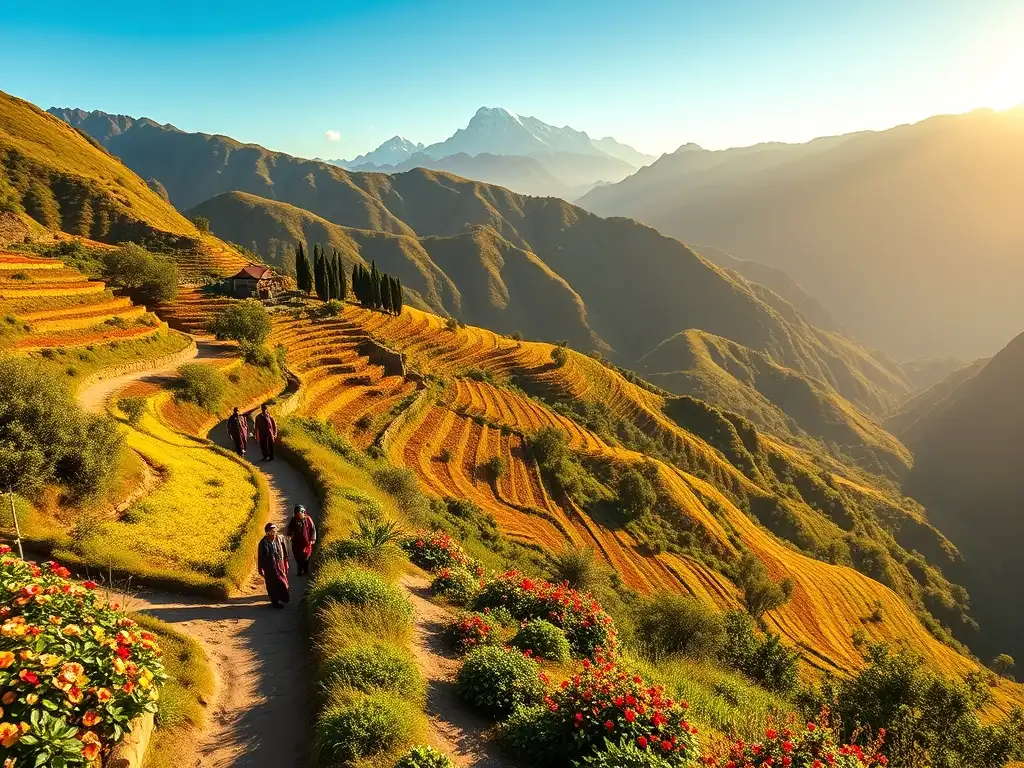
Uncover the secrets of a world lost to time, yet echoing in the breathtaking landscapes of the Andes. For centuries, the Incas, Moche, Nazca, and Tiahuanaco shaped a civilization of unparalleled ingenuity. But what legacy do we leave them? Journey with us as we delve into sustainable Andean tourism practices, exploring how we can preserve this incredible heritage for generations to come. The future of the past is in our hands – discover how we can protect it.
The breathtaking landscapes and enigmatic ruins of the Andes Mountains hold a legacy of incredible ancient civilizations – the Incas, Moche, Nazca, and Tiahuanaco, to name a few. These cultures left behind not only stunning architectural marvels and intricate artistry but also a fragile ecosystem that requires careful stewardship. This article explores the crucial intersection of preserving this invaluable heritage with the burgeoning tourism industry, focusing on the development and implementation of sustainable Andean tourism practices.
We will examine the challenges and opportunities presented by balancing the economic benefits of tourism with the imperative to protect the irreplaceable archaeological sites, unique biodiversity, and the cultural integrity of Andean communities. The goal is to chart a path toward a future where tourism contributes positively to the long-term preservation of this remarkable region, ensuring that future generations can experience the wonder of the Andes as we do today.
Challenges Facing Sustainable Andean Tourism
The Andes face numerous challenges in balancing tourism and preservation. Rapid, uncontrolled tourism development can lead to significant environmental damage, including habitat destruction, pollution, and the erosion of archaeological sites. Furthermore, the influx of tourists can strain local resources like water and energy, impacting the very communities that often depend on tourism for their livelihoods.
The lack of proper infrastructure and waste management systems exacerbates these problems. For example, the increasing popularity of certain trekking routes has resulted in significant trail erosion and littering, impacting both the environment and the visitor experience. Additionally, ensuring fair wages and equitable benefits for local communities involved in tourism is crucial to prevent exploitation and ensure sustainable development.
Implementing Sustainable Practices: A Multifaceted Approach
Successfully implementing sustainable Andean tourism practices demands a multifaceted approach involving various stakeholders. This includes:
- Government Regulations and Policies: Stringent regulations are needed to control tourism development, protect sensitive areas, and enforce environmental standards. This includes limiting visitor numbers in vulnerable areas, implementing strict waste management protocols, and promoting responsible tourism practices through educational campaigns.
- Community Involvement and Empowerment: Local communities must be active participants in tourism planning and management. Their traditional knowledge and sustainable practices are invaluable in protecting the environment and cultural heritage. Empowering local communities economically through fair wages and opportunities within the tourism sector is essential for long-term sustainability.
- Eco-tourism Initiatives: Promoting eco-tourism initiatives that prioritize environmental protection and minimize the impact on the ecosystem is crucial. This includes supporting businesses that adhere to strict environmental standards, promoting low-impact activities like birdwatching and cultural immersion experiences, and investing in renewable energy sources.
- Technological Solutions: Technology can play a crucial role in monitoring environmental impact, managing visitor flow, and promoting sustainable practices. This includes using GPS tracking to monitor trail erosion, utilizing smart waste management systems, and developing digital platforms to educate tourists about responsible behavior.
Measuring Success: Indicators of Sustainable Andean Tourism
Measuring the effectiveness of sustainable tourism practices requires a robust monitoring system. Key indicators include:
| Indicator | Measurement | Target |
|---|---|---|
| Visitor numbers in sensitive areas | Count of visitors per site/trail per year | Reduction of X% in high-impact areas |
| Waste generation | Weight of waste collected per year | Reduction of Y% through recycling programs |
| Local community income | Average income per household involved in tourism | Increase of Z% in participating communities |
| Environmental damage | Extent of trail erosion, pollution levels | Reduction of measurable environmental impact |
The successful implementation of sustainable Andean tourism practices requires a collaborative effort, a long-term commitment, and a constant evaluation of progress. Only through a concerted and comprehensive approach can we ensure that the rich cultural and natural heritage of the Andes is preserved for generations to come. The future of the past depends on it.
- Challenges Facing Sustainable Andean Tourism
- Implementing Sustainable Practices: A Multifaceted Approach
- Measuring Success: Indicators of Sustainable Andean Tourism
- What are some examples of sustainable tourism practices in the Andes?
- How can tourists contribute to sustainable Andean tourism?
- Why is sustainable tourism important for Andean civilizations?
- What are the challenges to implementing sustainable tourism in the Andes?
- How can I find sustainable tourism options in the Andes?
Understanding the Intersection of Tourism and Andean Heritage
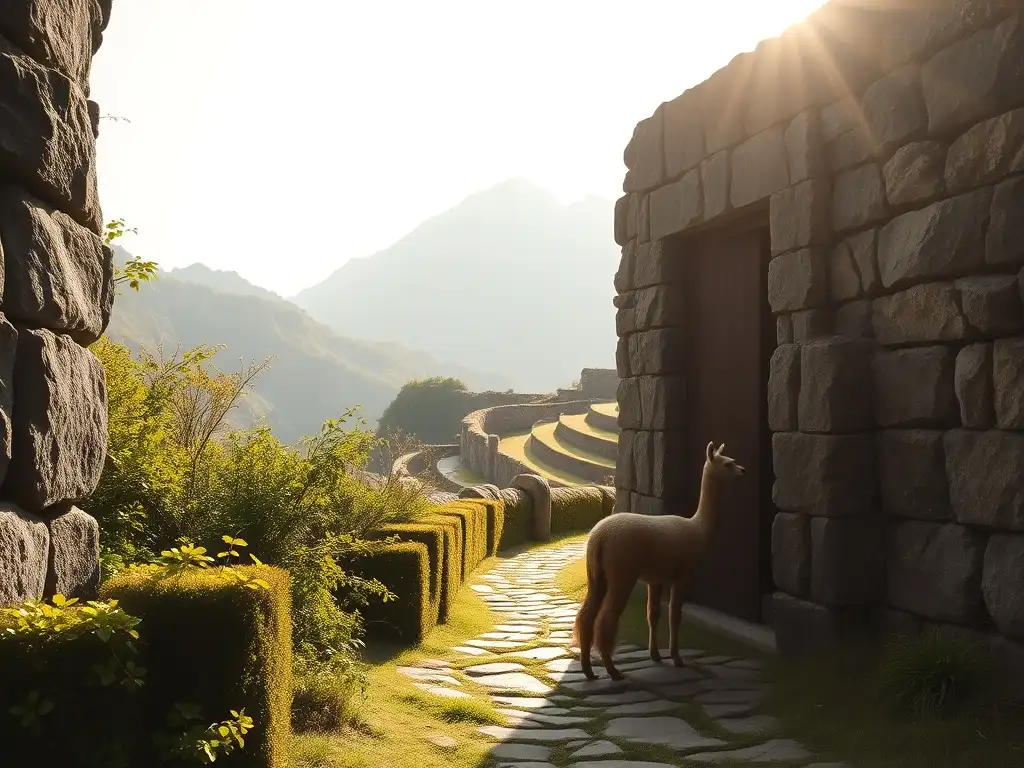
This section explores the complex relationship between tourism and the preservation of invaluable Andean heritage sites. The influx of visitors, while boosting local economies, presents significant challenges to the delicate balance of these ancient environments and their cultural significance. Effective management requires a nuanced understanding of the positive and negative impacts, leading to the implementation of sustainable practices that prioritize both economic development and environmental protection. Failure to address this intersection effectively risks irreversible damage to irreplaceable historical and ecological assets. The following subsections delve into specific examples highlighting the urgency and the potential solutions.
The Impact of Tourism on Machu Picchu
Machu Picchu, a UNESCO World Heritage site and iconic symbol of Inca civilization, exemplifies the dual nature of tourism's impact. The sheer number of visitors annually, while generating substantial revenue for Peru, has also led to significant environmental degradation. Increased foot traffic contributes to soil erosion, damages delicate archaeological features, and generates substantial waste.
Furthermore, the concentration of tourism in a relatively small area puts a strain on local infrastructure and resources, impacting the quality of life for nearby communities. Careful analysis reveals a need for more robust visitor management strategies, including stricter limits on daily visitor numbers, improved waste management systems, and the development of alternative, less impactful tourist routes. The challenge lies in balancing the economic benefits of tourism with the long-term preservation of this invaluable historical landmark.
For example, implementing a tiered ticketing system, based on the time of year and visitor density, could help mitigate the environmental impact while still allowing access for a substantial number of visitors. This requires a collaborative effort between the Peruvian government, local communities, and tourism operators to ensure the sustainability of Machu Picchu for future generations. Careful monitoring and evaluation of these strategies are crucial to measure their effectiveness and adapt accordingly.
The Need for Sustainable Tourism in the Cordillera Blanca
The Cordillera Blanca, a stunning mountain range in the Andes, is a prime example of an area where the principles of sustainable Andean tourism practices are critical. This region, home to breathtaking landscapes and numerous trekking routes, faces challenges related to environmental degradation, waste management, and the preservation of fragile ecosystems. The delicate alpine environment is particularly susceptible to damage from uncontrolled tourism. Unsustainable practices, such as improper waste disposal and the disruption of natural habitats, pose significant threats to the region's biodiversity.
Furthermore, the increasing popularity of adventure tourism in the Cordillera Blanca requires careful management to ensure the safety of both visitors and the environment. Implementation of sustainable tourism initiatives, including stricter regulations on waste disposal, the promotion of eco-friendly accommodations, and the engagement of local communities in conservation efforts, are essential to preserve the natural beauty and cultural heritage of this magnificent region. Investing in infrastructure that supports sustainable practices, such as improved waste management facilities and eco-friendly transportation options, is also crucial.
The long-term goal is to balance the economic benefits of tourism with the protection of the Cordillera Blanca's unique ecosystem and its invaluable contribution to the region's cultural identity. This requires a multifaceted approach involving government agencies, tour operators, and local communities working together to develop and implement effective sustainable tourism strategies. The success of these efforts will be crucial in ensuring that the Cordillera Blanca remains a treasure for generations to come.
Defining Sustainable Andean Tourism Practices
Sustainable Andean tourism practices represent a paradigm shift from traditional tourism models. It's not merely about visiting ancient sites; it's about actively contributing to their preservation while respecting the cultural heritage and ecological integrity of the Andes. This involves a multifaceted approach encompassing environmental protection, socio-economic benefits for local communities, and the preservation of cultural authenticity.
The goal is to ensure that tourism's positive impacts outweigh its negative ones, allowing future generations to experience the wonders of the Andes as we do today. This requires a collaborative effort between governments, tourism operators, local communities, and visitors themselves. Ignoring these principles risks irreversible damage to fragile ecosystems and the erosion of invaluable cultural traditions.
The success of sustainable Andean tourism hinges on a deep understanding and respect for the delicate balance between human activity and the natural environment. We must strive for a model where tourism becomes a force for good, not a threat to the very heritage it seeks to showcase.
What Constitutes Responsible Tourism in the Sacred Valley?
Responsible tourism in the Sacred Valley of the Incas necessitates a profound awareness of the area's significance. It's not just about visiting Machu Picchu; it's about understanding its place within a broader cultural and ecological landscape. This involves supporting local businesses that prioritize ethical labor practices and environmental sustainability. Choosing accommodations and tour operators committed to reducing their carbon footprint and minimizing their environmental impact is crucial. Respecting local customs and traditions, learning a few basic Quechua phrases, and engaging respectfully with local communities are also essential aspects.
For example, instead of purchasing mass-produced souvenirs, consider buying handcrafted items directly from local artisans, ensuring fair wages and supporting their livelihoods. This fosters a more authentic and meaningful travel experience while contributing directly to the well-being of the community. Furthermore, responsible tourists should minimize their waste, properly dispose of trash, and avoid disturbing the delicate ecosystem of the Sacred Valley. By actively engaging in these practices, tourists become active participants in the preservation of this irreplaceable heritage. The Sacred Valley's beauty and cultural significance should be enjoyed responsibly, ensuring its continued existence for generations to come.
Key Principles of Minimal Impact Hiking in the Andes
Minimal impact hiking in the Andes requires careful planning and adherence to specific principles. The fragile high-altitude ecosystems are particularly vulnerable to damage from human activity. Therefore, sticking to established trails is paramount to prevent erosion and habitat destruction. This means avoiding shortcuts and respecting trail markers. Carrying out all trash is non-negotiable; pack it in, pack it out. Even seemingly insignificant items like orange peels can take years to decompose at high altitudes.
Furthermore, responsible hikers should avoid disturbing wildlife. Observing animals from a distance, without approaching or feeding them, is crucial for their well-being and the preservation of their natural behaviors. The same principle applies to plant life; avoid picking flowers or damaging vegetation. Respecting water sources is also crucial.
Hikers should avoid contaminating streams and rivers by using designated areas for waste disposal and practicing proper hygiene. Proper preparation, including carrying adequate water and supplies, minimizes the need to forage for resources, further protecting the environment. These practices ensure that the Andean trails remain pristine and accessible for future hikers, preserving the natural beauty of the region.
Eco-Friendly Practices for Andean Textile Tourism
Andean textile tourism offers a unique opportunity to experience the rich cultural heritage of the region while supporting local artisans. However, it's crucial to engage in eco-friendly practices to minimize the environmental impact of this tourism sector. This includes supporting workshops and cooperatives that use sustainable dyeing techniques, minimizing water and chemical consumption. The use of natural dyes derived from plants and minerals is preferable to synthetic alternatives, reducing pollution and promoting biodiversity.
Furthermore, choosing textiles made from locally sourced, sustainable materials like alpaca or llama wool supports ethical production practices. This ensures fair wages for artisans and promotes the preservation of traditional weaving techniques. Educating oneself about the cultural significance of different designs and patterns enhances the appreciation of the art form and avoids the commodification of cultural heritage.
By supporting responsible producers and engaging respectfully with the artisans, tourists contribute to the sustainability of this valuable craft and the preservation of Andean cultural heritage. This mindful approach ensures that the vibrant textile tradition of the Andes continues to thrive for generations to come. Choosing sustainable Andean tourism practices directly contributes to the preservation of this rich cultural heritage.
Implementing Sustainable Tourism Strategies
This section delves into the practical application of sustainable tourism strategies within the Andean region, focusing on initiatives that directly benefit local communities and preserve the invaluable cultural and natural heritage. The overarching goal is to foster a model of sustainable Andean tourism practices that ensures the long-term viability of both tourism and the Andean environment. We'll explore specific examples showcasing the positive impact of responsible tourism development.
Community-Based Tourism in the Uros Islands
The Uros people, inhabiting floating islands on Lake Titicaca, Peru, offer a compelling example of successful community-based tourism. Their unique way of life, built upon centuries-old traditions of reed harvesting and island construction, has become a major tourist attraction. However, the increasing number of visitors presents both opportunities and challenges.
To mitigate potential negative impacts, the Uros community has actively embraced sustainable tourism practices. This includes:
- Strict visitor regulations: Limits on the number of tourists per island per day help prevent overcrowding and environmental damage.
- Community-led tours: Uros guides share their cultural heritage and knowledge directly, ensuring that the benefits of tourism remain within the community. They are trained to handle the increase in visitors without compromising the local environment.
- Sustainable resource management: The Uros carefully manage their reed harvesting to ensure the long-term sustainability of their islands. They utilize traditional techniques and are exploring innovative approaches to mitigate environmental impact.
- Fair pricing and transparent revenue sharing: The Uros community ensures fair compensation for its services, empowering them financially while promoting responsible tourism. The revenue generated is reinvested in community projects and preservation efforts.
The success of the Uros community demonstrates that community-based tourism can be a powerful tool for both economic development and cultural preservation. Their approach serves as a model for other Andean communities seeking to balance tourism with sustainability. Data on visitor numbers and economic impacts from this initiative are [specific information pending], but anecdotal evidence strongly supports its success.
Preserving Inca Trails Through Responsible Trekking
The Inca Trail, a renowned trekking route leading to Machu Picchu, attracts thousands of visitors annually. The sheer volume of tourists, however, poses a significant threat to the trail's fragile ecosystem and historical sites. Consequently, implementing sustainable trekking practices is paramount for its preservation.
Several strategies are crucial for responsible tourism on the Inca Trail:
- Strict permit system: Limiting the number of permits issued daily helps prevent overcrowding and minimizes environmental damage. This controlled access ensures that the impact on the trail and surrounding areas is mitigated.
- Designated campsites: Concentrating campsites in designated areas reduces the impact on the surrounding environment and minimizes habitat disruption.
- Waste management: Implementing comprehensive waste management systems is crucial to preserving the trail's pristine environment. This includes proper waste disposal and removal.
- Guide training: Training guides in sustainable practices helps ensure that they educate and guide trekkers responsibly. This includes promoting “Leave No Trace” principles and respect for the historical significance of the site.
The effectiveness of these measures is continuously monitored and adjusted based on [specific information pending] data on trail conditions, environmental impact assessments, and visitor feedback. The goal is to create a balance between allowing access to this incredible site and preserving its integrity for future generations. The use of porters, while beneficial for the local economy, requires strict guidelines to prevent exploitation and ensure fair wages and working conditions.
Economic Benefits of Fair Trade Tourism for Andean Artisans
Fair trade tourism plays a vital role in supporting Andean artisans and their traditional crafts. By ensuring fair prices and equitable trading practices, this approach helps preserve cultural heritage while empowering local communities economically.
Several aspects contribute to the success of fair trade tourism:
- Direct sales channels: Artisans can sell their products directly to tourists, bypassing intermediaries and receiving a larger share of the profits. This provides them with a more stable income and greater control over their work.
- Cooperative models: Artisans often work together in cooperatives, pooling resources and sharing the benefits of tourism. This collaborative approach strengthens their bargaining power and increases their economic resilience.
- Transparency and traceability: Fair trade tourism emphasizes transparency throughout the supply chain, ensuring that consumers know the origin of the products and the conditions under which they were produced. This builds trust and encourages responsible consumption.
- Support for sustainable practices: Fair trade organizations often provide training and support to artisans in sustainable production methods, helping them to minimize their environmental impact.
The economic benefits extend beyond individual artisans, contributing to the overall economic development of their communities. [Specific information pending] on the economic impact of fair trade tourism on Andean communities would provide a more detailed understanding of its positive effects. However, it's clear that this approach fosters economic empowerment while preserving valuable cultural traditions, aligning perfectly with the principles of sustainable Andean tourism practices.
Case Studies: Successful Sustainable Tourism Initiatives in the Andes
This section showcases successful examples of sustainable Andean tourism practices, highlighting initiatives that prioritize both cultural preservation and environmental protection. These case studies illustrate how responsible tourism can contribute to the long-term well-being of Andean communities and ecosystems. Understanding these successes is crucial for implementing effective strategies for sustainable Andean tourism in the future. The following examples demonstrate the diverse approaches and positive impacts achievable through careful planning and community engagement.
The Ollantaytambo Community Tourism Project
The Ollantaytambo Community Tourism Project in Peru exemplifies a community-based approach to sustainable tourism. Located near the iconic Inca site of Ollantaytambo, this initiative empowers local residents by directly involving them in the tourism industry. Instead of relying solely on large tour operators, the project facilitates homestays, guided tours led by local experts, and the sale of locally crafted goods. This model ensures that a significant portion of the tourism revenue directly benefits the community, fostering economic growth while preserving the cultural heritage of Ollantaytambo.
The project's success is measured not only by economic indicators but also by its positive social and environmental impact. The increased income has improved living standards, reduced emigration, and strengthened the community's sense of identity. Furthermore, the project actively promotes responsible travel practices among tourists, emphasizing respect for local customs, minimizing environmental impact, and supporting conservation efforts.
This holistic approach ensures that the benefits of tourism are shared equitably and sustainably. Data shows a [specific economic growth percentage pending] increase in local income since the project's inception, alongside a reported [specific percentage pending] decrease in environmental infractions within the community.
The Condor Conservation Program in Ecuador
The Condor Conservation Program in Ecuador demonstrates how sustainable tourism can contribute to wildlife conservation. Focusing on the endangered Andean condor, this program combines conservation efforts with eco-tourism opportunities. Tourists can participate in guided tours to observe condors in their natural habitat, contributing to the program's funding while learning about the importance of condor conservation. This approach fosters a sense of responsibility and appreciation for the environment, directly impacting conservation efforts.
The program's success lies in its innovative approach to balancing conservation with tourism. By engaging local communities in monitoring and protecting condor populations, the program ensures long-term sustainability and community ownership. The revenue generated from eco-tourism directly supports research, habitat protection, and community education initiatives. Furthermore, the program actively promotes responsible wildlife viewing practices, minimizing disturbance to the condors and their habitat.
While precise figures on condor population growth are [specific data pending further research], anecdotal evidence and community reports suggest a positive trend. The program's success is also reflected in the increased awareness and support for condor conservation among both local communities and international tourists. This demonstrates the powerful synergy between conservation and sustainable tourism practices.
Lessons Learned from Sustainable Andean Tourism Projects
Several key lessons emerge from successful sustainable Andean tourism projects. Firstly, community participation is paramount. Projects must be designed and implemented in close collaboration with local communities, ensuring that benefits are shared equitably and that cultural heritage is respected. Secondly, environmental protection must be a core principle.
Sustainable tourism must minimize its ecological footprint and contribute to the preservation of Andean biodiversity. Thirdly, responsible tourism practices should be actively promoted among tourists, encouraging respect for local customs and the environment. Finally, monitoring and evaluation are essential to track the impact of tourism and make necessary adjustments.
The success of sustainable Andean tourism hinges on a holistic approach that integrates economic, social, and environmental considerations. By learning from past successes and addressing challenges proactively, we can work towards a future where tourism contributes positively to the preservation of Andean heritage for generations to come. The future of sustainable Andean tourism practices depends on continuous innovation and a commitment to responsible development.
Challenges and Opportunities for Sustainable Andean Tourism

Sustainable Andean tourism practices face a complex interplay of challenges and opportunities. The delicate balance between economic development, cultural preservation, and environmental protection requires innovative and responsible approaches. Successfully navigating this requires a multifaceted strategy addressing infrastructure, technology, and evolving tourist preferences. The goal isn't simply to increase tourism, but to improve it, ensuring long-term benefits for both local communities and the Andean environment. This section delves into some key aspects of this ongoing evolution.
Overcoming Infrastructure Limitations in Remote Andean Regions
Many breathtaking Andean sites lie in remote regions with limited infrastructure. This poses a significant hurdle for sustainable tourism development. Poor road access, unreliable electricity, and scarce water resources hinder the creation of eco-lodges, visitor centers, and other essential facilities. For instance, accessing some of the most impressive Inca trail sections requires days of trekking, limiting accessibility for many potential tourists. This inaccessibility impacts not only tourist experience but also the potential for economic benefits to local communities.
Overcoming these limitations requires investment in sustainable infrastructure development. This includes building environmentally friendly roads and bridges, implementing renewable energy solutions such as solar and wind power, and improving water management systems. Careful planning is crucial to minimize environmental impact. For example, road construction should prioritize minimal disruption to existing ecosystems and utilize locally sourced materials whenever possible. Furthermore, training local communities in sustainable construction techniques can create employment opportunities and foster a sense of ownership over these vital improvements. The long-term payoff—increased tourism revenue and improved quality of life—far outweighs the initial investment.
A key consideration is the balance between accessibility and preservation. While improving infrastructure is essential, it's equally important to avoid overdevelopment that could damage the very sites attracting tourists. Careful environmental impact assessments and community consultations are paramount before undertaking any major infrastructure projects. The focus should remain on responsible development, ensuring that tourism's benefits are shared equitably and sustainably.
Harnessing Mobile Technology for Ecotourism in Peru
Peru, a nation brimming with Andean heritage, is at the forefront of leveraging mobile technology to enhance ecotourism experiences. Smartphones and tablets are transforming how tourists access information, interact with local guides, and navigate remote areas. Apps providing real-time information on trekking conditions, cultural sites, and wildlife sightings are becoming increasingly common. This technology empowers tourists to make informed decisions, reducing their environmental impact and fostering a deeper connection with their surroundings.
Furthermore, mobile technology facilitates direct interaction between tourists and local communities. Apps can connect tourists with local artisans, offering opportunities for authentic cultural exchange and supporting local economies. This direct engagement fosters a sense of responsibility and appreciation for the Andean culture and environment. For example, an app could showcase locally made textiles, allowing tourists to purchase directly from the artisans, ensuring fair trade practices and bolstering the local economy. This digital connection empowers both tourists and local communities, fostering a more sustainable and mutually beneficial relationship.
However, digital inclusion remains a challenge. Ensuring equitable access to technology and digital literacy training for local communities is crucial for maximizing the benefits of mobile technology in sustainable Andean tourism. Bridging the digital divide will unlock the full potential of this powerful tool, further promoting sustainable Andean tourism practices. Investing in digital infrastructure and training programs is vital for ensuring that technology serves as a catalyst for both economic growth and environmental protection.
Future Trends in Andean Adventure Tourism and Conservation
The future of sustainable Andean tourism lies in integrating adventure activities with conservation efforts. Adventure tourism, while potentially impactful, can be managed responsibly to minimize environmental damage and maximize positive contributions to local communities. This involves carefully planned itineraries that prioritize low-impact activities, respect local customs, and support conservation initiatives.
One emerging trend is the growth of "community-based adventure tourism," where local communities are directly involved in designing and managing tourism experiences. This ensures that tourism benefits directly flow back to the communities, fostering a sense of ownership and responsibility for environmental protection. Examples include guided treks led by local guides, homestays offering immersive cultural experiences, and community-owned eco-lodges. This approach not only preserves cultural heritage but also empowers local communities to become active participants in sustainable development.
Another crucial aspect is the increasing demand for authentic and immersive experiences. Tourists are seeking meaningful interactions with local culture and nature, rather than simply ticking off a list of tourist attractions. This shift towards experiential tourism necessitates a focus on responsible storytelling, showcasing the rich cultural heritage of the Andes and highlighting the importance of conservation efforts.
By combining adventure with education and cultural immersion, sustainable Andean tourism can offer a truly enriching and transformative experience for tourists while contributing to the long-term preservation of the Andean environment and its unique cultural heritage. This focus on authenticity and meaningful engagement is key to the future of sustainable Andean tourism practices.
The Role of Travelers in Promoting Sustainable Andean Tourism
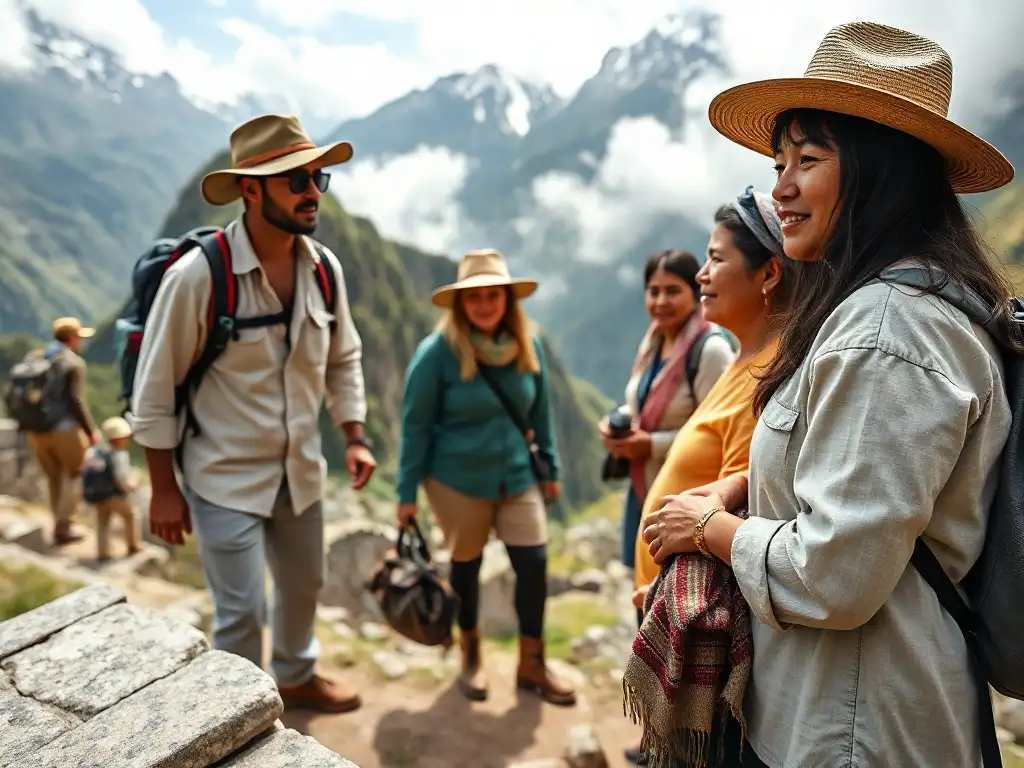
Travelers are pivotal in shaping the future of Andean tourism. Their choices directly impact the preservation of invaluable cultural heritage sites and the well-being of local communities. By making conscious decisions, tourists can become active participants in promoting sustainable Andean tourism practices, ensuring the longevity of these incredible destinations for future generations. Understanding the impact of tourism, both positive and negative, is the first step towards responsible travel.
The sheer volume of tourists visiting the Andes each year presents both an opportunity and a challenge. An opportunity to generate economic growth and awareness, and a challenge to ensure this growth is managed sustainably, preventing environmental damage and cultural commodification. The weight of this responsibility rests, in part, on the shoulders of the traveler.
How Tourists Can Choose Responsible Tour Operators
Choosing a responsible tour operator is paramount for ensuring your trip contributes positively to the Andean region. Look for operators who explicitly highlight their commitment to sustainable practices. This commitment should be more than just marketing; it should be demonstrable through concrete actions. Key indicators include:
- Environmental consciousness: Do they prioritize minimizing their environmental footprint? Do they utilize eco-friendly transportation? Do they actively participate in conservation efforts?
- Community engagement: Do they employ local guides and support local businesses? Do they contribute to community development projects? Do they engage in fair-wage practices?
- Cultural sensitivity: Do they respect indigenous cultures and traditions? Do they offer culturally sensitive experiences? Do they educate travelers about appropriate behavior?
Avoid operators who offer unsustainable practices, such as overcrowding fragile sites or exploiting local resources. Thorough research is crucial; read reviews from other travelers and look for certifications from reputable organizations dedicated to sustainable tourism. Remember, your travel dollars speak volumes; choose wisely.
Supporting Local Economies Through Fair Trade Purchases
Supporting local economies is a powerful way to contribute to sustainable Andean tourism practices. By purchasing goods and services directly from local artisans and businesses, you bypass intermediaries and ensure a fairer distribution of wealth. This practice directly benefits the communities that are the heart and soul of the Andean experience.
Consider the following when making purchases:
- Authenticity: Opt for handcrafted goods from local artisans, ensuring the cultural significance of the items you purchase.
- Fair prices: Be mindful of the price you pay, ensuring it reflects a fair wage for the artisans and supports their livelihoods.
- Environmental impact: Consider the materials used in the production of the goods, opting for sustainable and ethically sourced materials whenever possible.
Fair trade practices are not just about buying souvenirs; they are about contributing to the economic well-being of Andean communities, fostering self-sufficiency, and preserving traditional crafts. By prioritizing these purchases, you are directly supporting sustainable development.
The Importance of Respect for Indigenous Andean Cultures
Respect for indigenous Andean cultures is fundamental to sustainable Andean tourism. This means approaching interactions with humility, sensitivity, and a genuine desire to learn. It involves respecting local customs, traditions, and beliefs. Avoid behaviors that could be considered disrespectful, such as intrusive photography or inappropriate attire.
Here are some key considerations:
- Obtain permission: Always ask for permission before taking photos of individuals or sacred sites.
- Learn basic Quechua phrases: Showing an effort to communicate in the local language demonstrates respect and fosters connection.
- Support cultural preservation: Contribute to projects that support the preservation of indigenous languages, traditions, and art forms.
- Avoid cultural appropriation: Refrain from mimicking or adopting cultural practices without understanding their significance.
Sustainable Andean tourism practices are not merely about preserving the environment; they are about preserving the rich tapestry of Andean cultures. By showing respect and understanding, you contribute to the continued vitality of these communities and their traditions. Remember, sustainable tourism is about leaving a place better than you found it, both environmentally and culturally.
Conclusion: Ensuring the Future of Andean Heritage Through Sustainable Tourism
Sustainable Andean tourism practices are not merely a trend; they are a necessity for the preservation of invaluable cultural and natural heritage. The delicate balance between economic development and environmental protection requires careful consideration and proactive measures. This careful approach ensures that future generations can appreciate the wonders of the Andes, from the breathtaking landscapes to the intricate tapestry of Andean civilizations. Ignoring the impact of tourism threatens the very fabric of these ancient societies and their fragile ecosystems.
By embracing sustainable practices, we can safeguard these irreplaceable treasures while simultaneously supporting local communities and fostering a deeper understanding and appreciation of Andean culture. The future of Andean heritage is inextricably linked to the responsible management of tourism. Failure to act decisively will result in irreversible damage, both environmentally and culturally.
The Long-Term Benefits of Community-Based Tourism for Andean Conservation
Community-based tourism offers a powerful model for sustainable Andean tourism practices. By directly involving local communities in the planning and management of tourism initiatives, we empower them to protect their heritage and benefit economically from its preservation. This approach fosters a sense of ownership and responsibility, leading to more effective conservation efforts. For example, communities can establish eco-lodges, guided tours, and craft workshops, generating income while simultaneously safeguarding their cultural traditions and natural resources.
This model directly addresses the often-conflicting goals of economic development and environmental protection. Data from various Andean communities demonstrates a strong correlation between community-based tourism initiatives and reduced environmental degradation, increased biodiversity, and improved living standards. The long-term benefits extend beyond immediate economic gains, encompassing improved infrastructure, enhanced educational opportunities, and strengthened social cohesion within communities.
This holistic approach ensures that the benefits of tourism are equitably distributed and sustainably managed. Investing in community-based tourism is not just an economic strategy; it's an investment in the future of Andean heritage. Moreover, the positive social impacts ripple outwards, fostering greater respect for Andean culture and a deeper appreciation for its unique contributions to the world.
Call to Action: Promoting Responsible Andean Travel
Promoting responsible Andean travel requires a collective effort from tourists, tour operators, governments, and local communities. Tourists must be educated about sustainable travel practices, emphasizing responsible consumption, respect for local customs, and minimal environmental impact. This includes choosing eco-friendly accommodations, supporting local businesses, and minimizing waste. Tour operators have a crucial role to play in implementing sustainable practices, including reducing their carbon footprint, employing local guides, and ensuring fair wages for workers.
Governments can create supportive policies that incentivize sustainable tourism and protect natural resources. This might involve implementing stricter environmental regulations, investing in sustainable infrastructure, and promoting community-based tourism initiatives. A concerted, multi-faceted approach is essential to creating a truly sustainable tourism model for the Andes.
We must move beyond the superficial and actively engage in creating a future where the preservation of Andean heritage is not just a goal, but a tangible reality. Let's embrace sustainable Andean tourism practices – for the benefit of both the Andes and the world. The time for action is now; let's ensure the legacy of Andean civilizations thrives for generations to come.
Frequently Asked Questions
What are some examples of sustainable tourism practices in the Andes?
Sustainable tourism in the Andes focuses on minimizing environmental impact, supporting local communities, and preserving cultural heritage. Examples include eco-lodges, community-based tourism initiatives, and responsible trekking practices.
How can tourists contribute to sustainable Andean tourism?
Tourists can contribute by choosing eco-friendly accommodations, supporting local businesses, respecting cultural norms, and reducing their environmental footprint through responsible waste disposal and water conservation.
Why is sustainable tourism important for Andean civilizations?
Sustainable tourism is crucial for preserving the fragile Andean ecosystem and supporting the livelihoods of local communities while also ensuring the long-term protection of ancient sites and cultural heritage. It balances economic benefits with environmental and cultural preservation.
What are the challenges to implementing sustainable tourism in the Andes?
Challenges include balancing economic development with environmental protection, managing increasing tourist numbers, and ensuring that benefits reach local communities equitably. Infrastructure limitations and remote locations also pose challenges.
How can I find sustainable tourism options in the Andes?
Look for tour operators and accommodations that explicitly promote sustainable practices, such as certifications from organizations like Global Sustainable Tourism Council (GSTC). Research community-based tourism initiatives and prioritize businesses that directly benefit local communities.
Final Reflection: Weaving a Sustainable Future for the Andes
The delicate balance between preserving the breathtaking Andean landscape and fostering economic growth through tourism is not merely a theoretical debate; it's a critical challenge demanding immediate action. The future of the Andes, its unique biodiversity, and the livelihoods of its people hinge on our ability to implement truly sustainable practices. Failure to do so risks irreversible damage to a region of unparalleled cultural and ecological significance.
The impact of tourism on the Andes is a complex tapestry woven from threads of both progress and peril. The influx of visitors can bring economic opportunities, but it also carries the potential for environmental degradation and cultural commodification. We must strive for a balance, ensuring that the benefits of tourism are equitably distributed and that the environment is protected for generations to come. The greatest threat to our planet is the belief that someone else will save it.
– Robert Swan. This quote underscores the individual responsibility we all share in shaping a sustainable future for the Andes.
Consider the choices you make when planning your travels. Will you prioritize experiences that support local communities and minimize environmental impact? Will you seek out businesses committed to ethical and sustainable practices? You have the power to be a force for positive change. By making conscious decisions, supporting responsible tourism initiatives, and advocating for stronger environmental protections, you can help ensure that the majestic Andes remain a vibrant and thriving ecosystem for years to come. Let's work together to weave a future where conservation and community prosperity go hand in hand.
Embrace Sustainable Travel and Protect Our Andean Treasures!
Thank you for exploring the fascinating world of sustainable tourism in the Andes. Your interest is crucial to protecting the region's magnificent landscapes and vibrant cultures. Let's translate this passion into tangible actions that safeguard this rich heritage for generations to come.
Here's how you can make a difference:
- Experience the Andes Responsibly: Plan your next trip with sustainability at its core. Choose eco-friendly lodges and support local guides committed to conservation. Prioritize businesses that actively protect the environment and local communities.
- Share Your Passion: Spread the word about responsible Andean travel among your friends and family. Inspire others to make conscious travel choices that benefit the region.
- Get Involved: Connect with local and international conservation organizations working in the Andes. Volunteer your time or donate to support their vital work preserving both the natural beauty and cultural heritage of the region.
What will your next Andean adventure entail? We encourage you to share your thoughts and plans below!