
The Significance of Machu Picchu's Stonework: Precision and Artistic Expression

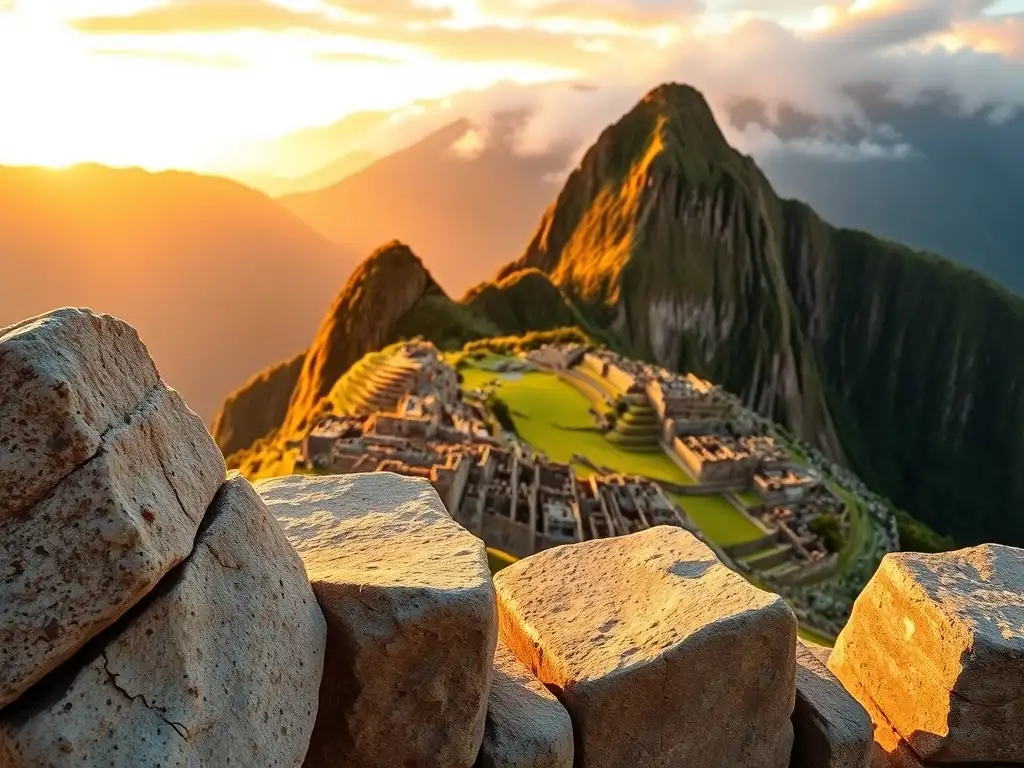
Prepare to be amazed. Journey with us into the heart of the Andes, where lost empires left behind a legacy etched in stone. This isn't just history; it's a testament to human ingenuity and artistic brilliance. Discover the secrets behind the Machu Picchu stonework artistry, a feat of engineering and aesthetic mastery that continues to defy explanation. Unravel the mysteries and explore the breathtaking precision of the Inca Empire – your adventure begins now.
Machu Picchu, the iconic "Lost City of the Incas," stands as a testament to the ingenuity and artistry of the Inca civilization. Beyond its breathtaking location nestled high in the Andes Mountains, the site's enduring legacy rests significantly on the unparalleled precision and artistic expression evident in its remarkable stonework.
This article delves into the intricacies of Machu Picchu's stone construction, exploring the techniques employed, the symbolic meaning embedded within the structures, and the lasting impact of this architectural marvel on our understanding of Inca engineering and artistry. We will examine how the mastery of stonework at Machu Picchu exemplifies the pinnacle of Inca achievement, solidifying its place as a UNESCO World Heritage site and a symbol of a sophisticated Andean culture.
Understanding the artistry behind Machu Picchu's stonework provides crucial insight into the Inca worldview and their remarkable capabilities. This exploration of "Machu Picchu stonework artistry" will reveal the cultural and technological brilliance of this lost city.
Inca Stoneworking Techniques: A Masterclass in Precision
The Inca's mastery of stonework is immediately apparent at Machu Picchu. Their ability to shape and fit stones with such incredible precision, often without the use of mortar, remains a source of fascination and study for archaeologists and engineers alike. The stones, meticulously cut and fitted together, often interlock perfectly, creating structures of exceptional stability and longevity.
This precision wasn't merely a matter of practicality; it was a reflection of the Inca's deep understanding of geology and engineering principles. They expertly selected and utilized various types of stone, adapting their techniques to the specific properties of each material. Evidence suggests the use of sophisticated tools, including copper chisels and hammers, along with potentially more advanced techniques that are still being investigated.
The incredibly tight fits of the stones, some so precise that a knife blade cannot be inserted between them, speak to an advanced level of planning and execution. This level of craftsmanship is rarely seen in other ancient civilizations, highlighting the unique expertise of Inca builders. The sheer scale of the project, combined with this meticulous precision, underscores the organizational power and skilled workforce of the Inca Empire.
The Symbolic Significance of Machu Picchu's Stone Designs
Beyond the technical prowess displayed in their construction, the stonework at Machu Picchu also carries profound symbolic meaning. The intricate designs, carefully carved into the stones, often incorporated religious motifs and representations of nature. These designs weren't mere decorations; they were integral parts of the structures, imbued with spiritual significance.
The specific meanings of many of these designs remain a subject of ongoing research, but scholars have identified recurring themes related to the Inca cosmology, their relationship with the natural world, and their veneration of deities. For example, certain patterns might represent celestial bodies, while others may symbolize agricultural fertility or ancestral spirits. The precise arrangement and placement of stones within the structures themselves likely held further symbolic weight, reflecting a complex system of beliefs and rituals.
Deciphering these symbolic elements is crucial to understanding the full cultural context of Machu Picchu and the Inca civilization's worldview. Further research into the specific iconography and spatial arrangements could shed more light on the cultural and religious practices associated with Machu Picchu's construction.
The Enduring Legacy of Machu Picchu's Stonework Artistry
The exceptional stonework of Machu Picchu continues to inspire awe and wonder centuries after its construction. It stands as a powerful symbol of Inca ingenuity, reflecting their advanced understanding of engineering, artistry, and cosmology. The enduring legacy of Machu Picchu's stonework artistry extends beyond its aesthetic appeal.
Its meticulous precision and symbolic richness provide invaluable insights into the Inca civilization, enriching our understanding of their culture, beliefs, and technological capabilities. The site serves as a crucial source for ongoing research, continually revealing new details about Inca society and its achievements. The preservation of Machu Picchu and its stonework is therefore not just a matter of historical preservation, but also a commitment to safeguarding a vital piece of human heritage.
The impact of this artistry extends to fields beyond archaeology, influencing modern architecture and design, and inspiring a renewed appreciation for the potential of human creativity and engineering. The ongoing study and appreciation of Machu Picchu's stonework ensures its continued relevance and importance for generations to come. The legacy of this "Machu Picchu stonework artistry" is a testament to enduring human innovation.
- Inca Stoneworking Techniques: A Masterclass in Precision
- The Symbolic Significance of Machu Picchu's Stone Designs
- The Enduring Legacy of Machu Picchu's Stonework Artistry
- What makes Machu Picchu's stonework so unique?
- How did the Inca achieve such precise stonework?
- What is the significance of the artistic expression in Machu Picchu's stonework?
- What role did stonework play in Inca society?
- How does Machu Picchu's stonework compare to that of other Andean civilizations?
Unveiling Machu Picchu's Architectural Marvel: An Introduction to Inca Stonework
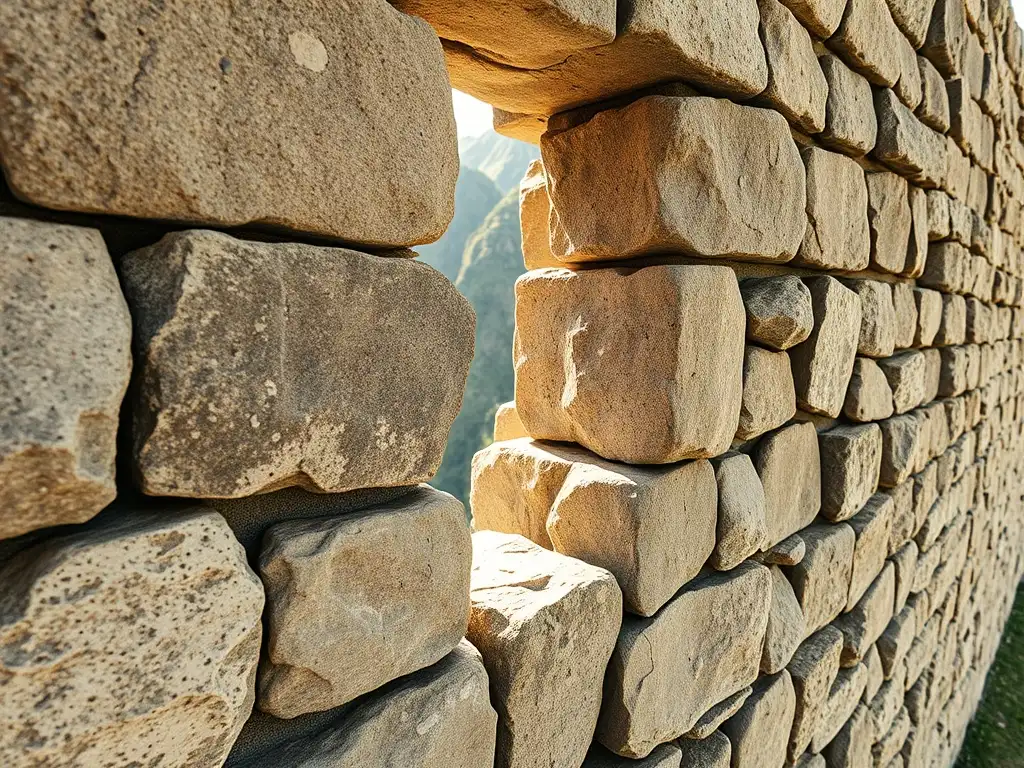
Machu Picchu's enduring fame rests not only on its breathtaking location nestled high in the Andes but also on the unparalleled artistry of its stonework. This section delves into the intricacies of Inca stone construction, highlighting the precision, skill, and aesthetic sensibilities that went into creating this iconic site. Understanding the techniques and philosophies behind Machu Picchu's stonework is key to appreciating its significance as a testament to Inca ingenuity and cultural achievements.
The mastery of "Machu Picchu stonework artistry" is a cornerstone of Inca architectural legacy. We will explore the context of Inca engineering and the specific techniques employed at Machu Picchu, showcasing how these elements combine to create a truly remarkable architectural feat.
The Context of Inca Engineering and Stone Craftsmanship
Inca engineering was remarkably advanced for its time, exhibiting a deep understanding of structural mechanics, material science, and sophisticated planning. Their mastery of stonework wasn't merely a practical skill; it was deeply intertwined with their cosmology and worldview. The Inca believed in the harmonious integration of their built environment with the natural world, and this philosophy is evident in the seamless blending of Machu Picchu's architecture with its mountainous surroundings.
This wasn't achieved through brute force, but through meticulous planning and an understanding of the properties of the local stone. Inca builders carefully selected and shaped stones, often employing techniques like dry-stone masonry, where stones were fitted together without mortar, relying solely on precision cuts and gravity to maintain structural integrity. This precision is particularly striking in Machu Picchu's stonework.
The Inca's ability to create such intricate, perfectly fitted structures speaks volumes about their advanced understanding of engineering principles and their commitment to architectural excellence. Their skills extended beyond mere functionality; they infused their constructions with artistic expression, resulting in structures that are both robust and aesthetically pleasing. The use of various stone types, colors, and textures further enhances the visual appeal of their buildings, demonstrating a profound artistic sensibility.
Machu Picchu: A Testament to Inca Architectural Prowess
Machu Picchu stands as a pinnacle of Inca architectural achievement. The "Machu Picchu stonework artistry" showcased here is unparalleled. The city's structures, from the intricately carved stones of the Royal Tomb to the precisely fitted walls of the agricultural terraces, demonstrate an exceptional level of skill and precision. Consider the famous "twelve-angle stone," a testament to the Inca's ability to shape stones with incredible accuracy.
Its multifaceted design seamlessly integrates with surrounding stones, showcasing a mastery of geometry and engineering that remains impressive even today. This level of precision wasn't limited to prominent stones; it permeated the entire construction. Walls and foundations were built with stones so tightly fitted that a knife blade could barely be inserted between them. This meticulous attention to detail ensured the structural integrity and longevity of the city, while also contributing to its aesthetic beauty.
The integration of astronomical observations into the city's layout further emphasizes the sophisticated knowledge and planning involved in its construction. The alignment of structures with celestial events suggests a deep understanding of astronomy and its connection to Inca cosmology. The interplay of engineering precision, artistic expression, and astronomical knowledge is what truly elevates Machu Picchu’s stonework to a level of unparalleled artistry. The city serves not only as a testament to Inca engineering prowess but also as a powerful symbol of their advanced civilization and sophisticated culture.
The meticulous craftsmanship evident in Machu Picchu’s stonework continues to inspire awe and wonder, solidifying its place as one of the world's most remarkable architectural achievements. The legacy of Inca stonework artistry endures, a testament to their ingenuity and artistic vision. Further research into specific techniques and the social organization of the construction process would further illuminate the complexities of this remarkable feat. Detailed studies of individual stones and their placement would undoubtedly reveal further insights into the sophistication of Inca engineering and the artistry of their stonework.
The Precision of Machu Picchu's Stonework: Technical Mastery
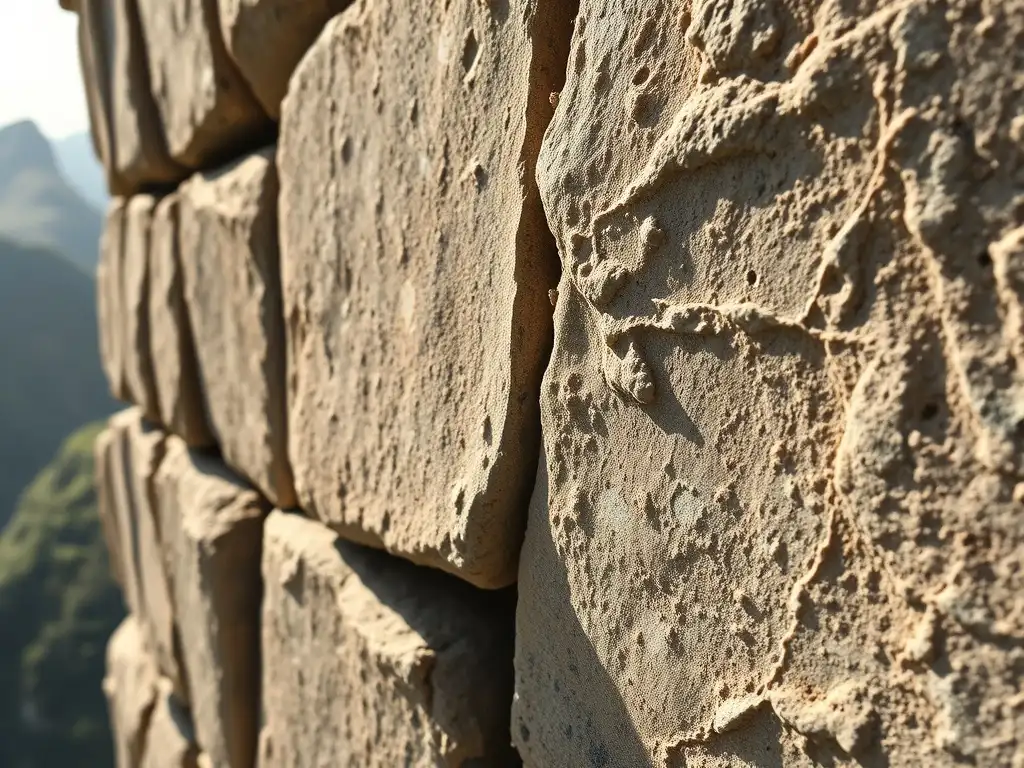
The breathtaking precision of Machu Picchu's stonework is a testament to the Inca's advanced engineering and artistry. This wasn't just construction; it was a sophisticated display of technical mastery, showcasing an understanding of both geometry and structural integrity that continues to amaze modern engineers. The incredibly tight fits between stones, the absence of mortar in many sections, and the overall stability of the structures, even after centuries of exposure to the elements, are all compelling evidence of the Inca's exceptional skills.
Understanding the intricacies of Machu Picchu's stonework artistry provides a deeper appreciation for the ingenuity and sophistication of this remarkable civilization. The level of precision achieved is remarkable, particularly considering the tools available to the Inca builders. This level of precision in Machu Picchu stonework artistry is a key element of what makes the site so unique and awe-inspiring.
Inca Stone Cutting Techniques: Achieving Perfect Fits
Inca stone cutters employed a variety of techniques to achieve the incredibly tight fits seen throughout Machu Picchu. While the exact methods remain partially shrouded in mystery, archaeological evidence and analysis of surviving tools suggest a combination of meticulous hand-chiseling, pounding, and possibly the use of abrasive materials like sand or quartz. The stones, predominantly granite and andesite, were carefully selected and shaped to fit together with minimal gaps.
The precision was such that in many cases, a knife blade cannot be inserted between adjacent stones. This level of "Machu Picchu stonework artistry" speaks to their mastery of stone manipulation, going beyond simple construction to a refined art form. It’s believed that the Inca utilized a system of templates and measurements to ensure consistency and accuracy across large-scale projects like Machu Picchu.
Further research into the specific tools and techniques is needed to fully unravel the secrets behind this remarkable level of precision. Evidence suggests that different types of stone required varied techniques, highlighting the adaptability and skill of the Inca artisans.
The Use of Mortar-Free Construction: A Hallmark of Inca Engineering
One of the most striking aspects of Machu Picchu's stonework is the extensive use of mortar-free construction. Instead of relying on binding agents, the Inca masterfully fitted stones together using their precise cutting techniques. This "dry-stone masonry" is a testament to their understanding of structural engineering principles.
The interlocking nature of the blocks, combined with their precise shapes, creates a remarkably stable structure capable of withstanding earthquakes and other natural forces. The absence of mortar also contributes to the aesthetic appeal of the site, allowing the natural beauty of the stone to shine through. The stability achieved through this method, which is a hallmark of Inca engineering, is a testament to their deep understanding of physics and engineering principles.
The effectiveness of this technique is especially impressive considering the mountainous terrain and susceptibility to seismic activity in the region. The strategic placement of each stone, ensuring a perfect fit and distribution of weight, showcases the advanced knowledge of the Inca builders.
Analyzing the Interlocking Stone Blocks: A Study in Stability
The stability of Machu Picchu’s structures is not merely a matter of chance; it's a carefully engineered outcome. The interlocking nature of the stone blocks, often described as "puzzle-like," plays a crucial role in distributing weight and resisting seismic forces. Analysis of the stonework reveals a sophisticated understanding of stress distribution and the importance of precise angles and shapes in maintaining structural integrity.
The stones are not simply stacked; they are meticulously interlocked, creating a robust and resilient structure. Furthermore, the use of different sizes and shapes of stones contributes to the overall stability, effectively distributing weight and preventing stress concentration in any one area. This intricate interplay of stone shapes and sizes, a key aspect of "Machu Picchu stonework artistry," demonstrates an advanced understanding of structural mechanics far surpassing that of many contemporary civilizations.
Further research using modern engineering techniques could reveal even more about the intricacies of this remarkable construction. The study of these techniques continues to inspire modern engineers and architects, offering valuable lessons in sustainable and earthquake-resistant construction.
Artistic Expression in Machu Picchu's Masonry: Beyond Functionality
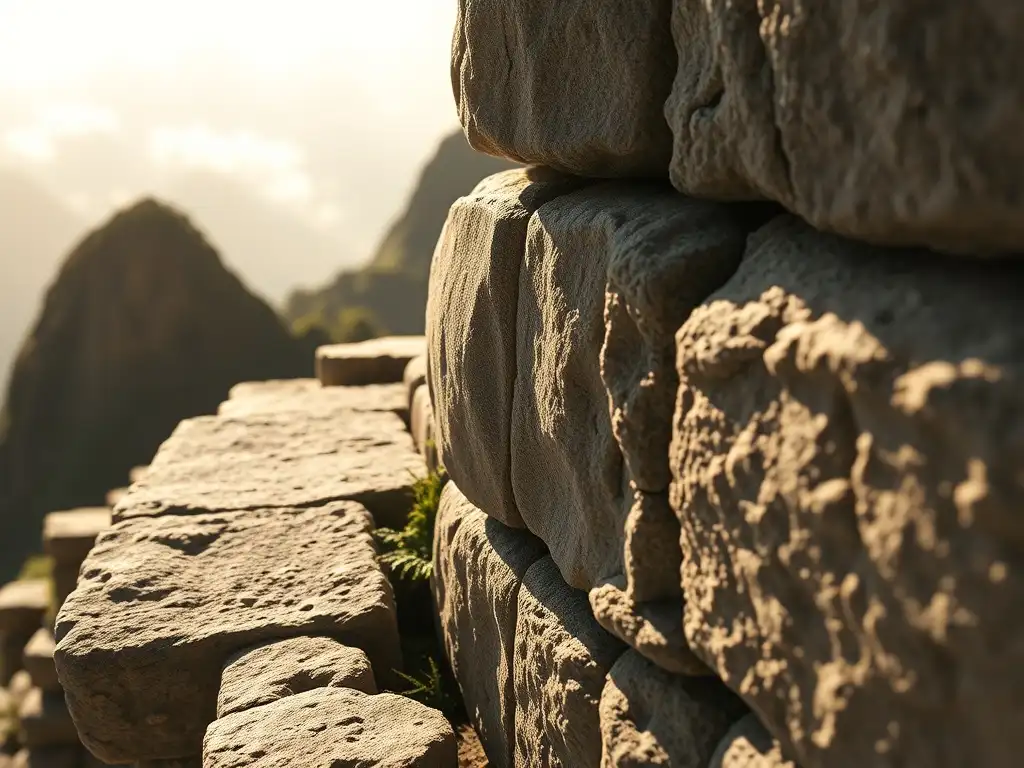
Machu Picchu's renowned stonework transcends mere functionality; it's a testament to Inca artistry and engineering prowess. The precision and artistry displayed in the city's construction are not simply feats of engineering, but also powerful expressions of Inca worldview and aesthetic sensibilities. The intricate details, the seamless fit of stones, and the overall harmonious integration with the surrounding landscape all contribute to a profound artistic achievement that continues to captivate and inspire awe centuries later.
Understanding this artistic dimension is crucial to fully appreciating Machu Picchu's significance. This section delves into the aesthetic choices, the integration with the natural environment, and the evidence of deliberate artistic intent found in the site's remarkable stonework. The mastery of Machu Picchu stonework artistry is a key element in understanding the Inca civilization.
The Aesthetic of Inca Stone Walls: Texture and Composition
The beauty of Machu Picchu's stone walls lies not only in their precision but also in the deliberate choices regarding texture and composition. Inca masons employed a variety of stones, carefully selecting each piece for its size, shape, and color. This wasn't simply a matter of practicality; the resulting visual effect is striking.
The interplay of light and shadow on the varied textures of the stones creates a dynamic and visually rich surface. Furthermore, the careful arrangement of stones of different sizes and hues creates intricate patterns and rhythms that are both pleasing to the eye and subtly symbolic. Observe, for instance, the use of contrasting colors to highlight certain architectural features or the subtle variations in stone size to create a sense of movement and flow.
The skill and artistry involved in achieving such harmonious compositions are truly remarkable. The meticulous attention to detail in the Machu Picchu stonework artistry reflects a deep-seated cultural value placed on aesthetics.
The Inca masons didn't just stack stones; they sculpted them to fit perfectly, creating walls that appear almost monolithic. This level of precision is not only impressive from an engineering perspective but also enhances the aesthetic appeal of the structures. Consider the iconic polygonal masonry, where stones of irregular shapes are fitted together with such accuracy that no mortar is needed.
This technique, characteristic of Inca architecture, showcases both their technical skill and their artistic sensibilities. The resulting walls are not merely functional; they are works of art in themselves, demonstrating a mastery of Machu Picchu stonework artistry that is unparalleled.
The Integration of Stonework with the Natural Landscape: A Harmonious Design
The integration of Machu Picchu's stonework with its breathtaking natural setting is a key aspect of its artistic significance. The Inca masons didn't simply impose their structures on the landscape; they worked with it, blending their buildings seamlessly into the surrounding mountains and terraces. This harmonious relationship between architecture and environment is evident in several ways. The orientation of buildings, for example, often aligns with natural features, such as mountain peaks or water sources.
Moreover, the terraces carved into the mountainside are not just agricultural features; they also enhance the aesthetic beauty of the landscape, creating a visually stunning interplay of natural and human-made elements. This careful consideration of the natural environment underscores the Inca's deep respect for nature and their ability to integrate their constructions harmoniously within it. The skilled Machu Picchu stonework artistry is thus part of a larger artistic vision that encompasses the entire site.
The use of local materials further emphasizes this integration. The stones used in the construction were sourced from the immediate vicinity, minimizing environmental impact and ensuring a natural color palette that complements the surrounding landscape. This conscious choice reflects not only practical considerations but also an artistic sensibility that valued harmony and balance. The result is a site where architecture and nature coexist in a beautiful and harmonious relationship, a testament to the Inca’s deep understanding and appreciation of their environment, and a stunning example of Machu Picchu stonework artistry.
Evidence of Inca Artistic Intent in Stone Carvings and Details
Beyond the overall aesthetic of the stonework, closer examination reveals evidence of deliberate artistic intent in the form of carvings and other details. While much of the stonework is characterized by its smooth, polished surfaces, some stones feature intricate carvings, suggesting a deliberate artistic purpose. These carvings, though often subtle, are not merely decorative; they may have symbolic or religious meanings that are yet to be fully understood.
Further research is needed to fully interpret these carvings and their significance within the context of Inca culture and beliefs. However, their presence is undeniable evidence of an artistic impulse that extended beyond the purely functional aspects of the stonework. The attention to detail in these carvings further reinforces the idea of Machu Picchu stonework artistry as an integral part of Inca culture and spiritual life.
For example, some stones feature zoomorphic or anthropomorphic motifs, suggesting a connection to Inca mythology and religious beliefs. Others display geometric patterns that may have symbolic significance. These details, while often small and easily overlooked, add another layer of complexity and artistic richness to the stonework.
The presence of these carvings and details demonstrates that the Inca masons were not merely skilled engineers; they were also artists who imbued their work with symbolic meaning and aesthetic expression. Uncovering the full significance of these carvings remains a challenge for future research, but their existence underscores the artistic depth of the Machu Picchu stonework artistry. The meticulous craftsmanship and artistic expression evident in these details provide invaluable insights into the Inca worldview and their sophisticated artistic practices.
The Quarrying and Transportation of Stone: A Logistical Feat
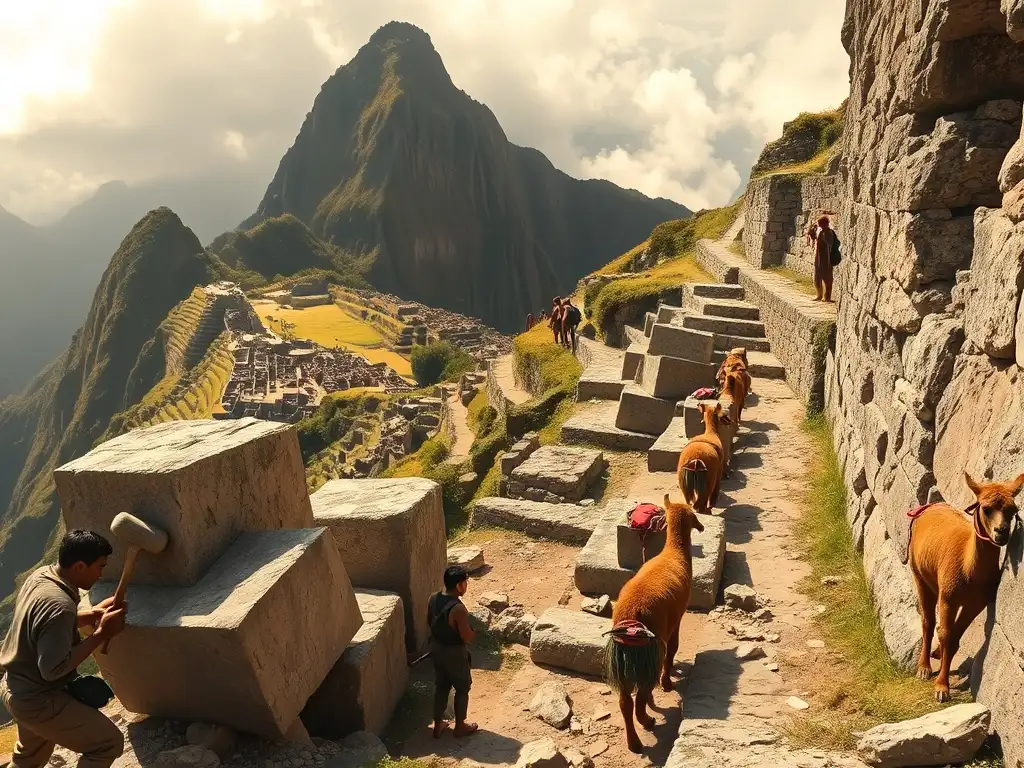
The breathtaking precision of Machu Picchu's stonework artistry is only half the story. The sheer logistical feat of quarrying, transporting, and shaping these massive stones deserves equal recognition. Understanding this process reveals a sophisticated understanding of engineering and resource management, far surpassing what many initially assume about pre-Columbian Andean civilizations. The Inca's mastery of these tasks is a testament to their advanced knowledge and organizational capabilities, adding another layer to the wonder of Machu Picchu. This section delves into the impressive logistical challenges overcome during the construction of this iconic citadel.
Sources of Stone for Machu Picchu's Construction
Machu Picchu's construction utilized a variety of stone types, primarily sourced from quarries located within a reasonable radius of the site. The most common stone is a fine-grained granite, chosen for its durability and aesthetic qualities. This granite, easily worked when freshly quarried, would weather beautifully over time, contributing to the enduring beauty of the structures.
Evidence suggests that other materials, including andesite and limestone, were also employed, though in lesser quantities. The selection of these materials wasn't arbitrary; the Incas carefully considered both the stone's properties and its proximity to the construction site to minimize transportation costs and time. The strategic selection of stone sources demonstrates a sophisticated understanding of material science and resource management intrinsic to Inca Machu Picchu stonework artistry.
Further research is needed to definitively pinpoint all the quarries used, and to fully understand the criteria used in material selection beyond simple proximity and aesthetic preferences. [Specific quarry locations and detailed geological analysis pending].
Inca Methods for Moving and Shaping Massive Stones
Moving massive stones across challenging terrain presented a significant engineering challenge. While the precise techniques remain a subject of ongoing debate among archaeologists, several theories offer plausible explanations. The Incas likely employed a combination of methods, including the use of ramps, rollers, levers, and possibly even sledges.
The construction of temporary ramps, potentially made of earth and timber, would have facilitated the uphill movement of stones. Rollers, perhaps made of logs or even specially carved stone cylinders, would have reduced friction and aided in the transportation process. Levers, combined with human muscle power, would have been crucial for manipulating and positioning the enormous blocks.
The level of precision in the stone fitting suggests a high level of skill and coordination among the workforce. Evidence of such techniques is seen in other Inca sites, supporting the idea of a standardized, highly efficient system for moving Machu Picchu's building blocks. The ingenuity displayed in overcoming these obstacles underscores the advanced technical capabilities of Inca engineers and the sophisticated nature of their Machu Picchu stonework artistry.
The Labor and Organization Behind Inca Stone Projects
The construction of Machu Picchu was a massive undertaking, requiring a significant workforce and meticulous organization. The Inca Empire possessed a highly structured social system, with mita, a system of obligatory labor service, playing a crucial role in such large-scale projects. Specialized workers, including stonemasons, carpenters, and laborers, were assigned specific tasks, ensuring efficient workflow.
The evidence suggests a highly organized system of labor allocation and management, vital for the precise execution of the stonework. The seamless integration of the stones, with minimal mortar used, points to a deep understanding of engineering principles and a highly skilled workforce capable of executing complex designs. The impressive scale of the project, combined with the precision of the stonework, speaks volumes about the Inca's ability to mobilize and manage vast human resources, highlighting the organizational prowess that underpins the Machu Picchu stonework artistry.
Further research into Inca administrative records could offer more precise details on the size and organization of the workforce. [Specific data on workforce size and organization pending].
The Symbolic Meaning of Stonework in Inca Culture
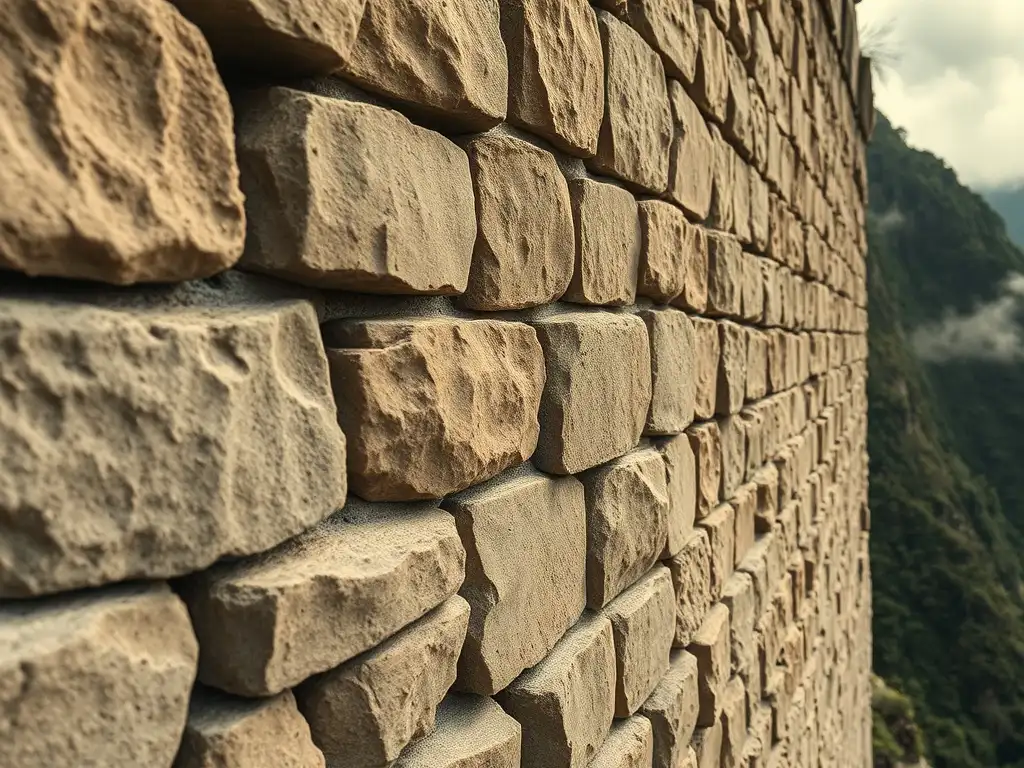
Inca stonework, particularly as exemplified in Machu Picchu, transcends mere construction; it's a profound expression of their worldview, deeply rooted in their spiritual beliefs and social structures. Understanding the symbolic meaning embedded within these structures is crucial to appreciating the artistry and the civilization's sophisticated understanding of the world. The meticulous craftsmanship wasn't simply about functionality; it was a powerful means of communication, conveying messages of power, spirituality, and connection to the cosmos. Machu Picchu stonework artistry, therefore, represents more than just technical skill; it's a testament to the Inca's rich cultural and spiritual heritage.
Stones as Sacred Objects and Their Significance in Inca Beliefs
The Inca worldview was profoundly animistic. They believed that spirits inhabited the natural world, including rocks and mountains. Stones, therefore, weren't just inert building materials; they were imbued with spiritual power.
The selection of specific stones, their placement, and the intricate manner in which they were fitted together all held symbolic meaning, reflecting a deep connection between the human and spiritual realms. This is evident in the careful selection of stones at Machu Picchu, often featuring specific colors and textures that likely held symbolic significance within Inca cosmology. Further research is needed to fully decode the precise meaning of each stone type and its placement within the structures, but the evidence clearly suggests a deliberate and purposeful approach beyond mere practicality.
For example, the use of red stones might have been linked to specific deities or ceremonies, while the precision of the fit suggests a reverence for the inherent power within each stone. The meticulous Machu Picchu stonework artistry, therefore, becomes a tangible manifestation of Inca spirituality.
The Role of Stonework in Demonstrating Inca Power and Control
The Inca Empire was vast and powerful, and their mastery of stonework served as a potent symbol of their dominance. The sheer scale of projects like Machu Picchu, the precision of the stonework, and the apparent ease with which massive stones were transported and fitted together served as a powerful display of imperial might.
The ability to command such resources and orchestrate such complex projects demonstrated the Inca's organizational capabilities and their control over both human and material resources. The perfectly fitted stones, without the use of mortar, showcased not just engineering prowess but also the capacity to mobilize a large workforce and maintain social order.
This visual demonstration of power reinforced the legitimacy of Inca rule and served as a constant reminder to the population of the empire's strength and stability. The intricate Machu Picchu stonework artistry, therefore, was a crucial element in the Inca's strategy of imperial control and symbolic representation of their power.
Decoding the Messages Embedded in Machu Picchu's Stone Structures
Machu Picchu's stone structures are not simply buildings; they are complex texts waiting to be deciphered. The precise arrangement of stones, the orientation of structures, and the incorporation of astronomical alignments all contribute to a rich tapestry of symbolic meanings. Many scholars believe that the layout of the city itself reflects a cosmological map, mirroring the Inca's understanding of the universe.
The intricate details of the stonework, such as carvings and patterns, likely held specific meanings related to Inca mythology, religious rituals, or social hierarchy. Unfortunately, much remains unknown. Further research, combining archaeological findings with ethnohistorical accounts and a deeper understanding of Inca beliefs, is necessary to fully unveil the messages embedded in Machu Picchu's stone structures.
The ongoing study of Machu Picchu stonework artistry reveals new layers of complexity and meaning, highlighting the sophistication of Inca culture and the enduring power of their symbolic language. Unlocking these secrets provides a deeper understanding of Inca worldview and their enduring legacy.
The Lasting Legacy of Machu Picchu's Stonework Artistry
Machu Picchu's stonework artistry stands as a testament to the Inca's exceptional engineering prowess and artistic sensibility. The site's enduring appeal stems not only from its breathtaking location but also from the meticulous craftsmanship evident in every stone. This legacy continues to inspire architects, engineers, and artists worldwide, prompting ongoing research into the techniques employed and the cultural significance embedded within the structures.
The precision and artistry displayed in Machu Picchu's stonework are unparalleled, showcasing a deep understanding of structural mechanics and an aesthetic appreciation that transcends time. This section delves into the specific aspects that contribute to the lasting impact of this incredible feat of ancient Andean ingenuity. The mastery of Machu Picchu stonework artistry continues to fascinate and inspire.
Machu Picchu's Stonework: A Model of Ancient Engineering
The Inca's mastery of stonework is strikingly evident in Machu Picchu. The iconic structures weren't simply piled together; they were meticulously fitted, often without the use of mortar. This "dry-stone" technique, requiring an incredibly precise understanding of geometry and weight distribution, resulted in structures that have withstood centuries of earthquakes and weathering.
Consider the famous "twelve-angled stone," a cornerstone showcasing the Inca's advanced understanding of geometry and their ability to create perfectly interlocking shapes. This level of precision is not just aesthetically pleasing; it's a testament to their profound knowledge of engineering principles. The Inca's ability to quarry, transport, and precisely fit massive stones across challenging terrain remains a source of wonder and ongoing investigation.
Further research is needed to fully understand the tools and techniques employed, but existing evidence suggests a sophisticated system of planning and execution that involved specialized labor and a deep understanding of the local geology. The remarkable stability of Machu Picchu's buildings, even in the face of seismic activity, highlights the effectiveness of their engineering approach. This understanding of Machu Picchu stonework artistry provides valuable insights into ancient Andean engineering practices.
Preserving Machu Picchu's Stonework: Ongoing Conservation Efforts
The preservation of Machu Picchu's stonework presents significant challenges. The site's exposure to the elements, including heavy rainfall and temperature fluctuations, necessitates continuous conservation efforts. Ongoing projects focus on stabilizing existing structures, mitigating erosion, and preventing further deterioration.
These efforts involve a careful balance between preserving the historical integrity of the site and ensuring its accessibility to visitors. Researchers and conservationists utilize a range of techniques, including the careful removal of vegetation, the reinforcement of unstable sections, and the implementation of drainage systems to minimize water damage. The work is painstaking and requires specialized knowledge of both ancient construction techniques and modern conservation practices.
Furthermore, monitoring the site's structural integrity using modern technologies like ground-penetrating radar is crucial for proactive intervention and preventing significant damage. The commitment to preserving Machu Picchu stonework artistry for future generations underscores its global importance. Detailed records are kept of all conservation work, creating a valuable resource for future study and preservation efforts.
Understanding the Enduring Impact of Inca Stone Construction
The enduring impact of Inca stone construction extends beyond Machu Picchu. The techniques and aesthetic principles developed by the Inca influenced subsequent Andean architecture and continue to inspire modern builders. The precision and artistry of Inca stonework serve as a powerful symbol of cultural identity and heritage for the people of Peru and beyond.
The legacy of Inca engineering is not merely historical; it’s a tangible link to the past that continues to inform contemporary practices. The ability to create structures of such remarkable stability and beauty, using only stone and human ingenuity, is a feat of engineering that continues to fascinate and inspire. Studying the Inca's approach to stonework offers valuable lessons in sustainable construction, resource management, and the integration of art and engineering.
Understanding the Machu Picchu stonework artistry provides invaluable insight into the ingenuity and cultural significance of Inca civilization. The influence of Inca stone construction can be seen in numerous sites throughout the Andes, demonstrating the widespread adoption and adaptation of their techniques. The enduring appeal of Machu Picchu's stonework is a testament to the Inca's remarkable skills and the enduring power of human creativity.
Frequently Asked Questions
What makes Machu Picchu's stonework so unique?
Machu Picchu's stonework is renowned for its exceptional precision and interlocking design. The stones fit together so perfectly that even a knife blade can't fit between them, showcasing the advanced engineering of the Inca.
How did the Inca achieve such precise stonework?
The Inca employed highly skilled masons and sophisticated techniques. They likely used simple tools but possessed a deep understanding of stone cutting and fitting. Their methods remain partially a mystery.
What is the significance of the artistic expression in Machu Picchu's stonework?
Beyond its engineering marvel, the stonework displays artistic flair. Intricate carvings and shapes are integrated into the structures, suggesting a deeper cultural and spiritual meaning beyond mere functionality.
What role did stonework play in Inca society?
Stonework was central to Inca society, reflecting their power, beliefs, and mastery of engineering. It was used in religious sites, palaces, and infrastructure, demonstrating their advanced capabilities.
How does Machu Picchu's stonework compare to that of other Andean civilizations?
While other Andean civilizations, like the Moche and Nazca, also displayed impressive stonework, Machu Picchu's is distinguished by its scale, precision, and integration of artistry. It represents a high point of Inca engineering and aesthetic achievement.
Final Reflection: Echoes of Inca Ingenuity in Machu Picchu's Stone
The unparalleled precision and artistic expression found in Machu Picchu's stonework remain a testament to the Inca's advanced civilization and continue to inspire awe and wonder today. This intricate artistry, far from being a relic of the past, offers valuable lessons in engineering, aesthetics, and the enduring power of human creativity. The very stones themselves whisper tales of a sophisticated society capable of feats of architectural brilliance that continue to challenge modern understanding.
The impact of Machu Picchu's stonework extends far beyond its physical presence; it resonates deeply within our cultural consciousness. It serves as a powerful symbol of human achievement, a reminder of the ingenuity and artistry capable of transforming the natural world into breathtaking works of art. The seamless integration of stone, the masterful use of dry-stone construction, and the sheer scale of the undertaking all contribute to its enduring legacy. As Hiram Bingham, the explorer who brought Machu Picchu to the world's attention, once said, It was as if the city had been built by giants and then abandoned to the jungle.
This sentiment perfectly captures the sense of wonder and mystery that still surrounds this incredible site, a mystery that continues to fuel research and inspire countless artists and architects.
Consider, for a moment, the implications of this remarkable craftsmanship. What can we learn from the Inca's dedication to precision and their ability to harmonize their constructions with the surrounding landscape? How can we apply their principles of sustainability and artistry to our own endeavors?
Let the legacy of Machu Picchu's stonework inspire you to seek excellence in your own work, to appreciate the beauty of natural materials, and to strive for a harmonious relationship between human creation and the environment. Let the echoes of Inca ingenuity resonate within you, prompting a deeper appreciation for the enduring power of human creativity and the timeless beauty of Machu Picchu.
Unveil the Masterpieces of Machu Picchu!
Thank you for exploring the incredible stonework of Machu Picchu! This is just the beginning of your journey into appreciating this ancient marvel. Let's turn your curiosity into a deeper understanding.
Here are some ways to connect with the artistry of the Andean civilizations:
- Take a guided tour of Machu Picchu to witness the precise stonework up close and learn the story behind each incredible structure.
- Share your experience with friends and family, or post about it on social media—let others discover the magic and significance of Machu Picchu's artistry.
- Learn traditional stone carving techniques by participating in a local workshop. These techniques echo the ancient methods used by Andean artisans.
What aspect of Machu Picchu's stonework captivates you most, and how will you explore it further?