
The Threads of Time: Conserving Ancient Andean Textiles

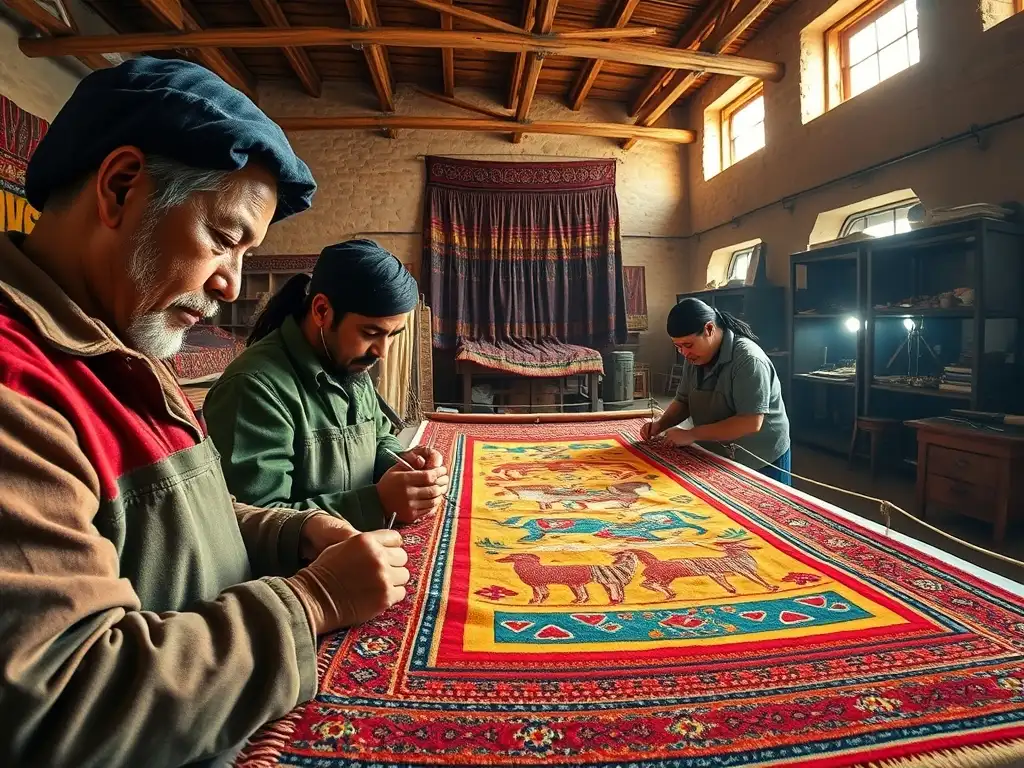
Unravel the mysteries of a lost world. For centuries, the Andean civilizations have captivated us with their breathtaking artistry and ingenuity. But what secrets do their exquisitely crafted textiles hold? Dive into the fascinating world of ancient Andean textile conservation and discover the intricate techniques used to preserve these fragile threads of time, revealing stories of a vibrant past that continues to resonate today. Explore The Legacy of Andean Civilizations and uncover the remarkable story within.
The breathtaking artistry and intricate craftsmanship of ancient Andean textiles offer a captivating window into the rich tapestry of pre-Columbian cultures. From the vibrant weavings of the Nazca to the sophisticated textiles of the Inca, these artifacts are not merely pieces of cloth; they are powerful expressions of identity, spirituality, and technological ingenuity.
This article delves into the crucial field of ancient Andean textile conservation, exploring the challenges, methods, and significance of preserving this invaluable cultural heritage for future generations. Understanding the delicate nature of these ancient materials and the sophisticated techniques employed in their creation is paramount to ensuring their survival and continued ability to tell their stories.
We will examine the cultural context of these textiles, the scientific approaches to their preservation, and the ongoing efforts to safeguard this irreplaceable legacy for the world. The preservation of these ancient Andean textiles is not just about saving objects; it's about safeguarding a vital part of human history and cultural expression.
Introduction to Ancient Andean Textile Conservation
Ancient Andean textiles, remarkable for their vibrant colors, intricate designs, and the sophisticated techniques used in their creation, face numerous threats to their survival. Time, exposure to the elements, and even the very materials used in their construction contribute to their deterioration. Conservation efforts, therefore, are multifaceted and require a delicate balance between preservation and accessibility. This involves a complex interplay of scientific analysis, meticulous restoration techniques, and a deep understanding of the cultural context of these invaluable artifacts.
The goal is not simply to prolong their physical existence but to maintain their historical and artistic integrity, ensuring they remain powerful sources of knowledge and inspiration for years to come. The process encompasses a wide range of approaches, from careful environmental control to the application of specialized cleaning and repair methods. The field is constantly evolving as new technologies and scientific understanding emerge.
The Significance of Andean Textiles in Ancient Cultures
Andean textiles held profound significance in the societies that created them, far exceeding their purely utilitarian function. They were much more than simple clothing or household items; they served as powerful symbols of social status, religious beliefs, and complex social structures. The intricate designs, often incorporating symbolic motifs and narrative elements, conveyed deep cultural meanings and provided visual representations of cosmology, mythology, and history.
Their creation was a highly skilled craft, often involving specialized knowledge and passed down through generations. The fibers themselves, sourced from diverse Andean flora like alpaca, llama, and vicuña, held symbolic importance, reflecting the close relationship between the Andean people and their environment.
Andean Textiles: More Than Just Fabric
The materials used in ancient Andean textiles were carefully selected, reflecting both the available resources and the desired qualities of the finished product. Alpaca and llama wool, known for their softness and warmth, were commonly used, while the rarer vicuña wool was reserved for elite members of society. Cotton, another important fiber, was cultivated in the warmer coastal regions. The dyes, derived from natural sources such as plants, insects, and minerals, were equally significant, producing a stunning range of colors that have, in many cases, remarkably survived the passage of time.
The techniques employed in spinning, weaving, and dyeing were sophisticated and varied, reflecting regional differences and evolving technologies. Understanding these materials and techniques is crucial for effective conservation strategies. For example, knowing the specific dye used can inform decisions about light exposure and handling procedures.
Cultural and Historical Value of Ancient Andean Weavings
The cultural and historical value of ancient Andean weavings is immeasurable. These textiles serve as primary sources of information about the beliefs, customs, and social structures of past Andean societies. The intricate iconography woven into the fabrics often depicts scenes from daily life, religious ceremonies, and mythological narratives, providing invaluable insights into their worldview. Furthermore, these textiles represent a remarkable achievement in textile technology, showcasing the advanced skills and knowledge of Andean artisans.
Analyzing the weaving techniques, fiber types, and dyes allows researchers to trace the evolution of textile production over centuries and identify distinct regional styles. The preservation of these artifacts is therefore essential for our understanding of Andean history and culture. Their continued existence allows us to connect with the past, appreciate the ingenuity of ancient artisans, and learn from their rich legacy.
Challenges in Preserving Ancient Andean Textiles
The preservation of ancient Andean textiles presents a unique set of challenges due to the materials used, the environmental conditions of their discovery, and the inherent fragility of these artifacts. These challenges necessitate a multi-faceted approach to conservation, demanding specialized knowledge and meticulous care. The delicate nature of these textiles, often made from natural fibers like alpaca, llama, and cotton, makes them susceptible to a variety of detrimental factors.
The vibrant colors, achieved through natural dyes, are also prone to fading and degradation over time. Furthermore, the intricate weaving techniques, often employing complex patterns and structures, require careful consideration during any intervention. Understanding these challenges is paramount to developing effective preservation strategies.
Environmental Factors Affecting Textile Preservation
Environmental factors play a significant role in the deterioration of ancient Andean textiles. Fluctuations in temperature and humidity are particularly damaging, causing fibers to expand and contract, leading to weakening and breakage. Exposure to light, especially ultraviolet (UV) radiation, accelerates the fading of dyes and weakens the fibers. Furthermore, the presence of pollutants in the air, such as sulfur dioxide and nitrogen oxides, can react with the textile fibers and dyes, causing discoloration and degradation.
Even seemingly minor changes in environmental conditions can have significant long-term effects on the integrity of these precious artifacts. For example, a sudden increase in humidity can lead to mold growth, which can irrevocably damage the fibers and colors. Therefore, maintaining a stable and controlled environment is crucial for long-term preservation. Ideally, storage environments should maintain a consistent temperature and relative humidity, and minimize exposure to light and pollutants.
Material Degradation in Ancient Andean Fabrics
The inherent properties of the materials used in ancient Andean textiles contribute significantly to their vulnerability. Natural fibers like alpaca and llama wool, while incredibly strong and durable, are susceptible to degradation over time. These fibers are prone to hydrolysis, a chemical process where water molecules break down the fiber structure, leading to weakening and embrittlement. The dyes used, often derived from plants and minerals, are also vulnerable to fading and chemical changes.
Exposure to light and environmental pollutants can accelerate this degradation, leading to color loss and weakening of the fibers. The interaction between the fibers and the dyes can also create further challenges. For instance, certain dyes may be more susceptible to fading than others, or the dye itself may react with the fiber over time, causing discoloration or damage. Understanding these material-specific degradation mechanisms is critical for developing appropriate conservation strategies.
Handling and Storage Risks for Delicate Andean Textiles
Improper handling and storage can significantly contribute to the deterioration of ancient Andean textiles. Rough handling can cause physical damage, such as tears and abrasions, particularly to already weakened or fragile areas. Incorrect folding or rolling can create stress points, leading to breakage and distortion. Improper storage can also expose the textiles to environmental hazards such as light, humidity fluctuations, and pests.
Insects, such as moths and carpet beetles, can feed on the fibers, causing significant damage. Dust and other particulate matter can accumulate, trapping pollutants and accelerating degradation. Therefore, meticulous handling and storage procedures are essential for minimizing risks and ensuring the long-term preservation of these delicate artifacts. The use of acid-free materials for storage and handling, such as archival-quality boxes and gloves, is crucial.
Methods of Ancient Andean Textile Conservation
The conservation of ancient Andean textiles requires a multidisciplinary approach, combining scientific analysis with traditional conservation techniques. The goal is to stabilize the textiles, preventing further degradation while minimizing intervention and preserving the integrity of the original artifact. A range of methods are employed, from non-interventionist approaches to more active stabilization techniques. The choice of method depends on the condition of the textile, the nature of the damage, and the available resources. A thorough assessment is always the first step in any conservation project.
Non-Interventionist Conservation Approaches for Andean Textiles
Non-interventionist conservation focuses on minimizing human interaction with the textile, prioritizing environmental control and preventative measures. This approach is preferred whenever possible, as it reduces the risk of causing further damage. Key aspects include storing the textiles in a stable environment with controlled temperature, humidity, and light levels. Careful monitoring of the textiles' condition is essential, allowing for early detection of any problems.
Proper storage in acid-free containers and the use of pest control measures are also crucial elements of a non-interventionist approach. This method is particularly suitable for textiles in relatively good condition, or where intervention carries a high risk of causing irreparable harm. The goal is to slow down the natural degradation process, preserving the textile as it is found.
Physical Stabilization Techniques for Ancient Weavings
When non-interventionist methods are insufficient, physical stabilization techniques may be necessary to prevent further deterioration. These techniques aim to support weakened areas of the textile, preventing further damage from handling or environmental factors. This might involve the use of supportive materials, such as Japanese tissue paper or other acid-free materials, to reinforce fragile areas.
Careful stitching or mending may be used to repair tears or holes, using threads that match the original material as closely as possible. The process requires meticulous attention to detail and specialized skills to ensure that the intervention is minimally invasive and does not obscure the original textile. The choice of materials and techniques is crucial, as any additions must be reversible and compatible with the textile's materials.
Cleaning Methods for Delicate Andean Textiles
Cleaning ancient Andean textiles is a delicate process requiring specialized expertise and careful consideration. The aim is to remove surface dirt and pollutants without damaging the fibers or dyes. Methods range from gentle dry cleaning techniques, such as vacuuming or brushing with soft brushes, to more involved wet cleaning methods, which may involve the use of specific solvents or cleaning agents. The choice of method depends on the textile's condition, the type of soiling, and the materials used.
Wet cleaning is generally avoided unless absolutely necessary, as it carries a greater risk of damage. Each step must be carefully documented, and any intervention must be reversible. The ultimate goal is to improve the appearance and stability of the textile without compromising its integrity or authenticity. This often requires a painstakingly slow and methodical approach.
Scientific Analysis in Textile Conservation
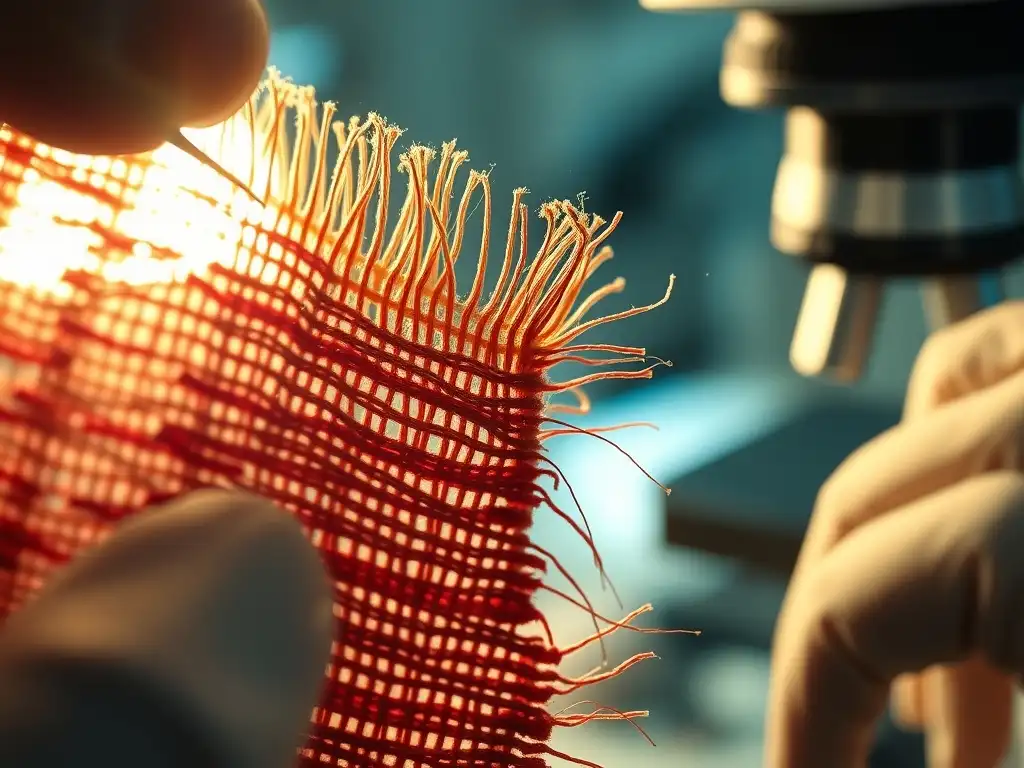
Scientific analysis plays a crucial role in the effective conservation of ancient Andean textiles. Understanding the materials and techniques used by ancient Andean artisans is paramount to developing appropriate preservation strategies. Without this understanding, conservation efforts may inadvertently damage the very artifacts they aim to protect. This scientific approach ensures that interventions are both effective and minimally invasive, preserving the integrity of these invaluable cultural treasures for future generations.
The delicate nature of these textiles, often made from fragile natural fibers and susceptible to environmental degradation, demands a rigorous, scientific approach to conservation. This involves a careful balance between preservation and accessibility, ensuring that these remarkable pieces of history can continue to be studied and appreciated. Modern scientific techniques allow us to understand the textiles in a way that was impossible for previous generations, leading to more effective and targeted conservation.
Identifying Materials and Dyes in Ancient Andean Textiles
Identifying the specific materials and dyes used in ancient Andean textiles is a crucial first step in their conservation. Advanced techniques like microscopy, spectroscopy (including FTIR and Raman), and gas chromatography-mass spectrometry (GC-MS) allow researchers to pinpoint the exact composition of fibers (e.g., cotton, camelid wool, alpaca wool) and dyes (e.g., cochineal, indigo, various plant extracts). This detailed knowledge informs the choice of cleaning methods and storage conditions.
For example, the identification of a particularly fragile dye might necessitate a gentler cleaning process or more controlled environmental conditions to prevent fading or deterioration. The precise identification of the materials also allows for a better understanding of the technological expertise and trade networks of the ancient Andean cultures. The geographical origins of certain dyes, for example, can be traced, providing valuable insights into cultural exchange and economic activity.
Dating Techniques for Andean Textile Artifacts
Accurately dating Andean textile artifacts is fundamental to understanding their historical context and significance within the broader narrative of Andean civilization. While direct dating of the textiles themselves is often challenging, various techniques can be employed to establish a chronological framework. Radiocarbon dating of associated organic materials, such as wood or plant fibers found in the same burial context, can provide a reliable estimate.
Thermoluminescence (TL) dating, which measures the accumulated radiation absorbed by minerals over time, can also be applied to associated ceramics or other artifacts. Furthermore, stylistic analysis, comparing the textile's design elements and weaving techniques to those of known dated textiles, provides valuable contextual information. Combining these multiple dating methods strengthens the accuracy of the chronological placement of the textile within the broader historical timeline.
Using Scientific Data for Informed Conservation Decisions
The scientific data gathered through material identification and dating is not merely academic; it directly informs critical conservation decisions. Understanding the composition of the textile and its age allows conservators to tailor their approach. For instance, a textile made from highly degradable fibers might require more frequent monitoring and specialized environmental controls.
The knowledge gained from scientific analysis also guides the selection of appropriate cleaning agents and methods. The use of environmentally friendly, reversible techniques is always prioritized, ensuring that future generations of conservators will have the option to revisit and refine conservation strategies. This careful and data-driven approach ensures that the conservation process is as minimally invasive as possible, maximizing the longevity of these priceless artifacts.
Case Studies: Successful Andean Textile Conservation Projects
Several successful projects highlight the effectiveness of integrating scientific analysis into Andean textile conservation. These case studies demonstrate the importance of a multidisciplinary approach, combining scientific expertise with traditional conservation techniques. The careful documentation and analysis of these projects serve as valuable resources for future conservation efforts, providing practical examples of best practices. The long-term preservation of these textiles is crucial not only for historical understanding but also for the continued appreciation and study of the remarkable artistic skills of the Andean civilizations.
Conservation of the Paracas Mantle at the National Museum of Archaeology, Peru
The conservation of the Paracas mantle at the National Museum of Archaeology in Peru exemplifies a successful large-scale conservation project. [Specific information pending regarding the specific scientific techniques used and the challenges faced]. The project likely involved a thorough scientific analysis of the textile's composition, followed by a carefully planned conservation treatment involving [Specific information pending regarding the specific methods used, such as cleaning techniques, stabilization procedures, and storage conditions].
The detailed documentation of this project serves as a model for future conservation endeavors involving similar artifacts. The meticulous approach ensured the longevity of this significant artifact while preserving its aesthetic and historical value.
The Preservation of the Woven Panel from the Huaca de la Luna
The woven panel from the Huaca de la Luna presents unique conservation challenges due to [Specific information pending on the materials and condition of the textile]. [Specific information pending on the scientific analysis conducted and the conservation strategies employed]. This case study demonstrates the adaptability of scientific methods to address the specific needs of individual artifacts, showcasing the importance of a tailored approach to conservation. The successful preservation of this panel has contributed significantly to our understanding of Moche culture and artistic practices.
Analysis of Different Conservation Approaches
Comparing different conservation approaches used on various Andean textiles highlights the need for flexibility and adaptability. The optimal method depends heavily on the textile’s specific condition, material composition, and level of degradation. [Specific information pending on comparative studies of different conservation techniques and their effectiveness on different types of Andean textiles].
This ongoing research and comparative analysis contributes to the refinement of conservation techniques, ensuring that the most effective and minimally invasive methods are employed. The collaborative nature of this research, involving scientists, conservators, and archaeologists, underscores the importance of interdisciplinary collaboration in preserving the legacy of Andean textile art.
The Future of Ancient Andean Textile Conservation
The future of ancient Andean textile conservation hinges on several key factors. Progress depends not only on technological advancements but also on a concerted global effort involving researchers, conservators, governments, and local communities. The challenge lies in balancing the preservation of these irreplaceable artifacts with the ethical considerations surrounding their accessibility and study.
We must strive for methods that minimize intervention while maximizing the longevity of these fragile textiles. This requires a multifaceted approach, combining cutting-edge technology with traditional techniques, and prioritizing sustainable practices. The long-term goal is to develop a comprehensive strategy that ensures the preservation of Andean textile heritage for generations to come, allowing future researchers and the public to appreciate their beauty and significance.
Advances in Conservation Technology
Significant strides are being made in conservation technology, offering new hope for preserving these delicate textiles. For instance, advancements in non-invasive imaging techniques, such as multispectral and hyperspectral imaging, allow researchers to analyze the textiles without physically handling them, minimizing damage. These techniques reveal hidden details about the dyes, fibers, and weaving techniques used, providing invaluable information for informed conservation decisions. Furthermore, the development of new, less aggressive cleaning methods and more stable support materials is crucial.
Researchers are exploring biodegradable and environmentally friendly materials to replace older, potentially harmful ones. The application of nanotechnology also holds promise in the development of protective coatings that prevent deterioration without altering the textile's original properties. This area is ripe for further innovation, with the potential to revolutionize how we approach ancient Andean textile conservation.
Importance of Collaboration in Textile Preservation
Effective ancient Andean textile preservation is impossible without international collaboration. Sharing knowledge, resources, and best practices among museums, research institutions, and local communities is paramount. The collaborative effort extends beyond simply sharing data; it involves joint research projects, training programs, and the development of standardized conservation protocols. This collaboration is essential because many of these textiles are scattered across various institutions globally, requiring a coordinated approach to ensure consistent and effective preservation strategies.
Furthermore, the involvement of local communities, who often possess invaluable traditional knowledge about textile care and production, is crucial for culturally sensitive and sustainable conservation practices. Their insights can inform the development of effective and respectful conservation methods. This collaborative approach fosters a sense of shared responsibility and ensures the long-term protection of this precious cultural heritage.
The Role of Education and Awareness
Raising public awareness about the importance of ancient Andean textile conservation is crucial. Educating the public about the fragility of these textiles and the threats they face (e.g., environmental factors, improper handling) will encourage responsible behavior and support for conservation initiatives. Educational programs, museum exhibits, and public outreach campaigns can play a vital role in promoting understanding and appreciation of this cultural heritage. By highlighting the cultural significance and historical value of these textiles, we can foster a sense of collective responsibility for their preservation.
Furthermore, educating future generations of conservators and researchers is essential. Investing in specialized training programs and providing access to advanced technologies will ensure the continued expertise needed to safeguard Andean textile heritage for years to come. This investment in education will create a pipeline of skilled professionals dedicated to the preservation of this irreplaceable legacy.
Conclusion: Ensuring the Longevity of Andean Textile Heritage
The conservation of ancient Andean textiles presents a significant challenge, requiring a comprehensive and multi-faceted approach. Technological advancements, international collaboration, and widespread public awareness are all vital components of a successful strategy. By prioritizing non-invasive techniques, fostering collaborative partnerships, and investing in education and outreach, we can ensure the longevity of this invaluable cultural heritage.
The preservation of these textiles is not merely a matter of maintaining physical artifacts; it is about safeguarding a rich tapestry of human history, artistry, and cultural identity. The future of ancient Andean textile conservation rests on our collective commitment to protecting this unique and irreplaceable legacy for future generations to appreciate and learn from. The ongoing effort to preserve these textiles reflects our deep respect for the ingenuity and cultural heritage of the Andean civilizations.
- Introduction to Ancient Andean Textile Conservation
- The Significance of Andean Textiles in Ancient Cultures
- Challenges in Preserving Ancient Andean Textiles
- Methods of Ancient Andean Textile Conservation
- Scientific Analysis in Textile Conservation
- Case Studies: Successful Andean Textile Conservation Projects
- The Future of Ancient Andean Textile Conservation
- Conclusion: Ensuring the Longevity of Andean Textile Heritage
- What challenges are involved in conserving ancient Andean textiles?
- Why is the conservation of ancient Andean textiles important?
- What techniques are used to conserve ancient Andean textiles?
- How can I help in the conservation efforts of ancient Andean textiles?
- Where can I learn more about ancient Andean textile conservation?
Frequently Asked Questions
What challenges are involved in conserving ancient Andean textiles?
Conserving ancient Andean textiles presents numerous challenges. Fragile materials, like llama and alpaca wool, are susceptible to damage from light, moisture, and insects. Improper handling can also cause irreparable harm.
Why is the conservation of ancient Andean textiles important?
These textiles are irreplaceable sources of information about ancient Andean cultures. Conservation ensures that future generations can learn from and appreciate these masterpieces of craftsmanship and their cultural significance. Their preservation allows us to understand their rich history and artistry.
What techniques are used to conserve ancient Andean textiles?
Conservation employs a variety of techniques including cleaning, stabilization, and repair. Careful storage in climate-controlled environments is crucial. Advanced imaging techniques are also utilized for analysis and documentation.
How can I help in the conservation efforts of ancient Andean textiles?
Supporting museums and research institutions dedicated to Andean textile conservation is vital. You can also educate yourself and others about the importance of their preservation, and promote responsible tourism practices. Donations can directly support conservation projects.
Where can I learn more about ancient Andean textile conservation?
Numerous academic journals, museum websites, and documentaries offer valuable information. Research institutions focused on Andean archaeology and textile studies are excellent resources. You can also search for online courses and workshops related to textile conservation.
Final Reflection: Weaving a Legacy for Future Generations
The meticulous preservation of ancient Andean textiles is not merely an act of archiving; it is a vital bridge connecting our past to our future. These fragile threads whisper stories of intricate societies, innovative techniques, and enduring cultural resilience, offering invaluable insights into a rich and complex history that continues to resonate today. Their survival depends on our commitment to safeguarding them for generations to come.
The enduring power of these textiles lies not only in their aesthetic beauty but also in their ability to transcend time, carrying with them the echoes of ancient voices. They speak of a deep connection to the land, a profound understanding of natural dyes, and a sophisticated mastery of weaving techniques that continue to inspire contemporary artists and designers. As the renowned anthropologist, Mary Douglas, once observed, Objects are not just things; they are symbols of social relationships and cultural values.
These textiles are potent symbols, embodying the spirit and ingenuity of Andean civilizations and reminding us of the importance of preserving cultural heritage for future generations.
Consider the intricate patterns, the vibrant colors, the sheer skill involved in creating these masterpieces. Now, imagine a world where these treasures were lost to time, their stories silenced forever. You have the power to change that. By supporting organizations dedicated to textile conservation, by advocating for responsible tourism practices, and by simply raising awareness of the importance of preserving our shared cultural heritage, you become a vital part of this ongoing effort. Let us ensure that the threads of time continue to weave a vibrant tapestry for all to admire and learn from.
Unravel the Beauty of Andean Textiles Today!
Thank you for exploring the rich history and artistry of ancient Andean textiles. You've discovered the profound cultural significance woven into every thread. Now, let's work together to preserve this invaluable heritage!
Here are some ways you can help:
- Support local artisans by purchasing authentic, handcrafted textiles directly from the communities that create them, or from ethically-sourced retailers.
- Spread the word! Share your knowledge about the importance of textile conservation with friends, family, and on social media to raise awareness.
- Get involved! Volunteer with or support organizations dedicated to preserving Andean culture and its textile traditions.
How will you contribute to safeguarding these remarkable textiles and the history they represent?