
Tiahuanaco's Enigmatic Puma Punku: Unraveling the Secrets of its Stonework

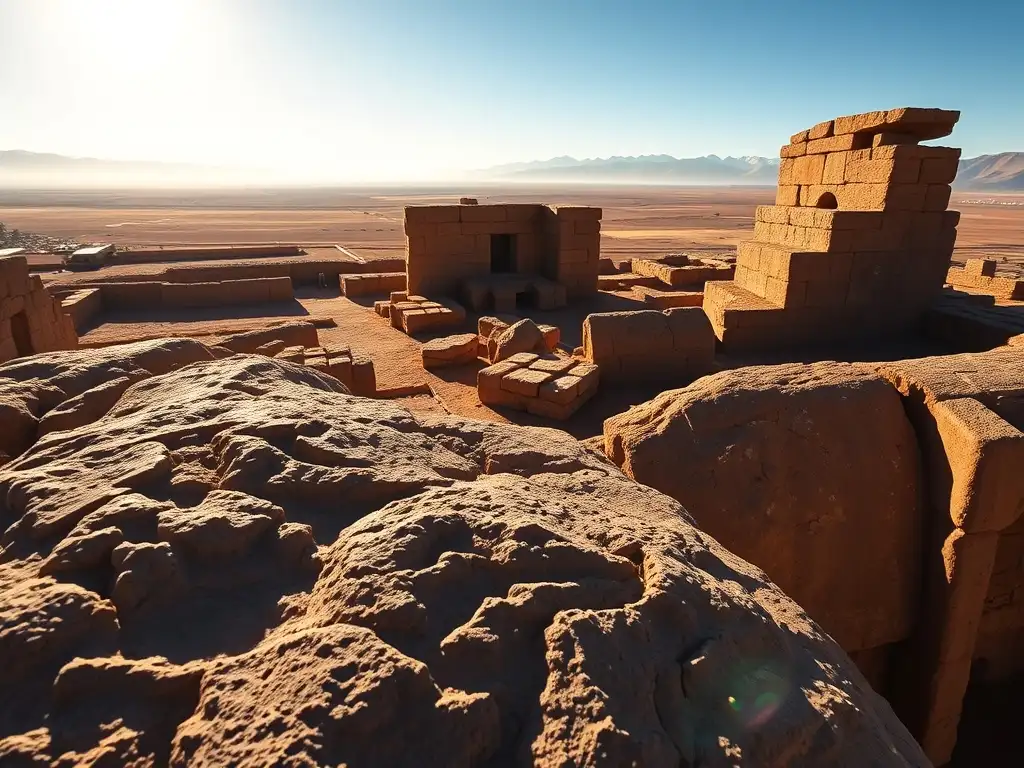
Prepare to be amazed. Journey with us into the heart of the Andes, where enigmatic civilizations flourished and left behind legacies of breathtaking artistry and unparalleled engineering. For centuries, the Tiahuanaco Puma Punku stonework secrets have baffled researchers – defying explanation and igniting imaginations. Discover the clues, explore the mysteries, and unlock the astonishing story of this ancient wonder. Are you ready to unravel the truth?
Puma Punku, a site within the greater Tiahuanaco complex in Bolivia, stands as a testament to the remarkable engineering and architectural prowess of the Tiahuanaco culture. This enigmatic site, characterized by its colossal, precisely cut stones, continues to fascinate and perplex researchers and enthusiasts alike.
Its massive stone blocks, some weighing many tons, were expertly fitted together without the use of mortar, raising questions about the tools, techniques, and even the very purpose of this awe-inspiring structure. This article delves into the mysteries surrounding Puma Punku's stonework, exploring the technological achievements, the enduring questions, and the ongoing efforts to understand this incredible feat of ancient engineering.
Understanding Puma Punku's stonework provides crucial insights into the sophistication and ingenuity of the Tiahuanaco civilization, challenging our preconceived notions of ancient technological capabilities and offering a glimpse into a world of advanced architectural practices. We will examine the secrets embedded within the stones themselves, the potential meanings behind their arrangement, and the enduring legacy of this remarkable site.
The Precision of Puma Punku's Stonework: A Technological Marvel
The sheer precision of Puma Punku's stonework is breathtaking. Many blocks exhibit an astonishing level of accuracy, with perfectly straight edges and surfaces that interlock with remarkable fit. Some stones display intricate carvings and designs, further showcasing the advanced skills of the Tiahuanaco artisans.
The scale of the undertaking is equally impressive, with some blocks weighing upwards of 100 tons. How these massive stones were quarried, transported, and precisely placed remains a subject of debate, with various theories proposed, ranging from sophisticated understanding of leverage and rollers to the possibility of advanced technologies we are yet to fully comprehend. The absence of mortar further enhances the mystery, highlighting the builders’ mastery of stone fitting and engineering principles.
The precision involved suggests a level of planning and execution far beyond what was previously attributed to ancient civilizations. Detailed analysis of the stone surfaces has revealed traces of tools and techniques that are still being studied.
The Mystery of the Missing Mortar: How Were the Stones Joined?
One of the most intriguing aspects of Puma Punku is the absence of mortar between the massive stone blocks. This raises immediate questions about how the stones were joined so seamlessly. The precision of the cuts and the incredibly tight fits suggest a level of understanding of stonework that surpasses many later civilizations. Theories abound, ranging from the use of advanced metal tools to the potential utilization of unknown techniques.
Some researchers suggest that the builders may have employed sophisticated techniques of shaping and fitting the stones, possibly using advanced knowledge of geology and materials science. Others propose the use of wooden wedges or other temporary supports during construction. The lack of definitive answers only adds to the allure and mystery of Puma Punku's construction. Further research, including detailed analysis of the stone surfaces and joints, is needed to unravel this enduring puzzle.
The Purpose of Puma Punku: Uncovering the Intended Function
The precise purpose of Puma Punku remains a subject of ongoing research and debate. While some believe it served as a ceremonial center, others suggest it may have been a complex of administrative buildings or even a sophisticated astronomical observatory. The layout of the site, the size and arrangement of the stones, and the presence of various structures all contribute to the complexity of interpreting its intended function.
The enigmatic nature of Puma Punku, coupled with the limited surviving textual records, makes definitive conclusions challenging. However, ongoing archaeological investigations and interdisciplinary studies are gradually shedding light on the site's possible uses and significance within the broader Tiahuanaco civilization.
Further research into the site’s context within the larger Tiahuanaco complex is crucial to gaining a clearer understanding of its role and purpose. The discovery of new artifacts and the application of advanced analytical techniques may eventually reveal the secrets of Puma Punku's intended function.
Enduring Questions and Future Research: The Ongoing Quest for Answers
Despite significant progress in understanding Puma Punku, many questions remain unanswered. The methods used to quarry, transport, and precisely place the massive stone blocks continue to challenge our understanding of ancient technologies. The precise purpose of the site and its relationship to other structures within the Tiahuanaco complex are still subjects of debate. Future research, utilizing advanced techniques such as 3D scanning, geophysical surveys, and isotopic analysis, holds the potential to unlock further secrets.
Interdisciplinary collaborations between archaeologists, engineers, geologists, and other specialists are crucial in furthering our understanding of this remarkable site. The mysteries of Puma Punku serve as a reminder of the vastness of human ingenuity and the enduring power of ancient civilizations. The ongoing quest to unravel its secrets continues to inspire wonder and fascination, driving further investigation and research into this extraordinary site.
- The Precision of Puma Punku's Stonework: A Technological Marvel
- The Mystery of the Missing Mortar: How Were the Stones Joined?
- The Purpose of Puma Punku: Uncovering the Intended Function
- Enduring Questions and Future Research: The Ongoing Quest for Answers
- What is Puma Punku, and why is its stonework so significant?
- How did the Tiahuanaco people transport and work such massive stones?
- What tools did the Tiahuanaco people use to shape and place the Puma Punku stones?
- Are there any theories about the purpose of Puma Punku?
- What makes the Puma Punku stonework so unique compared to other ancient sites?
The Mystery Surrounding Puma Punku's Construction
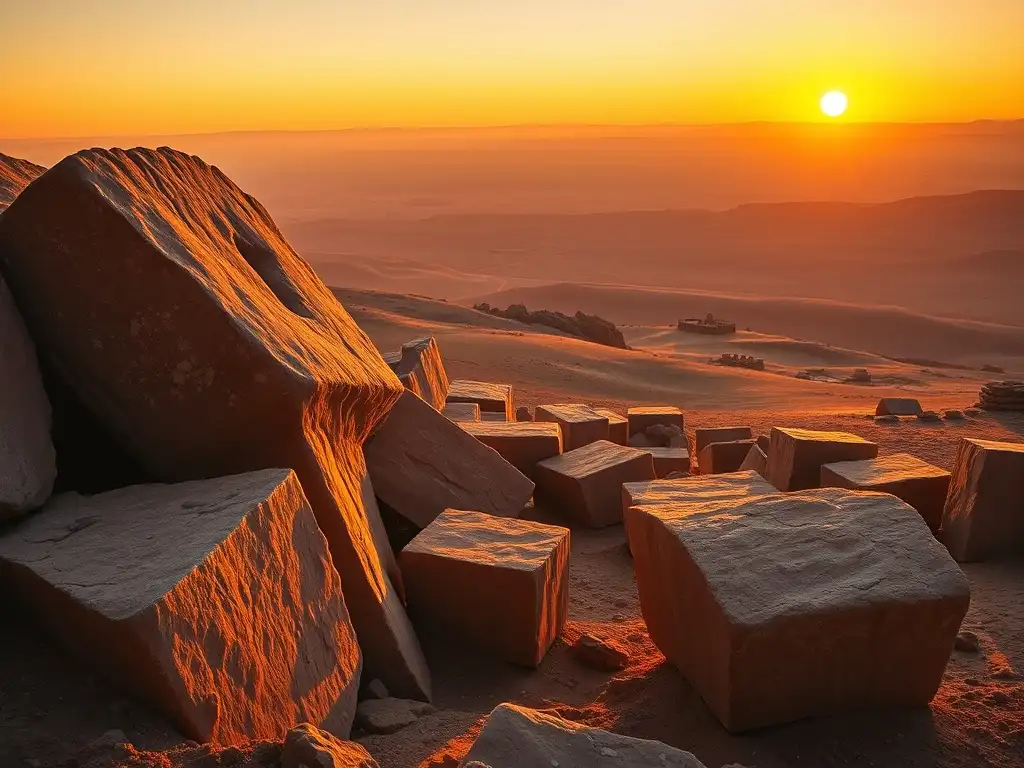
Introduction to Puma Punku: A Tiahuanaco Marvel
Puma Punku, meaning "Puma Gate" in Aymara, is a monumental complex located near the city of Tiahuanaco in modern-day Bolivia. It's a breathtaking testament to the engineering prowess of the Tiahuanaco culture, a civilization that flourished between approximately 500 and 1000 CE. The site is characterized by its massive, precisely cut stones, some weighing many tons, which are fitted together with astonishing accuracy, leaving minimal gaps.
This precision, coupled with the sheer scale of the structures, has fueled centuries of speculation about its construction methods and the Tiahuanaco's advanced knowledge of engineering and mathematics. The Tiahuanaco Puma Punku stonework secrets continue to fascinate researchers and visitors alike. Its enigmatic nature is a significant draw for those interested in Andean archaeology and ancient civilizations.
The sheer size of some of these stones, combined with their intricate carvings, creates a sense of awe and wonder. The site itself is a sprawling complex, not just a single structure, hinting at a sophisticated urban planning and social organization.
The Purpose and Significance of Puma Punku
The exact purpose of Puma Punku remains a subject of ongoing debate among archaeologists. While some suggest it served as a ceremonial center, perhaps for religious rituals or significant public gatherings, others propose it was part of a larger temple complex dedicated to water deities, given the Tiahuanaco culture's profound connection to Lake Titicaca. The complex's layout, including the presence of large platforms and intricate water channels, supports the hypothesis of a ceremonial function.
Evidence suggests the site may have been used for various purposes throughout its history. Furthermore, the precise arrangement of the stones, their orientation, and the symbolic meaning of the carvings all contribute to the mystery surrounding its significance. Some scholars believe the layout reflects astronomical knowledge, aligning with specific celestial events.
The intricate details found in the stonework, while partially eroded by time and the elements, continue to provide clues about the Tiahuanaco worldview and their sophisticated understanding of cosmology. Unlocking the secrets of Puma Punku’s purpose is key to understanding the Tiahuanaco civilization’s cultural and religious beliefs.
Initial Theories on Puma Punku's Construction Techniques
Early theories regarding Puma Punku's construction often relied on speculation rather than concrete evidence. Some proposed the use of advanced technologies, even suggesting the involvement of extraterrestrial beings. However, more recent research focuses on understanding the Tiahuanaco's sophisticated engineering capabilities within the context of their available resources. It's now believed that the Tiahuanaco likely used a combination of techniques, including:
- Quarrying: The precise extraction of massive stone blocks from distant quarries remains a significant area of study. Evidence suggests the use of primitive tools and possibly techniques involving fire and water to weaken the stone before extraction.
- Transportation: Moving these colossal stones across considerable distances to the Puma Punku site required immense human effort and ingenuity. Theories suggest the use of ramps, sledges, and possibly rafts or other water-based transportation methods, facilitated by the proximity to Lake Titicaca.
- Precision Cutting and Fitting: The remarkable precision of the stonework is a testament to the Tiahuanaco's mastery of stone carving. The use of various tools, including copper and possibly obsidian, combined with advanced knowledge of stone properties, allowed for the creation of intricately fitted blocks with minimal gaps. The degree of precision surpasses many later constructions, even with advanced technology.
| Construction Phase | Proposed Techniques | Evidence | Challenges |
|---|---|---|---|
| Quarrying | Fire-setting, wedging, copper tools | Traces of fire damage on some stones | Precise extraction of large, perfectly shaped blocks |
| Transportation | Ramps, sledges, possibly water transport | Traces of possible pathways, proximity to lake | Moving massive blocks across significant distances |
| Shaping & Fitting | Copper and obsidian tools, precise measuring | High degree of precision in stone fitting | Replicating the precision with known technology |
The Tiahuanaco Puma Punku stonework secrets continue to challenge our understanding of ancient engineering and the capabilities of pre-Columbian civilizations. Further research and analysis are needed to fully unravel the mysteries of this remarkable site. The ongoing study of Puma Punku not only reveals the technological capabilities of the Tiahuanaco but also highlights their organizational skills and societal structure needed to execute such a monumental project.
Exploring the Intricacies of Puma Punku Stonework
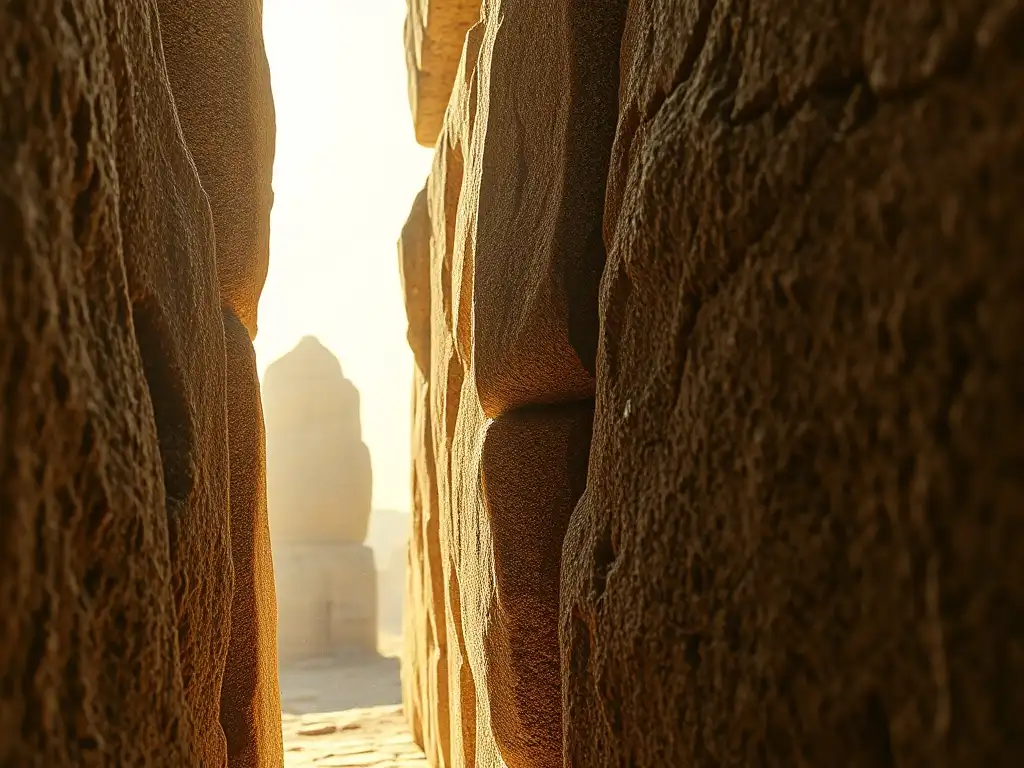
This section delves into the remarkable stonework of Puma Punku, a crucial component of the Tiahuanaco complex, focusing on the techniques, materials, and unique architectural elements that continue to fascinate and challenge researchers. The precision and scale of the construction remain a testament to the advanced engineering capabilities of the Tiahuanaco civilization, fueling ongoing debates about their methods and the mysteries surrounding Puma Punku's construction.
Understanding the intricacies of this stonework is key to unlocking the secrets of Tiahuanaco's technological prowess and its place within the broader Andean cultural landscape. The very nature of the Tiahuanaco Puma Punku stonework secrets continues to inspire awe and wonder.
Precision Cutting Techniques of Tiahuanaco Stones
The precision evident in Puma Punku's stones is astonishing. Many blocks exhibit incredibly tight fits, with surfaces so smooth and planar that even a thin blade cannot be inserted between them. This level of accuracy suggests the use of sophisticated tools and techniques far beyond what was previously thought possible for the time period.
While the exact methods remain debated, several theories exist. Some researchers suggest the use of abrasive tools, potentially incorporating sand and water to grind the stones. Others propose the use of copper chisels and hammers, though the scale of the work suggests a more advanced approach.
The challenge lies in replicating these techniques with available materials and technology. Experiments have attempted to recreate the stone-cutting process using various methods, but achieving the same level of precision remains difficult. This difficulty underscores the advanced technological capabilities of the Tiahuanaco civilization and the sophistication of their understanding of stone manipulation. The Tiahuanaco Puma Punku stonework secrets concerning these techniques continue to inspire research and experimentation.
The Use of Andesite and Red Sandstone in Puma Punku
Puma Punku's construction utilizes primarily two types of stone: andesite and red sandstone. Andesite, a volcanic rock, is exceptionally hard and resistant to weathering. Its use demonstrates a clear understanding of material properties and a commitment to durability. The red sandstone, while softer than andesite, was also carefully selected and precisely worked. The choice of these materials, and the way they were combined, speaks volumes about the Tiahuanaco builders' knowledge of engineering and construction.
The transportation of these massive stones presents another significant challenge. Many blocks weigh several tons, and their origins are often located considerable distances from Puma Punku. The logistical feat of transporting, shaping, and precisely placing these stones remains a significant mystery. Understanding the methods employed in the quarrying, transport, and placement of these stones is essential to unraveling the secrets of Tiahuanaco Puma Punku stonework.
The Enigmatic H-Blocks of Puma Punku: A Closer Look
Among the most intriguing elements of Puma Punku are the H-blocks. These large, intricately carved stones are characterized by their distinctive shape, resembling the letter "H". Their precise dimensions and complex interlocking design are unparalleled in Andean architecture. The precision of their construction and their unusual shape raise many questions about their intended function and the techniques used to create them.
The H-blocks' intricate design suggests a level of planning and engineering expertise far surpassing other contemporary structures. The fit between the blocks is so precise that it’s almost impossible to insert a thin blade between them, even after centuries of weathering. This level of precision is a testament to the advanced knowledge of mathematics, engineering, and stonework possessed by the Tiahuanaco people. Further research into the H-blocks could hold the key to unlocking more of the Tiahuanaco Puma Punku stonework secrets.
The mysteries surrounding these remarkable stones continue to fuel the ongoing debate about the capabilities of this ancient civilization. The precise function of these blocks remains a topic of ongoing research and speculation. 🤔
Analyzing the Advanced Engineering of Puma Punku
This section delves into the remarkable engineering feats evident in Puma Punku's stonework, exploring the techniques used in its construction and the implications for our understanding of Tiahuanaco's technological prowess. The precision and scale of the site continue to challenge modern engineering capabilities, prompting ongoing research and debate regarding the methods employed by the Tiahuanaco people. Understanding the intricacies of Puma Punku's construction provides crucial insights into the sophisticated knowledge and organizational skills of this ancient Andean civilization.
The secrets of its stonework lie not only in the monumental scale of the structures but also in the astonishing precision of the stone cutting, fitting, and placement. This analysis focuses on key aspects of the construction, aiming to unravel some of the mysteries surrounding this enigmatic site.
The Leveling and Alignment Methods at Puma Punku
The astonishing precision of Puma Punku's architecture is evident in the incredibly flat surfaces and the near-perfect alignment of its massive blocks. Archaeological evidence suggests the Tiahuanaco engineers employed advanced leveling techniques, achieving a degree of flatness rarely seen in ancient constructions. This wasn't merely a matter of aesthetic preference; precise leveling was crucial for the stability and functionality of the structures.
Consider the colossal blocks forming the foundations: many weigh dozens of tons, and their precise placement required an exceptional understanding of weight distribution and structural integrity. To achieve this level of precision, the Tiahuanaco likely used a combination of methods. Preliminary leveling may have involved rudimentary surveying techniques, using simple instruments and possibly astronomical observations to establish a horizontal plane. Further refinement likely involved careful excavation and the removal of earth to create a perfectly level foundation.
The evidence suggests a sophisticated understanding of geometry and engineering principles far beyond what was previously believed possible for the time period. The meticulous nature of the work underscores the immense labor and planning invested in the creation of Puma Punku. Further research into the tools and techniques used for leveling would undoubtedly shed more light on the intricacies of Tiahuanaco engineering.
Massive Stone Transportation and Placement in Puma Punku
The transportation and placement of Puma Punku's massive stone blocks remains one of the most intriguing aspects of the site. Some blocks are composed of red sandstone, weighing over 100 tons, and were transported from quarries located several kilometers away. The precise methods used for this feat continue to be debated, with various theories proposed.
One theory suggests the use of ramps and rollers, possibly made of wood or other readily available materials. This would have involved a considerable workforce and meticulous planning. Another theory proposes the use of water-based transportation, utilizing rafts or other floating devices to move the stones across bodies of water.
However, the exact routes and methods remain unclear and require further investigation. The sheer size and weight of the blocks, combined with the lack of readily apparent wheeled vehicles in the Tiahuanaco culture, present significant logistical challenges. Furthermore, the precision with which the stones are fitted together suggests a level of control and mastery over the transportation process that is truly remarkable.
The absence of visible mortar or binding agents further complicates the understanding of how these massive blocks were precisely positioned and secured. More research is needed to determine the exact methods used for this impressive feat of ancient engineering.
Evidence of Advanced Tiahuanaco Engineering Capabilities
Puma Punku stands as a testament to the advanced engineering capabilities of the Tiahuanaco civilization. The precision of the stonework, the scale of the structures, and the sophisticated techniques employed in their construction challenge our understanding of ancient Andean technology. The site showcases a mastery of stone cutting, shaping, and fitting, suggesting the use of advanced tools and techniques that are still not fully understood.
The near-perfect alignment of the blocks, the incredibly flat surfaces, and the complex interlocking designs all point to a high degree of planning and expertise. The intricate details and the sheer scale of the project underscore the exceptional organizational skills of the Tiahuanaco society.
The evidence suggests a deep understanding of mathematics, geometry, and engineering principles. The ability to transport and place such massive stones with such precision speaks volumes about their technological capabilities. While many questions remain unanswered, the secrets of Puma Punku's stonework continue to inspire awe and wonder, compelling ongoing research and sparking renewed interest in the remarkable achievements of the Tiahuanaco civilization.
The ongoing study of Tiahuanaco Puma Punku stonework secrets continues to reveal new insights into the ingenuity and sophistication of this ancient Andean culture. The mysteries surrounding its construction serve as a reminder of the vast unknown in our understanding of pre-Columbian civilizations and their technological advancements.
Unraveling the Tiahuanaco Puma Punku Stonework Secrets
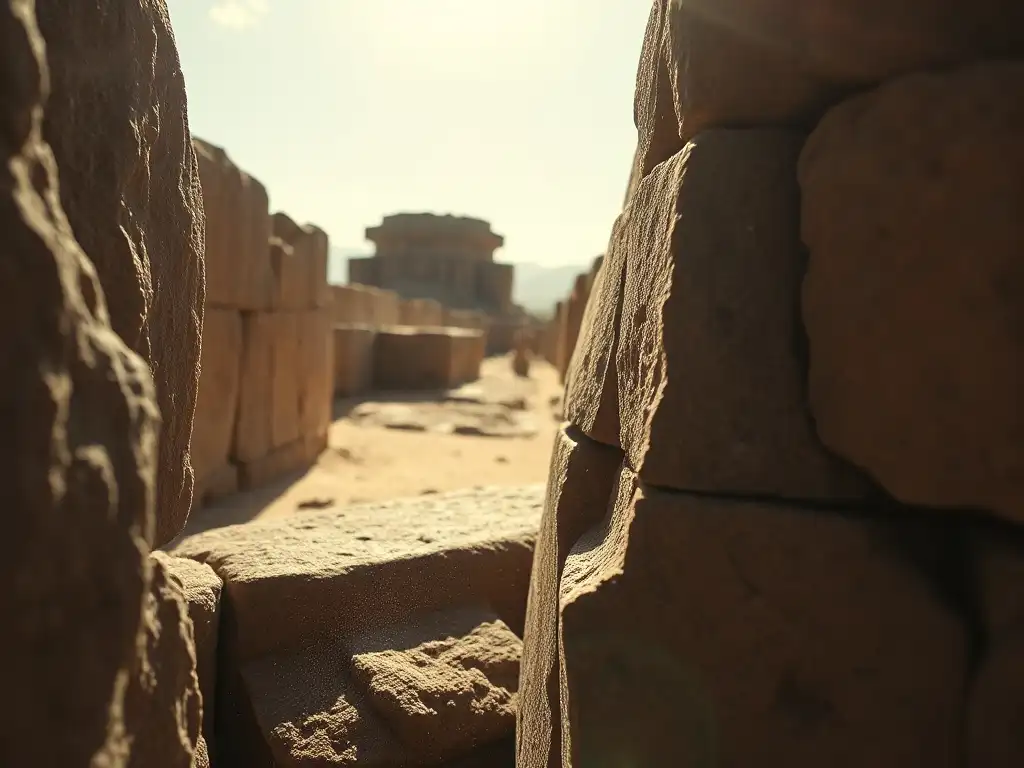
The enigmatic Puma Punku, a crucial part of the Tiahuanaco archaeological site, continues to fascinate and puzzle researchers and enthusiasts alike. Its massive, precisely cut stones, some weighing over 100 tons, raise questions about the technology and techniques employed by the Tiahuanaco civilization. The sheer scale and precision of the stonework defy easy explanation, leading to numerous theories and ongoing debate concerning the "Tiahuanaco Puma Punku stonework secrets."
This section delves into some of the leading hypotheses surrounding the construction of this remarkable site. The precision and scale of the stonework, coupled with the lack of readily apparent quarries nearby, add to the mystery surrounding this incredible feat of ancient engineering. Understanding the secrets of Puma Punku requires examining multiple facets of its construction, from the tools used to the level of craftsmanship involved.
Theories on Tiahuanaco's Tool Technology
One of the most significant mysteries surrounding Puma Punku is the tools used to shape and manipulate the colossal stones. While some simpler tools, like copper chisels and hammers, have been found at the site, these tools alone seem insufficient to explain the level of precision observed in the stonework. Some researchers propose that the Tiahuanaco people possessed more advanced technologies than currently understood. Theories range from the use of advanced bronze tools, possibly incorporating techniques unknown to modern metallurgy, to the potential use of ultrasonic tools or other technologies not yet fully comprehended.
The precision of the cuts and the uniformity of the stone blocks suggest the use of sophisticated tools and techniques. For example, many stones exhibit incredibly tight fits, with some joints so precise that a thin blade cannot be inserted between them. This level of precision is difficult to achieve even with modern technology, let alone with tools available to a pre-Columbian civilization.
Further research is needed to definitively determine the precise tools and techniques employed, but the evidence strongly suggests a level of technological sophistication that surpasses our current understanding. The debate continues, with some suggesting the use of unknown tools or techniques, while others believe that meticulous craftsmanship and advanced understanding of stoneworking were sufficient.
- Hypothesis 1: Advanced Bronze Alloys: The Tiahuanaco civilization may have developed exceptionally hard and durable bronze alloys capable of cutting and shaping andesite with greater ease. Further metallurgical analysis of discovered tools is crucial to validate this hypothesis.
- Hypothesis 2: Sonic or Ultrasonic Tools: Some speculate the use of sound-based tools, perhaps harnessing natural phenomena or even a rudimentary understanding of acoustics, to facilitate the shaping of the stone. This remains largely speculative, lacking definitive archaeological evidence.
- Hypothesis 3: Combination of Techniques: It is likely that a combination of different techniques and tools were used, adapting methods depending on the specific task and the type of stone being worked. This multifaceted approach could explain the diversity of shaping techniques observed in the stones.
The Role of Skilled Tiahuanaco Craftsmen
Beyond the tools themselves, the extraordinary precision of Puma Punku's stonework speaks volumes about the skill and expertise of the Tiahuanaco craftsmen. The intricate carvings, perfectly fitted joints, and the overall architectural design point to a highly organized and skilled workforce with a deep understanding of engineering principles. The sheer volume of work involved suggests a highly structured society with specialized labor, possibly involving generations of skilled artisans passing down their knowledge and techniques.
Evidence suggests a high degree of specialization within the workforce. Some individuals may have focused on quarrying, others on transportation, and yet others on the intricate process of shaping and fitting the stones. The level of coordination and precision required to assemble such massive structures implies a sophisticated social and organizational structure. The craftsmanship displayed at Puma Punku surpasses that of many later civilizations, highlighting the advanced skills of the Tiahuanaco people.
The evidence clearly shows a level of planning and execution that is truly remarkable. The seamless integration of the stones, the uniformity of their shapes, and the overall architectural harmony all point to a highly skilled and organized workforce. Understanding their methods is key to deciphering the secrets of Puma Punku.
Examining the Possible Use of Templates and Molds
The remarkable uniformity of many Puma Punku stones suggests the potential use of templates and molds in their creation. While no direct evidence of such templates has been found, the consistent dimensions and shapes of some blocks strongly suggest their use. The precision required to create such perfectly fitting stones would be significantly aided by the use of pre-fabricated templates or molds, ensuring consistency and reducing the margin for error.
Imagine the process: a craftsman using a precisely carved template to guide the shaping of a massive stone block. This template would ensure that each block was cut to the exact dimensions required, facilitating the seamless assembly of the structure. The use of molds could also explain the remarkably uniform shapes and sizes of some of the stones. While speculative, this hypothesis aligns with the remarkable precision and consistency observed in the stonework.
Further investigation, including detailed analysis of stone dimensions and potential remnants of molds, is crucial to validate this hypothesis. The possibility of using templates and molds would significantly simplify the process of creating such intricate stonework, providing further evidence of the Tiahuanaco's advanced understanding of engineering and construction. The search for such tools and evidence continues to be a priority in ongoing research.
Debunking Common Myths about Puma Punku
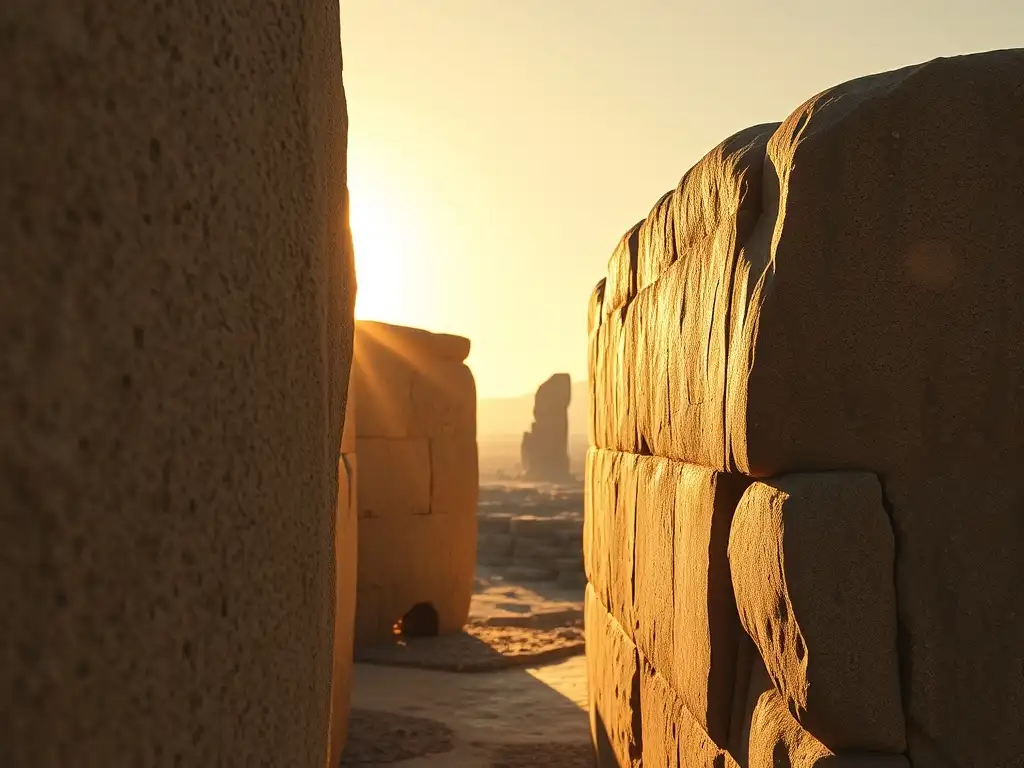
The enigmatic nature of Puma Punku's stonework has fueled countless speculations, many straying far from established archaeological understanding. Let's address some prevalent myths surrounding this remarkable site, focusing on the "Tiahuanaco Puma Punku stonework secrets" often touted online.
The Myth of Extraterrestrial Intervention at Puma Punku
A persistent narrative surrounding Puma Punku posits that its precise stonework, massive blocks, and seemingly impossible fits could only have been achieved with extraterrestrial assistance. Proponents of this theory often point to the precision of the blocks and the lack of visible mortar as evidence of advanced technology beyond human capabilities. However, this interpretation ignores the considerable engineering prowess of the Tiahuanaco people and the wealth of evidence pointing to terrestrial methods.
The "perfect" fits often cited are, upon closer examination, not perfectly seamless; minor gaps and inconsistencies exist, showcasing human craftsmanship rather than flawless alien technology. The absence of visible mortar doesn't indicate a lack of binding agents; it's likely that the Tiahuanaco utilized techniques involving finely ground stone dust and other materials that have eroded or been absorbed over centuries.
The claim of "impossible" feats overlooks the fact that we are still uncovering the sophisticated techniques employed by the builders, and the sheer scale of the project highlights the immense workforce and organizational capabilities of the Tiahuanaco civilization. This myth, while captivating, ultimately distracts from the remarkable achievements of a sophisticated pre-Columbian society.
The Reality of Tiahuanaco's Ingenious Stoneworking Methods
The Tiahuanaco people possessed a deep understanding of stone quarrying, shaping, and transportation. Evidence suggests they utilized sophisticated tools, including copper and possibly stone chisels and hammers, to extract and shape the enormous blocks of andesite and red sandstone. The precision of the cuts was likely achieved through a combination of careful planning, meticulous craftsmanship, and possibly the use of abrasive materials to refine the surfaces.
The transportation of these massive blocks remains a subject of ongoing research, but several hypotheses exist, including the use of ramps, rollers, and possibly waterways. The absence of readily visible mortar is not evidence of advanced technology, but rather a testament to the skilled craftsmanship that allowed for incredibly tight fits. Analysis of surviving structures reveals that various binding agents were likely used, though the exact composition remains a subject of ongoing study.
The Tiahuanaco's mastery of stonework is not an inexplicable mystery; it represents a high point of pre-Columbian engineering and a testament to their organizational abilities and knowledge of materials science. The "secrets" of Puma Punku are not alien technology, but rather a complex interplay of skilled labor, advanced planning, and the exploitation of local resources.
Understanding the Limitations of Current Archaeological Knowledge
While significant progress has been made in understanding Puma Punku's construction, crucial gaps in our knowledge remain. Many questions surrounding the specific techniques employed, the organization of labor, and the exact composition of binding agents continue to require further investigation. The deterioration of the site itself, due to weathering and looting, also hinders our ability to fully reconstruct the original construction methods.
The limited surviving written records from the Tiahuanaco civilization further complicates the puzzle. Moreover, the interpretation of existing evidence is often subject to debate among archaeologists and other specialists. Therefore, it's crucial to approach any claims about Puma Punku with a healthy dose of skepticism and a recognition of the limitations of current archaeological knowledge.
Further research, including advanced analytical techniques and careful excavation, is essential to unravel the remaining "Tiahuanaco Puma Punku stonework secrets" and gain a more complete understanding of this fascinating site. The ongoing exploration continues to reveal new insights, slowly peeling back the layers of mystery surrounding this remarkable feat of pre-Columbian engineering.
Modern Research and Future Discoveries at Puma Punku

The enigmatic precision of Puma Punku's stonework continues to captivate researchers and inspire new investigations into Tiahuanaco's technological prowess. While much remains shrouded in mystery, modern research methodologies are slowly peeling back the layers of this ancient marvel, revealing fascinating insights into its construction and purpose. The secrets of Puma Punku's stonework are far from fully uncovered, and ongoing research promises further breakthroughs.
This section will delve into current research efforts, emerging technologies, and future directions in understanding this incredible site. The quest to unravel the secrets of Tiahuanaco Puma Punku stonework is an ongoing process, fueled by advancements in technology and a growing understanding of Andean engineering.
Current Excavations and Analysis of Puma Punku
Current excavations at Puma Punku are meticulously planned and executed, prioritizing preservation and non-destructive techniques. Archaeologists employ advanced surveying methods, including LiDAR (Light Detection and Ranging) and photogrammetry, to create detailed 3D models of the site. These digital models allow researchers to virtually reconstruct collapsed structures and analyze the arrangement of stones with unprecedented accuracy.
This detailed analysis provides valuable data on the precise dimensions and weights of the megalithic blocks, aiding in the understanding of their transportation and placement. Furthermore, soil analysis around the Puma Punku complex is providing information about the environmental conditions during the site's construction and occupation. Researchers are also carefully examining the remaining stonework for traces of tools, pigments, or other evidence that might offer clues about the construction techniques employed by the Tiahuanaco people.
The meticulous nature of these excavations is crucial for preserving this invaluable historical site while simultaneously uncovering its hidden secrets. Analyzing the precise angles and fits of the stones, for instance, is revealing sophisticated knowledge of geometry and engineering. The ongoing analysis of the stone itself—its composition, sourcing, and potential modifications—will shed further light on the Tiahuanaco's mastery of stonework.
Emerging Technologies for Studying Tiahuanaco Stonework
Emerging technologies are revolutionizing the study of Puma Punku's stonework. Advanced imaging techniques, like ground-penetrating radar (GPR) and multispectral imaging, are being used to detect subsurface features and analyze the composition of the stones without causing damage. These non-invasive methods allow researchers to explore areas that were previously inaccessible, potentially uncovering hidden structures or revealing details about the construction process.
For example, GPR could reveal the presence of underground foundations or tunnels. Moreover, the application of isotopic analysis to the stones themselves promises to pinpoint their exact origins, providing valuable insights into Tiahuanaco's trade networks and resource management. The use of digital modeling and simulation software allows researchers to test various construction hypotheses, helping to determine the most likely methods used to move and place the massive blocks.
This interdisciplinary approach, combining archaeology, engineering, and advanced technology, is crucial for unraveling the complex secrets embedded within Puma Punku's stonework. The integration of these technologies promises a deeper understanding of the engineering feats achieved by the Tiahuanaco civilization, potentially revealing previously unknown aspects of their expertise and organizational abilities.
The Future of Puma Punku Research and Conservation
The future of Puma Punku research hinges on continued interdisciplinary collaboration and the development of even more sophisticated technologies. Further investigation into the site's hydraulic systems, possibly using advanced geophysical techniques, could reveal the extent of their water management capabilities. Furthermore, ongoing research into the social and political organization of the Tiahuanaco civilization is crucial for understanding the scale and complexity of the Puma Punku project.
The conservation of Puma Punku is equally vital. Efforts to protect the site from environmental damage and looting must continue, ensuring that future generations can appreciate this remarkable achievement of Andean engineering. The development of sustainable tourism practices is crucial for balancing the economic benefits of the site with its preservation.
Ultimately, the future of Puma Punku research involves a long-term commitment to uncovering its secrets while safeguarding this invaluable piece of history for years to come. This includes not just technological advancements but also a deeper understanding of the cultural context surrounding the site, allowing for a more holistic and nuanced interpretation of Tiahuanaco's legacy. The detailed study of Puma Punku's stonework will continue to reveal astonishing details about the ingenuity and skill of the ancient Andean civilizations, further enriching our understanding of human history and technological achievement.
Conclusion: The Enduring Legacy of Puma Punku's Stonework
The meticulous stonework of Puma Punku continues to fascinate and challenge researchers today. Its precise cuts, colossal blocks, and seemingly impossible joins whisper tales of a sophisticated civilization possessing advanced engineering capabilities far exceeding previous assumptions about Andean technology. The mysteries surrounding its construction and purpose remain, sparking ongoing debates and fueling further investigation into the Tiahuanaco civilization's remarkable accomplishments.
Understanding Puma Punku's stonework secrets is not merely an academic pursuit; it offers invaluable insights into the ingenuity, societal organization, and resource management of this ancient culture. The enduring legacy of Puma Punku lies not only in its physical grandeur but also in its capacity to inspire awe and ignite our curiosity about the past. The enigmatic nature of this site serves as a powerful reminder of the vast unknown that still awaits discovery within the rich tapestry of Andean history.
The Importance of Preserving Tiahuanaco's Heritage
The preservation of Tiahuanaco's heritage, including the awe-inspiring Puma Punku, is paramount. This site represents a crucial link to understanding the complexities of the Andean past, offering invaluable insights into their social structures, technological advancements, and spiritual beliefs. The ongoing degradation caused by environmental factors and human activity necessitates proactive conservation efforts.
These efforts should incorporate advanced preservation techniques, sustainable tourism practices, and rigorous archaeological investigation to ensure that future generations can appreciate and learn from this extraordinary cultural legacy. Protecting Puma Punku is not just about protecting stones; it's about safeguarding a vital piece of human history and fostering a deeper understanding of our shared past.
The detailed study of the stonework, combined with responsible preservation initiatives, ensures that the secrets of Tiahuanaco Puma Punku stonework will continue to be unveiled for years to come. Careful documentation and analysis of existing structures are crucial for understanding the techniques employed and the challenges faced by the builders.
Puma Punku as a Testament to Ancient Andean Engineering
Puma Punku stands as a breathtaking testament to the advanced engineering prowess of the Tiahuanaco civilization. The precise fitting of massive stone blocks, some weighing many tons, demonstrates an unparalleled mastery of stone cutting, transportation, and construction techniques. The intricate designs and the sheer scale of the structures suggest a highly organized society with sophisticated planning and resource management capabilities.
Analyzing the precision of the stonework reveals not only technical skill but also a deep understanding of geometry, mathematics, and possibly even astronomy. The challenges presented by the site's construction—transporting colossal blocks across significant distances, shaping them with such accuracy, and fitting them together without mortar—highlight the impressive engineering feats achieved by the ancient Andean builders.
Further research into the tools and techniques employed could revolutionize our understanding of ancient Andean engineering and its influence on subsequent cultures. The sheer scale of the undertaking underscores the immense organizational capabilities of the Tiahuanaco people.
Reflecting on the Tiahuanaco Civilization's Achievements
The Tiahuanaco civilization's achievements, as exemplified by Puma Punku, are truly remarkable. Their mastery of stonework, along with their advancements in agriculture, irrigation, and social organization, points to a society capable of complex planning and execution on a grand scale.
Puma Punku's enigmatic nature, with its unanswered questions and lingering mysteries, serves as a constant reminder of the limitations of our current understanding and the potential for future discoveries. Continued research and analysis of the site, coupled with the preservation of its fragile remains, are crucial for unlocking the full extent of the Tiahuanaco civilization’s accomplishments and ensuring that their legacy continues to inspire and inform generations to come.
The legacy of Tiahuanaco, including the impressive stonework of Puma Punku, showcases the ingenuity and complexity of pre-Columbian Andean societies, challenging our preconceived notions of ancient technology and societal development. Further study of Tiahuanaco's achievements will undoubtedly contribute to a more nuanced and comprehensive understanding of the Andean world.
Frequently Asked Questions
What is Puma Punku, and why is its stonework so significant?
Puma Punku is a massive complex within the larger Tiahuanaco site. Its significance lies in the remarkably precise stonework, using huge blocks of stone fitted together with unparalleled accuracy, defying current understanding of ancient technology.
How did the Tiahuanaco people transport and work such massive stones?
This remains a major mystery. Theories involve sophisticated techniques and possibly advanced knowledge of engineering and materials science, but no definitive answer exists. Further research is needed.
What tools did the Tiahuanaco people use to shape and place the Puma Punku stones?
The exact tools remain unknown, although some believe they used copper and bronze tools, possibly combined with other, unknown techniques. The precision suggests highly developed tools and methods.
Are there any theories about the purpose of Puma Punku?
Many theories exist, ranging from a ceremonial center to an administrative center or even a place of astronomical observation. Its true function still remains a subject of debate among researchers.
What makes the Puma Punku stonework so unique compared to other ancient sites?
The scale and precision of the Puma Punku stonework are unparalleled in the Andes and globally. The tight fitting of the blocks, often without mortar, is particularly astonishing and suggests a level of sophistication beyond what was previously thought possible.
Final Reflection: The Enduring Enigma of Puma Punku
The precision and scale of Puma Punku's stonework remain a testament to the ingenuity of the Tiahuanaco civilization, a feat that continues to challenge our understanding of ancient engineering and societal organization. Its unanswered questions resonate powerfully today, sparking ongoing debate among archaeologists, engineers, and the public alike, reminding us of the vast unknowns that still lie hidden within our past.
The enduring mystery surrounding Puma Punku's construction techniques and the societal structures that enabled such monumental undertakings forces us to confront our own assumptions about technological advancement and the capabilities of past civilizations. The past is never dead. It's not even past.
– William Faulkner. This quote rings especially true when considering Puma Punku; its enigmatic legacy continues to shape our understanding of history, prompting us to question established narratives and embrace the possibility of previously unimagined achievements. The site's enduring power lies not just in its physical presence, but in its capacity to inspire wonder and critical thinking.
Consider the implications of Puma Punku's advanced stonework. What can we learn from the ingenuity and collaborative spirit required to create such a site? How can we apply this understanding of human potential to address the challenges of our own time?
I urge you, dear reader, to delve deeper into this fascinating enigma. Let Puma Punku's enduring mystery inspire you to question, to explore, and to appreciate the boundless capacity for innovation and achievement that resides within humanity. Let its stones speak to you, not just as relics of a bygone era, but as a testament to the enduring power of human ingenuity.
Unveil the Mysteries of Puma Punku!
Thank you for exploring the fascinating world of Tiahuanaco and Puma Punku! We hope you've enjoyed discovering the incredible craftsmanship and history of its stonework. Now, let's delve even deeper.
Here are some ways to further your understanding and appreciation of this ancient site:
- Join a discussion group, either online or in person, focused on Andean archaeology. Share your thoughts and insights with fellow enthusiasts.
- Visit Tiahuanaco to experience these marvels firsthand and immerse yourself in the rich Andean culture.
- Explore other, lesser-known sites in the Andes showcasing similar architectural wonders. Share your discoveries with the world!
What intriguing questions do you have about Puma Punku, and how might its secrets reshape our understanding of ancient civilizations? We encourage you to share your thoughts below!