
Terrace Tales: Ingenious Responses to Ancient Climate Challenges

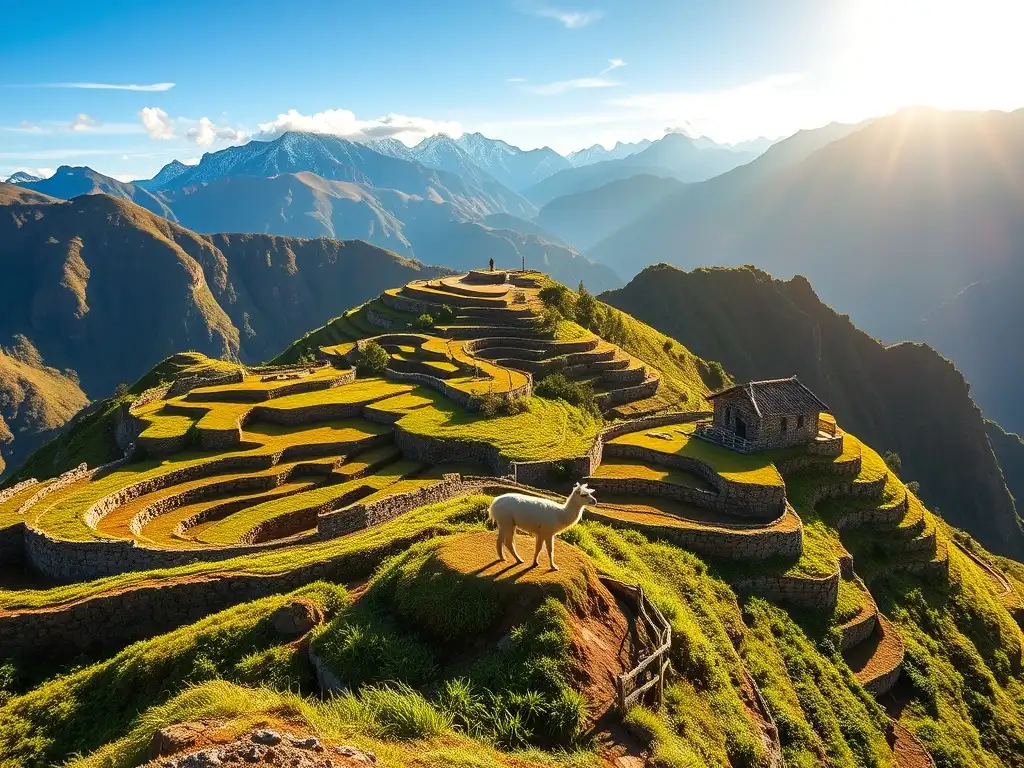
Step into a world lost to time, yet echoing with innovation. Imagine civilizations thriving amidst the towering Andes, their ingenuity shaping landscapes as dramatically as their empires. This is the story of the ancient Andean civilizations, and we invite you to uncover their secrets. Prepare to be amazed by the ancient Andean terrace farming techniques—ingenious solutions to challenging climates that transformed barren slopes into thriving agricultural landscapes. Dive into "Terrace Tales" and witness the breathtaking resilience of a people who defied the odds.
The Andes Mountains, a spine of towering peaks and deep valleys stretching along the western coast of South America, presented ancient civilizations with a formidable challenge: cultivating food in a geographically diverse and often unforgiving environment. This article delves into the ingenious agricultural techniques employed by Andean societies, focusing on the remarkable development of terrace farming as a direct response to the complex interplay of altitude, climate, and soil conditions.
We will explore how these ancient Andean terrace farming techniques, honed over millennia, not only ensured food security but also shaped the cultural landscape and societal structures of these remarkable civilizations. Understanding these ancient practices offers valuable insights into sustainable agriculture and resource management, especially relevant in the face of modern climate change.
We’ll examine the environmental pressures that spurred innovation, the specific techniques used, and the lasting impact of this remarkable agricultural achievement, all while focusing on the keyword "ancient Andean terrace farming techniques" and its semantic variations.
The Environmental Context of Ancient Andean Agriculture
Ancient Andean agriculture faced a unique set of environmental constraints. The Andes' dramatic elevation changes create microclimates, resulting in significant variations in temperature, rainfall, and sunlight exposure across relatively short distances. High altitudes experience freezing temperatures and limited growing seasons, while lower altitudes grapple with intense sun and unpredictable rainfall patterns.
Soil fertility also varied considerably, with some areas boasting rich volcanic soils while others faced erosion and nutrient depletion. These varied conditions demanded adaptable and sophisticated farming strategies. The challenge wasn't simply growing food; it was optimizing yields in a highly fragmented and challenging landscape.
This variability, coupled with the cyclical impact of El Niño events, necessitated ingenious solutions to ensure consistent food production and societal stability. The development of terrace farming was a pivotal response to this complex environmental puzzle. The ingenuity of these techniques allowed for the cultivation of crops that would otherwise be impossible to grow in such diverse and challenging terrains.
Understanding the Andean Landscape: A Challenge for Farming
The steep slopes of the Andes presented a significant obstacle to traditional farming methods. Rainfall, crucial for crop growth, tended to run off quickly on the steep inclines, leading to erosion and nutrient loss. Flat arable land was scarce, further limiting agricultural potential.
Furthermore, the unpredictable nature of rainfall, influenced by El Niño-Southern Oscillation (ENSO) events, created periods of drought and flooding, threatening crop yields. The ancient Andean farmers overcame these challenges through a combination of innovative techniques, including terracing, irrigation systems, and crop diversification. They meticulously carved terraces into the mountain slopes, creating a series of level platforms that slowed water runoff, conserved soil moisture, and increased the amount of cultivable land.
These terraces weren’t just simple platforms; their design often incorporated sophisticated drainage and irrigation systems to manage water effectively, ensuring consistent moisture throughout the growing season. This careful manipulation of the landscape allowed for the cultivation of a variety of crops, contributing to food security and societal resilience.
The Impact of El Niño on Andean Civilizations
The El Niño-Southern Oscillation (ENSO) is a naturally occurring climate pattern that significantly affects rainfall and temperature in the Andes. El Niño events, characterized by unusually warm ocean temperatures in the equatorial Pacific, often lead to increased rainfall in some areas and severe droughts in others. These unpredictable fluctuations in climate posed a major threat to Andean agriculture, potentially leading to crop failures, famine, and social unrest.
However, the sophisticated terrace farming systems, with their integrated irrigation and drainage features, provided a degree of resilience against the impacts of El Niño. While severe El Niño events could still cause damage, the terraces helped mitigate the worst effects by conserving water during droughts and managing excess water during periods of intense rainfall.
The ability to adapt to the unpredictable climate patterns, through the implementation of these ingenious farming techniques, was crucial for the long-term survival and prosperity of Andean civilizations. The legacy of these practices serves as a powerful example of adapting to climate variability, a lesson particularly relevant in our era of increasing climate change.
Water Scarcity and the Need for Innovative Solutions
Water scarcity was a significant challenge for ancient Andean civilizations, particularly in the arid and semi-arid regions where many thrived. The uneven distribution of rainfall, coupled with steep slopes and unpredictable weather patterns, necessitated the development of ingenious water management systems. These weren't simply about survival; they were crucial for sustaining large populations and complex societies. The success of the Andean civilizations was, in large part, a testament to their ability to overcome these hydrological hurdles. Without effective solutions to water scarcity, the intensive agriculture needed to support these populations would have been impossible.
The sheer scale of some of these projects, like the extensive canal systems of the Nazca culture, speaks volumes about the engineering prowess and societal organization required. These weren't haphazard efforts; they represent a deep understanding of hydrology, topography, and the seasonal variations in water availability. The development of sophisticated irrigation techniques was not just a technological achievement but also a reflection of a deep cultural understanding of their environment and the essential role of water in their lives. The ingenuity shown in their solutions to water scarcity is a key factor in understanding the remarkable achievements of these ancient societies and their ability to flourish in challenging environments. Analyzing these ancient water management systems offers valuable insights for modern-day challenges in water resource management, particularly in regions facing similar climatic conditions.
The Andean experience serves as a powerful example of human adaptation and resilience in the face of environmental limitations. The legacy of these ancient water systems continues to inspire contemporary approaches to sustainable agriculture and water conservation. Understanding their techniques provides valuable lessons for addressing the ongoing challenges of water scarcity in the Andes and beyond. The careful planning and execution of these systems highlight the advanced understanding of hydraulic engineering possessed by these ancient cultures and their enduring impact on the landscape.
- The Environmental Context of Ancient Andean Agriculture
- Understanding the Andean Landscape: A Challenge for Farming
- The Impact of El Niño on Andean Civilizations
- Water Scarcity and the Need for Innovative Solutions
- The Influence of Ancient Techniques on Modern Agriculture
- Lessons from the Past: Sustainable Agricultural Practices
- The Resilience of Ancient Andean Agricultural Systems
- Preservation and Restoration of Ancient Terraces
- The Importance of Studying Ancient Andean Terrace Farming Techniques for the Future
Ancient Andean Terrace Farming Techniques: A Response to Adversity
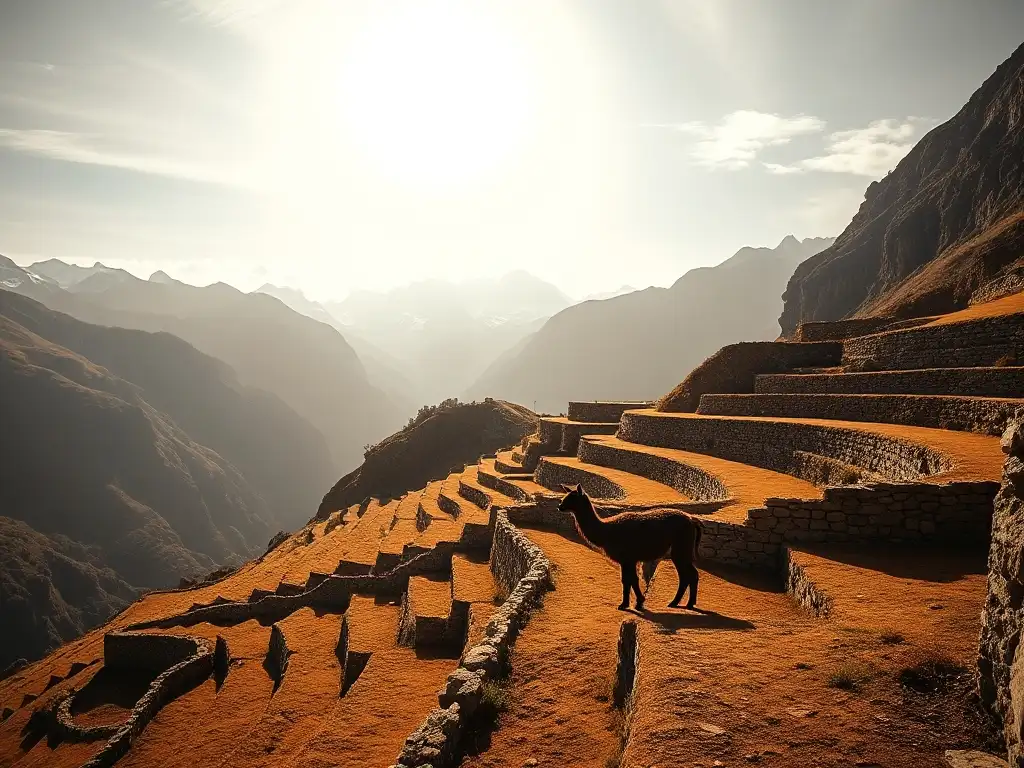
This section delves into the ingenious agricultural strategies employed by ancient Andean civilizations to overcome the challenges posed by their unique and often harsh environment. The development of sophisticated terrace farming techniques stands as a testament to their adaptability and ingenuity, allowing them to cultivate food in steep, mountainous terrain where conventional agriculture would have been impossible. Understanding these techniques reveals not only their agricultural prowess but also their profound understanding of their environment and its limitations. The keyword "ancient Andean terrace farming techniques" is central to understanding their success in cultivating the Andes.
The Origins of Terrace Farming in the Andes
The precise origins of terrace farming in the Andes remain a subject of ongoing research, but evidence suggests its development occurred gradually over millennia. Early forms likely emerged independently in various regions, adapting to local conditions. Archaeological findings indicate that simple terrace systems were in use as early as 3000 BCE in some areas.
These early systems were likely less sophisticated than those developed by later civilizations like the Incas, but they laid the groundwork for more complex techniques. The need to maximize arable land in the steep Andean slopes was a primary driver for this innovation. The limited flat land available meant that maximizing the use of vertical space was crucial for survival and the growth of Andean civilizations.
This early adoption suggests a deep understanding of the land and a commitment to sustainable agriculture, even in challenging circumstances. The earliest forms might have involved rudimentary stone walls to retain soil, gradually evolving into more elaborate systems over time. Further research into early agricultural practices is needed to fully understand the evolution of these ancient Andean terrace farming techniques.
Key Principles of Andean Terracing Systems
Several key principles underpinned the effectiveness of ancient Andean terrace farming systems. These principles, honed over centuries of experience, allowed for efficient water management, soil conservation, and increased agricultural yields.
- Slope Stabilization: Terraces dramatically reduced soil erosion by creating a series of level platforms. This was particularly crucial in the steep slopes of the Andes, where rainfall could easily wash away topsoil. The careful construction of retaining walls was key to prevent landslides and maintain the integrity of the terraces.
- Water Management: Ingenious irrigation systems were often integrated into the terrace designs. Canals and channels diverted water from streams and rivers, distributing it evenly across the terraces. This ensured that crops received adequate water, even in arid regions. The mastery of water management was essential for the success of ancient Andean terrace farming techniques, ensuring consistent yields even during periods of drought.
- Microclimates: The terraced landscape created a series of microclimates, each with slightly different temperature and humidity conditions. This allowed farmers to cultivate a diverse range of crops, maximizing yields and providing a more resilient food system. This diversification minimized the risk of crop failure due to disease or adverse weather conditions.
- Soil Enrichment: The construction of terraces often involved the incorporation of organic matter into the soil, enhancing its fertility. This practice, combined with crop rotation, ensured that the land remained productive over the long term. The terraces themselves acted as natural traps for organic matter, further increasing soil fertility.
Construction Methods of Ancient Andean Terraces
The construction of Andean terraces was a labor-intensive process requiring significant skill and organization. Different techniques were employed depending on the terrain, available resources, and the specific needs of the agricultural system.
- Stone Walls: Stone walls, often built from locally sourced materials, formed the retaining structures of the terraces. The stones were carefully fitted together, sometimes without mortar, creating durable and stable walls capable of withstanding the pressures of the soil and water. The precision of the stonework is a testament to the builders' skill and understanding of engineering principles.
- Soil Preparation: Before planting, the soil within each terrace was meticulously prepared. This often involved removing rocks, leveling the surface, and adding organic matter to improve soil fertility. The careful preparation of the soil was crucial for maximizing crop yields.
- Irrigation Channels: Intricate irrigation systems were often integrated into the terrace design. These systems involved canals and channels that diverted water from rivers and streams, distributing it evenly across the terraces. The construction of these channels required a sophisticated understanding of hydrology and engineering. The effectiveness of these systems is a remarkable feat of ancient Andean engineering.
The construction of these terraces showcases the advanced engineering skills and collaborative efforts of ancient Andean societies. Their ability to build and maintain these intricate systems over centuries highlights their profound understanding of their environment and their commitment to sustainable agricultural practices. The scale of these projects is truly awe-inspiring, a testament to the ingenuity and organizational abilities of ancient Andean civilizations. The legacy of these ancient Andean terrace farming techniques continues to inspire modern agricultural practices.
Materials Used in Building Agricultural Terraces
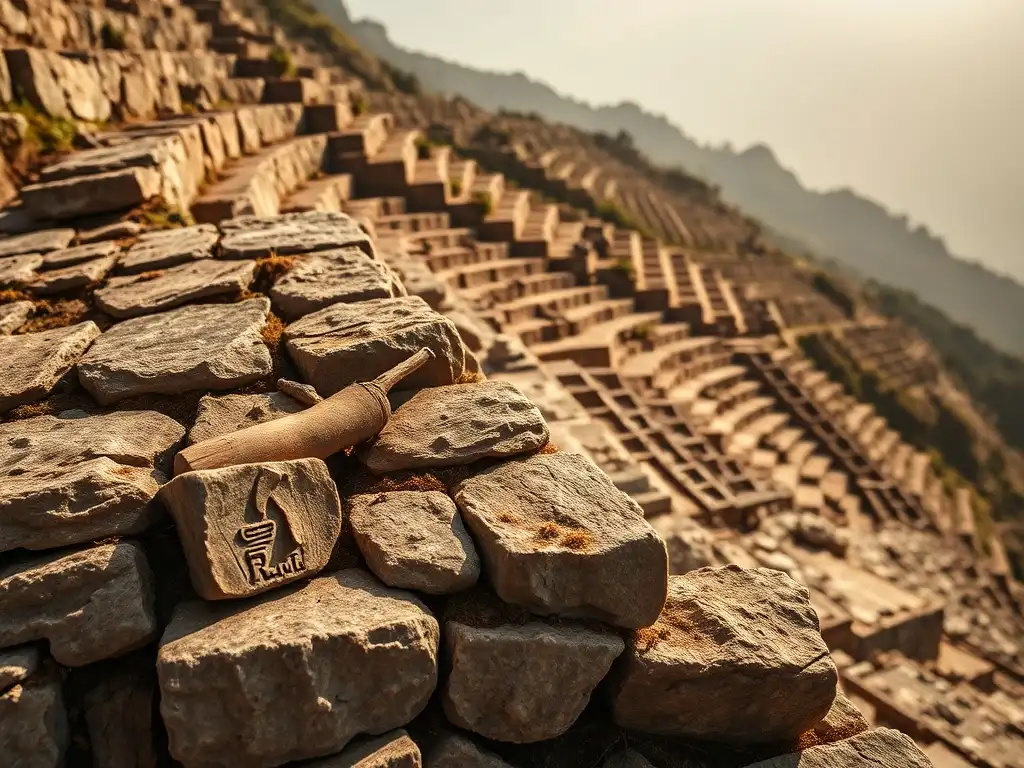
The construction of Andean agricultural terraces, a testament to the ingenuity of ancient civilizations, relied heavily on locally sourced materials. The specific materials varied depending on the geographic location and the availability of resources. In areas abundant with stone, particularly in the highlands, stone was the primary building material.
These stones, often carefully fitted together without mortar (dry-stone construction), formed sturdy retaining walls capable of withstanding the erosive forces of water and the shifting of soil. The precision and artistry involved in this dry-stone technique are truly remarkable, showcasing a deep understanding of engineering principles. Some terraces even incorporated carefully selected, larger stones as cornerstones or key structural elements, reinforcing the stability of the entire structure.
In regions where stone was less readily available, other materials were ingeniously employed. Adobe bricks, sun-dried mud bricks, were a common alternative, especially in lower altitudes with more fertile soil. These bricks, often reinforced with straw or other organic matter, provided a more readily available and adaptable building material.
The use of adobe, however, required a different approach to construction, demanding more frequent maintenance and repair due to its susceptibility to weathering and erosion. In certain areas, a combination of stone and adobe was used, leveraging the strengths of each material. For example, stone might be used for the foundation and lower sections of the terrace walls, while adobe formed the upper portions.
This blend of materials reflects an adaptive approach to construction, tailored to the specific environmental conditions and resource availability. The careful selection and integration of these materials highlight the resourcefulness and adaptability of Andean farmers, allowing them to create sustainable agricultural systems even in challenging environments.
Variations in Terrace Design Across Different Andean Cultures
The design and implementation of terrace farming techniques varied considerably across different Andean cultures, reflecting the unique environmental conditions and agricultural practices of each group. While the fundamental concept of creating level platforms for cultivation remained consistent, the specific configurations exhibited significant diversity.
The Incas, known for their sophisticated empire-wide infrastructure, developed a standardized system of terrace construction characterized by meticulously crafted stone walls and precisely leveled platforms. Their terraces often incorporated intricate drainage systems to prevent waterlogging and erosion, maximizing agricultural productivity. The scale and precision of Inca terrace systems are impressive, showcasing advanced engineering skills and a centralized planning system. Their terraces were often integrated into broader landscape management strategies, encompassing irrigation canals, roads, and settlements, creating a cohesive and sustainable agricultural network.
In contrast, the pre-Inca cultures such as the Moche and Nazca, while also employing terrace farming, exhibited unique stylistic and functional variations. The Moche, known for their sophisticated irrigation systems, often incorporated terraces into their complex water management infrastructure. Their terrace designs sometimes incorporated more organic materials alongside stone, reflecting their adaptation to the specific environmental conditions of the northern coast.
The Nazca, famous for their geoglyphs, also utilized terraces extensively, but their designs often reflected a more localized and less standardized approach compared to the Inca system. Their terraces might have incorporated different stone types or even integrated natural features such as hillsides into their agricultural landscapes.
The Tiahuanaco culture, situated in the high Andes, developed its own unique style of terrace construction adapted to the harsh, high-altitude environment. Their terraces frequently incorporated sophisticated drainage systems and were often smaller and more irregularly shaped compared to those of the Inca. The specific design choices reflect an understanding of the challenges posed by the high altitude, such as frost and limited water availability.
The variations in terrace design across different Andean cultures underscore the adaptive nature of these agricultural techniques and the distinct cultural expressions embedded within them. Each culture's approach reflects a unique interplay between environmental adaptation and cultural traditions.
The Functionality of Andean Agricultural Terraces: Beyond Basic Farming
Andean terrace farming techniques represent a sophisticated response to the challenging environmental conditions prevalent in the Andes Mountains. These weren't simply hillside plots; they were complex, integrated systems designed to maximize agricultural output in steep, often arid, terrains. Understanding their functionality reveals a deep knowledge of soil science, hydrology, and engineering possessed by ancient Andean cultures.
The ingenuity displayed in their construction and management allowed for sustainable food production for centuries, supporting thriving populations in otherwise inhospitable environments. This section will delve into the key aspects of this remarkable agricultural innovation, focusing on soil management, water conservation, and irrigation strategies.
The mastery of these techniques allowed for the cultivation of a diverse range of crops, contributing significantly to the economic and social stability of various Andean civilizations. The success of these systems highlights the importance of adapting agricultural practices to specific environmental constraints, a lesson highly relevant to modern-day sustainable agriculture.
Soil Management and Fertility in Terrace Systems
The success of ancient Andean terrace farming was intrinsically linked to effective soil management practices. The terraces themselves played a crucial role in soil conservation. By creating level platforms, they prevented soil erosion caused by rainfall and runoff, a significant problem on steep slopes. Furthermore, the construction often involved the careful layering of different soil types, enhancing fertility and drainage.
Evidence suggests the use of organic matter, such as manure and compost, to further enrich the soil. This practice, combined with crop rotation techniques (though specific details are still under investigation for many cultures), helped to maintain soil health and prevent nutrient depletion. The careful selection of crops suited to the specific soil conditions in different terrace levels also demonstrates a sophisticated understanding of soil science. For example, certain crops might be better suited to higher, drier terraces while others thrived in lower, more humid environments.
This approach maximized yield across the entire terraced landscape. The impact of this integrated approach to soil management was a consistently high agricultural yield, supporting large populations for extended periods. Further research is needed to fully understand the specific techniques employed in soil amendment and fertility maintenance, but the visible results speak volumes about the effectiveness of their methods.
Water Conservation Techniques in Andean Terraces
Water scarcity was a significant challenge in many Andean regions. The ingenious design of the terraces addressed this constraint through a range of water conservation techniques. The terraced structure itself facilitated water retention. The level platforms slowed down water runoff, allowing more time for infiltration into the soil.
In addition, the construction often incorporated swales and channels to guide water flow and prevent erosion. These features efficiently channeled rainwater to the crops, minimizing water loss and ensuring even distribution. The use of natural materials, such as stones and compacted earth, helped to create water-resistant surfaces, further reducing water runoff.
Moreover, the careful positioning of terraces to maximize sunlight exposure and minimize wind exposure also contributed to water conservation by reducing evaporation. The combination of these techniques ensured that even limited rainfall could be effectively utilized for crop production. This sophisticated approach to water management was essential to the sustainability of Andean agriculture, allowing for consistent crop yields even in areas with limited rainfall.
Irrigation Strategies and the Use of Canals
While water conservation was crucial, active irrigation systems were also employed in many Andean terrace farming systems, particularly in drier regions. The construction of sophisticated canal systems allowed for the efficient distribution of water from rivers and springs to the terraces. These canals were carefully engineered to follow the contours of the land, minimizing water loss through gradients and ensuring even water distribution across the terraces.
Some canals were even designed with reservoirs or storage tanks to regulate water flow and ensure a consistent supply, particularly during dry periods. The use of channels and diversion systems allowed farmers to control water flow, directing it to specific terraces as needed. Evidence suggests the use of sophisticated techniques for water management, including the use of weirs and check dams to regulate water levels and prevent flooding.
The precise engineering and construction of these irrigation systems demonstrate a high level of technological advancement and a deep understanding of hydrological principles. The successful implementation of these irrigation strategies further enhanced the productivity and resilience of Andean terrace farming, allowing for the cultivation of diverse crops, even in areas with limited water resources. The integration of water conservation and irrigation strategies highlights the holistic approach taken by Andean civilizations in managing their agricultural resources.
Microclimate Regulation within Terraced Fields
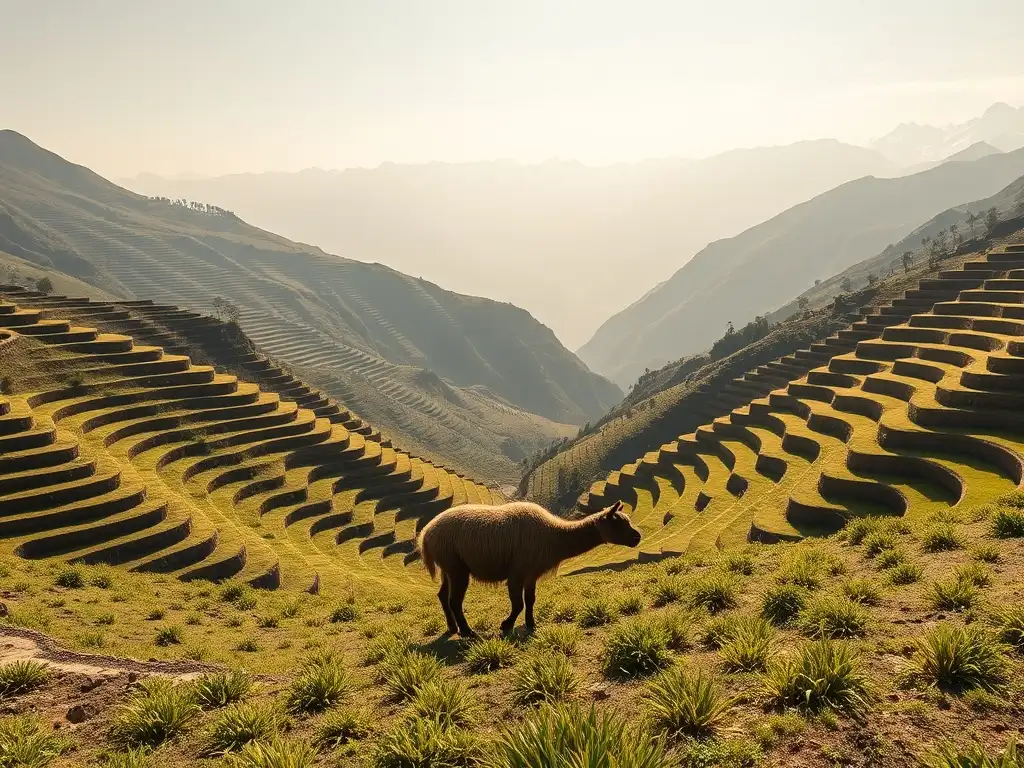
Andean terrace farming techniques weren't simply about increasing arable land; they were sophisticated systems designed to manipulate the local environment for optimal agricultural productivity. The strategic placement of terraces on slopes created a unique microclimate within each field. The walls themselves acted as windbreaks, reducing the impact of strong Andean winds that could damage crops or dry out the soil prematurely. This protection was particularly crucial at higher altitudes where crops faced harsher conditions.
Furthermore, the orientation of terraces, often facing east to maximize sun exposure, influenced temperature and light distribution throughout the day. This careful management of sunlight and wind led to longer growing seasons and increased yields, even in challenging high-altitude environments. The layered structure of terraces also created pockets of warmer air near the ground, protecting plants from frost damage during colder nights – a critical consideration given the fluctuating temperatures common in the Andes.
Detailed studies of specific terrace systems, like those found in the Sacred Valley of Peru, reveal the nuanced understanding ancient Andean farmers possessed of their environment and its impact on crop growth. Their ingenuity in manipulating these microclimates demonstrates a deep connection with, and understanding of, their surroundings. The success of these techniques is evident in the sustained agricultural productivity of these regions for centuries.
Protection Against Erosion and Landslides
The steep slopes of the Andes presented significant challenges to agriculture. Erosion, a constant threat, could rapidly deplete fertile topsoil, rendering land unproductive. Ancient Andean terrace farming techniques offered a remarkably effective solution to this problem. The terraces themselves acted as barriers, slowing down the flow of water and reducing the force of runoff.
This minimized topsoil loss due to surface erosion. The walls built to retain the terraces were further reinforced with stone, sod, or other materials, increasing their stability and resilience against erosion. In addition to preventing erosion, the terraces provided crucial protection against landslides. By breaking up the steep slopes into smaller, more manageable units, the terraces reduced the risk of large-scale soil movement.
The retaining walls provided additional support, preventing the soil from sliding down the slopes, especially during periods of heavy rainfall. The design and construction of these terrace systems reflected a deep understanding of soil mechanics and hydrological processes. The effectiveness of these techniques is underscored by the longevity of many terrace systems, some of which remain in use even today, a testament to their enduring resilience and ingenuity in mitigating the environmental challenges of the Andean landscape. The careful planning and construction involved show a profound knowledge of the land and its vulnerabilities, demonstrating a sustainable approach to agriculture that continues to inspire modern-day agricultural practices.
Case Studies: Examples of Successful Terrace Farming
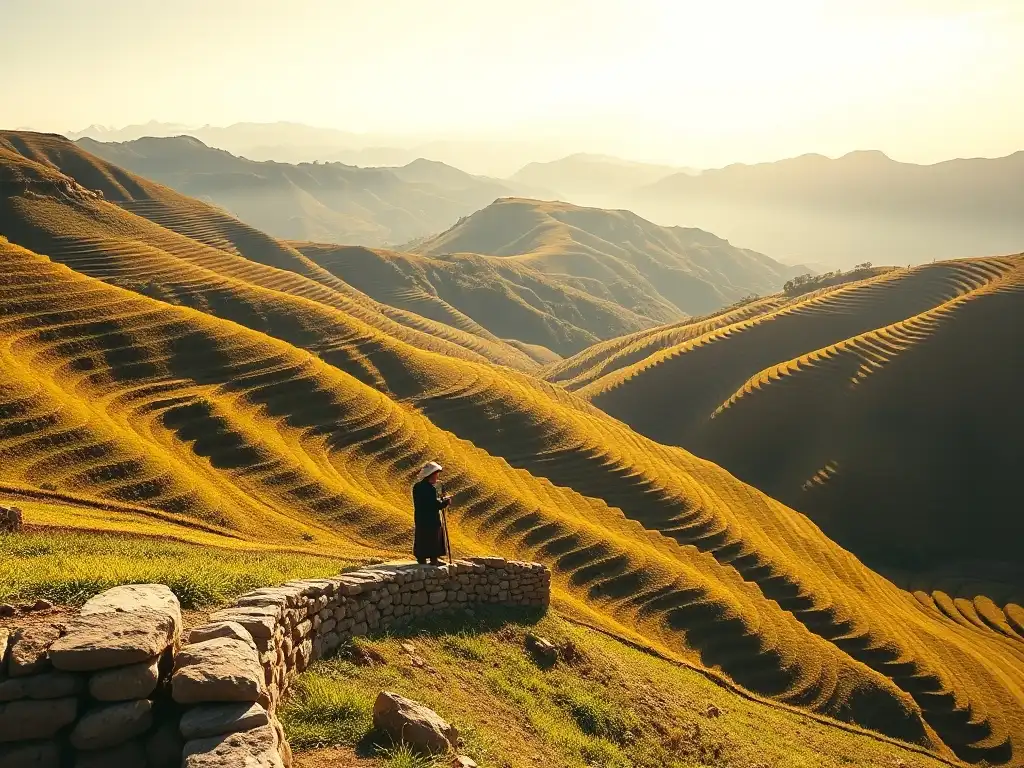
This section delves into specific examples of ancient Andean terrace farming techniques, showcasing the ingenuity and adaptability of these civilizations in the face of challenging climates. We'll explore the scale and sophistication of terrace systems across different Andean societies, highlighting their lasting impact on the landscape and culture. Understanding these successful implementations provides valuable insights into the resilience and resourcefulness of ancient Andean communities, offering potential lessons for modern agricultural practices in similar environments. The keyword "ancient Andean terrace farming techniques" will be explored through specific examples.
The Inca Empire and its Extensive Terraced Landscapes
The Inca Empire, known for its impressive feats of engineering, implemented extensive terrace farming systems across its vast territory. These weren't simply haphazard slopes carved into hillsides; they were meticulously planned and constructed agricultural marvels. The Incas utilized sophisticated techniques, including:
- Precise stonework: Inca terraces are renowned for their incredibly precise stonework, with stones fitted together without mortar, creating incredibly durable and water-resistant structures. This precision minimized water erosion and maximized land use.
- Sophisticated water management: Intricate canal systems diverted water from mountain streams to irrigate the terraces, ensuring a reliable water supply even during dry periods. This involved creating channels, reservoirs, and aqueducts, demonstrating a profound understanding of hydrology.
- Microclimatic control: The terraces were often constructed at varying altitudes and orientations to take advantage of microclimatic variations. This allowed for the cultivation of a diverse range of crops, maximizing agricultural yields and providing food security.
- Soil conservation: The terraces themselves helped prevent soil erosion, a significant challenge in the steep Andean slopes. The construction and maintenance of the terraces actively contributed to soil fertility and long-term agricultural sustainability.
The scale of Inca terrace farming is staggering. Thousands of hectares of land were transformed into productive agricultural spaces, supporting a large and complex population. The remains of these terraces are still visible today, a testament to the ingenuity and organizational capabilities of the Inca Empire. Their success highlights the importance of integrated water management and soil conservation in sustaining agricultural productivity in challenging environments. This exemplifies the effective implementation of ancient Andean terrace farming techniques.
Terrace Farming in the Colca Valley: A Living Legacy
The Colca Valley in Peru boasts some of the most spectacular and ancient examples of terrace farming in the Andes. These terraces, dating back centuries before the Inca Empire, demonstrate the long-standing tradition of terrace agriculture in the region. Unlike some Inca terraces which are largely ruins, many Colca Valley terraces remain actively used today, showcasing the enduring value of these techniques.
The Colca Valley's terraces are characterized by:
- Adaptation to steep slopes: The valley's incredibly steep slopes presented significant challenges, but the builders overcame them by constructing terraces that clung to the mountainsides. This optimized land use in a very challenging terrain.
- Varied crop production: Farmers in the Colca Valley cultivate a diverse array of crops on their terraces, reflecting the microclimatic variations within the valley. This diversity provides resilience against crop failure and ensures food security.
- Traditional techniques: Many farmers in the Colca Valley continue to use traditional methods for terrace construction and maintenance, preserving ancient knowledge and skills. This highlights the ongoing relevance of ancient Andean terrace farming techniques.
- Community involvement: The construction and maintenance of the terraces often involve entire communities, reflecting the social and economic importance of agriculture in the region. This collaborative approach ensures the sustainability of the system.
The ongoing use of these terraces underscores the long-term sustainability and effectiveness of these ancient Andean farming techniques. They represent not just a historical legacy, but a vital part of the region's present-day agricultural practices. The continued success of these systems demonstrates their adaptability and resilience in the face of climate variability.
Moray: The Agricultural Research Center
Moray, located near Cusco, Peru, presents a unique example of ancient Andean agricultural ingenuity. This site is not simply a farming area; it is believed to have served as an agricultural research center for the Inca Empire. The concentric circular terraces, arranged at varying depths, create distinct microclimates, allowing for the experimentation with different crops and agricultural techniques.
Moray's terraces showcase:
- Controlled microclimates: The varying depths and orientations of the terraces create a range of temperatures and humidity levels, allowing for the cultivation of crops adapted to different conditions. This suggests a sophisticated understanding of microclimatology and its impact on plant growth. This is a prime example of sophisticated ancient Andean terrace farming techniques.
- Experimental agriculture: The diverse range of crops found at Moray suggests that the site was used to experiment with different varieties and cultivation methods. This experimental approach likely contributed to the Inca Empire's agricultural success.
- Sophisticated water management: Similar to other Inca terraces, Moray features sophisticated water management systems, including canals and irrigation channels, ensuring a reliable water supply for the experimental crops.
- Intensive agriculture: The terraces at Moray allowed for intensive agriculture, maximizing the use of available land and resources. This approach likely contributed to the food security of the Inca Empire.
The unique features of Moray provide compelling evidence of the Inca Empire's advanced agricultural knowledge and their systematic approach to crop experimentation and improvement. It represents a remarkable example of how ancient Andean terrace farming techniques were not just about survival, but about innovation and the pursuit of agricultural excellence. The insights gleaned from Moray can inform modern agricultural research and practices, offering valuable lessons for sustainable food production in challenging environments.
The Terraces of Ollantaytambo: A Royal Estate
The Ollantaytambo terraces, located in the Sacred Valley of Peru, stand as a breathtaking testament to Inca ingenuity and their mastery of agricultural adaptation. These aren't just simple terraces; they represent a sophisticated system of water management and agricultural intensification, carved into the steep mountainside above the town of Ollantaytambo. The scale is awe-inspiring, with thousands of terraces cascading down the mountain, a visual spectacle that speaks to the Inca's understanding of their environment. The construction itself is remarkable, showcasing precise stonework that is characteristic of Inca architecture.
The terraces were not simply built for aesthetics; their strategic placement and design maximized sunlight exposure, minimized soil erosion, and facilitated efficient irrigation. This careful planning allowed for the cultivation of a diverse range of crops, ensuring food security for a significant population. The intricate network of canals and aqueducts that channeled water to the terraces is a testament to their advanced hydraulic engineering. These weren't merely fields; they were a carefully planned and managed agricultural system designed to support a large and complex society.
The sheer scale and precision of the Ollantaytambo terraces highlight the importance of agriculture within the Inca empire and their ability to overcome the challenges of a mountainous terrain. The enduring legacy of these terraces serves as a powerful reminder of the sophisticated agricultural practices employed by the Inca, demonstrating their remarkable adaptation to the climate and topography of the Andes. The agricultural success of Ollantaytambo, a major royal estate, further underscores the significance of terrace farming in supporting the Inca state. The abundance of food produced here likely contributed significantly to the power and stability of the Inca empire.
The precision of the stonework in the Ollantaytambo terraces is particularly noteworthy. Unlike many other terrace systems, the Ollantaytambo terraces display an exceptional level of craftsmanship. Stones are fitted together with incredible accuracy, requiring minimal mortar or binding agents. This precision not only added to the stability of the terraces but also reflected the Inca's commitment to quality and their deep understanding of engineering principles.
The alignment of the terraces with the sun's path further demonstrates their advanced knowledge of astronomy and its application to agriculture. By optimizing sunlight exposure, the Inca maximized crop yields, even in the challenging conditions of the Andes. This careful consideration of both engineering and astronomical principles is what elevates the Ollantaytambo terraces beyond simple agricultural structures; they represent a sophisticated system of knowledge and practice.
It's a system that allowed the Inca to cultivate a thriving agricultural economy in a remarkably challenging environment, a feat that continues to inspire awe and admiration today. The survival of these terraces, despite the passage of centuries, speaks volumes about the durability and effectiveness of Inca engineering and agricultural practices. They remain a vital part of the cultural heritage of Peru and a powerful symbol of the Inca civilization's ingenuity.
The Lasting Impact of Ancient Andean Terrace Farming
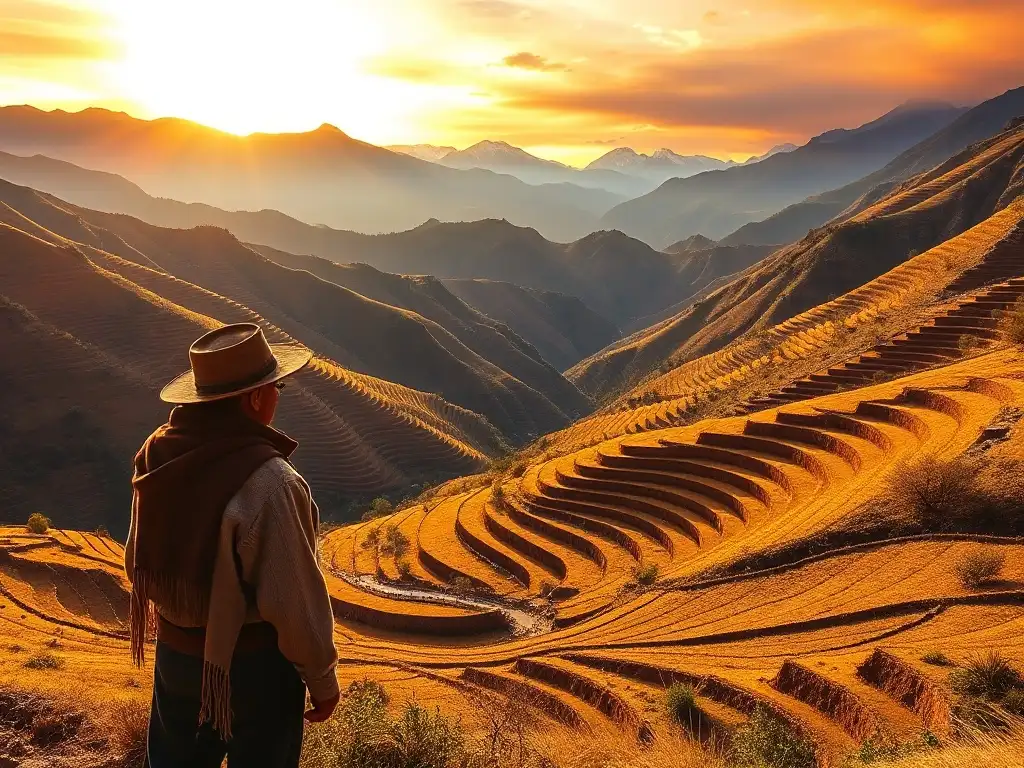
The ingenuity of ancient Andean civilizations in adapting to challenging mountainous terrains is profoundly evident in their sophisticated terrace farming techniques. These weren't merely agricultural solutions; they represented a complex interplay of environmental understanding, social organization, and technological innovation. The legacy of these techniques continues to resonate today, influencing modern agricultural practices and offering valuable lessons in sustainable land management. Understanding the lasting impact of these ancient methods is crucial to appreciating the depth of Andean cultural achievements and their relevance to contemporary challenges. The keyword, "ancient Andean terrace farming techniques," perfectly encapsulates this enduring legacy.
The Influence of Ancient Techniques on Modern Agriculture
Modern agriculture, particularly in mountainous regions, still benefits significantly from principles pioneered by ancient Andean farmers. The creation of terraces, with their carefully constructed retaining walls, dramatically increased arable land in steep slopes. This fundamental concept remains a cornerstone of hillside farming worldwide. Furthermore, the sophisticated water management systems integrated into these terraces – including canals, channels, and reservoirs – provide invaluable insights into efficient irrigation strategies.
These ancient systems often utilized gravity-fed irrigation, minimizing energy expenditure and maximizing water use efficiency, a particularly relevant consideration in today's context of increasing water scarcity. Many contemporary projects aimed at improving agricultural productivity in challenging environments directly draw inspiration from these ancient Andean techniques, adapting and refining them for modern needs. For example, studies on soil erosion control often reference the effectiveness of the ancient Andean methods in preventing topsoil loss, a critical issue in modern agriculture.
Lessons from the Past: Sustainable Agricultural Practices
The ancient Andean terrace farming techniques offer compelling examples of sustainable agricultural practices. The integration of diverse crops within a single terrace system (polyculture) promoted biodiversity and resilience against pests and diseases. This contrasts sharply with modern monoculture farming, which often leads to environmental degradation and increased vulnerability to crop failure. The careful management of water resources, coupled with the use of organic fertilizers derived from animal manure and compost, demonstrates a deep understanding of ecological balance.
This holistic approach minimized environmental impact, promoting long-term soil fertility and reducing the need for external inputs. Analyzing these ancient methods reveals a remarkable level of sustainability that is increasingly relevant in the face of climate change and the growing demand for environmentally friendly agricultural practices. The inherent sustainability of these "ancient Andean terrace farming techniques" provides a valuable blueprint for future agricultural development.
The Resilience of Ancient Andean Agricultural Systems
The resilience of ancient Andean agricultural systems is a testament to their adaptability. These systems proved remarkably resistant to both environmental fluctuations and social upheavals. The terraces themselves provided protection against erosion and flooding, safeguarding crops from the unpredictable Andean weather patterns. The integrated water management systems ensured a reliable water supply, even during periods of drought. Moreover, the diverse cropping systems provided a buffer against crop failures, ensuring food security for the communities that relied on them. This resilience, built into the very fabric of the agricultural landscape, highlights the importance of designing agricultural systems that are not only productive but also capable of withstanding environmental stress and societal changes. The study of the resilience of these "ancient Andean terrace farming techniques" offers valuable lessons for building more robust and sustainable agricultural systems for the future. Understanding their resilience is crucial for adapting to current and future climate challenges.
Preservation and Restoration of Ancient Terraces
The preservation and restoration of ancient Andean terraces are crucial not only for understanding the ingenuity of past civilizations but also for addressing contemporary challenges. These terraces, often built on steep slopes, represent a remarkable feat of engineering and a testament to the adaptability of Andean societies to their environment. However, centuries of neglect, coupled with the impacts of modern agriculture and climate change, have led to the degradation of many terrace systems. Erosion, landslides, and the encroachment of invasive species pose significant threats.
Several initiatives are underway to address these challenges. Archaeological surveys meticulously document the remaining structures, providing crucial information for restoration efforts. Community-based projects often involve local populations in the revitalization of terraces, fostering a sense of ownership and ensuring the sustainability of these efforts.
These projects often incorporate traditional knowledge alongside modern engineering techniques, striking a balance between preserving historical authenticity and ensuring structural integrity. For example, in the Sacred Valley of Peru, communities are working to rebuild sections of Inca terraces using traditional stone-laying techniques, while also incorporating modern drainage systems to prevent waterlogging and erosion. The success of these initiatives relies heavily on securing funding, promoting sustainable agricultural practices, and raising awareness of the cultural and environmental significance of these ancient landscapes.
The long-term preservation of these sites requires a multi-faceted approach involving governments, researchers, and local communities working in concert. Without concerted effort, the invaluable legacy of ancient Andean terrace farming risks being lost forever.
The Importance of Studying Ancient Andean Terrace Farming Techniques for the Future
Understanding ancient Andean terrace farming techniques offers invaluable lessons for addressing contemporary challenges related to food security, climate change adaptation, and sustainable land management. The ingenuity of these past societies in developing sustainable agricultural practices on challenging terrains provides crucial insights for modern agriculture. The effectiveness of terrace farming in conserving water, preventing soil erosion, and promoting biodiversity remains highly relevant in a world facing increasing environmental pressures.
Studying these techniques can inform the development of more sustainable and resilient agricultural systems. For instance, the intricate water management systems employed by the Inca, involving canals, reservoirs, and sophisticated irrigation techniques, offer valuable lessons for improving water-use efficiency in modern agriculture.
Similarly, the careful selection of crops and the use of diverse farming practices employed by ancient Andean societies can inspire modern approaches to crop diversification and pest management. Moreover, the integration of traditional ecological knowledge with modern scientific methods can lead to the development of innovative solutions for sustainable agriculture in challenging environments.
The study of ancient Andean terrace farming techniques is not simply an exercise in historical archaeology; it is a vital resource for informing strategies to build more resilient and sustainable food systems in the face of climate change and population growth. By learning from the past, we can better prepare for the future, ensuring food security and environmental sustainability for generations to come.
Frequently Asked Questions
What is terrace farming?
Terrace farming is an ancient agricultural technique where slopes are cut into a series of level platforms or terraces. This allows for cultivation on steep hillsides, preventing soil erosion and maximizing usable land.
Why did Andean civilizations use terrace farming?
Andean civilizations used terrace farming to increase arable land in mountainous regions. The technique also helped conserve water and reduce soil erosion, crucial for survival in challenging climates.
What were some of the challenges of building and maintaining Andean terraces?
Building and maintaining Andean terraces presented significant challenges, requiring substantial labor and specialized knowledge. Stonework, irrigation systems, and ongoing maintenance were all crucial aspects.
What materials were typically used in Andean terrace construction?
Andean terraces were typically constructed using stone, earth, and sometimes adobe bricks. The specific materials varied depending on local resources and the specific needs of the location.
How did terrace farming impact the development of Andean civilizations?
Terrace farming was essential to the development of Andean civilizations. It provided a sustainable food source, supporting large populations and enabling the growth of complex societies and urban centers.
Final Reflection: Echoes of Ingenuity in a Changing World
The ingenious terrace farming techniques of the ancient Andes remain a potent symbol of human adaptability, a testament to our capacity to overcome seemingly insurmountable environmental challenges, and a crucial lesson for our own era of climate change. These weren't simply agricultural innovations; they were sophisticated systems of water management, soil conservation, and community organization that sustained thriving civilizations for millennia. Their enduring legacy offers a powerful counterpoint to the unsustainable practices that threaten our planet today.
The impact of Andean terrace farming extends far beyond its historical context. These systems continue to inspire contemporary agricultural practices, offering sustainable models for food production in challenging environments. Their success underscores the importance of understanding and respecting the delicate balance of nature. The land was our mother, and we treated her with respect.
– This ancient Andean proverb encapsulates the profound connection between people and their environment that underpins the success of terrace farming, a connection we must re-cultivate in our own time.
Consider the ingenuity of these ancient farmers, their deep understanding of their environment, and their commitment to sustainable practices. You too can cultivate a deeper connection with the earth, embracing sustainable choices in your daily life. From supporting local farmers and reducing food waste to advocating for responsible environmental policies, you can contribute to a future where ingenuity and sustainability work hand-in-hand, echoing the wisdom of the Andean terraces. Let the echoes of their ingenuity inspire you to build a more resilient and sustainable world.
Unveil the Secrets of Resilience!
Thank you for exploring the fascinating world of ancient climate adaptations with us! We've examined how Andean civilizations ingeniously overcame significant challenges, shaping their unique cultures and societies. Now, let's apply these valuable lessons to our lives.
Here are a few ways you can continue to engage with this topic:
- **Adopt** sustainable practices in your daily life. For example, starting a small herb or vegetable garden using techniques inspired by ancient agricultural methods can make a difference.
- **Learn more** about how diverse cultures around the world have overcome climate-related hardships. Share your discoveries with friends, family, or on social media to inspire others.
- Join a local community group focused on sustainability projects. Collaborate with like-minded individuals and contribute to a more sustainable future.
How can the wisdom of ancient civilizations inspire you to meet today's environmental challenges? Share your thoughts in the comments below!