
A Feast for the Senses: Immersive Experiences in Andean Handicraft Markets

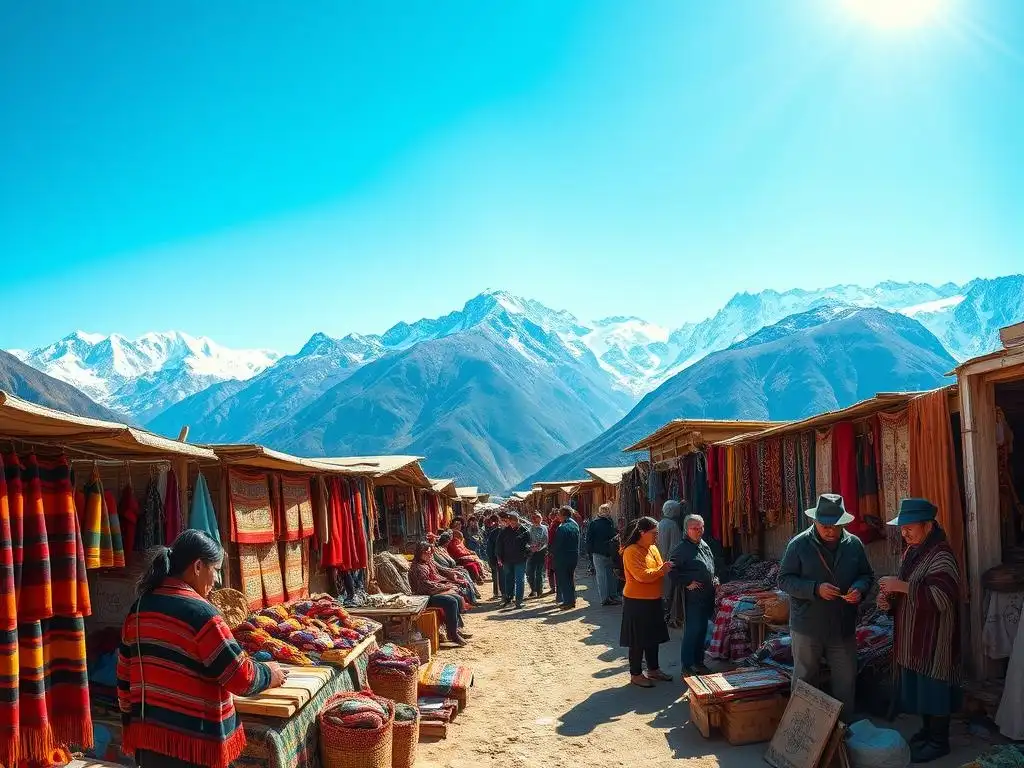
Step into a world lost to time, yet vibrantly alive. Imagine the bustling energy of ancient Andean markets, overflowing with textiles woven with stories, ceramics imbued with ancient spirits, and intricate metalwork whispering tales of forgotten empires. Prepare to be captivated by the rich tapestry of Andean culture as we delve into the immersive experiences awaiting you within the Andean handicraft market. Discover a world where history, artistry, and vibrant traditions intertwine, and uncover the secrets hidden within each meticulously crafted piece. Let your journey begin.
The vibrant tapestry of Andean culture is perhaps nowhere more vividly displayed than in its bustling handicraft markets. These aren't simply places to buy souvenirs; they are immersive experiences that transport you to the heart of ancient traditions, offering a captivating blend of artistry, history, and human connection.
From the intricate textiles woven with ancestral techniques to the delicately crafted ceramics echoing millennia-old designs, a visit to an Andean handicraft market is a journey for the senses, a chance to engage with a living heritage and support the artisans who keep these traditions alive. This article explores the unique sensory experiences awaiting you in some of the best Andean handicraft markets, providing insights to help you plan your own unforgettable adventure and discover the magic behind each handcrafted piece.
We'll delve into the atmosphere, the types of crafts available, and the cultural significance of these vibrant marketplaces, ensuring you're well-prepared for an enriching and authentic Andean experience. Prepare to be captivated by the artistry and the stories woven into every thread and every piece of pottery.
The Allure of Authentic Andean Craftsmanship
The allure of Andean handicraft markets lies in their authenticity. Unlike mass-produced goods, each item tells a story, reflecting the skills and traditions passed down through generations. You'll find textiles showcasing intricate designs, often inspired by Andean mythology and nature.
The vibrant colours, achieved through natural dyes, are a testament to the artisans' deep connection with their environment. Similarly, the ceramics, often sculpted by hand and fired in traditional kilns, possess a unique texture and character, a far cry from the uniformity of factory-made products. The process of creation itself is often visible in the markets, allowing you to witness the dedication and skill involved in crafting these treasures.
This direct connection with the artisans adds a layer of personal meaning to your purchase, transforming a simple transaction into a cultural exchange. You're not just buying an object; you're acquiring a piece of living history, a tangible link to the rich heritage of the Andes.
Sensory Immersion: Sounds, Sights, and Smells of the Market
Visiting an Andean handicraft market is a multi-sensory experience. The vibrant colours of the textiles – deep reds, rich browns, and brilliant blues – immediately capture your attention. The air is filled with the earthy scent of natural dyes and the subtle fragrance of the local herbs and spices often sold alongside the crafts.
The sounds of the market are equally captivating: the rhythmic tapping of a weaver’s loom, the lively chatter of vendors and customers bargaining good-naturedly, and the occasional melodic notes of Andean music playing softly in the background. Even the feel of the handcrafted items – the smooth coolness of polished stone, the soft texture of alpaca wool, the sturdy weight of hand-carved wood – adds to the overall immersion.
This sensory overload is a key part of the appeal, making the experience far more memorable and engaging than simply browsing online or in a sterile shop. It's a feast for all the senses, a true immersion into the heart of Andean culture.
Beyond the Marketplace: Understanding the Cultural Significance
Beyond the tangible beauty of the crafts, understanding the cultural significance adds another layer of depth to the experience. Many designs and motifs found in Andean handicrafts hold symbolic meaning, often representing mythological figures, celestial events, or agricultural cycles. For example, the intricate patterns woven into textiles might tell stories of ancient myths or depict the cycle of life and death.
Similarly, the designs on ceramics might reflect the beliefs and rituals of the local communities. Taking the time to learn about these cultural contexts enriches the experience, transforming a simple shopping trip into a fascinating exploration of Andean history and worldview. Engaging with the artisans and asking about the meaning behind their work is a valuable way to deepen your understanding and appreciation.
This cultural exchange is an integral part of the immersive experience, making the market a place of learning and connection as much as a place of commerce. It's a chance to connect with a living culture and appreciate the enduring legacy of Andean artistry.
Choosing the Right Market for Your Experience
The specific experiences available vary from market to market. Some are larger, more tourist-oriented affairs, offering a wide array of goods and a bustling atmosphere. Others are smaller, more intimate gatherings, providing a more personalized and authentic experience. [Specific market examples and descriptions pending]. The best choice for you will depend on your preferences and the time you have available.
Do you prefer a vibrant, bustling atmosphere or a more intimate setting? Are you looking for a specific type of craft, or are you open to discovering new and unexpected treasures? By considering these factors, you can choose a market that perfectly matches your desired level of immersion and aligns with your personal travel style. Remember to factor in travel time and accessibility when planning your visit, ensuring a smooth and enjoyable experience.
Further Exploration: Types of Andean Crafts
This section will delve into the different types of handicrafts available in Andean markets, including detailed descriptions and examples. [Specific information pending]
- The Allure of Authentic Andean Craftsmanship
- Sensory Immersion: Sounds, Sights, and Smells of the Market
- Beyond the Marketplace: Understanding the Cultural Significance
- Choosing the Right Market for Your Experience
- The Otavalo Market, Ecuador: A Symphony of Textiles
- Pisac Market, Peru: A Blend of Tradition and Modernity
- Chinchero Market, Peru: Weaving Demonstrations and Cultural Exchange
- San Blas Market, Cusco: Artistic Expressions and Spiritual Crafts
- La Paz Witch Market, Bolivia: Unique and Mystical Andean Products
Discovering Authentic Andean Handicraft Market Experiences
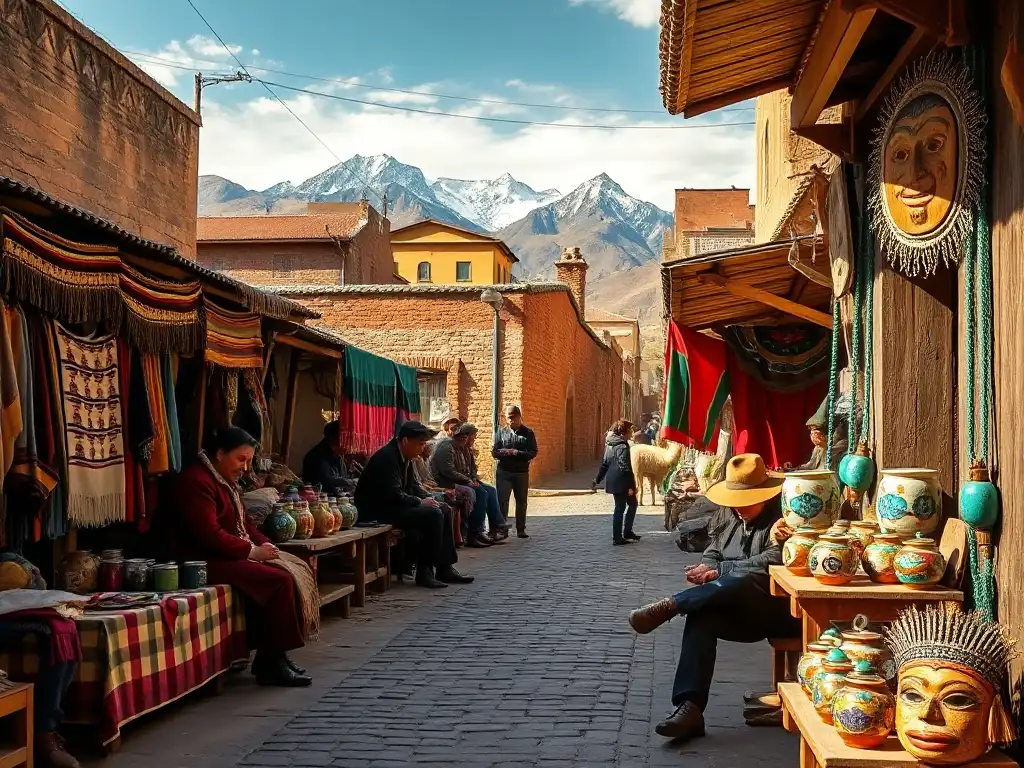
This section delves into the unique aspects of experiencing Andean handicraft markets, moving beyond the simple act of shopping to encompass a deeper understanding of the cultural heritage embedded within each handcrafted item. We'll explore the nuances that make these markets truly immersive and unforgettable, focusing on the sensory experiences that enrich the journey. Authenticity is key; understanding the provenance of the crafts, the techniques employed, and the stories behind them elevates the experience from transactional to transformative.
This is more than just finding a souvenir; it's about connecting with the heart of Andean culture. The vibrant colors, intricate designs, and the palpable energy of these markets create an atmosphere that resonates long after the visit concludes. Choosing to engage with these markets directly supports artisans and their communities, ensuring the continuation of these ancient traditions.
Unveiling the Rich Tapestry of Andean Crafts
Andean craftsmanship is a testament to generations of skill and artistry. The techniques employed, passed down through families for centuries, are remarkably diverse. From the intricate weaving of textiles using natural dyes—like the vibrant reds from cochineal insects or the deep blues from indigo—to the meticulous carving of wood and stone, each piece tells a story.
Consider the chumpi, intricately woven belts symbolizing social status and identity, or the finely detailed kero ceremonial cups, often adorned with intricate designs depicting mythical creatures or scenes from daily life. The materials themselves—alpaca wool, vicuña fiber, precious metals—speak to the region's rich natural resources and the ingenuity of its people. These are not simply objects; they are tangible expressions of Andean cultural identity, each imbued with a unique history and significance.
The diversity is breathtaking: consider the pottery of the Moche, famed for its elaborate depictions of daily life and mythology, compared to the geometric designs of Nazca textiles, or the sophisticated metalwork of the Tiahuanaco civilization. Each region boasts its unique style and specialization, adding to the incredible tapestry of Andean craft.
Why Choose an Immersive Andean Handicraft Market Visit?
An immersive visit to an Andean handicraft market offers far more than just the opportunity to purchase unique items. It's a chance to directly engage with the artisans, learn about their techniques, and appreciate the cultural significance of their work. This direct interaction fosters a deeper understanding and appreciation for the heritage behind each piece.
It's a sensory experience: the vibrant colors, the tactile textures of the materials, the aromas of natural dyes and local foods all contribute to a rich and memorable encounter. Furthermore, choosing to buy directly from artisans ensures fair compensation and supports the preservation of traditional skills and knowledge. This ethical and sustainable approach contributes to the long-term viability of Andean craftsmanship, ensuring these ancient traditions continue to flourish for generations to come.
The opportunity to learn about the history and symbolism behind the crafts adds another layer of depth and meaning to your purchase, transforming a souvenir into a cherished keepsake that tells a story. Consider the feeling of holding a piece of history, a tangible link to a rich and vibrant culture—that's the power of an immersive Andean handicraft market experience. It’s a journey for the senses and the soul, leaving you with memories and treasures that will last a lifetime.
Top Markets for Unforgettable Andean Handicraft Experiences
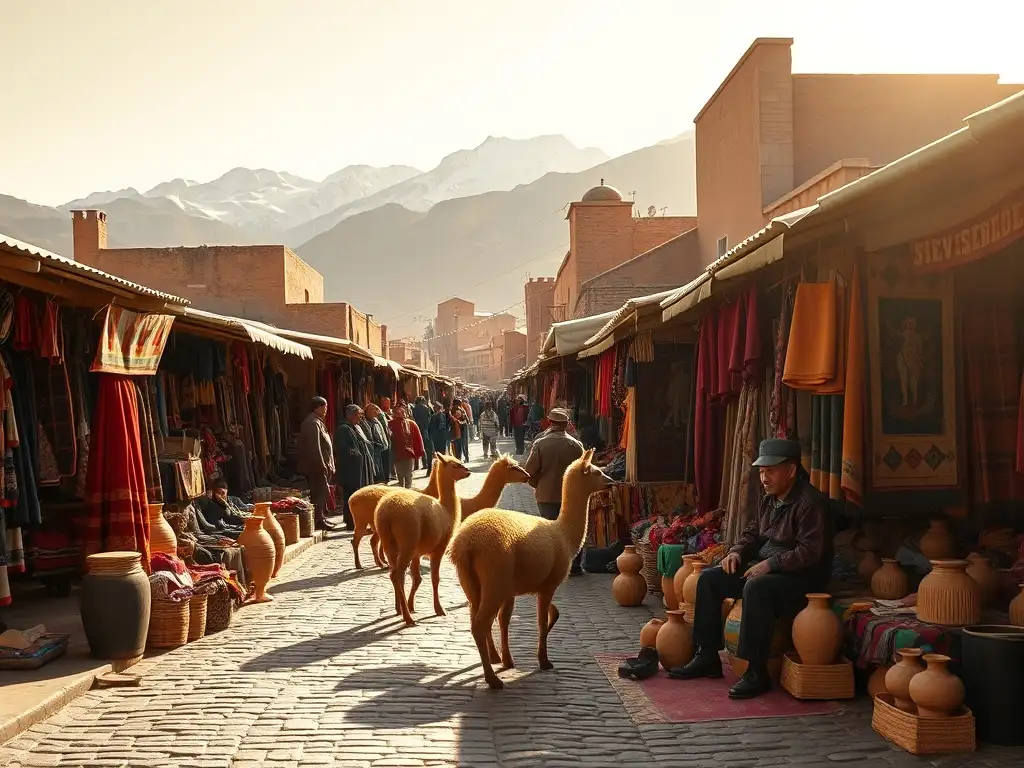
This section delves into some of the most captivating Andean handicraft markets, offering a sensory feast for those seeking authentic cultural immersion and unique artisan treasures. We'll explore the vibrant offerings, unique characteristics, and practical tips for navigating these bustling marketplaces, ensuring you have an unforgettable experience while supporting local artisans. Remember, responsible tourism is key to preserving these rich traditions.
The Otavalo Market, Ecuador: A Symphony of Textiles
The Otavalo Market in Ecuador is legendary. Known worldwide for its stunning textiles, this market is a vibrant display of Andean artistry and cultural heritage. Located in the highlands of Imbabura province, the market's energy is infectious, a kaleidoscope of colors and textures that capture the essence of Ecuadorian craftsmanship.
Vibrant Weavings and Intricate Designs at Otavalo
Otavalo's textiles are renowned for their intricate designs and vibrant colors. Traditional techniques, passed down through generations, are employed to create magnificent pieces, from richly hued ponchos and shawls to finely woven tapestries and intricate wall hangings. The use of natural dyes, derived from plants and minerals found in the region, lends a unique depth and vibrancy to the fabrics.
You'll find everything from everyday clothing items to elaborate ceremonial garments, each telling a story of Andean tradition. The sheer variety is astounding; one could easily spend hours simply admiring the craftsmanship. For example, the intricate designs often incorporate symbolic representations of Andean mythology and cosmology, offering a glimpse into the rich spiritual beliefs of the indigenous communities.
Negotiating Prices and Supporting Local Artisans
While bargaining is customary in Otavalo, it's crucial to do so respectfully. Remember that you are engaging directly with the artisans who created these pieces, often representing generations of family tradition. A fair price reflects the time, skill, and cultural heritage embedded in each item. Instead of aggressively haggling, aim for a mutually agreeable price that fairly compensates the artisan for their work.
Engage in conversation, show genuine interest in their craft, and learn about the techniques and stories behind their creations. This respectful approach not only secures a better deal but also fosters a deeper connection with the local community and ensures the sustainability of their traditional crafts. Consider purchasing directly from the artisans themselves to ensure your money directly supports their livelihood and the preservation of Andean traditions.
[Affiliate Link to Responsible Tour Operators for Otavalo Market]
Pisac Market, Peru: A Blend of Tradition and Modernity
Pisac Market in Peru offers a different, yet equally captivating, Andean handicraft experience. Nestled in the Sacred Valley, near the majestic ruins of Pisac, this market seamlessly blends ancient traditions with modern influences. The atmosphere is lively and engaging, drawing both tourists and locals alike.
Exploring the Colorful Ceramics and Unique Jewelry
Pisac is renowned for its exquisite ceramics and unique jewelry. The pottery, often hand-painted with intricate designs, showcases the vibrant colors and distinctive styles of the region. From functional bowls and plates to decorative figurines and vases, the ceramic artistry is truly remarkable. The jewelry, crafted from silver, alpaca wool, and other local materials, is equally impressive. You'll find everything from delicate earrings and necklaces to more substantial bracelets and pendants, each piece infused with Andean symbolism and cultural significance. Many pieces incorporate traditional motifs, reflecting the enduring connection between the artisans and their heritage.
Finding Authentic Andean Silver and Alpaca Wool Products
Pisac is an excellent place to find authentic Andean silver and alpaca wool products. The silver jewelry often features intricate designs and traditional motifs, while the alpaca wool items, ranging from sweaters and scarves to gloves and hats, are known for their softness and warmth. The quality of the materials and craftsmanship is generally high, reflecting the pride artisans take in their work.
When purchasing silver, look for hallmarks indicating the purity of the metal. For alpaca wool, feel the texture and look for items that are well-made and durable. By carefully examining the materials and craftsmanship, you can ensure you're acquiring genuine, high-quality Andean products.
[Affiliate Link to Peruvian Handicraft Retailer or a Pisac Market Tour]
Chinchero Market, Peru: Weaving Demonstrations and Cultural Exchange
Chinchero market, nestled high in the Andes, offers a truly immersive experience for those seeking authentic Andean handicrafts. More than just a marketplace, Chinchero provides a window into the vibrant cultural heritage of the region, particularly its renowned textile traditions. The air hums with the rhythmic click-clack of looms, a constant soundtrack to the bustling activity.
The market itself is a kaleidoscope of colors, with bolts of vibrant textiles spilling from stalls, showcasing the intricate designs and masterful craftsmanship passed down through generations. The energy is palpable; a blend of ancient traditions and modern commerce. You’ll find not just textiles, but also local produce, ceramics, and other handcrafted items, all infused with the spirit of the Andes.
The experience is further enhanced by the friendly interactions with the artisans, many of whom are happy to share their knowledge and skills. The opportunity to witness firsthand the dedication and artistry involved in creating these pieces is invaluable.
Witnessing Traditional Andean Weaving Techniques
One of the most captivating aspects of the Chinchero market is the opportunity to witness traditional Andean weaving techniques firsthand. Artisans skillfully manipulate their looms, their nimble fingers weaving intricate patterns with remarkable speed and precision. The dyes used are often natural, derived from plants and minerals found in the surrounding landscape, resulting in a stunning array of colors.
Observing these techniques is a masterclass in patience and skill, offering a deep appreciation for the time and effort that goes into each piece. You might even be lucky enough to see the entire process, from the preparation of the wool to the finishing touches on a completed textile. This direct observation transcends a simple shopping experience, transforming it into a cultural immersion.
The sounds, the smells, and the sights all contribute to an unforgettable experience. Many artisans are happy to explain their methods, sharing their generational knowledge and contributing to a richer understanding of Andean culture.
Purchasing Hand-Woven Textiles Directly from Artisans
The opportunity to purchase hand-woven textiles directly from the artisans themselves is a significant advantage of the Chinchero market. This direct interaction not only ensures authenticity but also allows for a more personalized shopping experience. You can engage directly with the creators, learn about their inspiration, and even commission custom pieces.
This personal connection adds a unique dimension to the purchase, transforming a simple textile into a cherished heirloom imbued with a story. By supporting these artisans directly, you contribute to the preservation of their traditions and livelihoods, ensuring the continuation of these invaluable cultural practices. Moreover, the prices are often more competitive than in tourist shops, offering excellent value for money.
[Example of a Specific Textile Product available, e.g., a Chinchero Table Runner]
A stunning example of the craftsmanship found at Chinchero market is the intricately woven table runner. These runners often feature vibrant geometric patterns, reflecting the rich symbolism of Andean culture. The quality of the wool is exceptional, soft and durable, promising years of use and enjoyment. The colors are often deeply saturated, thanks to the use of natural dyes, providing a striking visual impact.
A Chinchero table runner is more than just a household item; it is a piece of art, a testament to the enduring legacy of Andean weaving traditions. It serves as a beautiful reminder of the cultural immersion experienced at the market, a tangible connection to the artisans and their heritage. The detail in the weaving, the richness of the colors, and the overall quality make it a truly special item.
San Blas Market, Cusco: Artistic Expressions and Spiritual Crafts
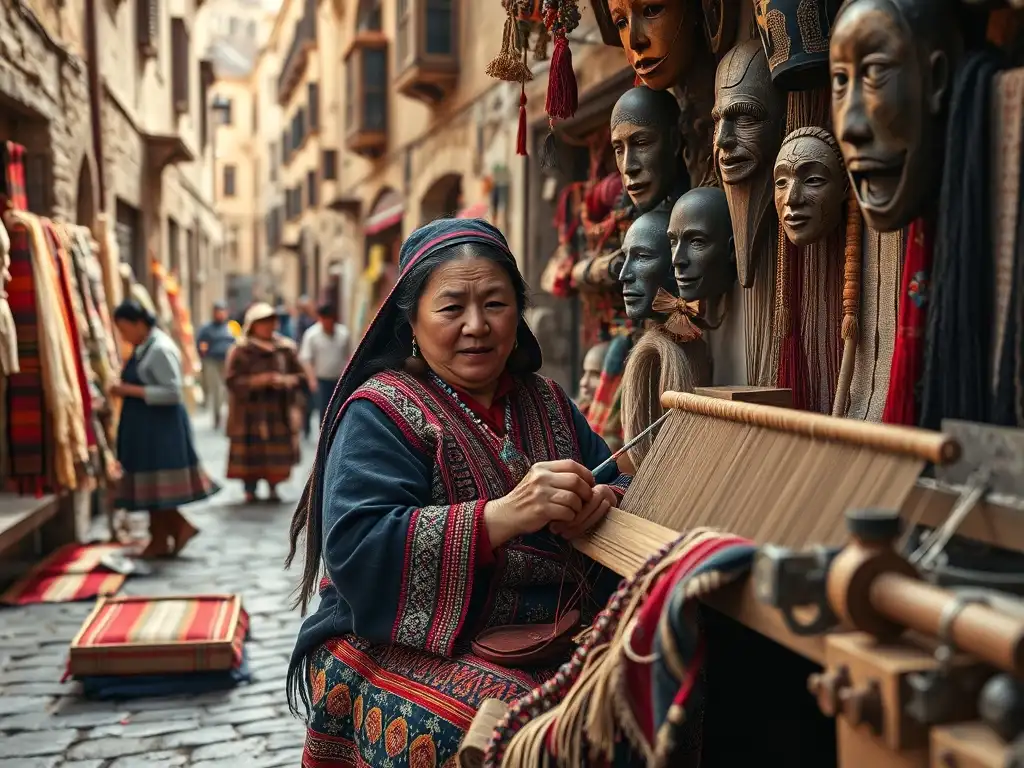
San Blas, nestled within the heart of Cusco, is renowned for its artisan workshops and vibrant market atmosphere. Unlike Chinchero's focus on textiles, San Blas showcases a broader spectrum of Andean artistic expression, with a particular emphasis on religious art, intricate carvings, and spiritual crafts. The narrow, cobblestone streets are lined with workshops where artisans painstakingly create their masterpieces, offering a unique glimpse into their creative process.
The atmosphere is intimate and engaging, allowing for close interaction with the artists and a deeper understanding of their inspiration. The market itself is a labyrinth of creative energy, a vibrant tapestry of colors, textures, and artistic styles.
Discovering Religious Art and Spiritual Artifacts
San Blas is a treasure trove for those interested in Andean religious art and spiritual artifacts. You'll find intricately carved religious figures, often depicting Inca deities or Christian saints, reflecting the syncretism of Andean spirituality. Many pieces incorporate traditional Andean motifs and symbols, adding a layer of cultural significance.
These aren't mass-produced items; each piece is a unique expression of artistry and devotion, crafted with meticulous attention to detail. The artisans often infuse their work with spiritual meaning, making each artifact more than just an object; it's a conduit to a deeper understanding of Andean beliefs and practices. Exploring these crafts provides a fascinating insight into the spiritual heart of Andean culture.
Unique Carvings and Woodwork at the San Blas artisan shops
The wood carvings and woodwork found in San Blas are truly exceptional. Artisans skillfully transform wood into intricate sculptures, masks, and decorative pieces. The level of detail is remarkable, showcasing both technical skill and artistic vision. Many pieces incorporate traditional Andean designs, while others reflect more contemporary styles.
The variety is impressive, ranging from small, delicate carvings to larger, imposing sculptures. The use of different types of wood, each with its unique grain and color, contributes to the overall beauty and diversity of the collection. This variety, coupled with the direct interaction with the artisans, makes San Blas a truly unique and rewarding shopping experience. You can often watch artisans at work, gaining a deeper appreciation for their skills and dedication.
[Affiliate link to a Cusco cultural tour that includes the San Blas market]
[Specific information pending - This section requires an affiliate link to a Cusco cultural tour that includes the San Blas market. The link would need to be provided by the client or through affiliate marketing programs.]
La Paz Witch Market, Bolivia: Unique and Mystical Andean Products
The Mercado de las Brujas, or Witches' Market, in La Paz, Bolivia, offers a truly unforgettable and immersive Andean handicraft experience unlike any other. Nestled in the heart of the city, this vibrant market overflows with a captivating array of goods, far exceeding the typical tourist trinkets. It's a place where the tangible and spiritual worlds intertwine, offering a glimpse into the deeply rooted Andean beliefs and practices.
The air itself hums with a unique energy, a blend of incense, herbs, and the murmur of vendors and curious onlookers. Beyond the usual textiles and ceramics, you'll discover a treasure trove of items imbued with mystical significance, reflecting the rich tapestry of Andean spirituality. Navigating the labyrinthine stalls, you'll encounter a sensory overload—a vibrant cacophony of sights, sounds, and smells that will etch themselves into your memory long after you've left.
The market's atmosphere is a powerful testament to the enduring traditions of Andean culture. It’s a place where history, folklore, and present-day life converge in a captivating display.
Exploring Amulets, Herbs, and Traditional Remedies
Within the Witches' Market, amulets and charms hold a prominent place. These aren't simply decorative items; they are believed to possess potent protective powers and are carefully selected for specific purposes. You'll find amulets crafted from various materials—from intricately carved wood and brightly colored stones to dried herbs and animal parts. Each amulet carries its own unique symbolism and intended effect, reflecting a deep understanding of Andean cosmology and the forces that shape daily life.
Alongside the amulets, a vast array of herbs and traditional remedies are sold. These aren't just for culinary purposes; they are integral to Andean healing practices, used to treat various ailments and maintain overall well-being. Vendors often possess extensive knowledge of the medicinal properties of these plants, passed down through generations.
The potent aromas of these herbs fill the air, creating a heady and intoxicating experience that adds to the market's mystical aura. Understanding the specific uses and significance of each herb requires careful inquiry and respect for the traditions they represent. This is not just a shopping experience; it's a journey into the heart of Andean medicinal knowledge.
Understanding the Spiritual Significance of Andean Ritual Objects
Many of the items sold at the Witches' Market are deeply intertwined with Andean spiritual practices. These objects are not simply decorative; they are tools used in rituals and ceremonies, reflecting a complex system of beliefs and cosmology. For example, the intricate designs found on many textiles often depict Andean deities, mythical creatures, and celestial events.
These designs are not mere aesthetics; they are powerful symbols, carrying spiritual weight and intended to connect the wearer or user with the spiritual realm. Similarly, many of the figurines and sculptures depict important figures from Andean mythology, serving as representations of deities or ancestral spirits. These objects are not merely artistic creations; they are active participants in the spiritual life of the community.
Understanding their significance requires delving into the rich tapestry of Andean beliefs, exploring the intricate relationship between the physical and spiritual worlds. Respectful observation and engagement with the vendors can offer invaluable insights into the profound meaning behind these ritual objects. The market provides a unique opportunity to connect with the living traditions of Andean spirituality.
[Example of a Specific Product, like a dried Llama fetus, and its use in Andean culture - for educational purposes]
One of the most striking, and perhaps controversial, items found at the La Paz Witches' Market is the dried llama fetus, or ichu. While its presence may initially shock some visitors, understanding its significance within Andean culture provides crucial context. The ichu is not simply a morbid curiosity; it holds a powerful symbolic meaning within Andean traditions.
It is believed to possess potent protective and restorative energies, and is often used in rituals aimed at improving fertility, prosperity, or good fortune. It's important to stress that the use of the ichu is deeply rooted in Andean spiritual practices and should be understood within that cultural context. It is not meant to be viewed as simply a macabre object, but rather as a complex symbol with profound spiritual implications.
Its presence within the market highlights the multifaceted nature of Andean traditions and beliefs, demonstrating the interplay of the spiritual and material world in Andean culture. It is crucial to approach this and other potentially sensitive items with respect and a desire to learn from the cultural practices represented. Discussions with knowledgeable vendors can provide invaluable insights into the appropriate and respectful way to understand and engage with such items.
Maximizing Your Andean Handicraft Market Visit
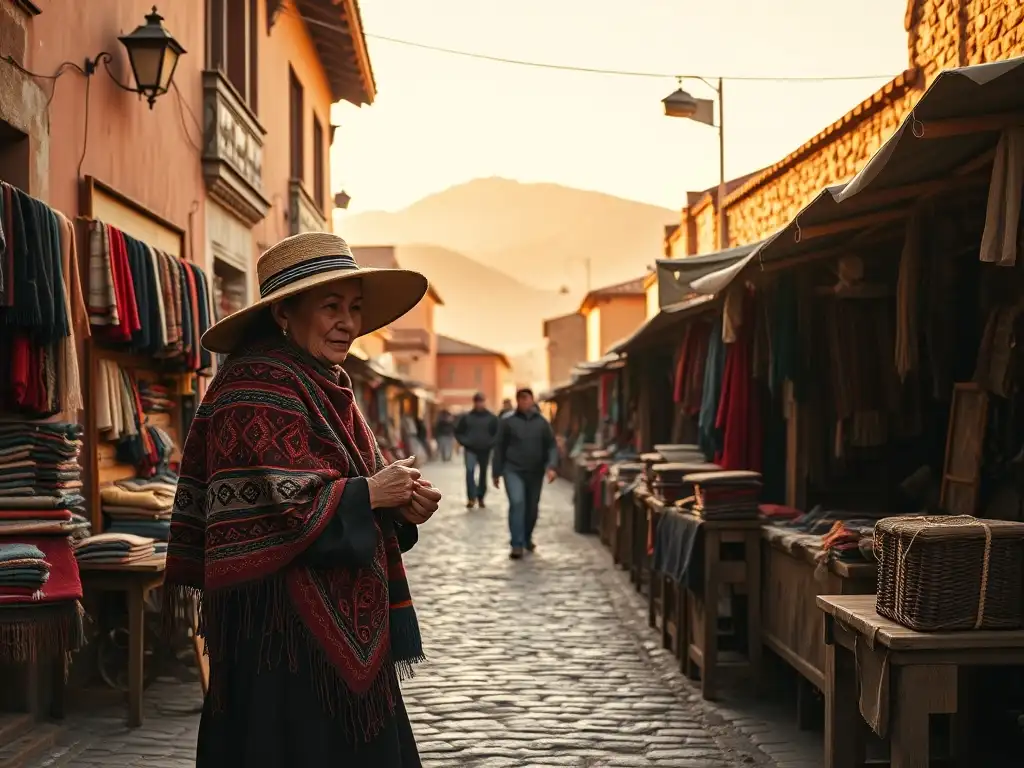
This section focuses on optimizing your experience at Andean handicraft markets, ensuring you get the most out of your visit while supporting local artisans and acquiring authentic pieces. Understanding the nuances of these markets is key to a rewarding experience. From navigating the bustling atmosphere to appreciating the craftsmanship, preparation is essential for a truly immersive journey. We'll explore practical strategies to enhance your engagement with the vibrant culture and artistry of the Andes.
Tips for Negotiating Prices and Supporting Artisans
Negotiating prices is common practice in many Andean handicraft markets. However, it's crucial to approach this respectfully. Avoid aggressive haggling; instead, engage in polite conversation with the artisan, showing genuine interest in their work. Asking about the materials and the time invested in creating the piece helps establish a rapport and demonstrates your appreciation for their skill. Remember, these artisans often rely on their craft for their livelihood. A fair price supports their families and preserves traditional techniques.
Here's a structured approach to price negotiation:
- Start with a polite greeting: A simple "Buenos días" or "Hola" goes a long way.
- Express genuine interest: Comment on a specific detail you admire about the piece.
- Make a reasonable offer: Start with a slightly lower price than you're willing to pay, but not insultingly low. Research average prices beforehand to gauge a fair offer.
- Be polite and patient: Negotiation is a conversation, not a battle. Be prepared for some back-and-forth.
- Accept the price or politely decline: If you can't reach an agreement, thank the artisan for their time and move on.
Consider these additional tips for supporting artisans:
- Buy directly from the artisans: This ensures they receive the full benefit of the sale.
- Purchase multiple items: This often allows for a better price per item and supports the artisan more significantly.
- Tip generously: A small tip, especially for intricate or time-consuming work, is a thoughtful gesture.
- Learn a few basic Quechua phrases: This shows respect and can enhance your interactions.
Identifying Authentic Andean Handicrafts from Mass-Produced Goods
Distinguishing genuine Andean handicrafts from mass-produced imitations requires a keen eye and some knowledge. Authenticity is not just about aesthetics; it’s about preserving cultural heritage and supporting sustainable practices. Many factors contribute to the authenticity of a piece, including materials, techniques, and the artisan's story.
Here’s a guide to help you spot the difference:
| Feature | Authentic Andean Handicraft | Mass-Produced Imitation |
|---|---|---|
| Materials | Natural fibers (alpaca, llama, vicuña wool), hand-dyed using natural pigments, locally sourced wood and stones. | Synthetic materials, mass-produced dyes, generic materials. |
| Craftsmanship | Handwoven, hand-painted, hand-carved, showcasing unique imperfections and variations. | Machine-made, uniform appearance, lacking individual character. |
| Design | Traditional motifs, reflecting Andean symbolism and cultural heritage. | Generic designs, often lacking cultural significance. |
| Price | Generally higher, reflecting the time, skill, and materials involved. | Significantly lower, due to mass production and cheaper materials. |
| Artisan Story | Often, the artisan can provide insights into the creation process and the cultural significance of the piece. | Often no information or a generic origin story. |
Remember, imperfections are often a sign of authenticity. Handcrafted items will have slight variations, unlike mass-produced goods. Look for subtle details, such as the weaving technique or the unique brushstrokes in a painting.
The Importance of Respectful Interaction with Local Cultures
Visiting Andean handicraft markets is an opportunity to immerse yourself in a rich and vibrant culture. Respectful interaction is paramount to ensure a positive experience for both you and the local community. This involves understanding and adhering to cultural norms and customs, demonstrating sensitivity to local traditions and beliefs. Remember, you are a guest in their community.
Consider these points for respectful interaction:
- Dress modestly: Avoid revealing clothing.
- Learn basic Quechua phrases: Even a few words show respect and willingness to engage.
- Ask permission before taking photos: Some artisans may not want their image or work photographed.
- Bargain respectfully: Avoid aggressive haggling.
- Be mindful of your impact: Dispose of waste responsibly and avoid disturbing the environment.
- Support local businesses: Patronize local restaurants and other businesses during your visit.
By embracing respectful interactions, you contribute to a positive and mutually beneficial exchange, making your Andean handicraft market experience both enriching and memorable. This respectful approach enhances the overall experience and fosters a deeper appreciation for the cultural heritage of the Andes. 🌎
Continuing Your Andean Exploration Beyond the Market
After immersing yourself in the vibrant colors, intricate designs, and rich textures of an Andean handicraft market, you might find yourself wanting to delve even deeper into the fascinating world of Andean art and culture. The experience of browsing through handcrafted textiles, ceramics, and jewelry is just the beginning of a journey into understanding the history, techniques, and artistry behind these incredible creations. This section provides resources to continue your exploration and deepen your appreciation for Andean heritage.
Further Resources for Learning about Andean Art and Culture
The Andean region boasts a breathtaking tapestry of cultural expressions, and exploring beyond the market offers a chance to uncover even more layers of its rich history. Many museums and cultural centers throughout the Andes showcase impressive collections of pre-Columbian artifacts, providing a deeper understanding of the techniques and symbolism embedded within the handicrafts you encountered. For example, the Museo Larco in Lima, Peru, houses an extensive collection of Moche pottery, revealing the sophisticated artistry and narrative power of this ancient civilization.
Similarly, museums in Cusco and Arequipa offer glimpses into Inca artistry and the evolution of Andean craftsmanship over centuries. Beyond museums, consider seeking out local artisans' workshops. Witnessing firsthand the processes involved in creating these objects—from the sourcing of raw materials to the final touches—offers an invaluable perspective and fosters a deeper connection to the cultural heritage.
Engaging with local communities and learning about their traditions through guided tours or cultural immersion programs can also significantly enhance your understanding and appreciation for Andean art and culture. Remember to support ethical and sustainable tourism practices, ensuring that your exploration contributes positively to the preservation of Andean heritage. This mindful approach allows for a more enriching and respectful experience, fostering a deeper appreciation for the artistry and cultural significance of Andean handicrafts.
Recommended Reading: Books on Andean History and Handicrafts
To further enrich your understanding of Andean handicraft market experiences, consider exploring the wealth of literature available on the subject. Books offer a more in-depth perspective on the history, techniques, and cultural significance of the crafts you've encountered. Here are a few suggestions categorized by focus:
- History and Archaeology: Several books provide detailed accounts of the Inca Empire and other Andean civilizations, offering context for the artifacts you've seen. These often include stunning visuals of ancient textiles, ceramics, and goldwork, enhancing your understanding of their historical significance.
- Textile Arts: Dedicated volumes explore the intricate techniques of Andean weaving, dyeing, and embroidery, highlighting the symbolism and artistry embedded within the textiles. These books often showcase examples of traditional patterns and motifs, allowing you to appreciate the complexity and skill involved in their creation.
- Ceramics and Pottery: Similarly, books focusing on Andean ceramics and pottery delve into the history, styles, and techniques used in creating these iconic objects. They often illustrate the diverse regional styles and the evolution of ceramic production throughout the Andes.
- Contemporary Andean Art: Don't overlook books highlighting contemporary Andean artists who continue to produce stunning handicrafts, drawing inspiration from traditional techniques while incorporating modern influences. These books showcase the enduring legacy of Andean artistry and its ongoing evolution.
[Affiliate Link to Relevant Books on Amazon or another retailer]
[This section would contain an affiliate link to relevant books on a retailer such as Amazon. Due to the limitations of this response format, I cannot provide a working link. However, a selection of relevant books could be listed here, with each title linked to its Amazon page (or equivalent). This would be beneficial to readers wanting to purchase these books and would also generate affiliate revenue for the website.]
Frequently Asked Questions
What makes Andean handicraft markets unique?
Andean markets offer a truly immersive experience, blending vibrant traditional crafts with the energy of local culture. You'll encounter unique textiles, pottery, and jewelry, often created using ancient techniques.
Where are the best Andean handicraft markets located?
Cusco, Peru, and Otavalo, Ecuador, are renowned for their bustling markets. Smaller, more intimate markets can be found throughout the Andes, offering diverse regional crafts. Research specific locations based on your interests.
What kind of handicrafts can I expect to find?
Expect a wide range, from intricate textiles and hand-woven clothing to detailed ceramics and silver jewelry. Many items incorporate traditional Andean designs and symbolism.
Are the prices negotiable in Andean markets?
Generally, yes, bargaining is expected and even encouraged in many Andean markets. Approach negotiations respectfully and with a smile, remembering that these are often family businesses.
How can I ensure I'm supporting ethical practices when buying handicrafts?
Look for artisans' cooperatives or shops that clearly state their commitment to fair trade practices. Ask questions about the materials and origins of the handicrafts to ensure ethical sourcing.
Final Reflection: Weaving Threads of Culture and Commerce
The vibrant tapestry of Andean handicraft markets isn't merely a place to shop; it's a living testament to centuries of tradition, innovation, and cultural resilience. These markets, brimming with color, texture, and the scent of ancient dyes, offer a profound connection to a rich heritage that continues to thrive in the modern world. Their survival and continued evolution in the face of globalization is a powerful story of adaptation and enduring artistry.
The immersive experience of these markets goes beyond the acquisition of a beautiful textile or intricately carved piece; it's about witnessing the human story behind each creation. It's about understanding the deep-rooted connection between the artisan, their craft, and the land that nourishes them. The hands that create are the hands that preserve,
a wise artisan once told me, and these words resonate deeply with the enduring spirit of Andean craftsmanship. The impact of these markets extends beyond the economic, shaping cultural identity and fostering a sense of community that is both inspiring and humbling.
Consider the stories woven into each piece you encounter. Imagine the generations of knowledge passed down through families, the intricate techniques honed over lifetimes, the dedication to preserving ancient traditions in a rapidly changing world. You, the traveler, the shopper, the observer, are now part of this story. By supporting these markets, you not only acquire beautiful and unique items but also contribute to the preservation of a vital cultural heritage. Let the vibrant energy of these markets inspire you to seek out authentic experiences and support the artisans who keep these traditions alive.
**Dive into the Heart of Andean Culture! **
Thank you for exploring the enchanting world of Andean handicraft markets with us! We hope you've discovered the beauty and vibrancy of these immersive experiences. Let's deepen your appreciation of Andean culture.
Here's how you can engage further:
- **Plan your trip! ** Discover an authentic Andean market, perhaps in a nearby city, or plan a trip to South America for an unforgettable experience.
- **Share your insights! ** Connect with us on social media and share your favorite aspects of Andean culture using the hashtag #AndeanArtistry. We'd love to see your photos and hear your stories!
- **Support local artisans! ** Purchasing handmade crafts online directly supports these talented artisans and helps preserve their rich heritage. Consider buying a unique piece to cherish and support their work.
We'd love to hear your thoughts: **What aspect of Andean handicrafts intrigues you most? ** Perhaps the intricate weaving techniques, the vibrant colors, or the stories behind the pieces themselves?