
The Inca System of Taxation: How the Empire Sustained Itself


Step into a world lost to time, yet echoing with the ingenuity of a civilization that defied the Andes' harsh landscape. Imagine a society so advanced it built a vast empire on a complex system of intricate roads and ingenious agriculture. But how did the mighty Inca Empire sustain itself? Unravel the secrets behind their remarkable taxation system, a pivotal element in their enduring legacy, and discover how it shaped their society and fueled their breathtaking achievements. Prepare to be amazed by the intricacy and effectiveness of a system that ensured the Inca Empire's prosperity for centuries.
- The Inca Empire Taxation System: Sustaining a Vast Civilization
- Types of Taxes in the Inca Empire
- How the Inca Collected Taxes
- Impact of the Inca Taxation System
- The Effectiveness and Limitations of the Inca Tax System
- The Legacy of the Inca Taxation System
- Conclusion: The Inca Empire's Fiscal Genius
-
Frequently Asked Questions
- What was the most important source of tax revenue for the Inca Empire?
- How did the Inca Empire manage its vast resources collected through taxation?
- Did the Inca Empire use monetary taxation?
- What types of goods were commonly collected as taxes by the Inca?
- How did the Inca's taxation system contribute to the empire's success?
- Final Reflection: The Enduring Legacy of Inca Taxation
- Uncover the Secrets of Inca Sustainability!
The Inca Empire Taxation System: Sustaining a Vast Civilization
The Inca Empire, a vast and sophisticated civilization that flourished in the Andes Mountains from the 15th to the 16th century, achieved remarkable feats of engineering, social organization, and political control. A crucial element underpinning this success was its intricate and efficient system of taxation. Unlike the monetary systems of other empires, the Inca Empire's economic structure relied on a complex interplay of reciprocity and redistribution, cleverly woven into the fabric of its social and political organization.
This system, far from being simply a method of resource extraction, served as a powerful tool for social cohesion, infrastructure development, and the maintenance of imperial power. Understanding the Inca taxation system provides crucial insight into the workings of this remarkable empire and its lasting legacy.
This article will delve into the specifics of this unique system, examining its foundations, mechanisms, and impact on the daily lives of the Inca population. We will explore how the Inca Empire successfully leveraged its taxation system to not only sustain itself but also to foster a level of societal stability rarely seen in other ancient civilizations.
Introduction to Inca Economic Organization
The Inca economy wasn't based on money in the way we understand it today. Instead, it operated on a system of ayllu, a communal organization where land and resources were collectively owned and managed. Each ayllu was responsible for contributing its surplus production to the state. This wasn't seen as taxation in the modern sense, but rather as a reciprocal obligation within a tightly knit social structure.
The Inca state, in turn, provided essential services and resources to the ayllu, including infrastructure projects like roads and irrigation systems, and the provision of food and other necessities during times of hardship. This system of reciprocal exchange was further reinforced by the mita, a form of labor tax that required citizens to dedicate a portion of their time to working on public projects. This wasn't just about extracting labor; it was a form of social participation that strengthened community bonds and fostered a sense of collective responsibility. The Inca leadership skillfully managed this system, ensuring a steady flow of resources to support the empire's needs while maintaining social harmony.
The efficient distribution of resources, facilitated by an extensive network of storehouses called qollqas, played a crucial role in the empire's stability and resilience. The system also ensured a degree of social safety net, providing for the needs of the elderly, infirm, and those affected by natural disasters. This intricate web of reciprocal obligations and redistribution formed the bedrock of the Inca economy.
The Basis of the Inca Taxation System: Reciprocity and Redistribution
The Inca taxation system, built upon principles of reciprocity and redistribution, was far more nuanced than simple tribute. It encompassed several key aspects:
- Agricultural Surplus: The primary source of revenue was the surplus agricultural production from the ayllus. Each ayllu was expected to contribute a portion of its harvest to state granaries. The type and quantity varied depending on the region's productivity and the specific needs of the empire. This system ensured food security for the entire empire, providing for the needs of the army, government officials, and those who were unable to provide for themselves. Accurate records were kept, ensuring fair distribution and preventing exploitation.
- Labor Tribute (Mita): The mita wasn't just a form of taxation; it was a fundamental aspect of Inca social organization. It involved citizens dedicating a portion of their time to public works projects, ranging from construction of roads and irrigation canals to mining and textile production. The mita ensured the continuous development and maintenance of essential infrastructure, further strengthening the empire's power and reach. While demanding, it also provided opportunities for skill development and social mobility.
- Specialized Crafts and Goods: Beyond agricultural produce and labor, the Inca state also collected specialized crafts and goods. This included textiles, ceramics, metalwork, and other valuable items. These were often produced by skilled artisans who were organized into specialized workshops. The state controlled the distribution of these goods, ensuring their availability to the entire empire.
The efficient management and redistribution of these resources were facilitated by a highly organized bureaucracy. This bureaucracy oversaw the collection, storage, and distribution of goods, ensuring that the needs of the empire were consistently met. The effectiveness of this system is evidenced by the empire’s ability to sustain its vast population and infrastructure for an extended period.
The Inca’s ability to balance the needs of the empire with the needs of the individual ayllus was a key factor in their success. The system, while demanding, fostered a sense of collective responsibility and shared prosperity, contributing significantly to the stability and longevity of the Inca Empire.
Types of Taxes in the Inca Empire
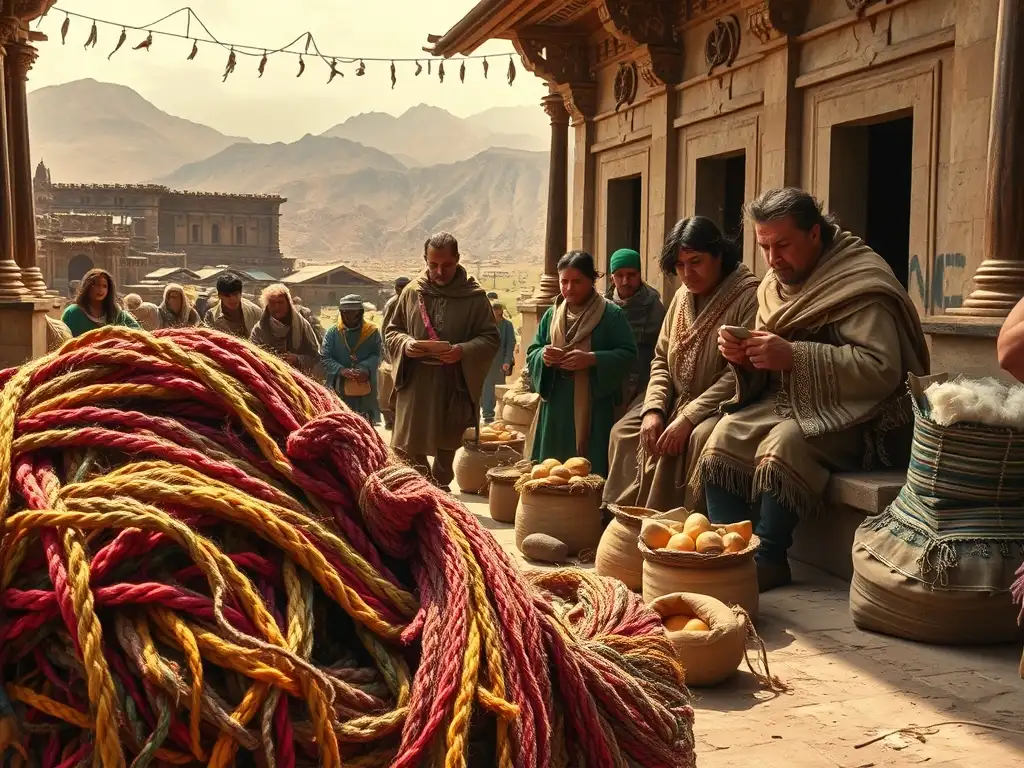
The Inca Empire, renowned for its sophisticated organization and vast territorial reach, relied on a robust and multifaceted taxation system to sustain its power and infrastructure. Unlike many other ancient civilizations that primarily relied on monetary taxation, the Inca system was predominantly based on labor and the contribution of goods, reflecting the empire's unique socio-economic structure and its emphasis on communal obligation. Understanding the Inca Empire taxation system is crucial to grasping the empire's remarkable achievements and its long-lasting impact on Andean societies.
This intricate system, far from being arbitrary, was carefully calibrated to meet the needs of the state while maintaining a delicate balance of power and resource allocation across the diverse regions under Inca rule. The effectiveness of this system contributed significantly to the Empire's longevity and prosperity. Let's delve into the specifics.
The Mita: Mandatory Labor Service
The mita was the cornerstone of the Inca Empire's taxation system. It wasn't simply a tax; it was a fundamental aspect of Inca social organization, a form of civic duty that bound the population to the state. The mita obligated able-bodied individuals to dedicate a portion of their time to public works projects, ranging from the construction of roads and temples to agricultural endeavors on state-owned lands.
The duration and type of mita service varied depending on factors such as geographic location, individual skills, and the specific needs of the empire. For example, individuals living near mines might be conscripted for mining operations, while those in agricultural regions could contribute to state-controlled farms.
The implementation of the mita was highly organized. Local officials, appointed by the Inca government, meticulously recorded the labor contributions of each individual and community. This meticulous record-keeping ensured equitable distribution of labor burdens and prevented exploitation.
While the mita system could be demanding, it also provided a sense of communal purpose and ensured the maintenance of essential infrastructure and resources crucial for the empire's functioning. The system's success lay in its integration into the social fabric, making it a cornerstone of Inca identity and societal cohesion. Failure to participate in the mita could result in severe penalties, underscoring the system's importance to the Inca state.
Agricultural Tax: Contributions of Produce
Beyond the labor obligations of the mita, the Inca Empire also collected significant taxes in the form of agricultural produce. This agricultural tax, a crucial component of the Inca Empire taxation system, required communities to contribute a portion of their harvests to the state. The type and quantity of produce varied based on local agricultural capabilities and the needs of the empire.
Surplus crops, such as corn, potatoes, quinoa, and coca leaves, were collected and stored in strategically located state granaries. These granaries served as vital reserves, ensuring food security for the empire and providing resources for the army, government officials, and religious institutions.
The distribution of these resources was managed through a complex logistical system. The Inca government utilized a sophisticated network of roads and storage facilities to efficiently transport agricultural goods across the vast empire. This effective logistics system was essential not only for collecting taxes but also for responding to emergencies such as droughts or famines.
The agricultural tax, therefore, was more than just a revenue stream; it was a critical element in the empire's overall strategy for economic stability and social welfare. The system’s efficiency enabled the Inca to maintain control and prevent local shortages, even during times of hardship. This demonstrates the effectiveness of the Inca’s agricultural tax collection system.
Textile Tax: Weaving for the State
In addition to labor and agricultural products, the Inca Empire also collected taxes in the form of textiles. Weaving was a highly valued skill in Inca society, and textile production played a significant role in the empire's economy. The textile tax, part of the broader Inca Empire taxation system, required communities to contribute woven fabrics of varying qualities and purposes. Fine textiles, often adorned with intricate designs, were reserved for the Inca elite and religious ceremonies, while coarser fabrics were used for clothing, blankets, and other practical purposes.
The quality of the textiles contributed directly to the tax's value. This ensured a consistent supply of high-quality textiles for the Inca elite and religious institutions, bolstering the prestige and power of the ruling class. The system also facilitated the distribution of clothing and other necessities to the wider population, ensuring social stability.
Furthermore, the Inca textile tax supported a significant portion of the empire's artisans and weavers. This created economic opportunities within the empire and helped maintain a skilled workforce capable of producing high-quality goods. The systematic organization of this tax, therefore, played a crucial role in maintaining the economic and social fabric of the Inca Empire.
Other Forms of Tribute: Mining, Craftwork, and Military Service
The Inca Empire's sophisticated taxation system wasn't solely reliant on agricultural produce. A significant portion of the empire's wealth and manpower stemmed from other forms of tribute, intricately woven into the fabric of daily life. These contributions, while diverse, served the same overarching purpose: to sustain the vast Inca state and its intricate infrastructure. The system ensured the continuous flow of resources necessary for the construction of monumental projects, the maintenance of a large army, and the overall administration of the empire. Failure to contribute was considered a grave offense, often resulting in severe punishment.
The extraction of precious metals like gold and silver from mines across the empire formed a crucial element of the Inca taxation system. Miners, often organized into mita labor groups, were obligated to dedicate a significant portion of their time to extraction, with the output directly benefiting the state. This wasn't simply a matter of extracting raw materials; skilled artisans were also employed in the refinement and crafting of these metals into intricate objects for religious ceremonies, royal adornment, and prestigious gifts to solidify alliances.
The control over these valuable resources provided the Inca state with both economic power and symbolic authority. The quality and quantity of the mined materials were carefully monitored, with inspectors ensuring that the tributes met the expected standards. Records, often kept using quipus, detailed the output of each mine and the contributions of individual miners.
Beyond mining, the Inca Empire’s taxation system encompassed a wide range of craftwork. Skilled artisans, from potters and weavers to metallurgists and stone masons, were expected to contribute a portion of their creations to the state. This ensured a continuous supply of high-quality goods for the Inca elite, religious institutions, and the army. The intricate textiles, finely crafted pottery, and meticulously worked metal objects not only served practical purposes but also served as powerful symbols of Inca power and prestige.
The demand for these goods varied depending on the needs of the empire, with fluctuations in production dictated by the state’s requirements. This system fostered a highly skilled artisan class, but it also ensured that the state controlled the production and distribution of valuable goods. The specialization of labor within the ayllu community played a crucial role in this aspect of the taxation system.
Finally, military service constituted a significant form of tribute within the Inca Empire. Able-bodied men were expected to serve in the army for a set period, contributing to the empire’s defense and expansion. This wasn't merely a matter of conscription; military service also provided valuable training and experience, contributing to the empire's formidable military capabilities.
The Inca army was a crucial component of the state's power, enabling the expansion of its territories and the maintenance of control over its vast domain. The commitment to military service was considered a civic duty, reflecting the interconnectedness between individual obligations and the overall well-being of the empire.
While the exact length of service varied depending on circumstances, the commitment to military duty was a substantial contribution in the overall context of Inca taxation. This ensured the sustained strength and stability of the Inca military machine, a key element in maintaining control over such a vast and diverse empire.
How the Inca Collected Taxes
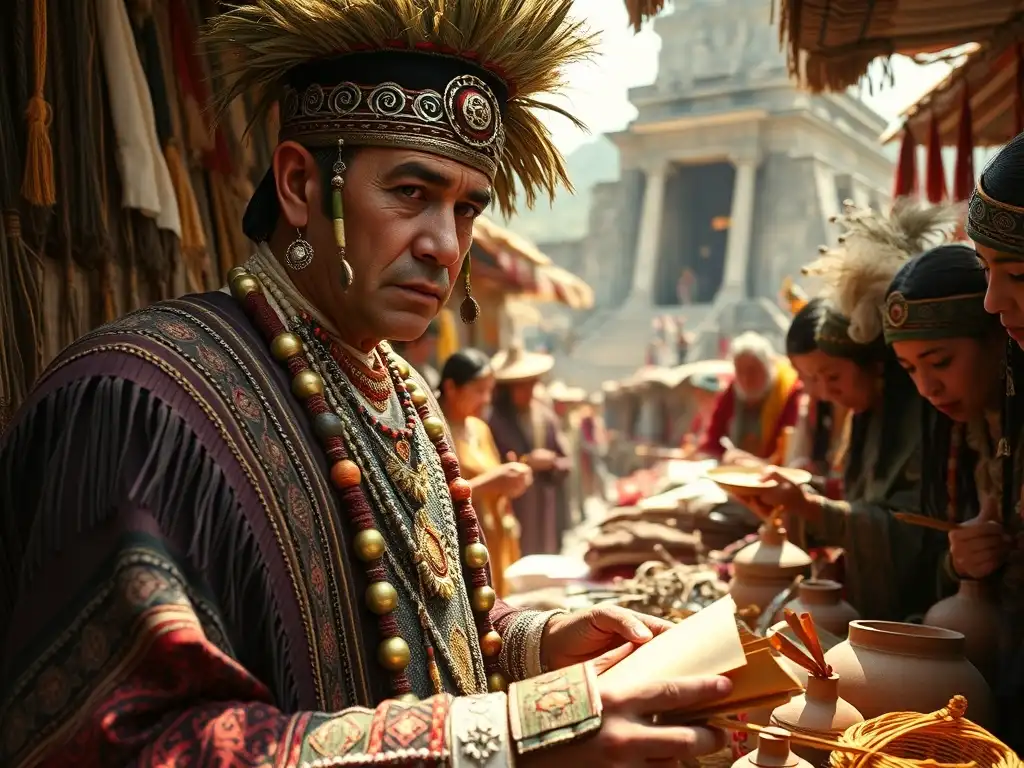
The Inca Empire, renowned for its sophisticated infrastructure and centralized administration, relied on a highly organized system of taxation to sustain its vast empire. Unlike monetary systems used by other civilizations, the Inca system primarily operated on a mita system, a form of labor tribute, supplemented by tribute in the form of goods. This intricate system ensured the continuous flow of resources necessary for the empire's functioning, from monumental construction projects to the sustenance of its vast population and army.
Understanding the Inca Empire taxation system reveals a complex interplay of political power, social organization, and economic management. The efficiency of this system was a key factor contributing to the Inca's remarkable expansion and enduring legacy. The Inca Empire taxation system was not simply about extracting resources; it was a fundamental element of the empire's social contract, binding different communities to the ruling elite.
The Role of the Curacas in Tax Collection
The success of the Inca Empire taxation system heavily depended on the curacas, local leaders who governed smaller administrative units within the empire. These individuals, often from pre-Inca nobility, were crucial intermediaries between the imperial government and the common people. Their role in tax collection was multifaceted. They were responsible for organizing the mita labor assignments, ensuring that the required number of individuals from their communities participated in the designated projects.
Furthermore, the curacas oversaw the collection of goods, meticulously recording the quantities and types of tribute gathered from their subjects. Their accurate reporting was vital for the empire's central administration. Failure to meet quotas could result in severe repercussions, highlighting the curacas' crucial role and the pressure they faced to maintain compliance.
The curacas weren't simply tax collectors; they were also responsible for distributing resources within their communities, ensuring a degree of fairness and preventing widespread discontent. This system, while effective, also maintained a delicate balance of power, requiring the Inca to carefully manage their relationships with the curacas to prevent rebellion or corruption. The relationship between the Inca and the Curacas was a dynamic one, constantly negotiated and renegotiated.
Inca Accounting and Record-Keeping: The Quipu System
The Inca Empire lacked a written language in the conventional sense. However, they developed an ingenious system of record-keeping using quipus, intricate arrays of knotted strings. These quipus weren't merely decorative; they were sophisticated accounting tools capable of recording vast amounts of numerical data. In the context of taxation, quipus played a vital role in tracking the collection and distribution of goods and labor.
Different colors and knot patterns represented various items, quantities, and locations. Trained quipucamayocs (keepers of the quipus) were responsible for creating, interpreting, and maintaining these records. Their expertise was essential for the accurate monitoring of tax collection across the vast empire. The quipu system allowed for a level of precision and efficiency unheard of in other contemporaneous societies, facilitating the smooth functioning of the Inca's complex administrative apparatus.
While the exact methods of interpreting quipus remain a subject of ongoing research, their importance in the Inca Empire taxation system is undeniable. They represent a remarkable achievement in pre-Columbian technology and demonstrate the Inca's capacity for sophisticated record-keeping and data management. The complexity of the quipu system is only beginning to be fully understood, revealing its sophistication and the advanced mathematical capabilities of Inca civilization.
Storage and Distribution of Taxed Goods
Once collected, taxed goods were meticulously stored in strategically located qollqas (storehouses). These structures, often built into hillsides or cliffs, were designed for optimal storage and preservation. The qollqas formed a vast network across the empire, ensuring that resources were readily available when and where needed. This efficient storage system was crucial for managing the fluctuating supply of agricultural products and other goods.
The Inca administration oversaw the distribution of these stored goods to support public works projects, sustain the army, provide for the elite, and assist communities during times of scarcity. This redistribution mechanism acted as a form of social safety net, minimizing the risk of widespread famine or unrest. The organization and management of the qollqas required significant logistical expertise and coordination, demonstrating the Inca's mastery of resource management and their commitment to social welfare.
The careful planning and execution of this system were essential for maintaining stability and ensuring the continued prosperity of the empire. The distribution system also served as a mechanism to reinforce the authority of the Inca and its centralized power. The ability to provide for the population during times of need solidified the Inca’s legitimacy and ensured their continued power.
Impact of the Inca Taxation System
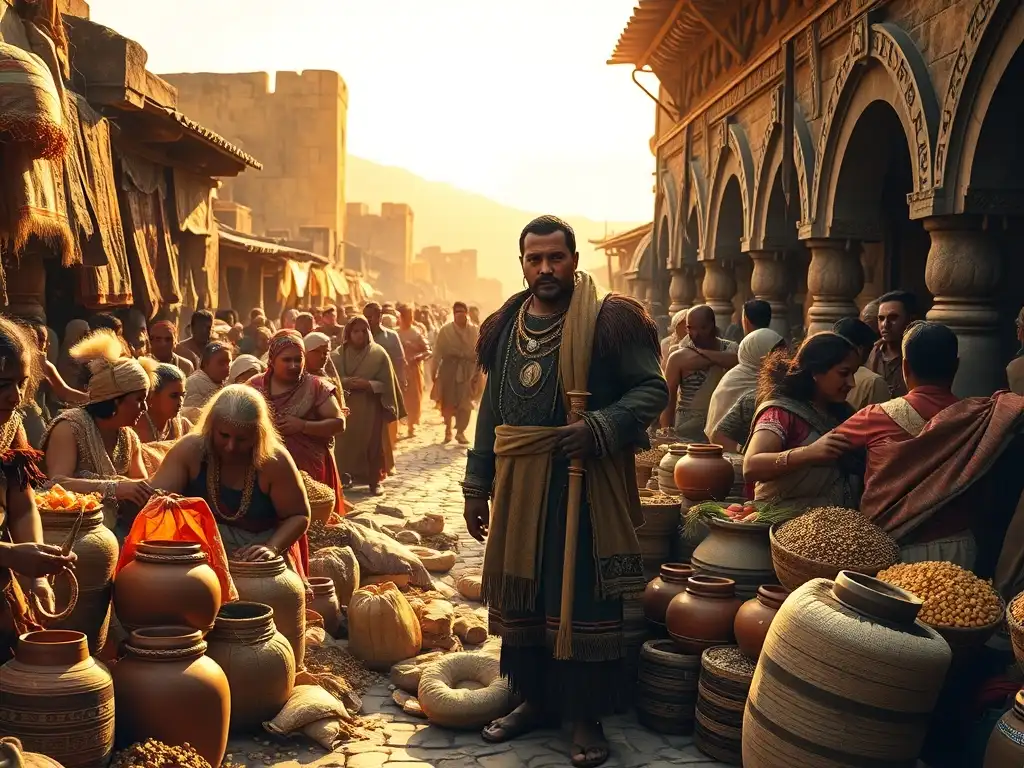
The Inca Empire, renowned for its sophisticated organization and vast territorial expanse, relied on a highly structured and efficient taxation system to maintain its power and sustain its population. This system, far from being a simple extraction of resources, played a crucial role in shaping Inca society, funding monumental projects, supporting the elite, and providing social welfare. Understanding the Inca Empire taxation system is key to comprehending the empire's longevity and influence.
The system's effectiveness stemmed from its integration with the mita labor system and a complex network of storage facilities and distribution channels. This intricate web ensured the flow of resources from across the empire to its central authority and ultimately benefited the entire population, albeit unevenly.
The key to its success lay in its adaptability and its ability to extract resources while maintaining social stability, a delicate balance that ensured the empire's prosperity for centuries. Analyzing the impact of this system reveals its multifaceted nature and its significant contribution to the Inca civilization's achievements.
Funding of Public Works and Infrastructure
The Inca Empire's impressive infrastructure – its network of roads, qhapaq ñan, irrigation systems, and monumental architecture – was largely financed through the taxation system. The ayllu, the basic socio-economic unit, contributed labor and resources, directly or indirectly, to these projects. This wasn't solely about extracting resources; it was a system of reciprocal obligation. While the ayllu provided the labor and materials, the completed infrastructure benefited the entire community, improving agriculture, transportation, and communication.
For example, the construction of the extensive road system, a marvel of engineering, required immense manpower and resources. The mita system, a form of mandatory labor service, was crucial in mobilizing the workforce. Taxation, in the form of material contributions like stone, timber, and food supplies for the workers, supplemented the labor force.
This ensured the continuous building and maintenance of these vital arteries of the empire. The efficient organization of resources, facilitated by the taxation system, allowed for the creation of such monumental projects that are still visible today, a testament to the scale and effectiveness of Inca governance. Moreover, the precise organization of labor, materials, and financial resources, all facilitated by the taxation system, ensured the timely completion of these projects, minimizing disruptions and maximizing their impact.
Support for the Inca Elite and Military
A significant portion of the tax revenue supported the Inca elite and the vast imperial military. This included the provision of food, clothing, and other necessities for the Sapa Inca, his court, and the numerous officials who managed the empire's vast bureaucracy. The military, a crucial element in maintaining control over such a large territory, also received considerable resources through the taxation system.
The Inca army, a formidable force, required constant provisioning. This included food supplies for soldiers on campaigns, the maintenance of weapons and equipment, and the construction of fortifications. The taxation system ensured a steady flow of resources to support these needs, allowing the empire to maintain its military strength and defend its borders.
The precise allocation of resources to the military, carefully managed through the taxation system, demonstrates the Inca's strategic understanding of the importance of military strength in maintaining imperial control and ensuring the empire's continued prosperity. Further research is needed to quantify the exact proportion of tax revenue dedicated to military expenditures, but it's clear that it constituted a substantial portion.
While primarily used to fund public works and support the elite, the Inca taxation system also played a role in providing social welfare and disaster relief. In times of famine, drought, or other natural disasters, the state's granaries, filled through taxation, provided essential food supplies to affected communities. This aspect highlights the system's role in maintaining social stability and preventing widespread suffering.
The state's centralized control over resources, enabled by the taxation system, allowed for effective distribution of aid during crises. The network of storage facilities across the empire ensured that food and other necessities could be quickly transported to those in need. This proactive approach to disaster relief served not only as a humanitarian measure but also as a means of preventing social unrest.
The Inca's ability to respond effectively to crises, facilitated by their efficient taxation system, contributed to the empire's remarkable stability and longevity. Further analysis of Inca records could illuminate the specific mechanisms employed for disaster relief, providing a more detailed understanding of this crucial aspect of their societal structure. The system was not simply extractive; it possessed inherent mechanisms for social safety nets, ensuring the well-being of the population and furthering the stability of the Inca Empire.
The Effectiveness and Limitations of the Inca Tax System
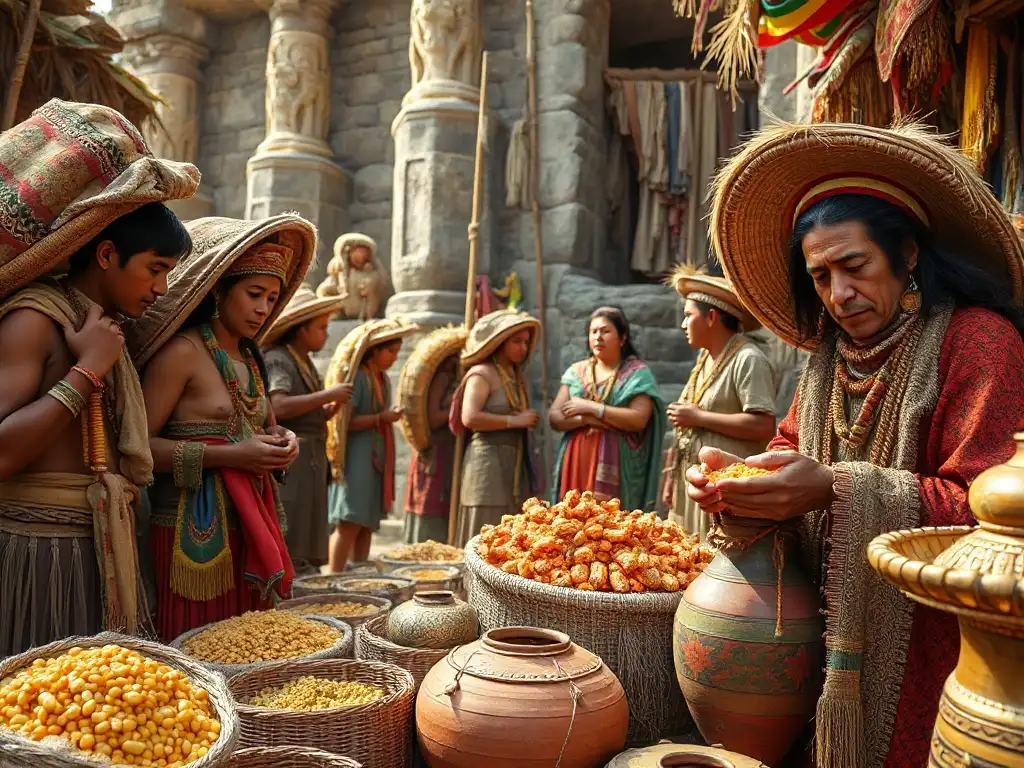
The Inca Empire, renowned for its sophisticated infrastructure and centralized governance, relied on a highly organized taxation system to sustain its vast empire. This system, far from being solely monetary, encompassed a complex network of labor contributions, agricultural yields, and resource extraction, intricately woven into the fabric of Inca society. Understanding its effectiveness requires analyzing both its strengths and inherent weaknesses. The Inca Empire taxation system, while undeniably powerful in its reach, was not without its flaws. Its success hinged on a delicate balance between centralized control and localized autonomy, a balance that was sometimes strained.
Strengths of the System: Stability and Efficiency
One of the most significant strengths of the Inca tax system was its remarkable stability and efficiency. The mita, the core of the system, ensured a consistent flow of resources and labor to support imperial projects, from monumental construction like Machu Picchu to the vast network of roads connecting the empire. This system wasn't arbitrary; it was meticulously planned and implemented.
Each ayllu (community) was assigned specific tasks and quotas based on its capacity and resources, ensuring a fair (at least in theory) distribution of the burden. This predictability fostered a degree of stability, allowing for long-term planning and the execution of ambitious projects that solidified the empire's power and influence. The system's efficiency stemmed from its integration into the social fabric; it wasn't a separate entity but an integral part of daily life, minimizing administrative overhead.
The quipu, the complex knotted-cord system, played a crucial role in recording and managing tax obligations, showcasing the advanced accounting capabilities of the Inca. This sophisticated record-keeping facilitated accurate assessment and distribution of resources, contributing significantly to the system's effectiveness.
Weaknesses of the System: Potential for Abuse and Inequality
Despite its strengths, the Inca Empire taxation system was not without its flaws. The potential for abuse and inequality was a significant weakness. While the mita aimed for equitable distribution of labor, the reality often fell short.
Local officials, tasked with overseeing the collection and allocation of resources, could exploit their position, demanding excessive labor or diverting resources for personal gain. This led to resentment and potential rebellion, especially in regions far from the imperial center. Furthermore, the system’s rigidity could exacerbate existing inequalities.
Wealthier ayllus might have been able to negotiate more favorable terms or even evade their obligations entirely, while poorer communities bore a disproportionate share of the burden. The lack of a truly monetary system meant that the value of contributions was largely determined by the imperial administration, potentially leading to unfair assessments and exploitation. The system's dependence on local officials also created vulnerabilities; corruption and arbitrary enforcement could undermine the overall fairness and efficiency of the system.
Comparison with Roman Tax Systems
Comparing the Inca Empire taxation system to the Roman system reveals interesting parallels and differences. Both empires relied on a combination of direct and indirect taxation, adapting their methods to the specific needs and resources of their respective territories. The Roman system, however, was more heavily reliant on monetary taxation, while the Inca system primarily utilized labor and goods. The Roman system, with its complex bureaucracy and standardized currency, offered greater flexibility but also suffered from higher administrative costs and greater potential for corruption.
The Inca system, while less flexible, was arguably more integrated into the social structure, minimizing administrative overhead but potentially leading to greater inequality. Both systems, however, demonstrate the importance of a well-organized tax system for sustaining a large and powerful empire. While the Roman system relied on sophisticated legal frameworks and a complex bureaucratic apparatus, the Inca system leveraged its unique social organization and advanced record-keeping techniques.
The ultimate effectiveness of each system depended heavily on factors such as political stability, administrative competence, and the degree of integration between the ruling class and the populace. Further research is needed to fully quantify the economic impact of each system and draw more definitive conclusions on their relative successes and failures. However, the comparisons highlight the diverse approaches empires have taken to secure the resources necessary for their survival and expansion.
The Legacy of the Inca Taxation System
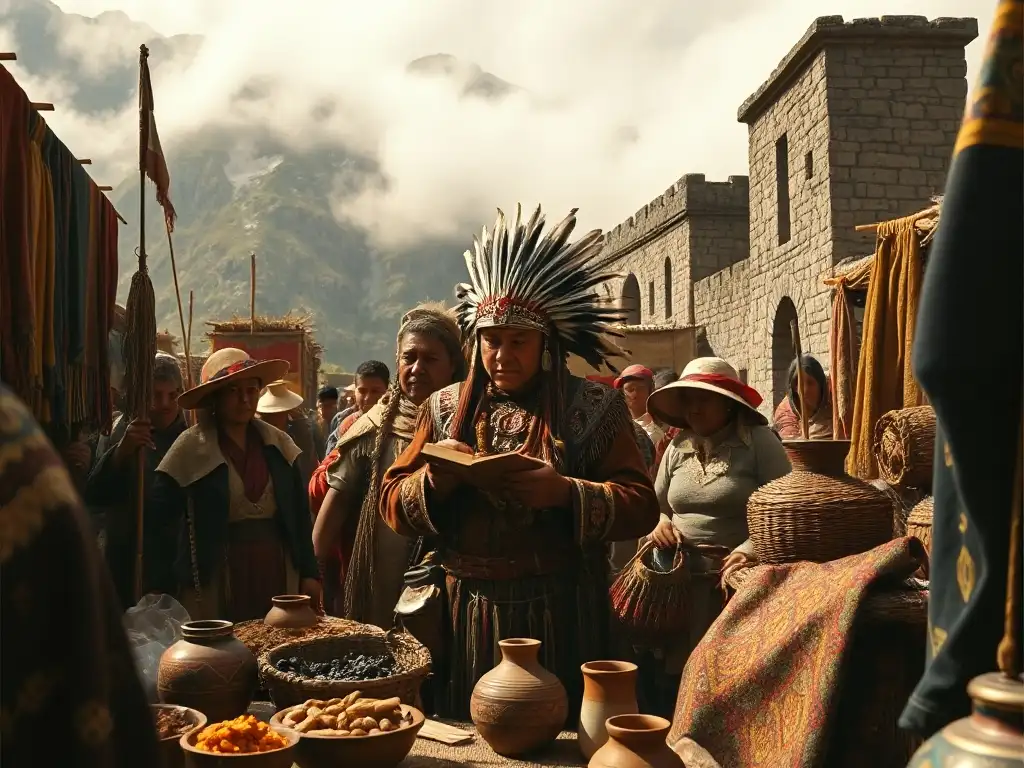
Influence on Later Andean Societies
The Inca Empire's sophisticated taxation system, based on mita and tribute, left an undeniable mark on subsequent Andean societies. While the Inca state collapsed in the 16th century, the fundamental principles of organized labor and resource redistribution continued to influence the way Andean communities functioned for centuries. The Spanish conquest, while disrupting the existing system, inadvertently adapted certain aspects of it to their own colonial administration. The repartimiento system, for instance, although brutally exploitative, shared some structural similarities with the mita, relying on compulsory labor to extract resources.
This demonstrates the enduring power of the Inca model, even under drastically different circumstances. The system's resilience highlights its effectiveness in managing a vast and diverse empire. Even today, certain communal work practices and resource-sharing traditions in the Andes can be traced back to the Inca's highly organized approach to taxation and resource management.
The legacy isn't just about direct imitation; it's about the enduring impact of a centralized system on the cultural and economic fabric of the region. Studies of indigenous communities reveal subtle, yet significant, echoes of the Inca's fiscal policies in contemporary Andean society. This enduring influence underscores the profound impact of the Inca taxation system on the long-term development of the Andean region.
Lessons for Modern Resource Management
The Inca Empire's remarkably efficient taxation system offers valuable lessons for modern resource management. Their ability to effectively collect and redistribute resources across a vast and diverse territory, while maintaining social stability, is a testament to their organizational prowess. The system's emphasis on ayllu participation and communal responsibility fostered a sense of shared ownership and accountability, minimizing waste and maximizing efficiency. This contrasts sharply with some modern systems where individual gain often overshadows collective well-being.
The Inca system's adaptability—its ability to adjust to varying environmental conditions and local needs—is another key takeaway. The flexibility built into the mita system, allowing for adjustments based on seasonal demands and local capacity, is a lesson in sustainable resource utilization. Modern resource management strategies could benefit from incorporating such adaptability and community-based approaches.
Furthermore, the Inca's focus on long-term sustainability, evident in their agricultural practices and infrastructure projects, is a stark reminder of the need for responsible resource allocation in the face of growing environmental challenges. Analyzing the Inca’s success provides a rich case study in sustainable resource management, highlighting the importance of community involvement and long-term planning. The Inca Empire's approach offers a compelling counterpoint to modern extractive models, emphasizing the benefits of shared responsibility and sustainable practices.
Conclusion: The Inca Empire's Fiscal Genius
The Inca Empire's taxation system wasn't merely a mechanism for extracting resources; it was a sophisticated instrument of state power and social engineering. Its success lay in its intricate integration with the social fabric of the empire, leveraging the ayllu system to ensure both efficiency and social cohesion. The mita, far from being simply a form of forced labor, acted as a crucial element of a larger system that provided essential public works, infrastructure development, and social welfare.
This intricate system, based on reciprocal obligations and community participation, allowed the Inca Empire to flourish for over a century. The ability to mobilize vast quantities of labor for large-scale projects, like road construction and agricultural improvements, showcases the system's effectiveness. The Inca’s understanding of resource management, combined with their sophisticated administrative capabilities, created an economic powerhouse capable of supporting a vast population and a complex infrastructure.
The study of the Inca taxation system, therefore, offers invaluable insights into the complexities of empire building, resource management, and the enduring legacy of a remarkable civilization. The Inca Empire's fiscal genius remains a compelling subject for study, illuminating not only the past but also offering valuable lessons for the future. The Inca Empire's success in managing its resources serves as a powerful example of effective governance and sustainable practices.
Frequently Asked Questions
What was the most important source of tax revenue for the Inca Empire?
The labor tax, known as mita, was the cornerstone of the Inca economy. It required able-bodied citizens to dedicate a portion of their time to public works projects or service to the state. This provided the Empire with a massive workforce.
How did the Inca Empire manage its vast resources collected through taxation?
The Inca implemented a sophisticated centralized system of storage and distribution. Warehouses, known as qollqas, were strategically located throughout the empire to store surplus agricultural products and other goods collected as taxes. This ensured efficient allocation of resources.
Did the Inca Empire use monetary taxation?
No, the Inca did not utilize a monetary system in the same way as many other civilizations. Their system was primarily based on labor and goods rather than currency. Tribute was paid in the form of produce, textiles, and services.
What types of goods were commonly collected as taxes by the Inca?
The Inca collected a wide variety of goods, including agricultural products like maize, potatoes, and coca leaves; textiles like wool and cotton cloth; and metals such as gold and silver. The specific goods varied depending on the region and its resources.
How did the Inca's taxation system contribute to the empire's success?
The Inca's efficient and effective tax system allowed for the construction of vast infrastructure projects, supported a large standing army, and fostered a degree of social stability and economic prosperity. This centralized control over resources was crucial to the empire's expansion and longevity.
Final Reflection: The Enduring Legacy of Inca Taxation
The Inca Empire's sophisticated system of taxation wasn't merely a mechanism for resource extraction; it was the very bedrock of its unprecedented societal stability and expansive growth. Understanding this intricate system offers crucial insights into effective governance, resource management, and the complex interplay between power and societal well-being, lessons still relevant in our modern world grappling with issues of equitable distribution and sustainable development.
The Inca's innovative approach to taxation, far from being exploitative, fostered a sense of communal responsibility and reciprocal obligation. This system, built on the principle of ayni (reciprocal labor) and mita (labor tax), ensured the construction of vast infrastructure projects, supported religious ceremonies, and provided for the empire's vast population. The Inca state, through its control of labor and resources, was able to create a highly organized and productive society.
This quote highlights the system's effectiveness, but also prompts us to consider the ethical implications of such centralized control in the context of modern governance and resource allocation.
Consider the implications of the Inca system for your own life. How can we, in our own communities and societies, foster a sense of shared responsibility and equitable distribution of resources? What innovative approaches can we develop to ensure sustainable development and social well-being, drawing inspiration from the ingenuity and, yes, even the flaws, of the Inca system? Let the legacy of Inca taxation inspire you to think critically about the systems that shape our world and to actively participate in building a more just and sustainable future.
Uncover the Secrets of Inca Sustainability!
Thank you for exploring the fascinating world of Inca taxation! By learning about this remarkable empire's self-sufficiency, you've gained valuable insights into innovative resource management and societal organization. Now, let's put that knowledge to work!
Here are a few ways you can deepen your understanding and share your newfound knowledge:
- **Dive Deeper:** Compare the Inca taxation system to those of other ancient civilizations, such as the Roman Empire or the Mayan city-states. What made the Inca approach unique?
- **Join the Conversation:** Share this article with friends and colleagues interested in history or sustainable practices. Let's spread awareness of the Inca civilization's remarkable achievements.
- **Engage with Us:** Join our upcoming discussion forum on the Andean Civilizations website to connect with fellow enthusiasts and historians. We'll be exploring various aspects of Andean history and culture.
How might sustainable taxation practices from the Inca era inform and improve our modern economies?