
Decoding the Inca Trail: Essential Tips for a Successful Trek

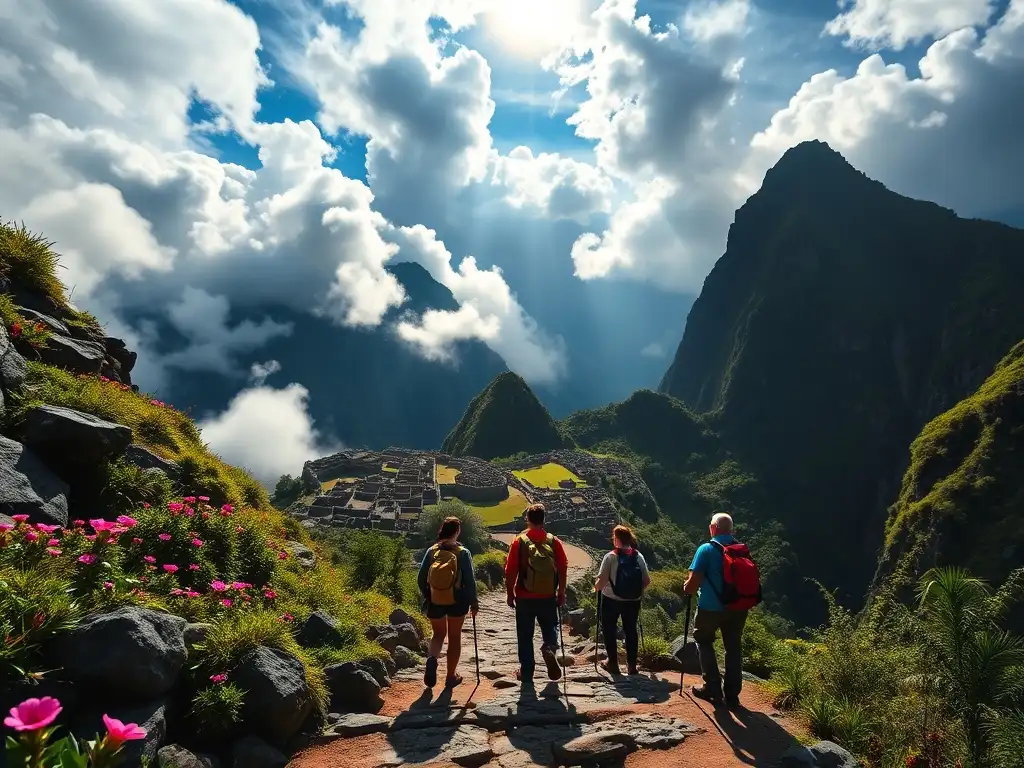
Step into a world lost to time, yet echoing with the whispers of empires past. Andean Civilizations unveils the mysteries of the Andes, from the breathtaking artistry of the Nazca lines to the ingenious engineering of the Incas. But before you delve into the depths of their history, prepare for an adventure of your own. This journey begins with Inca Trail trekking tips – essential knowledge to ensure your expedition is as unforgettable as the civilization itself. Dare to discover the secrets waiting for you amongst the towering peaks and ancient ruins?
Embarking on the Inca Trail trek is a dream for many adventurers, a journey to the heart of Inca history and breathtaking Andean landscapes. This iconic trail, winding its way to the majestic Machu Picchu, demands careful planning and preparation. This guide provides essential tips for a successful Inca Trail trekking experience, ensuring you not only reach the Lost City of the Incas but also enjoy the journey itself.
We'll cover everything from securing permits – a crucial first step – to packing the right gear and understanding the unique challenges of trekking at high altitude. Successfully navigating the Inca Trail requires meticulous preparation, and this article aims to equip you with the knowledge and strategies to make your trek both memorable and safe. Let's delve into the details to unlock the secrets of a rewarding Inca Trail adventure.
Planning Your Inca Trail Adventure: A Step-by-Step Guide
Planning your Inca Trail trek effectively is paramount for a smooth and enjoyable experience. This involves several key steps that, if overlooked, can significantly impact your journey. From securing permits well in advance to understanding the trail's physical demands, a well-structured plan is your passport to success. Let's break down the essential stages of planning your Inca Trail adventure.
Securing Your Inca Trail Permits: A Must-Do
Obtaining your Inca Trail permits is the most crucial first step. These permits are limited and often sell out months, even a year, in advance. Failure to secure a permit will prevent you from trekking the classic Inca Trail. The process typically involves booking through a reputable tour operator who handles the permit acquisition on your behalf.
It's vital to start this process as early as possible to avoid disappointment. Remember, procrastination can cost you your Inca Trail experience! Consider the time of year and the expected crowds when planning your trek. The peak season is typically during the dry months, attracting a higher number of trekkers.
Essential Gear for Your Inca Trail Trek
Packing the right gear is critical for a comfortable and safe Inca Trail trek. The Andean climate can be unpredictable, ranging from sunny and warm to cold and rainy, requiring a versatile layering system. Furthermore, the trail itself demands sturdy footwear and a well-fitting backpack. Let's examine the essential gear items you should include in your pack.
Hiking Boots: Finding the Right Support for the Trail
Your hiking boots are your most important piece of equipment. Choose sturdy, well-broken-in boots that provide ample ankle support. Avoid using new boots for the trek, as blisters are a common problem. Opt for boots with good traction suitable for varying terrains, from rocky paths to muddy sections. Proper boot fit is crucial; ill-fitting boots can lead to serious discomfort and injuries.
Backpack: Choosing the Right Pack for Your Inca Trail
Selecting the appropriate backpack is vital. A well-fitting, comfortable backpack will significantly improve your experience. Choose a backpack with a capacity suitable for your needs (typically 50-70 liters), ensuring it distributes weight evenly. Consider features like hip belts and adjustable straps for added comfort and support during long days of trekking. A well-organized backpack will also enhance efficiency throughout your journey.
Layering Clothing System: Adapting to Andean Weather
The Andean weather is notoriously unpredictable. A layering system is essential to adapt to fluctuating temperatures. Pack lightweight thermal base layers, fleece mid-layers, and a waterproof and windproof outer shell. Don't forget warm layers for colder evenings and mornings. Quick-drying fabrics are recommended to help manage moisture and prevent discomfort.
Trekking Poles: Enhancing Stability and Reducing Strain
Trekking poles significantly enhance stability, especially on uneven terrain and steep inclines. They reduce strain on your knees and ankles, helping to prevent injuries. Adjustable poles are preferable, allowing you to customize the length according to the terrain. Consider lightweight yet durable poles made from carbon fiber or aluminum.
Hydration: Staying Hydrated on the Inca Trail
Staying adequately hydrated is crucial at high altitudes. Carry sufficient water bottles or a hydration reservoir. Water purification tablets or a filter are also recommended, as water sources along the trail may not always be safe for drinking. Dehydration can lead to altitude sickness, so maintaining proper hydration levels is paramount.
Other Essential Gear: Don't Forget These Items
Besides the items mentioned above, don't forget essentials like sunscreen, sunglasses, a hat, insect repellent, a first-aid kit, a headlamp or flashlight, and a camera to capture the stunning scenery. Remember to pack a reusable water bottle to minimize your environmental impact. A small, lightweight towel is also a valuable addition. Careful consideration of these seemingly smaller items can make all the difference in your trekking experience. Remember to check the weather forecast before you go and adjust your packing list accordingly.
Physical Preparation for the Inca Trail
The Inca Trail trek demands a significant level of physical fitness. It's not a leisurely stroll; it's a challenging multi-day hike involving steep inclines, uneven terrain, and high altitude. Ignoring this crucial aspect can lead to injury, exhaustion, and a less-than-enjoyable experience. Proper preparation is key to successfully conquering the Inca Trail and fully appreciating the breathtaking scenery. Think of it as an investment in your own well-being and the ultimate reward of reaching Machu Picchu.
Training Regimen: Preparing Your Body for the Demands
Begin your training regimen at least six months before your trek. This allows ample time to gradually increase your endurance and strength. Focus on cardiovascular exercises like hiking with a weighted backpack, running, or cycling. Incorporate strength training exercises targeting your legs, core, and upper body. Aim for at least three to four training sessions per week, progressively increasing the intensity and duration. Remember to simulate the conditions of the Inca Trail as much as possible.
Practice hiking uphill with a weighted backpack to mimic the strenuous ascents. Consult a physical therapist or trainer for a personalized plan tailored to your fitness level. Don't forget to include rest days to allow your body to recover and rebuild muscle tissue. Consistent and gradual training is far more effective than sporadic intense workouts. Listen to your body and adjust your training based on your progress and any discomfort experienced.
Acclimatization: Adjusting to the Altitude
Altitude sickness is a real concern on the Inca Trail, as significant portions of the trek are at high altitudes. Acclimatization is crucial to mitigate the risk. Ideally, spend at least two to three days at a moderate altitude (around 8,000-10,000 feet) before starting the trek. This allows your body to adjust to the thinner air and reduce the likelihood of experiencing altitude sickness symptoms such as headache, nausea, and shortness of breath.
During acclimatization, avoid strenuous activity and drink plenty of water. Gradual ascent is also recommended; don't jump straight from sea level to high altitude. Remember, every individual reacts differently to altitude, so listen to your body and adjust your plans accordingly. If you experience severe symptoms, descend immediately and seek medical attention.
Nutrition: Fueling Your Body for the Trek
Proper nutrition is paramount for enduring the physical demands of the Inca Trail. Your diet should be rich in carbohydrates for sustained energy, protein for muscle repair, and healthy fats for overall health. Start incorporating nutritious meals into your training regimen well in advance of your trip. Practice consuming high-energy snacks like trail mix, dried fruits, and energy bars during your training hikes to determine what works best for you.
On the trail, maintain a consistent intake of carbohydrates, proteins, and plenty of water to stay hydrated. Electrolyte drinks can also be beneficial to replenish essential minerals lost through sweat. Avoid excessive caffeine and alcohol, as they can dehydrate you. Plan your meals carefully and pack sufficient food to meet your energy needs throughout the trek.
Understanding Inca Trail Logistics and Regulations
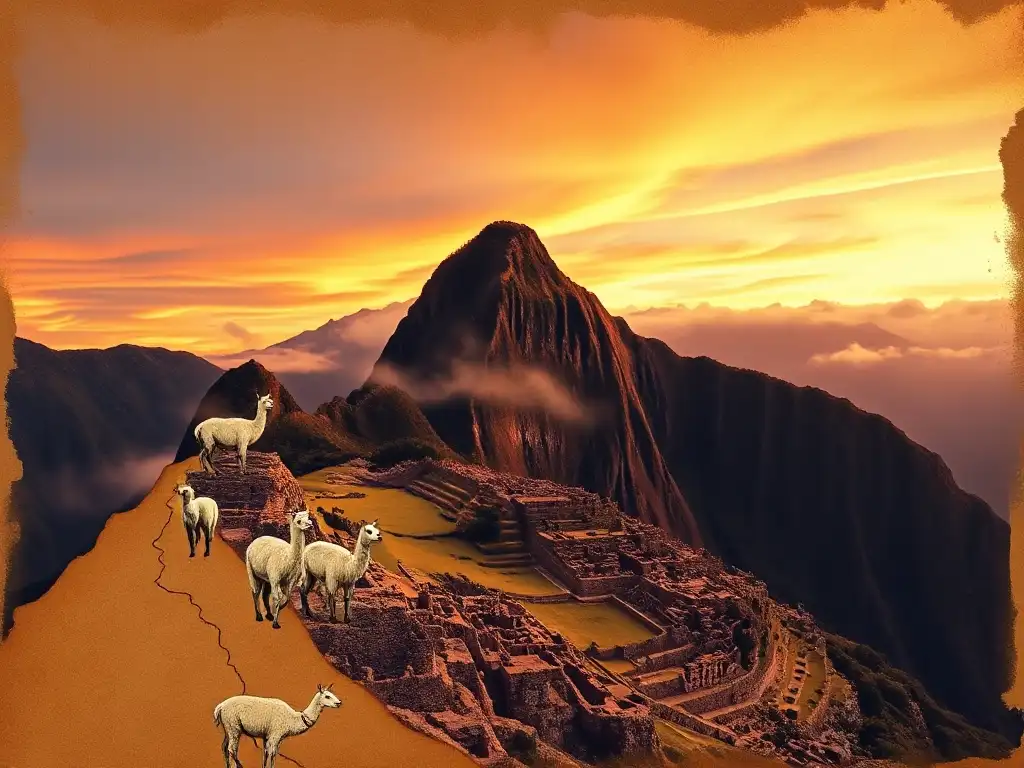
Navigating the logistical and regulatory aspects of the Inca Trail is just as important as the physical preparation. Understanding the rules and regulations, as well as the services provided, will enhance your experience and ensure a smooth and respectful journey.
Porters: How They Contribute to Your Trek
Utilizing porters is highly recommended. They play a vital role in carrying your gear, contributing significantly to the success and comfort of your trek. This allows you to focus on enjoying the experience rather than struggling under a heavy load. It's essential to treat porters with respect and ensure they are compensated fairly. Understand the regulations regarding porter weight limits and adhere to them strictly. Consider the environmental impact and avoid bringing unnecessary items. The porters are an integral part of the Inca Trail experience, and their contribution should be acknowledged and appreciated.
Camping and Facilities on the Inca Trail
Camping is an integral part of the Inca Trail experience. Be prepared for basic camping facilities. While campsites offer designated areas for tents, expect shared facilities like toilets (often basic latrines). You will likely share these facilities with other trekking groups. Packing appropriate camping gear, including a comfortable sleeping bag and sleeping pad, is crucial for a restful night's sleep. Remember that you’ll be carrying your own personal items. The campsites are located at different altitudes, so be prepared for varying weather conditions. Be prepared for some level of discomfort; this is a wild environment.
Respecting Inca Culture and History
The Inca Trail is a site of immense cultural and historical significance. Respect for Inca culture and history is paramount. Refrain from touching or damaging any archaeological sites or artifacts. Follow your guide's instructions meticulously and adhere to all regulations.
Leave no trace behind; pack out everything you pack in. Remember that you are a visitor in a sacred place, and your behavior should reflect this respect. Appreciate the history and significance of the trail and its surroundings, and leave it as pristine as you found it for future generations to enjoy. This includes being mindful of noise levels and avoiding disruptive behavior.
Maximizing Your Inca Trail Experience
Embarking on the Inca Trail is a transformative experience, demanding both physical and mental preparation. To truly maximize your journey and create lasting memories, consider these key aspects:
This isn't just about reaching Machu Picchu; it's about the entire experience. The breathtaking landscapes, the challenging climbs, the camaraderie with fellow trekkers, and the profound sense of history all contribute to the magic of the Inca Trail. Take time to appreciate the smaller details – the vibrant flora, the intricate stonework of Inca ruins along the way, the changing light on the mountains. Each step reveals a new facet of this incredible journey.
Engage fully with your surroundings. Don't rush through the experience. Allow yourself time for reflection, for quiet contemplation amidst the awe-inspiring beauty of the Andes. Connect with your fellow trekkers; share stories, exchange experiences, and forge friendships that will last a lifetime. The journey itself is as important as the destination. This holistic approach will enrich your Inca Trail trek far beyond simply reaching the famous citadel.
Remember to pace yourself, listen to your body, and don't hesitate to adjust your plans as needed. The Inca Trail is a challenging trek, and respecting your physical limitations is crucial for a safe and enjoyable experience. Prioritize hydration and nutrition throughout your journey, and celebrate the small victories along the way. This will undoubtedly enhance your overall enjoyment and contribute to a truly unforgettable Inca Trail experience. Prioritize enjoying the journey as much as the destination.
Photography Tips: Capturing the Beauty of the Andes
The Andes Mountains offer unparalleled photographic opportunities. To capture the essence of your Inca Trail trek, consider these tips:
- Golden Hour Magic: The soft light of sunrise and sunset dramatically enhances the landscape's beauty. Plan your photography around these times for breathtaking shots. Experiment with different angles and perspectives to capture the unique charm of the mountains bathed in the golden hues.
- Composition is Key: Utilize the rule of thirds to create visually appealing compositions. Incorporate leading lines, such as trails or rivers, to guide the viewer's eye through the image. Pay attention to the background and foreground elements to create depth and context in your photographs.
- Gear Essentials: A lightweight DSLR or mirrorless camera with a versatile zoom lens is ideal. Consider bringing a tripod for stable shots, especially in low light conditions. Don't forget extra batteries and memory cards – you’ll want to capture everything!
- Beyond the Peaks: Don't just focus on the mountains. Capture the details – the vibrant flora, the intricate stonework of Inca ruins, the expressions of your fellow trekkers. These details add a personal touch to your photographic narrative.
- Respect the Environment: Be mindful of your surroundings and avoid disturbing the delicate ecosystem. Respect any restrictions on photography in certain areas.
Connecting with Nature and History
The Inca Trail offers a unique opportunity to connect with both the stunning natural beauty of the Andes and the rich history of the Inca civilization.
Immerse yourself in the history of the Inca Empire by researching and learning about the sites you'll encounter along the trail. Understand the significance of the Inca ruins, the ingenuity of their construction, and the stories they tell about this remarkable civilization. Imagine the lives of the people who once walked these paths, and let their history enrich your own experience.
Beyond the historical sites, take time to appreciate the natural wonders surrounding you. The diverse flora and fauna of the Andes are remarkable. Observe the wildlife, listen to the sounds of nature, and breathe in the fresh mountain air. This connection with nature will leave you feeling refreshed and invigorated. This mindful approach will transform your trek from a simple hike into a deeply enriching and memorable experience.
Post-Trek Recovery: Rejuvenating After the Inca Trail
After completing the challenging Inca Trail, it’s crucial to prioritize your recovery. The high altitude, strenuous hiking, and overall exertion can take a toll on your body.
- Hydration is Key: Continue drinking plenty of water to replenish fluids lost during the trek. Electrolyte drinks can also help restore essential minerals.
- Gentle Movement: Avoid strenuous activity immediately after the trek. Light stretching and gentle walks can help improve blood flow and reduce muscle soreness. Listen to your body and avoid pushing yourself too hard.
- Nutrition Matters: Consume nutritious meals rich in fruits, vegetables, and protein to help your body repair and rebuild. Avoid excessive alcohol and processed foods.
- Rest and Relaxation: Allow ample time for rest and relaxation. Sleep well, and consider incorporating techniques like meditation or yoga to promote mental and physical recovery.
- Altitude Considerations: If you experienced altitude sickness, continue to monitor your symptoms and consult a medical professional if necessary. Gradual descent and rest are crucial for effective recovery from altitude sickness.
Recommended Tour Operators and Services for the Inca Trail
Choosing the right tour operator is vital for a safe and enjoyable Inca Trail experience. Here are a few reputable options, each with its unique strengths:
Llama Path: Reliable and Experienced
Llama Path is known for its reliable service, experienced guides, and commitment to sustainable tourism. They offer a variety of trek options to suit different budgets and fitness levels. Their focus on responsible travel practices ensures a positive impact on the local communities and the environment.
Alpaca Expeditions: Sustainable Practices and Local Guides
Alpaca Expeditions prioritizes sustainable practices and employs local guides, enriching the trekking experience with authentic insights into Andean culture. They offer smaller group sizes, providing a more personalized and intimate experience. Their commitment to environmental responsibility sets them apart.
G Adventures: Luxury Options for the Inca Trail
For those seeking a more luxurious Inca Trail experience, G Adventures offers high-end options with comfortable accommodations and exceptional service. While often more expensive, they provide a higher level of comfort and convenience throughout the trek. Their well-established reputation and experienced guides ensure a smooth and memorable journey.
- Planning Your Inca Trail Adventure: A Step-by-Step Guide
- Essential Gear for Your Inca Trail Trek
- Physical Preparation for the Inca Trail
- Understanding Inca Trail Logistics and Regulations
- Maximizing Your Inca Trail Experience
- Recommended Tour Operators and Services for the Inca Trail
Frequently Asked Questions
What is the best time of year to trek the Inca Trail?
The dry season (May to September) is generally considered the best time to trek the Inca Trail, offering clearer skies and less rain. However, this is also peak season, so book well in advance.
How physically demanding is the Inca Trail trek?
The Inca Trail is moderately to highly demanding, requiring a good level of fitness. You'll be hiking at altitude, covering significant distances daily, and encountering challenging terrain.
What should I pack for the Inca Trail trek?
Pack lightweight, waterproof clothing, sturdy hiking boots, a good quality backpack, sunscreen, insect repellent, a hat, and plenty of water. Don't forget a first-aid kit and any necessary medication.
How much does an Inca Trail trek cost?
The cost varies greatly depending on the tour operator, the level of comfort, and the duration of the trek. Expect to pay anywhere from a few hundred to over a thousand dollars. Permits are mandatory and should be booked far in advance.
Do I need a guide for the Inca Trail trek?
Yes, permits are only issued through licensed tour operators, which always include a guide. A guide is essential for navigation, safety, and cultural insight. They also handle porters and other logistics.
Final Reflection: Echoes of the Andes: A Trek Beyond the Trail
The Inca Trail remains a powerful symbol of human resilience and ingenuity, a testament to a civilization that thrived in the face of immense challenges. Its enduring allure, however, extends beyond mere historical significance; the trail continues to inspire countless individuals to push their physical and mental limits, forging unforgettable connections with nature and themselves.
The experience of trekking the Inca Trail is more than just a physical journey; it's a profound immersion in history, culture, and the breathtaking beauty of the Andes. The echoes of the Inca civilization resonate throughout the landscape, whispering stories of innovation and adaptation. As I reflected on my own trek, I was struck by the profound sense of connection to something larger than myself, a feeling echoed in the words of José Martí: The best way to know a country is to walk through it.
This sentiment perfectly encapsulates the transformative power of the Inca Trail, offering a unique perspective on both the past and the present.
Now, as you contemplate your own journey, I urge you to consider the lessons learned beyond the practical tips. Embrace the challenge, not just of the physical trek, but of confronting your own limitations. Let the breathtaking landscapes inspire awe and a deeper appreciation for the natural world. The Inca Trail awaits, not just as a destination, but as a catalyst for personal growth and a profound connection with the rich tapestry of human history. Will you answer its call?
**Embark on Your Inca Trail Adventure Today! **
Thank you for exploring our guide to the Inca Trail! We hope you feel inspired and prepared for a successful trek through this breathtaking landscape. Now, let's turn your newfound knowledge into action!
Here are some simple steps to begin your adventure:
- **Book your trek:** Secure your permits well in advance and choose a reputable tour operator to ensure a smooth and memorable experience.
- **Gather your gear:** Create a comprehensive packing list and begin collecting essential hiking equipment for comfort and safety. Consider the weather conditions and terrain.
- **Connect with other trekkers:** Join online forums or local hiking groups to share experiences, tips, and maybe even find a trekking buddy!
Which part of the Inca Trail are you most looking forward to experiencing? Share your thoughts and let's start a conversation!