
Andean Astronomy: Aligning with the Stars at Ingapirca

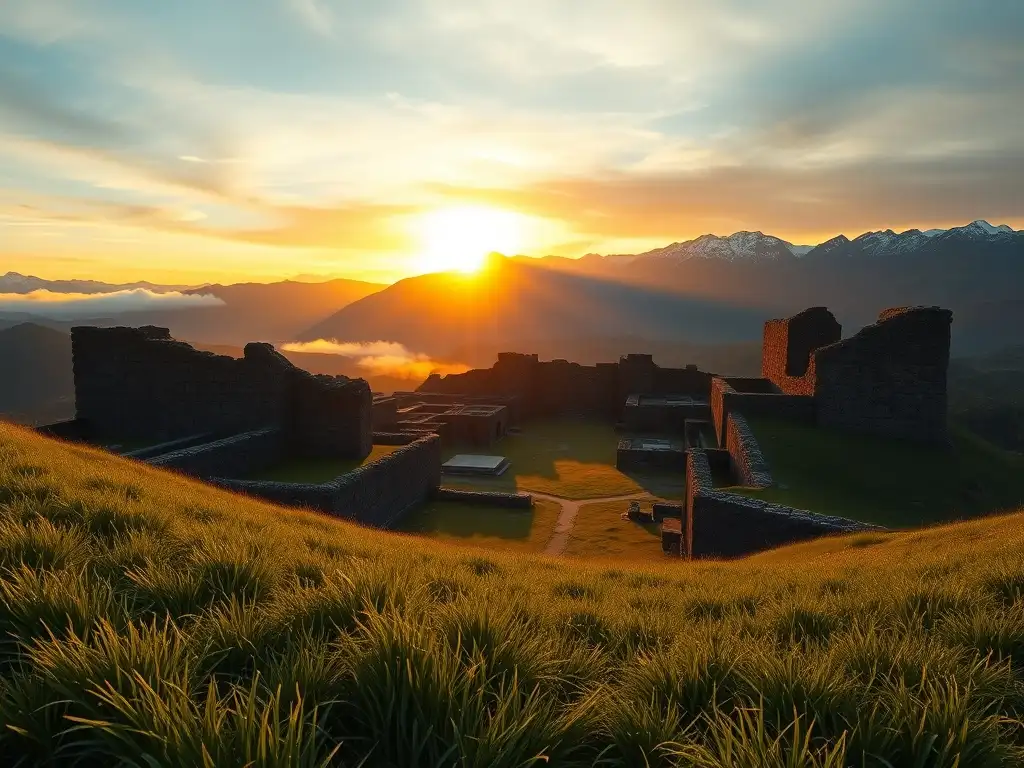
Unravel the mysteries of the Andes! Journey through time and discover a world where celestial knowledge shaped empires. Were the magnificent structures of Ingapirca meticulously aligned with the stars? Dive into the captivating world of Andean astronomy, exploring the intricate relationship between the ancient Andean civilizations and the cosmos, and uncover the secrets behind the Ingapirca alignment. Prepare to be amazed by the ingenuity and astronomical prowess of these fascinating cultures.
The Andes Mountains, a majestic spine running down the western edge of South America, were not only home to breathtaking landscapes but also to sophisticated civilizations deeply connected to the cosmos. For centuries, Andean cultures, including the Inca, meticulously tracked celestial events, weaving astronomical observations into their daily lives, religious practices, and agricultural cycles.
This article delves into the fascinating world of Andean astronomy, focusing specifically on the remarkable alignment of structures at Ingapirca, a site that serves as a powerful testament to the advanced astronomical knowledge of these ancient peoples. We will explore the significance of Andean astronomy, examine Ingapirca's unique astronomical features, and offer practical advice for planning a visit to witness the celestial wonders aligned within this incredible archaeological site.
Understanding the intricate relationship between the Andean worldview and the night sky provides a deeper appreciation for the ingenuity and cultural richness of these ancient societies, enriching our understanding of their legacy. This exploration of Andean astronomy and its connection to Ingapirca will reveal how these ancient builders skillfully integrated their understanding of the cosmos into their architecture and daily lives.
Understanding the Significance of Andean Astronomy
Andean astronomy wasn't merely a scientific pursuit; it was deeply intertwined with the social fabric of Andean societies. The precise observations of the sun, moon, stars, and constellations informed crucial aspects of life, from agricultural practices to religious ceremonies. The solstices and equinoxes, marked by the sun's apparent movement across the sky, were pivotal moments, dictating planting and harvesting times, shaping religious festivals, and influencing the overall social calendar.
Furthermore, specific constellations held profound symbolic meaning, often associated with deities, mythical figures, and cosmological beliefs. For instance, the constellation of the Pleiades (known as Colca in some Andean languages) was often associated with fertility and abundance. The precise orientation of many Andean structures, including temples, ceremonial centers, and even residential buildings, strongly suggests a deliberate alignment with significant celestial events, highlighting the importance of astronomy in their spatial planning and societal organization.
This careful observation and integration of celestial phenomena into their daily lives underscores the advanced level of astronomical knowledge possessed by these ancient cultures. The meticulous records kept by these cultures, though often indirect, demonstrate a deep understanding of celestial mechanics far surpassing what was initially assumed. The Inca, for example, developed sophisticated calendar systems based on astronomical observations, demonstrating a complex understanding of the cosmos.
Ingapirca: A Window into Ancient Andean Star Gazing
Ingapirca, located in the highlands of Ecuador, stands as one of the most significant archaeological sites showcasing the integration of Andean astronomy and architecture. This remarkably preserved Inca site, believed to have been built upon earlier structures, features a complex arrangement of buildings, including temples and residential areas, strategically positioned to align with key celestial events. The most striking feature is the elliptical structure, often interpreted as a solar observatory, whose orientation suggests a careful alignment with the solstices and equinoxes.
Researchers have documented the precise placement of windows and doorways within the site, further supporting the idea of intentional astronomical alignment. The meticulous construction and strategic orientation of the buildings at Ingapirca demonstrate the advanced astronomical knowledge and engineering skills of the Inca and potentially earlier cultures. Detailed studies are still ongoing, revealing further insights into the astronomical significance of the site, and uncovering additional evidence of the complex relationship between the Inca worldview and the celestial sphere.
The precise measurements and alignments found at Ingapirca are a testament to the accuracy and sophistication of Andean astronomical practices. Further research may reveal even more intricate astronomical correlations within the site.
Planning Your Trip to Ingapirca for Astronomical Observation
Visiting Ingapirca to experience the celestial alignments firsthand offers a unique opportunity to connect with the ancient Andean worldview. The best time to visit for optimal astronomical observation is during the solstices (around June 21st and December 21st) and equinoxes (around March 20th and September 23rd), when the sun's position aligns precisely with specific architectural features of the site. However, a visit at any time of year allows for appreciation of the site's architectural marvels and the surrounding landscape.
To enhance your experience, consider:
- Planning your trip during a new moon to minimize light pollution and maximize star visibility.
- Bringing binoculars or a telescope for a closer look at the night sky.
- Consulting with a local guide who specializes in Andean astronomy to gain a deeper understanding of the site's astronomical significance.
- Checking the weather forecast before your trip, as clear skies are essential for optimal stargazing.
Remember to respect the site and its historical significance by adhering to all rules and regulations. A visit to Ingapirca provides not only a glimpse into the past but also a profound connection to the enduring legacy of Andean astronomy and its intricate relationship with the cosmos. 🌠
Essential Gear for Observing Andean Astronomy at Ingapirca
Observing the stars at Ingapirca, especially during specific astronomical events, requires preparation. The high altitude and sometimes unpredictable weather necessitate careful planning. Packing the right gear can significantly enhance your experience and ensure a comfortable and safe stargazing adventure. First and foremost, you'll need warm clothing, even during the warmer months. Temperatures can drop drastically, especially at night.
Layers are key: a thermal base layer, a fleece jacket, and a waterproof outer shell are recommended. A warm hat, gloves, and scarf are also essential. Don't forget sturdy, comfortable hiking boots suitable for uneven terrain. Ingapirca's pathways can be rocky and steep in places.
Beyond clothing, a high-quality red-light flashlight is crucial. Red light preserves your night vision, unlike white light, allowing you to navigate safely without compromising your ability to see the stars. A pair of binoculars will significantly improve your viewing experience, allowing you to observe celestial objects in more detail. For serious astrophotography, a tripod and a camera capable of long-exposure shots are necessary; however, even a simple point-and-shoot camera can capture stunning images of the night sky with some practice.
Finally, a detailed star chart or a astronomy app on your phone pre-loaded with information about the constellations visible from Ingapirca's latitude will be invaluable in identifying celestial bodies. Remember to check the weather forecast before your visit and pack accordingly! A small, waterproof bag to protect your electronics from unexpected showers is also a good idea.
Exploring the Astronomical Alignments at Ingapirca
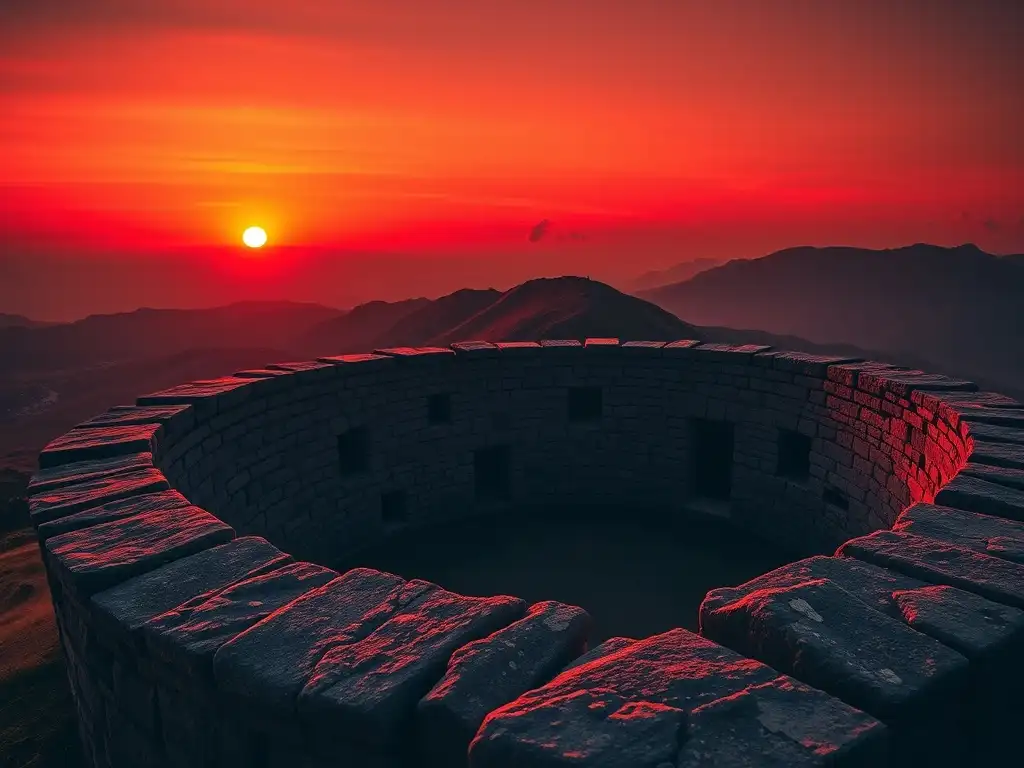
Ingapirca's astronomical significance lies in its precise alignments with celestial bodies. The most prominent alignment is believed to be that of the main temple with the solstices. Archaeological evidence suggests that the Inca builders strategically positioned the temple to align with the rising and setting sun during the winter and summer solstices.
This alignment, although still under investigation and debate amongst researchers, is thought to have held significant ritual and calendrical importance for the Inca people. Further research is needed to fully understand the intricacies of these alignments and their role in Inca society. However, several other features within the complex also show potential alignments with other stars and constellations.
These alignments may have been used for agricultural planning, religious ceremonies, or a combination of both, reflecting the complex interplay between astronomy and daily life in the Inca Empire. Careful observation, combined with knowledge of the Inca calendar and astronomical phenomena, is necessary to fully appreciate the sophistication of these alignments. The site's layout itself appears to be carefully planned in relation to the surrounding landscape and the position of the sun and stars, demonstrating the Inca's profound understanding of astronomy and its integration into their worldview.
Observing these alignments requires careful attention to detail and ideally, some guidance. The precise times of the solstice alignments, for instance, vary slightly each year due to the Earth's axial precession, so consulting an ephemeris or a specialized astronomy app is recommended. Knowing what to look for and understanding the context of the alignments significantly enhances the visitor experience. The subtle nuances of the architectural design, when viewed in relation to the celestial movements, reveal the ingenuity and astronomical knowledge of the ancient builders. The experience of witnessing these alignments firsthand is truly awe-inspiring.
Guided Tours and Expert Insights into Ingapirca's Astronomy
While independent exploration of Ingapirca is possible, a guided tour can significantly enhance your understanding of the site's astronomical significance. Expert guides, often archaeologists or astronomers specializing in Andean cultures, can provide invaluable insights into the alignments and their interpretation. They can explain the complex relationship between Inca astronomy and their society, shedding light on the rituals, ceremonies, and daily life that were influenced by the celestial movements.
These tours often include detailed explanations of the architectural features and their astronomical significance, pointing out subtle alignments and details that might otherwise go unnoticed. Furthermore, guides can provide context about the Inca cosmology and worldview, helping visitors to better understand the meaning and purpose of these alignments within the broader Inca cultural framework. The knowledge and expertise shared by these guides enrich the visitor experience, turning a simple sightseeing trip into a truly educational and enriching adventure.
Many tour operators offer specialized astronomy tours of Ingapirca, particularly during periods around the solstices, providing a unique opportunity to witness these alignments under expert guidance. Booking a tour in advance is highly recommended, especially during peak season. Choosing a reputable tour operator with experienced and knowledgeable guides will ensure a rewarding and insightful experience.
Enhancing Your Ingapirca Experience with Cultural Immersion
Beyond the impressive astronomical alignments, Ingapirca offers a rich tapestry of cultural immersion opportunities. Engaging with local communities provides a deeper understanding of the site's significance within the broader context of Ecuadorian history and culture. Consider participating in traditional weaving workshops, learning about ancient Andean agricultural practices, or attending cultural performances showcasing traditional music and dance.
These experiences enrich your visit, adding layers of meaning to the astronomical observations. Many local artisans offer handcrafted souvenirs, providing a sustainable way to support the community and take home a tangible piece of Ingapirca's legacy. Remember to engage respectfully with the local culture, learning a few basic Spanish phrases can significantly enhance your interactions and show respect for the local traditions.
The warmth and knowledge of the local people can greatly enhance the overall experience, providing valuable insights beyond the stones themselves. For example, conversations with local elders might reveal untold stories and perspectives on the site's use and significance throughout the generations. This cultural immersion will leave a lasting impression, transforming a simple visit into a truly enriching and memorable journey.
Preserving Ingapirca: Responsible Tourism and Cultural Heritage
Responsible tourism is paramount to preserving Ingapirca's invaluable cultural heritage for future generations. As visitors, we have a responsibility to minimize our environmental impact and respect the site's sanctity. This means adhering strictly to designated pathways, refraining from touching or climbing on the ruins, and disposing of waste responsibly. Supporting locally owned businesses and participating in sustainable tourism initiatives directly contributes to the preservation efforts.
Furthermore, understanding and respecting the cultural significance of the site is crucial. This involves educating oneself beforehand about the Inca civilization and their astronomical practices, which will enhance appreciation for the alignments and the site's overall importance. By respecting the site's fragility and supporting its preservation, we ensure that the wonders of Ingapirca's Andean astronomy can continue to inspire and educate visitors for years to come.
Consider donating to organizations dedicated to the preservation of Ingapirca or participating in volunteer programs focused on site maintenance and restoration. Even small actions collectively make a significant difference in safeguarding this important archaeological site and promoting sustainable tourism practices. The preservation of Ingapirca is a shared responsibility, demanding conscious and respectful behavior from every visitor.
Extending your Andean Astronomy Journey: Combining Ingapirca with other Sites
Ingapirca's astronomical significance is not an isolated phenomenon within the Andean region. To fully appreciate the depth and breadth of Andean astronomy, consider extending your journey to explore other sites known for their astronomical alignments. Many other locations throughout the Andes exhibit similar architectural features and alignments, suggesting a sophisticated understanding of celestial movements across various Andean cultures.
Careful planning can allow for a rich itinerary exploring multiple sites, revealing fascinating connections and expanding your understanding of Andean cosmology. Researching other locations with similar astronomical significance will provide context and deepen your appreciation for Ingapirca's unique place within this broader astronomical network. For instance, comparing the Ingapirca alignments with those found at other Inca sites or those of pre-Inca cultures can reveal fascinating variations and commonalities in astronomical practices.
This broader exploration will enrich your understanding of Andean astronomy and its enduring legacy, providing a more complete and nuanced picture of the Andean civilizations' relationship with the cosmos. Such an extended journey can transform a simple visit into a comprehensive exploration of Andean astronomy, fostering a deeper appreciation for the ingenuity and cultural significance of these ancient Andean civilizations.
Final Thoughts on Aligning with the Stars at Ingapirca
Ingapirca's astronomical alignments offer a captivating glimpse into the sophisticated understanding of the cosmos held by the Inca and pre-Inca cultures of the Andes. The precision with which these structures were built, reflecting celestial events like solstices and equinoxes, speaks volumes about their advanced knowledge of astronomy and its integration into their daily lives and religious practices.
The careful orientation of the structures, coupled with the meticulous placement of windows and other architectural features, suggests a deliberate and well-planned approach to astronomical observation. This wasn't simply a matter of chance; rather, it represents a deep connection between the earthly and celestial realms, a worldview that permeated Inca society.
Further research is needed to fully understand the nuances of Ingapirca's astronomical significance. While the solstice alignments are well-documented, investigations into potential lunar or stellar alignments could reveal even more intricate aspects of their astronomical expertise. The potential for uncovering additional, less obvious alignments highlights the ongoing importance of archaeological investigation and the continued potential for new discoveries at Ingapirca.
The site's enduring mystery and the ongoing efforts to unravel its secrets serve as a testament to the enduring fascination with Andean astronomy and its profound impact on our understanding of these remarkable civilizations. The ongoing study of Andean astronomy at Ingapirca underscores the importance of preserving and protecting these invaluable archaeological sites, ensuring that future generations can continue to learn from and appreciate the rich legacy of Andean cultures. The intricate relationship between Andean astronomy and Ingapirca's architecture provides a compelling case study for understanding the intersection of cosmology, architecture, and societal organization within the Inca Empire and its predecessors.
The site's continued study promises to reveal further insights into the sophisticated astronomical knowledge and its role in shaping Andean civilization. 💫
- Understanding the Significance of Andean Astronomy
- Ingapirca: A Window into Ancient Andean Star Gazing
- Planning Your Trip to Ingapirca for Astronomical Observation
- Essential Gear for Observing Andean Astronomy at Ingapirca
- Exploring the Astronomical Alignments at Ingapirca
- Guided Tours and Expert Insights into Ingapirca's Astronomy
- Enhancing Your Ingapirca Experience with Cultural Immersion
- Preserving Ingapirca: Responsible Tourism and Cultural Heritage
- Extending your Andean Astronomy Journey: Combining Ingapirca with other Sites
- Final Thoughts on Aligning with the Stars at Ingapirca
- What is Ingapirca, and why is it significant in Andean astronomy?
- How did the Incas use astronomy in their daily lives?
- What specific astronomical alignments are suspected at Ingapirca?
- Are there other sites in the Andes with similar astronomical alignments?
- How does the study of Andean astronomy at Ingapirca contribute to our understanding of Inca culture?
Frequently Asked Questions
What is Ingapirca, and why is it significant in Andean astronomy?
Ingapirca is the largest known Inca ruins in Ecuador. Its significance lies in its possible astronomical alignments, suggesting advanced knowledge of celestial movements and their incorporation into architecture. Researchers are still actively studying these potential alignments.
How did the Incas use astronomy in their daily lives?
Inca astronomy was deeply intertwined with agriculture and religious practices. They used celestial observations to predict seasons, plan planting and harvesting cycles, and conduct religious ceremonies. Solar and lunar cycles were crucial for their calendar system.
What specific astronomical alignments are suspected at Ingapirca?
While still under investigation, some researchers suggest alignments with the solstices and equinoxes, potentially marked by specific structures within the complex. The precise nature and purpose of these alignments remain a topic of ongoing debate.
Are there other sites in the Andes with similar astronomical alignments?
Yes, many other Andean sites show evidence of sophisticated astronomical knowledge, including Machu Picchu and Sacsayhuamán. These sites often incorporate solar and lunar alignments into their design, demonstrating a widespread understanding of celestial phenomena.
How does the study of Andean astronomy at Ingapirca contribute to our understanding of Inca culture?
Studying Ingapirca's potential astronomical alignments provides crucial insights into Inca cosmology, religious beliefs, and technological capabilities. It helps paint a more complete picture of their advanced knowledge and sophisticated worldview, extending beyond agriculture and into the realm of the cosmos.
Final Reflection: Echoes of the Andes: Ingapirca's Celestial Legacy
The precise alignment of Ingapirca's structures with celestial events isn't just a historical curiosity; it's a powerful testament to the sophisticated astronomical knowledge of the Inca and pre-Inca cultures. This understanding of the cosmos wasn't merely academic; it was deeply interwoven with their spiritual beliefs, agricultural practices, and social organization, shaping their entire worldview. The enduring presence of these alignments speaks volumes about the ingenuity and lasting impact of Andean civilizations.
The legacy of Andean astronomy continues to resonate today, reminding us of the profound connection between humanity and the universe. It challenges our modern, often fragmented, relationship with nature and encourages a deeper appreciation for the wisdom of past cultures. The universe is within you, as much as it is all around you.
This sentiment, though not directly from an Inca source, perfectly encapsulates the holistic worldview reflected in Ingapirca's astronomical design, a worldview that prioritized harmony between the earthly and celestial realms.
Consider the implications of this ancient knowledge. How can we, in our technologically advanced world, reconnect with the rhythms of the cosmos and foster a more sustainable and spiritually fulfilling existence? Take a moment to look up at the night sky, to appreciate the celestial dance that has captivated humanity for millennia. Let Ingapirca's celestial legacy inspire you to seek your own deeper connection with the universe, to find meaning and purpose in the grand cosmic tapestry that surrounds us all.
Unlock the Secrets of the Stars!
Thank you for exploring the fascinating world of Andean astronomy with us! You've discovered the incredible connection between Andean civilization and the cosmos. Now, let's deepen your journey and explore ways to honor this celestial wisdom.
Here's how you can connect further with the magical world of the stars:
- Join a local astronomy club to experience the night sky as the Andean ancestors did—discover the constellations and their stories together!
- Share your knowledge of Andean astronomy with friends and family, or on social media—inspire others to reconnect with the stars!
- Visit a significant historical site, such as Ingapirca, to witness firsthand the ancient astronomical alignments that have endured through time.
Reflecting on these celestial connections, which star or constellation resonates most deeply with your personal journey? 🌌✨