
The Role of Ritual in Tiahuanaco's Architectural Design

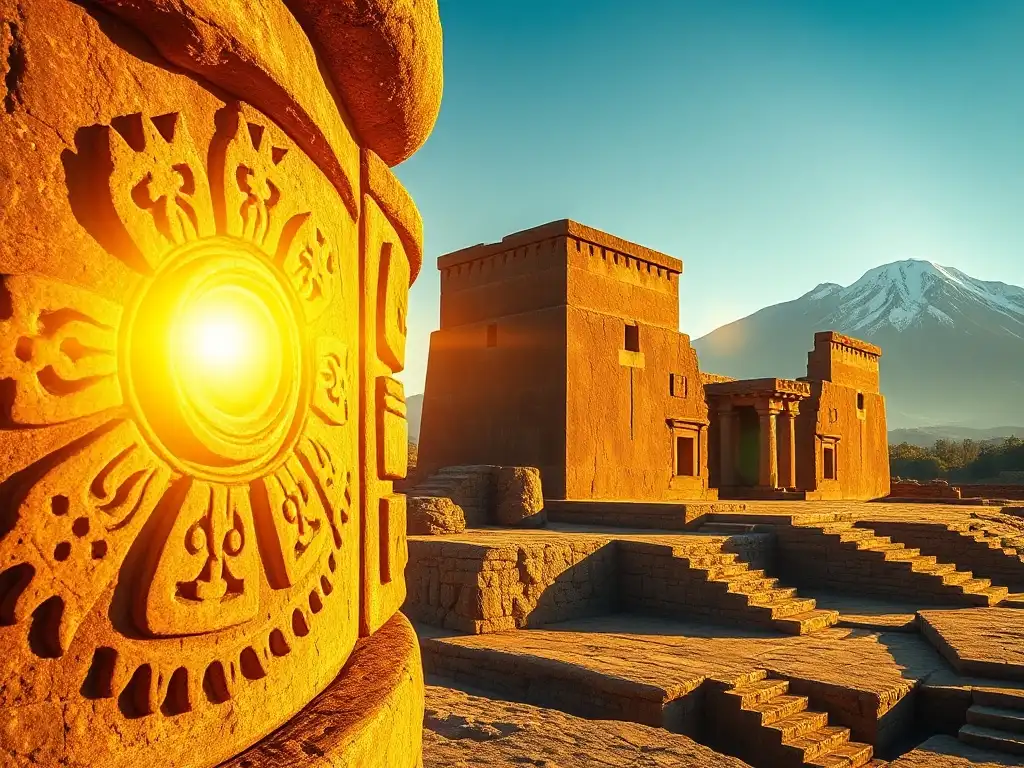
Uncover the mysteries hidden within the stones… Journey with us into the heart of the Andes, where breathtaking architectural marvels whisper tales of ancient power. Explore the fascinating world of Andean civilizations, from the Incas to the enigmatic Tiahuanaco. But prepare to be captivated by the secrets concealed within Tiahuanaco's ritual architecture – a legacy of intricate design and profound spiritual significance. Discover how this civilization shaped its world through stone, revealing a story far grander than you imagine. Dare to delve deeper…
The sprawling ruins of Tiahuanaco, located on the shores of Lake Titicaca in modern-day Bolivia, stand as a testament to the ingenuity and spiritual depth of the Tiahuanaco culture. This article delves into the fascinating interplay between ritual and architectural design in this pre-Columbian civilization, exploring how religious beliefs profoundly shaped the city's layout, monumental structures, and even the smallest details of its construction.
We will examine the evidence suggesting that the very act of building was itself a ritual, and how the resulting structures served as powerful tools for reinforcing social order, cosmological beliefs, and the power of the elite. Understanding Tiahuanaco’s architecture necessitates recognizing the central role played by ritual in every facet of its existence.
This exploration will illuminate how the city's remarkable monuments were not merely functional buildings but rather tangible expressions of a sophisticated and deeply spiritual worldview, contributing to our understanding of "Tiahuanaco ritual architecture".
Understanding Tiahuanaco’s Sacred Spaces
Tiahuanaco's architecture is characterized by its massive stone structures, precise masonry, and intricate carvings. However, these impressive feats of engineering were not solely driven by practical considerations. Archaeological evidence strongly suggests that the placement and design of buildings were carefully planned to align with astronomical events and to create sacred spaces for ritual practices.
The Kalasasaya Temple, for instance, with its towering monoliths and precisely oriented doorways, likely served as a central hub for astronomical observations and religious ceremonies. The intricate carvings on these monoliths, depicting deities, mythical creatures, and symbolic motifs, further underscore the sacred nature of the site. Analysis of these carvings reveals complex iconography that reflects the Tiahuanaco cosmology, providing insights into their beliefs about the world and their place within it.
Furthermore, the meticulous precision in the construction of the walls and the use of massive, precisely cut stones suggest a level of craftsmanship that points to highly organized labor and a strong emphasis on ritualistic construction processes. The very act of building may have been considered a sacred undertaking, with each stone placed with intention and significance.
The Akapana pyramid, another key structure, presents a different yet equally compelling case. Its terraced structure, internal chambers, and water management systems suggest a complex interplay between religious symbolism and practical functionality. The presence of water channels and fountains within the pyramid may have been associated with water rituals, reflecting the importance of water in Tiahuanaco's cosmology and agriculture.
Excavations have also unearthed evidence of offerings and artifacts within the pyramid's interior, reinforcing the notion that it was a significant site for ritual activity. The scale of the Akapana, its imposing presence, and its intricate design all contributed to its role as a powerful symbol of the Tiahuanaco elite's authority and the power of their religious beliefs. The city itself was meticulously planned, with its layout reflecting a sophisticated understanding of astronomy and a deep commitment to ritualistic practices.
The Significance of Ritual in Tiahuanaco Society
The pervasive influence of ritual on Tiahuanaco's architecture reflects the central role religion played in the society's social structure and political power. Religious beliefs likely underpinned the social hierarchy, with the elite claiming divine authority and legitimacy through their control over sacred spaces and rituals. The monumental architecture served not only as a backdrop for religious ceremonies but also as a powerful symbol of the state's power and authority.
The sheer scale and precision of the constructions would have impressed upon the population the might and divine favor of their rulers. The carefully planned urban layout, with its precisely oriented buildings and strategically placed sacred spaces, further reinforced the social order and the authority of the ruling class.
The construction of these monuments required immense resources and a highly organized labor force, suggesting a centralized state capable of mobilizing significant human capital for the execution of grand religious projects. This mobilization itself served as a ritualistic act, reinforcing social cohesion and the power of the state.
Furthermore, the iconography found throughout Tiahuanaco's architecture provides valuable insights into the society's beliefs and values. Representations of deities, mythical creatures, and agricultural symbols reveal a complex cosmology that integrated the natural world with the spiritual realm. These images were not merely decorative; they served to reinforce religious beliefs and transmit cultural knowledge across generations.
The meticulous craftsmanship and the symbolic significance of the carvings underscore the central role of ritual in shaping Tiahuanaco's cultural identity and worldview. The study of Tiahuanaco's ritual architecture, therefore, offers a unique window into the religious beliefs, social structures, and political power dynamics of this remarkable civilization. The city's impressive monuments are not just impressive structures; they are powerful expressions of a society deeply intertwined with its spiritual beliefs, a testament to the enduring power of ritual in shaping human societies.
Tiahuanaco's Architectural Manifestations of Ritual Practices
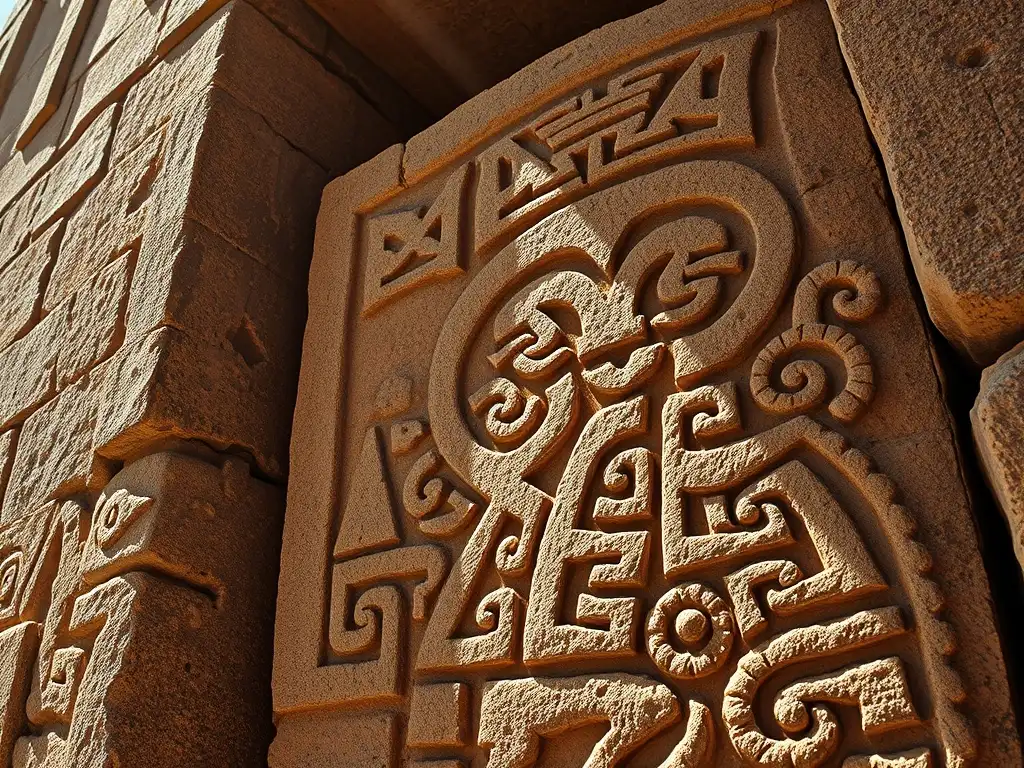
The city of Tiahuanaco, a marvel of Andean engineering and a testament to the sophistication of the Tiahuanaco culture, wasn't merely a settlement; it was a meticulously planned ceremonial center. Its architecture, far from being purely functional, was deeply intertwined with religious beliefs and ritual practices, reflecting a complex cosmology and worldview. Understanding Tiahuanaco ritual architecture is key to deciphering the civilization's spiritual life and societal structure.
The city's layout, building materials, and even the orientation of structures all point to a deliberate integration of the sacred into the everyday. This intricate fusion of the physical and spiritual realms is what makes Tiahuanaco so uniquely fascinating.
The careful consideration of astronomical alignments, the symbolic use of specific materials, and the monumental scale of the structures all contribute to this compelling narrative of ritual and architecture. Studying Tiahuanaco's architecture provides valuable insights into the cosmology and beliefs of this advanced civilization, offering a glimpse into a world deeply connected to the spiritual realm.
The Akapana Pyramid: A Center for Ceremonial Activities
The Akapana pyramid, one of Tiahuanaco's most iconic structures, stands as a prime example of ritual architecture. Its massive platform, meticulously constructed from stone blocks, was not merely a structure for display but a complex ceremonial center. Evidence suggests that the pyramid featured a series of internal chambers and platforms, possibly used for various rituals and ceremonies.
The presence of intricate water channels suggests the involvement of water rituals, a common theme in Andean religions. Furthermore, the pyramid's location, its orientation towards cardinal directions, and its relationship to other structures within the city all point to a carefully planned cosmological layout.
The construction of the Akapana involved a herculean effort, requiring the precise cutting and placement of thousands of massive stone blocks. This monumental undertaking underscores the importance of the structure within Tiahuanaco society, highlighting the religious and political significance of ritual practices. Analysis of the materials used in its construction, including various types of stone and pigments, may reveal further clues about its ritual function and the symbolism embedded within its design.
Archaeological investigations continue to unveil new details about the Akapana, adding to our understanding of Tiahuanaco's complex ritual life. The sheer scale and sophistication of this structure emphasize the central role of ritual in the daily lives of the Tiahuanaco people.
Kalasasaya: Ritual Enclosure and Astronomical Alignment
Kalasasaya, meaning "standing stones" in Aymara, is another significant example of Tiahuanaco ritual architecture. This massive, rectangular enclosure is characterized by its precisely placed monoliths, some of which are intricately carved with symbolic figures and designs. The meticulous placement of these stones suggests a deliberate astronomical alignment, linking the structure to the celestial cycles and reinforcing its role in ritual practices. The orientation of the Kalasasaya aligns with the solstices and equinoxes, suggesting its use as an astronomical observatory and a location for rituals connected to the movements of the sun and stars.
The presence of a large central monolith, known as the "Gate of the Sun," further emphasizes the importance of the Kalasasaya as a ceremonial site. This monumental gateway, adorned with intricate carvings depicting various deities and symbols, likely served as a focal point for rituals and processions. The layout of the Kalasasaya, with its distinct sections and carefully positioned stones, indicates a structured and organized approach to ritual performance.
The sheer scale and precision of the construction demonstrate a sophisticated understanding of engineering and a deep commitment to religious practices. This impressive structure stands as a powerful testament to the importance of astronomical observations and their integration into the religious and social life of the Tiahuanaco civilization.
The Semi-Subterranean Temple: Recreating the Underworld
The semi-subterranean temple, partially buried beneath the ground, offers a unique perspective on Tiahuanaco's ritual practices. This structure, unlike the monumental pyramids and enclosures, suggests a connection to the underworld, a realm of significant importance in Andean cosmology. The partially subterranean nature of the temple suggests a symbolic representation of the underworld, a space associated with ancestral spirits and the origins of life. The temple's interior features intricate carvings and designs, which may represent mythological figures or cosmological symbols related to the underworld.
The use of specific materials in the construction of the temple, along with its unique architectural features, may hold clues to its ritual function. The limited access to the temple's interior, suggesting a controlled and exclusive access for specific rituals. The darkness and confinement of the space could have been intentionally used to create a mystical and awe-inspiring atmosphere, conducive to ritual practices.
Analyzing the artifacts found within the temple, including pottery, textiles, and other objects, can further illuminate the nature of the rituals performed there. The semi-subterranean temple provides a compelling example of how Tiahuanaco's architecture reflected the complex religious beliefs and cosmological worldview of its inhabitants, emphasizing the connection between the earthly world and the spiritual realms. Further research on this fascinating structure promises to reveal even more about the profound significance of ritual in Tiahuanaco society.
Pumapunku: Complex Ritual Structures and Stone Carving
Pumapunku, a crucial component of the Tiahuanaco complex, stands as a testament to the civilization's advanced engineering and profound ritualistic practices. Its architecture, characterized by massive, precisely cut stone blocks, suggests a level of sophistication unmatched in the region during that time. The sheer scale of the stones, some weighing many tons, and their intricate fitting without the use of mortar, points to a deep understanding of engineering principles and a highly organized workforce. But beyond the engineering marvel, Pumapunku's design reveals a deep integration of ritual and architecture.
The arrangement of structures within Pumapunku suggests a deliberate plan, likely tied to specific cosmological beliefs and ritual practices. While the exact purpose of each building remains debated, the precision of the stonework and the careful orientation of structures strongly indicate a ritualistic function. For example, some scholars suggest that the platform mounds served as altars for ceremonies, while others propose that the complex was a center for astronomical observations, used to track celestial events crucial to the Tiahuanaco calendar and religious practices.
The intricate carvings found on many stones further support the ritualistic interpretation. These carvings, often depicting stylized figures, animals, and geometric patterns, are believed to represent deities, mythological creatures, or symbolic representations of the cosmos. The symbolic language embedded in these carvings, still largely undeciphered, offers a glimpse into the rich spiritual world of the Tiahuanaco people.
The meticulous stone carving itself can be considered a ritual act. The precision required to create such perfectly fitted blocks, often with intricate designs, demanded immense skill and dedication. The process was likely a highly ritualized affair, involving specialized craftsmen and possibly incorporating ceremonial practices to ensure the success of the construction and the efficacy of the resulting structures.
The sheer amount of time and effort invested in the construction of Pumapunku underscores its profound importance within the Tiahuanaco worldview. It wasn't merely a functional structure; it was a carefully crafted space imbued with spiritual significance, a place where the earthly and the celestial realms intersected. The surviving remnants, though incomplete, continue to inspire awe and wonder, hinting at the complex interplay between ritual, technology, and cosmology in the heart of Tiahuanaco civilization.
Further research and analysis are needed to fully unravel the mysteries embedded within Pumapunku's magnificent stone structures, furthering our understanding of Tiahuanaco ritual architecture. The precision and scale of the stonework alone highlight the immense effort and planning that went into creating this remarkable site, emphasizing its importance within the broader context of Tiahuanaco's religious and societal structures.
Key Architectural Elements and Their Ritual Significance
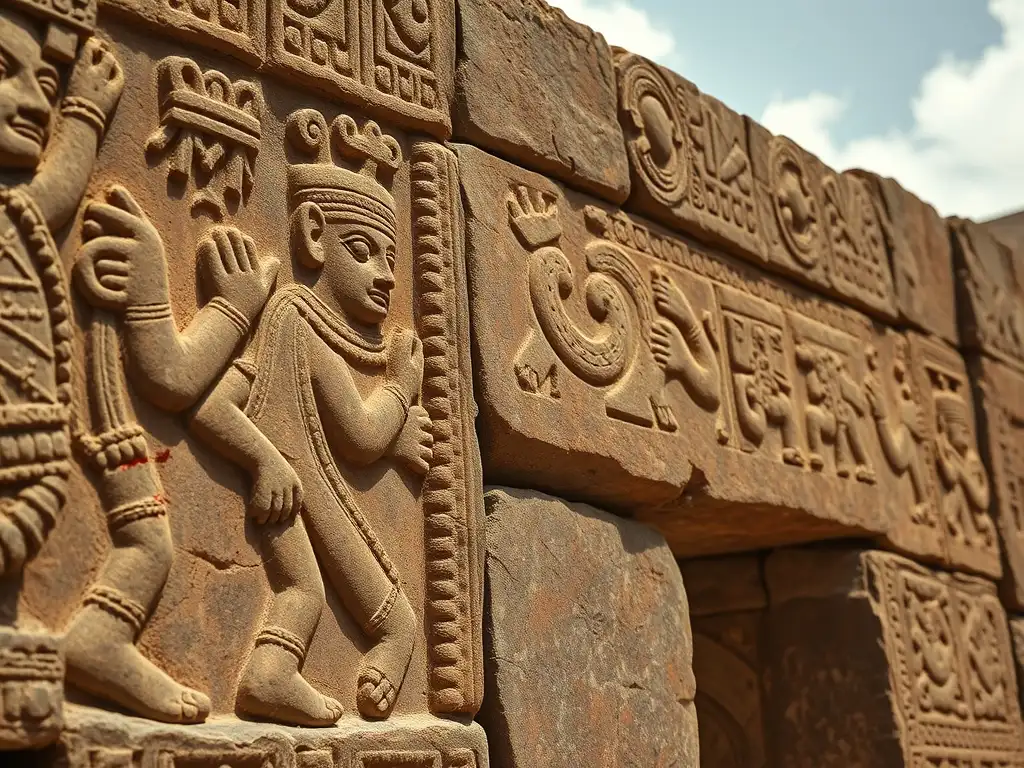
The monumental architecture of Tiahuanaco wasn't simply a matter of engineering prowess; it was deeply intertwined with the religious and cosmological beliefs of its inhabitants. Understanding Tiahuanaco ritual architecture requires recognizing the symbolic and ritualistic significance embedded within its very construction. The city's layout, the choice of materials, and the precise placement of structures all point towards a sophisticated system of beliefs reflected in the physical form of the city.
This section explores some key architectural elements and their crucial role in Tiahuanaco's ritual landscape. Analyzing these elements provides insight into the worldview and spiritual practices of this remarkable civilization, enriching our understanding of Tiahuanaco ritual architecture.
The Use of Stone: Symbolism and Sacredness
The extensive use of andesite, a hard volcanic rock, in Tiahuanaco's constructions speaks volumes about the culture's values and beliefs. The meticulous precision in cutting and fitting these massive stones, some weighing many tons, highlights the immense labor invested in the project, reflecting the sacred importance attributed to the undertaking. The very act of quarrying, transporting, and precisely placing these stones was likely a ritualistic process itself.
Furthermore, the choice of andesite, a durable and visually striking material, suggests a connection to the permanence and strength desired for their sacred structures. The dark, almost obsidian-like quality of the polished andesite may also have held symbolic significance, possibly representing the depths of the underworld or the power of the earth itself.
The intricate carvings and designs found on many of the stones further enhance their ritual significance. While the exact meaning of many of these motifs remains debated, scholars suggest they represent deities, celestial bodies, or symbolic representations of agricultural cycles. These meticulously crafted details elevated the stones beyond mere building blocks; they became imbued with spiritual power, acting as tangible manifestations of the sacred.
The sheer scale of the stonework itself – the massive size of the stones and the complexity of the structures – likely served to impress and awe, reinforcing the power and authority of the religious elite. The use of stone in Tiahuanaco's architecture, therefore, transcends its purely functional role, becoming a powerful medium for expressing and embodying religious beliefs.
Orientation and Alignment: Connecting with Cosmic Forces
The orientation and alignment of Tiahuanaco's structures reveal a sophisticated understanding of astronomy and a profound connection to the cosmos. Many buildings, including the Kalasasaya and the Puerta del Sol, are precisely aligned with solstices and equinoxes.
This deliberate alignment suggests that the city's layout was designed to track celestial movements, underscoring the importance of these astronomical events in the Tiahuanaco worldview. The precise positioning of structures relative to the sun, moon, and stars likely played a crucial role in ritual practices, potentially marking significant dates in the agricultural calendar or facilitating ceremonies aimed at ensuring successful harvests and appeasing the gods.
Moreover, the alignment of certain structures with specific cardinal directions also points to a cosmological understanding that integrated terrestrial and celestial realms. The deliberate incorporation of these astronomical observations into the city's physical layout serves as strong evidence of the deep integration between religious beliefs and architectural design in Tiahuanaco.
Further research into the precise astronomical alignments and their potential correlation with ritual events is needed to fully understand the complexity of this aspect of Tiahuanaco ritual architecture. This careful alignment demonstrates an advanced understanding of astronomy and its integration with religious practices, a key aspect of Tiahuanaco's cultural identity.
Open Spaces and Enclosures: Defining Ritual Areas
The interplay of open spaces and enclosed structures in Tiahuanaco's urban plan created specific areas designed for different types of rituals. Large plazas, such as the Kalasasaya, served as gathering points for large-scale public ceremonies, while smaller, more enclosed spaces likely hosted more private or specialized rituals. This careful arrangement of open and enclosed areas suggests a hierarchical organization of ritual activities, reflecting the social and political structure of Tiahuanaco society.
The Kalasasaya, for example, with its massive stone platforms and surrounding structures, could have accommodated large crowds for public festivals or significant religious events. In contrast, smaller, more intimate spaces, perhaps within the residential compounds or associated with specific temples, may have been reserved for more private rituals or specialized religious practices. The deliberate creation of these distinct ritual areas demonstrates a sophisticated understanding of the importance of space in shaping ritual experience.
Further investigation into the specific function of different spaces within the city is crucial for a comprehensive understanding of Tiahuanaco's ritual practices and their relationship to the city's architecture. The interplay between open and enclosed spaces, therefore, played a vital role in defining the social and religious life of Tiahuanaco.
The Impact of Tiahuanaco Ritual Architecture on Andean Cultures
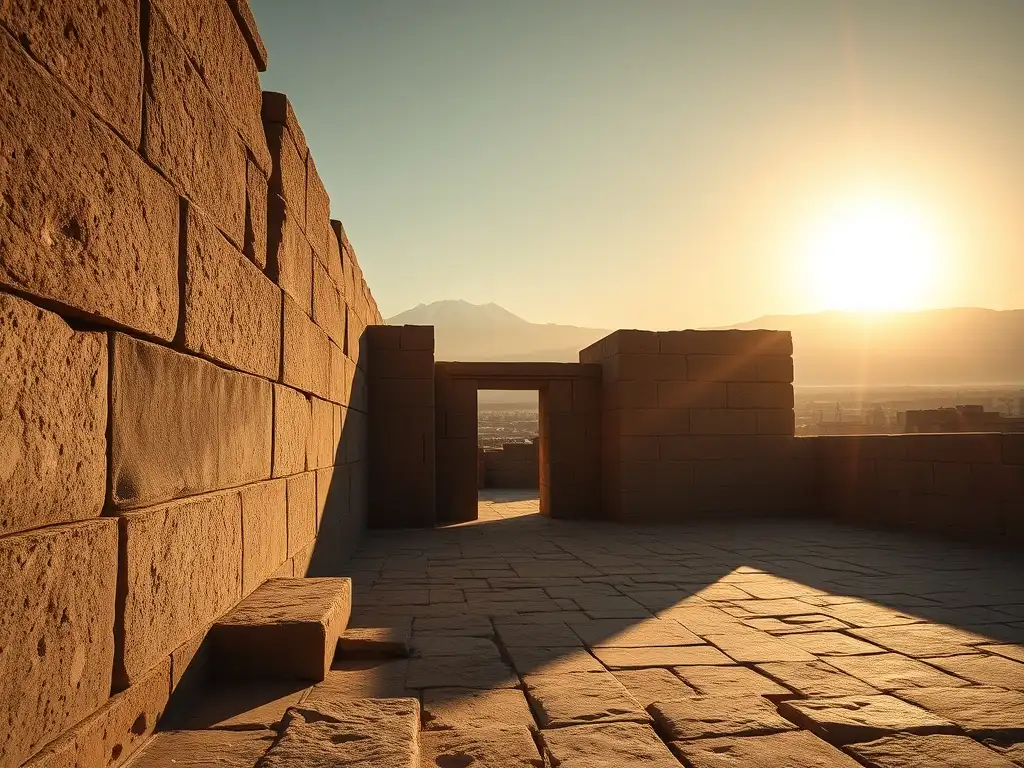
The monumental architecture of Tiahuanaco, characterized by its precise stonework, intricate carvings, and imposing structures, wasn't merely a feat of engineering; it was a powerful statement of religious and political ideology deeply intertwined with ritual practices. This section explores the lasting impact of Tiahuanaco's ritual architecture on subsequent Andean cultures, examining its influence on architectural styles and the preservation of its ritual practices in the archaeological record.
The unique style of Tiahuanaco's ritual architecture, with its emphasis on symmetry, precise construction, and the use of specific materials like red sandstone, became a blueprint for future Andean builders, showcasing the enduring legacy of Tiahuanaco's influence on regional architectural traditions. Understanding this impact requires a nuanced look at both the tangible and intangible aspects of Tiahuanaco's legacy.
Influence on Later Andean Architectural Styles
Tiahuanaco's architectural innovations—particularly its mastery of massive stone construction and its sophisticated understanding of astronomical alignments—left an indelible mark on later Andean civilizations. The precise fitting of stones without mortar, a technique showcased in structures like the Kalasasaya and Akapana, became a hallmark of subsequent Andean architecture. While variations existed, the emphasis on monumental scale and meticulous craftsmanship can be traced in the architectural styles of later cultures, such as the Inca.
For example, the Inca's use of massive stone blocks in their own impressive structures, like Sacsayhuamán, reflects a direct lineage from Tiahuanaco's architectural prowess. This isn't simply imitation; it's a continuation of an established tradition, a testament to the enduring influence of Tiahuanaco's architectural ideology. Furthermore, the symbolic use of specific stones and the incorporation of astronomical alignments, evident in Tiahuanaco’s design, were also adopted and adapted by later Andean groups, subtly altering their expressions but maintaining the underlying conceptual framework.
This demonstrates a clear transmission of knowledge and architectural principles across generations and cultures, reflecting the prestige and influence of Tiahuanaco. The legacy of Tiahuanaco's architectural style is not just a matter of visual similarities; it's a reflection of shared cultural values and beliefs expressed through the built environment. Further research is needed to fully quantify the extent of this influence across diverse Andean cultures.
Preservation of Ritual Practices in the Archaeological Record
The archaeological record at Tiahuanaco offers invaluable insights into the rituals performed within its monumental structures. The layout of the city, the orientation of buildings towards celestial events, and the presence of artifacts like ceremonial vessels and sculpted figures all contribute to our understanding of Tiahuanaco's religious practices. For example, the Kalasasaya platform's astronomical alignments suggest the performance of rituals linked to the solar cycle and agricultural fertility. The discovery of human remains within some structures indicates the potential for sacrificial offerings or burial ceremonies.
The intricate carvings found on many of the stones further support the idea that the architecture itself functioned as a canvas for religious expression, potentially narrating myths, legends, or cosmological beliefs. Moreover, the presence of specific iconographic motifs, such as the stylized figures known as "Chakana" (Andean cross), recurring across various Tiahuanaco structures, suggests the standardization and widespread dissemination of religious beliefs throughout the empire. The careful analysis of these archaeological findings allows us to reconstruct, at least partially, the ritual practices that shaped Tiahuanaco's society and its worldview.
The preservation of these practices within the archaeological context provides a unique window into the religious significance of Tiahuanaco's ritual architecture and its impact on the cultural identity of the Andean region. By meticulously studying these aspects, we gain a deeper appreciation for the profound role that ritual played in shaping Tiahuanaco’s urban landscape and its lasting legacy. Further investigation into the specific types of rituals performed and their social implications is crucial to complete our understanding of Tiahuanaco's ritual architecture.
Decoding the Ritual Landscape of Tiahuanaco
The monumental architecture of Tiahuanaco wasn't merely a practical feat of engineering; it was a meticulously crafted ritual landscape, a physical manifestation of the civilization's complex cosmology and beliefs. Understanding Tiahuanaco ritual architecture requires moving beyond the purely structural and delving into the symbolic interpretations embedded within its design. The city's layout, the placement of structures, and even the intricate carvings on its stones all contribute to a powerful narrative of religious and cosmological significance.
This section explores the key elements that reveal the deeply ingrained ritualistic purpose behind Tiahuanaco's urban planning and architectural marvels. The careful consideration of these aspects allows for a richer understanding of Tiahuanaco's societal structure and spiritual worldview, solidifying its place as a significant example of Tiahuanaco ritual architecture.
Interpreting Iconography and Symbolic Representations
The iconography found throughout Tiahuanaco's architecture provides invaluable clues to deciphering its ritualistic purpose. Intricate carvings depicting stylized figures, deities, and mythical creatures are not merely decorative; they are powerful symbols representing the cosmology and beliefs of the Tiahuanaco people. For instance, the repeated motif of the "Staff God," a figure wielding a staff and often depicted with feline features, is believed to represent a powerful deity associated with fertility and power. These representations are not randomly placed; their location within specific structures suggests a carefully planned arrangement reflecting a hierarchical order of sacred spaces and their associated deities.
Further complicating the analysis is the limited decipherment of the Tiahuanaco writing system. While some scholars have made progress, much of the iconography remains open to interpretation. However, through comparative analysis with other Andean cultures and careful observation of patterns and repetitions, researchers have begun to piece together a complex narrative.
The use of specific materials, such as the red and white stones, might also hold symbolic meaning. The careful selection and placement of these materials may have signified different levels of sacredness or power. Further research into the sourcing of these materials is needed to fully understand their symbolic significance within the context of Tiahuanaco ritual architecture.
The ongoing efforts to understand the Tiahuanaco writing system and iconography promise to further illuminate the intricate religious beliefs reflected in the city's design. The city itself becomes a tangible expression of their spiritual world, a testament to the sophisticated religious practices of the Tiahuanaco people.
The Role of Shamanism and Religious Beliefs
The influence of shamanistic practices is profoundly evident in Tiahuanaco's ritual architecture. The city's layout, with its emphasis on specific alignments and the incorporation of natural elements, suggests a deep connection between the earthly realm and the spiritual world. The presence of structures like the Kalasasaya, with its massive stone blocks and intricate carvings, points towards rituals involving large-scale community participation. The potential use of these spaces for ceremonies involving altered states of consciousness, guided by shamans, is a compelling hypothesis.
The religious beliefs of the Tiahuanaco people likely involved a complex pantheon of deities, each associated with specific aspects of nature and human life. Evidence suggests a strong emphasis on water, agriculture, and the sun, reflecting the importance of these elements to their survival and prosperity. The intricate water management systems integrated into the city's design further reinforce this connection between the spiritual and the practical.
The city itself served not only as a center of religious activity but also as a testament to the Tiahuanaco people's mastery of engineering and their profound understanding of their environment. The integration of these elements highlights the holistic nature of their worldview, where the spiritual and the practical were inextricably linked, a key aspect of understanding Tiahuanaco ritual architecture.
Further research, particularly archaeological excavation and analysis of artifacts found within the structures, is crucial to further develop our understanding of the specific rituals performed and the beliefs they reflected. The ongoing study of Tiahuanaco's architecture promises to continue unveiling the fascinating complexities of this ancient Andean civilization and its unique relationship between religion and urban planning.
Frequently Asked Questions
What is the significance of ritual in Tiahuanaco architecture?
Tiahuanaco's architecture wasn't merely functional; it was deeply intertwined with ritual practices. Buildings like the Kalasasaya and Akapana were designed to facilitate religious ceremonies and astronomical observations, reflecting the civilization's cosmology.
How did the Tiahuanaco people use the Kalasasaya?
The Kalasasaya, a massive platform structure, served as a central ceremonial space. It likely hosted important rituals, processions, and possibly astronomical alignments due to its precise orientation. Its layout suggests a focus on communal worship.
What is the purpose of the Akapana pyramid?
The Akapana pyramid, a massive earthen mound, is believed to have been a ceremonial center with complex internal structures. Its intricate water channels and platforms suggest a connection to water rituals and possibly a symbolic representation of the cosmos.
How did astronomy influence Tiahuanaco's architectural design?
Tiahuanaco's architecture shows evidence of sophisticated astronomical knowledge. Buildings were carefully aligned with the solstices and equinoxes, suggesting the importance of celestial events in their religious beliefs and calendar system. This influenced the placement and orientation of key structures.
What materials were used in Tiahuanaco's ritual architecture?
The primary building material was reddish-brown andesite stone, meticulously cut and fitted together without mortar. This reflects the advanced engineering and craftsmanship of the Tiahuanaco people, emphasizing the monumentality and permanence of their sacred spaces.
Final Reflection: Echoes of Ritual in Tiahuanaco's Stone
The meticulous architectural design of Tiahuanaco wasn't merely a feat of engineering; it was a carefully orchestrated symphony of ritual, a tangible expression of a sophisticated cosmology that continues to resonate today. The precise alignments, symbolic iconography, and monumental scale of its structures weren't accidental; they were deliberate choices, imbued with meaning and designed to facilitate a profound connection between the earthly and the divine. Understanding this intricate relationship allows us to appreciate the depth and complexity of Tiahuanaco's society and its enduring legacy.
The influence of Tiahuanaco's ritual architecture extends far beyond its physical remains. Its echoes reverberate in subsequent Andean cultures, influencing artistic styles, religious practices, and even urban planning. The very act of constructing these monumental structures, a collective undertaking requiring immense organization and shared belief, speaks volumes about the social cohesion and spiritual unity of the Tiahuanaco people. The past is never dead. It's not even past.
- William Faulkner. This quote perfectly encapsulates the enduring power of Tiahuanaco's legacy, reminding us that the rituals performed within these structures continue to shape our understanding of Andean civilization and the human need for spiritual expression.
Consider, for a moment, the meticulous planning and execution required to create such a complex and awe-inspiring city. What can we learn from the Tiahuanaco's commitment to ritual and its profound impact on their society? How can we, in our own lives, cultivate a sense of purpose and shared meaning as powerful as that which animated the builders of Tiahuanaco?
Let the legacy of Tiahuanaco inspire you to seek out the rituals – both big and small – that give meaning to your own life and connect you to something larger than yourself. Embrace the power of ritual to shape your world, just as the people of Tiahuanaco did centuries ago.
Unveil the Power of Ritual in Design!
Thank you for exploring the fascinating world of Tiahuanaco's architectural design! Your interest in the powerful connection between ritual and architecture highlights how cultures express their beliefs through structures. This understanding opens up exciting avenues for further exploration!
- **Deepen your understanding of Tiahuanaco by visiting a local museum or historical site** showcasing Andean cultures. Witness firsthand how architecture shapes our understanding of ritual and its significance.
- **Connect with others by joining an online community or forum** dedicated to Andean civilizations. Share your insights, learn from fellow enthusiasts, and contribute to a vibrant discussion on this compelling topic.
- **Consider the interplay between ritual and architecture in your own community. ** Explore local indigenous practices and reflect on how modern structures might reflect and enhance these experiences.
How does the influence of ritual manifest in contemporary architecture around the world? We'd love to hear your thoughts!