
The Inca Legacy: Lessons from a Great Empire

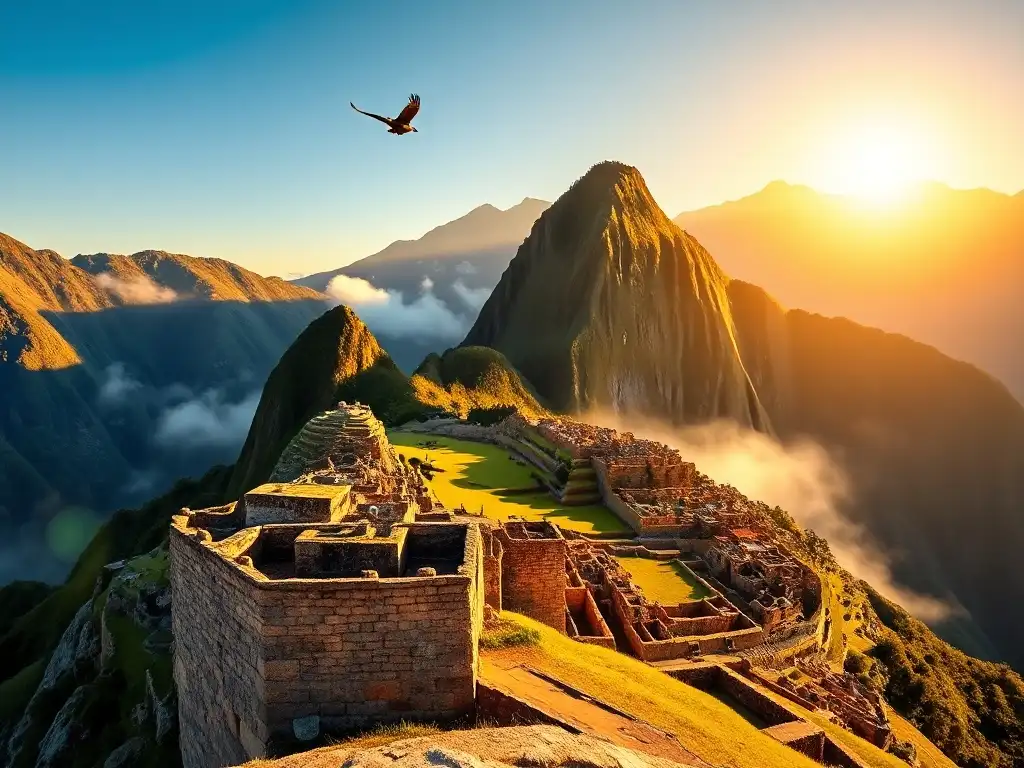
Step into a world lost to time, yet echoing with power and mystery. Imagine a civilization that sculpted mountains, conquered vast territories, and left behind a legacy that continues to fascinate us centuries later. This is the world of the Andean civilizations, and within these pages, you'll uncover the remarkable story of the Inca Empire. Unravel the Inca Empire historical lessons hidden within their breathtaking achievements – lessons relevant even today – and prepare to be amazed. Explore further to discover the secrets of their ingenuity and the enduring impact of their culture.
The Inca Empire, a civilization that flourished in the Andes Mountains of South America from the 15th to the 16th century, left an indelible mark on history. Its sophisticated infrastructure, intricate social structures, and remarkable achievements in agriculture and engineering continue to fascinate and inspire.
This article delves into the key historical lessons we can glean from the Inca Empire's rise, expansion, and ultimate fall, focusing on its strategies for consolidation and the enduring impact of its legacy. Understanding the Inca's successes and failures provides valuable insights into empire building, governance, and the complexities of societal organization, offering a rich tapestry of knowledge relevant to understanding both past and present civilizations.
We will explore the Inca Empire's historical lessons through the lens of its expansion and consolidation, examining its administrative prowess, its innovative agricultural techniques, and the challenges it ultimately faced. The keyword "Inca Empire historical lessons" will be explored throughout, examining the empire's lasting impact.
Introduction to the Inca Empire and its Historical Significance
The Inca Empire, also known as the Tawantinsuyu ("the four regions"), was a vast and powerful civilization that controlled a territory stretching along the Andes Mountains, encompassing modern-day Peru, Bolivia, Ecuador, Colombia, Argentina, and Chile. Its origins trace back to the early 13th century, with its expansion reaching its zenith under the rule of Pachacuti Inca Yupanqui in the 15th century. The Inca's success wasn't solely based on military might; it was a complex interplay of factors including strategic alliances, effective administration, and ingenious engineering solutions to the challenging Andean terrain. The empire's sophisticated road network, unparalleled for its time, facilitated communication and trade across vast distances, underpinning the economic and political stability of the realm.
The Inca's mastery of agriculture, through techniques like terracing and irrigation, allowed them to cultivate diverse crops in varied, often challenging, environments. This agricultural prowess was crucial in supporting a large and densely populated empire. Understanding this foundation is key to comprehending the subsequent lessons learned from the Inca Empire's historical trajectory.
The Inca's impact on the cultural landscape of South America remains profound, influencing art, language, and societal norms even today. Their achievements continue to be studied and admired, highlighting the remarkable ingenuity and organizational skills of this civilization. The Inca Empire's historical lessons are numerous and varied, offering a complex case study in the rise and fall of empires.
- What makes the Inca Empire so significant in history?
- What were some key technological advancements of the Inca Empire?
- How did the Inca Empire manage such a large and diverse population?
- What were some important cultural aspects of the Inca civilization?
- What lessons can we learn from the rise and fall of the Inca Empire?
Inca Empire: Expansion Strategies and Political Organization
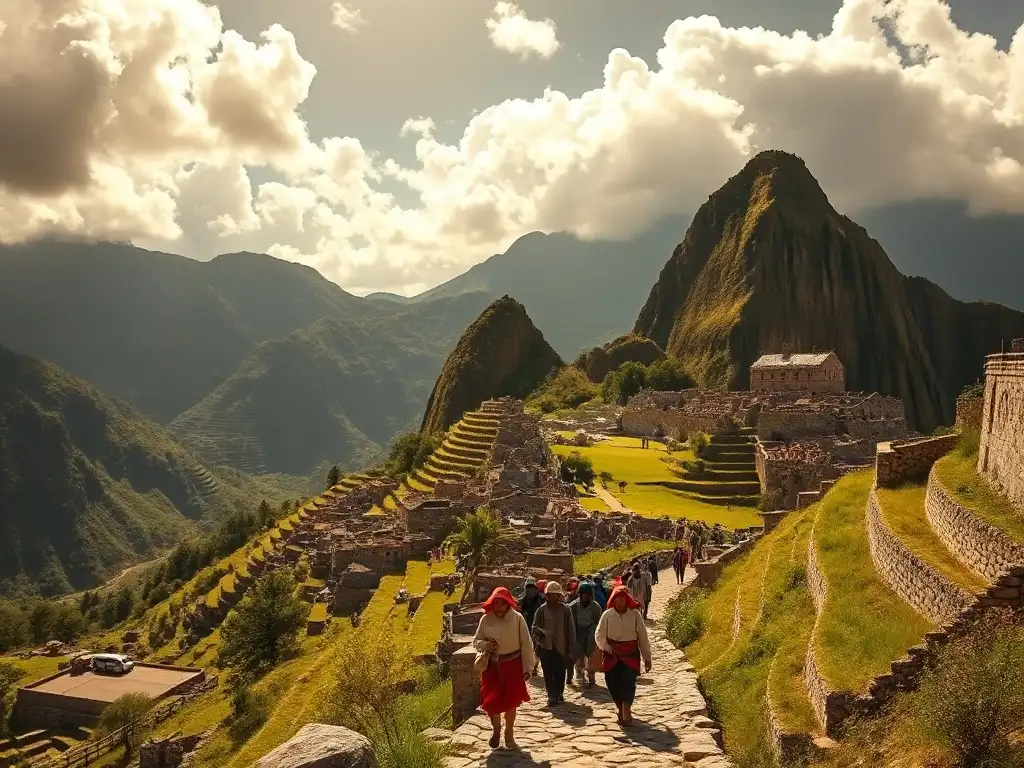
The Inca Empire's remarkable growth wasn't solely due to military might; it was a sophisticated blend of strategic warfare, shrewd diplomacy, and efficient administration. Understanding the Inca Empire's expansion requires examining their methods of conquest and the subsequent integration of newly acquired territories. The keyword "Inca Empire historical lessons" is best understood through analyzing these interwoven aspects of their rise to power.
The Rise of the Inca: Military Conquests and Territorial Expansion
The Inca expansion, beginning in the 15th century, was a rapid and largely successful process. Their military prowess played a crucial role. The Inca army, highly organized and disciplined, utilized advanced weaponry for its time, including macanas (clubs) and boleadoras (throwing bolas). However, military conquest wasn't the only tool in their arsenal. The Inca often employed a strategy of mitimaes, the resettlement of conquered populations to different parts of the empire. This served several purposes: it weakened potential rebellions by dispersing enemies, provided a labor force for infrastructure projects, and facilitated the spread of Inca culture and language.
The Inca also skillfully employed diplomacy and alliances. Many groups chose to submit to Inca rule willingly, often attracted by the promise of protection from other powerful groups or the benefits of access to resources and trade networks within the expanding empire. This strategy minimized bloodshed and facilitated a smoother integration of newly acquired territories.
We can see evidence of this in the relatively peaceful incorporation of some coastal communities, who benefited from the Inca's control over vital trade routes. The success of the Inca expansion, therefore, wasn't solely a result of brute force, but a calculated combination of military strength, strategic resettlement, and skillful diplomacy. This multifaceted approach offers valuable lessons in effective state-building and imperial expansion.
Inca Governance: Centralized Power and Regional Administration
The Inca Empire's vast size demanded a sophisticated administrative system. Centralized power resided in the Sapa Inca, the emperor, who was considered divine. He held absolute authority and controlled all aspects of the empire, including the military, religion, and the economy. However, the Inca administration wasn't solely top-down. To manage their extensive territories, the Inca implemented a highly organized system of regional administration. The empire was divided into four major suyus (quarters), each governed by a high official appointed by the Sapa Inca.
Further subdivisions existed, with local leaders and officials responsible for overseeing specific areas and collecting taxes (in the form of labor or goods). This hierarchical structure ensured efficient resource management and minimized the risk of rebellion. The system also facilitated the collection of tributes and the distribution of resources throughout the empire.
The effectiveness of this system is evident in the empire's ability to maintain order and stability across such a diverse geographical area. This decentralized yet centralized administrative model represents a significant achievement in governance and provides valuable insights into managing large and diverse populations. The Inca's understanding of balancing centralized authority with regional autonomy is a key lesson for modern governance.
The Role of Inca Roads and Communication Systems in Empire Consolidation
The Inca road system, a marvel of engineering, played a vital role in consolidating the vast empire. This network of roads, spanning thousands of kilometers across treacherous terrain, facilitated efficient communication, transportation, and military movement. The roads weren't just simple pathways; they were strategically designed with well-placed tambos (roadside inns) providing rest and supplies for travelers. This infrastructure ensured the swift movement of messages, troops, and goods throughout the empire.
The chasquis, a relay system of runners, utilized the roads to deliver messages rapidly. This sophisticated communication network allowed for quick responses to rebellions, the efficient coordination of resources, and the maintenance of imperial control across vast distances. The speed and efficiency of the Inca communication network were instrumental in maintaining order and unity within the empire.
The Inca road system stands as a testament to their engineering prowess and its significance in maintaining imperial control, offering valuable insights into the importance of infrastructure in state consolidation and effective governance. The efficiency of their system is a powerful lesson in logistics and communication for modern societies.
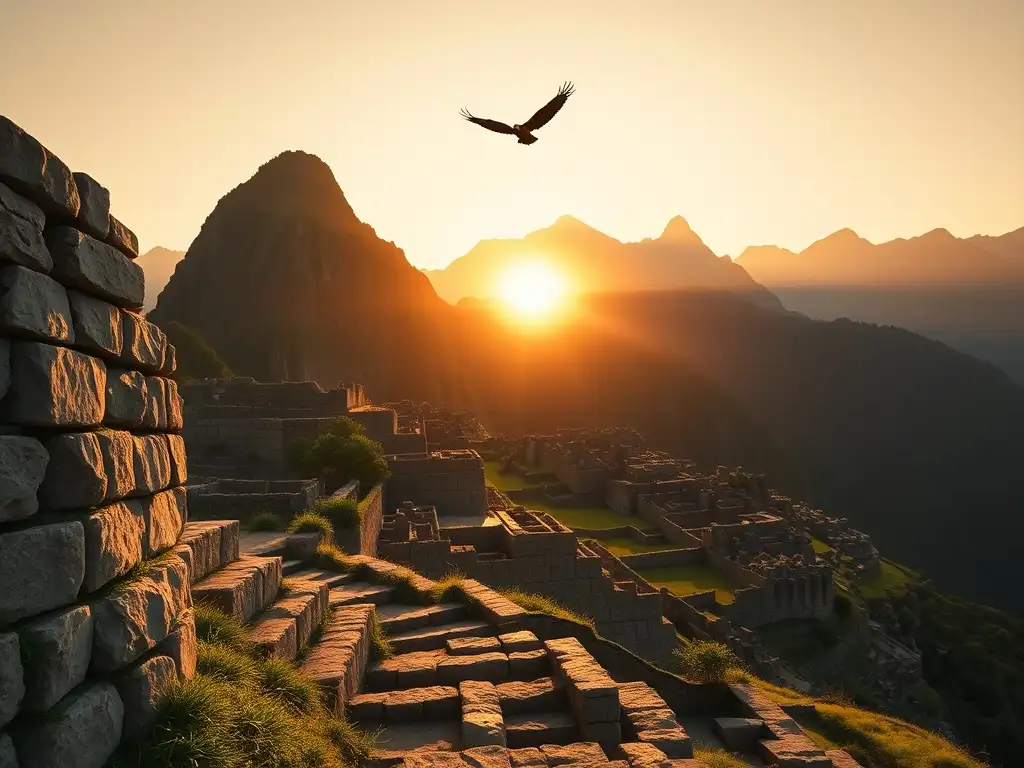
The Inca Empire's success wasn't solely due to military might; it rested on a sophisticated social structure and remarkable cultural achievements. Understanding these facets provides crucial insights into the Empire's longevity and influence. Analyzing the Inca legacy reveals valuable "Inca Empire historical lessons" for societal organization and sustainable development.
Inca society was rigidly hierarchical, with the Sapa Inca (emperor) at its apex. He was considered a divine figure, a descendant of the sun god Inti, wielding absolute power. Below him were the nobility, comprising the royal family, high priests, and military leaders. These elites enjoyed significant privileges, including access to resources and land.
The vast majority of the population belonged to the ayllu, a community-based system where land was collectively owned and worked. Within the ayllu, there was a degree of social mobility based on merit and service to the state. However, social advancement was limited, and the system was designed to maintain the existing power structure.
The Inca state implemented a system of mita, a form of mandatory labor service. While often perceived negatively, the mita system played a vital role in infrastructure projects, agriculture, and the military. It ensured a steady workforce for the Empire's expansive projects, from constructing vast road networks to building impressive temples and agricultural terraces.
The effectiveness of the mita system, however, also depended on the fairness and efficiency of its implementation, which varied over time and across different regions of the Empire. Inequities in its application could lead to unrest and challenges to the Empire's authority. Effective management of the mita system is one of the key "Inca Empire historical lessons" related to resource mobilization and equitable distribution of labor.
The Inca social structure, while hierarchical, possessed a degree of flexibility and adaptation. The ayllu system fostered a sense of community and mutual support, contributing to social stability. However, the rigid class distinctions and the potential for exploitation within the mita system highlight the challenges of balancing centralized control with social equity, a crucial consideration for any large-scale societal organization.
The Importance of Agriculture and Terrace Farming in the Inca Economy
Agriculture formed the backbone of the Inca economy. The Inca's mastery of agricultural techniques, particularly terrace farming, allowed them to cultivate diverse crops in varied terrains. This ingenious system of hillside farming, using intricate networks of stone-lined terraces, maximized arable land and water management. Terraces prevented soil erosion, conserved water resources, and created microclimates suited to different crops, showcasing remarkable agricultural ingenuity. The Inca's agricultural prowess is a key aspect of understanding their "Inca Empire historical lessons" in sustainable resource management and adaptation to challenging environments.
The Inca's agricultural achievements extended beyond terracing. They developed sophisticated irrigation systems, using canals and aqueducts to channel water to fields. They also employed advanced agricultural techniques, such as crop rotation and fertilization, to increase yields. This integrated approach to agriculture ensured food security for a large population, supporting the Empire's growth and stability. Their understanding of ecological principles and their ability to adapt agricultural practices to diverse environments offers valuable insights for modern sustainable agriculture practices. The Inca Empire’s success demonstrates the importance of sustainable agricultural practices for long-term societal prosperity.
Inca Art, Architecture, and Engineering: Masterpieces of Andean Ingenuity
Inca art, architecture, and engineering stand as testaments to their advanced civilization. Their mastery of stonework is particularly impressive, evidenced by the precision and intricacy of their constructions. Massive stones, perfectly fitted without mortar, are a hallmark of Inca architecture, showcasing their advanced engineering skills and their understanding of structural mechanics. The construction of Machu Picchu, a breathtaking mountaintop citadel, exemplifies this mastery. The Inca's engineering prowess, reflected in their impressive infrastructure projects, provides valuable "Inca Empire historical lessons" in construction and urban planning.
Beyond Machu Picchu, the Inca's extensive road network, spanning thousands of miles across challenging terrain, is a testament to their organizational and engineering capabilities. These roads facilitated communication, trade, and the movement of troops, crucial elements for maintaining control over a vast empire. The Inca also constructed impressive temples and palaces, showcasing their artistic and architectural skills.
These structures, often adorned with intricate carvings and designs, reflect their sophisticated aesthetic sensibilities and their religious beliefs. The Inca's artistic and architectural achievements provide a rich source of insights into their cultural values, beliefs, and societal structure, offering valuable "Inca Empire historical lessons" in urban planning and monumental architecture.
The Inca legacy extends far beyond their military conquests. Their social organization, agricultural innovations, and artistic achievements offer invaluable insights into the complexities of a powerful and enduring civilization. The "Inca Empire historical lessons" learned from their achievements in social engineering, sustainable agriculture, and sophisticated engineering continue to inspire and inform contemporary societies.
Religious Beliefs and Practices in the Inca Empire
The Inca religion, deeply intertwined with their social and political structures, played a crucial role in shaping their worldview and daily lives. Unlike many other ancient civilizations with clearly defined pantheons and codified scriptures, Inca religious beliefs were more fluid and expressed through practices and rituals rather than a rigid theological system. The Inca worldview was profoundly animistic; they believed that spirits inhabited everything in the natural world – mountains, rivers, rocks, and even animals. This pervasive animism fostered a deep respect for the environment and a complex relationship with the forces of nature.
One of the most important aspects of Inca religion was the concept of huacas. These were sacred objects or places believed to possess supernatural power. Huacas could be anything from mountains and springs to rocks and mummies of ancestors.
They were considered intermediaries between the human and divine realms, and offerings and rituals were performed to appease and honor them. The Inca nobility, particularly the Sapa Inca (emperor), played a critical role in maintaining these relationships with the huacas, ensuring the well-being of the empire through proper rituals and sacrifices. The Inca state actively managed and controlled access to major huacas, further strengthening its power and authority.
The sun god, Inti, held a prominent position in the Inca pantheon. Inti was considered the ancestor of the Inca rulers and the source of all life and energy. The Sapa Inca was considered the direct descendant of Inti, lending divine legitimacy to his rule.
Elaborate festivals and ceremonies were dedicated to Inti, often involving human sacrifice, particularly during times of crisis or significant events like the Inti Raymi, the most important Inca festival celebrating the solstice. This festival involved elaborate processions, sacrifices, and feasts, showcasing the importance of Inti in the Inca cosmology and the emperor's role as its earthly representative.
Beyond Inti, the Inca revered a vast array of other deities, including the moon goddess, Mama Killa; the creator god, Viracocha; and various other nature spirits associated with mountains, rivers, and other natural phenomena. These deities were often associated with specific regions or communities, highlighting the localized nature of some religious practices within the broader framework of the Inca state religion. The Inca cleverly integrated local deities into their broader religious system, fostering a sense of unity and shared identity across the diverse regions of their empire.
This integration was a key element in the empire's successful consolidation and political stability. The religious practices, therefore, were not merely spiritual but also served critical social and political functions. The careful management of religious beliefs and practices was integral to the Inca Empire's enduring power and influence.
Inca Technological Innovations and Their Impact
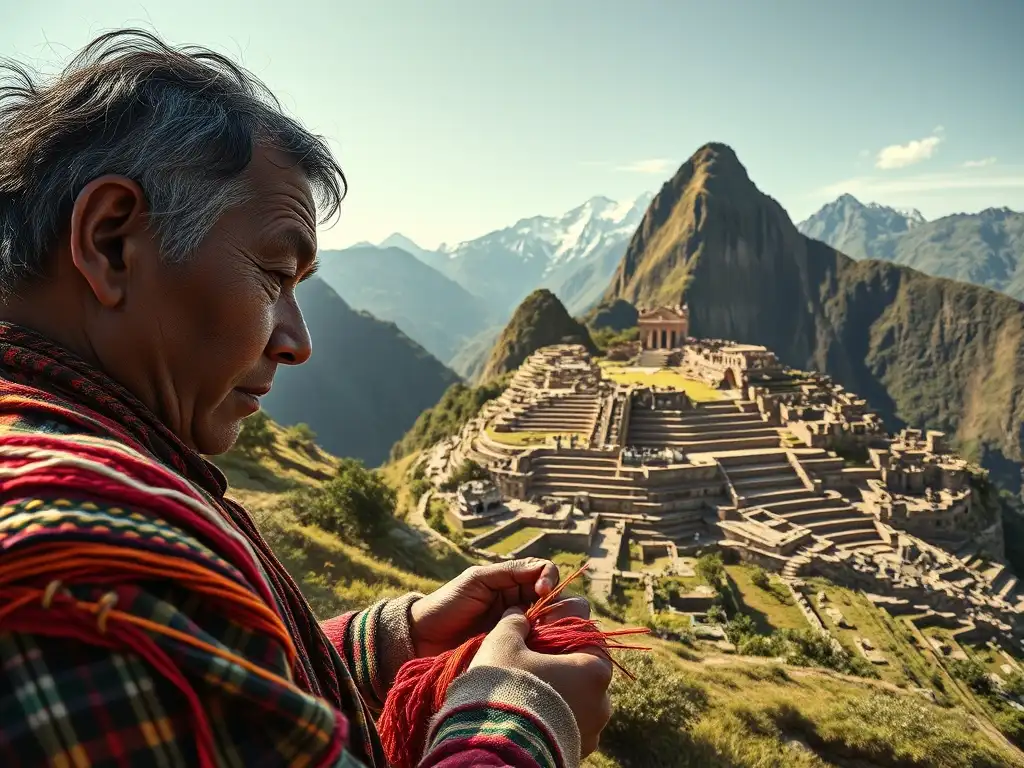
The Inca Empire, renowned for its vast territorial reach and sophisticated social organization, also left an indelible mark on history through its remarkable technological advancements. These innovations weren't merely tools; they were crucial elements in the empire's expansion, consolidation, and enduring legacy. Understanding these achievements provides valuable insights into the Inca Empire's historical lessons, revealing the ingenuity and resourcefulness of this remarkable civilization.
The impact of Inca technology extended far beyond the empire's borders, influencing subsequent Andean cultures and even inspiring modern engineering marvels. We'll delve into some key examples, highlighting their significance in the context of "Inca Empire historical lessons."
Inca Engineering: Advanced Construction Techniques and Infrastructure
Inca engineering stands as a testament to their mastery of stonework and architectural design. Their ability to construct massive structures, such as the impressive city of Machu Picchu, perched high in the Andes Mountains, is a feat of engineering skill that continues to amaze modern experts. The precision of their stone cutting, the intricate fitting of stones without mortar, and the adaptation to challenging terrain demonstrate a profound understanding of structural mechanics and materials science.
The construction of roads, a vital component of the Inca Empire's administrative and military power, is another testament to their engineering prowess. The Qhapaq Ñan, or Great Inca Road, stretched thousands of kilometers across diverse landscapes, connecting distant regions of the empire. These roads were not just simple pathways; they were sophisticated infrastructure projects, incorporating bridges, tunnels, and rest stops.
The Inca's mastery of road building facilitated trade, communication, and the swift movement of troops, playing a crucial role in the empire's expansion and consolidation. The construction of these roads showcases the importance of infrastructure in supporting the Inca Empire's growth and stability, a critical lesson for understanding their success. Their understanding of load-bearing structures and drainage systems within their buildings, even at high altitudes, is a testament to their sophisticated understanding of engineering principles.
Specific examples include the perfectly fitted stones of Sacsayhuamán, the impressive terraces of Pisac, and the intricate water channels integrated into Machu Picchu's architecture. These feats of engineering were not just aesthetic achievements; they were functional and essential for the empire's survival and prosperity. Indeed, the Inca Empire’s ability to engineer solutions to complex geographical challenges provides a potent lesson for modern infrastructure projects.
Inca Irrigation Systems and Water Management
The Inca Empire's success was intrinsically linked to its mastery of water management. Living in a geographically diverse and often arid environment, the Incas developed sophisticated irrigation systems to support their agriculture. These systems were crucial for cultivating the crops that sustained the empire's large population.
The ingenuity of the Inca irrigation systems is evident in their ability to channel water from distant sources across varied terrains, using canals, aqueducts, and sophisticated terracing techniques. These systems weren't merely functional; they were carefully designed to maximize water efficiency and minimize water loss, demonstrating a deep understanding of hydrology and environmental sustainability.
The Inca's water management techniques weren't limited to irrigation. They also built reservoirs and storage facilities to ensure a reliable water supply during dry seasons. This proactive approach to water resource management reflects a sophisticated understanding of climate patterns and a commitment to long-term planning.
The sustainability of the Inca irrigation systems stands as a compelling lesson in resource management, particularly relevant in today's world where water scarcity is a growing concern. The waru waru agricultural system, with its raised beds and canals, is a prime example of sustainable water management that is still being studied and implemented today. The meticulous planning and execution of these systems are key aspects of the Inca Empire's historical lessons, demonstrating a pragmatic approach to ensuring food security and social stability.
The Inca Calendar and Astronomy: Scientific Contributions
The Inca civilization possessed a sophisticated understanding of astronomy, reflected in their highly accurate calendar system. This calendar, based on meticulous observations of celestial bodies, was not just a timekeeping device; it was an integral part of their religious beliefs, agricultural practices, and social organization. The Inca calendar, with its intricate system of cycles and festivals, demonstrates a remarkable level of scientific observation and mathematical precision. Their ability to predict solstices and equinoxes with accuracy allowed them to plan agricultural activities and religious ceremonies with precision, contributing significantly to the stability and prosperity of the empire.
The Inca's astronomical knowledge extended beyond the calendar. They built observatories, such as those found in Cusco and Machu Picchu, which were used to track the movements of celestial bodies. These observatories, often integrated into their architectural designs, underscore the importance of astronomy in Inca society.
The Inca's achievements in astronomy, like their other technological advancements, offer valuable historical lessons. Their dedication to scientific observation and its integration into daily life showcase a holistic approach to knowledge and its practical application. Their understanding of celestial cycles highlights the important connection between scientific observation and societal organization, providing valuable insights for understanding the Inca Empire's success and its lasting impact.
The precise alignments of many Inca structures with astronomical events further illustrate their advanced knowledge and its practical application in urban planning and religious practices. This aspect of Inca knowledge underscores the crucial role of scientific understanding in the development and sustainability of their empire, further enriching the lessons we can draw from their history.
Decline and Fall of the Inca Empire: Factors and Consequences
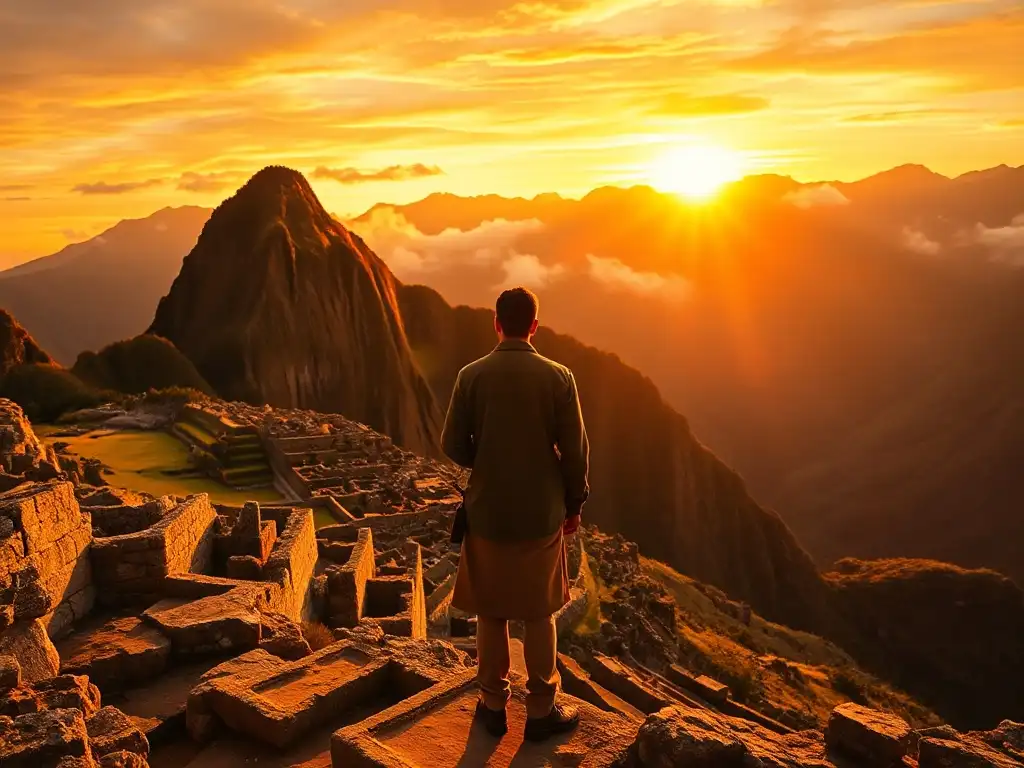
The Inca Empire, a marvel of engineering and administration, did not crumble overnight. Its decline and ultimate fall were the result of a complex interplay of internal weaknesses and external pressures. While the legendary Inca ingenuity and organizational prowess are often highlighted, understanding the empire's vulnerabilities is crucial for a complete picture of its historical trajectory.
This section delves into the key factors that contributed to the Inca Empire's demise, examining both internal conflicts and external forces that ultimately led to its collapse. The keyword phrase "Inca Empire historical lessons" is directly addressed by exploring the multifaceted reasons behind the empire’s fall and its lasting impact.
The Arrival of the Spanish Conquistadors and the Inca Civil War
The arrival of Francisco Pizarro and his conquistadors in 1532 marked a turning point in Inca history. However, the Spanish conquest wasn't a simple military victory; it was significantly facilitated by pre-existing internal strife within the Inca Empire. A brutal civil war between Huáscar and Atahualpa, vying for control of the empire after the death of Huayna Capac, severely weakened the Inca's military strength and political stability.
This power struggle left the empire fractured and vulnerable, making it far easier for a relatively small Spanish force to conquer a vast and previously formidable empire. The Inca civil war, fueled by succession disputes and regional power imbalances, effectively crippled the empire's ability to mount an effective defense against the Spanish. The ensuing chaos and bloodshed depleted resources and manpower, leaving the Inca Empire significantly weakened and ripe for conquest.
The strategic alliances and betrayals within the Inca court also played a crucial role in the Spanish victory, highlighting the importance of internal cohesion in maintaining imperial power. The Inca Empire's fall serves as a stark lesson in the dangers of internal division and the devastating consequences of civil war.
The Impact of Disease and Conquest on the Inca Population
The Spanish conquest wasn't solely a military endeavor; the introduction of Old World diseases played a devastating role in the collapse of the Inca population. Diseases like smallpox, measles, and influenza, to which the Inca people had no immunity, ravaged the population, decimating communities and crippling the empire's workforce. Estimates suggest that the Inca population plummeted by as much as 90% in the decades following the conquest.
This demographic catastrophe severely hampered the Inca's ability to resist Spanish rule and rebuild their infrastructure. The loss of life went far beyond simple numbers; it represented the destruction of knowledge, skills, and social structures that had sustained the Inca civilization for centuries.
The impact of disease on the Inca Empire underscores the interconnectedness of global events and the vulnerability of populations lacking immunity to novel pathogens. This devastating loss of life is a crucial element of understanding the "Inca Empire historical lessons" and the lasting consequences of colonization.
The Legacy of the Inca Empire: Cultural and Historical Influence
Despite its relatively short lifespan compared to other ancient civilizations, the Inca Empire left an indelible mark on history and culture. The legacy of the Inca Empire extends far beyond the ruins of Machu Picchu and other impressive structures. Their sophisticated agricultural techniques, such as terracing and irrigation, continue to influence farming practices in the Andes.
Their intricate road system, a marvel of engineering, testifies to their organizational abilities and strategic planning. Furthermore, elements of Inca language, religion, and art persist in contemporary Andean cultures, demonstrating the enduring influence of their civilization. The Inca Empire's sophisticated social structures, including their complex system of record-keeping using quipus, showcase their advanced administrative capabilities.
Studying the Inca Empire provides valuable "Inca Empire historical lessons" in urban planning, resource management, and societal organization. The empire’s achievements serve as a testament to human ingenuity and resilience, even in the face of devastating challenges. The enduring cultural influence of the Inca civilization is a powerful reminder of the long-lasting impact of even relatively short-lived empires.
Historical Lessons from the Inca Empire: What We Can Learn Today
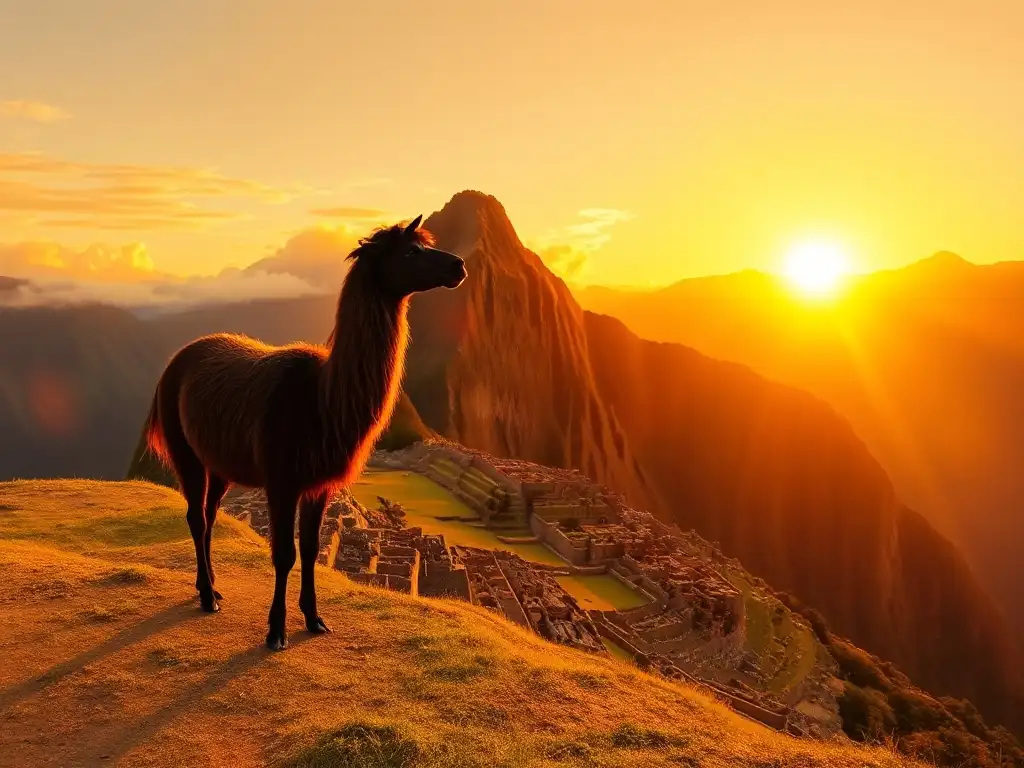
The Inca Empire, a civilization that flourished in the Andes Mountains for over a century, left behind a remarkable legacy. Its sophisticated systems of governance, agriculture, and cultural preservation offer invaluable lessons that remain relevant even today. Examining the Inca Empire's historical lessons allows us to appreciate the ingenuity and resilience of this remarkable civilization and to draw parallels with modern challenges. This section will delve into key aspects of Inca society, extracting practical wisdom applicable to contemporary issues. The keyword "Inca Empire historical lessons" will be explored through the lens of political organization, sustainable practices, and cultural preservation.
Lessons in Political Organization and Centralized Control
The Inca Empire's success hinged on its highly effective system of political organization and centralized control. Unlike many other ancient societies, the Incas implemented a remarkably efficient administrative structure. This involved a complex network of officials, curacas (local leaders), and yanaconas (state-sponsored workers), all operating under the authority of the Sapa Inca, the emperor. This hierarchical structure ensured effective communication and resource allocation across the vast empire.
The Inca's ability to maintain control over such a geographically diverse and populous empire is noteworthy. They achieved this through several key strategies:
- Efficient communication networks: The chasquis, a relay system of runners, enabled rapid communication across vast distances. Messages could travel hundreds of kilometers in a single day, facilitating swift responses to crises and maintaining centralized control.
- Standardized weights and measures: The standardization of weights and measures simplified trade and tax collection, promoting economic stability and preventing disputes. This facilitated fair distribution of resources and prevented local power imbalances.
- Extensive road network: The Inca road system, a marvel of engineering, connected all parts of the empire. This infrastructure facilitated trade, military movements, and administrative oversight, ensuring the efficient flow of goods and information. This infrastructure is a testament to their forward-thinking approach to logistics and governance.
The Inca system, while authoritarian, demonstrates the importance of efficient communication, standardized procedures, and robust infrastructure in maintaining order and stability within a large and complex political entity. Modern governments and organizations can learn from the Incas' approach to centralization and resource management to improve their own efficiency and effectiveness. The Inca Empire's centralized system offers valuable insights into effective governance even in our increasingly interconnected world.
Insights into Sustainable Agriculture and Resource Management
The Inca Empire's remarkable agricultural achievements are a testament to their understanding of sustainable resource management. Facing challenging geographical conditions, including high altitudes, steep slopes, and variable climates, the Incas developed innovative techniques to maximize agricultural output. These techniques included:
- Terracing: The construction of extensive terrace systems transformed steep slopes into arable land, significantly increasing agricultural productivity. These terraces also helped to control erosion and conserve water.
- Irrigation systems: Sophisticated irrigation canals and aqueducts channeled water from rivers and streams to irrigate fields, ensuring reliable water supply even in arid regions. This allowed for the cultivation of crops in areas that would otherwise be unsuitable for agriculture.
- Crop diversification: The Incas practiced crop diversification, cultivating a wide range of crops adapted to different altitudes and microclimates. This strategy minimized the risk of crop failure and ensured food security for the entire population. This is a crucial lesson for modern agriculture, which often relies on monocultures that are vulnerable to pests and diseases.
The Inca's sustainable agricultural practices highlight the importance of adapting to environmental constraints and managing resources responsibly. Their methods offer valuable lessons for modern agriculture, which is increasingly challenged by climate change, land degradation, and population growth. The Inca Empire's agricultural ingenuity serves as a model for sustainable food production practices in the 21st century. Their approach to resource management offers a pathway to long-term food security and environmental sustainability.
The Importance of Cultural Heritage and Preservation
The Inca Empire placed a significant emphasis on cultural heritage and preservation. Their sophisticated artistic traditions, elaborate religious ceremonies, and intricate record-keeping systems reflect a deep appreciation for their cultural identity. This cultural preservation was not merely a matter of aesthetics; it played a crucial role in maintaining social cohesion and political stability.
The Incas' dedication to preserving their cultural heritage is evident in:
- Monumental architecture: The impressive architecture of Machu Picchu and other Inca sites demonstrates their advanced engineering skills and artistic capabilities. These structures served not only practical purposes but also as symbols of Inca power and cultural identity.
- Textiles and craftsmanship: Inca textiles were renowned for their intricate designs and high quality. The production of these textiles was a highly valued craft, representing cultural pride and social status.
- Quipu: The quipus, a system of knotted strings used for record-keeping, demonstrate the Incas' sophisticated understanding of information management and their commitment to preserving historical knowledge.
The Inca Empire's emphasis on cultural preservation serves as a powerful reminder of the importance of protecting cultural heritage for future generations. Their approach to preserving their history and traditions offers valuable insights into the role of culture in fostering social cohesion and national identity. The meticulous preservation of Inca cultural heritage is a testament to the enduring value of cultural traditions and their importance in shaping a society's identity.
Modern societies can learn from the Incas' commitment to cultural preservation by investing in the protection of their own cultural heritage. This includes not only physical artifacts but also intangible cultural practices and traditions.
The Lasting Impact of the Inca Empire on Andean Identity
The Inca Empire, despite its relatively short lifespan compared to other ancient civilizations, left an indelible mark on the Andean identity that persists to this day. The influence extends far beyond the obvious architectural marvels like Machu Picchu. The intricate system of ayllu, the communal land tenure system, while significantly altered over centuries, still resonates in the social fabric of many Andean communities. The concept of reciprocal obligation and collective responsibility, fundamental to ayllu, continues to shape social interactions and economic practices in various forms.
This enduring legacy is not merely nostalgic; it's a living testament to the Inca's successful integration of diverse populations and their ingenious strategies for social cohesion. The Inca's emphasis on community and shared resources, though adapted to modern contexts, remains a powerful force in Andean societies, shaping their values and approaches to governance and resource management. Furthermore, the Quechua language, heavily promoted by the Inca, continues to be spoken by millions, acting as a powerful unifying element across various Andean nations.
This linguistic continuity strengthens cultural bonds and preserves a vital part of the Inca heritage, reminding people of their shared ancestry and common history. The enduring presence of Quechua is a powerful symbol of the Inca Empire's lasting impact on Andean identity, a living legacy woven into the cultural tapestry of the region. Even the vibrant textiles and artistic styles prevalent in the Andes today often reflect patterns and motifs originating from the Inca period, showcasing a continuity of artistic expression that speaks volumes about the empire's profound influence.
Conclusion: Reflecting on the Enduring Legacy of the Incas
The Inca Empire, though ultimately conquered, offers invaluable lessons for understanding the complexities of empire building, social organization, and cultural preservation. The Inca’s achievements in infrastructure, agriculture, and administration highlight the power of centralized planning and efficient resource management. However, their story also serves as a cautionary tale about the challenges of integrating diverse populations and the potential pitfalls of unchecked expansion.
The careful study of Inca achievements and failures provides crucial insights into the dynamics of power, the importance of adaptability, and the enduring strength of cultural identity. The lessons learned from the Inca Empire are not confined to the realm of history; they offer valuable perspectives on contemporary issues such as sustainable development, social equity, and the preservation of cultural heritage. By examining the Inca legacy, we can gain a deeper appreciation for the intricacies of societal development and the enduring power of cultural traditions in shaping the lives of individuals and communities across generations.
The Inca Empire's story is a powerful reminder that even seemingly invincible empires face inevitable challenges, and that understanding their successes and failures can provide crucial insights into the complexities of human civilization and the enduring legacy of cultural heritage. The study of "Inca Empire historical lessons" remains relevant and crucial in understanding the past and navigating the challenges of the present.
Frequently Asked Questions
What makes the Inca Empire so significant in history?
The Inca Empire's significance lies in its remarkable administrative and engineering achievements, spanning a vast territory and diverse environments. Their advanced road system, sophisticated agriculture, and complex social structure left a lasting legacy.
What were some key technological advancements of the Inca Empire?
The Incas were masters of stonework, creating intricate structures like Machu Picchu. They also developed advanced agricultural techniques, including terracing and irrigation, to support their large population. Their quipu system for record-keeping was also noteworthy.
How did the Inca Empire manage such a large and diverse population?
The Incas implemented a highly centralized government with a system of provincial governors and tribute. Extensive road networks facilitated communication and trade, connecting distant regions of the empire. They also used mit'a, a labor system, for public works projects.
What were some important cultural aspects of the Inca civilization?
Inca culture was rich in religious beliefs, with a pantheon of gods and elaborate ceremonies. They excelled in textile arts, creating intricate designs and using various materials. Their oral traditions and storytelling played a significant role in preserving their history and culture.
What lessons can we learn from the rise and fall of the Inca Empire?
The Inca Empire's history offers valuable lessons about the importance of adaptation, effective governance, and the impact of external forces. Studying their successes and failures provides insights into the complexities of empire building and societal collapse.
Final Reflection: Echoes of the Andes: A Legacy of Resilience and Innovation
The Inca Empire's sophisticated infrastructure, intricate social structures, and remarkable adaptability remain strikingly relevant in our modern world. We face challenges of sustainability, resource management, and societal cohesion that mirror those faced by the Inca, highlighting the enduring wisdom embedded within their civilization's rise and fall. Their story serves as a potent reminder that even the most advanced societies are vulnerable, and that careful planning and community cooperation are essential for long-term survival.
The Inca legacy extends far beyond the ruins of Machu Picchu; it continues to shape our understanding of human potential and societal organization. Their innovative agricultural techniques, their mastery of engineering in the face of challenging terrain, and their complex system of record-keeping all stand as testaments to human ingenuity. As the anthropologist, John Murra, eloquently stated, The Inca state was not merely a political entity, but a vast, integrated system of resource management and social control.
This holistic approach to governance offers valuable lessons for contemporary societies grappling with issues of inequality and environmental sustainability.
Consider the ingenuity of the Inca's terrace farming, their intricate road systems, and their sophisticated understanding of astronomy. These achievements weren't born of magic, but of careful observation, collaboration, and a deep respect for their environment. You too can draw inspiration from this legacy. Embrace innovative solutions to the challenges you face, foster collaboration within your communities, and strive for a sustainable future, remembering the enduring wisdom of a civilization that once thrived in the heart of the Andes.
**Embrace the Wisdom of the Ancients! **
Thank you for exploring the fascinating history and ingenuity of the Inca Empire with us. You've gained valuable insights that can enrich your life and inspire your future endeavors. Now, let's put this knowledge into practice!
- **Explore Inca Innovations:** Consider how Inca agricultural techniques, such as terracing, or their remarkable architectural achievements, like intricate stonework, could be adapted to solve modern challenges in your community or even your own home. Perhaps you could design a more sustainable garden or find inspiration for a home improvement project.
- **Share the Legacy:** Discuss what you've learned with friends, family, or on social media. Sharing these inspiring stories helps connect others with history and fosters a deeper appreciation for different cultures.
- **Engage with Your Community:** Seek out local events, workshops, or museums focused on Andean cultures to further expand your knowledge and understanding of how ancient wisdom can inform modern life. Connecting with others who share your interest will create a richer learning experience.
What aspect of Inca civilization resonates most strongly with you and how does it influence your life today?