
Andean Resilience: Modern Studies of Ancient Adaptability

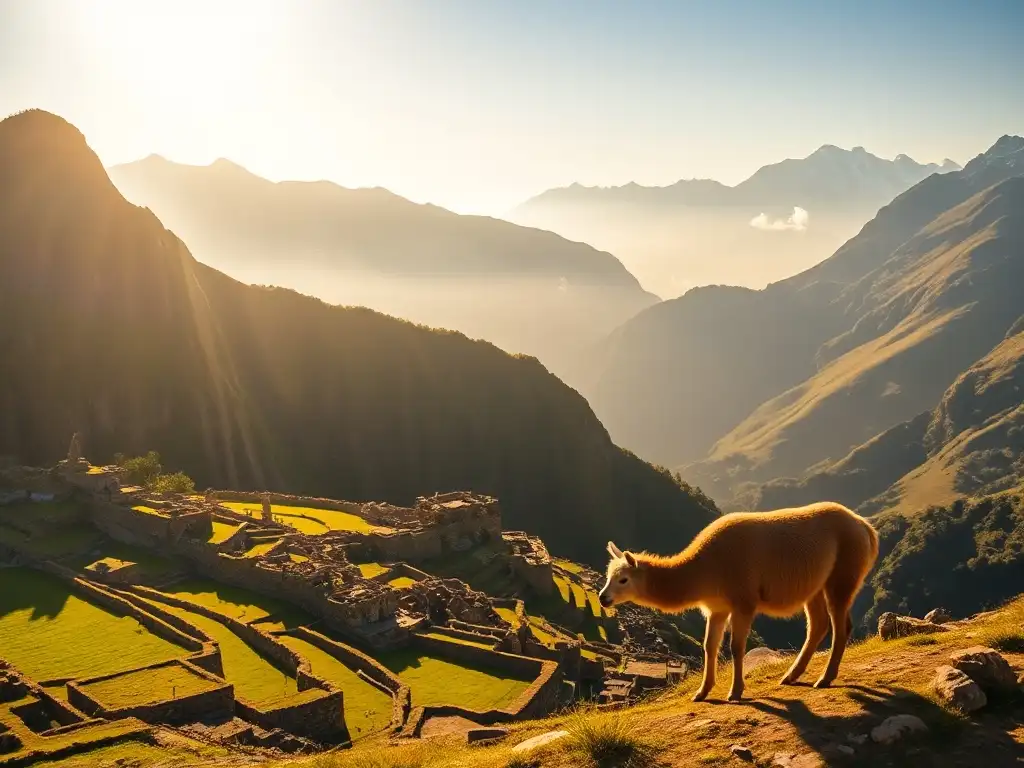
Step into a world lost to time, yet echoing with the ingenuity of civilizations that thrived amidst the towering Andes. Imagine a landscape sculpted by both nature and human ambition, where innovation bloomed in the face of adversity. Our exploration of ancient Andean adaptability studies unveils the secrets behind their remarkable resilience, challenging our understanding of societal progress.
Discover how these incredible cultures, from the Incas to the Nazca, shaped their environments and, in turn, were shaped by them. Prepare to be amazed by the intricate tapestry of Andean history, culture, and technology – a story waiting to be unraveled.
The Andes Mountains, a formidable and unforgiving landscape, cradled some of the most remarkable civilizations in the history of the Americas. From the towering heights of the Altiplano to the arid coastal deserts, the ingenuity and resilience of Andean peoples in adapting to their challenging environment have captivated scholars for centuries.
This article delves into the fascinating world of modern studies exploring ancient Andean adaptability, examining the sophisticated strategies employed by civilizations like the Inca, Moche, Nazca, and Tiahuanaco to thrive in diverse and often hostile ecosystems. We will explore the cutting-edge research that sheds light on their agricultural innovations, infrastructural achievements, and social structures, all contributing to their remarkable survival and enduring legacy.
Understanding their adaptability offers valuable insights not only into the past but also into contemporary challenges related to resource management and sustainable living in harsh environments. The keyword "ancient Andean adaptability studies" will be explored throughout the article, highlighting the key findings and methodologies used in this exciting field of research.
Introduction to Ancient Andean Adaptability
The study of ancient Andean adaptability is a multifaceted field, drawing upon archaeology, anthropology, paleoclimatology, and other disciplines to reconstruct the complex interplay between Andean societies and their environment. Researchers are increasingly utilizing advanced technologies like GIS mapping, isotopic analysis, and ancient DNA studies to unlock the secrets of past adaptive strategies. For instance, isotopic analysis of human remains reveals dietary patterns and migration routes, shedding light on how communities responded to environmental fluctuations.
Similarly, sophisticated GIS modeling helps visualize the intricate network of agricultural terraces and irrigation systems, showcasing the planning and engineering prowess of these civilizations. This interdisciplinary approach provides a more nuanced understanding of ancient Andean resilience than previously possible. The complexity of the topic necessitates a multi-pronged approach, encompassing not only the technological advancements but also the social and political structures that facilitated adaptation.
Early studies often focused on isolated aspects of technology, but current research emphasizes the integrated nature of adaptation, recognizing the interplay between environment, technology, and social organization. This holistic perspective is crucial to grasping the full extent of ancient Andean ingenuity.
Understanding Andean Civilizations' Adaptive Strategies
Andean civilizations developed a remarkable array of adaptive strategies to overcome the challenges posed by their environment. These strategies were not isolated technological innovations but rather integrated systems reflecting a deep understanding of their surroundings. Consider, for example, the sophisticated agricultural techniques employed across different ecological zones. The Incas, renowned for their terracing, created intricate systems of agricultural plots on steep slopes, increasing arable land and controlling water flow. The Nazca, inhabiting the arid coastal regions, developed ingenious irrigation systems to harness scarce water resources, allowing them to cultivate crops in seemingly impossible conditions. These systems often involved complex canal networks extending for kilometers, demonstrating advanced engineering skills and a deep understanding of hydrology. Furthermore, their agricultural practices were not limited to water management; they also involved crop diversification and the development of drought-resistant crops. The Moche civilization, on the other hand, thrived in a diverse landscape, adapting their agricultural techniques to the specific conditions of different regions. Their understanding of the environment was crucial to their success, and their strategies highlight the importance of flexibility and innovation in adapting to changing conditions. The evidence suggests that these strategies were not static; rather, they evolved and adapted over time in response to environmental changes and societal pressures. The ability to adapt and modify these practices was a key factor in the long-term survival of these civilizations.
The development of these sophisticated agricultural techniques was not solely technological; it was also deeply intertwined with social and political structures. The organization of labor, the distribution of resources, and the development of centralized authority all played crucial roles in supporting these large-scale projects. Further research is needed to fully understand the social dynamics that facilitated the creation and maintenance of these systems. The study of ancient Andean adaptability is an ongoing process, with new discoveries and interpretations continually shaping our understanding of these remarkable civilizations.
- What makes the study of Andean adaptability so important?
- How did ancient Andean civilizations adapt to high altitudes?
- What role did technology play in Andean adaptability?
- What are some examples of successful ancient Andean adaptation strategies?
- Where can I find more information on ancient Andean adaptability studies?
The Core of Andean Adaptability: Environmental Challenges
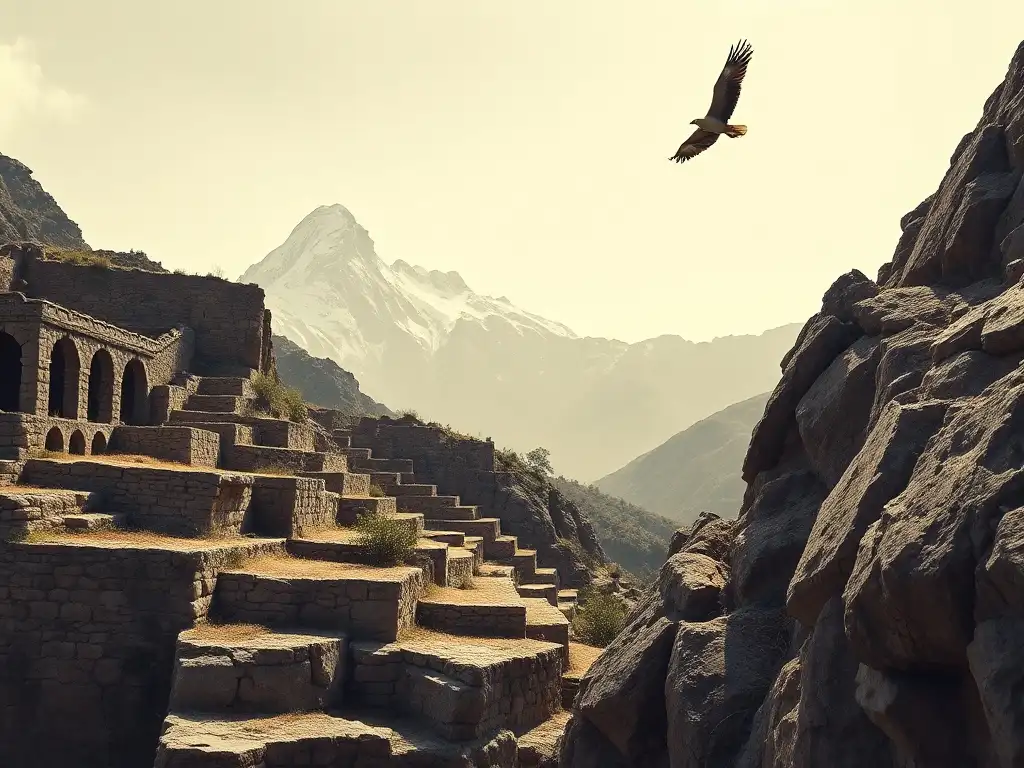
The Andes Mountains presented a formidable challenge to the ancient civilizations that thrived within their dramatic landscape. Understanding ancient Andean adaptability requires acknowledging the profound impact of the environment. These societies didn't merely survive; they flourished by developing ingenious strategies to overcome the inherent difficulties of a geographically diverse and often hostile terrain.
Modern studies of ancient Andean adaptability highlight this remarkable capacity for innovation and resilience in the face of considerable environmental pressure. The very survival of these cultures is a testament to their sophisticated understanding and manipulation of their surroundings, a legacy that continues to fascinate and inspire researchers today. This section will delve into the specific environmental pressures and the innovative solutions employed by Andean societies.
Geographic Diversity and its Impact on Andean Societies
The Andes are not a monolithic entity. Their immense verticality creates a breathtaking range of ecosystems, from arid coastal deserts to lush cloud forests and frigid alpine zones. This extreme geographic diversity directly impacted the development and adaptation strategies of different Andean cultures.
Coastal societies, like the Moche, focused on fishing and marine resources, developing intricate irrigation systems to support agriculture in the limited fertile valleys. Highland societies, such as the Inca, faced different challenges entirely, adapting to the thin air, steep slopes, and unpredictable weather patterns of the high altitudes. The Nazca people, inhabiting the arid coastal plains, developed remarkable water management techniques to survive in one of the driest regions on Earth.
This variation in environmental conditions fostered the emergence of diverse cultural adaptations, each uniquely suited to its specific ecological niche. Studies reveal a complex interplay between environment and culture, shaping the unique characteristics of each Andean civilization. Analyzing the specific adaptations of each group allows for a more nuanced understanding of ancient Andean adaptability as a whole.
Overcoming Harsh Climates: Highland Adaptation Strategies
Life in the Andean highlands presented a unique set of challenges. The thin air at high altitudes resulted in reduced oxygen levels, impacting physical capabilities and agricultural yields. Furthermore, the steep slopes and unpredictable weather, including frequent frost and hailstorms, presented significant obstacles to cultivation.
However, ancient Andean societies demonstrated remarkable ingenuity in overcoming these obstacles. Terracing, for instance, was a crucial technique used to create level plots of land on steep slopes, maximizing arable land and minimizing soil erosion. The development of frost-resistant crops, such as potatoes and quinoa, showcases a deep understanding of plant genetics and adaptation to extreme conditions.
Modern studies focusing on ancient Andean agriculture reveal sophisticated techniques like crop rotation and the use of fertilizers derived from animal manure and other organic sources, crucial for maintaining soil fertility in harsh environments. These adaptations weren't merely reactive; they were proactive, reflecting a deep understanding of the Andean ecosystem and a commitment to sustainable practices. The success of these highland adaptations underscores the resilience and innovative spirit of ancient Andean communities.
Water Management Techniques: Ancient Irrigation Systems
Access to water was, and remains, a critical factor determining survival in the Andes. The development of sophisticated irrigation systems is a hallmark of ancient Andean adaptability. The ingenuity of these systems is particularly evident in the arid coastal regions and high-altitude valleys where water scarcity was a constant threat.
The Nazca lines, while famous for their enigmatic nature, are also evidence of sophisticated water management practices, potentially linked to underground aqueducts and canals. Similarly, the Moche culture constructed extensive irrigation canals, diverting water from rivers and streams to irrigate their fields, supporting a thriving agricultural economy. The Inca, with their vast empire spanning diverse climates, developed a complex network of canals, reservoirs, and aqueducts, demonstrating an advanced understanding of hydraulic engineering.
These systems weren't simply channels for water; they were integral to the social and political organization of Andean societies, reflecting the importance of water resource management in their daily lives. Modern analysis of these ancient irrigation systems provides valuable insights into ancient Andean engineering skills and their remarkable capacity to adapt to environmental constraints. These feats of ingenuity serve as a powerful testament to the sophisticated knowledge and organizational capabilities of ancient Andean civilizations.
Modern Scientific Approaches to Studying Andean Resilience

This section delves into the modern scientific methodologies employed to understand the remarkable adaptability of ancient Andean civilizations. By examining archaeological findings, ethnobotanical data, and genetic research, we gain a deeper appreciation for the ingenuity and resilience of these societies in the face of environmental challenges and societal pressures. The study of ancient Andean adaptability is a vibrant and evolving field, constantly refining our understanding of these fascinating cultures.
Archaeological Evidence and its Contributions
Archaeological evidence provides crucial insights into the strategies employed by ancient Andean populations to overcome environmental and social hurdles. Excavations across the Andes reveal sophisticated agricultural techniques, intricate water management systems, and resilient urban planning. For example, the terraced farming systems found in the Sacred Valley of the Incas showcase an impressive understanding of water conservation and soil management, maximizing crop yields in challenging terrain.
These terraces, meticulously constructed over centuries, are a testament to the ingenuity of Andean engineers and their capacity to adapt to the steep slopes and variable climates of the region. Furthermore, the discovery of sophisticated irrigation canals, like those of the Nazca culture, highlights their mastery of water resource management, allowing for thriving agricultural practices in arid environments. Analysis of ancient settlements, like those of the Moche, reveals urban planning that considered factors such as seismic activity and potential flooding, demonstrating a sophisticated understanding of risk assessment and mitigation.
The meticulous record-keeping evident in quipu (Inca knotted-cord systems) provides further evidence of sophisticated societal organization and resource management, crucial for adaptation and resilience. The study of ancient Andean architecture, from simple dwellings to monumental structures, provides concrete data on construction techniques and resource utilization, further illuminating their adaptive strategies.
Ethnobotanical Studies of Ancient Andean Crops
Ethnobotanical studies play a vital role in understanding ancient Andean adaptability by analyzing the diverse range of crops cultivated and their adaptation to different ecological niches. Research on ancient Andean agriculture reveals a remarkable level of crop diversification, with a focus on crops resilient to various environmental conditions. The potato, for instance, exhibits a remarkable diversity of varieties, each adapted to specific altitudes, climates, and soil types.
This diversity reflects centuries of careful selection and adaptation by Andean farmers. Similarly, studies of quinoa and amaranth highlight their nutritional value and resilience to harsh conditions, contributing significantly to the dietary stability of Andean populations. Ethnobotanical research also examines the traditional knowledge associated with these crops, including cultivation techniques, processing methods, and medicinal uses.
This knowledge, often passed down through generations, provides valuable insights into the strategies employed by ancient Andean communities to ensure food security and maintain their livelihoods. By understanding the interplay between ancient agricultural practices and the genetic diversity of Andean crops, we gain a comprehensive understanding of their adaptive capabilities. Further research into less-studied crops from the Andean region may reveal even more about their remarkable agricultural achievements.
Genetic Research and Population Adaptations
Genetic research offers a powerful tool for understanding the biological adaptations of ancient Andean populations to high altitude and other environmental challenges. Studies of ancient DNA (aDNA) from Andean remains have revealed genetic variations associated with adaptation to hypoxia (low oxygen levels) at high altitudes. These genetic adaptations, developed over millennia, allowed Andean populations to thrive in environments that would be challenging for individuals from other regions.
Furthermore, genetic research can shed light on population movements and migrations, providing insights into how Andean communities responded to environmental changes and social pressures. The analysis of mitochondrial DNA (mtDNA) and Y-chromosome DNA can help trace lineage and migration patterns, revealing the complex dynamics of population adaptation and resilience. By combining genetic data with archaeological and ethnobotanical evidence, researchers can build a more holistic picture of the factors that contributed to the resilience of ancient Andean civilizations.
Ongoing research in this field continues to reveal new insights into the genetic basis of Andean adaptation and the interconnectedness of biological, cultural, and environmental factors in shaping the history of these remarkable societies. The study of ancient Andean adaptability through genetic research promises to further illuminate the fascinating story of human adaptation and resilience in extreme environments.
Case Studies of Andean Adaptability
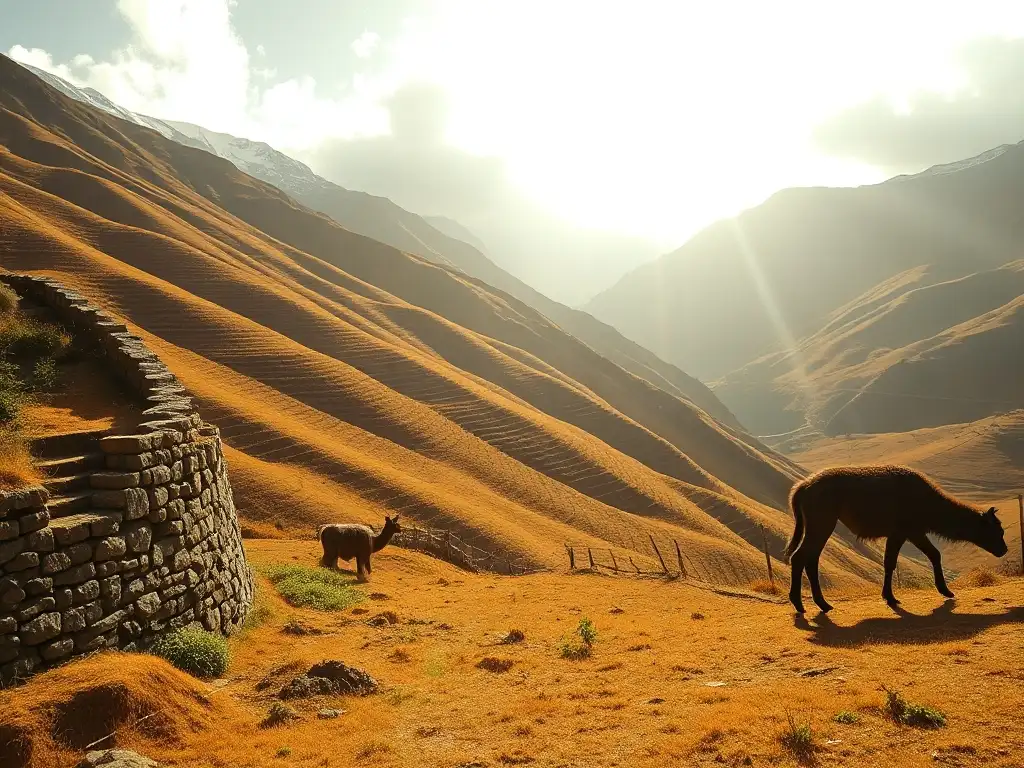
This section delves into specific examples of ancient Andean adaptability, showcasing the ingenious strategies employed by different cultures to thrive in diverse and often challenging environments. These case studies highlight the remarkable ingenuity and resilience of Andean civilizations, providing compelling evidence for the keyword "ancient Andean adaptability studies." We will examine how the Inca and Moche civilizations, among others, successfully navigated environmental obstacles and societal pressures through innovative solutions.
The Inca Empire: Expansion and Resource Management
The Inca Empire, renowned for its vast territorial reach across the Andes, stands as a testament to exceptional adaptability. Their success wasn't solely due to military prowess; it was fundamentally rooted in their ability to manage diverse resources and integrate conquered populations effectively. The Inca's capacity for adaptation is a rich area of study for "ancient Andean adaptability studies."
Inca Adaptability in Governance
Inca governance was remarkably adaptable. Rather than imposing a uniform system, they implemented a flexible administrative structure tailored to the specific needs and existing social structures of each conquered region. This approach minimized resistance and facilitated the smooth integration of new territories. For example, local leaders were often incorporated into the Inca bureaucracy, maintaining a degree of autonomy while acknowledging Inca authority.
This shrewd strategy is crucial to understanding "ancient Andean adaptability studies." Evidence suggests that this approach fostered a sense of shared identity and purpose, contributing to the empire's stability and longevity. Further research is needed to fully quantify the impact of this adaptable governance model on long-term social cohesion.
Inca Adaptability in Infrastructure
The Inca's impressive road network, Qhapaq Ñan, is a prime example of their adaptability in infrastructure. This extensive system, traversing diverse terrains from high-altitude mountains to coastal deserts, facilitated communication, trade, and the rapid movement of troops. The construction techniques were adapted to the local environment, employing materials like stone, wood, and earth in ingenious ways.
The roads themselves weren't simply pathways; they were carefully engineered to withstand harsh weather conditions and seismic activity. This adaptability in infrastructure is a key element of "ancient Andean adaptability studies," showcasing the Inca's mastery of engineering and their understanding of environmental forces. [Specific data on the number of bridges and road sections built in different ecological zones pending].
The Moche Culture: Overcoming Coastal Challenges
The Moche civilization, flourishing on the arid northern coast of Peru, faced unique environmental challenges. Their ingenuity in overcoming these obstacles provides further insight into "ancient Andean adaptability studies." Their success demonstrates the remarkable capacity of human societies to thrive even under seemingly insurmountable environmental constraints.
Moche Adaptability in Agriculture
The Moche developed sophisticated irrigation systems to cultivate crops in the otherwise barren coastal desert. These systems, including canals, reservoirs, and terraced fields, allowed them to harness limited water resources effectively. The construction and maintenance of these systems required meticulous planning, collaboration, and a deep understanding of hydrology. Archaeological evidence suggests a high degree of specialization and labor organization within Moche society, reflecting their commitment to agricultural innovation. [Specific data on the size and complexity of Moche irrigation systems pending]. This agricultural prowess is a cornerstone of "ancient Andean adaptability studies."
Moche Adaptability in Craftsmanship
Moche artisans demonstrated remarkable adaptability in their use of materials and techniques. They crafted intricate ceramics, textiles, and metalwork, often employing diverse materials sourced from different ecological zones. Their mastery of metallurgy, for instance, allowed them to produce finely crafted gold and silver objects, reflecting their adaptation to the availability of specific resources.
The stylistic variations observed in Moche artifacts suggest a high degree of regional diversity and adaptation to local aesthetic preferences. The Moche's ability to innovate and adapt their craftsmanship, showcasing their resourcefulness and creativity, is a vital aspect of "ancient Andean adaptability studies." Further research into the specific techniques and materials used in different Moche regions could shed more light on their remarkable adaptability.
The Nazca Civilization: Adapting to Arid Environments
The Nazca civilization, flourishing on the arid south coast of Peru between 100 BCE and 800 CE, provides a compelling case study in ancient Andean adaptability. Their remarkable achievements in the face of scarce water resources and challenging environmental conditions showcase ingenuity and resilience. Their survival hinged on innovative strategies for resource management and a deeply ingrained cultural system that reflected their environmental realities.
The Nazca people were not simply passive inhabitants of their environment; they actively shaped and adapted to it, leaving behind a legacy of remarkable engineering and artistic expression. Their story offers valuable insights into human adaptability in extreme conditions, relevant even today as we face the challenges of climate change and resource scarcity.
Nazca Adaptability in Water Procurement
The Nazca's most significant adaptation was their sophisticated system of water management. Facing an extremely arid climate with minimal rainfall, they developed intricate underground canal systems known as puquios. These ingenious structures channeled water from underground aquifers to surface reservoirs, providing a reliable source of water for agriculture and daily life.
The construction of these puquios required detailed knowledge of hydrology and engineering skills, demonstrating a deep understanding of their environment and a commitment to long-term sustainability. Archaeological evidence suggests that the puquios were carefully maintained and repaired over generations, showcasing a communal effort to ensure the continued functioning of this vital infrastructure. Furthermore, the Nazca also employed techniques such as capturing and storing rainwater in reservoirs and using efficient irrigation methods to maximize water usage in their agriculture.
This sophisticated water management system allowed them to thrive in one of the most challenging environments in the world. The precise methods used in puquio construction and maintenance are still being studied by modern engineers, highlighting the advanced nature of Nazca technology.
Nazca Adaptability in Art and Culture
Beyond their engineering feats, the Nazca's adaptability is also evident in their art and culture. Their iconic geoglyphs, massive figures etched into the desert surface, are a testament to their creativity and resourcefulness. While the exact purpose of these geoglyphs remains debated, their creation suggests a profound connection to the landscape and a capacity for large-scale collaborative projects.
The Nazca's intricate pottery, textiles, and other artistic expressions also reflect their adaptation to their environment. Many of their designs incorporate motifs related to water, animals, and plants, showcasing their close relationship with the natural world. The vibrant colors and sophisticated techniques employed in their art indicate a high level of skill and artistic sophistication, a testament to their cultural richness.
The unique style and themes of Nazca art are distinctive and clearly reflect their unique environmental context and societal values. This cultural expression demonstrates their capacity to not just survive but flourish in a challenging environment.
Tiahuanaco: Resilience in the Altiplano
The Tiahuanaco civilization, located on the high-altitude Altiplano of the Andes (modern-day Bolivia), presents another fascinating example of ancient Andean adaptability. Flourishing between approximately 500 and 1000 CE, this civilization successfully adapted to the harsh conditions of the high Andes, characterized by thin air, extreme temperature variations, and limited arable land. Their survival depended on innovative agricultural techniques, a sophisticated social organization, and a resilient culture capable of weathering environmental challenges and periods of social upheaval. The Tiahuanaco's story underscores the remarkable capacity of human societies to adapt to even the most challenging environments.
Tiahuanaco Adaptability in Agriculture
The Tiahuanaco's success was largely based on their mastery of agriculture in a challenging environment. They developed sophisticated techniques to maximize crop yields in the thin, high-altitude soils. These techniques included raised fields, terracing, and irrigation systems, all designed to optimize water usage and soil fertility. Raised fields, in particular, were crucial, allowing for better drainage and increased soil temperature, essential for successful crop cultivation at high altitudes.
Archaeological evidence suggests that they also utilized sophisticated crop rotation and fertilization methods to maintain soil health. Their understanding of agricultural techniques was remarkable, allowing them to cultivate crops like potatoes and quinoa, staples of the Andean diet, in an environment that would seem inhospitable to agriculture. Their agricultural practices were not only productive but also demonstrably sustainable, allowing them to support a large population for centuries.
Tiahuanaco Adaptability in Social Structure
The Tiahuanaco civilization's resilience was also rooted in its sophisticated social structure. Evidence suggests a highly organized society with a centralized government, capable of mobilizing resources and coordinating large-scale public works projects, such as the construction of monumental architecture and extensive irrigation systems. This strong social organization was crucial for managing resources and responding to environmental challenges. The ability to coordinate labor and allocate resources effectively was essential for the success of their agricultural and infrastructural projects.
While the precise details of their social hierarchy and governance remain a subject of ongoing research, the scale and complexity of their achievements demonstrate a remarkable level of social organization and adaptability. This centralized system allowed for effective resource management, conflict resolution, and resilience in the face of environmental and social pressures. The Tiahuanaco’s sophisticated social organization was as vital to their survival as their agricultural innovations.
Lessons from Ancient Andean Adaptability for the Modern World
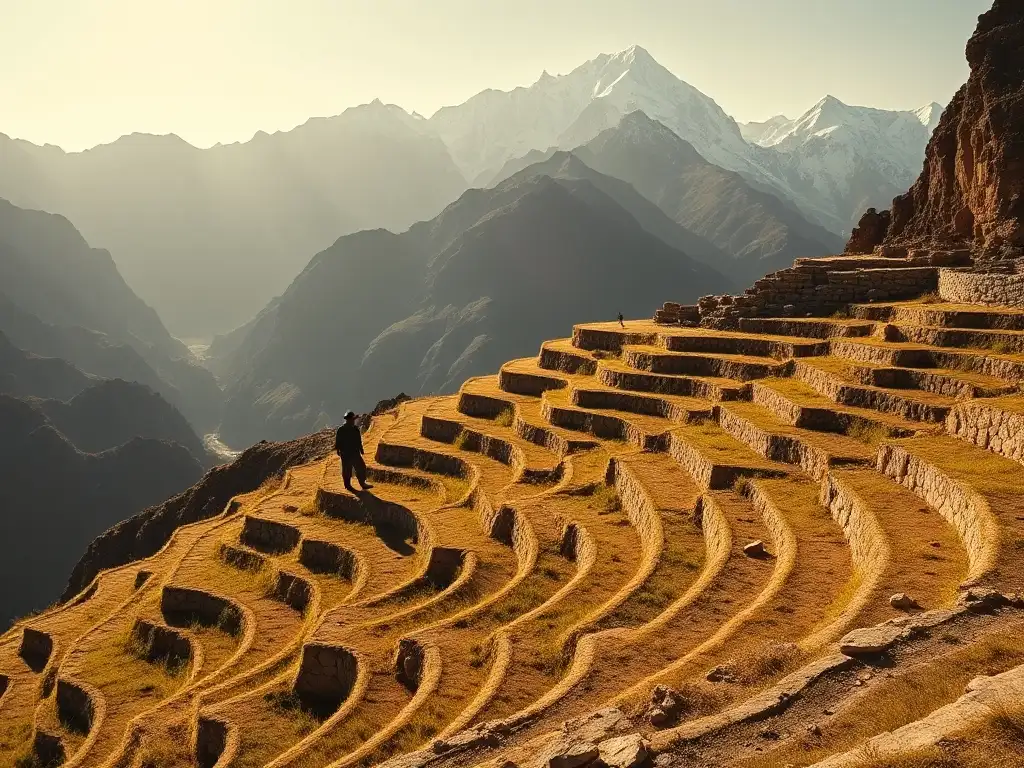
This section explores how studying ancient Andean adaptability offers valuable insights for contemporary challenges. By examining the ingenious strategies employed by past Andean civilizations to thrive in a challenging environment, we can glean practical lessons for sustainable development and resilience in the face of modern pressures. The focus here is on "ancient Andean adaptability studies" and their relevance to modern issues. We will analyze specific examples of sustainable agriculture, community resilience, and climate change adaptation, demonstrating the enduring legacy of Andean ingenuity.
Sustainable Agricultural Practices from Andean Ancestors
Andean civilizations, facing diverse and often harsh ecological conditions, developed sophisticated agricultural techniques that ensured food security for centuries. Their ingenuity shines through in the remarkable examples of terracing, irrigation systems, and crop diversification. These were not simply agricultural practices; they were integrated systems designed to optimize resource use and minimize environmental impact.
The widespread use of terracing on steep slopes dramatically increased arable land, reducing erosion and maximizing water retention. This involved meticulous planning and construction, demonstrating a deep understanding of topography and hydrology. Consider the impressive terraces of the Inca Empire, which remain visible today, a testament to their advanced engineering capabilities. These weren't just haphazard constructions; they were carefully designed to capture rainfall and slow the flow of water, preventing soil loss.
Irrigation systems, often involving intricate networks of canals and aqueducts, were crucial in arid regions. The Nazca civilization, known for its enigmatic geoglyphs, also mastered complex irrigation techniques, allowing them to cultivate crops in a desert environment. Their understanding of water management was remarkable, enabling them to channel water from distant sources to their fields. This involved sophisticated engineering and a deep understanding of water flow and distribution.
Finally, crop diversification played a critical role in ensuring food security. Andean farmers cultivated a wide variety of crops, including potatoes, maize, quinoa, and beans, each adapted to different altitudes and environmental conditions. This strategy minimized the risk of crop failure and ensured a stable food supply, even in the face of unpredictable weather patterns. This diversity wasn't accidental; it was a conscious strategy to build resilience into their agricultural systems.
The remarkable resilience of Andean civilizations wasn't solely due to agricultural innovation; it was also deeply rooted in their social organization and community structures. Strong community bonds, reciprocal labor systems ( ayni and mita), and effective governance structures allowed them to overcome challenges and adapt to changing circumstances.
The concept of ayni, a system of reciprocal labor exchange, fostered cooperation and mutual support within communities. Neighbors helped each other with tasks like farming, construction, and other essential activities. This system ensured that resources and labor were shared equitably, bolstering community resilience. It wasn't simply altruism; it was a practical strategy for survival in a challenging environment, ensuring that everyone could contribute and benefit.
Similarly, mita, a system of labor tribute to the state, provided a mechanism for large-scale public works projects, such as road construction and irrigation systems. While it might seem exploitative, it also served to strengthen community bonds and contribute to the collective well-being. This centralized organization allowed for effective resource allocation and infrastructure development.
Effective governance structures, such as the Inca Empire's highly centralized administrative system, played a crucial role in coordinating resource management and responding to crises. The Inca's sophisticated record-keeping systems and extensive road network facilitated communication and the efficient distribution of resources. This allowed them to respond effectively to droughts, floods, and other environmental challenges. Their system, despite its hierarchical nature, promoted a degree of social stability crucial for long-term survival.
Insights for Contemporary Climate Change Adaptation
The lessons from ancient Andean adaptability are directly applicable to contemporary challenges, particularly in the context of climate change. The ingenuity displayed in sustainable agriculture, community resilience, and resource management offers valuable insights for building more resilient societies in the face of environmental uncertainties.
The Andean approach to sustainable agriculture, with its emphasis on terracing, irrigation, and crop diversification, offers valuable lessons for modern agriculture. These practices can help to mitigate the impacts of climate change, such as droughts and floods, and promote sustainable food production. Modern agricultural practices could benefit from re-evaluating these traditional techniques.
The strong emphasis on community resilience and social organization in Andean societies also holds valuable lessons. Strengthening community bonds, promoting collaboration, and establishing effective governance structures are essential for building more resilient communities in the face of climate change impacts. Modern societies can learn from the Andean emphasis on collective action and mutual support.
Finally, the Andean experience underscores the importance of adaptability itself. The ability to adapt to changing environmental conditions is crucial for survival. Modern societies need to develop flexible and adaptive strategies to address the uncertainties of climate change. The Andean legacy reminds us that innovation and adaptation are not just options; they are necessities for long-term sustainability. The study of ancient Andean civilizations provides a rich source of inspiration and practical guidance for navigating the challenges of the 21st century.
Conclusion: The Enduring Legacy of Andean Adaptability
The study of ancient Andean adaptability offers invaluable insights into human resilience and ingenuity. These civilizations, facing diverse and often challenging environmental conditions, developed sophisticated strategies for survival and prosperity. From intricate agricultural techniques like terracing and irrigation to innovative architectural designs adapted to seismic activity and varied altitudes, the Andes bear testament to a remarkable capacity for adaptation.
Understanding these strategies is not merely an academic exercise; it holds profound relevance for contemporary societies grappling with climate change, resource scarcity, and environmental degradation. The lessons learned from the past can inform sustainable practices and resilient community building in the present. The ingenuity of the ancient Andean peoples serves as a powerful reminder of human potential to overcome adversity and thrive in even the most challenging circumstances.
This enduring legacy of adaptability continues to inspire and inform modern research, prompting ongoing investigation into the complex interplay of culture, environment, and human innovation. The innovative spirit of these past societies provides a valuable framework for addressing the sustainability challenges of our time.
The Importance of Preserving Andean Heritage
Preserving Andean heritage is crucial not only for historical understanding but also for fostering sustainable development. The knowledge embedded within ancient Andean practices, particularly in agriculture and resource management, offers valuable lessons for modern societies. For example, the intricate terrace systems employed by the Inca provided efficient water management and soil conservation, techniques that are still relevant and applicable today.
Similarly, their understanding of Andean biodiversity and its sustainable use could inform contemporary conservation efforts. The destruction of archaeological sites and the loss of traditional knowledge represent an irreplaceable loss, hindering our ability to learn from the past and build a more sustainable future. Continued research and preservation efforts are vital to understanding the full extent of Andean ingenuity and applying these lessons to the challenges of the 21st century.
Protecting these sites also safeguards the cultural identity of Andean communities, fostering a sense of pride and connection to their ancestral heritage. This preservation is not merely a historical endeavor; it is a critical step towards building a more resilient and sustainable future. The protection of ancient Andean sites and knowledge is a shared responsibility, requiring collaborative efforts between governments, researchers, and local communities.
Future Research Directions in Ancient Andean Adaptability Studies
Future research in ancient Andean adaptability studies should focus on several key areas. Firstly, a more interdisciplinary approach is needed, integrating insights from archaeology, anthropology, climatology, and ecology to gain a holistic understanding of the complex interplay between human societies and their environment. Advanced technologies like GIS and remote sensing offer exciting possibilities for mapping ancient agricultural systems and settlements, revealing patterns and insights previously inaccessible. Secondly, further investigation is needed into the social and political dimensions of Andean adaptation.
How did social structures and power dynamics influence the development and implementation of adaptive strategies? What role did religious beliefs and practices play in shaping societal responses to environmental challenges? Thirdly, a deeper understanding of the long-term consequences of Andean adaptation strategies is crucial. How did these strategies impact the environment and the sustainability of Andean societies over time?
Finally, comparative studies across different Andean cultures and regions can reveal commonalities and variations in adaptation strategies, providing a richer understanding of the factors that contributed to success or failure. Addressing these research questions will not only enhance our knowledge of ancient Andean civilizations but also contribute to a broader understanding of human adaptability and its implications for the future. By combining innovative methodologies with interdisciplinary collaboration, future studies can unlock new insights into the remarkable resilience of ancient Andean societies and their lasting legacy. This ongoing research will be crucial for informing sustainable practices and shaping a more resilient future.
Frequently Asked Questions
What makes the study of Andean adaptability so important?
The study of Andean adaptability is crucial because it reveals how these civilizations thrived in diverse and challenging environments. Understanding their innovative solutions to problems like altitude sickness and resource scarcity offers valuable insights for modern-day sustainability. These ancient strategies provide lessons for contemporary societies.
How did ancient Andean civilizations adapt to high altitudes?
Andean civilizations adapted to high altitudes through a combination of factors, including genetic adaptations, dietary changes, and the development of high-altitude agriculture techniques. Their understanding of oxygen deprivation and its effects was sophisticated for their time.
What role did technology play in Andean adaptability?
Technological innovations were vital to Andean survival. They developed advanced irrigation systems, sophisticated agricultural techniques (like terracing), and impressive architectural designs adapted to their environment. These technologies allowed them to maximize resource utilization and thrive in harsh conditions.
What are some examples of successful ancient Andean adaptation strategies?
Examples include the development of freeze-dried potatoes (chuño), the construction of extensive terrace farming systems, and the creation of complex water management systems like canals and aqueducts. These strategies ensured food security and supported large populations.
Where can I find more information on ancient Andean adaptability studies?
You can find more information through academic journals focusing on archaeology, anthropology, and environmental history. Many museums and research institutions also offer resources, focusing on Andean civilizations. Keyword searches like "ancient Andean adaptability studies" will yield relevant results.
Final Reflection: Echoes of the Andes: Adaptability's Enduring Legacy
The ingenuity of the ancient Andean civilizations continues to resonate in our modern world, offering invaluable lessons in resource management and community resilience in the face of unprecedented challenges. Their sophisticated agricultural techniques, intricate social structures, and profound understanding of their environment remain strikingly relevant as we grapple with climate change, resource scarcity, and the need for sustainable development. The echoes of their adaptability reverberate through time, urging us to learn from their successes and failures.
The enduring power of Andean adaptability lies not just in its historical significance, but in its ongoing influence on our understanding of human potential. Their ability to thrive in some of the world's most challenging terrains serves as a powerful testament to human ingenuity and the capacity for innovation under pressure. The mountains themselves taught us patience, resilience, and the art of living in harmony with nature,
a Quechua elder once said, a sentiment that encapsulates the spirit of Andean adaptation and its enduring relevance. This wisdom, passed down through generations, offers a potent counterpoint to the often unsustainable practices of modern society.
Consider the ingenious techniques employed by the ancient Andeans – their terraced farming, their sophisticated irrigation systems, their diverse crop cultivation. These weren't merely survival strategies; they were expressions of a deep understanding of their environment and a commitment to long-term sustainability. You, too, can cultivate this spirit of adaptability in your own life. Embrace challenges as opportunities for growth, learn from past mistakes, and seek innovative solutions to the problems facing our world. Let the legacy of Andean resilience inspire you to build a more sustainable and equitable future for all.
Embrace Ancient Wisdom: Transform Your Perspective Today!
Thank you for exploring the remarkable resilience and adaptability of Andean civilizations. Learning how these ancient societies thrived in challenging environments offers invaluable insights into sustainable practices and innovative solutions relevant to our world today. Let's put this knowledge into action!
Here are some ways you can connect with this rich legacy and make a difference:
- Join a local environmental group to apply ancient wisdom to modern challenges. Get involved and make a real impact!
- Share your newfound understanding with friends and family, inspiring them to appreciate the enduring wisdom of Andean cultures. Start a conversation!
- Continue your exploration by reading books or articles about Andean cultures – it's a journey of discovery.
What aspect of Andean resilience most fascinates you, and how will you integrate these lessons into your daily life?