
Sacred Landscapes: How Ancient Andean Sites Inspire Modern Tourism

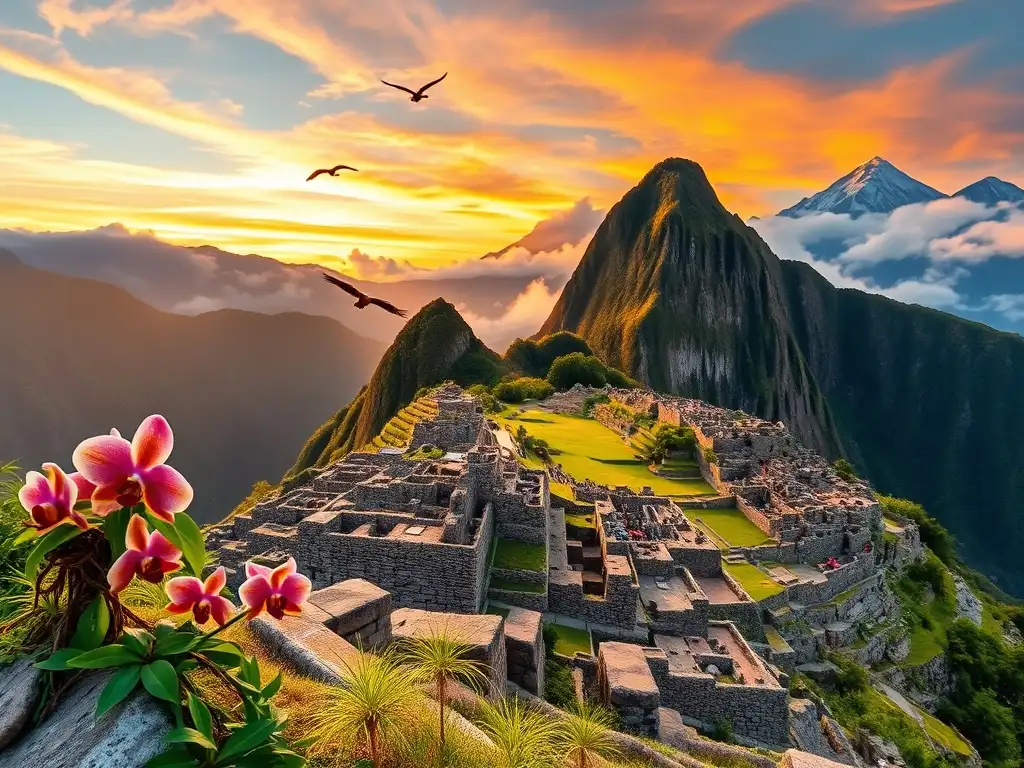
Step into a world lost to time, yet echoing with vibrant life. Imagine towering Inca citadels piercing the clouds, mysterious Nazca lines etched across the desert, and the breathtaking artistry of the Moche. Ancient Andean tourism destinations hold the key to unlocking these enigmatic cultures. Discover how these sacred landscapes continue to inspire awe and wonder, revealing a legacy that transcends generations. Journey with us to unearth the secrets of the Andes...
The breathtaking landscapes of the Andes Mountains hold more than just geological wonder; they are imbued with the spiritual and cultural significance of ancient civilizations. For millennia, societies like the Inca, Moche, Nazca, and Tiahuanaco shaped their lives around these majestic peaks, valleys, and deserts, leaving behind a legacy of awe-inspiring sites that continue to captivate and inspire.
This legacy isn't just historical; it's a vibrant force shaping modern Andean tourism, drawing millions of visitors each year to experience the echoes of these ancient cultures. This article delves into the profound connection between these Ancient Andean tourism destinations and the flourishing tourism industry they support, exploring how the sacred landscapes of the past continue to resonate in the present.
We will examine the specific ways in which these sites influence modern tourism, highlighting the economic and cultural impacts, and considering the challenges and opportunities that lie ahead in balancing preservation with accessibility. Understanding this intricate relationship is crucial for appreciating the enduring power of Andean heritage and ensuring its responsible stewardship for future generations.
The Inca Trail and Machu Picchu: A Paragon of Andean Tourism
Machu Picchu, the iconic "Lost City of the Incas," stands as a prime example of how ancient Andean sites drive modern tourism. The meticulously engineered city, perched high in the Andes, attracts hundreds of thousands of visitors annually. The Inca Trail, a challenging trek leading to Machu Picchu, is equally popular, offering a unique blend of adventure and cultural immersion.
The sheer number of tourists visiting these sites contributes significantly to the Peruvian economy, supporting local communities through employment in hospitality, transportation, and guiding services. However, this popularity also presents challenges, including the need for sustainable management practices to protect the fragile environment and historical integrity of the site. Balancing the economic benefits with environmental preservation is a constant balancing act, requiring careful planning and regulation.
The success of Machu Picchu as a tourist destination demonstrates the immense potential of ancient Andean sites to fuel economic growth while simultaneously highlighting the necessity for responsible tourism practices. Careful management, including implementing quotas for trekkers and promoting responsible tourism initiatives, is essential for preserving this invaluable heritage for years to come.
Beyond Machu Picchu: Exploring the Diverse Ancient Andean Tourism Destinations
While Machu Picchu undoubtedly dominates the conversation surrounding Andean tourism, the region boasts a wealth of other captivating sites. The Nazca Lines, enigmatic geoglyphs etched into the desert floor, attract visitors intrigued by their mystery and scale. The impressive ruins of Tiahuanaco in Bolivia offer a glimpse into a powerful pre-Inca civilization, showcasing their advanced architectural and engineering skills.
The Moche pyramids on the northern coast of Peru, with their intricate murals and sophisticated irrigation systems, provide insights into a culture known for its artistry and technological prowess. Each site offers a unique perspective on the diversity of Andean cultures and their remarkable achievements.
The economic impact of these varied destinations, while perhaps not as significant as Machu Picchu individually, collectively contribute substantially to the regional economies, fostering local businesses and preserving cultural traditions. Furthermore, the diversification of tourist offerings enhances the overall appeal of the Andes as a travel destination, attracting a wider range of interests and preferences.
Sustainable Tourism and the Preservation of Ancient Andean Heritage
The burgeoning tourism industry in the Andes presents both opportunities and challenges. While it provides significant economic benefits, it's crucial to prioritize the sustainable management of these fragile ecosystems and invaluable historical sites. Over-tourism can lead to environmental degradation, erosion of cultural heritage, and a diminished experience for visitors.
Implementing responsible tourism practices, including limiting visitor numbers, promoting eco-friendly transportation, and supporting local communities, is paramount. Investing in infrastructure that minimizes environmental impact and educating tourists about responsible behavior are also crucial steps. The long-term preservation of these ancient sites depends on a collaborative effort between governments, local communities, tourism operators, and visitors themselves.
Striking a balance between economic growth and environmental protection is key to ensuring that future generations can continue to appreciate the remarkable legacy of the Andean civilizations. This includes supporting initiatives that empower local communities to manage and benefit from tourism in a sustainable and equitable manner.
- The Inca Trail and Machu Picchu: A Paragon of Andean Tourism
- Beyond Machu Picchu: Exploring the Diverse Ancient Andean Tourism Destinations
- Sustainable Tourism and the Preservation of Ancient Andean Heritage
- Machu Picchu: The Iconic Inca Citadel and Its Tourism Impact
- Exploring the Mysteries of Tiwanaku: A Journey Through Time
- The Nazca Lines: Aerial Wonders and Sustainable Tourism Practices
- Ollantaytambo: A Living Inca Town and Its Cultural Tourism Offerings
- Chan Chan: The Largest Pre-Columbian City in South America and its Visitor Experience
- What makes Ancient Andean sites attractive to modern tourists?
- Which ancient Andean civilizations are most popular with tourists?
- What kind of activities can tourists expect at these sites?
- Are Ancient Andean tourism destinations accessible to all fitness levels?
- How can I plan a responsible and sustainable trip to Ancient Andean sites?
The Enduring Appeal of Ancient Andean Sites for Travel
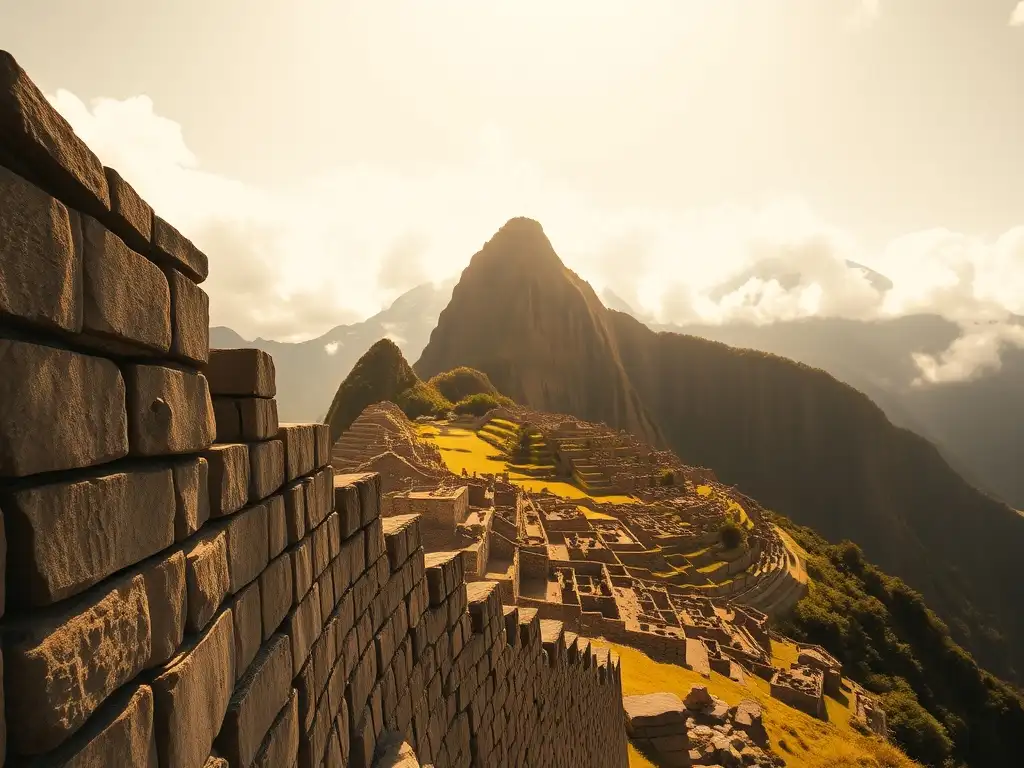
The enduring allure of Ancient Andean tourism destinations stems from a potent combination of factors, captivating travelers from around the globe. It's not simply about historical significance; it's a multifaceted experience that blends breathtaking landscapes, intriguing mysteries, and a palpable connection to a rich and vibrant past. This enduring appeal translates into significant economic impact for modern Andean communities, fostering sustainable tourism initiatives and preserving cultural heritage.
Understanding the specific elements contributing to this appeal is crucial for both tourism development and the responsible appreciation of these invaluable sites. The numbers speak for themselves; [Specific tourism data for Ancient Andean sites pending], demonstrating a clear upward trend in visitor numbers over the last decade. This growth indicates a strong and growing interest in experiencing these unique destinations firsthand.
Understanding the Spiritual Significance of Andean Sacred Places
Many Ancient Andean tourism destinations hold profound spiritual significance, extending far beyond their archaeological value. These sites, often located in dramatically beautiful settings, served as centers for religious ceremonies, astronomical observations, and profound connection to the Andean worldview. For example, Machu Picchu, beyond its stunning architecture, was a crucial religious and administrative center for the Inca Empire.
The intricate network of terraces, carefully aligned with the sun's path, hints at a sophisticated understanding of astronomy and its integration into daily life. Similarly, the Nazca Lines, though their purpose remains debated, are widely believed to have held ritualistic importance, potentially linked to celestial events and agricultural cycles. This spiritual layer adds a powerful dimension to the tourist experience, drawing visitors seeking more than just historical sightseeing; they are seeking a deeper connection to the land and its ancient inhabitants.
The enduring power of these spiritual connections resonates deeply with modern travelers, enriching their understanding of Andean culture and fostering a sense of awe and wonder. Many tourists report feelings of intense energy and spiritual connection while visiting these sites, highlighting the continuing relevance of these sacred places.
The Allure of Pre-Columbian Architectural Marvels in Modern Tourism
The architectural achievements of pre-Columbian Andean civilizations are undeniably captivating. The precise stonework of sites like Sacsayhuamán, with its massive, intricately fitted stones, continues to amaze and inspire. The ingenuity and skill displayed in these constructions, often built without mortar, represent a pinnacle of pre-Columbian engineering.
These architectural marvels, combined with the dramatic landscapes in which they are situated, create breathtaking vistas that draw photographers, historians, and adventure travelers alike. The sheer scale of some of these constructions—like the monumental platforms of Tiahuanaco—is awe-inspiring, leaving visitors with a sense of the immense power and organization of these ancient societies. Moreover, the preservation and restoration efforts undertaken at many of these sites are themselves a testament to the ongoing appreciation of these architectural achievements.
The careful work of archaeologists and preservationists ensures that future generations can continue to marvel at these incredible feats of engineering and artistry. This commitment to preservation further enhances the appeal of these sites for tourists who value the responsible management and protection of cultural heritage. The combination of stunning architecture and breathtaking landscapes makes these Ancient Andean tourism destinations truly unforgettable.
Key Ancient Andean Tourism Destinations
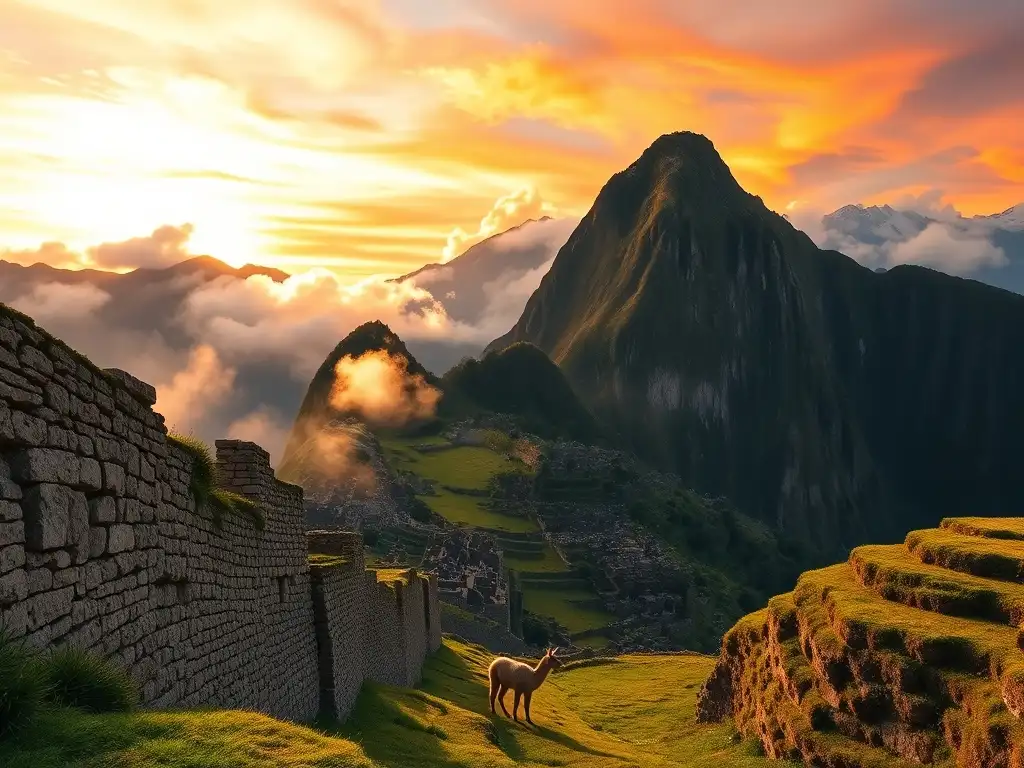
This section delves into the most significant Ancient Andean tourism destinations, examining their historical importance and their current role in the modern tourism landscape. Understanding the impact of tourism on these fragile sites is crucial for preserving their legacy for future generations. The careful management of visitor numbers and the implementation of sustainable practices are paramount to ensuring the long-term survival of these invaluable historical and cultural assets.
We'll explore how these sites, attracting millions of visitors annually, contribute to the economies of the Andean region while also facing the challenges of balancing preservation with accessibility. The rise of "Ancient Andean tourism destinations" as a key search term reflects the growing global interest in these remarkable places.
Machu Picchu: The Iconic Inca Citadel and Its Tourism Impact
Machu Picchu, the "Lost City of the Incas," reigns supreme as the most iconic Ancient Andean tourism destination. Its breathtaking mountaintop setting and remarkably preserved Inca structures draw millions of visitors each year. The sheer volume of tourism, however, presents significant challenges. The delicate ecosystem surrounding the citadel is vulnerable to environmental degradation from increased foot traffic and waste disposal.
The Peruvian government and various organizations are actively engaged in implementing sustainable tourism strategies. These include limiting daily visitor numbers, investing in improved infrastructure to manage crowds more effectively, and promoting responsible tourism practices among visitors. The impact of tourism on the local economy is substantial, providing employment opportunities in hospitality, transportation, and guiding services. However, ensuring that these economic benefits are equitably distributed among local communities remains a key challenge.
The delicate balance between preserving this invaluable historical site and fostering economic development is a continuous process of adaptation and improvement. Successfully navigating this requires ongoing collaboration between governmental agencies, local communities, and tourism operators. Machu Picchu's success in attracting visitors serves as a model, but also a cautionary tale, for managing tourism at other significant Ancient Andean sites.
Exploring the Mysteries of Tiwanaku: A Journey Through Time
Tiwanaku, located near Lake Titicaca in Bolivia, represents another significant Ancient Andean tourism destination. Unlike Machu Picchu's dramatic mountain setting, Tiwanaku's archaeological site sits on the high altiplano, offering a unique and compelling historical experience. The impressive stone structures, including the Gate of the Sun and the Kalasasaya Temple, bear witness to the advanced architectural and engineering skills of the Tiwanaku culture. The site's remote location presents both challenges and opportunities for tourism. While accessibility is limited, this also contributes to a more immersive and less crowded visitor experience compared to Machu Picchu.
Tourism in Tiwanaku is less developed than at Machu Picchu, presenting both opportunities and challenges. While the site boasts a rich history and intriguing mysteries, its infrastructure and marketing need further development to attract a wider international audience. Sustainable tourism practices are essential to protect the fragile archaeological remains and the local environment.
Promoting responsible tourism and educating visitors about the site's cultural significance are crucial for preserving Tiwanaku's heritage for future generations. The potential for growth in Tiwanaku tourism is considerable, but careful planning and investment are needed to ensure sustainable development. The careful balance between preserving the site's integrity and developing its tourism potential is crucial for its future.
The Nazca Lines: Aerial Wonders and Sustainable Tourism Practices
The Nazca Lines, a series of geoglyphs etched into the desert plains of southern Peru, offer a unique and captivating Ancient Andean tourism experience. Unlike the monumental architecture of Machu Picchu or Tiwanaku, the Nazca Lines are best appreciated from the air. This unique characteristic presents both challenges and opportunities for tourism management. The fragility of the lines, due to environmental factors and human impact, necessitates careful planning and stringent regulations to prevent further damage.
Sustainable tourism practices are critical for preserving the Nazca Lines. This includes restricting ground access to specific areas, promoting environmentally friendly transportation options (such as smaller planes and eco-friendly tour operators), and educating visitors about the importance of responsible behavior. The economic benefits of Nazca Lines tourism are primarily felt in the nearby towns, providing income through aviation services, hospitality, and related businesses.
However, ensuring that these benefits are shared equitably and that environmental protection is prioritized remains a significant challenge. The development of sustainable tourism initiatives is essential, not only to protect these remarkable ancient geoglyphs but also to ensure the long-term viability of the local economy. Balancing the needs of tourism with the preservation of this unique cultural heritage is a continuous process of adaptation and responsible management.
Ollantaytambo: A Living Inca Town and Its Cultural Tourism Offerings
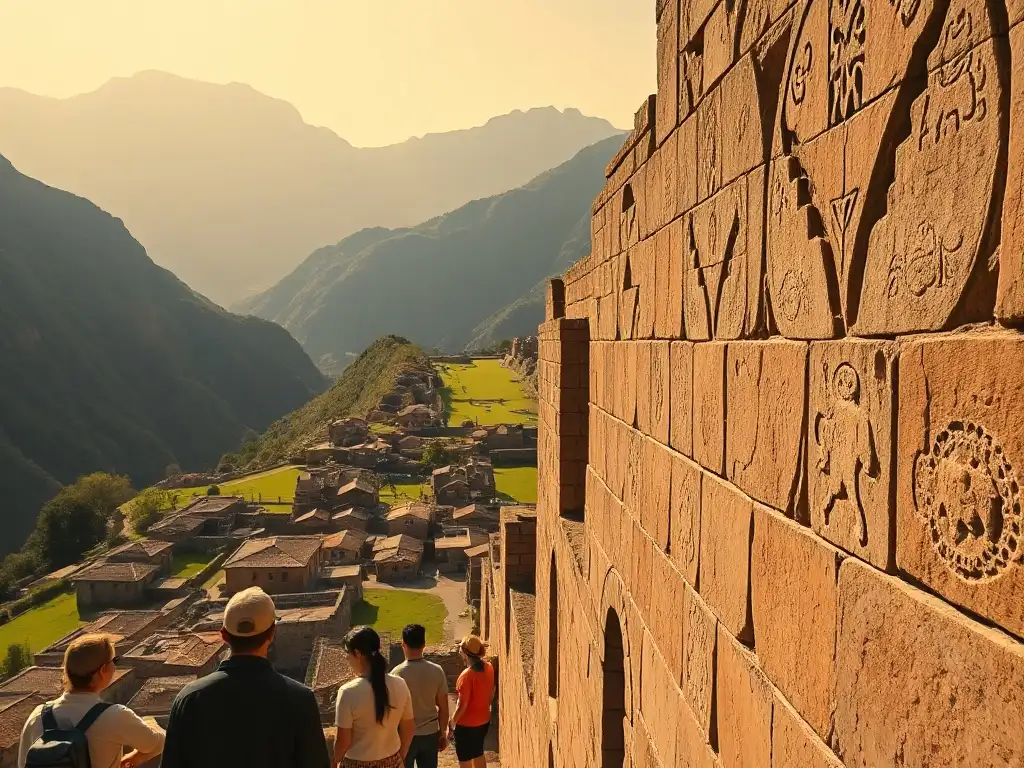
Ollantaytambo, nestled in the Sacred Valley of Peru, isn't just a breathtaking archaeological site; it's a living testament to Inca ingenuity and resilience. Its imposing stone terraces, intricately carved walls, and the remnants of a sophisticated irrigation system offer a tangible connection to the past. The town itself is a fascinating blend of ancient and modern, with Inca structures seamlessly integrated into the daily life of its inhabitants. This unique blend is a significant draw for "Ancient Andean tourism destinations" seeking an immersive cultural experience.
Visitors can explore the impressive Ollantaytambo Fortress, marvel at its astronomical alignments, and imagine the bustling activity that once filled its plazas. Guided tours provide invaluable context, explaining the strategic importance of the site, the intricacies of Inca architecture, and the fascinating stories woven into its very stones. Beyond the fortress, the town itself offers a plethora of opportunities for cultural immersion.
Local artisans showcase their skills, creating textiles, ceramics, and jewelry using traditional techniques passed down through generations. These crafts offer a unique souvenir, a tangible piece of the Andean heritage. Moreover, experiencing the local cuisine, with its emphasis on Andean potatoes and hearty stews, adds another layer to the cultural immersion.
The town's vibrant markets provide a lively setting to interact with locals and sample the flavors of the Sacred Valley, further enriching the "Ancient Andean tourism destinations" experience. The combination of impressive ruins and a thriving community makes Ollantaytambo a truly exceptional destination.
Chan Chan: The Largest Pre-Columbian City in South America and its Visitor Experience
Chan Chan, located near Trujillo in northern Peru, stands as a monumental achievement of the Chimú civilization. As the largest pre-Columbian city in South America, it's a sprawling complex of adobe palaces, temples, and residential areas, showcasing the sophistication and power of this remarkable culture. For those interested in "Ancient Andean tourism destinations," Chan Chan offers a unique opportunity to explore a city that once thrived as a major center of trade and power.
The sheer scale of Chan Chan is awe-inspiring. Its intricate layout, characterized by walled compounds, labyrinthine streets, and massive structures, reveals a complex urban planning system far ahead of its time. Visitors can explore the remains of royal palaces, adorned with intricate friezes and decorated with stunning stucco reliefs depicting mythical creatures and scenes of daily life.
The intricate details, despite the ravages of time and the elements, continue to inspire wonder. Walking through the city's ruins, one can almost feel the echoes of its bustling past. Well-maintained pathways allow for comfortable exploration, and informational signage provides valuable context, helping visitors understand the significance of the various structures and the lives of the people who once inhabited them.
The sheer size of the site necessitates planning, as exploring the entire complex can take several hours. However, the effort is richly rewarded with a profound understanding of Chimú culture and its legacy. The well-preserved architecture and the intriguing mysteries surrounding the city's demise make Chan Chan a truly captivating destination for anyone interested in exploring the rich tapestry of "Ancient Andean tourism destinations."
The Influence of Andean Cosmovision on Modern Tourism Experiences
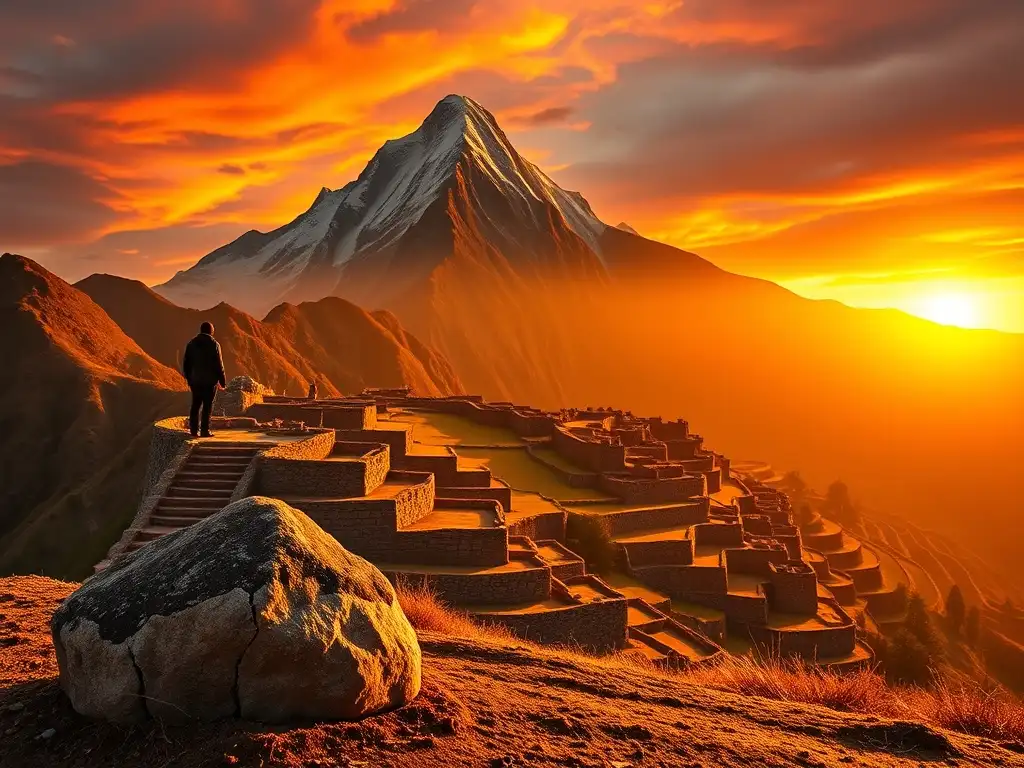
The ancient Andean cosmovision, a worldview deeply connected to the natural world and spiritual beliefs, significantly shapes modern tourism experiences in the region. This intricate understanding of the universe, where mountains, rivers, and celestial bodies held sacred significance, continues to resonate, influencing how tourists engage with these landscapes and cultures. Understanding this cosmovision is crucial for responsible and enriching tourism development. It's not simply about visiting archaeological sites; it's about understanding the profound spiritual and cultural context that imbues these locations with meaning.
This perspective transforms a simple sightseeing trip into a journey of profound cultural immersion. Modern tourism operators increasingly recognize the value of integrating this Andean worldview into their offerings, creating more authentic and respectful experiences. This shift reflects a growing awareness of the importance of cultural sensitivity and sustainability in the tourism sector.
Reconnecting with Nature: Andean Spirituality and Ecotourism
Andean spirituality is inextricably linked to the natural environment. Mountains, like Apu (mountain spirits), were revered as sacred entities, and their presence significantly impacts modern ecotourism. Many trekking routes and adventure tourism activities are designed around these sacred mountains, incorporating elements of respect and reverence. For example, paqos (Andean shamans) might be involved in ceremonies to bless treks or offer insights into the local spiritual landscape. This integration of spiritual practices within ecotourism offers a unique and enriching experience for travelers seeking a deeper connection with nature and Andean culture. Furthermore, ecotourism initiatives often emphasize the preservation of the natural environment, reflecting the Andean cosmovision's emphasis on harmonious coexistence with nature. This approach not only protects these fragile ecosystems but also ensures the longevity of the unique cultural experiences they offer. The growth of responsible ecotourism in the Andes exemplifies a successful marriage of spiritual tradition and sustainable tourism practices.
Experiencing Andean Culture through Traditional Festivals and Celebrations
Traditional Andean festivals and celebrations provide tourists with invaluable opportunities to immerse themselves in the living culture. These vibrant events, often tied to agricultural cycles or religious observances, showcase the enduring legacy of Andean traditions. The Inti Raymi, for instance, a festival celebrating the Inca sun god, draws thousands of visitors annually.
Participating in these events offers a firsthand experience of Andean music, dance, costumes, and gastronomy, providing a far richer understanding than any museum exhibit could offer. The authenticity of these experiences is further enhanced by the active participation of local communities, who often lead the festivities and share their traditions with visitors. The economic benefits of this cultural tourism are substantial, directly supporting local communities and fostering pride in their heritage.
However, responsible tourism practices are crucial to ensure that these events are not commercialized to the detriment of their cultural integrity. Careful planning and community involvement are essential for preserving the authenticity and spiritual significance of these celebrations.
The Role of Local Communities in Shaping the Tourism Experience
The involvement of local communities is paramount in creating authentic and sustainable tourism experiences in the Andes. Their knowledge, traditions, and perspectives are essential elements of any meaningful engagement with the region's heritage. By directly employing local guides, artisans, and hospitality providers, tourism can contribute to economic empowerment and community development.
This approach ensures that the benefits of tourism are distributed equitably and that the local culture is preserved and celebrated. Furthermore, community-based tourism initiatives often prioritize cultural preservation and environmental sustainability, reflecting a shared commitment to responsible tourism practices. For example, homestays offer visitors an intimate glimpse into daily life, fostering genuine cultural exchange and mutual understanding.
This participatory approach ensures that tourism not only benefits the local economy but also strengthens cultural identity and promotes cross-cultural dialogue. This model represents a departure from mass tourism and highlights the importance of prioritizing community well-being and cultural integrity in the development of the Ancient Andean tourism destinations.
Authenticity and Cultural Preservation in Andean Tourism
The burgeoning interest in ancient Andean tourism destinations presents a double-edged sword. While it offers economic opportunities for local communities, it also poses significant challenges regarding the preservation of cultural heritage and the maintenance of authenticity. A crucial aspect of responsible tourism development in the Andes is striking a balance between economic gains and the safeguarding of invaluable archaeological sites and living traditions. This requires a multi-faceted approach involving local communities, governmental bodies, and tourism operators.
One major concern is the potential for cultural commodification, where indigenous traditions are simplified, stereotyped, or exploited for profit without genuine benefit to the communities involved. For instance, some tourist experiences might offer superficial glimpses into Andean rituals or ceremonies, lacking the depth and respect necessary for authentic cultural exchange. This can lead to a sense of cultural appropriation, causing offense and undermining the very heritage it aims to showcase.
To counter this, initiatives promoting community-based tourism are increasingly important. These initiatives ensure that local communities directly participate in planning, managing, and benefiting from tourism activities, leading to a more authentic and respectful representation of their culture.
Furthermore, the preservation of fragile archaeological sites is paramount. The influx of tourists can cause significant damage to these sites through erosion, vandalism, or even accidental damage. Implementing sustainable tourism practices, such as limiting visitor numbers, employing skilled guides, and providing adequate infrastructure for waste management, is crucial for long-term preservation.
Moreover, investing in research and conservation efforts is vital to understanding and protecting these invaluable sites for future generations. Effective management strategies, which involve ongoing monitoring and restoration projects, can help mitigate the negative impacts of tourism while ensuring the sites remain accessible and engaging for visitors. The success of these efforts depends on collaboration between archaeologists, conservationists, and tourism operators.
Finally, education plays a critical role in fostering responsible tourism. Educating both tourists and local communities about the importance of cultural preservation and sustainable practices is key to ensuring that tourism benefits everyone involved. This can involve developing educational programs, providing informative materials to visitors, and promoting ethical tourism practices through marketing campaigns.
By fostering a greater understanding and appreciation for Andean culture and heritage, we can ensure that ancient Andean tourism destinations thrive without compromising their authenticity or cultural integrity. The long-term sustainability of "Ancient Andean tourism destinations" hinges on this delicate balance between economic development and cultural preservation.
Challenges and Opportunities in Promoting Ancient Andean Tourism
The burgeoning interest in Ancient Andean tourism destinations presents both exciting opportunities and significant challenges. Successfully navigating this landscape requires a delicate balance between economic development, cultural preservation, and environmental sustainability. The sheer scale and diversity of archaeological sites, coupled with the often fragile nature of the Andean environment, demand careful planning and strategic investment. Maximizing the economic benefits while minimizing negative impacts necessitates a multi-faceted approach, encompassing community engagement, robust regulatory frameworks, and innovative tourism models. This section explores key aspects of this complex equation.
Balancing Tourism Development with the Preservation of Archaeological Sites
The delicate equilibrium between tourism revenue and the preservation of irreplaceable archaeological sites is a central challenge. Uncontrolled tourism can lead to significant damage: erosion from foot traffic, vandalism, and the looting of artifacts. For example, the Nazca Lines, famed for their intricate geoglyphs, are vulnerable to damage from increased visitor numbers and associated infrastructure development. Effective management strategies must prioritize conservation.
This includes implementing strict visitor regulations, limiting access to sensitive areas, and investing in preventative conservation measures such as site stabilization and erosion control. Furthermore, proactive measures like archaeological monitoring and the implementation of visitor impact assessments are crucial for informed decision-making and adaptive management. A successful approach requires a collaborative effort involving archaeologists, local communities, government agencies, and tourism operators. The goal is to create a sustainable model where tourism contributes to the long-term preservation of these invaluable sites, rather than their degradation.
Addressing Accessibility and Infrastructure for Ancient Andean Destinations
Many Ancient Andean tourism destinations are located in remote and challenging terrains, posing significant accessibility issues. Improving infrastructure – including roads, transportation networks, and visitor facilities – is crucial for enhancing the visitor experience and ensuring the safety and comfort of tourists. However, infrastructure development must be carefully planned to minimize environmental impact and avoid encroaching on sensitive archaeological sites. Sustainable solutions might include the use of eco-friendly materials, the integration of traditional building techniques, and the creation of accessible pathways that minimize environmental disturbance.
Furthermore, consideration must be given to the needs of diverse tourist groups, including those with disabilities. Investing in accessible facilities, such as ramps, interpretive signage in multiple languages, and accessible transportation options, is essential for promoting inclusive tourism. Ultimately, a balanced approach that prioritizes both accessibility and environmental protection is needed to ensure the long-term viability of Ancient Andean tourism.
The Importance of Responsible and Sustainable Tourism Practices
Responsible and sustainable tourism practices are paramount for the long-term health of both the environment and the local communities surrounding Ancient Andean tourism destinations. This involves promoting eco-tourism initiatives, minimizing waste, and reducing the carbon footprint of tourism activities. For instance, encouraging the use of public transportation, promoting local businesses and crafts, and supporting community-based tourism projects can contribute to a more sustainable model.
Furthermore, educating tourists about the cultural significance of the sites and promoting responsible behavior is critical. This might involve establishing clear guidelines for visitor conduct, providing educational materials, and engaging local communities in the interpretation and presentation of their cultural heritage. A key aspect of responsible tourism is ensuring that the economic benefits generated are fairly distributed among local communities, thereby creating a sense of ownership and promoting sustainable development.
This equitable distribution of benefits can help to reduce poverty, improve living standards, and foster a sense of pride in the local cultural heritage. Ultimately, a commitment to responsible and sustainable tourism is crucial for preserving the integrity of Ancient Andean sites and ensuring their continued enjoyment by future generations.
Educating Visitors on the Cultural and Historical Significance of the Sites
Educating tourists about the profound cultural and historical significance of ancient Andean sites is paramount for responsible and sustainable tourism. Simply showcasing breathtaking landscapes isn't enough; visitors need to understand the intricate stories woven into the very fabric of these locations. This requires a multi-pronged approach, encompassing various educational strategies.
One crucial element is the provision of comprehensive and accessible information at the sites themselves. Well-designed interpretive signage, in multiple languages, is essential. These signs should not only describe the archaeological features but also explain their significance within the broader context of Andean civilization.
For example, a sign at Machu Picchu might detail not only the Inca stonework but also the city's role as a royal estate and its connection to Inca cosmology. Similarly, signage at Nazca Lines sites should explain the ongoing mystery surrounding their creation and the various hypotheses proposed by researchers. The use of engaging visuals, such as maps, reconstructions, and even QR codes linking to virtual tours or audio guides, can significantly enhance visitor understanding and engagement.
Beyond physical signage, employing trained and knowledgeable guides is vital. These guides should be able to convey the historical context of the sites in a captivating manner, answering visitor questions accurately and respectfully.
Their expertise should extend beyond simple facts and figures; they should be able to connect the past to the present, highlighting the enduring legacy of Andean cultures in contemporary Andean life. For instance, a guide at a pre-Columbian textile museum could explain the techniques used by ancient weavers and how those techniques are still practiced today by artisans in the region, fostering a deeper appreciation for the continuity of cultural traditions.
Furthermore, investing in high-quality visitor centers is crucial. These centers could house interactive exhibits, documentaries, and workshops, providing a more immersive and educational experience.
They should also serve as a platform for local communities to share their perspectives and knowledge, ensuring that the narrative is not solely dictated by academic interpretations. For example, a visitor center near Ollantaytambo could showcase the work of local artisans who continue to use traditional Andean techniques and designs, directly linking the ancient past with the vibrant present.
The incorporation of digital technologies, such as augmented reality applications, could further enhance the visitor experience by providing interactive overlays on the physical sites, bringing the past to life in a compelling and memorable way. This holistic approach to education transforms a simple sightseeing trip into a meaningful and enriching cultural journey, promoting a deeper understanding and respect for ancient Andean heritage and boosting the effectiveness of "Ancient Andean tourism destinations" marketing strategies.
The Future of Ancient Andean Tourism
The future of Ancient Andean tourism hinges on responsible growth and innovative approaches that respect both the cultural heritage and the well-being of local communities. Successfully navigating this future demands a multifaceted strategy incorporating emerging trends, technological advancements, and community-based initiatives. The potential for sustainable and enriching tourism experiences in the Andes is immense, but only if managed thoughtfully and ethically. This section will explore key elements shaping the future of this vital sector, focusing on Ancient Andean tourism destinations and their potential for growth.
Emerging Trends in Cultural and Heritage Tourism
Several emerging trends promise to shape the future of Ancient Andean tourism. One key trend is the increasing demand for authentic and immersive experiences. Tourists are moving beyond simply visiting sites; they seek deeper engagement with the culture, history, and local communities. This translates into a growing interest in activities like traditional weaving workshops, participation in Andean ceremonies (with appropriate cultural sensitivity and respect, of course), and homestays with local families. This shift towards experiential tourism not only benefits visitors but also provides economic opportunities for local communities, fostering a more sustainable tourism model.
Another important trend is the rise of slow tourism, emphasizing mindful travel and a deeper appreciation for the destination. This contrasts with fast-paced, whirlwind tours. Slow tourism encourages longer stays, allowing for a more thorough exploration of the region and more meaningful interactions with the local culture.
This approach aligns perfectly with the richness and complexity of Ancient Andean sites, allowing visitors to truly absorb the history and significance of these locations. For example, a longer stay in Cusco allows for deeper exploration of Inca ruins beyond Machu Picchu, including Ollantaytambo and Sacsayhuamán, offering a more complete understanding of Inca civilization.
Finally, there’s a growing awareness of the importance of sustainable tourism practices. Ancient Andean tourism destinations are particularly vulnerable to the negative impacts of mass tourism, including environmental damage and cultural commodification. Therefore, the future of the sector relies on initiatives that minimize environmental footprints, respect local traditions, and fairly compensate local communities. This includes promoting responsible waste management, minimizing water usage, and supporting eco-friendly accommodations.
Technological Advancements Enhancing the Visitor Experience
Technology plays a vital role in shaping the future of Ancient Andean tourism. The use of augmented reality (AR) and virtual reality (VR) offers incredible potential for enriching the visitor experience. Imagine using an AR app to overlay digital reconstructions of Inca buildings onto existing ruins, bringing them back to life in a visually stunning way. Similarly, VR could transport visitors to ancient Andean cities, allowing them to explore these lost worlds in a deeply immersive way. These technologies can make the history come alive for visitors, improving understanding and appreciation.
Moreover, advancements in mobile technology and digital mapping are improving accessibility and navigation within these often challenging terrains. Interactive maps with detailed information on sites, historical context, and local services can enhance the visitor experience significantly. Mobile apps can provide real-time translation services, facilitating communication between visitors and local guides. These technological advancements not only improve the visitor experience but also contribute to responsible tourism by providing better information and reducing the environmental impact of printed materials.
Furthermore, the use of drones with high-resolution cameras for archaeological surveys and site monitoring is revolutionizing research and conservation efforts. This allows for better understanding of the sites and helps in preserving them for future generations. This technological investment directly benefits the tourism sector by ensuring the longevity of the very destinations that draw visitors. The use of AI in analyzing historical data and predicting tourism trends also enhances management and planning, leading to better resource allocation and sustainable growth.
Community-Based Tourism Initiatives for Long-Term Sustainability
The long-term sustainability of Ancient Andean tourism depends heavily on the involvement and empowerment of local communities. Community-based tourism (CBT) initiatives, where local people actively participate in planning, managing, and benefiting from tourism, are crucial. This ensures that tourism revenue directly supports the communities, fostering economic development and preserving cultural heritage. Examples include employing local guides, utilizing locally sourced products and services in hotels and restaurants, and creating opportunities for local artisans to sell their crafts directly to tourists.
Successful CBT requires careful planning and effective collaboration between local communities, government agencies, and tourism operators. It's essential to establish clear guidelines and agreements to ensure fair distribution of benefits and to prevent exploitation. This includes ensuring fair wages for workers, protecting cultural integrity, and minimizing environmental impact. Furthermore, effective training programs can equip local communities with the skills and knowledge needed to manage tourism sustainably.
The success of CBT hinges on building trust and fostering a sense of shared responsibility between all stakeholders. A clear and transparent framework for revenue sharing and decision-making is essential for the long-term success of any CBT initiative in Ancient Andean tourism destinations. This approach guarantees that the benefits of tourism are equitably distributed, contributing to the overall well-being of the communities and ensuring the preservation of their cultural heritage for generations to come.
Preserving the Legacy of Ancient Andean Civilizations for Future Generations
The burgeoning interest in ancient Andean tourism presents a double-edged sword. While it offers economic opportunities for local communities and raises awareness of these incredible civilizations, it also poses significant challenges to the preservation of these fragile historical sites. Sustainable tourism practices are paramount to ensuring that future generations can continue to appreciate the legacy of the Incas, Moche, Nazca, and Tiahuanaco. This requires a multifaceted approach, encompassing several key strategies.
One crucial aspect is responsible site management. This involves implementing strict regulations to limit visitor numbers, particularly at highly sensitive archaeological sites. Careful planning and infrastructure development are needed to minimize environmental impact, including the use of eco-friendly materials and waste management systems. For example, Machu Picchu, a UNESCO World Heritage site, has implemented a ticketing system limiting daily entries, helping to protect the ancient ruins from overcrowding and deterioration. Similar strategies, adapted to the unique characteristics of each site, must be applied across the Andean region.
Furthermore, community involvement is essential. Local communities often possess invaluable traditional knowledge about the sites and their significance. Involving them in the planning and management of tourism initiatives not only ensures cultural sensitivity but also fosters a sense of ownership and responsibility for the preservation of their heritage. This can involve providing employment opportunities in tourism-related sectors, such as guiding, hospitality, and artisan crafts, thereby creating a direct economic incentive for conservation. Successful examples of this community-based tourism model can be found in various Andean communities, where profits from tourism directly benefit preservation efforts and community development.
Beyond site management and community involvement, educational initiatives are crucial. Educating tourists about the significance of these sites and the importance of responsible behavior is essential. This can be achieved through interpretive signage, guided tours led by knowledgeable professionals, and educational programs promoting cultural understanding and respect. By fostering a sense of appreciation and responsibility amongst visitors, we can help mitigate the negative impacts of tourism and ensure the long-term preservation of these invaluable sites. This educational component is crucial for responsible "Ancient Andean tourism destinations".
Finally, investment in research and conservation is vital. Ongoing archaeological research helps us to better understand these civilizations and develop more effective preservation strategies. This requires both financial investment and collaboration between researchers, government agencies, and local communities.
Investing in the conservation of artifacts and sites will ensure that these treasures are protected for generations to come. The preservation of the ancient Andean legacy is not merely a matter of preserving physical structures; it is about safeguarding a rich tapestry of cultural heritage for the benefit of all humanity. The continued growth of tourism in the Andes hinges on a commitment to balance economic development with sustainable preservation.
Frequently Asked Questions
What makes Ancient Andean sites attractive to modern tourists?
Ancient Andean sites offer a unique blend of breathtaking landscapes, remarkable archaeological discoveries, and a deep connection to a rich and fascinating history. They provide an unforgettable experience for adventurous travelers.
Which ancient Andean civilizations are most popular with tourists?
The Inca civilization, known for Machu Picchu and Cusco, is incredibly popular. However, sites related to the Moche, Nazca, and Tiahuanaco cultures also draw significant numbers of visitors interested in diverse aspects of Andean history.
What kind of activities can tourists expect at these sites?
Tourists can explore ancient ruins, hike through stunning landscapes, learn about pre-Columbian cultures through museums and guided tours, and even participate in local cultural experiences.
Are Ancient Andean tourism destinations accessible to all fitness levels?
Accessibility varies greatly depending on the specific site. Some, like Machu Picchu, involve challenging hikes, while others offer easier access. Planning ahead and choosing appropriate tours is crucial for a comfortable experience.
How can I plan a responsible and sustainable trip to Ancient Andean sites?
Support local communities by using local guides and businesses. Respect the sites by staying on marked trails and avoiding touching artifacts. Consider the environmental impact of your travel choices and opt for eco-friendly options whenever possible.
Final Reflection: Echoes of the Andes in a Modern World
The enduring legacy of the ancient Andean civilizations continues to resonate, shaping not only our understanding of the past but also the future of sustainable tourism. The breathtaking landscapes, meticulously crafted sites, and deeply spiritual traditions of the Andes are not merely historical relics; they are living testaments to human ingenuity and resilience, attracting millions of visitors each year and offering invaluable lessons for responsible travel in the modern era.
The impact of these ancient sites extends far beyond the economic benefits of tourism. They serve as powerful reminders of the interconnectedness between humanity and nature, a connection often lost in our increasingly urbanized world. The mountains are calling, and I must go.
– John Muir. This sentiment, though not specifically about the Andes, captures the profound pull these sacred landscapes exert on the human spirit, a pull that transcends time and culture, inspiring awe, wonder, and a deep appreciation for the rich tapestry of human history. The ongoing challenge lies in ensuring that this tourism is managed sustainably, protecting these irreplaceable sites for future generations to experience the same profound connection.
Consider the stories etched into the very stones of Machu Picchu, the intricate designs woven into the textiles of the Nazca Lines, the echoes of ancient rituals still felt in the sacred valleys. These are not just tourist attractions; they are portals to a past that speaks volumes about our present and future. You, the reader, hold the power to shape the narrative of Andean tourism.
By choosing responsible travel operators, respecting local communities, and embracing the spirit of mindful exploration, you can help ensure that these sacred landscapes continue to inspire and uplift for centuries to come. Let the echoes of the Andes guide you towards a more sustainable and enriching travel experience.
Unveil the Wonders of Andean Tourism Today!
Thank you for exploring the rich history and cultural significance of ancient Andean sites and their inspiration for modern tourism. We've journeyed through time, uncovering the beauty and importance of these sacred landscapes. Now it's your turn to experience this incredible adventure!
**Here's how you can delve deeper into the wonders of the Andes:**
- **Explore** a local cultural tour that highlights ancient sites, immersing yourself in the captivating stories of the past.
- **Share** your experiences on social media, inspiring others to discover these remarkable landscapes and igniting a passion for Andean exploration.
- **Join** a community of Andean enthusiasts online, connecting with fellow travelers to exchange insights, experiences, and tips.
Imagine standing amidst these ancient ruins, feeling the weight of history beneath your feet. **What will your next step be in connecting with the spirit of the Andes? **