
Moche Timekeeping: Rituals, Calendars, and the Flow of Life

Step into a world lost to time, yet echoing with the whispers of a sophisticated past. Journey with us into the heart of the Andes, where ancient civilizations thrived, leaving behind a legacy of breathtaking artistry and intricate societal structures. Unlock the mysteries of the Moche calendar system, a complex and fascinating reflection of their deep connection to the cosmos and the rhythm of life itself. Prepare to be captivated by the rich tapestry of Andean cosmology and worldview – their story awaits.
The Moche civilization, flourishing along the northern coast of Peru from approximately 100 CE to 800 CE, developed a sophisticated understanding of time deeply intertwined with their religious beliefs, agricultural practices, and social structures. Unlike the later Inca empire with its centralized, well-documented calendar system, the Moche calendar remains a subject of ongoing scholarly investigation. However, evidence from their intricate artwork, monumental architecture, and carefully planned agricultural systems reveals a complex and nuanced approach to timekeeping that significantly shaped their worldview and daily life.
This article delves into the fascinating world of Moche timekeeping, exploring the interplay between ritual, calendar cycles (as we interpret them from archaeological evidence), and the overall rhythm of life in this remarkable pre-Columbian society. We will examine how the Moche perceived and organized time, highlighting the profound influence it exerted on their society and culture.
Understanding their system offers a valuable glimpse into the intellectual and spiritual sophistication of the Moche and their unique relationship with the natural world. The study of the Moche calendar system provides crucial insights into their cosmology and societal organization, enriching our understanding of this remarkable civilization.
Astronomical Observations and the Moche Calendar
The Moche, like many other ancient Andean cultures, were keen observers of the celestial bodies. Their precise agricultural practices, dependent on the predictable cycles of the sun and the seasonal rains, suggest a sophisticated understanding of astronomy. While a concrete, written Moche calendar hasn't been discovered, evidence points to a system likely based on astronomical observations, particularly the sun and moon.
Archaeological findings, including the orientation of structures and the depiction of celestial events in their art, strongly suggest a deep engagement with the cycles of the cosmos. For example, the positioning of some Moche pyramids might align with significant astronomical events, such as solstices or equinoxes, marking specific points in their agricultural calendar.
Further research into these alignments could shed more light on the precision of their astronomical knowledge and the role it played in their timekeeping. Furthermore, the intricate iconography found on Moche pottery frequently features celestial motifs, potentially representing constellations or specific astronomical phenomena – further strengthening the hypothesis of a sophisticated astronomical calendar system.
Rituals and the Cyclical Nature of Time
The Moche worldview profoundly emphasized cyclical processes, reflecting the repetitive patterns of nature. Their elaborate rituals, meticulously documented through their stunning pottery and other artifacts, were integral to maintaining the balance of the cosmos and ensuring the continuation of life-giving cycles. Many of these rituals were likely tied to specific points in the agricultural calendar, marking important events like planting and harvesting seasons.
The Moche believed that their actions influenced the natural world, and rituals served as a means to ensure bountiful harvests and appease the gods. For instance, the frequent depiction of agricultural scenes and ceremonies in their art indicates the central role of agriculture in their society and its close relationship with their understanding of time.
The rhythmic repetition of these rituals mirrored the cyclical nature of time itself, reinforcing the Moche's harmonious relationship with the natural world and their reliance on predictable seasonal changes. Further study of the iconography on Moche ceremonial objects could reveal more specific links between specific rituals and particular points within their calendar system.
The Role of Agriculture in Moche Timekeeping
The Moche's sophisticated irrigation systems and agricultural practices were intrinsically linked to their understanding of time. Their highly developed agricultural technology, including sophisticated canal systems and terraced fields, allowed them to maximize crop yields and ensure food security. The timing of planting and harvesting was crucial for survival, necessitating a precise understanding of seasonal changes.
The Moche calendar, therefore, was inextricably linked to the agricultural cycle, with specific rituals and ceremonies performed at key moments throughout the year. Their ability to accurately predict these cycles demonstrates a remarkable level of knowledge and observation, highlighting the importance of agricultural productivity in their society.
The success of their agricultural system depended heavily on the accurate prediction and management of the cyclical changes in the environment, making timekeeping an essential aspect of their daily lives and social organization. The precise timing of planting and harvesting was crucial for the survival of the Moche, underscoring the tight integration of their calendar system with their agricultural practices.
Interpreting the Moche Calendar: Challenges and Future Research
While we can infer much about the Moche's understanding of time from their art, architecture, and agricultural practices, reconstructing a precise calendar system remains a significant challenge. The lack of a written calendar or explicit textual records necessitates a multidisciplinary approach, combining archaeological, astronomical, and anthropological perspectives. Future research should focus on more detailed analysis of the astronomical alignments of Moche structures, in-depth iconographic studies of their pottery and textiles, and further investigation of their agricultural practices and their relationship to seasonal changes.
By combining these approaches, we can hope to gain a more comprehensive understanding of the Moche calendar system and its importance in their society. The ongoing research into the Moche calendar system promises to further illuminate the intricacies of their culture and their sophisticated engagement with the flow of time. The pursuit of this knowledge continues to provide valuable insights into this remarkable Andean civilization.
- Astronomical Observations and the Moche Calendar
- Rituals and the Cyclical Nature of Time
- The Role of Agriculture in Moche Timekeeping
- Interpreting the Moche Calendar: Challenges and Future Research
Understanding Moche Concepts of Time
The Moche civilization, flourishing along the northern coast of Peru from approximately 100 CE to 800 CE, possessed a sophisticated understanding of time, deeply intertwined with their cosmology, agriculture, and social organization. Unlike many other ancient societies that left behind extensive written records, the Moche primarily expressed their worldview through intricate ceramics, monumental architecture, and elaborate burial practices. Reconstructing their temporal understanding therefore relies heavily on interpreting these material remains, a process that continues to reveal fascinating insights into the Moche concept of time.
Understanding their calendar system requires moving beyond a purely Western linear conception of time and embracing a more cyclical and interconnected perspective, one deeply rooted in the rhythms of nature and the cosmos. The very fabric of Moche society – from agricultural cycles to elaborate rituals – reflects a profound awareness of the cyclical nature of time.
This section explores the evidence suggesting a complex Moche calendar system, highlighting the interplay between astronomical observations, agricultural practices, and religious beliefs. The keyword Moche calendar system will be examined through various lenses to fully understand its significance within the broader Moche worldview.
The Moche Worldview and Temporal Perception
The Moche worldview was profoundly shaped by their environment: the arid coastal desert punctuated by fertile river valleys. Their survival depended intimately on the unpredictable rhythms of the El Niño phenomenon, which brought both life-giving floods and devastating droughts. This precarious relationship with nature fostered a deep respect for the cyclical forces governing their lives. Evidence suggests that Moche timekeeping wasn't solely focused on precise dates or years, but rather on the continuous flow of time marked by significant events, such as solstices, equinoxes, and the flooding of rivers.
Their art often depicts celestial bodies, suggesting an awareness of astronomical cycles. Furthermore, the meticulous planning and execution of their monumental architecture and irrigation systems point to a sophisticated understanding of seasonal patterns and long-term planning. The cyclical nature of life, death, and rebirth is vividly portrayed in their ceramics, with recurring motifs suggesting a belief in a continuous cycle of renewal. This perspective differs significantly from linear conceptions of time, where history progresses in a straight line.
For the Moche, time wasn't a linear progression but a continuous loop influenced by celestial and earthly forces. This cyclical perception heavily influenced their agricultural practices, rituals, and social structures. Analyzing Moche iconography, particularly the depictions of celestial events and agricultural processes on pottery, provides valuable clues to understanding their unique concept of time.
Time as a Cycle: Nature and the Moche
The Moche calendar system, if it existed in a form similar to later Andean calendars, likely integrated astronomical observations with agricultural cycles. The annual flooding of rivers, crucial for their agriculture, dictated the timing of planting and harvesting. These events were probably aligned with celestial cycles, reflected in their art and possibly through the positioning of their settlements. The precise mechanism of their timekeeping remains a topic of ongoing research.
However, we can infer a strong correlation between their agricultural practices and their perception of time. The Moche's agricultural success depended on their understanding of seasonal variations and the timing of crucial events, emphasizing the practical application of their knowledge of the celestial cycles. This reliance on the natural environment shaped their worldview and their perception of time as an ongoing cycle of renewal and regeneration, mirroring the cycles of nature itself. The Moche calendar system, therefore, wasn't merely an abstract intellectual exercise; it was a practical tool essential for their survival and prosperity.
Further research into their agricultural techniques and the analysis of astronomical alignments of their structures may offer more precise details about the intricacies of their timekeeping methods. The cyclical nature of the Moche calendar system, deeply rooted in their relationship with their environment, provides a valuable insight into their sophisticated understanding of the world around them. The interplay between celestial cycles and agricultural practices highlights the holistic nature of their worldview, where time wasn't a separate entity but an integral part of the natural order.
The Moche Calendar System: An Overview
The Moche civilization, flourishing along the northern coast of Peru from approximately 100 CE to 800 CE, possessed a sophisticated understanding of time, reflected in their intricate art, architecture, and agricultural practices. While a written calendar in the style of the Maya or Aztec hasn't been discovered, evidence strongly suggests the Moche utilized a complex calendar system deeply intertwined with their religious beliefs and agricultural cycles.
Their timekeeping wasn't simply a practical tool; it was a fundamental aspect of their worldview, shaping their rituals, social organization, and relationship with the cosmos. Understanding the Moche calendar system requires analyzing various forms of evidence, including iconography on ceramics, the layout of their settlements, and the patterns of their agricultural activities.
The system likely integrated solar and lunar observations, reflecting a deep appreciation for the celestial rhythms governing their lives. The Moche calendar system, though not fully deciphered, represents a significant achievement in Andean astronomical knowledge and a testament to their advanced civilization.
Evidence of a Moche Calendar
Direct evidence of a formal, written Moche calendar is lacking. However, compelling circumstantial evidence points towards a structured system for tracking time. Moche pottery, renowned for its intricate detail and realistic depictions, frequently features scenes of celestial events and ritual activities.
These depictions often seem carefully arranged, suggesting a potential chronological or calendrical organization. For example, certain motifs – such as specific constellations, phases of the moon, or depictions of agricultural activities – appear repeatedly in specific sequences across different pottery pieces. This recurrence suggests a standardized system, perhaps a calendar, underpinning these artistic representations.
Furthermore, the architectural layout of Moche sites, particularly their ceremonial centers and temples, may reflect astronomical alignments, hinting at a sophisticated understanding of celestial movements used for timekeeping. Further research, including detailed analysis of ceramic iconography and archaeological surveys of Moche sites, is needed to fully understand the nature and structure of their calendar. The potential existence of a complex Moche calendar system highlights the advanced level of astronomical observation and organization within the civilization.
Solar Observations and the Moche Calendar Structure
The Moche’s agricultural success depended heavily on the predictable cycles of the sun. Their sophisticated irrigation systems required precise knowledge of the rainy season and the optimal planting times. This suggests a strong reliance on solar observations in their timekeeping.
The positioning of Moche structures, particularly temples and ceremonial platforms, may align with the solstices and equinoxes, indicating a deliberate attempt to track the sun's annual movement. While definitive proof of such alignments requires further meticulous study, the potential exists for these structures to serve as large-scale solar calendars.
Analyzing the orientation of these structures, combined with detailed studies of the sun's path throughout the year at specific Moche sites, could unveil further information about their solar observations and their role in the Moche calendar system. The strong correlation between agriculture and the sun's movements strongly suggests the Moche calendar incorporated a solar component, allowing them to synchronize their agricultural activities with the celestial cycles.
Lunar Cycles and Moche Time Reckoning
Alongside solar observations, the Moche likely incorporated lunar cycles into their timekeeping system. The moon's phases are easily observable and provide a natural, readily available method for tracking shorter periods of time. Lunar cycles, with their roughly 29.5-day duration, would have been crucial for organizing shorter-term activities and rituals.
The repetitive motifs on Moche pottery that depict phases of the moon further support this idea. Some researchers suggest that the cyclical patterns observed in Moche iconography may represent a lunar calendar, with specific motifs correlating to different lunar phases. The integration of lunar cycles within the Moche calendar system would have provided a more nuanced and comprehensive understanding of time, combining longer-term solar cycles with shorter-term lunar rhythms.
Further research into the iconographic representation of lunar phases on Moche pottery, coupled with a more thorough analysis of their ritual practices, could shed more light on the role of the moon in their timekeeping. The likely incorporation of lunar cycles alongside solar observations demonstrates the Moche’s sophisticated understanding of celestial mechanics and their ability to integrate multiple astronomical cycles into a complex system for organizing their lives.
Moche Rituals and the Measurement of Time
The Moche civilization, flourishing along the northern coast of Peru from approximately 100 CE to 800 CE, developed a sophisticated understanding of time deeply intertwined with their agricultural practices and religious beliefs. Unlike many other ancient societies that relied on written records for calendrical information, the Moche left behind a rich legacy of artistic and archaeological evidence that allows us to reconstruct aspects of their timekeeping system.
This system wasn't simply a means of tracking days and years; it was fundamentally linked to the rhythm of life itself, shaping their rituals, ceremonies, and social structures. The Moche calendar system, though not fully deciphered, reveals a society acutely aware of the cyclical nature of time and its profound impact on their lives.
Analyzing their art, architecture, and the distribution of artifacts provides invaluable clues to understanding their intricate relationship with time. The careful observation of astronomical events, coupled with agricultural needs, likely formed the foundation of their temporal framework.
Agricultural Cycles and Moche Rituals
The Moche economy was heavily reliant on agriculture, particularly maize cultivation. The success of their crops depended heavily on the precise timing of planting and harvesting, dictated by the seasonal variations in rainfall and temperature in the arid coastal region. Evidence suggests a strong correlation between Moche rituals and the agricultural calendar.
Many ceramic vessels depict scenes of agricultural activities, often alongside depictions of deities or ritualistic events. These depictions aren't merely decorative; they are likely representations of ritual practices aimed at ensuring bountiful harvests. For example, certain ceremonies might have been performed at the start of the rainy season to appease the gods and ensure sufficient water for irrigation.
The timing of these rituals, based on observations of the celestial bodies and the natural environment, demonstrates a sophisticated understanding of the agricultural cycle and its alignment with the cosmic order. Further research into the specific timing of these agricultural rituals, based on pollen analysis and radiocarbon dating of organic materials found in ritual contexts, is needed to fully understand the Moche's precise agricultural calendar.
Moche Ceremonies and the Passage of Time
Moche ceremonies weren't solely tied to agriculture; they encompassed a broader spectrum of life events and social practices. The passage of time, from birth to death, was marked by various rituals. Archaeological evidence reveals elaborate funerary practices, suggesting a belief in an afterlife and the importance of proper burial rites.
These rites, likely timed according to specific astronomical events or seasonal changes, underscore the Moche's awareness of the cyclical nature of life and death. Similarly, ceremonies related to coming-of-age or marriage likely played a significant role in the social structure, with their timing potentially determined by a complex interplay of astronomical observations and social customs.
Unfortunately, the precise details of many Moche ceremonies remain elusive, requiring further investigation of their iconography and the context of discovered artifacts to more fully reconstruct their ceremonial calendar. The existing data, however, clearly points to a rich tapestry of rituals interwoven with the passage of time.
The Role of Priests in Moche Timekeeping
The Moche priesthood likely played a central role in interpreting and regulating the calendar system. Priests, depicted in numerous ceramic representations, are often shown performing rituals or interacting with deities associated with celestial bodies or agricultural fertility. Their specialized knowledge of astronomy and the natural world made them essential figures in maintaining the social order and ensuring the well-being of the community.
They may have been responsible for observing celestial events, predicting seasonal changes, and determining the appropriate timing of rituals. Their authority stemmed from their ability to interpret the cosmic signs and guide the community through the cyclical flow of time.
The intricate iconography on Moche pottery, often depicting priestly figures engaged in ritual activities, offers valuable insights into their role in timekeeping, but deciphering the precise meaning of these symbolic representations remains a complex and ongoing task for scholars. Further research, particularly focusing on the analysis of priestly attire and associated artifacts, is needed to better understand the specific functions and responsibilities of Moche priests in their intricate timekeeping system.
Moche Art and the Depiction of Time
The Moche civilization, renowned for its sophisticated artistry, didn't leave behind written records in the same way as some other ancient cultures. However, their remarkable artistic output—particularly ceramics and murals—offers invaluable insights into their understanding and representation of time. By carefully examining the iconography and scenes depicted in these artifacts, we can glean a deeper understanding of their calendar system, their perception of cyclical time, and the importance of time in their religious and social life.
This section delves into the ways Moche artists subtly and explicitly incorporated temporal themes into their work, revealing a complex relationship between art, ritual, and the passage of time. The Moche calendar system, while not fully deciphered, is partially revealed through these artistic expressions.
Iconography of Time in Moche Ceramics
Moche pottery is famous for its intricate detail and realistic depictions of daily life, ritual ceremonies, and mythical beings. Many ceramic vessels feature scenes that strongly suggest a sophisticated understanding of cyclical time. For instance, the repeated depiction of agricultural cycles—planting, harvesting, and feasts associated with the harvest—indicates a keen awareness of the seasonal changes and their impact on their society.
Furthermore, the frequent appearance of celestial motifs, such as the sun, moon, and stars, suggests the use of astronomical observations for timekeeping. The positions of these celestial bodies might have been used to mark important dates and events within their calendar system.
Some scholars even propose that certain patterns and symbols on the pottery represent specific phases of the moon or constellations, though further research is needed to confirm these theories. The meticulous detail in these depictions, combined with the frequency of these motifs, strongly suggests that time was a central theme in Moche artistic expression and religious beliefs.
The use of color also plays a significant role. Certain colors may have been associated with specific times of the year or stages of the agricultural cycle. For example, the vibrant greens and browns might represent the fertility of the land during planting season, while the yellows and oranges could symbolize the harvest. Further research into the pigments used and their potential symbolic meanings would provide a more complete picture. Analyzing the stylistic changes in Moche ceramics across different periods could also reveal chronological shifts and potentially help refine our understanding of their calendar system.
Moche Murals and the Representation of Temporal Events
While fewer Moche murals survive compared to their ceramic works, those that do exist offer compelling evidence of their sophisticated understanding of time. The murals, often found within elite tombs or ceremonial structures, frequently depict elaborate scenes of processions, rituals, and battles. These scenes, when interpreted in context, can offer insights into the temporal sequencing of events within the Moche worldview. The careful arrangement of figures and the detailed portrayal of actions suggest a narrative structure that unfolds over time.
For example, murals depicting the capture and sacrifice of prisoners of war might illustrate the cyclical nature of conflict and the passage of time within a societal context. The chronological presentation of these events within the artwork itself provides a unique lens for understanding their understanding of time.
Further analysis of the iconography within these murals, paying close attention to the sequence of events and the symbolism of individual elements, is crucial to unlocking the full potential of this invaluable source of information regarding the Moche calendar system. Unfortunately, the limited number of well-preserved murals restricts the scope of this research, underscoring the need for further archaeological investigation and preservation efforts.
The study of Moche art offers a unique approach to understanding their timekeeping practices. By combining iconographic analysis with stylistic comparisons across different periods and locations, researchers can build a more comprehensive picture of their calendar system and their perception of time. The Moche calendar system, unlike many others, isn’t directly inscribed on stone or other readily decipherable media. Instead, it is subtly woven into the fabric of their artistic creations.
This interdisciplinary approach, combining art history, archaeology, and anthropology, is essential to unlock the secrets held within these artistic masterpieces. Future research should focus on:
- Detailed stylistic analysis: Comparing ceramic styles and mural techniques across different Moche phases to identify chronological markers.
- Comparative iconography: Identifying recurring motifs and symbols related to time and their potential meanings within the broader Moche cosmology.
- Technological analysis: Examining the pigments and materials used in Moche art to identify potential chronological clues based on changes in technology or resource availability.
- Ethnoarchaeological studies: Drawing parallels between Moche artistic representations and the timekeeping practices of contemporary Andean communities to gain further insights.
The Moche calendar system remains a fascinating puzzle, but through careful and multi-faceted analysis of their art, we can continue to piece together a more complete understanding of their sophisticated relationship with time. The meticulous detail and artistic skill of the Moche people provide a rich and compelling source of information, offering a glimpse into a worldview deeply intertwined with the cyclical rhythms of nature and the passage of time. 🗓️
The Moche Agricultural Year and its Calendar
The Moche calendar system, intricately linked to their agricultural practices, wasn't a single, monolithic entity like the Gregorian calendar we use today. Instead, it was a complex interplay of astronomical observations, environmental cues, and ritualistic practices, all geared towards maximizing agricultural yields in their challenging coastal and Andean environments. The Moche, masters of irrigation and intensive agriculture, relied heavily on a precise understanding of the seasonal cycles to ensure the success of their crops.
Their calendar wasn't written down in the way we understand written calendars; rather, it was a lived experience, embedded in their rituals, art, and social organization. Understanding the Moche calendar requires deciphering these various manifestations of their temporal understanding. This section will delve into the agricultural aspects of Moche timekeeping, exploring the interplay between celestial events, agricultural practices, and ritualistic observances.
Planting and Harvesting Seasons in the Moche Calendar
The Moche agricultural year was dictated primarily by the rainy season and the availability of water for irrigation. The precise timing of these events varied slightly across the different microclimates within their territory, leading to localized variations in their agricultural calendar. However, general patterns can be discerned from archaeological evidence, including the analysis of agricultural remains found in Moche sites and the iconography depicted in their pottery and textiles. For instance, depictions of specific plants at various stages of growth, alongside depictions of celestial events like solstices and equinoxes, suggest a close correlation between astronomical observations and agricultural practices.
The planting season, likely commencing after the initial rains, was a time of intense activity. The Moche meticulously prepared their fields, utilizing their sophisticated irrigation systems to ensure adequate water supply for their crops. Pottery fragments showing depictions of agricultural tools and scenes of planting provide valuable insights into these practices. The harvesting season, on the other hand, was a time of celebration and ritual, marked by feasts and offerings to ensure future prosperity.
The timing of these events was crucial, as it directly impacted the food security of the entire Moche society. This emphasis on the agricultural cycle is reflected in the prevalence of agricultural imagery in Moche art, underscoring its importance in their worldview. Further research into pollen analysis from Moche sites could refine our understanding of the precise timing of planting and harvesting seasons.
Irrigation Management and the Moche Time System
The Moche's mastery of irrigation was fundamental to their agricultural success and, consequently, to their understanding of time. Their intricate canal systems, capable of diverting water from rivers and streams to their fields, required meticulous planning and maintenance. This involved a deep understanding of hydrology, topography, and the seasonal variations in water availability. The management of these irrigation systems was likely a highly organized and ritualized affair, with specific individuals or groups responsible for overseeing their construction, maintenance, and distribution of water.
The Moche calendar, therefore, was not simply a system for tracking the passage of time; it was also a system for managing resources. The timing of irrigation, the allocation of water to different fields, and the repair of canals were all carefully coordinated, likely according to a system of signals and rituals tied to the observable celestial cycles. Archaeological evidence, such as the remains of canals and reservoirs, speaks to the sophisticated engineering and organizational skills of the Moche.
The precise mechanisms by which they coordinated these activities remain a subject of ongoing research, but it is clear that the Moche's understanding of time was inextricably linked to their ability to manage water resources effectively. Further investigation into the social organization and hierarchy within Moche society would help to illuminate the details of irrigation management and its role in their timekeeping system.
The Importance of Agriculture in Moche Timekeeping
The Moche calendar system wasn't merely a practical tool for scheduling agricultural activities; it was deeply embedded in their cosmology and worldview. Agriculture was not just a means of subsistence; it was a sacred act, a connection between the human world and the supernatural. The cyclical nature of planting, growth, and harvest mirrored their understanding of the cosmos, reflecting the cyclical renewal of life and the continuous interplay between the earthly and celestial realms.
The importance of agriculture is vividly illustrated in Moche art, where depictions of agricultural scenes are ubiquitous. Pottery, textiles, and metalwork frequently depict scenes of planting, harvesting, and irrigation, often alongside depictions of deities and mythological figures. These images suggest that agricultural activities were not just mundane tasks but were imbued with religious significance.
The successful harvest was not only a source of sustenance but also a testament to the people's ability to maintain a harmonious relationship with the supernatural forces that governed their world. The Moche believed that their actions influenced the success or failure of their crops, making careful adherence to the calendar a vital aspect of maintaining cosmic balance and ensuring the well-being of their society.
This integration of the agricultural cycle into their religious beliefs highlights the profound importance of timekeeping in the Moche civilization. Further study of Moche religious iconography could reveal more about the specific deities associated with agriculture and the rituals performed to ensure successful harvests.
The Moche Calendar System: Practical Applications
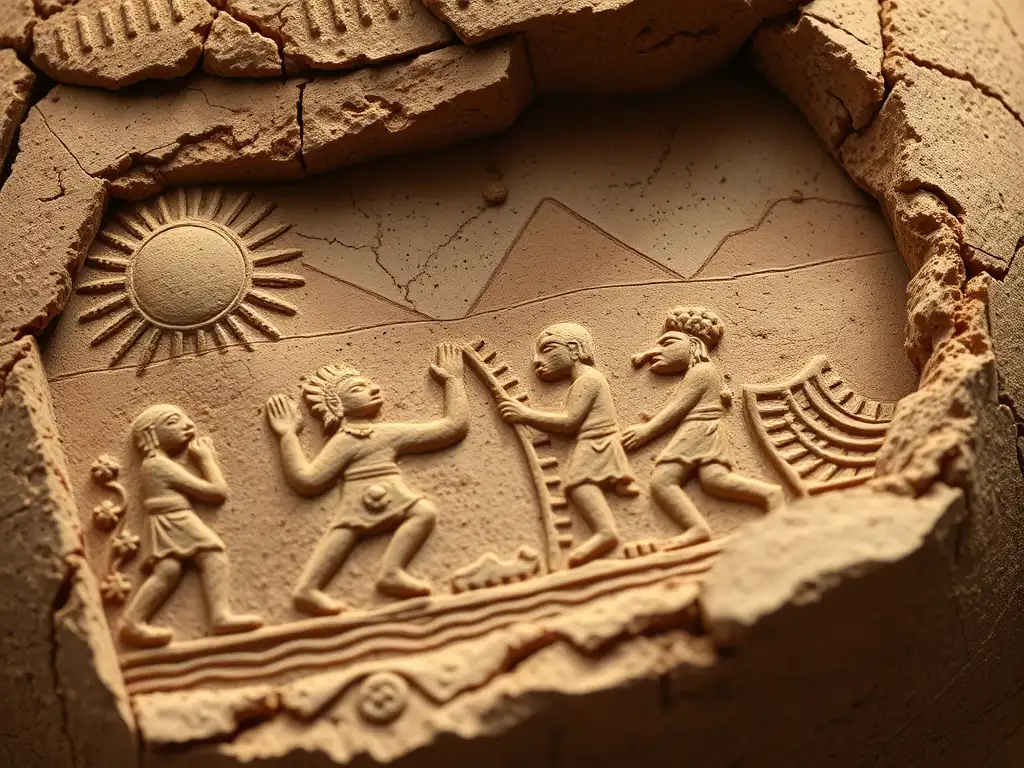
The Moche calendar system, while not as explicitly documented as some other ancient systems, demonstrably influenced various aspects of Moche life. Evidence suggests a sophisticated understanding of celestial cycles, reflected in their architecture, agriculture, and social organization. Unlike the rigid, precisely-defined calendars of some cultures, the Moche approach appears to have been more fluid, adapting to environmental cues and agricultural needs.
This flexible system, however, doesn't diminish its importance; instead, it highlights its practical application within the context of their society and environment. The lack of surviving written records necessitates relying on archaeological findings to piece together this intricate puzzle.
Moche navigators, renowned for their seafaring prowess, likely relied heavily on astronomical observations for successful voyages. The precise timing of fishing expeditions, the prediction of seasonal currents, and even the planning of longer trading voyages across the Pacific Ocean would have necessitated a keen understanding of celestial patterns.
While we lack direct evidence of specific calendar-based navigational tools, the sheer scale and sophistication of Moche maritime activities strongly suggests the integration of a temporal framework for navigation. The positioning of ceremonial centers and settlements near coastal areas further supports the hypothesis of a calendar system influencing maritime activities.
Further research into the alignment of structures with celestial events could yield crucial information about the Moche calendar's role in navigation. The absence of detailed maps and navigational charts should not be interpreted as a lack of navigational knowledge, but rather a different method of recording and transmitting information, potentially relying on oral traditions and practical experience.
The Moche calendar system likely played a significant role in structuring Moche society. Agricultural cycles, a cornerstone of their economy, were intimately tied to the timing of planting and harvesting. The precise timing of these activities, dictated by the predictable patterns of the seasons, would have been crucial for the survival and prosperity of the Moche people.
The organization of labor, the distribution of resources, and even the scheduling of large-scale public works projects – such as the construction of monumental pyramids and irrigation canals – likely adhered to a temporal framework dictated by the calendar. This suggests a highly organized and centralized society, capable of coordinating activities across large geographical areas based on a shared understanding of time.
Further investigation into the relationship between architectural layouts and celestial events could reveal more about the calendar's influence on Moche social structures. The hierarchical nature of Moche society might also be reflected in the degree of access to temporal knowledge; elites may have had privileged access to calendar-related information, enhancing their power and influence.
Moche Timekeeping and its Impact on Daily Life
The Moche calendar system wasn't merely a tool for elites; it permeated daily life. Ritual activities, religious festivals, and even the everyday routines of commoners were likely influenced by the calendar. The cyclical nature of the Moche worldview, emphasizing the recurring patterns of life and death, strongly suggests the importance of a temporal framework in their religious practices. Agricultural cycles, tied to the calendar, directly affected the availability of food, influencing the rhythms of daily life.
The regularity of these cycles would have fostered a sense of predictability and stability, contributing to the social cohesion of Moche communities. Further research is needed to determine the specific rituals and ceremonies associated with different points in the Moche calendar year. Archaeological evidence, particularly the iconography found on Moche pottery, may hold valuable clues about the calendar's influence on daily life.
The detailed depiction of astronomical phenomena on Moche artifacts suggests a deep understanding of celestial cycles and their significance in the daily lives of the people. The impact of the Moche calendar system on daily life likely extended beyond the purely practical, shaping their worldview and influencing their social interactions. Understanding the Moche calendar system is crucial for a comprehensive understanding of Moche culture and its intricate relationship with the natural world.
Comparing Moche Timekeeping with Other Andean Systems
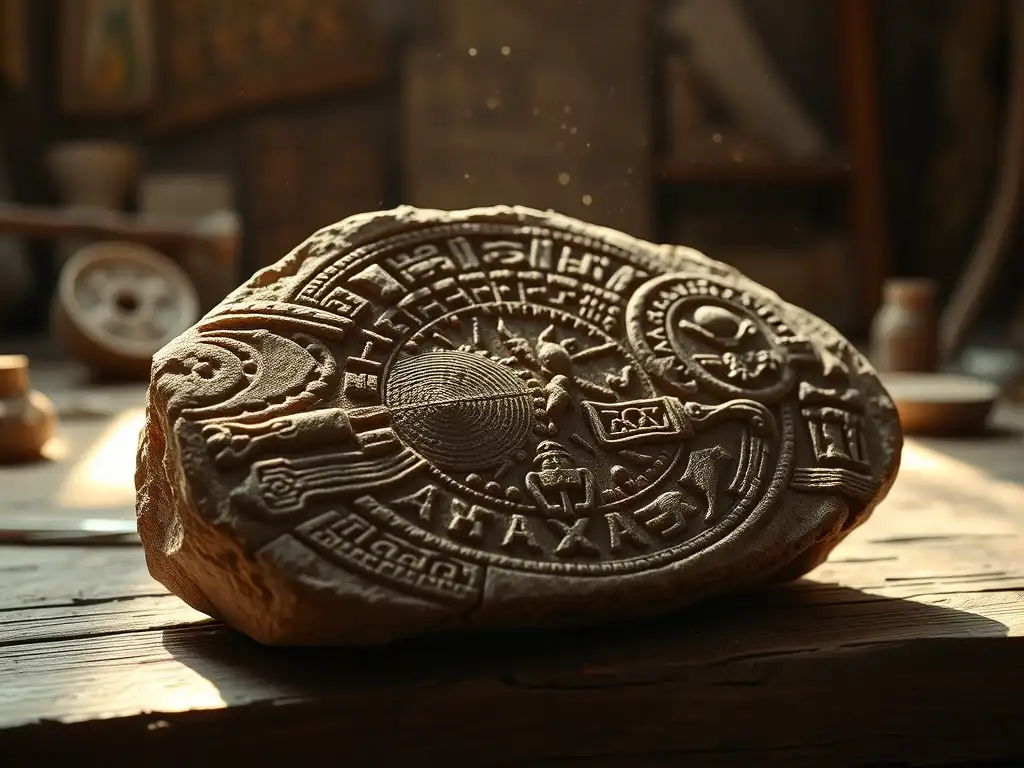
The Moche calendar system, while sharing some broad similarities with other Andean cultures' approaches to timekeeping, possessed unique characteristics reflecting their distinct worldview and societal structures. Understanding these nuances requires a comparative analysis, highlighting both convergences and divergences. While precise details remain elusive due to the fragmentary nature of Moche records, archaeological evidence and iconographic interpretations offer valuable insights. The lack of extensive written records necessitates relying heavily on analyzing artifacts like pottery, textiles, and architecture to reconstruct their temporal understanding. This contrasts sharply with the more extensively documented Inca civilization, allowing for a more detailed comparison.
Contrasting Moche Calendars with Inca Calendars
The Inca quipu, a complex system of knotted strings, provided a sophisticated means of recording numerical data, potentially including calendrical information. However, the Moche lacked such a centralized, codified system. Instead, their calendar likely relied on a more decentralized, regionally specific interpretation of astronomical events.
The Inca calendar, meticulously organized around a solar year, incorporated agricultural cycles and religious festivals with remarkable precision. Evidence suggests a strong connection between Inca timekeeping and their imperial administration, with the calendar serving as a crucial tool for organizing labor and resource allocation. In contrast, the Moche calendar system seems to have been more closely tied to agricultural cycles and ritual practices, perhaps less centrally regulated.
The Inca emphasis on a precise, unified calendar across their vast empire stands in stark contrast to the potentially more localized and flexible nature of the Moche system. Further research into regional variations within Moche iconography might reveal greater complexity and less homogeneity than currently understood.
Moche Time Concepts and Nazca Timekeeping
Comparing the Moche calendar system with that of the Nazca civilization reveals both shared and distinct features. Both cultures inhabited the arid coastal regions of Peru and relied heavily on agriculture, suggesting a potential overlap in their understanding of seasonal cycles. However, the distinctive artistic styles of the two cultures are reflected in their representations of time.
Nazca lines, famously depicted as immense geoglyphs, may have had astronomical significance, suggesting a sophisticated understanding of celestial movements. While the precise function of these lines remains debated, some theories propose they served as a form of calendar, aligning with solstices or equinoxes. The Moche, on the other hand, expressed their understanding of time through intricate pottery designs and elaborate iconography depicting ritual scenes and possibly astronomical events.
Their emphasis on cyclical motifs, such as the recurring imagery of the moon and the ocean, reflects their close relationship with the natural world and the rhythms of the environment. The differences in artistic expression between the two cultures highlight the varied ways Andean civilizations conceptualized and represented time.
Unique Aspects of the Moche Calendar System
One of the most intriguing aspects of the Moche calendar system is its apparent integration with their elaborate religious rituals. Unlike some other Andean cultures where the calendar might be primarily agricultural, the Moche calendar seems deeply intertwined with their complex mythology and ceremonial practices. The depiction of deities and mythical creatures on Moche pottery often seems to be linked to specific times of the year, suggesting a calendar that regulated not only agricultural activities, but also the timing of important religious events.
The precise nature of these connections, however, remains a subject of ongoing research and debate among scholars. Further analysis of Moche iconography, particularly the careful study of symbols and motifs recurring across different artifacts, may reveal more about the structure and function of their calendar system. The potential existence of a Moche lunar calendar, for instance, is an area requiring more detailed investigation.
The interplay between ritual and timekeeping represents a crucial aspect differentiating the Moche from other Andean societies. Their calendar was not merely a practical tool; it was an integral component of their religious and social life. This deeply ingrained connection underscores the complex and nuanced understanding of time within the Moche worldview.
The Legacy of Moche Timekeeping
The Moche civilization, flourishing along the northern coast of Peru from approximately 100 to 800 CE, left behind a rich tapestry of artistic and architectural achievements. While lacking a written language in the conventional sense, their sophisticated understanding of time is evident in their intricate artwork, monumental architecture, and agricultural practices. The Moche calendar system, though not explicitly documented like later Andean systems, is inferred through careful analysis of their iconography, particularly in ceramics and metalwork.
This legacy provides invaluable insight into their societal structure, agricultural cycles, and religious beliefs, offering a compelling glimpse into the Moche worldview and their relationship with the natural world. Understanding their approach to time helps us appreciate the complexity of their society and the precision with which they managed their resources and rituals.
The enduring impact of their timekeeping methods is evident in the continued study and fascination with their culture. Further research is needed to fully unlock the secrets of the Moche calendar system, but existing evidence already reveals a sophisticated and nuanced understanding of time’s passage.
What We Can Learn from the Moche Calendar System
Analyzing Moche iconography reveals a deep connection between their understanding of time and their agricultural practices. Depictions on pottery frequently show scenes of planting, harvesting, and various agricultural activities, often linked to celestial events. The cyclical nature of these activities, mirroring the cycles of the sun and moon, strongly suggests a calendar system based on astronomical observations.
For example, the recurring motif of the moon in different phases across various ceramic pieces might represent lunar cycles used to track planting seasons. Furthermore, the meticulous organization of their irrigation systems, a testament to their engineering prowess, also points towards a precise understanding of seasonal changes and water management. This intricate interplay between astronomical observation and agricultural practice highlights the importance of timekeeping in sustaining their society.
The precision evident in their agricultural techniques and the recurring motifs in their art suggest a sophisticated understanding of seasonal variations, likely facilitated by a well-defined, albeit undocumented, calendar system. Further research focusing on the correlation between astronomical phenomena and agricultural activities depicted in Moche art could yield a more complete understanding of their calendar system. The potential for discovering more evidence through further excavations and the application of advanced analytical techniques is significant.
Moche Timekeeping and Modern Interpretations
Modern interpretations of the Moche calendar system rely heavily on comparative analysis with later Andean cultures that did possess written records. By examining similarities and differences in agricultural practices, astronomical observations, and ritualistic cycles, scholars attempt to piece together a cohesive understanding of Moche timekeeping. This process, however, is challenging due to the absence of direct textual evidence.
The use of analogy with the Inca calendar, for instance, although helpful, needs cautious application, acknowledging potential cultural differences. Nevertheless, by analyzing the iconographic evidence systematically and employing sophisticated statistical methods, researchers are making progress in understanding the structure and function of the Moche calendar. The application of digital image analysis to Moche pottery, for example, allows for a more precise identification and quantification of recurring motifs, potentially revealing patterns related to timekeeping.
Despite the inherent difficulties, significant progress is being made in deciphering the enigmatic Moche calendar system. The integration of interdisciplinary approaches, combining archaeology, anthropology, and astronomy, is crucial for advancing our understanding. The ongoing research shows the potential of collaborative work in unlocking further secrets.
The Enduring Significance of the Moche Understanding of Time
The Moche understanding of time, even though partially obscured by the lack of written records, offers a compelling case study in the development of calendrical systems in pre-Columbian America. Their sophisticated approach to agriculture, deeply intertwined with astronomical observation and ritual, demonstrates a remarkable level of societal organization and environmental awareness. The precision of their irrigation systems and the recurring motifs in their art are testaments to their ability to predict and adapt to seasonal changes.
Moreover, their understanding of time shaped their religious beliefs and rituals, as evidenced by the iconography found in their tombs and ceremonial sites. The Moche legacy underscores the importance of considering the diverse ways in which ancient societies perceived and interacted with time. Their methods, though different from our own, were highly effective in managing their resources and sustaining their civilization.
Studying the Moche calendar system reminds us of the ingenuity and complexity of pre-Columbian societies and the richness of their cultural heritage. The continued exploration of their timekeeping practices offers valuable insights into the evolution of human civilization and our relationship with the natural world. The enduring significance of their achievements lies not only in their technological prowess but also in their profound understanding of the cyclical nature of time.
Frequently Asked Questions
What is the Moche calendar system?
The Moche didn't have a calendar in the same way as later civilizations. Instead, their understanding of time was deeply intertwined with agricultural cycles and religious rituals. Evidence suggests they tracked time using astronomical observations and religious festivals.
How did the Moche track the passage of time?
The Moche likely used a combination of methods, including observing celestial events like solstices and equinoxes, and correlating these with seasonal changes. Agricultural practices were central to their timekeeping, with festivals marking crucial planting and harvesting periods.
What role did astronomy play in the Moche calendar system?
Astronomy was vital for understanding the agricultural cycle and predicting important events. While specific calendar systems haven't been definitively identified, astronomical alignments in Moche architecture suggest a sophisticated understanding of celestial movements.
Are there any surviving Moche calendars?
No complete, written Moche calendar has been discovered. However, iconography on ceramics and textiles, along with the layout of certain structures, offer clues about their understanding of time and its cyclical nature.
How does the Moche calendar system compare to other Andean calendars?
Unlike the later Inca quipus (knotted-string record-keeping), the Moche system is less directly documented. However, it shares a common thread with other Andean cultures in its strong connection to agriculture and religious practices. Further research is needed for a complete comparison.
Final Reflection: The Enduring Legacy of Moche Time
The intricate Moche calendar system, far from being a relic of a lost civilization, offers a powerful lens through which to understand our own relationship with time and its impact on society. Its sophisticated understanding of astronomical cycles and its integration into the very fabric of Moche life resonates deeply with contemporary concerns about sustainability, community, and the cyclical nature of existence. The precision and artistry evident in their astronomical observations and ritual practices continue to inspire awe and wonder.
The Moche's deep connection to the rhythms of nature, as reflected in their calendar system, serves as a potent reminder of our own interconnectedness with the environment. Their meticulous tracking of agricultural cycles and celestial events underscores the importance of understanding and respecting the natural world, a lesson particularly relevant in our era of climate change. The past is never dead. It's not even past.
– William Faulkner. This quote highlights the enduring relevance of the Moche's insights, reminding us that understanding their past can illuminate our present and shape our future.
Consider, for a moment, the profound implications of the Moche's dedication to precise timekeeping. How might a deeper understanding of cyclical processes, as embodied in their calendar, influence your own life? I invite you to reflect on your own relationship with time – are you living in harmony with its rhythms, or are you rushing against the current? Perhaps, by embracing a more mindful approach to time, inspired by the Moche's wisdom, you can find a greater sense of balance, purpose, and connection to the world around you.
Embrace the Rhythm of Time: Connecting with Moche Wisdom
Thank you for exploring the fascinating world of Moche timekeeping and its deep connection to rituals and the natural world. Your interest in these ancient practices offers valuable insight into how different cultures perceive time and its profound influence on their lives.
Now, let's put this knowledge into practice:
- **Delve deeper into the history of Andean civilizations. ** Explore more articles on our website to uncover the mysteries surrounding various timekeeping practices and rituals across the Andes Mountains.
- **Share your discoveries! ** Discuss Moche timekeeping with friends, family, or online communities—what aspects surprised or intrigued you the most?
- **Join a vibrant community of history enthusiasts. ** Participate in our online forum to connect with fellow history buffs and share your perspectives on the fascinating interplay between time, culture, and ritual.
How do you think ancient civilizations shaped their understanding of time, and what lessons can we glean from their practices today?