
The Shadow of Destruction: Addressing the Impact of Mining on Andean Sites

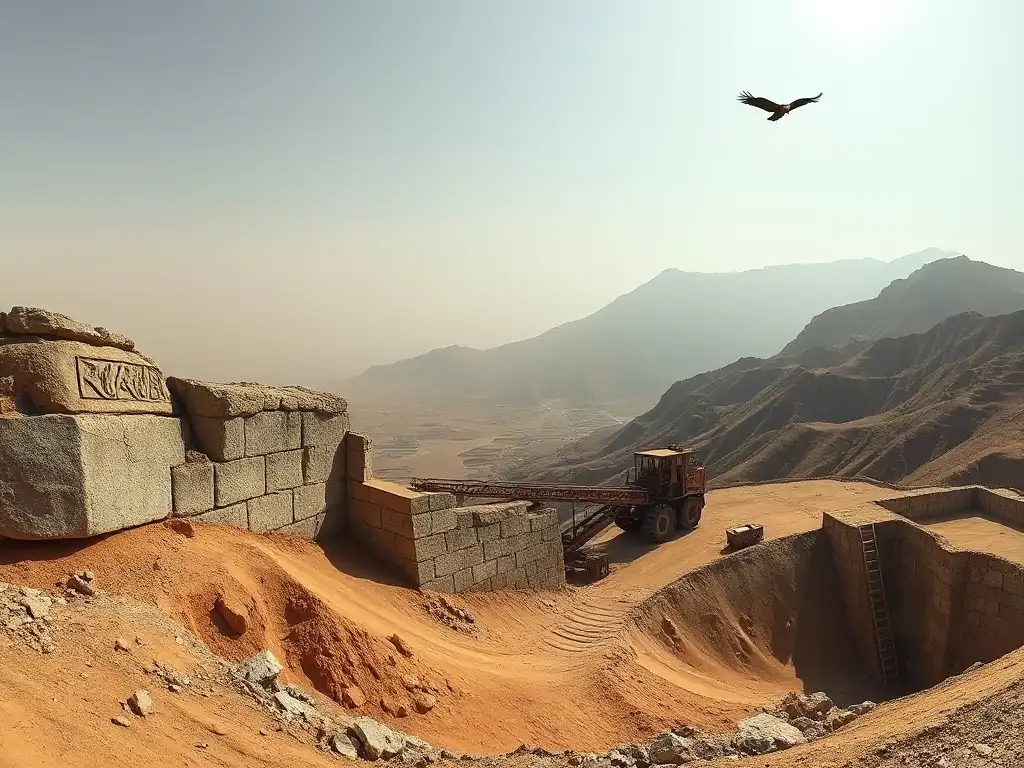
Step into a world lost to time, yet echoing with the whispers of empires. Discover the breathtaking legacy of the Andean civilizations, from the intricate artistry of the Nazca lines to the sophisticated engineering of the Incas. But beneath the surface of this remarkable history lies a darker truth. The Andean mining impact on archaeological sites is a story of both destruction and resilience, a challenge to our understanding of the past. Dare to delve deeper and uncover the secrets buried beneath the mountains.
The breathtaking landscapes of the Andes Mountains, home to some of the world's most significant archaeological sites, are increasingly threatened by the relentless expansion of mining activities. This article delves into the devastating impact of mining on the fragile remnants of Andean civilizations, exploring the multifaceted challenges posed by this industry and highlighting the urgent need for effective preservation strategies.
From the Inca trail's precarious existence to the subtle erosion of ancient Nazca lines, the legacy of these incredible cultures is being eroded by unsustainable practices. We will examine specific cases, analyze the long-term consequences, and explore potential solutions to mitigate the damage and ensure the preservation of this invaluable heritage for future generations.
Understanding the impact of Andean mining on archaeological sites is crucial not only for preserving our past but also for shaping a more sustainable future. The delicate balance between economic development and cultural preservation must be carefully considered and addressed proactively.
The Physical Destruction of Archaeological Sites
Mining operations, particularly open-pit mining, directly destroy archaeological sites through the removal of topsoil and the excavation of vast areas. This process obliterates any underlying structures, artifacts, and features, resulting in irreversible loss of valuable historical information. The scale of this destruction can be immense, often affecting entire settlements or significant portions of ceremonial complexes.
For instance, [Specific example of a site directly impacted by open-pit mining pending], illustrating the devastating consequences of unchecked mining expansion. Furthermore, the construction of mining infrastructure, including roads, pipelines, and tailings ponds, further fragments and disrupts the archaeological landscape, hindering research and limiting access for future study. The vibrations caused by heavy machinery can also damage sensitive structures, accelerating their deterioration.
Environmental Degradation and its Impact on Archaeological Remains
Beyond the direct destruction, mining activities contribute to widespread environmental degradation that indirectly harms archaeological sites. Water pollution from mine tailings, containing heavy metals and other toxic substances, contaminates water sources and soil, leading to the deterioration of organic materials and the leaching of pigments from ancient murals and textiles. Deforestation and soil erosion, often associated with mining, destabilize slopes and accelerate the natural degradation processes affecting archaeological structures.
Acid mine drainage, a particularly corrosive byproduct of mining, can severely damage stonework and other artifacts. The [Specific data on water contamination affecting a specific Andean site pending] clearly demonstrates the devastating long-term effects of environmental degradation on the preservation of these unique sites.
The Socio-economic Impacts on Local Communities and Cultural Heritage
The impact of mining extends beyond the physical destruction of sites. Indigenous communities, often custodians of these sites and their associated traditions, frequently face displacement and loss of livelihoods due to mining operations. The disruption of traditional land use patterns and the erosion of cultural practices further exacerbate the negative impacts.
The loss of access to sacred sites and traditional resources contributes to a sense of dispossession and cultural loss, impacting the intangible heritage inextricably linked to these archaeological locations. [Specific example of the socio-economic impact on a local Andean community due to mining activities pending]. This complex interplay of social, economic, and environmental factors underscores the importance of holistic approaches to mitigating the destructive effects of mining.
Strategies for Mitigation and Preservation
Effective mitigation requires a multi-pronged approach encompassing stricter environmental regulations, improved archaeological impact assessments, community engagement, and sustainable development practices. This includes implementing robust monitoring systems to detect and prevent damage, developing alternative economic opportunities for local communities, and promoting responsible mining practices that prioritize cultural heritage preservation. The establishment of protected zones around archaeological sites and the implementation of buffer zones to minimize the impact of mining operations are crucial. Furthermore, investing in research and documentation of threatened sites is essential for preserving knowledge and facilitating informed decision-making.
The integration of traditional ecological knowledge with scientific expertise can also contribute to the development of more effective and culturally sensitive preservation strategies. Ultimately, achieving a balance between economic development and the protection of Andean cultural heritage necessitates a fundamental shift towards a more sustainable and responsible approach to resource extraction. The future of these invaluable sites depends on it.
- The Physical Destruction of Archaeological Sites
- Environmental Degradation and its Impact on Archaeological Remains
- The Socio-economic Impacts on Local Communities and Cultural Heritage
- Strategies for Mitigation and Preservation
- How has mining impacted Andean archaeological sites?
- What types of mining pose the greatest threat?
- Are there any examples of mining's negative impact on specific Andean sites?
- What efforts are being made to mitigate the damage caused by mining?
- How can I learn more about the impact of mining on Andean archaeology?
The Vulnerability of Andean Archaeological Sites
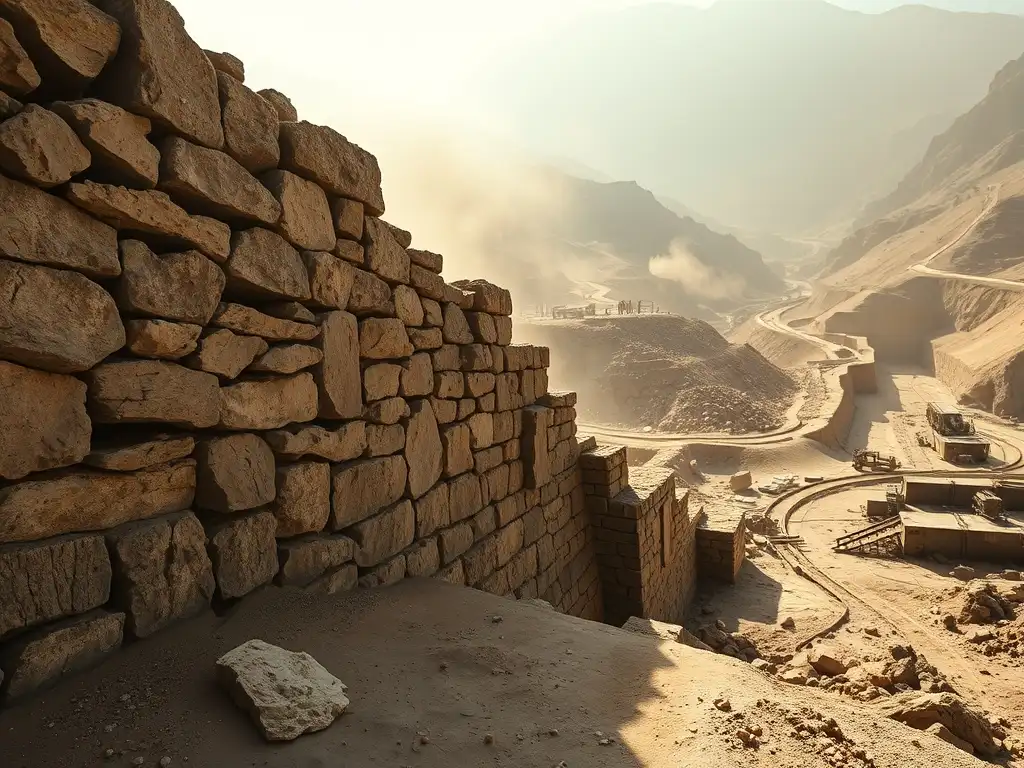
The Andean region, a cradle of ancient civilizations, boasts an unparalleled archaeological heritage. From the towering stone cities of the Incas to the intricate geoglyphs of the Nazca, the landscape itself is a testament to millennia of human ingenuity and cultural development. However, this rich tapestry of history is increasingly threatened by a pervasive force: mining.
The impact of Andean mining on archaeological sites is profound and multifaceted, demanding urgent attention and proactive conservation strategies. Understanding the vulnerability of these sites is crucial to mitigating the damage and preserving this invaluable legacy for future generations. The scale of the problem necessitates a holistic approach, encompassing both preventative measures and restorative actions.
The Rich Archaeological Heritage of the Andes
The Andes Mountains, stretching along the western coast of South America, are home to a diverse array of pre-Columbian cultures. Each civilization, from the sophisticated Inca empire to the earlier Moche and Nazca cultures, left behind a remarkable legacy of architectural marvels, intricate artifacts, and complex societal structures. These sites, often located in geographically challenging terrain, hold invaluable information about ancient Andean societies, their technologies, beliefs, and daily lives. For instance, the meticulously engineered agricultural terraces of the Inca, still visible today, demonstrate an advanced understanding of water management and environmental adaptation.
The monumental structures of Tiahuanaco, with their enigmatic carvings and precise stonework, continue to fascinate archaeologists and inspire wonder. The vibrant polychrome pottery of the Moche, depicting scenes of daily life and mythological narratives, provides unique insights into their worldview. These are not merely isolated finds; they are interconnected elements of a vast and complex cultural landscape.
The sheer volume and diversity of archaeological sites in the Andes underscore the immense historical significance of the region and the urgent need for their protection. The loss of even a single site represents an irreplaceable loss of knowledge about human history and cultural evolution. This rich heritage, however, faces significant challenges, particularly from the expansion of mining activities.
Threats to Andean Cultural Heritage
The expansion of mining operations in the Andes poses a significant threat to the preservation of archaeological sites. These threats manifest in various forms, ranging from direct destruction through excavation and construction to indirect damage caused by pollution, erosion, and landscape alteration. The construction of mines, roads, and other infrastructure often leads to the physical destruction of archaeological remains. Explosions, excavations, and the movement of heavy machinery can irrevocably damage or obliterate delicate structures and artifacts.
Furthermore, mining activities often result in significant environmental degradation. Water pollution from mining runoff contaminates soil and water sources, potentially damaging or destroying organic materials at archaeological sites. Air pollution from mining operations can accelerate the deterioration of artifacts and structures. The increased erosion caused by mining activities can destabilize slopes, leading to landslides that damage or bury archaeological sites.
The construction of dams and reservoirs for mining operations can also inundate valuable archaeological areas. These impacts are not merely aesthetic; they represent a loss of irreplaceable historical and scientific data. Detailed assessments of the impact of specific mining projects on Andean archaeological sites are crucial for informed decision-making and effective mitigation strategies. The long-term consequences of mining activities on these fragile ecosystems and their associated cultural heritage must be carefully considered.
The Allure of Andean Minerals
The Andes are rich in mineral resources, including copper, gold, silver, and other valuable metals. This abundance has fueled centuries of mining activity, contributing significantly to the economic development of the region. However, this economic benefit often comes at a considerable environmental and cultural cost. The allure of these valuable minerals frequently outweighs concerns about the preservation of archaeological sites, leading to conflicts between economic interests and cultural heritage preservation.
Balancing the need for economic development with the imperative to protect cultural heritage requires careful planning, robust regulatory frameworks, and strong community engagement. The challenge lies in finding sustainable development pathways that prioritize both economic growth and the long-term preservation of Andean cultural heritage. This requires a paradigm shift, moving away from a purely extractive model towards a more sustainable approach that considers the long-term environmental and cultural consequences of mining activities.
The development of effective mitigation strategies and robust monitoring programs is crucial to minimize the negative impacts of mining on Andean archaeological sites. Only through a concerted effort involving governments, mining companies, archaeologists, and local communities can we hope to safeguard this invaluable legacy for future generations. The future of Andean archaeology hinges on finding a balance between economic progress and the preservation of its unique and irreplaceable cultural heritage.
Andean Mining: A Double-Edged Sword
The Andes Mountains, a spine of towering peaks running down the western edge of South America, are not only breathtakingly beautiful but also rich in mineral resources. This abundance has, for centuries, attracted human activity, shaping the economic and social landscapes of numerous Andean cultures, from the pre-Columbian civilizations to modern nations. However, the very wealth embedded within these mountains presents a significant challenge to the preservation of the irreplaceable archaeological heritage of the region.
The impact of Andean mining on archaeological sites is a complex issue, a double-edged sword cutting both ways: providing economic benefits while simultaneously posing a severe threat to invaluable historical and cultural assets. Understanding this duality is crucial for developing sustainable strategies for both economic development and cultural preservation. This section will explore the multifaceted nature of this conflict, examining the economic importance of mining alongside its destructive potential.
The Economic Significance of Mining in the Andes
Mining has played, and continues to play, a pivotal role in the economies of Andean nations. From the extraction of gold and silver during the Spanish colonial era to the modern-day exploitation of copper, lithium, and other minerals, mining has consistently been a major contributor to GDP and employment. For many Andean communities, particularly those in remote areas, mining represents a crucial source of income and opportunity.
This economic significance is undeniable, fueling infrastructure development, education initiatives, and social programs. The revenue generated often funds essential services, improving the quality of life for many. However, this economic boon often comes at a steep price, one that directly impacts the delicate balance of preserving precious archaeological sites.
The intricate relationship between economic growth and cultural heritage preservation requires careful navigation, demanding a balance between exploiting natural resources and safeguarding the irreplaceable legacy of past Andean civilizations. The challenge lies in finding innovative solutions that allow for economic advancement without compromising the integrity of these fragile and vulnerable sites.
The Destructive Nature of Mining Operations
Mining operations, even those conducted responsibly, inherently cause significant disruption to the landscape. Large-scale excavations, the construction of roads and infrastructure, and the use of heavy machinery can irrevocably damage or destroy archaeological sites located nearby. The removal of topsoil, the creation of waste dumps, and the contamination of water sources all pose severe threats to the preservation of ancient ruins, artifacts, and the surrounding ecological systems.
For instance, the construction of a new mine might unearth previously unknown burial grounds or ancient settlements, causing extensive damage before any proper archaeological study can be conducted. Furthermore, the vibrations from blasting and the movement of heavy equipment can destabilize ancient structures, leading to their collapse or deterioration. The scale of destruction can vary significantly depending on the size and type of mining operation, as well as the proximity of archaeological sites.
This necessitates comprehensive environmental impact assessments and rigorous monitoring processes to minimize the negative consequences of mining activities on Andean cultural heritage. Careful planning and the implementation of mitigation strategies are essential for safeguarding these invaluable sites.
Illegal Mining and its Impact on Andean Sites
Illegal mining, often driven by the high value of certain minerals and a lack of effective regulatory frameworks, presents an even greater threat to Andean archaeological sites. These operations are frequently characterized by a disregard for environmental regulations and cultural heritage protection laws. Illegal miners often operate in remote and inaccessible areas, making monitoring and enforcement extremely difficult.
Their activities often involve the use of destructive techniques such as hydraulic mining, which can cause widespread erosion and damage to the surrounding landscape, including delicate archaeological features. Moreover, illegal mining often involves the use of mercury and other toxic substances, resulting in severe environmental contamination that poses a serious health risk to local communities and further degrades the integrity of archaeological sites. The lack of proper documentation and archaeological surveys in these illegal operations leads to the potential loss of invaluable historical information, forever hindering our understanding of Andean civilizations.
Combating illegal mining requires a multi-pronged approach involving strengthened law enforcement, community engagement, and the development of alternative livelihood opportunities for those involved in illegal activities. The preservation of Andean archaeological sites necessitates a concerted effort to address this pervasive problem. The long-term consequences of ignoring illegal mining are devastating, not only to the environment but also to our collective understanding of the past.
The Devastating Effects of Mining on Andean Archaeological Sites
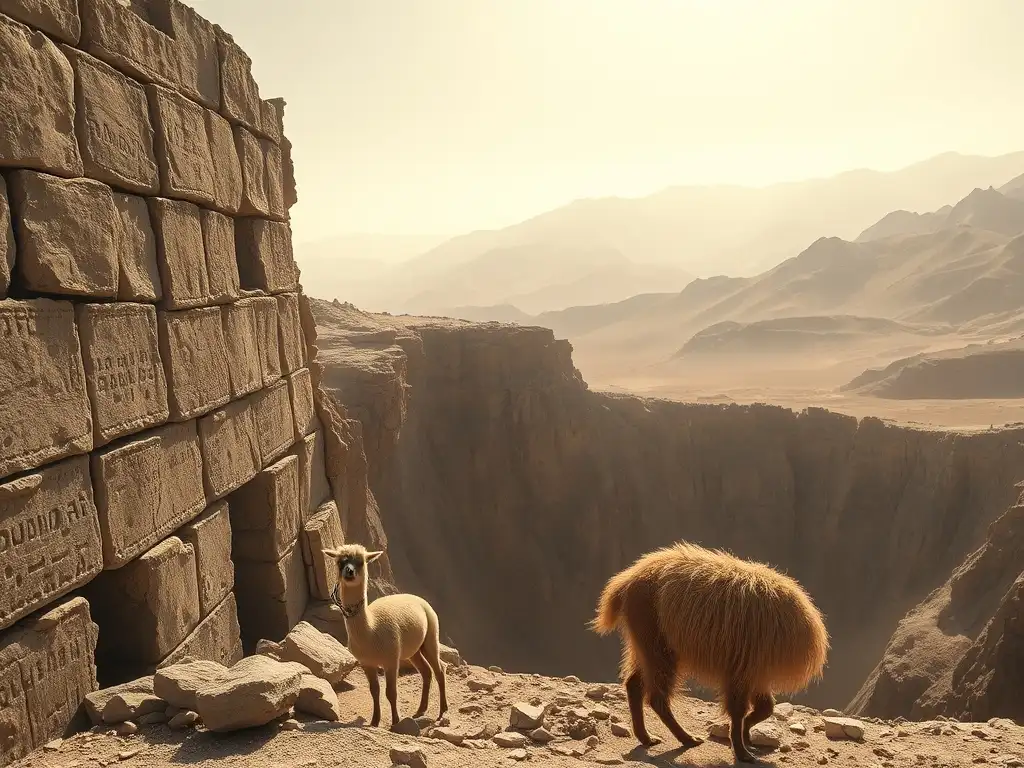
This section delves into the specific ways mining activities negatively impact the invaluable archaeological sites of the Andes. The scale of the damage is often underestimated, threatening not only the physical integrity of structures but also the broader cultural and environmental landscape. Understanding the precise nature of this destruction is crucial for implementing effective preservation strategies and mitigating future harm. The keyword phrase "Andean mining impact on archaeological sites" is central to understanding the scope of this problem.
Physical Damage to Archaeological Structures
Mining operations, particularly those involving large-scale extraction, cause significant physical damage to Andean archaeological structures. The most immediate and visible impact is often direct destruction through excavation, blasting, and the construction of mining infrastructure. Ancient settlements, irrigation canals, and monumental architecture are frequently compromised or completely obliterated. For instance, the construction of access roads for mining trucks can irrevocably damage delicate terraces and agricultural features that are key to understanding ancient Andean agricultural practices.
Furthermore, vibrations from blasting and heavy machinery can cause cracks and instability in pre-existing structures, leading to their gradual collapse over time. This subtle but persistent damage can be just as devastating as outright demolition in the long run. The cumulative effect of these vibrations, often occurring over extended periods, can weaken the structural integrity of even robust buildings, leading to irreparable damage.
We need more detailed studies to quantify the exact extent of this damage across various Andean mining regions. [Specific data on damage to structures pending] A comprehensive survey focusing on the relationship between mining activity proximity and structural degradation would greatly enhance our understanding of this crucial aspect of the Andean mining impact on archaeological sites.
Destruction of Sacred Spaces and Cultural Artifacts
The impact of mining extends beyond the tangible destruction of physical structures. Mining operations frequently encroach upon and destroy sacred spaces and burial grounds, sites deeply significant to Andean cultures. The desecration of these places represents a profound loss of cultural heritage, inflicting significant damage to the spiritual and cultural identity of communities.
The removal of topsoil and the disruption of subsurface layers during mining activities can result in the loss of invaluable artifacts. These artifacts, often fragile ceramics, textiles, and human remains, provide crucial insights into the lives and beliefs of past Andean civilizations. Their destruction represents an irreplaceable loss of historical knowledge. For example, the accidental uncovering of a significant burial site during mining operations can result in the hasty and improper excavation of artifacts, leading to their degradation and the loss of crucial contextual information.
The lack of proper archaeological monitoring and mitigation strategies during mining operations exacerbates this problem. [Data on number of sacred sites destroyed by mining activities pending]. This highlights the urgent need for stronger regulatory frameworks and collaboration between mining companies and archaeological institutions to ensure the protection of these vulnerable sites.
Environmental Degradation and its Consequences for Sites
Beyond the direct physical damage, mining activities lead to widespread environmental degradation with serious consequences for Andean archaeological sites. Water pollution from mining operations contaminates water sources crucial for the preservation of archaeological materials and the surrounding ecosystem. This pollution affects the integrity of organic materials and can accelerate the deterioration of structures exposed to contaminated water.
Soil erosion caused by deforestation and the disruption of natural drainage patterns during mining operations exposes archaeological sites to increased weathering and damage. The removal of vegetation exposes the soil to the elements, accelerating erosion and leading to the gradual disappearance of subtle features and artifacts. This is particularly problematic in areas with fragile ecologies, characteristic of many Andean regions.
Furthermore, air pollution from mining activities can contribute to the degradation of archaeological materials. Acid rain, a byproduct of mining operations, can corrode stone structures and accelerate the deterioration of artifacts. The cumulative effect of these environmental factors significantly impacts the long-term preservation of Andean archaeological sites. [Data on the specific environmental impacts of different mining techniques on Andean sites pending]. A comparative analysis of different mining methods and their environmental footprint would offer valuable insights into developing more sustainable practices. The long-term preservation of these sites hinges on addressing this multifaceted environmental impact of Andean mining.
Impact of Yanacocha Mine on Pre-Incan Structures
The Yanacocha gold mine, one of the largest gold mines in Peru, presents a stark example of the devastating impact mining can have on Andean archaeological sites. Located in the Cajamarca region, an area rich in pre-Incan settlements and agricultural terraces, the mine's operations have significantly altered the landscape and threatened the preservation of invaluable cultural heritage. While the mine has implemented some mitigation measures, concerns remain regarding the long-term effects on fragile archaeological remains. The scale of the mining operation, with its extensive open-pit excavations and tailings ponds, has inevitably led to the destruction or damage of numerous pre-Incan structures.
Specific examples include the disruption of ancient irrigation systems vital to the region's agricultural practices and the direct destruction of burial sites and ceremonial centers. The removal of topsoil and the alteration of hydrological patterns have also contributed to the erosion and degradation of archaeological features, making them increasingly vulnerable to further damage. The precise extent of the damage is difficult to quantify due to limited access and ongoing concerns about the mine's impact, but independent assessments highlight a significant loss of cultural heritage. Further research and transparency regarding the mine's impact on pre-Incan sites are crucial to fully understand the extent of the damage and to develop more effective preservation strategies.
The Yanacocha case serves as a cautionary tale, highlighting the need for stricter environmental regulations and more robust archaeological impact assessments before mining projects commence in areas of significant cultural importance. The careful balance between economic development and cultural preservation remains a critical challenge in the Andean region. The ongoing debate about the Yanacocha mine's impact underscores this fundamental tension and the urgent need for innovative solutions that prioritize both economic growth and the safeguarding of invaluable Andean heritage. The long-term consequences for the understanding of pre-Incan societies are profound, with potentially irreplaceable information lost forever.
The situation at Yanacocha is not unique; it mirrors challenges faced across the Andes where mining activities frequently overlap with areas containing significant archaeological remains. This necessitates a comprehensive reassessment of mining practices and regulatory frameworks to better protect these fragile sites. The need for collaboration between mining companies, government agencies, and archaeologists is paramount to ensure responsible resource extraction while preserving the rich cultural legacy of the Andes.
This collaborative approach necessitates transparent communication, independent monitoring, and a commitment to remediation efforts whenever damage occurs. Only through such concerted efforts can we hope to mitigate the negative impacts of mining on Andean archaeological sites and safeguard this irreplaceable heritage for future generations. The preservation of these sites is not merely an academic concern; it is crucial for understanding the complex history and cultural development of the Andean region, providing insights into the ingenuity and resilience of past societies.
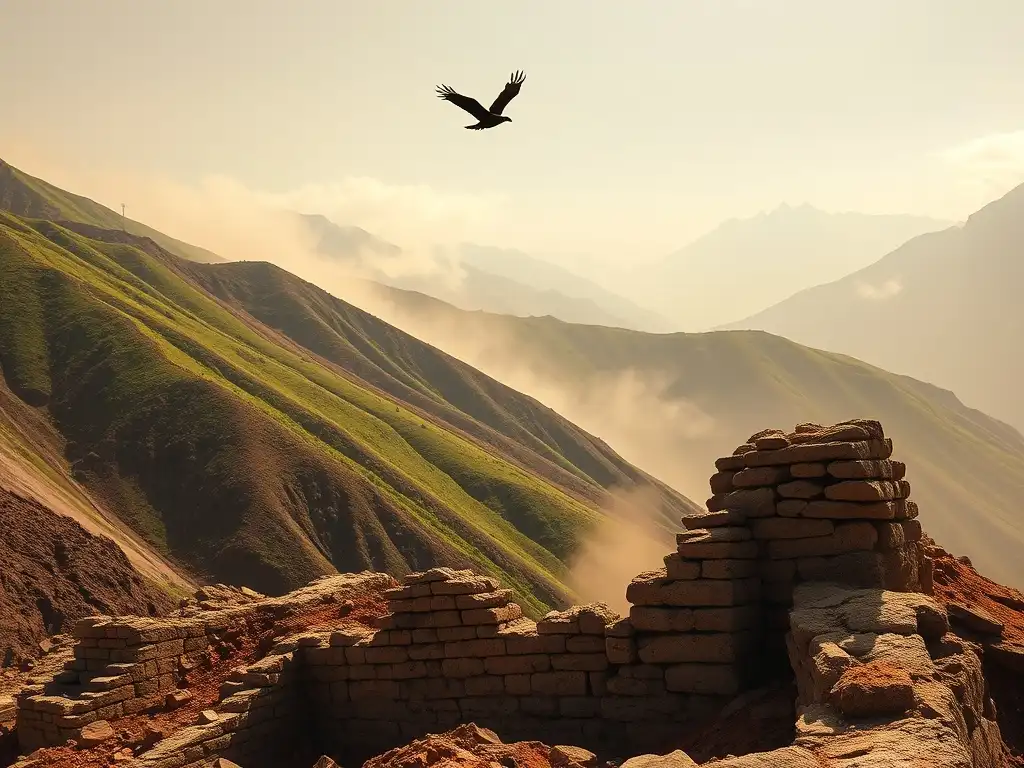
This section delves into the precise ways mining activities damage Andean archaeological sites, moving beyond general observations to pinpoint specific threats. The scale of the destruction varies depending on the type of mining and the fragility of the site, but the consequences are consistently severe, impacting both the surface and subsurface. The Andean mining impact on archaeological sites is multifaceted and requires a nuanced understanding to effectively address. We will explore three crucial areas: open-pit mining, underground mining, and water contamination.
Impact of Open-Pit Mining on Andean Landscapes
Open-pit mining, a visually striking but environmentally devastating practice, poses a considerable threat to Andean archaeological sites. The sheer scale of these operations—the removal of vast quantities of earth and rock—often obliterates archaeological features completely. Consider, for instance, the potential destruction of carefully constructed terraces, irrigation systems, and even entire settlements.
These meticulously planned agricultural landscapes, integral to the survival and societal structure of Andean civilizations, are easily lost beneath the gaping maw of an open-pit mine. The resulting scars on the landscape are not merely aesthetic; they represent the irreversible loss of invaluable historical and cultural information. Moreover, the vibrations from blasting and heavy machinery can damage even structures that remain partially exposed, leading to further deterioration and collapse.
The impact extends beyond the immediate area of excavation; dust and airborne pollutants contaminate the surrounding environment, accelerating the erosion of nearby sites and potentially damaging delicate artifacts. Quantifying the precise loss is difficult, as many sites are undocumented or only partially surveyed before mining commences. However, anecdotal evidence and the observable damage in known areas strongly suggest a significant and ongoing loss of irreplaceable cultural heritage.
The Effects of Underground Mining on Subterranean Structures
While open-pit mining is visually destructive, underground mining presents a different set of challenges—a silent, insidious erosion of the Andean heritage. Many Andean cultures utilized subterranean spaces for a variety of purposes, from burial chambers and ritual sites to storage facilities and even dwellings. These underground structures are often extremely vulnerable to the instability caused by underground mining operations.
Tunnels and shafts collapsing due to mining activity can damage or destroy these fragile structures, leaving behind little more than rubble. The subtle shifts in the earth caused by subterranean mining can also lead to the gradual cracking and weakening of above-ground structures, even those seemingly far removed from the mining activity. Furthermore, the extraction of minerals can alter groundwater flow, potentially leading to further instability and the flooding of subterranean sites.
The precise extent of this damage is often difficult to ascertain, as the effects are often not immediately apparent and may only manifest years after mining operations have ceased. This underscores the critical need for comprehensive pre-mining surveys that utilize advanced geophysical techniques to detect and document subterranean structures before any work begins. The lack of such thorough assessments contributes significantly to the ongoing, largely unseen, destruction of Andean subterranean heritage.
Water Contamination from Mining Activities Affecting Sites
Water contamination stemming from mining operations represents a pervasive and insidious threat to the preservation of Andean archaeological sites. The leaching of heavy metals and other toxic substances into the water table contaminates water sources, impacting both the physical integrity of sites and the health of local communities. This contamination can accelerate the deterioration of materials, leading to the disintegration of artifacts and the erosion of structures.
For example, the corrosion of metal artifacts and the dissolution of stone structures can be significantly accelerated by acidic water from mining runoff. The visual impacts may be subtle, but the long-term consequences for the preservation of the sites are severe. Moreover, the contamination of water sources used by local populations poses significant health risks, which indirectly affects the preservation efforts, as the same water may be used for cleaning and maintenance of the sites.
Detailed analysis of water samples near mining operations is crucial to understand the extent of this contamination and to implement effective mitigation strategies. The lack of comprehensive monitoring and remediation efforts exacerbates the problem, leading to a slow, but persistent, degradation of the cultural heritage of the Andes. Accurate data on the extent of water contamination and its impact on specific sites is still largely lacking, highlighting the need for more rigorous research and monitoring programs.
Air Pollution from Mining Operations Impacting Site Preservation
Air pollution stemming from mining activities poses a significant threat to the preservation of Andean archaeological sites. The release of particulate matter (PM), sulfur dioxide (SO₂), nitrogen oxides (NOx), and other pollutants into the atmosphere can have devastating consequences on delicate artifacts and structures. These pollutants can accelerate the deterioration of materials like stone and adobe, causing erosion, discoloration, and weakening of structural integrity. For instance, the increased acidity in rainfall due to SO₂ emissions can significantly damage the intricate stonework of Inca sites like Machu Picchu, leading to irreversible damage over time.
The effects are not limited to the visible structures either; air pollution can also affect the soil composition around archaeological sites, impacting the preservation of organic materials and potentially hindering future excavations. Studies have shown a direct correlation between increased mining activity near certain Andean sites and a higher rate of deterioration in their condition. This highlights the urgent need for stricter environmental regulations and monitoring of air quality in mining regions bordering these invaluable historical locations. Furthermore, the long-term impact of air pollution on human health in these communities often overlaps with the damage to historical sites, creating a complex web of interconnected challenges demanding comprehensive solutions.
Effective mitigation strategies must include the implementation of cleaner technologies in mining operations, stricter emission standards, and increased public awareness about the detrimental effects of air pollution on both cultural heritage and human well-being. The lack of comprehensive long-term studies specifically addressing the cumulative impact of air pollution on Andean archaeological sites is a significant concern and highlights the need for further research in this crucial area. Without proactive and sustained efforts, the legacy of these ancient civilizations will continue to be eroded by the very air that surrounds them.
Preservation and Conservation: Protecting Andean Heritage
This section delves into the crucial efforts undertaken to safeguard the invaluable archaeological sites of the Andes from the detrimental effects of mining activities. The delicate balance between economic development and cultural preservation demands innovative and collaborative strategies. The impact of Andean mining on archaeological sites is a complex issue requiring a multifaceted approach.
International and National Laws Protecting Andean Sites
International conventions and national legislation play a vital role in protecting Andean archaeological sites. However, enforcement remains a significant challenge. The UNESCO World Heritage Convention, for instance, provides a framework for the identification, protection, and preservation of cultural and natural heritage sites of outstanding universal value. Many Andean sites are inscribed on the World Heritage List, affording them a degree of international protection. This protection, however, doesn't always translate into effective on-the-ground safeguards against mining encroachment.
National laws in Andean countries vary in their effectiveness. Some have robust legal frameworks that explicitly prohibit mining activities within or near designated archaeological zones. Others have weaker regulations, leaving significant loopholes that mining companies can exploit. Furthermore, the enforcement of these laws often suffers from a lack of resources, political will, or both. This disparity in legal frameworks and enforcement capabilities across different Andean nations highlights the need for stronger regional cooperation and standardized regulations.
For example, while Peru has implemented stringent environmental impact assessments for mining projects near archaeological sites, the actual implementation and monitoring of these assessments often fall short. Similarly, in Bolivia, despite the existence of protective legislation, the pressure from mining interests can sometimes outweigh the concerns for heritage preservation. This necessitates a more proactive approach, involving stronger penalties for violations and increased transparency in the approval process for mining projects near sensitive archaeological areas. The need for improved data collection on mining impacts and clearer guidelines for mitigation measures is also crucial.
Strategies for Archaeological Site Preservation
Protecting Andean archaeological sites from mining requires a multi-pronged strategy that goes beyond simply enacting laws. Effective preservation necessitates a combination of proactive measures, technological advancements, and community engagement.
- Advanced Monitoring Techniques: The use of remote sensing technologies, such as satellite imagery and LiDAR (Light Detection and Ranging), allows for the early detection of potential threats to archaeological sites. These technologies can identify signs of illegal mining activities or environmental degradation before significant damage occurs. Furthermore, the development of advanced Geographic Information Systems (GIS) allows for the creation of detailed maps of archaeological sites and their surrounding areas, facilitating better monitoring and management.
- Preventive Archaeology: This approach involves undertaking archaeological surveys and excavations before mining activities begin in potentially affected areas. This allows for the documentation and recovery of artifacts and features before they are destroyed. While costly, preventive archaeology offers a far more effective solution than reactive measures taken after damage has already occurred. It also ensures that valuable data is collected and preserved, even if the site itself is later impacted by mining.
- Mitigation Measures: When mining activities are unavoidable near archaeological sites, carefully planned mitigation measures are crucial. These measures might include the creation of buffer zones around sensitive areas, the implementation of strict environmental monitoring protocols, and the development of strategies for the safe relocation of artifacts. These mitigation strategies must be rigorously enforced and regularly evaluated to ensure their effectiveness. The development of sustainable mining practices is also crucial, reducing the overall impact of mining on the environment and cultural heritage.
Community Involvement in Site Protection
The successful preservation of Andean archaeological sites requires the active participation of local communities. These communities often possess invaluable traditional knowledge and a deep connection to their ancestral heritage. Their involvement is crucial not only for the protection of the sites themselves but also for fostering a sense of ownership and responsibility.
- Community-Based Monitoring: Training and empowering local communities to monitor their own archaeological sites can be incredibly effective. Community members can often identify signs of illegal activity or environmental degradation far more quickly than external authorities. This approach fosters a sense of stewardship and helps to build local capacity for heritage management.
- Economic Alternatives: The economic dependence of some communities on mining activities can create a conflict of interest in terms of site preservation. Developing alternative, sustainable economic opportunities for these communities can reduce their reliance on mining and encourage them to actively participate in heritage protection efforts. This might involve supporting eco-tourism initiatives, promoting traditional crafts, or developing other income-generating activities that are compatible with heritage preservation.
- Education and Awareness: Raising awareness among local communities about the importance of their archaeological heritage is paramount. Educational programs can help to foster pride in local history and encourage responsible behavior towards the sites. This includes teaching about the significance of the sites, the threats they face, and the ways in which communities can contribute to their protection. The increased understanding and engagement of the community are crucial for the long-term sustainability of preservation efforts. The success of these initiatives hinges on building trust and establishing collaborative relationships between authorities, researchers, and local communities. The integration of local knowledge and perspectives is essential for effective and sustainable heritage management.
The Role of Technology in Monitoring Mining Impacts
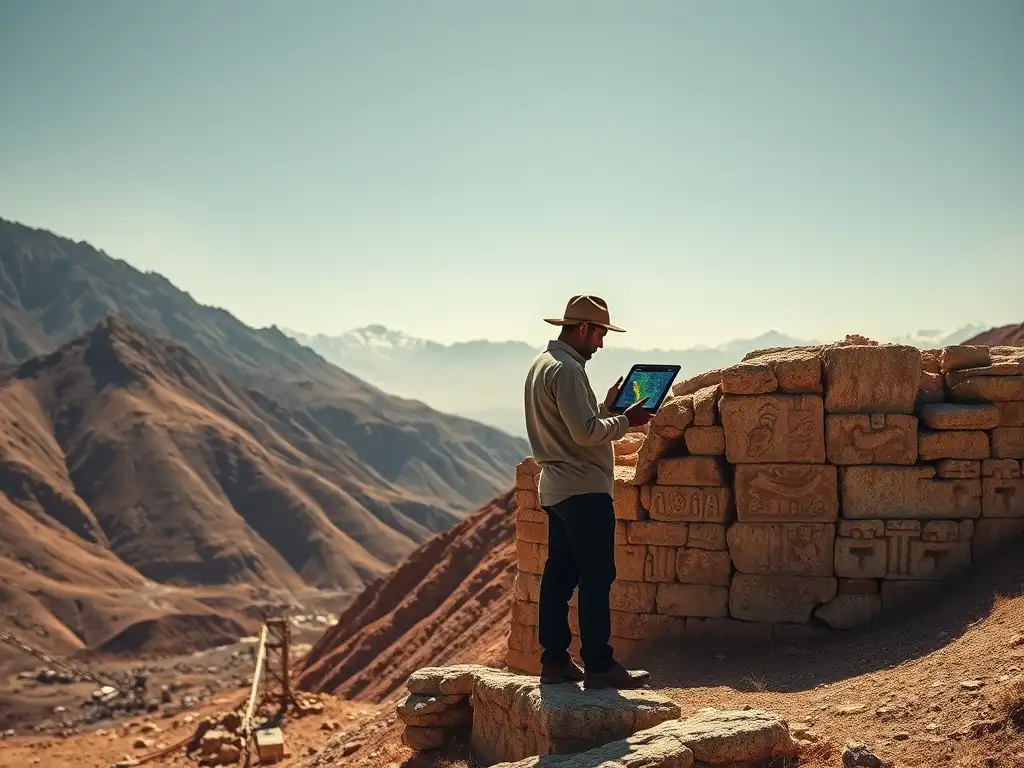
The impact of mining on Andean archaeological sites is multifaceted and often insidious. Traditional monitoring methods, relying heavily on visual inspections and limited ground surveys, are proving insufficient to fully grasp the extent of the damage. Fortunately, technological advancements offer powerful new tools for comprehensive and proactive monitoring. Remote sensing techniques, such as satellite imagery and aerial photography, provide a bird's-eye view, allowing archaeologists to detect subtle changes in the landscape that might indicate illegal mining activity or environmental degradation near sensitive sites.
These technologies enable the identification of even small-scale disturbances, such as soil erosion, vegetation changes, or the presence of newly dug pits, which might otherwise go unnoticed. The analysis of multispectral and hyperspectral imagery can reveal further details about the composition of the soil and vegetation, providing insights into potential environmental damage caused by mining runoff or tailings. Moreover, the use of LiDAR (Light Detection and Ranging) allows for the creation of high-resolution 3D models of the terrain, facilitating the precise mapping of archaeological features and the quantification of their degradation over time. This sophisticated approach moves beyond simple visual observation, providing quantitative data that supports informed decision-making in conservation efforts and strengthens legal cases against illegal mining operators.
The integration of GIS (Geographic Information Systems) further enhances the process, allowing for the overlaying of different data layers – archaeological site locations, mining concessions, environmental data – to create comprehensive spatial analyses of the impact of mining activities on the Andean cultural heritage. This technological approach is crucial for effective and efficient monitoring, enabling prompt interventions to mitigate the damage and protect these invaluable sites for future generations. The ongoing development of even more advanced technologies, such as drone-based surveys and artificial intelligence-powered image analysis, promises even greater precision and efficiency in monitoring the impact of Andean mining.
The Qhapaq Ñan Project
The Qhapaq Ñan, the Inca road system, is a remarkable testament to the engineering prowess and organizational capabilities of the Inca Empire. This extensive network of roads, spanning thousands of kilometers across the Andes, is not only a significant archaeological resource but also a vital part of the cultural identity of Andean communities. Sadly, the Qhapaq Ñan is facing numerous threats, including mining activities that encroach upon its routes and surrounding landscapes. The Qhapaq Ñan Project, a UNESCO World Heritage site, is working diligently to address these challenges through a multifaceted approach that combines preservation efforts with community engagement.
A crucial aspect of the project involves the meticulous documentation and mapping of the road system, using advanced technologies like GIS and remote sensing to create comprehensive inventories and track changes over time. This detailed mapping provides a baseline against which future changes can be measured, facilitating the early detection of damage or degradation caused by mining or other human activities. Furthermore, the project promotes sustainable development initiatives within communities located near the Qhapaq Ñan, aiming to reduce the reliance on activities that could harm the site. By fostering alternative livelihoods and supporting local economies, the project seeks to mitigate the pressure on the road system and its surrounding environment.
The project also emphasizes education and awareness-raising, informing local communities and broader audiences about the importance of protecting this invaluable heritage. Through collaborative efforts with government agencies, local communities, and international organizations, the Qhapaq Ñan Project strives to balance the needs of local populations with the imperative of preserving this extraordinary legacy for future generations. The long-term success of the project hinges on continued collaboration and the sustained commitment to responsible development practices within the Andean region. The protection of the Qhapaq Ñan serves as a powerful example of how comprehensive preservation strategies, combining technological advancements with community engagement, can safeguard crucial elements of Andean heritage against the destructive impact of mining and other threats.
Balancing Economic Needs and Cultural Preservation
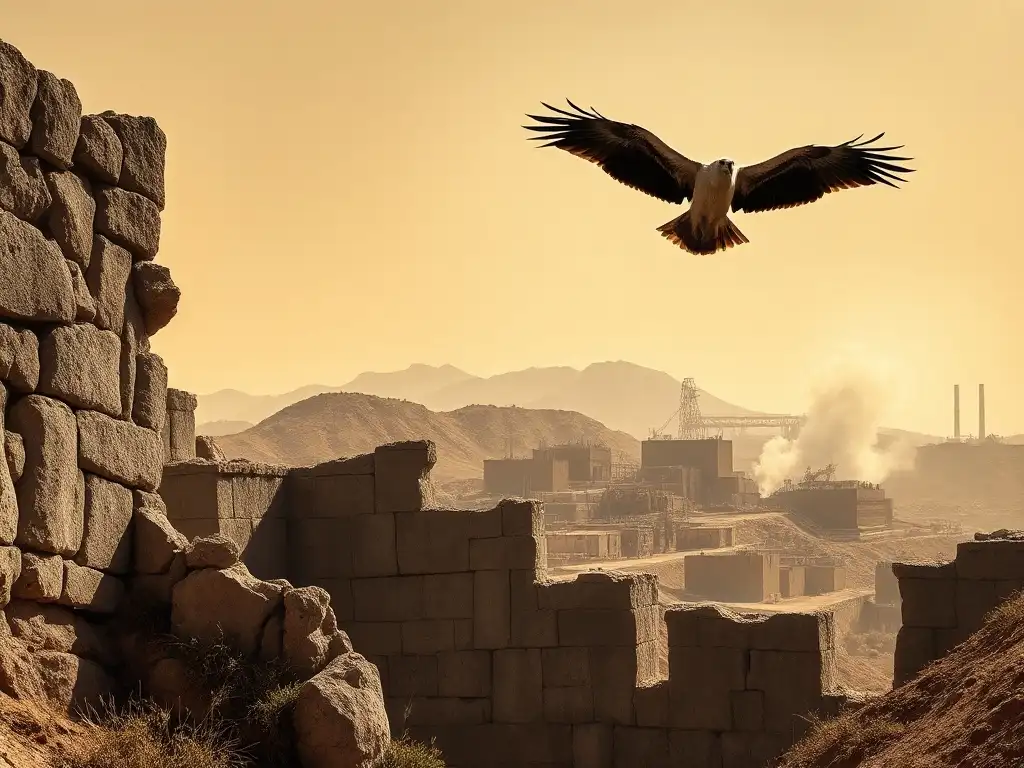
The Andean region, rich in archaeological treasures and biodiversity, faces a significant challenge: balancing the economic benefits of mining with the imperative to protect its invaluable cultural heritage. The impact of Andean mining on archaeological sites is a complex issue, demanding innovative solutions that reconcile economic development with responsible stewardship of the past. This requires a multi-faceted approach encompassing sustainable mining practices, responsible corporate behavior, and the exploration of alternative economic models for Andean communities traditionally reliant on extractive industries.
Ignoring this delicate balance risks irreversible damage to irreplaceable historical sites and the cultural identity of the region. The long-term consequences of unchecked mining activity far outweigh the short-term economic gains, potentially leading to the loss of invaluable knowledge and cultural heritage for future generations. This section delves into strategies for mitigating the negative impacts of mining while fostering sustainable development in the Andean region.
Sustainable Mining Practices in Andean Regions
Sustainable mining practices are crucial for minimizing the impact of Andean mining on archaeological sites. This means implementing stringent environmental regulations and monitoring protocols to prevent damage to fragile ecosystems and historical remains. Key aspects include:
- Advanced exploration techniques: Employing non-invasive geophysical surveys and remote sensing technologies to map subsurface features before initiating any excavation. This helps to identify and avoid areas of archaeological significance, reducing the risk of accidental damage. Precise mapping using LiDAR (Light Detection and Ranging) is becoming increasingly important in this process.
- Minimizing surface disturbance: Implementing techniques that reduce the area affected by mining operations, such as underground mining rather than open-pit mining whenever feasible. This significantly reduces the risk of damage to surface archaeological sites.
- Strict waste management: Implementing robust waste management plans to prevent contamination of soil and water resources, which can damage both the environment and nearby archaeological sites. Effective tailings management is paramount.
- Rehabilitation and restoration: Developing comprehensive plans for the rehabilitation and restoration of mined areas, ensuring the landscape is returned to a state as close as possible to its pre-mining condition. This involves careful soil remediation and re-vegetation efforts.
The implementation of these practices requires strong regulatory oversight, robust enforcement mechanisms, and meaningful collaboration between mining companies, governmental agencies, and local communities. Failure to implement these sustainable strategies can lead to the destruction of significant archaeological remains and the degradation of the surrounding environment, irrevocably altering the cultural landscape of the Andes.
Promoting Responsible Mining and Extraction
Responsible mining goes beyond simply adhering to environmental regulations. It requires a fundamental shift in corporate culture, prioritizing the preservation of cultural heritage alongside economic gain. This includes:
- Proactive archaeological assessments: Mining companies should proactively commission thorough archaeological impact assessments before initiating any mining project. These assessments should be conducted by qualified archaeologists and should inform the design and implementation of mitigation strategies. Ignoring this crucial step can lead to costly delays and legal challenges later.
- Community engagement: Meaningful and transparent engagement with local communities is paramount. This ensures that the concerns and perspectives of those directly affected by mining operations are considered and addressed. Open communication fosters trust and reduces conflicts.
- Transparency and accountability: Mining companies should operate with complete transparency, publicly disclosing their environmental and social impact assessments and regularly reporting on their performance. Independent audits can further enhance accountability.
- Investment in cultural preservation: Mining companies should invest in the preservation and protection of archaeological sites affected by their operations. This might involve funding archaeological excavations, conservation projects, and the development of visitor centers. Such investments demonstrate a commitment to responsible corporate citizenship.
Ultimately, promoting responsible mining requires a collaborative effort involving governments, mining companies, and local communities. A shift towards a more ethical and sustainable approach is vital for safeguarding the Andean region's rich cultural legacy.
Alternative Economic Models for Andean Communities
Over-reliance on mining can leave Andean communities vulnerable to economic shocks and environmental degradation. Diversifying the local economy through alternative economic models is crucial for long-term sustainability. This requires:
- Investing in sustainable tourism: Developing sustainable tourism initiatives that leverage the region's rich cultural heritage and natural beauty can create alternative income streams for local communities. This requires careful planning to avoid over-tourism and environmental damage.
- Supporting local agriculture: Investing in sustainable agricultural practices can enhance food security and create economic opportunities for local farmers. This might involve promoting organic farming, improving irrigation systems, and developing value-added agricultural products.
- Promoting artisan crafts: Supporting the production and marketing of traditional Andean artisan crafts can preserve cultural heritage and create economic opportunities for local artisans. This requires access to markets and training in modern business practices.
- Developing renewable energy sources: Investing in renewable energy sources, such as solar and wind power, can reduce reliance on fossil fuels, mitigate climate change, and create new job opportunities.
By exploring and implementing these alternative economic models, Andean communities can reduce their dependence on extractive industries, fostering more resilient and sustainable livelihoods while safeguarding their unique cultural heritage. The long-term prosperity of the Andean region depends on a balanced approach that values both economic development and the preservation of its invaluable cultural heritage.
The Importance of Education and Awareness
Education and awareness campaigns represent a crucial first step in mitigating the negative impacts of mining on Andean archaeological sites. A well-informed public, including local communities, government officials, and mining companies themselves, is better equipped to understand the fragility of these sites and the long-term consequences of unchecked mining activities. This understanding fosters a sense of shared responsibility for preservation.
Effective campaigns should go beyond simply highlighting the damage; they must also showcase the immense cultural and historical value of these sites, emphasizing their significance not just for Peru and other Andean nations, but for the world's cultural heritage. Engaging visuals, compelling narratives, and interactive educational programs can significantly improve public awareness and encourage responsible behavior. For example, educational initiatives could focus on the unique artistic styles of the Moche culture, the sophisticated astronomical knowledge of the Nazca, or the intricate urban planning of the Inca, thereby connecting the abstract concept of "cultural heritage" to tangible, relatable elements.
Furthermore, success hinges on translating information into multiple languages to reach diverse communities effectively. The ultimate goal is to cultivate a culture of respect and appreciation for Andean heritage, promoting a collective commitment to its protection. This shift in mindset is essential to achieving sustainable development that balances economic progress with cultural preservation.
The effectiveness of educational initiatives can be measured through various metrics. For instance, pre- and post-campaign surveys could assess changes in public knowledge and attitudes toward mining and archaeological preservation. Monitoring social media engagement and participation in educational events provides further insights into the reach and impact of the campaigns.
Qualitative data, such as feedback from community workshops and interviews with stakeholders, can offer richer, more nuanced understanding of the campaign's success in shifting perceptions and behaviors. Regular evaluation and adaptation are crucial to ensure that educational strategies remain relevant and effective over time, continuously engaging new audiences and addressing evolving challenges. Ultimately, a comprehensive approach that combines different educational methods and utilizes diverse data collection techniques offers the best chance of achieving significant and lasting positive change.
The Future of Andean Archaeological Sites in the Face of Mining
The future of Andean archaeological sites hinges critically on our ability to mitigate the ongoing and long-term impacts of mining activities. While extraction provides economic benefits, the environmental and cultural costs associated with irresponsible mining practices are immense and often irreversible. The delicate balance between economic development and the preservation of irreplaceable cultural heritage necessitates a paradigm shift – a move away from extractive models that prioritize short-term gains over long-term sustainability.
This requires a multi-pronged approach involving stringent regulations, technological innovation, and a fundamental change in societal values. The question isn't if mining will continue in the Andes, but how it can coexist with the preservation of these invaluable sites, ensuring a legacy for future generations. The Andean mining impact on archaeological sites is a complex issue demanding immediate and concerted action.
Long-Term Impacts of Mining on Andean Heritage
The long-term effects of mining extend far beyond the immediate damage caused by excavation and construction. Acid mine drainage, for example, leaches heavy metals into the soil and water, contaminating agricultural land and harming local ecosystems for decades, even centuries. This pollution can seep into archaeological sites, degrading artifacts and structures, rendering them unstable and ultimately destroying invaluable evidence of Andean civilizations.
Furthermore, the disruption of hydrological systems through mining operations can destabilize ancient structures, leading to erosion and collapse. Consider the potential loss of irreplaceable knowledge embedded within these sites – intricate irrigation systems, sophisticated agricultural techniques, and monumental architecture – all vulnerable to the insidious, long-term effects of mining activities. The impact isn't just visual; it's a loss of irreplaceable historical and scientific data, crucial for understanding Andean societies.
Quantitative data on the long-term effects of specific mining operations on particular Andean sites is still limited, highlighting the urgent need for comprehensive, long-term monitoring programs. We need to move beyond simple assessments of immediate damage and focus on predicting and mitigating the protracted consequences of mining. The long-term consequences of this impact on Andean archaeological sites must be a central consideration in all future mining projects.
The Need for Continuous Monitoring and Research
Continuous monitoring and research are indispensable for understanding and mitigating the impact of Andean mining on archaeological sites. This necessitates a shift from reactive measures to proactive strategies. Implementing sophisticated monitoring systems, including remote sensing technologies (like satellite imagery and LiDAR), allows for the early detection of environmental changes and potential threats to archaeological sites. Regular ground surveys, coupled with advanced geophysical techniques, can identify subtle signs of damage or degradation that might otherwise go unnoticed.
Moreover, ongoing research is crucial for developing effective mitigation strategies. This includes studying the specific impacts of different mining techniques on various types of archaeological materials and environments. For example, understanding how different types of tailings affect the stability of adobe structures is crucial for developing appropriate protective measures. The data gleaned from such research should inform policy decisions, guiding the development of more sustainable mining practices and stricter environmental regulations.
The lack of comprehensive, long-term data currently hampers effective intervention. This underscores the urgent need for sustained investment in monitoring and research programs dedicated to preserving Andean heritage sites. The continuous monitoring and research effort is an essential investment in the future of Andean archaeology.
The Importance of Collaboration and Advocacy
Effective preservation requires collaboration and advocacy on multiple levels. Collaboration between governments, mining companies, archaeologists, local communities, and international organizations is paramount. Open communication and shared responsibility are crucial for developing and implementing effective mitigation strategies. Mining companies must prioritize environmental and cultural responsibility, integrating archaeological considerations into their operational plans from the outset.
Governments need to enforce stricter regulations, ensuring compliance through rigorous monitoring and penalties for violations. Local communities, who are often the custodians of these sites and possess invaluable traditional ecological knowledge, must be actively involved in the decision-making process. Finally, advocacy groups and researchers have a vital role to play in raising public awareness and influencing policy decisions. Strong advocacy can ensure that the protection of Andean heritage is prioritized in national and international agendas.
The success of any preservation initiative depends on the collective commitment of all stakeholders. The Andean mining impact on archaeological sites necessitates a collaborative and vocal advocacy effort to ensure their long-term survival. Only through concerted action can we safeguard this invaluable legacy for generations to come.
Support Organizations Dedicated to Andean Heritage Preservation
Several organizations play a crucial role in protecting Andean archaeological sites from the destructive effects of mining. These groups work tirelessly on multiple fronts, from advocating for stricter environmental regulations to directly engaging in site preservation and community education. Their efforts are vital in mitigating the negative impacts of mining and ensuring the long-term survival of invaluable cultural heritage.
The scale and scope of their work varies, ranging from large international NGOs with significant funding to smaller, local groups focused on specific sites or regions. Their combined impact, however, is undeniable in the fight to safeguard Andean heritage. Many of these organizations collaborate with local communities, recognizing that their knowledge and participation are essential for successful preservation initiatives.
This collaborative approach fosters a sense of ownership and responsibility among local populations, empowering them to protect their ancestral heritage. Without the dedicated work of these support organizations, the impact of Andean mining on archaeological sites would be far more devastating.
The effectiveness of these organizations is often dependent on securing funding, navigating complex legal frameworks, and fostering strong relationships with government agencies and mining companies. Many rely on donations, grants, and fundraising efforts to support their operations. They often face significant challenges, including limited resources, bureaucratic hurdles, and the sheer scale of the problem. Despite these obstacles, their commitment to protecting Andean heritage remains unwavering.
Their work highlights the importance of international cooperation and the power of collective action in preserving cultural heritage for future generations. The success stories of these organizations demonstrate that even in the face of significant challenges, effective preservation efforts are possible when stakeholders collaborate effectively. Further research into the specific achievements and challenges faced by individual organizations would provide a more comprehensive understanding of their contributions to Andean heritage preservation.
Frequently Asked Questions
How has mining impacted Andean archaeological sites?
Mining activities, both historical and modern, have caused significant damage to Andean sites. This includes destruction of structures, looting of artifacts, and environmental degradation impacting the preservation of the sites.
What types of mining pose the greatest threat?
Both illegal and legal mining operations present substantial risks. Illegal mining often involves destructive techniques and a lack of oversight, while legal mining can still cause damage if environmental protections aren't adequately implemented.
Are there any examples of mining's negative impact on specific Andean sites?
Yes, many sites have suffered. For example, water pollution from mining has affected the integrity of Moche and Inca agricultural terraces, while illegal mining has led to the destruction of burial sites across the Andes.
What efforts are being made to mitigate the damage caused by mining?
Several organizations are working to protect Andean sites, including archaeological surveys prior to mining operations, stricter enforcement of environmental regulations, and community-based conservation initiatives focused on sustainable development.
How can I learn more about the impact of mining on Andean archaeology?
You can research academic publications, reports from organizations like UNESCO, and explore museum exhibits focusing on Andean archaeology and conservation. Many organizations are actively working to raise awareness about this critical issue.
Final Reflection: Echoes of the Past, Shadows of the Future
The relentless pursuit of economic growth often casts a long shadow, obscuring the irreplaceable heritage of our past. The devastating impact of mining on Andean archaeological sites is not a relic of a bygone era; it's a crisis unfolding in real-time, threatening to erase millennia of history and cultural significance. The scale of the damage, from the destruction of ancient settlements to the contamination of sacred landscapes, demands immediate and decisive action.
The ongoing struggle to balance economic development with the preservation of these invaluable sites underscores a fundamental conflict in our modern world. We are faced with the difficult task of reconciling the needs of present generations with the responsibility we bear towards future ones. The legacy of these sites is not merely historical; it is a living testament to the ingenuity and resilience of Andean cultures. The past is never dead. It's not even past.
– William Faulkner. This quote resonates deeply, highlighting the enduring presence of these sites and the urgent need to protect them from further harm. Their destruction represents not only a loss of tangible artifacts but also a severing of the connection between present-day communities and their ancestral heritage.
Consider the weight of this legacy. You, the reader, hold the power to amplify the voices advocating for the preservation of these irreplaceable sites. Engage in informed discussions, support organizations working to protect Andean heritage, and demand greater transparency and accountability from mining companies. Let us collectively choose a future where economic progress and cultural preservation walk hand-in-hand, ensuring that the echoes of the past resonate strongly into the future, unburdened by the shadows of destruction.
Take Action: Protect Our Andean Heritage Today!
Thank you for learning about the significant impact mining has on precious Andean sites. Your interest and concern are crucial in protecting our shared heritage. Now, let's turn that awareness into action!
Here are some ways you can make a difference:
- Join the movement! Become involved with local environmental groups dedicated to preserving Andean heritage. Organize community discussions to raise awareness and inspire action.
- Share your voice! Use social media to spread the word about the threats mining poses to Andean cultures and the environment. Amplify the voices of those directly affected.
- Get involved! Research and support community-led initiatives working to safeguard Andean sites. Your contribution can make a real difference.
What specific actions can you take to help protect the invaluable Andean heritage we all cherish?