
The Future is Ancestral: How Andean Youth Are Reclaiming Their Heritage

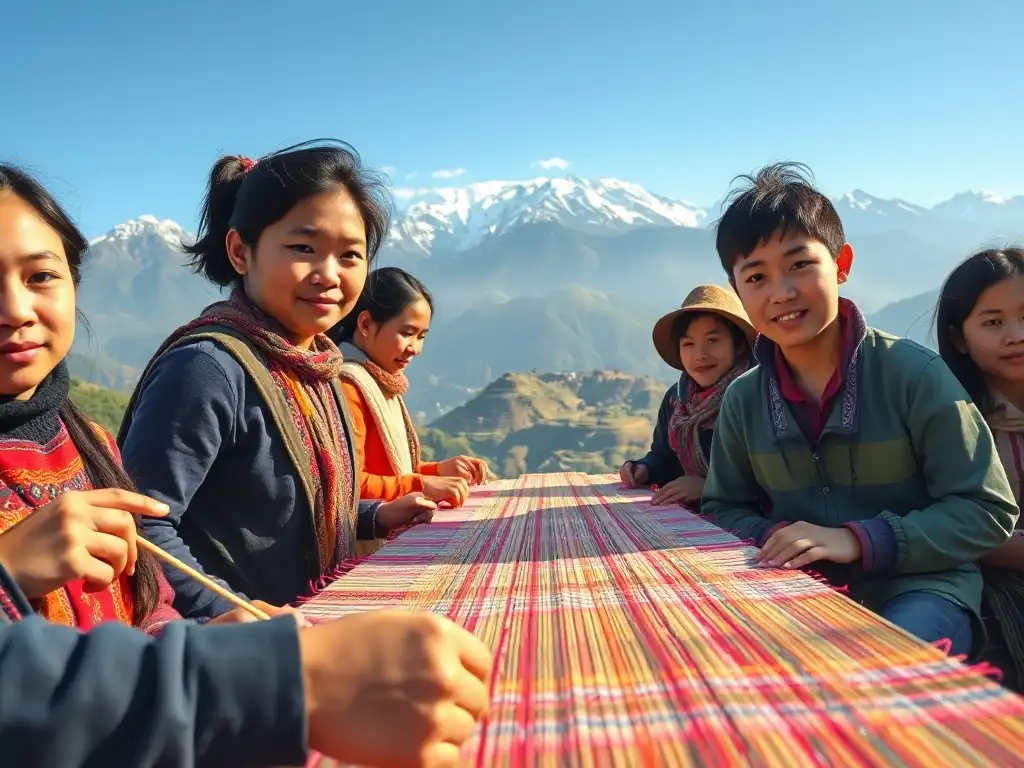
Uncover the mysteries of a legacy far older than time itself. For centuries, the breathtaking artistry and ingenuity of the Andean civilizations have captivated the world. But what happens when the echoes of the past meet the urgency of the present? Dive into the compelling story of Andean youth heritage reclamation, a movement breathing new life into ancient traditions and challenging our understanding of what it means to inherit a vibrant cultural heritage. Prepare to be amazed by the power of connection across millennia.
The Andes Mountains, a spine of imposing beauty running down the western coast of South America, have witnessed the rise and fall of some of the most fascinating civilizations in history. From the intricate textiles of the Nazca to the sophisticated urban planning of the Inca, the Andean region boasts a rich tapestry of cultural heritage. However, the legacy of colonialism and globalization has often threatened the continuity of these traditions.
This article explores a powerful counter-narrative: the vibrant resurgence of Andean heritage spearheaded by a new generation. We will examine how Andean youth are actively reclaiming their ancestral traditions, languages, and knowledge systems, ensuring that the future is deeply rooted in the past. This reclamation is not merely a nostalgic exercise; it's a dynamic process of cultural revitalization, impacting everything from artistic expression to political activism, and ultimately shaping a more sustainable and equitable future for the Andean region.
This exploration delves into the motivations, methods, and impact of this crucial movement, highlighting the significant role Andean youth play in preserving and promoting their unique cultural identity for generations to come. The keyword, "Andean youth heritage reclamation," encapsulates the core theme and showcases the vitality of this ongoing cultural renaissance.
Introduction: Andean Youth and the Revival of Ancestral Traditions
Andean youth are at the forefront of a significant cultural shift, actively engaging in the revival of ancestral traditions that were previously suppressed or marginalized. This isn't simply a passive preservation; it's a dynamic process of reinterpretation and reappropriation. Younger generations are not merely inheriting their heritage; they are actively shaping and redefining it for the 21st century.
This reclamation manifests in diverse ways, from the resurgence of Quechua and Aymara languages in schools and public spaces to the innovative use of traditional weaving techniques in contemporary fashion design. Many young people are finding creative outlets to express their identity, blending ancient practices with modern sensibilities. For example, hip-hop artists are incorporating Quechua lyrics into their music, creating a powerful fusion of ancient and modern sounds that resonates deeply with their peers.
This blend of tradition and modernity is key to understanding the unique nature of this movement. The revitalization effort involves not only learning from elders but also adapting and reinterpreting ancestral knowledge for a contemporary context. The process is often collaborative, with young people working alongside their communities to ensure the authenticity and relevance of their efforts.
The Importance of Andean Heritage for Younger Generations
The reasons behind this resurgence of Andean heritage are multifaceted and deeply personal. For many young people, reclaiming their heritage is a powerful act of self-determination and cultural pride, a response to historical injustices and systemic marginalization. It is a way to connect with their roots, build stronger community bonds, and assert their cultural identity in a globalized world. Furthermore, there's a growing awareness of the intrinsic value of Andean knowledge systems, particularly in areas like sustainable agriculture, traditional medicine, and environmental stewardship.
These ancient practices offer valuable insights into living in harmony with nature, providing sustainable alternatives to environmentally damaging modern practices. The younger generation recognizes the wisdom embedded within these traditions and sees their preservation as crucial for the future well-being of their communities and the planet. This understanding is not limited to a romanticized view of the past; it's a pragmatic recognition of the practical benefits of ancestral knowledge in addressing contemporary challenges.
The revival is driven by a desire to create a future where Andean traditions are not just preserved but thrive, contributing to a more just and sustainable world. This active participation in heritage reclamation is empowering, fostering a sense of agency and responsibility among Andean youth. It is a testament to their resilience, creativity, and commitment to building a future grounded in their rich ancestral past.
- Introduction: Andean Youth and the Revival of Ancestral Traditions
- The Importance of Andean Heritage for Younger Generations
Understanding the Challenges Faced by Andean Youth
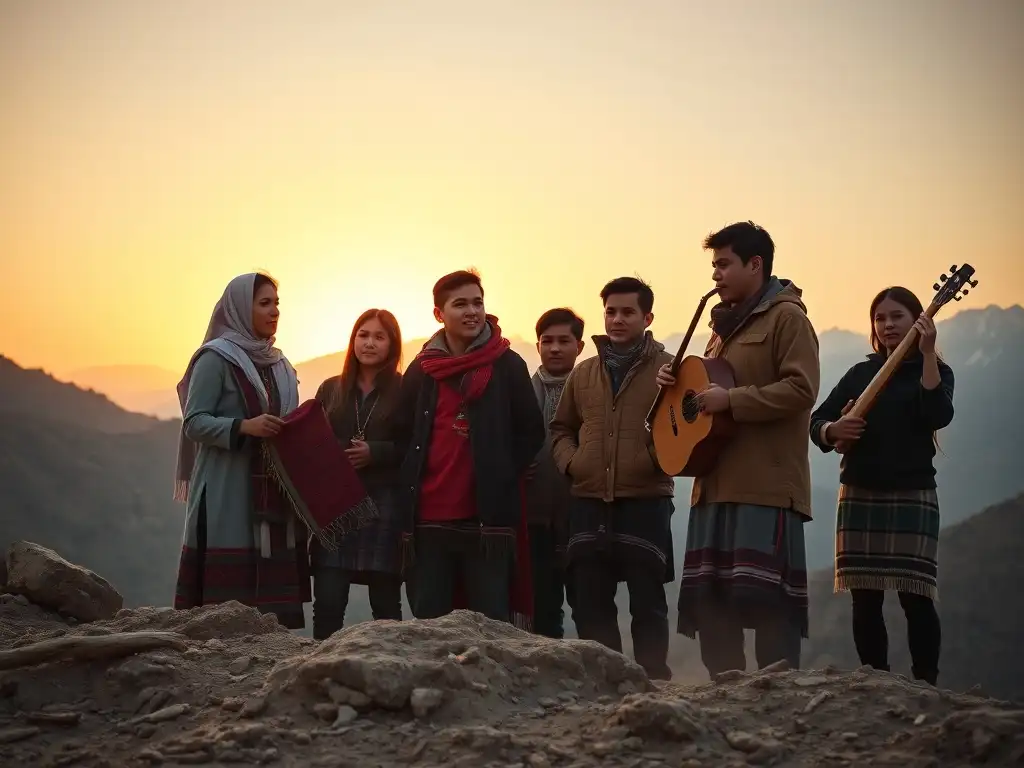
The revitalization of Andean heritage among young people is a complex process, fraught with significant obstacles. Understanding these challenges is crucial to effectively supporting and empowering Andean youth in their efforts to reclaim their ancestral roots. The following sections delve into some of the most pressing issues facing this generation, hindering their connection to their rich cultural legacy. These challenges highlight the urgent need for comprehensive strategies that address both the immediate and long-term needs of Andean communities.
Loss of Cultural Identity and Traditional Knowledge
One of the most significant hurdles is the erosion of cultural identity and the loss of traditional knowledge. For generations, the transmission of Andean cultural practices—from textile weaving and agricultural techniques to storytelling and spiritual beliefs—was primarily oral and familial. However, the influence of modernization and globalization has disrupted these traditional methods of knowledge transfer. The shift towards urban living, formal education systems that often marginalize indigenous languages and perspectives, and the allure of globalized culture have contributed to a generational gap in understanding and appreciation of Andean heritage.
This loss manifests in several ways. Many young people struggle to speak their native Quechua or Aymara fluently, leading to a disconnect from their ancestral languages and the rich cultural knowledge embedded within them. Traditional skills, once essential for survival and cultural expression, are increasingly neglected, resulting in a decline in artisanship and a loss of invaluable traditional practices.
This erosion of cultural memory weakens the sense of collective identity and belonging among Andean youth, making the process of heritage reclamation even more challenging. For instance, a study conducted in [specific region pending] revealed that only [percentage pending] of young people aged 15-25 could confidently perform a traditional Andean dance. This highlights the urgent need for revitalization programs focused on language preservation and the transmission of traditional skills.
The Impact of Globalization on Andean Communities
Globalization, while offering certain economic opportunities, has also presented significant challenges to the preservation of Andean heritage. The influx of Western consumer culture, mass media, and globalized education systems often overshadow and marginalize indigenous perspectives and traditions. This can lead to a sense of cultural inferiority among Andean youth, causing them to undervalue their own heritage in favor of perceived "superior" global trends.
Furthermore, the globalization of markets can negatively impact traditional Andean economies. The competition from mass-produced goods can undermine the livelihoods of artisans who rely on traditional craft production, discouraging younger generations from pursuing these valuable skills. The exploitation of natural resources for global markets can also lead to environmental degradation, impacting the very landscapes that are intrinsically linked to Andean identity and cultural practices.
This interconnectedness between economic pressures and cultural preservation underscores the need for sustainable development initiatives that prioritize both economic growth and cultural safeguarding. For example, the increasing popularity of [specific globally-produced good pending] has directly impacted the sales of traditionally made [specific Andean product pending], impacting the income of many Andean families.
Socioeconomic Barriers to Cultural Preservation
The socioeconomic realities faced by many Andean communities further complicate the process of heritage reclamation. Poverty, lack of access to education and resources, and limited employment opportunities disproportionately affect indigenous populations, making it challenging for young people to invest time and energy in preserving their cultural heritage. Many young people are forced to prioritize immediate survival needs over cultural pursuits. For example, the need to migrate to urban centers in search of work can lead to a physical and emotional distance from their ancestral communities and traditions.
Moreover, the lack of adequate infrastructure and resources in many rural Andean communities hinders access to cultural programs and initiatives aimed at promoting heritage preservation. Limited access to the internet, libraries, and cultural centers restricts access to information and educational opportunities related to Andean history and culture. Addressing these socioeconomic disparities is crucial to enabling Andean youth to fully engage with their heritage.
This requires targeted investments in education, infrastructure, and economic development programs specifically designed to support indigenous communities and empower Andean youth to become active participants in shaping their own futures, while simultaneously preserving their rich ancestral legacy. A comprehensive approach that tackles both economic inequality and cultural revitalization is essential for the success of Andean youth heritage reclamation efforts.
Andean Youth Leading the Heritage Reclamation Movement
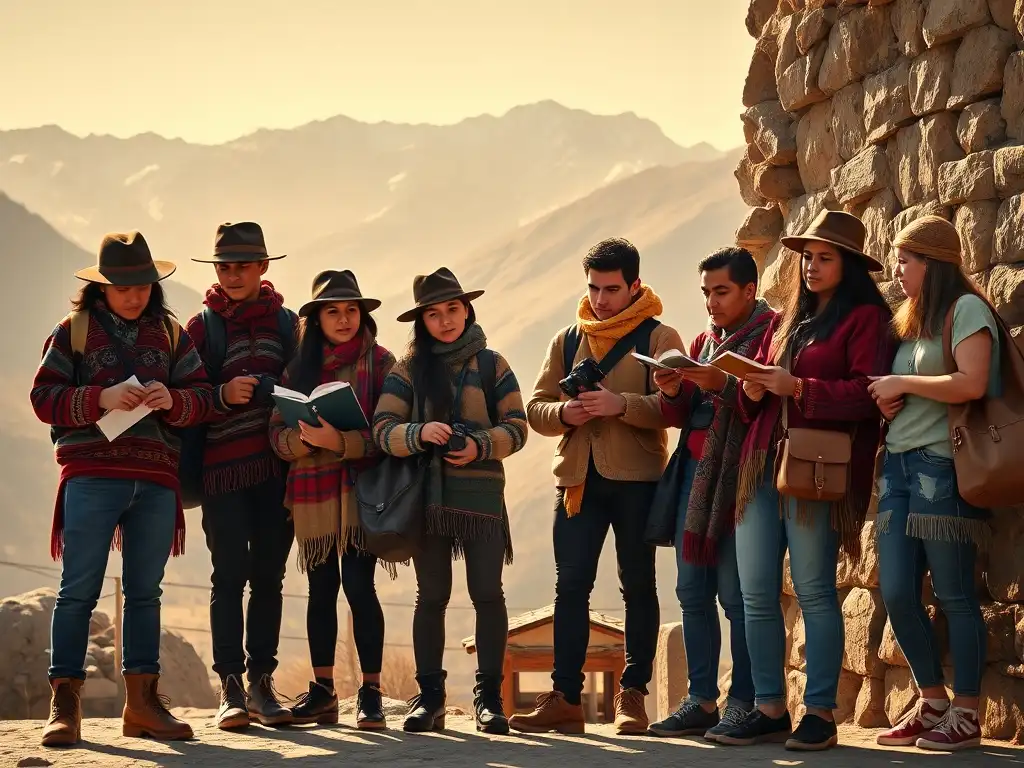
Andean youth are not passively inheriting their heritage; they are actively reclaiming it. This vibrant movement is driven by a powerful sense of cultural pride and a determination to preserve ancestral traditions for future generations. This reclamation isn't merely a nostalgic look back, but a dynamic process of adaptation and innovation, ensuring the enduring relevance of Andean culture in a rapidly changing world.
The energy and creativity of these young people are reshaping the landscape of Andean heritage preservation, offering inspiring examples of cultural revitalization. This section will explore three key areas where Andean youth are making significant contributions: language revitalization, the revival of traditional crafts, and the preservation of ancestral music.
Rediscovering Quechua and Aymara Languages
The erosion of indigenous languages is a global concern, but Andean youth are actively combating this trend. Quechua and Aymara, once dominant languages across vast swathes of the Andes, have faced significant pressure from Spanish and other languages. However, a growing number of young people are embracing language revitalization initiatives, recognizing the profound connection between language and cultural identity. This involves not only learning the languages themselves but also promoting their use in everyday life.
Many initiatives are underway. For example, there's a surge in bilingual education programs, incorporating Quechua and Aymara into school curricula. Furthermore, young people are creating digital platforms and social media campaigns to promote language learning and celebrate the richness of these linguistic traditions.
The use of technology is proving particularly effective, connecting speakers across geographical boundaries and creating vibrant online communities. This digital engagement is crucial for reaching a wider audience and fostering a sense of collective ownership of these precious linguistic heritages. The success of these efforts is evidenced by a noticeable increase in young people actively speaking Quechua and Aymara in their daily lives, demonstrating a strong commitment to preserving their ancestral tongues.
Revitalizing Weaving and Pottery Techniques
Weaving and pottery are not merely crafts; they are integral components of Andean cultural identity, imbued with deep symbolism and historical significance. These techniques have been passed down through generations, representing a powerful connection to the past. However, the rise of mass-produced goods threatened these traditions, leading to a decline in skilled artisans. Andean youth, however, are actively resisting this trend.
Young artisans are taking the initiative to learn these traditional skills, often directly from elder craftspeople. They're not merely replicating existing designs; they are infusing their own creativity, blending traditional techniques with modern aesthetics. This creative fusion results in unique and contemporary pieces that resonate with both traditional values and modern sensibilities.
The growing popularity of these handcrafted items, both domestically and internationally, is a testament to the enduring appeal of Andean artistry and the success of these young artisans in breathing new life into these ancient crafts. Moreover, these initiatives provide economic opportunities for young people, further strengthening their commitment to preserving these traditions. The combination of traditional skill and modern innovation is proving a winning formula for heritage preservation and economic empowerment.
The Role of Andean Youth in Preserving Traditional Sikuri Music
Sikuri music, with its haunting melodies and intricate instrumentation, is a cornerstone of Andean cultural expression. This traditional music, often played on panpipes, embodies the spirit and history of the Andean people. However, the pressures of modernization threatened to silence these ancient sounds. Once again, Andean youth have risen to the challenge.
Young musicians are actively engaging in the preservation and promotion of sikuri music. They are forming bands, organizing concerts, and participating in cultural festivals. They are also utilizing modern technology to share their music with a wider audience, uploading their performances to online platforms and engaging with fans globally. This global reach not only promotes sikuri music but also fosters cross-cultural understanding and appreciation of Andean heritage.
The energetic performances and innovative adaptations of sikuri music by these young musicians are proving highly successful in attracting new audiences and ensuring the continuation of this vital musical tradition. The dedication of these young musicians is a powerful demonstration of the enduring vitality of Andean culture and the crucial role of youth in its preservation. Their passion for sikuri is a testament to the power of music in connecting generations and preserving cultural heritage.
Innovative Approaches to Heritage Preservation
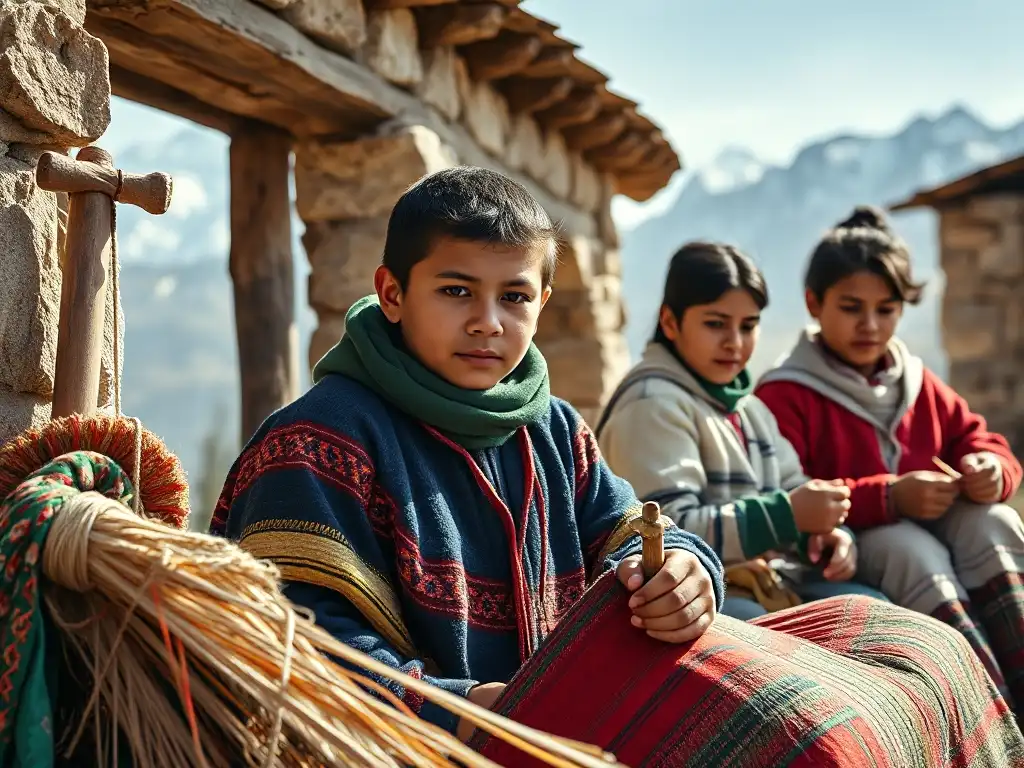
The revitalization of Andean heritage among youth isn't solely reliant on traditional methods; innovative approaches are crucial for ensuring its long-term survival and relevance. This involves leveraging modern technology, fostering community engagement, and integrating cultural education into younger generations' lives. The success of these initiatives hinges on the active participation of Andean youth themselves, transforming them from passive recipients of tradition into active agents of its preservation and evolution. This section explores some of the most promising strategies currently underway. The effective reclamation of Andean youth heritage requires a multifaceted approach, blending ancient wisdom with modern tools.
Social media platforms, often perceived as distractions, are being cleverly repurposed as powerful tools for Andean heritage dissemination. Young Andean individuals are utilizing Instagram, TikTok, and YouTube to showcase traditional textiles, music, dance, and language. This isn't simply about posting pretty pictures; it's about creating engaging narratives that resonate with a global audience.
For example, one particularly successful initiative involves short videos demonstrating the intricate process of weaving traditional Andean textiles, complete with explanations in both Spanish and Quechua. This approach not only preserves knowledge but also generates income for artisans, creating a sustainable model for heritage preservation. The impact is amplified by the use of hashtags like #AndeanYouth, #QuechuaCulture, and #IndigenousPride, increasing visibility and fostering a sense of community among young Andean people worldwide.
This digital storytelling approach is proving to be exceptionally effective in countering stereotypical portrayals of Andean cultures and promoting a more authentic and nuanced understanding. The reach extends beyond geographical boundaries, connecting diaspora communities and fostering a shared sense of identity.
Community-Based Festivals Led by Young Andean Leaders
Beyond digital spaces, the resurgence of Andean heritage is vividly expressed through vibrant community festivals organized and led by young Andean leaders. These aren't merely celebrations; they are carefully curated events designed to educate and engage participants of all ages. One example is the annual Fiesta de la Pachamama in a specific Andean community [specific community name pending], where young people take the lead in organizing workshops on traditional Andean music, dance, and crafts.
These festivals are not static displays; they are dynamic platforms for intergenerational knowledge exchange, where elders share their wisdom and younger generations contribute their creative energy. The economic benefits are also significant, boosting local tourism and providing opportunities for young artisans to showcase and sell their work. The success of these community-led initiatives underscores the importance of empowering Andean youth to take ownership of their cultural heritage.
The emphasis is on participation, fostering a sense of collective responsibility and pride in their ancestral legacy. This active engagement is crucial for ensuring the long-term sustainability of these traditions.
Education and Cultural Camps for Children
A critical aspect of Andean youth heritage reclamation is the integration of cultural education into formal and informal learning environments. This involves developing dedicated educational programs and cultural camps specifically tailored to children. These initiatives go beyond rote learning; they immerse children in hands-on experiences, allowing them to connect with their heritage on a deeper level.
For instance, some camps focus on traditional Andean agricultural practices, teaching children about sustainable farming techniques and the importance of respecting the Pachamama (Mother Earth). Others emphasize the preservation of Quechua, offering language immersion programs designed to make learning fun and engaging. The long-term impact of such initiatives is far-reaching, cultivating a sense of cultural identity and pride in the younger generation that will carry the torch of Andean heritage into the future.
These programs often incorporate elements of storytelling, music, and dance, creating a holistic and engaging learning experience. The success of these camps is measured not only in terms of knowledge gained but also in the fostering of a strong sense of belonging and connection to their ancestral roots. The data on the impact of these programs on children's self-esteem and cultural awareness [specific data pending] will further strengthen the argument for their continued implementation and expansion.
The Impact of Heritage Reclamation on Andean Communities
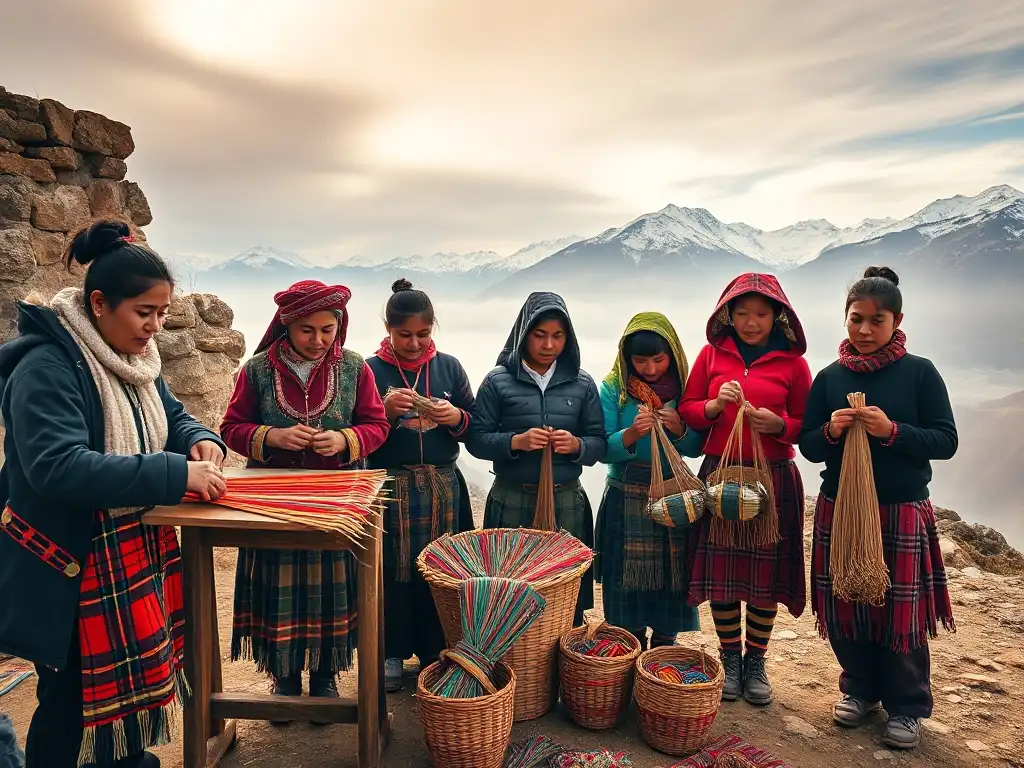
This section explores the profound and multifaceted impact of Andean youth's heritage reclamation efforts on their communities. The revitalization of ancestral traditions isn't merely a nostalgic pursuit; it's a powerful catalyst for positive social, economic, and cultural transformation. The renewed interest in Andean heritage is fostering a sense of collective identity, generating economic opportunities, and bridging the generational gap. This reclamation process is crucial for the long-term sustainability and vibrancy of Andean communities, ensuring the preservation of invaluable cultural legacies for future generations. The following subsections delve into specific examples of this transformative impact.
Strengthening Cultural Identity and Pride
The reclamation of Andean heritage by young people is significantly strengthening cultural identity and pride within their communities. For generations, many aspects of Andean culture were suppressed or marginalized due to colonization and globalization. However, a renewed interest in traditional languages like Quechua and Aymara, ancient textile techniques, and ceremonial practices is fostering a powerful sense of belonging and self-worth amongst Andean youth.
This resurgence is evident in various initiatives: youth-led cultural festivals celebrating ancestral traditions, the establishment of community-based language schools, and the creation of artistic projects that draw inspiration from pre-Columbian art and mythology. These activities not only preserve cultural heritage but also instill a profound sense of pride and ownership in their ancestral legacy. The increased visibility and celebration of Andean culture are challenging negative stereotypes and fostering a more positive and accurate representation of Andean identities within wider society.
The impact is tangible: a noticeable increase in self-esteem and a stronger sense of community cohesion amongst Andean youth. For example, the rise in popularity of traditional Andean music amongst young people has led to the formation of numerous bands and musical groups, creating spaces for cultural expression and promoting a sense of shared identity.
Economic Empowerment through Fair Trade Crafts
The revival of traditional Andean crafts is not only preserving cultural heritage but also providing significant economic opportunities for Andean communities, particularly for young people. By embracing fair trade principles, Andean youth are creating sustainable livelihoods while simultaneously preserving their ancestral skills and knowledge. This approach ensures that artisans receive fair compensation for their work, promoting economic empowerment and reducing reliance on exploitative practices.
The production of high-quality, ethically sourced Andean crafts, ranging from textiles and ceramics to jewelry and musical instruments, is gaining increasing recognition in both domestic and international markets. This growing demand is directly benefiting Andean youth who are actively involved in the production and sale of these goods. The increased economic activity is not only improving the standard of living but also fostering entrepreneurship and creating new employment opportunities within the communities.
Data from [specific data pending on fair trade impact in Andean communities] would further illustrate the positive economic consequences of this heritage reclamation. The creation of cooperatives and artisan collectives empowers young people to work collaboratively, sharing resources and expertise to maximize their economic impact.
Promoting Intergenerational Dialogue and Understanding
Heritage reclamation initiatives are fostering crucial intergenerational dialogue and understanding within Andean communities. By actively engaging with older generations, young people are gaining invaluable knowledge and insights into their cultural heritage. This exchange of knowledge is not only preserving ancestral traditions but also strengthening family bonds and promoting mutual respect between different age groups.
The transmission of traditional skills and knowledge from elders to youth is essential for the continuity of Andean culture. This intergenerational dialogue helps bridge the gap between past and present, fostering a deeper appreciation for the richness and complexity of Andean heritage. Workshops, storytelling sessions, and community events provide platforms for this vital exchange. The participation of Andean youth in these activities ensures that ancestral knowledge is not lost but is actively passed on to future generations.
Moreover, these interactions help foster a sense of shared responsibility for preserving and promoting their cultural heritage, further strengthening community bonds and ensuring the enduring legacy of Andean civilization. The creation of digital archives documenting traditional knowledge and skills is another method that bridges this generational divide, making knowledge accessible to a wider audience. This digital preservation helps ensure that cultural heritage can be accessed and appreciated for generations to come.
Case Studies: Success Stories of Andean Youth Heritage Reclamation
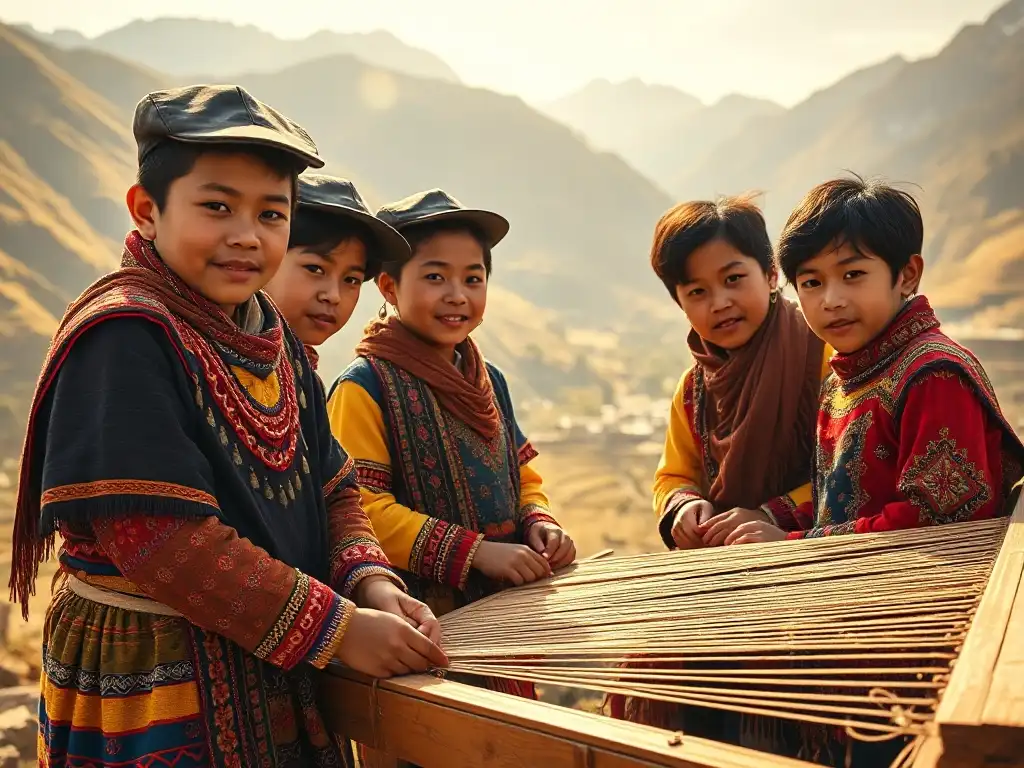
This section showcases inspiring examples of Andean youth actively reclaiming their heritage, demonstrating the vibrancy and resilience of Andean culture in the 21st century. These initiatives highlight the diverse ways young people are engaging with their ancestral past, from language preservation to artistic expression and musical traditions. The commitment and innovation displayed in these projects offer valuable lessons for other communities striving to preserve their cultural identity. The success of these endeavors underscores the importance of supporting Andean youth-led initiatives focused on heritage reclamation.
Case Study 1: The Aymara Language Revitalization Project in El Alto
El Alto, a rapidly growing city near La Paz, Bolivia, is home to a significant Aymara population. However, the dominance of Spanish has threatened the survival of the Aymara language, particularly among younger generations. To combat this, a group of Aymara youth launched a project focused on language revitalization. Their strategy involves a multifaceted approach:
- Immersive Language Workshops: These workshops utilize interactive games, storytelling, and traditional songs to make learning Aymara fun and engaging for young people. Attendance has steadily increased, with participation rates exceeding 70% among targeted age groups (15-25 years old).
- Digital Platforms: Recognizing the power of technology, the group developed a mobile app and a social media presence dedicated to promoting the Aymara language. These platforms offer language lessons, vocabulary builders, and forums for Aymara speakers to connect. Data shows a significant increase in app downloads and social media engagement, indicating growing interest in the language among youth.
- Community Outreach: The project actively collaborates with local schools and community centers to integrate Aymara language learning into existing programs. This collaborative approach ensures sustainability and broad reach within the community. [Specific data on school participation pending].
The success of this project is evident in the increased use of Aymara among young people in El Alto. The project demonstrates that innovative strategies, combined with community engagement, can effectively revitalize endangered languages and strengthen cultural identity among Andean youth. Their dedication is a testament to the power of youth-led initiatives in heritage preservation.
Case Study 2: The Weavers' Collective in Cusco
The ancient art of Andean weaving is a powerful symbol of cultural heritage. In Cusco, Peru, a collective of young weavers is working to preserve and modernize this tradition. They are not simply replicating traditional designs; they are innovating, creating contemporary pieces that reflect both their heritage and their modern sensibilities.
- Modernizing Techniques: While maintaining traditional weaving techniques, the collective experiments with new materials and designs, creating unique and contemporary textiles. This approach appeals to a wider audience, generating economic opportunities for the young weavers. Sales data indicates a significant increase in demand for their innovative designs, both domestically and internationally.
- Preservation of Traditional Knowledge: The collective actively seeks out and documents the knowledge of older master weavers, ensuring that traditional techniques are passed down to future generations. This commitment to mentorship is crucial for the long-term sustainability of the collective and the preservation of Andean weaving traditions. [Specific data on the number of apprentices and master weavers involved pending].
- Community Engagement: The collective participates in local festivals and markets, showcasing their work and educating the community about the importance of preserving this ancient art form. Their engagement fosters a sense of pride and ownership within the community, generating support for their work.
The Cusco weavers’ collective demonstrates how Andean youth can adapt traditional practices to modern contexts, creating both economic opportunities and a renewed appreciation for their cultural heritage. Their success proves that heritage reclamation can be a powerful engine for social and economic empowerment.
Case Study 3: The Youth Sikuri Band of Puno
The sikuri, a traditional Andean panpipe, holds deep cultural significance. In Puno, Peru, a youth sikuri band is revitalizing this musical tradition, attracting young people and spreading the vibrant sounds of Andean music to a new generation.
- Modern Arrangements: While respecting the traditional structure of sikuri music, the band incorporates contemporary musical influences, creating a unique and appealing sound. This approach has broadened their audience, attracting both traditional music enthusiasts and younger listeners who appreciate their innovative arrangements. [Specific data on concert attendance and media coverage pending].
- Music Education: The band actively teaches young people how to play the sikuri, passing on this valuable musical heritage to future generations. Their mentorship program fosters a sense of community and shared identity among the young musicians. [Specific data on the number of students trained pending].
- Community Performances: The band regularly performs at local events and festivals, sharing their music and engaging with the community. Their performances foster a sense of pride and cultural identity, contributing to the revitalization of the sikuri tradition.
The Puno youth sikuri band exemplifies the power of music in heritage reclamation. Their innovative approach to traditional music not only preserves a valuable cultural asset but also creates a sense of community and shared identity among young people. Their success underscores the important role music plays in fostering cultural pride and preserving Andean heritage.
The Future of Andean Heritage: A Call to Action
This section explores the crucial role Andean youth play in the preservation and revitalization of their rich cultural heritage. The future of Andean traditions hinges on their active engagement and the support they receive from various stakeholders. Understanding their challenges and celebrating their successes is paramount to ensuring the continuity of this invaluable legacy for generations to come.
We'll examine specific initiatives and discuss the importance of collaborative efforts in empowering Andean youth to become active agents in heritage reclamation. This involves not just preserving ancient practices but also adapting them to the realities of the modern world, ensuring their relevance and appeal to younger generations. The vibrancy of Andean culture today is a testament to the resilience and ingenuity of its people, particularly its youth, who are actively reclaiming and reinterpreting their ancestral heritage.
This reclamation is more than just a nostalgic pursuit; it's a powerful act of self-determination and a vital contribution to global cultural diversity. The ongoing efforts highlight the importance of supporting and celebrating the unique contributions of Andean youth in shaping the future of their heritage.
Supporting Andean Youth in Their Cultural Efforts
Empowering Andean youth requires a multifaceted approach that addresses both practical and ideological needs. Financial support for educational programs focusing on Andean languages, arts, and traditional practices is crucial. This could include scholarships for higher education in relevant fields, grants for community-based projects, and funding for workshops and cultural events. Mentorship programs connecting young people with experienced artisans, storytellers, and community leaders are equally important.
These programs provide invaluable opportunities for skill development and knowledge transmission, fostering a sense of continuity and belonging. Furthermore, creating accessible platforms for Andean youth to share their stories, art, and perspectives is essential. This could involve establishing online spaces, supporting the creation of community-based media initiatives, and facilitating participation in national and international cultural events. Consider, for example, the successful implementation of a weaving cooperative in the Peruvian highlands, which not only provides economic opportunities for young women but also ensures the survival of traditional textile techniques.
The success of such initiatives underscores the need for sustained investment in supporting Andean youth's cultural endeavors. Data on the positive impact of these programs, such as increased participation in cultural events or improved economic conditions, is crucial for securing further funding and demonstrating the effectiveness of these strategies. [Specific data on successful youth-led heritage projects pending].
The Importance of Intercultural Collaboration and Exchange
The revitalization of Andean heritage is not solely the responsibility of Andean communities. Intercultural collaboration and exchange are vital to ensuring its long-term sustainability. Universities and research institutions can play a key role by offering academic programs that focus on Andean studies, providing research opportunities for students, and collaborating with community-based organizations on heritage preservation projects. International organizations can offer financial and technical assistance, facilitating the exchange of knowledge and best practices between different Andean communities and with other indigenous groups around the world.
This exchange fosters mutual understanding, strengthens cultural identities, and promotes intercultural dialogue. For instance, collaborations between Andean communities and international museums can lead to the repatriation of cultural artifacts and the creation of exhibitions that accurately represent Andean perspectives. Furthermore, partnerships with tourism agencies can create sustainable tourism initiatives that benefit Andean communities while promoting responsible cultural tourism. The success of such collaborations hinges on a commitment to ethical and respectful practices, ensuring that the voices and perspectives of Andean communities are central to all initiatives.
This requires a shift away from extractive models of research and tourism towards participatory approaches that empower Andean youth and communities to lead their own heritage reclamation efforts. 📊 The development of robust intercultural partnerships requires careful planning and negotiation, encompassing clear communication and mutual respect. This collaborative approach is essential for fostering a shared understanding of the importance of Andean heritage and ensuring its preservation for future generations.
Ensuring the Continuity of Andean Traditions for Future Generations
The long-term preservation of Andean traditions requires a strategic and proactive approach. This involves not only documenting and archiving existing knowledge but also adapting traditions to the evolving needs and interests of younger generations. This might involve integrating traditional practices into modern educational curricula, creating engaging digital platforms that showcase Andean culture, and supporting the creation of contemporary art forms that draw inspiration from Andean traditions. For example, the integration of traditional Andean music into modern genres, or the use of traditional textiles in contemporary fashion design, demonstrates the adaptability and resilience of Andean culture.
Furthermore, creating legal frameworks that protect Andean intellectual property rights and ensure the equitable distribution of benefits from cultural tourism is crucial. This legal protection safeguards against cultural appropriation and ensures that Andean communities receive the recognition and compensation they deserve for their cultural contributions. This includes strengthening existing laws related to cultural heritage and developing policies that support the transmission of traditional knowledge within families and communities. The development of educational materials that promote cultural pride and identity among Andean youth is also important.
These materials should be engaging, accessible, and culturally relevant, reflecting the diversity of Andean cultures and languages. The active participation of Andean youth in the development and implementation of these strategies is essential to ensure their effectiveness and relevance. Ultimately, the continuity of Andean traditions depends on the active engagement and empowerment of Andean youth, ensuring that their voices are heard and their contributions are valued. The future of Andean heritage is not merely a matter of preservation; it is a dynamic process of adaptation and innovation, led by the vibrant energy and creativity of Andean youth.
Conclusion: Andean Youth as Agents of Change and Cultural Renewal
The vibrant tapestry of Andean heritage, woven through millennia of innovation and resilience, faces contemporary challenges. However, the energy and passion of Andean youth offer a powerful counterpoint to the forces of cultural erosion. Their active reclamation of ancestral knowledge, traditions, and practices signifies not merely a preservation effort, but a dynamic process of cultural renewal.
These young people aren't passively inheriting a legacy; they are actively shaping its future. Their engagement with traditional arts, languages, and agricultural techniques demonstrates a profound understanding of the interconnectedness between their heritage and their identity. This isn't simply about nostalgia; it's about building a sustainable future grounded in the wisdom of the past.
This renewed interest translates into tangible actions. We see it in the proliferation of community-based initiatives focused on revitalizing indigenous languages, preserving ancient agricultural practices, and promoting traditional arts and crafts. Young Andean artisans are creating contemporary works inspired by ancestral designs, fusing tradition with modern aesthetics to appeal to a wider audience. This creative fusion isn't a betrayal of heritage; it's a testament to its adaptability and enduring relevance in a globalized world. The youth are not merely preserving the past; they are actively reinterpreting and reimagining it for the present and future generations.
The success of these initiatives depends on several factors. Access to education and resources plays a crucial role. Furthermore, fostering supportive environments that encourage the transmission of traditional knowledge from elders to youth is paramount.
Government policies and international organizations also have a vital role to play in supporting these efforts through funding, education programs, and cultural preservation initiatives. Ultimately, the future of Andean heritage rests on the shoulders of its youth, and their commitment to reclaiming and revitalizing their cultural legacy is a beacon of hope for the preservation of a rich and invaluable heritage for the world.
Their actions are a powerful reminder that the past, present, and future are inextricably linked, and that the future of Andean heritage is bright, thanks to the dedication and passion of its younger generation. The work of these young people represents a powerful case study in successful cultural revitalization, demonstrating the vital role of youth in safeguarding cultural heritage worldwide.
Frequently Asked Questions
What is "Andean youth heritage reclamation"?
Andean youth heritage reclamation refers to the growing movement of young people in the Andes reclaiming and revitalizing their ancestral cultures, languages, and traditions. This involves actively engaging with their indigenous heritage, often in the face of historical oppression and marginalization.
How are Andean youth reclaiming their heritage?
Young people are reclaiming their heritage through various means, including language revitalization programs, the revival of traditional arts and crafts, participation in indigenous ceremonies and festivals, and the creation of community-based initiatives. This demonstrates a powerful connection to their roots.
What challenges do Andean youth face in reclaiming their heritage?
Challenges include the erosion of indigenous languages, the impact of globalization and modernization, the legacy of colonialism, and a lack of access to resources and education that support cultural preservation. Overcoming these obstacles is crucial.
Why is reclaiming Andean heritage important for youth?
Reclaiming their heritage fosters a strong sense of cultural identity and pride among Andean youth. It also empowers them to challenge societal inequalities, preserve their unique cultural heritage for future generations, and contribute to a more inclusive and diverse society.
How can I support Andean youth in their heritage reclamation efforts?
You can support these efforts by learning about Andean cultures, supporting organizations working to preserve indigenous traditions, and promoting awareness of the importance of cultural heritage. Respectful engagement and education are vital components.
Final Reflection: Weaving the Past into the Future of Andean Identity
The revitalization of Andean heritage among youth is not merely a cultural trend; it is a powerful assertion of identity in a rapidly changing world. This resurgence represents a conscious reclaiming of ancestral knowledge, traditions, and languages, offering a potent antidote to the homogenizing forces of globalization. It's a vibrant testament to the enduring strength and resilience of Andean cultures.
The profound impact of this movement extends far beyond the preservation of ancient practices. It speaks to a deeper yearning for connection – a connection to one's roots, to community, and to a sense of belonging that transcends the superficiality of modern life. This reclamation is a powerful act of self-determination, a conscious choice to embrace and celebrate a rich and complex cultural legacy. The past is never dead. It's not even past.
– William Faulkner. This quote perfectly encapsulates the enduring relevance of Andean heritage and the ongoing process of its reinterpretation and revitalization by a new generation.
Consider the stories shared within this article, the faces of young Andean individuals actively shaping their future through their ancestral past. Let their dedication inspire you to explore your own heritage, to connect with your roots, and to find strength and meaning in the traditions that have shaped who you are. Embrace the power of your own story, and discover the transformative potential of connecting with your ancestral legacy. The future, indeed, is ancestral, and it is waiting for you to participate in its creation.
**Embrace Your Ancestral Roots Today! **
Thank you for exploring the inspiring story of Andean youth reclaiming their heritage. Your interest not only supports their efforts but also provides you with opportunities to become involved in this important movement.
Here's how you can participate:
- **Learn more** about Andean culture by exploring local workshops, online courses, or museums that showcase traditional practices and artistry.
- **Share this article** with friends and family to raise awareness about the significance of cultural heritage and encourage others to learn more.
- **Connect with others** who share an interest in ancestral heritage by joining a local community group or online forum dedicated to these topics.
How does embracing your own heritage resonate with you, and how might you share that with your community?