
The Whispers of the Ancestors: How Oral Histories Shape Modern Andean Identity

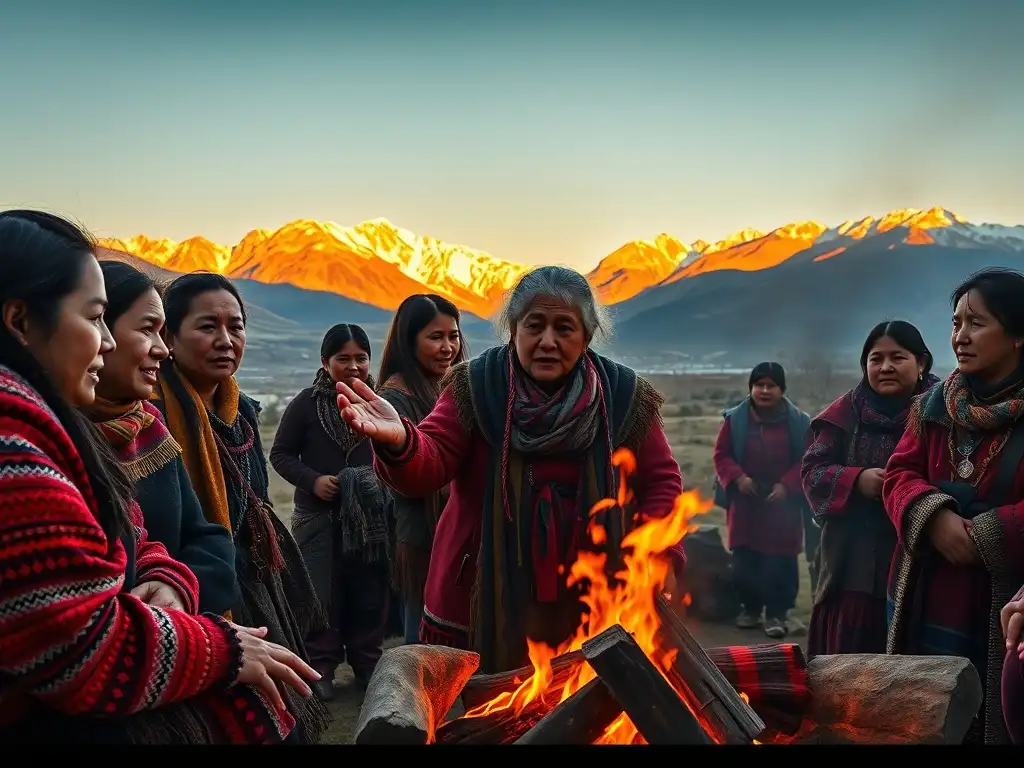
Step into a world lost to time, yet echoing in the present. The Andean Civilizations website unveils the mysteries of empires that thrived in the heart of the Andes Mountains. From the intricate artistry of the Nazca lines to the sophisticated engineering of the Incas, we delve into a rich tapestry of cultures. But what secrets do the mountains still hold? Discover the enduring power of Andean oral history traditions and uncover how these whispers of the ancestors continue to shape modern Andean identity. Prepare to be captivated by a legacy that continues to resonate today.
The Andes Mountains, a spine of towering peaks running down the western coast of South America, have witnessed millennia of human history. From the pre-Inca cultures of the Moche and Nazca to the vast Inca Empire, the region boasts a rich tapestry of civilizations. However, understanding these societies isn't solely reliant on deciphered glyphs or excavated artifacts.
A crucial, often overlooked, element is the power of oral history traditions, the living narratives passed down through generations, shaping modern Andean identity in profound ways. This article explores the vital role of Andean oral history traditions, examining how these whispered stories continue to inform cultural practices, beliefs, and community structures, ensuring the legacy of Andean civilizations thrives even today.
We will delve into specific examples from various Andean communities, highlighting the enduring strength and significance of these oral traditions in the face of modernization and globalization. The vibrant and complex story of the Andes is not just etched in stone, but also woven into the very fabric of its people's collective memory.
The Enduring Power of Storytelling in Andean Communities
Andean oral traditions are not simply tales told for entertainment; they are the lifeblood of the culture. These narratives, often passed down through specific lineages or community elders, serve as repositories of knowledge, encompassing historical accounts, cosmological beliefs, agricultural practices, and social structures.
They are not static; rather, they are dynamic, evolving narratives that adapt and change with the passage of time, integrating new experiences while retaining core elements of their ancestral origins. The act of storytelling itself is a ritual, often accompanied by music, dance, and ceremonial objects, reinforcing the importance and sacred nature of the transmitted information.
Consider the yaravíes, melancholic songs prevalent in the Andean highlands, often narrating historical events or expressing social commentary – a powerful example of how oral history is interwoven with artistic expression. These narratives aren't simply recountings of the past; they are active tools for shaping the present and future, guiding social behavior and maintaining cultural continuity.
Historical Transmission: Reclaiming and Reinterpreting the Past
Oral histories provide alternative perspectives on the past, often supplementing or challenging the narratives presented in official historical accounts. For instance, many indigenous communities maintain oral histories that differ significantly from the colonial narratives imposed upon them, offering a more nuanced and accurate understanding of their own histories and experiences. These narratives are crucial for reclaiming and reinterpreting the past, allowing marginalized communities to assert their agency and challenge dominant narratives.
The process of documenting and analyzing these oral histories is a collaborative one, requiring sensitivity and respect for the knowledge holders and the cultural context in which these stories are embedded. This collaborative approach ensures that the voices of the past are not only heard but also understood within their proper historical and cultural context. The careful preservation and study of these traditions is vital for a more complete and accurate understanding of Andean history.
The Role of Oral Traditions in Contemporary Andean Life
The influence of Andean oral history traditions extends far beyond the realm of historical accounts. They continue to play a vital role in contemporary Andean life, shaping everything from agricultural practices and medicinal knowledge to social norms and conflict resolution. Many communities rely on traditional ecological knowledge passed down through generations to manage their resources sustainably. These practices, often embedded within oral narratives, demonstrate a deep understanding of the environment and a commitment to intergenerational stewardship.
Similarly, traditional healing practices, often intertwined with mythological stories and ancestral spirits, continue to be prevalent in many Andean communities. The continued relevance of these oral traditions speaks to their enduring power and their ability to adapt to changing circumstances while maintaining their core values and principles. The preservation of this knowledge is not merely a matter of historical interest; it is crucial for the sustainable development and cultural resilience of Andean communities.
Further Exploration: Challenges and Opportunities
While the importance of Andean oral history traditions is undeniable, it's crucial to acknowledge the challenges inherent in their preservation and study. The rapid pace of modernization and globalization poses a threat to the transmission of these narratives, as younger generations may prioritize other forms of communication and entertainment. However, there are also significant opportunities for revitalizing and promoting these traditions through community-based initiatives, educational programs, and collaborative research projects.
These initiatives can empower communities to document and share their stories, ensuring that the whispers of their ancestors continue to resonate for generations to come. The effective documentation and dissemination of these oral histories are essential for safeguarding this invaluable cultural heritage.
- The Enduring Power of Storytelling in Andean Communities
- Historical Transmission: Reclaiming and Reinterpreting the Past
- The Role of Oral Traditions in Contemporary Andean Life
- What role did oral traditions play in Andean societies?
- How were oral histories preserved in Andean cultures?
- What types of information were passed down through oral history?
- How do Andean oral traditions connect to modern Andean identity?
- Are there any challenges to preserving Andean oral histories today?
Understanding Andean Oral History Traditions
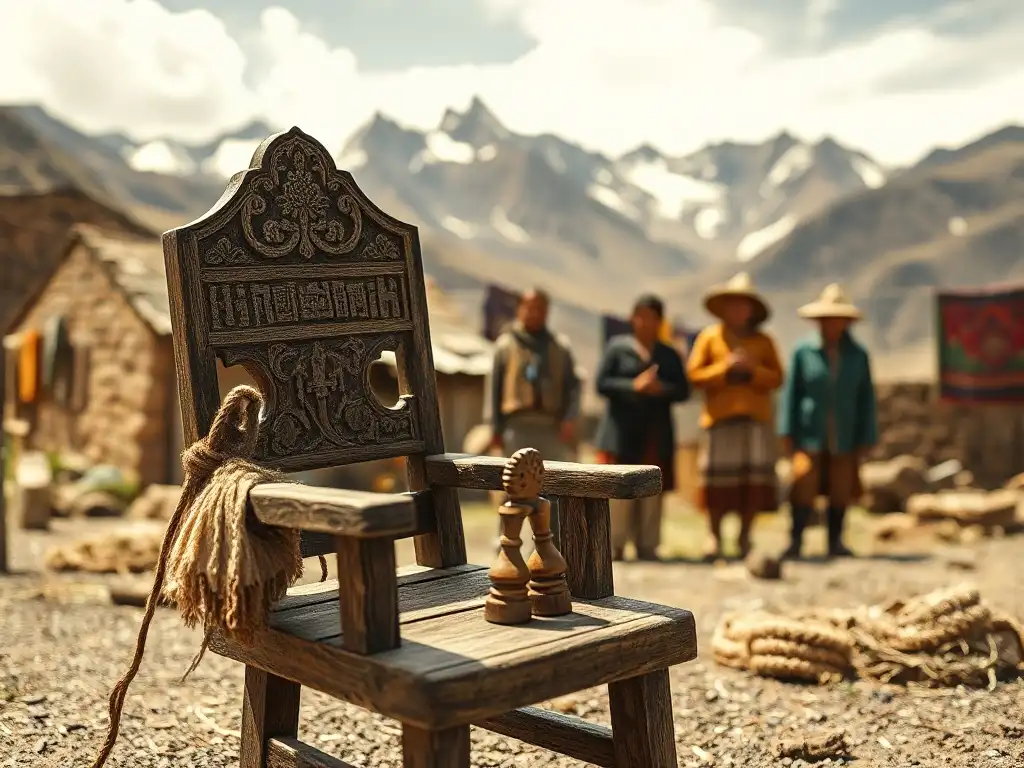
This section delves into the profound impact of oral history traditions on shaping modern Andean identity. We will explore the significance of storytelling, the mechanisms of knowledge transmission, and the key elements that define Andean narrative traditions. Understanding these aspects provides crucial insight into the enduring legacy of Andean civilizations and their continued relevance today.
The rich tapestry of Andean oral history traditions offers a powerful lens through which to examine the complexities of cultural continuity and change. This exploration aims to illuminate the vital role these traditions play in fostering a strong sense of collective identity and preserving cultural heritage for future generations. The persistence of these oral histories speaks volumes about the resilience and adaptability of Andean cultures throughout time.
The Significance of Storytelling in Andean Cultures
Storytelling in Andean cultures is not merely entertainment; it's a cornerstone of social life, education, and spiritual practice. Narratives are woven into the fabric of daily existence, transmitting values, beliefs, and historical knowledge across generations. These stories serve as a powerful tool for cultural preservation, maintaining a connection to ancestral practices and beliefs. Think of it as a living archive, constantly updated and reinterpreted through the act of narration.
The significance of storytelling is deeply intertwined with the Andean worldview, which emphasizes the interconnectedness of all things – humans, nature, and the supernatural. Stories often feature mythical figures, ancestral spirits, and powerful natural forces, reflecting a deep respect for the environment and a belief in the continuity of life beyond the physical realm. These narratives serve as moral compasses, guiding behavior and reinforcing social norms.
For example, the Quechua people of the Andes utilize yaravis – poetic songs – to convey historical events, social commentaries, and personal experiences. These yaravis, often accompanied by traditional instruments, are not simply songs; they are living repositories of history, memory, and cultural identity. The emotional resonance of these performances reinforces the importance of collective memory and shared heritage. The power of storytelling in the Andes is undeniable; it is a dynamic force that shapes individual and collective identities.
Transmission of Knowledge Through Oral Accounts
The transmission of knowledge through oral accounts in Andean societies is a carefully cultivated process, often involving ritualized settings and specific narrative techniques. This isn't simply a casual recounting of events; it's a sophisticated system of knowledge preservation and cultural transmission. The accuracy and consistency of these accounts are maintained through repetitive storytelling, memorization techniques, and a strong emphasis on intergenerational learning.
Several methods contribute to the effective transmission of knowledge. Mentors play a crucial role, patiently guiding younger generations through complex narratives. These mentors act as custodians of cultural memory, ensuring the continuity of traditions and knowledge. Moreover, the use of mnemonic devices, such as songs, poems, and symbolic representations, aids in memorization and recall. These mnemonic devices transform abstract concepts into memorable and emotionally resonant narratives.
Furthermore, the social context of storytelling plays a significant role. Storytelling often occurs during community gatherings, ceremonies, and rituals. This communal setting reinforces the collective nature of knowledge and strengthens social bonds. The act of sharing stories becomes a shared experience, solidifying cultural identity and fostering a sense of belonging. This communal approach ensures that knowledge isn't confined to a select few but is widely disseminated within the community.
Key Elements of Andean Narrative Traditions
Andean oral traditions are characterized by several key elements that distinguish them from other narrative forms. These elements are crucial for understanding the unique features of Andean storytelling and their role in shaping cultural identity. These elements often interweave seamlessly within a single narrative, creating rich and complex stories that resonate deeply with their audiences.
- Mythological Figures and Ancestral Spirits: Many Andean narratives feature powerful mythological figures and ancestral spirits who interact with the human world. These beings often represent natural forces, moral principles, or historical events. Their presence underscores the interconnectedness of the physical and spiritual realms.
- Emphasis on Cyclical Time: Unlike linear conceptions of time prevalent in Western cultures, Andean narratives often emphasize cyclical time, reflecting the cyclical nature of agricultural practices and the rhythms of nature. This cyclical perspective shapes the understanding of history and the relationship between past, present, and future.
- Interweaving of Reality and Myth: The boundaries between reality and myth are often blurred in Andean narratives. Historical events, mythical figures, and everyday experiences are intertwined, creating narratives that are both historically informative and symbolically rich. This fusion reflects a worldview that doesn't compartmentalize the sacred and the profane.
- Use of Symbolic Language: Andean storytelling often employs symbolic language, metaphors, and allegories to convey complex ideas and transmit cultural values. These symbols are deeply embedded in Andean cosmology and hold significant meaning for those familiar with the traditions. Understanding these symbols is key to comprehending the deeper layers of meaning within the narratives.
- Oral Performance and Memorization Techniques: The performance aspect of Andean storytelling is crucial. The use of rhythmic patterns, melodic intonation, and dramatic gestures enhances the narrative's impact and aids in memorization and transmission. These techniques ensure the preservation of stories across generations.
The study of Andean oral history traditions reveals a profound and enduring connection to the past. These traditions are not relics of a bygone era but are living expressions of cultural identity, continuously evolving and adapting while maintaining their core values and beliefs. The continued relevance of Andean oral history traditions underscores their essential role in shaping modern Andean identity and preserving cultural heritage for future generations.
The Role of Oral Histories in Preserving Andean Heritage
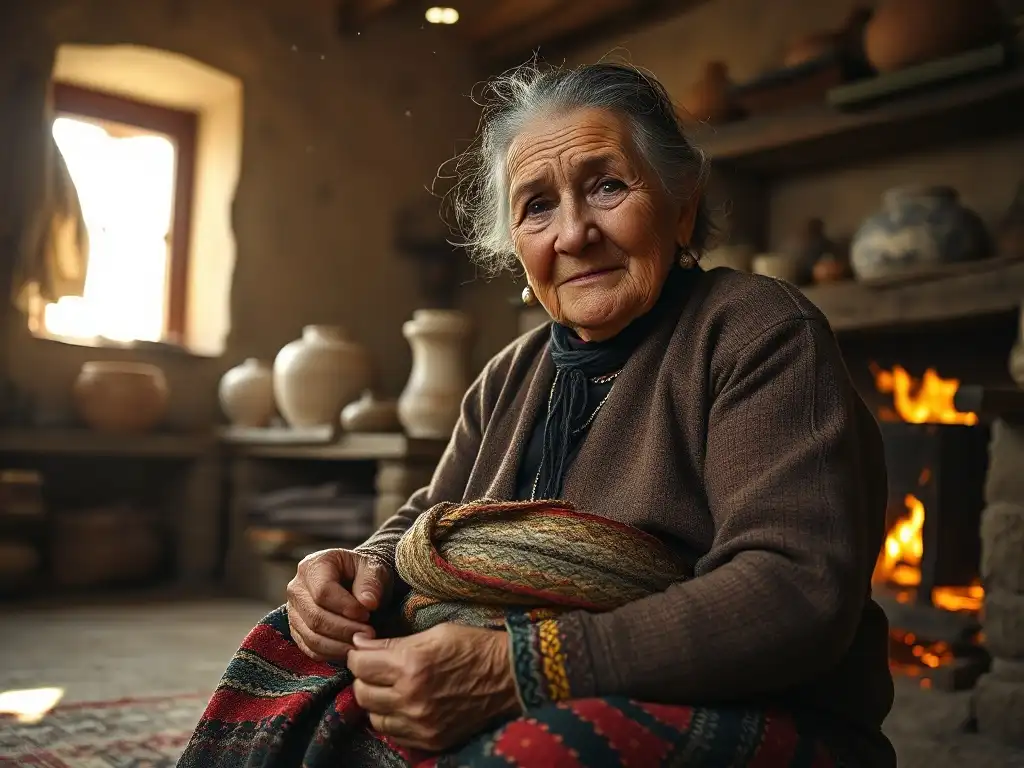
The Andes Mountains, a spine of towering peaks running down the western edge of South America, have witnessed millennia of human history. While impressive architectural feats like Machu Picchu stand as tangible testaments to the ingenuity of Andean civilizations, a less visible yet equally crucial element shapes modern Andean identity: oral history traditions. These traditions, passed down through generations, act as living archives, preserving cultural memory, language, and a deep connection to the ancestors.
Understanding the role of Andean oral history traditions is key to appreciating the vibrant tapestry of modern Andean culture. The continued relevance of these traditions in the 21st century underscores their enduring power and importance.
Safeguarding Cultural Memory and Ancestral Wisdom
Andean oral history traditions aren't simply stories; they are repositories of knowledge, encompassing agricultural techniques, medicinal practices, social structures, and cosmological beliefs. For example, Quechua communities in the Peruvian highlands continue to recount intricate narratives detailing the origins of their clans and their relationship with the sacred landscape. These narratives aren't mere folklore; they are practical guides to sustainable living, embedded with ecological wisdom passed down through centuries.
The detailed descriptions of planting cycles, the identification of medicinal plants, and the understanding of complex irrigation systems, all transmitted orally, demonstrate the practical value of these traditions in maintaining a harmonious relationship with the environment. The loss of these oral histories would represent an irreplaceable loss of ancestral knowledge. Furthermore, the stories themselves often serve as moral compasses, teaching valuable lessons about community, responsibility, and respect for nature.
This active engagement with the past provides a sense of continuity and belonging, vital for maintaining cultural identity in the face of modernization. The intricate details woven into these narratives, often passed down through specific lineages, create a rich and layered understanding of Andean heritage.
Maintaining Indigenous Languages Through Storytelling
The preservation of indigenous languages is inextricably linked to the continuation of Andean oral history traditions. Many Andean languages, such as Quechua and Aymara, have limited written documentation, particularly from pre-colonial times. Oral storytelling, therefore, becomes the primary vehicle for language transmission. Grandmothers and elders play a crucial role, acting as living dictionaries and repositories of linguistic nuances.
Children learn their native tongue not through textbooks but through immersion in a world of narratives, songs, and proverbs. The vibrant imagery and evocative language used in these stories make learning engaging and memorable. However, the challenges facing these languages are significant.
With the increasing dominance of Spanish and other global languages, the younger generation sometimes prioritizes the acquisition of these languages for economic and social mobility, leading to a decline in fluency in indigenous languages. The deliberate and conscious effort to maintain the oral traditions is therefore crucial for the survival of these valuable linguistic heritages. The power of storytelling in fostering linguistic vitality cannot be overstated; it's a powerful tool for intergenerational knowledge transfer and cultural preservation.
The Importance of Oral Tradition in the Absence of Written Records
For many Andean communities, oral tradition held paramount importance long before the arrival of the Spanish and the introduction of the written word. The absence of widespread written records before the colonial period highlights the crucial role of oral history in preserving historical accounts, genealogies, and societal structures. While some Andean cultures did utilize quipu (a system of knotted strings) for record-keeping, the primary method of transmitting information remained oral.
This reliance on oral transmission shaped a culture deeply rooted in memory and storytelling. The narratives passed down across generations provided a framework for understanding their history, their place in the world, and their relationship with the supernatural. These stories, often embellished with mythical elements and rich symbolism, were not merely entertaining; they served as a foundation for social cohesion and cultural continuity.
The meticulous passing down of these oral accounts highlights a sophisticated system of knowledge management, demonstrating the efficacy of oral tradition as a powerful tool for historical preservation and cultural transmission in the absence of written documentation. The detailed nature of these narratives, often meticulously structured and remembered over generations, underscores the importance of memory and oral skills in these societies.
The Impact of Oral Narratives on Modern Andean Identity
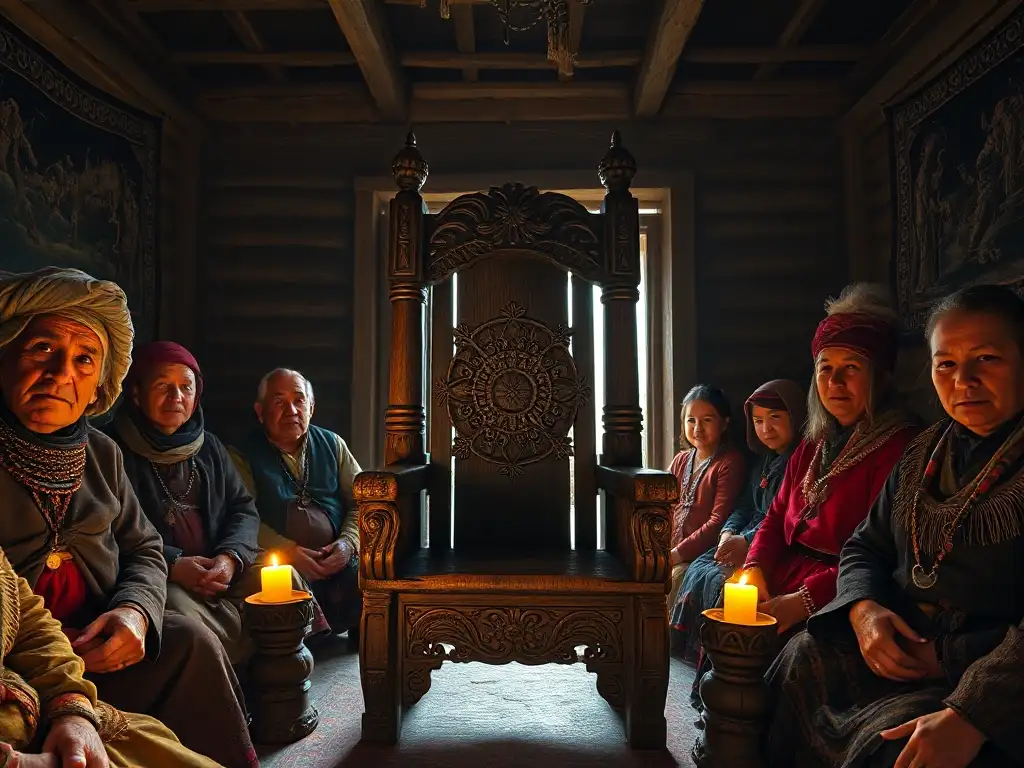
This section delves into the profound influence of Andean oral history traditions on shaping modern Andean identity. For centuries, oral narratives have served as the primary means of transmitting knowledge, values, and cultural heritage across generations, creating a powerful sense of continuity and shared experience. The enduring power of these stories is undeniable, impacting everything from community structures to individual worldviews.
Understanding the role of oral tradition is crucial to grasping the complexities of modern Andean societies and their unique cultural tapestry. We will explore how these narratives continue to shape collective identity, inform historical understanding, and act as a vital tool for cultural preservation in the face of historical erasure.
Shaping Collective Identity and Community Bonds
Andean oral history traditions are not merely collections of stories; they are the very bedrock of community cohesion. These narratives, often passed down through specific lineages or community elders, establish a shared sense of belonging and collective identity. For example, the Quechua communities of the Peruvian Andes often utilize yaravis, melancholic songs recounting historical events or ancestral legends, to reinforce social bonds and transmit cultural values.
These songs, passed down orally, serve as a powerful reminder of shared ancestry and collective experiences, fostering a sense of unity and solidarity within the community. The act of sharing these stories, often during communal gatherings or ceremonies, strengthens social ties and reinforces the importance of intergenerational knowledge transmission. This oral transmission ensures the continuity of cultural practices and traditions, adapting them to the changing social landscape while preserving their core essence.
The richness and diversity of these traditions are reflected in the myriad of stories and songs, each carrying unique historical and cultural significance, contributing to a vibrant and dynamic cultural landscape. The emphasis on oral tradition contributes to strong kinship ties and a deeply rooted sense of place, connecting individuals to their ancestors and their land.
Oral Histories as Sources of Historical Understanding
While written records exist for certain periods of Andean history, oral histories offer invaluable insights often absent from official accounts. They provide alternative perspectives, filling gaps in the historical record and offering nuanced understandings of past events. These narratives, passed down through generations, often preserve details of daily life, social structures, and belief systems that official histories may overlook.
For instance, oral accounts of the Inca Empire offer detailed descriptions of agricultural practices, social hierarchies, and religious beliefs, supplementing and sometimes contradicting written accounts by Spanish conquistadors. Furthermore, the study of Andean oral history traditions allows researchers to uncover the perspectives of marginalized groups, whose voices are often silenced in dominant historical narratives. By examining these traditions, we gain a more comprehensive and nuanced understanding of the past, challenging established historical frameworks and enriching our knowledge of Andean civilizations.
This is particularly crucial in understanding the impact of colonization and its lasting effects on Andean societies, offering perspectives that challenge dominant historical narratives. The meticulous collection and analysis of oral histories are therefore essential for a complete and accurate understanding of Andean history.
Reclaiming Cultural Narratives and Resisting Erasure
The preservation and revitalization of Andean oral history traditions are crucial acts of cultural resistance. In the face of colonization and globalization, these narratives have been threatened with erasure, as dominant cultures often attempt to impose their own narratives and values. The deliberate effort to preserve and promote these stories represents a powerful assertion of cultural identity and a rejection of attempts to homogenize cultural expression.
This active reclaiming of cultural narratives is often seen in the resurgence of indigenous languages and the increased efforts to document and share oral histories. Communities are actively working to preserve their unique cultural heritage by recording and archiving oral traditions, translating them into written form, and incorporating them into educational curricula. This process not only ensures the survival of these invaluable narratives but also empowers communities to shape their own historical narratives and reclaim their cultural heritage.
The ongoing efforts to revitalize Andean oral traditions underscore the deep connection between cultural identity and the preservation of history, demonstrating the enduring power of oral narratives in shaping modern Andean identity and resisting cultural erasure. The vibrant continuation of these traditions serves as a testament to the resilience and cultural strength of Andean communities.
Specific Examples of Andean Oral History Traditions
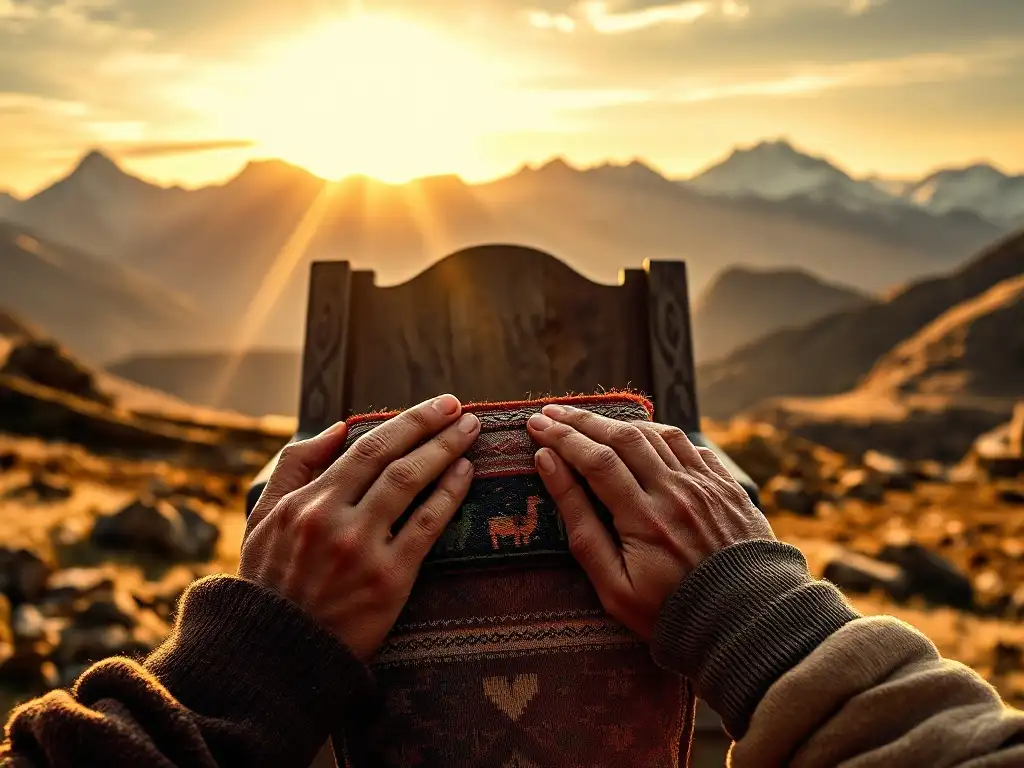
This section delves into concrete examples of how Andean oral history traditions continue to shape modern Andean identity. We'll examine specific narratives and rituals that vividly demonstrate the enduring power of these storytelling practices, highlighting their influence on cosmology, social structures, and cultural celebrations. The preservation and transmission of these stories are crucial for understanding the complex tapestry of Andean culture and its evolution. Understanding these traditions requires acknowledging the diverse array of indigenous groups within the Andes, each with their unique storytelling methods and narratives.
The Legend of Inkarrí and its Impact on Andean Cosmology
The legend of Inkarrí, a mythical figure often associated with the Inca emperor, exemplifies the profound impact of Andean oral history on cosmology. Inkarrí is believed to be a powerful spirit, either a resurrected Inca emperor or a deity representing the Inca past, who will one day return to restore justice and harmony to the Andes. This belief system, passed down through generations via oral tradition, profoundly shapes Andean worldview.
The narrative of Inkarrí is not uniform across all Andean communities; rather, it adapts and evolves depending on the specific context and cultural nuances of each group. Some versions emphasize Inkarrí's role as a messianic figure, promising a golden age of prosperity and social justice. Other versions focus on his role as a protector against oppression and injustice, embodying the resilience and resistance of Andean peoples. These variations highlight the fluidity and adaptability of oral history, reflecting the dynamic nature of Andean societies.
The legend's persistence demonstrates its deep-seated importance in maintaining cultural identity and hope amidst historical trauma and societal change. The continued telling of the Inkarrí story reinforces a sense of collective identity and shared heritage, acting as a powerful tool for cultural preservation and transmission. It also underscores the importance of maintaining ancestral knowledge and wisdom.
The Yawar Fiesta Tradition in the Peruvian Andes
The Yawar Fiesta, a vibrant and complex ritualistic festival celebrated in some regions of the Peruvian Andes, showcases the intertwined relationship between oral history and Andean cultural practices. The festival, often involving the symbolic battle between a bull and an indigenous warrior, is deeply rooted in oral traditions that recount historical conflicts and the struggle for survival and autonomy.
The narratives surrounding the Yawar Fiesta are rich and layered, incorporating myths, legends, and historical accounts. These stories are passed down through generations, shaping the community's understanding of its past and its relationship with the natural world. The festival itself serves as a living testament to these oral histories, with its symbolic actions and performances reenacting and reinterpreting the stories that have shaped the community's identity.
Participants actively engage in the storytelling process, ensuring the continued transmission of knowledge and maintaining a crucial link between the past and the present. The Andean oral history traditions embedded within the Yawar Fiesta highlight the festival's significance as a dynamic and evolving cultural expression. Detailed ethnographic studies are needed to fully capture the nuance and diversity of the Yawar Fiesta traditions across different communities.
Oral Histories in the Inti Raymi Festival
The Inti Raymi, a significant Andean festival celebrating the Inca sun god Inti, demonstrates how oral histories are interwoven into elaborate public performances. While the Inti Raymi has been revived and adapted in modern times, its core elements are firmly rooted in ancestral oral traditions. The festival’s narratives, conveyed through songs, dances, and dramatic performances, recount the Inca's relationship with the sun god, agricultural cycles, and the cosmos.
The specific details of these narratives vary across different communities and interpretations, reflecting the diversity within Andean cultures. However, the common thread is the importance of oral transmission in shaping the understanding and celebration of Inti Raymi. The use of Quechua, the indigenous language, during the festival further emphasizes the connection to ancestral knowledge and reinforces the role of oral history in maintaining cultural identity.
This festival's continuation demonstrates the resilience of Andean oral traditions and their capacity to adapt to changing times while retaining their cultural significance. The Andean oral history traditions are not merely historical records; they are living, breathing components of contemporary Andean identity, shaping beliefs, practices, and community cohesion. Further research is needed to fully document the variety of oral histories associated with the Inti Raymi across different regions.
The Challenges and Revitalization of Andean Oral Traditions
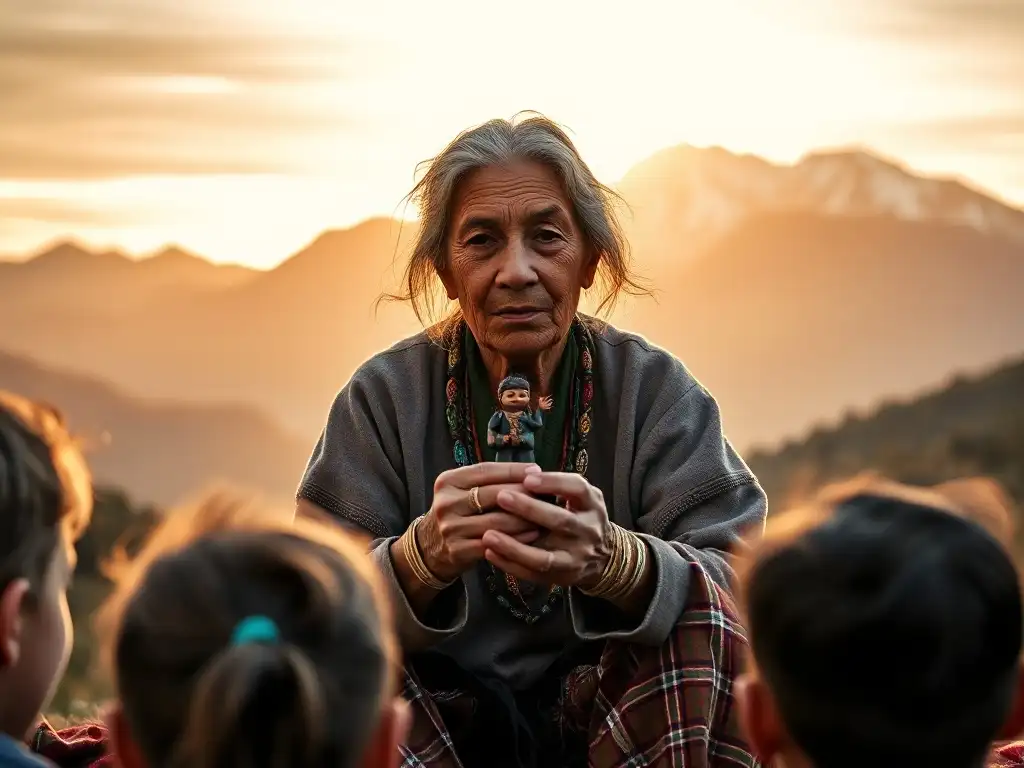
The vibrant tapestry of Andean oral history traditions, woven through millennia, faces unprecedented challenges in the modern era. The intricate narratives, once passed down effortlessly through generations, now struggle to maintain their vitality in the face of rapid societal shifts. Understanding these challenges is crucial to appreciating the ongoing efforts to revitalize and preserve this invaluable cultural heritage.
The sheer volume of knowledge contained within these traditions – encompassing cosmology, social structures, agricultural techniques, medicinal practices, and artistic expressions – represents a treasure trove of human experience that risks being lost forever. The survival of Andean oral history traditions is not simply an academic pursuit; it is a matter of cultural survival itself. These stories, songs, and rituals are the very foundation of Andean identity, shaping worldviews and connecting communities to their ancestral past.
Threats to Oral History Transmission in the Modern Era
Several interconnected factors contribute to the erosion of Andean oral history traditions. The dominance of Spanish and other non-indigenous languages in education and public life poses a significant threat. Younger generations, often more fluent in the dominant languages, may not possess the same level of proficiency in Quechua, Aymara, or other indigenous languages, hindering the transmission of oral narratives.
This linguistic shift is exacerbated by the allure of urban centers and the resulting migration patterns, which weaken traditional community structures where oral history is typically shared. Furthermore, the rapid pace of technological advancement and globalization often overshadows the value of traditional knowledge systems. The captivating pull of digital media and globalized entertainment can distract younger generations from engaging with the oral traditions of their ancestors.
This is further compounded by the challenges faced by indigenous communities in securing adequate resources and support for the preservation of their cultural heritage. The lack of funding for cultural programs, educational initiatives, and community-based projects directly impacts the ability of indigenous communities to actively protect and promote their oral histories. Finally, the pervasive influence of Westernized values and worldviews can undermine the importance and relevance of indigenous knowledge systems in the eyes of some community members, leading to a decline in interest and participation in the transmission of oral traditions.
Efforts to Document and Preserve Indigenous Narratives
Despite the formidable challenges, numerous initiatives are underway to document, preserve, and revitalize Andean oral history traditions. Dedicated researchers, anthropologists, and community members are actively working to transcribe and translate oral narratives, ensuring that these invaluable stories are not lost. These efforts often involve meticulously recording interviews with elder storytellers, creating detailed archives, and developing educational materials that make these narratives accessible to a wider audience.
Furthermore, community-based projects are empowering indigenous communities to take ownership of their cultural heritage. These grassroots initiatives often involve the establishment of community archives, the creation of educational workshops for younger generations, and the development of community-led storytelling events. The emphasis is on participatory approaches, ensuring that indigenous communities are actively involved in the preservation and dissemination of their own history.
These efforts also encompass the development of bilingual educational resources, incorporating indigenous languages and cultural perspectives into school curricula, ensuring that future generations are equipped to understand and appreciate their rich heritage. The focus is on fostering a sense of cultural pride and ownership, ensuring the long-term sustainability of these vital traditions.
The Role of Technology in Supporting Oral History Projects
Paradoxically, technology, often cited as a threat, also plays a crucial role in supporting the preservation and dissemination of Andean oral history traditions. Digital archiving allows for the safekeeping of audio and video recordings of oral narratives, ensuring their accessibility for future generations. Online platforms and digital repositories provide a means to share these stories with a global audience, fostering cross-cultural understanding and appreciation.
Moreover, technology facilitates collaboration among researchers, community members, and educational institutions, enabling the creation of comprehensive and collaborative projects. The use of mobile devices and digital media facilitates the creation of engaging educational resources, making oral history accessible to younger generations in more accessible formats. However, it's crucial to acknowledge the digital divide and ensure equitable access to technology for all communities.
Efforts must be made to ensure that technology serves as a tool for empowerment and preservation, rather than exacerbating existing inequalities. This requires a conscious effort to bridge the digital divide, providing indigenous communities with the necessary infrastructure and training to leverage technology effectively for the preservation of their cultural heritage. The thoughtful application of technology holds immense potential for the revitalization of Andean oral history traditions, ensuring that the whispers of the ancestors continue to resonate for generations to come.
The Enduring Legacy of Andean Oral History Traditions
The Andean region boasts a vibrant tapestry of oral history traditions, woven through millennia and passed down through generations. These aren't simply tales; they are the lifeblood of Andean identity, shaping worldview, social structures, and even technological advancements. Understanding these traditions is crucial to comprehending the enduring influence of Andean civilizations on the modern world.
The transmission of knowledge, beliefs, and cultural practices through oral narratives has ensured the survival and evolution of Andean cultures, resisting the pressures of colonization and globalization. This rich legacy of storytelling continues to impact contemporary Andean life in profound ways. The preservation and study of these traditions are, therefore, not merely academic exercises but vital contributions to the ongoing vitality of Andean cultures.
The sheer diversity within these traditions, reflecting the varied landscapes and societies of the Andes, is remarkable. From the whispered legends of the Nazca lines to the epic poems of the Incas, each narrative contributes to a complex and compelling picture of Andean history and identity. This section will explore some key aspects of this enduring legacy.
The Ongoing Relevance of Ancestral Stories
Ancestral stories in the Andean region are not relics of the past; they are living narratives that continue to shape present-day life. These stories serve multiple functions, acting as:
- Moral compasses: Many tales illustrate ethical principles and societal norms, guiding behavior and reinforcing community values. For example, stories about the consequences of disrespecting nature serve as potent environmental ethics lessons, still relevant in the face of modern environmental challenges.
- Historical records: While not always strictly factual in the Western sense, oral histories preserve valuable information about past events, social structures, and technological innovations. These narratives often provide insights into aspects of Andean history that are not well-documented in written sources. For instance, detailed accounts of agricultural practices and astronomical knowledge are frequently embedded within these stories.
- Cultural identity markers: Oral traditions reinforce a sense of belonging and shared heritage. They help maintain cultural continuity across generations, connecting contemporary Andean communities to their ancestors and their rich past. This connection is particularly vital in the face of cultural homogenization.
- Tools for social cohesion: The collective telling and retelling of stories fosters a sense of community and shared identity. These shared narratives strengthen social bonds and help maintain social harmony within Andean communities.
The continued relevance of these stories is evident in their integration into modern Andean life. They are often incorporated into festivals, ceremonies, and educational settings, ensuring their transmission to younger generations. The vibrant use of storytelling in contemporary Andean contexts highlights the enduring power and significance of these ancient narratives. The stories are not static; they adapt and evolve, reflecting the changing realities of Andean societies while maintaining their core values and meanings. This dynamic interplay between tradition and modernity is a testament to the resilience and adaptability of Andean oral history traditions.
How Oral History Informs Contemporary Andean Art and Culture
Andean oral history traditions are deeply intertwined with contemporary art and cultural expressions. The narratives, themes, and characters from these stories frequently inspire artistic creations, enriching and informing modern Andean cultural production. This influence manifests in various forms:
- Literature and poetry: Many contemporary Andean writers draw heavily upon oral traditions, incorporating elements of mythology, folklore, and historical narratives into their works. This results in rich and nuanced literary productions that resonate with readers both within and outside the Andean region.
- Music and dance: Traditional Andean music and dance often recount historical events or mythological stories, preserving and transmitting oral histories through artistic expression. The rhythms, melodies, and movements often directly reflect the narratives they convey.
- Visual arts: Ancient motifs, characters, and scenes from oral histories frequently appear in contemporary Andean paintings, sculptures, and textiles. These visual representations contribute to the ongoing dissemination and interpretation of these narratives.
- Theatre and performance: Oral histories are frequently adapted into theatrical performances, bringing these ancient stories to life for modern audiences. This ensures the accessibility and relevance of these narratives for a wider public.
The integration of oral history into contemporary Andean art and culture demonstrates the enduring power of these traditions. They are not simply historical artifacts; they are living, breathing elements that shape and enrich modern artistic and cultural expressions. This dynamic interplay between the past and the present ensures the continued relevance and vitality of Andean oral history traditions. The creativity and ingenuity with which these traditions are incorporated into modern artistic endeavors underscore their enduring significance and cultural impact.
The Future of Storytelling in the Andean Region
The future of Andean oral history traditions hinges on several key factors:
- Digital preservation: The recording and digitization of oral histories can help preserve these invaluable narratives for future generations, safeguarding them against loss or distortion.
- Community involvement: Active participation from Andean communities in the preservation and dissemination of their oral histories is crucial. This ensures that these traditions are maintained authentically and respectfully.
- Educational initiatives: Integrating Andean oral history traditions into educational curricula can help ensure the transmission of these narratives to younger generations, fostering a sense of cultural pride and continuity.
- International collaboration: Collaboration with researchers, organizations, and institutions can facilitate the study, preservation, and dissemination of Andean oral history traditions on a broader scale.
The challenges are significant, including the potential loss of knowledge due to the passing of elders, the impact of globalization on cultural traditions, and the need for effective strategies for digital preservation. However, the enduring value of these traditions, their continued relevance in contemporary Andean life, and the growing interest in indigenous knowledge systems offer reasons for optimism. The future of Andean storytelling depends on a collaborative effort to preserve, document, and transmit these invaluable narratives to future generations.
The preservation of "Andean oral history traditions" is not just an academic pursuit; it is a vital contribution to the ongoing vitality and cultural richness of the Andean region. The vibrant storytelling traditions of the Andes are a testament to the enduring power of human narrative and the profound connection between the past and the present.
Frequently Asked Questions
What role did oral traditions play in Andean societies?
Oral traditions were central to Andean life, transmitting knowledge, history, and beliefs across generations. They served as a vital record-keeping system before widespread literacy. These stories shaped social structures and maintained cultural continuity.
How were oral histories preserved in Andean cultures?
Stories were preserved through memorization and recitation, often by specialized storytellers or yachaywasi. Rituals and ceremonies played a crucial role in reinforcing the narratives, embedding them deeply within the community's memory. Generational transmission was key to their survival.
What types of information were passed down through oral history?
Andean oral histories encompassed a wide range of subjects, including cosmologies, genealogies, historical events, agricultural practices, and social norms. They also contained myths, legends, and songs, shaping Andean worldview and identity.
How do Andean oral traditions connect to modern Andean identity?
Modern Andean communities continue to value and practice oral traditions, which remain integral to their cultural identity. These stories provide a sense of continuity with their ancestors and shape their present understanding of themselves and their place in the world. They are living legacies.
Are there any challenges to preserving Andean oral histories today?
Yes, modernization and globalization pose challenges. Younger generations may be less fluent in indigenous languages, and the rapid pace of life can make it harder to maintain traditional storytelling practices. Efforts to document and preserve these traditions are crucial.
Final Reflection: Echoes of the Past, Shaping the Andean Future
The enduring power of Andean oral traditions continues to resonate in the modern world, shaping not only individual identities but also the very fabric of Andean society. These stories, passed down through generations, are not mere relics of the past; they are living narratives that inform present-day struggles for social justice, environmental protection, and cultural preservation. The whispers of the ancestors are, in fact, a powerful roar demanding attention and respect.
The profound impact of oral history on Andean identity is undeniable. It's a constant negotiation between the past and the present, a dynamic interplay that constantly redefines what it means to be Andean. These narratives provide a sense of belonging, a connection to a rich and complex heritage often overlooked in dominant narratives. The past is never dead. It's not even past,
wrote William Faulkner, and this rings profoundly true for the Andean communities who actively utilize their oral histories to navigate the complexities of the modern world. Their stories are a testament to resilience, adaptation, and the enduring strength of cultural memory.
Consider the weight of these stories, the wisdom embedded within each tale. You, the reader, are now part of this conversation. Take a moment to reflect on the power of storytelling in your own life, and how the preservation of cultural narratives can foster understanding and empathy across communities.
Let the echoes of the Andean ancestors inspire you to listen more deeply, to learn from the past, and to contribute to a future where diverse voices are heard and celebrated. Let us all become keepers of these vital stories, ensuring that the whispers of the ancestors continue to shape a more just and vibrant world.
Embrace Your Heritage: Connect with Andean Stories Today!
Thank you for exploring the fascinating world of Andean oral histories! Your interest is a valuable contribution to preserving and appreciating the rich cultural heritage of our ancestors. Let's continue this journey of discovery!
Here are **three impactful ways** to further engage with and celebrate Andean culture:
- **Share a Story:** Connect with an elder or community member and ask them to share a cherished oral history. This not only helps preserve these vital stories but also strengthens your personal connection to your heritage.
- **Join a Community:** Seek out local organizations or online forums dedicated to Andean culture and history. Connecting with others who share your passion will deepen your understanding and expand your network.
- **Document and Create:** Begin a personal project—perhaps recording your family's stories or creating artwork inspired by Andean traditions. This process can illuminate the enduring power of these narratives.
Reflect on how the stories from your own cultural background have shaped your identity, and consider how sharing them can foster deeper connections with others.