
The Art of the Artisan: Exploring the Tools of Andean Metalworking

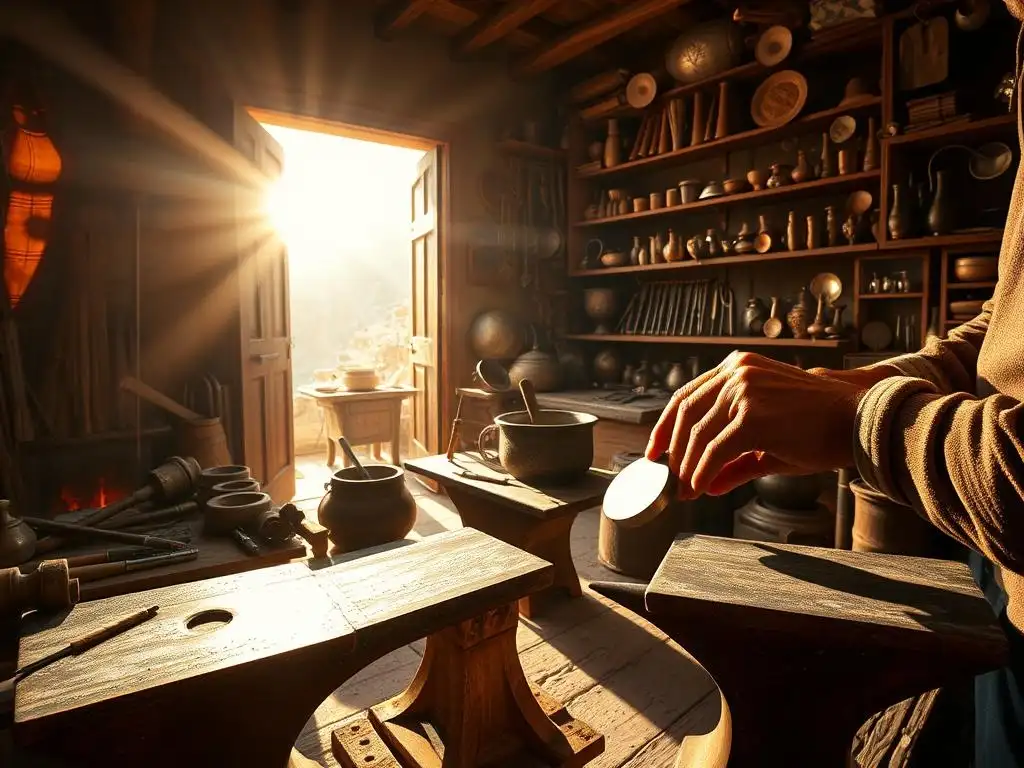
Step into a world lost to time, yet echoing with the skill and ingenuity of ancient masters. Prepare to be amazed by the remarkable artistry of the Andean civilizations, a legacy forged in the crucible of innovation. Discover the secrets behind their breathtaking achievements, beginning with our exploration of Andean metalworking tools – intricate instruments that unlocked a realm of unparalleled craftsmanship. Uncover the mysteries and marvel at the precision; your journey into the heart of Andean technology begins now.
The mastery of metalworking stands as a testament to the ingenuity and advanced technological capabilities of the ancient Andean civilizations. From the intricate goldwork of the Moche to the sophisticated silver objects of the Inca, Andean metalworking represents a pinnacle of pre-Columbian artistry and engineering.
This exploration delves into the fascinating world of Andean metalworking tools, revealing the ingenious implements that enabled these artisans to create objects of unparalleled beauty and functionality. We will examine the diverse materials used, the techniques employed, and the enduring legacy of this remarkable craft, shedding light on how these tools shaped the cultural landscape and technological advancements of the Andes.
Understanding these tools allows us to appreciate not only the final products but also the remarkable skill and innovation of the artisans who wielded them. This article will focus specifically on the tools used, providing a detailed look at the craftsmanship behind this significant aspect of Andean culture, ranking high for searches on "Andean metalworking tools".
Introduction to Andean Metalworking and its Significance
Andean metalworking wasn't merely a craft; it was deeply intertwined with religious beliefs, social structures, and political power. The ability to work with precious metals like gold and silver elevated certain individuals and groups within Andean society, signifying wealth, status, and divine connection. The earliest evidence of Andean metalworking dates back to approximately 2000 BCE, with the development of techniques evolving significantly over the centuries.
Different cultures, such as the Chavín, Moche, Nazca, Tiwanaku, and Inca, each developed unique styles and techniques, resulting in a diverse range of objects – from intricately designed jewelry and ceremonial vessels to functional tools and weapons. The significance of Andean metalworking extends beyond its aesthetic appeal; it reflects a profound understanding of metallurgy, engineering, and the symbolic power of materials.
The artisans' skill in manipulating these metals is breathtaking, and their tools were essential in achieving such remarkable results. The techniques employed, passed down through generations, demonstrate a sophisticated understanding of material science and engineering principles far ahead of their time.
Understanding the Materials Used in Ancient Andean Metalwork
The Andean artisans didn't limit themselves to a single metal; they expertly combined different alloys to achieve specific properties and aesthetics. Gold, silver, copper, and bronze were the primary metals, each possessing unique qualities that influenced their application.
- Gold: Prized for its malleability and lustrous beauty, gold was often used for prestigious objects associated with religious ceremonies and elite status. Its softness, however, required careful handling and specific tools.
- Silver: While less malleable than gold, silver was readily available and used extensively for a wider range of objects, from utilitarian items to ceremonial adornments.
- Copper: Copper's relatively high melting point and durability made it suitable for tools and weapons. It was often alloyed with other metals to create bronze.
- Bronze: Bronze, an alloy of copper and tin (or sometimes arsenic), was harder and more durable than copper, making it ideal for tools and weapons requiring greater strength and resistance to wear. The precise composition of bronze varied across different Andean cultures and time periods.
The selection of materials was not arbitrary; it was carefully considered, reflecting both the availability of resources and the intended function and symbolic meaning of the finished product. The tools used to work these metals had to be equally robust and adaptable to the properties of each material. Further research is needed to fully understand the precise sourcing of these metals and the extent of trade networks involved in their acquisition. The artistry involved in the manipulation of these materials underscores the advanced metallurgical knowledge of Andean civilizations.
- Introduction to Andean Metalworking and its Significance
- Understanding the Materials Used in Ancient Andean Metalwork
Andean Metalworking Tools: A Detailed Examination
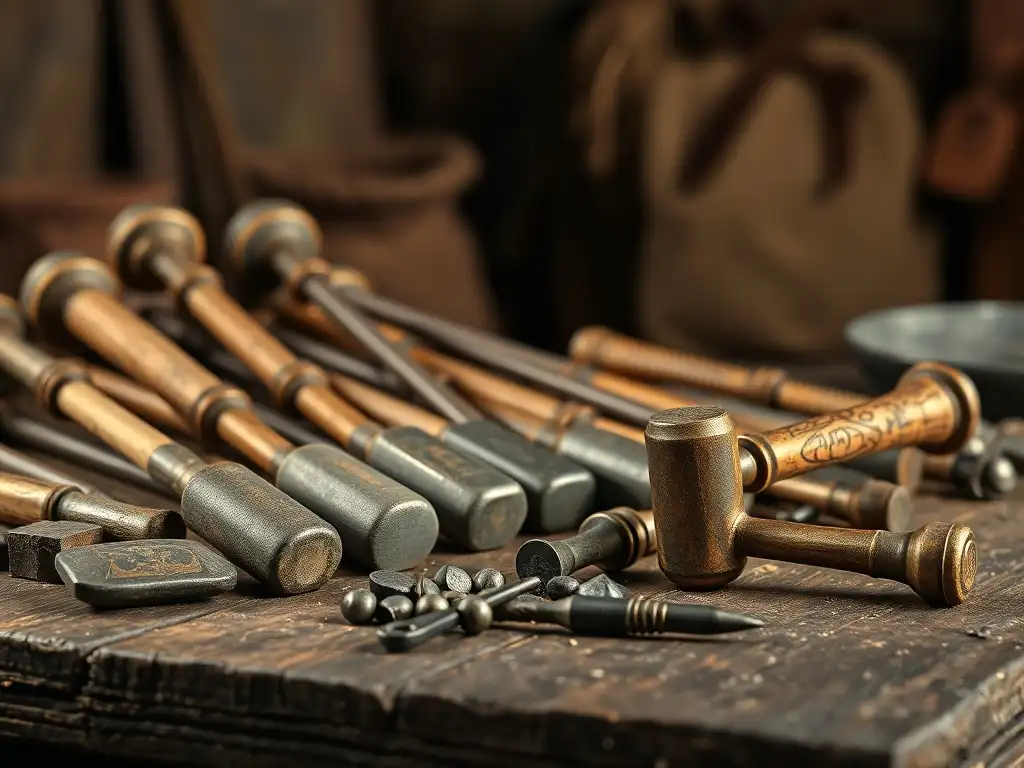
This section delves into the fascinating world of Andean metalworking tools, providing a detailed look at the implements used by ancient artisans to create their stunning masterpieces. Understanding these tools is crucial to appreciating the skill and ingenuity involved in Andean metallurgy, a testament to the advanced technological capabilities of these pre-Columbian societies. The diversity and sophistication of these tools reflect the rich tapestry of Andean cultures and their unique approaches to metalworking. We will explore the basic tools for shaping metals, as well as the specialized instruments used for cutting and engraving.
Basic Tools for Shaping Metals: Hammers and Anvils
The creation of any metal object begins with shaping the raw material. In Andean metalworking, this crucial step relied heavily on hammers and anvils. These seemingly simple tools, however, varied considerably in design and application, reflecting the diverse metallurgical traditions across the Andes. The effectiveness and precision achieved with these tools demonstrate a deep understanding of metallurgy and a remarkable level of craftsmanship.
Types of Hammers Used in Andean Metallurgy
Andean metalworkers employed a range of hammers, each designed for specific tasks. Stone hammers, often made from hard, durable materials like andesite or basalt, were used for initial shaping and heavier work. These hammers varied in size and weight, allowing for controlled blows ranging from forceful strikes to delicate taps. Evidence suggests that some hammers were even fitted with handles made from wood or bone, enhancing control and reducing fatigue during prolonged work. Furthermore, metal hammers, particularly in later periods, were also employed, indicating a more advanced stage in metallurgical technology.
The transition from stone to metal hammers reflects the increasing sophistication and refinement of Andean metalworking techniques over time. The types of hammers used also varied regionally, with some cultures exhibiting a preference for certain hammer types over others. More research is needed to fully understand this regional variation. [Specific information pending on regional variations in hammer types].
Andean Anvils: From Simple Stones to Refined Designs
The anvil served as the counterpoint to the hammer, providing a stable surface for shaping the metal. Early Andean anvils were often simply large, flat stones, carefully selected for their hardness and stability. However, over time, more sophisticated designs emerged. Some anvils were crafted from stone, exhibiting carefully shaped surfaces to facilitate specific shaping techniques.
Others incorporated horn-shaped projections, offering additional support and control during metalworking. The development of more refined anvil designs reflects a growing understanding of the importance of a stable and controlled working surface for achieving precision and consistency in the finished product. The size and design of the anvil would have been chosen based on the size and type of metal being worked and the desired outcome.
Cutting and Engraving Tools in Andean Metal Craft
Beyond shaping, Andean metalworkers demonstrated remarkable skill in cutting and engraving intricate designs onto their metalwork. These techniques required specialized tools, reflecting a high level of technological sophistication and artistic mastery. The precision and detail achieved in these pieces are truly astonishing.
Chisels and Punches for Intricate Designs
Chisels, made from hard stone or metal, were essential tools for cutting and shaping metal. These chisels varied in size and shape, allowing for both broad cuts and fine details. Punches, often made from hardened metal, were used to create precise indentations and decorative patterns.
The combination of chisels and punches allowed for a remarkable range of decorative effects, from geometric patterns to representations of animals and figures. The skill involved in using these tools to create such intricate designs is a testament to the expertise of Andean metalworkers. Analysis of surviving artifacts reveals a remarkable consistency in the quality and precision of the work, suggesting a structured apprenticeship system or highly developed individual skills.
Specialized Engraving Tools of the Andes
In addition to chisels and punches, Andean artisans employed a range of specialized tools for engraving. These tools, often made from materials like bone, shell, or even sharpened stone, allowed for fine detail work and the creation of intricate designs. The precise nature of these tools and their application remains a topic of ongoing research, but their presence in archaeological contexts demonstrates the importance of engraving in Andean metalworking.
The use of these tools allowed for the creation of incredibly fine lines and details, adding to the artistic merit of the finished pieces. Further study of these tools will offer a better understanding of the techniques employed and the level of artistry achieved by these ancient artisans. The meticulousness reflected in the surviving artifacts suggests a deep appreciation for aesthetic detail and precision.
Tools for Heating and Melting Metals: Furnaces and Crucibles
The mastery of Andean metalworking hinged critically on the ability to effectively heat and melt metals. This required sophisticated tools and techniques, far beyond simple fires. The Andean artisans developed a range of furnaces and crucibles, each designed to meet specific needs in the metalworking process. The development of these tools reflects a deep understanding of metallurgy and material science, showcasing the advanced technological capabilities of these ancient societies.
The efficiency and control achieved in these processes are impressive considering the available resources and technologies. The careful selection of materials for both furnaces and crucibles was paramount to ensuring the successful melting and casting of metals. Improper materials could lead to contamination of the metal or even catastrophic failure of the tools during use.
Andean Furnaces: From Simple Hearths to Advanced Kilns
Early Andean metalworking likely involved simple hearths, open-air fires carefully managed to achieve the necessary temperatures. However, as metalworking techniques advanced, so did the sophistication of the furnaces. Evidence suggests the use of more complex structures, possibly incorporating bellows for increased airflow and temperature control. These advanced furnaces, though varying in design across different Andean cultures, likely involved carefully constructed chambers to optimize heat retention and control the flow of air to the fire.
The construction materials themselves likely ranged from readily available stone and clay to more specialized materials that could withstand extremely high temperatures. The design and construction of these furnaces represented a significant feat of engineering, demonstrating the Andean artisans' understanding of thermodynamics and heat transfer. Archaeological finds continue to shed light on the diversity and evolution of Andean furnaces, revealing the ingenuity and adaptability of these ancient metalworkers.
Crucibles and Casting Molds: Shaping the Molten Metal
Crucibles, heat-resistant containers used to melt metals, were essential tools in Andean metalworking. These were typically made from clay, carefully shaped and fired to withstand the intense heat of the furnaces. The quality of the crucible directly impacted the purity of the molten metal, as any impurities in the crucible material could contaminate the metal being processed.
The size and shape of the crucibles varied depending on the scale of the metalworking operation and the type of metal being processed. Casting molds, used to shape the molten metal into desired forms, were also crucial. These molds were often made from clay or stone, carefully carved to create intricate designs.
The precision required in creating these molds is a testament to the skill and artistry of the Andean artisans. The development of techniques for creating durable and reusable molds was a significant advancement that facilitated mass production of metal objects. The diversity of forms found in Andean metalwork, ranging from simple tools to elaborate jewelry, highlights the versatility of their casting techniques.
Finishing and Polishing Tools in Andean Metalwork
Once the metal was cast or hammered into its basic shape, the Andean artisans employed a range of tools to refine and enhance the final product. These finishing and polishing tools played a crucial role in achieving the high level of craftsmanship evident in surviving Andean metalwork. The techniques used were diverse and evolved over time, reflecting the ongoing experimentation and innovation within Andean metalworking traditions.
Burnishers and Polishing Stones
Burnishers, smooth, hard tools used to smooth and polish metal surfaces, were likely made from materials like polished stone or bone. These tools were essential for creating the lustrous finishes seen on many Andean metal objects. The process of burnishing involved carefully rubbing the metal surface with the burnisher, applying pressure to create a smooth, even finish.
Polishing stones, often made of fine-grained materials, were used to achieve an even higher level of polish. The selection of materials for burnishers and polishing stones would have been crucial, requiring materials that were hard enough to abrade the metal surface without damaging the tool itself. The artisans likely experimented with different materials to find the optimal combination for various metals and desired finishes.
Techniques for Surface Treatment and Enhancement
Beyond simple polishing, Andean artisans employed various techniques to enhance the appearance and durability of their metalwork. These techniques included techniques such as hammering, annealing (heating and cooling to relieve stress), and surface treatments to create different colors and textures. Some metal objects were inlaid with other materials, such as turquoise or shell, creating stunning visual effects.
The application of patinas, naturally occurring or artificially induced surface coatings, further enhanced the aesthetic appeal and protective qualities of the metalwork. These techniques demonstrate a high level of artistry and technical skill, indicating a deep understanding of the properties of metals and their responses to different treatments. The sophistication of these techniques is a testament to the innovative spirit of Andean metalworkers.
Specific Examples of Andean Metalworking Tools by Culture
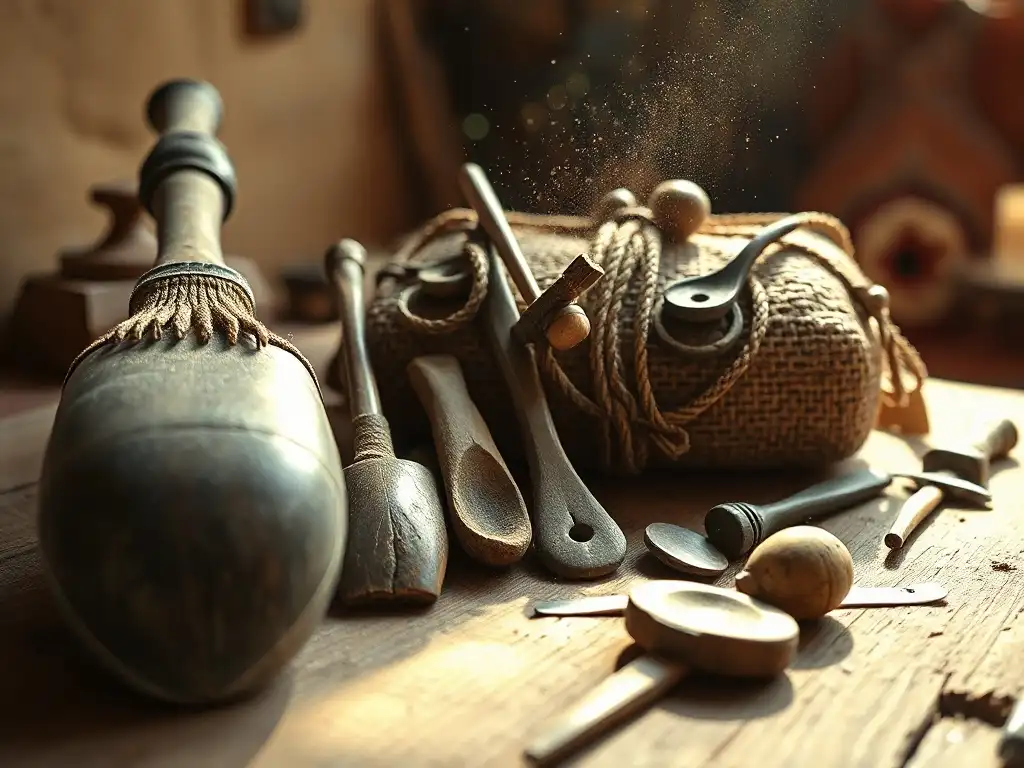
This section delves into the fascinating world of Andean metalworking tools, providing concrete examples of the implements used by different cultures to craft their exquisite metalwork. Understanding these tools offers a glimpse into the ingenuity and technical prowess of Andean artisans. The diversity of materials and techniques employed reflects the unique characteristics of each civilization and their distinct approaches to metalworking.
We'll examine specific examples from the Moche and Inca civilizations, highlighting the evolution and adaptation of these crucial tools over time. The meticulous craftsmanship evident in surviving artifacts speaks volumes about the dedication and skill of these ancient metalworkers. Understanding the tools themselves is key to appreciating the artistry and technological achievements of Andean cultures.
Tools Used by the Moche Civilization
The Moche civilization (c. 100 – 800 CE), known for their stunning gold and silver artifacts, utilized a sophisticated range of metalworking tools. Their mastery of lost-wax casting and hammering techniques is evident in the intricate details found on their ceremonial objects and adornments. The tools they employed were often made from readily available materials, showcasing their adaptability and resourcefulness.
Hammerstones with Grooves
Moche artisans frequently used hammerstones, typically made from hard volcanic rock, to shape and refine metal. These hammerstones often exhibit distinct grooves worn into their surfaces, a testament to their prolonged use and the repetitive actions involved in metalworking. The grooves suggest a controlled and precise hammering technique, allowing for a high level of control over the shaping process.
Analysis of these grooves reveals patterns consistent with the creation of specific shapes and forms found in Moche metalwork. The size and shape of the grooves vary, indicating the use of different hammerstones for specific tasks, reflecting a specialized approach to metalworking. Evidence suggests that the Moche carefully selected stones with the appropriate hardness and grain size for optimal performance.
Copper Chisels
Copper chisels represent another crucial tool in the Moche metalworker's arsenal. Unlike the hammerstones used for shaping, copper chisels were employed for more precise cutting and engraving. The relatively soft nature of copper allowed for the creation of sharp edges, ideal for detailed work. The discovery of numerous copper chisels in Moche contexts provides clear evidence of their widespread use.
Variations in size and shape suggest specialization, with some chisels designed for fine detail work, while others were used for rougher cuts. The presence of remnants of metal residues on some chisels further supports their use in metalworking. These chisels, when combined with hammerstones, allowed Moche artisans to create highly detailed and intricate metal objects.
Metalworking Tools of the Inca Empire
The Inca Empire (c. 1438 – 1533 CE) inherited and further developed the metalworking traditions of previous Andean cultures. Their metalworking techniques, while building on earlier practices, also incorporated innovations reflecting their imperial scale and centralized organization. The Inca Empire's control over resources and skilled labor allowed for mass production of metal objects, yet they maintained a high standard of craftsmanship.
Stone Anvils with Indentations
Stone anvils played a crucial role in Inca metalworking. These anvils, often made from hard, durable stones, served as a stable base for hammering and shaping metal. Many Inca anvils exhibit indentations, suggesting repeated use at specific points. These indentations are not random; they appear to correspond to the shapes and sizes of commonly produced metal objects.
The presence of these indentations indicates a degree of standardization in Inca metalworking practices, reflecting efficient production methods. The size and weight of the anvils varied, reflecting the scale of the metalworking project. Larger anvils were likely used for larger objects, while smaller anvils were suitable for finer work.
Bronze Punches
Bronze punches, characterized by their durable composition and precise shapes, were employed by Inca artisans for creating intricate patterns and designs on metal objects. These punches were used to create repetitive motifs, enhancing efficiency and ensuring consistency in design. The discovery of numerous bronze punches with a variety of shapes and sizes at Inca sites underscores their importance. The punches were likely used in conjunction with a hammer, allowing for the creation of sharp, well-defined impressions on the metal surface.
The range of shapes suggests that specialized punches were created for different decorative elements. The standardization of these punches is another indication of the organized and efficient nature of Inca metalworking. The meticulous detail found in Inca metalwork reflects the skilled use of these specialized tools.
Tools Used by Other Andean Cultures
Beyond the Inca's sophisticated techniques, other Andean cultures developed their own unique metalworking traditions, each employing distinct tools and methods. The diversity in tools reflects the varied resources available and the specific aesthetic goals of each civilization. While the Inca Empire's influence is undeniable, understanding the broader spectrum of Andean metalworking requires examining the practices of preceding and contemporaneous cultures. The ingenuity and adaptability shown in the creation and use of these tools underscore the advanced metallurgical knowledge prevalent across the Andes.
Studying these tools allows us to appreciate the subtle differences and shared innovations across various Andean societies, highlighting the region's rich and complex metallurgical heritage. The artistic expression manifested in their metalwork is intrinsically linked to the tools and techniques employed. Further research into specific regional variations in tool design and usage would offer a more comprehensive understanding of the regional differences in Andean metalworking practices.
Obsidian Blades from the Nazca Culture
The Nazca culture, famed for their enigmatic geoglyphs, also demonstrated remarkable skill in metalworking, albeit on a smaller scale compared to the Inca. While not as prolific in large-scale metalworking as the Inca, the Nazca utilized obsidian blades extensively in their metalworking processes. These sharp, durable blades, crafted from volcanic glass, were invaluable for a variety of tasks.
They were employed for precise cutting and shaping of gold and copper sheets, enabling the creation of intricate designs and delicate forms. The hardness of obsidian allowed for clean cuts, minimizing damage to the precious metal. Archaeological evidence suggests that the Nazca likely used these blades in conjunction with other tools, such as hammers and anvils, to create their distinctive metal artifacts.
The fine detail observed in surviving Nazca gold and copper objects speaks volumes about the precision achieved with these obsidian tools. Analyzing the wear patterns on recovered obsidian blades could offer further insights into the specific techniques employed by Nazca artisans. The relatively small size of many Nazca metal artifacts might also suggest a preference for smaller, more manageable obsidian blades.
Ceramic Crucibles from the Tiahuanaco Culture
The Tiahuanaco culture, known for its monumental architecture and sophisticated social organization, also possessed advanced metalworking capabilities. Central to their metalworking processes were ceramic crucibles, specifically designed for smelting and refining metals. These crucibles, often made from high-quality clay, were capable of withstanding the intense heat required for melting metals like copper and bronze. Their design, often featuring a rounded body and a narrow neck, allowed for efficient heat retention and prevented the escape of molten metal during the smelting process.
The size and shape of the crucibles varied, likely reflecting the scale of the metalworking operation. Larger crucibles would have been used for larger batches of metal, while smaller ones may have been employed for more delicate work or experimentation with alloys. The precise composition of the clay used in the crucibles, as well as the firing techniques employed, would have significantly impacted their durability and performance.
Analysis of recovered ceramic crucibles from Tiahuanaco sites could reveal valuable information about the metallurgical knowledge and techniques of this influential Andean culture. The presence of these crucibles underscores the advanced metallurgical understanding that underpinned the Tiahuanaco's metalworking achievements. The development of specialized crucibles demonstrates a clear understanding of material science and its application in refining precious metals.
The Legacy of Andean Metalworking Tools
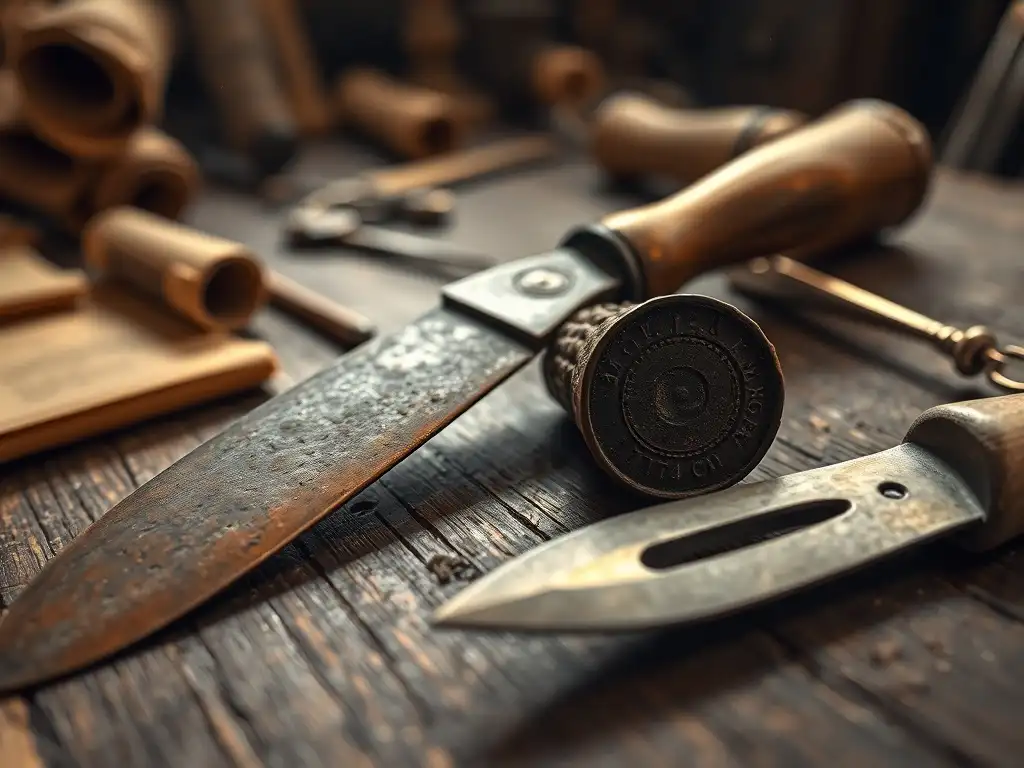
The sophisticated metalworking techniques of the Andean civilizations left an undeniable mark on the history of metallurgy, influencing techniques and inspiring artisans across continents for centuries. Their mastery, particularly in gold, silver, and copper alloys, wasn't solely aesthetic; it was deeply intertwined with their religious beliefs, social structures, and economic systems. The tools they employed, while seemingly simple in design, represent a profound understanding of material properties and metallurgical processes.
This legacy continues to resonate today, not only in the preservation of artifacts but also in the subtle ways their methods have informed modern practices. Understanding the tools themselves provides a window into the ingenuity and technological prowess of these ancient cultures.
The precision achieved in crafting intricate objects, from delicate jewelry to imposing ceremonial items, speaks volumes about the skill and dedication of Andean metalworkers. The very existence of these artifacts is a testament to the effectiveness of their tools and techniques.
The Impact on Modern Metalworking Techniques
While modern metalworking benefits from advanced technologies like CNC machining and laser cutting, the fundamental principles remain strikingly similar to those employed by Andean artisans. The process of hammering, annealing (heating and cooling to soften the metal), and shaping, for example, are still core components of many contemporary metalworking practices. The Andean civilizations’ innovative use of alloys, particularly tumbaga (a gold-copper alloy), demonstrates a sophisticated understanding of material science.
Their ability to control the proportions of gold and copper to achieve different colors and hardnesses foreshadowed modern alloying techniques. Furthermore, the intricate designs found on many artifacts suggest a mastery of forging, casting, and repoussé (hammering from the back to create raised designs) – techniques that are still highly valued in artistic and industrial metalworking today.
Analyzing the wear patterns on recovered tools, such as the mallets and anvils, even reveals insights into their preferred working methods, offering valuable information for modern artisans seeking to replicate or understand these ancient techniques. The endurance of these core techniques is a clear indication of their efficiency and adaptability.
The Preservation of Andean Metallurgical Knowledge
The preservation of Andean metallurgical knowledge is crucial for understanding not just the past, but also for informing contemporary practices. Museums and research institutions play a vital role in safeguarding artifacts and documenting the techniques used in their creation. Detailed studies of surviving tools, combined with analysis of the metal objects themselves, allow researchers to reconstruct the processes employed by Andean metalworkers.
Ethnoarchaeological studies, which involve observing contemporary artisans working with traditional methods, can further enhance our understanding. However, significant challenges remain. The deterioration of artifacts due to environmental factors and the looting of archaeological sites pose serious threats to the preservation of this invaluable knowledge.
Furthermore, the transmission of traditional metalworking skills within indigenous communities is not always guaranteed, leading to a potential loss of valuable knowledge. The importance of collaborative research between archaeologists, metallurgists, and indigenous communities is paramount in ensuring the continued preservation and understanding of Andean metalworking techniques. This collaborative approach safeguards not only historical knowledge but also cultural heritage.
Conclusion: The Enduring Craft of Andean Metalworking
The study of Andean metalworking tools reveals a civilization deeply invested in technological innovation and artistic expression. Their mastery of metalworking techniques, evident in the remarkable artifacts that have survived, continues to inspire and inform modern practices. From the fundamental processes of hammering and annealing to the sophisticated creation of alloys, the legacy of Andean metalworkers is undeniable. However, preserving this heritage requires ongoing efforts in archaeological research, museum preservation, and collaboration with indigenous communities.
The enduring craft of Andean metalworking serves as a reminder of the ingenuity and artistry of past civilizations and the importance of safeguarding our shared cultural heritage for future generations. The impact of these ancient techniques on modern metalworking is a testament to the enduring quality and ingenuity of Andean artisans. Their tools and the techniques they employed represent a significant contribution to the global history of metallurgy.
Frequently Asked Questions
What types of metal did Andean cultures work with?
Andean metalworkers primarily used gold, silver, copper, and bronze, often combining them in alloys to create unique colors and properties. They also utilized less common metals like platinum and tin.
What were some common Andean metalworking tools?
Common tools included hammers, anvils, molds, crucibles, tongs, and files. They also used simple tools like stones for shaping and polishing.
How did Andean artisans create such intricate designs?
Andean artisans employed sophisticated techniques like lost-wax casting, hammering, and repoussé to create intricate designs. Highly skilled craftsmanship was essential to their success.
What is the significance of Andean metalworking in their culture?
Andean metalworking held immense religious and political significance. Metal objects were often associated with power, status, and divinity, used in ceremonies and adorning important figures.
Where can I learn more about Andean metalworking tools?
You can explore museums with Andean collections, research academic articles on Andean archaeology and metallurgy, and consult books focusing on pre-Columbian art and technology.
Final Reflection: The Enduring Legacy of Andean Metalworking
The intricate artistry of Andean metalworking, once a testament to ancient ingenuity, continues to resonate today, reminding us of the power of human creativity and the enduring connection between people and their environment. The techniques and tools described throughout this article, though centuries old, offer a profound insight into the resourcefulness and skill of past civilizations, and highlight the importance of preserving and understanding these cultural legacies. Their continued study provides invaluable knowledge for contemporary artisans and historians alike.
The impact of Andean metalworking extends far beyond the realm of archaeology; it speaks to the enduring human need for artistic expression and the ability of skilled hands to transform raw materials into objects of beauty and cultural significance. The artistry displayed in these ancient pieces continues to inspire contemporary artists and designers, proving that the spirit of innovation lives on. The past is never dead. It's not even past.
- William Faulkner. This quote perfectly encapsulates the enduring relevance of Andean metalworking, its techniques and tools echoing through time and influencing artistic practices even today.
Consider the implications of this rich history. What can we learn from the dedication and skill of these ancient artisans? How can we apply their innovative spirit to our own lives and work? I urge you to reflect on the enduring power of craftsmanship, the importance of preserving cultural heritage, and the potential for inspiration found in the past. Let the legacy of Andean metalworking ignite your own creativity and inspire you to appreciate the artistry and skill present in all forms of human endeavor.
Unleash Your Creativity: Dive into Andean Metalworking!
Thank you for exploring the captivating world of Andean metalworking! We hope you've discovered the intricate artistry and rich traditions that make this craft so fascinating. Now it's time to get involved and experience the beauty of metalworking firsthand!
Here are some ways you can get started:
- Create your own metalwork: Gather supplies and try crafting a simple piece inspired by traditional Andean techniques. A hammered copper pendant, for example, would be a great starting point.
- Take a workshop: Search for local artisans or classes offering hands-on metalworking instruction. Learning from experienced practitioners can significantly accelerate your progress.
- Share your creations: Post photos of your work or your workshop experience on social media and tag @AndeanCivilizations to connect with other enthusiasts! We'd love to see what you create.
What unique design or idea are you envisioning that blends your personal style with the artistry of Andean metalworking traditions?