
Exploring the Concept of 'Ayni': Reciprocity and Balance in Inca Beliefs

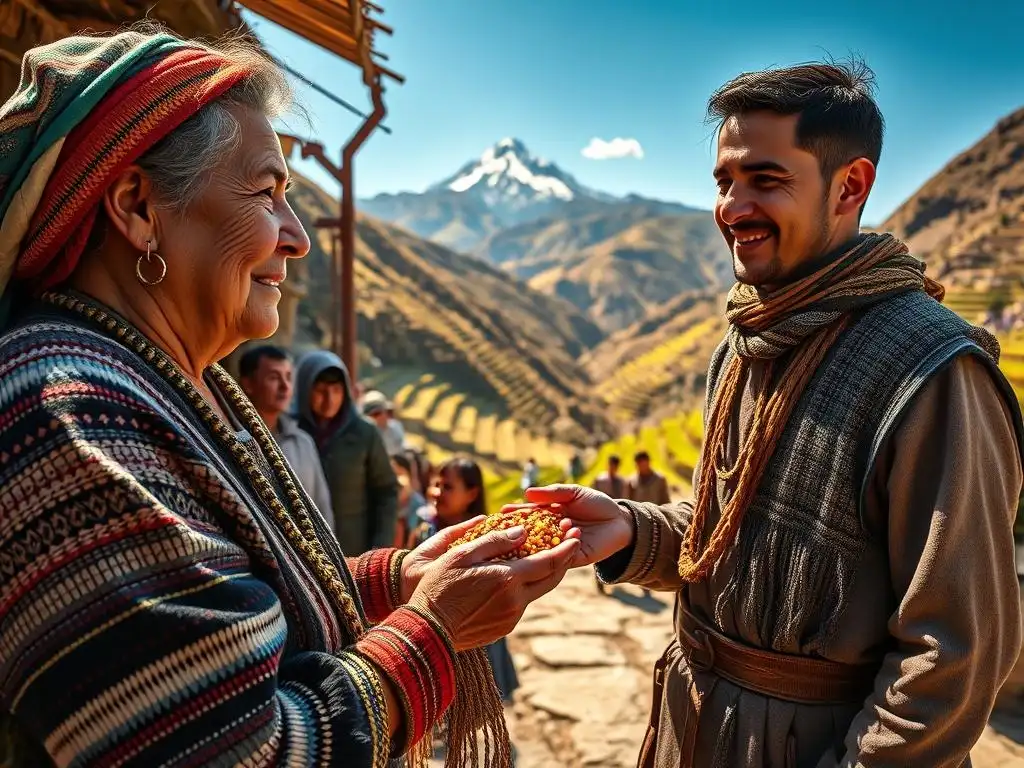
Step into a world lost to time, yet echoing with vibrant life. Imagine a society built on principles of reciprocity and balance, a civilization where community thrived through a deeply ingrained system of mutual support. Here on Andean Civilizations, we delve into the fascinating tapestry of ancient Andean cultures. But what truly fueled the Inca Empire’s success? Uncover the secrets behind the Inca Ayni concept meaning – a powerful ideology that shaped their lives and continues to resonate today. Prepare to be captivated by a story of ingenuity, resilience, and a legacy that endures.
- Understanding the Inca Ayni Concept: Reciprocity and Balance in Andean Culture
- Ayni in Daily Life: Practical Applications of Reciprocity
- The Spiritual Significance of Ayni: Harmony with the Cosmos
- Ayni vs. Barter: Understanding the Difference
- Ayni in Modern Times: Lessons from the Inca Legacy
- The Inca Ayni Concept Meaning: A Summary of its Significance
- Frequently Asked Questions
- Final Reflection: Ayni's Enduring Legacy: A Call for Reciprocal Living
- Embrace the Spirit of Ayni Today!
Understanding the Inca Ayni Concept: Reciprocity and Balance in Andean Culture
The Inca Empire, renowned for its sophisticated infrastructure and intricate social organization, was underpinned by a powerful ideology of reciprocity and balance deeply embedded in its worldview. Central to this ideology was the concept of Ayni, a Quechua term that transcends simple exchange and embodies a profound understanding of interconnectedness and mutual obligation within the community.
This article delves into the meaning and significance of Ayni, exploring its role in shaping Inca social structures, economic practices, and spiritual beliefs. We will examine how Ayni fostered a sense of community and ensured the well-being of the entire empire, revealing its enduring relevance even today in understanding Andean culture and values.
Understanding the Inca Ayni concept meaning requires moving beyond a simple definition to appreciate its multifaceted implications within the Inca worldview. This exploration will reveal how Ayni was not merely an economic system but a fundamental principle structuring Inca society and influencing its relationship with the natural world.
The Essence of Ayni: Defining Reciprocal Relationships
The core of Ayni lies in the principle of reciprocal exchange. It wasn't simply a matter of bartering goods or services; rather, it was a deeply ingrained social contract based on mutual support and obligation. Individuals were expected to contribute their labor, resources, and skills to the community, receiving in return the support they needed. This exchange wasn't necessarily immediate or transactional; it operated on a principle of long-term reciprocity, recognizing that contributions might be repaid at a later date or in a different form. Think of it as a complex web of interconnectedness, where actions and contributions ripple outwards, creating a harmonious balance within the community. This system, unlike a market-based economy, prioritized community well-being over individual profit. The concept of Ayni fostered social cohesion and a sense of shared responsibility, ensuring the collective prosperity of the Inca people.
The practice of Ayni extended beyond material goods. It encompassed a wide range of activities, including:
- Labor exchange: Communities would collaborate on large-scale projects, such as building terraces or irrigation systems, each contributing their skills and time.
- Sharing resources: During times of scarcity, communities would pool their resources to ensure everyone had enough to survive.
- Mutual assistance: Individuals would help each other with tasks such as farming, building, or childcare.
- Religious obligations: Participation in religious ceremonies and rituals was also considered a form of Ayni, contributing to the spiritual well-being of the community.
Ayni's Role in Inca Society: Beyond Simple Exchange
The impact of Ayni extended far beyond simple economic transactions; it was deeply interwoven into the fabric of Inca society, influencing various aspects of their lives. The system promoted social stability by fostering cooperation and reducing social inequalities. It ensured that even the most vulnerable members of society received the support they needed, strengthening community bonds and promoting collective well-being. The Inca state itself played a crucial role in facilitating and regulating Ayni, ensuring its equitable application throughout the empire.
The mita system, a form of mandatory labor service, can be seen as a state-organized version of Ayni, where citizens contributed their labor to public works projects in exchange for protection and other benefits. However, it's important to note that the mita, while sharing some similarities with Ayni, also differed in its compulsory nature. The true spirit of Ayni, however, remained rooted in voluntary cooperation and mutual respect.
The concept of Ayni also held profound spiritual significance. The Inca worldview emphasized the interconnectedness of all things, and Ayni reflected this belief in the reciprocal relationship between humans and the natural world. By participating in Ayni, individuals contributed not only to the well-being of their community but also to the maintenance of cosmic balance.
This reciprocal relationship extended to the gods, with offerings and prayers serving as a form of Ayni to maintain divine favor and ensure the continued prosperity of the empire. Understanding the depth and breadth of the Ayni concept provides a crucial key to unlocking a deeper understanding of Inca society and its values. The enduring legacy of Ayni continues to resonate in modern Andean communities, highlighting the timeless relevance of its principles of reciprocity, balance, and communal harmony.
Ayni in Daily Life: Practical Applications of Reciprocity
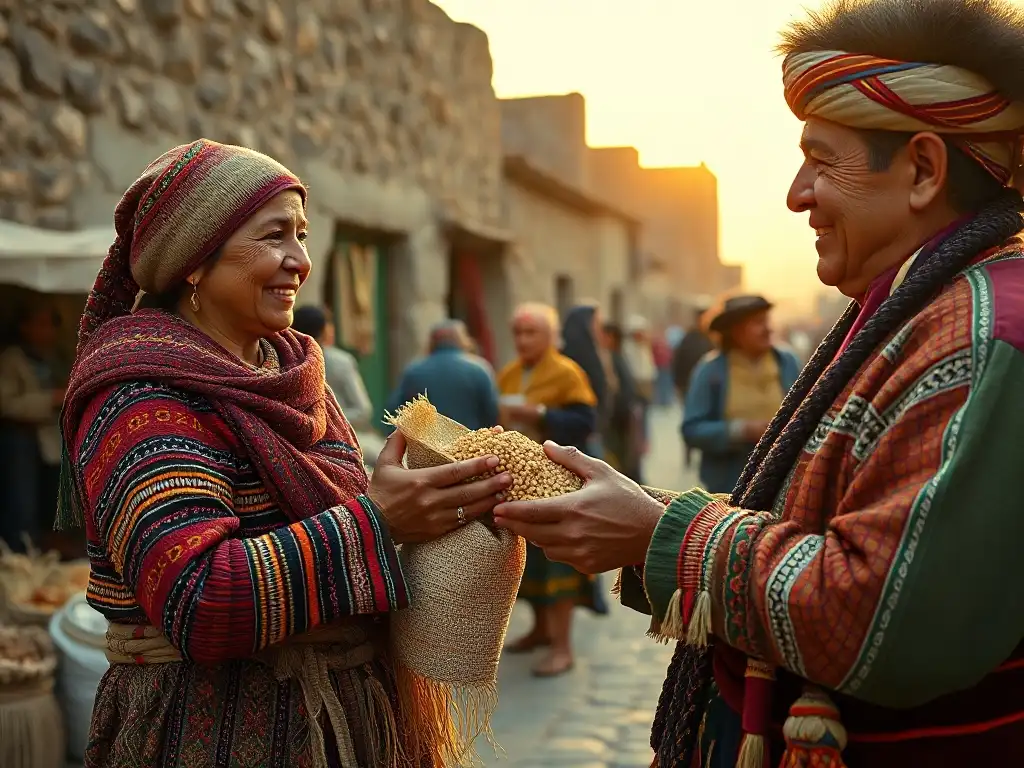
The Inca Ayni concept meaning extended far beyond a simple exchange of goods or services. It was deeply ingrained in the fabric of daily life, shaping social interactions and economic activities. Understanding Ayni requires appreciating its pervasive influence on how Incas structured their communities and interacted with each other.
It wasn't merely a system of reciprocal obligation; it was a cornerstone of Inca worldview, reflecting their belief in a balanced and interconnected cosmos. This section will delve into the practical applications of Ayni in various aspects of Inca society, highlighting its importance in maintaining social cohesion and economic stability. The Inca Ayni concept meaning was multifaceted and dynamic, adapting to the specific needs and contexts of their society.
Agricultural production was central to Inca life, and Ayni played a vital role in ensuring successful harvests. Large-scale projects, such as terracing hillsides or irrigating fields, required significant manpower. Instead of relying on individual effort, communities organized collective labor events where individuals contributed their time and skills in exchange for similar assistance during their own planting or harvesting seasons.
This system, deeply rooted in the Inca Ayni concept meaning, fostered a sense of shared responsibility and mutual benefit. Imagine the sheer scale of cooperative efforts required to cultivate the vast agricultural landscapes of the Inca Empire! The success of Inca agriculture was directly linked to the effectiveness of Ayni, demonstrating its practical importance in sustaining the population.
Data on the precise organization of these agricultural Ayni events is scarce, but archaeological evidence suggests a highly structured and efficient system of labor allocation. Further research is needed to fully understand the intricate details of the agricultural applications of Ayni, but its importance is undeniable.
Ayni in Community Projects: Building Together Through Reciprocity
Beyond agriculture, Ayni extended to various community projects. The construction of temples, roads, irrigation canals, and other infrastructure relied heavily on cooperative labor. Inca society didn't have a specialized class of construction workers; instead, individuals from different communities would contribute their time and skills to these projects, receiving reciprocal assistance when they needed it for their own endeavors.
This system ensured that essential infrastructure was built and maintained, strengthening the interconnectedness of the empire. This practical application of the Inca Ayni concept meaning fostered a strong sense of communal identity and responsibility. For example, the construction of the impressive Inca road system, spanning thousands of miles, was a testament to the power of collective effort driven by the principle of Ayni.
The meticulous engineering and organization required for such projects underscore the sophisticated social mechanisms that underlay the Inca Empire's success. Understanding the Inca Ayni concept meaning in this context requires acknowledging the scale and complexity of these communal building projects.
Ayni in Family Relationships: Strengthening Bonds Through Mutual Support
The Inca Ayni concept meaning also permeated family relationships. While not as formalized as community-based Ayni, reciprocal support within families was crucial for their well-being. This included assistance with daily tasks, childcare, and providing support during times of need. The exchange of goods and services within families wasn't a transactional exchange but rather a demonstration of solidarity and mutual affection, reinforcing family bonds.
This intimate aspect of Ayni highlights its importance in building strong and cohesive family units, contributing to the overall social stability of Inca society. While documentation of these intimate family dynamics is limited, anthropological studies and ethnographic parallels suggest the significant role of reciprocal support in strengthening family ties within Inca communities. The Inca Ayni concept meaning, therefore, encompassed a wide spectrum of social interactions, from large-scale public works to the everyday exchanges within families.
This demonstrates its profound influence on the social structure and cultural values of the Inca civilization. The system fostered a sense of community, mutual support, and shared responsibility, contributing to the overall success and stability of the Inca Empire. Further research into the nuances of Ayni within family structures is needed to gain a more complete understanding of its multifaceted impact on Inca society.
The Spiritual Significance of Ayni: Harmony with the Cosmos

The Inca concept of Ayni, often translated as reciprocity, extended far beyond simple bartering or mutual exchange. It represented a deeply ingrained spiritual principle, a fundamental belief system that governed social interactions and maintained cosmic balance. Understanding Ayni requires grasping its profound spiritual significance within the Inca worldview, a worldview intricately connected to the natural world and the forces of the cosmos.
The successful functioning of Inca society hinged on the meticulous practice of Ayni, reflecting a profound respect for interconnectedness and the consequences of disrupting this delicate equilibrium. This wasn't simply a social contract; it was a sacred duty, a pathway to harmony with the Pachamama (Mother Earth) and the wider universe.
The very fabric of Inca society was woven with threads of Ayni, ensuring the smooth operation of their sophisticated social and economic systems. The Inca Ayni concept meaning, therefore, transcends simple exchange; it represents a spiritual commitment to balance and harmony.
Ayni and the Inca Worldview: Maintaining Cosmic Balance
The Inca worldview was deeply animistic; they believed that spirits inhabited all aspects of nature, from mountains and rivers to plants and animals. This pervasive animism informed their understanding of Ayni. Maintaining cosmic balance wasn't merely a social imperative; it was a spiritual necessity.
Through reciprocal actions—helping others, contributing to the community, and respecting the environment—the Incas believed they were actively participating in the maintenance of this cosmic order. Disrupting this balance, through selfishness or neglect, was seen as an affront to the spirits and a potential invitation to misfortune. Evidence from Inca mythology and religious practices demonstrates the centrality of Ayni in their cosmological beliefs.
Their elaborate ceremonies, often involving offerings to the apus (mountain spirits) and the Pachamama, underscored their commitment to reciprocal relationships with the supernatural world. The Inca calendar, meticulously aligned with agricultural cycles and celestial events, also reflected this deep-seated understanding of interconnectedness and the importance of maintaining cosmic equilibrium through Ayni. Failure to participate in Ayni threatened not only social harmony but also the very fabric of the cosmos.
Ayni and Pachamama: Reciprocity with Mother Earth
The Pachamama, or Mother Earth, held a central position in Inca cosmology. Ayni was inextricably linked to their relationship with the Pachamama. Reciprocity wasn't limited to human interactions; it extended to the natural world.
The Incas believed that the Pachamama provided for them, offering fertile land and abundant resources. In return, they were obligated to show their gratitude through offerings, careful stewardship of the land, and respectful treatment of its bounty. This involved meticulous agricultural practices, avoiding wasteful consumption, and performing rituals to appease and honor the Pachamama.
The concept of Ayni in this context underscores the Incas' deep ecological consciousness and their understanding of the interconnectedness between human actions and the natural world. Their sophisticated agricultural techniques, such as terracing and irrigation, were not merely technological advancements; they were expressions of their commitment to reciprocal relationships with the Pachamama. The failure to uphold this reciprocal relationship was seen as a transgression that could lead to crop failures, natural disasters, and other forms of misfortune.
The Consequences of Imbalance: Upsetting the Ayni
The Inca believed that disrupting the Ayni system brought about negative consequences, both on an individual and societal level. Failure to reciprocate, whether in social interactions or in relation to the Pachamama, was believed to disrupt the cosmic balance and invite misfortune. This could manifest in various ways, including illness, crop failure, social unrest, and even natural disasters.
The Inca worldview emphasized the interconnectedness of all things, and disrupting this interconnectedness through selfish actions or neglect was viewed as a serious offense. Their belief system didn't include a formal system of punishment for breaking Ayni, but the consequences were implicitly understood to be severe and multifaceted, affecting not only the individual but the entire community and even the cosmos itself. The weight of maintaining Ayni rested on the shoulders of each individual, highlighting the profound responsibility each person held within the Inca social fabric and their spiritual understanding of the world.
The fear of upsetting Ayni served as a powerful motivator for maintaining social harmony and respecting the natural world. This inherent fear, rooted in the belief of cosmic interconnectedness, was a powerful mechanism in maintaining the stability and prosperity of the Inca Empire.
Ayni vs. Barter: Understanding the Difference
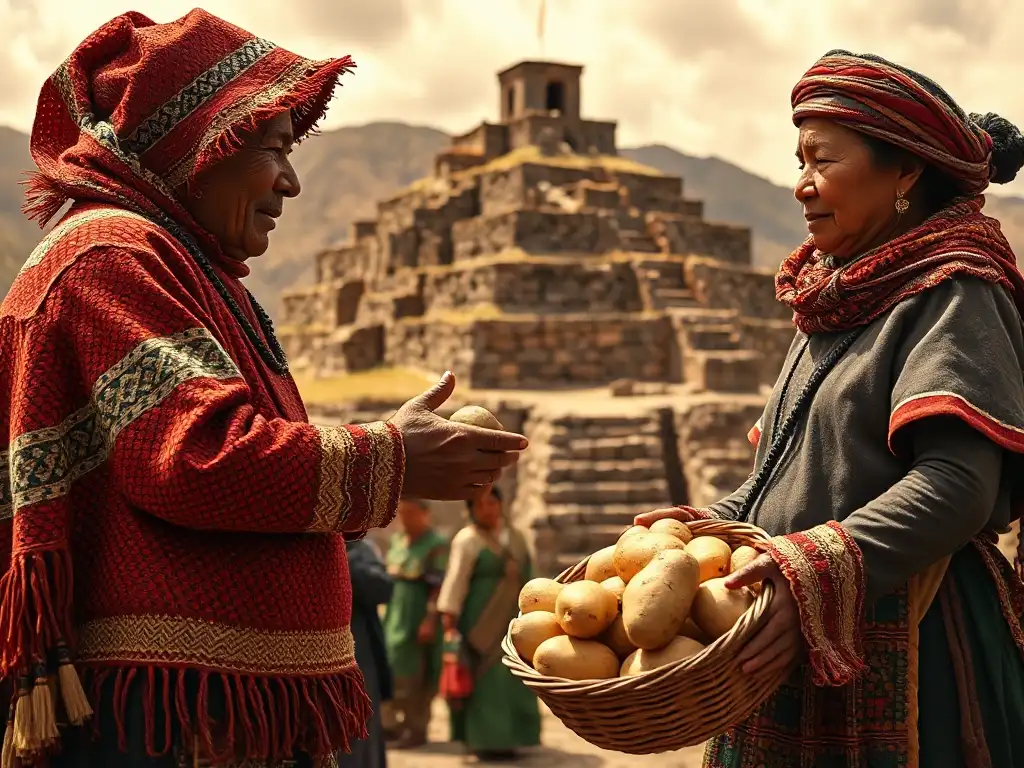
The Inca concept of Ayni is often mistakenly equated with simple barter. While both involve exchange, the fundamental differences between Ayni and barter highlight the profound social and spiritual implications embedded within the Inca worldview. Understanding this distinction is crucial to grasping the true meaning of Ayni within the context of Inca society and its enduring legacy. The Inca Ayni concept meaning transcends mere economic transaction; it represents a complex system of reciprocal obligations underpinning social cohesion and cosmic balance. This section will analyze the key differences between Ayni and barter, clarifying the unique characteristics of the Inca system.
Ayni as a Moral Obligation: Beyond Material Transaction
Ayni, at its core, was a moral and social obligation, not simply an economic transaction. It was a deeply ingrained principle in Inca society, reflecting a belief in reciprocal relationships between individuals, communities, and the divine. The exchange wasn't solely about the material goods involved; it was about maintaining social harmony and expressing solidarity within the ayllu, the fundamental social unit. Failure to participate in Ayni was not merely a breach of contract; it was a transgression against the community and the cosmic order. This moral dimension is absent in simple barter, which focuses primarily on immediate material gain.
Think of it this way: imagine a farmer needing help harvesting his crops. Under Ayni, he wouldn't necessarily offer immediate payment. Instead, he would rely on the community's collective support, knowing that he would reciprocate in kind when others needed assistance. This reciprocal exchange strengthened social bonds and fostered a sense of shared responsibility.
This contrasts sharply with barter, where the focus remains on the immediate exchange of goods or services of equal perceived value. The social implications were secondary, if considered at all. Data from archaeological studies of Inca settlements consistently show the importance of communal work projects, further supporting the centrality of Ayni in their social structure.
The Inca Ayni concept meaning extended beyond mere material exchange; it was integral to the spiritual fabric of their society. It reinforced the interconnectedness of individuals and their relationship with the natural world, ensuring the overall balance and prosperity of the community.
Barter as a Limited Exchange: Contrasting with Ayni's Depth
Barter, in contrast to Ayni, is a transactional exchange where goods or services are directly exchanged for other goods or services of perceived equal value. There is no inherent moral obligation; it's a purely economic interaction driven by individual needs and self-interest. The exchange is typically immediate, and the relationship between the parties involved ends once the transaction is complete. This contrasts with Ayni, where the relationship often extends beyond a single transaction, fostering long-term social bonds and obligations.
Consider the following table illustrating the key differences:
| Feature | Ayni | Barter |
|---|---|---|
| Nature | Moral & Social Obligation | Economic Transaction |
| Motivation | Reciprocity, Social Harmony | Self-interest, Immediate Gain |
| Relationship | Long-term, Community-focused | Short-term, Transactional |
| Obligation | Strong, Socially Enforced | Weak, Primarily Contractual |
| Spiritual Aspect | Deeply ingrained in cosmology | Largely absent |
The absence of a strong moral component in barter significantly limits its scope and impact compared to Ayni. Barter is a pragmatic solution to immediate needs, while Ayni represents a fundamental principle guiding the social and spiritual life of the Inca civilization. The Inca Ayni concept meaning, therefore, is far richer and more nuanced than a simple exchange of goods.
It embodies a holistic worldview emphasizing community, reciprocity, and a profound connection to the cosmos. Further research is needed to fully understand the intricacies of the Ayni system and its impact on different aspects of Inca life, including [specific information pending on the impact of Ayni on Inca agriculture and governance].
Ayni in Modern Times: Lessons from the Inca Legacy
The Inca Ayni concept meaning extends far beyond its historical context. While originating centuries ago, its principles of reciprocal exchange and community well-being remain strikingly relevant in contemporary society. Understanding the enduring power of Ayni offers valuable insights into building stronger, more sustainable communities and fostering a sense of shared responsibility.
The core tenets of mutual support and balanced giving continue to resonate, providing a framework for addressing modern challenges and promoting social harmony. The Inca’s sophisticated understanding of interconnectedness and interdependence serves as a powerful example for navigating the complexities of the 21st century. This section will explore how the spirit of Ayni can be applied to contemporary issues, highlighting its potential for positive social impact.
The Enduring Relevance of Ayni: Applying Reciprocity Today
The principle of Ayni, at its heart, is about creating a balanced system of exchange. It wasn't merely about bartering goods or services; it fostered a deep sense of social cohesion and mutual obligation. This concept resonates deeply in today's world, where increasing individualism often overshadows the importance of community. Applying Ayni principles in modern contexts could involve:
- Volunteerism and community service: Contributing time and skills to benefit others, without expecting direct compensation, directly reflects the Ayni spirit. This could range from participating in local clean-up initiatives to mentoring youth or assisting the elderly.
- Mentorship and skill-sharing: Sharing knowledge and expertise with others, fostering growth and development within the community, embodies the reciprocal exchange central to Ayni. This could involve informal tutoring programs or professional development workshops.
- Collaborative projects: Working together on shared goals, pooling resources and expertise, reflects the collaborative nature inherent in the Inca Ayni system. This could manifest in community gardens, neighborhood improvement projects, or shared artistic endeavors.
The modern application of Ayni emphasizes the importance of fostering a culture of giving and receiving, strengthening social bonds, and promoting a sense of shared responsibility.
Ayni and Sustainable Practices: A Model for Responsible Living
The Inca's understanding of environmental stewardship offers a compelling example of sustainable living. Their agricultural practices, intricate water management systems, and resource conservation methods demonstrate a deep respect for the natural world and a commitment to long-term sustainability. The Ayni principle, in this context, highlights the interconnectedness between human actions and environmental well-being. Applying Ayni to sustainable practices means recognizing our reciprocal relationship with the environment and acting responsibly to ensure its preservation for future generations. This could involve:
- Reducing our environmental footprint: Adopting eco-friendly practices, minimizing waste, and conserving resources reflects a commitment to balanced interaction with the environment—a key aspect of Ayni.
- Supporting sustainable businesses: Choosing to patronize businesses committed to ethical and sustainable practices aligns with the Ayni principle of responsible consumption and production.
- Participating in environmental conservation efforts: Volunteering time or resources to support environmental conservation initiatives directly embodies the reciprocal exchange at the heart of Ayni.
This holistic approach to sustainability, inspired by the Inca legacy, offers a powerful framework for creating a more environmentally responsible future.
Modern Applications of Ayni: Community Based Tourism and Collaborative Art Projects
The concept of Ayni finds fertile ground in contemporary community-driven initiatives. Consider the burgeoning field of community-based tourism, where local communities actively participate in managing and benefiting from tourism activities. This model directly reflects the spirit of reciprocal exchange, where tourists contribute to the local economy while experiencing authentic cultural immersion. Similarly, collaborative art projects, where artists and community members work together to create shared works of art, embody the collaborative spirit of Ayni. These initiatives foster community engagement, cultural preservation, and economic empowerment.
Examples include:
| Initiative Type | Specific Example | How it reflects Ayni |
|---|---|---|
| Community-Based Tourism | Homestays in rural Andean communities | Tourists receive hospitality; communities receive economic benefits and cultural exchange. |
| Collaborative Art Project | Mural painting involving local artists and residents | Shared effort, creation of communal artwork, fostering community bonding and pride. |
These are just a few examples of how the Inca Ayni concept meaning continues to inspire innovative and sustainable approaches to community development and cultural preservation in the 21st century. The core principles of reciprocity, balance, and mutual support remain powerfully relevant, offering valuable lessons for building a more just and equitable world. The legacy of Ayni continues to shape modern initiatives, reminding us of the enduring power of community collaboration and shared responsibility.
The Inca Ayni Concept Meaning: A Summary of its Significance
The Inca Ayni concept meaning goes far beyond a simple definition of reciprocity. It represents a fundamental principle governing Inca social organization, economic practices, and spiritual beliefs. Ayni, often translated as "reciprocity" or "mutual aid," was a deeply ingrained system that fostered community cohesion and ensured the survival and prosperity of the Inca Empire.
It wasn't merely an exchange of goods or services; it was a complex social contract based on mutual obligation and the belief in a balanced cosmic order. Understanding the Inca Ayni concept meaning requires exploring its multifaceted nature, encompassing social responsibility, spiritual harmony, and economic sustainability. The concept permeated all aspects of Inca life, from agricultural practices to religious ceremonies, solidifying social bonds and ensuring the smooth functioning of the empire.
The depth and complexity of Ayni reveal a sophisticated societal structure built upon principles of shared responsibility and communal well-being, significantly contributing to the Inca Empire's success and longevity. This system, far from being a simple economic transaction, represented a powerful ideology shaping Inca worldview and social interactions.
Key Aspects of Ayni: Reciprocity, Cooperation, and Balance
Ayni wasn't simply about bartering goods; it was a multifaceted system reflecting the Inca worldview. Several key aspects define its meaning:
- Reciprocity: This is the most straightforward aspect. Individuals and communities exchanged goods, services, and labor. This wasn't necessarily a direct, immediate exchange. A farmer might help build a neighbor's house, expecting assistance with their harvest later. This delayed reciprocity built strong social bonds and trust within the community. The system was based on mutual support and the understanding that assistance given would be reciprocated in kind, at some point in the future. This created a network of social obligation that reinforced community cohesion.
- Cooperation: Ayni fostered cooperation on a large scale. Major infrastructure projects, such as road construction or temple building, relied heavily on Ayni. Communities contributed labor and resources, working together for the common good. This collaborative spirit was essential for the empire’s remarkable feats of engineering and societal organization. The success of large-scale projects depended entirely on the willing participation of individuals and communities, fueled by the ingrained principle of Ayni.
- Balance: Underlying Ayni was a belief in cosmic balance. Reciprocity wasn't just about material exchange; it was about maintaining equilibrium in the social and spiritual realms. Failure to fulfill one's Ayni obligations could disrupt this balance, leading to misfortune. This concept of balance extended beyond the individual level, impacting the community and even the cosmos. The system ensured a fair distribution of resources and labor, promoting social stability and preventing imbalances of power or wealth. The intricate workings of Ayni were intricately tied to the Inca's cosmology and beliefs about the interconnectedness of all things.
The table below summarizes the key aspects of Ayni:
| Aspect | Description | Example |
|---|---|---|
| Reciprocity | Exchange of goods, services, and labor, not necessarily immediate. | A farmer helps build a neighbor's house, expecting help with their harvest later. |
| Cooperation | Collaborative effort on large-scale projects for the common good. | Construction of roads, temples, and irrigation systems. |
| Balance | Maintaining equilibrium in social, spiritual, and material aspects of life. | Ensuring fair distribution of resources and fulfilling Ayni obligations. |
The Legacy of Ayni: A Timeless Principle of Andean Culture
The legacy of Ayni extends far beyond the Inca Empire. It continues to be a vital principle in many Andean communities today. While the imperial structure is gone, the underlying philosophy of mutual support and communal responsibility persists. Ayni's principles are reflected in contemporary Andean communities' cooperative farming practices, communal labor projects, and strong social networks.
The enduring relevance of Ayni demonstrates its power as a social organizing principle, capable of adapting to changing circumstances while maintaining its core values. It serves as a testament to the enduring wisdom of the Inca civilization and its profound impact on Andean culture. The continued practice of Ayni highlights its adaptability and resilience, a testament to its enduring significance in shaping Andean societies.
Understanding the Inca Ayni concept meaning provides valuable insights into the social fabric of the Inca Empire and its lasting influence on Andean culture. The enduring presence of Ayni in modern Andean communities underscores its importance as a cultural cornerstone, deeply embedded in the social and spiritual lives of its people. The concept serves as a powerful example of how a social principle can transcend time and adapt to new contexts while retaining its core values.
Frequently Asked Questions
What is the Inca concept of Ayni?
Ayni was a fundamental principle in Inca society representing reciprocal exchange of goods, labor, and services. It fostered community cooperation and ensured the well-being of everyone. It was a vital part of their social structure.
How did Ayni contribute to Inca society?
Ayni ensured social cohesion by binding communities together through mutual support. It facilitated economic stability and the completion of large-scale projects. It was the basis of their collective work ethic.
What was the difference between Ayni and Mita?
While both involved reciprocal labor, Ayni was voluntary and reciprocal among community members, whereas Mita was a mandatory form of labor imposed by the Inca state for public works. Ayni was community-based, Mita state-directed.
Did Ayni involve only material goods?
No, Ayni encompassed a broader exchange including labor, services, and even spiritual support. It was a holistic system that reinforced social bonds through diverse forms of mutual assistance. It extended beyond physical things.
Is the principle of Ayni still relevant today?
Yes, the concept of Ayni offers valuable insights into sustainable community practices and social responsibility. Its emphasis on mutual support and cooperation remains highly relevant in addressing contemporary social and economic challenges. Reciprocity is still crucial.
Final Reflection: Ayni's Enduring Legacy: A Call for Reciprocal Living
The concept of Ayni, far from being a relic of the Inca past, offers a potent framework for understanding and addressing the imbalances plaguing our modern world. Its principles of reciprocal exchange and communal responsibility resonate deeply with contemporary concerns about sustainability, social justice, and the interconnectedness of all beings. The urgent need for collaborative solutions to global challenges makes the wisdom embedded within Ayni more relevant than ever.
The enduring influence of Ayni is not merely academic; it's a living testament to the power of community and the importance of recognizing our interdependence. Its impact continues to shape Andean cultures, influencing social structures and ethical frameworks. The spirit of mutual support and shared responsibility, so central to Ayni, offers a powerful counterpoint to the individualistic tendencies of modern society. The strength of the community lies in each individual's commitment to the common good.
This simple truth, echoing the core of Ayni, reminds us that true prosperity is not achieved in isolation, but through collective action and mutual benefit.
Consider the implications of Ayni in your own life. How can you cultivate a spirit of reciprocity in your interactions with others? How can you contribute to the well-being of your community, recognizing your interconnectedness with all its members? Let the legacy of Ayni inspire you to build a more just, sustainable, and harmonious world, one act of reciprocal exchange at a time. Embrace the power of giving and receiving, and discover the profound satisfaction that comes from living in balance with others and the world around you.
Embrace the Spirit of Ayni Today!
Thank you for exploring the beautiful concept of Ayni and its profound significance in Inca beliefs. You've discovered how reciprocity and balance are integral to Andean cultures. Now, let's translate this understanding into practical steps to enrich your life and community.
Here's how you can embrace the spirit of Ayni:
- Foster Reciprocal Relationships: Identify someone you can mutually support. Perhaps you can help them with a project, or exchange skills. This can build strong and meaningful connections.
- Build a Supportive Community: Gather friends or family for shared experiences and mutual support. Regular gatherings, even monthly meetups, can strengthen bonds and provide opportunities for uplifting one another.
- Share Your Knowledge: Learn more about Andean cultures and share your insights. Inspire others to appreciate these rich traditions by discussing them on social media or within your community.
How will you incorporate Ayni into your daily life? Share your ideas in the comments! Your experiences can inspire others on this journey of reciprocity and connection.