
Unraveling the Inca's Cosmovision: Gods, Spirits, and the Order of the Universe

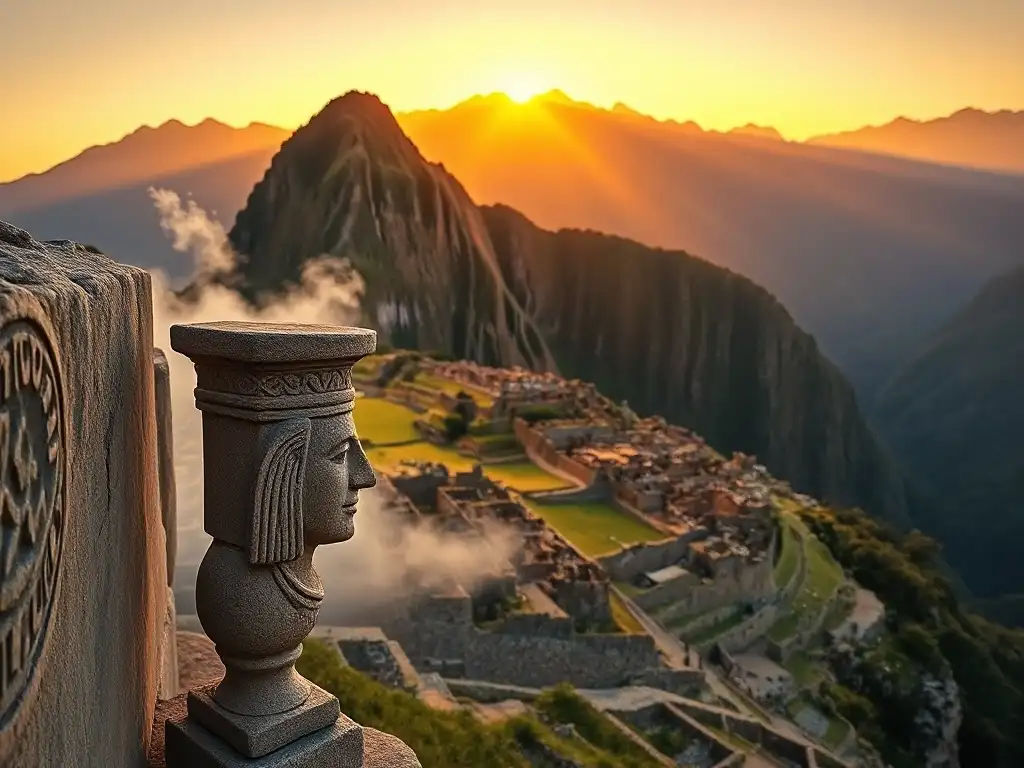
Step into a world lost to time, yet echoing with vibrant mystery. Journey with us through the breathtaking landscapes and enigmatic cultures of the Andes, where empires rose and fell, leaving behind a legacy of awe-inspiring artistry and complex societies. Prepare to be captivated by the intricacies of Inca cosmology and beliefs, a celestial tapestry woven from gods, spirits, and a profound understanding of the universe. Unravel the secrets of their cosmos— the answers await within.
- Inca Cosmology and Beliefs: Unveiling the Andean Worldview
- The Foundations of Inca Cosmovision
- Key Inca Deities and Their Roles
- The Inca Concept of the Universe
- The Inca Sacred Places and Rituals
- The Inca Calendar and Its Connection to Cosmovision
- Inca Ancestral Worship and the Afterlife
- The Legacy of Inca Cosmovision
- Frequently Asked Questions
- Final Reflection: Echoes of the Andes: A Legacy of Cosmic Harmony
- Embrace the Wisdom of the Inca: Act Now!
Inca Cosmology and Beliefs: Unveiling the Andean Worldview
The Inca Empire, renowned for its sophisticated engineering and administrative prowess, also possessed a deeply complex and fascinating cosmology. This worldview, a vibrant tapestry woven from threads of nature worship, ancestor veneration, and a profound understanding of the cosmos, profoundly shaped every aspect of Inca life, from agricultural practices to imperial governance.
Understanding Inca cosmology is key to unlocking the secrets of their enduring legacy and appreciating the intricate relationship they forged with the Andean landscape. This article delves into the core tenets of Inca beliefs, exploring their pantheon of gods, the spiritual significance of the natural world, and the intricate system of order they perceived governing the universe.
We will examine how these beliefs manifested in their daily lives and rituals, providing a comprehensive overview of Inca cosmology and beliefs, a subject rich with nuance and historical significance. This exploration will illuminate how their understanding of the universe influenced their societal structures, artistic expressions, and ultimately, their survival in the challenging Andean environment.
The Inca Pantheon: Gods and Spirits of the Andes
The Inca pantheon wasn't a rigidly defined system like those of some other ancient civilizations. Instead, it was a fluid, interconnected web of deities, spirits ( huacas), and powerful ancestors. The supreme god was Viracocha, the creator god, often depicted as a bearded figure, representing the power of creation and the origin of all things.
He was associated with water, which was essential for life in the arid Andes. Other important deities included Inti, the sun god, whose worship was central to Inca imperial power; Mama Killa, the moon goddess, associated with fertility and the female principle; and Pachamama, Mother Earth, the provider of sustenance and fertility. These major deities were complemented by a vast array of lesser gods and spirits associated with specific mountains, rivers, rocks, and other natural features.
These huacas were believed to possess potent spiritual power and were often venerated with offerings and sacrifices. The Inca believed that maintaining a harmonious relationship with these spirits was crucial for ensuring good fortune and prosperity. The importance of these deities and spirits is evident in the Inca's architectural achievements, with many structures aligned with celestial events and dedicated to specific deities.
The Sacred Landscape: Mountains, Rivers, and the Axis Mundi
The Inca worldview wasn't confined to a celestial realm; it was deeply intertwined with the physical landscape of the Andes. Mountains, particularly those with snow-capped peaks, were considered sacred, representing the connection between the earthly and celestial realms. They were often seen as the dwelling places of powerful deities or spirits.
Rivers, too, held immense spiritual significance, providing life-giving water and representing the flow of energy and time. The Inca believed in a sacred axis mundi, a central point connecting the three realms: the upper world ( Hanan Pacha), the human world ( Kay Pacha), and the underworld ( Ukhu Pacha).
This axis was often represented by a mountain or a specific location, such as the capital city of Cusco, which was believed to be the center of the Inca world. The meticulous planning and construction of Inca cities and agricultural terraces reflect this deep connection with the sacred landscape, demonstrating a profound respect for the natural world and its spiritual power.
Rituals and Ceremonies: Maintaining Cosmic Harmony
The Inca practiced a wide range of rituals and ceremonies designed to maintain cosmic harmony and ensure the well-being of the empire. These rituals involved offerings of food, coca leaves, and other precious items to the gods and spirits. Festivals, often tied to agricultural cycles and celestial events, were elaborate affairs involving elaborate processions, music, dance, and human sacrifice in certain cases.
Human sacrifice, while a grim aspect of their rituals, was viewed as a necessary offering to maintain balance and appease the gods, particularly during times of crisis. These practices highlight the importance of reciprocity in the Inca worldview; offerings were made to ensure the continued favor and protection of the divine forces that governed their lives. The elaborate nature of these ceremonies underscores the central role of religion in Inca society and its influence on all aspects of daily life.
Inca Cosmology and its Impact on Society
Inca cosmology wasn't a detached philosophical system; it was inextricably linked to the social and political structures of the empire. The emperor, the Sapa Inca, was considered a descendant of the sun god Inti, thereby legitimizing his rule and reinforcing the divine authority of the Inca state. The intricate system of mit'a, a form of labor tax, was also influenced by cosmological beliefs, with tasks often linked to the maintenance of sacred sites and the performance of rituals.
The Inca's sophisticated agricultural techniques, such as terracing, were not simply practical innovations but also reflections of their understanding of the relationship between humans and the natural world. Their art and architecture also served as powerful expressions of their cosmological beliefs, with symbols and motifs representing their gods and spirits woven throughout their creations. In essence, Inca cosmology was the bedrock upon which their society was built.
It shaped their laws, their economy, their art, and ultimately, their understanding of their place in the universe. The legacy of this complex and fascinating worldview continues to resonate in the Andean region to this day.
The Foundations of Inca Cosmovision
The Inca worldview, or cosmovision, wasn't a static doctrine but a dynamic interplay between the human and spiritual realms, deeply intertwined with the Andean landscape. Understanding Inca cosmology and beliefs requires moving beyond simplistic interpretations and appreciating the nuanced relationship between the Incas and their environment. Their beliefs weren't confined to a rigid theological system; instead, they were expressed through rituals, practices, and a profound respect for the natural world.
This holistic approach shaped every aspect of Inca life, from agriculture and architecture to social structures and political power. The intricate web of huacas (sacred places), deities, and ancestral spirits formed the bedrock of their understanding of the universe. Analyzing their cosmology reveals a civilization deeply connected to its surroundings and a sophisticated system of belief that maintained social order and fostered a sense of cosmic harmony.
Understanding Inca Religious Beliefs
Inca religion wasn't characterized by a single, all-powerful god like many Western religions. Instead, it featured a pantheon of deities, each associated with specific aspects of the natural world and human life. The most prominent deity was Viracocha, the creator god, often depicted as a bearded figure, symbolizing the power that brought forth the universe and humanity.
Other significant deities included Inti (the sun god), whose importance is evident in the Inca's sun worship and the centrality of the sun in their daily lives; Mama Killa (the moon goddess), symbolizing fertility and the cyclical nature of life; and Pachamama (Mother Earth), representing the fertile earth and the source of all sustenance. These deities, along with numerous lesser spirits and huacas, were venerated through offerings, sacrifices, and elaborate ceremonies.
The Inca religious system was hierarchical, mirroring their social structure. Priests, known as amautas, held significant power, interpreting the will of the gods and mediating between the spiritual and physical worlds. They played a vital role in conducting rituals and ensuring the continued favor of the deities. The Inca's religious beliefs were not simply abstract concepts; they were deeply embedded in their daily routines and were integral to maintaining social order and political legitimacy.
The emperor himself was considered a divine intermediary, connecting the human realm with the sacred. This system reinforced the power of the Inca state and provided a framework for understanding the world and their place within it. Archaeological evidence, such as temples, shrines, and ceremonial objects, provides tangible proof of the depth and complexity of Inca religious practices.
The Importance of the Natural World in Inca Spirituality
The natural world held immense spiritual significance for the Inca. Mountains, rivers, springs, and other geographical features were considered huacas, imbued with spiritual power and inhabited by spirits. These sacred sites served as focal points for rituals and offerings, reinforcing the Inca's deep connection to their environment. The Inca's sophisticated agricultural techniques, such as terracing and irrigation, weren't merely practical solutions; they were also deeply spiritual acts, demonstrating their reverence for Pachamama and their understanding of the interconnectedness of life.
The Inca cosmology and beliefs were inextricably linked to the agricultural cycle. The success of their harvests directly impacted their social and political stability. Festivals and ceremonies were meticulously timed to coincide with the agricultural seasons, reflecting their deep understanding of the natural world's rhythms.
This emphasis on the agricultural cycle highlights the crucial role of the natural world in shaping their spiritual beliefs and practices. The Inca's deep respect for the environment wasn't merely a matter of superstition; it was a pragmatic acknowledgment of their dependence on the natural world for survival and prosperity. This holistic view of the universe, where the spiritual and physical were inseparable, provides a valuable insight into the complexity and richness of Inca cosmology.
The careful management of resources and the meticulous planning of agricultural activities further illustrate the strong bond between Inca spirituality and their practical lives. Their beliefs fostered a sustainable relationship with their environment, a testament to their profound understanding of the interconnectedness of all living things.
Key Inca Deities and Their Roles
The Inca worldview, a complex tapestry woven from observation of the natural world and spiritual beliefs, was deeply influenced by their cosmology. Understanding Inca cosmology and beliefs requires examining the pantheon of deities who governed their lives and the universe. Their religion wasn't a rigid, codified system but rather a flexible belief system adapted to local customs and environments. This section focuses on some of the most prominent deities within the Inca pantheon.
Inti: The Sun God and Supreme Deity
Inti, the sun god, held the highest position in the Inca pantheon. He wasn't merely a celestial body; Inti was considered the supreme creator, the source of life, and the ultimate authority. The Inca emperor, the Sapa Inca, claimed direct descent from Inti, solidifying the divine right to rule. This lineage was crucial to maintaining political and social order. The importance of Inti is reflected in the magnificent temples dedicated to him, such as the Coricancha in Cusco, which was adorned with gold and precious stones, demonstrating the immense reverence and wealth dedicated to the sun god.
Inti's influence extended beyond the physical realm. He was believed to influence the agricultural cycle, the success of harvests, and the overall well-being of the Inca Empire. Prayers, sacrifices (often llamas or alpacas), and elaborate festivals were dedicated to securing Inti's favor, ensuring bountiful harvests and continued prosperity.
The Inca calendar, intricately aligned with the sun's movements, further underscores Inti's central role in their lives and their understanding of Inca cosmology and beliefs. The precise timing of agricultural activities was dictated by the sun's position, highlighting the deity's practical and spiritual significance. Failure to appease Inti was believed to bring droughts, crop failures, and other calamities.
Mama Quilla: The Moon Goddess and Her Influence
Mama Quilla, the moon goddess, held a position of significant importance, second only to Inti in the Inca pantheon. Often depicted as the wife or sister of Inti, Mama Quilla represented femininity, fertility, and the cyclical nature of time. Unlike the sun's unwavering dominance, Mama Quilla's phases reflected the changing rhythms of life, emphasizing the importance of balance and the interconnectedness of the cosmos. Her influence was primarily associated with women, fertility, and the menstrual cycle.
Mama Quilla’s influence extended beyond the purely feminine. She was also associated with the tides, the control of water, and the nocturnal world. Unlike Inti, whose worship was largely centralized, Mama Quilla's worship was more widespread, with local variations and traditions enriching the overall understanding of her role. The cyclical nature of the moon, mirroring the cycles of planting and harvesting, solidified her importance in the agricultural practices of the Inca. This connection highlights the deep integration of their cosmology and beliefs into the fabric of daily life.
Illapa: The God of Thunder and Lightning
Illapa, the god of thunder and lightning, represented the powerful and unpredictable forces of nature. While not as central as Inti or Mama Quilla in Inca cosmology and beliefs, Illapa was still a significant deity, feared and respected for his ability to both destroy and create. His association with rain and storms made him crucial for agriculture, as his power could bring both life-giving rain and devastating floods.
Illapa's imagery often included depictions of a powerful man wielding a club or thunderbolt. He was frequently associated with mountains, which were considered sacred places, often the sites of his appearances and manifestations. Offerings were made to Illapa, particularly during times of drought or storm, to either avert his wrath or to secure his blessings for successful harvests. His unpredictable nature reflected the precarious balance between life and destruction within the Inca worldview. Understanding Illapa's role provides further insight into the complexities of Inca cosmology and beliefs, showing how they understood and interacted with the power of nature.
This exploration of key Inca deities provides a glimpse into the profound cosmology and beliefs that shaped Inca society. The intricate relationships between the deities, their influence on daily life, and their embodiment in the natural world showcase the sophisticated spiritual understanding of the Inca civilization.
Pachamama: The Earth Mother and Fertility
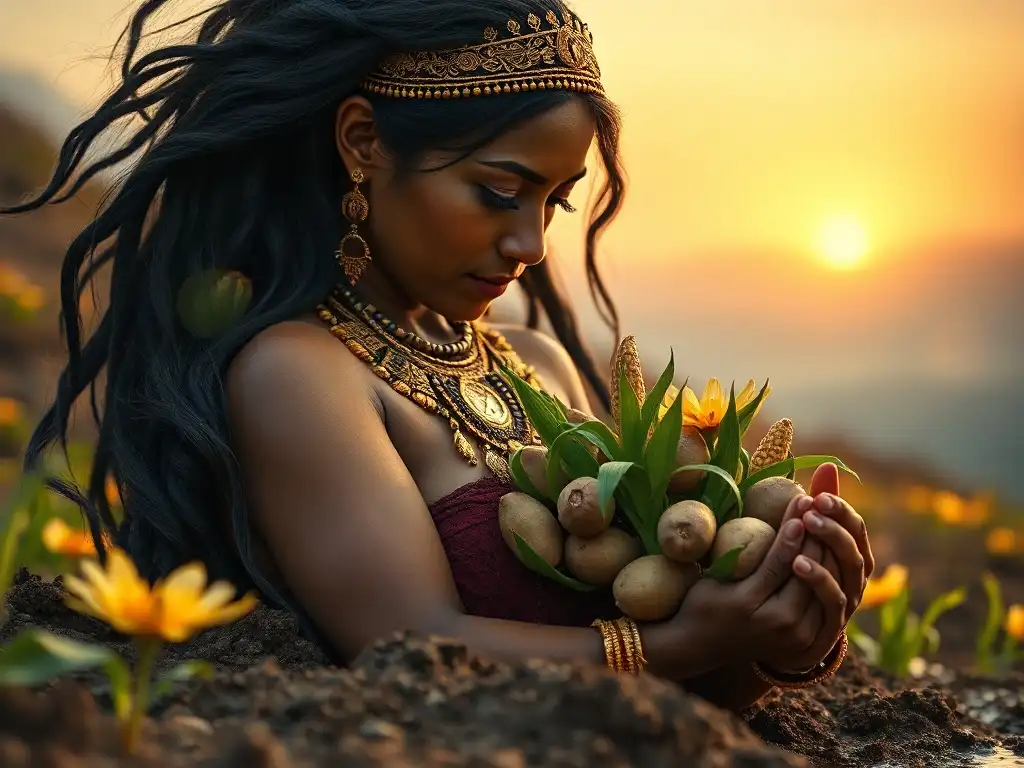
Pachamama, meaning "Earth Mother," was arguably the most important deity in the Inca pantheon. She wasn't merely a goddess of the earth; she embodied the very essence of fertility, abundance, and the life-giving power of the land. Inca cosmology and beliefs centered heavily around Pachamama, as their agricultural society depended entirely on her benevolence. Farmers offered coca leaves, chicha (a fermented corn beverage), and other offerings directly to the earth, imploring Pachamama for bountiful harvests.
These offerings weren't symbolic; they were seen as direct sustenance for the Earth Mother, a vital exchange ensuring the continued prosperity of the Inca people. Failure to appease Pachamama could result in crop failures, earthquakes, or other natural disasters, highlighting the crucial role she played in their daily lives and their understanding of the world. The reverence for Pachamama extended beyond agriculture; she was also associated with the underworld and the cyclical nature of life and death, representing both creation and destruction.
Her image wasn't depicted in a singular, anthropomorphic form, but rather represented through the land itself – mountains, valleys, and fertile fields were all manifestations of her power. This deep connection to the land fostered a profound respect for the environment and a sustainable approach to agriculture, practices that are still relevant today. The Inca's deep understanding of Inca cosmology and beliefs regarding Pachamama demonstrates a sophisticated worldview deeply intertwined with the natural world.
Viracocha: The Creator God
Viracocha, often depicted as a bearded, powerful figure, holds a prominent position in Inca cosmology and beliefs as the creator god. Unlike Pachamama, whose influence was primarily localized, Viracocha's power extended across the entire cosmos. He is credited with creating the sun, moon, stars, and the earth itself, shaping the landscape and bringing forth humanity. Different Inca communities might have varied narratives surrounding Viracocha's creation myth, but the core belief in his supreme creative power remained consistent.
Some accounts describe him emerging from Lake Titicaca, while others portray him as a celestial being who descended to Earth. Regardless of the specific origin story, Viracocha's role as the ultimate creator solidified his position at the apex of the Inca pantheon. His power extended beyond creation; he was also seen as a god of civilization, attributed with teaching humans the arts, agriculture, and social structures. Interestingly, some accounts depict Viracocha as disappearing after completing his creative work, leaving behind a legacy of mystery and awe.
This absence might symbolize the unknowable nature of ultimate creation or perhaps the cyclical nature of creation and destruction inherent in Inca cosmology and beliefs. The veneration of Viracocha, therefore, was not just about worship; it was an acknowledgment of the cosmic order and the profound mysteries of existence, a testament to the intricate and sophisticated nature of Inca religious thought. The enduring presence of Viracocha in Inca mythology underscores his significance as the supreme creator and the architect of the Inca world.
The Inca Concept of the Universe
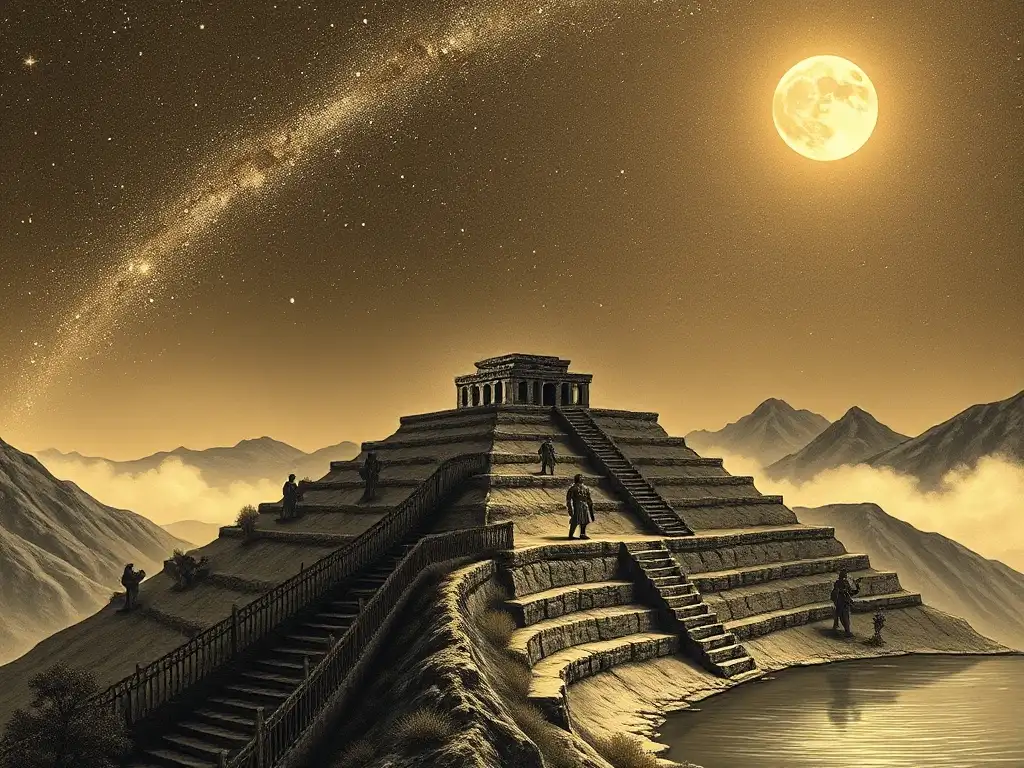
The Inca worldview, a complex tapestry woven from observation of the natural world and spiritual beliefs, shaped every aspect of their lives. Understanding Inca cosmology and beliefs is crucial to grasping their sophisticated social structures, intricate agricultural practices, and awe-inspiring architecture. Their perception of the universe wasn't a static entity but a dynamic interplay of forces, a constant negotiation between the earthly and the spiritual realms.
This intricate system of beliefs, encompassing a hierarchical cosmos and a pantheon of deities, provided a framework for understanding their place within the grand order of existence. Key to this understanding is the tripartite division of the universe: Hanan Pacha, Kay Pacha, and Uku Pacha.
Hanan Pacha: The Upper World of Gods
Hanan Pacha, the upper world, was the realm of the gods, celestial beings, and powerful spirits. It was a place of radiant light, eternal sunshine, and immeasurable power. The sun god, Inti, reigned supreme in this celestial sphere, considered the most important deity in the Inca pantheon. Inti was not merely a distant deity; he was seen as the ancestor of the Inca royal lineage, a powerful symbol of authority and legitimacy. His daily journey across the sky mirrored the cyclical nature of life, death, and rebirth.
The celestial bodies—the sun, moon, stars, and planets—were revered as divine entities, each possessing its own unique influence and significance. Observations of these celestial bodies were crucial for agricultural planning, religious rituals, and political decision-making. Astronomical knowledge was highly valued, with specialized priests meticulously tracking the movements of the stars and interpreting their celestial messages.
This intricate understanding of astronomy and its integration into religious practice highlights the deep connection between the earthly and heavenly realms in Inca cosmology and beliefs. Furthermore, constellations and celestial events were often linked to specific deities and myths, enriching the symbolic language of the heavens. For example, the Milky Way was often associated with a sacred river or path connecting the different levels of the cosmos.
Kay Pacha: The Middle World of Humans
Kay Pacha, the middle world, is where the Inca lived, a realm of both beauty and hardship. This was the world of human activity, encompassing the physical environment, social structures, and daily life. It was a realm of balance, where the interaction between humans and the natural world was paramount.
The Inca believed that maintaining harmony within Kay Pacha was essential for ensuring prosperity and avoiding misfortune. Agricultural practices were deeply intertwined with religious rituals, aimed at appeasing the spirits and ensuring bountiful harvests. The Inca’s sophisticated irrigation systems and terraced agriculture were not merely technological achievements but also expressions of their respect for the natural world and their understanding of the delicate balance of Kay Pacha.
The Inca worldview emphasized reciprocity—the exchange of goods, services, and respect between individuals and between humans and the supernatural. This concept underpinned their social structure, with a hierarchical system based on reciprocal obligations. The emperor, considered a divine intermediary between the human and divine realms, played a crucial role in maintaining this balance.
The concept of ayni, a system of reciprocal labor, was a cornerstone of Inca society, reflecting the importance of cooperation and mutual support in Kay Pacha. Failure to uphold these reciprocal relationships could lead to disruption in the cosmic order, resulting in natural disasters or social unrest.
Uku Pacha: The Underworld and the Ancestors
Uku Pacha, the underworld, was a realm of mystery and power, home to ancestral spirits and powerful deities. It was not necessarily a place of darkness or punishment but rather a source of life-giving energy and a repository of ancestral wisdom. The Inca revered their ancestors, believing that they continued to exert influence over the living world. Rituals and offerings were performed to honor the ancestors, seeking their guidance and protection. This connection to the ancestors emphasized the continuity of life and the cyclical nature of existence.
The Pachamama, the Earth Mother, was a particularly important deity associated with Uku Pacha. She represented the fertility of the land and the abundance of nature. Appeasing the Pachamama was crucial for ensuring successful harvests and the overall well-being of the community. Offerings of food, drink, and coca leaves were frequently made to the Pachamama, demonstrating the Inca’s deep respect for the earth and their understanding of its life-giving power.
The underworld was also associated with various subterranean deities and spirits, reflecting the Inca’s awareness of the geological forces shaping their environment. The connection to Uku Pacha underscores the Inca’s holistic worldview, recognizing the interconnectedness of the different realms and the importance of maintaining balance across the entire cosmos. The reverence shown to Uku Pacha, in all its multifaceted aspects, demonstrates the depth and complexity of Inca cosmology and beliefs.
The Inca Sacred Places and Rituals
The Inca worldview, a complex tapestry woven from intricate cosmology and beliefs, found its physical manifestation in sacred places and elaborate rituals. Understanding these aspects is crucial to grasping the depth of Inca cosmovisión. Their relationship with the natural world wasn't merely utilitarian; mountains, rivers, and even specific rocks held profound spiritual significance, acting as conduits to the divine.
The Inca's profound respect for their environment shaped their daily lives and their understanding of the universe's order. This deep connection is reflected in their meticulous planning of cities and agricultural practices, aligning perfectly with their cosmological beliefs. The concept of ayni, reciprocal exchange, extended not only to human interactions but also to their relationship with the sacred landscape.
Huacas: Sacred Sites and Their Significance
Huacas, a term encompassing a vast array of sacred sites, formed the cornerstone of Inca religious practice. These weren't simply aesthetically pleasing locations; they were imbued with spiritual power, believed to be dwelling places of deities or ancestral spirits. Mountains, especially those with snow-capped peaks, were considered particularly potent huacas, representing the connection between the earthly and celestial realms. These majestic peaks were often associated with specific deities, like the mountain god Apu.
Other huacas included springs, caves, rocks with unusual shapes, and even certain trees. The Inca meticulously maintained and venerated these sites, offering sacrifices and performing rituals to maintain the balance of the cosmos and ensure bountiful harvests. The selection of a huaca wasn't arbitrary; it was often based on perceived supernatural phenomena, ancestral traditions, or the site's geographical location within the broader landscape.
For example, a spring emerging from a mountainside might be considered a particularly powerful huaca, symbolizing the life-giving forces of nature. The Inca's meticulous record-keeping, though largely lost to time, would undoubtedly have documented the specific significance of numerous individual huacas across their vast empire. Further research into surviving archaeological records could reveal much more about the specific rituals and practices associated with individual huacas.
The Role of Priests and Priestesses in Inca Society
The Inca religious system relied heavily on a complex hierarchy of priests and priestesses, known as hamacas, who acted as intermediaries between the human and divine worlds. These individuals were responsible for interpreting omens, conducting rituals, and maintaining the sacred sites. Their expertise was highly valued, and they often held significant political influence. The wilaq uma, or "wise men", were particularly revered, possessing profound knowledge of Inca cosmology and beliefs. Their roles extended beyond simple religious duties; they served as advisors to the Sapa Inca, offering guidance on matters of state.
The training of these religious specialists was rigorous and demanding, often involving years of apprenticeship and dedicated study. They were expected to possess a deep understanding of Inca mythology, astrology, and the intricate rituals associated with the various huacas. The selection process was likely highly selective, emphasizing qualities such as spiritual insight, intellectual acumen, and unwavering devotion to the Inca gods.
The precise details of their training and selection process remain partially obscured by the passage of time, but archaeological finds and surviving accounts offer glimpses into this fascinating aspect of Inca society. Detailed analysis of these sources is needed to fully understand the intricacies of religious leadership in the Inca empire.
Inca Rituals and Ceremonies: Connecting with the Divine
Inca rituals and ceremonies were integral to their daily lives, providing a framework for maintaining cosmic harmony and ensuring prosperity. These ceremonies, often elaborate and visually stunning affairs, ranged from small, everyday offerings to large-scale public festivals. The capacocha, a ritual involving the sacrifice of children and young adults, stands out as one of the most striking examples, though its exact significance remains a subject of ongoing scholarly debate. These sacrifices were believed to appease the gods and ensure the well-being of the empire, a testament to the profound power attributed to these rituals.
Smaller, more frequent rituals included offerings of coca leaves, chicha (a fermented corn beverage), and other goods to the huacas and deities. These offerings weren't merely gestures of appeasement; they were acts of reciprocity, reflecting the Inca belief in ayni. The meticulous nature of these rituals, from the preparation of offerings to the precise choreography of the ceremonies, underscores their importance in maintaining the cosmic balance.
Further research into surviving archaeological evidence, including analysis of ritual objects and the spatial arrangement of ceremonial sites, could shed more light on the precise details and symbolism of Inca religious practices. The complexity and significance of these rituals attest to the profound spiritual depth of Inca cosmology and beliefs.
Offerings and Sacrifices in Inca Religious Practices
Inca religious practices were deeply intertwined with the concept of reciprocity, ayni, a fundamental principle governing their social and cosmic order. This principle extended to their relationship with the gods and spirits, demanding continuous offerings and sacrifices to maintain cosmic balance and ensure prosperity. These weren't simply acts of appeasement; they were expressions of gratitude, respect, and a reaffirmation of the interconnectedness between the human and divine realms. The Incas believed that by offering gifts to the deities, they secured their favor and protection, ensuring bountiful harvests, successful hunts, and the overall well-being of their communities.
The nature of offerings varied considerably depending on the occasion and the deity being honored. Simple offerings might include coca leaves, maize, chicha (a fermented corn beverage), and other agricultural products, reflecting the importance of agriculture in Inca life. More elaborate ceremonies, particularly those associated with significant events like solstices or the installation of a new ruler, involved far grander sacrifices.
These could include llamas, alpacas, or even human sacrifices, though the latter were reserved for extremely important occasions and were far less frequent than popular imagination might suggest. Archaeological evidence, while sometimes debated, points to a more nuanced understanding of human sacrifice within Inca cosmology, often tied to specific rituals and linked to the maintenance of the cosmic order rather than simply brutal acts of violence. The selection of human sacrifices was often based on perceived purity and social standing.
The location of these offerings was also crucial. Sacred sites, such as mountaintops, caves, and springs, served as focal points for ritual activity. These locations were believed to be points of connection between the human and spiritual worlds, making them ideal spaces for communicating with the gods and spirits. The specific rituals involved intricate procedures, often overseen by priests ( wilaq uma) who were highly trained in the performance of ceremonies and the interpretation of omens.
These rituals frequently involved processions, music, and dancing, creating a powerful and evocative atmosphere intended to strengthen the bond between the human and divine. The meticulousness of the rituals underscores the profound importance placed upon maintaining a harmonious relationship with the supernatural realm. Furthermore, the Inca believed that the act of offering itself was a powerful act of communication, a tangible demonstration of their respect and devotion.
The very act of giving was a form of prayer, a way to actively participate in sustaining the balance of the cosmos. The absence of offerings, conversely, was believed to invite misfortune and disrupt the delicate equilibrium upon which their society depended. Therefore, the continuity of offerings was not just a religious practice, but a vital component of Inca social life and its cosmological framework.
The Inca Calendar and Its Connection to Cosmovision
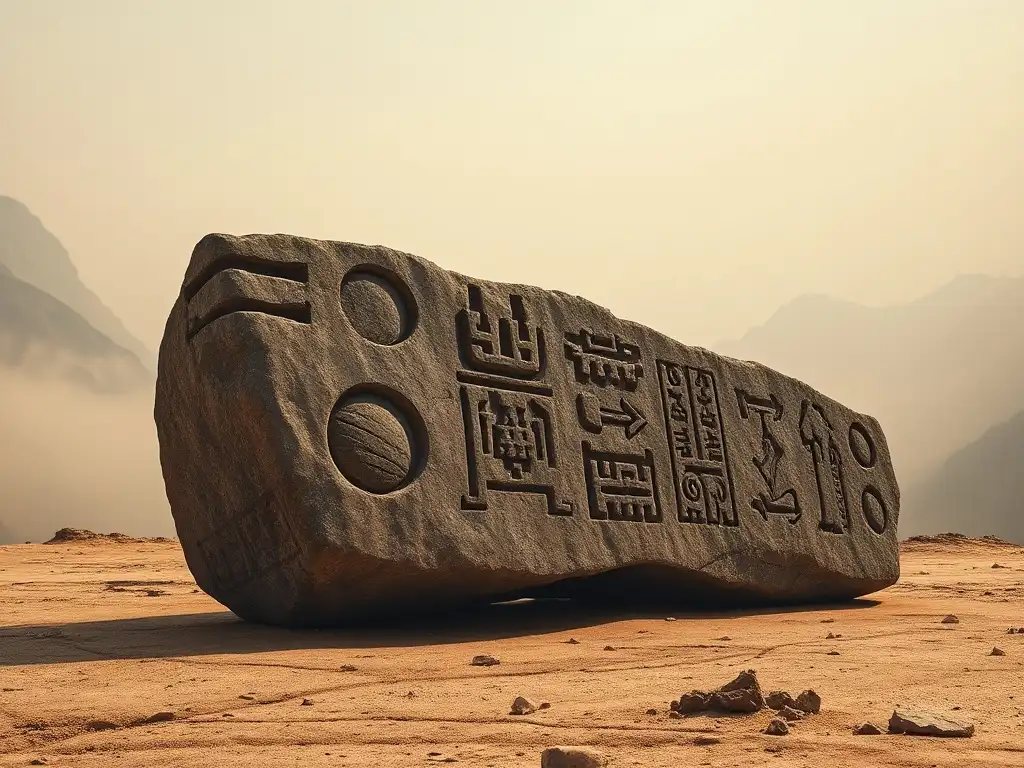
The Inca calendar, unlike the rigid, fixed calendars of many other ancient civilizations, was deeply intertwined with their intricate cosmovision. It wasn't a static system of dates and months but rather a dynamic reflection of the cyclical nature of life, mirroring the movements of the sun, moon, and stars, and profoundly influencing their agricultural practices and religious beliefs. This understanding of time and its celestial connections formed the very foundation of their worldview, shaping their social structure and daily lives.
The Inca calendar wasn't just a tool for scheduling; it was a sacred instrument connecting the human world to the divine. Its accuracy and complexity reveal a sophisticated understanding of astronomy and its influence on the terrestrial realm.
The Inca's keen observation of celestial bodies allowed them to predict agricultural cycles with remarkable precision, contributing to the empire's success and stability. This intricate system underscores the deeply spiritual nature of their relationship with the cosmos.
The Inca Agricultural Cycle and Religious Festivals
The Inca agricultural cycle was inextricably linked to their religious festivals and calendar. The capacocha (a ritual sacrifice) and other ceremonies weren't arbitrary events; they were meticulously timed to coincide with key agricultural moments, such as planting and harvesting. The most important festivals were often associated with the solstices and equinoxes, marking the turning points in the agricultural year. For example, the Inti Raymi (Festival of the Sun), celebrated at the winter solstice, was a major event that involved elaborate rituals and offerings to the sun god, Inti, to ensure a bountiful harvest.
These festivals weren't merely celebrations; they were crucial rituals designed to maintain the cosmic balance and ensure the continuity of life. The precise timing of these events demonstrates the Incas’ sophisticated understanding of the interplay between celestial cycles and agricultural productivity. The success of their agricultural system, which sustained a large population, depended heavily on their accurate predictions and the subsequent religious observances. Failure to perform these rituals correctly was believed to disrupt the cosmic harmony and lead to crop failures or other misfortunes.
The intricate relationship between the calendar, agricultural practices, and religious festivals provides a powerful insight into the Inca's holistic approach to life and their deeply ingrained cosmovision. Detailed records of these festivals, unfortunately, are scarce due to the destruction of Inca records following the Spanish conquest. Further research is needed to fully understand the nuances of this complex system.
The Significance of Time and Cycles in Inca Beliefs
The Inca concept of time wasn't linear but cyclical, reflecting the continuous renewal of life and the universe. They perceived time as a series of repeating cycles, each mirroring the others. This cyclical understanding is reflected in their agricultural practices, their religious beliefs, and their social organization. The cyclical nature of the seasons, the movement of the celestial bodies, and the life and death cycles of plants and animals all reinforced this worldview.
The Incas believed that maintaining harmony within these cycles was crucial for the well-being of the empire. Disruptions to these cycles, whether through natural events or human actions, were seen as threats to the cosmic order. This understanding of time shaped their perception of the universe and their place within it. It also influenced their social structures, ensuring that everyone played their part in maintaining the cyclical harmony.
The emphasis on cyclical time reflects a deep connection to nature and a profound understanding of the interconnectedness of all things within their cosmovision. This holistic approach to life, deeply rooted in their understanding of cyclical time, is a hallmark of Inca cosmology and beliefs. Their sophisticated astronomical observations and agricultural practices are a testament to the practical applications of this philosophical concept. Understanding the significance of cycles in Inca beliefs is crucial to understanding their entire worldview, from their religious practices to their social organization.
Inca Ancestral Worship and the Afterlife
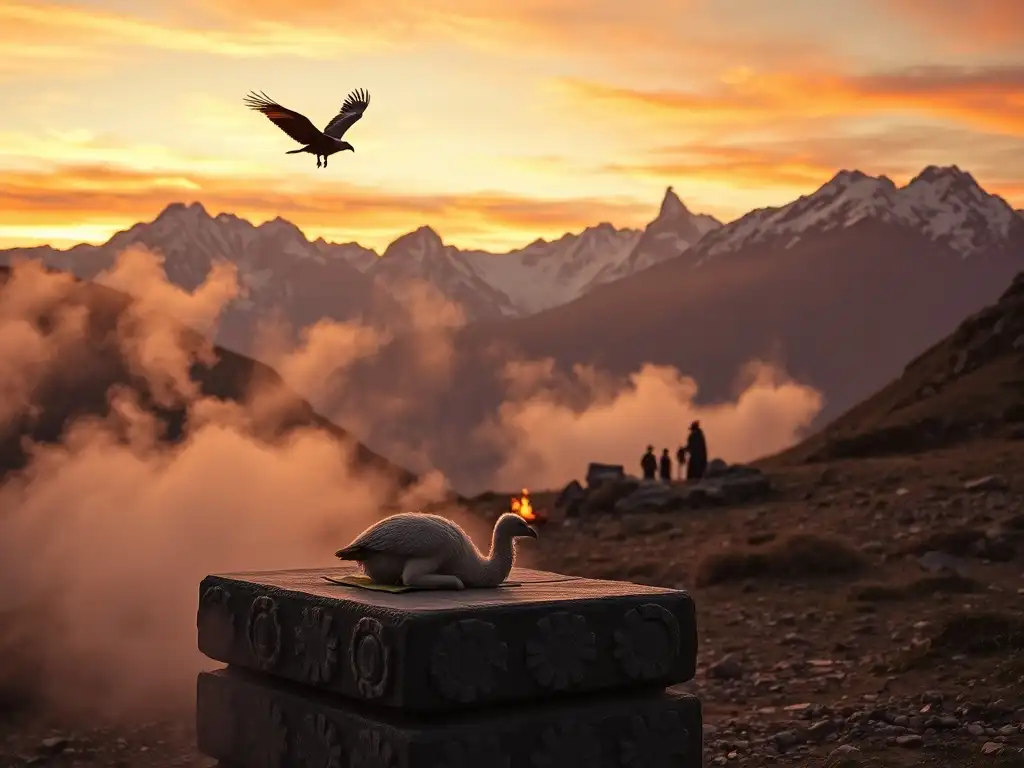
The Inca worldview, a complex tapestry woven from cosmology and beliefs, placed immense importance on ancestor veneration. This wasn't merely a ritualistic practice; it was a fundamental pillar supporting the Inca's social structure, political power, and understanding of the cosmos. Their cosmology and beliefs were intrinsically linked to the belief that the living and the dead coexisted, interacting in subtle yet significant ways.
The ancestors, considered powerful intermediaries between the human world and the divine, were believed to hold sway over harvests, health, and the overall prosperity of their descendants. This deep-seated reverence shaped daily life, influencing everything from agricultural practices to political decisions. Understanding Inca ancestor worship is crucial to grasping the intricacies of their cosmology and beliefs.
The Importance of Ancestor Veneration
Ancestor veneration in Inca society wasn't a passive act of remembrance. It involved elaborate rituals, offerings, and the careful preservation of ancestral remains. Mummies, often adorned with fine textiles and jewelry, were kept in specially constructed mausoleums or within the homes of their descendants. These weren't simply inert relics; they were believed to be active participants in the lives of the living, capable of influencing events and offering guidance.
Regular offerings of food, coca leaves, and chicha (a fermented maize beverage) were presented to appease and honor the ancestors, ensuring their continued favor. The Inca believed that neglecting their ancestors could lead to misfortune and disruption of the natural order. This system fostered a strong sense of continuity and collective identity, connecting generations across time. The survival and prosperity of the Inca empire were intrinsically linked to the proper veneration of their ancestors, demonstrating the profound influence of this belief system on their society.
Specific rituals varied across different regions and social classes, but the core principle of maintaining a vital connection with the ancestors remained consistent throughout the empire. Further research is needed to fully document the regional variations in ancestral practices. [Specific information pending on regional variations in ancestral rituals].
Inca Beliefs about Death and the Spirit World
Inca cosmology and beliefs surrounding death were intricately intertwined with their understanding of the afterlife. Death wasn't viewed as a complete cessation of existence but rather a transition to another realm. The spirit, or suni, continued to exist, albeit in a different form, and retained the capacity to influence the world of the living. The journey of the suni after death was believed to be influenced by the individual's life and actions.
Those who lived virtuous lives and fulfilled their social obligations were expected to have a smoother transition and a more favorable existence in the afterlife. Conversely, those who violated societal norms or committed transgressions might face a less pleasant fate. The specific nature of the afterlife is not fully understood, but archeological evidence suggests a belief in a subterranean world inhabited by spirits and deities. The pachamama, or Earth Mother, played a significant role in these beliefs, embodying the fertility of the land and the cyclical nature of life and death.
The Inca’s careful treatment of the deceased, evidenced by the elaborate mummification processes and the construction of elaborate tombs, reflects their profound respect for the deceased and the belief in their continued importance in the cosmic order. This reverence for the dead, integrated deeply into their cosmology and beliefs, highlights the holistic nature of the Inca worldview, where the living and the dead were inextricably connected. The detailed nature of these beliefs and practices continues to be a subject of ongoing scholarly investigation, offering a glimpse into the rich spiritual tapestry of this remarkable civilization. 🪦
The Legacy of Inca Cosmovision
The Inca cosmovision, a complex system of beliefs encompassing the relationship between humanity, the natural world, and the divine, continues to resonate profoundly in the Andes. Understanding its legacy requires moving beyond simplistic interpretations and delving into the nuanced ways in which Inca beliefs shaped, and continue to shape, Andean life. The intricate tapestry woven from celestial observations, ancestor veneration, and the profound respect for Pachamama (Mother Earth) persists, albeit transformed over centuries of interaction with other cultures and the impact of colonization.
This enduring influence is most evident in the enduring spiritual practices and cultural expressions of contemporary Andean communities. The Inca's sophisticated understanding of the cosmos, their intricate social structures built upon a cosmological framework, and their profound reverence for the land all contributed to a unique worldview that continues to inspire awe and fascination.
The Enduring Influence of Inca Beliefs in the Andes
The Inca empire's collapse didn't erase its cosmological imprint. In fact, many elements of Inca cosmology survived and integrated with pre-existing Andean beliefs, resulting in a syncretic spiritual landscape. For example, the veneration of apus (mountain spirits), a crucial element of Inca religion, remains central to many Andean communities' spiritual practices. These powerful deities, believed to influence weather patterns, agricultural yields, and the overall well-being of the community, are still appeased through rituals and offerings.
Similarly, the concept of Pachamama, the life-giving Earth, continues to be deeply revered, influencing agricultural practices and shaping daily life. Farmers still perform rituals to ensure bountiful harvests, demonstrating the continuing relevance of Inca cosmological principles. Furthermore, the use of coca leaves, a sacred plant in Inca ritual, persists in many Andean communities for both spiritual and medicinal purposes. The legacy of Inca cosmology isn't simply a historical artifact; it's a living tradition.
Contemporary Indigenous Practices and Inca Beliefs
Contemporary indigenous communities in the Andes actively maintain and adapt Inca cosmological beliefs. These practices aren't static; they are dynamic expressions of faith shaped by both ancient traditions and modern realities. For example, the ayni, a principle of reciprocity central to Inca society, continues to inform social relationships and economic exchange in many communities.
This concept emphasizes mutual support and cooperation, reflecting the Inca's emphasis on communal well-being. Moreover, many traditional festivals and ceremonies, even those with pre-Inca roots, incorporate elements of Inca cosmology. These celebrations often involve rituals aimed at honoring Pachamama, appeasing apus, and ensuring the continuity of life.
These practices underscore the enduring relevance of Inca beliefs in shaping the spiritual and social fabric of modern Andean life. The vibrant continuation of these traditions highlights the resilience and adaptability of Inca cosmology in the face of historical and societal changes. Anthropological studies consistently reveal the deep integration of Inca beliefs into modern Andean spiritual life.
The Preservation of Inca Cultural Heritage
The preservation of Inca cultural heritage is crucial for understanding and appreciating the richness of Inca cosmology and beliefs. Efforts to protect and promote Inca archaeological sites, such as Machu Picchu and Sacsayhuamán, are essential for safeguarding tangible evidence of this sophisticated civilization and its worldview. Furthermore, supporting and documenting contemporary indigenous practices that reflect Inca cosmological principles is equally important.
This includes documenting traditional rituals, ceremonies, and oral histories that transmit knowledge across generations. Museums and research institutions play a vital role in preserving and interpreting artifacts and textual evidence related to Inca cosmology. Educational initiatives aimed at raising awareness about Inca cosmology and its enduring influence are also critical for ensuring its survival and promoting cross-cultural understanding.
Protecting this heritage not only preserves a significant part of human history but also contributes to the preservation of diverse cultural identities and living traditions. The ongoing study and preservation of Inca cosmology are vital for a complete understanding of Inca civilization and its lasting impact on the Andean world.
Frequently Asked Questions
What was the most important aspect of Inca cosmology?
The most important aspect was the concept of reciprocity (ayni) between humans and the divine world. Maintaining balance and harmony through offerings and rituals was crucial. This ensured the continuation of life and prosperity.
How did the Inca view the universe?
The Inca viewed the universe as a structured and interconnected system, with three distinct realms: the upper world (Hanan Pacha), the human world (Kay Pacha), and the underworld (Ukhu Pacha). These realms were believed to be interconnected and influenced each other.
What role did mountains play in Inca cosmology?
Mountains were considered sacred places, often dwelling places of powerful deities or spirits. They were vital for maintaining balance in the cosmos and were the subject of many rituals and offerings. Apus, or mountain spirits, held significant power.
What were some important Inca deities?
Important deities included Inti, the sun god, and Mama Killa, the moon goddess. Other deities represented various aspects of nature, like Viracocha, the creator god, and Pachamama, the earth mother. These gods influenced all aspects of Inca life.
How did Inca beliefs influence their daily lives?
Inca cosmology permeated all aspects of daily life. Rituals and ceremonies were performed regularly to maintain harmony and ensure agricultural success. This worldview shaped their social structure, art, and architecture.
Final Reflection: Echoes of the Andes: A Legacy of Cosmic Harmony
The Inca's profound understanding of the cosmos, far from being a relic of the past, offers a powerful lens through which to examine our own relationship with the natural world. Their intricate cosmology, woven from threads of celestial observation, spiritual reverence, and societal structure, continues to resonate with contemporary concerns about environmental stewardship and the search for meaning in a complex world.
The Inca's deep connection to the Andes, their belief in the interconnectedness of all things – from the towering mountains to the smallest insect – serves as a potent reminder of our own embeddedness within a larger ecosystem. The universe is not a machine, but a living organism,
a sentiment echoed across many indigenous cosmologies, including that of the Inca, speaks to the urgency of respecting the delicate balance of nature. Their sophisticated understanding of astronomy, used not just for practical purposes but for spiritual guidance, challenges our modern tendency to separate science and spirituality, highlighting the potential for a more holistic worldview.
Consider the Inca's reverence for Pachamama, Mother Earth, and how this concept translates to our modern environmental challenges. Their intricate system of ayllu, community-based living, offers a model for sustainable living and social harmony. You, the reader, are now equipped with a deeper understanding of this rich cosmology. Let this knowledge inspire you to cultivate a more mindful and interconnected relationship with the world around you, fostering a sense of responsibility and respect for the intricate web of life that sustains us all.
Embrace the Wisdom of the Inca: Act Now!
Thank you for exploring the fascinating world of Inca cosmology! You've discovered the profound connections between their beliefs, the natural world, and the cosmos. Now, let's build on this knowledge and apply it to your life.
Here are some ways you can delve deeper:
- Visit local museums or historical societies to experience Inca artifacts firsthand and bring their history to life.
- Join online forums or in-person discussions with others interested in Andean cultures to share your insights and learn from diverse perspectives.
- Consider a guided tour of significant Inca sites; immerse yourself in the stunning landscapes and rich history of this ancient civilization.
As you reflect on this rich cosmology, we invite you to share your thoughts: **How can the Inca worldview transform your understanding of nature and spirituality in the modern world? **