
Ollantaytambo: A Royal Estate and Fortress

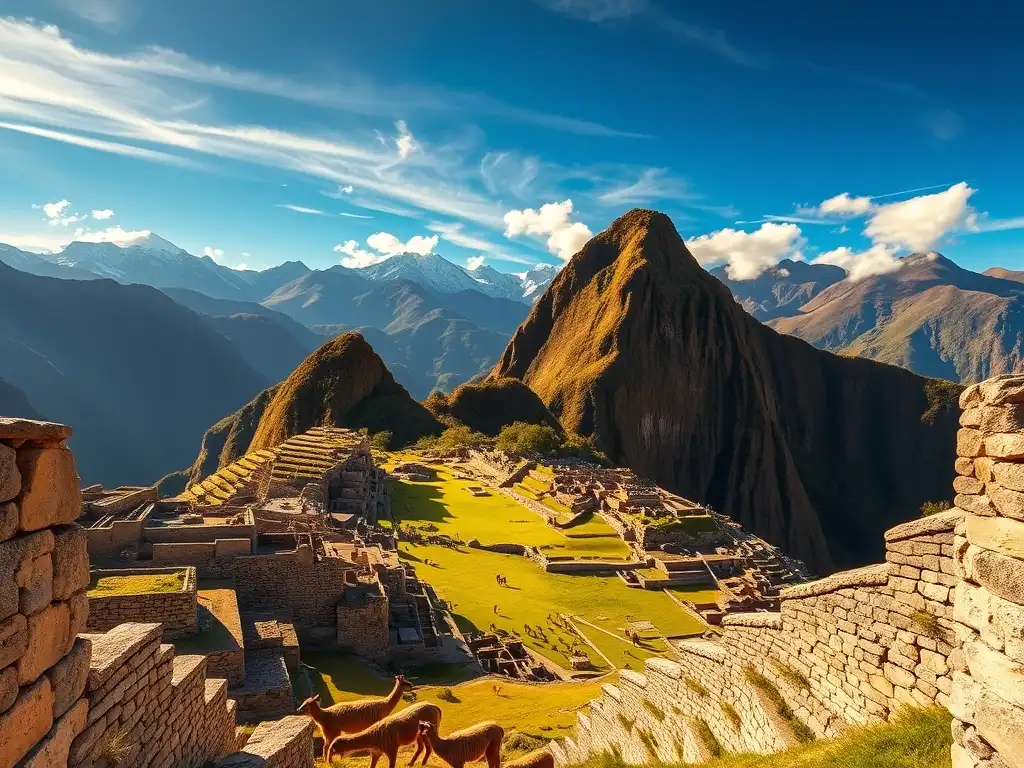
Step into a world lost to time, where majestic mountains meet breathtaking ingenuity. Dive into the captivating history of the Andean civilizations, uncovering their remarkable achievements in art, technology, and societal structure. But prepare to be amazed by Ollantaytambo, a royal estate and fortress that whispers secrets of Inca power and resilience. Its story, a testament to the Incas' architectural prowess and strategic brilliance, awaits your discovery. Unravel the mysteries of Ollantaytambo Inca history – your journey begins now.
- Ollantaytambo: Unveiling the Secrets of a Royal Inca Estate
- The Strategic Location of Ollantaytambo
- Ollantaytambo as a Royal Estate
- The Fortress of Ollantaytambo
- Exploring the Architectural Marvels of Ollantaytambo
- Ollantaytambo's Agricultural Terraces: A Testament to Inca Ingenuity
- The Legacy of Ollantaytambo in Andean Culture
- Visiting Ollantaytambo Today: A Journey Through Inca History
- Frequently Asked Questions
- Final Reflection: Ollantaytambo's Enduring Legacy
- Unlock the Secrets of Ollantaytambo!
Ollantaytambo: Unveiling the Secrets of a Royal Inca Estate
Ollantaytambo, nestled in the Sacred Valley of Peru, stands as a testament to the Inca Empire's architectural prowess and strategic brilliance. More than just a picturesque town, Ollantaytambo represents a meticulously planned royal estate and imposing fortress, showcasing the sophisticated engineering and organizational capabilities of the Inca civilization.
This article delves into the rich history of Ollantaytambo, exploring its significance within the broader context of Inca expansion and consolidation of power, examining its unique features, and highlighting its enduring legacy. Understanding Ollantaytambo provides crucial insight into the Inca's mastery of stonework, agricultural practices, and military strategy, all key factors contributing to the empire's remarkable growth and longevity.
We will explore how Ollantaytambo's strategic location and impressive defenses played a critical role in the Inca's ability to control the vital agricultural resources of the Sacred Valley and maintain their dominance over the region. This exploration will illuminate the intricate relationship between Inca power, territorial control, and the remarkable achievements in architecture and urban planning embodied by Ollantaytambo.
Understanding Ollantaytambo's Significance in Inca History
Ollantaytambo's historical importance is multifaceted. It served not only as a significant military stronghold but also as a crucial administrative center and a royal estate. Its strategic location, controlling access to the fertile lands of the Sacred Valley and key routes to other parts of the empire, made it an invaluable asset.
The impressive agricultural terraces, meticulously carved into the mountainside, demonstrate the Inca's sophisticated understanding of water management and agricultural techniques, crucial for sustaining a large population and a powerful army. These terraces, still productive today, represent a remarkable feat of engineering and a testament to the Inca's ability to adapt their environment to their needs. Furthermore, the presence of royal palaces and religious structures within the complex points to its importance as a center of Inca power and religious authority.
The very existence of Ollantaytambo reflects the Inca's ability to seamlessly integrate military, agricultural, and religious aspects of their society into a single, cohesive unit. The site's enduring legacy as a symbol of Inca resistance against the Spanish conquistadors further solidifies its position as a pivotal location in the history of the Andean world.
The Architectural Marvels of Ollantaytambo
The architecture of Ollantaytambo is breathtaking. Massive, precisely cut stones, some weighing many tons, were expertly fitted together without mortar, a testament to the Inca's advanced understanding of stonework and engineering. The precision and scale of the construction are truly remarkable, particularly considering the tools and techniques available to them.
The impressive terraces, the intricately carved walls, and the monumental structures all demonstrate a level of skill and organization rarely seen in ancient civilizations. Specific examples, such as the "Sun Temple" with its massive stones, and the intricate water channels integrated into the terraces, highlight the sophistication of Inca engineering and planning.
The sheer size and complexity of the site, covering a vast area and incorporating multiple levels and functions, underscore the significant resources and manpower dedicated to its construction and maintenance. The uniformity and precision of the stonework speak to the highly organized and skilled workforce employed by the Inca Empire.
Ollantaytambo as a Military Fortress
Ollantaytambo's strategic importance as a military stronghold is undeniable. Its location, commanding a narrow pass through the mountains, made it a natural defensive position. The complex's design incorporates numerous defensive features, including strategically placed walls, narrow passageways, and hidden pathways, designed to funnel and trap attackers. The sheer size and strength of the walls, combined with their strategic placement, would have made Ollantaytambo a formidable obstacle for any invading army.
Historical accounts of the Inca resistance against the Spanish conquistadors at Ollantaytambo highlight the site's effectiveness as a military fortress. The battle of Ollantaytambo, though ultimately a Spanish victory, showcased the tenacious defense put up by the Inca forces, underscoring the strategic importance and defensive capabilities of the site. The layout of the fortress, with its multiple levels and defensive positions, reflects a sophisticated military strategy designed to maximize defensive capabilities.
Ollantaytambo's Legacy and Enduring Importance
Ollantaytambo's legacy extends far beyond its impressive architecture and strategic importance. It remains a significant cultural and historical site, attracting visitors from around the world. The site's preservation and ongoing archaeological research continue to provide valuable insights into Inca civilization. The site’s enduring popularity as a tourist destination highlights its continued relevance and cultural significance.
Moreover, the ongoing study of Ollantaytambo contributes significantly to our understanding of Inca society, technology, and culture. The site serves as a potent reminder of the ingenuity and resilience of the Inca people and their remarkable contribution to human history. The preservation efforts at Ollantaytambo are crucial for ensuring that this invaluable piece of history continues to inspire and educate future generations. The continued study and appreciation of Ollantaytambo are essential for understanding the richness and complexity of the Inca Empire.
The Strategic Location of Ollantaytambo
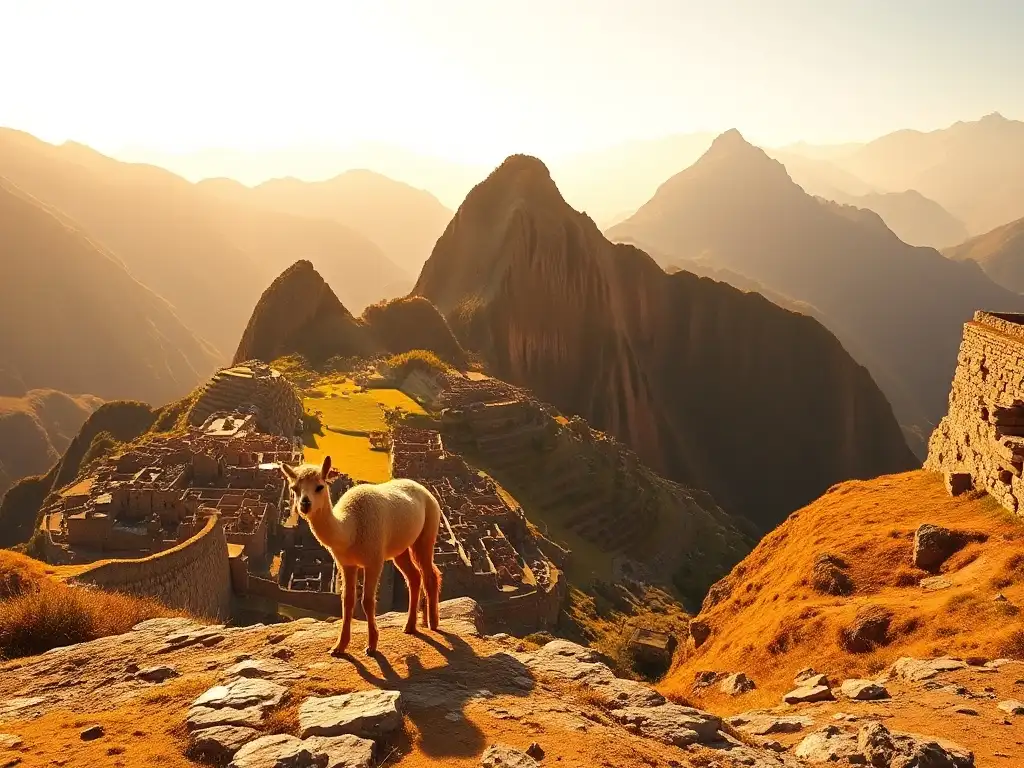
Ollantaytambo's strategic importance within the Inca Empire cannot be overstated. Its location played a crucial role in the empire's expansion, consolidation, and ultimately, its survival. Understanding Ollantaytambo's geography is key to understanding its significance in Inca history.
This section will delve into the geographical and military advantages that made Ollantaytambo such a vital site for the Inca. The careful selection of this location reflects the sophisticated understanding of terrain and resource management characteristic of Inca engineering and military strategy. Ollantaytambo's placement within the Urubamba Valley highlights the Inca's mastery of utilizing natural features for both defensive and agricultural purposes, a key element of their overall power.
Ollantaytambo's Geographical Importance in the Sacred Valley
Nestled high in the Sacred Valley of the Andes, Ollantaytambo commands a breathtaking vista. Its position at the confluence of several valleys provided crucial control over trade routes and access to vital resources. The site's elevation offered a natural defense against invaders, providing ample warning of approaching armies.
This strategic vantage point, combined with its proximity to agricultural lands and water sources, ensured the site's viability as a thriving administrative center and military stronghold. The fertile lands surrounding Ollantaytambo provided ample resources for sustenance, supporting a large population and enabling the accumulation of surplus goods for the Inca state. This abundance was essential for the functioning of the empire and for maintaining its control over the region.
The river Urubamba, flowing through the valley, provided irrigation for agriculture and a vital transportation route. The Inca's understanding of this geographical context is evident in the careful planning and execution of the Ollantaytambo complex. The sheer scale of agricultural terraces, intricately carved into the mountainside, is a testament to their engineering prowess and their dependence on agricultural productivity.
Military and Agricultural Advantages of the Site
Ollantaytambo's defensive capabilities were enhanced by its natural fortifications. The steep mountain slopes and narrow passages leading to the site made it extremely difficult to attack. The Inca further fortified the site with strategically placed walls, terraces, and defensive structures, creating a formidable fortress capable of withstanding prolonged sieges.
The famous "Ollantaytambo's Fortress" is a prime example of Inca military architecture, showcasing the use of massive stone blocks precisely fitted together without mortar, a hallmark of Inca masonry. This complex system of walls and terraces not only served a defensive purpose but also incorporated agricultural features, demonstrating the seamless integration of military and agricultural needs within Inca city planning.
The agricultural advantages of Ollantaytambo are equally significant. The extensive agricultural terraces carved into the mountain slopes maximized arable land, allowing for efficient food production. The Inca's sophisticated irrigation system ensured a consistent water supply, even during dry periods.
This ability to produce a surplus of food was crucial for supporting a large population and for providing resources for the Inca army and administration. The combination of defensive strength and agricultural productivity made Ollantaytambo a highly desirable and strategically important location within the Inca Empire. Its survival as a significant site throughout Inca history underlines the effectiveness of this integrated approach to urban planning and resource management.
The legacy of Ollantaytambo continues to resonate, offering valuable insights into the ingenuity and sophisticated strategies employed by the Inca civilization in their expansion and consolidation of power. Analyzing the site's features provides a deeper understanding of "Ollantaytambo Inca history," revealing the intricate interplay between geography, military strategy, and agricultural practices in the development of the Inca Empire.
Ollantaytambo as a Royal Estate
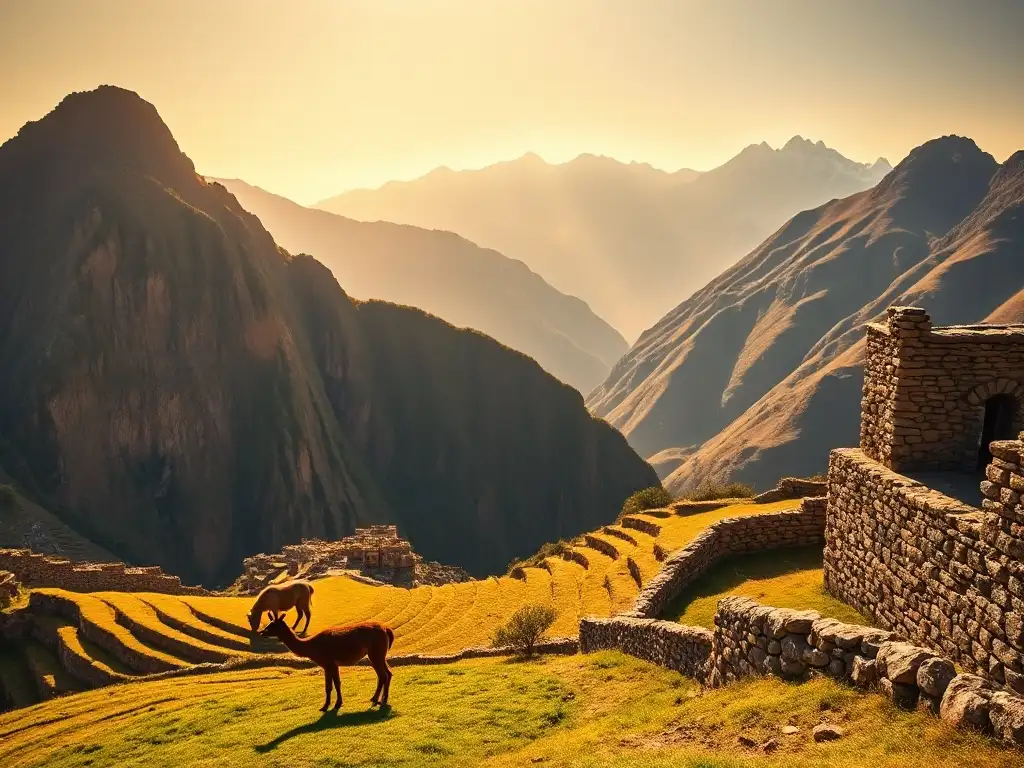
Ollantaytambo's significance within the Inca Empire extends far beyond its impressive defensive capabilities. A crucial aspect of its historical importance lies in its function as a significant royal estate, a testament to Inca power and sophistication. This section delves into the evidence supporting its role as a royal center, exploring the architectural features and the likely purposes served by this multifaceted site.
Understanding Ollantaytambo as a royal estate provides crucial context for comprehending its strategic and symbolic importance within the broader Inca history. The meticulous planning and execution of the complex, showcasing the Inca's mastery of stonework and engineering, further underscores its elevated status. The sheer scale of the construction itself, with its expansive terraces and intricate water management systems, points towards a location of significant royal investment.
Analyzing the available archaeological data, including the types of materials used and the level of craftsmanship, paints a picture of a place designed for imperial comfort and prestige. This contrasts with other sites built primarily for defense or agricultural purposes. The Ollantaytambo Inca history is inextricably linked to its royal function.
The Inca Emperor's Residence and Retreat
The presence of a substantial residential complex within Ollantaytambo strongly suggests it served as a retreat and residence for the Inca emperor and his entourage. Archaeological findings reveal the existence of luxurious structures, distinct from the more utilitarian buildings found elsewhere in the site. These structures likely included private chambers, courtyards, and possibly even baths, indicative of a high level of comfort and privacy befitting an imperial residence.
While the precise layout of the emperor's quarters remains a subject of ongoing research, the scale and quality of the construction in this area clearly differentiate it from the surrounding structures. Furthermore, the strategic location of Ollantaytambo, nestled in a fertile valley with access to abundant resources, would have made it an ideal location for a royal retreat, offering both security and comfort. The presence of extensive agricultural terraces further supports this theory, providing a source of food and sustenance for the imperial household.
Evidence suggests that the agricultural output was not merely for subsistence, but also for the production of high-quality goods, reinforcing the site's status as a royal center. The rich Ollantaytambo Inca history is thus deeply intertwined with its role as an imperial sanctuary.
Architectural Features Reflecting Royal Status
Several architectural features within Ollantaytambo distinctly reflect its royal status. The meticulous craftsmanship evident in the massive, precisely fitted stones is unparalleled in many other Inca sites. The use of exceptionally large stones, some weighing many tons, speaks volumes about the resources and manpower dedicated to the construction, a clear indication of a project of paramount importance.
Furthermore, the intricate carvings and decorative elements found on some of the stones suggest a deliberate effort to create a visually stunning and impressive environment. These architectural details, far beyond the practical needs of a purely functional structure, point to a site designed to project imperial power and prestige. The presence of elaborate water management systems, including sophisticated canals and fountains, further enhances the sense of luxury and refinement associated with a royal residence.
These systems were not merely functional; they were designed to be aesthetically pleasing, demonstrating the Inca's ability to combine practicality with artistic expression. The careful planning and execution of these features, combined with the quality of the materials used, firmly establish Ollantaytambo's status as a royal center within the Inca Empire's history. The Ollantaytambo Inca history is thus reflected in the very stones themselves.
The Purpose of Ollantaytambo as a Royal Center
Ollantaytambo's function as a royal center likely encompassed multiple purposes. Beyond serving as a residence and retreat for the Inca emperor, it probably also played a significant role in the administration of the surrounding region. Its strategic location would have allowed for easy oversight of the fertile Urubamba Valley, a crucial agricultural region for the Inca Empire. The presence of administrative buildings and storage facilities further supports this theory.
Moreover, Ollantaytambo might have served as a ceremonial center, hosting important religious festivals and rituals. This is suggested by the presence of certain architectural features that bear resemblance to those found in other known Inca religious sites. The combination of residential, administrative, and possibly ceremonial functions firmly establishes Ollantaytambo as a multifaceted royal center, reflecting the complex nature of Inca imperial power.
Its significance within the Inca Empire's history is multifaceted, extending beyond its military role to encompass aspects of governance, agriculture, and religion. The Ollantaytambo Inca history, therefore, is a rich tapestry woven from these various threads. Further research could reveal even more nuanced aspects of its royal function, solidifying its position as one of the most crucial sites in understanding the Inca Empire's sophisticated organization and power.
The Fortress of Ollantaytambo
Ollantaytambo, nestled in the Sacred Valley of the Incas, stands as a testament to the Inca Empire's impressive engineering prowess and strategic military planning. More than just a majestic site, Ollantaytambo represents a crucial element in the Inca's expansion and consolidation of their vast empire. Its strategic location, commanding views of the valley and surrounding mountains, made it an ideal defensive position and a vital control point along major trade routes.
The Ollantaytambo Inca history is deeply intertwined with its role as a powerful fortress, a royal estate, and a significant center of agricultural production. This section delves into the military aspects of Ollantaytambo, exploring its defensive capabilities and its significance in the Inca's military strategy. Understanding Ollantaytambo's military role provides crucial context to appreciate its overall importance within the Inca world.
Ollantaytambo's Role in Inca Military Defense
Ollantaytambo's defensive capabilities were paramount to its strategic importance. Its location, high in the Andes, provided a natural advantage. The fortress was constructed to exploit this advantage, utilizing the natural terrain to create a formidable defensive perimeter.
The intricate network of walls, terraces, and strategically placed gates effectively channeled any approaching armies into narrow, easily defended passages. This design, combined with the sheer scale of the structure, made Ollantaytambo virtually impregnable to conventional attacks. The use of massive stones, some weighing many tons, further enhanced the fortress's resilience.
These weren't just randomly placed; they were meticulously fitted together, creating incredibly strong and stable walls, resistant to even the most powerful siege weaponry of the time. The Ollantaytambo Inca history is replete with examples of its effective defense, underscoring its value as a crucial military asset. The sheer size and complexity of the structure itself served as a powerful deterrent, discouraging potential enemies from even attempting an assault.
Key Structures of the Fortress: Walls, Terraces, and Gates
The fortress of Ollantaytambo is renowned for its impressive architecture. The massive, precisely fitted stones of the walls are a marvel of Inca engineering. These walls are not merely decorative; their construction reflects a deep understanding of structural mechanics and defensive strategies. The terraces, carved into the mountainside, served multiple purposes.
They provided agricultural land for food production, crucial for sustaining the large population within the fortress. Simultaneously, these terraces also functioned as defensive platforms, offering elevated vantage points for archers and defenders. The strategically placed gates, often narrow and winding, further enhanced the fortress's defensive capabilities, funneling attackers into kill zones.
Let's examine some key structural elements:
| Structure | Function | Notable Features |
|---|---|---|
| Main Walls | Primary defense against invaders | Immense stones, precise fitting, multiple levels |
| Terraces | Agriculture, defensive platforms, water management | Extensive network, carved into mountainside |
| Gates | Controlled access, channeled attackers | Narrow passages, strategic placement |
| Temple of the Sun | Religious center, possibly also a defensive position | Exquisite stonework, symbolic importance |
The integration of these structures demonstrates the Inca's sophisticated understanding of both defensive architecture and agricultural sustainability. The Ollantaytambo Inca history is inseparable from the remarkable skill demonstrated in its construction. The precision and scale of the work continue to amaze and inspire awe in modern viewers. The sheer amount of labor involved underscores the significance of Ollantaytambo within the Inca Empire.
The Battle of Ollantaytambo: A Historical Account
The Battle of Ollantaytambo, fought between the Inca and the Spanish conquistadors, represents a pivotal moment in Ollantaytambo's history and the broader context of the Inca Empire's decline. While the exact details remain debated among historians, the battle is remembered for the fierce resistance put up by the Inca forces. Despite being vastly outnumbered and outgunned, the Inca defenders, utilizing the fortress's natural and architectural advantages, inflicted significant casualties on the Spanish army.
The battle highlighted the effectiveness of Ollantaytambo's defenses and the bravery of its defenders. The Ollantaytambo Inca history is marked by this significant clash, showcasing the impressive resilience of the Inca people in the face of overwhelming odds. The battle, though ultimately a Spanish victory, significantly delayed their advance and demonstrated the strategic importance of Ollantaytambo as a key defensive position.
The accounts of the battle emphasize the strategic use of the terrain and the fortress's structures by the Inca forces, further illustrating the sophisticated military tactics employed. Further research is needed to fully understand the tactical details and casualty numbers of this crucial battle. 🧐 [Specific information pending: detailed casualty figures from the Battle of Ollantaytambo].
Exploring the Architectural Marvels of Ollantaytambo
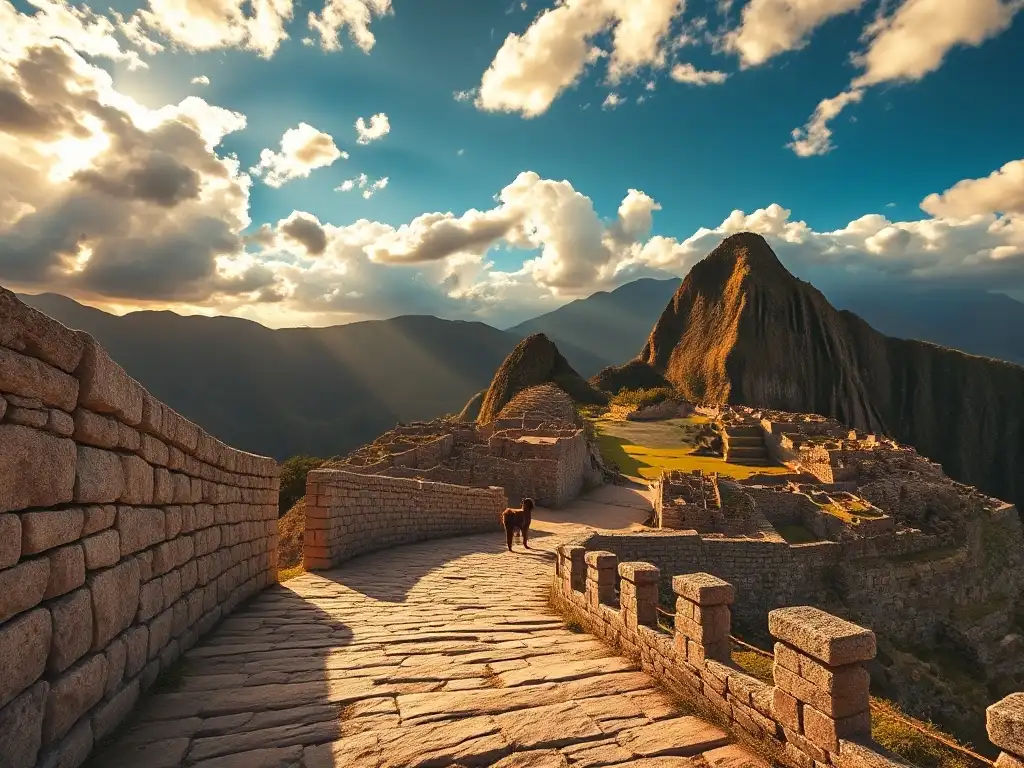
Ollantaytambo stands as a testament to the Inca Empire's remarkable engineering prowess and sophisticated understanding of architecture. Its imposing structures, meticulously crafted from massive stone blocks, continue to fascinate and inspire awe centuries after their construction. This section delves into the specific architectural marvels of Ollantaytambo, focusing on its unique features and the ingenuity of its builders, solidifying its place within the rich tapestry of Ollantaytambo Inca history.
Understanding the intricacies of its design provides crucial insights into the Inca civilization's advanced knowledge of astronomy, engineering, and societal organization. The sheer scale and precision of the Ollantaytambo site are key aspects of its enduring legacy, contributing significantly to our understanding of Inca imperial power and its sophisticated urban planning.
The Temple Hill and its Intricate Stonework
The Temple Hill, the most visually striking part of Ollantaytambo, is a breathtaking display of Inca stonework. Massive, precisely cut stones, some weighing many tons, are fitted together without mortar, showcasing an unparalleled level of craftsmanship. The complexity of the stonework is truly remarkable; perfectly fitted blocks create intricate patterns and designs, demonstrating a deep understanding of geometry and engineering.
Many stones exhibit the characteristic "polygonal masonry" for which Inca architecture is renowned – irregular shapes fitted together with such precision that even a knife blade cannot be inserted between them. This intricate detail reflects not only the technical skill of the Inca masons but also their artistic sensibility.
The sheer scale of the undertaking – transporting and placing these colossal stones – is a feat of engineering that continues to challenge modern understanding. The precision and complexity of the Temple Hill's stonework are key elements in understanding the advanced technology and organizational capabilities of the Inca empire, a crucial component of Ollantaytambo Inca history.
The Unique Construction Techniques Used by the Incas
The Incas employed innovative construction techniques that allowed them to create structures of remarkable durability and stability. Their mastery of dry-stone masonry, a technique that involved fitting stones together without mortar, is particularly noteworthy. This method required exceptional precision and skill, as the stability of the structure relied entirely on the precise fitting of each stone.
Evidence suggests the Incas used sophisticated tools and techniques, including possibly levers and ramps, to move and position these massive stones. The precise fitting of the stones not only ensured structural integrity but also created aesthetically pleasing designs.
Furthermore, the Incas' understanding of seismic activity is evident in their construction methods; the structures were built to withstand earthquakes, a testament to their advanced knowledge of engineering and their adaptation to the Andean environment. The sophisticated construction techniques employed at Ollantaytambo represent a significant contribution to Ollantaytambo Inca history, showcasing the Inca's advanced knowledge of engineering and construction.
Example of Inca Stone Fitting Precision
Consider the "twelve-angle stone," a famously complex example of polygonal masonry. Its multiple perfectly fitted angles demonstrate a level of precision rarely seen in ancient architecture. The skill required to shape and place this single stone underscores the dedication and expertise of the Inca builders.
Analyzing the Purpose of the Different Sections of Ollantaytambo
Ollantaytambo's layout suggests a multifaceted purpose, far beyond a simple military fortress. While its strategic location and defensive features undoubtedly served a military role, evidence suggests it also functioned as a royal estate, a religious center, and an agricultural hub.
The different sections of Ollantaytambo likely served distinct purposes:
| Section | Likely Purpose | Evidence |
|---|---|---|
| Temple Hill | Religious ceremonies, royal residences | The intricate stonework, elevated position, and potential astronomical alignments. |
| Residential Areas | Housing for nobility, priests, and workers | Remains of numerous structures exhibiting varying levels of craftsmanship. |
| Agricultural Terraces | Food production, supporting the population | Extensive terraced fields demonstrate sophisticated agricultural techniques. |
| Water Management System | Irrigation, water supply for the entire site | Canals and aqueducts show a mastery of hydraulic engineering. |
The complex interplay of these functions highlights the sophisticated organization and planning of the Inca empire, a central aspect of Ollantaytambo Inca history. Further research is needed to fully understand the precise function of each section and the overall integration of the site. The integration of religious, agricultural, and administrative functions within a single complex demonstrates the Inca's ability to combine different aspects of their society into a cohesive and efficient system. This complex interplay of functions contributes significantly to our understanding of the Inca's worldview and their societal structures, further enriching our knowledge of Ollantaytambo Inca history.
Ollantaytambo's Agricultural Terraces: A Testament to Inca Ingenuity
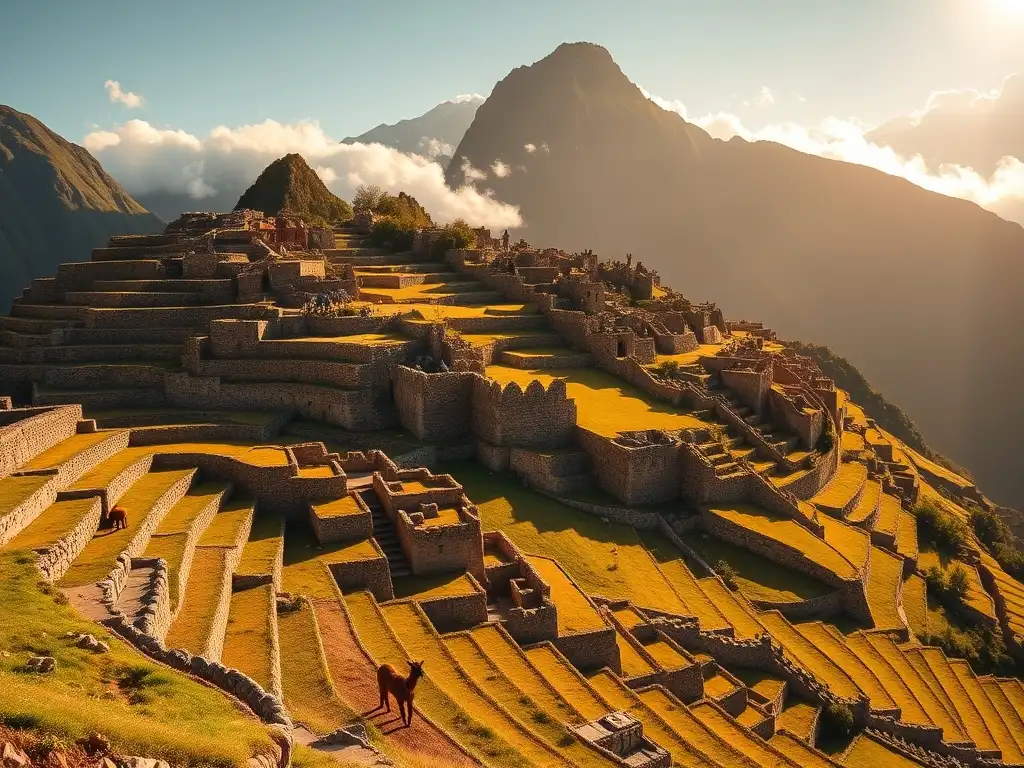
Ollantaytambo's breathtaking agricultural terraces are a striking example of Inca engineering prowess and their deep understanding of sustainable agriculture. These meticulously crafted terraces, carved into the steep Andean slopes, not only provided crucial food production for the substantial population of Ollantaytambo but also represent a sophisticated approach to land management and resource optimization, directly impacting Ollantaytambo Inca history. The scale and precision of the terraces are remarkable, showcasing the Inca's mastery of stonework and their ability to adapt to challenging terrain.
The terraces themselves are not just flat platforms; they are carefully designed to maximize sunlight exposure and minimize soil erosion. Their construction involved immense labor and meticulous planning, reflecting the Inca's highly organized societal structure and their reverence for the land.
The terraces’ enduring legacy speaks volumes about the Inca's profound understanding of environmental sustainability, a crucial element of their impressive civilization. Understanding the design and function of these terraces provides crucial insights into Ollantaytambo Inca history and the complexities of Inca agricultural practices.
The Sophisticated Irrigation System of Ollantaytambo
The success of Ollantaytambo's agricultural system hinged on a sophisticated irrigation network. Water, a precious resource in the high Andes, was carefully channeled from mountain streams and springs through a system of canals, aqueducts, and carefully graded channels. These intricate waterways were designed to distribute water evenly across the terraces, ensuring consistent moisture for crops throughout the growing season.
The Inca engineers' understanding of hydraulics is evident in the precise gradients and the durable construction of these channels. Many of these channels remain functional even today, a testament to their enduring quality. The system wasn't just about providing water; it was about managing it efficiently, minimizing waste, and adapting to variations in rainfall.
The ingenuity displayed in this irrigation system is a key aspect of Ollantaytambo Inca history, showcasing the Inca's ability to harness natural resources for agricultural productivity. The precise engineering behind this system ensured not only sufficient water for the terraces but also protected the fertile soil from erosion, contributing significantly to the longevity and success of Ollantaytambo's agricultural output.
The Types of Crops Cultivated in the Inca Empire
The Inca Empire's agricultural diversity was remarkable, reflecting both the varying altitudes and microclimates within the empire and the Inca's advanced agricultural techniques. At Ollantaytambo, and throughout the empire, they cultivated a wide variety of crops to ensure food security. Key staples included potatoes (in numerous varieties!
), maize (corn), quinoa, beans, and squash. These crops formed the foundation of the Inca diet, providing essential carbohydrates, proteins, and vitamins. Additionally, they cultivated fruits such as chirimoyas and lucuma, and various medicinal plants.
The Inca’s agricultural practices, including crop rotation and terracing, allowed them to cultivate these diverse crops successfully, even in challenging environments. This agricultural diversity played a significant role in the Inca's ability to sustain a large population and maintain social stability, making it a crucial aspect of understanding Ollantaytambo Inca history. The meticulous record-keeping and sophisticated agricultural practices of the Inca ensured food security and contributed significantly to the stability and prosperity of their empire.
The Importance of Agriculture in Inca Society
Agriculture was the backbone of Inca society, deeply interwoven with their religious beliefs, social organization, and economic systems. It wasn't merely a means of subsistence; it was a cornerstone of their entire civilization. The Inca's success in agricultural production allowed them to support a large and complex population, build impressive structures like Ollantaytambo, and maintain a powerful army.
The ayllu, the communal land tenure system, played a pivotal role in organizing agricultural production and distributing resources equitably. This system ensured that everyone had access to land and food, fostering social cohesion and stability. Furthermore, agricultural surpluses allowed for the development of specialized crafts and professions, enriching Inca culture and contributing to the overall prosperity of the empire.
The importance of agriculture in Inca society is profoundly evident in the monumental scale of projects like Ollantaytambo’s terraces, reflecting the central role of agriculture in the Inca worldview and its impact on Ollantaytambo Inca history. The intricate relationship between agriculture, social structure, and religious beliefs demonstrates the deep integration of agriculture into the fabric of Inca society. The empire's ability to manage and optimize agricultural production was a key factor in its success and longevity.
The Legacy of Ollantaytambo in Andean Culture
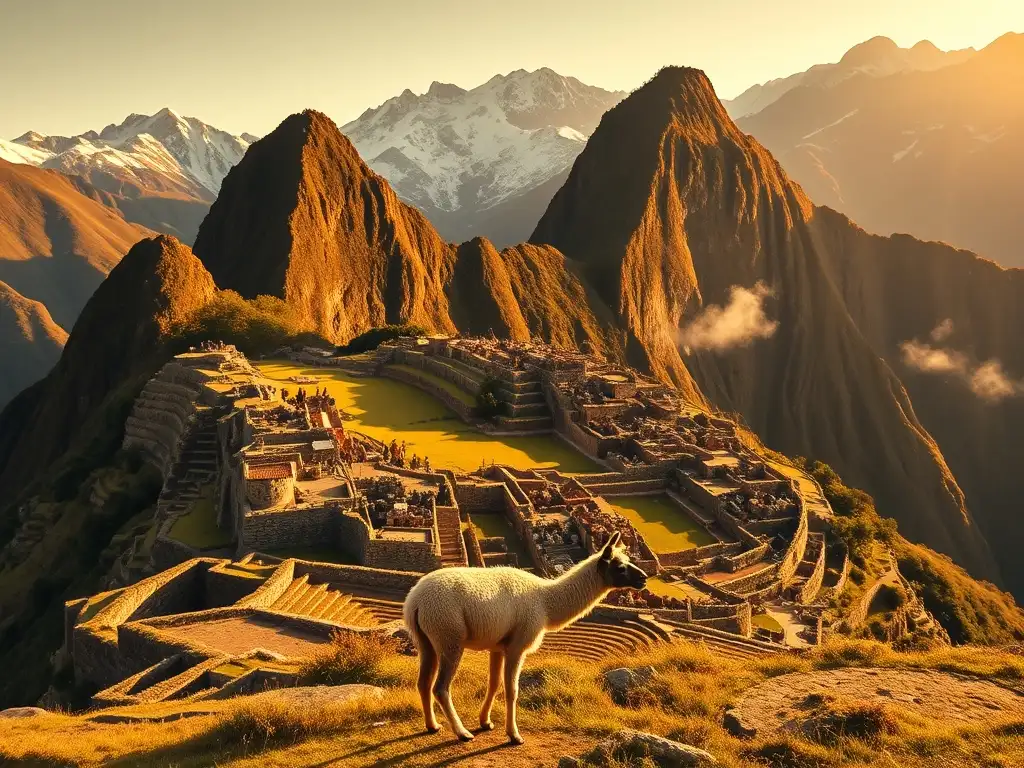
Ollantaytambo's significance extends far beyond its impressive architecture and strategic location. It represents a powerful symbol of Inca resilience and cultural continuity, leaving an indelible mark on Andean culture that resonates even today. The site's enduring legacy is multifaceted, influencing everything from traditional practices to modern interpretations of Inca history.
Understanding this legacy requires examining its role in preserving Inca traditions, its impact on modern Andean communities, and its crucial position in ongoing archaeological research. This multifaceted legacy solidifies Ollantaytambo's place as not just a historical site, but a living testament to the enduring spirit of Inca civilization. The very stones whisper tales of a rich past, influencing the present and shaping future understandings of Ollantaytambo Inca history.
Ollantaytambo's Role in Preserving Inca Traditions
Ollantaytambo served as a crucial center for preserving Inca traditions even after the Spanish conquest. While many aspects of Inca life were disrupted or destroyed, Ollantaytambo, due to its remote location and the tenacity of its inhabitants, retained certain cultural practices. Oral histories, passed down through generations, kept alive narratives and knowledge about Inca cosmology, agriculture, and social structures.
Furthermore, the continued use of the agricultural terraces at Ollantaytambo demonstrates the persistence of Inca agricultural techniques, showcasing their ingenuity and adaptation to the challenging Andean terrain. These terraces, a testament to Inca engineering prowess, continue to provide sustenance, a direct link to the past informing present-day practices.
The survival of these traditional agricultural methods is a powerful example of how Ollantaytambo acted as a repository of Inca knowledge, subtly resisting the cultural upheaval brought about by colonization. The resilience of these traditions contributes significantly to our understanding of Ollantaytambo Inca history.
The Influence of Ollantaytambo on Modern Andean Communities
The legacy of Ollantaytambo is not confined to the past; it profoundly shapes the lives of modern Andean communities. The site remains a vital part of the local identity, attracting tourism and generating economic opportunities. Many residents trace their ancestry to the Inca period, maintaining a strong connection to the land and its history. This connection is reflected in local festivals and celebrations, which often incorporate elements of Inca ritual and symbolism.
For example, the annual Inti Raymi festival, celebrating the Inca sun god Inti, draws participants from across the region, highlighting the enduring relevance of Inca traditions within modern Andean society. Ollantaytambo is not merely a tourist attraction; it is a living community deeply rooted in its past, demonstrating the ongoing influence of Inca heritage on the cultural fabric of the region. This vibrant cultural landscape further enriches the study of Ollantaytambo Inca history.
Ollantaytambo as a Key Archaeological Site for Inca Research
Ollantaytambo is a treasure trove for archaeologists, providing invaluable insights into Inca architecture, urban planning, and social organization. The site's remarkably well-preserved structures, including its intricate irrigation systems, monumental stonework, and residential areas, offer a unique window into Inca life. Ongoing excavations and research continue to uncover new information about the site's history and its role within the broader Inca empire.
The sheer scale and complexity of Ollantaytambo present significant challenges and opportunities for researchers, demanding interdisciplinary approaches combining archaeology, anthropology, and other fields. The meticulous study of Ollantaytambo's architecture, for instance, reveals sophisticated engineering techniques and a deep understanding of Andean geology.
This ongoing research not only deepens our understanding of the Inca but also contributes significantly to the broader field of Andean archaeology, consistently adding new layers to our understanding of Ollantaytambo Inca history. The continued exploration of this site promises further revelations, shaping future narratives surrounding this remarkable Inca stronghold.
Visiting Ollantaytambo Today: A Journey Through Inca History
Ollantaytambo's imposing presence continues to captivate visitors centuries after its construction. Exploring this remarkable site offers a tangible connection to Inca history, allowing modern tourists to walk in the footsteps of a sophisticated civilization. The sheer scale of the architecture, the precision of the stonework, and the breathtaking mountain backdrop all contribute to an unforgettable experience. Understanding the site's layout and history enhances the visit significantly.
For example, knowing that the usnu, a platform used for ceremonies and possibly astronomical observations, stands at the heart of the complex adds a layer of depth to its appreciation. Similarly, recognizing the intricate irrigation system that sustained the population speaks volumes about Inca ingenuity and their harmonious relationship with their environment. The enduring legacy of Ollantaytambo is evident not only in its impressive ruins but also in the vibrant culture of the surrounding community, which continues to thrive in the shadow of this ancient marvel.
This interplay between past and present makes Ollantaytambo a truly unique destination for those seeking to understand Inca history. The site offers a profound understanding of Inca urban planning, agricultural practices, and religious beliefs, showcasing a complex society far beyond simple notions of a primitive culture. Visiting Ollantaytambo is not just sightseeing; it's a journey through time.
Planning Your Visit to the Archaeological Site
Planning a trip to Ollantaytambo requires careful consideration. The altitude (approximately 2,792 meters or 9,160 feet) can affect visitors, so acclimatization is crucial. Many tourists arrive via train from Cusco, a journey that itself offers stunning Andean scenery. However, remember to book train tickets well in advance, especially during peak season.
Once at Ollantaytambo, you'll find plenty of local guides offering insightful tours. These guides can provide invaluable context to the site's history and architecture, enriching the experience. Comfortable walking shoes are essential, as the site involves significant walking on uneven terrain. Remember to bring sunscreen, a hat, and plenty of water, as the sun can be intense.
Consider the time of year; the rainy season can affect accessibility and visibility. Planning your visit around the local festivals and celebrations can offer a unique cultural immersion, showcasing the enduring connection between the modern community and their Inca heritage. A well-planned visit ensures a safe, rewarding, and enriching experience for all. Here’s a suggested itinerary:
- Morning: Arrive early to avoid crowds and the midday heat. Begin at the main entrance and follow a guided tour.
- Afternoon: Explore the less-visited areas of the site at your own pace.
- Evening: Enjoy a traditional Peruvian dinner in Ollantaytambo town, reflecting on your journey through Inca history.
The Cultural Significance of Ollantaytambo for Modern Tourists
Ollantaytambo holds immense cultural significance for modern tourists, extending beyond its archaeological importance. It represents a powerful connection to a rich and complex past, allowing visitors to engage with a civilization that shaped the Andes. For many, it's an opportunity for self-discovery, prompting reflection on human resilience, ingenuity, and the passage of time.
The site’s enduring presence serves as a reminder of the interconnectedness of history, culture, and the environment. The impressive stonework, testament to Inca engineering prowess, inspires awe and appreciation for a society that mastered its environment. Moreover, the site's ongoing preservation efforts highlight the importance of protecting cultural heritage for future generations.
The vibrant local community surrounding Ollantaytambo actively participates in preserving and showcasing their Inca heritage, offering visitors a unique opportunity to experience the living legacy of this ancient civilization. Experiencing the local markets, interacting with artisans, and learning about traditional practices enriches the understanding of Ollantaytambo's enduring cultural impact. The site's significance extends beyond mere historical observation; it fosters a deeper appreciation for cultural diversity and the importance of preserving our shared heritage.
Preserving Ollantaytambo for Future Generations
The preservation of Ollantaytambo is paramount, demanding a multifaceted approach that balances tourism with conservation. Sustainable tourism practices are crucial to minimize the site's environmental impact, while simultaneously supporting the local community. This requires careful management of visitor numbers, responsible waste disposal, and the implementation of environmentally friendly infrastructure. Ongoing archaeological research and restoration work are essential for understanding and protecting the site’s integrity.
This includes meticulous documentation, careful conservation techniques, and the implementation of protective measures against environmental damage. Furthermore, educating visitors about the site's significance and the importance of responsible tourism is vital. The collaboration between government agencies, local communities, and international organizations is essential for the long-term preservation of Ollantaytambo.
Community involvement in the preservation process empowers locals and ensures the site's cultural significance remains deeply intertwined with the lives of its people. Investing in sustainable development initiatives within the community fosters a sense of ownership and responsibility for the site's preservation, ensuring its legacy continues to thrive for future generations. The protection of Ollantaytambo is not just an archaeological endeavor; it is a collective responsibility to safeguard a vital piece of Andean heritage and its enduring connection to Inca history.
Frequently Asked Questions
What is Ollantaytambo?
Ollantaytambo is a remarkable archaeological site located in the Sacred Valley of the Incas in Peru. It served as a royal estate and strategically important fortress, showcasing impressive Inca architecture and engineering. It's a crucial site for understanding Inca history.
Why is Ollantaytambo significant in Inca history?
Ollantaytambo holds immense significance as a center of Inca power and a key location during the Inca resistance against the Spanish conquistadors. Its unique agricultural terraces and military architecture reflect the sophistication of Inca civilization. Its strategic location also played a significant role.
What kind of architecture can be found at Ollantaytambo?
Ollantaytambo boasts impressive stonework, including massive carved stones fitted together without mortar. You'll find elaborate terraces, temples, residential areas, and water channels, all demonstrating the advanced engineering skills of the Incas.
How did the Inca use Ollantaytambo?
Ollantaytambo functioned as both a royal estate for the Inca elite and a powerful fortress. Its strategic location provided protection and control over the Sacred Valley and surrounding regions, showcasing its dual purpose.
How can I learn more about Ollantaytambo's Inca history?
You can explore museum exhibits dedicated to Inca culture, read books and scholarly articles on Inca history and architecture, and consider taking guided tours at the Ollantaytambo site itself for a deeper understanding of its historical significance.
Final Reflection: Ollantaytambo's Enduring Legacy
The intricate stonework of Ollantaytambo whispers tales of a sophisticated Inca civilization, a testament to their engineering prowess and enduring cultural legacy, a legacy that continues to resonate powerfully in the modern world. Its strategic location, meticulously planned architecture, and the sheer scale of the site still leave visitors breathless, reminding us of the ingenuity and power of a civilization that thrived centuries ago. This isn't just ancient history; it's a living connection to a past that shapes our present understanding of urban planning, agricultural innovation, and societal organization.
Ollantaytambo's influence extends far beyond its physical presence. It serves as a powerful symbol of resilience, a testament to the Inca's ability to adapt and innovate in the face of adversity. The site's continued existence, despite the ravages of time and conquest, speaks volumes about the enduring strength of human creativity and cultural identity. The past is never dead. It's not even past.
– William Faulkner. This quote perfectly encapsulates Ollantaytambo's enduring relevance; its story continues to unfold, shaping our understanding of the past and informing our vision for the future.
Consider the echoes of Ollantaytambo's ingenuity in your own life. How can we, like the Inca builders, approach challenges with such unwavering determination and innovative spirit? Let the majestic stones of Ollantaytambo inspire you to build your own legacies, to create something enduring and meaningful, something that will stand the test of time. Embrace the spirit of innovation, resilience, and cultural preservation that Ollantaytambo embodies, and let its story fuel your own journey of discovery and creation.
Unlock the Secrets of Ollantaytambo!
Thank you for exploring the fascinating history of Ollantaytambo! Your interest in this remarkable royal estate and fortress reveals the rich tapestry of Andean civilization. Now that you've discovered its incredible architecture and heritage, let's explore how you can delve even deeper!
Here's how to further your connection with and exploration of Ollantaytambo:
- Plan your visit: Begin planning your trip to this historical marvel. Research the best time to visit and consider hiring a local guide to enhance your experience.
- Share your discovery: Tell your friends and family, or share your enthusiasm on social media. Inspire others to appreciate this incredible site!
- Connect with fellow enthusiasts: Join online forums or local groups dedicated to Andean history and culture to connect with other passionate explorers.
What aspect of Ollantaytambo captivates you most, and how will you further explore its wonders?