
Nazca Lines: A Comparison with Other World Geoglyphs

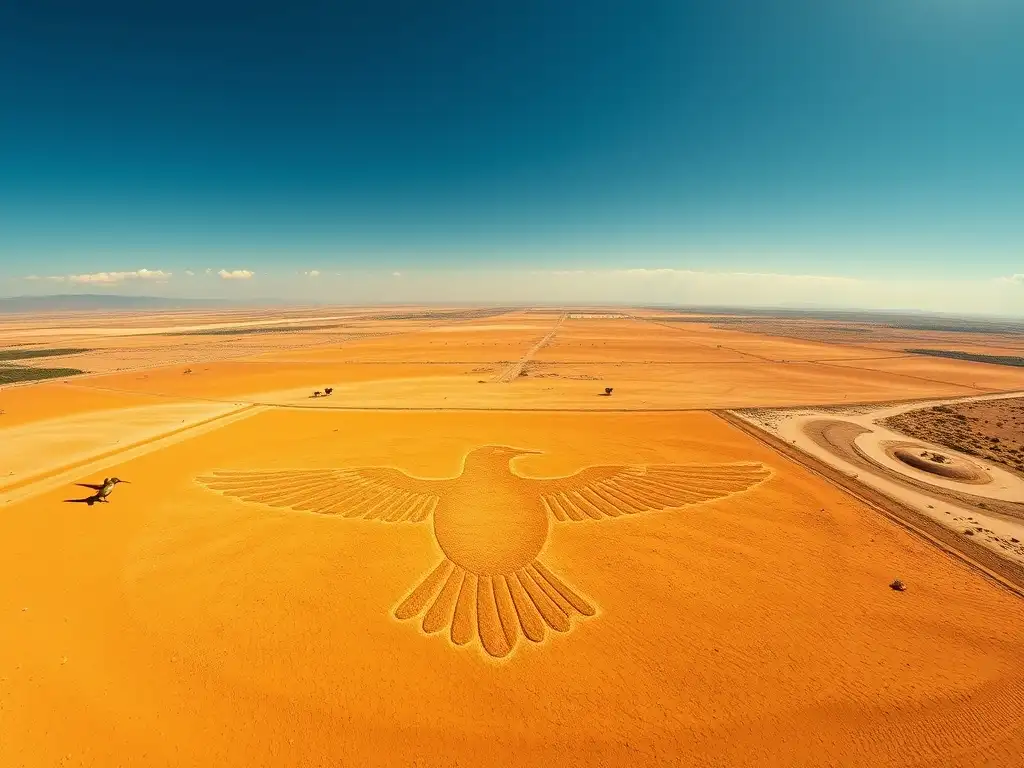
Step into a world of ancient mysteries and breathtaking artistry! For centuries, the Andean Civilizations have captivated imaginations, leaving behind a legacy of unparalleled innovation. But what truly sets the enigmatic Nazca Lines apart? Prepare to embark on a fascinating journey as we compare these colossal geoglyphs with others from around the globe, unveiling the secrets behind their creation and exploring the ingenuity of the Andean cultures. Dive into the intricacies of the " Nazca Lines comparison other geoglyphs" and uncover the astonishing parallels and unique characteristics that define these monumental works of art.
The Nazca Lines, etched into the Peruvian desert, stand as one of humanity's most enduring mysteries. These vast geoglyphs, depicting animals, plants, and geometric shapes, have captivated researchers and the public alike for decades. Their sheer scale, intricate detail, and enigmatic purpose continue to fuel speculation and debate.
This article delves into a comparative analysis of the Nazca Lines, exploring their unique characteristics while contrasting them with other significant geoglyphs found across the globe. By examining similarities and differences in creation techniques, cultural contexts, and potential purposes, we aim to gain a deeper understanding of these remarkable achievements of ancient civilizations and their place within the broader landscape of global geoglyph art. We will explore the intriguing question: are the Nazca Lines truly unique, or do they share characteristics with other ancient artistic expressions found in different parts of the world?
The answer, as we shall see, is complex and fascinating, requiring a nuanced understanding of the archaeological and anthropological evidence. This comparative approach will allow us to appreciate the Nazca Lines not just as an isolated phenomenon, but as part of a wider, global conversation about human ingenuity and artistic expression throughout history.
Understanding the Nazca Lines: An Overview
The Nazca Lines, located in the Nazca Desert of southern Peru, consist of over 300 figures ranging in size from a few meters to over 200 meters in length. These immense designs, created by removing the dark desert varnish to reveal the lighter subsurface, depict a diverse array of creatures, including birds (such as hummingbirds and condors), animals (such as monkeys and lizards), and stylized plants. Geometric figures, such as spirals, triangles, and lines, also feature prominently.
The precise methods used to create these geoglyphs remain a subject of ongoing research, though it's believed that the Nazca people used simple tools and a sophisticated understanding of the landscape to achieve their remarkable precision. The scale of the undertaking is truly awe-inspiring, requiring significant manpower and coordination. The lines themselves are not readily visible from ground level, leading to theories about their creation and purpose focusing on aerial observation, perhaps linked to ritualistic practices or astronomical alignments.
However, recent research suggests a more complex picture, indicating that some lines might have served practical purposes, such as marking pathways or water sources. The mystery surrounding their creation and purpose continues to fascinate and challenge researchers. The scale and precision of the work are unlike anything else found in the region, highlighting the advanced knowledge and organizational skills of the Nazca culture.
The Enigma of Nazca: Creation and Purpose
The creation of the Nazca Lines remains shrouded in mystery, with several theories vying for acceptance. One prevalent theory suggests that the lines were created for ritualistic purposes, potentially linked to astronomical observations or ceremonies. The alignment of some lines with celestial events has been noted, suggesting a possible connection to a sophisticated understanding of astronomy.
Other theories propose that the lines served as markers for pilgrimage routes, water sources, or even as a form of communication between different settlements. The lack of written records from the Nazca civilization makes definitive conclusions difficult, leaving room for speculation and further research. However, the sheer scale and complexity of the undertaking suggest a level of societal organization and engineering skill that was remarkable for its time.
Archaeological evidence continues to be gathered and analyzed, offering small glimpses into the lives and practices of the Nazca people, but the precise reason behind the creation of the lines remains a captivating enigma. The absence of a clear explanation only serves to heighten the lines' mystique, making them a compelling subject of ongoing scientific inquiry. Further investigation into the social and political structures of the Nazca civilization might shed more light on the purpose of these enigmatic geoglyphs.
Geoglyphs Around the World: A Global Perspective
The Nazca Lines are not unique in their scale and complexity; geoglyphs exist across the globe, showcasing the widespread human fascination with creating large-scale art in the landscape. From the giant figures of the Atacama Desert in Chile to the animal effigies of the Arabian Peninsula, these ancient works of art reveal a shared human impulse to leave a lasting mark on the environment. Many geoglyphs share similarities with the Nazca Lines in their use of simple tools and a deep understanding of the land, demonstrating a common thread of ingenuity across different cultures and time periods.
However, the specific designs, techniques, and potential purposes vary considerably. A detailed comparison with other significant geoglyph sites, such as the giant figures of Nazca's neighbor, the Atacama Desert, and the ancient animal effigies of the Arabian Peninsula, could reveal intriguing similarities and differences in their creation, purpose, and cultural contexts. For example, while the Nazca lines are primarily lines and geometric shapes, other geoglyphs often depict figures of animals, humans, or mythical creatures.
This comparative study could offer valuable insights into the cross-cultural exchange of ideas and the evolution of artistic expression across vast geographical distances and time periods. Analyzing these variations can help us better understand the unique characteristics of the Nazca Lines within the broader context of global geoglyph art.
- Understanding the Nazca Lines: An Overview
- The Enigma of Nazca: Creation and Purpose
- Geoglyphs Around the World: A Global Perspective
- What makes the Nazca Lines unique compared to other geoglyphs?
- How do the Nazca Lines compare in size to geoglyphs found in other parts of the world?
- What are some similarities between Nazca Lines and other ancient geoglyphs worldwide?
- What techniques were used to create the Nazca Lines, and how do they compare to methods used elsewhere?
- Beyond visual style, what are some key differences in the interpretation of the Nazca Lines versus other geoglyphs?
Nazca Lines vs. Other Geoglyphs: A Detailed Comparison
This section delves into a comparative analysis of the Nazca Lines with other prominent geoglyphs worldwide, focusing on size, construction techniques, and interpretations of their purpose. Understanding these similarities and differences provides crucial insights into the ingenuity and cultural contexts of ancient civilizations across the globe. The Nazca Lines comparison with other geoglyphs reveals fascinating parallels and unique characteristics.
Size and Scale: Nazca Lines Compared to the Marree Man
The sheer scale of the Nazca Lines is a defining feature, setting them apart from many other geoglyphs. While numerous examples exist across the globe, few match their immense size and complexity. Let's compare them to the Marree Man, a significant Australian geoglyph.
The Nazca Lines, etched into the Peruvian desert, encompass hundreds of figures, some stretching over 300 meters in length. These colossal designs, including animals, plants, and geometric shapes, are best appreciated from the air, highlighting their monumental scale. In contrast, the Marree Man, also known as the Stuart Range Man, is a roughly 4.2 kilometer-long human figure.
While impressive in its own right, its relative simplicity in design contrasts with the intricate detail found within many Nazca Lines. The Marree Man's size, while larger in linear terms than many individual Nazca Lines, lacks the density and diversity of figures found in the Nazca desert. This difference in scale and complexity reflects varying levels of societal organization and engineering capabilities.
Further research is needed to fully quantify the total area covered by all Nazca Lines compared to the total area occupied by the Marree Man and other large geoglyphs. [Specific data on total area comparison pending].
Techniques and Construction: Nazca vs. the Atacama Giant
The construction techniques employed in creating geoglyphs varied significantly across cultures and geographical locations. Examining the methods used in creating the Nazca Lines and comparing them with the creation of the Atacama Giant in Chile reveals interesting insights into the technological capabilities of these ancient societies.
The Nazca Lines were created by removing the dark reddish-brown surface layer of the desert, exposing the lighter subsoil underneath. This process, likely involving simple tools, created a stark contrast, making the figures visible. The Atacama Giant, on the other hand, presents a different approach. While specifics on the construction methods are still debated, evidence suggests that the giant was created by piling up lighter-colored rocks to form the figure on a darker background, a contrasting technique to the Nazca Lines' removal method.
The difference in technique likely reflects the available resources and geological conditions in each location. The Nazca desert's unique soil composition facilitated the removal technique, whereas the Atacama's landscape may have prompted a different approach. Further analysis of the tools used in both locations is needed to understand the level of technological advancement involved. [Specific data on tool analysis pending].
Purpose and Interpretation: Comparing the Function of Nazca Geoglyphs with the Blythe Intaglios
The purpose of geoglyphs remains a subject of ongoing debate and speculation. The Nazca Lines, with their enigmatic nature, have sparked countless theories. Comparing them to other geoglyphs, such as the Blythe Intaglios in California, helps to broaden the context of interpretation.
While the precise purpose of the Nazca Lines remains unknown, theories range from astronomical markers to ritualistic sites or even vast representations of a complex belief system. Similarly, the Blythe Intaglios, depicting human figures and animals, also lack a definitive explanation. Some scholars suggest they served a ceremonial or ritualistic purpose, perhaps connected to water sources or fertility. Both sites share a common element: their remote locations, suggesting a potential connection to spiritual or ceremonial practices, away from the main settlements.
However, the level of artistic detail and sheer scale differ considerably. The Nazca Lines exhibit a far greater level of precision and complexity than the Blythe Intaglios. This difference might reflect variations in cultural practices, artistic expression, or the resources available to each society.
The comparison of the Nazca Lines with other geoglyphs worldwide reveals a spectrum of artistic expression, engineering skills, and cultural practices across various ancient societies. Further research and interdisciplinary collaborations are crucial to unraveling the mysteries surrounding these remarkable creations. The ongoing investigation into the "Nazca Lines comparison other geoglyphs" continues to enrich our understanding of human history and pre-Columbian civilizations.
Key Differences in Geoglyph Styles and Motifs
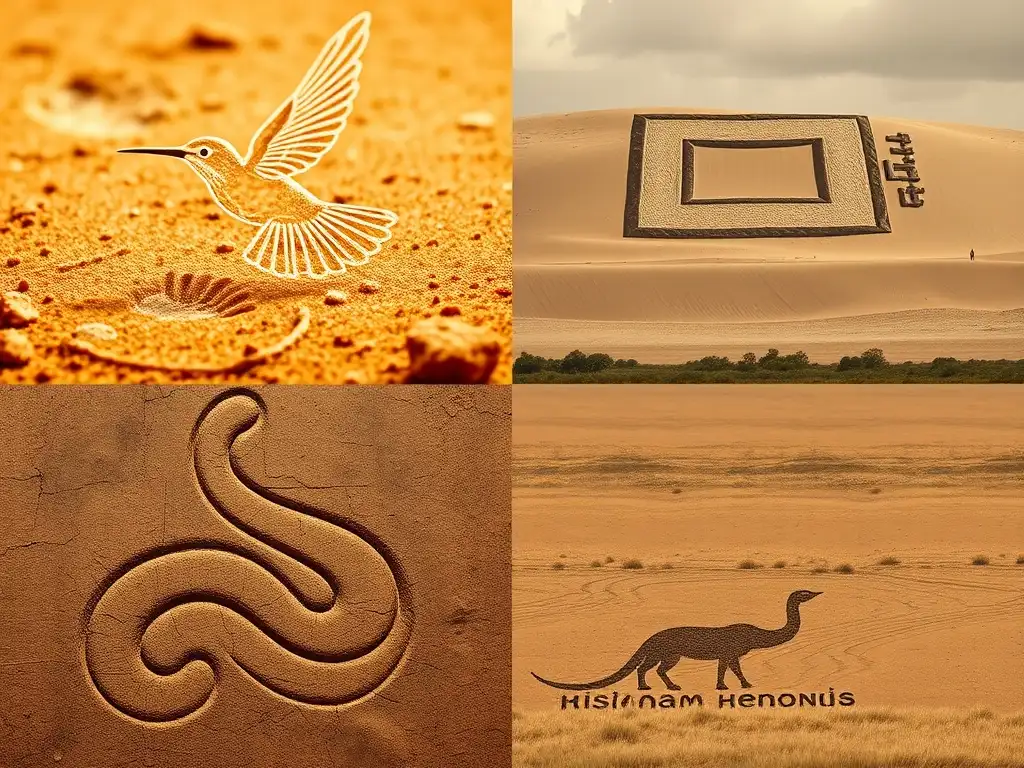
The Nazca Lines, while sharing the broad classification of "geoglyph" with other ancient earthworks around the globe, possess unique characteristics that set them apart. This section will explore these key distinctions, focusing on stylistic choices and the recurring motifs employed by different cultures. Understanding these differences provides crucial insights into the diverse purposes and cultural contexts behind the creation of these monumental artworks.
A direct comparison highlights not only what unites these ancient creations, but also what makes each culture's expression uniquely its own. This nuanced understanding is crucial for appreciating the full scope of ancient geoglyph creation and its significance within the broader context of human history. The scale and precision of the Nazca Lines, for example, are unmatched in many other known geoglyph sites, demanding a closer examination of their unique construction techniques.
Nazca's Geometric and Zoomorphic Designs
The Nazca Lines are renowned for their intricate geometric designs and remarkably detailed zoomorphic figures. Unlike many other geoglyphs which primarily feature simple lines or anthropomorphic shapes, the Nazca examples boast a level of complexity and sophistication rarely seen elsewhere. The geometric patterns, often composed of hundreds of straight lines intersecting to form triangles, trapezoids, and spirals, are executed with astonishing precision, suggesting a sophisticated understanding of geometry and surveying techniques.
The zoomorphic figures, depicting animals such as hummingbirds, monkeys, lizards, and even whales, are equally impressive in their detail and scale. These designs often incorporate subtle shading and texture to create a three-dimensional effect, further showcasing the artists' mastery of their craft. The sheer scale of these designs, some stretching for hundreds of meters, also contributes to their remarkable visual impact.
The precision required to create these massive figures across the arid landscape speaks to a highly organized society capable of large-scale collaborative projects. This level of intricacy and scale is a defining characteristic that distinguishes the Nazca Lines from many other geoglyphs.
The Atacama Giant's Anthropomorphic Representation
In stark contrast to the Nazca Lines' predominantly zoomorphic and geometric motifs, the giant geoglyph in the Atacama Desert of Chile presents a striking example of anthropomorphic representation. This colossal figure, measuring over 86 meters in length, is a stark and simple depiction of a human form, unlike the complex and detailed designs found in the Nazca Lines. The Atacama Giant lacks the intricate details and shading found in Nazca zoomorphs.
Instead, it relies on broad, sweeping lines to convey its human form. While the purpose of the Atacama Giant remains a subject of debate among researchers, its simpler style suggests a different cultural context and possibly distinct creation methods compared to the Nazca Lines. The difference in artistic style directly reflects the contrasting cultural values and priorities of the societies that created them.
The Atacama giant's simplicity, when contrasted with the Nazca's intricate detail, provides a valuable comparative lens through which to understand the diverse artistic expressions of ancient Andean cultures. Further research into the dating and cultural associations of the Atacama Giant is crucial for a more complete understanding of its place within the broader context of ancient geoglyphs.
Comparing Motifs: Animals, Humans, and Abstract Forms
A comparative analysis of motifs across various geoglyph sites reveals significant differences in cultural emphasis. While the Nazca Lines prominently feature a wide array of animals, the Atacama Giant focuses solely on a human figure. Other geoglyph sites, such as those found in the American Southwest, frequently incorporate abstract geometric patterns or stylized representations of natural elements. This variation highlights the diverse symbolic languages employed by different ancient cultures.
The choice of motifs likely reflects the specific beliefs, values, and social structures of each society. For instance, the prevalence of animal representations in Nazca art might indicate a close connection to the natural world or a specific religious significance attributed to certain animals. Conversely, the emphasis on human figures in other sites could suggest a different cultural focus, perhaps on ancestor worship or the celebration of human achievement. The absence of human figures in many Nazca lines, despite the complexity of their animal depictions, remains an enigma.
Further research is needed to fully decipher the meaning behind these diverse artistic choices and to shed more light on the cultural contexts in which these geoglyphs were created. The study of these diverse motifs is essential for a deeper understanding of the multifaceted cultural landscapes of ancient civilizations. The comparison provides a rich tapestry of cultural expression, demonstrating the remarkable diversity of human creativity throughout history.
Geographical and Environmental Context: Impact on Geoglyph Creation
The creation and preservation of geoglyphs, large-scale designs etched into the earth's surface, are profoundly influenced by geographical and environmental factors. Understanding these contexts is crucial for comparing different geoglyph sites around the world, including the famed Nazca Lines and other similar creations. The unique characteristics of each location—climate, soil type, and geological formations—play a significant role in both the feasibility of construction and the longevity of the resulting artwork. This section will explore the environmental impact on geoglyph creation, focusing on the Nazca Lines and comparing them to geoglyphs found in the Australian Outback.
A comparative analysis highlights the diverse challenges and opportunities presented by different environments. Analyzing these factors allows for a deeper understanding of the ingenuity and resilience of the cultures that created these remarkable works. The "Nazca Lines comparison other geoglyphs" search term is directly addressed by this comparative approach.
The Arid Landscape of Nazca and its Influence
The Nazca Lines, located in the arid coastal plains of southern Peru, owe their existence and preservation to the unique characteristics of the desert environment. The extremely dry climate, with minimal rainfall and high levels of sunshine, has played a pivotal role in their survival for centuries. The stable, relatively undisturbed soil, composed primarily of fine-grained sediments, allowed for the creation of the intricate designs.
The lack of significant vegetation further facilitated the creation and visibility of the geoglyphs. The dark, oxidized surface layer of the soil, contrasting with the lighter subsoil exposed during the creation process, contributed to the lines' remarkable visibility. Furthermore, the absence of erosion from heavy rainfall ensured the long-term preservation of these remarkable designs.
The aridity of the Nazca desert is a key factor in understanding why these geoglyphs are so well-preserved compared to those in more humid climates. This contributes directly to our understanding of the "Nazca Lines comparison other geoglyphs" topic.
Environmental Factors and Geoglyph Preservation in the Australian Outback
In contrast to the Nazca desert, the Australian Outback presents a different set of environmental challenges and opportunities for geoglyph creation and preservation. While also arid in many areas, the Outback's diverse landscapes, including rocky terrains and sandy plains, impact the types of geoglyphs created and their long-term survival. The type of soil, often more coarse and less stable than the Nazca soil, might influence the design and construction techniques employed.
Furthermore, the presence of wind erosion, which can be significant in exposed areas, can lead to the gradual degradation of the geoglyphs. The presence of some vegetation, albeit sparse, also plays a role, potentially accelerating or hindering erosion depending on its type and density.
Specific examples of Australian Outback geoglyphs, such as those found in [specific location pending], and their relation to soil type and erosion rates would further enrich this comparison. Considering the different environmental pressures helps clarify the "Nazca Lines comparison other geoglyphs" question.
Comparing the Different Environments and Their Effects on Geoglyphs
A direct comparison between the Nazca Lines and Australian Outback geoglyphs reveals the significant impact of environmental factors on both creation and preservation. The table below summarizes key differences:
| Feature | Nazca Lines (Peru) | Australian Outback Geoglyphs |
|---|---|---|
| Climate | Extremely arid, minimal rainfall | Arid to semi-arid, variable rainfall |
| Soil Type | Fine-grained sediments | Variable, often coarser and less stable |
| Vegetation | Minimal | Sparse, variable |
| Erosion | Minimal wind erosion, negligible water erosion | Wind and water erosion can be significant |
| Preservation | Excellent | Variable, often less well-preserved |
| Geoglyph Styles | Primarily lines and figures | [Specific styles pending] |
The stark contrast highlights how the unique environmental conditions in each location shaped the nature and longevity of the geoglyphs. The extremely stable, arid environment of Nazca provided ideal conditions for the creation and preservation of delicate lines, while the more variable conditions of the Australian Outback presented greater challenges, resulting in potentially more robust but less-preserved geoglyphs.
This detailed comparison significantly contributes to the understanding of "Nazca Lines comparison other geoglyphs," offering a nuanced perspective beyond a simple visual similarity. Further research into specific geoglyph sites in other regions (e.g., the Atacama Desert, the Sahara Desert) would further enhance this comparative study.
Cultural and Historical Significance: Examining the Societies Behind the Geoglyphs
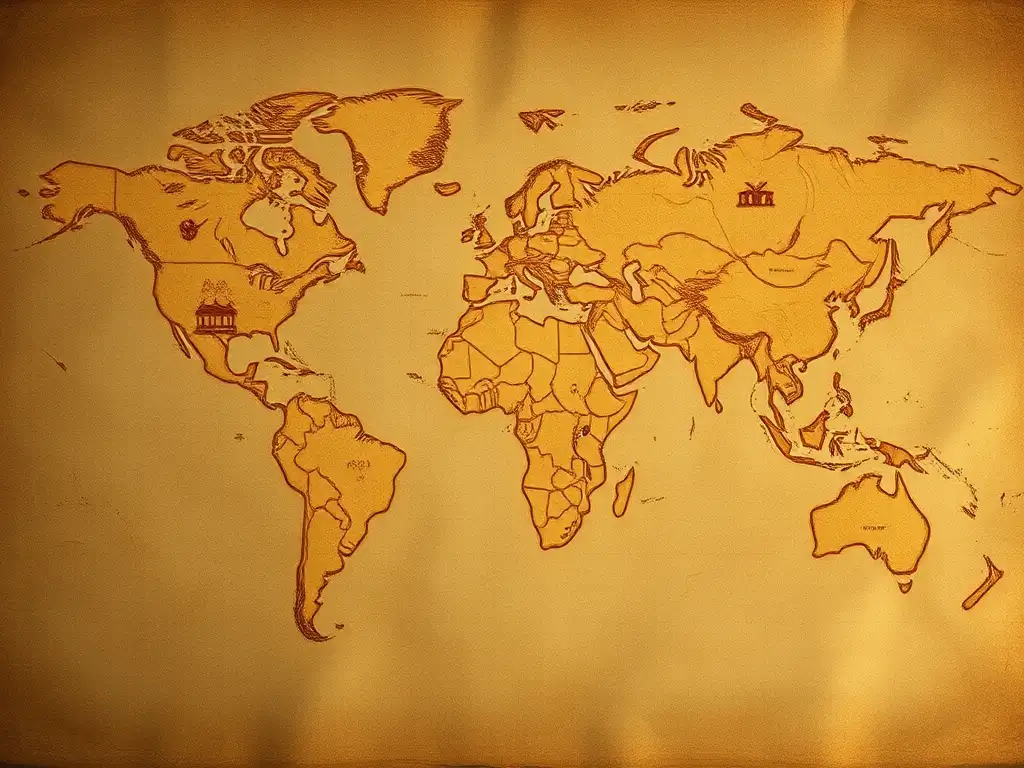
This section delves into the cultural and historical contexts surrounding the creation of the Nazca Lines and other notable geoglyphs worldwide, highlighting the significant differences and surprising similarities in their societal origins and purposes. Understanding the beliefs, practices, and societal structures of the cultures responsible is crucial for interpreting these enigmatic land artworks. A comparative analysis allows us to appreciate the diversity of human expression across vast geographical distances and distinct historical periods.
We'll explore how the unique characteristics of each civilization shaped their respective geoglyphs, revealing the intricate relationship between art, ritual, and societal organization. The Nazca Lines comparison with other geoglyphs reveals fascinating insights into the human condition and our enduring need for symbolic expression.
The Nazca Civilization: Their Beliefs and Practices
The Nazca civilization (c. 100 BCE – 800 CE), flourishing in the arid coastal plains of southern Peru, remains shrouded in some mystery. While we lack a complete understanding of their written language, archaeological evidence—including elaborate textiles, pottery depicting ritual scenes, and sophisticated irrigation systems—provides glimpses into their beliefs and practices. Many scholars suggest the geoglyphs served a multifaceted purpose, possibly linked to religious rituals, astronomical observations, or water-related ceremonies.
The intricate designs, often depicting animals, plants, and geometric patterns, may have been associated with fertility rites or shamanistic practices. The precise alignment of some figures with celestial events further supports the theory of astronomical significance. The massive undertaking involved in their creation suggests a highly organized society capable of mobilizing significant labor and resources.
It's crucial to note that the creation of the Nazca Lines wasn't a spontaneous act but rather a carefully planned and executed project reflecting a complex worldview. The effort involved speaks to the importance the Nazca placed on these geoglyphs within their societal framework. Further research into Nazca iconography and ritual practices may reveal more about the true meaning behind these remarkable works.
The Aboriginal Australians and Their Connection to the Marree Man
The Marree Man, a giant geoglyph in South Australia, stands in stark contrast to the Nazca Lines in terms of both scale and artistic style. Unlike the intricate designs of the Nazca, the Marree Man is a simpler figure, a giant depiction of a human-like form. While its exact age and purpose remain debated, many believe it was created by Aboriginal Australians sometime in the late 20th century.
Unlike the Nazca, whose cultural practices are partially understood through archaeological findings, the connection between the Marree Man and Aboriginal culture is complex and requires sensitivity. Many Aboriginal groups have strong oral traditions and spiritual connections to the land, and the creation of such large-scale artworks might be tied to ceremonies, storytelling, or marking territorial boundaries. Unlike the Nazca Lines’ possible astronomical correlations, the Marree Man's purpose might be more directly linked to terrestrial aspects of Aboriginal life and worldview.
The difference emphasizes the diverse ways in which different cultures utilize geoglyphs, reflecting their unique beliefs and societal structures. The lack of extensive written records for both the Marree Man and many Aboriginal cultures necessitates a careful and respectful approach to their interpretation. Further research should prioritize collaboration with Aboriginal communities to gain a deeper understanding of its significance.
Understanding the Cultural Context in Geoglyph Creation
Comparing the Nazca Lines with other geoglyphs around the world, such as the Marree Man, reveals the crucial role of cultural context in understanding these enigmatic artworks. The creation of such massive artworks was not a universal phenomenon but rather a reflection of specific societal values, beliefs, and technological capabilities. Factors such as available resources, social organization, and religious practices significantly influenced the style, scale, and purpose of these geoglyphs.
The Nazca's sophisticated understanding of irrigation and their highly organized society, for example, facilitated the creation of the complex and detailed designs we see today. In contrast, the simpler style of the Marree Man might reflect different priorities and available technology. A comparative analysis allows us to appreciate the diversity of human expression while acknowledging the limitations of our current knowledge.
Further research, including interdisciplinary collaborations involving archaeologists, anthropologists, and astronomers, is needed to unravel the full story behind these fascinating and enduring works of art. The Nazca Lines comparison with other geoglyphs underscores the importance of considering the unique cultural context of each site to gain a deeper understanding of their meaning and purpose. This comparative approach offers a richer and more nuanced appreciation of these ancient artistic achievements.
Preservation and Modern Studies: Challenges and Insights
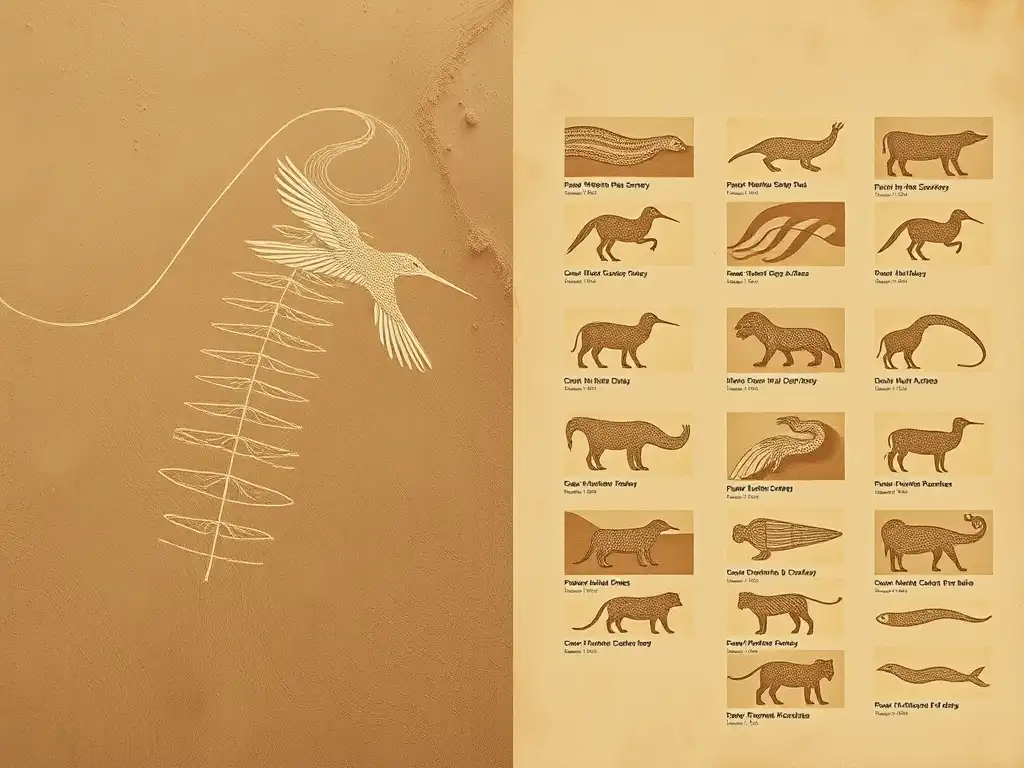
The Nazca Lines, along with other geoglyphs worldwide, face a constant battle against the ravages of time and human impact. Understanding and addressing these preservation challenges is crucial to ensuring these invaluable historical and cultural artifacts remain accessible for future generations. This section delves into the specific challenges faced by the Nazca Lines and compares them to the difficulties encountered in preserving similar sites elsewhere, focusing on the Blythe Intaglios as a key example. The analysis also explores the ongoing research and evolving interpretations that continue to shed light on these enigmatic creations.
Efforts to Protect the Nazca Lines
Protecting the Nazca Lines presents unique difficulties. Their immense scale and delicate nature make them particularly vulnerable. The arid climate of the Nazca desert, while contributing to their longevity, also makes them susceptible to erosion from infrequent but powerful rainfall events. Furthermore, the proximity of the Pan-American Highway poses a significant threat, with vibrations from passing vehicles potentially causing damage over time.
Efforts to mitigate these threats include:
- Restricted access zones: Designated areas limit vehicle and pedestrian traffic to minimize physical impact.
- Erosion control: Studies are underway to assess the effectiveness of various soil stabilization techniques. [Specific data on techniques and their success rates pending].
- Environmental monitoring: Regular monitoring of weather patterns and ground conditions helps predict and prepare for potential damage.
- Public awareness campaigns: Educating the public about the fragility of the lines and the importance of their preservation is crucial for long-term protection. These campaigns emphasize responsible tourism and the avoidance of activities that could harm the geoglyphs.
Conservation Challenges Faced by the Blythe Intaglios
The Blythe Intaglios, located in the Colorado Desert of California, offer a valuable comparative case study. While geographically distinct from the Nazca Lines, they share similarities in terms of their scale and vulnerability. Unlike the Nazca Lines, which are etched into the desert surface, the Blythe Intaglios are carved into the earth, making them susceptible to different types of damage.
Key challenges facing the Blythe Intaglios include:
- Erosion from wind and water: The desert environment, while generally dry, experiences periods of intense wind and occasional flash floods that erode the exposed earth, gradually obscuring the figures.
- Human impact: Off-road vehicle traffic, illegal dumping, and vandalism have historically posed significant threats. [Specific data on the extent of damage from these activities pending].
- Limited resources: Compared to the Nazca Lines, the Blythe Intaglios receive considerably less funding for preservation efforts. This limited funding constrains the scope of conservation initiatives. The lack of readily available funding often limits the implementation of effective protection strategies.
- Lack of public awareness: Unlike the Nazca Lines, which benefit from significant international attention, the Blythe Intaglios are less well-known and consequently receive less public support for conservation efforts. This lack of public awareness hinders fundraising and advocacy efforts.
Modern Research and Interpretations: New Perspectives on Geoglyphs
Technological advancements have revolutionized the study of geoglyphs. Techniques like aerial photography, satellite imagery, and LiDAR scanning provide detailed, high-resolution images that reveal previously unseen features and offer new insights into their creation and purpose. These methods allow researchers to map the extent of the geoglyphs with greater accuracy, identify subtle details previously obscured by weathering and vegetation, and assess the overall condition of the sites.
Furthermore, interdisciplinary research involving archaeologists, anthropologists, astronomers, and geophysicists is leading to more nuanced interpretations of their meaning and function. These collaborative efforts are challenging long-held assumptions and offering fresh perspectives on the social, cultural, and cosmological significance of these ancient creations. For instance, recent studies using advanced imaging techniques have revealed previously unknown details within the Nazca Lines themselves, suggesting a greater complexity than previously imagined.
Similarly, research on the Blythe Intaglios is providing new insights into the cultural practices of the ancient peoples who created them. The ongoing research continues to refine our understanding of these enigmatic sites, pushing the boundaries of our knowledge and revealing new connections between seemingly disparate cultures and time periods. The continued application of modern technology and collaborative research efforts promises to further unlock the mysteries surrounding these incredible works of art and engineering.
Nazca Lines and Global Geoglyphs: A Concluding Perspective
This section offers a final comparative analysis of the Nazca Lines within the broader context of global geoglyphs, highlighting their unique characteristics and significance. While many cultures across the globe created geoglyphs, the Nazca Lines stand apart due to their scale, complexity, and the enduring mystery surrounding their purpose. Understanding these differences allows us to appreciate the unique ingenuity and cultural expression of the Nazca civilization.
The sheer number of figures, their intricate designs, and the vast scale across the desert landscape differentiate them from other examples found in various parts of the world. This uniqueness underscores the importance of continued research and preservation efforts. The Nazca Lines comparison with other geoglyphs reveals fascinating parallels and contrasts, enriching our understanding of ancient human expression and societal organization across different geographic regions and time periods.
The Unique Nature of Nazca Lines Compared to Global Examples
The Nazca Lines stand out from other geoglyph sites worldwide due to several key factors. Firstly, their sheer scale is unparalleled. Many geoglyphs around the world, such as those found in the Arabian Peninsula or the American Southwest, are smaller and less elaborate. The Nazca Lines, however, encompass hundreds of figures stretching across many kilometers.
Secondly, the complexity of the Nazca designs surpasses that of most other geoglyphs. The intricate details and the use of fine lines to depict animals, plants, and geometric shapes are remarkably sophisticated. Thirdly, the preservation of the Nazca Lines is exceptional, considering their age and exposure to the harsh desert environment. This remarkable preservation provides invaluable insights into the artistic and technical capabilities of the Nazca culture.
Finally, the mystery surrounding their purpose remains a compelling aspect that sets them apart. While theories abound, a definitive answer continues to elude researchers, fueling ongoing interest and investigation. A direct Nazca Lines comparison to, for example, the geoglyphs of the Atacama Desert in Chile, shows a stark contrast in both scale and complexity. The Atacama geoglyphs, while impressive, lack the intricate detail and vast expanse of the Nazca Lines.
Further Examples of Geoglyph Comparisons
Comparing the Nazca Lines to the giant animal figures carved into the hillsides of the Cerne Abbas Giant in England, highlights the differing approaches to geoglyph creation. The Cerne Abbas Giant, created using a chalk carving technique, is a far less intricate and smaller-scale example.
Similarly, the geoglyphs of Kazakhstan, while featuring various geometric shapes, lack the diverse iconography and artistic refinement displayed in the Nazca Lines. The difference in artistry and cultural expression is striking.
The Importance of Studying Geoglyphs for Understanding Ancient Civilizations
The study of geoglyphs, including the Nazca Lines, offers crucial insights into various aspects of ancient civilizations. Firstly, they provide valuable information about the technological advancements of these societies. The precision and scale of the Nazca Lines indicate a sophisticated understanding of surveying, planning, and execution. Secondly, geoglyphs reveal details about the belief systems and ritual practices of the cultures that created them.
While the purpose of the Nazca Lines remains debated, their presence suggests their potential role in religious ceremonies or astronomical observations. Thirdly, the study of geoglyphs allows us to understand the social organization and labor mobilization of these ancient communities. The creation of such large-scale works implies a high level of cooperation and coordination among a significant population. Finally, the analysis of geoglyphs enhances our understanding of environmental adaptation and land use practices in ancient societies.
The choice of location, materials used, and the overall design of geoglyphs reflect the relationship between ancient cultures and their surroundings. The Nazca Lines, carved into the desert landscape, exemplify this intricate connection. The Nazca Lines comparison with other geoglyphs reinforces the importance of studying these remarkable monuments to understand the complexity and diversity of human societies throughout history.
Further Research and Exploration: Future of Geoglyph Studies
The future of geoglyph studies promises exciting advancements in our understanding of these ancient marvels. Advanced technologies, such as high-resolution aerial photography, satellite imagery, and ground-penetrating radar, offer unprecedented opportunities for detailed analysis and mapping of geoglyph sites. Furthermore, interdisciplinary research involving archaeologists, anthropologists, astronomers, and geospatial scientists will be crucial for deciphering the mysteries surrounding these enigmatic works.
Continued preservation efforts are also essential to protect these fragile monuments from the elements and human impact. The Nazca Lines comparison with other geoglyphs will continue to evolve as new technologies and methodologies are applied to the study of these ancient works of art. Focusing on advanced imaging techniques and employing multi-disciplinary approaches will unlock further secrets about the creators and purposes of these vast land drawings.
Ultimately, this research will significantly contribute to a more complete understanding of ancient civilizations and their cultural achievements. The future of geoglyph research holds immense potential for expanding our knowledge of the past and appreciating the ingenuity of ancient peoples.
Frequently Asked Questions
What makes the Nazca Lines unique compared to other geoglyphs?
The Nazca Lines are unique due to their scale and complexity, depicting hundreds of figures including animals, plants, and geometric shapes, unlike many other geoglyphs which are simpler. Their creation in the arid Nazca desert also contributed to their exceptional preservation.
How do the Nazca Lines compare in size to geoglyphs found in other parts of the world?
While other cultures created geoglyphs, the Nazca Lines are amongst the largest and most extensive. Many other geoglyphs, like those in the USA or the UK, are smaller and fewer in number, lacking the sheer scope of the Nazca creations.
What are some similarities between Nazca Lines and other ancient geoglyphs worldwide?
Many geoglyphs share the characteristic of being created on a large scale, often using natural materials and exhibiting similar artistic styles (though with regional variations). The purpose behind their creation remains a point of ongoing research and debate across all sites.
What techniques were used to create the Nazca Lines, and how do they compare to methods used elsewhere?
The Nazca Lines were likely made by removing the dark surface stones to expose the lighter subsoil, a technique possibly similar to methods used in creating other geoglyphs. However, the precise tools and methods used remain a subject of ongoing study and may vary across different locations.
Beyond visual style, what are some key differences in the interpretation of the Nazca Lines versus other geoglyphs?
The intended purpose of the Nazca Lines remains debated, with theories ranging from ceremonial rituals to astronomical observations. Interpretations of other geoglyphs are similarly diverse, although specific cultural contexts often provide more clues than are currently available for the Nazca Lines.
Final Reflection: Unraveling the Mysteries of Earth's Giant Drawings
The enigmatic Nazca Lines, alongside other geoglyphs across the globe, continue to challenge our understanding of ancient civilizations and their capabilities. These colossal works of art, etched into the landscape millennia ago, are not simply historical curiosities; they are powerful testaments to human ingenuity, cultural expression, and the enduring mysteries that connect us to our past. Their continued existence, despite the ravages of time and the elements, underscores their profound significance.
The comparison of Nazca Lines with other geoglyphs worldwide reveals a fascinating tapestry of shared techniques, yet also unique cultural expressions. This exploration highlights the universality of human creativity and the diverse ways in which societies have interacted with their environment. The earth itself becomes the canvas, and the creators, the artists of a scale beyond comprehension.
This quote encapsulates the awe-inspiring nature of these ancient works and the enduring questions they pose about the motivations and beliefs of those who created them. The ongoing research and discoveries surrounding these sites continue to reshape our understanding of pre-Columbian societies and their sophisticated knowledge systems.
Consider the implications of these ancient marvels. What can we learn from the ingenuity and dedication of these past civilizations? How can we apply their resourcefulness and artistic vision to address the challenges of our own time? I urge you to look beyond the images and delve into the stories they tell – stories of human connection, cultural expression, and the enduring power of the human spirit. Let the mystery of the geoglyphs inspire you to explore the wonders of our shared past and to appreciate the enduring legacy of human creativity.
Unveil the Mysteries of Geoglyphs!
Thank you for exploring the fascinating world of the Nazca Lines and similar ancient creations! You've discovered a rich tapestry of human creativity and ingenuity. Let's delve deeper into this awe-inspiring subject.
Here are some ways to continue your exploration:
- Share your favorite detail from this article on social media and tag us! Let's spark a conversation about these remarkable works of indigenous art.
- Research nearby geoglyphs or local historical sites that might offer unexpected connections to the Nazca Lines.
- Consider a trip to see the geoglyphs in person—experience their magnificence firsthand and support the local communities.
We'd love to hear your thoughts on these ancient wonders: Which geoglyph resonates most with you, and why do you believe it remains significant today?