
The Andean Pact: A Traveler's Guide to Responsible Tourism

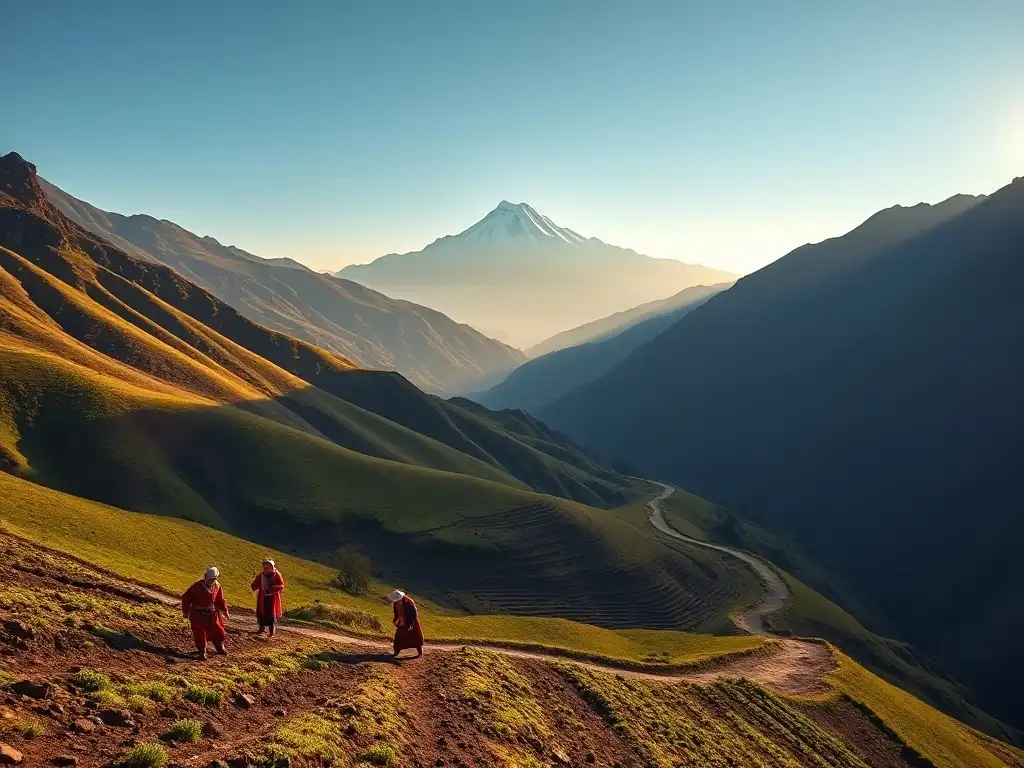
Step into a world lost in time, yet echoing with vibrant life. For centuries, the Andes Mountains have held the secrets of extraordinary civilizations – the Incas, Moche, Nazca, and more. But beyond the breathtaking landscapes and ancient ruins lies a crucial question: how do we explore this legacy responsibly? Discover the answers, and unlock a deeper understanding of Andean responsible tourism practices within this exploration of "The Andean Pact: A Traveler's Guide to Responsible Tourism," a journey into the heart of the Andes and a commitment to its future.
The Andes Mountains, a spine of colossal beauty running down the western edge of South America, are home to a breathtaking tapestry of ancient cultures and unparalleled biodiversity. For centuries, these majestic peaks have witnessed the rise and fall of empires, from the sophisticated Incas to the enigmatic Nazca. Today, this region attracts millions of visitors eager to explore its rich history, vibrant landscapes, and captivating indigenous communities.
However, the influx of tourism presents a double-edged sword. While it offers economic opportunities, it also poses significant threats to the fragile ecosystems and invaluable cultural heritage of the Andes. This guide serves as a traveler's pact – a commitment to responsible tourism practices that ensure the long-term preservation of this incredible region for future generations.
We will explore the crucial aspects of Andean responsible tourism practices, highlighting the positive impact sustainable travel can have and providing practical steps for mindful exploration. Understanding the delicate balance between economic development and environmental protection is paramount to ensuring that tourism becomes a force for good in the Andean region. Let's delve into the principles of ethical and sustainable travel in the Andes, ensuring our adventures contribute positively to the communities and landscapes we visit.
Understanding Andean Responsible Tourism Practices
Andean responsible tourism practices encompass a multifaceted approach, prioritizing the well-being of local communities, the preservation of the environment, and the respect for cultural heritage. It's about moving beyond simply "seeing" the Andes and engaging in a deeper, more meaningful experience that benefits all stakeholders. This involves several key aspects:
- Supporting Local Businesses: Choosing locally-owned hotels, restaurants, and tour operators directly benefits Andean communities, ensuring a fairer distribution of tourism revenue. Look for businesses that actively employ local people and source their products locally.
- Minimizing Environmental Impact: This includes reducing your carbon footprint through responsible transportation choices (consider trains or buses over flights where feasible), minimizing waste, conserving water, and respecting wildlife habitats.
- Respecting Cultural Heritage: This means learning about the customs and traditions of the Andean people, dressing respectfully when visiting sacred sites, obtaining permission before taking photographs of individuals, and avoiding the purchase of artifacts that may have been illegally obtained.
- Fair Wages and Working Conditions: Ensure that the tour operators and guides you employ adhere to fair labor practices, paying their employees livable wages and providing safe working conditions.
- Community Engagement: Seek opportunities to engage directly with Andean communities, participating in cultural activities or volunteering your time to support local initiatives. However, always ensure your participation is respectful and doesn't exploit or commodify the culture.
Why Choose Sustainable Travel in the Andean Region?
Choosing sustainable travel in the Andes is not merely a trend; it's a moral imperative. It's about ensuring that the beauty and cultural richness of this region are preserved for generations to come.
The Impact of Tourism on Andean Communities
The impact of tourism on Andean communities is complex and multifaceted. While it can bring economic benefits, uncontrolled tourism can also lead to:
- Overcrowding and Infrastructure Strain: A surge in tourists can overwhelm local infrastructure, leading to issues such as traffic congestion, pollution, and a strain on resources like water and electricity.
- Displacement of Local Communities: Unsustainable tourism development can lead to the displacement of indigenous communities from their ancestral lands.
- Cultural Commodification: The commercialization of cultural practices can lead to the erosion of traditional values and beliefs.
- Economic Inequality: The benefits of tourism are not always evenly distributed, leading to economic inequality within communities.
Protecting Andean Cultural Heritage Through Ethical Travel
The Andean region boasts a rich tapestry of cultural heritage, encompassing ancient ruins, intricate textiles, vibrant traditions, and unique languages. However, this heritage is fragile and vulnerable to the impacts of tourism. Ethical travel plays a vital role in protecting this legacy:
- Respecting Sacred Sites: Many sites in the Andes hold deep spiritual significance for local communities. It's crucial to approach these places with reverence, respecting local customs and traditions.
- Supporting Cultural Preservation Initiatives: Consider supporting organizations that work to preserve Andean cultural heritage through education, research, and community-based projects.
- Avoiding the Purchase of Illegal Artifacts: The illegal trade in ancient artifacts threatens the preservation of Andean cultural heritage. Refrain from purchasing any items that may have been illegally obtained.
- Learning About Andean History and Culture: Take the time to learn about the history and culture of the Andean region before your trip. This will enhance your experience and allow you to engage more meaningfully with the local communities.
The "Andean Pact" is a call to action, inviting travelers to become responsible stewards of this incredible region. By embracing sustainable practices, we can ensure that the Andes remain a place of beauty, cultural richness, and opportunity for generations to come.
How to Plan a Responsible Trip to the Andes
Planning a responsible trip to the Andes requires careful consideration of your impact on the environment and local communities. It's about minimizing your footprint and maximizing your positive contribution. This involves researching ethical tour operators, choosing sustainable accommodations, and packing thoughtfully. Remember, responsible tourism is not just about avoiding harm; it's about actively contributing to the well-being of the Andean region. By following these steps, you can ensure your Andean adventure leaves a positive legacy.
Step 1: Choosing a Responsible Tour Operator for Andean Treks
Selecting a responsible tour operator is paramount for Andean treks. Look for operators committed to sustainable practices, such as those employing local guides, using eco-friendly transportation, and contributing to community development projects. Avoid companies that prioritize profit over environmental and social responsibility. Research certifications like Fair Trade Tourism or similar accreditations. Read reviews carefully, paying close attention to comments about the operator's environmental and social impact. A truly responsible operator will transparently showcase their commitment to Andean responsible tourism practices. Don't hesitate to contact several operators directly to inquire about their specific sustainability initiatives.
Step 2: Selecting Eco-Friendly Accommodation in the Andes
Eco-friendly accommodations in the Andes range from rustic eco-lodges to hotels committed to sustainability. Look for hotels that implement water conservation measures, use renewable energy sources, source food locally, and support local communities. Consider the hotel's waste management practices and their commitment to reducing their carbon footprint. Many hotels now proudly display certifications indicating their commitment to eco-tourism. Choosing such accommodations directly supports businesses actively working towards Andean responsible tourism practices. Prioritize smaller, locally-owned establishments whenever possible, as they often have a stronger connection to the community and a greater incentive to protect the environment.
Step 3: Packing Essentials for Ethical Andean Travel
Packing responsibly is an often-overlooked aspect of ethical travel. Avoid single-use plastics as much as possible. Bring a reusable water bottle to reduce plastic waste and stay hydrated. Pack biodegradable toiletries and sunscreen to protect delicate Andean ecosystems. Choose clothing made from sustainable materials. Remember that reducing your baggage also reduces your carbon footprint during transportation. A lightweight pack allows for easier trekking and minimizes the environmental impact of transporting your belongings. Consider bringing a small, reusable shopping bag to avoid using plastic bags during your travels. Planning your packing list mindfully contributes to Andean responsible tourism practices.
Step 4: Engaging Respectfully with Andean Culture
Respectful engagement with Andean culture is vital. Learn basic Quechua phrases to show respect for the local language. Dress modestly when visiting religious sites or communities. Ask permission before taking photographs of people, and always be mindful of their privacy. Support local artisans by purchasing their handicrafts directly, contributing to their livelihoods. Be aware of cultural norms and traditions, and strive to understand the local perspectives. Remember that cultural exchange should be a two-way street, marked by mutual respect and understanding. This mindful approach is crucial for practicing Andean responsible tourism practices.
Responsible Activities in the Andean Region: Examples and Recommendations
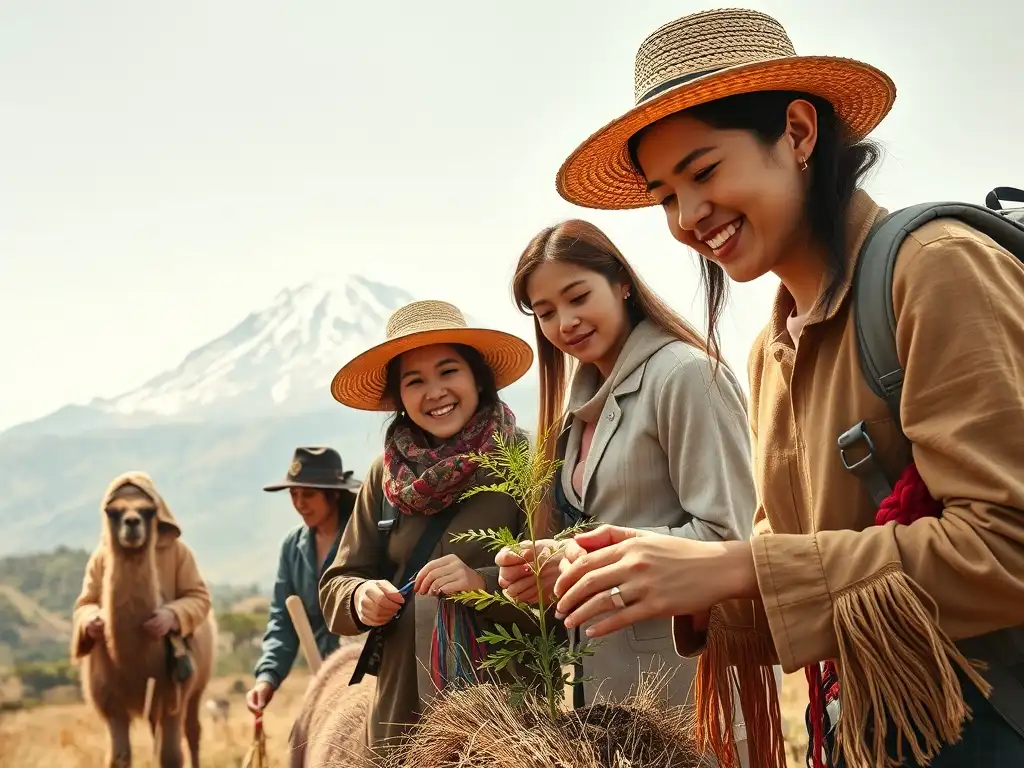
The Andes offer a wealth of opportunities for responsible tourism. Engaging in activities that minimize your environmental impact and support local communities is key to ensuring your trip benefits the region rather than harming it. By choosing activities mindfully, you contribute to the preservation of this unique and valuable region.
Hiking the Inca Trail with Minimal Impact
Hiking the Inca Trail requires careful planning to minimize environmental impact. Use a reputable tour operator committed to sustainable practices. Stick to designated trails to avoid damaging fragile ecosystems. Pack out all your trash, and leave no trace of your passage. Respect the historical significance of the Inca Trail and its surrounding environment. Remember, the preservation of the Inca Trail relies on responsible tourism practices. Choosing a responsible tour operator ensures that your hike actively supports conservation efforts.
Visiting Local Communities with Cultural Sensitivity
Visiting local communities requires sensitivity and respect. Obtain permission before entering communities and taking photographs. Engage in respectful interactions with locals, avoiding intrusive questions or behaviors. Support local businesses by purchasing goods and services directly from community members. Learn about the local customs and traditions to avoid causing unintentional offense. Remember, responsible tourism prioritizes cultural exchange and understanding, fostering positive relationships between visitors and communities. This fosters sustainable and ethical Andean responsible tourism practices.
Exploring Andean Archaeological Sites Responsibly
Exploring Andean archaeological sites requires responsible behavior. Stay on marked paths to protect delicate ruins. Refrain from touching or climbing on ancient structures. Respect the historical and cultural significance of these sites. Support local museums and initiatives dedicated to preserving Andean heritage. Remember that responsible tourism contributes to the long-term preservation of these invaluable sites for future generations. Your actions directly impact the future of Andean archaeological sites and the preservation of cultural heritage. Therefore, responsible behavior is crucial for Andean responsible tourism practices.
Maximizing Your Positive Impact in the Andes
Responsible tourism in the Andes isn't just about avoiding negative impacts; it's about actively contributing to the well-being of the region and its people. This means going beyond simply being a respectful visitor and engaging in actions that directly benefit the communities and environment. A truly responsible traveler seeks opportunities to leave a positive footprint, contributing to the sustainable development of the Andean region.
This involves careful consideration of your choices and a proactive approach to supporting local initiatives. The rewards are far-reaching, enriching both your travel experience and the future of the Andes. You'll discover a deeper connection with the culture, a heightened appreciation for the environment, and the satisfaction of knowing you've made a tangible difference.
Supporting Conservation Efforts in the Andean Region
The Andes boast incredible biodiversity, from the majestic condors soaring high above the mountains to the vibrant flora thriving in the cloud forests. Many organizations are dedicated to protecting this fragile ecosystem. Supporting these conservation efforts is crucial for preserving the natural beauty of the Andes for generations to come. This can involve volunteering your time at a local wildlife sanctuary, donating to reputable conservation groups, or simply choosing to visit eco-lodges and tour operators committed to sustainable practices.
Remember, even small actions, like properly disposing of waste and respecting wildlife habitats, contribute significantly to conservation. Consider researching organizations working to protect specific Andean ecosystems that interest you – perhaps the páramo grasslands or the Amazonian foothills – and find ways to support their vital work. This active participation transforms you from a mere tourist into a conservation ally.
Promoting Sustainable Tourism Through Your Experience
Your choices as a traveler directly influence the sustainability of tourism in the Andes. By selecting accommodations, tours, and activities that prioritize ethical and sustainable practices, you actively support businesses committed to responsible tourism. Look for certifications such as Fair Trade Tourism or similar designations that ensure businesses adhere to high environmental and social standards. Opting for locally owned businesses, rather than large international corporations, ensures that more of your spending directly benefits the local communities.
This boosts the local economy and provides incentives for sustainable practices to flourish. Furthermore, engage with local guides and communities; learn about their cultures, traditions, and concerns. This fosters mutual respect and understanding, promoting genuine cultural exchange and sustainable development. Choosing sustainable options isn't just about feeling good; it's about ensuring the long-term viability of Andean tourism.
Conclusion: Embracing the Andean Pact for Sustainable Travel
The Andean Pact for responsible tourism isn't a formal agreement, but rather a collective commitment to mindful and sustainable travel. It's a pledge to tread lightly, respect local cultures, and contribute positively to the preservation of this magnificent region. By embracing the principles of responsible tourism, you become a part of a larger movement working towards a more sustainable future for the Andes. This commitment goes beyond simply avoiding negative impacts; it's about actively seeking ways to enhance the well-being of the region and its people.
Your Role in Preserving the Andean Legacy
As a traveler, you have a significant role in preserving the rich cultural and natural heritage of the Andes. By respecting local customs and traditions, supporting local artisans, and learning about the history and significance of the sites you visit, you contribute to the preservation of Andean culture. This includes avoiding the purchase of counterfeit artifacts and respecting sacred sites.
Active participation in sustainable tourism practices ensures that future generations can also experience the wonders of the Andes. Remember, the Andes are not just a destination; they are a living, breathing ecosystem and a vibrant tapestry of cultures deserving of our respect and protection. Your conscious choices as a traveler directly impact the longevity of this incredible legacy.
The Long-Term Benefits of Responsible Tourism
The benefits of responsible tourism extend far beyond the immediate experience. By supporting sustainable practices, you contribute to the long-term economic stability of Andean communities, fostering self-reliance and reducing dependence on unsustainable tourism models. This creates a more resilient and equitable tourism industry, benefiting both local communities and the environment.
Moreover, responsible tourism helps protect the natural beauty and biodiversity of the Andes, ensuring its preservation for future generations. By choosing to travel responsibly, you are not only enriching your own travel experience but also contributing to the creation of a more sustainable and equitable future for the Andean region. This long-term perspective is vital for ensuring the responsible and sustainable development of tourism in the Andes.
- Understanding Andean Responsible Tourism Practices
- Why Choose Sustainable Travel in the Andean Region?
- How to Plan a Responsible Trip to the Andes
- Responsible Activities in the Andean Region: Examples and Recommendations
- Maximizing Your Positive Impact in the Andes
- Conclusion: Embracing the Andean Pact for Sustainable Travel
- What is the Andean Pact in the context of this article?
- How can I practice responsible tourism in the Andes?
- What are some examples of unsustainable tourism practices in the Andes?
- Why is responsible tourism important for the Andean communities?
- Where can I find more information about Andean responsible tourism practices?
Frequently Asked Questions
What is the Andean Pact in the context of this article?
The "Andean Pact" in this article refers to a metaphorical agreement between travelers and the Andean communities, emphasizing responsible tourism practices to preserve the cultural heritage and environmental integrity of the Andes region. It's not a formal political agreement.
How can I practice responsible tourism in the Andes?
Practice responsible tourism by respecting local customs, supporting local businesses, minimizing your environmental impact (reducing waste, conserving water), and learning about the history and culture before your visit. Choose eco-friendly accommodations and tour operators.
What are some examples of unsustainable tourism practices in the Andes?
Unsustainable practices include over-tourism, damaging archaeological sites, exploiting local communities, polluting the environment, and not supporting local businesses. These actions threaten the long-term preservation of the Andean region.
Why is responsible tourism important for the Andean communities?
Responsible tourism directly benefits Andean communities by providing economic opportunities, preserving their cultural heritage, and protecting their environment. It ensures that tourism is a force for good, not exploitation.
Where can I find more information about Andean responsible tourism practices?
You can find more information by researching eco-tourism operators in the Andes, consulting local tourism boards, and reading articles and books on sustainable travel. Many organizations promote responsible tourism in the region.
Final Reflection: Weaving a Sustainable Future in the Andes
The Andean Pact: A Traveler's Guide to Responsible Tourism highlights a critical need in today's world: to travel ethically and contribute positively to the communities and environments we visit. The increasing popularity of Andean destinations necessitates a shift from exploitative tourism to a model that empowers local populations and protects the fragile ecosystems of this magnificent region. Ignoring this responsibility risks irreversible damage to both the cultural heritage and the natural beauty that draws travelers in the first place.
The impact of responsible tourism practices extends far beyond the immediate economic benefits. It fosters a deeper understanding and appreciation for the rich tapestry of Andean cultures, preserving traditions and knowledge for future generations. It also ensures the long-term sustainability of the environment, protecting biodiversity and mitigating the negative effects of mass tourism. As the renowned anthropologist Margaret Mead wisely stated, Never doubt that a small group of thoughtful, committed citizens can change the world; indeed, it's the only thing that ever has.
This quote underscores the power of individual choices to collectively shape a more sustainable future for the Andes.
Now, consider your own travel plans. Will you be a passive observer, or an active participant in creating a more responsible and sustainable future for the Andean region? Choose to support locally owned businesses, engage respectfully with local communities, minimize your environmental footprint, and educate yourself about the cultural nuances of the places you visit. Your choices matter. By embracing responsible tourism, you become a vital part of preserving the magic of the Andes for generations to come.
Embrace Responsible Tourism Today!
Thank you for exploring responsible tourism in the Andean region. Understanding sustainable travel practices that benefit both the environment and local communities is vital. Now, let's turn that understanding into action!
Here are some ways to deepen your commitment:
- Support local guides: Choose tours that prioritize authentic experiences and cultural preservation. This ensures that the benefits of tourism directly reach the community.
- Reduce your environmental impact: Opt for eco-friendly transportation and consider investing in carbon offsetting projects to compensate for your travel's carbon footprint.
- Inspire others: Share your positive travel experiences on social media, encouraging friends and family to adopt responsible tourism practices.
How will you make a positive impact on Andean communities during your next adventure? Let's discuss!