
The Inca's Genesis: Exploring the Legendary Birthplace of a Mighty Empire

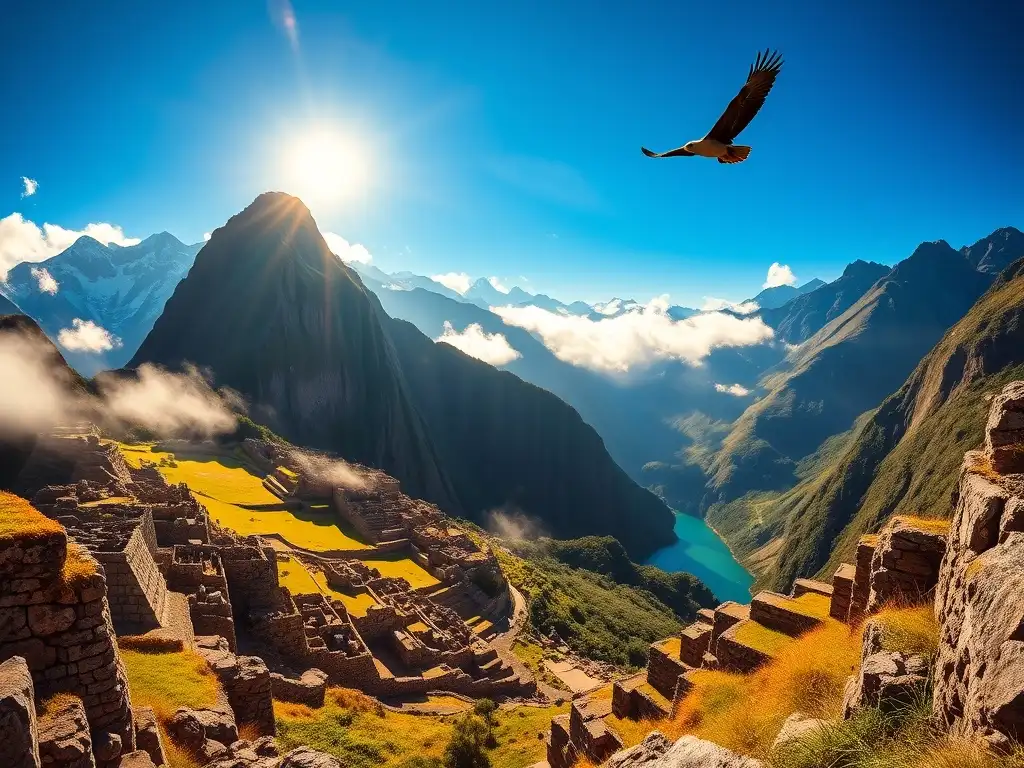
Unravel the mysteries shrouding the Andes! Prepare to journey back in time and explore the breathtaking achievements of the ancient Andean civilizations. From the intricate artistry of the Nazca lines to the sophisticated engineering of the Inca, this website unveils their captivating stories. But first, delve into the enigmatic world of the Inca empire origins myth – a legendary tale that whispers of divine beginnings and sets the stage for one of history's most fascinating empires. Discover the truth behind the legend... dare to explore?
The Inca Empire, a civilization that once dominated the Andes Mountains, leaving behind a legacy of breathtaking architecture, intricate social structures, and advanced engineering, holds a captivating history shrouded in myth and legend. Understanding the Inca Empire's origins requires delving into the narratives that shaped their identity and fueled their expansion. This article explores the fascinating "Inca empire origins myth," examining the legendary birthplace of this mighty empire and the mythical foundation upon which their civilization was built.
We will dissect the core elements of this creation myth, analyzing its significance in understanding Inca worldview, social organization, and imperial ideology. The story isn't simply a tale; it's a key to unlocking the complexities of this remarkable civilization and appreciating the depth of their cultural heritage. Prepare to journey into the heart of the Andes and uncover the secrets whispered through generations.
Unveiling the Inca Empire Origins Myth
The most widely known origin myth of the Inca Empire centers around the legendary figure of Manco Cápac and his sister-wife, Mama Ocllo. This narrative, passed down through oral traditions and later recorded by Spanish chroniclers, depicts their emergence from the sacred Lake Titicaca. According to the myth, the sun god, Inti, instructed Manco Cápac and Mama Ocllo to establish a new civilization. Armed with a golden staff, Manco Cápac was tasked with finding the ideal location to plant this staff – a place where it would sink into the earth, signifying divine approval.
This journey, fraught with challenges and divine guidance, is a powerful metaphor for the Inca's expansion and their legitimization of imperial power. The myth itself served several crucial functions:
- Legitimizing Rule: The divine origin story solidified the Inca ruler's authority, portraying them as descendants of the sun god and thus divinely appointed.
- Unifying Diverse Populations: The myth provided a shared narrative that helped to unify the diverse groups incorporated into the expanding empire, fostering a sense of collective identity.
- Explaining Origins: The story offered an explanation for the Inca's emergence and their right to rule the land, providing a cohesive narrative for their history.
The details of the myth vary across different versions, with some accounts emphasizing different aspects of the journey and the divine intervention. However, the core elements—the emergence from Lake Titicaca, the golden staff, and the divine mandate—remain consistent, highlighting the enduring power of this foundational narrative. The story's enduring presence in Inca culture underscores its importance in shaping their worldview and their understanding of their place in the cosmos.
The Mythical Foundation of the Inca Civilization
The Inca origins myth isn't merely a historical account; it's a powerful symbol that reflects the Inca worldview and social structures. The emergence of Manco Cápac and Mama Ocllo from Lake Titicaca, a sacred body of water, emphasizes the importance of water and fertility in Inca cosmology. Lake Titicaca itself held immense spiritual significance, considered the birthplace of the world in many Andean cultures.
The golden staff, a symbol of royal authority and divine power, further emphasizes the close relationship between the Inca rulers and the sun god. The act of planting the staff represents the establishment of the Inca Empire, a divinely ordained task that legitimized their rule and expansion. The myth also highlights the importance of kinship and the complementary roles of Manco Cápac and Mama Ocllo, reflecting the Inca emphasis on family and social hierarchy. The narrative serves as a blueprint for the Inca social order, with the emperor at the apex, mirroring the divine hierarchy of the cosmos.
Furthermore, the challenges faced by Manco Cápac and Mama Ocllo during their journey symbolize the difficulties encountered in establishing and expanding the empire. The successful completion of their task, however, underscores the Inca's resilience, determination, and belief in their divine destiny. The Inca empire origins myth, therefore, is not just a story of origins but also a testament to the enduring power of belief, the importance of divine legitimacy, and the strength of a shared cultural narrative. It provides a framework for understanding the Inca's imperial ambitions and their lasting impact on Andean history.
- What is the most prominent myth surrounding the Inca Empire's origins?
- How did the Inca origin myth contribute to the Empire's power?
- Were there other competing origin myths within the Inca Empire?
- How did the Inca origin myth influence Inca art and architecture?
- How reliable are the Inca origin myths as historical sources?
Lake Titicaca: The Sacred Cradle of the Inca

The Inca empire origins myth most commonly points to Lake Titicaca, a vast, high-altitude lake straddling the border of modern-day Peru and Bolivia, as the birthplace of the Inca civilization. This isn't simply a geographical location; for the Inca, Lake Titicaca held profound spiritual significance, considered a sacred space, a source of life and power, and the very umbilical cord connecting the earthly realm with the divine. Its immense size, the surrounding breathtaking Andean landscape, and the unique ecosystem it supports all contributed to its revered status.
The lake's importance isn't merely relegated to legend; archaeological evidence supports the theory that the region played a crucial role in the early development of Inca society, predating the rise of the empire itself. Further research into the pre-Inca settlements around Lake Titicaca could provide more concrete evidence to strengthen this connection.
The Legend of Manco Capac and Mama Ocllo
The most well-known Inca empire origins myth centers around the legendary figures of Manco Capac and Mama Ocllo, often depicted as siblings or divine children. According to the legend, they emerged from the depths of Lake Titicaca, instructed by the sun god, Inti, to establish a great civilization. Armed with a golden staff, Manco Capac was tasked with finding the ideal location to found the Inca Empire—a place where the staff would sink into the earth.
This prophecy, fulfilled in the Cusco Valley, marked the beginning of the Inca empire's expansion and consolidation of power. The legend doesn't just explain the empire's founding; it also establishes a divine lineage for the Inca rulers, linking them directly to the sun god and reinforcing their legitimacy and authority. The story of Manco Capac and Mama Ocllo is a powerful example of how mythology served to legitimize political power and shape Inca identity.
The narrative’s enduring popularity underscores its importance in shaping the Inca worldview and understanding of their own origins. Variations of the myth exist, with some accounts emphasizing the divine origins more strongly than others, reflecting the complex and evolving nature of Inca beliefs and traditions. Interestingly, the staff itself symbolizes a profound connection to the earth, further linking the Inca's origins to the fertile lands surrounding Lake Titicaca.
The Emergence from the Depths of Lake Titicaca
The image of Manco Capac and Mama Ocllo emerging from Lake Titicaca is more than just a picturesque detail; it's a powerful symbol of creation and rebirth. The lake's deep waters, shrouded in mystery and often associated with the underworld in Andean cosmology, represent the primordial chaos from which life emerged. Their ascent from the depths symbolizes the transition from the unseen, spiritual realm to the tangible world, mirroring the creation myth itself.
This imagery resonates with other Andean creation myths that feature a similar theme of emergence from a watery abyss, emphasizing the life-giving properties of water and its connection to the divine. The precise location of their emergence remains a subject of debate and further research is needed to pinpoint it, but the symbolic importance of the lake as the source of Inca civilization remains undisputed. The act of emerging from the depths is mirrored in the Inca's expansion from the Cusco Valley, illustrating a continuous process of growth and development, symbolized by their ascent from the watery depths to the heights of the Andes.
The consistent presence of this motif in Inca narratives strengthens the narrative’s credibility and its deep-seated relevance in their cultural identity. Analyzing this imagery provides valuable insight into the Inca worldview and reinforces the significance of Lake Titicaca in their origin story.
Pacaritambo: Another Key Site in Inca Origins
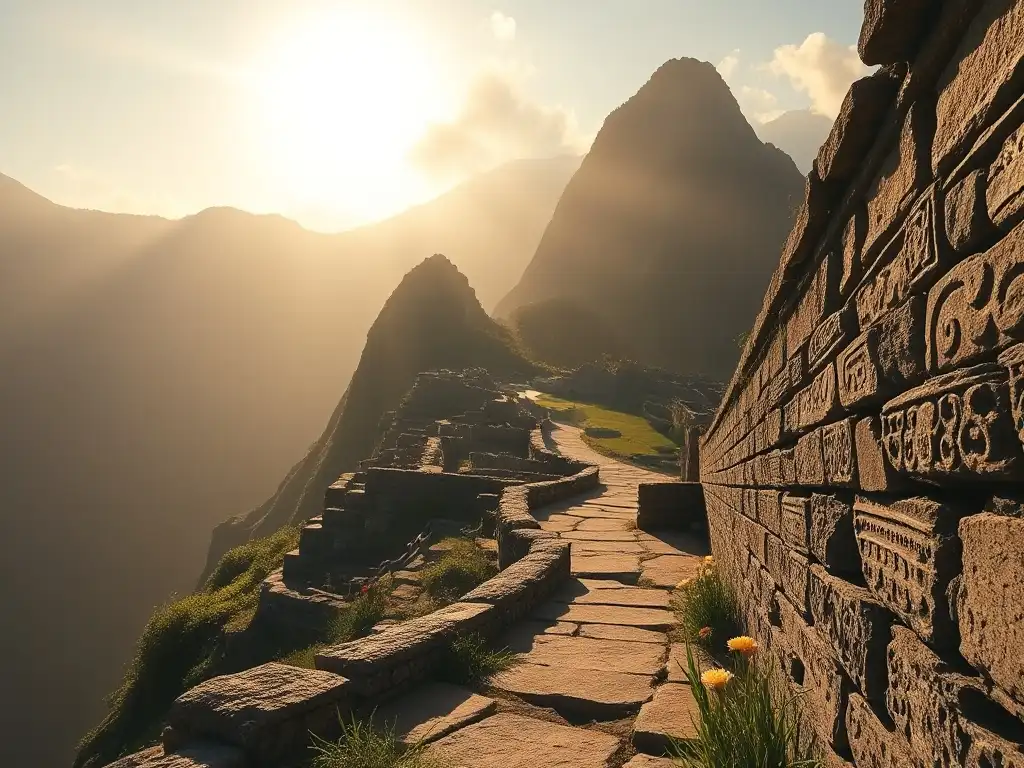
Pucarambos, often misspelled as Pacaritambo, presents a compelling alternative narrative within the Inca empire origins myth. While the legend of the emergence from the cave at Tambo Toco holds significant weight, Pucarambos offers a different, equally fascinating perspective on the mythical beginnings of the Inca civilization.
Located in the Cusco region of Peru, this site is steeped in legend and holds a prominent place in Inca oral traditions, though its significance is often overshadowed by the Tambo Toco narrative. Unlike Tambo Toco, which focuses on a single, specific origin point, Pucarambos suggests a more nuanced, possibly less singular, genesis for the Inca people.
The importance of Pucarambos lies in its association with the creation of the Inca people, not just their emergence. While Tambo Toco speaks of the Ayar brothers leaving a subterranean world, Pucarambos hints at a more complex process of becoming, a gradual emergence and development of Inca identity and culture. This difference is crucial in understanding the multifaceted nature of the Inca origins myth and the various interpretations that have persisted through time.
Archaeological evidence at the site, though limited, suggests a long history of occupation, potentially predating the Inca Empire itself, further adding to the complexity of its role in the legend. This layered history might explain why Pucarambos features less prominently in the commonly known Inca origin story – it may represent a more localized, less easily generalized narrative of origins.
The site's enduring presence in Inca folklore, however, undeniably links it to the early development of Inca identity and the shaping of their foundational myths. Further research and excavation at Pucarambos could potentially reveal even more about its crucial role in the Inca empire origins myth.
The Cave of Origins: Tambo Toco
The cave of Tambo Toco, situated near the town of Paucartambo, is central to the most widely known Inca empire origins myth. This subterranean space is presented in oral traditions as the birthplace of the Inca people. The legend details the emergence of the Ayar brothers and their sister Mama Ocllo from this very cave, initiating their journey to establish the Inca Empire. The cave itself, with its dark, mysterious interior, powerfully symbolizes the transition from the unknown, hidden past to the emergence into the light of a new civilization.
The symbolism of Tambo Toco extends beyond the literal. The act of emerging from a cave represents a metaphorical rebirth, a passage from darkness into light, from obscurity to prominence. This powerful imagery resonates deeply with the narrative of the Inca Empire's rise from a relatively small group to a vast and powerful civilization that dominated the Andes. The cave's location in the remote highlands further reinforces the idea of a humble, almost hidden, origin, contrasting dramatically with the empire's later grandeur.
This stark contrast emphasizes the epic nature of the Inca's journey and solidifies Tambo Toco’s significance in the Inca empire origins myth. The cave remains a site of pilgrimage, testament to its enduring importance in Inca cultural memory and a living embodiment of the legend. The very act of visiting the cave connects modern-day Peruvians to their ancestral past and reinforces the enduring power of the myth.
The Ayar Brothers and the Search for Fertile Land
The Ayar brothers – Ayar Manco, Ayar Cachi, Ayar Uchu, and Ayar Auca – are key figures in the Inca empire origins myth. Emerging from the cave of Tambo Toco alongside their sister, Mama Ocllo, these brothers embarked on a quest to find a suitable location to establish their new civilization. Their journey is not merely a geographical exploration; it's a symbolic representation of the challenges faced by the early Inca people in establishing themselves in the harsh Andean environment.
Each brother possessed unique skills and characteristics, reflecting the diverse talents needed to build a successful society. Ayar Manco, often considered the leader, demonstrated wisdom and strategic thinking. Ayar Cachi possessed exceptional physical strength, while Ayar Uchu and Ayar Auca represented other vital skills, though the specifics vary across different versions of the legend.
Their journey is marked by conflict, both internal and external, highlighting the difficulties and obstacles faced in the early stages of empire building. The brothers' ultimate fate – some versions of the myth describe their deaths – emphasizes the sacrifices and struggles necessary for the establishment of the Inca civilization.
The story of the Ayar brothers, therefore, is not just a historical narrative but a powerful allegory about the challenges of leadership, the importance of cooperation, and the inherent difficulties in forging a new nation. The legend serves as a cautionary tale and a source of inspiration, underscoring the complexities and sacrifices that underpinned the creation of the Inca Empire.
Comparing Inca Origin Myths: Lake Titicaca vs. Pacaritambo
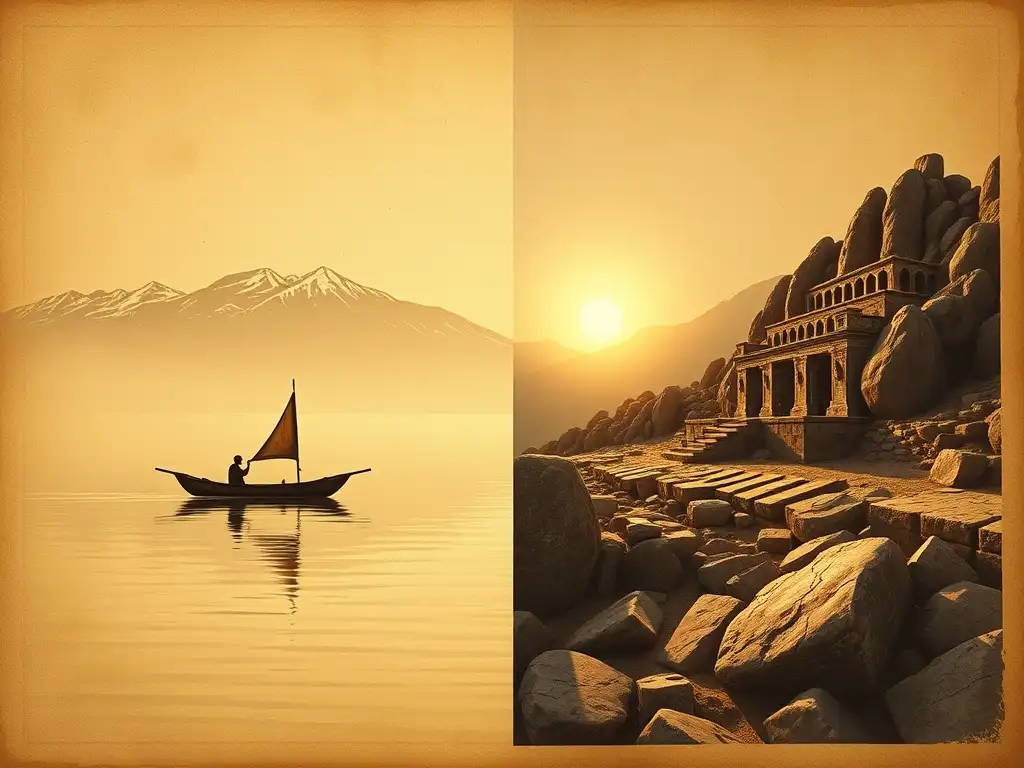
The Inca empire origins myth is not a singular narrative but rather a tapestry woven from several interwoven strands. Two prominent versions stand out: the legend of Lake Titicaca and the myth of Pacaritambo. Understanding these competing narratives offers crucial insight into Inca cosmology, social structures, and the symbolic power they attributed to their origins.
Both stories, while distinct, share a common thread: the emergence of the Inca ancestors from a sacred, otherworldly place. However, the specific location and the nature of this emergence profoundly shape the interpretation of Inca identity and legitimacy. This section will delve into a comparative analysis of these two dominant myths.
Contrasting the Sacred Lake and the Cave of Emergence
The Lake Titicaca myth paints a picture of emergence from the water, a powerful symbol of life and creation across many cultures. The story typically recounts how Manco Cápac and Mama Ocllo, the first Inca rulers, emerged from the lake, carrying a golden staff. This staff, a symbol of royal authority, guided them to the location where they would found Cusco, the heart of the Inca empire.
The lake itself is considered a sacred space, imbued with spiritual significance and connected to the Andean worldview of the cosmos. The narrative emphasizes a divine origin, with Manco Cápac and Mama Ocllo often portrayed as children of the sun god, Inti.
In contrast, the Pacaritambo myth describes the emergence from a cave, a subterranean realm often associated with the underworld and the ancestors. This version depicts the ancestors emerging from a cave, perhaps representing a connection to the earth and the hidden forces of nature. The cave at Pacaritambo, located in the Andes, is imbued with a different kind of sacredness than Lake Titicaca. It is a place of mystery, a source of power emanating from the earth itself.
This narrative potentially emphasizes a more terrestrial, less overtly divine origin, although the ancestors' status remains elevated. The contrast between water and earth, lake and cave, reflects a complex interplay of cosmological beliefs within Inca society. The differing locations emphasize the multifaceted nature of Inca origins and the possible integration of pre-existing beliefs into their foundational myths.
The Symbolic Significance of Each Inca Origin Story
The symbolic significance of each myth is deeply rooted in Inca ideology. The Lake Titicaca myth, with its emphasis on water and the sun god, underscores the importance of royal lineage and divine legitimacy. The emergence from the lake suggests a connection to the celestial realm, reinforcing the Inca ruler's status as a divine intermediary between the gods and the people. The golden staff further symbolizes the authority bestowed upon them by the gods.
This narrative likely served to consolidate Inca power and justify their dominion over other Andean groups. The imagery resonates with the power of the sun, vital for agriculture and life in the Andean region. ☀️
Conversely, the Pacaritambo myth, with its focus on the cave, might suggest a connection to the ancestral spirits and the land itself. This story could emphasize the importance of kinship ties and the continuity of Inca culture, connecting the living to their predecessors. The emergence from the earth highlights the Inca's deep connection to their environment and their ability to thrive in the challenging Andean landscape.
This narrative possibly reflects a more inclusive aspect of Inca identity, emphasizing a shared ancestry with other Andean communities. The cave's hidden nature could also symbolize the hidden power and resilience of the Inca people. ⛰️
The coexistence of these narratives suggests that the Inca empire origins myth wasn’t a rigid, monolithic story. Instead, it was a flexible, multifaceted narrative, adaptable to different contexts and purposes. Both myths contributed to the construction of Inca identity, providing different perspectives on their origins and justifying their rule. Further research, including archaeological investigations and a deeper analysis of surviving Inca texts, could potentially shed more light on the interplay between these narratives and their impact on the development of the Inca empire.
The Historical Context of Inca Origin Legends
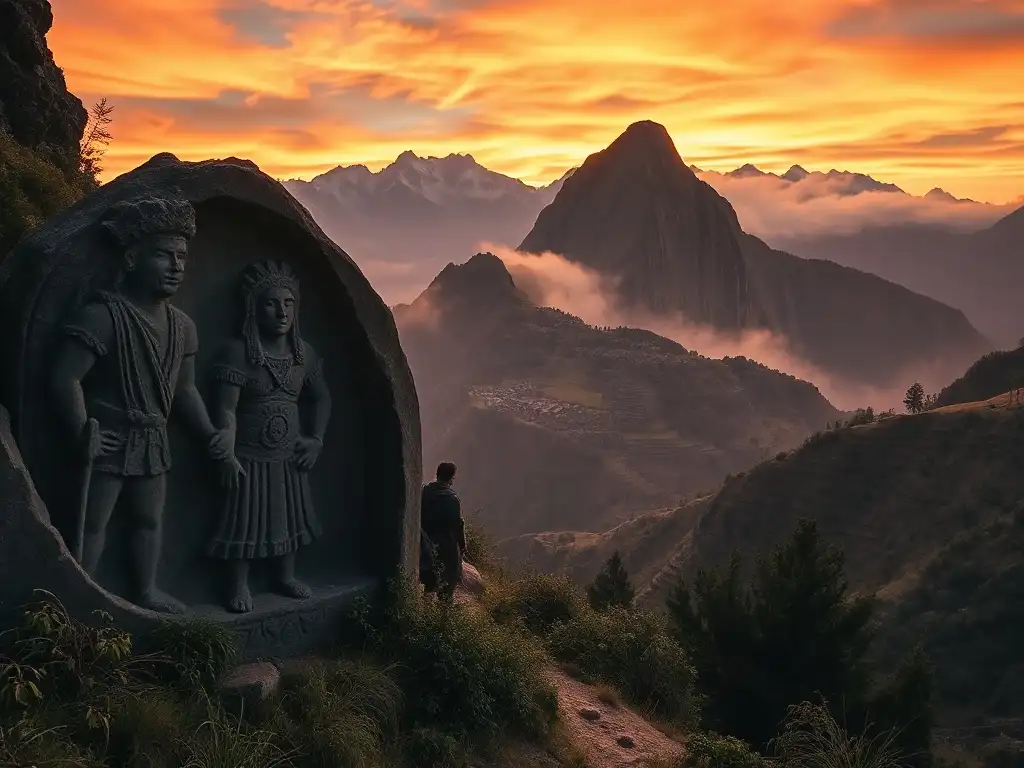
The Inca empire origins myth, while steeped in legend, didn't emerge in a vacuum. Understanding its genesis requires examining the socio-political climate of the late 13th and early 14th centuries in the Andes. The region wasn't a unified entity; rather, it was a patchwork of smaller, often warring, ethnic groups.
The emergence of the Inca, initially a relatively small group, coincided with a period of significant upheaval and power vacuums left by the decline of other powerful Andean cultures. This created an opportune moment for a charismatic leader and a well-organized group to rise to prominence, consolidating power and weaving narratives that legitimized their rule. The Inca origin story, therefore, should not be viewed solely as a myth, but also as a powerful tool of state-building and social control, reflecting the realities of power dynamics in the Andes during this formative period.
The narrative of a divine origin served to solidify the Inca’s claim to legitimacy and authority, unifying disparate groups under a single banner and justifying their expansionist policies. This carefully crafted mythology, therefore, played a crucial role in the early stages of the Inca empire's formation and growth. The blending of historical events with mythical elements is a common feature in the creation of national identities and the establishment of empires throughout history, and the Inca were no exception.
Archaeological Evidence and Early Inca Settlements
Archaeological evidence provides crucial context for understanding the Inca origins myth. While tangible proof of the legendary origins is naturally lacking, early Inca settlements unearthed in the Cusco region reveal a gradual process of development, not a sudden, miraculous appearance. These early sites, characterized by relatively simple architecture and modest agricultural practices, contrast sharply with the later imperial grandeur.
The shift from these humble beginnings to the sophisticated urban planning and monumental architecture of the later Inca empire underscores the narrative of growth and consolidation implied in the origin stories. The archaeological record, therefore, supports the idea of a gradual rise to power, contradicting the immediate, divinely-ordained dominance suggested by some interpretations of the myths. Analysis of ceramic styles, burial practices, and agricultural techniques in these early sites offers valuable insights into the social structure and daily life of the nascent Inca civilization, providing a more grounded perspective on their early development.
Furthermore, the location of these initial settlements, strategically situated in fertile valleys, hints at a pragmatic approach to expansion, rather than a purely divinely guided one. The careful study of these early settlements helps to disentangle the mythical narrative from the historical reality of the Inca's rise.
The Role of Oral Tradition in Preserving Inca History
The Inca empire origins myth, like much of Inca history, was primarily transmitted through oral tradition. The absence of a written language meant that stories, genealogies, and historical accounts were passed down through generations by spoken word, songs, and performances. This oral tradition, while prone to variations and embellishments over time, played a vital role in shaping collective memory and identity. The quipus, complex knotted cords used for record-keeping, likely played a supporting role, aiding in the memorization and transmission of key historical data, though their exact function remains a topic of scholarly debate.
The intricate system of oral storytelling, with its emphasis on memorization and performance, ensured the survival of the Inca origin myths, even as the empire itself eventually fell. This method of historical preservation highlights the importance of understanding the cultural context in which these myths were created and disseminated. The detailed narratives, often incorporating poetic language and dramatic elements, served not only to recount the past but also to reinforce social norms, instill loyalty, and legitimize the Inca rulers’ authority.
Analyzing the structure and content of these oral traditions offers valuable insights into Inca worldview and societal values. The persistence of these myths even after the Spanish conquest speaks to their enduring power and cultural significance. 🗺️
The Influence of Inca Mythology on their Culture
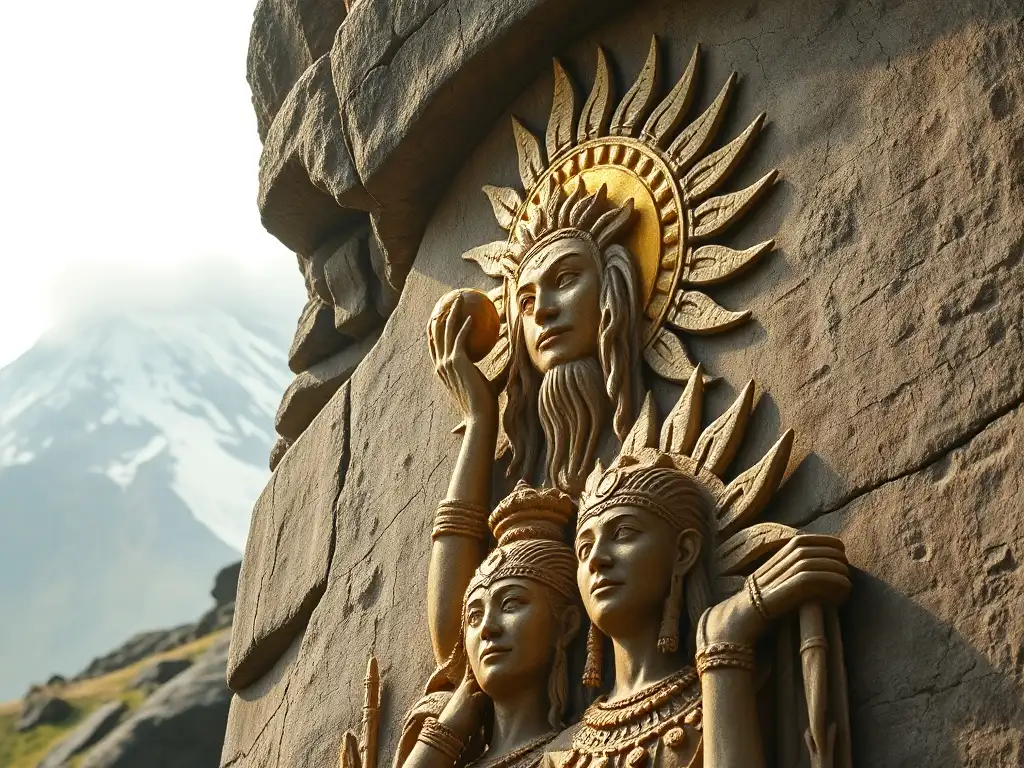
Inca mythology wasn't merely a collection of stories; it was the very bedrock of their societal structure, political legitimacy, and daily life. The intricate web of myths, legends, and beliefs profoundly shaped their worldview, impacting everything from agricultural practices to imperial expansion. Understanding the Inca empire origins myth is crucial to grasping the complexities of this remarkable civilization. The narratives weren't simply entertaining tales; they served as powerful tools for social control, reinforcing the authority of the Sapa Inca and fostering a strong sense of collective identity. This section will explore how these powerful narratives permeated Inca society.
The Impact of Origin Stories on Inca Society
The Inca origin story, centered around the emergence of Manco Cápac and Mama Ocllo from Lake Titicaca, wasn't just a founding myth; it was a justification for Inca rule. This narrative, passed down through generations, legitimized the Sapa Inca's divine right to govern, connecting him directly to the gods. The story reinforced the Inca's superior status and their right to conquer and control neighboring territories.
The narrative's power extended beyond the imperial court; it instilled a sense of shared history and purpose among the diverse populations under Inca rule. This collective identity, forged in the crucible of shared mythology, was a critical factor in maintaining social cohesion across a vast and geographically diverse empire. Think of it as a sophisticated form of propaganda, subtly reinforcing the Inca's power and authority through captivating storytelling.
The impact was far-reaching, influencing social hierarchies, religious practices, and even agricultural techniques, which were often linked to specific deities and mythical events. For example, the successful harvest was often attributed to the favor of specific gods, reinforcing the importance of ritual and sacrifice.
The Inca's Connection to Their Mythological Ancestors
The Inca deeply believed in their connection to their mythological ancestors. This belief wasn't abstract; it manifested in various aspects of their lives. Ancestor veneration was a central part of Inca religious practice, with elaborate ceremonies and offerings performed to appease and honor the spirits of their predecessors. This spiritual lineage, tracing back to the mythical founders, reinforced the Inca's sense of continuity and legitimacy.
The mummification and preservation of royal ancestors further emphasized this connection, transforming deceased rulers into powerful intermediaries between the living and the divine. These mummies weren't simply relics; they were active participants in the political and religious life of the empire, consulted on important matters and treated with utmost respect. The Inca believed that their ancestors possessed the power to influence events and provide guidance, strengthening the bond between the living and the past.
This deep-rooted connection to their mythical origins significantly impacted their social and political organization, shaping their worldview and guiding their actions. The reverence for ancestors served as a potent force, fostering social stability and reinforcing the authority of the ruling dynasty. The very fabric of Inca society was woven with threads of this profound connection to their legendary past, a testament to the enduring power of their myths.
The Legacy of Inca Origin Myths
The Inca empire, a civilization renowned for its sophisticated engineering, intricate social structures, and vast territorial reach, left behind a rich tapestry of myths and legends that continue to fascinate and inspire. Central to their cultural identity are the stories surrounding their origins, narratives that shaped their worldview and provided a foundation for their imperial ideology. Understanding these origin myths offers invaluable insight into the Inca worldview, their political strategies, and their enduring legacy.
These stories weren't merely whimsical tales; they served crucial functions, legitimizing their rule, unifying diverse populations, and explaining the natural world around them. The Inca empire origins myth, therefore, isn't just a historical curiosity; it's a key to unlocking a deeper comprehension of this remarkable civilization. The persistence of these myths across generations underscores their importance in shaping Inca identity and cultural continuity.
Understanding the Inca Empire's Foundations
The most widely known Inca origin myth centers around the legendary figure of Manco Cápac and his sister-wife Mama Ocllo. Emerging from the sacred lake Titicaca, they were tasked by the sun god, Inti, with establishing a new civilization. Their journey, fraught with challenges and divine guidance, is a powerful narrative that establishes the legitimacy of Inca rule and their connection to the divine.
The precise details vary across different accounts, a testament to the oral tradition through which these stories were transmitted. Some versions describe Manco Cápac wielding a golden staff, a divinely-given instrument that helped them locate the ideal place to found their capital, Cusco. This act of divine selection reinforced the idea of Inca rule as divinely ordained, enhancing their authority and justifying their expansionist policies.
The story also serves to explain the Inca's sophisticated understanding of agriculture and their ability to thrive in challenging terrain. The myth reflects their ability to adapt and innovate, transforming a relatively small group into a powerful empire. The Inca empire origins myth, therefore, is not just a story; it's a foundational narrative that explains their rise to power.
The Enduring Power of Inca Mythology
The influence of Inca origin myths extends far beyond the realm of historical narrative. These stories continue to resonate in modern-day Peru and beyond, shaping cultural identity and inspiring artistic expression. Their enduring power lies in their ability to connect the past with the present, offering a sense of continuity and belonging. The Inca empire origins myth, in its various iterations, is still told and retold, weaving its way into festivals, ceremonies, and artistic representations.
This continued relevance is a testament to the profound impact these narratives had, and continue to have, on the cultural landscape of the Andes. The myth's themes of divine selection, perseverance, and the establishment of a just and prosperous society continue to inspire and hold meaning for contemporary Andean communities. Furthermore, the study of these myths provides valuable insights into the cognitive processes and social dynamics of the Inca civilization.
Understanding the Inca empire origins myth is crucial for appreciating the complexity and richness of Andean culture, both historically and in the present day. The survival of these narratives demonstrates their resilience and their enduring power to shape cultural identity. The legacy of the Inca empire origins myth is a powerful testament to the enduring strength of oral tradition and the lasting impact of mythology on a civilization's self-understanding.
Frequently Asked Questions
What is the most prominent myth surrounding the Inca Empire's origins?
The most well-known origin myth centers around the legendary birthplace of Cusco, specifically the cave of Tambotoco, where the founder ancestors Manco Cápac and Mama Ocllo emerged. This myth solidified Cusco's importance as the capital of the Inca Empire.
How did the Inca origin myth contribute to the Empire's power?
The myth served to legitimize Inca rule and unite diverse populations under a shared history. Claiming divine ancestry provided religious and political authority, bolstering the Emperor's power.
Were there other competing origin myths within the Inca Empire?
Yes, while the Cusco origin myth was dominant, regional variations and other narratives existed. These localized myths often reflected the specific history and beliefs of different Inca ethnic groups.
How did the Inca origin myth influence Inca art and architecture?
The myth heavily influenced Inca iconography, with depictions of Manco Cápac and Mama Ocllo frequently appearing in art and architecture. The city of Cusco itself, designed to reflect the mythical origins, is a prime example.
How reliable are the Inca origin myths as historical sources?
While not strictly factual in a modern sense, the myths provide valuable insights into Inca worldview, social structure, and political ideology. They are crucial for understanding Inca self-perception and their relationship with the land.
Final Reflection: Echoes of the Andes: A Legacy Forged in Myth and Stone
The Inca Empire's origins, shrouded in myth and legend, continue to resonate powerfully today, reminding us of the enduring human need to understand our beginnings and the profound impact of storytelling on shaping identity. The narratives surrounding Manco Cápac and Mama Ocllo, whether historical fact or elaborate myth, offer a compelling lens through which to examine the power of creation myths to unify and inspire a civilization. Their story, passed down through generations, became the bedrock upon which a vast and sophisticated empire was built.
The enduring legacy of the Inca's genesis myth is not merely a historical curiosity; it speaks to the fundamental human desire to connect with our past and find meaning in our origins. It's a testament to the power of narrative to shape collective identity and inspire collective action. Myths are public dreams, and dreams are private myths.
- Joseph Campbell. This quote perfectly encapsulates the interplay between the personal and the societal in the formation of the Inca identity, a process deeply rooted in their foundational myths. The echoes of these stories still reverberate in the Andes, shaping cultural practices and informing a sense of shared heritage.
Consider, then, the power of your own origin story. How does your understanding of your past shape your present and inform your future? Embrace the myths and legends that define your own heritage, for within them lie the seeds of your identity and the inspiration to build your own legacy, just as the Inca did centuries ago. Let the enduring spirit of Manco Cápac and Mama Ocllo inspire you to explore your own roots and to create a narrative worthy of being passed down through the generations.
Unveil the Rich Tapestry of Inca Heritage!
Thank you for exploring the captivating world of the Inca Empire with us! Your interest in this remarkable civilization underscores its enduring significance in our shared history. Let's delve even deeper!
Here are some ways to further connect with the Inca legacy:
- Join a local historical society or museum focused on Andean cultures to expand your knowledge and participate in community discussions.
- Share your insights with friends and family, or on social media—ignite conversations and spread appreciation for Inca history!
- Plan a trip to explore Incan archaeological sites like Machu Picchu or Ollantaytambo and witness their breathtaking beauty firsthand.
What aspect of Inca culture intrigues you most?