
Weapons of the Inca Army: Swords, Clubs, and Slings

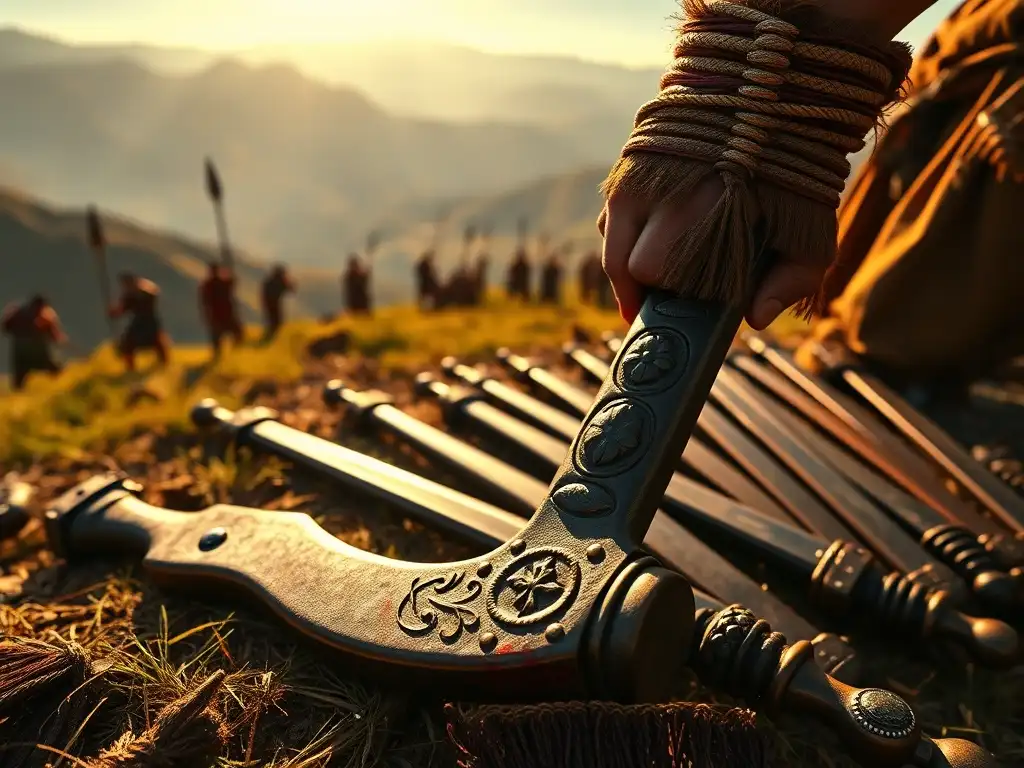
Step into a world lost to time, where the echoes of ancient empires still resonate. Discover the ingenuity and power of the Andean civilizations, from the intricate artistry of the Nazca lines to the sophisticated engineering of the Incas. But prepare to be captivated by the secrets held within the arsenals of a mighty army. What weapons forged the Inca Empire’s dominance? Uncover the lethal effectiveness of Inca army weapons, and delve into the fascinating world of swords, clubs, and slings that shaped the fate of a continent. Explore the history, unravel the mysteries, and prepare to be amazed.
Inca Army Weapons: Swords, Clubs, and Slings
The Inca Empire, at its zenith, controlled a vast territory stretching along the Andes Mountains. This impressive feat of imperial expansion and consolidation was not solely achieved through diplomacy and administrative prowess; a formidable military played a crucial role. Understanding the weapons employed by the Inca army provides critical insight into their military strategies, societal structure, and technological advancements.
This article delves into the weaponry of the Inca military, focusing on their most prominent weapons: swords (specifically the macana), clubs, and slings, providing a comprehensive overview of their design, construction, and battlefield application, ultimately shedding light on the effectiveness of the Inca war machine and its contribution to the empire's growth. We will explore the "Inca army weapons" in detail, examining the technological sophistication and strategic implications of their arsenal.
The Arsenal of the Inca Military: An Overview
The Inca army wasn't equipped with a standardized, mass-produced arsenal like some later empires. Weaponry varied regionally, reflecting both available resources and local traditions. However, certain weapons became iconic symbols of Inca military power. These included the macana (a type of club), various clubs made from wood and stone, and slings, which were remarkably effective at range.
Armor was less common, with elite warriors sometimes using quilted cotton padding for protection. The Inca military's strength lay not only in its weaponry but also in its organization, discipline, and strategic brilliance, utilizing terrain to their advantage and employing innovative tactics. Their weaponry, while seemingly simple, was highly effective in the context of Andean warfare. The effectiveness of Inca weapons stemmed from their adaptability to diverse terrains and combat situations.
Inca Swords: The Macana and its Variations
While not technically swords in the European sense, the macana served as the closest equivalent in the Inca arsenal. It was a formidable weapon, employed by both infantry and elite warriors. Variations existed depending on the region and the warrior's status, with some being more elaborately decorated than others. The macana’s effectiveness was not solely reliant on its design; the Inca warriors’ training and mastery of the weapon were equally important factors in their battlefield successes. The weapon’s design itself facilitated a variety of combat techniques, making it a versatile tool in the hands of a skilled warrior.
The Macana: A Closer Look at the Inca Sword
The macana was typically a heavy, wooden club, often with a slightly curved blade. Its size and weight allowed for devastating blows, capable of breaking bones and inflicting serious injuries. The curved shape likely aided in hooking and disarming opponents, adding to its versatility on the battlefield. The macana’s design was carefully considered, balancing weight, durability, and effectiveness in close-quarters combat. Its simplicity belied its effectiveness as a primary weapon in Inca warfare. The design was perfected over generations, reflecting a deep understanding of materials and combat techniques.
Materials and Construction of Inca Macanas
The materials used in macana construction varied depending on regional availability. Hardwoods, such as those found in the Andean forests, were favored for their strength and durability. Some macanas were reinforced with metal studs or points, enhancing their destructive capabilities. The construction process likely involved careful selection of wood, shaping through carving and potentially fire-hardening to increase the weapon’s durability and resistance to impact. The quality of the macana directly correlated with the skill and resources of its creator, reflecting the social status of the warrior who wielded it.
Use and Effectiveness of the Macana in Inca Warfare
The macana played a crucial role in Inca warfare. Its effectiveness was amplified by the Inca army's disciplined formations and coordinated attacks. The weight and force of the macana could break through enemy defenses, while its curved blade could hook and disarm opponents.
The weapon's use was not limited to direct combat; it could also be employed to break enemy formations or to defend against projectiles. The macana, when wielded by skilled warriors, proved to be a highly effective weapon, contributing significantly to the Inca Empire's military successes. The weapon’s impact on Inca warfare is undeniable, and its design reflects a keen understanding of both materials science and battlefield tactics.
Inca Clubs: Diverse Forms for Close Combat
Inca clubs, or macanas, were essential weapons in close-quarters combat, forming a cornerstone of the Inca army's arsenal. Their design varied considerably depending on the materials available and the intended use. From simple wooden clubs to more elaborate stone and bronze versions, these weapons were crucial for overcoming enemy resistance during warfare and maintaining order within the vast Inca Empire.
The effectiveness of the macanas stemmed not only from their construction but also from the sophisticated fighting techniques employed by Inca warriors. Their use in battle was often decisive, contributing significantly to the Inca's military successes in conquering and controlling a large territory. The sheer force generated by a well-aimed blow, coupled with the strategic deployment of club-wielding soldiers, could break enemy lines and lead to decisive victories.
Stone and Bronze Inca Clubs: A Variety of Designs
Stone and bronze were prized materials for crafting more sophisticated Inca clubs. Stone clubs, often made from volcanic rock like andesite, were exceptionally durable and capable of inflicting devastating damage. The designs ranged from simple, rounded heads to more complex shapes, sometimes incorporating ridges or sharpened edges to increase their cutting power. Bronze clubs, though less common due to the more complex metallurgical processes involved, were prized for their strength and sharpness.
These weapons were likely reserved for elite warriors or high-ranking officials within the Inca military structure. Archaeological evidence suggests a significant diversity in the size and weight of these clubs, indicating that they were likely tailored to individual preferences and fighting styles. The meticulous craftsmanship evident in many surviving examples highlights the importance placed on weaponry within Inca society.
The Star-Headed Club: A Powerful Inca Weapon
Among the most visually striking Inca clubs is the star-headed mace. This formidable weapon, characterized by its multiple, radiating points, was particularly effective at crushing armor and inflicting grievous wounds. Its complex design suggests a high level of skill and expertise on the part of the weapon's creator.
While less common than simpler club designs, the star-headed mace likely held symbolic significance, potentially indicating the status of the warrior wielding it. The intricate design, often featuring meticulously carved details, would have also served as a powerful intimidation tactic, striking fear into the hearts of their opponents. The effectiveness of this weapon likely contributed to its use by elite warriors in key battles.
Tactics and Techniques with Inca Military Clubs
Inca warriors didn't simply rely on brute force when wielding their clubs. They employed sophisticated tactics and techniques to maximize their effectiveness. These techniques likely involved coordinated attacks, with groups of warriors using their clubs in unison to overwhelm opponents. The weight and balance of the clubs were carefully considered, allowing for both powerful strikes and quick, agile movements.
Furthermore, the Inca likely incorporated their clubs into broader military strategies. For example, they might use clubs to break enemy formations before launching a more focused attack with spears or slings. Understanding these tactics is crucial to appreciating the full significance of the Inca club in warfare. Further research into Inca military manuals and battle strategies could potentially reveal more nuanced information on these techniques.
Slings and Projectiles: Long-Range Inca Weapons
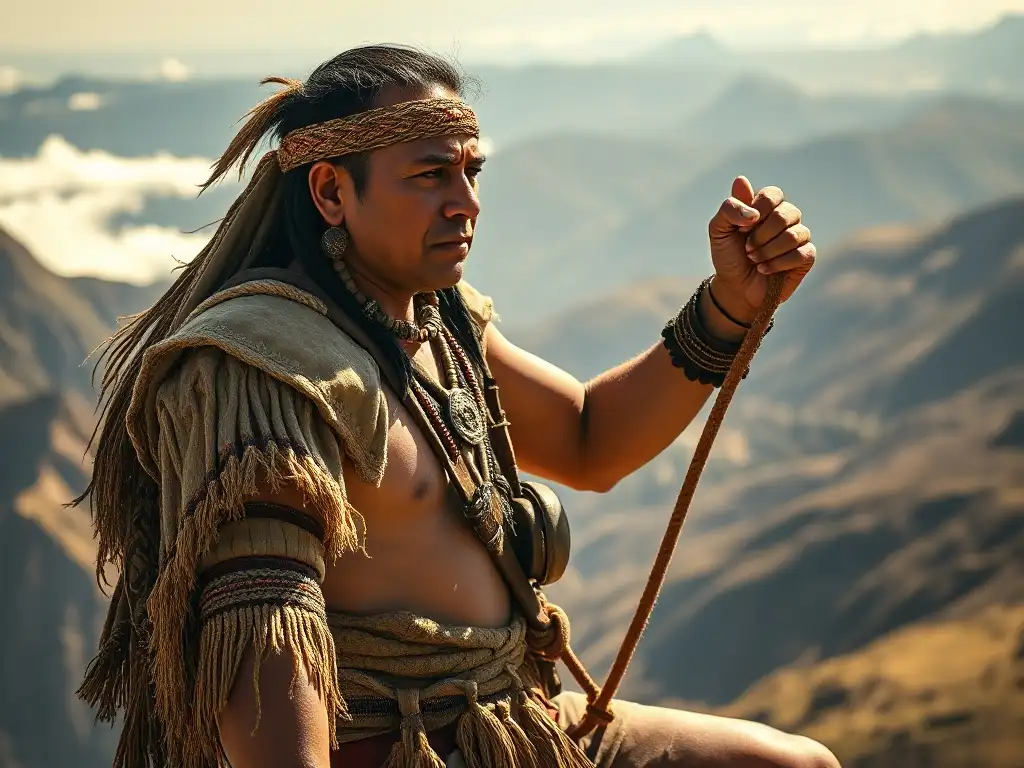
The sling was another indispensable weapon in the Inca army's arsenal, providing a significant advantage in long-range engagements. These simple yet effective weapons allowed Inca soldiers to accurately launch projectiles over considerable distances, disrupting enemy formations and inflicting casualties from a safe distance. The sling's portability and ease of use made it an ideal weapon for a diverse range of warriors, from seasoned veterans to less experienced recruits.
Its widespread use highlights its importance within the Inca military strategy. The design and materials used in the construction of Inca slings, along with the types of projectiles employed, reveal a level of sophistication that often goes underappreciated.
Different Types of Inca Slings: Materials and Construction
Inca slings were typically constructed from readily available materials, primarily strong fibers like llama or alpaca wool. The construction methods varied, but most slings consisted of a pouch attached to two cords. The pouch, where the projectile was held, was often reinforced to prevent tearing under the stress of launching the projectile.
The length and width of the sling, along with the material used, likely influenced the range and accuracy of the weapon. While specific variations in sling design are not fully documented, archaeological findings suggest a degree of customization based on individual preferences and the type of projectile being used. The simplicity of the design allowed for widespread adoption, making it a crucial element of Inca military power.
Inca Sling Ammunition: Stone and Clay Projectiles
The projectiles used in Inca slings were primarily stones and clay balls. Stones were readily available and varied in size and shape depending on the availability of suitable materials. Clay projectiles, while potentially less durable, were likely easier to manufacture in large quantities. The size and weight of the projectiles would have affected both the range and impact force.
Larger, heavier stones would have had a greater impact but a shorter range, while smaller projectiles could be launched further but with less force. This flexibility in projectile choice allowed Inca slingers to adapt their tactics to different combat situations. The careful selection and preparation of these projectiles underscore the attention to detail within the Inca military.
The Effectiveness of Inca Slings on the Battlefield
The effectiveness of Inca slings on the battlefield is well documented. Their range allowed Inca soldiers to harass and weaken enemy formations before engaging in close-quarters combat. The accuracy of experienced slingers could inflict significant casualties, disrupting enemy advances and demoralizing their troops.
The use of slings in conjunction with other weapons, such as clubs and spears, created a synergistic effect, maximizing the army's overall combat capabilities. The sling’s versatility and effectiveness contributed significantly to the Inca Empire's military successes, making it a crucial component of their overall war strategy. The widespread use of the sling across various Inca armies points to its recognized importance in both offensive and defensive maneuvers.
Beyond Swords, Clubs, and Slings: Other Inca Military Equipment
The Inca army's arsenal extended far beyond the iconic swords, clubs, and slings. A sophisticated understanding of materials and engineering allowed them to create a range of effective military equipment. This included specialized tools for siege warfare, such as scaling ladders and battering rams, although the precise construction details of these items remain somewhat elusive due to limited surviving artifacts.
We know from accounts of Spanish conquistadors that these tools played a significant role in Inca military campaigns, allowing them to overcome fortified positions and conquer diverse terrains. The effectiveness of these siege weapons is further evidenced by the Inca's ability to expand their empire across challenging Andean geography. Furthermore, the Inca utilized a variety of traps and snares, strategically placed to ambush enemies and disrupt their advances.
These were often cleverly concealed, exploiting the natural landscape to their advantage. The ingenuity displayed in these less frequently discussed aspects of Inca military technology highlights the depth and sophistication of their military capabilities.
Inca Shields and Armor: Defensive Gear
Inca soldiers utilized various forms of defensive gear, primarily shields and armor. Shields, often made from wood or woven materials like reeds, were crucial in deflecting projectiles. Their size and shape varied, adapting to different combat situations. Some were large enough to protect the entire body, while others were smaller and more maneuverable.
The construction techniques were sophisticated, aiming for both lightness and durability. Armor, while less common than shields, existed in the form of quilted cotton padding or leather, offering some protection against edged weapons. This padding wasn't as robust as the metal armor of European armies, but it offered a degree of protection against slashing blows and blunt force trauma, improving the survival rate of Inca soldiers in close-quarters combat. The scarcity of metal in the Andes limited the development of metal armor, forcing the Inca to rely on readily available resources for defense.
Spears and Lances in Inca Military Strategy
Spears and lances formed an integral part of Inca military strategy, particularly in close-quarters combat. These weapons, crafted from hardened wood and sometimes tipped with obsidian or other sharpened materials, were effective at piercing enemy armor and causing significant damage. Their length provided a crucial advantage in battle, allowing Inca soldiers to keep their adversaries at bay. The use of spears and lances was often coordinated, with formations designed to maximize their effectiveness.
The precise tactics employed, however, remain a subject of ongoing research, with limited detailed accounts surviving from the pre-Columbian era. Nonetheless, the prevalence of these weapons in Inca iconography suggests their significance in Inca warfare. Their adaptability to various terrains and combat situations cemented their place as a critical element of the Inca army's weaponry.
Inca Military Standards and Signals
Effective communication on the battlefield was crucial for the Inca army's success. While written communication wasn't widespread among the Inca, they developed sophisticated systems of visual signaling and military standards. These standards, often brightly colored textiles and banners, played a vital role in identifying different units and relaying commands. Complex arrangements of these standards could convey tactical orders across large distances.
The use of runners and messengers, supported by a network of roads, further enhanced the Inca army's communication capabilities. These runners, known for their endurance and speed, could relay messages swiftly between different battlefronts, ensuring coordinated movements and timely responses to evolving combat situations. This combination of visual signals and rapid communication systems contributed significantly to the Inca army's effectiveness.
The Importance of Weapons in Inca Military Success
The Inca Empire's remarkable expansion and consolidation were directly linked to the effectiveness of its military weaponry and tactics. The Inca army's success wasn't solely dependent on superior weaponry; it also relied on disciplined organization, effective leadership, and a thorough understanding of their terrain. However, the quality and diversity of their weapons played an undeniable role.
The combination of ranged weapons like slings and spears for close combat gave them a significant advantage over many of their adversaries. The strategic use of these weapons, coupled with their mastery of Andean terrain, allowed them to conquer a vast and diverse empire. Analyzing the Inca's military successes necessitates a comprehensive understanding of their weapon technology, demonstrating how innovation in weaponry contributed directly to their imperial expansion.
Inca Weaponry and its Impact on Conquest
The Inca's weaponry played a pivotal role in their conquest of numerous Andean groups. Their superior weaponry and tactical expertise often overwhelmed their opponents. The effective range of slings, for instance, allowed them to inflict casualties from a distance, weakening enemy forces before engaging in close combat.
The combination of different weapon types—swords, clubs, spears, and slings—allowed for a versatile and adaptable approach on the battlefield. The impact of Inca weaponry extended beyond the battlefield; it became a symbol of imperial power, instilling fear and respect in conquered populations. The fearsome reputation of the Inca army, fueled by its effective weaponry, undoubtedly contributed to the relative ease with which they brought many groups under their control.
Inca Military Organization and Weapon Deployment
The Inca military's success wasn't just about the weapons themselves; it was also about how those weapons were deployed. The Inca army was highly organized, with different units specializing in various types of warfare. This organization, combined with their effective communication systems, allowed for coordinated attacks and effective maneuvers during battles.
The deployment of weapons was often strategic, utilizing ranged weapons to soften enemy lines before engaging in close-quarters combat. The Inca military also excelled at adapting their tactics to different terrains and enemy strengths, demonstrating a remarkable degree of flexibility and strategic thinking. This sophisticated organization and deployment of weapons were as important as the weapons themselves in securing Inca victories.
The Legacy of Inca Military Technology
The legacy of Inca military technology is multifaceted. Although much of their weaponry was organic and perishable, the ingenuity behind its creation and the effectiveness of its use remain remarkable achievements. The Inca's understanding of materials science, their ability to adapt to diverse terrains, and their strategic deployment of forces offer valuable insights into pre-Columbian military practices.
The influence of Inca military technology can be seen in the weaponry and tactics of later Andean societies. Moreover, the remnants of Inca military technology serve as a testament to the sophistication of this civilization and its capacity for innovation. Their legacy continues to inspire and inform our understanding of ancient military practices in the Andes.
Frequently Asked Questions
What were the primary weapons used by the Inca army?
The Inca army relied on a variety of weapons, including swords (macuahuitl), clubs (porras), and slings. They also utilized spears and darts, often tipped with obsidian or bone.
How effective were Inca weapons in battle?
The effectiveness of Inca weapons varied depending on the context. Obsidian blades were incredibly sharp, causing devastating wounds, while slings provided accurate ranged attacks. However, they lacked advanced weaponry like firearms.
Did the Inca army use any form of armor?
While the Inca didn't utilize metal armor like many other civilizations, they employed protective gear made from textiles and leather. This provided some defense against blows, but offered less protection than metal armor.
What role did obsidian play in Inca weaponry?
Obsidian was a crucial material for Inca weaponry. Its sharpness made it ideal for creating incredibly effective blades for swords and spears, giving them a significant advantage in close combat.
How did Inca military strategy complement their weaponry?
Inca military strategy relied heavily on ambush tactics and overwhelming numbers. Their weaponry, while not technologically advanced, was effective in close-quarters combat, supporting their strategic approach.
Final Reflection: Echoes of Conquest and Resilience in Inca Weaponry
The sophisticated weaponry of the Inca Empire, far from being relics of a bygone era, offers a powerful lens through which to understand the complexities of power, adaptation, and the enduring human spirit. Understanding the Inca's arsenal—from the meticulously crafted macuahuitl to the surprisingly effective sling—is not just an exercise in historical reconstruction; it's a key to comprehending the strategies and resilience of a civilization that shaped the Andes.
The ingenuity and effectiveness of Inca weaponry, despite its seemingly "primitive" nature compared to European arms of the time, continues to fascinate and challenge our preconceived notions of military technology. The Inca's mastery of their environment, evident in the materials and design of their weapons, underscores their deep connection to the land and their ability to leverage it for strategic advantage. The weapons of a people are a mirror to their society and their environment.
This quote, though not directly about the Inca, perfectly encapsulates the significance of studying their military technology. Their weapons tell a story of resourcefulness, adaptation, and a profound understanding of both warfare and their natural world.
Consider the implications of this knowledge. How can we apply the Inca's resourcefulness and adaptability to the challenges we face today? You, the reader, are now equipped with a deeper understanding of Inca military prowess. Let this knowledge inspire you to explore the innovative solutions found in seemingly disparate cultures and time periods. Challenge your assumptions about "primitive" technologies and recognize the ingenuity and resilience inherent in human adaptation. The echoes of Inca ingenuity resonate even now, reminding us of the power of human creativity and the enduring legacy of a remarkable civilization.
Unveil the Strength of the Inca Army!
Thank you for exploring the incredible weapons and tactics of the Inca army! You've discovered the historical significance and unique craftsmanship of their formidable arsenal. Now, let's delve deeper and engage with this captivating world!
- **Explore further:** Learn about the intricate designs and innovations of Inca weaponry in our detailed section.
- **Join the discussion:** Share your thoughts on Inca military strategies and their potential relevance to modern warfare in our community forums.
- **Experience it firsthand:** Consider visiting a local museum or historical reenactment to see replicas of Inca weapons.
What aspect of Inca military power most fascinates you, and how might their strategies inform modern military thinking?