
The Future of Andean Religion: Preserving a Rich Heritage

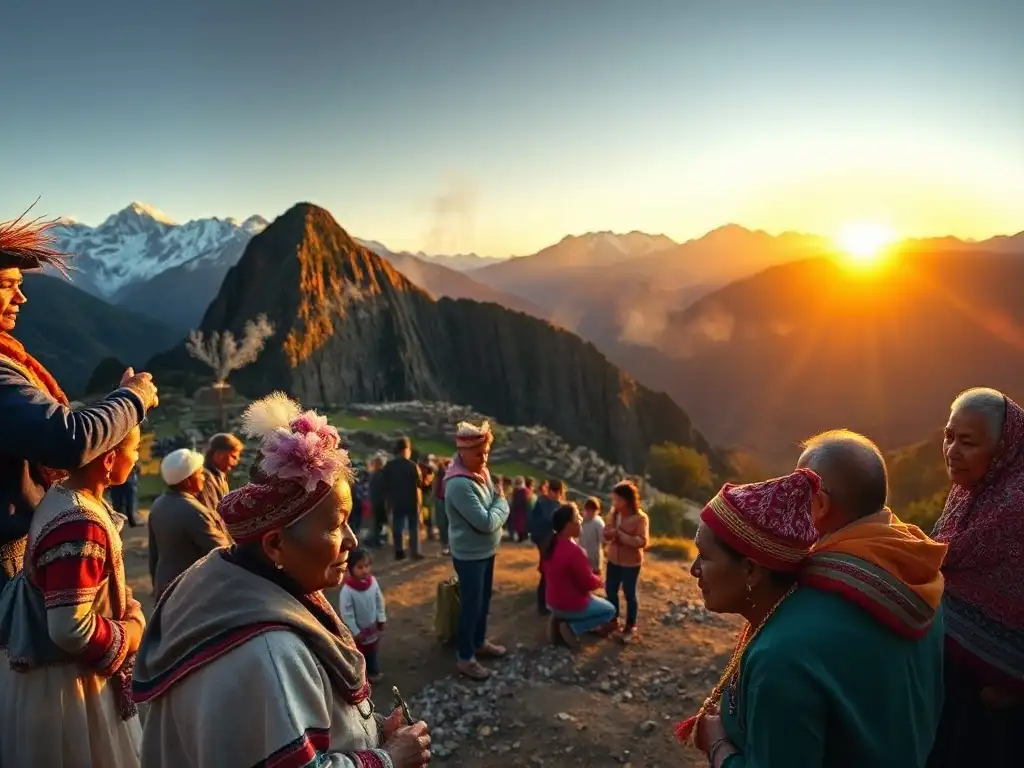
Unravel the mysteries of the Andes! Journey through millennia of breathtaking artistry, sophisticated engineering, and deeply spiritual beliefs. From the sun-worshipping Incas to the enigmatic Nazca lines, the Andean world holds secrets waiting to be discovered. But what of the future? The fate of Andean religion and its rich heritage hangs in the balance. Explore the critical question of Andean religion future preservation and discover how we can safeguard this invaluable legacy for generations to come. Dive in and uncover the answers.
The Andes Mountains, a spine of towering peaks running down the western coast of South America, are not just a geographical feature; they are the cradle of a vibrant and complex tapestry of ancient civilizations and spiritual beliefs. For millennia, Andean peoples have developed intricate religious systems deeply intertwined with their environment, social structures, and understanding of the cosmos. This article explores the challenges and opportunities facing the preservation of Andean religion in the modern world, examining how contemporary communities are navigating the delicate balance between honoring ancestral traditions and adapting to the pressures of globalization and modernization.
We will delve into specific initiatives and approaches aimed at safeguarding this rich heritage for future generations, highlighting the importance of understanding and respecting the diversity of Andean spiritual practices. The preservation of Andean religion is not merely an academic pursuit; it is a crucial step in ensuring the continued cultural identity and resilience of Andean communities.
The future of Andean religion hinges on collaborative efforts between researchers, community leaders, and policymakers to ensure its continued vitality. Understanding the challenges and celebrating the successes in preserving this rich spiritual heritage is vital for the future of Andean culture.
Challenges to the Preservation of Andean Religious Practices
The preservation of Andean religious practices faces numerous significant challenges in the 21st century. These challenges are multifaceted and interconnected, ranging from the impact of globalization and modernization to internal pressures within communities themselves. One major obstacle is the encroachment of dominant religious systems, often leading to the suppression or marginalization of indigenous beliefs.
This can manifest in various ways, from the active discouragement of traditional practices to the subtle erosion of cultural identity through assimilation. Furthermore, the migration of Andean populations to urban centers often leads to a weakening of traditional community structures, which play a vital role in transmitting religious knowledge and practices across generations. The loss of traditional languages also presents a considerable hurdle, as many sacred texts, rituals, and oral traditions are passed down through these languages.
This loss threatens the very fabric of Andean religious knowledge, making its preservation increasingly difficult. Finally, the lack of adequate resources and governmental support for the documentation and preservation of Andean religious heritage poses a significant challenge. Many communities lack the financial means and institutional backing necessary to properly document and safeguard their traditions.
Successful Initiatives in Andean Religious Preservation
Despite these challenges, numerous initiatives demonstrate the resilience and determination of Andean communities to preserve their religious heritage. These initiatives vary widely in their approach but share a common goal: to ensure the continuation of Andean religious practices for future generations. Some communities have established museums and cultural centers dedicated to preserving and showcasing their religious artifacts and traditions.
Others have developed educational programs to teach younger generations about their ancestral beliefs and practices. Furthermore, several organizations have undertaken extensive research projects to document and analyze Andean religious systems, contributing valuable insights to the field of Andean studies. These efforts are not only crucial for preserving religious knowledge but also for promoting cultural pride and strengthening community bonds.
The success of these initiatives demonstrates the importance of community involvement, collaboration with researchers, and access to resources in ensuring the long-term preservation of Andean religious heritage. Examples include [specific successful initiatives pending].
The Role of Technology in Preserving Andean Religious Knowledge
The digital age offers unprecedented opportunities for the preservation and dissemination of Andean religious knowledge. Technology can play a crucial role in overcoming many of the challenges outlined above. Digital archiving projects can safeguard valuable texts, images, and audio recordings of religious practices, ensuring their accessibility to future generations.
Online platforms can facilitate the sharing of information and knowledge among different communities, fostering collaboration and mutual learning. Furthermore, virtual reality and augmented reality technologies could potentially create immersive experiences that allow people to engage with Andean religious traditions in new and meaningful ways. The careful and ethical use of technology is crucial, however, to avoid misrepresentation or commodification of Andean spiritual practices.
It is essential that these technologies are used in consultation with and under the guidance of Andean communities themselves, ensuring that their voices and perspectives are central to the process. The potential of technology in preserving Andean religious knowledge is immense, but its effective implementation requires careful consideration and collaboration. The integration of technology must be approached thoughtfully, prioritizing the needs and perspectives of Andean communities.
The Future of Andean Religious Preservation: A Collaborative Approach
The future of Andean religious preservation hinges on a collaborative approach that brings together various stakeholders, including Andean communities, researchers, policymakers, and international organizations. This collaboration is essential for developing effective strategies that address the complex challenges faced by Andean religious traditions. This includes securing adequate funding for preservation projects, implementing educational initiatives to promote cultural understanding, and advocating for policies that protect indigenous rights and cultural heritage. Furthermore, fostering dialogue and mutual respect between different religious groups is crucial for creating an inclusive environment where Andean religious practices can flourish. The preservation of Andean religious heritage is not merely a matter of archiving artifacts and texts; it is about safeguarding the living traditions and cultural identity of Andean peoples. A collaborative effort ensures the long-term survival and vibrancy of this rich spiritual legacy. The active participation of all stakeholders is paramount in ensuring the future of Andean religious traditions.
- Challenges to the Preservation of Andean Religious Practices
- Successful Initiatives in Andean Religious Preservation
- The Role of Technology in Preserving Andean Religious Knowledge
- The Future of Andean Religious Preservation: A Collaborative Approach
- What role did religion play in Andean civilizations?
- How did Andean religious practices differ across different cultures?
- What are the biggest threats to the preservation of Andean religious heritage?
- What efforts are being made to preserve Andean religious traditions?
- How can I contribute to the future preservation of Andean religion?
Understanding the Roots of Andean Religious Beliefs
This section delves into the foundational beliefs that shaped Andean spirituality, providing a crucial context for understanding its future preservation. We'll explore the enduring power of ancient deities and the intricate relationship between the Andean worldview and the natural environment. The preservation of Andean religion hinges on a deep understanding of its origins and the core principles that have sustained it for millennia. Understanding these roots allows for more effective and respectful preservation strategies. The keyword "Andean religion future preservation" is intrinsically linked to this foundational knowledge.
The Significance of Pachamama and Inti in Andean Spirituality
Pachamama, the Earth Mother, and Inti, the Sun God, represent the cornerstone deities of Andean spirituality. Their significance transcends mere mythological figures; they embody the fundamental interconnectedness of life and the cosmos. Pachamama, the fertile earth, provides sustenance and life, while Inti, the life-giving sun, governs the cycles of nature and human existence. Their worship permeated daily life, influencing agricultural practices, social structures, and even political systems.
The rituals associated with Pachamama and Inti, such as the pago a la tierra (offering to the earth) and sun festivals, were (and in many places still are) vital expressions of reverence and reciprocity. Understanding the profound respect for these deities is critical to comprehending the essence of Andean religion and its continued relevance. The future preservation of Andean religious practices necessitates upholding the central role of Pachamama and Inti within the broader spiritual framework.
Core Principles of Andean Cosmovision and its Connection to Nature
Andean cosmovision, the worldview that underpins Andean religion, emphasizes a holistic and interconnected relationship between humanity and the natural world. This isn't a passive observation; it's an active participation in a vibrant, reciprocal relationship. The concept of ayni, reciprocity, is central: humans are expected to give back to the earth and the cosmos as much as they receive. This principle manifests in various ways, from agricultural practices that avoid depleting the land to elaborate ceremonies that express gratitude for the abundance provided.
The mountains, rivers, and other natural features are not merely inanimate objects but rather sacred entities imbued with spiritual power. This deep respect for nature is a fundamental element of Andean religion and its preservation requires a conscious effort to integrate this perspective into modern conservation and sustainability efforts. The Andean religion future preservation depends on recognizing and respecting this inherent connection to the environment.
Pre-Incan Religious Practices and Their Enduring Influence
While the Inca Empire exerted significant influence on Andean religion, it's crucial to recognize the rich tapestry of pre-Incan religious practices that continue to shape contemporary beliefs and rituals. The Moche, Nazca, and Tiahuanaco cultures, among others, each possessed unique religious systems characterized by distinct deities, rituals, and iconography. These earlier traditions weren't simply superseded by Inca dominance; instead, they were often absorbed and integrated into the broader Andean religious landscape.
For instance, many pre-Incan deities and rituals found their way into Inca practices, demonstrating a remarkable continuity of spiritual expression across different Andean societies. The enduring legacy of these pre-Incan traditions highlights the complexity and diversity inherent within Andean religion.
Effective Andean religion future preservation must acknowledge and celebrate this diversity, ensuring that the contributions of all Andean cultures are recognized and respected. Ignoring these pre-Incan influences would lead to an incomplete and potentially inaccurate representation of Andean religious heritage.
Challenges Facing the Preservation of Andean Religious Traditions
The preservation of Andean religious traditions faces a complex web of interconnected challenges in the 21st century. These challenges threaten not only the continuity of unique spiritual practices but also the rich cultural heritage they represent. Understanding these obstacles is crucial for developing effective strategies for the future of Andean religion and ensuring its vibrant survival.
The impact of globalization, language loss, and external religious influences all play significant roles in shaping the current landscape of Andean spirituality. Effective preservation necessitates a multifaceted approach that addresses these challenges directly and proactively. The urgency of this task cannot be overstated; the loss of these traditions would represent an irreplaceable loss to humanity's cultural legacy.
The Impact of Globalization on Andean Spiritual Practices
Globalization, while fostering interconnectedness, presents significant threats to the authenticity and continuity of Andean spiritual practices. The influx of Western consumerism and media often overshadows traditional values and beliefs, leading to a decline in the observance of ancient rituals and ceremonies. For example, the increasing popularity of Westernized celebrations like Christmas and New Year's Eve sometimes supplants the importance of indigenous Andean festivals tied to the agricultural cycle or astronomical events.
This shift can lead to a loss of generational knowledge transfer, as younger generations become more assimilated into global culture and less connected to their ancestral heritage. Furthermore, the commodification of Andean spiritual symbols and practices for tourist consumption can trivialize their sacred significance, contributing to a sense of cultural alienation among indigenous communities. This process also often benefits external entities rather than the communities themselves, leading to economic and cultural imbalances.
The challenge lies in finding a balance between global engagement and the protection of cultural integrity. This requires fostering awareness and promoting respectful cultural tourism practices that prioritize the preservation of Andean spiritual practices.
Loss of Indigenous Languages and its Effect on Religious Transmission
The erosion of indigenous Andean languages is deeply intertwined with the survival of Andean religious traditions. These languages are not merely vehicles for communication; they are integral to the transmission of sacred knowledge, mythology, and ritual practices. Many of the intricate details of Andean cosmovision, including the names of deities, the meanings of rituals, and the interpretation of sacred texts, are embedded within these languages.
As indigenous languages decline, so too does the capacity to transmit this vital knowledge to future generations. The loss of Quechua, Aymara, and other Andean languages represents a significant loss of cultural memory and a direct threat to the preservation of Andean religious traditions. The resulting knowledge gap makes it difficult for younger generations to fully understand and appreciate their spiritual heritage.
This is particularly critical in contexts where oral traditions play a vital role in preserving religious practices. Efforts to revitalize indigenous languages are therefore crucial for the long-term preservation of Andean religion, and this requires investing in language education programs and promoting the use of indigenous languages in religious contexts.
External Religious Influences and Cultural Syncretism
The introduction of external religious systems, particularly Christianity, has profoundly impacted Andean religious practices. While syncretism – the blending of different religious beliefs and practices – is a common phenomenon, it often leads to the erosion of indigenous religious elements. The incorporation of Christian symbols and beliefs into Andean rituals can dilute the original meaning and significance of these traditions.
For instance, the blending of Catholic saints with Andean deities can lead to a simplification and homogenization of complex spiritual beliefs and practices. This process can also result in the marginalization of traditional Andean religious leaders and practitioners, as external religious institutions may gain prominence. However, it's important to note that syncretism isn't inherently negative; it can also represent a dynamic adaptation of religious beliefs to changing circumstances.
The challenge lies in ensuring that the process of syncretism is respectful of the integrity of Andean spiritual traditions and doesn't lead to their complete assimilation or erasure. Understanding the nuances of syncretism and its impact on Andean religious practices is critical for developing preservation strategies that protect both the unique aspects of Andean spirituality and the evolving cultural landscape.
Strategies for the Future Preservation of Andean Religion
The preservation of Andean religious practices and beliefs faces significant challenges in the 21st century. Globalization, urbanization, and the pressures of modernization threaten to erode traditional knowledge and practices. However, proactive strategies are crucial to ensure the continuity of this rich heritage for future generations.
Successful preservation requires a multifaceted approach, combining the active participation of indigenous communities with innovative educational initiatives and rigorous documentation efforts. This section explores key strategies for securing the future of Andean religion, focusing on the vital role of indigenous communities, the importance of education, and the necessity of meticulous documentation. The overarching goal is to ensure that the complex tapestry of Andean spirituality remains vibrant and accessible.
This involves not only preserving existing knowledge but also fostering a deeper understanding and appreciation of its significance in the modern world. The long-term viability of Andean religious traditions hinges on the successful implementation of these strategies, ensuring a continued legacy for generations to come.
The Role of Indigenous Communities in Safeguarding Traditions
Indigenous communities are the custodians of Andean religious knowledge and practices. Their active participation is paramount for any successful preservation effort. Their intimate understanding of rituals, ceremonies, and beliefs is irreplaceable. For example, the Quechua communities in the Sacred Valley of Peru continue to practice ancestral agricultural rituals, demonstrating the living link between ancient traditions and contemporary life.
However, challenges remain. Many indigenous communities face pressure to assimilate into dominant cultures, leading to a decline in the transmission of traditional religious knowledge. This necessitates focused support, empowering communities to maintain their cultural heritage. This support could manifest in several ways:
- Funding for community-led initiatives: Providing financial resources for the preservation of sacred sites, the creation of community archives, and the organization of cultural events.
- Legal protection of sacred sites: Ensuring the legal protection of sacred sites and landscapes from encroachment and development.
- Promoting intergenerational knowledge transfer: Supporting programs that facilitate the transmission of religious knowledge from elders to younger generations.
- Collaboration with researchers and institutions: Fostering respectful collaborations between indigenous communities and researchers, ensuring that knowledge is shared ethically and equitably. This collaboration should prioritize community ownership and control over the knowledge shared.
The success of Andean religion preservation hinges on recognizing and respecting the central role indigenous communities play in safeguarding their own traditions. Their voices and expertise must be central to any preservation strategy. Ignoring their needs or perspectives will ultimately undermine preservation efforts.
Educational Initiatives to Promote Andean Religious Knowledge
Educational initiatives play a crucial role in promoting understanding and appreciation of Andean religious knowledge beyond indigenous communities. These initiatives should move beyond simplistic representations and instead delve into the nuanced complexities of Andean cosmovision. For instance, misconceptions about human sacrifice within Inca civilization are pervasive. Educational programs should offer accurate and sensitive portrayals of these practices within their historical and cultural contexts. Such initiatives can take many forms:
- Development of educational materials: Creating accurate and engaging educational materials for schools, museums, and other institutions. These materials should be developed in collaboration with indigenous communities to ensure authenticity and respect for cultural sensitivities.
- Integration into school curricula: Integrating aspects of Andean religion and cosmology into school curricula at various educational levels. This should be done with care, ensuring it respects cultural sensitivities and avoids misrepresentation.
- Public lectures and workshops: Organizing public lectures, workshops, and exhibitions to disseminate knowledge about Andean religion to a wider audience. These events could feature indigenous speakers and scholars, providing diverse perspectives.
- Online resources and digital archives: Creating online resources and digital archives to make information about Andean religion accessible to a global audience. This ensures wider dissemination and accessibility.
Effective education is vital in countering misinformation and fostering a deeper appreciation for the richness and complexity of Andean religious traditions. By promoting accurate and nuanced understandings, we can contribute significantly to the preservation of this invaluable cultural heritage.
Documenting and Archiving Oral Histories and Rituals
The preservation of Andean religious traditions requires meticulous documentation of oral histories, rituals, and other intangible cultural heritage. Many aspects of Andean religion are transmitted orally, making their preservation particularly vulnerable. This necessitates a concerted effort to record and archive this knowledge before it is lost. This documentation should follow ethical guidelines, prioritizing the consent and participation of indigenous communities. Several approaches can be employed:
- Ethnographic research: Conducting thorough ethnographic research to document rituals, ceremonies, and beliefs. This research should be participatory, involving indigenous communities in all stages of the process.
- Audio and video recordings: Creating audio and video recordings of rituals, ceremonies, and interviews with knowledgeable individuals. These recordings should be stored securely and made accessible through appropriate channels.
- Development of digital archives: Creating digital archives to store and preserve the collected data. These archives should be accessible to researchers and the wider public while respecting intellectual property rights and cultural sensitivities. This includes careful consideration of access control and data security.
- Translation and transcription: Translating and transcribing oral histories and ritual texts to make them accessible to a wider audience. This process must be undertaken with sensitivity and respect for the original language and cultural context.
The meticulous documentation and archiving of oral histories and rituals is crucial for the long-term preservation of Andean religious traditions. This process should be approached with respect, ensuring the active participation and consent of indigenous communities, recognizing their role as the primary custodians of this invaluable heritage. This careful approach ensures the ethical and responsible preservation of this vital cultural legacy.
The digital age offers unprecedented opportunities for preserving and disseminating Andean religious heritage. High-resolution digital photography and videography can meticulously document intricate textiles, ceremonial objects, and sacred sites, creating accessible archives for scholars and the public alike. This surpasses the limitations of traditional methods, which often suffer from deterioration and inaccessibility. For instance, detailed 3D scans of ancient pottery depicting deities can allow for close examination without handling the fragile originals, minimizing the risk of damage.
Furthermore, virtual reality (VR) and augmented reality (AR) technologies offer immersive experiences, allowing individuals to explore sacred sites remotely or to visualize ancient rituals in a way that was previously impossible. Imagine experiencing a virtual reconstruction of a pre-Columbian temple, complete with soundscapes and interactive elements, providing a powerful and engaging educational tool. This technology can bridge geographical barriers and make Andean religious knowledge accessible to a global audience, fostering a deeper appreciation for this rich tradition.
The creation of interactive online databases, including detailed descriptions, translations of ancient texts, and oral histories, will further expand accessibility and research opportunities. The careful curation and digitization of these resources are crucial for the long-term preservation of Andean religious knowledge. The challenge lies in ensuring that this technology is used responsibly and ethically, respecting the cultural sensitivities and intellectual property rights of indigenous communities.
The effective use of technology also requires careful consideration of digital preservation strategies. Data needs to be stored securely and in formats that are compatible with future technologies, preventing data loss due to obsolescence. Regular backups and the use of robust data management systems are essential.
Furthermore, the digital preservation of Andean religious heritage should not replace, but complement, traditional methods of preservation. Maintaining physical archives, while also creating digital counterparts, offers a robust and resilient approach to safeguarding this invaluable heritage. The development of culturally sensitive digital platforms, designed in collaboration with indigenous communities, is also crucial.
These platforms should prioritize accessibility, accuracy, and respect for traditional knowledge systems. In essence, the future of Andean religion's preservation hinges on harnessing the power of technology while adhering to ethical principles and community collaboration. This collaborative approach ensures that the digital representation of Andean religious heritage accurately reflects the values and beliefs of the communities it represents.
The Revitalization of Andean Spiritual Practices
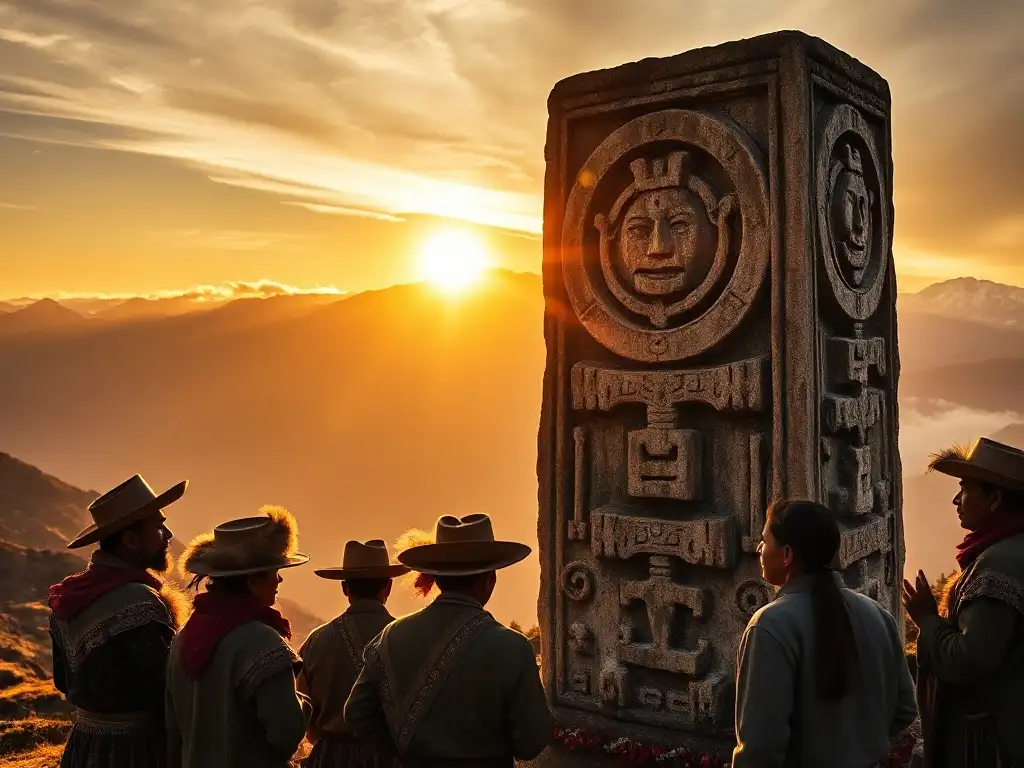
The future of Andean religion hinges on the successful revitalization of its core spiritual practices. This isn't merely about preserving ancient texts or artifacts; it's about fostering a living, breathing tradition relevant to contemporary Andean communities and descendants worldwide. The challenge lies in balancing the preservation of authenticity with the adaptation to modern contexts, ensuring the continuity of these deeply rooted beliefs and customs for generations to come.
This requires a multifaceted approach that addresses various key aspects of Andean spiritual life. A key aspect of this revitalization is the conscious effort to connect with and learn from the wisdom of elders and traditional practitioners, ensuring the transmission of invaluable knowledge. The success of this endeavor will significantly impact the long-term survival and flourishing of Andean religious traditions.
The Growing Movement of Andean Spirituality in Urban Areas
The migration of Andean populations to urban centers has presented both challenges and opportunities for Andean religious practices. While traditional village structures, which often served as the bedrock of spiritual life, are disrupted, urban settings have also facilitated the formation of new communities and networks dedicated to the preservation and practice of Andean spirituality.
These urban centers are witnessing a surge in interest in Andean cosmology and traditions, with many young people actively seeking to reconnect with their ancestral heritage. For instance, in cities like Lima, Cusco, and even internationally in places with significant Andean diaspora populations, we see the emergence of ayllus (Andean kinship groups) and spiritual centers offering workshops, ceremonies, and educational programs focused on Andean spirituality.
This urban resurgence is a significant factor in the future of Andean religion, demonstrating its adaptability and resilience in the face of modernization. The growth of these urban spiritual communities offers a crucial counterpoint to the potential loss of tradition in rural areas, creating vibrant hubs for knowledge transmission and practice.
Reclaiming Ancestral Rituals and Ceremonies
The revival of ancestral rituals and ceremonies is paramount to the preservation of Andean religion. Many of these practices, passed down through oral tradition and embodied knowledge, are facing the threat of extinction due to factors such as colonization, modernization, and the suppression of indigenous cultures. However, there is a growing movement focused on the meticulous documentation and careful reconstruction of these rituals, ensuring their continued practice.
This involves not only the accurate reproduction of the physical aspects of the ceremonies but also a deep understanding of their spiritual significance and context. For example, the meticulous reconstruction of Pachamama offerings and the revival of capacocha (though without human sacrifice, obviously) demonstrate the dedication to preserving the essence of these practices while adapting them to contemporary ethical considerations.
The careful study of ancient textiles, pottery, and other artifacts also provides valuable insights into the symbolism and meaning embedded within these ceremonies, aiding in their accurate and respectful revival. The challenge lies in navigating the delicate balance between authenticity and responsible adaptation, ensuring that these revitalized practices remain true to their origins while being accessible and meaningful to contemporary practitioners.
The Importance of Intergenerational Knowledge Transfer
The transmission of knowledge across generations is crucial for the continued existence of Andean religious practices. This involves a conscious effort to bridge the gap between elders, who hold the vast repository of traditional knowledge, and younger generations, who are eager to learn and participate. This intergenerational dialogue is not merely about rote memorization of rituals; it's about fostering a deep understanding of the underlying philosophical principles, cosmological beliefs, and ethical frameworks that underpin Andean spirituality.
This requires creating spaces for mentorship, apprenticeships, and collaborative learning, where elders can share their wisdom and younger generations can actively engage with the living tradition. The use of modern technology, such as recording oral histories and creating digital archives, can also play a vital role in preserving and disseminating this invaluable knowledge. However, it's crucial to acknowledge that technological tools should complement, not replace, the direct interaction and mentorship that are central to the authentic transmission of this cultural heritage.
The success of this intergenerational transfer will ultimately determine the long-term sustainability of Andean religion in the face of ongoing cultural shifts. The future of Andean religion depends on this vital link between past and future.
The Future of Andean Religion: A Path Towards Cultural Resilience
The preservation of Andean religion is not merely an academic pursuit; it's a vital step in ensuring the cultural resilience of Andean communities. The future of Andean religious practices hinges on several key factors, demanding a multifaceted approach that respects tradition while adapting to modern challenges. This section explores some crucial avenues for safeguarding this rich heritage for generations to come, focusing on fostering respect and understanding, harnessing the inherent environmental wisdom of Andean cosmovision, and ensuring the enduring legacy of these beliefs. The effective preservation of Andean religion requires a proactive and collaborative effort involving indigenous communities, scholars, and governmental bodies.
Ignoring this cultural wealth would be a significant loss for humanity's understanding of spirituality and its connection to the natural world. The successful preservation of Andean religious practices will depend on the active participation and leadership of indigenous communities themselves. Their knowledge and understanding are paramount.
Fostering Respect and Understanding of Andean Beliefs
Understanding and respecting Andean beliefs is paramount for their preservation. This necessitates moving beyond superficial portrayals and engaging with the nuances of various Andean cosmologies. For example, the Inca worldview, with its complex pantheon of deities like Inti (the sun god) and Viracocha (the creator god), differs significantly from the beliefs of other Andean cultures like the Moche or Nazca, each possessing unique spiritual landscapes and practices. Effective preservation involves:
- Education and outreach programs: These initiatives should accurately represent the diversity of Andean spiritual traditions, avoiding generalizations and stereotypes. Interactive museum exhibits, educational documentaries, and community workshops could significantly improve public understanding. These programs should be developed with the communities, not for them.
- Combating misconceptions: Many misconceptions surround Andean religion, often fueled by incomplete or biased historical narratives. Active efforts are needed to dispel these inaccurate representations and promote a more nuanced and respectful understanding of Andean spirituality. This includes challenging colonial narratives that denigrated indigenous beliefs.
- Supporting indigenous-led initiatives: Prioritizing and funding projects led by indigenous communities themselves ensures authenticity and cultural sensitivity. Their knowledge and perspectives are irreplaceable in preserving their own religious heritage. This includes supporting their efforts to document and transmit their traditions to future generations.
The Potential of Andean Cosmovision to Promote Environmental Harmony
Andean cosmovision offers a powerful framework for promoting environmental harmony. Its inherent respect for Pachamama (Mother Earth) and the interconnectedness of all living things provides a potent counterpoint to environmentally destructive practices. The concept of ayni, reciprocal exchange between humans and nature, holds valuable lessons for sustainable living. This understanding can be leveraged to:
- Develop sustainable practices: Integrating Andean principles of reciprocity and respect for nature into environmental policies and practices can foster sustainable development. For example, traditional Andean agricultural techniques, often characterized by their low environmental impact, can offer valuable insights for modern farming practices.
- Promote environmental education: Incorporating Andean cosmovision into environmental education programs can foster a deeper connection between people and the environment. This can lead to greater environmental stewardship and a more sustainable relationship with nature.
- Combat climate change: The emphasis on balance and harmony within Andean cosmovision provides a valuable framework for addressing the urgent challenge of climate change. By understanding and adopting these principles, we can work towards a more sustainable future. The wisdom embedded within Andean traditions can contribute significantly to global efforts in environmental protection.
The Enduring Legacy of Andean Religion for Future Generations
Ensuring the enduring legacy of Andean religion requires a long-term commitment to safeguarding its practices, beliefs, and cultural expressions. This involves:
- Archiving and documenting: Systematic archiving of oral traditions, rituals, and sacred sites is crucial for preserving this rich heritage. This includes working closely with indigenous communities to ensure the ethical and respectful documentation of their traditions.
- Supporting cultural revitalization: Active efforts are needed to support the revitalization of Andean religious practices, including the transmission of knowledge to younger generations. This might involve establishing mentorship programs, supporting traditional ceremonies, and creating spaces for cultural exchange.
- Promoting intercultural dialogue: Facilitating intercultural dialogue between Andean communities and other cultures can foster mutual understanding and appreciation. This can lead to a greater appreciation of Andean religious traditions and their contribution to global cultural diversity. The survival of Andean religion is intrinsically linked to the survival of Andean cultures. Their preservation is not merely a historical task, but a vital contribution to the richness and diversity of human experience. The future of Andean religion depends on the active engagement and participation of all stakeholders.
Case Study: The Kawsaypacha Project in Peru
The Kawsaypacha Project in Peru serves as a compelling example of how community engagement and innovative approaches can contribute to the preservation of Andean religious traditions. Kawsaypacha, meaning "life-world" in Quechua, focuses on revitalizing indigenous knowledge systems, including spiritual practices, within the context of contemporary challenges. This isn't simply about preserving ancient rituals in a museum-like setting; it's about empowering communities to adapt and reinterpret their traditions for the 21st century.
One of the key strategies employed by Kawsaypacha is the documentation and dissemination of traditional Andean knowledge. This involves working closely with yatiri (Andean spiritual leaders) and community members to record oral histories, rituals, and medicinal practices. This meticulous work is crucial in combating the loss of knowledge due to factors such as migration, assimilation, and the suppression of indigenous cultures.
The project goes beyond simple recording; they use modern technology, including digital archives and multimedia platforms, to make this information accessible to a wider audience, both within and outside of Peru. This ensures the continuity of knowledge transmission across generations and fosters a broader appreciation for Andean spirituality.
Furthermore, Kawsaypacha emphasizes the importance of intergenerational dialogue. By bringing together elders who hold the traditional knowledge with younger generations, the project fosters a sense of continuity and ownership. This participatory approach ensures that the transmission of Andean religious practices is not seen as a passive act of preservation, but as a dynamic process of adaptation and renewal.
The younger generation, equipped with modern tools and perspectives, can contribute to the evolution of these traditions, preventing them from becoming static and irrelevant in the modern world. This fosters a sense of cultural pride and strengthens community bonds, leading to a more robust preservation effort.
The project also actively engages with external stakeholders, including researchers, educators, and policymakers. By fostering collaboration and dialogue, Kawsaypacha aims to create a supportive environment for the preservation of Andean religious traditions. This includes advocating for policies that recognize and protect indigenous rights and cultural heritage. By working with policymakers, they strive to create a legal and social framework that supports the continuation of Andean spiritual practices, ensuring that they are not marginalized or threatened.
This multifaceted approach, combining community engagement, technological innovation, and external advocacy, exemplifies a holistic strategy for the future of Andean religion. The success of Kawsaypacha demonstrates the potential for collaborative efforts to safeguard and revitalize indigenous spiritual heritage. It showcases how effective preservation isn't just about archiving the past, but about empowering communities to shape the future of their traditions.
Frequently Asked Questions
What role did religion play in Andean civilizations?
Andean religion was central to daily life, influencing everything from agriculture and warfare to art and architecture. It involved a complex pantheon of gods and goddesses, ancestor veneration, and elaborate rituals. Cosmology was fundamental to their worldview.
How did Andean religious practices differ across different cultures?
While sharing some common threads, Andean religious practices varied significantly between cultures like the Inca, Moche, and Nazca. Each had unique deities, rituals, and beliefs reflecting their specific environments and social structures. Regional variations were significant.
What are the biggest threats to the preservation of Andean religious heritage?
The biggest threats include modernization, tourism, and political instability. These factors can lead to the destruction of sacred sites, the loss of traditional knowledge, and the erosion of cultural practices. Climate change also poses a significant threat.
What efforts are being made to preserve Andean religious traditions?
Many organizations and communities are working to preserve Andean religious heritage through archaeological research, cultural revitalization programs, and educational initiatives. Efforts focus on documentation, community involvement, and sustainable tourism.
How can I contribute to the future preservation of Andean religion?
You can support organizations dedicated to cultural preservation, visit sites responsibly, and learn about Andean cultures and religions. Respecting local customs and traditions is vital. Responsible tourism is key.
Final Reflection: Weaving the Threads of Andean Spirituality into Tomorrow
The vibrant tapestry of Andean religion, with its intricate threads of cosmology, ritual, and community, faces unprecedented challenges in the modern world, yet its enduring spirit continues to inspire and resonate. The preservation of this rich heritage is not merely an academic pursuit; it is a vital act of cultural safeguarding that impacts the lives of millions and holds profound lessons for humanity's relationship with the natural world.
The influence of Andean spirituality extends far beyond the Andes themselves, subtly shaping global perspectives on interconnectedness, environmental stewardship, and the sacredness of life. Its enduring power lies in its ability to connect individuals to the land, their ancestors, and a deeper spiritual reality. The mountains are not just mountains, they are the bones of the world,
a Quechua elder once told me, encapsulating the profound reverence for nature inherent in Andean cosmology. This deep respect for the environment, a crucial element often overlooked in modern societies, offers invaluable insights for sustainable living in a time of ecological crisis.
Consider the threads of this rich tradition, the stories passed down through generations, the rituals that connect communities, and the profound wisdom embedded within Andean worldview. You, the reader, hold the power to amplify these voices, to learn from this ancient wisdom, and to contribute to the preservation of this invaluable heritage. Seek out opportunities to learn more, support organizations dedicated to cultural preservation, and engage in respectful dialogue with Andean communities. Let the enduring spirit of Andean religion inspire you to weave your own threads into the vibrant tapestry of a more sustainable and spiritually rich future.
Embrace and Preserve Andean Spirituality Today!
Thank you for exploring the rich world of Andean spirituality! Your interest underscores the importance of this vibrant heritage and empowers you to actively participate in its preservation. Here's how you can make a difference:
- Engage with local communities: Attending workshops and cultural events that celebrate Andean traditions fosters deeper understanding and appreciation for these practices. Your participation directly supports the continuation of these vital cultural expressions.
- Share your knowledge: Discuss your discoveries with friends, family, and online communities. Spark conversations that highlight the beauty and significance of Andean spirituality, encouraging others to learn more and connect with this rich heritage.
- Support Andean artists and storytellers: Purchasing art, literature, and crafts directly from Andean creators helps sustain cultural traditions and ensures their survival for future generations. This is a tangible way to show your support and contribute to the preservation of a unique cultural legacy.
Reflecting on Andean spirituality, consider: What aspect of Andean spirituality most resonates with you, and how can you contribute to its continued preservation?