
Nazca Ceramic Marvels: Exploring the Shapes, Colors, and Symbolism

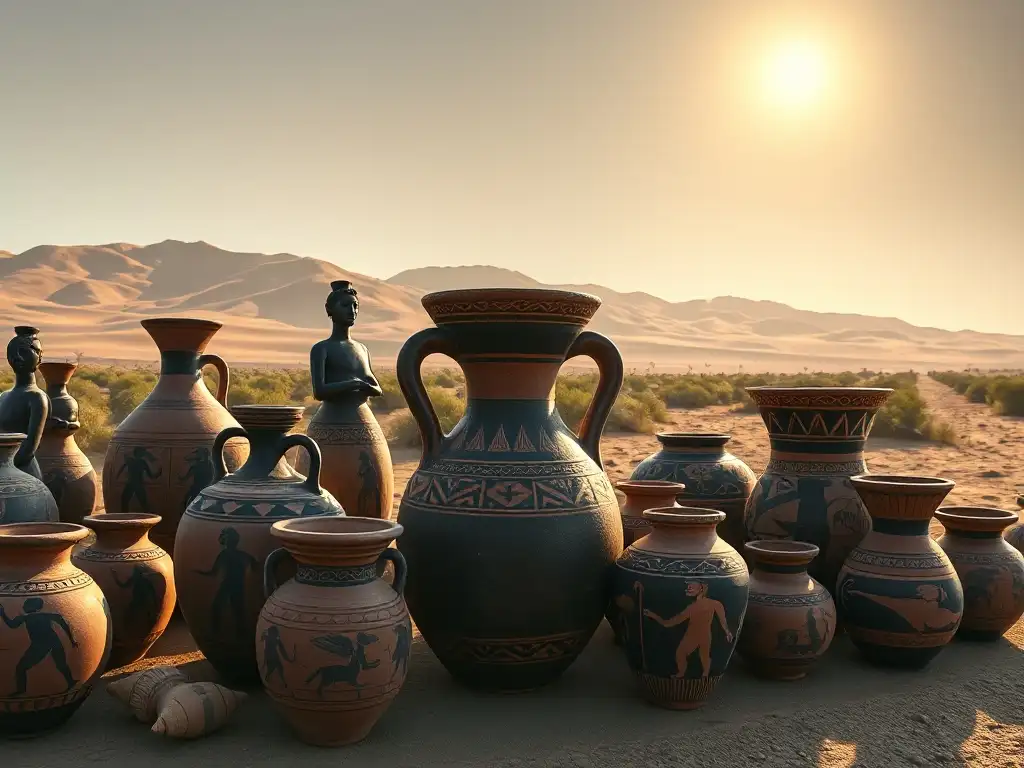
Step into a world lost to time, yet vividly preserved in clay. Imagine the hands that shaped these ancient vessels, imbuing them with the secrets of a vanished civilization. This is the realm of Andean wonders, where vibrant colors and intricate designs whisper tales of the past. Unlock the mysteries of Nazca pottery symbolism, and embark on a journey through the captivating artistry and cultural significance of the Nazca civilization. Prepare to be amazed.
The Nazca civilization, flourishing along Peru's southern coast between 100 BCE and 800 CE, left behind a legacy as rich and diverse as the arid landscape they inhabited. While their famed geoglyphs etched into the desert floor captivate the world, the artistry and symbolism embedded within their ceramics offer an equally compelling window into their beliefs, rituals, and daily life.
This article delves into the fascinating world of Nazca pottery, exploring the intricate shapes, vibrant colors, and profound symbolism that make these artifacts enduring masterpieces and invaluable sources for understanding this remarkable ancient Andean culture. We'll unpack the meaning behind recurring motifs, examining how these ceramic creations served both practical and ritualistic purposes, reflecting a sophisticated understanding of their environment and cosmology.
Prepare to be amazed by the ingenuity and artistic skill of the Nazca people as we unravel the secrets held within their ceramic marvels. Understanding Nazca pottery symbolism provides crucial insights into the heart of this enigmatic civilization.
Introduction to Nazca Pottery: A Window into Ancient Andean Culture
Nazca pottery stands out for its exceptional quality and distinctive style. Unlike many other ancient Andean ceramic traditions, Nazca pottery is characterized by its remarkably thin walls, often achieved through a highly refined slip-casting technique. This allowed for the creation of intricate shapes and delicate designs. The most common forms include:
- Stirrup-spout vessels: These iconic vessels, named for their distinctive handle resembling a stirrup, were used for various purposes, including ritual offerings and everyday drinking. The shape itself is believed to hold symbolic significance, possibly representing a deity or a sacred object.
- Double-spout vessels: These vessels, with two spouts connected by a bridge, are often associated with ritual contexts and the representation of duality or balance within the Nazca worldview.
- Beaker-shaped vessels: Simpler in design compared to stirrup-spouts, these vessels were likely used for various purposes, including storage and drinking. Their decorations, however, often reflected the same complex iconography found on more elaborate pieces.
- Human and animal effigies: The Nazca potters were master mold-makers, capable of crafting incredibly realistic depictions of humans, animals, and mythical beings. These figures often exhibit striking detail and expressiveness, reflecting a deep understanding of anatomy and animal behavior.
The vibrant colors used in Nazca pottery are another striking feature. Painters used a range of pigments derived from minerals and plants, achieving a remarkable vibrancy and permanence. Common colors include:
- Red: Often associated with fertility, power, and life.
- White: Symbolic of purity, spirituality, and the celestial realm.
- Black: Possibly representing death, the underworld, or the night.
- Yellow: Often associated with the sun, gold, and wealth.
The skillful application of these colors, combined with the intricate designs, makes each piece a unique work of art. The combination of colors and shapes contributes significantly to the overall symbolism embedded within the pottery. Further analysis of specific motifs is crucial to fully understanding the rich tapestry of meaning woven into these ceramic masterpieces. The next sections will explore these motifs in detail. Understanding the nuances of color and shape significantly enhances our interpretation of Nazca pottery symbolism.
The Distinctive Forms of Nazca Ceramics
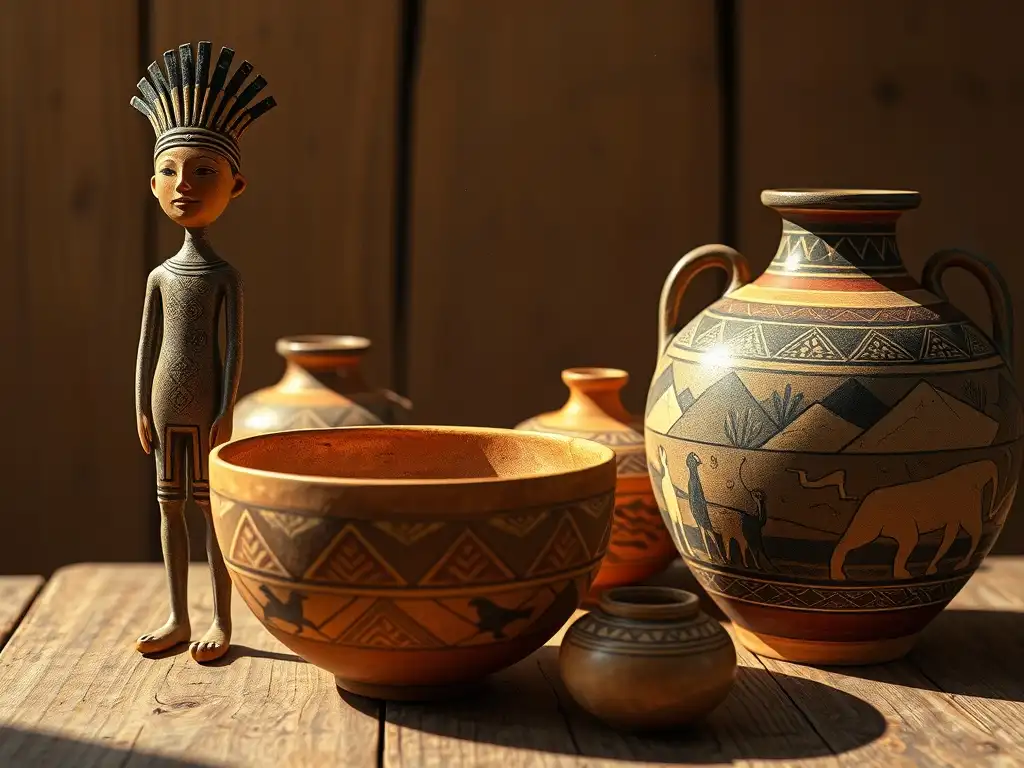
The Nazca people, renowned for their enigmatic geoglyphs, also possessed a remarkable mastery of ceramic artistry. Their pottery, far from being merely functional, served as vibrant canvases for expressing complex narratives, beliefs, and social structures. Understanding the forms themselves is crucial to deciphering the rich tapestry of Nazca pottery symbolism.
The sheer diversity of shapes, sizes, and decorative styles reflects a sophisticated understanding of pottery production and a deep connection between the material world and the spiritual realm. The unique aesthetic of Nazca ceramics is instantly recognizable, setting them apart from other Andean pottery traditions. This section will delve into the fascinating world of Nazca pottery shapes and vessel types, illuminating the artistry and meaning behind these ancient artifacts.
Nazca Pottery Shapes: From Bowls to Effigies
Nazca pottery showcases a remarkable range of shapes, transcending the purely utilitarian. While simple bowls and jars certainly existed, fulfilling everyday needs, the Nazca potters also crafted intricate and often highly stylized forms. These included:
- Bowls: These varied greatly in size and decoration, ranging from small, delicately painted bowls to larger, more robust vessels. Some bowls were designed with specific pouring spouts, suggesting particular uses in rituals or ceremonies. The shapes themselves, from shallow to deep, likely held symbolic significance, though further research is needed to fully understand these nuances.
- Jars and Storage Vessels: Larger jars and storage vessels, often cylindrical or globular in shape, were used for storing food, liquids, and other goods. Their decoration frequently reflected the contents they held, with depictions of plants, animals, or even human figures. The size and shape of these vessels may also have indicated social status or economic prosperity.
- Effigy Vessels: Among the most striking examples of Nazca pottery are the effigy vessels, which depict human, animal, or mythical figures. These weren't merely representational; the shapes themselves contributed to the overall symbolic meaning. For instance, a vessel shaped like a feline deity would carry a different symbolic weight than one shaped like a human ancestor. The level of detail in these effigies is astounding, demonstrating a high level of skill and artistic vision. These effigies often incorporated realistic details, capturing the essence of the depicted being.
- Stirrup-spouted Vessels: While not exclusively Nazca, these distinctive vessels with a stirrup-shaped spout are commonly associated with the culture. Their unique shape likely facilitated pouring and drinking, possibly playing a role in ritual contexts. The symbolism of the stirrup-spout itself remains a subject of ongoing scholarly debate, with theories ranging from its association with water sources to its connection to shamanic practices.
Common Vessel Types in Nazca Art: Understanding their Use
The function and symbolism of Nazca pottery vessels are often intertwined. While some were clearly for practical purposes—such as storing food or water—many others served ritualistic or ceremonial functions. Identifying these functions requires careful examination of both the vessel's shape and its decoration.
| Vessel Type | Shape Characteristics | Likely Use | Symbolic Associations |
|---|---|---|---|
| Simple Bowls | Shallow, round | Everyday use, food preparation | Potentially linked to domestic life, fertility |
| Large Jars/Storage Pots | Cylindrical, globular | Storage of food, liquids | Abundance, prosperity, community resources |
| Effigy Vessels | Shaped like humans or animals | Ritual, ceremonial, possibly funerary | Representation of deities, ancestors, or mythological beings |
| Stirrup-spouted Vessels | Distinctive stirrup-shaped spout | Ritual drinking, offerings | Water, fertility, shamanistic practices, potentially the underworld |
| Double-spouted Vessels | Two spouts | Possibly for ceremonial libations | [Specific information pending] |
The vibrant colors and intricate designs further enhance the symbolic meaning of these vessels. The use of specific colors, such as red, black, and white, likely held particular significance, potentially representing different deities or spiritual forces. Future research, combining stylistic analysis with archaeological context, will undoubtedly shed further light on the multifaceted symbolism of Nazca pottery.
The careful study of Nazca pottery is essential for a deeper understanding of the Nazca civilization and its rich cultural heritage. The meticulous craftsmanship and symbolic complexity of these vessels continue to fascinate and inspire researchers today, highlighting the enduring legacy of Nazca pottery symbolism.
Deciphering the Vibrant Colors of Nazca Ceramics
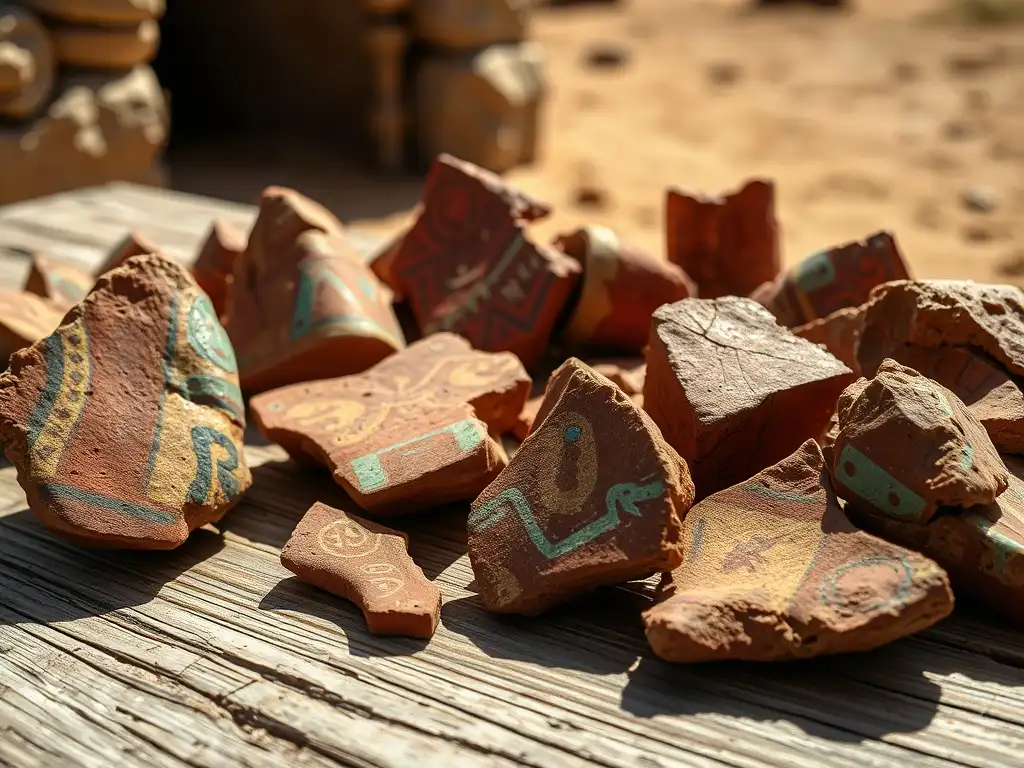
The striking hues of Nazca pottery are a testament to the sophisticated artistry and technological prowess of this ancient Andean civilization. Understanding the vibrant colors used requires exploring both the sources of their pigments and the techniques employed to achieve such remarkable durability and vibrancy. The enduring nature of these colors, even after centuries of burial, speaks volumes about the mastery of Nazca artisans.
Their palette, though seemingly simple at first glance, reveals a complex system of color symbolism deeply intertwined with their worldview and religious beliefs. This section delves into the fascinating world of Nazca ceramic pigments and their symbolic significance.
The Nazca Palette: Pigment Sources and Techniques
Nazca potters expertly harnessed the natural resources available in their arid environment to create their stunning range of colors. Their palette primarily consisted of reds, yellows, whites, blacks, and browns, achieved through a combination of mineral pigments and ingenious techniques.
- Reds: These rich, vibrant reds were typically derived from iron oxides, abundant in the region's soil. The specific shade varied depending on the type of iron oxide used and the firing process. A deeper, almost crimson red, often suggests a higher iron oxide concentration or a different firing temperature.
- Yellows: Yellow pigments were likely obtained from various sources, including limonite (a hydrated iron oxide) and goethite (another iron oxide mineral). The intensity of the yellow could be adjusted by altering the concentration of the pigment or by adding other minerals.
- Whites: A brilliant white was achieved using kaolin clay, a naturally occurring soft white clay. Its purity and fineness were key to achieving the desired brightness.
- Blacks: Black pigments were likely derived from manganese oxides. The precise shade of black could vary, ranging from a deep, charcoal black to a softer, more grayish black.
- Browns: A range of browns, from light tan to dark umber, were produced by mixing different proportions of red and black pigments, or by using naturally occurring brown clays.
The application of these pigments was a meticulous process. Paints were likely prepared by grinding the pigments into fine powders and mixing them with a binding agent, possibly a plant-based gum or a clay slurry. The application itself was precise, often using fine brushes or reeds to create intricate designs and details. Finally, the pottery underwent a firing process, fixing the pigments and ensuring the colors' permanence.
The firing techniques employed by the Nazca potters were crucial to achieving the vibrancy and durability of their work. Further research into specific firing methods is needed to fully understand this crucial aspect of Nazca ceramic production. Analysis of kiln remnants and surviving pottery shards could reveal more about their sophisticated firing techniques.
Color Symbolism in Nazca Art: Meaning and Interpretation
The colors used in Nazca pottery were not merely decorative; they carried profound symbolic meaning within the Nazca worldview. While a complete and definitive interpretation remains elusive, archaeological evidence and comparative studies of other Andean cultures suggest several possible symbolic associations.
The prevalence of red, for example, often suggests associations with blood, fertility, and perhaps even sacrifice. Red figures frequently appear in scenes depicting ritual activities or mythological events. Yellow, on the other hand, might symbolize the sun, gold, and power. White could represent purity, the moon, or the sacred realm. Black, often associated with the underworld or night, could signify mystery, death, or the unknown. Brown, a more neutral color, might represent the earth or the natural world.
The use of color combinations further enhances the complexity of the symbolism. For instance, the juxtaposition of red and yellow might represent the dynamic interplay between sun and blood, while the combination of white and black could symbolize the duality of life and death. Detailed analysis of specific ceramic pieces showing recurring color combinations is crucial for a deeper understanding of the complex symbolism employed by the Nazca artisans.
Further research into the iconography depicted alongside specific color palettes is needed to develop a more nuanced interpretation of Nazca pottery symbolism. This involves not only careful examination of the pottery itself but also contextualization within the broader cultural and religious landscape of the Nazca civilization. The study of Nazca textiles, which often employ similar color palettes and symbolic motifs, could also provide valuable insights.
The intricate interplay of color, design, and context within these artifacts offers a captivating glimpse into the rich symbolic world of the Nazca people, highlighting the enduring power of their artistic expression. The ongoing research into Nazca pottery symbolism promises to further illuminate this fascinating aspect of their cultural legacy.
Nazca Pottery Symbolism: Unveiling the Meaning Behind the Motifs
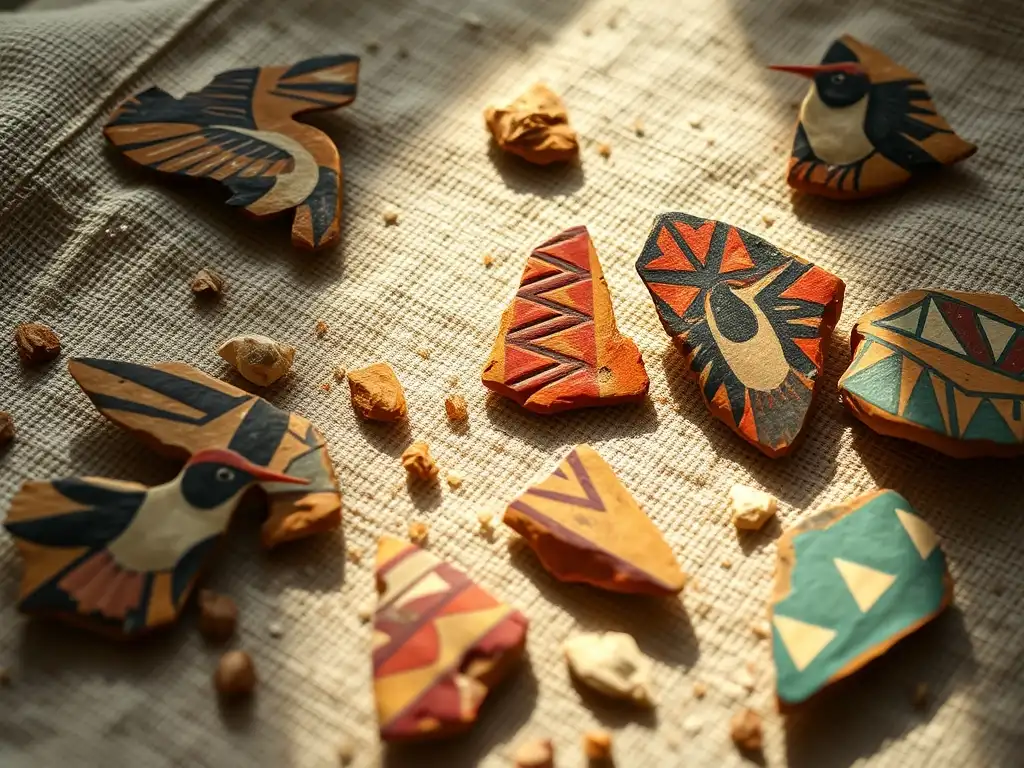
The intricate and vibrant ceramics of the Nazca culture are renowned not only for their technical mastery but also for their rich symbolism. Nazca pottery symbolism offers a fascinating glimpse into the beliefs, rituals, and worldview of this enigmatic civilization. Scholars continue to decipher the meanings behind the diverse motifs, but several recurring themes and interpretations have emerged, providing valuable insights into their complex society.
The stylistic choices, color palettes, and carefully chosen depictions were not arbitrary; they were carefully constructed narratives imbued with spiritual and social significance. Understanding these symbols allows us to connect with the Nazca people on a deeper level and appreciate the artistry and meaning embedded in their pottery. This section will explore key aspects of Nazca pottery symbolism, focusing on recurring iconography, mythological figures, and the representation of animals.
Iconography of Nazca Pottery: Recurring Figures and Patterns
Nazca pottery is characterized by a striking array of recurring figures and patterns. Some of the most frequently encountered motifs include stylized human figures, often depicted in elaborate headdresses and ceremonial attire. These figures are frequently shown participating in activities that appear ritualistic, suggesting a connection to religious practices or ceremonies. Geometric patterns, such as triangles, zigzags, and stepped frets, are also ubiquitous, often integrated into the overall design or used to create borders and decorative elements. The prevalence of these patterns suggests a sophisticated understanding of geometry and its symbolic significance within Nazca culture.
Analysis of these patterns reveals interesting potential interpretations. For example, the frequent use of stepped frets might symbolize agricultural terraces, reflecting the importance of agriculture in their society. The triangular motifs might represent mountains or perhaps even a stylized representation of the cosmos. Further research is needed to fully understand the nuances of these recurring patterns, but their consistent presence indicates their importance within the broader context of Nazca iconography. The meticulous detail and precision in their execution underscores the importance placed on these symbolic representations.
Understanding Nazca Mythological Figures in Ceramic Art
Depictions of mythological figures are a prominent feature of Nazca pottery. While specific identifications remain subject to ongoing scholarly debate, certain figures appear consistently, suggesting the existence of a pantheon of deities or supernatural beings. One frequently recurring figure is a deity often portrayed with feline features, sometimes accompanied by serpents or other symbolic animals. This figure is believed to represent a powerful deity associated with fertility, power, or the underworld. Other figures include anthropomorphic beings with exaggerated features, suggesting they might represent shamans, ancestors, or other important figures within the Nazca social structure.
The context in which these figures are depicted is crucial for interpretation. For instance, a figure holding a staff or scepter might represent a ruler or a priest, while a figure surrounded by animals could represent a deity associated with nature or the animal kingdom. The colors used also seem to play a significant role, with certain colors potentially associated with specific deities or attributes.
For example, red might represent blood or sacrifice, while yellow might represent the sun or gold. The interplay of these elements creates a complex tapestry of meaning, demanding careful and nuanced analysis. The vibrant colors and elaborate detailing further enhance the impact and significance of these representations.
Nazca Animal Symbolism: Decoding the Meaning of Birds, Fish, and Felines
Animals play a significant role in Nazca pottery symbolism. Birds, particularly raptors and hummingbirds, are frequently depicted, often in dynamic poses suggesting flight or hunting. These depictions may symbolize power, speed, or connection to the heavens. Fish, too, are common motifs, possibly symbolizing fertility, abundance, or the waters that sustained the Nazca population. Felines, often portrayed with stylized features, are frequently associated with deities or shamanistic figures, suggesting their connection to power, magic, or the supernatural.
The specific species of animals depicted and their context within the overall design are important factors in deciphering their symbolic meaning. For example, a hummingbird might symbolize agility and grace, while a condor might symbolize power and dominance. The presence of multiple animal species within a single vessel might suggest a complex interaction between different forces or aspects of the Nazca worldview.
The careful observation of these details is critical for a comprehensive understanding of Nazca animal symbolism and its role in the broader context of their culture and beliefs. The realistic yet stylized depictions showcase both artistic skill and a deep understanding of the natural world. The careful observation of these details helps to decipher the complex layers of meaning embedded within these ceramic masterpieces.
Geometric Patterns in Nazca Pottery: Exploring Abstract Representations
Geometric patterns form a significant portion of Nazca pottery decoration, often appearing alongside or interwoven with figurative representations. These aren't merely random arrangements; they are carefully constructed designs that likely held deep cultural and possibly even cosmological significance for the Nazca people. The precision and complexity of these geometric patterns are truly remarkable, showcasing the advanced artistic skills of the potters. Many designs feature intricate repetitions of triangles, squares, trapezoids, and stepped patterns, often arranged in complex interlocking configurations.
The use of negative space is also noteworthy; the empty areas between the geometric forms are as carefully considered as the shapes themselves, contributing to the overall aesthetic balance and visual impact. Scholars have proposed various interpretations of these geometric motifs, some suggesting connections to astronomical observations, agricultural cycles, or even social hierarchies. However, a definitive, universally accepted meaning remains elusive, highlighting the ongoing need for further research and interdisciplinary collaboration to fully decipher the rich language of Nazca geometric art. The sheer variety of geometric patterns found across different Nazca pottery pieces also suggests a level of stylistic diversity or perhaps even regional variations in artistic conventions.
Further study comparing these variations alongside other archaeological findings could provide valuable insights into the social and geographical organization of Nazca society. Analyzing the techniques used to create these intricate patterns – such as the use of different painting tools, pigments, and firing methods – could also shed light on the artistic processes and the level of specialization within the Nazca pottery workshops. The enduring appeal and visual complexity of these geometric designs continue to fascinate researchers and art enthusiasts alike, underscoring the enduring legacy of Nazca artistic innovation.
The Techniques of Nazca Ceramic Production
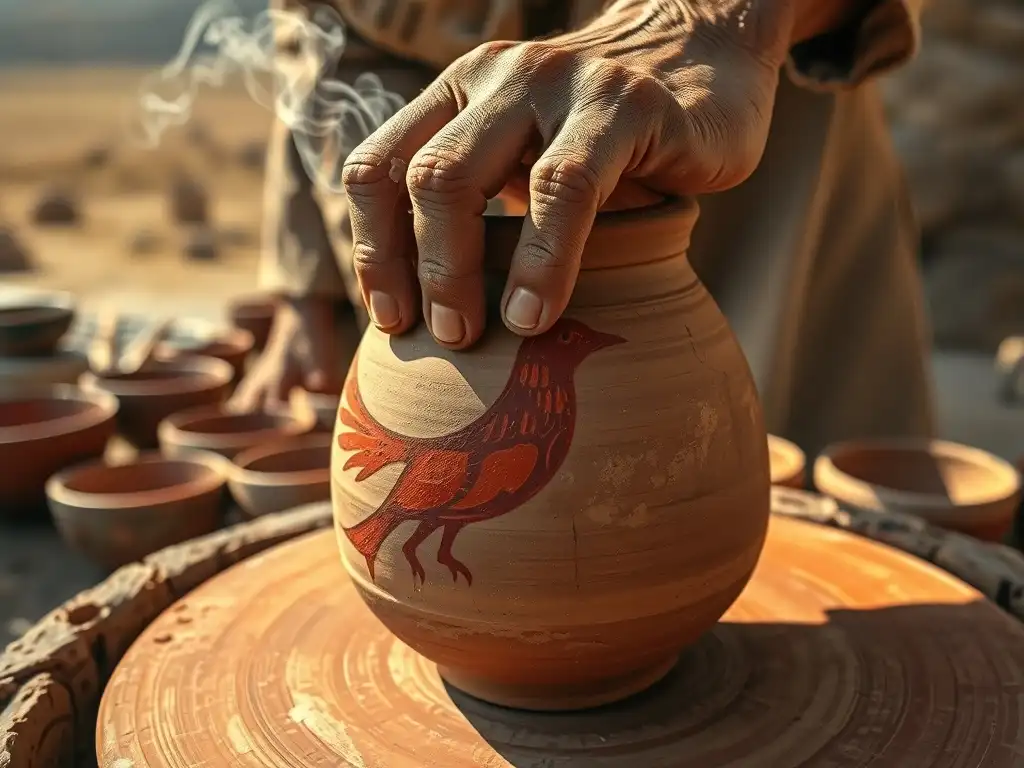
The remarkable artistry of Nazca pottery wasn't solely a matter of design; the sophisticated techniques employed in its creation are equally captivating and crucial to understanding its enduring legacy. These techniques, passed down through generations, allowed Nazca artisans to achieve a level of precision and vibrancy rarely seen in other ancient pottery traditions. Analyzing these methods reveals a deep understanding of materials science and a commitment to artistic excellence that continues to inspire awe.
The meticulous processes involved in creating these vessels highlight the skill and dedication of the Nazca potters, transforming simple clay into breathtaking works of art reflecting their complex worldview. Understanding these techniques provides a deeper appreciation for the cultural significance embedded within each piece of Nazca pottery. The mastery of these techniques is a testament to the ingenuity and artistry of the Nazca civilization.
Nazca Pottery Construction Methods: Coil Building and Molded Forms
Nazca potters primarily utilized two main construction methods: coil building and molding. Coil building, a time-honored technique, involved rolling out long, thin coils of clay and carefully layering them to create the desired shape. Each coil was meticulously smoothed and blended into the previous one, resulting in a seamless, even surface. This method allowed for considerable flexibility in creating diverse forms, from simple bowls to elaborate, anthropomorphic vessels.
The skill lay in controlling the thickness and placement of each coil to achieve the desired curvature and strength. Evidence suggests that different clay types were sometimes used for different parts of the vessel, possibly to enhance durability or aesthetic qualities. [Specific clay composition analysis pending].
The molding technique, on the other hand, involved pressing clay into pre-made molds. This method was particularly useful for producing large quantities of standardized shapes, especially for utilitarian wares. However, the Nazca also employed molding for more complex forms, demonstrating a remarkable ability to combine techniques.
They sometimes combined molding with coil building to create intricate details or hybrid forms. This blend of techniques showcases the adaptability and innovation of Nazca ceramic production, allowing them to create a vast range of vessels for diverse purposes. The use of molds also allowed for the standardization of shapes and sizes, suggesting a possible role in trade or distribution of goods.
The Firing Process: Achieving Durability and Color Intensity
The firing process was another crucial aspect of Nazca pottery production, directly impacting both the durability and the vibrancy of the final product. The Nazca employed open-air kilns, likely simple pits dug into the ground, to fire their pottery. Controlling the temperature and duration of the firing process was critical to achieving the desired results.
Too low a temperature resulted in brittle pottery, while too high a temperature could cause cracking or deformation. The precise firing techniques used by Nazca potters remain an area of ongoing research, but evidence suggests a sophisticated understanding of heat control and its impact on the clay.
The firing process also played a vital role in achieving the characteristic intense colors of Nazca polychrome pottery. The pigments, derived from natural minerals and plant materials, were applied before firing. The heat of the kiln transformed these pigments, fixing them permanently to the clay surface and creating the vibrant hues that are so distinctive of Nazca art.
The precise temperature and atmospheric conditions during firing would have significantly influenced the final color intensity and permanence. The mastery of this process is evidenced by the remarkable preservation of the colors even after centuries. The brilliant reds, yellows, blacks, and whites, so characteristic of Nazca pottery, are a testament to their exceptional skill in controlling the firing process and achieving a stunning visual effect.
Achieving such vibrant and lasting colors was a significant technical achievement, reflecting a deep understanding of the chemical and physical properties of both the clay and the pigments. The precision in this aspect of Nazca pottery production is yet another example of their advanced technological capabilities.
Nazca Pottery and its Role in Society
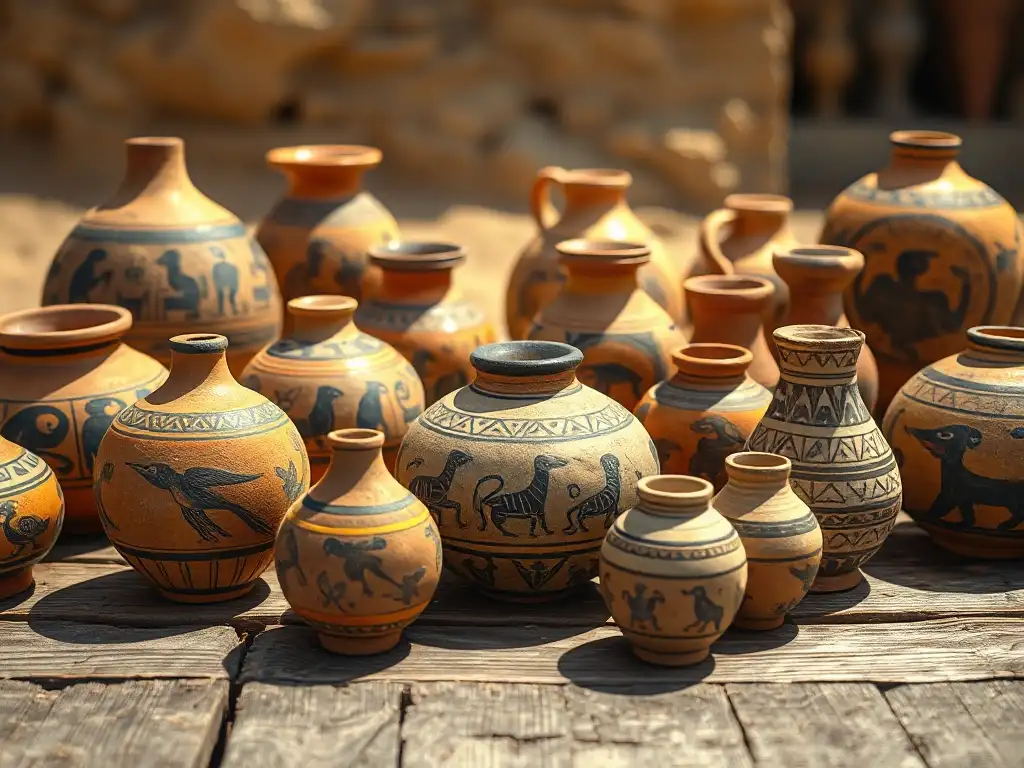
The Nazca people, inhabiting the southern coast of Peru from approximately 100 BCE to 800 CE, created a remarkable body of ceramic art. Their pottery wasn't merely decorative; it played a crucial role in their daily lives and religious practices, deeply intertwined with their social structure and beliefs. Understanding Nazca pottery symbolism requires appreciating its multifaceted function within their society.
From everyday vessels to elaborate ritual objects, these artifacts offer invaluable insights into their worldview, social organization, and artistic achievements. The sheer volume of surviving pottery, exhibiting remarkable diversity in style and decoration, underscores the significance of this craft in Nazca culture. The meticulous detail and vibrant colors employed demonstrate a high level of skill and artistic dedication, reflecting the importance placed upon this art form.
Analyzing the imagery and iconography found on these pieces provides a window into the beliefs and values held dear by the Nazca people, enriching our comprehension of their rich cultural heritage. Further research into the specific clay sources and manufacturing techniques will further illuminate the societal context of Nazca pottery production.
Nazca Ceramics as Ritual Objects: Function and Significance
Many Nazca ceramic vessels were clearly intended for ritual use. Their elaborate decoration, often featuring complex mythological figures and scenes, suggests a connection to religious ceremonies and practices. For example, vessels depicting anthropomorphic figures with exaggerated features, often holding staffs or other symbolic objects, are strongly associated with shamanistic rituals.
The presence of these vessels in elite tombs further reinforces their ritual significance. Detailed analysis of the iconography, including the use of specific colors and motifs, reveals a nuanced understanding of Nazca cosmology and beliefs about the afterlife. Some vessels were even designed to be non-functional, serving purely as ceremonial objects.
The intricate detail and high quality of these pieces suggest that their creation was a highly specialized and possibly even sacred undertaking. The size and scale of some ritual vessels also indicate their importance within the broader religious context of Nazca society. Further investigation into the chemical composition of residues found inside certain vessels might reveal details about their usage in specific rituals.
Pottery as a Reflection of Nazca Beliefs and Worldview
Nazca pottery provides valuable insights into their worldview and beliefs. The recurring motifs found on the vessels, such as stylized birds, plants, and mythical creatures, offer clues to their understanding of the natural world and the spiritual realm. For instance, the frequent depiction of hummingbirds, condors, and other birds of prey likely reflects their importance within Nazca cosmology. These creatures often symbolize power, speed, and connection to the divine.
The presence of specific plants and flowers may also hold symbolic meaning, possibly relating to agricultural practices or religious ceremonies. The stylistic choices made by the potters, such as the use of specific colors or the arrangement of motifs, also contribute to the overall message conveyed by the pottery. The prevalence of certain colors, like red and black, might represent specific deities or concepts within the Nazca belief system.
Furthermore, the use of negative space and the interplay of different colors often enhance the visual impact and symbolic significance of the imagery. Further research into the possible connection between Nazca pottery symbolism and their astronomical observations would provide a more comprehensive understanding of their beliefs. Detailed studies of individual vessels and their iconography are crucial for unlocking the deeper meanings embedded within Nazca ceramic art, contributing significantly to our understanding of Nazca pottery symbolism.
Legacy of Nazca Pottery: Its Influence and Modern Appreciation
The legacy of Nazca pottery extends far beyond the arid plains of southern Peru where it originated. Its vibrant colors, intricate designs, and enigmatic symbolism continue to captivate and inspire artists, archaeologists, and the general public alike. The influence of Nazca ceramic artistry can be seen in various aspects of modern culture, from museum exhibitions and scholarly publications to contemporary art and design. The unique aesthetic and technical mastery demonstrated in Nazca pottery have left an indelible mark on our understanding of ancient Andean civilizations and continue to fuel ongoing research and interpretation.
Nazca Ceramic Art Today: Preservation and Study
Preservation efforts are crucial in safeguarding this fragile cultural heritage. Museums worldwide house significant collections of Nazca pottery, employing stringent environmental controls and conservation techniques to prevent deterioration. Detailed cataloging and digital archiving initiatives are underway to create comprehensive databases that document the characteristics and provenance of each piece.
Scholars continue to analyze Nazca pottery through various methods, including stylistic analysis, chemical composition studies, and advanced imaging techniques. This rigorous research helps unravel the mysteries surrounding the production techniques, the social contexts of their creation, and the meaning behind their captivating imagery. Understanding the chemical makeup of the pigments, for example, reveals insights into the sourcing of materials and the technological sophistication of Nazca artisans.
The ongoing study of Nazca pottery isn't merely about preservation; it's about unlocking the secrets of a lost civilization and enriching our understanding of human creativity and ingenuity. The meticulous work of archaeologists and conservators ensures that future generations can appreciate these remarkable artifacts. Furthermore, the application of modern technologies like 3D scanning allows for the creation of accurate replicas, making these intricate pieces accessible to a wider audience while preserving the originals.
The Enduring Fascination with Nazca Pottery and its Symbolism
The enduring fascination with Nazca pottery stems largely from its intricate symbolism. The imagery, often depicted in striking detail, presents a rich tapestry of motifs, including stylized animals (such as hummingbirds, monkeys, and jaguars), mythical creatures, and geometric patterns. Interpreting these symbols remains a complex and ongoing process. Scholars debate various theories, considering the potential connections between the imagery and Nazca cosmology, social structures, and religious beliefs.
Some symbols may represent deities, while others might depict aspects of the natural world or allude to ritual practices. The prevalence of certain motifs, such as the repeated appearance of specific animals or plant forms, suggests their significance within the Nazca worldview. For instance, the frequent depiction of stylized birds might relate to the importance of avian deities or to shamanistic practices involving birds.
The enigmatic nature of many symbols fuels ongoing research and inspires creative interpretations, highlighting the enduring mystery and the power of Nazca pottery to spark our imagination. The study of Nazca pottery symbolism is, therefore, not just an academic pursuit; it's a journey into a fascinating and complex ancient culture, a journey that continues to reveal new insights and deepen our appreciation for the artistic and spiritual achievements of the Nazca people. The enduring mystery surrounding the meaning behind many of the depicted symbols only serves to enhance the allure and the ongoing study of "Nazca pottery symbolism".
Frequently Asked Questions
What is the significance of Nazca pottery?
Nazca pottery is incredibly significant for understanding Nazca culture and beliefs. The intricate designs and vibrant colors offer valuable insights into their religious practices, social structures, and worldview. It's a crucial source of information for archaeologists.
What kind of symbolism is commonly found in Nazca pottery?
Common symbols include stylized animals (like birds, monkeys, and cats), geometric patterns, and plant motifs. These often had religious and ritualistic meaning, representing deities, shamans, or aspects of the natural world. The specific meaning can vary based on context.
How did the Nazca create such vibrant colors in their pottery?
The Nazca achieved their vibrant colors through the use of mineral pigments. They expertly ground and mixed these pigments, achieving a remarkable range of hues and tones that are still striking today. The quality of their pigments and firing techniques ensured the pottery's lasting brilliance.
What are some examples of common shapes found in Nazca pottery?
Nazca pottery exhibits a wide variety of shapes, including stirrup-spout vessels, bowls, jars, and plates. These varied shapes often reflected their intended use and symbolic meaning. Some were for ritual purposes, while others were for everyday use.
Where can I learn more about Nazca pottery symbolism?
You can find extensive information in academic journals, museum exhibits, and books dedicated to Andean archaeology. Many online resources, including reputable websites and documentaries, also provide valuable insights into Nazca pottery and its rich symbolism.
Final Reflection: Unraveling the Enduring Legacy of Nazca Pottery
The vibrant artistry of Nazca ceramics continues to resonate today, a testament to the enduring power of human creativity and the profound mysteries embedded within ancient cultures. These aren't simply broken fragments of a bygone era; they are windows into a sophisticated society, offering invaluable insights into their beliefs, rituals, and daily lives. The intricate designs and symbolic representations found on these vessels speak volumes about a civilization that, despite its distance in time, shares a surprising amount with our own concerns about identity, spirituality, and the natural world.
The impact of Nazca pottery extends far beyond the dusty plains of Peru; its influence can be seen in contemporary art, fashion, and even our understanding of ancient mythology. The bold colors, the stylized figures, and the enigmatic symbols continue to inspire artists and researchers alike. The enduring mystery surrounding their creation only adds to their allure. The past is never dead. It's not even past.
– William Faulkner. This quote perfectly encapsulates the ongoing relevance of Nazca pottery, reminding us that the stories etched onto these vessels continue to shape our understanding of history and ourselves.
Consider the intricate details, the vibrant hues, and the powerful symbolism you've encountered throughout this exploration. Now, I invite you to reflect on the ways in which these ancient artifacts resonate with your own life and worldview. What stories do you see in the swirling lines and stylized creatures? What connections can you draw between the concerns of the Nazca people and the challenges we face today? Let the enduring legacy of Nazca pottery inspire you to delve deeper into the rich tapestry of human history and to appreciate the enduring power of artistic expression across time and cultures.
Unleash Your Inner Creator with Nazca Ceramics!
Thank you for exploring the captivating world of Nazca ceramics. You've discovered the intricate designs, vibrant colors, and powerful symbolism that reveal the stories of an ancient civilization. Now, let's bring that inspiration to life!
Here's how you can connect with this rich heritage:
- Create your own ceramic masterpiece: Gather your materials and craft a piece inspired by the artistry of Nazca. Experiment with colors and patterns to create a truly unique work.
- Share your creations: Post your ceramic art on social media using the hashtag #NazcaCeramics and connect with fellow art enthusiasts and history lovers.
- Join a local workshop: Search for pottery classes or cultural events at museums that showcase Andean art. Connecting with your community can deepen your understanding and appreciation of these beautiful crafts.
What aspects of Nazca ceramics most captivated you, and how will you integrate that inspiration into your next creative project?