
Inca Food and Cuisine: A Taste of the Andes

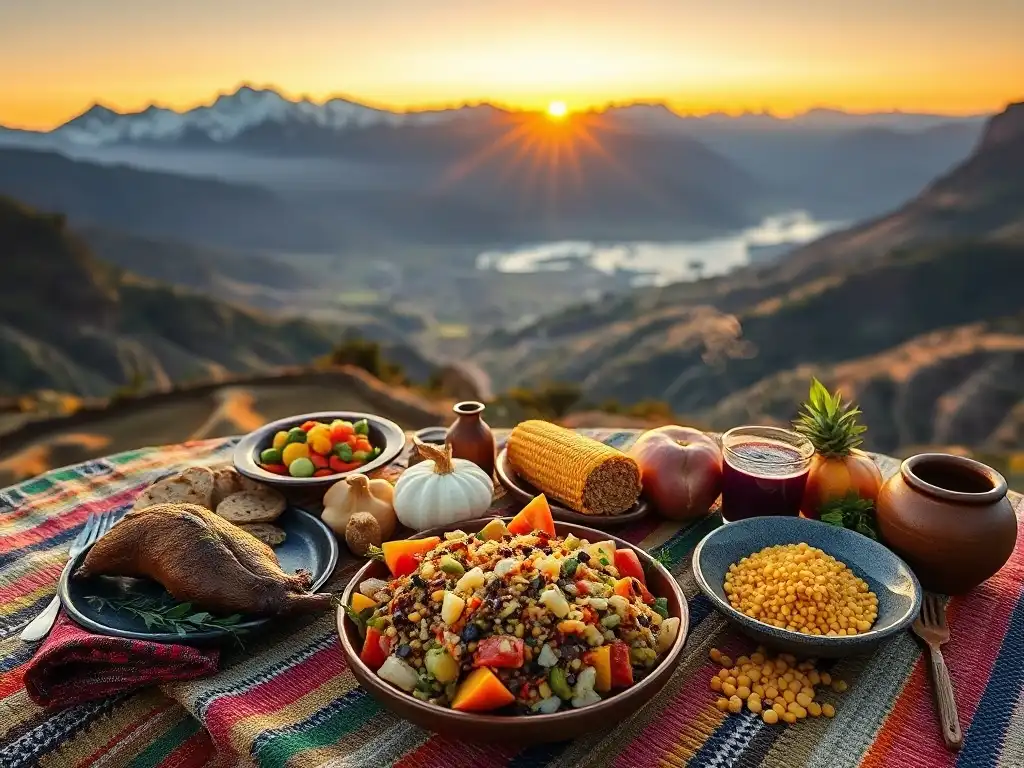
Ever wondered what the emperors of the Andes dined on? Prepare to be amazed! Dive into the fascinating world of Inca cuisine recipes, a culinary journey through the heart of the Andean Civilizations. Uncover the secrets behind the sophisticated foodways of the Inca Empire and discover how their ingenuity shaped a unique and delicious legacy. This is more than just food; it's a window into a lost world brimming with innovation and mystery. Explore the flavors of history—your adventure starts now!
The Inca Empire, a civilization that flourished in the Andes Mountains from the 15th to the 16th century, left behind a remarkable legacy. Beyond their sophisticated architectural achievements and intricate social structures, the Incas developed a unique and ingenious culinary system perfectly adapted to the challenging Andean environment. This article delves into the fascinating world of Inca cuisine, exploring the staple foods that sustained this mighty empire and providing a glimpse into the ingenuity and resourcefulness of their culinary traditions.
We'll uncover the secrets behind their diverse diet, highlighting the key ingredients and providing a foundation for understanding the rich tapestry of "Inca cuisine recipes." Prepare to embark on a culinary journey through time, discovering the flavors and techniques that defined the Inca diet and its enduring impact on modern Andean gastronomy. Get ready to explore the delicious history behind "Inca cuisine recipes"!
Introduction to Inca Gastronomy
Inca gastronomy was far from simple; it was a complex system deeply intertwined with their agricultural practices, religious beliefs, and social structures. The Incas, masters of terracing and irrigation, cultivated a diverse array of crops adapted to the varying altitudes and microclimates of the Andes. Their diet wasn't just about sustenance; food held significant cultural and ritualistic importance. Certain foods were reserved for specific occasions or social classes, reflecting the hierarchical nature of Inca society.
The Inca's understanding of nutrition and food preservation was remarkably advanced for its time, allowing them to thrive in a challenging environment. Their culinary traditions, though adapted and evolved over time, continue to influence modern Andean cuisine, making the study of Inca food a captivating exploration of history, culture, and culinary innovation. The search for "Inca cuisine recipes" often leads to a deeper understanding of this fascinating aspect of Inca life.
Staple Foods of the Inca Empire
The Inca diet relied heavily on a few key crops, expertly cultivated and ingeniously prepared. These staple foods formed the foundation of their daily meals and played a critical role in their societal and religious practices. The ingenuity of the Inca agricultural techniques allowed them to maximize crop yields, ensuring food security for their vast empire. This section explores the three most important staple foods, along with others that played significant roles in their diet.
Andean Potatoes: A Culinary Cornerstone
The potato ( Solanum tuberosum) is arguably the most iconic Andean crop and a cornerstone of Inca cuisine. The Incas cultivated hundreds of potato varieties, each adapted to specific altitudes and soil conditions. Their mastery of potato cultivation allowed them to produce a vast array of flavors, textures, and colors.
Potatoes were prepared in countless ways, from boiling and roasting to drying and fermenting, demonstrating the versatility of this remarkable tuber. The potato's importance transcended mere sustenance; it played a crucial role in Inca rituals and social events. Understanding the role of the potato in Inca cuisine is essential to comprehending the full scope of their culinary traditions, often sought after when researching "Inca cuisine recipes".
Quinoa: The Sacred Grain of the Incas
Quinoa ( Chenopodium quinoa), a pseudocereal, held a sacred status in Inca society. It was considered a highly nutritious food, rich in protein and essential amino acids. Quinoa was cultivated across various altitudes, demonstrating its adaptability to different environmental conditions.
It was prepared in a variety of ways, often ground into flour for making bread or porridge, or cooked as a grain. Its high nutritional value made it a crucial component of the Inca diet, particularly for those involved in strenuous physical labor. The nutritional and spiritual significance of quinoa underscores its importance within the context of "Inca cuisine recipes".
Maize: Versatile and Essential
Maize ( Zea mays), or corn, was another vital component of the Inca diet. The Incas cultivated various maize varieties, each suited to different growing conditions. Maize was used to make a wide range of foods, including porridge, breads, and fermented beverages like chicha. Its versatility and nutritional value made it an indispensable staple in the Inca diet. The processing of maize, from harvesting to preparation, involved complex techniques that reflected the sophisticated agricultural knowledge of the Inca people. The widespread use of maize in their diet is a key element when searching for authentic "Inca cuisine recipes".
Other Key Inca Crops: Oca, Ulluco, Mashua
Beyond potatoes, quinoa, and maize, the Incas cultivated a variety of other important crops. Oca ( Oxalis tuberosa), ulluco ( Ullucus tuberosus), and mashua ( Tropaeolum tuberosum) are examples of tubers that provided dietary diversity and nutritional value. These crops, often overlooked in modern discussions of Inca cuisine, played significant roles in the Inca diet, offering a range of flavors and textures that complemented the more prevalent staple foods. Further research into these lesser-known crops is essential for a comprehensive understanding of "Inca cuisine recipes" and the complete picture of Inca foodways.
Inca Cooking Techniques and Methods
Inca cuisine, while diverse and rich, relied on a relatively small set of cooking techniques, reflecting the available resources and technologies of the time. Mastering these techniques was crucial for preserving food, enhancing its flavor, and ensuring nutritional value. The ingenuity of the Inca people is evident in their ability to create delicious and nutritious meals using the resources at hand.
Their methods were often simple yet effective, passed down through generations and adapted to the unique conditions of the Andean highlands. Understanding these techniques offers a deeper appreciation for the sophistication of Inca food preparation. From the earth ovens to the careful drying techniques, each method tells a story of adaptation and culinary innovation.
Pachamanca: The Earth Oven Technique
Pachamanca, meaning "hot earth" in Quechua, is perhaps the most iconic Inca cooking method. This ancient technique involved digging a pit in the ground, heating stones within it, and then layering food—meats, vegetables, and tubers—on top of the hot stones. The pit was then covered with earth and left to cook for several hours, resulting in succulent and flavorful food. The earth acted as both a heat source and an insulator, creating a slow-cooking effect that imparted a unique smoky flavor to the ingredients.
Archaeological evidence suggests that pachamanca was not only a culinary practice but also a social event, often used for communal feasts and celebrations. The preparation itself was a communal effort, reflecting the importance of shared meals in Inca society. Today, pachamanca remains a popular dish in the Andes, a testament to its enduring appeal and the ingenuity of the Inca culinary traditions.
Drying and Preserving Food
Given the challenging Andean climate and the need to store food for leaner times, drying and preservation were essential Inca culinary practices. The dry Andean air provided ideal conditions for sun-drying various foods, including meats, fruits, and vegetables. Chillies, potatoes, and other produce were often sliced thinly and left to dry in the sun, significantly extending their shelf life. This process not only preserved the food but also concentrated its flavors.
Furthermore, the Incas developed sophisticated techniques for freeze-drying potatoes at high altitudes, ensuring the preservation of nutrients and taste. This innovative method allowed them to store potatoes for extended periods, mitigating the risk of food shortages during the harsh Andean winters. This ingenuity showcases the advanced understanding of food preservation techniques within Inca society.
Fermentation Practices in Inca Cuisine
Fermentation, while perhaps less immediately apparent than other methods, played a significant role in Inca cuisine. This process was used to preserve food and enhance its flavor profile. The Incas fermented various grains and legumes, creating nutritious and flavorful foods that were easier to digest. While the specific details of their fermentation practices remain somewhat obscure, archaeological findings suggest a widespread use of this technique.
The unique Andean environment, with its varied altitudes and climates, likely influenced the types of fermentation used and the resulting flavors. Further research is needed to fully understand the complexity and diversity of Inca fermentation practices and their impact on the overall Inca diet. This area of Inca culinary history offers exciting possibilities for future research.
Boiling and Stewing
Boiling and stewing were fundamental cooking methods employed by the Inca, utilizing readily available resources. Simple earthenware pots, heated over open fires, served as the primary cooking vessels. These methods provided a straightforward way to cook a wide variety of ingredients, including grains, vegetables, and meats. The availability of water sources in many regions of the Inca Empire facilitated these cooking techniques.
Stews, in particular, were likely a staple of the Inca diet, combining various ingredients for a nutritious and flavorful meal. The simplicity of these methods belies their importance in providing sustenance for the vast Inca population. Boiling and stewing allowed for the efficient preparation of meals using readily accessible resources and minimal specialized tools.
Meats and Proteins in the Inca Diet
Protein sources in the Inca diet were diverse, reflecting the Andean environment and the Inca's mastery of animal husbandry and hunting. Llama and alpaca were the primary domesticated sources of meat, while hunting and fishing provided supplementary protein sources. The consumption of guinea pig, a delicacy in some parts of the Andes, also contributed to their protein intake.
Llama and Alpaca: Sources of Meat
Llama and alpaca were not only crucial for transportation and textiles but also served as vital sources of meat within the Inca Empire. These camelids were raised in large herds, providing a sustainable source of protein for the population. Their meat was likely prepared using a variety of methods, including roasting, boiling, and stewing.
The importance of these animals in Inca society extended beyond their economic value; they held symbolic and religious significance as well. The careful management of llama and alpaca herds reflects the sophisticated agricultural practices of the Inca civilization. Their importance in the Inca diet is undeniable, providing a staple source of protein across different regions of the empire.
Guinea Pig: A Delicacy in the Andes
Cuy, or guinea pig, holds a unique place in Andean cuisine, representing more than just a food source. The consumption of guinea pig has deep roots in Andean culture, with evidence suggesting it was a significant part of the Inca diet. While its status as a delicacy might vary across different regions and communities, it remains a popular dish in many parts of the Andes today.
The preparation methods for cuy are diverse, ranging from roasting to stewing, often involving the use of herbs and spices. Beyond its culinary significance, the guinea pig holds cultural and symbolic value, reflecting the rich traditions of the Andes. Its continued popularity is a testament to its enduring presence in Andean culinary traditions.
Hunting and Fishing Practices
Hunting and fishing supplemented the Inca diet, providing additional sources of protein and enriching the variety of their meals. The methods employed varied depending on the terrain and available resources. Hunting techniques included trapping, using snares, and employing hunting dogs. Fishing practices involved using nets, spears, and other tools adapted to the specific water bodies.
The importance of hunting and fishing varied across different regions of the Inca Empire, with some areas relying more heavily on these practices than others. These activities not only provided food but also played a crucial role in the Inca economy and social organization. Their ingenuity in adapting their hunting and fishing techniques to the varied Andean landscapes demonstrates their resilience and adaptation skills.
Inca Cuisine Recipes: Traditional Dishes
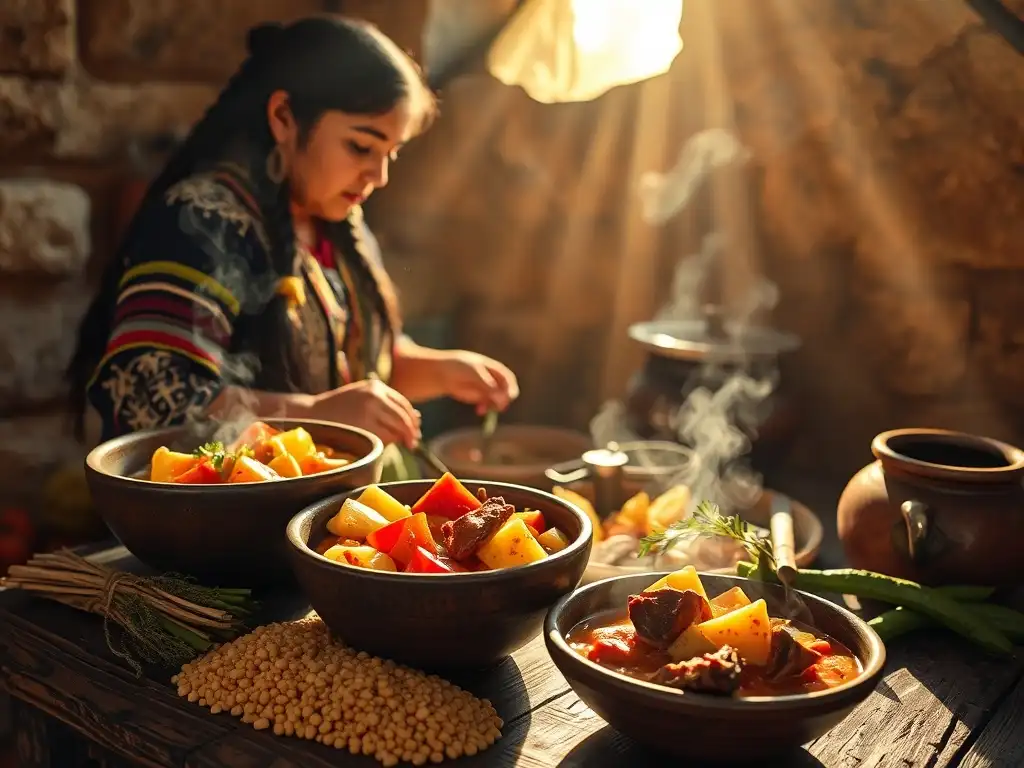
The Inca diet was surprisingly diverse and sophisticated, reflecting the varied geography of their vast empire. Their cuisine relied heavily on locally sourced ingredients, resulting in a unique culinary tradition that continues to inspire modern Andean cooking. Many Inca dishes are still enjoyed today, offering a fascinating glimpse into the daily lives and culinary ingenuity of this remarkable civilization.
Understanding the principles of Inca cuisine – emphasis on fresh, seasonal ingredients, simple preparation techniques, and the incorporation of native Andean crops – is key to appreciating its enduring legacy. Let's delve into some classic examples of Inca cuisine recipes, focusing on preparation techniques and key ingredients.
Preparing Locro
Locro, a hearty stew, represents a cornerstone of Andean cuisine, and its variations reflect regional preferences. The Inca version often featured potatoes, squash, beans, and corn, a testament to their mastery of agriculture. Preparing locro involves a slow cooking process, allowing the flavors to meld beautifully.
First, you would typically sauté onions and garlic in a generous amount of fat (often rendered animal fat or vegetable oil). Then, add the diced potatoes, squash, and beans, along with seasoned broth or water. The corn, often in the form of choclo (large kernels), is added later in the cooking process.
Seasoning is crucial; Inca cooks likely utilized a combination of aji peppers (for varying levels of heat), herbs, and salt. The result is a thick, comforting stew, perfect for a chilly Andean evening. The exact proportions and ingredients would vary based on availability and regional preferences, highlighting the adaptability of this iconic dish.
Making Humitas
Humitas, savory corn cakes, are another culinary treasure of the Andes. These delights showcase the Inca’s adeptness at utilizing maize in diverse ways. The preparation of humitas begins with freshly harvested corn. The kernels are removed from the cob, then boiled or steamed until tender. This boiled corn is then blended into a smooth paste, often with the addition of cheese, spices, and herbs.
The mixture is then carefully poured into corn husks (or, in modern adaptations, banana leaves). These filled husks are tightly wrapped and steamed until the humitas are cooked through and the corn mixture is firm. The result is a delightful, subtly sweet and savory treat, perfect as a side dish or a light meal. The process emphasizes the importance of fresh, high-quality ingredients, characteristic of Inca culinary traditions.
Preparing Calapurca
Calapurca, a type of Andean stew, showcases the Inca's ability to blend meats, vegetables, and spices into a harmonious whole. While specific recipes varied across regions, the core components remained consistent. A typical Calapurca might include a variety of meats (such as llama, alpaca, or guinea pig), potatoes, onions, garlic, and aji peppers. The preparation involves slow-cooking the ingredients in a pot, allowing the flavors to blend and deepen over time.
The addition of spices and herbs added complexity and depth of flavor, demonstrating the Inca's understanding of the culinary arts. A key aspect of Calapurca is its adaptability; ingredients were adjusted based on seasonal availability and regional preferences, reflecting the practicality and resourcefulness of Inca cuisine. The resulting stew is hearty, flavorful, and representative of the Inca's diverse and resourceful approach to food.
Inca Beverages: From Chicha to Herbal Infusions
Beyond food, Inca beverages played a vital role in their society, both in everyday life and in ceremonies. From fermented maize drinks to herbal infusions, these beverages reflected their deep understanding of plant life and their skillful use of natural resources. The quality and availability of these drinks varied greatly depending on location and season, highlighting the close relationship between the Inca people and their environment.
Chicha: The Fermented Maize Drink
Chicha, a fermented maize drink, held immense cultural significance for the Inca. Its preparation involved a meticulous process, starting with the selection and preparation of specific maize varieties. The maize was often chewed to initiate the fermentation process, a practice that introduced enzymes crucial for the conversion of starches into sugars. This was then mixed with water and allowed to ferment for a period of time, resulting in a drink with varying degrees of alcoholic content.
Chicha was not just a beverage; it was integral to religious ceremonies, social gatherings, and even used as a form of payment. Different types of chicha existed, varying in taste and alcoholic strength depending on the maize used and the fermentation process. The process highlights the intricate relationship between food preparation, religious practices, and social structures within Inca society.
Herbal Teas and Infusions
Beyond chicha, the Inca utilized a wide array of herbs and plants to create refreshing and potentially medicinal beverages. These herbal teas and infusions, made from readily available plants, were likely consumed for both pleasure and health benefits. The specific herbs and preparation methods varied across regions, reflecting the diverse flora of the Andean landscape. Some herbs may have been used for their purported medicinal properties, reflecting the Inca's holistic approach to health and well-being. While precise recipes are unavailable, the use of herbal infusions points to a sophisticated understanding of medicinal plants and their applications.
Aqha
Aqha, a type of fermented beverage, provides another example of the Inca’s mastery of fermentation techniques. Unlike chicha, which was primarily made from maize, aqha utilized other grains or fruits as its base. The fermentation process, while similar in principle to chicha's, would result in a beverage with a distinct flavor profile depending on the primary ingredient.
The preparation of aqha likely varied regionally, reflecting the availability of different grains and fruits in various parts of the Inca Empire. Aqha, like chicha, served both social and potentially ritualistic purposes, playing a significant role in Inca culture. Further research is needed to fully understand the diversity and regional variations of this lesser-known Inca beverage.
The Inca Diet and its Nutritional Value
The Inca diet, a cornerstone of their thriving civilization, was surprisingly diverse and nutritionally complete, reflecting their sophisticated agricultural techniques and deep understanding of the Andean ecosystem. Their staple crops formed the base of a balanced diet, providing a wide range of essential nutrients. Potatoes, in their countless varieties, were a primary source of carbohydrates and essential minerals. Quinoa, a pseudo-cereal packed with protein and amino acids, provided crucial dietary protein, often exceeding the nutritional value of wheat or rice.
Corn, another significant crop, contributed carbohydrates, fiber, and certain vitamins. These three crops, known as the "sacred trinity" of Andean agriculture, formed the foundation of most Inca meals. Beyond these staples, the Inca diet incorporated a variety of beans, fruits (like lucuma and chirimoya), and vegetables, ensuring a rich intake of vitamins, minerals, and antioxidants.
The inclusion of animal products, albeit less frequently consumed than plant-based foods, further enhanced the nutritional profile of their diet. Llamas, alpacas, and guinea pigs provided essential protein and fats, while fish and birds supplemented the protein sources in coastal and jungle regions. The Inca diet, therefore, was a remarkable example of a sustainable and nutritionally balanced food system, contributing significantly to the health and well-being of their population.
The Importance of a Balanced Diet
The Inca understood the importance of a balanced diet long before modern nutritional science. Their agricultural practices were carefully designed to provide a variety of foods, ensuring a wide range of nutrients. This wasn't simply a matter of sustenance; it was deeply intertwined with their worldview and spiritual beliefs.
A balanced diet was seen as essential for physical and spiritual well-being, contributing to a strong and healthy population capable of supporting the empire's ambitious projects and maintaining its social structure. Evidence suggests that Inca leaders actively managed food production and distribution to ensure equitable access to a varied diet across all social classes, although the extent of this varied across different regions and time periods.
This emphasis on a balanced diet played a vital role in the Inca Empire's success, contributing to its longevity and the overall health of its population. The balanced diet wasn't just a matter of survival; it was a cornerstone of their societal well-being.
Nutritional Benefits of Inca Foods
The nutritional richness of Inca staples is now widely recognized. Quinoa, for example, is a complete protein, meaning it contains all nine essential amino acids that the human body cannot produce on its own. This makes it a superior protein source compared to many other grains.
Potatoes, in their diverse varieties, offer a wide range of vitamins and minerals, including vitamin C, potassium, and iron. The various colors of potatoes indicate differing nutrient profiles, showcasing the Inca's understanding of nutritional diversity within a single crop. Corn provided carbohydrates for energy and fiber for digestive health.
The combination of these core foods, supplemented by beans, fruits, and vegetables, ensured a diet rich in vitamins, minerals, and antioxidants, contributing to the overall health and resilience of the Inca population. This understanding of the nutritional value of their food sources was crucial to their success as a civilization. Further research continues to unveil the specific health benefits of many Inca crops and their unique properties.
Sustainable Agriculture Practices
The Inca's agricultural prowess was remarkable, particularly given their challenging environment. They developed sophisticated techniques like terracing, irrigation systems, and the use of fertilizers to maximize food production in mountainous terrain. Terracing, for instance, allowed them to cultivate steep slopes, increasing arable land significantly. Intricate irrigation canals channeled water to fields, ensuring adequate moisture even in dry seasons.
The use of guano (bird droppings) as fertilizer enriched the soil, boosting crop yields. These practices were not only highly productive but also sustainable, minimizing environmental impact and ensuring long-term food security. The Inca's understanding of sustainable agriculture was critical to their ability to support a large population and maintain a stable food supply for centuries. Their practices continue to inspire modern sustainable agriculture techniques.
Inca Food and Ritual: The Sacred Aspect of Meals
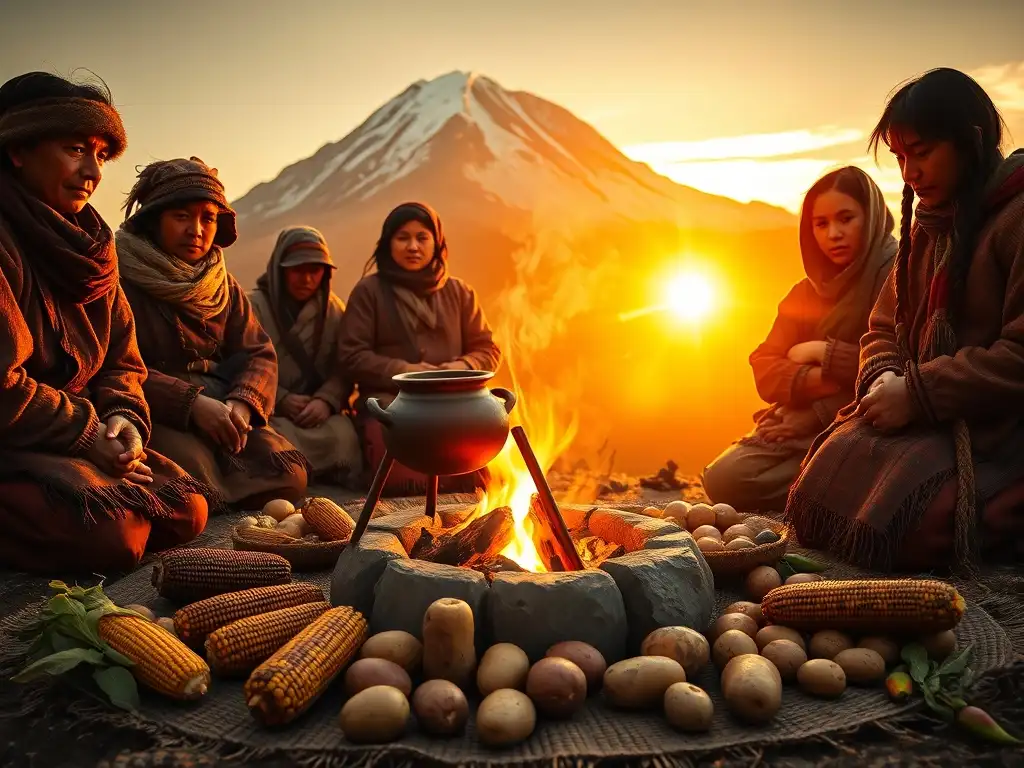
Food in Inca society was not merely sustenance; it held profound spiritual significance, deeply intertwined with their religious beliefs and practices. Meals were not simply occasions for nourishment but also acts of ritual and communion, connecting the living with the spiritual realm and reinforcing social bonds. The preparation, consumption, and even the disposal of food were governed by intricate rituals and customs, reflecting the Inca's reverence for the natural world and their belief in the interconnectedness of all things. This sacred aspect of food permeated all levels of Inca society, from daily family meals to elaborate state ceremonies.
Food Offerings to the Gods
A significant aspect of Inca religious practice was the offering of food to the gods and spirits. These offerings, often consisting of the finest produce and animal products, were seen as a way to appease the deities, ensure good harvests, and maintain cosmic balance. The offerings varied depending on the specific deity or occasion, and they were often accompanied by prayers, chants, and other rituals.
These offerings weren't merely symbolic; they were believed to physically nourish the spiritual realm, demonstrating the deeply interconnected nature of the physical and spiritual worlds in Inca cosmology. The careful selection and preparation of these offerings highlighted the importance of food in their religious practices.
Feasts and Celebrations
Feasts and celebrations played a crucial role in Inca social life, providing opportunities for communal gatherings and reinforcing social bonds. These events were characterized by abundant food and drink, often featuring specially prepared dishes and delicacies not commonly consumed in everyday life. Such feasts served not only to nourish the participants but also to strengthen social ties, commemorate significant events, and honor important figures.
The preparation and distribution of food during these events were carefully managed, reflecting the importance of social order and hierarchy. These communal meals served as potent symbols of unity and social cohesion within the Inca Empire.
The Role of Food in Inca Social Life
Food played a central role in structuring Inca social life, reflecting and reinforcing social hierarchies and power dynamics. The distribution of food was carefully controlled by the state, with the elite receiving the finest cuts of meat and the most desirable crops, while commoners consumed more basic staples. Access to specific foods and drinks often served as markers of social status, highlighting the importance of food as a symbol of power and privilege.
However, the state also ensured that all members of society had access to sufficient food to survive, reflecting a sense of social responsibility and the importance of collective well-being. Even within this hierarchical system, food played a crucial role in maintaining social order and ensuring the stability of the Inca Empire. The management and distribution of food were integral to the empire's social and political fabric.
Legacy of Inca Cuisine in Modern Andean Food
The Inca Empire's culinary legacy continues to profoundly influence modern Andean food. Many dishes and ingredients prevalent in contemporary Peruvian, Bolivian, Ecuadorian, and Colombian cuisine trace their roots directly back to Inca practices. The emphasis on potatoes, maize (corn), quinoa, and beans—staples of the Inca diet—remains a cornerstone of Andean cooking today. This isn't simply a matter of continuity; it's a vibrant, evolving tradition where ancient techniques and flavors are constantly reinterpreted.
The ingenuity of the Incas in adapting their agriculture to the diverse Andean landscape is still evident in the incredible variety of crops cultivated and consumed across the region. From the high-altitude potatoes to the lowland fruits, the Inca's understanding of terroir continues to shape modern agricultural practices and, consequently, the flavors of the region. This enduring connection to the land and its produce forms the very bedrock of modern Andean culinary identity.
Influences on Contemporary Andean Cooking
The Inca's innovative techniques extended beyond simple cultivation. Their mastery of food preservation, particularly through drying, freezing, and fermentation, continues to influence contemporary Andean cooking. For instance, the chuño (freeze-dried potatoes) and charqui (dried llama or alpaca meat), essential elements of the Inca diet, are still produced and consumed today, showcasing the enduring practicality of these methods.
Furthermore, the Inca's understanding of combining diverse ingredients to create balanced and nutritious meals is reflected in the complex flavor profiles of modern Andean dishes. The layering of flavors, the blending of textures, and the skillful use of spices all reflect a culinary heritage deeply rooted in Inca traditions.
The use of aji peppers, for instance, a staple in Inca cuisine, remains crucial in many modern Andean dishes, adding a distinctive spicy kick. Even the communal aspect of Inca meals, often shared in large groups, finds echoes in modern Andean social gatherings centered around food.
Modern Adaptations of Locro
Locro, a hearty stew, serves as an excellent example of the adaptation of Inca culinary traditions. While the exact origins of locro are debated, its core ingredients—potatoes, corn, and beans—clearly connect it to the Inca diet. Modern versions of locro showcase the evolution of this dish through time. In different Andean regions, variations abound, incorporating local ingredients and reflecting regional tastes.
Some versions include meat, while others remain vegetarian. The addition of cheese, herbs, and spices further diversifies the locro experience, demonstrating the adaptability of this ancient dish. This culinary flexibility reflects the dynamic nature of Andean cuisine, which continuously incorporates new influences while preserving its core traditions. The persistence of locro as a staple across various Andean communities highlights its deep-seated cultural significance and its enduring connection to the Inca legacy.
Preserving Inca culinary traditions
Efforts to preserve Inca culinary traditions are gaining momentum. Many organizations and communities are actively working to document traditional recipes, farming techniques, and food preparation methods. This involves both recording oral histories and conducting anthropological research to understand the full scope of Inca foodways. Cooking schools and culinary programs are incorporating Inca-inspired dishes into their curricula, fostering a new generation of chefs who are knowledgeable about and passionate about this rich heritage.
Furthermore, there's a growing interest in using heirloom varieties of crops—those that have been cultivated for centuries—to recreate the flavors and textures of the Inca diet. These initiatives are crucial in ensuring that the legacy of Inca cuisine is not only remembered but also actively celebrated and preserved for future generations. The preservation of these traditions is not merely a historical endeavor but a vital part of maintaining Andean cultural identity.
Conclusion: Exploring the Flavors of the Inca Empire
Exploring Inca cuisine offers a fascinating journey through the rich history and ingenuity of the Inca Empire. From the cultivation of diverse crops to the development of innovative food preservation techniques, the Inca's culinary practices laid the foundation for much of modern Andean food. The enduring presence of potatoes, maize, quinoa, and beans in contemporary Andean dishes is a testament to the lasting impact of Inca foodways.
By understanding the legacy of Inca cuisine, we gain a deeper appreciation for the cultural richness and culinary diversity of the Andes. The ongoing efforts to preserve and celebrate these culinary traditions ensure that the flavors of the Inca Empire continue to enrich the lives and palates of people across the Andes for generations to come. The study of "Inca cuisine recipes" is, therefore, not just a culinary pursuit, but a journey into the heart of Andean culture and history.
- Introduction to Inca Gastronomy
- Staple Foods of the Inca Empire
- Inca Cooking Techniques and Methods
- Meats and Proteins in the Inca Diet
- Inca Cuisine Recipes: Traditional Dishes
- Inca Beverages: From Chicha to Herbal Infusions
- The Inca Diet and its Nutritional Value
- Inca Food and Ritual: The Sacred Aspect of Meals
- Legacy of Inca Cuisine in Modern Andean Food
- Conclusion: Exploring the Flavors of the Inca Empire
Frequently Asked Questions
What ingredients were commonly used in Inca cuisine?
Inca cuisine relied heavily on potatoes, corn, and quinoa, supplemented by beans, fruits like chilies and tomatoes, and various local vegetables. Meat was less common, primarily llama and alpaca.
Did the Inca have any unique cooking techniques?
Yes, the Inca utilized techniques like sun-drying and freeze-drying to preserve food. They also mastered various methods of grinding grains and preparing different types of porridge and stews.
Where can I find authentic Inca recipes?
While precise original recipes are scarce, many modern interpretations exist. Look for cookbooks focusing on Andean cuisine and Peruvian food, incorporating traditional ingredients.
Are there any Inca-inspired restaurants?
Many restaurants, particularly in Peru, offer dishes inspired by Inca cuisine. Search for restaurants specializing in traditional Peruvian food for the most authentic experience.
What is the significance of food in Inca culture?
Food held significant religious and social importance in Inca society. Agricultural success was crucial, and feasts and offerings played vital roles in ceremonies and celebrations.
Final Reflection: A Legacy of Flavor: The Enduring Spirit of Inca Cuisine
The vibrant tapestry of Inca cuisine, far from being a relic of the past, continues to nourish and inspire us today. Its ingenious use of Andean ingredients, its sophisticated understanding of food preservation, and its deep connection to the land offer invaluable lessons in sustainable and healthy eating practices, especially relevant in our current era of food insecurity and environmental concerns. The ingenuity of the Inca's agricultural techniques and their reverence for the land remain potent examples of how we can cultivate a more harmonious relationship with our planet.
The enduring influence of Inca culinary traditions is profoundly felt in modern Peruvian cuisine and beyond. Its impact extends far beyond the simple replication of recipes; it represents a cultural legacy that shapes our understanding of food, community, and the environment. Food is symbolic of love when words are inadequate.
- Alan D. Wolfelt. This quote perfectly encapsulates the deep emotional connection embedded within Inca food, a connection that transcends mere sustenance and speaks to the heart of their culture and its enduring spirit. The simple act of preparing and sharing these dishes connects us to a rich history and fosters a deeper appreciation for the land and its bounty.
Consider the ingredients, the techniques, and the stories woven into each dish. You, the reader, are now empowered to explore this legacy further. Seek out authentic Inca-inspired recipes, experiment with Andean ingredients, and learn more about the agricultural practices that sustained this remarkable civilization. By engaging with Inca cuisine, you not only savor delicious flavors but also participate in a living cultural heritage, contributing to its preservation and inspiring future generations to appreciate the enduring wisdom of the Andes.
**Savor the Flavors of the Andes! **
Thank you for exploring the rich tapestry of Inca food and cuisine. You've discovered the heart of Andean culture and how these flavors can enhance your culinary experiences. Now, let's bring a taste of the Andes into your kitchen!
Here are some ways to delve deeper into the wonderful world of Inca cuisine:
- **Try a traditional Inca recipe:** Prepare a classic dish like *causa* or *quinoa soup*, and share your creation with loved ones!
- **Explore local farmers' markets:** Discover authentic ingredients and support local producers by visiting your local farmers' market.
- **Take an online cooking class:** Learn from expert chefs specializing in Andean cuisine and master the techniques from the comfort of your home.
Which unique Andean ingredient or recipe are you most eager to try next?