
The Andean Ritual of Metallurgy: Transforming Metals into Sacred Objects

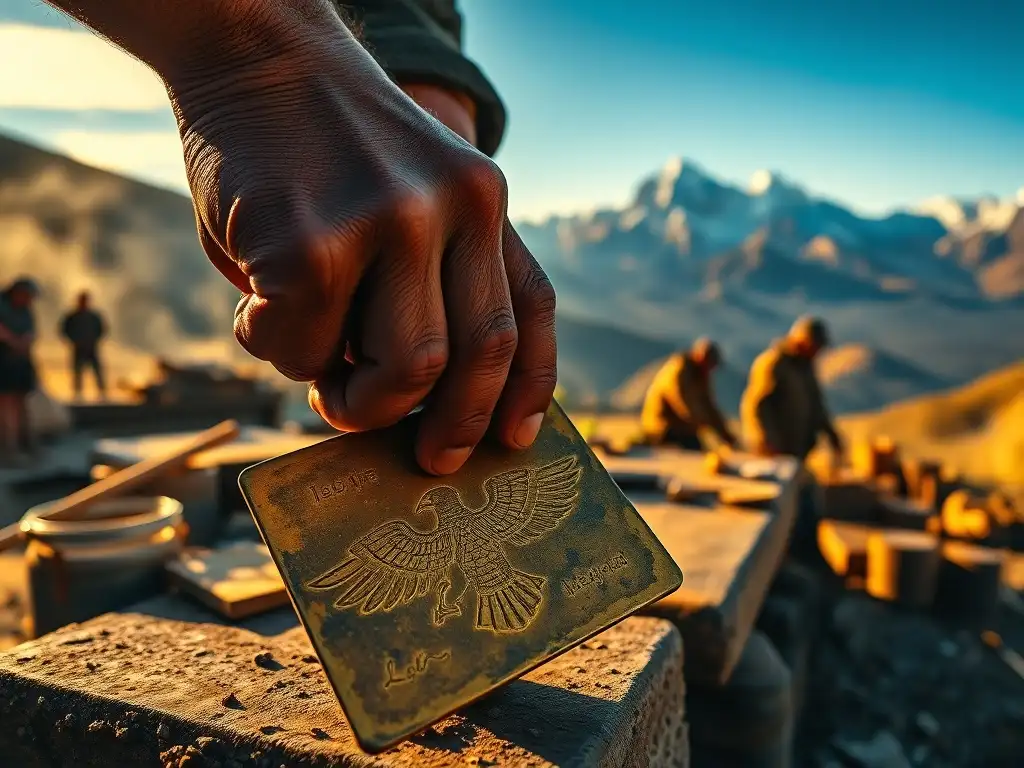
Dive into the enigmatic world of the Andes, where mountains meet myths and metal transforms into magic. For centuries, these civilizations shaped not only empires but also their very understanding of the cosmos. Prepare to be captivated by the intricate details of Andean metallurgy rituals, a practice far beyond mere craftsmanship, revealing a deeply spiritual connection between the earthly and divine within the vibrant tapestry of Andean religion and cosmovision. Uncover the secrets held within the hammered gold and sculpted bronze – the story is far more fascinating than you can imagine.
The intricate relationship between Andean civilizations and metallurgy extended far beyond mere technological prowess; it was deeply interwoven with their spiritual beliefs and cosmological worldview. This article delves into the fascinating world of Andean metallurgical rituals, exploring how the transformation of metals – particularly gold, silver, and copper – served as a powerful medium for expressing religious beliefs, connecting with the divine, and reinforcing social structures. We will examine the symbolic meanings attributed to specific metals and the techniques employed in crafting sacred objects, offering a glimpse into the sophisticated religious practices of these remarkable cultures.
Understanding Andean metallurgy requires appreciating its profound ritualistic context, a crucial element often overlooked in discussions of its technical achievements. The creation of metal objects wasn't simply a craft; it was a sacred act, imbued with spiritual significance and deeply connected to the Andean understanding of the cosmos.
Introduction to Andean Metallurgical Practices and their Spiritual Significance
Andean metallurgical practices, flourishing across various cultures like the Incas, Moche, Nazca, and Tiahuanaco, were not merely technological feats but integral components of their religious systems. The process of extracting, refining, and shaping metals was considered a sacred act, often performed by specialized individuals holding significant religious authority. These skilled artisans were not simply metalworkers; they were intermediaries between the human and spiritual realms, channeling divine energies into the creation of sacred objects.
The act of transforming raw materials into refined, meticulously crafted artifacts was seen as a mirroring of the creation myth itself, a symbolic representation of the world's creation and the ongoing interaction between the earthly and celestial spheres. This ritualistic aspect is evident in the intricate designs, the careful selection of materials, and the meticulous attention to detail observed in surviving Andean metalwork.
The creation of these objects was a complex process, involving not just technical skill but also elaborate rituals and ceremonies designed to ensure the successful completion of the task and the infusion of the objects with spiritual power. The precise rituals varied among different Andean cultures, reflecting the diversity of their religious beliefs and practices, yet a common thread runs through them all: the sacred nature of metalwork and its connection to the divine.
The Sacred Metals of the Andes: Gold, Silver, and Copper
The Andean civilizations attributed profound symbolic meanings to specific metals, imbuing them with spiritual power and associating them with celestial bodies and deities. Gold, silver, and copper were particularly significant, each holding a unique place in their cosmology and religious practices. Their use in ritual objects reflects a complex interplay of religious beliefs, social status, and artistic expression. The careful selection and manipulation of these materials were crucial aspects of the ritual, ensuring the objects' efficacy and spiritual potency.
Gold: Symbol of the Sun and Divine Power in Andean Cosmovision
Gold, with its radiant brilliance, was naturally associated with the sun, Inti, the most important deity in the Inca pantheon. It symbolized divine power, royalty, and the sun's life-giving energy. Gold objects, often intricately crafted into figurines of deities, ceremonial vessels, and adornments for rulers, served as powerful conduits for divine power. The use of gold in royal regalia further emphasized the connection between the rulers and the divine, reinforcing their legitimacy and authority.
The meticulous craftsmanship involved in creating gold objects underscores the sacred nature of the process and the importance of these artifacts in Andean religious practices. Examples include intricately worked sun discs, which were likely used in rituals associated with solar worship and agricultural cycles. The sheer quantity of gold utilized in some artifacts also suggests the immense value placed on this precious metal and its spiritual significance.
Silver: Representation of the Moon and Feminine Energy
Unlike gold's solar association, silver was linked to the moon, the feminine principle, and the goddess Mama Killa. It represented the cyclical nature of time, the ebb and flow of life, and the feminine energy that complemented the sun's masculine force. Silver objects, often less abundant than gold artifacts, were still highly valued and frequently employed in rituals related to fertility, water, and the lunar cycle.
The use of silver in ceremonial objects underscores its importance in maintaining balance and harmony within the Andean cosmological worldview. While less prevalent than gold in royal contexts, silver's use in ritual objects highlights its crucial role in Andean religious practices. [Specific examples of silver ritual objects and their associated rituals pending].
Copper: Its Use in Ritual Tools and Everyday Objects
Copper, while less precious than gold and silver, held its own significance in Andean metallurgy. It was widely used in the creation of tools, weapons, and everyday objects, but also featured prominently in ritual contexts. Its malleability and relative abundance made it suitable for a wide range of applications, from agricultural implements to ceremonial axes and bells.
The presence of copper in both secular and ritual objects reflects its versatility and its integration into various aspects of Andean life. The use of copper in ritual tools, such as ceremonial axes, suggests its importance in performing sacred rites and connecting with the spiritual world. [Specific examples of copper ritual tools and their functions pending].
The Process: Andean Metallurgical Techniques and Rituals
The Andean mastery of metallurgy wasn't merely a technological achievement; it was deeply intertwined with their spiritual beliefs and rituals. The entire process, from the extraction of ore to the final shaping of the artifact, was imbued with sacred meaning, reflecting a profound connection between the human world and the cosmos.
Each stage involved specific rituals aimed at appeasing deities, ensuring successful outcomes, and imbuing the resulting metal objects with spiritual power. The meticulous techniques employed, often passed down through generations, were viewed not just as practical skills, but as sacred knowledge entrusted to select individuals within the community.
This holistic approach is evident in the remarkable quality and artistry of Andean metalwork, which serves as a tangible testament to their sophisticated understanding of both material and spiritual realms. The integration of ritual into the practical aspects of metallurgy ensured the process was not merely utilitarian but profoundly symbolic, reflecting the Andean worldview.
Mining and Extraction: Rituals to Honor the Earth and Mountain Spirits
Mining in the Andes wasn't a simple extraction process; it was a sacred act. Andean peoples believed that mountains were living entities, inhabited by powerful spirits ( apu) who guarded the earth's riches. Before any mining began, elaborate rituals were performed to appease these spirits, requesting permission to extract the ore and offering gifts such as coca leaves, chicha (fermented corn beer), and other valuable goods.
These rituals aimed to ensure a safe and productive mining operation, preventing accidents and ensuring a bountiful yield. Evidence suggests that specific locations within the mountain were chosen for mining based on their perceived spiritual significance, further highlighting the integration of ritual into the practical aspects of ore extraction. The respect shown to the mountain spirits wasn't merely a superstition; it represented a fundamental aspect of their worldview, emphasizing the interconnectedness of humans and nature.
Smelting and Refining: The Role of Fire and Purification in Metal Transformation
The smelting and refining processes were equally infused with ritual. Fire, a powerful and transformative element in Andean cosmology, played a central role. The intense heat of the furnace was seen as a purifying force, cleansing the raw ore of impurities and transforming it into a refined metal, mirroring a spiritual purification process.
Specific offerings and prayers were made during this stage, invoking deities associated with fire and metalworking, seeking their blessing and protection. The precise control of temperature and the careful manipulation of the molten metal were not merely technical skills, but acts of spiritual devotion, requiring a deep understanding of both the material and the symbolic significance of the process. The successful transformation of raw ore into refined metal was viewed as a sign of divine favor and a testament to the metallurgist's skill and spiritual connection.
Shaping and Forming: Crafting Sacred Objects with Symbolic Meaning
The final stage of shaping and forming the metal into objects was perhaps the most ritualistically charged. Each object was meticulously crafted, not just for its functional purpose, but also for its symbolic meaning. The shapes, designs, and decorations were carefully chosen to represent deities, spirits, animals, or other significant elements of the Andean worldview.
The skilled artisans, often considered shamans or religious specialists, imbued the objects with spiritual power through their careful work and accompanying rituals. The creation of each object was a sacred act, connecting the artisan, the object, and the spiritual realm. The resulting artifacts weren't merely utilitarian tools or ornaments; they were powerful sacred objects, capable of channeling spiritual energy and connecting the living with the supernatural world.
Andean Metallurgy Rituals: Ceremonies and Offerings
Beyond the integration of rituals into the metallurgical process itself, distinct ceremonies and offerings were performed to mark important occasions and seek divine favor. The use of metal objects in these rituals further reinforced their sacred status and symbolic power.
Rituals for Abundance and Prosperity: Connecting with the Earth and Deities
Regular ceremonies were performed to ensure abundance and prosperity, often involving offerings of metal objects to deities associated with fertility, agriculture, and wealth. These offerings symbolized a reciprocal relationship between humans and the divine, expressing gratitude for past blessings and soliciting continued favor. The specific type of metal object offered, its design, and the accompanying rituals varied depending on the specific deity and the desired outcome.
These ceremonies played a vital role in maintaining social harmony and ensuring the well-being of the community. The use of precious metals in these offerings underscored their value and the significance of the ritual itself.
Funerary Rituals: Metal Objects as Offerings for the Afterlife
Metal objects played a crucial role in funerary rituals, serving as offerings to accompany the deceased into the afterlife. The type and quantity of metal objects included in a burial varied depending on the social status of the deceased, suggesting a belief in a continuation of social hierarchies in the afterlife. Precious metal objects, such as gold and silver ornaments, were often included in elite burials, reflecting the importance of wealth and status in the Andean worldview.
These objects were not merely grave goods; they were essential components of the funerary ritual, providing the deceased with the necessary resources and symbolic protection in their journey to the next world. The careful placement and arrangement of these objects within the tomb further highlight their ritual significance.
Shamanic Practices and the Use of Metal in Healing Ceremonies
Shamans, spiritual leaders in Andean societies, often incorporated metal objects into their healing ceremonies. These objects, often crafted with specific designs and imbued with spiritual power, were believed to channel healing energy and facilitate communication with the spirit world. The use of metal in these ceremonies suggests a belief in the object's capacity to interact with and influence the spiritual realm, aiding in the diagnosis and treatment of illness.
While the specific practices varied among different Andean cultures, the use of metal objects in shamanic healing rituals underscores the multifaceted role of metallurgy within their religious and cosmological beliefs. The precise nature of these practices and the types of metal employed require further research for a complete understanding.
Examples of Sacred Metal Objects and their Ritual Significance
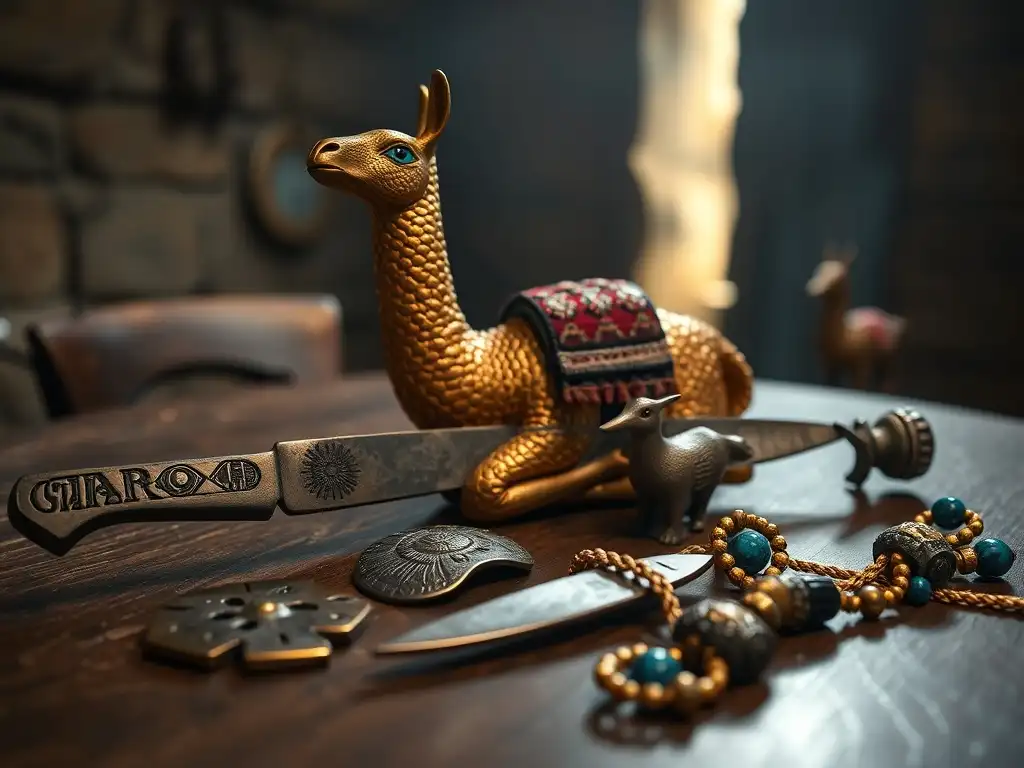
The Andean civilizations weren't just skilled metalworkers; they were master artisans who imbued their creations with deep spiritual meaning. Their metallurgical prowess wasn't merely technological; it was inextricably linked to their religious beliefs and practices. Metal objects weren't simply tools or adornments; they were sacred conduits connecting the earthly realm with the spiritual world.
The careful selection of materials, the intricate designs, and the meticulous craftsmanship all contributed to the objects' sacred power. The use of specific alloys, like tumbaga (a gold-copper alloy), further enhanced their ritual significance, as we will explore later. These objects were not merely decorative; they served as powerful symbols in ceremonies and rituals, acting as intermediaries between humans and the gods, or representing the power and authority of elite members of society.
Their presence in tombs and ceremonial contexts underscores their importance in the Andean worldview. The careful preservation of these objects throughout millennia speaks volumes about their enduring spiritual significance. The very act of creating these objects was a ritual in itself, a process imbued with reverence and precision.
Tumbaga: The Sacred Alloy and its Use in Andean Rituals
Tumbaga, a gold-copper alloy, held a prominent place in Andean metallurgy rituals. Its distinctive golden hue, achieved through varying proportions of gold and copper, made it a highly prized material. The precise ratios of gold and copper were not arbitrary; they likely held symbolic meaning related to the Andean cosmology and the balance of opposing forces in nature.
Archaeological evidence suggests that tumbaga objects were frequently used in rituals associated with fertility, abundance, and ancestor veneration. The shimmering surface of tumbaga items, reflecting the sun's light, may have been seen as a representation of the sun's life-giving energy. Furthermore, the durability of tumbaga ensured that these sacred objects could endure for generations, serving as lasting links to the past and powerful symbols of continuity.
The creation of tumbaga objects was a complex process, requiring specialized knowledge and skill, further emphasizing their sacred nature. Examples of tumbaga objects found in archaeological sites include intricate masks, ceremonial vessels, and decorative ornaments, providing tangible evidence of their widespread use in Andean rituals.
Breastplates and Headdresses: Symbols of Status and Divine Connection
Elaborately crafted breastplates and headdresses, often made of gold, silver, or tumbaga, served as powerful symbols of status and divine connection within Andean societies. These objects weren't merely decorative; they were imbued with spiritual power, connecting the wearer to the supernatural realm. The intricate designs, often featuring mythological figures and symbolic motifs, reinforced their sacred significance.
The use of precious metals further emphasized the wearer's high social standing and their close relationship with the divine. Breastplates, for example, might depict deities or mythical creatures, representing the wearer's authority and protection. Headdresses, with their towering structures and dazzling ornamentation, served to visually elevate the wearer, placing them closer to the celestial sphere.
The weight and craftsmanship of these objects also played a significant role, underscoring the wearer's importance and the sacred nature of the ritual context. The creation and wearing of these items were undoubtedly integral parts of Andean religious practices, signifying power, prestige, and a connection to the spiritual world.
Tumis and Ceremonial Knives: Tools for Ritual Sacrifice and Offerings
Tumis, crescent-shaped ceremonial knives, and other ceremonial blades played a crucial role in Andean rituals, particularly those involving sacrifice and offerings. While their precise function remains a subject of ongoing scholarly debate, evidence suggests they were used in both human and animal sacrifice, as well as in other ritualistic contexts. The meticulous craftsmanship evident in many tumis points to their sacred importance.
The materials used, often including precious metals and intricate inlay work, further emphasize their ritual significance. Their shape and design may have held symbolic meaning, reflecting cosmological beliefs or representing specific deities. The act of using a tumi in a ritual would have been a carefully choreographed event, performed by specially trained individuals, and imbued with profound religious meaning.
The discovery of tumis in tombs and ceremonial sites confirms their central role in Andean religious practices. The presence of blood residues on some tumis provides direct evidence of their use in sacrificial rituals.
The Role of Andean Metallurgists: Priests, Artisans, and Guardians of Tradition
Andean metallurgists weren't simply skilled artisans; they occupied a unique and revered position within their societies. Their knowledge and skills were highly valued, placing them at the intersection of religious practice, artistic expression, and technological innovation. Evidence suggests that many metallurgists held priestly roles, combining their craft with religious authority. Their ability to transform base metals into dazzling objects, imbued with spiritual power, made them essential figures in Andean religious life.
The metallurgical process itself was likely viewed as a sacred act, a transformation mirroring the Andean worldview's cyclical nature and the interplay between the earthly and spiritual realms. Their expertise was passed down through generations, ensuring the continuity of metallurgical traditions and the preservation of sacred knowledge. The close relationship between religion, art, and technology in Andean society is vividly reflected in the role of the metallurgist.
The Social Status and Training of Andean Metalworkers
The social status of Andean metalworkers varied depending on their skill level and the specific demands of their work. Highly skilled artisans likely enjoyed a privileged position within their communities, receiving recognition for their expertise and access to valuable resources. Their training was likely extensive, involving apprenticeships and a rigorous process of learning and skill development. The transmission of knowledge was likely closely guarded, ensuring that only select individuals had access to the secrets of metallurgical craft.
The creation of complex metal objects required specialized knowledge of metallurgy, artistic design, and religious symbolism, highlighting the multifaceted nature of the metalworker's role. The social standing of these artisans was likely reflected in their attire, housing, and access to resources. Their contribution to their communities was crucial, as their work played a significant role in religious ceremonies and the reinforcement of social hierarchies.
The Transfer of Knowledge and the Preservation of Metallurgical Traditions
The preservation of Andean metallurgical traditions over centuries speaks to the effective mechanisms for transferring knowledge and maintaining the continuity of this vital craft. This transfer of knowledge likely occurred through a combination of apprenticeship systems, oral transmission of techniques, and the careful documentation of processes and designs. The close-knit nature of Andean communities likely facilitated the transmission of specialized skills across generations. The importance of maintaining these traditions is evident in the consistency of styles and techniques observed in metalwork across different periods. The preservation of these traditions is a testament to the enduring value placed on metallurgical skills and their significance in Andean culture and religion. The meticulous replication of designs and the standardization of techniques suggest a system of knowledge transfer that ensured the continuity of this important craft. The continuity of these traditions underscores the deep-rooted importance of Andean metallurgy within their religious and cultural practices.
The Legacy of Andean Metallurgy: Influence on Present-Day Culture
The sophisticated metallurgical techniques developed by Andean civilizations continue to resonate in contemporary Andean culture. The artistry and skill displayed in ancient metalwork are not merely objects of historical study; they remain a source of inspiration and pride. Many modern Andean artisans continue to practice traditional metalworking techniques, albeit often with modern tools and materials.
This continuity ensures the preservation of ancient knowledge and skills, passing down a rich heritage through generations. The aesthetic sensibilities evident in ancient Andean metalwork—the intricate designs, the use of contrasting colors and textures—influence contemporary jewelry making, decorative arts, and even architectural details in some regions. We see echoes of this legacy in the vibrant textiles, ceramics, and other crafts produced today, demonstrating the enduring impact of ancient metallurgical traditions on artistic expression.
Moreover, the symbolism associated with specific metals and alloys, such as gold representing the sun and silver the moon, persists in Andean cosmology and continues to inform contemporary interpretations of these materials. This deep-rooted connection between ancient metallurgical practices and present-day cultural expressions highlights the enduring relevance of Andean heritage.
Modern Adaptations of Andean Metallurgical Techniques
While modern technology has undoubtedly impacted Andean metalworking, the fundamental principles and techniques remain largely unchanged in many communities. For example, the lost-wax casting method, a hallmark of pre-Columbian Andean metallurgy, is still practiced today, albeit with modifications. While some artisans may utilize modern furnaces for melting metals, the overall process—from creating the wax model to the final finishing—often adheres closely to traditional methods.
Similarly, techniques like hammering, annealing, and repoussé, used for shaping and decorating metal objects, continue to be employed, demonstrating a remarkable continuity between ancient and modern practices. This adaptation rather than replacement reflects a conscious effort to preserve traditional skills and maintain a connection to the past.
Furthermore, the incorporation of new materials, such as modern alloys, alongside traditional ones, allows for innovation while respecting the legacy of ancient techniques. This nuanced approach demonstrates the adaptive capacity of Andean metalworking and its ability to evolve while maintaining its cultural identity.
The Enduring Significance of Metal Objects in Andean Communities
Metal objects, particularly those with perceived historical or spiritual significance, continue to hold a prominent place in Andean communities. Ancient artifacts, when discovered, are often treated with reverence and respect, sometimes becoming focal points in community ceremonies or displayed in museums as symbols of cultural heritage. Furthermore, contemporary artisans create new metal objects, often incorporating traditional designs and symbolism, that serve both functional and ceremonial purposes.
These objects can range from everyday tools and jewelry to elaborate religious items used in rituals and celebrations. The continued production and use of metal objects underscores the enduring connection between Andean communities and their metallurgical past.
This connection isn't merely sentimental; it is actively maintained through the creation and use of metal objects in various aspects of life, demonstrating the enduring relevance of Andean metallurgy in the present day. The inherent value placed upon these objects, both ancient and modern, testifies to the enduring power of Andean metallurgical traditions.
Conclusion: The Enduring Power of Andean Metallurgy Rituals
The Andean ritual of metallurgy, far from being a relic of the past, continues to exert a profound influence on Andean culture and identity. From the sophisticated techniques employed to the enduring symbolism associated with the resulting objects, the legacy of Andean metallurgy is undeniable. The careful preservation and adaptation of ancient techniques, coupled with the ongoing creation and use of metal objects, demonstrate the enduring power of these traditions.
The deep connection between ancient practices and contemporary expressions of Andean culture highlights the vitality and resilience of this rich heritage. The study of Andean metallurgy rituals provides a compelling lens through which to understand not only the technical achievements of ancient Andean societies but also the enduring spiritual and cultural significance of metal in Andean life.
The continued relevance of these traditions underscores the importance of preserving and celebrating this unique aspect of Andean cultural heritage for future generations. The ongoing research and appreciation of Andean metallurgy rituals offer valuable insights into the complex relationship between humans, materials, and the cosmos within the Andean worldview.
- Introduction to Andean Metallurgical Practices and their Spiritual Significance
- The Sacred Metals of the Andes: Gold, Silver, and Copper
- The Process: Andean Metallurgical Techniques and Rituals
- Andean Metallurgy Rituals: Ceremonies and Offerings
- Examples of Sacred Metal Objects and their Ritual Significance
- The Role of Andean Metallurgists: Priests, Artisans, and Guardians of Tradition
- The Legacy of Andean Metallurgy: Influence on Present-Day Culture
- Conclusion: The Enduring Power of Andean Metallurgy Rituals
- What role did metallurgy play in Andean cultures?
- What metals were primarily used in Andean metallurgy?
- How did Andean metallurgists transform metals into sacred objects?
- What were some common sacred objects created through Andean metallurgy?
- Were there specific rituals associated with Andean metallurgy?
Frequently Asked Questions
What role did metallurgy play in Andean cultures?
Andean metallurgy was not merely a craft, but a deeply spiritual practice. The creation of metal objects was interwoven with complex rituals and beliefs, reflecting their worldview.
What metals were primarily used in Andean metallurgy?
The Andean civilizations primarily worked with gold, silver, copper, and their alloys. These metals held symbolic significance, often representing power, divinity, and the cosmos.
How did Andean metallurgists transform metals into sacred objects?
Andean metallurgists employed sophisticated techniques like lost-wax casting and hammering to create intricate objects. These processes were often part of ritualistic ceremonies.
What were some common sacred objects created through Andean metallurgy?
Gold and silver masks, ornaments, and religious implements were frequently produced. These objects were used in ceremonies and burials, reflecting their religious and political importance.
Were there specific rituals associated with Andean metallurgy?
Yes, rituals accompanied every stage of metalworking, from mining the ore to the final shaping and decoration of the object. These rituals aimed to please the gods and ensure successful outcomes.
Final Reflection: Echoes of the Andes: A Legacy Forged in Fire and Faith
The intricate artistry of Andean metallurgy isn't merely a historical curiosity; it's a vibrant testament to human ingenuity and spiritual devotion that continues to resonate in contemporary society. The techniques, the symbolism, the sheer dedication poured into crafting these sacred objects speak volumes about the profound connection between the Andean people and their world, a connection that transcends time. These weren't simply tools or ornaments; they were conduits to the divine, tangible expressions of a deeply held cosmology.
The enduring power of Andean metallurgical traditions lies in their ability to bridge the gap between the material and the spiritual. The meticulous craftsmanship, the symbolic representations of deities and celestial bodies, all speak to a worldview that saw the transformation of metal as a sacred act, a mirroring of the transformative power of the cosmos itself. The gold was not merely a material; it was a living substance, imbued with the spirit of the mountains and the sun.
This understanding, though expressed in a different context, speaks to the enduring human need to find meaning and connection in the world around us, a need that transcends cultural boundaries.
Consider the legacy of these ancient artisans. Their skill, their vision, their deep-seated belief in the power of transformation – these are echoes that still reverberate today. You, the reader, are invited to reflect on the ways in which your own creative endeavors, your own spiritual quests, might be seen as a continuation of this ancient tradition.
What are the materials you work with, the symbols you create, the transformations you seek to achieve? Perhaps, in contemplating the artistry of Andean metallurgy, you will find a deeper understanding of your own creative spirit and its connection to something larger than yourself.
**Unveil the Sacred Art of Andean Metallurgy! **
Thank you for exploring the fascinating world of Andean metallurgy with us! We hope you've gained a deeper understanding of how ancient artisans transformed metals into sacred objects and practical tools. Now, let's connect with this rich heritage on a more personal level. Here are some ways to get involved:
- **Embrace your creativity:** Try a metalworking project inspired by Andean techniques. Research traditional methods and tools, and create your own tribute to this ancient craft.
- **Share your passion:** Discuss your newfound knowledge with friends and family, or share your insights on social media. Let's spread appreciation for the artistry and ingenuity of Andean cultures.
- **Visit local museums:** Seek out exhibitions featuring Andean artifacts to witness firsthand the incredible skill of these ancient metalworkers. You might uncover fascinating stories and details you never knew existed.
What aspect of Andean metallurgy captivates you most, and how would you like to delve deeper into its history and techniques?