
The Role of the Curacas: Local Leaders Bridging the Gap to the Empire

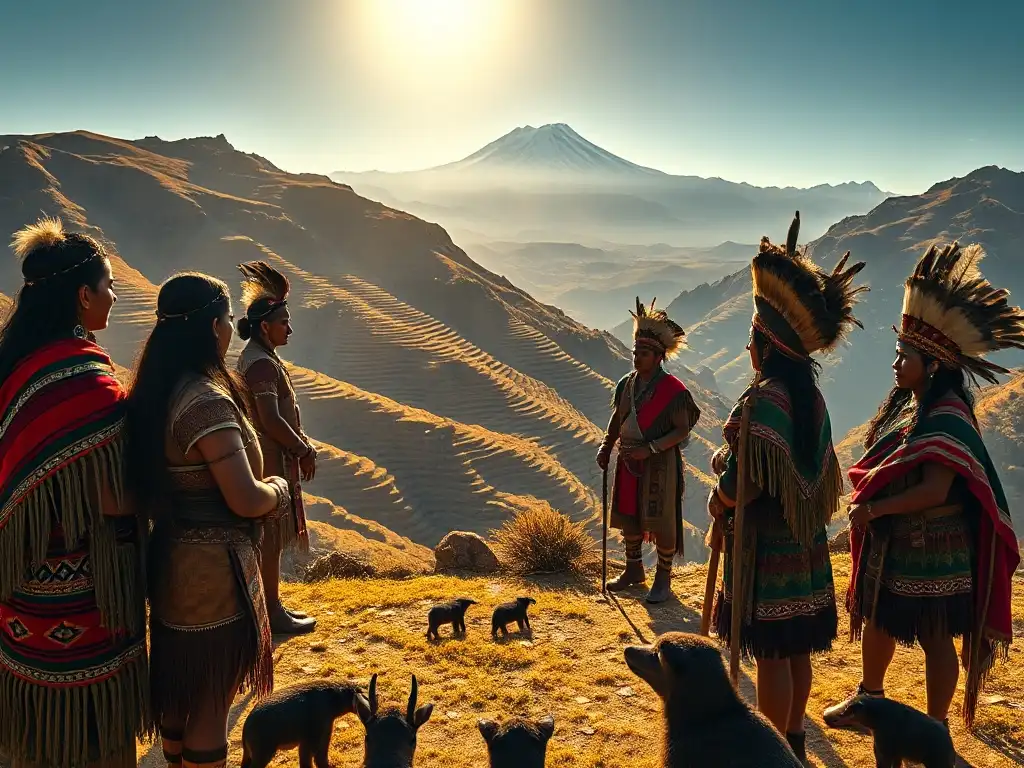
Step into a world lost to time, yet echoing with the whispers of empires past. Dive into the fascinating intricacies of Andean civilizations, where innovation thrived and majestic cultures flourished. But what truly held these vast societies together? Discover the pivotal role of the Curacas within the Inca Empire – local leaders who were far more than mere subjects. Their influence, power, and ultimately, their crucial bridge to the imperial heart, is a story waiting to be uncovered. Unravel the mysteries of their power and learn how they shaped the destiny of the Inca Empire.
-
The Role of the Curacas: Local Leaders Bridging the Gap to the Inca Empire
- Understanding the Curacas: Key Figures in Inca Governance
- The Curacas' Pre-Inca Origins: Local Authority and Power
- Inca Integration of Curacas: A Strategy for Imperial Control
- Curacas Responsibilities: Maintaining Order and Resource Management
- Curacas and the Inca Elite: Navigating Relationships and Loyalties
- The Impact of Curacas on Inca Societal Structure
- The Legacy of the Curacas: Their Enduring Influence in the Andes
- Curacas in the Inca Empire: A Synthesis of Local and Imperial Power
- Frequently Asked Questions
- Final Reflection: Echoes of Power: The Enduring Legacy of the Curacas
- Unleash the Power of Local Leadership
The Role of the Curacas: Local Leaders Bridging the Gap to the Inca Empire
The Inca Empire, a marvel of ancient engineering and administration, achieved its vast scale and longevity through a sophisticated system of governance. While the Sapa Inca held supreme authority, the effective administration of such a geographically diverse and populous empire relied heavily on a network of local leaders known as curacas. This article delves into the crucial role these individuals played, bridging the gap between imperial power and the everyday lives of the Andean communities.
We'll explore their pre-Inca origins, their responsibilities within the Inca system, and their significance in maintaining social order and facilitating economic production across the vast Inca territories. Understanding the curacas is key to understanding the true complexity and effectiveness of Inca rule, a system far more nuanced than a simple top-down hierarchy. The curacas weren't merely puppets of the Inca; they were vital agents of imperial power, wielding significant influence and authority within their respective communities, while simultaneously serving as critical links in the chain of imperial command.
This exploration will highlight the intricate balance of power and the dynamic interplay between local autonomy and centralized control that characterized Inca governance. The keyword "Curacas Inca Empire role" will be explored in depth, showcasing their critical contribution to the Empire's success.
Understanding the Curacas: Key Figures in Inca Governance
The curacas were hereditary local leaders who held significant power and influence within their ayllus (kinship-based communities). Their authority wasn't solely bestowed by the Inca; it stemmed from a combination of inherited lineage, religious standing, and their ability to effectively manage and represent their communities. The Inca administration cleverly incorporated these existing power structures, co-opting the curacas into the imperial system. This strategic approach minimized resistance and ensured smoother integration of newly conquered territories.
The responsibilities of a curaca were multifaceted and crucial to the Empire's functioning. They were responsible for:
- Tax Collection: Ensuring the timely and accurate collection of tribute, including labor ( mita ), agricultural products, and other resources, for the Inca state.
- Maintaining Order: Upholding law and order within their ayllus, resolving disputes, and ensuring the smooth functioning of community life.
- Mobilizing Labor: Organizing and directing the labor force for large-scale public works projects, such as road construction, temple building, and agricultural initiatives.
- Religious Observances: Overseeing religious ceremonies and rituals within their communities, maintaining the connection between the people and the Inca's divine authority.
- Relaying Information: Serving as a vital link in the imperial communication network, conveying imperial decrees and collecting information from the local level.
This intricate system of delegation allowed the Inca government to effectively manage its vast empire with a relatively small administrative bureaucracy. The curacas, acting as intermediaries, ensured the efficient flow of resources and information, while simultaneously maintaining a degree of local autonomy. This delicate balance was a key factor in the Empire's remarkable stability and longevity. The effectiveness of their role is a testament to the sophisticated understanding of governance displayed by the Inca.
The curacas weren't a creation of the Inca Empire; rather, they represented the continuation and adaptation of pre-existing local leadership structures. Long before the Inca expansion, various Andean societies had their own systems of local governance, with powerful leaders holding sway over their communities. These leaders, often from powerful lineages, controlled resources, organized labor, and maintained social order within their respective territories. The Inca conquest didn't simply erase these existing power structures; instead, it strategically incorporated them into its own administrative framework.
The Inca recognized the importance of these pre-existing power structures and the influence of the established curacas. By co-opting these leaders, they gained access to established networks of influence and control, minimizing resistance and facilitating the smooth integration of newly conquered territories.
This pragmatic approach highlights the Inca’s astute political strategy and their understanding of the importance of local leadership in maintaining order and ensuring the cooperation of their vast and diverse population. The continuation of the curaca system, albeit under the ultimate authority of the Sapa Inca, reflects the Inca's capacity for adapting and incorporating elements of conquered societies into their own governance system.
This nuanced approach to administration was a key factor in the Empire’s success and its ability to maintain control over such a vast and diverse territory. The legacy of the curacas serves as a compelling example of how effective governance can leverage existing power structures for the benefit of a larger, more centralized system.
Inca Integration of Curacas: A Strategy for Imperial Control
The Inca Empire's success wasn't solely based on military might; a sophisticated strategy of political integration played a crucial role. The incorporation of existing local power structures, particularly the curacas, was key to maintaining control over such a vast and diverse territory. Rather than completely dismantling pre-existing hierarchies, the Inca strategically co-opted the curacas, transforming them into vital intermediaries between the imperial administration and the local populations.
This approach minimized resistance and ensured a smoother flow of resources and manpower to the imperial center. The Inca understood the importance of local knowledge and networks; by working with the curacas, rather than against them, they effectively leveraged existing social structures to solidify their rule. This strategy also helped to prevent widespread uprisings by maintaining a sense of continuity and familiarity within local communities.
The Inca's ability to adapt their governance strategies to the specific circumstances of different regions, incorporating existing leadership structures, is a testament to their political acumen and contributes significantly to understanding the longevity and stability of their empire. The careful integration of the curacas into the imperial system stands as a remarkable example of effective imperial administration.
Curacas Responsibilities: Maintaining Order and Resource Management
The curacas, while serving the Inca Empire, retained significant responsibilities within their own communities. Their role extended far beyond mere tax collection; they were the primary maintainers of order and oversaw the efficient management of local resources. This included resolving disputes among community members, organizing communal labor projects, and ensuring the equitable distribution of resources.
Their deep understanding of local customs and traditions allowed them to effectively govern their populations, fostering a sense of stability and predictability. The Inca's reliance on the curacas for local administration highlights the pragmatic nature of their imperial governance, recognizing the limitations of centralized control over such a vast and geographically diverse empire. The curacas acted as buffers between the imperial demands and the needs of their communities, navigating the complex relationship between local autonomy and imperial authority.
This delicate balance ensured the continued cooperation of local populations, crucial to the empire's overall stability and prosperity. Their role was multifaceted, encompassing judicial, economic, and social functions, making them indispensable to the smooth functioning of the Inca state at the local level.
Local Administration: The Curaca's Role in Daily Life
The curaca's influence permeated virtually every aspect of daily life within their communities. They were responsible for organizing everything from agricultural production and irrigation systems to religious ceremonies and community celebrations. Their decisions impacted the lives of their people in profound ways, from determining land allocation to resolving disputes over property or resources. They served as judges, mediators, and community leaders, wielding considerable authority and influence.
Their intimate knowledge of their people's needs and aspirations allowed them to effectively govern, ensuring the wellbeing and prosperity of their communities. The curaca was not merely a figurehead; they were actively involved in the day-to-day governance of their communities, ensuring the smooth functioning of society. Their role was essential to maintaining social cohesion and economic stability at the local level.
Tribute Collection: Curacas as Intermediaries for the Inca
A significant aspect of the curaca's role was the collection and distribution of tribute to the Inca Empire. While the Inca demanded a substantial portion of agricultural produce, textiles, and other goods, the curacas acted as intermediaries, collecting these tributes from their communities and forwarding them to the imperial storehouses. This function required meticulous organization and careful management to ensure that the required quotas were met without causing undue hardship on the local population.
The curacas played a critical role in negotiating the balance between imperial demands and the needs of their people, ensuring the continued cooperation and support of their communities. Their ability to manage this process effectively was essential to the smooth functioning of the Inca's tribute system. The system, though demanding, was crucial to the empire's economic strength and facilitated the flow of resources to support the imperial administration and large-scale public works projects.
Labor Allocation: Managing the Mita System Through Curacas
The mita system, a form of rotational labor service, was a cornerstone of the Inca economy. The curacas played a crucial role in the implementation and management of this system within their respective communities. They were responsible for selecting individuals for mita service, ensuring that the labor demands of the Inca were met while also minimizing disruption to local agricultural cycles and other essential activities.
The curacas also acted as advocates for their people, attempting to mitigate any potential hardships or injustices arising from the mita system. Their participation in the mita system demonstrates the level of integration between local governance and imperial needs.
This intricate system, managed through the curacas, ensured the continuous flow of labor required for imperial projects, while simultaneously allowing for local autonomy in managing the selection and allocation of labor within their communities. The effectiveness of the mita system relied heavily on the cooperation and efficient management of the curacas.
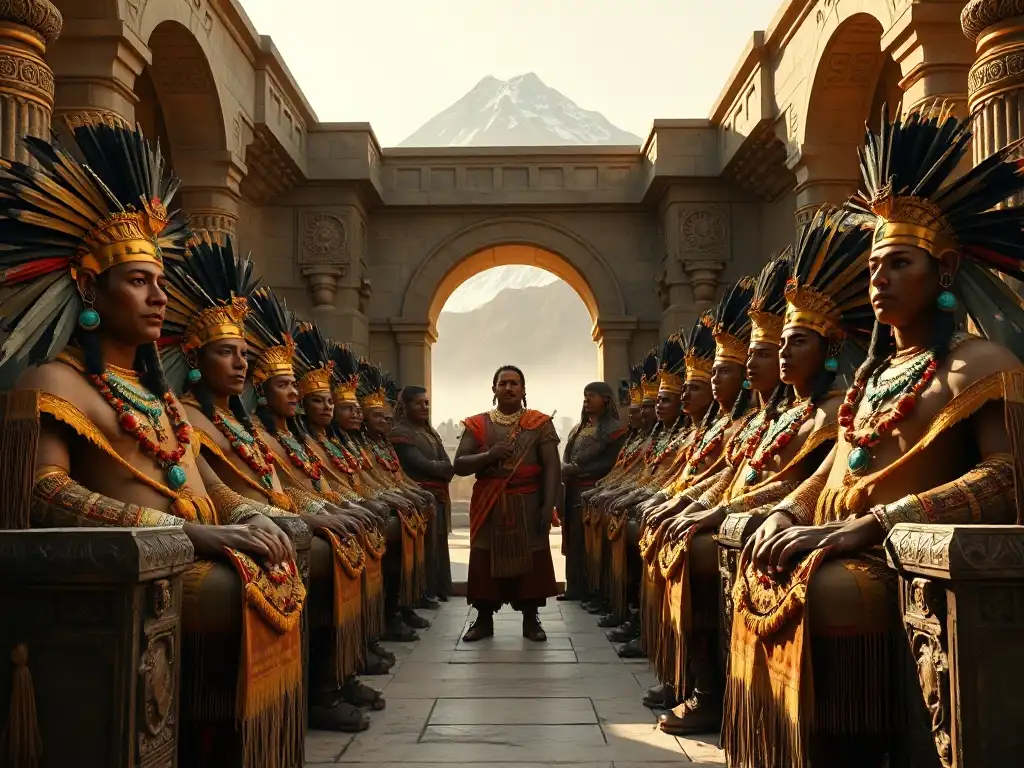
The relationship between the Curacas and the Inca elite was a complex dance of power, negotiation, and, at times, tension. While the Inca Empire exerted ultimate authority, Curacas retained significant local power, a fact that shaped their interactions with the imperial administration. The success of a Curaca often hinged on their ability to skillfully navigate this delicate balance, ensuring the loyalty of their communities while simultaneously fulfilling their obligations to the Inca.
This required a deep understanding of Inca customs and expectations, as well as the ability to effectively represent the needs and concerns of their people to the imperial court. Failure to do so could result in the loss of power, even displacement by a more compliant leader. The system wasn't static; it involved constant adjustments and recalibrations based on the personalities of individual Curacas and the shifting political landscape of the empire.
Some Curacas, through shrewd alliances and diplomatic maneuvering, managed to maintain considerable autonomy and influence, even enhancing their position within the Inca hierarchy. Others, less adept at navigating the intricacies of imperial politics, found themselves increasingly marginalized or even replaced. This dynamic interplay between local power and imperial control was a defining feature of Inca governance.
Negotiation and Diplomacy: Curacas as Bridges Between Local Communities and the Inca
Curacas acted as crucial intermediaries, facilitating communication and negotiation between the Inca administration and the local populations they governed. This role extended beyond simple translation; it involved interpreting imperial decrees and policies within the context of local customs and traditions. They were responsible for ensuring the smooth implementation of Inca laws and demands, while simultaneously advocating for the needs and interests of their communities.
This often involved delicate negotiations, balancing the demands of the empire with the concerns of their people. Successful Curacas excelled at this task, using their intimate knowledge of both Inca and local cultures to prevent conflicts and maintain stability. They acted as buffers, absorbing some of the friction that could arise between the central government and the diverse communities under Inca rule.
Their diplomatic skills were essential for maintaining order and preventing rebellions, ensuring a steady flow of resources and tribute to the empire. The effectiveness of the Curacas as mediators was paramount to the Empire's success in integrating conquered territories.
Maintaining Power: The Curacas' Dual Role as Local Authority and Inca Representative
The Curacas occupied a precarious position, simultaneously wielding local authority and serving as representatives of the Inca emperor. This dual role required a deft touch, balancing the needs of their communities with the demands of the imperial government. Their power stemmed from a combination of inherited status, local influence, and the emperor's appointment.
They were responsible for collecting tributes, organizing labor, and maintaining order within their territories. However, their authority was ultimately subject to the Inca's oversight. They had to demonstrate their loyalty to the emperor while simultaneously maintaining the support of their own people.
This often involved making difficult choices, potentially sacrificing local interests to appease the Inca or vice versa. The successful Curacas were masters of political maneuvering, adept at navigating the complexities of this double bind and maintaining their position within this delicate power structure. The constant balancing act required considerable skill and political acumen, making the role of Curaca both challenging and influential.
The Impact of Curacas on Inca Societal Structure
The Curacas played a pivotal role in shaping the social structure of the Inca Empire. Their influence extended beyond their immediate communities, impacting the broader societal dynamics of the empire. Their involvement in the administration of tribute, labor mobilization, and the implementation of Inca policies created a hierarchical structure that integrated local governance with imperial control. This integration, however, wasn't uniform, and the level of Inca control varied across different regions.
The Curacas' position within this hierarchy profoundly influenced the social stratification of Inca society, creating a system that blended local customs with imperial authority. By acting as intermediaries between the Inca elite and the common people, the Curacas ensured the smooth functioning of the empire's administrative machinery. Their actions directly affected the distribution of resources, the organization of labor, and the overall social stability of the vast Inca Empire.
Social Stratification: The Curaca's Position within Inca Society
The Curacas occupied a unique position within the Inca social hierarchy. They were not part of the Inca aristocracy but held significant power and influence within their communities. Their status was a blend of hereditary right and imperial appointment, placing them somewhere between the Inca nobility and the common people.
This intermediate position allowed them to act as a bridge, facilitating communication and mediating conflicts between the two. Their wealth and power, derived from control over local resources and labor, placed them in a privileged position, but their authority was always subject to the ultimate power of the Inca emperor. This complex interplay of power shaped their social standing, making them both influential and vulnerable.
The precise level of deference and respect they received varied depending on the region and the individual Curaca's relationship with the Inca administration. Understanding their position requires recognizing the nuances of Inca social stratification and the dynamic interplay between local and imperial power.
Cultural Influence: How Curacas Shaped Local Traditions and Customs
While the Inca Empire imposed a degree of cultural uniformity, local traditions and customs persisted, often shaped and mediated by the Curacas. They played a crucial role in integrating Inca policies with existing local practices, preventing outright cultural suppression and facilitating a more gradual process of assimilation. This involved adapting Inca decrees to the specific context of their communities, often negotiating compromises that preserved elements of local culture while ensuring compliance with imperial mandates.
In this way, the Curacas acted as cultural brokers, influencing how Inca policies were implemented and received at the local level. The enduring presence of local customs within the Inca Empire speaks to the significant influence exerted by the Curacas, who managed to maintain a degree of cultural autonomy within the framework of imperial rule.
Their role was vital in ensuring the stability and cohesion of the vast and diverse Inca Empire. The level of cultural influence varied across different regions, depending on factors such as the strength of local traditions and the effectiveness of the Curacas in mediating between local and imperial interests.
The Legacy of the Curacas: Their Enduring Influence in the Andes
The curacas, as local leaders within the vast Inca Empire, left an indelible mark on Andean society, a legacy that resonates even today. Their influence extended far beyond the purely administrative; their roles intertwined deeply with the social fabric and cultural practices of their communities. The system of governance established under the Inca, while centralized, relied heavily on the existing power structures and the authority of the curacas. This meant that the Inca strategically incorporated pre-existing hierarchies, rather than completely dismantling them. This pragmatic approach ensured a smoother transition of power and minimized potential resistance.
The enduring impact of the curacas is visible in the continued importance of local leadership structures in many Andean communities. While the formal title of "curaca" may no longer exist in the same way, the principles of community-based leadership and the respect for traditional authorities remain deeply ingrained. Many contemporary indigenous communities still recognize and value the descendants of the ancient curacas, often consulting them on matters of cultural significance and community governance.
This enduring respect speaks volumes about the powerful influence these leaders exerted during the Inca period and the lasting impact of their legacy. The deep-rooted traditions and customs perpetuated by these communities provide a tangible connection to the past and a living testament to the curacas' enduring influence. Their ability to adapt and integrate within the Inca system, while maintaining their local authority, ensured the transmission of cultural knowledge and traditions across generations.
Curacas in the Inca Empire: A Synthesis of Local and Imperial Power
The curacas’ position within the Inca Empire represented a fascinating synthesis of local and imperial power. They weren't merely puppets of the Inca emperor; they retained a significant degree of autonomy and influence within their own territories. The Inca system cleverly leveraged the existing social hierarchy, appointing curacas as intermediaries between the imperial administration and the local populace.
This decentralized yet controlled approach proved remarkably effective in managing the vast and diverse territories under Inca rule. The curacas collected taxes, organized labor (mita), and ensured the smooth flow of resources to the imperial centers. In return, they enjoyed privileges and maintained their social standing within their communities.
This delicate balance of power, however, was not without its complexities. The curacas were ultimately accountable to the Inca emperor and were subject to imperial oversight. Their authority was contingent upon their loyalty and effective governance.
Disobedience or mismanagement could result in removal from power and even punishment. This system of checks and balances ensured that the curacas remained loyal to the empire while simultaneously allowing for local governance and cultural preservation. The Inca understood the importance of maintaining local traditions and power structures to ensure stability and prevent widespread rebellion.
The relationship between the Inca and the curacas was therefore a nuanced one, a constant negotiation between local autonomy and imperial control, a delicate dance of power that shaped the political landscape of the Inca Empire. Analyzing the role of the curacas offers a crucial lens through which to understand the administrative strategies of the Inca and the complex dynamics of imperial control in the Andes. The system was not simply one of domination, but rather a sophisticated strategy of integration and control, built upon a foundation of pre-existing social structures and the authority of the curacas.
Frequently Asked Questions
What was the role of a Curaca in the Inca Empire?
Curacas were local leaders who governed provinces and communities within the Inca Empire. They acted as intermediaries between the Inca emperor and the populace, collecting taxes and maintaining order. Their power varied depending on the size and importance of their territory.
How did the Inca Empire incorporate Curacas into its system?
The Inca Empire often co-opted existing power structures, integrating Curacas into its administrative system. This ensured smoother governance and minimized resistance. Curacas maintained some autonomy but were ultimately subordinate to the Inca.
What were the responsibilities of a Curaca?
Curacas were responsible for collecting tribute, organizing labor (mita), and maintaining law and order within their territories. They also acted as conduits for information and communication between the empire and their people.
No, the authority of a Curaca varied greatly based on the size and importance of their region. Some Curacas governed large provinces with considerable power, while others ruled smaller communities with less influence. Their status was largely determined by their pre-Inca power and their loyalty to the Empire.
How did the Curaca system contribute to the Inca Empire's success?
The Inca system of using Curacas was crucial to its success. By incorporating local leaders, the empire was able to effectively govern a vast and diverse territory, minimizing rebellion and ensuring efficient administration. This decentralized approach allowed for localized governance while maintaining imperial control.
Final Reflection: Echoes of Power: The Enduring Legacy of the Curacas
The strategic role of the Curacas in the Inca Empire remains a vital lens through which we understand not only the empire's administrative prowess but also the complexities of power dynamics and cultural adaptation in pre-Columbian South America. Their influence continues to resonate today, shaping our understanding of indigenous governance and resistance in the face of imperial expansion.
The Curacas' story is one of both collaboration and subtle defiance, a constant negotiation between local autonomy and imperial demands. Their ability to navigate this precarious balance, often leveraging their existing power structures to facilitate Inca rule, underscores the nuanced nature of imperial control. Power is not merely a possession; it is a relationship, a dynamic interaction between those who wield it and those who are subject to it.
This quote highlights the intricate dance between the Inca and the Curacas, a dance that shaped the very fabric of the empire. Their legacy challenges simplistic narratives of conquest, urging us to consider the agency and resilience of indigenous populations within the imperial framework.
Consider the implications of their actions. How did their decisions impact the lives of their communities? What can we learn from their strategies of survival and resistance? You, the reader, are now invited to reflect on the enduring legacy of the Curacas and to consider how their story informs our understanding of power, governance, and the enduring strength of local cultures in the face of immense change. Let their story inspire you to examine the complexities of power dynamics in your own world, and to appreciate the enduring resilience of communities navigating the challenges of globalization and change.
Unleash the Power of Local Leadership
Thank you for exploring the fascinating role of local leaders in connecting their communities to larger political entities. Your interest in local leadership demonstrates a commitment to understanding the complex relationships that shaped Andean civilizations.
Now, let's build on this knowledge! Here are some ways to further engage with this topic:
- Delve into local history: Visit museums or cultural centers to learn about significant local figures and their impact on your region.
- Share your discoveries: Discuss this topic with friends and family interested in history; engaging in conversation can lead to new perspectives and deeper understanding.
- Participate in community events: Join local gatherings or workshops focused on indigenous leadership and cultural heritage to connect with others who share your passion.
What community leaders or historical figures inspire you to explore the rich tapestry of your own cultural heritage? Let's discuss this in the comments!